WealthPKNews

WealthPK News

Image for: Fiscal deficit shrinks to 2.6pc of GDP in FY2025-26, lowest in 22 years

Fiscal deficit shrinks to 2.6pc of GDP in FY2025-26, lowest in 22 years

ISLAMABAD   -  Pakistan’s budget deficit was recorded at Rs3.3 trillion (2.6 percent of the GDP) during the previous fiscal year, the low­est in 22 years, following an exceptionally strong primary surplus of 2.9 percent. A sum­mary of consolidated federal and provincial fiscal operations for 2025-26, released by the Fi­nance Division, showed that to­tal revenue stood at Rs19.8 tril­lion (15.6 percent of the GDP) against the total expenditure of Rs23.1 trillion (18.2 percent of the GDP) during the last fiscal year. Therefore, the country’s budget deficit was recorded at Rs3.3 billion (2.6 percent of the GDP). The primary balance posted a surplus of Rs3.6 trillion (2.9 percent of GDP).

The Nation
Image for: Large dams not helpful in stopping major floods, Senate panel told

Large dams not helpful in stopping major floods, Senate panel told

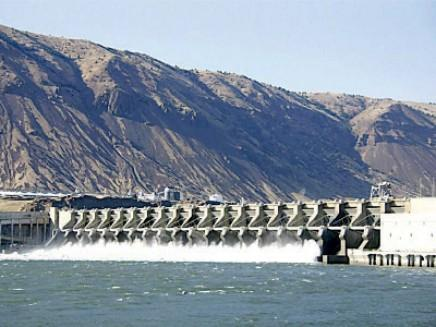
ISLAMABAD   -  A parliamentary panel was Thurs­day informed that large dams are not helpful in stopping major floods and that last year’s floods occurred due to heavy rainfall in areas downstream of dams in India. The Senate Standing Com­mittee on Water Resources was further informed that China, Aus­tralia and United States of Amer­ica have built small dams. The meeting, chaired by Senator Jam Saifullah Khan, was briefed by officials of the Ministry of Water Resources, Federal Flood Com­mission and the National Disaster Management Authority (NDMA) on Pakistan’s flood preparedness and water security challenges.


The Nation

WealthPK Reports

Image for: Fed's cautious rate outlook opens borrowing opportunities for emerging economies

Fed's cautious rate outlook opens borrowing opportunities for emerging economies

ISLAMABAD, Oct 22 (INP-Wealth Pakistan) -- Expectations of a cautious approach to further interest-rate increases by the US Federal Reserve are creating potential borrowing opportunities for emerging economies, as greater policy predictability could help stabilise capital flows, reduce financial market volatility and allow governments and businesses to plan external financing more effectively.

WealthPK Reports

Data News