
Gold steady as investors await details of US-Iran peace deal
Gold prices
Brecorder
Gold prices

Morning Breeze aims to lessen the load for its readers by curating noteworthy updates from the preceding day.

SINGAPORE: The

SINGAPORE:

Oil prices fell about 4% on Tuesday to fresh three-month lows as markets weighed prospects for a resumption of supplies through the Strait of Hormuz alongside weaker physical demand and scant details on a preliminary deal to end the Iran war.
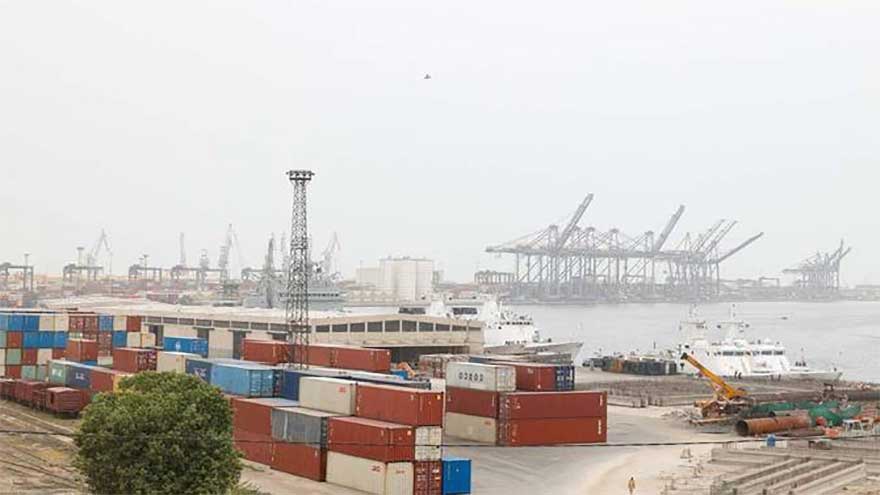
“The chairman of Karachi Port Trust stated that this historic achievement was made possible through improved shipping activity and enhanced operational performance,” the Maritime Affairs Ministry said

Jun 16, 2026
The budget makes it clear the government has continued with some of its bad habits.

HOUSTON: Oil prices slumped around $4 a barrel to a three-month low on Monday amid a broad selloff after President...
ISLAMABAD: Alibaba.com has presented AI-powered solutions to help Pakistani small and medium enterprises (SMEs)...
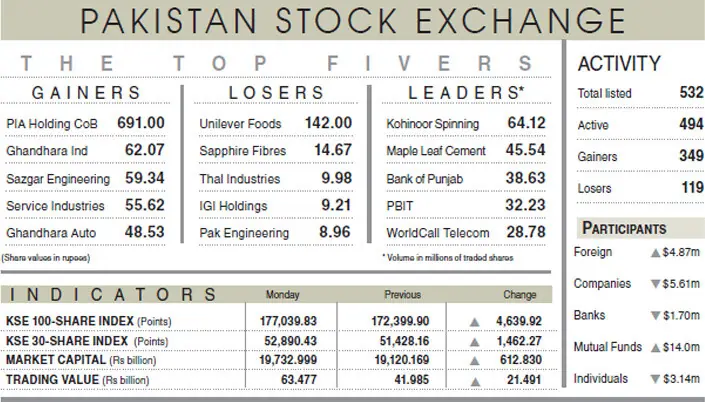
Falling oil prices and selective super tax break lift sentiment
Younus Dagha says debt servicing consumes 68.5pc of revenue
ISLAMABAD: Pakistan Customs on Monday denied disruptions to the LPG trade at the Gabd-Rimdan border after a report...
• Call for a cut in next MPC meeting to support industrial recovery • OICCI, PBC term SBP decision ‘balanced, prudent’
Finance minister asks parliament to clear supplementary grants that dwarf last year’s Rs895bn
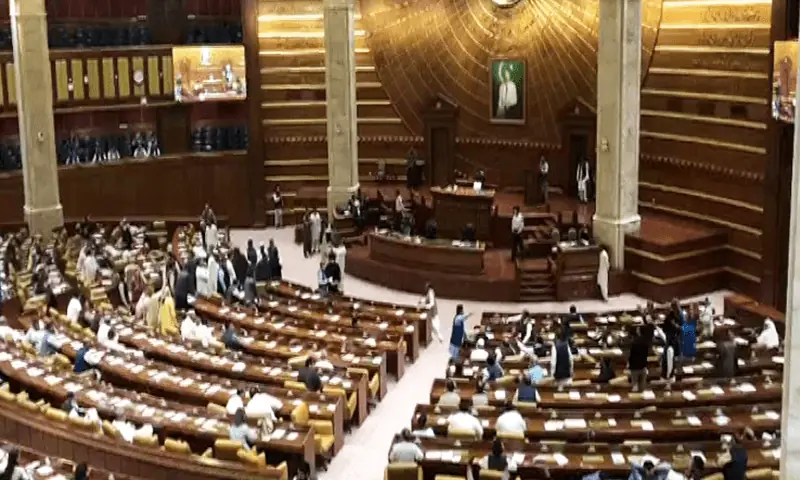
The proposed hike in salaries of Punjab government employees is expected to be in line with raise announced by the Centre; Balochistan Assembly to hold budget session tomorrow.
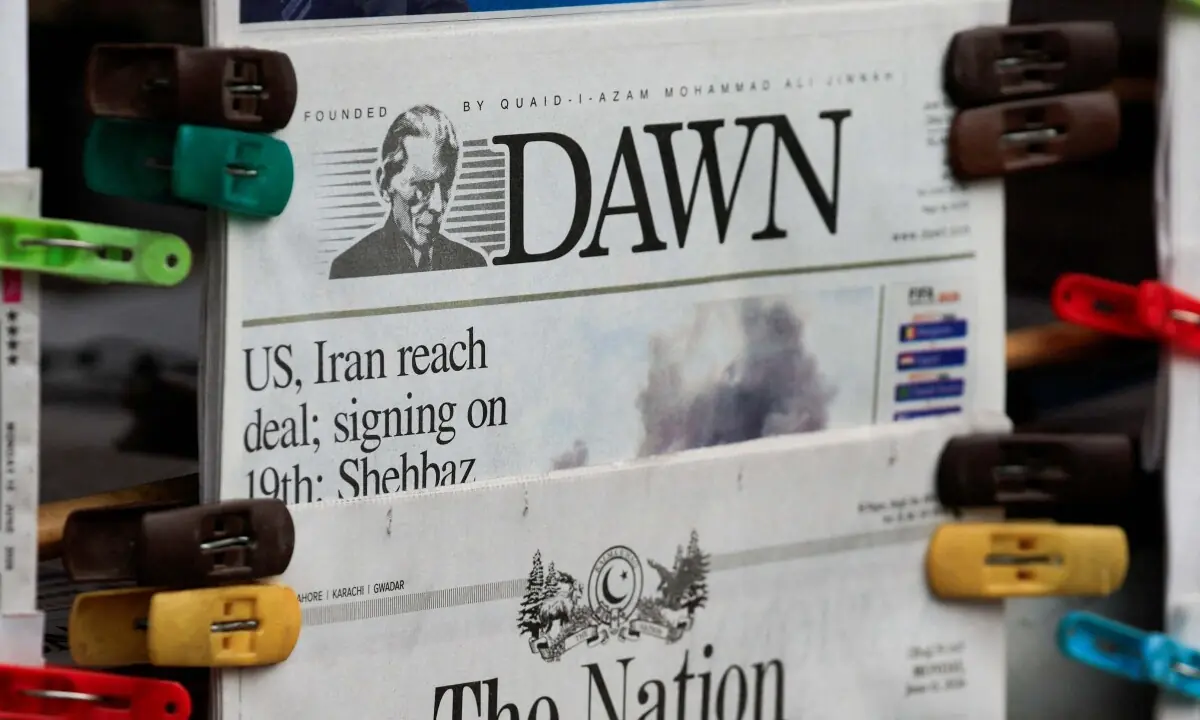
Pakistan’s slow slide back into macroeconomic decline appears halted, with the new budget offering a glimmer of hope amid renewed geopolitical stability.

Govt signals gradual end to super tax; State minister says target of bringing 3.5m retailers into tax net in one year ‘unrealistic’.

KARACHI: Experts have called for long-term policy consistency, stronger infrastructure and increased investment in research to accelerate the growth of Pakistan’s electric vehicle (EV) industry, during a webinar on the federal budget 2026-27 organised by Indus Consortium.
LAHORE: The Lahore Chamber of Commerce and Industry (LCCI) has appreciated Prime Minister Shehbaz Sharif and his economic team for presenting a balanced, business-friendly and growth-oriented Federal Budget 2026-27, describing it as a positive step towards economic stability, investment promotion and sustainable growth.
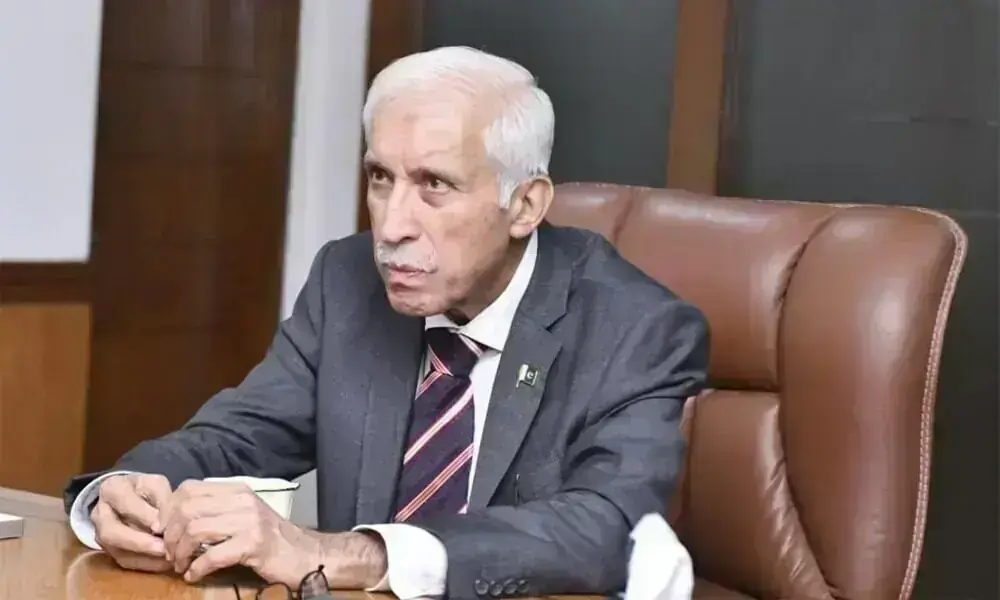
ISLAMABAD: Federal Minister for Investment Qaiser Ahmed Sheikh on Monday called for strengthening Pakistan’s business environment through investment, innovation, and export-led growth.

ISLAMABAD: Around 100,000 small shopkeepers and retailers across Pakistan will contribute Rs 25,000 each to avail the benefits of the new fixed tax scheme from July 1, 2026.
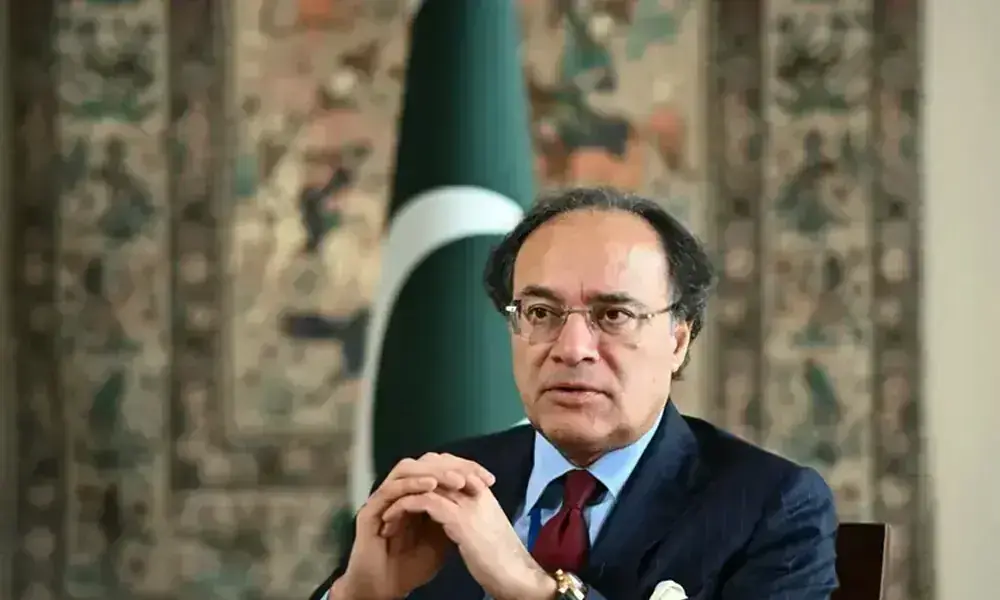
ISLAMABAD: Finance Minister Muhammad Aurangzeb on Monday acknowledged that Pakistan’s exports have remained largely stagnant over the past five years and indicated that the super tax would eventually be phased out. He warned that the existing business operating model has run its course and urged the industrial sector to adopt innovation, as the government works to create an enabling environment for export-led growth.

NEW YORK: U.S. natural gas futures hit a more than two-week low on Monday, in step with a sharp oil price drop, and as weather forecasts pointed to cooler temperatures for the rest of June.
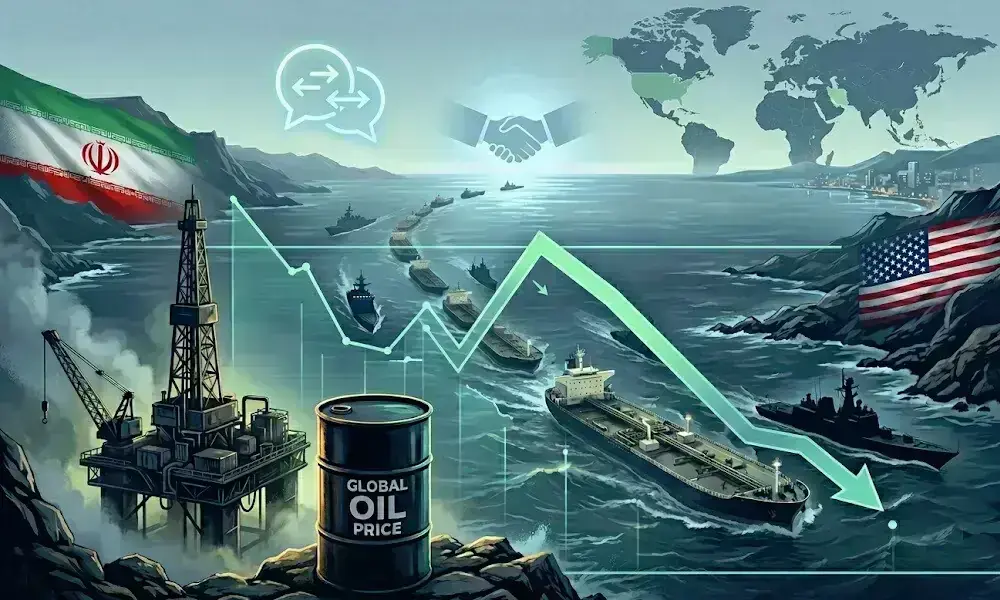
HOUSTON: Oil prices settled down USD4 a barrel to a three-month low on Monday after President Donald Trump said the United States and Iran have signed a memorandum of understanding aiming to end the Iran war and reopen the Strait of Hormuz.

ISLAMABAD: The Large Scale Manufacturing (LSM) sector recorded a growth of 6.44 percent during the July–April 2025-26 period as compared to the same period of the last year, provisional data released here on Monday by Pakistan Bureau of Statistics (PBS) said.
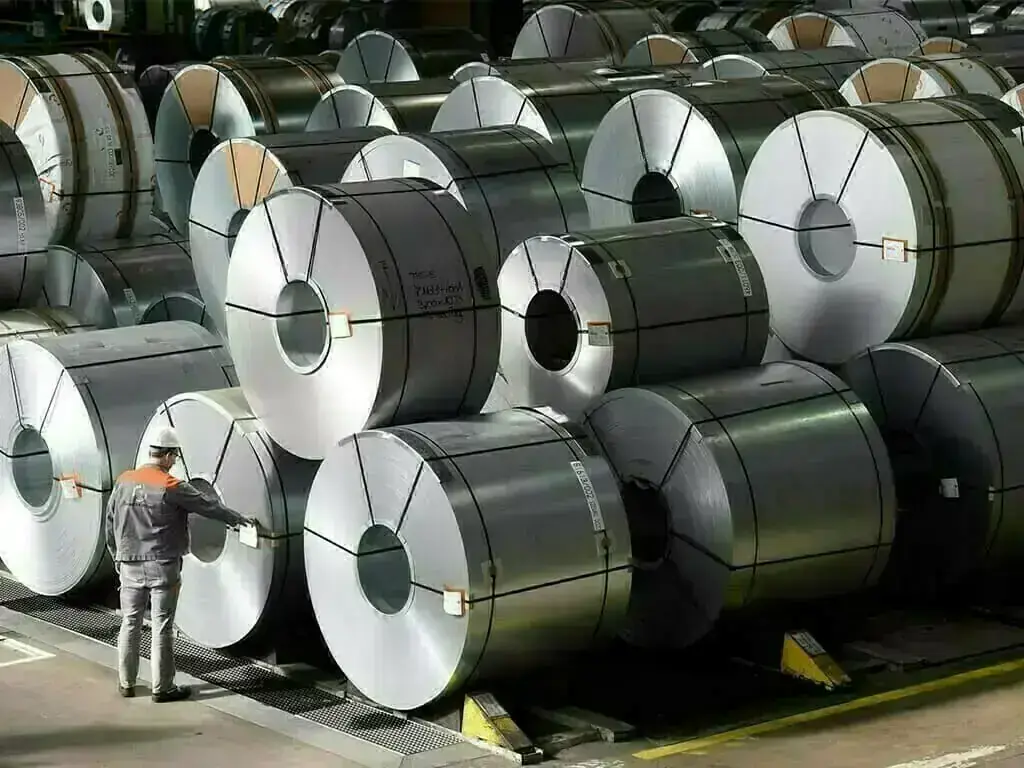
LONDON: Aluminium prices fell to their lowest level in two-and-a-half months on Monday as a U.S.-Iran framework agreement to end their war improved prospects for deliveries from Gulf producers, even though shippers were still cautious on transit through the Strait of Hormuz.
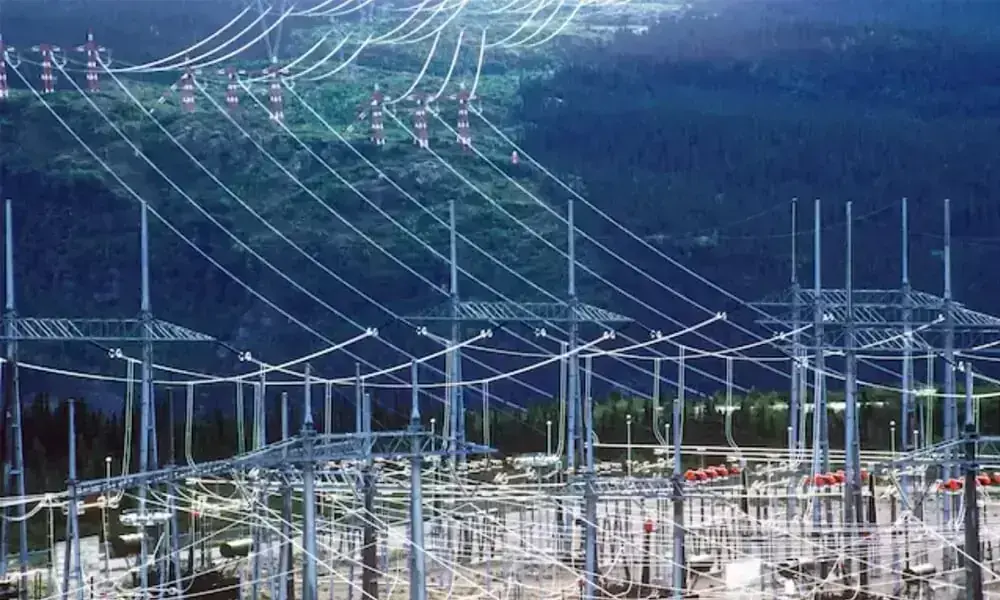
At first glance, the FY27 federal budget appears short on surprises for the power sector. The headline subsidy allocation looks largely in line with expectations. But a closer look at the Rs248 billion earmarked for the Inter-DISCO Tariff Differential Subsidy raises an obvious question. Why is it virtually unchanged from last year?
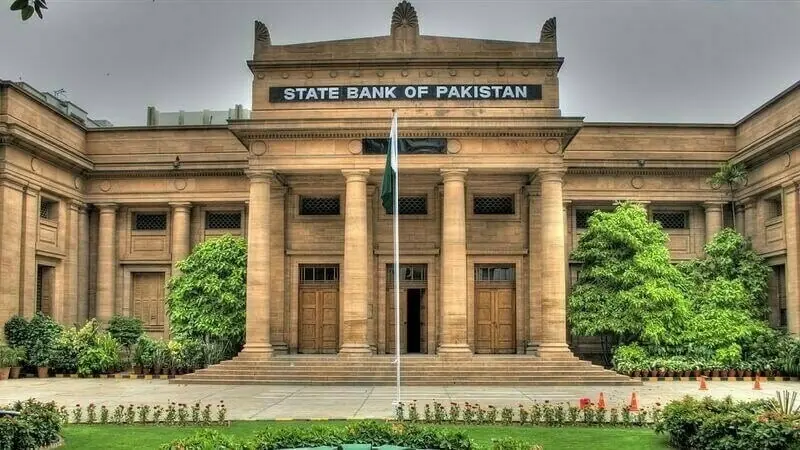
As expected, the SBP kept the policy rate unchanged at 11.5 percent. Overall, the stance is hawkish, and barring any shock—whether from energy prices or climate-related events—inflation is likely to taper off over the next few months. Analysts, and perhaps the SBP, expect inflation next year to remain between 7 and 9 percent, which is higher than the SBP’s medium-term target range of 5–7 percent. Hence, maintaining real rates of 2–3 percent is prudent.

ISLAMABAD: The Senate Standing Committee on Finance and Revenue asked the Telecom Operators’ Association (TOA) to provide written justification for its claim that reducing the advance tax on telecom services from 15 percent to 8 percent would lead to an increase in government revenue.

Jun 3, 2026
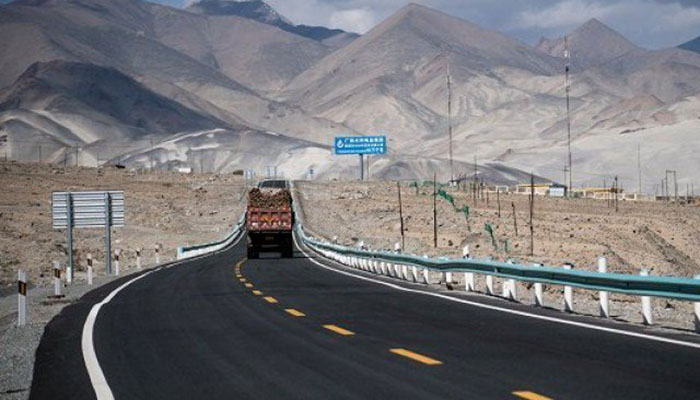
Transport infrastructure projects are set to absorb the largest share of future federal development resources, with major road and railway schemes requiring trillions of rupees for completion over the coming years.

Provincial governments are now spending significantly more on development than the federal government, highlighting the growing role of provinces in driving public-sector investment following the 18th Constitutional Amendment.

Pakistan’s Public Sector Development Programme (PSDP) is facing mounting financial pressure as the cost of completing approved projects continues to rise far beyond the resources available for development spending, prompting the Planning Ministry to warn that the programme is becoming a “new circular debt crisis.”
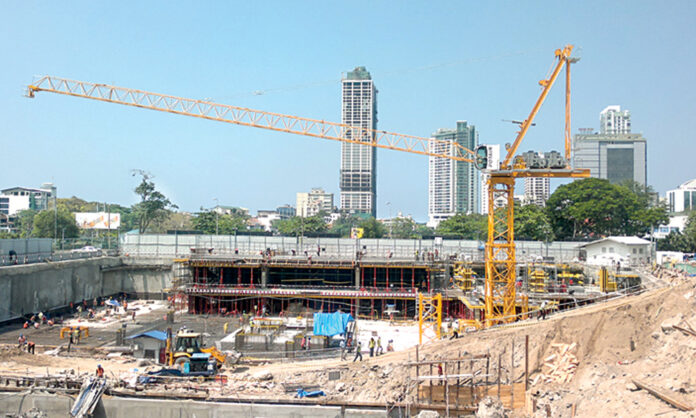
Pakistan’s development project backlog has surged to Rs10.818 trillion, highlighting the growing challenge of completing hundreds of ongoing public-sector schemes amid limited fiscal resources.

Over 9,000 incidents of diesel and electricity theft, along with prolonged power outages, disrupted Pakistan’s telecom infrastructure in the last 11 months, posing a major challenge to the sector, according to Pakistan Telecommunication Authority (PTA) documents available with Wealth Pakistan.

Pakistan's ongoing federal development projects will require about three times the resources currently available under the proposed Public Sector Development Programme (PSDP) framework for FY2026-27, according to official planning documents.
The government has introduced a new project prioritisation framework, known as the “Rockfill Strategy,” to manage mounting development commitments and ensure that limited Public Sector Development Programme (PSDP) resources are directed towards projects with the greatest strategic importance.
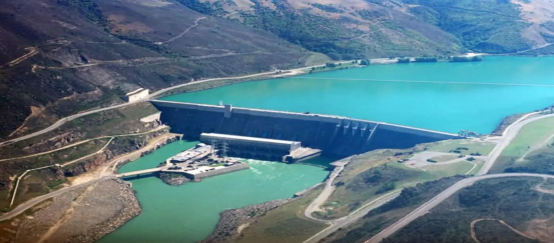
Major water-sector projects, particularly large dams and hydropower schemes, have emerged as one of the biggest contributors to Pakistan’s growing development liabilities, with financing requirements running into hundreds of billions of rupees.
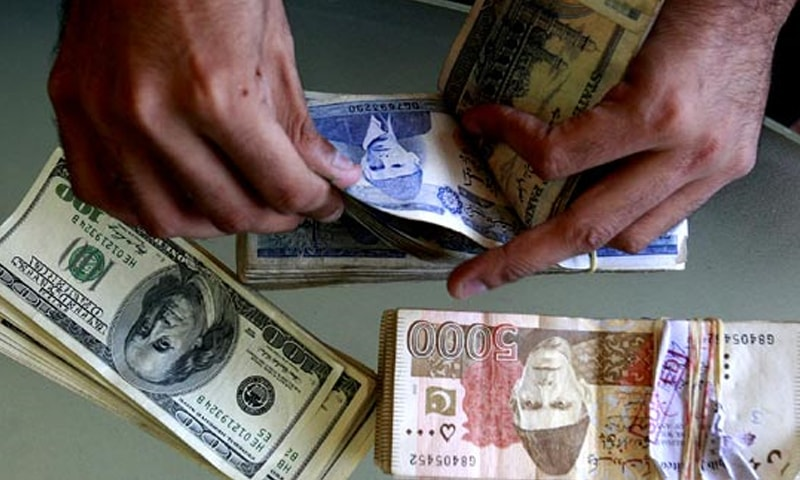
Foreign-funded development projects are placing increasing pressure on Pakistan’s public finances as the government struggles to meet growing rupee-cover requirements needed to support externally financed schemes.
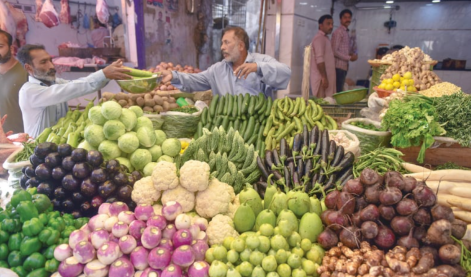
Consumers received some relief in May as prices of several key food items, particularly vegetables and poultry products, declined significantly on a month-on-month basis, according to data released by the Pakistan Bureau of Statistics (PBS).
The federal government continues to allocate significant development resources to projects falling within provincial domains despite the devolution of many sectors under the 18th Constitutional Amendment, according to official planning documents.

Pakistan's digital transformation initiatives continue to receive federal development support despite mounting fiscal pressures and growing competition for limited Public Sector Development Programme (PSDP) resources.
Pakistan’s development spending has failed to keep pace with the expansion of the federal budget and the overall economy over the past decade, raising concerns about the country’s capacity to finance infrastructure and development priorities.

Punjab's cotton crop, the backbone of Pakistan's textile industry, is showing encouraging signs as major pest infestations remain under control and no cases of Cotton Curl Leaf Virus (CCLV) have been detected so far this season, according to the latest official monitoring report.

China’s targeted approach to financing small and medium enterprises (SMEs) offers valuable experience for Pakistan as it seeks to expand affordable credit, strengthen productive sectors and enable smaller businesses to play a larger role in job creation, exports and industrial growth, experts say.

Pakistan’s exploration of blockchain-based sovereign bonds could diversify the country’s debt financing channels, attract a broader pool of investors and modernise capital-market infrastructure, provided the initiative is supported by a robust regulatory framework, strong investor protections and secure digital systems, experts say.

Balochistan is set to remain a major beneficiary of federal development spending in FY2026-27, with dedicated allocations proposed for infrastructure, connectivity and regional development projects despite growing fiscal constraints.
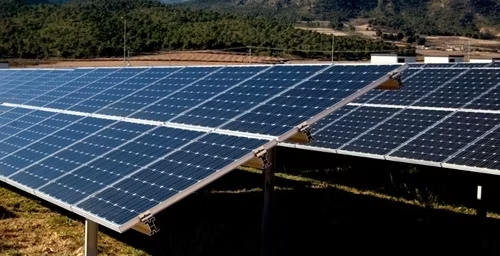
The revision of net metering to net billing will affect only three-phase commercial and industrial consumers, while 90 percent of single-phase consumers will remain unaffected, according to a media brief available with Wealth Pakistan.

Around two million single-phase electricity consumers have registered under a QR code system launched to verify subsidy eligibility, as Pakistan’s residential and agricultural power subsidy bill has reached Rs527 billion.

Jun 2, 2026
The Pakistan Stock Exchange (PSX) extended its strong upward momentum in May 2026, with the benchmark KSE-100 Index gaining 10,969 points month-on-month to close at 173,963, delivering a return of 6.7 percent amid improving investor sentiment and easing geopolitical concerns.
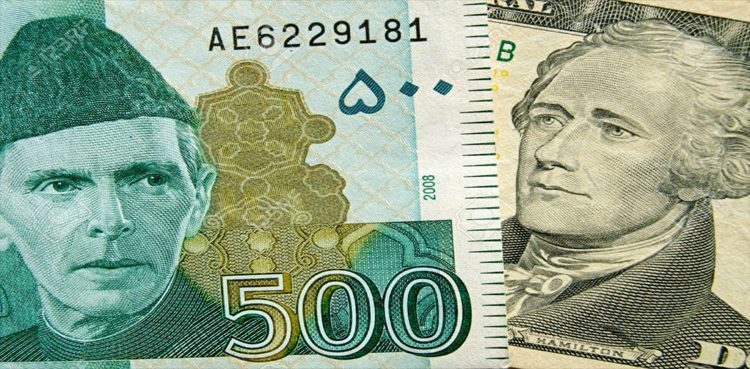
Pakistan’s liquid foreign exchange reserves rose to $22.646 billion by May 22, 2026, reflecting a notable improvement in the country’s external liquidity position and strengthening its capacity to meet external payment obligations.

In a major move, Pakistan Railways (PR) has decided to outsource its nationwide schools network under a long-term Public-Private Partnership (PPP) framework, according to documents available with Wealth Pakistan.

As supply chains across the Asia-Pacific continue to undergo a major realignment, Pakistan is increasingly positioning itself as a regional trade connector, offering alternative transit routes that can reduce delays, diversify trade corridors and enhance resilience against geopolitical and shipping disruptions.
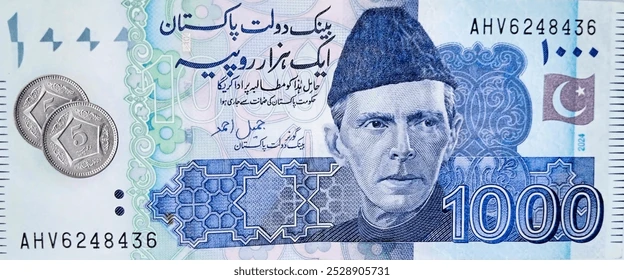
The Pakistani rupee remained broadly stable against major international currencies during May 2026, posting a modest appreciation against the US dollar amid improving foreign exchange reserves and steady market sentiment.

Oil and Gas Development Company Limited (OGDCL) has significantly accelerated the monetisation of its hydrocarbon discoveries, and its latest additions contributed around 9,734 barrels per day (BPD) of oil and 74.25 million standard cubic feet per day (MMSCFD) of gas, representing the strongest production gains during the first 10 months of the fiscal year 2025-26.

The Ministry of Energy is working on a time-of-use (ToU) electricity package for the industrial sector that would allow manufacturers to utilize surplus daytime power at significantly lower rates, as Pakistan seeks to balance a rapidly changing demand profile driven by large-scale solar adoption.
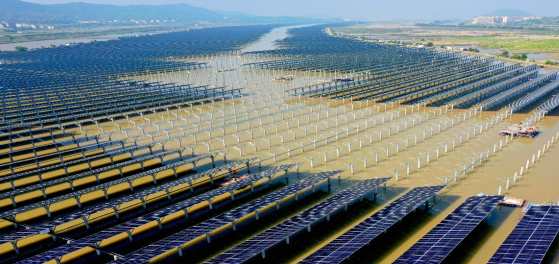
The rapid expansion of Chinese clean-tech financing and overseas green industrial investment is creating fresh opportunities for Pakistan’s Special Economic Zones (SEZs), as the country seeks to attract export-oriented manufacturing, renewable energy equipment production and electric vehicle-related industries.
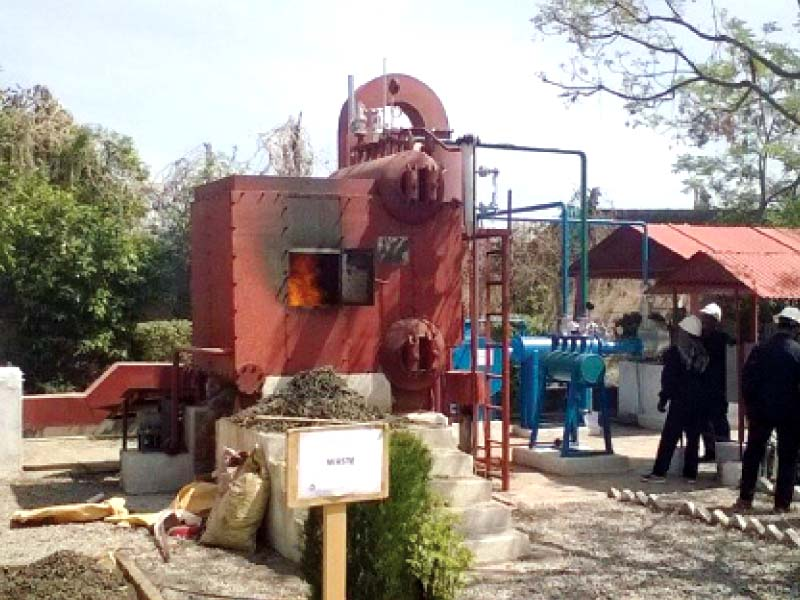
China’s waste-to-energy model offers insights for Pakistan as the country struggles with rising municipal solid waste, weak segregation systems, shrinking landfill space and an energy sector that needs cleaner and locally available generation sources.
Morning Breeze aims to lessen the load for its readers by curating noteworthy updates from the preceding day.

KARACHI: Escalation in US military attacks and Iranian retaliation pushed oil prices higher, fuelling global ...

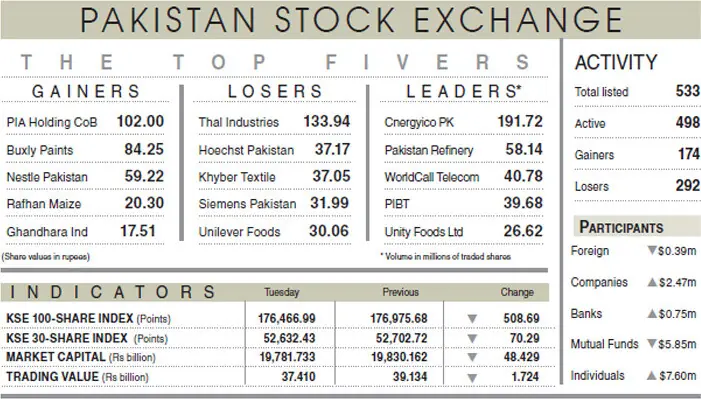
ISLAMABAD - The benchmark KSE 100-index of the Pakistan Stock Exchange (PSX) witnessed a sharp bearish trend on Wednesday, losing 1,690.40 points, a negative change of 0.96 percent, to close at 174,776.60 points against 176,466.99 points recorded in the previous trading session. The ready market witnessed a trading volume of 610.181 million shares compared to 784.466 million shares traded in the previous session, while the traded value decreased to Rs31.861 billion from Rs37.410 billion. Market capitalization declined to Rs19.581 trillion from Rs19.782 trillion recorded a day earlier. Out of 501 companies that traded in the ready market, 113 posted gains, 356 suffered losses, while 32 remained unchanged, reflecting a strong downward trend in market.

ISLAMABAD -

ISLAMABAD: The government on Wednesday announced to increase fuel prices for Thursday, September 3 following high global oil prices in the wake of rising tensions in the Middle East.
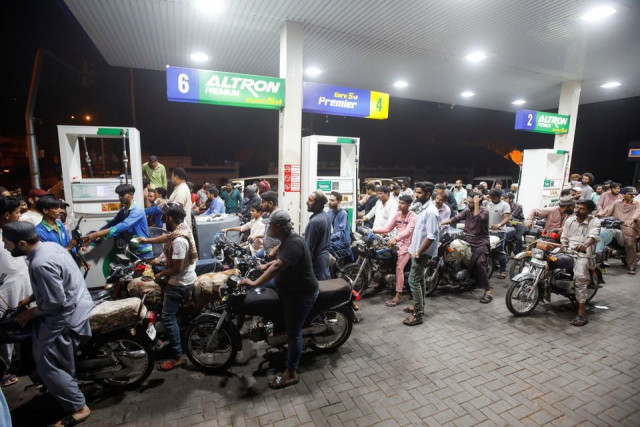
The federal government on Wednesday increased the price of petrol and high-speed diesel (HSD) by Rs2.29 and Rs1.11 per litre, respectively, for September 3.

New prices will be applicable on September 3 (Thursday).

The federal government on Wednesday increased the prices of petroleum products for the next 24 hours, effective till Thursday (September 3).
ISLAMABAD, Sep 2 (APP):The benchmark KSE-100 Index of the Pakistan Stock Exchange (PSX) witnessed a sharp bearish trend on Wednesday, losing 1,690.40 points, a negative change of 0.96 percent, to close at 174,776.60 points against 176,466.99 points recorded in the previous trading session.
The benchmark KSE-100 Index of the Pakistan Stock Exchange (PSX) witnessed a sharp bearish trend on Wednesday, losing 1,690.40 points, a negative change of 0.96 percent, to close at 174,776.60 points against 176,466.99 points recorded in the previous trading session.The ready market witnessed a trad ..

Pakistan Stock Exchange ended sharply lower as the KSE-100 Index lost 1,690 points to close at 174,776, with 356 listed companies recording declines.

The Pakistani rupee extended its marginal gains against the US dollar on Wednesday.

Gold prices fell for the fifth consecutive day in Pakistan, with 24-karat gold dropping Rs11,300 per tola to Rs454,036, while international gold declined $113 to $4,315 per ounce.

Benchmark sheds over 1,600 points and falls as low as 174,701; selling hits banks, cement, energy and automobile stocks

Gold prices in Pakistan decreased on Wednesday in line with their loss in the international market. In the local market, gold price per tola reached Rs454,036 after a decline of Rs11,300 during the day.
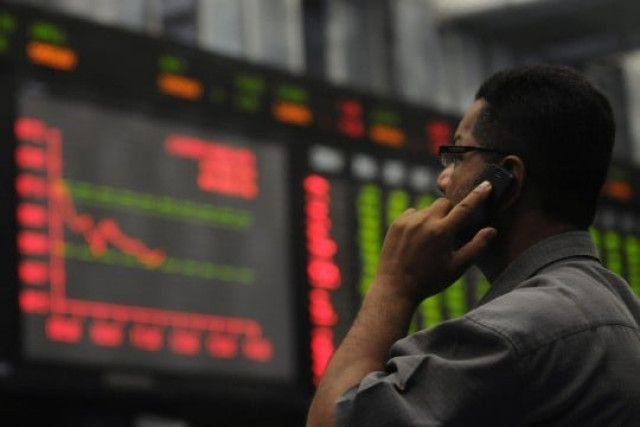
Pakistan’s stock market came under fresh selling pressure on Wednesday as renewed
CURRENCY SELLING BUYING USD 279.24 276.24GBP 377.05 372.61EUR 323.36 319.48 JPY 1.7432 1.7226 SAR 74.38 73.50 AED 76.04 ..
The Exchange Rates Committee of Financial Markets Association of Pakistan issued the following exchange rates bulletin, here on Wednesday. CONVERSION RATES FOR September,01, 2026 FOR FOREIGN CURRENCY FOR FORWARD COVER FOR DEPOSITS (EXCLUDING FE-25 DE ..

Gold prices in Pakistan declined on Tuesday in line with losses in the international market, where bullion reversed course after traders raised bets on a US rate hike.

Foreign exchange rates in Pakistan for today, September 02, 2026
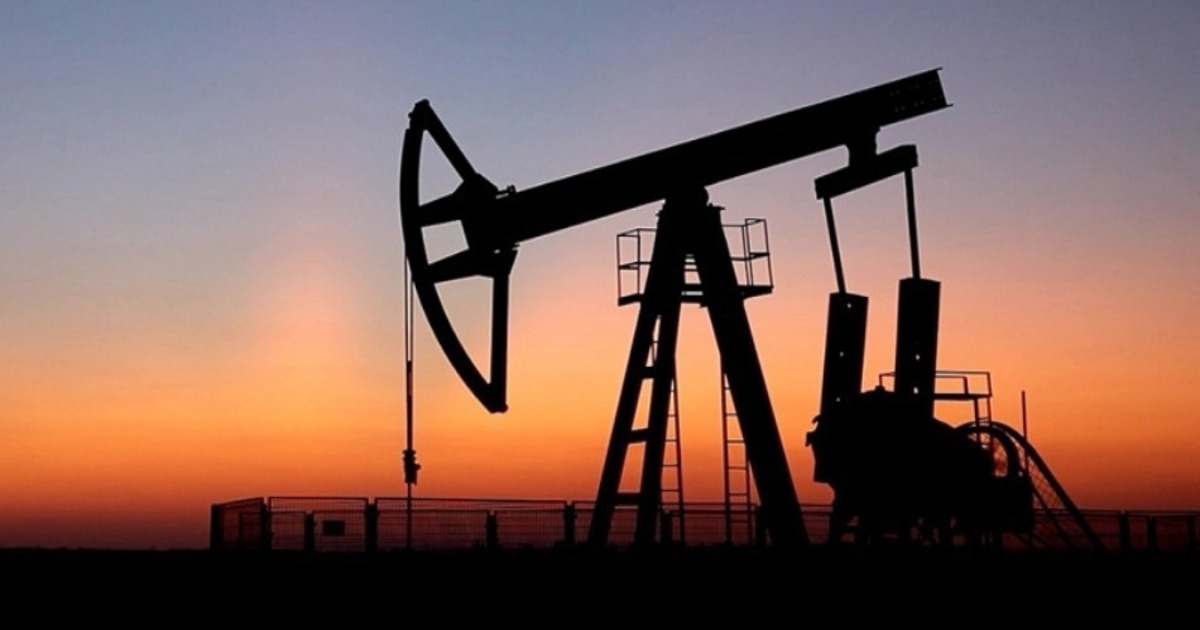
Sales volumes of petroleum products by oil marketing companies (OMCs) fell 3% year-on-year to 1.26 million tons in August 2026, from 1.30 million tons in

PSX fell 1,289 points to 175,177.56 as US-Iran tensions fueled a bearish trend, while rising oil prices and global market losses added to investor concerns.

Selling pressure was observed at the Pakistan Stock Exchange (PSX) as concerns over supply disruption intensified after the US and Iran exchanged strikes overnight, with the benchmark KSE-100 Index shedding nearly 1,300 points during the opening minutes of trading on Wednesday.

Inflation surged to 11.2% in August, returning to double digits just after one month, driven by the government's policy to fully recover fuel costs and taxes from consumers coupled with provincial failures in ensuring wheat supplies that contributed to higher food prices in the country.

Silver price in Pakistan for today, September 02, 2026

Central bank purchases slightly exceed last year’s $7.2 billion as May buying falls to $154 million, lowest since January 2025

Food, fuel costs put pressure on household budgets
KARACHI: The Pakistan Stock Exchange (PSX) on Tuesday extended its southward move as rising oil prices, a...
KARACHI: Urea sales declined 14 per cent year-on-year but rose 21pc month-on-month to 702,000 tonnes in August. In...
ISLAMABAD - Pakistan’s inflation rate has once again entered into double digits, 11.1 percent in August, after easing in July this year. The monthly inflation rate, measured through Consumer Price Indicator (CPI), was recorded at 11.1 percent during August 2026, according to the latest data of Pakistan Bureau of Statistics (PBS). The inflation rate had eased in July by reaching 9.2 percent after continuously increasing in previous months, as it was recorded at 11.1 percent in June, 11.7 percent in May, 10.9 percent in April and 7.3 percent in March. On a month-on-month basis, it remained unchanged at 1.2 percent in August as compared to the previous month and witnessed a decrease of 0.6 percent in August 2025.