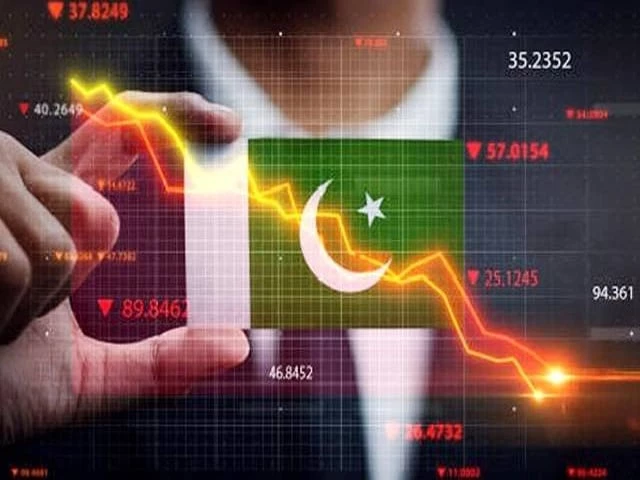
Is the economy lagging behind?
A great power rests on three pillars: military, diplomacy and economy. Pakistan has achieved many milestones on the military and diplomatic fronts. Two recent events further reinforced our strength.
Tribune
A great power rests on three pillars: military, diplomacy and economy. Pakistan has achieved many milestones on the military and diplomatic fronts. Two recent events further reinforced our strength.
The International Monetary Fund (IMF), being the lender of last resort for countries in balance-of-payments crisis or in danger of default, almost always ties its bailouts to excessive austerity measures. Its loans are tied, to use IMF jargon, to "structural adjustment programmes" and "conditionality". These programmes centre on raising taxes and/or spurring tax rate reductions, balancing the budget at all costs, devaluing the currency and increasing interest rates. Such anti-growth policies, delivered in line with IMF diktat, have been shown in the majority of cases to have actually increased the country's dependence on the IMF over time. Just think of what has happened in Argentina, Pakistan, Ecuador, Egypt or Ghana.
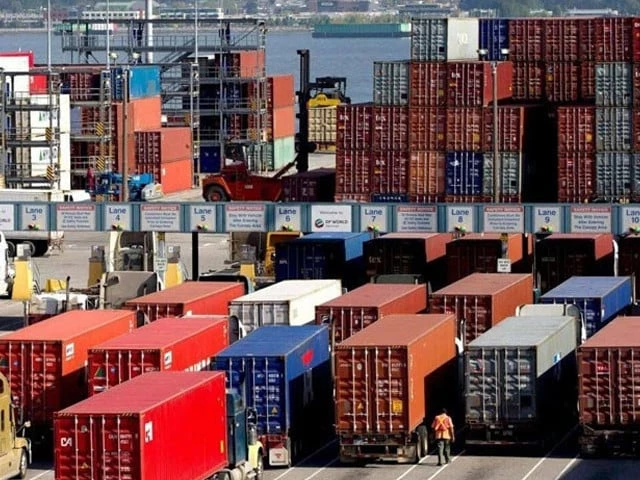
The current fiscal year has been marked by significant strain on the external account, driven in large part by the US-Iran conflict and its spillovers into capital flows and sovereign spreads. With peace now expected to return to the region, policymakers' attention should turn to the domestic constraints that continue to hold exports back. On a cumulative basis, the current account posted a modest surplus of $72 million in the first nine months of FY26, before slipping into a single-month deficit of $276 million in April and then rebounding to a surplus of $459 million in May 2026. This left a cumulative surplus of $255 million over the first 11 months (July-May), but much lower in comparison to the roughly $1.6 billion surplus recorded in the same period a year earlier. For context, the previous fiscal year closed with a current account surplus of $1.8 billion.
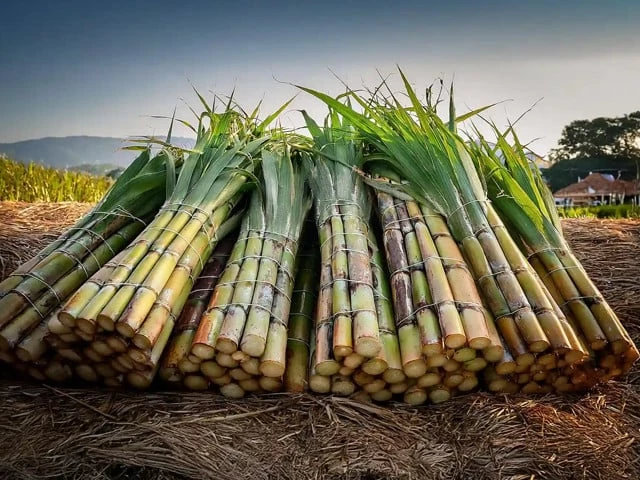
Pakistan's agriculture is facing a crisis that is neither sudden nor mysterious. It is the predictable result of a long-standing mismatch between what the country grows and what its climate, soils and water resources can realistically support. For decades, Pakistan's crop choices were shaped by a world of abundant canal flows, stable weather and a political economy that rewarded acreage rather than efficiency. That world is gone. Yet our cropping patterns remain frozen in time, even as the climate around us changes at a pace our policies refuse to acknowledge.
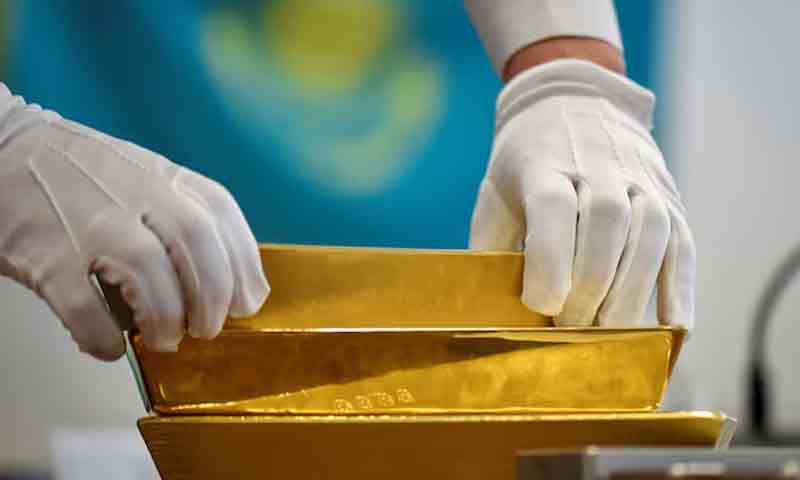
Gold prices recovered as oil fell following progress in US-Iran talks. Geopolitical optimism supported bullion, while expectations of higher US interest rates capped gains.

Muhammad Ali Tabba, CEO of Lucky Cement and Chairman of Lucky Group, has urged policymakers to adopt a pragmatic approach in Pakistan's upcoming auto poli
Khyber Pakhtunkhwa presents a Rs121.74bn supplementary budget for current and development spending. Read details and key allocations.

Pakistan and Qatar have outlined significant progress in high-level negotiations between the United States and Iran, with the parties agreeing on a roadma
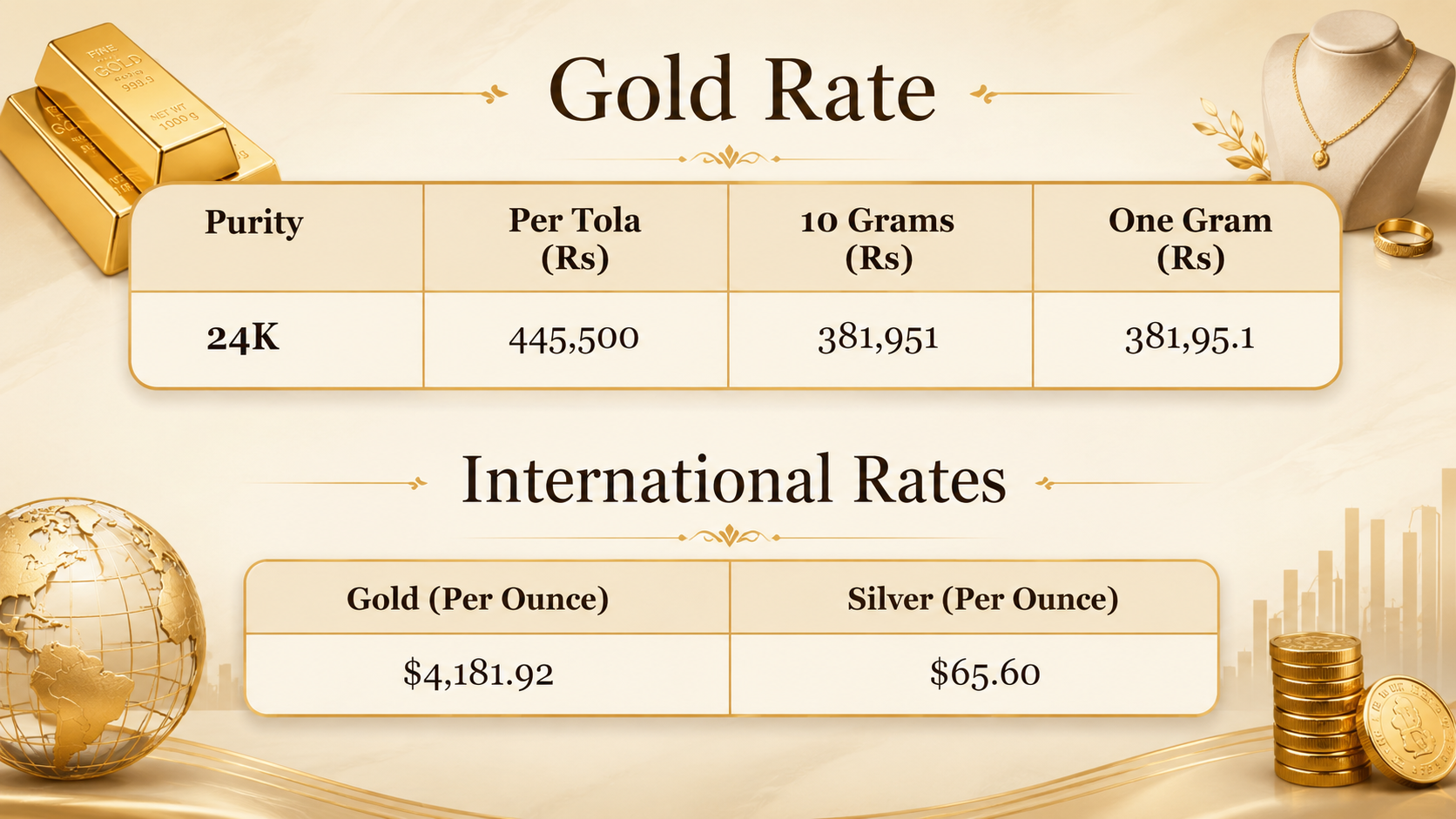
Check today’s gold price in Pakistan for June 22, 2026 across major city Sarafa markets. View updated rates now!
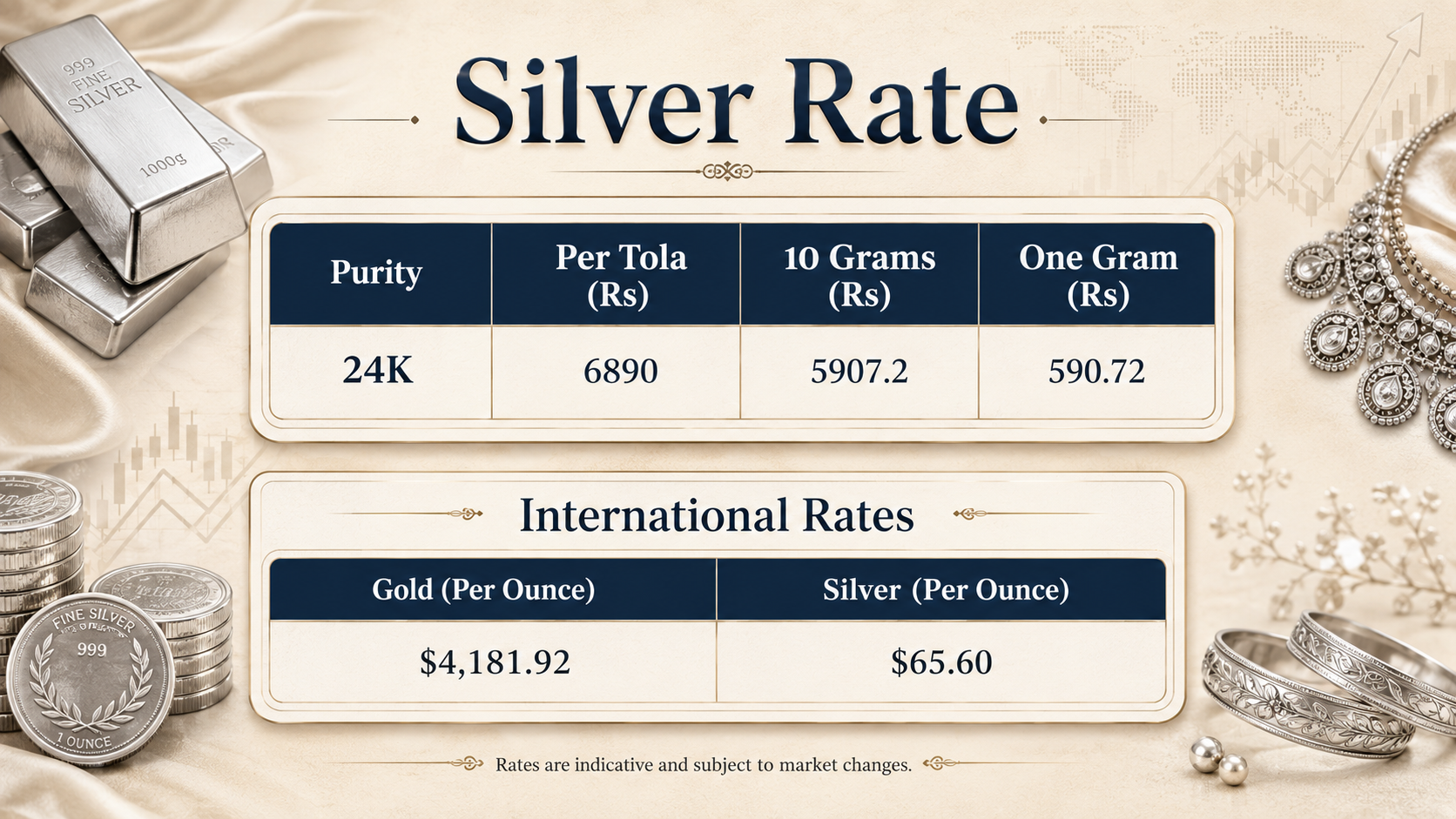
Check today’s silver price in Pakistan for June 22, 2026. Track city-wise Sarafa market rates and get the latest updates now.

Prime Minister Shehbaz Sharif orders a high-level panel to review the Telecommunication Reorganisation (Amendment) Bill. Get the latest updates.

FBR hints at reducing 20% regulatory duty on imported mobile phones priced up to $200. Get latest tax details and proposals now.
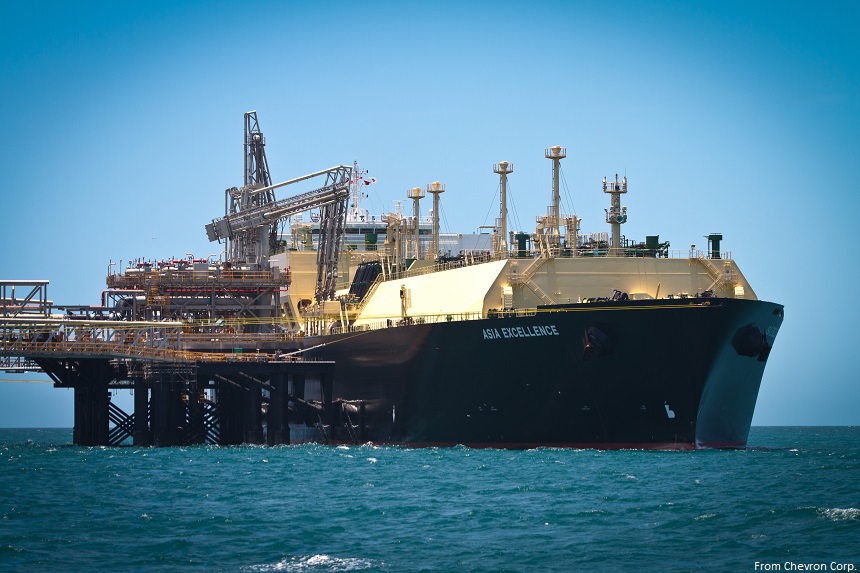
Pakistan received its seventh LNG cargo since Iran-US tensions escalated. Authorities keep supplies steady—read more on the latest delivery.
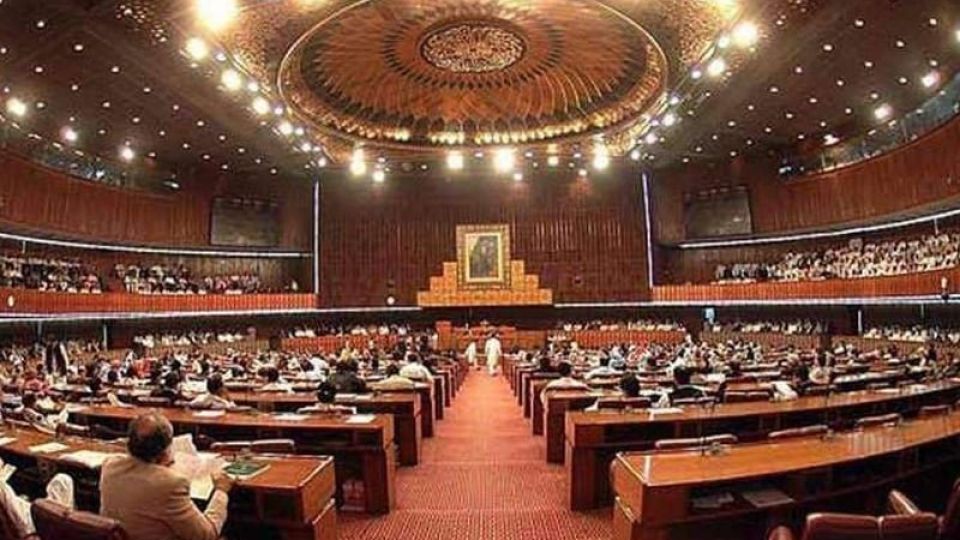
National Assembly clears Rs4.40 trillion grants for 2026-27, including nearly Rs3 trillion for defence. Next: federal budget passage—read more.

Select Technologies’ IPO book-building starts June 22. Company targets Rs2.5–Rs3.7bn and plans a new Lahore air-conditioner plant. Apply now.

Morning Breeze aims to lessen the load for its readers by curating noteworthy updates from the preceding day.
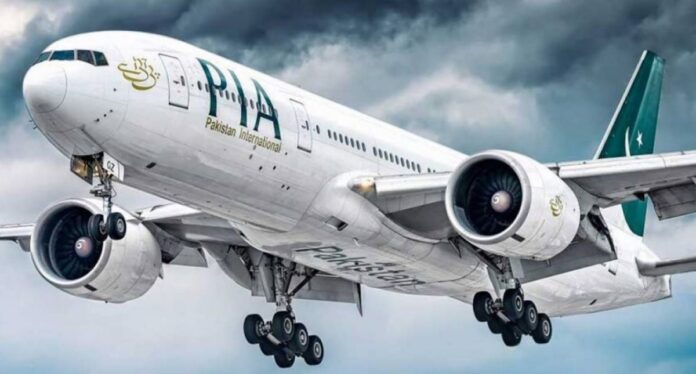
Pakistan aims to hand over PIA to new owners by end-June after remaining codal formalities. Read about the deal details and transfer process.
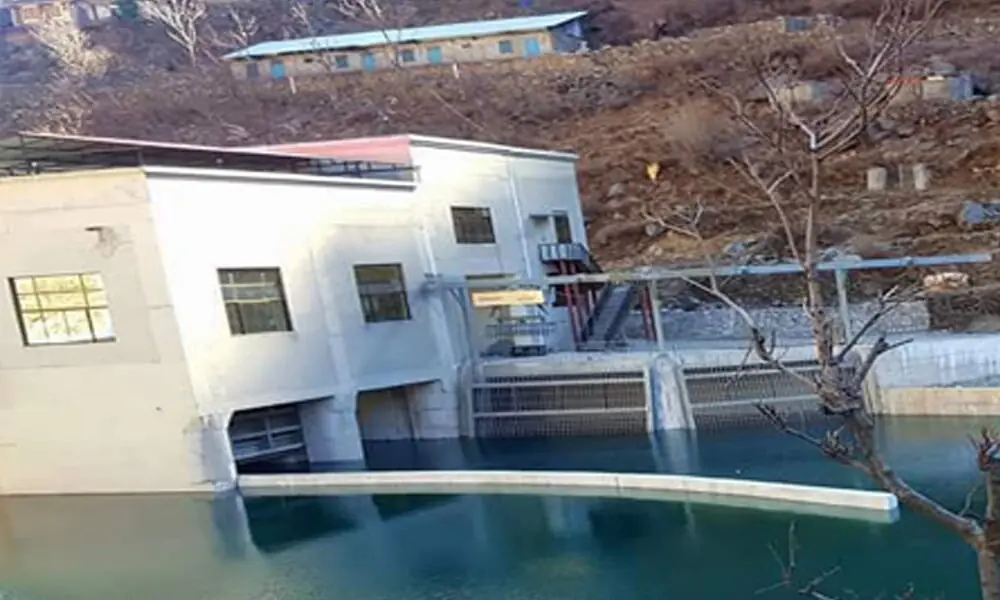
PESHAWAR: Chief Executive Officer (CEO) Provincial Energy Development Organization (PEDO) Engineer Anwar-ul-Haq has said that construction work on several hydropower projects have entered the final stages of completion.

Indian shares
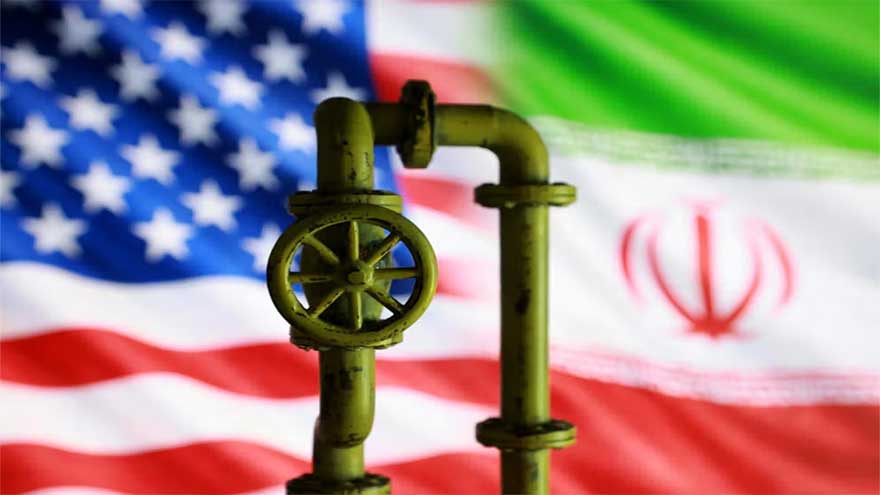
The market reaction came after mediators Qatar and Pakistan announced encouraging progress following nearly 18 hours of talks between US and Iranian negotiators.

SINGAPORE:

BENGALURU/LONDON: Oil prices dropped on Monday after U.S. Vice President JD Vance said progress has been made in talks with Iran and that the Strait of Hormuz was open.

SYDNEY:
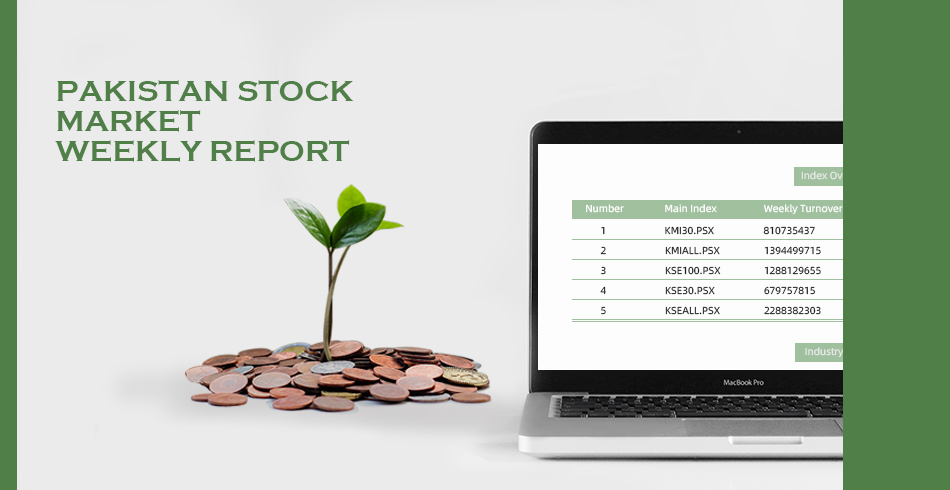
Weekly Review of Stock Market (2026.06.15-2026.06.19)
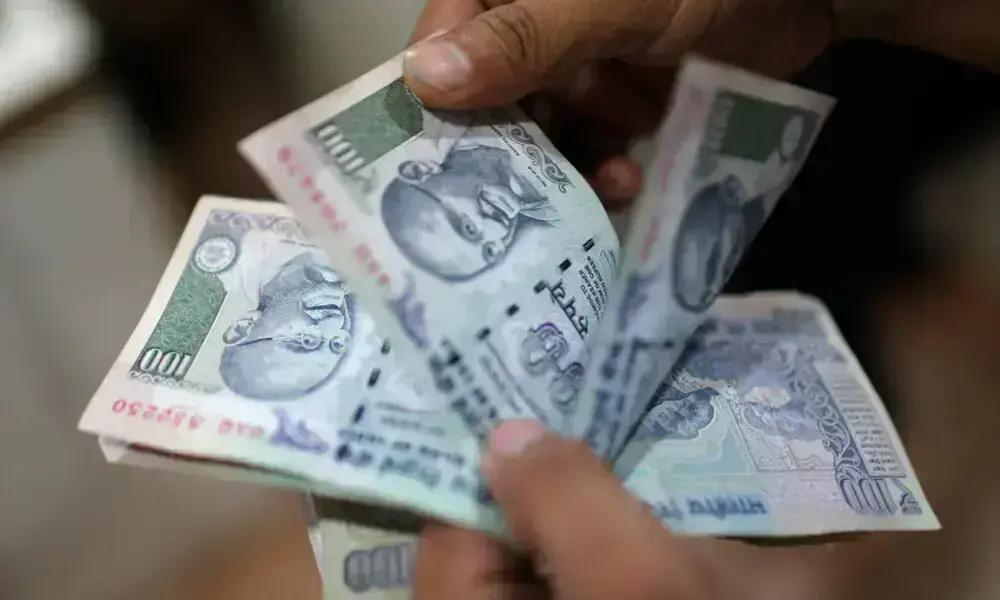
MUMBAI: The

Data-based fast fashion

Pakistan needs to align national effort behind sectors where it holds a genuine comparative advantage
There has been a structural shift in what Hormuz passage means — commercially, legally and operationally
By the end of 2025, some 300,000 e-books were released each month on Amazon, up from around 100,000 before the ...
The AI boom has minted vast fortunes, with Jensen Huang’s stake of nearly 4pc in Nvidia, the chipmaker he...

Sep 4, 2026
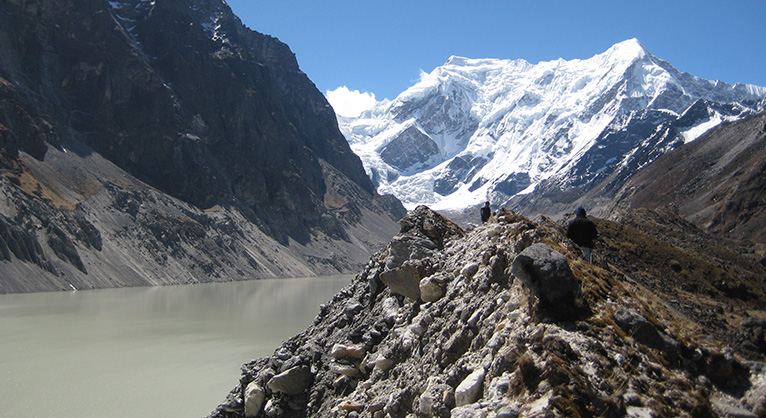
ISLAMABAD, Sept. 04 (INP-Wealth Pakistan) -- Himalayan countries need stronger links between their national early-warning systems as glaciers, rivers and cascading mountain hazards cross political boundaries, experts say, stressing that improved monitoring must be matched by faster cross-border data exchange and effective last-mile communication.
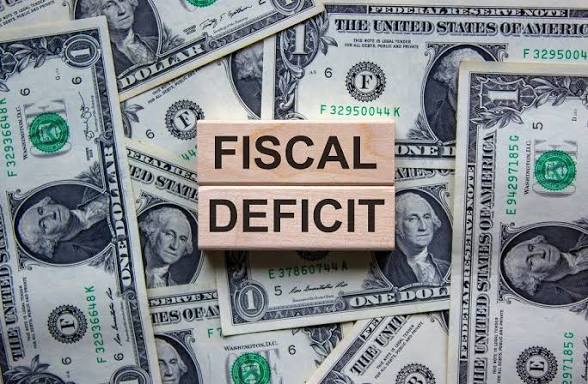
ISLAMABAD, Sept. 03 (INP-Wealth Pakistan) -- Pakistan's fiscal deficit narrowed sharply to 2.6% of GDP in FY2026, the lowest level in more than two decades, as revenues increased, expenditures declined and lower markup payments eased pressure on public finances.
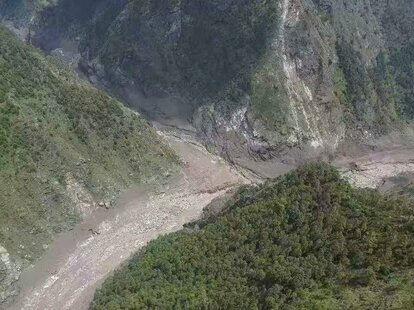
ISLAMABAD, Sept. 04 (INP-Wealth Pakistan) -- A deadly ice-rock avalanche that unleashed catastrophic flooding along the Nepal-China border has highlighted growing concerns over increasingly complex hazards across the rapidly warming Himalayan region, with experts calling for stronger cross-border monitoring and early-warning systems.
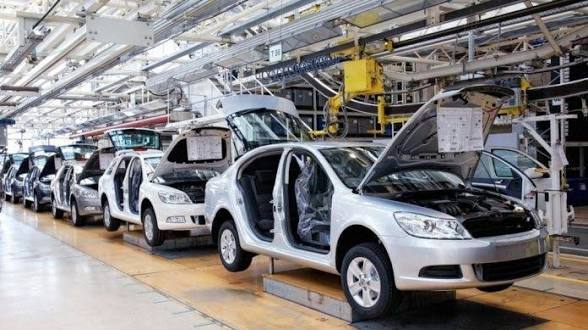
ISLAMABAD, Sept. 03 (INP-Wealth Pakistan) -- Pakistan's automobile industry recorded strong production growth in July 2026, with output of trucks and buses more than doubling and car production rising over 75%, extending the momentum of a broader recovery in large-scale manufacturing.
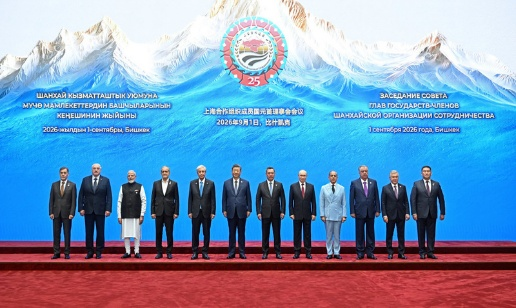
ISLAMABAD, Sept. 03 (INP-Wealth Pakistan) -- Pakistan's assumption of the Shanghai Cooperation Organisation's Council of Heads of State chairmanship for 2026-27 has brought regional connectivity and Afghan stability into sharper focus as Islamabad prepares to lead the grouping over the coming year and host its next summit in 2027.

ISLAMABAD, Sept. 03 (INP-Wealth Pakistan) -- Pakistan's imports of agricultural machinery and implements increased 25.9% in July 2026, while agricultural credit disbursement grew nearly 25% in FY2026, indicating increased financing and investment in farm mechanisation despite emerging climate risks and lower use of DAP fertiliser.

ISLAMABAD, Sept. 03 (INP-Wealth Pakistan) -- Pakistan's information technology exports surged 17.8% year on year to $417 million in July 2026, the first month of FY2027, extending the technology sector's export momentum after record earnings of around $4.6 billion in FY2026.
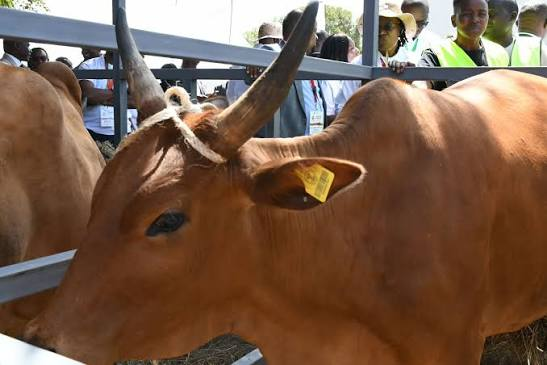
ISLAMABAD, Sept. 03 (INP-Wealth Pakistan) – The government has been urged to develop an end-to-end digital livestock traceability system covering animal identification, movement, vaccination and disease surveillance to strengthen food safety, disease control and compliance with international export requirements.
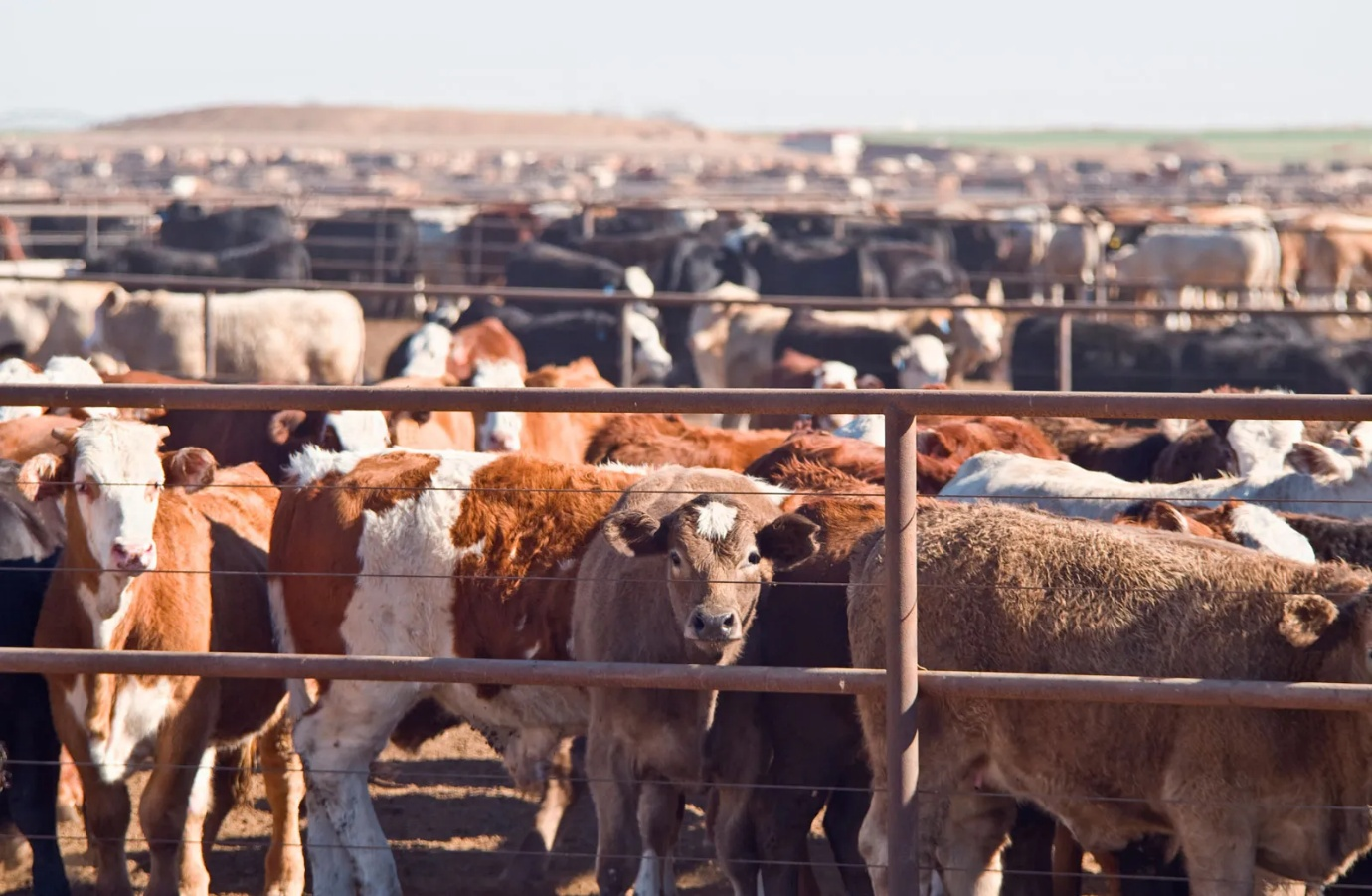
ISLAMABAD, Sept. 03 (INP-Wealth Pakistan) -- The government has been urged to develop integrated livestock clusters—combining meat, dairy, and poultry production with processing plants, laboratories, cold chains and logistics. This initiative aims to boost exports to key markets, including the Gulf Cooperation Council (GCC), China, Malaysia, and Central Asia.

ISLAMABAD, Sept. 03 (INP-Wealth Pakistan) -- The Federal Board of Revenue (FBR) has made its Compliance Risk Management (CRM) System mandatory for initiating new income tax assessments from September 1, 2026, to ensure greater transparency, consistency and objectivity in the selection of tax cases.
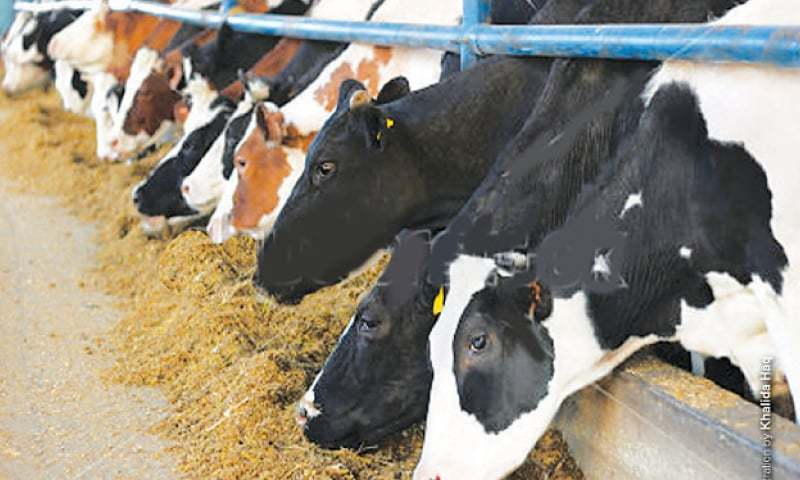
ISLAMABAD, Sept. 03 (INP-Wealth Pakistan) -- The government has been urged to shift towards a private sector-led livestock development model, with businesses taking the lead in investment, production, processing, innovation and exports while the government focuses on policy, regulation, standards and market facilitation.

ISLAMABAD, Sept. 03 (INP-Wealth Pakistan) -- New company registrations in Pakistan jumped 33.8% in July 2026, with 5,438 companies incorporated during the month compared with 4,065 in the same period last year, indicating a strong increase in new business formation at the start of FY2027.
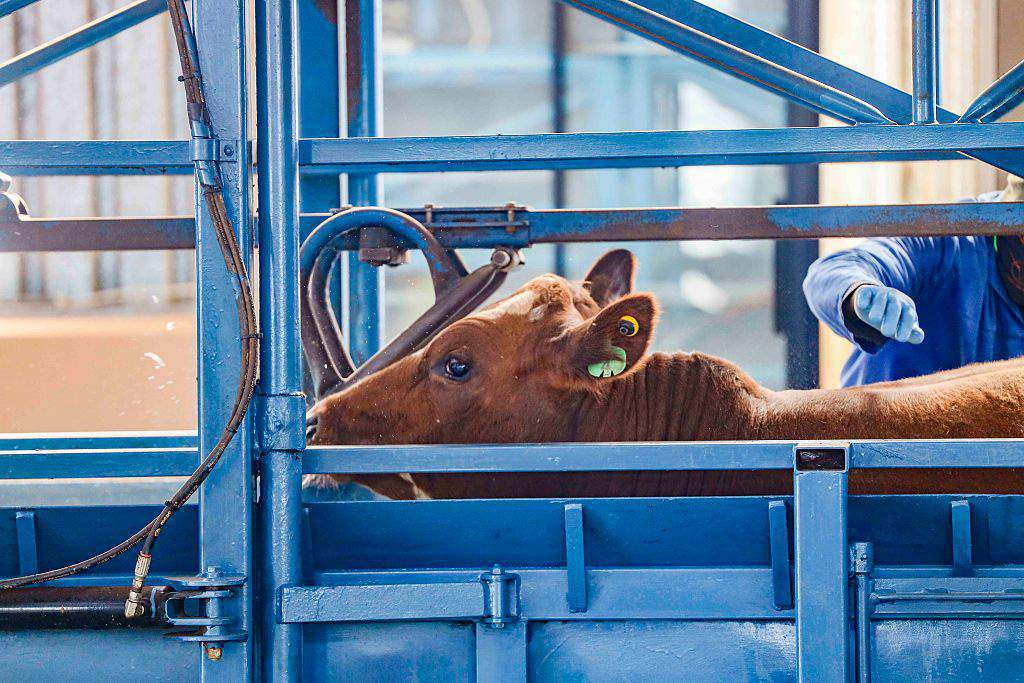
ISLAMABAD, Sept. 03 (INP-Wealth Pakistan) -- The government has been urged to develop Foot-and-Mouth Disease (FMD)-free, export-oriented livestock production systems as part of efforts to strengthen animal health, improve biosecurity and enhance the country's access to international livestock markets.
ISLAMABAD, Sept. 03 (INP-Wealth Pakistan) -- The government expects Pakistan's inflation to remain in the 10–11% range in August 2026, after consumer price inflation (CPI) eased to 9.2% in July from 11.1% a month earlier, with international commodity and energy prices remaining a key risk to the domestic price outlook.

Sep 3, 2026
ISLAMABAD, Sept. 02 (INP-Wealth Pakistan) -- Pakistan's current account deficit narrowed by about 38% to $328 million in July 2026, despite imports growing faster than exports and widening the goods and services trade deficit, as stronger remittances and improved services and primary income balances provided support to the external account.
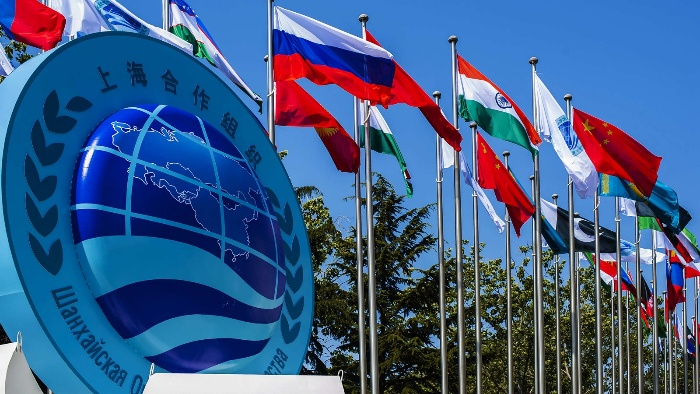
ISLAMABAD, Sept. 02 (INP-Wealth Pakistan) -- Pakistan's newly assumed chairmanship of the Shanghai Cooperation Organisation (SCO) gives Islamabad an opportunity to push development financing higher on the regional agenda as member states advance consultations on a proposed SCO Development Bank and expand existing interbank cooperation, experts say.
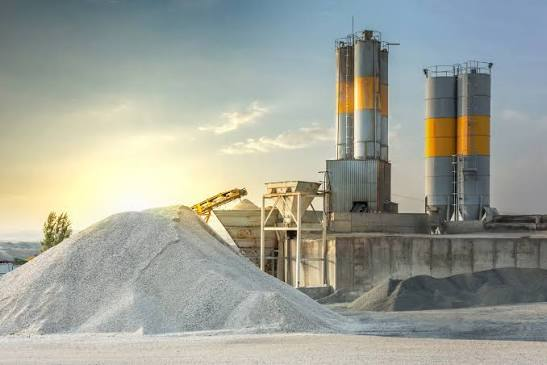
ISLAMABAD, Sept. 02 (INP-Wealth Pakistan) -- Pakistan's domestic cement dispatches increased 17.3% year-on-year in July 2026, signalling stronger local demand, while exports fell nearly 30%, highlighting sharply divergent trends in the industry's domestic and overseas markets.
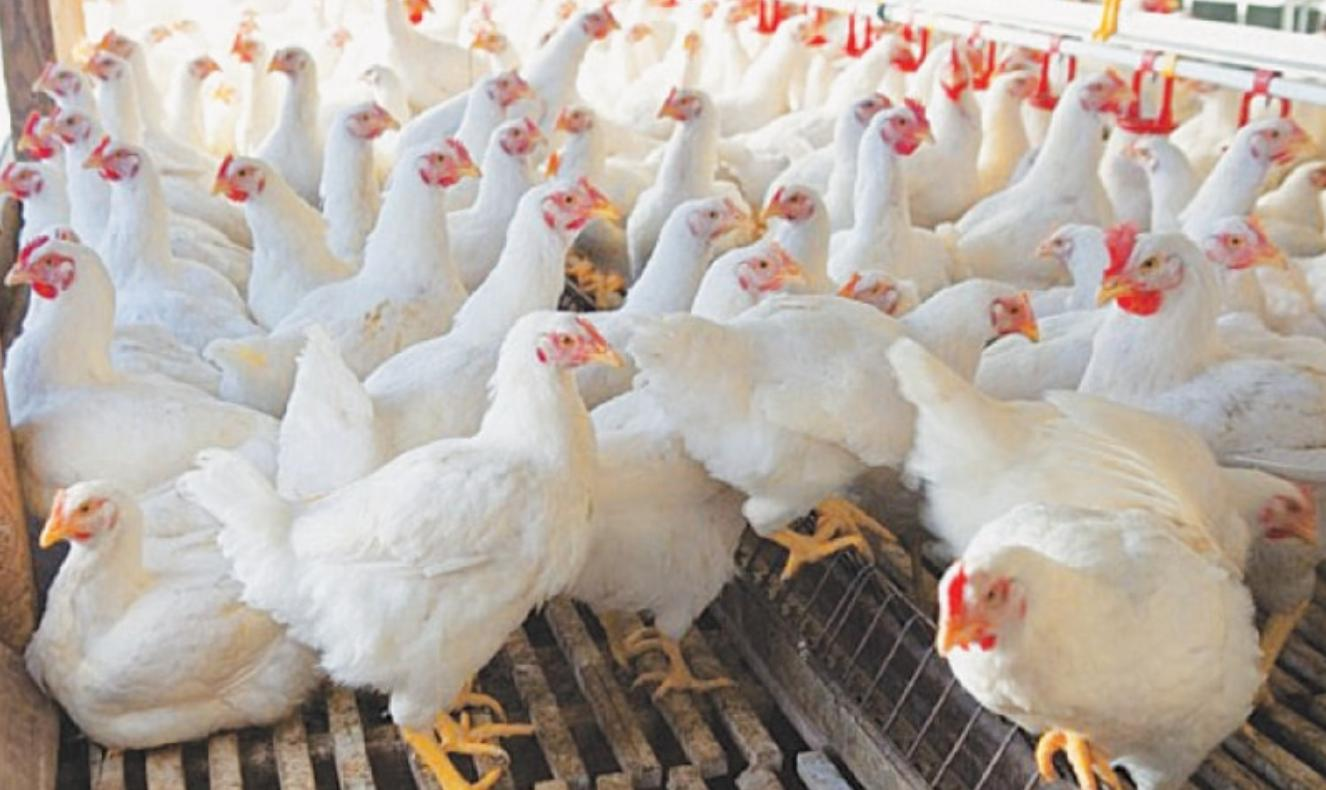
ISLAMABAD, Sept. 02 (INP-Wealth Pakistan) -- The government has been urged to establish a poultry export facilitation platform to address regulatory barriers, improve coordination among stakeholders and open new international markets for Pakistan's poultry products.
ISLAMABAD, Sept. 02 (INP-Wealth Pakistan) -- Pakistan's total foreign investment increased to $204.5 million in July 2026 from $178.9 million a year earlier, as a turnaround in portfolio investment more than offset a decline in foreign direct investment (FDI).

ISLAMABAD, Sept. 02 (INP-Wealth Pakistan) -- Nearly 5,800 interest-free loans worth Rs413 million were disbursed across Pakistan in July 2026 under a poverty alleviation programme aimed at improving access to finance and supporting income-generating activities among low-income households.
ISLAMABAD, Sept. 02 (INP-Wealth Pakistan) -- The federal government has proposed a five-phase digital transformation of federal employment statistics to establish a centralized and continuously updated system to track employees, sanctioned strength and vacant posts across ministries, divisions, departments and other government organizations.
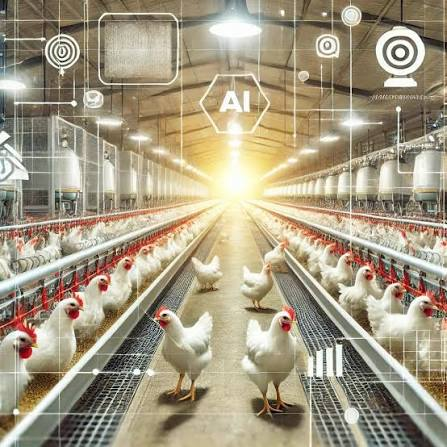
ISLAMABAD, Sept. 02 (INP-Wealth Pakistan) -- The government has been urged to promote artificial intelligence, automation and digital management systems across the poultry industry to improve productivity, efficiency and sustainability.

ISLAMABAD, Sept. 02 (INP-Wealth Pakistan) -- Pakistan should develop a 10-year livestock growth and export strategy with measurable production and export targets as part of efforts to turn the sector into a stronger contributor to food security, rural prosperity and foreign exchange earnings, according to recommendations of the Ministry of National Food Security and Research available with Wealth Pakistan.

ISLAMABAD, Sept. 02 (INP-Wealth Pakistan) -- Pakistan's Wholesale Price Index rose 1.98% in August 2026 from July 2026, while the year-on-year increase stood at 11.82%, with other transportable goods making the largest contribution to the monthly and annual movement, according to data released by the Pakistan Bureau of Statistics.

Sep 2, 2026

Pakistan on Tuesday assumed the 2026-27 chairmanship of the Shanghai Cooperation Organisation (SCO) Council of Heads of State, taking over from Kyrgyzstan.
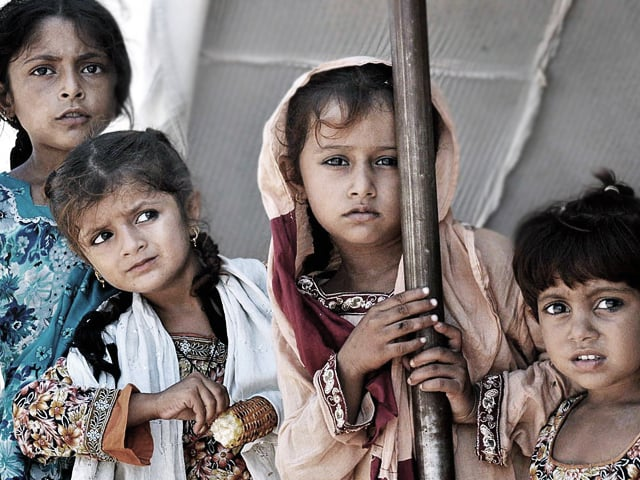
With 28% of Pakistani children aged five to 16 out of school and public education expenditure standing at only 0.8% of GDP, experts say the country's limited education resources need to be targeted more effectively at districts and children facing the greatest disadvantages.

As rescue and relief operations continued after the devastating August 26 floods along the Nepal-China border, misinformation, fabricated visuals and geopolitical speculation diverted attention from the disaster’s humanitarian consequences and the growing vulnerability of Himalayan communities.
Morning Breeze aims to lessen the load for its readers by curating noteworthy updates from the preceding day.

KARACHI: Escalation in US military attacks and Iranian retaliation pushed oil prices higher, fuelling global ...

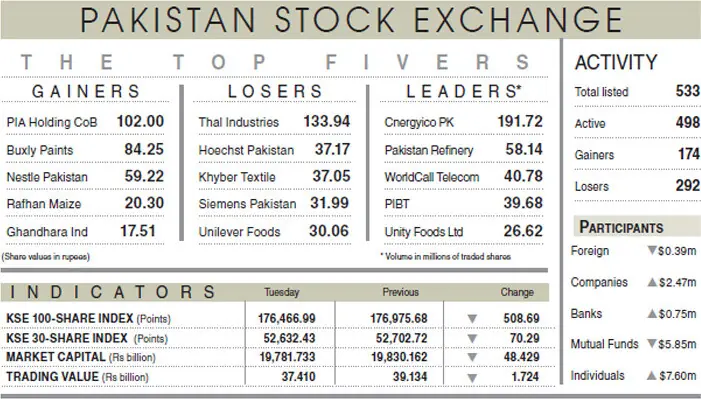
ISLAMABAD - The benchmark KSE 100-index of the Pakistan Stock Exchange (PSX) witnessed a sharp bearish trend on Wednesday, losing 1,690.40 points, a negative change of 0.96 percent, to close at 174,776.60 points against 176,466.99 points recorded in the previous trading session. The ready market witnessed a trading volume of 610.181 million shares compared to 784.466 million shares traded in the previous session, while the traded value decreased to Rs31.861 billion from Rs37.410 billion. Market capitalization declined to Rs19.581 trillion from Rs19.782 trillion recorded a day earlier. Out of 501 companies that traded in the ready market, 113 posted gains, 356 suffered losses, while 32 remained unchanged, reflecting a strong downward trend in market.

ISLAMABAD -

ISLAMABAD: The government on Wednesday announced to increase fuel prices for Thursday, September 3 following high global oil prices in the wake of rising tensions in the Middle East.
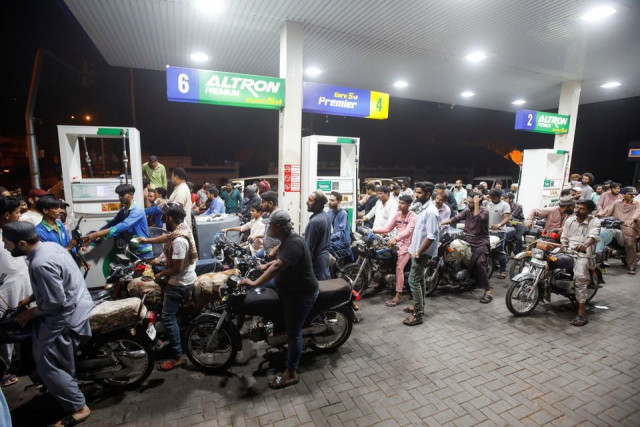
The federal government on Wednesday increased the price of petrol and high-speed diesel (HSD) by Rs2.29 and Rs1.11 per litre, respectively, for September 3.

New prices will be applicable on September 3 (Thursday).

The federal government on Wednesday increased the prices of petroleum products for the next 24 hours, effective till Thursday (September 3).
ISLAMABAD, Sep 2 (APP):The benchmark KSE-100 Index of the Pakistan Stock Exchange (PSX) witnessed a sharp bearish trend on Wednesday, losing 1,690.40 points, a negative change of 0.96 percent, to close at 174,776.60 points against 176,466.99 points recorded in the previous trading session.
The benchmark KSE-100 Index of the Pakistan Stock Exchange (PSX) witnessed a sharp bearish trend on Wednesday, losing 1,690.40 points, a negative change of 0.96 percent, to close at 174,776.60 points against 176,466.99 points recorded in the previous trading session.The ready market witnessed a trad ..

Pakistan Stock Exchange ended sharply lower as the KSE-100 Index lost 1,690 points to close at 174,776, with 356 listed companies recording declines.

The Pakistani rupee extended its marginal gains against the US dollar on Wednesday.

Gold prices fell for the fifth consecutive day in Pakistan, with 24-karat gold dropping Rs11,300 per tola to Rs454,036, while international gold declined $113 to $4,315 per ounce.

Benchmark sheds over 1,600 points and falls as low as 174,701; selling hits banks, cement, energy and automobile stocks

Gold prices in Pakistan decreased on Wednesday in line with their loss in the international market. In the local market, gold price per tola reached Rs454,036 after a decline of Rs11,300 during the day.
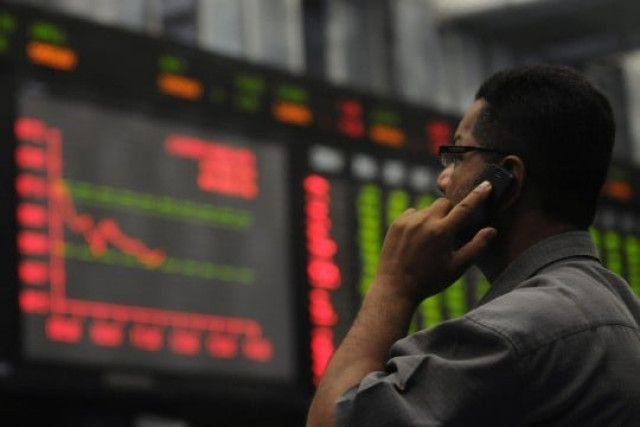
Pakistan’s stock market came under fresh selling pressure on Wednesday as renewed
CURRENCY SELLING BUYING USD 279.24 276.24GBP 377.05 372.61EUR 323.36 319.48 JPY 1.7432 1.7226 SAR 74.38 73.50 AED 76.04 ..
The Exchange Rates Committee of Financial Markets Association of Pakistan issued the following exchange rates bulletin, here on Wednesday. CONVERSION RATES FOR September,01, 2026 FOR FOREIGN CURRENCY FOR FORWARD COVER FOR DEPOSITS (EXCLUDING FE-25 DE ..
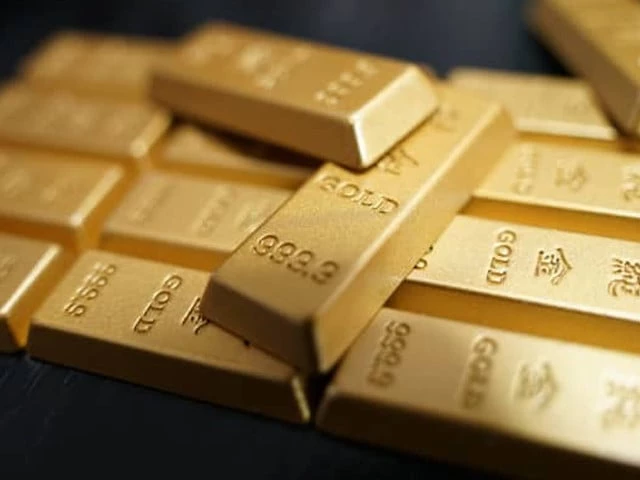
Gold prices in Pakistan declined on Tuesday in line with losses in the international market, where bullion reversed course after traders raised bets on a US rate hike.

Foreign exchange rates in Pakistan for today, September 02, 2026
Sales volumes of petroleum products by oil marketing companies (OMCs) fell 3% year-on-year to 1.26 million tons in August 2026, from 1.30 million tons in
PSX fell 1,289 points to 175,177.56 as US-Iran tensions fueled a bearish trend, while rising oil prices and global market losses added to investor concerns.

Selling pressure was observed at the Pakistan Stock Exchange (PSX) as concerns over supply disruption intensified after the US and Iran exchanged strikes overnight, with the benchmark KSE-100 Index shedding nearly 1,300 points during the opening minutes of trading on Wednesday.
Inflation surged to 11.2% in August, returning to double digits just after one month, driven by the government's policy to fully recover fuel costs and taxes from consumers coupled with provincial failures in ensuring wheat supplies that contributed to higher food prices in the country.

Silver price in Pakistan for today, September 02, 2026
Central bank purchases slightly exceed last year’s $7.2 billion as May buying falls to $154 million, lowest since January 2025

Food, fuel costs put pressure on household budgets
KARACHI: The Pakistan Stock Exchange (PSX) on Tuesday extended its southward move as rising oil prices, a...
KARACHI: Urea sales declined 14 per cent year-on-year but rose 21pc month-on-month to 702,000 tonnes in August. In...
ISLAMABAD - Pakistan’s inflation rate has once again entered into double digits, 11.1 percent in August, after easing in July this year. The monthly inflation rate, measured through Consumer Price Indicator (CPI), was recorded at 11.1 percent during August 2026, according to the latest data of Pakistan Bureau of Statistics (PBS). The inflation rate had eased in July by reaching 9.2 percent after continuously increasing in previous months, as it was recorded at 11.1 percent in June, 11.7 percent in May, 10.9 percent in April and 7.3 percent in March. On a month-on-month basis, it remained unchanged at 1.2 percent in August as compared to the previous month and witnessed a decrease of 0.6 percent in August 2025.