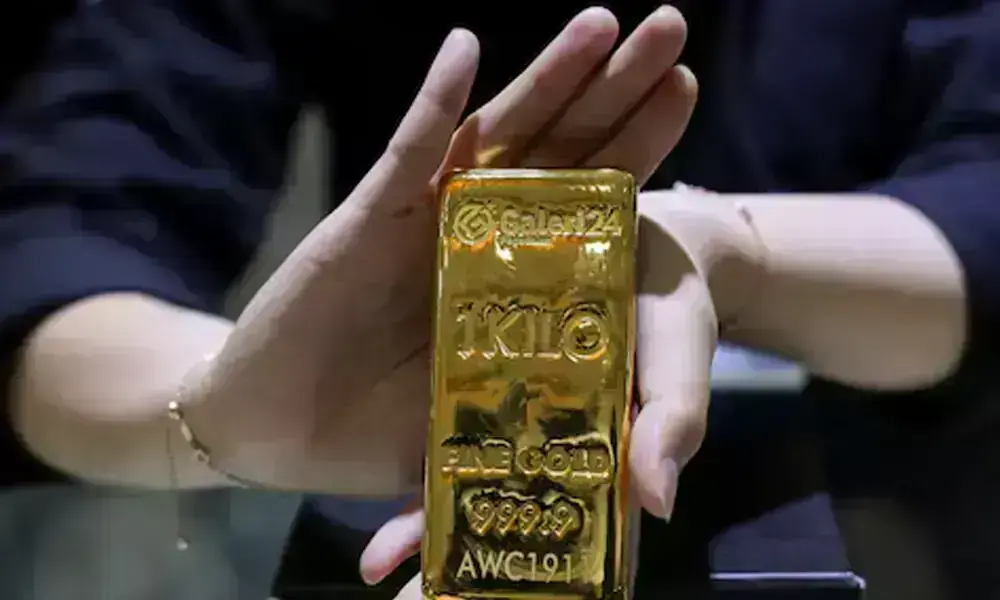
Gold price per tola gains Rs4,643 in Pakistan
Gold prices in Pakistan
Brecorder
Gold prices in Pakistan

SK Hynix becomes South Korea’s most valuable listed company, boosted by AI HBM chip demand. Check the latest market figures and outlook.
The Securities and Exchange Commission of Pakistan (SECP) has approved a new digital financing product titled “Khudmukhtar Khatoon” aimed at supporting wo
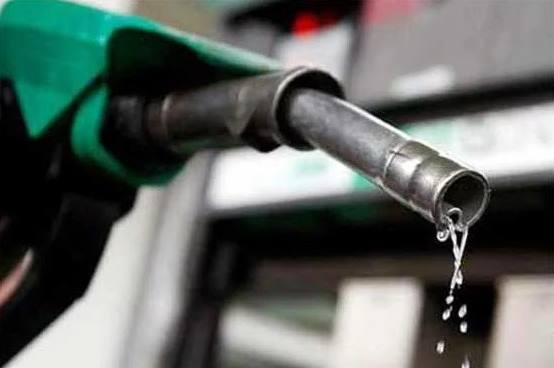
OCAC protests Pakistan’s unilateral fuel price cut, warning refineries and OMCs face ~Rs105 billion losses. Read the details and impact.

The move is aimed at expanding the tax base and improving revenue collection by bringing more retail businesses into the formal economy

Pakistan Stock Exchange opens higher as US-Iran talks progress and oil prices ease. Follow today’s PSX market moves—read the update.
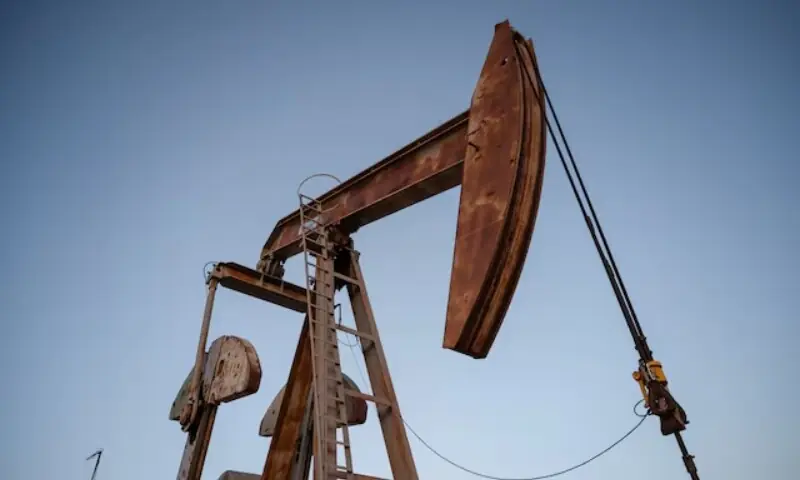
“The decline has been driven primarily by improving prospects for a diplomatic breakthrough between the United States and Iran," says analyst.
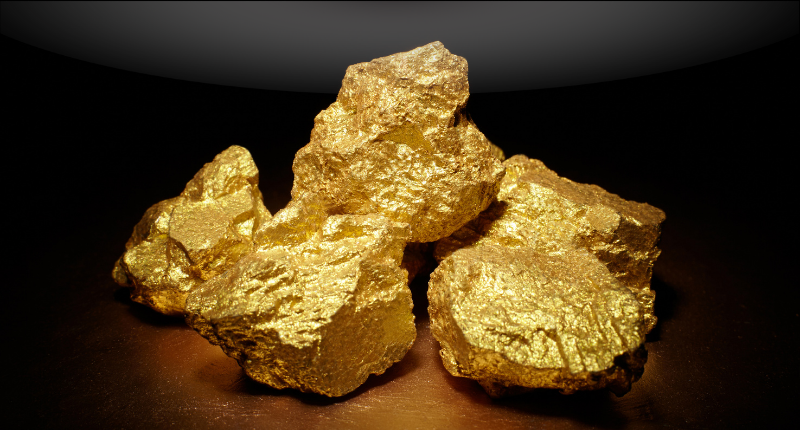
Gold climbed 0.8% after Iran cited progress in peace talks with the US. Oil eased, but rate-hike fears cap gains—read more.
BEIJING:
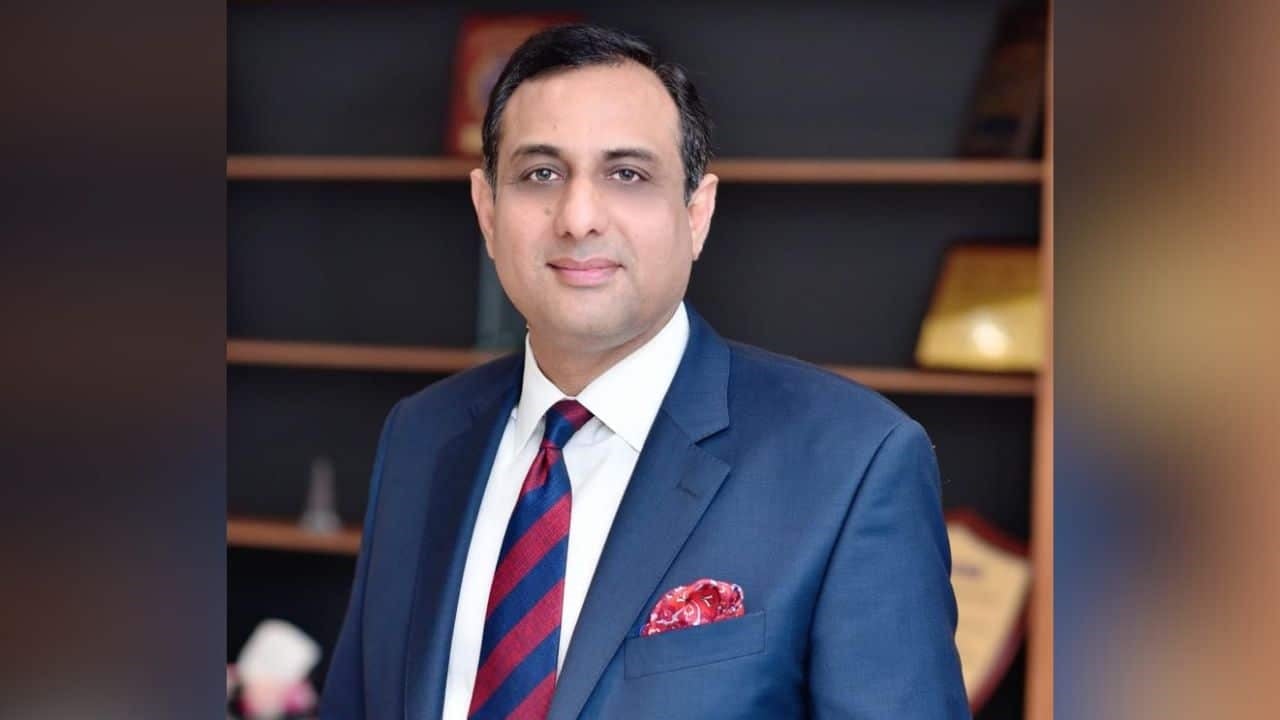
The company aims to scale its annual capacity to 7 million smartphones, 360,000 televisions and 400,000 air-conditioners, as it moves beyond mobile phones into higher-margin consumer technology products through partnerships with Xiaomi and Hisense.
Loads Limited signs a non-binding MoU with China’s Xinhuida to explore copper trading, JV and tech transfer in Pakistan. Read more.
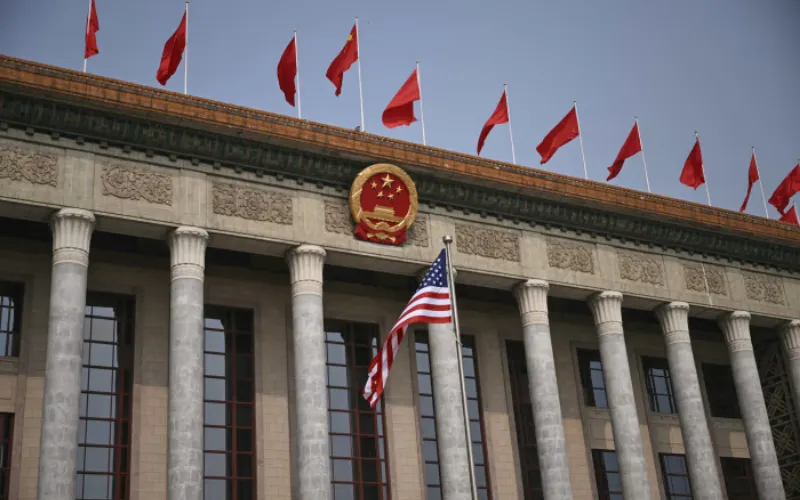
China imposed trade restrictions on dozens of US companies in response to Washington adding more Chinese firms to Pentagon blacklist.

Karachi: Book-building for the Initial Public Offering of Select Technologies Limited, a wholly owned subsidiary of Air Link Communication Limited, opens today at the Pakistan Stock Exchange and will continue on June 23, 2026, marking another important technology-sector listing at the local bourse.

Brent crude futures dropped $1.53, or 1.9 per cent, to $79.04 per barrel by 0656 GMT. Earlier in the session, prices had surged to $82.30 amid uncertainty surrounding the talks and renewed tensions in the Middle East
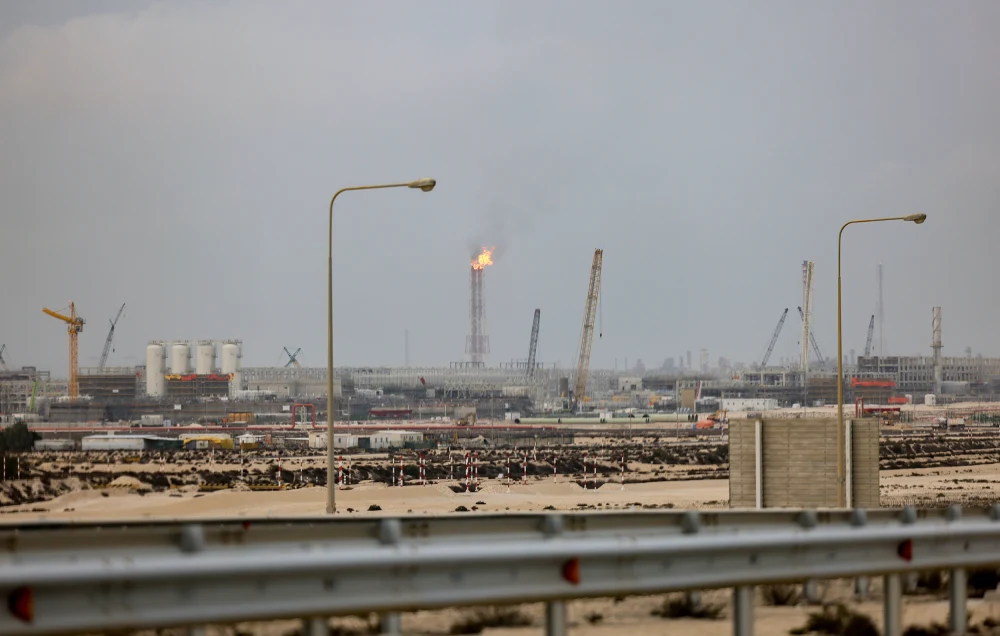
Qatar says 54 people injured and 18 missing after an explosion at its Barzan LNG gas facility. Fire contained—read the latest.
SEOUL: SK Hynix on Monday overtook Samsung Electronics to become South Korea’s most valuable listed company, marking a dramatic reversal of fortunes for a chipmaker that two decades ago nearly collapsed under debt.
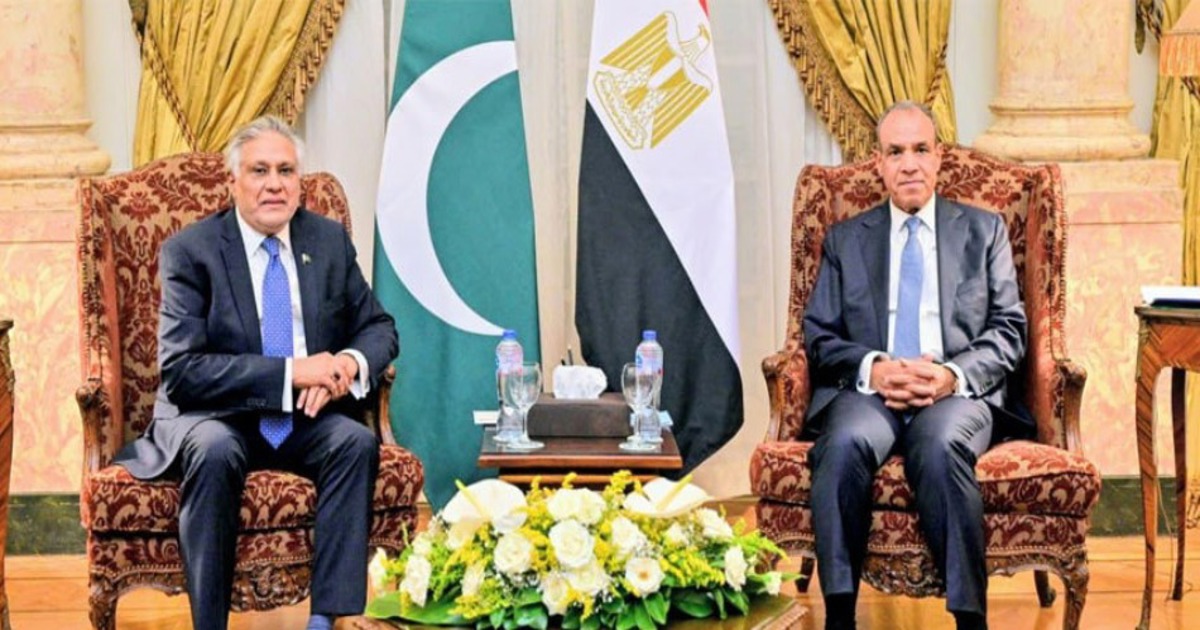
Deputy Prime Minister and Foreign Minister Senator Mohammad Ishaq Dar visited Cairo from 20–21 June 2026 at the invitation of Egypt’s Foreign Minister Bad
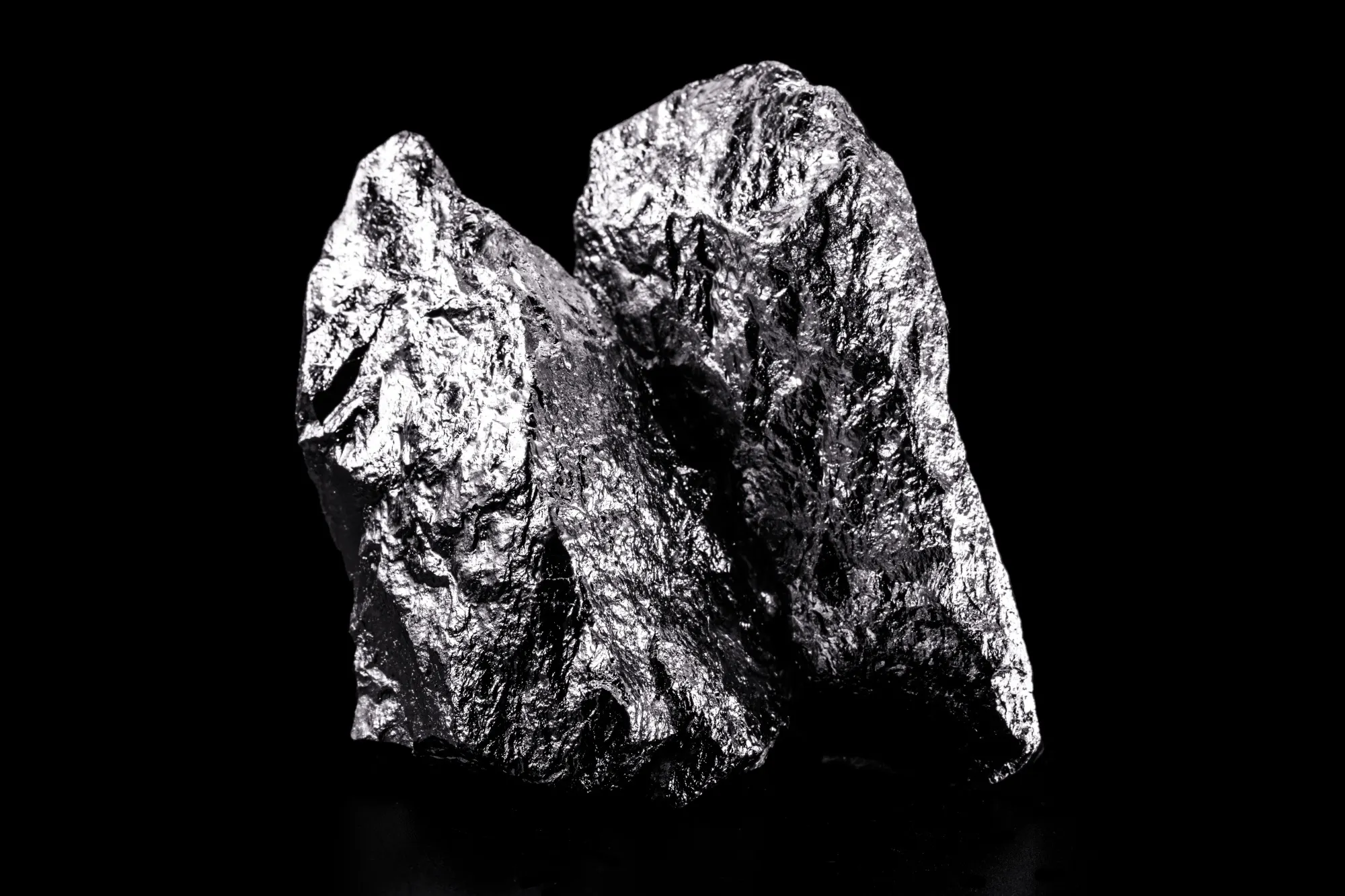
China blocks exports of dual-use items to MP Materials and USA Rare Earth, citing US “malicious practice.” Read the latest.
PSX opened higher on Monday after the first US-Iran talks session in Switzerland. KSE-100 index gained 1,223 points to reach 180,500 after last week’s decline.

Oil prices fell after US-Iran talks concluded in Switzerland. Tehran said it had received waivers for oil and petrochemical exports.

Global oil prices declined across major benchmarks, with WTI, Brent and Murban crude all recording losses after the US and Iran agreed upon a 60-day
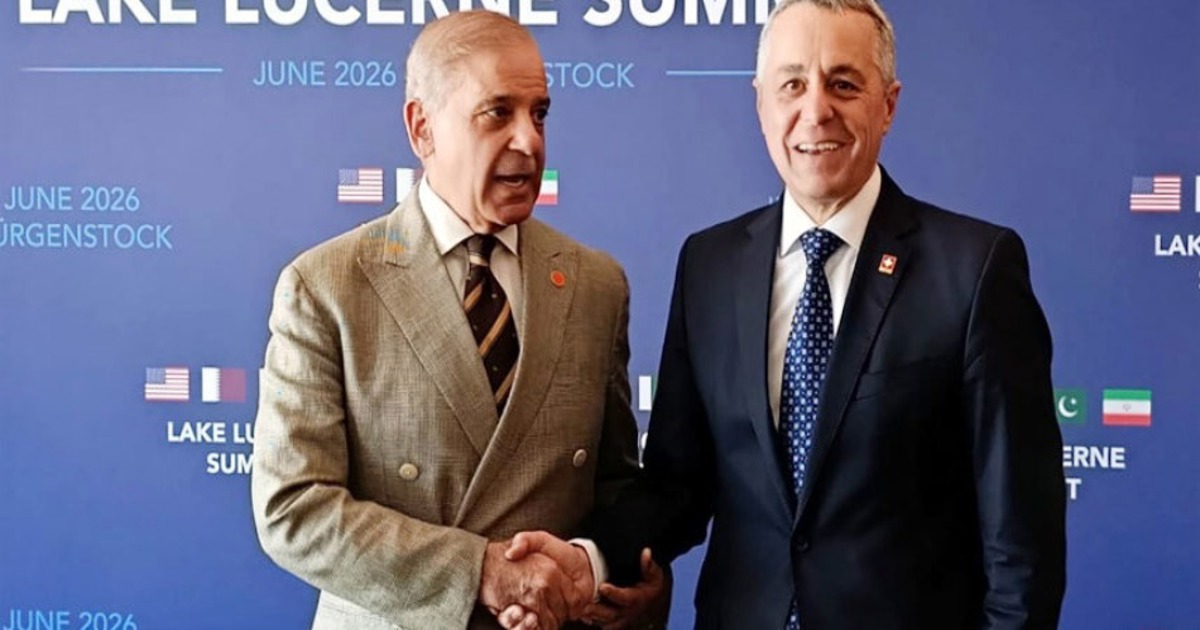
Pakistan and Switzerland discussed expanding bilateral investment ties and explored new avenues for economic cooperation, with the two sides expressing ke
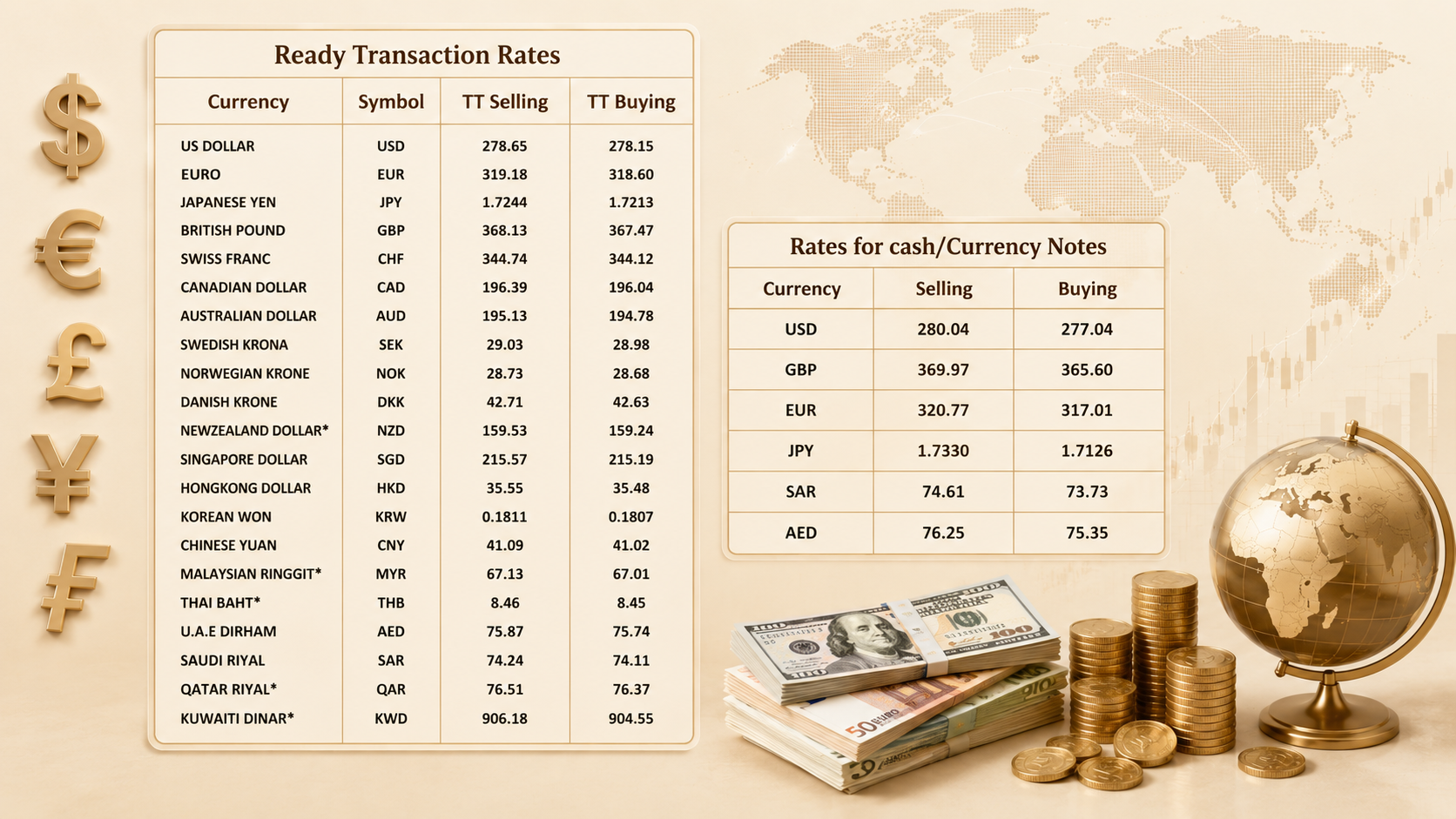
Check today’s foreign exchange rates in Pakistan (June 22, 2026) from NBP’s bulletin. View buying and selling rates now.
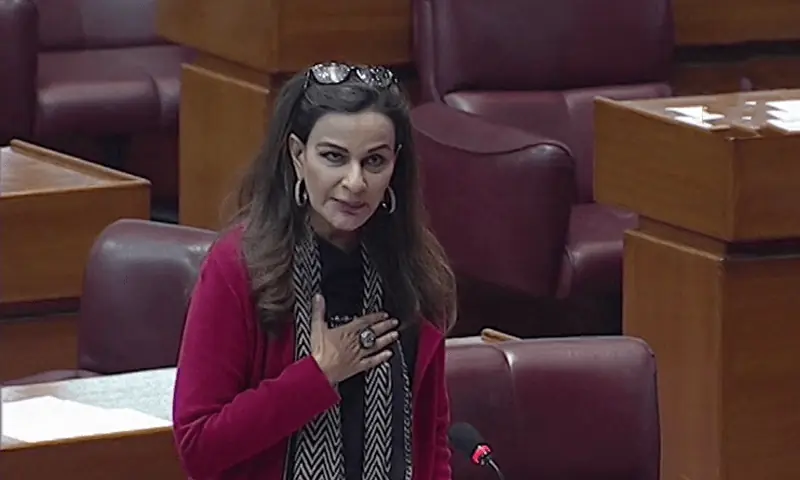
Says there is no hurry to push widely criticised telecom bill without "satisfying us and other representatives".
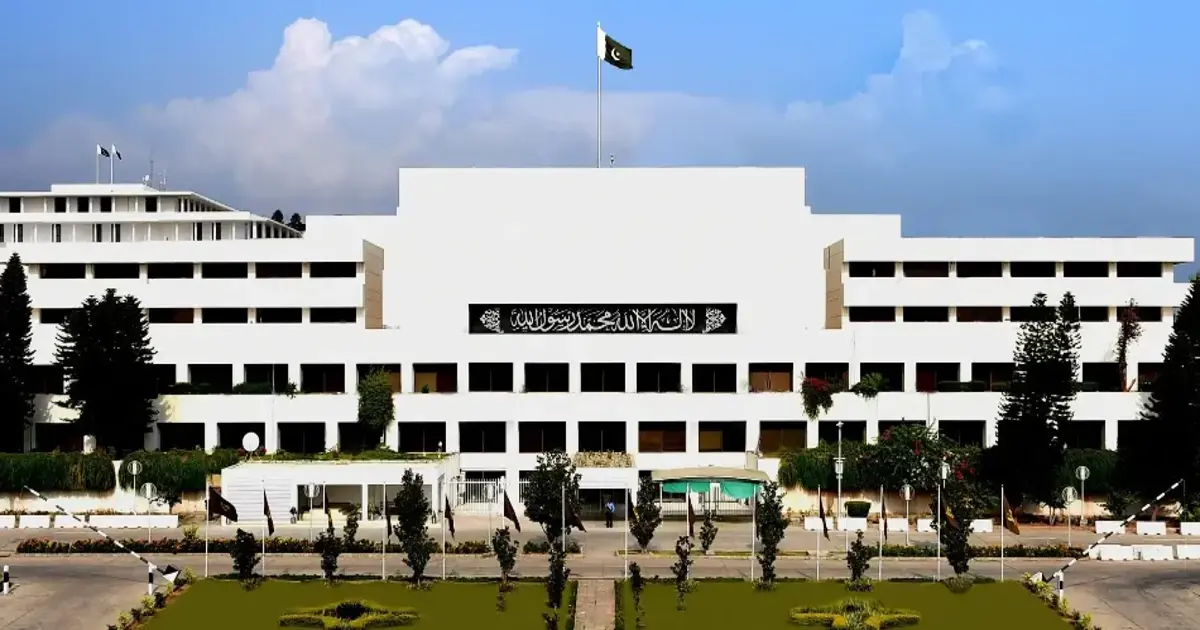
The National Assembly on Sunday approved 12 demands for grants totaling Rs4.282 trillion for the fiscal year ending June 2027, while rejecting all 100 cut
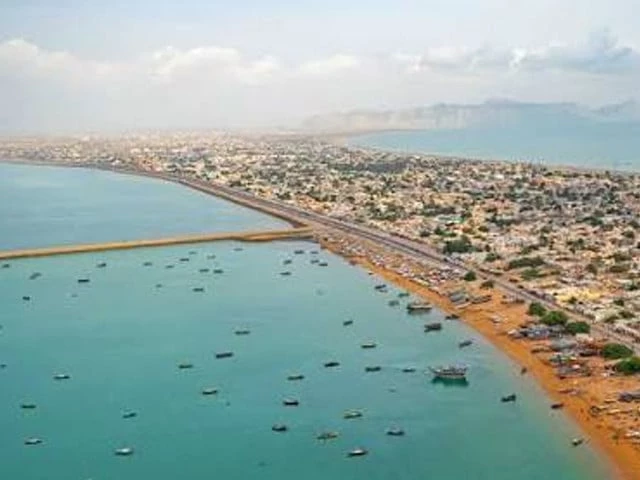
The idea of developing a modern port at Gwadar goes back to 1954, when a survey by the United States Geological Survey (USGS) convinced Pakistan of its strategic importance. However, it took us 54 years to realise the dream when the current port, after completion, received its first commercial cargo on March 15, 2008.
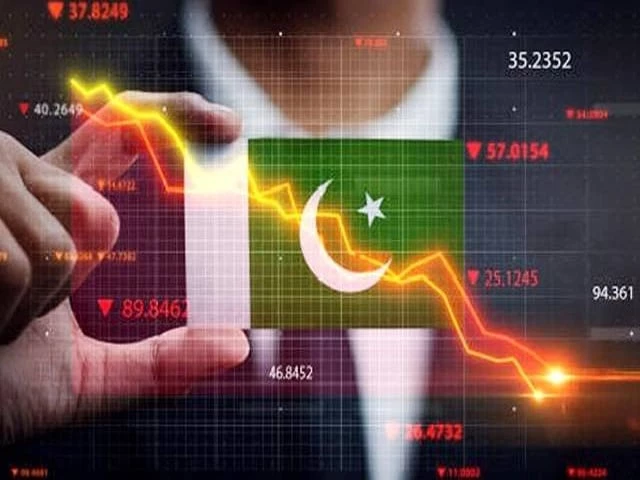
A great power rests on three pillars: military, diplomacy and economy. Pakistan has achieved many milestones on the military and diplomatic fronts. Two recent events further reinforced our strength.
The International Monetary Fund (IMF), being the lender of last resort for countries in balance-of-payments crisis or in danger of default, almost always ties its bailouts to excessive austerity measures. Its loans are tied, to use IMF jargon, to "structural adjustment programmes" and "conditionality". These programmes centre on raising taxes and/or spurring tax rate reductions, balancing the budget at all costs, devaluing the currency and increasing interest rates. Such anti-growth policies, delivered in line with IMF diktat, have been shown in the majority of cases to have actually increased the country's dependence on the IMF over time. Just think of what has happened in Argentina, Pakistan, Ecuador, Egypt or Ghana.
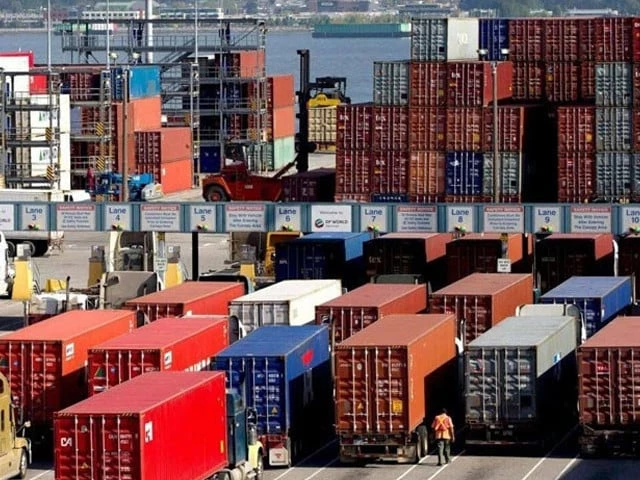
The current fiscal year has been marked by significant strain on the external account, driven in large part by the US-Iran conflict and its spillovers into capital flows and sovereign spreads. With peace now expected to return to the region, policymakers' attention should turn to the domestic constraints that continue to hold exports back. On a cumulative basis, the current account posted a modest surplus of $72 million in the first nine months of FY26, before slipping into a single-month deficit of $276 million in April and then rebounding to a surplus of $459 million in May 2026. This left a cumulative surplus of $255 million over the first 11 months (July-May), but much lower in comparison to the roughly $1.6 billion surplus recorded in the same period a year earlier. For context, the previous fiscal year closed with a current account surplus of $1.8 billion.
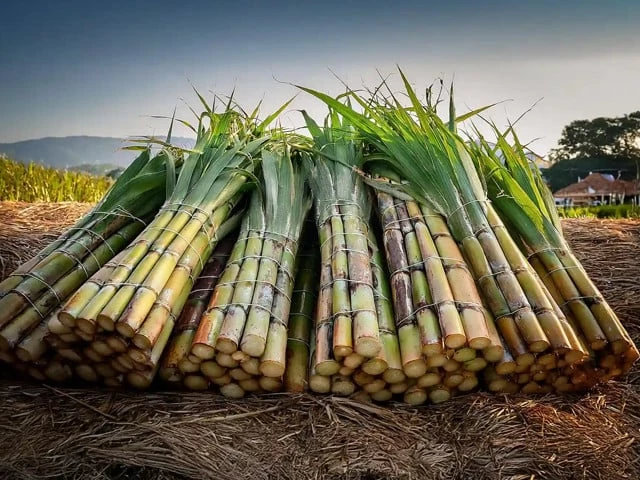
Pakistan's agriculture is facing a crisis that is neither sudden nor mysterious. It is the predictable result of a long-standing mismatch between what the country grows and what its climate, soils and water resources can realistically support. For decades, Pakistan's crop choices were shaped by a world of abundant canal flows, stable weather and a political economy that rewarded acreage rather than efficiency. That world is gone. Yet our cropping patterns remain frozen in time, even as the climate around us changes at a pace our policies refuse to acknowledge.
Pakistan's rapid adoption of battery energy storage systems (BESS) is creating new opportunities to manage surplus solar electricity and improve grid stability, but energy experts say the country needs a comprehensive regulatory framework to integrate storage into long-term power-sector planning.
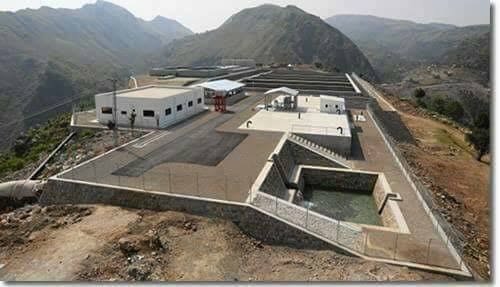
The Khyber Pakhtunkhwa government is preparing to implement a Rs18.58 billion Gravity Flow Water Supply Scheme to provide safe, reliable, and sustainable drinking water to residents of Mansehra city. The project, supported by the Saudi Fund for Development (SFD), is expected to address the city's longstanding water shortages and improve public health.
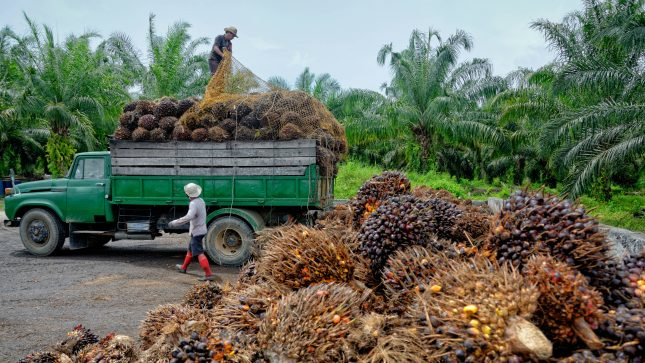
China's substantial demand for imported palm oil remains an important factor in shaping global edible oil prices and international trade flows, as changing production levels in Southeast Asia and expanding biodiesel consumption influence the balance between food and energy markets.
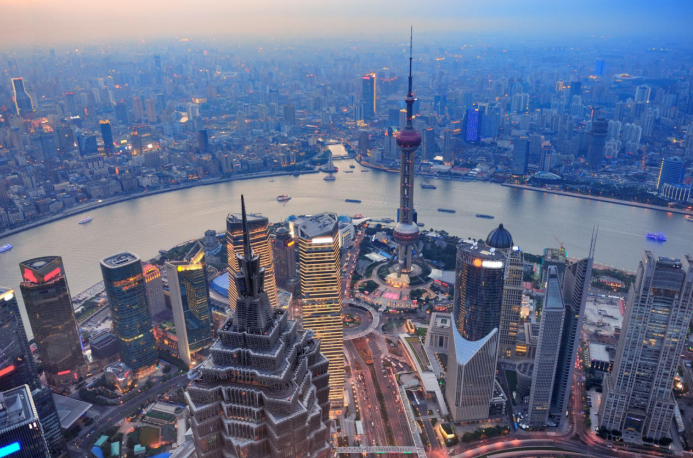
China's expanding import market is creating new opportunities for developing countries to increase exports, strengthen industrial cooperation and move towards higher-value products.
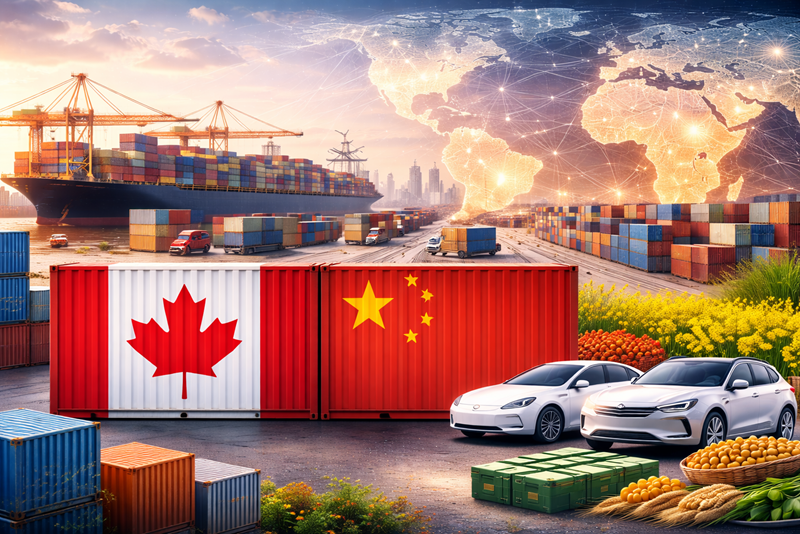
Greater certainty around China-Canada tariff arrangements could encourage agricultural exporters to invest in processing facilities, modern storage infrastructure and export logistics. Extending favourable market access through December 2028 provides these businesses with a longer planning horizon.

Growing political divisions in Washington could complicate US fiscal policymaking and delay investment decisions at a time when federal debt and borrowing requirements are already elevated, economists say.
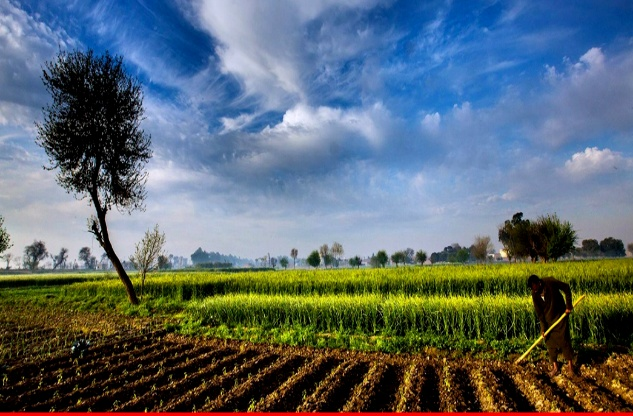
Pakistan's agriculture sector staged a strong recovery in FY26, with growth accelerating to 3.5% from 1.3% a year earlier, as improved crop production and stronger livestock performance helped offset the impact of floods and challenging weather conditions.
Pakistan has installed 4,798 cold chain equipment (CCE) units across all provinces and administrative areas as part of the Cold Chain Equipment Optimization Platform (CCEOP) initiative.

Nov 17, 2026
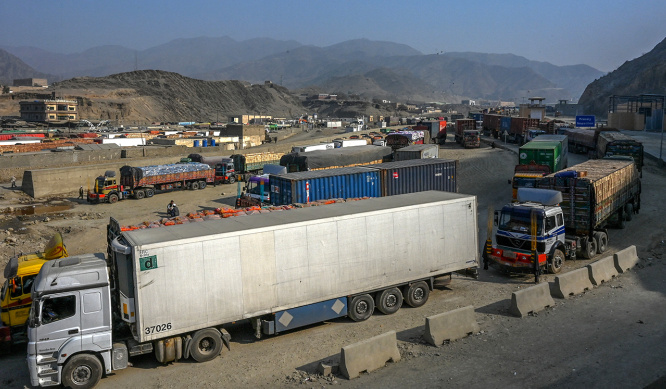
Pakistan's exports to Afghanistan plunged by 94.3% during July–October 2026, while combined shipments to Afghanistan and six other regional markets declined by 64.8%, according to trade figures highlighting the impact of the Pakistan-Afghanistan border closure.
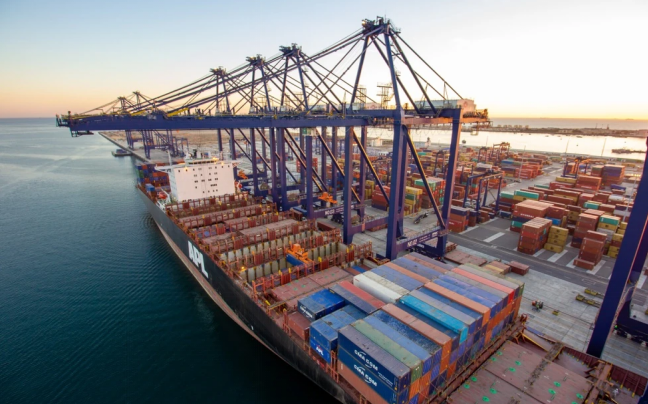
Pakistan's food exports increased by 21.8% during the first four months (July–October) of fiscal year 2026-27, reaching $1.892 billion compared with $1.553 billion during the corresponding period of the previous fiscal year.
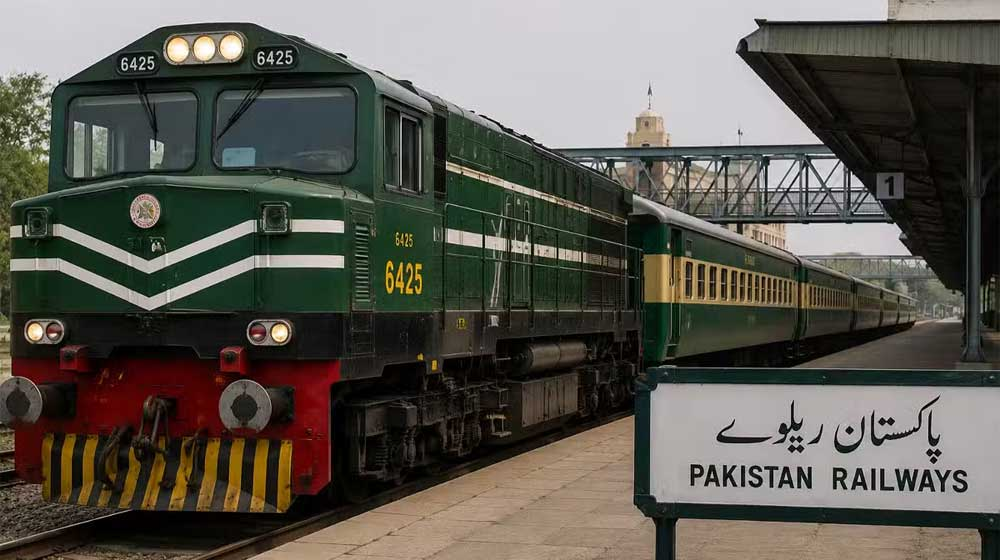
Pakistan Railways has reclaimed 443 acres of encroached land worth Rs2.9 billion in Sukkur Division since the start of fiscal year 2024-25 and drawn up an extensive plan to recover more property from illegal occupants.

India's services sector recorded 10% year-on-year growth during April–June 2026, but the urban employment-to-population ratio showed little change in the following quarter, highlighting a persistent imbalance between economic expansion and job creation.

India's expanding military expenditure and growing investment in surveillance, strike drones and air defence capabilities could shift South Asia’s strategic balance, raising concerns among security analysts about the risks of miscalculation and escalation during regional crises.
As the second phase of the China-Pakistan Economic Corridor (CPEC 2.0) shifts its focus towards industrial growth, skills, technology transfer, and export-oriented investment, its next major test will be delivering sustainable jobs, higher household incomes, and stronger productive capacity for Pakistan.
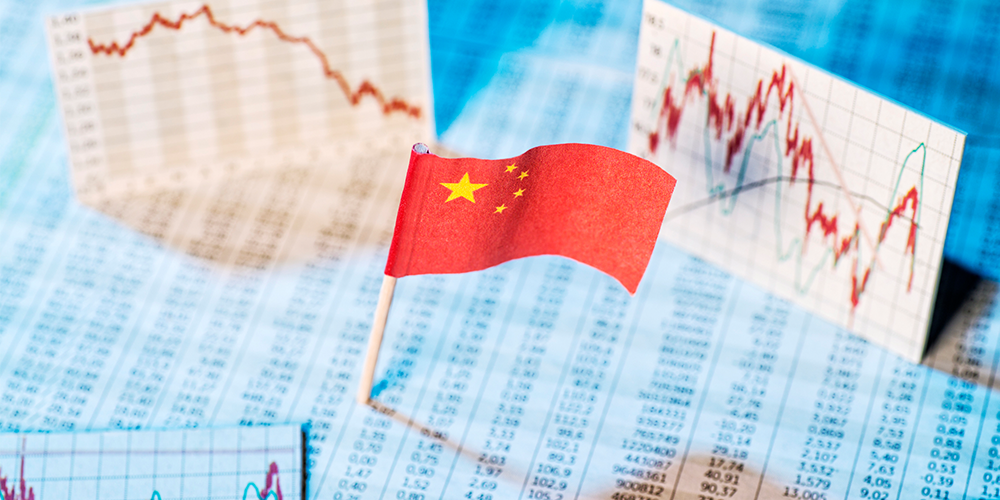
China's new overnight policy-rate framework could improve lending efficiency by better transmitting monetary-policy signals to bank funding costs and corporate borrowing rates, financial experts say. However, its ultimate impact on economic growth will depend on whether improved liquidity translate into productive investment.
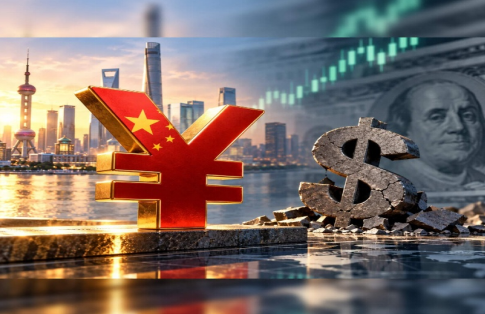
Higher interest rates on US dollar deposits offered by Chinese banks could encourage exporters and businesses to retain more of their foreign-currency earnings, potentially easing appreciation pressure on the yuan and helping manufacturers maintain their competitiveness in international markets.
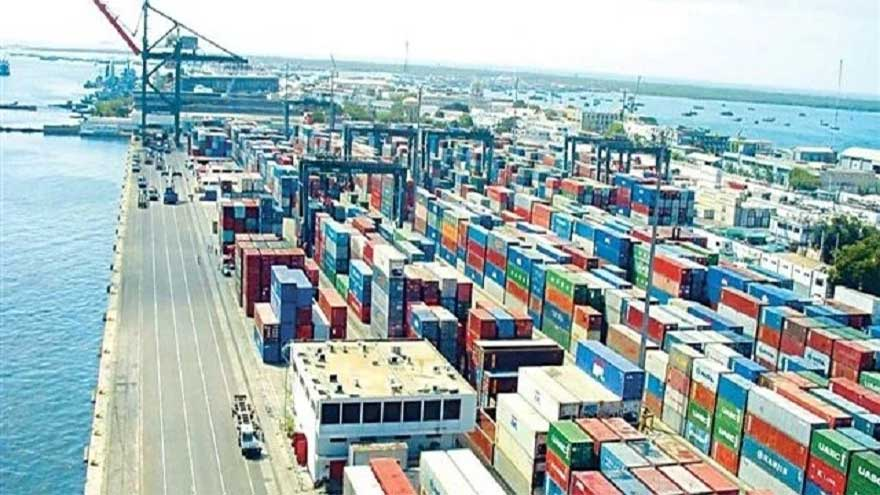
The US-Iran conflict and escalating geopolitical tensions in the Middle East have severely affected Pakistan’s exports to Gulf Cooperation Council (GCC) countries, with cumulative year-on-year export losses reaching approximately $387 million during the March-October 2026 period, amid rising freight costs, shipping disruptions and growing uncertainty in regional trade.
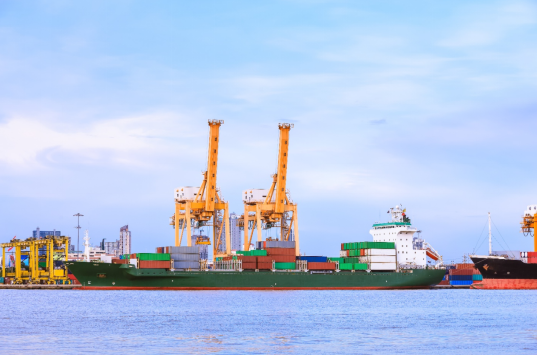
The changing political balance in the United States could complicate Washington's trade negotiations with China and other major partners while increasing scrutiny of President Donald Trump's tariff policies, although economists believe existing trade restrictions are unlikely to be reversed in the near term.
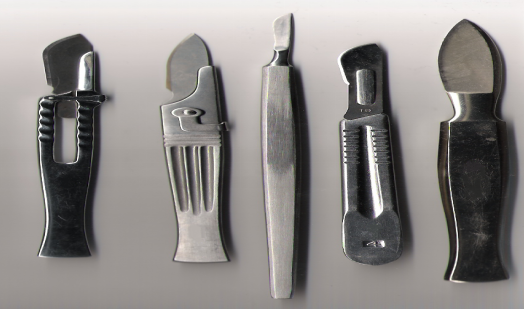
The tariff measures introduced by the United States have created uncertainty for Pakistan's surgical instruments exporters, highlighting the need for a dedicated relief package to mitigate the impact of protectionist trade policies, industry stakeholders say.
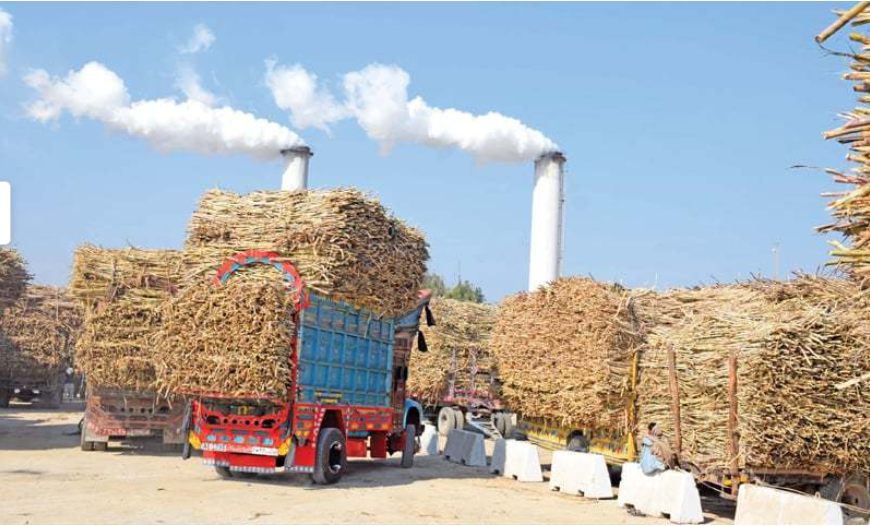
Sugar recovery from sugarcane has reached nearly 10 percent in most parts of Punjab, making the crop suitable for crushing and sugar production, according to experts.

Nov 16, 2026
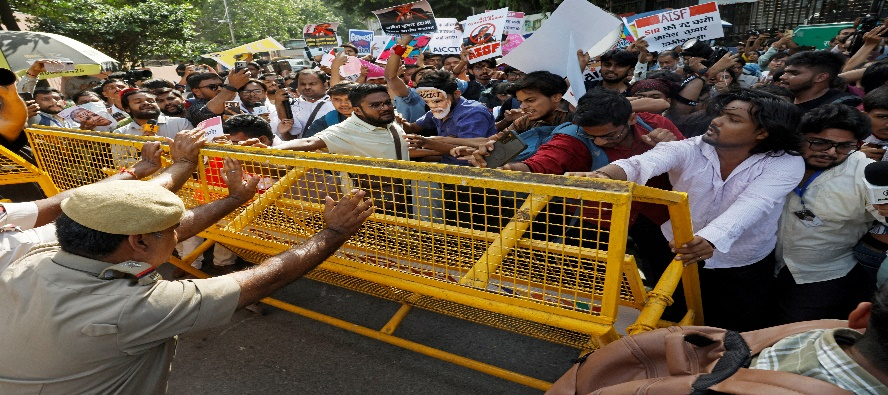
ISLAMABAD, Nov 14 (INP-Wealth Pakistan) -- Young protesters in India are facing a growing dilemma over exercising their right to peaceful dissent amid reports of repeated detentions and police action during demonstrations over electoral issues, student representation and government accountability.
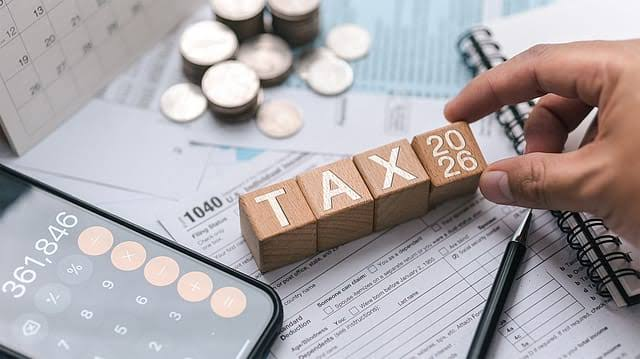
ISLAMABAD, Nov 14 (INP-Wealth Pakistan) -- India's consideration of tax relief for foreign equity investors following substantial portfolio outflows has highlighted the growing challenge of retaining international capital. Financial experts warned that competitive taxation alone cannot offset concerns over corporate earnings, currency stability and economic fundamentals.

Nov 13, 2026
ISLAMABAD, Nov 12 (INP-Wealth Pakistan) -- The Benazir Income Support Programme (BISP) expanded its mobile registration network by adding seven more mobile registration vans (MRVs) in June, increasing the total fleet from 25 to 32 to extend registration and survey facilities to vulnerable populations in remote and underserved areas of the country.
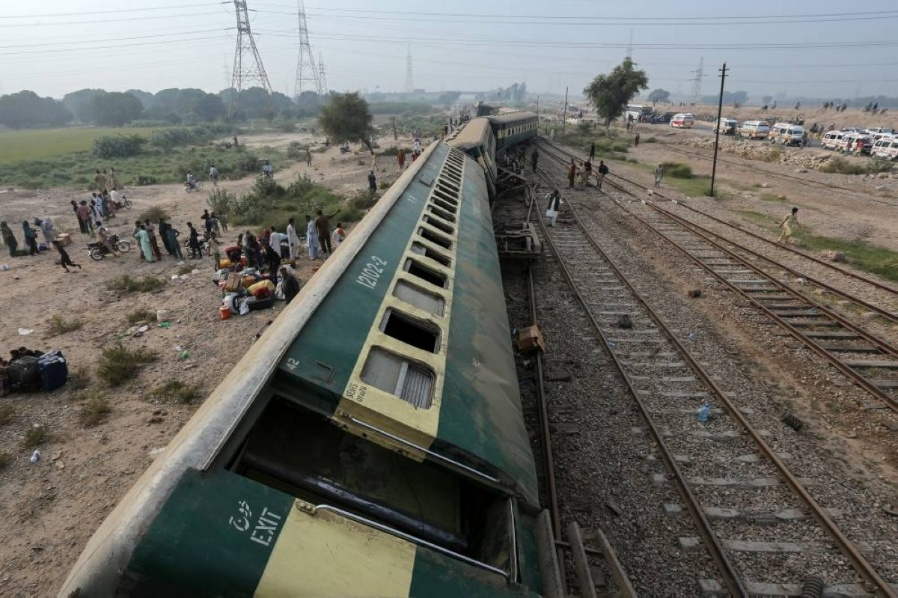
ISLAMABAD, Nov 12 (INP-Wealth Pakistan) -- Pakistan Railways has reported a marginal decline in its overall accident count, with the number of accidents falling to 89 between January 1 and November 2, 2026, compared to 92 during the corresponding period last year. However, passenger-train derailments rose by 25 per cent, highlighting persistent safety concerns.

LAHORE, Nov 12 (INP-Wealth Pakistan) -- Inspired by the successful use of bamboo to combat smog in various Chinese cities, the Punjab Forest Department is promoting bamboo plantations in Lahore as part of its urban forest and green infrastructure initiative. The ultimate aim is to improve air quality, which deteriorates significantly during the winter months.
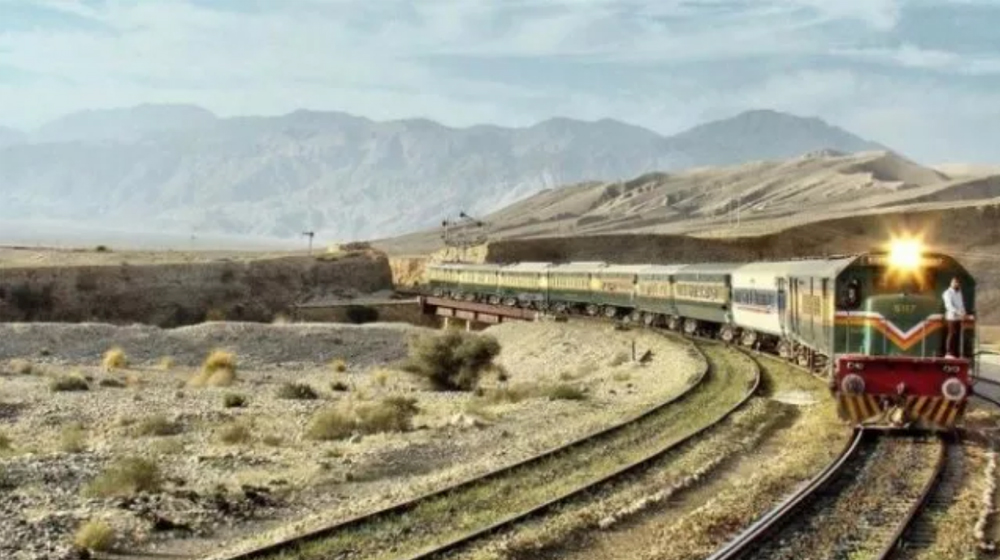
ISLAMABAD, Nov 12 (INP-Wealth Pakistan) -- Pakistan Railways has retrieved 363.907 acres of encroached land in Karachi Division over the last four years, including 305.803 acres of agricultural, 29.844 acres of residential and 28.319 acres of commercial land, as the department steps up efforts to reclaim its properties.
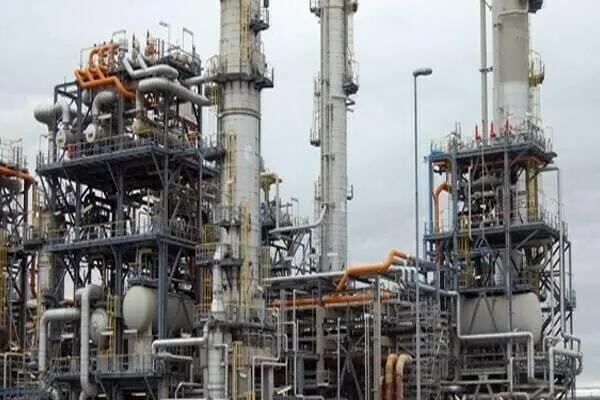
ISLAMABAD, Nov 12 (INP-Wealth Pakistan) -- Pakistan's daily petrol sales remained more than three times higher than domestic refinery production during the July-September period of fiscal year 2026.

Morning Breeze aims to lessen the load for its readers by curating noteworthy updates from the preceding day.

KARACHI: Escalation in US military attacks and Iranian retaliation pushed oil prices higher, fuelling global ...

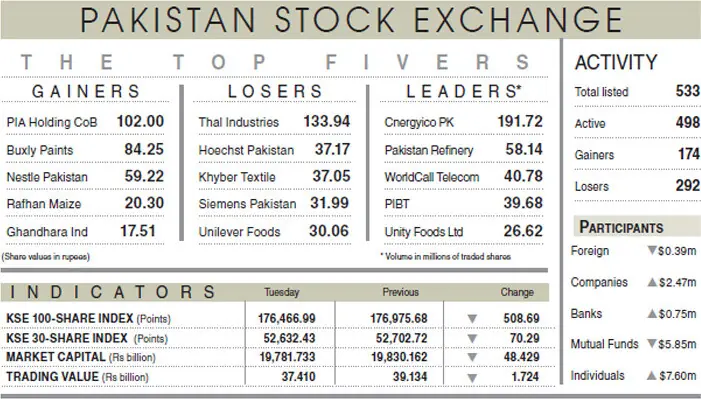
ISLAMABAD - The benchmark KSE 100-index of the Pakistan Stock Exchange (PSX) witnessed a sharp bearish trend on Wednesday, losing 1,690.40 points, a negative change of 0.96 percent, to close at 174,776.60 points against 176,466.99 points recorded in the previous trading session. The ready market witnessed a trading volume of 610.181 million shares compared to 784.466 million shares traded in the previous session, while the traded value decreased to Rs31.861 billion from Rs37.410 billion. Market capitalization declined to Rs19.581 trillion from Rs19.782 trillion recorded a day earlier. Out of 501 companies that traded in the ready market, 113 posted gains, 356 suffered losses, while 32 remained unchanged, reflecting a strong downward trend in market.

ISLAMABAD -

ISLAMABAD: The government on Wednesday announced to increase fuel prices for Thursday, September 3 following high global oil prices in the wake of rising tensions in the Middle East.
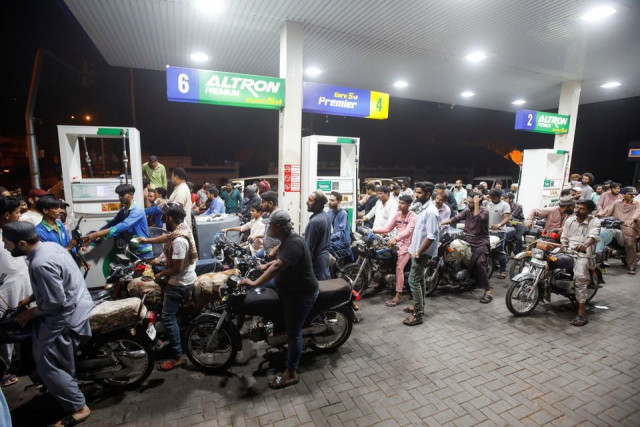
The federal government on Wednesday increased the price of petrol and high-speed diesel (HSD) by Rs2.29 and Rs1.11 per litre, respectively, for September 3.

New prices will be applicable on September 3 (Thursday).

The federal government on Wednesday increased the prices of petroleum products for the next 24 hours, effective till Thursday (September 3).
ISLAMABAD, Sep 2 (APP):The benchmark KSE-100 Index of the Pakistan Stock Exchange (PSX) witnessed a sharp bearish trend on Wednesday, losing 1,690.40 points, a negative change of 0.96 percent, to close at 174,776.60 points against 176,466.99 points recorded in the previous trading session.
The benchmark KSE-100 Index of the Pakistan Stock Exchange (PSX) witnessed a sharp bearish trend on Wednesday, losing 1,690.40 points, a negative change of 0.96 percent, to close at 174,776.60 points against 176,466.99 points recorded in the previous trading session.The ready market witnessed a trad ..

Pakistan Stock Exchange ended sharply lower as the KSE-100 Index lost 1,690 points to close at 174,776, with 356 listed companies recording declines.

The Pakistani rupee extended its marginal gains against the US dollar on Wednesday.

Gold prices fell for the fifth consecutive day in Pakistan, with 24-karat gold dropping Rs11,300 per tola to Rs454,036, while international gold declined $113 to $4,315 per ounce.

Benchmark sheds over 1,600 points and falls as low as 174,701; selling hits banks, cement, energy and automobile stocks

Gold prices in Pakistan decreased on Wednesday in line with their loss in the international market. In the local market, gold price per tola reached Rs454,036 after a decline of Rs11,300 during the day.
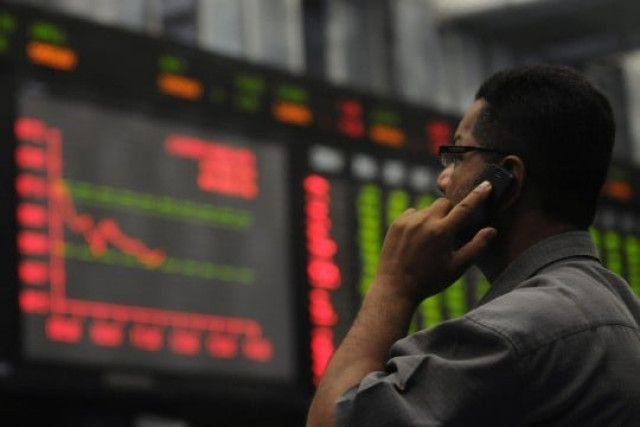
Pakistan’s stock market came under fresh selling pressure on Wednesday as renewed
CURRENCY SELLING BUYING USD 279.24 276.24GBP 377.05 372.61EUR 323.36 319.48 JPY 1.7432 1.7226 SAR 74.38 73.50 AED 76.04 ..
The Exchange Rates Committee of Financial Markets Association of Pakistan issued the following exchange rates bulletin, here on Wednesday. CONVERSION RATES FOR September,01, 2026 FOR FOREIGN CURRENCY FOR FORWARD COVER FOR DEPOSITS (EXCLUDING FE-25 DE ..
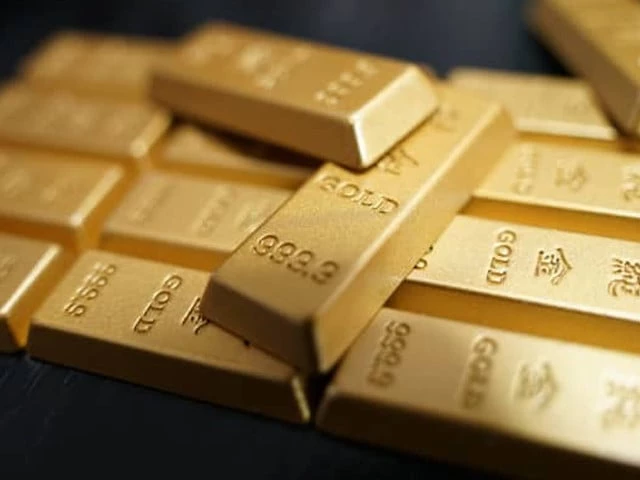
Gold prices in Pakistan declined on Tuesday in line with losses in the international market, where bullion reversed course after traders raised bets on a US rate hike.

Foreign exchange rates in Pakistan for today, September 02, 2026
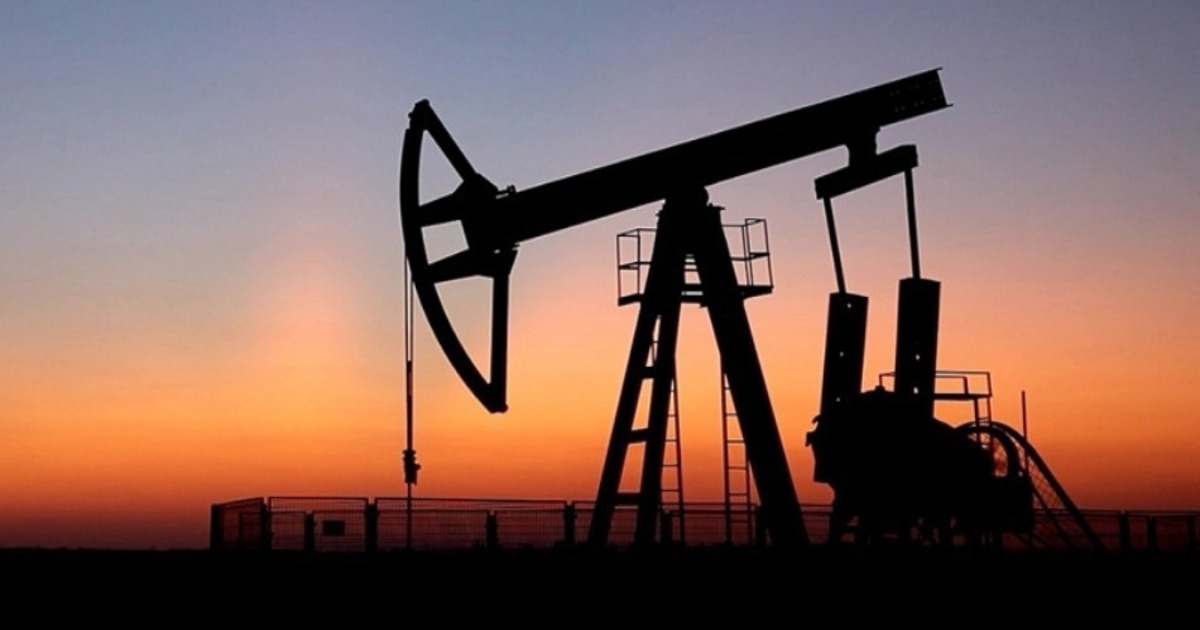
Sales volumes of petroleum products by oil marketing companies (OMCs) fell 3% year-on-year to 1.26 million tons in August 2026, from 1.30 million tons in
PSX fell 1,289 points to 175,177.56 as US-Iran tensions fueled a bearish trend, while rising oil prices and global market losses added to investor concerns.

Selling pressure was observed at the Pakistan Stock Exchange (PSX) as concerns over supply disruption intensified after the US and Iran exchanged strikes overnight, with the benchmark KSE-100 Index shedding nearly 1,300 points during the opening minutes of trading on Wednesday.
Inflation surged to 11.2% in August, returning to double digits just after one month, driven by the government's policy to fully recover fuel costs and taxes from consumers coupled with provincial failures in ensuring wheat supplies that contributed to higher food prices in the country.

Silver price in Pakistan for today, September 02, 2026
Central bank purchases slightly exceed last year’s $7.2 billion as May buying falls to $154 million, lowest since January 2025

Food, fuel costs put pressure on household budgets
KARACHI: The Pakistan Stock Exchange (PSX) on Tuesday extended its southward move as rising oil prices, a...

KARACHI: Urea sales declined 14 per cent year-on-year but rose 21pc month-on-month to 702,000 tonnes in August. In...
ISLAMABAD - Pakistan’s inflation rate has once again entered into double digits, 11.1 percent in August, after easing in July this year. The monthly inflation rate, measured through Consumer Price Indicator (CPI), was recorded at 11.1 percent during August 2026, according to the latest data of Pakistan Bureau of Statistics (PBS). The inflation rate had eased in July by reaching 9.2 percent after continuously increasing in previous months, as it was recorded at 11.1 percent in June, 11.7 percent in May, 10.9 percent in April and 7.3 percent in March. On a month-on-month basis, it remained unchanged at 1.2 percent in August as compared to the previous month and witnessed a decrease of 0.6 percent in August 2025.