WealthPKNews

WealthPK News

Image for: Is IMF's cure worse than the disease?

Is IMF's cure worse than the disease?

The International Monetary Fund (IMF), being the lender of last resort for countries in balance-of-payments crisis or in danger of default, almost always ties its bailouts to excessive austerity measures. Its loans are tied, to use IMF jargon, to "structural adjustment programmes" and "conditionality". These programmes centre on raising taxes and/or spurring tax rate reductions, balancing the budget at all costs, devaluing the currency and increasing interest rates. Such anti-growth policies, delivered in line with IMF diktat, have been shown in the majority of cases to have actually increased the country's dependence on the IMF over time. Just think of what has happened in Argentina, Pakistan, Ecuador, Egypt or Ghana.

Tribune
Image for: Incentives alone won't fix Pakistan's exports

Incentives alone won't fix Pakistan's exports

The current fiscal year has been marked by significant strain on the external account, driven in large part by the US-Iran conflict and its spillovers into capital flows and sovereign spreads. With peace now expected to return to the region, policymakers' attention should turn to the domestic constraints that continue to hold exports back. On a cumulative basis, the current account posted a modest surplus of $72 million in the first nine months of FY26, before slipping into a single-month deficit of $276 million in April and then rebounding to a surplus of $459 million in May 2026. This left a cumulative surplus of $255 million over the first 11 months (July-May), but much lower in comparison to the roughly $1.6 billion surplus recorded in the same period a year earlier. For context, the previous fiscal year closed with a current account surplus of $1.8 billion.

Tribune

WealthPK Reports

Image for: Emerging economies gain breathing room as Fed pause expectations strengthen
Emerging economies gain breathing room as Fed pause expectations strengthen

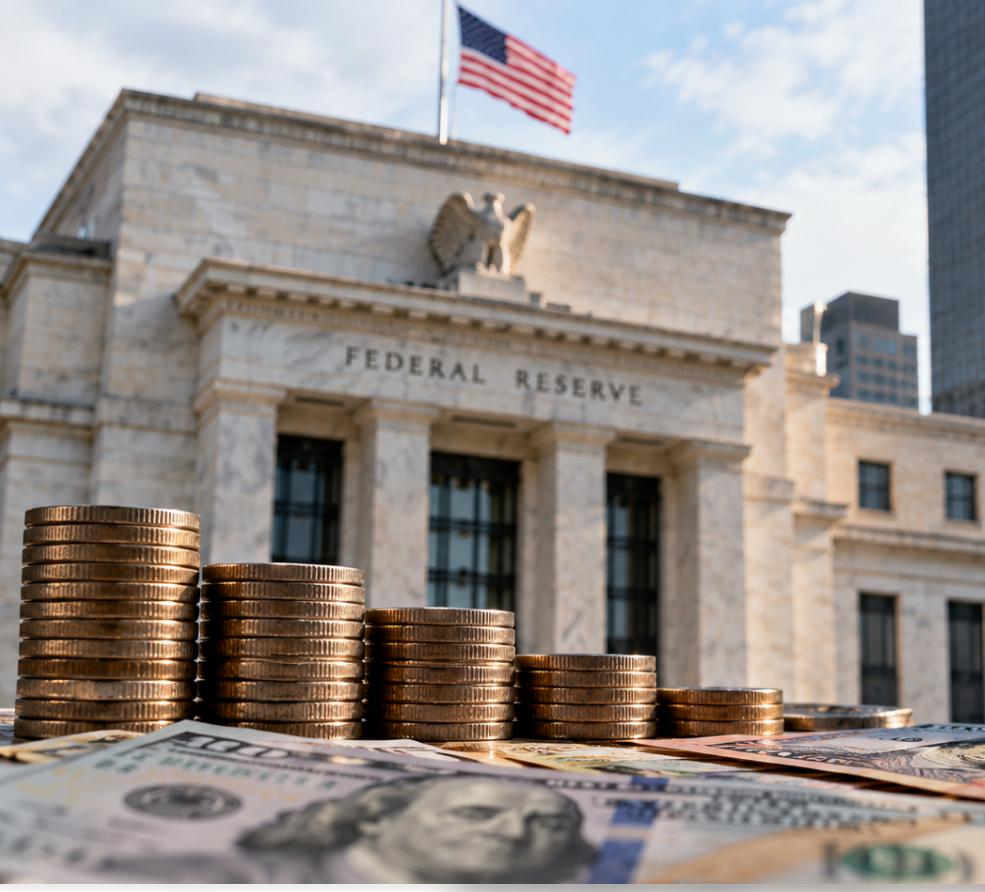
ISLAMABAD, Oct 09 (INP-Wealth Pakistan) -- Growing expectations that the US Federal Reserve will leave interest rates unchanged at its October meeting give emerging economies a brief window to reassess refinancing plans and manage external borrowing pressures. However, Pakistani market experts warn that elevated global bond yields and potential future tightening continue to squeeze financing conditions.

WealthPK Reports

Data News

Image for: PSX sheds 1,690pts

PSX sheds 1,690pts

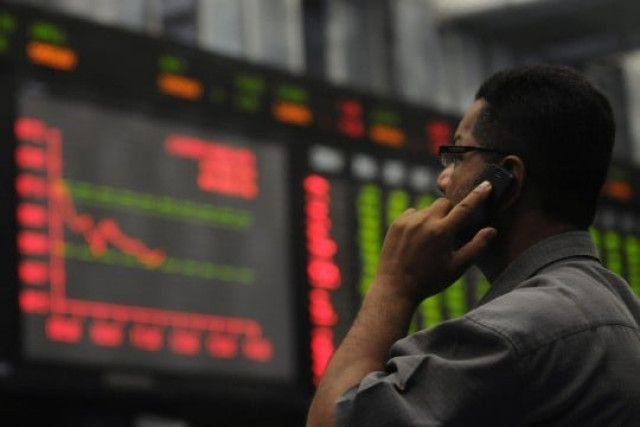
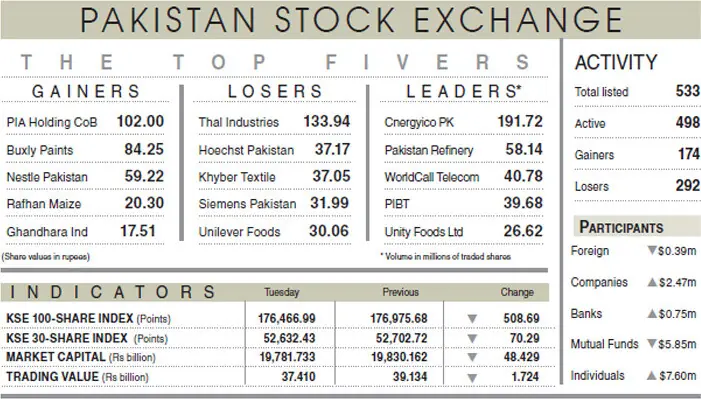
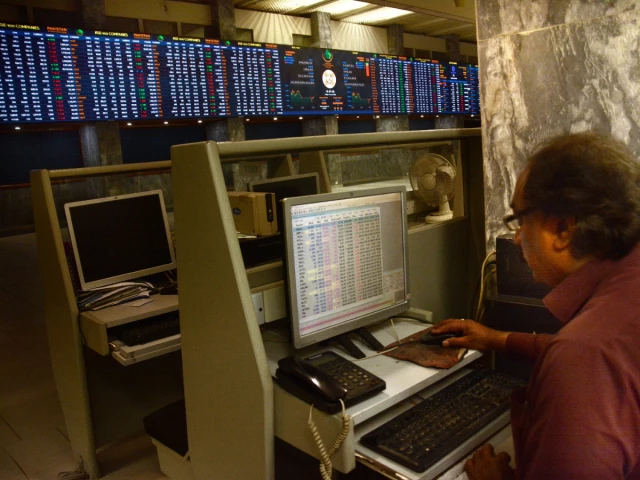
ISLAMABAD  -  The benchmark KSE 100-index of the Pakistan Stock Exchange (PSX) witnessed a sharp bearish trend on Wednesday, losing 1,690.40 points, a negative change of 0.96 percent, to close at 174,776.60 points against 176,466.99 points recorded in the previous trading session. The ready market witnessed a trading volume of 610.181 million shares compared to 784.466 million shares traded in the previous session, while the traded value decreased to Rs31.861 billion from Rs37.410 billion. Market capitalization declined to Rs19.581 trillion from Rs19.782 trillion recorded a day earlier. Out of 501 companies that traded in the ready market, 113 posted gains, 356 suffered losses, while 32 remained unchanged, reflecting a strong downward trend in market.

The Nation
Image for: Inflation back in double digits at 11.1 percent in Aug

Inflation back in double digits at 11.1 percent in Aug

ISLAMABAD  -  Pakistan’s inflation rate has once again entered into double digits, 11.1 percent in August, after easing in July this year. The monthly inflation rate, measured through Consumer Price Indicator (CPI), was recorded at 11.1 percent during August 2026, accord­ing to the latest data of Pakistan Bu­reau of Statistics (PBS). The inflation rate had eased in July by reaching 9.2 percent after continuously increasing in previous months, as it was recorded at 11.1 percent in June, 11.7 percent in May, 10.9 percent in April and 7.3 per­cent in March. On a month-on-month basis, it remained unchanged at 1.2 percent in August as compared to the previous month and witnessed a de­crease of 0.6 percent in August 2025.

The Nation