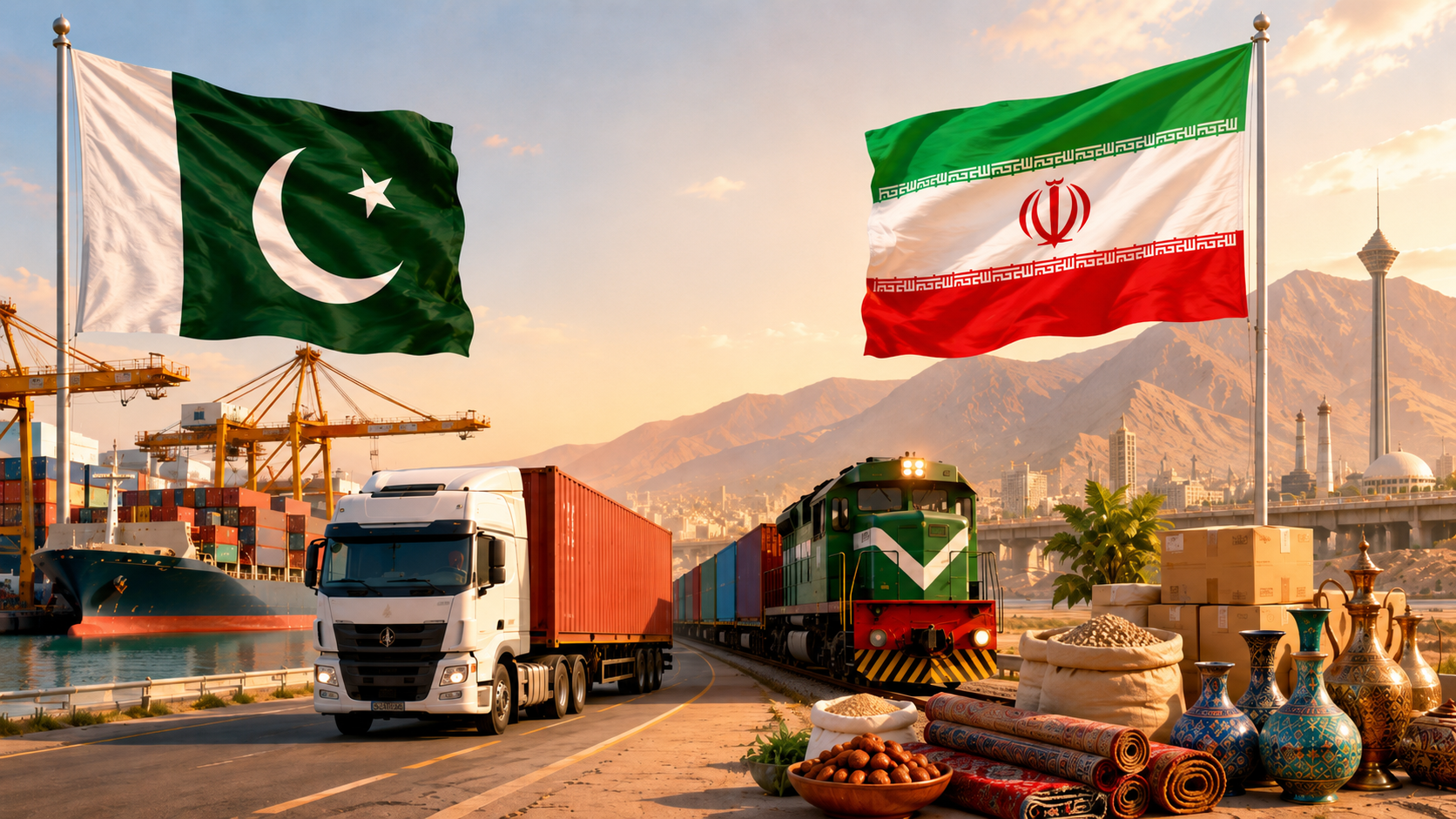
FBR issues new rules for cargo movement across Pakistan-Iran border
FBR issues new customs framework for Pakistan–Iran cargo movement. Rules take effect immediately—see transit, cross-stuffing and oversight details.
Profit
FBR issues new customs framework for Pakistan–Iran cargo movement. Rules take effect immediately—see transit, cross-stuffing and oversight details.
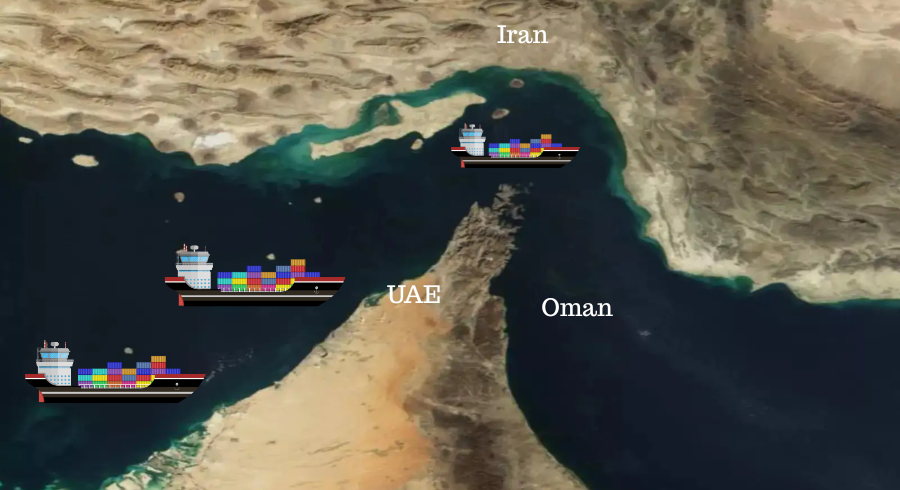
Hormuz shipping is back, but risk lingers. Read how Pakistan can build a reserve corridor to cut future energy disruption—act now.

KP Assembly unanimously rejects new federal taxes in Malakand and merged districts, urging protection of constitutional exemptions. Read more.

The U.S. dollar neared its biggest monthly gain in a year as Gulf tensions, rising oil prices, and strong U.S. jobs expectations boosted safe-haven demand ahead of Fed signals.
Oil prices rose as renewed U.S.-Iran strikes disrupted Strait of Hormuz shipping, raising supply concerns despite ceasefire efforts and ongoing peace talks.

Punjab govt unveils workforce plan to place 100,000 skilled workers overseas in three years with verified digital profiles. Read more.

Telenor’s 55% stake in Easypaisa may be sold as the bank enters a new phase. What comes next for Pakistan’s digital retail banking?
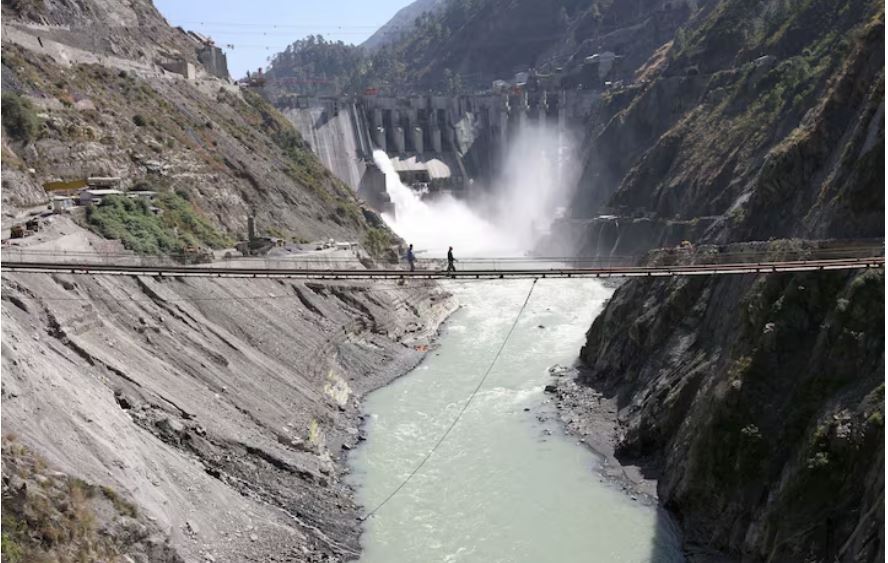
Pakistan ranks 14th most water-stressed. A new report warns governance and farming gaps threaten crops and food security—read more.
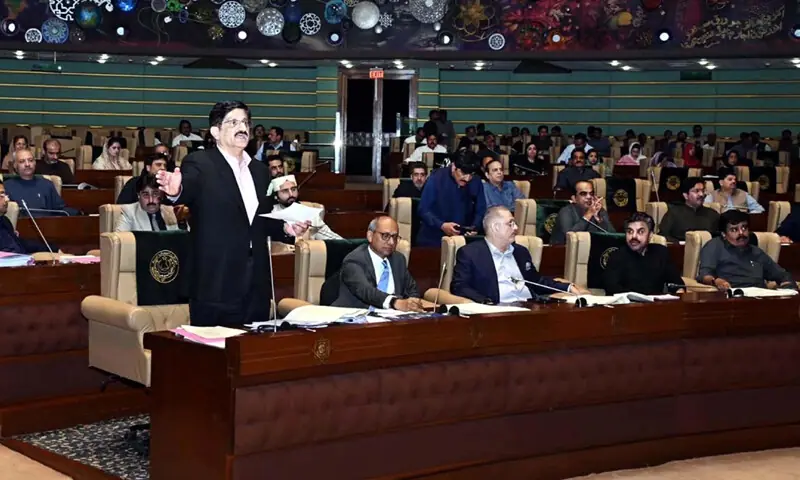
Thanks to its numerical strength in the house, PPP rejects all cut motions of opposition parties; CM Murad calls budget a document of prudent financial discipline.
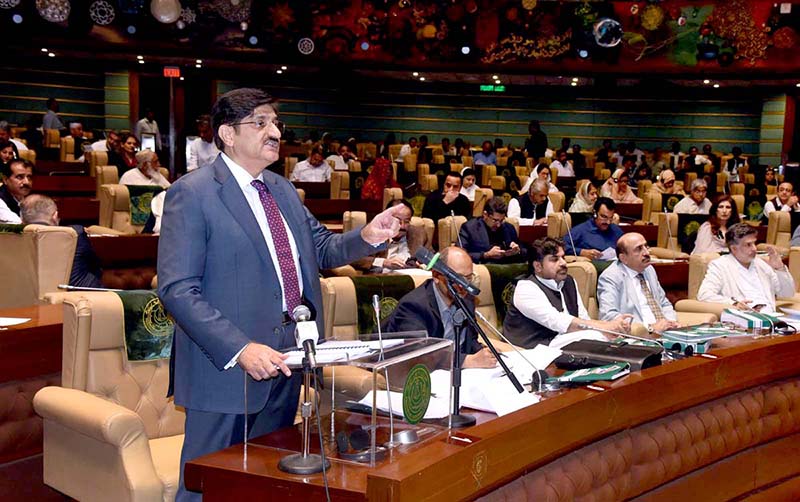
Sindh Assembly approved a Rs3.652 trillion budget for FY2026-27 and supplementary grants of Rs165bn. Finance Bill adds no new taxes.

A country that depends on others to finance its budget, supply its energy, provide critical technologies or provide its strategic resources inevitably finds its room for independent decision-making constrained.
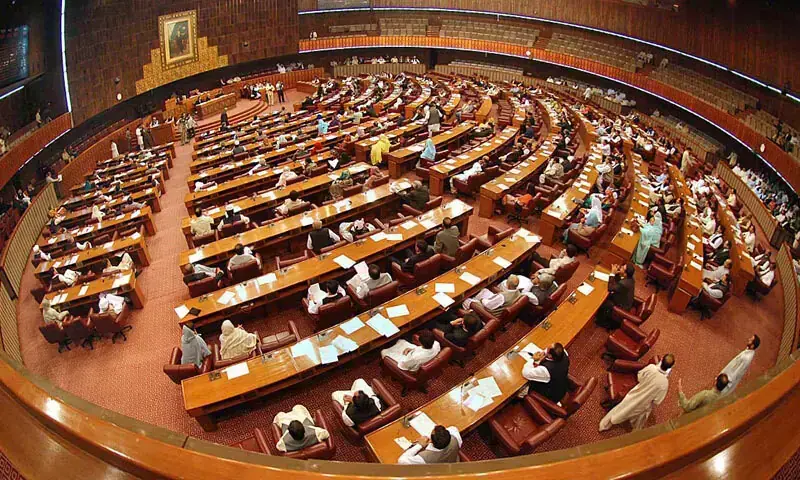
Pakistan's parliament typically has barely two to three weeks for budget debate, compared to seven to eight weeks in India.
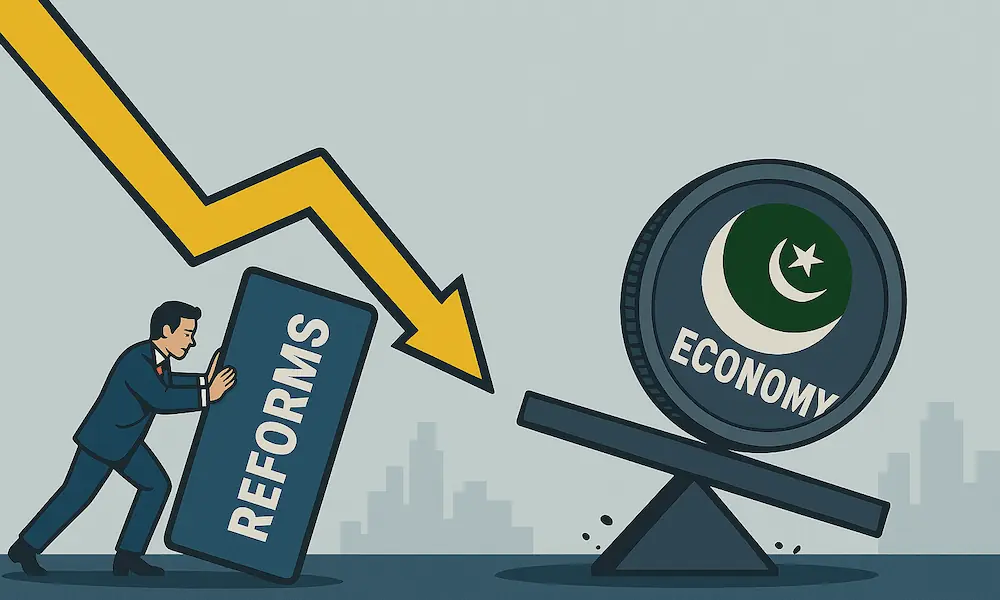
In the absence of a clear, consistent and predictable policy environment, only speculative economic activities tend to flourish, according to Pakistan Policy Dialogue 2026.
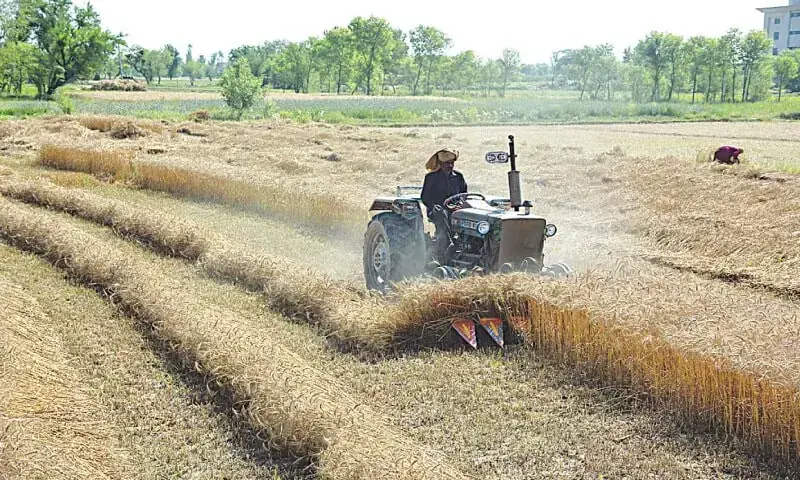
A high tech agri economy cannot be built while farmers face expensive diesel prices, volatile fertiliser markets, and a punitive energy tariff.

AGP audit finds Rs156.5bn Global Fund health grants lost, missed or stalled due to admin failures. Read key findings and recommendations.

Addressing the intertwined challenges of water scarcity, inequitable distribution, and declining irrigation-system efficiency...
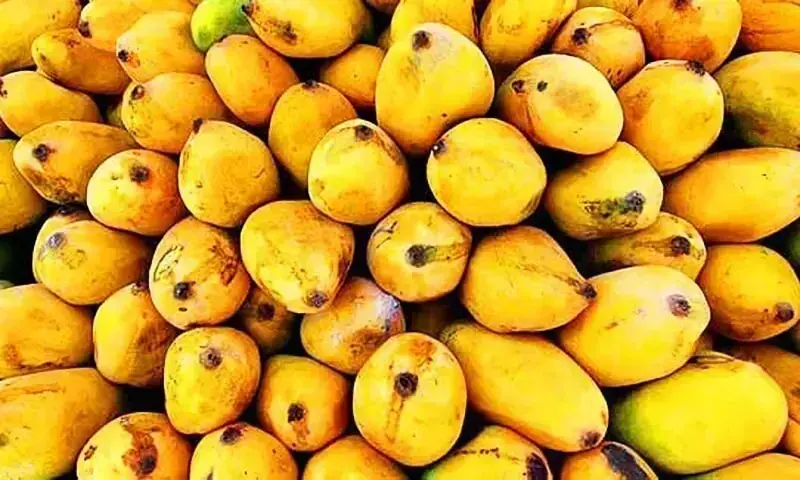
Disease-hit production, difficult marketing conditions, and the war in the Middle East have all contributed to a market glut.

When China disrupted the AI race in 2025 with the release of DeepSeek R1, it erased $1tr from America’s capital...
Beijing’s experience demonstrates how emerging capabilities move from policy signal to pilot project to large-scale industrial
Pakistan needs to shift from using electricity consumption as a proxy to using energy poverty as the guiding principle for policy
Pistachio farmers of California are reaping the benefits of the Iran-US conflict, as the nuts fetched $5.30 a pound...
This year India is on track to pass 1bn active internet users, according to one trade body, up from 622m in 2020,...

Banks, with their $140bn balance sheets, could put in considerably more effort for lending, especially within a productive climate-smart framework.
The movement to rejoin the European Union has rushed from the fringe to the centre, with some 55pc of Britons saying...

The expansion of online freelancing and access to e-commerce platforms has created a new impetus for female financial inclusion.
Zero-tolerance against corruption
Anime is one of Japan’s most popular and valuable exports, with the market almost tripling in size over the last...

Higher Apple prices

Morning Breeze aims to lessen the load for its readers by curating noteworthy updates from the preceding day.

TDAP faces Rs3.656 billion audit objections over weak controls, recoveries and bank-account lapses. Read the report and proposed fixes.
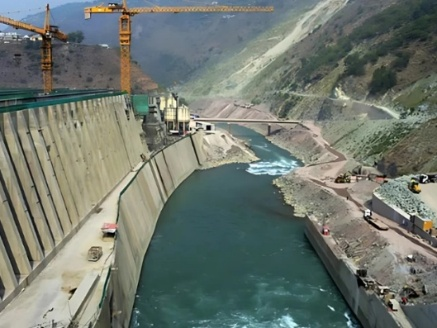
Pakistan can strengthen its water security by adopting China's long-term approach to investing in water infrastructure, maintenance and integrated water management, experts say, as the country grapples with worsening water scarcity, climate risks and ageing irrigation systems.

Pakistan can revitalise its ageing neighbourhoods by adapting China's people-centred urban renewal model, which focuses on upgrading existing communities, improving municipal services and strengthening climate resilience instead of relying mainly on demolition and urban expansion, experts say.
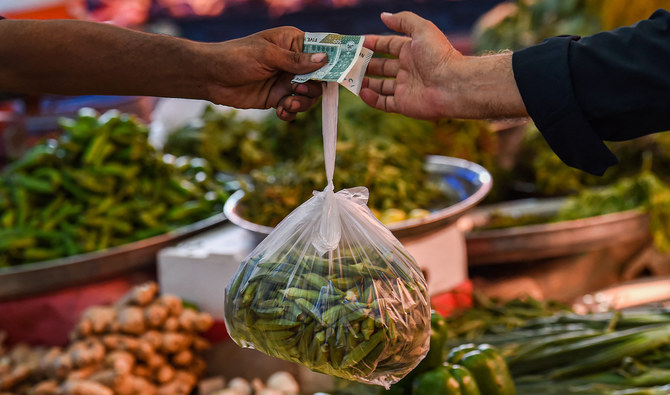
Wholesale prices of several major non-food commodities declined in July 2026, led by furnace oil, motor spirit, diesel, electricity and cement, according to the Pakistan Bureau of Statistics’ Monthly Review on Price Indices, available with Wealth Pakistan.
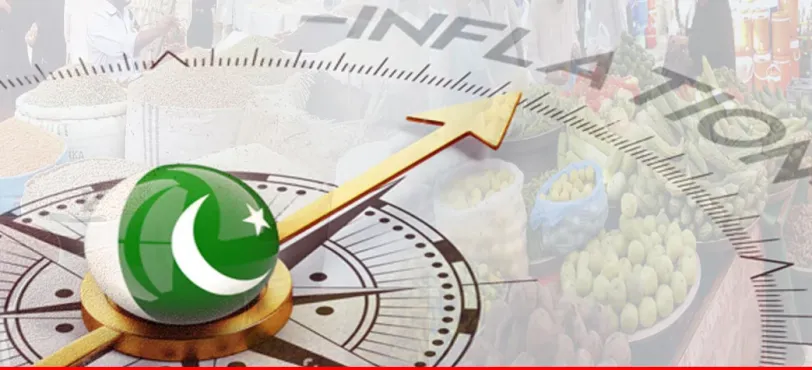
Pakistan's consumer inflation, measured by the Consumer Price Index (CPI), eased to 9.2% in July 2026 from 11.1% in June, as lower transport and energy costs helped moderate overall price pressures. On a monthly basis, CPI inflation rose 1.2%, a deceleration from the 2.9% increase in July last year, according to the Pakistan Bureau of Statistics (PBS) Monthly Review on Price Indices.
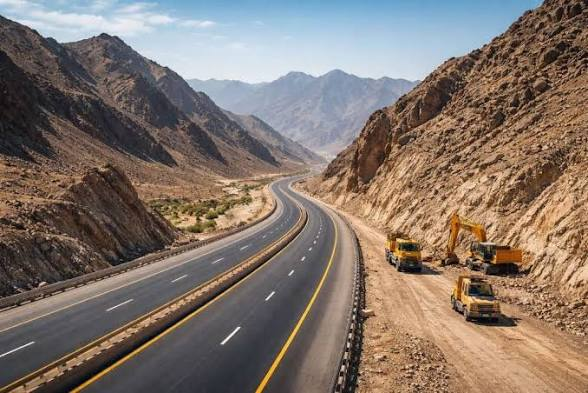
More than 24 kilometres of the 54-kilometre Nagor Sharif-Suntsar blacktop road in Balochistan has opened for traffic, with work on the remaining section underway through an Oman-funded infrastructure project, according to documents available with Wealth Pakistan.
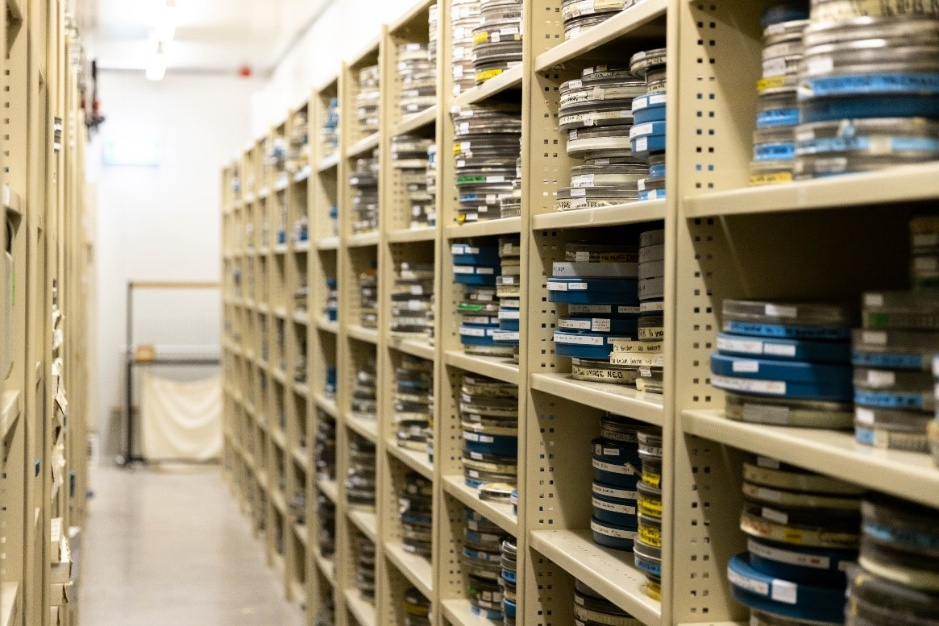
The federal government has digitized around 4 million historical records under a comprehensive modernization programme of the National Archives of Pakistan (NAP), according to a document available with Wealth Pakistan.

Aug 4, 2026

Pakistan recorded its highest-ever number of company registrations during FY2025-26, reflecting improving business confidence amid macroeconomic stabilisation, easing inflation and a more favourable investment environment.
The Pakistani government has reaffirmed its commitment to a prudent debt management strategy aimed at reducing refinancing risks, lowering debt-servicing costs and diversifying financing sources to support long-term fiscal sustainability.
The Pakistani government expects the country's economic recovery to continue during FY2026-27, supported by improving macroeconomic fundamentals, easing inflation, stronger external buffers and sustained reform efforts, although global uncertainties and regional geopolitical tensions remain key risks to the outlook.
The Pakistani government has expanded access to investment in Treasury bills by enabling eligible retail investors to purchase the securities through the JazzCash mobile application, a move aimed at broadening the domestic investor base, promoting financial inclusion and strengthening Pakistan's capital market.

The Pakistani government has launched InvestPak, a digital investment platform designed to broaden the country's domestic investor base by enabling individuals and corporate investors to invest directly in government securities through a web portal and mobile application.

The Pakistani government has appointed consortiums of leading international banks to support future issuances of Eurobonds, international Sukuk, and rupee-denominated, US dollar-settled bonds, as part of efforts to diversify financing sources, strengthen debt management and maintain an orderly presence in global capital markets.
Pakistan's fiscal position improved significantly during FY2025-26 as stronger revenue collection, prudent expenditure management and lower debt servicing costs helped reduce the fiscal deficit, reinforcing the country's macroeconomic stability.
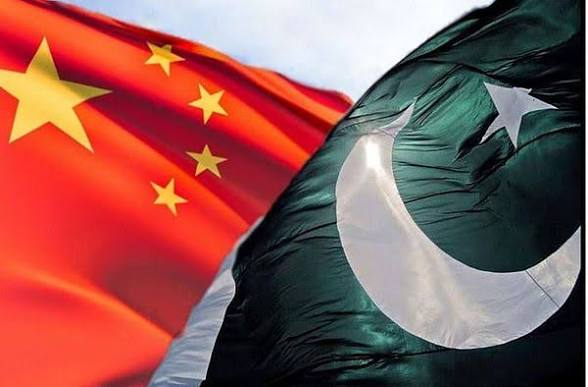
China remained Pakistan's largest source of foreign direct investment (FDI) during FY2025-26, reinforcing its position as the country's leading investment partner as overall investor confidence strengthened amid improving macroeconomic stability.
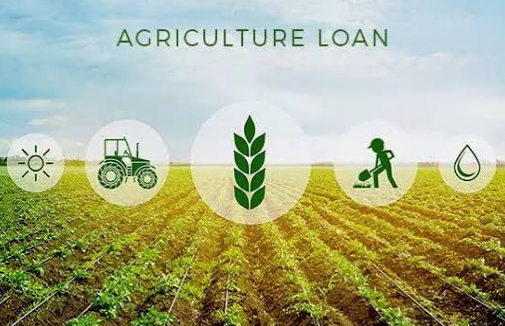
Agricultural credit disbursement rose by more than 21% during the first eleven months of FY2025-26, accompanied by higher imports of farm machinery and increased tractor production, reflecting continued investment in agricultural mechanisation despite climate-related risks facing the sector.
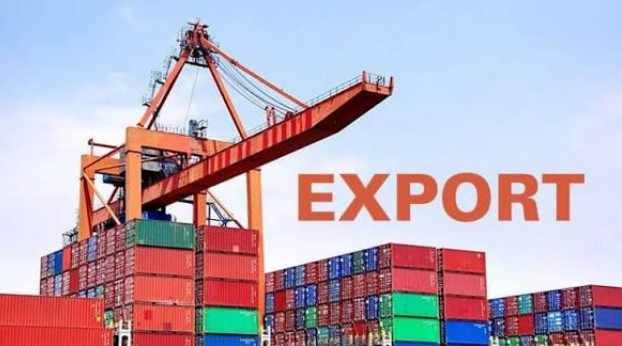
Strong growth in Pakistan's services exports helped offset the impact of a widening merchandise trade deficit during FY2025-26, supporting the country's external sector despite higher import payments driven by the economic recovery.

New trade rules introduced by the European Union (EU) and the United Kingdom (UK) are creating fresh opportunities for Pakistani exporters, although businesses will increasingly need to demonstrate labour compliance, sustainable production and stronger supply-chain transparency to retain and expand preferential market access.
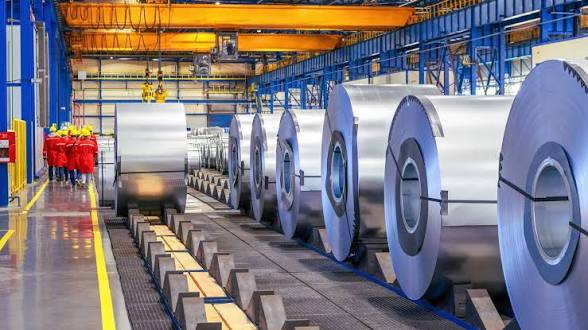
Pakistan's manufacturing sector showed signs of broad-based recovery during FY2025-26, with growth recorded across 16 major industrial groups, supported by improving macroeconomic stability, easing inflationary pressures and stronger domestic demand.
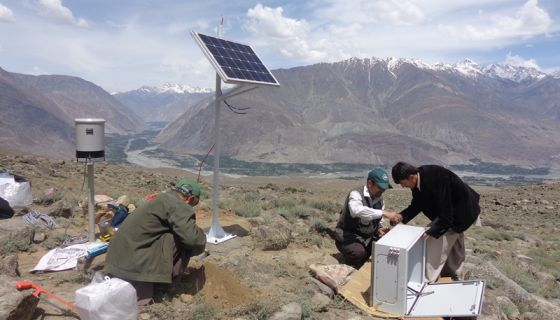
Pakistan can strengthen its emergency response system by adapting key elements of China's integrated early-warning model, which combines timely forecasts with coordinated evacuations, emergency deployment and community preparedness, experts say.
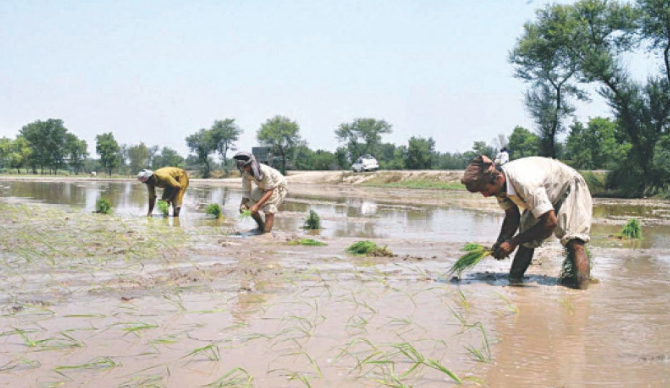
The government has warned that below-normal rainfall and rising temperatures could pose significant risks to Kharif crops during the current season, despite improved availability of agricultural credit, farm machinery and key farm inputs.
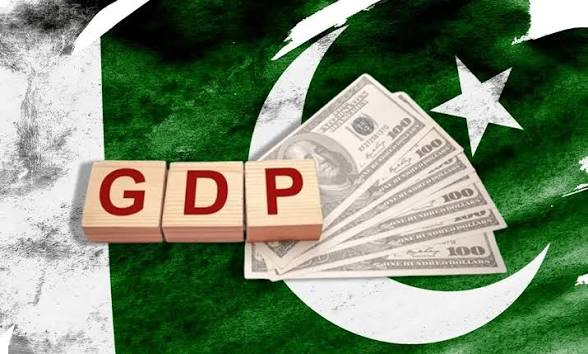
The government believes Pakistan has strengthened its ability to withstand external economic shocks through improved macroeconomic stability, higher foreign exchange reserves, fiscal consolidation and continued structural reforms, although geopolitical tensions and global uncertainties remain significant risks.

Aug 3, 2026
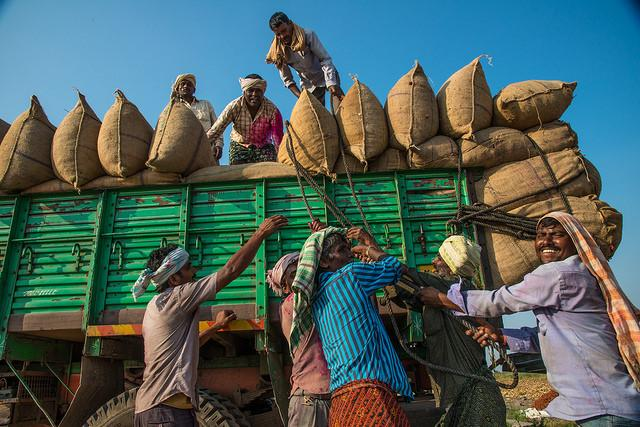
ISLAMABAD, Aug.02 (INP-Wealth Pakistan) -- Pakistan will launch a Rs17 billion National Food Security and Productivity Enhancement Programme to modernise agriculture, strengthen research and innovation, and improve the productivity and competitiveness of the country's food sector.

ISLAMABAD, Aug.02 (INP-Wealth Pakistan) -- Pakistan has approved a nationwide initiative to establish Prime Minister's E-Sports arenas and training centres at higher education institutions, aiming to equip young people with digital skills and promote emerging technology-driven industries as part of the country's broader digital transformation agenda.

ISLAMABAD, Aug.02 (INP-Wealth Pakistan) -- The government has directed the Higher Education Commission (HEC) to comprehensively review university curricula and align academic programmes with the requirements of Industrial Revolutions 4.0 and 5.0, as part of broader efforts to equip graduates with future-ready skills and support the country's transition towards a knowledge-based economy.

ISLAMABAD, Aug.02 (INP-Wealth Pakistan) -- The government has reaffirmed its commitment to raising Pakistan's exports to $60 billion by improving industrial competitiveness, promoting innovation and strengthening the country's export-oriented sectors under the URAAN Pakistan – 5Es-based National Economic Transformation Plan.
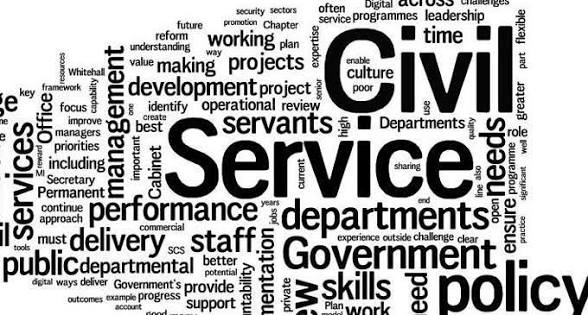
ISLAMABAD, Aug.02 (INP-Wealth Pakistan) -- The federal government is moving ahead with the introduction of a technology-enabled 360-degree evaluation system for civil servants as part of sweeping reforms to make promotions more performance-based.
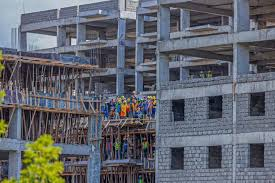
ISLAMABAD, Aug. 02 (INP-Wealth Pakistan) -- Pakistan can bridge its estimated 10-million-unit housing deficit by adapting key elements of China's affordable housing model, which combines long-term planning, affordable financing, public-private partnerships and integrated urban development, experts say.

ISLAMABAD, Aug. 01 (INP-Wealth Pakistan) -- Pakistan can unlock new export opportunities in animation, gaming, film, digital publishing and culturally rooted online content by combining its creative talent with technology, financing and stronger intellectual property protection, experts say, drawing lessons from the rapid commercial expansion of China's cultural industries.
Morning Breeze aims to lessen the load for its readers by curating noteworthy updates from the preceding day.

KARACHI: Escalation in US military attacks and Iranian retaliation pushed oil prices higher, fuelling global ...

ISLAMABAD - The benchmark KSE 100-index of the Pakistan Stock Exchange (PSX) witnessed a sharp bearish trend on Wednesday, losing 1,690.40 points, a negative change of 0.96 percent, to close at 174,776.60 points against 176,466.99 points recorded in the previous trading session. The ready market witnessed a trading volume of 610.181 million shares compared to 784.466 million shares traded in the previous session, while the traded value decreased to Rs31.861 billion from Rs37.410 billion. Market capitalization declined to Rs19.581 trillion from Rs19.782 trillion recorded a day earlier. Out of 501 companies that traded in the ready market, 113 posted gains, 356 suffered losses, while 32 remained unchanged, reflecting a strong downward trend in market.

ISLAMABAD -

ISLAMABAD: The government on Wednesday announced to increase fuel prices for Thursday, September 3 following high global oil prices in the wake of rising tensions in the Middle East.
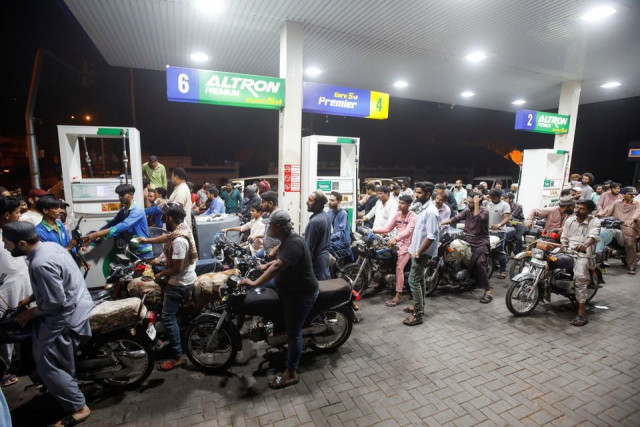
The federal government on Wednesday increased the price of petrol and high-speed diesel (HSD) by Rs2.29 and Rs1.11 per litre, respectively, for September 3.

New prices will be applicable on September 3 (Thursday).

The federal government on Wednesday increased the prices of petroleum products for the next 24 hours, effective till Thursday (September 3).
ISLAMABAD, Sep 2 (APP):The benchmark KSE-100 Index of the Pakistan Stock Exchange (PSX) witnessed a sharp bearish trend on Wednesday, losing 1,690.40 points, a negative change of 0.96 percent, to close at 174,776.60 points against 176,466.99 points recorded in the previous trading session.
The benchmark KSE-100 Index of the Pakistan Stock Exchange (PSX) witnessed a sharp bearish trend on Wednesday, losing 1,690.40 points, a negative change of 0.96 percent, to close at 174,776.60 points against 176,466.99 points recorded in the previous trading session.The ready market witnessed a trad ..

Pakistan Stock Exchange ended sharply lower as the KSE-100 Index lost 1,690 points to close at 174,776, with 356 listed companies recording declines.

The Pakistani rupee extended its marginal gains against the US dollar on Wednesday.

Gold prices fell for the fifth consecutive day in Pakistan, with 24-karat gold dropping Rs11,300 per tola to Rs454,036, while international gold declined $113 to $4,315 per ounce.

Benchmark sheds over 1,600 points and falls as low as 174,701; selling hits banks, cement, energy and automobile stocks

Gold prices in Pakistan decreased on Wednesday in line with their loss in the international market. In the local market, gold price per tola reached Rs454,036 after a decline of Rs11,300 during the day.
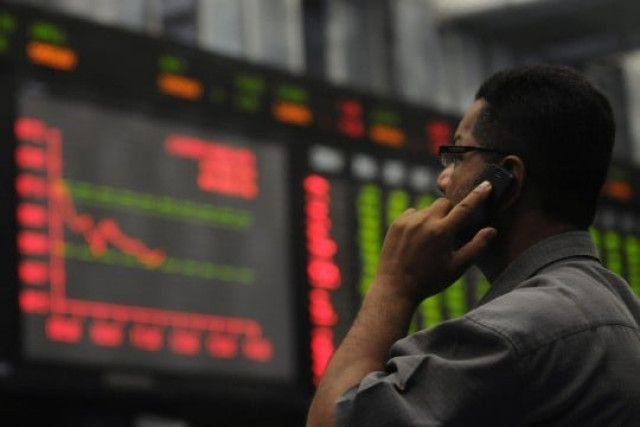
Pakistan’s stock market came under fresh selling pressure on Wednesday as renewed
CURRENCY SELLING BUYING USD 279.24 276.24GBP 377.05 372.61EUR 323.36 319.48 JPY 1.7432 1.7226 SAR 74.38 73.50 AED 76.04 ..
The Exchange Rates Committee of Financial Markets Association of Pakistan issued the following exchange rates bulletin, here on Wednesday. CONVERSION RATES FOR September,01, 2026 FOR FOREIGN CURRENCY FOR FORWARD COVER FOR DEPOSITS (EXCLUDING FE-25 DE ..

Gold prices in Pakistan declined on Tuesday in line with losses in the international market, where bullion reversed course after traders raised bets on a US rate hike.

Foreign exchange rates in Pakistan for today, September 02, 2026
Sales volumes of petroleum products by oil marketing companies (OMCs) fell 3% year-on-year to 1.26 million tons in August 2026, from 1.30 million tons in

PSX fell 1,289 points to 175,177.56 as US-Iran tensions fueled a bearish trend, while rising oil prices and global market losses added to investor concerns.

Selling pressure was observed at the Pakistan Stock Exchange (PSX) as concerns over supply disruption intensified after the US and Iran exchanged strikes overnight, with the benchmark KSE-100 Index shedding nearly 1,300 points during the opening minutes of trading on Wednesday.

Inflation surged to 11.2% in August, returning to double digits just after one month, driven by the government's policy to fully recover fuel costs and taxes from consumers coupled with provincial failures in ensuring wheat supplies that contributed to higher food prices in the country.

Silver price in Pakistan for today, September 02, 2026
Central bank purchases slightly exceed last year’s $7.2 billion as May buying falls to $154 million, lowest since January 2025

Food, fuel costs put pressure on household budgets
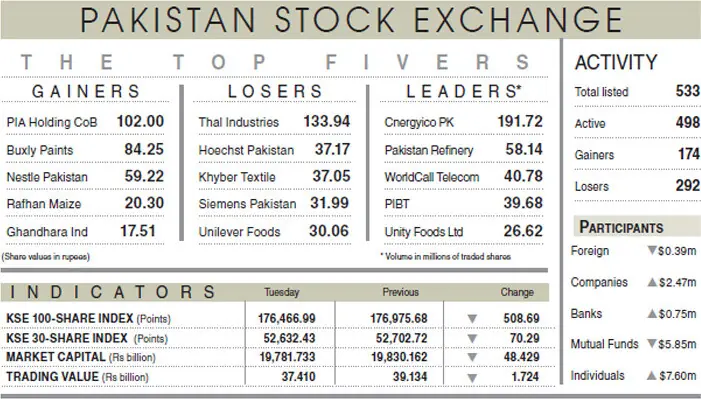
KARACHI: The Pakistan Stock Exchange (PSX) on Tuesday extended its southward move as rising oil prices, a...
KARACHI: Urea sales declined 14 per cent year-on-year but rose 21pc month-on-month to 702,000 tonnes in August. In...
ISLAMABAD - Pakistan’s inflation rate has once again entered into double digits, 11.1 percent in August, after easing in July this year. The monthly inflation rate, measured through Consumer Price Indicator (CPI), was recorded at 11.1 percent during August 2026, according to the latest data of Pakistan Bureau of Statistics (PBS). The inflation rate had eased in July by reaching 9.2 percent after continuously increasing in previous months, as it was recorded at 11.1 percent in June, 11.7 percent in May, 10.9 percent in April and 7.3 percent in March. On a month-on-month basis, it remained unchanged at 1.2 percent in August as compared to the previous month and witnessed a decrease of 0.6 percent in August 2025.