
NBP Exchange Rates
KARACHI, Oct 12 (APP):Treasury Management Division of National Bank of Pakistan (NBP) on Monday the following exchange rates.
APP
KARACHI, Oct 12 (APP):Treasury Management Division of National Bank of Pakistan (NBP) on Monday the following exchange rates.

The Sindh government has proposed a $9.15mn climate-resilient floating agriculture project to create 400 hectares of flood-resistant cropland across 100 w

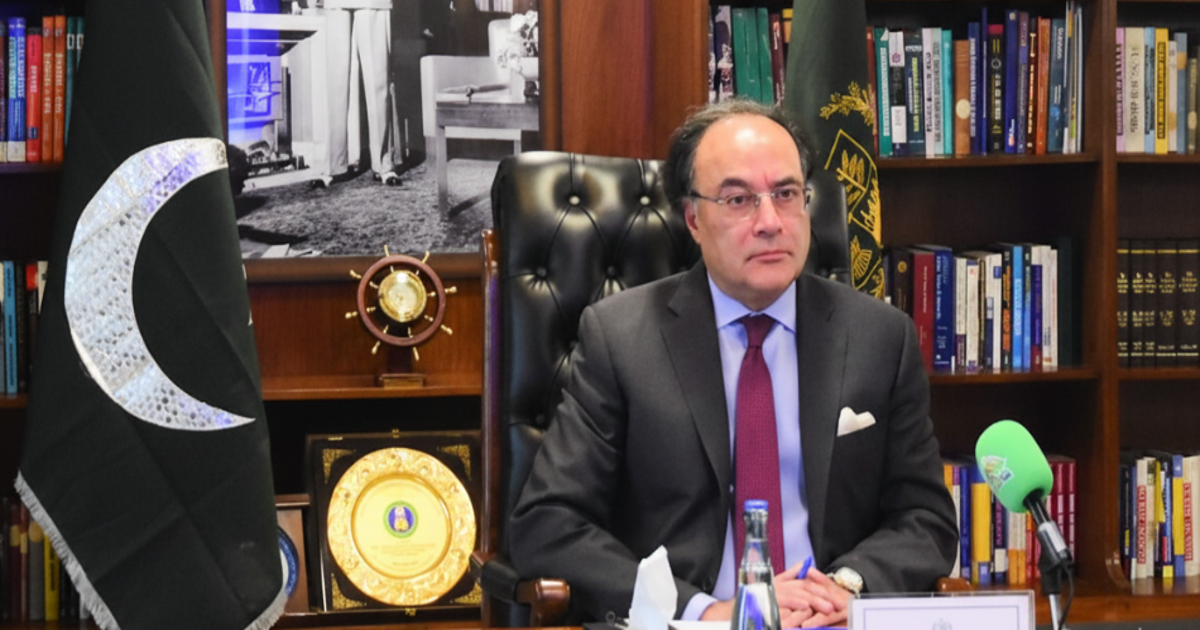
BANGKOK: Pakistan’s economy is expected to grow by more than 4% this fiscal year despite elevated oil prices, as the government looks to push for the privatisation of five to six entities that could raise upwards of $1 billion, Finance Minister Muhammad Aurangzeb told Reuters on Monday.

KARACHI, Oct 12 (APP):The Exchange Rates Committee of Financial Markets Association of Pakistan issued the following exchange rates bulletin, here on Monday.
Pakistan will pursue investment, trade and economic cooperation with global financial institutions, international investors and development partners throu

Climate Just Transition (CJT) is a buzzword these days. It urges the world to move away from unsustainable, climate-intensive practices and towards sustainable, climate-neutral and climate-friendly practices. The need for transition has grown as climate change-related disasters and impacts become more frequent. The cost, both monetary and human, is rising sharply.

Pakistan must turn diplomatic gains into economic progress, confront elite capture and prioritise reforms as poverty rises to 29% and real wages decline.

Electric vehicles are gaining ground in the twin cities of Islamabad and Rawalpindi as high fuel prices, linked to tensions in the Middle East, and envir
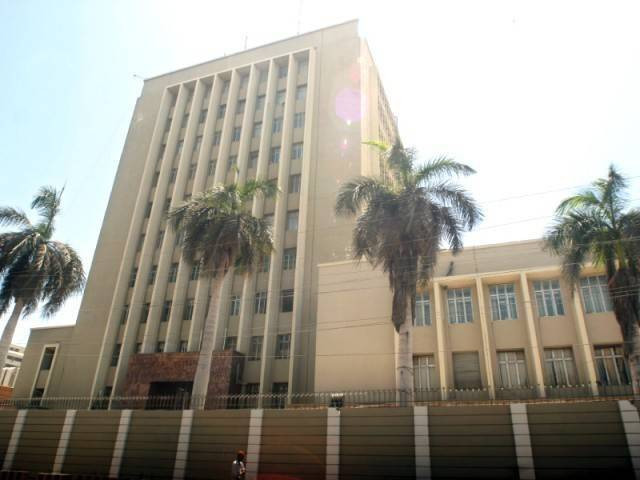
Uraan Pakistan, the national economic plan launched at the end of 2024, aims to raise exports to $60 billion a year by 2029. It expects provinces to finance a major share of their development budget. For the last few years, the Ministry of Commerce has emphasised that exports cannot be raised by the federal government alone and provinces must play their part. This view now appears to have been adopted at the highest level.
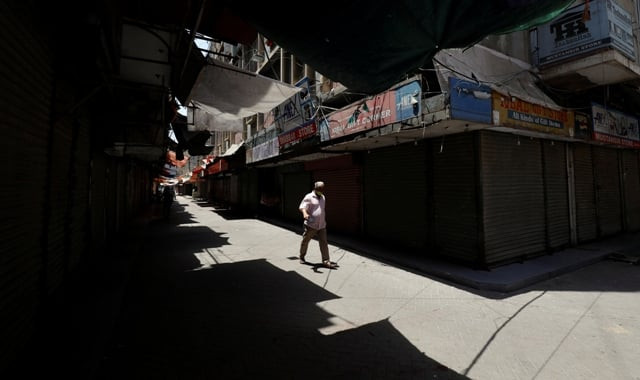
Pakistan may have stabilised its economy, but it has yet to make that stability work. Inflation is no longer at crisis levels, external pressures have eased and foreign exchange reserves have recovered. Yet these improvements have not translated into a corresponding sense of opportunity for businesses or households. For the young graduate, the small manufacturer or the entrepreneur trying to expand, macroeconomic stability remains a distant statistic unless it creates jobs, investment and rising incomes.

Law Reform Report No 142 of the Law and Justice Commission of Pakistan proposes an International Commercial Court of Pakistan as a specialised Federal Superior Court. Crucially, Clause (3) of the draft Article 212A expressly permits parliament to confer original or appellate jurisdiction over "taxation" and other economic and commercial matters.
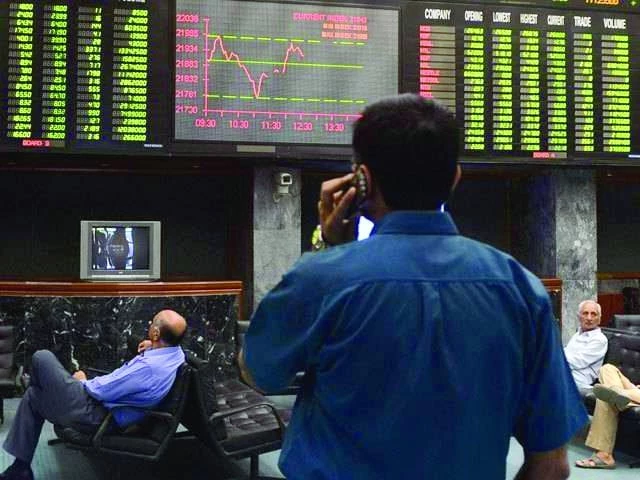
Pakistan stock market's extraordinary rally from around 40,000 to beyond 180,000 in 2.5 years from June 2023 to January 2026 reflected improving fundamentals (from low 3.5x price-to-earnings (P/E), liquidity (rate cut from 22% to 11.5%), sentiment and diplomatic goodwill. Much good news arrived – and was priced in remarkably quickly. After roughly eight frustrating months, investors are questioning equities and eyeing property or fixed income. With the index closing October 1 near 168,637, disappointment is understandable. But consolidation after an exceptional advance does not invalidate the investment case.
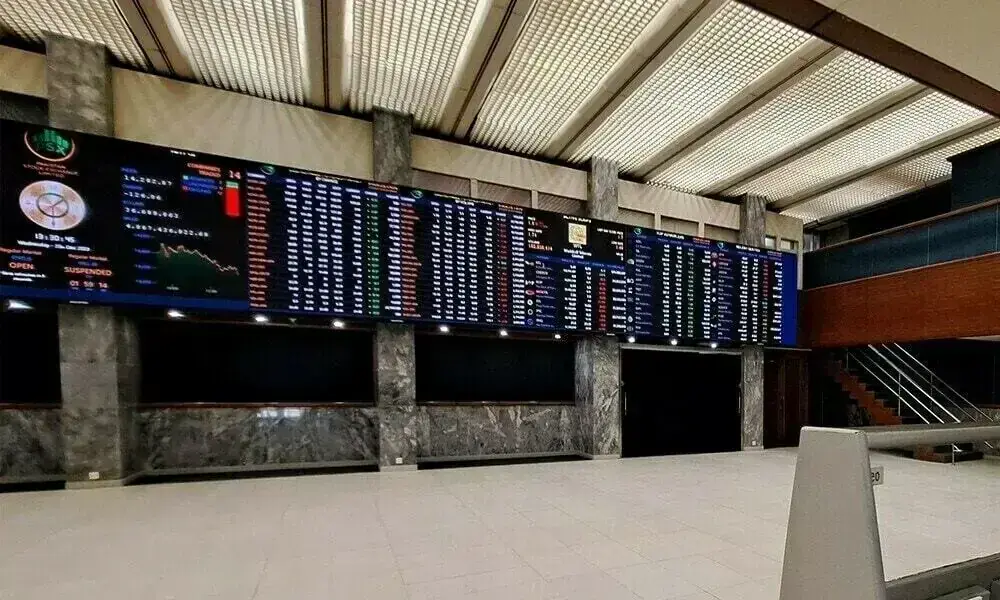
Selling pressure was observed at the Pakistan Stock Exchange (PSX), with the benchmark KSE-100 Index shedding nearly 400 points amid volatility on the political front on Monday.

Hum Network reports a 78% profit decline to Rs267 million in FY26 as falling advertising revenue and the shift to digital platforms pressure earnings.

Port Qasim Electric Power Company opposes a proposed one-year cap on coal supply contracts, warning of fuel security and procurement risks.

The former Chakwal Spinning Mills wants to become a major player in cloud computing, data centres and IT services.

Pakistan's draft auto policy proposes $4.59 billion in exports, lower import tariffs, mandatory localisation and new incentives for electric vehicles by 2031.

Pakistan faces a 22% Rabi water shortage as wheat import costs rise, prompting calls for greater scrutiny of water management and irrigation spending.

Pakistan exported 4,900 tonnes of honey in 2025, but falling hive yields, climate change and weak quality standards threaten growth in higher-value markets.

Dollar remained near an 18-month high on Middle East tensions, while investors awaited US inflation data for clues on Federal Reserve interest rates. Oil prices fluctuated amid geopolitical uncertainty

TPL REIT partners with Saima Builders to develop Saima Mangrove Residences at its 40-acre Karachi waterfront project.

Intercity bus services from Lahore were suspended on Sunday after terminals were reportedly sealed, leaving passengers stranded amid a PTI protest call.

Gold rose on Monday, supported by a softer dollar and lower oil prices, as investors awaited key US inflation data this week for clues on the Federal Reserve’s next policy move.

A German-backed fund exits Pakistan's Asia Insurance, selling its 25.42% stake to Private Stock Holding as questions remain over ownership and deal value.

Silver price in Pakistan for today, October 12, 2026

Pakistan's Organic Meat Company reports a 74% profit decline to Rs112 million in FY26 as revenue falls 12%, raising concerns over export markets and margins.

Gold price in Pakistan for today, October 12, 2026

Morning Breeze aims to lessen the load for its readers by curating noteworthy updates from the preceding day.
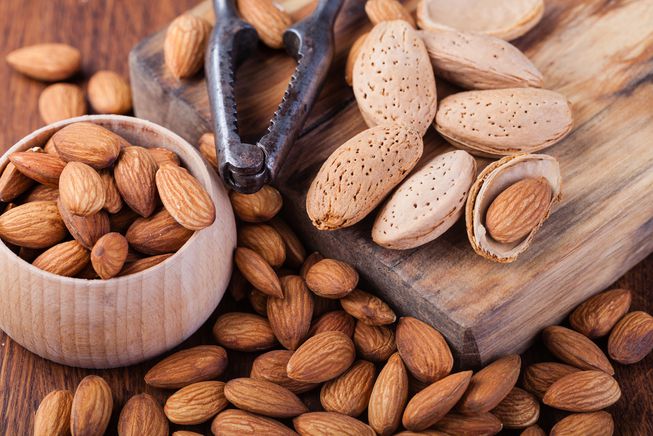
Pakistan Customs fixes new assessment values for imported almonds at $1.41 to $3.81 per kilogram, with a 15% increase for processed varieties.

Khaadi's anticipated IPO prospectus draws investor interest, offering a potential opportunity to invest in one of Pakistan's leading fashion retail brands.
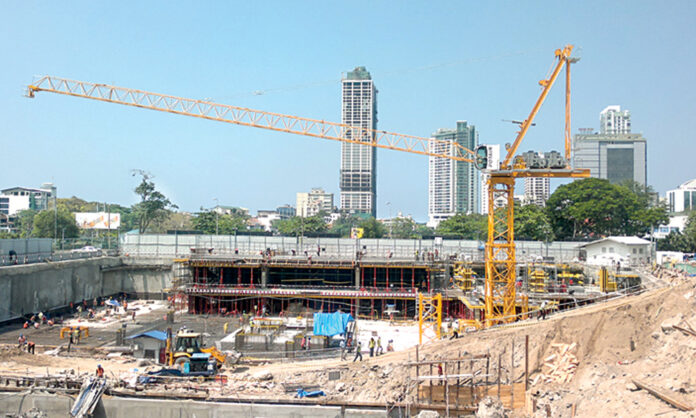
Pakistan’s development project backlog has surged to Rs10.818 trillion, highlighting the growing challenge of completing hundreds of ongoing public-sector schemes amid limited fiscal resources.

Over 9,000 incidents of diesel and electricity theft, along with prolonged power outages, disrupted Pakistan’s telecom infrastructure in the last 11 months, posing a major challenge to the sector, according to Pakistan Telecommunication Authority (PTA) documents available with Wealth Pakistan.

Pakistan's ongoing federal development projects will require about three times the resources currently available under the proposed Public Sector Development Programme (PSDP) framework for FY2026-27, according to official planning documents.
The government has introduced a new project prioritisation framework, known as the “Rockfill Strategy,” to manage mounting development commitments and ensure that limited Public Sector Development Programme (PSDP) resources are directed towards projects with the greatest strategic importance.
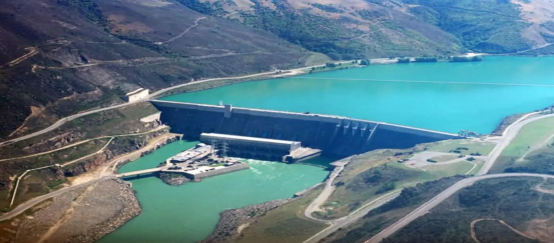
Major water-sector projects, particularly large dams and hydropower schemes, have emerged as one of the biggest contributors to Pakistan’s growing development liabilities, with financing requirements running into hundreds of billions of rupees.
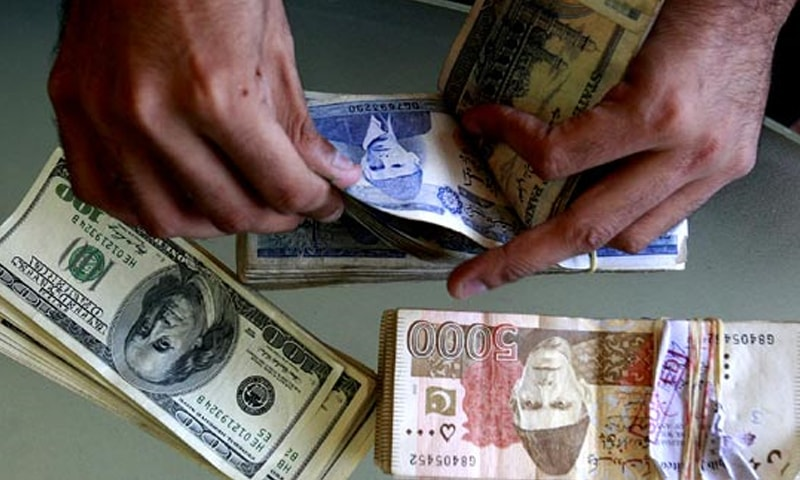
Foreign-funded development projects are placing increasing pressure on Pakistan’s public finances as the government struggles to meet growing rupee-cover requirements needed to support externally financed schemes.
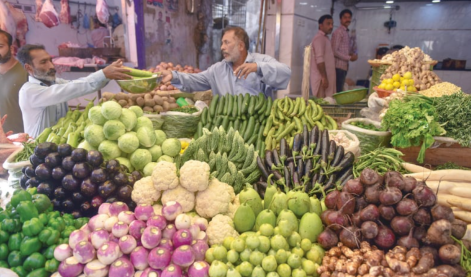
Consumers received some relief in May as prices of several key food items, particularly vegetables and poultry products, declined significantly on a month-on-month basis, according to data released by the Pakistan Bureau of Statistics (PBS).
The federal government continues to allocate significant development resources to projects falling within provincial domains despite the devolution of many sectors under the 18th Constitutional Amendment, according to official planning documents.

Pakistan's digital transformation initiatives continue to receive federal development support despite mounting fiscal pressures and growing competition for limited Public Sector Development Programme (PSDP) resources.
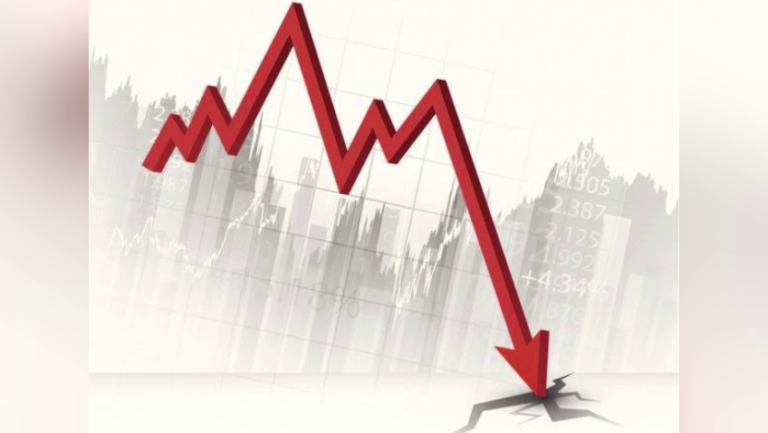
Pakistan’s development spending has failed to keep pace with the expansion of the federal budget and the overall economy over the past decade, raising concerns about the country’s capacity to finance infrastructure and development priorities.
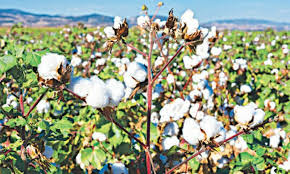
Punjab's cotton crop, the backbone of Pakistan's textile industry, is showing encouraging signs as major pest infestations remain under control and no cases of Cotton Curl Leaf Virus (CCLV) have been detected so far this season, according to the latest official monitoring report.

China’s targeted approach to financing small and medium enterprises (SMEs) offers valuable experience for Pakistan as it seeks to expand affordable credit, strengthen productive sectors and enable smaller businesses to play a larger role in job creation, exports and industrial growth, experts say.

Pakistan’s exploration of blockchain-based sovereign bonds could diversify the country’s debt financing channels, attract a broader pool of investors and modernise capital-market infrastructure, provided the initiative is supported by a robust regulatory framework, strong investor protections and secure digital systems, experts say.
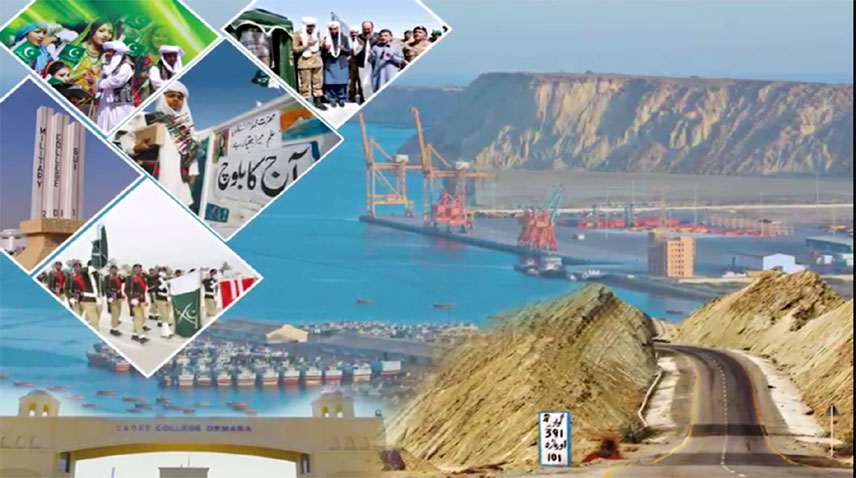
Balochistan is set to remain a major beneficiary of federal development spending in FY2026-27, with dedicated allocations proposed for infrastructure, connectivity and regional development projects despite growing fiscal constraints.
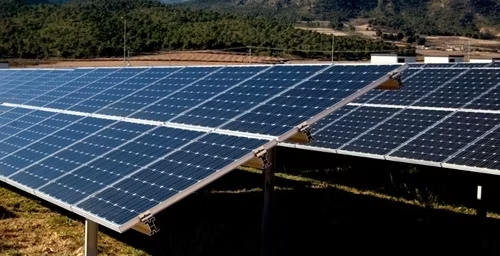
The revision of net metering to net billing will affect only three-phase commercial and industrial consumers, while 90 percent of single-phase consumers will remain unaffected, according to a media brief available with Wealth Pakistan.

Around two million single-phase electricity consumers have registered under a QR code system launched to verify subsidy eligibility, as Pakistan’s residential and agricultural power subsidy bill has reached Rs527 billion.

Jun 2, 2026
The Pakistan Stock Exchange (PSX) extended its strong upward momentum in May 2026, with the benchmark KSE-100 Index gaining 10,969 points month-on-month to close at 173,963, delivering a return of 6.7 percent amid improving investor sentiment and easing geopolitical concerns.
Pakistan’s liquid foreign exchange reserves rose to $22.646 billion by May 22, 2026, reflecting a notable improvement in the country’s external liquidity position and strengthening its capacity to meet external payment obligations.

In a major move, Pakistan Railways (PR) has decided to outsource its nationwide schools network under a long-term Public-Private Partnership (PPP) framework, according to documents available with Wealth Pakistan.

As supply chains across the Asia-Pacific continue to undergo a major realignment, Pakistan is increasingly positioning itself as a regional trade connector, offering alternative transit routes that can reduce delays, diversify trade corridors and enhance resilience against geopolitical and shipping disruptions.
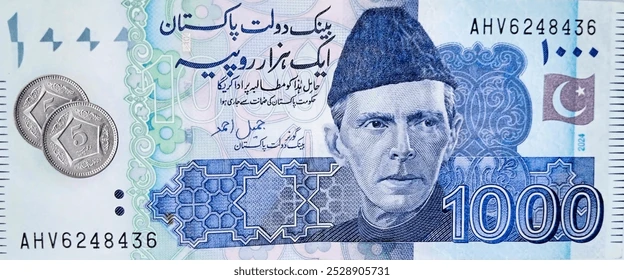
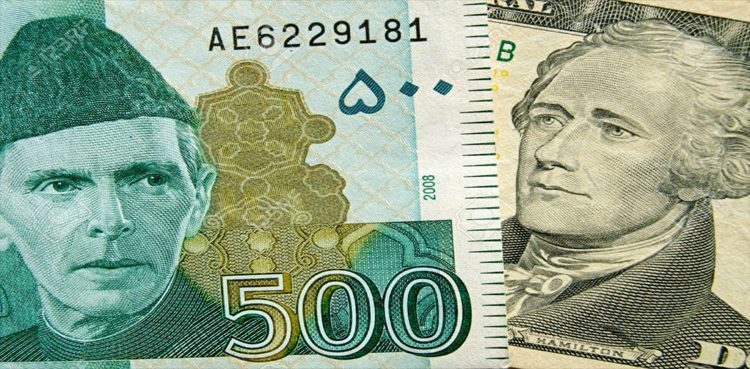
The Pakistani rupee remained broadly stable against major international currencies during May 2026, posting a modest appreciation against the US dollar amid improving foreign exchange reserves and steady market sentiment.

Oil and Gas Development Company Limited (OGDCL) has significantly accelerated the monetisation of its hydrocarbon discoveries, and its latest additions contributed around 9,734 barrels per day (BPD) of oil and 74.25 million standard cubic feet per day (MMSCFD) of gas, representing the strongest production gains during the first 10 months of the fiscal year 2025-26.

The Ministry of Energy is working on a time-of-use (ToU) electricity package for the industrial sector that would allow manufacturers to utilize surplus daytime power at significantly lower rates, as Pakistan seeks to balance a rapidly changing demand profile driven by large-scale solar adoption.
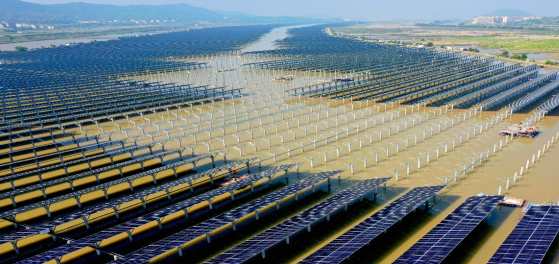
The rapid expansion of Chinese clean-tech financing and overseas green industrial investment is creating fresh opportunities for Pakistan’s Special Economic Zones (SEZs), as the country seeks to attract export-oriented manufacturing, renewable energy equipment production and electric vehicle-related industries.
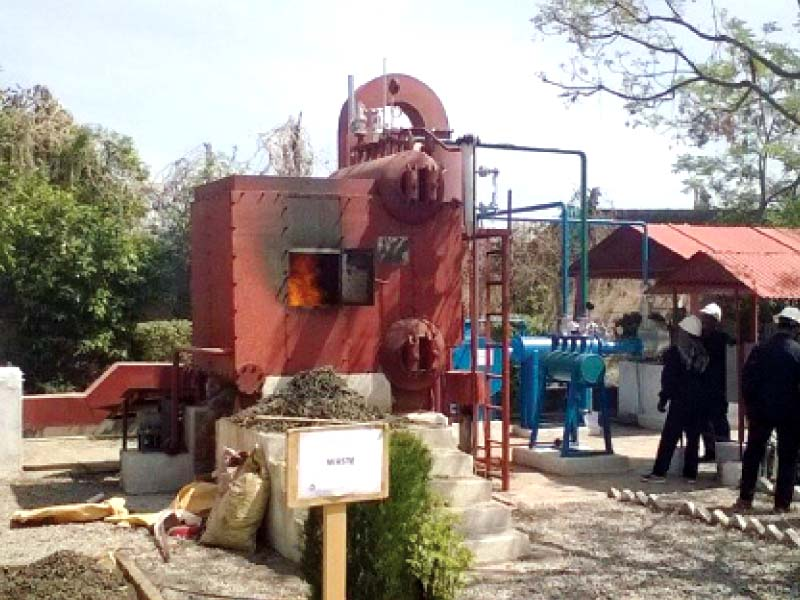
China’s waste-to-energy model offers insights for Pakistan as the country struggles with rising municipal solid waste, weak segregation systems, shrinking landfill space and an energy sector that needs cleaner and locally available generation sources.
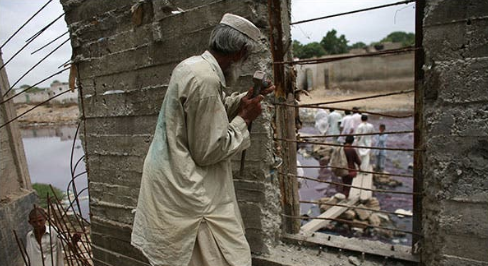
China’s renewed emphasis on law-based governance and sustained action against organized crime offers valuable experience for Pakistan as illicit networks, smuggling, extortion and weak enforcement continue to undermine business confidence, investment security and formal economic activity, experts say.

China’s renewed focus on disaster prevention, community-level emergency response systems and public preparedness offers valuable experience for Pakistan as climate-induced floods, heatwaves, landslides and urban flooding continue to challenge the country’s resilience and response capacity, experts say.
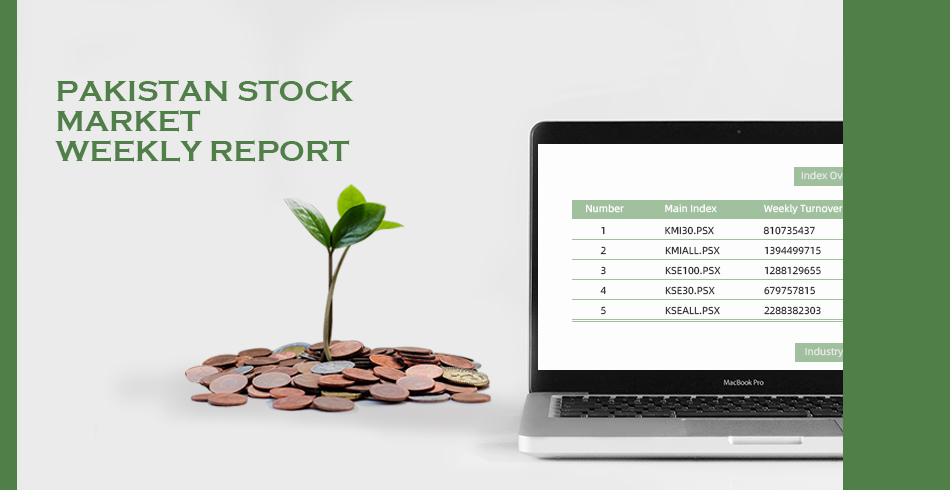
Weekly Review of Stock Market (2026.05.25-2026.05.29)

Jun 1, 2026

Foreign exchange rates in Pakistan for today, September 02, 2026
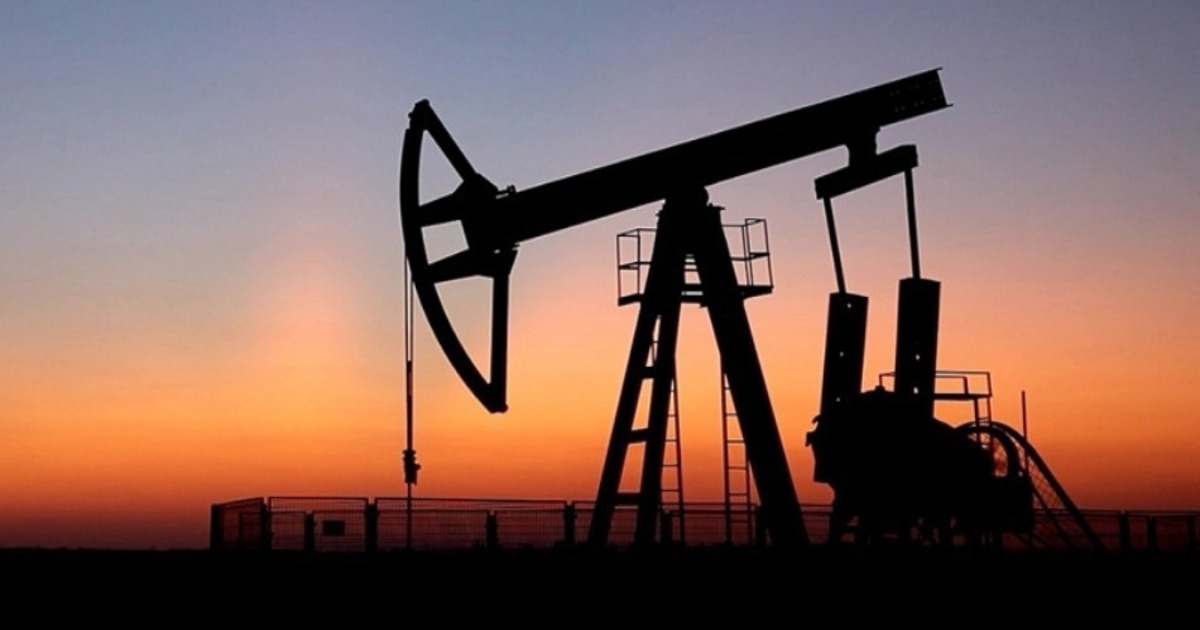
Sales volumes of petroleum products by oil marketing companies (OMCs) fell 3% year-on-year to 1.26 million tons in August 2026, from 1.30 million tons in

PSX fell 1,289 points to 175,177.56 as US-Iran tensions fueled a bearish trend, while rising oil prices and global market losses added to investor concerns.

Selling pressure was observed at the Pakistan Stock Exchange (PSX) as concerns over supply disruption intensified after the US and Iran exchanged strikes overnight, with the benchmark KSE-100 Index shedding nearly 1,300 points during the opening minutes of trading on Wednesday.
Inflation surged to 11.2% in August, returning to double digits just after one month, driven by the government's policy to fully recover fuel costs and taxes from consumers coupled with provincial failures in ensuring wheat supplies that contributed to higher food prices in the country.

Silver price in Pakistan for today, September 02, 2026
Central bank purchases slightly exceed last year’s $7.2 billion as May buying falls to $154 million, lowest since January 2025

Food, fuel costs put pressure on household budgets
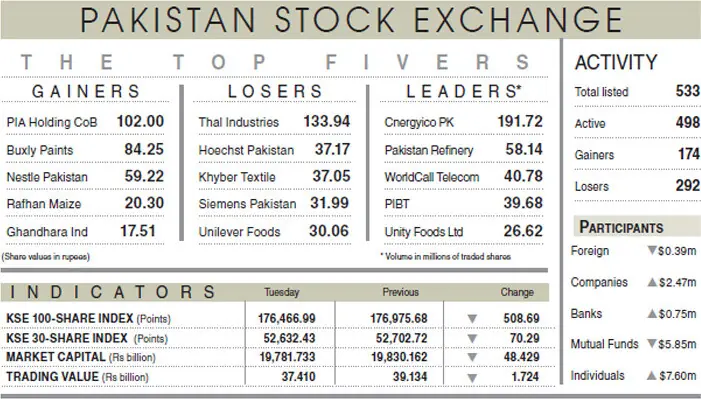
KARACHI: The Pakistan Stock Exchange (PSX) on Tuesday extended its southward move as rising oil prices, a...

KARACHI: Urea sales declined 14 per cent year-on-year but rose 21pc month-on-month to 702,000 tonnes in August. In...

ISLAMABAD - Pakistan’s inflation rate has once again entered into double digits, 11.1 percent in August, after easing in July this year. The monthly inflation rate, measured through Consumer Price Indicator (CPI), was recorded at 11.1 percent during August 2026, according to the latest data of Pakistan Bureau of Statistics (PBS). The inflation rate had eased in July by reaching 9.2 percent after continuously increasing in previous months, as it was recorded at 11.1 percent in June, 11.7 percent in May, 10.9 percent in April and 7.3 percent in March. On a month-on-month basis, it remained unchanged at 1.2 percent in August as compared to the previous month and witnessed a decrease of 0.6 percent in August 2025.

As expected, consumer price inflation is inching up again, driven by rising fuel prices and their indirect impact, alongside a continuous increase in wheat prices. Headline inflation returned to double digits after a gap of one month, clocking in at 11.1 percent in August, compared to 9.2 percent in July.

Diamond Industries Limited (PSX: DIIL) was incorporated in Pakistan as a private limited company in 1989. The company is engaged in the manufacturing and sale of foam products and PVA products for domestic and industrial consumption.

ISLAMABAD: Rising tensions from the US–Iran conflict and disruptions in the Strait of Hormuz continue to drive up global petroleum rates, resulting in a daily increase in domestic fuel prices.

According to the Petroleum Division’s notification, the new prices will be applicable on September 2 (Wednesday).
Headline CPI rises from 9.2% in July as rural inflation reaches 12.2%; monthly inflation holds at 1.2%

The price of petrol has been raised by Rs. 0.51 per liter, while high-speed diesel has increased by Rs. 1.08 per liter.

The Ministry of Energy (Petroleum Division) has revised the ex-depot prices of petroleum products, raising the price of High-Speed Diesel (HSD) by Rs0.51
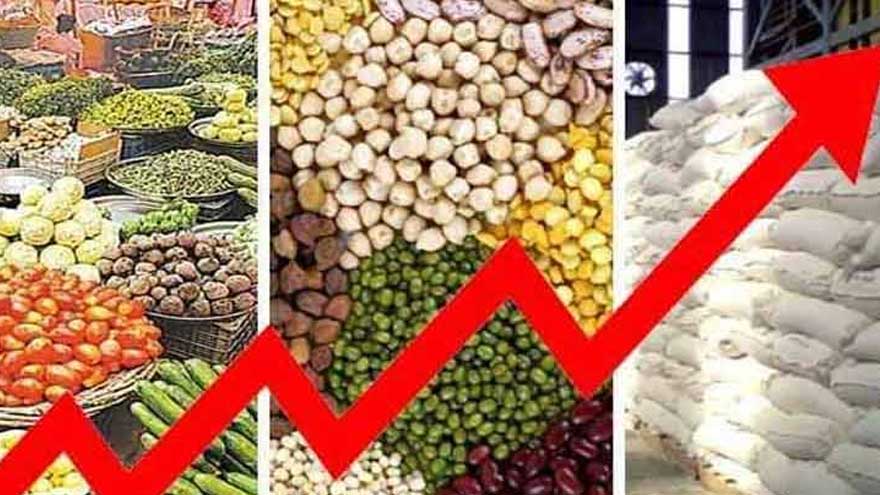
Pakistan’s annual inflation surged to 11.1% in August 2026 from 9.2% in July, driven by rising economic pressures and global commodity risks.

KARACHI, Sep 01 (APP): Pakistan’s banking sector disbursed Rs 3,231.56 billion in agriculture credit during fiscal year 2025-26, depicting a 24.7% growth against Rs 2,592.23 billion disbursements in the previous fiscal year 2024-25.


Pakistan’s headline inflation clocked in at 11.1% on a year-on-year (YoY) basis in August 2026, up from 9.2% recorded in July, as shown by Pakistan Bureau of Statistics (PBS) data on Tuesday.
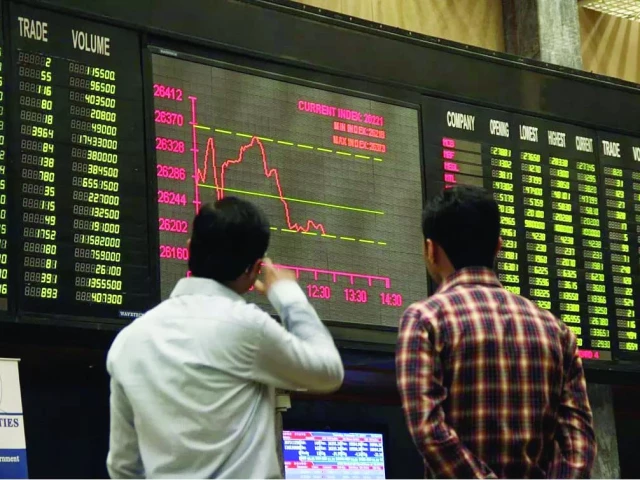
The Pakistan Stock Exchange (PSX) began September on Tuesday with investors walking on a tightrope, as anxiety and caution kept the KSE-100 Index swinging between gains and losses. The index, under sustained selling pressure, eventually tumbled 508.69 points, or 0.29%, to settle at 176,466.99.

Pakistan Stock Exchange surrendered an early rally of more than 800 points, with the KSE-100 Index reversing course to close 508 points lower at 176,466.
The core inflation measured by the Consumer Price Index (CPI) CPI inflation increased by 11.1 percent on year-on-year (YoY) basis in August 2026 as compared to an increase of 9.2 percent in the previous month and 3.1 percent in August 2025, Pakistan Bureau of Statistics (PBS) reported on Tuesday. A ..
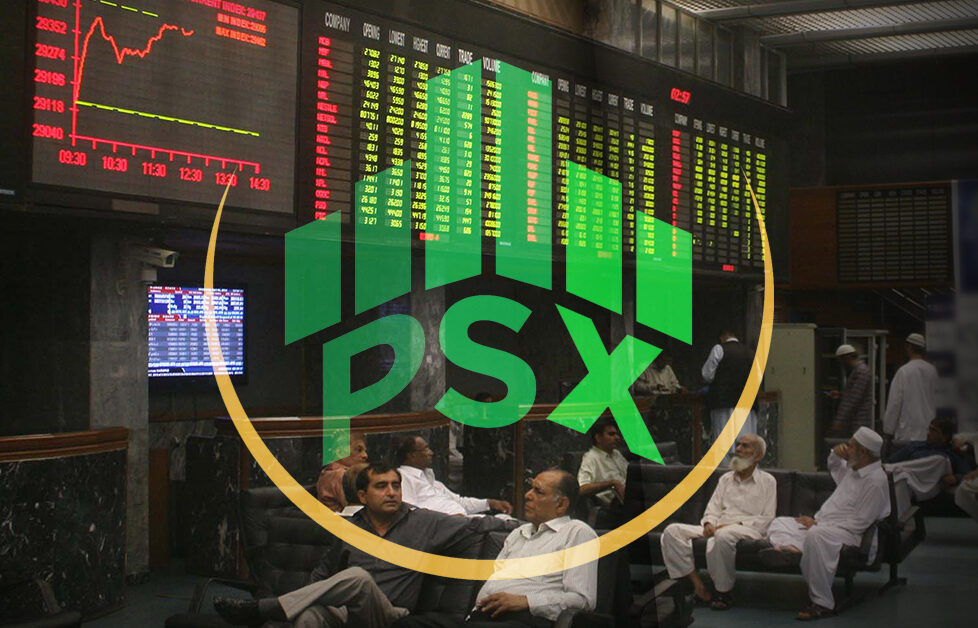
ISLAMABAD, Sep 1 (APP): The benchmark KSE-100 Index of the Pakistan Stock Exchange (PSX) continued its bearish trend on Tuesday, losing 508.69 points, a negative change of 0.29 percent, to close at 176,466.99 points against 176,975.68 points recorded in the previous trading session.

The Pakistani rupee extended its marginal gains against the US dollar on Tuesday.

The National Consumer Price Index (CPI) increased by 11.1% on a year-on-year basis in August 2026, rising from 9.2% in the previous month and up sharply f

ISLAMABAD, Sep 1 (APP):The import of agriculture machinery into the country during the first month of the current financial year increased by 25.87 percent as compared to the import of the corresponding month of the last year.
The import of agriculture machinery into the country during the first month of the current financial year increased by 25.87 percent as compared to the import of the corresponding month of the last year.During the month of July, 2026, agriculture machinery worth of $18.161 million was imported as co ..