
Gold price per tola gains Rs4,643 in Pakistan
Gold prices in Pakistan
Brecorder
Gold prices in Pakistan
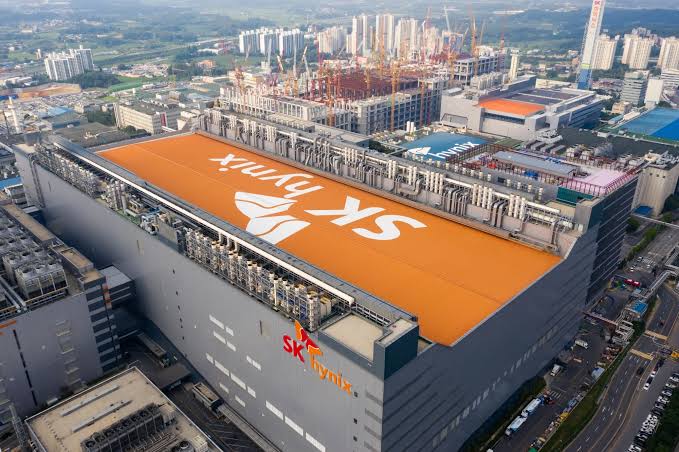
SK Hynix becomes South Korea’s most valuable listed company, boosted by AI HBM chip demand. Check the latest market figures and outlook.
The Securities and Exchange Commission of Pakistan (SECP) has approved a new digital financing product titled “Khudmukhtar Khatoon” aimed at supporting wo

OCAC protests Pakistan’s unilateral fuel price cut, warning refineries and OMCs face ~Rs105 billion losses. Read the details and impact.

The move is aimed at expanding the tax base and improving revenue collection by bringing more retail businesses into the formal economy

Pakistan Stock Exchange opens higher as US-Iran talks progress and oil prices ease. Follow today’s PSX market moves—read the update.
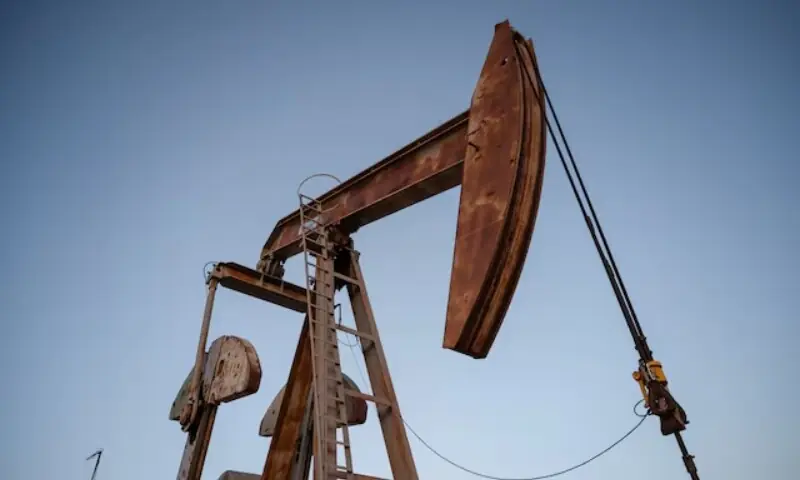
“The decline has been driven primarily by improving prospects for a diplomatic breakthrough between the United States and Iran," says analyst.
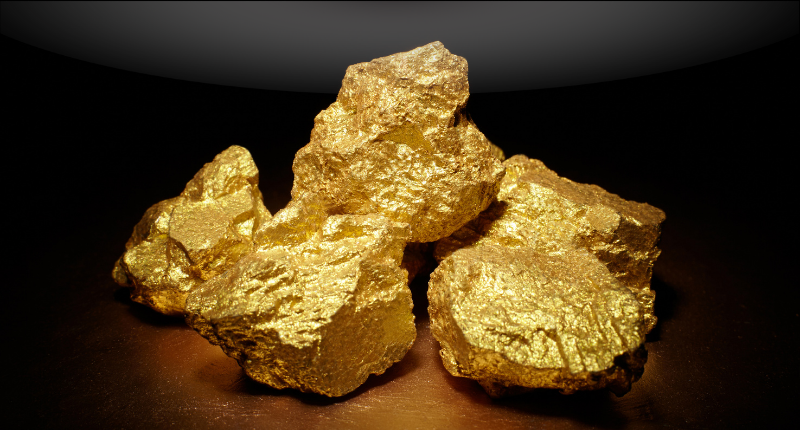
Gold climbed 0.8% after Iran cited progress in peace talks with the US. Oil eased, but rate-hike fears cap gains—read more.
BEIJING:
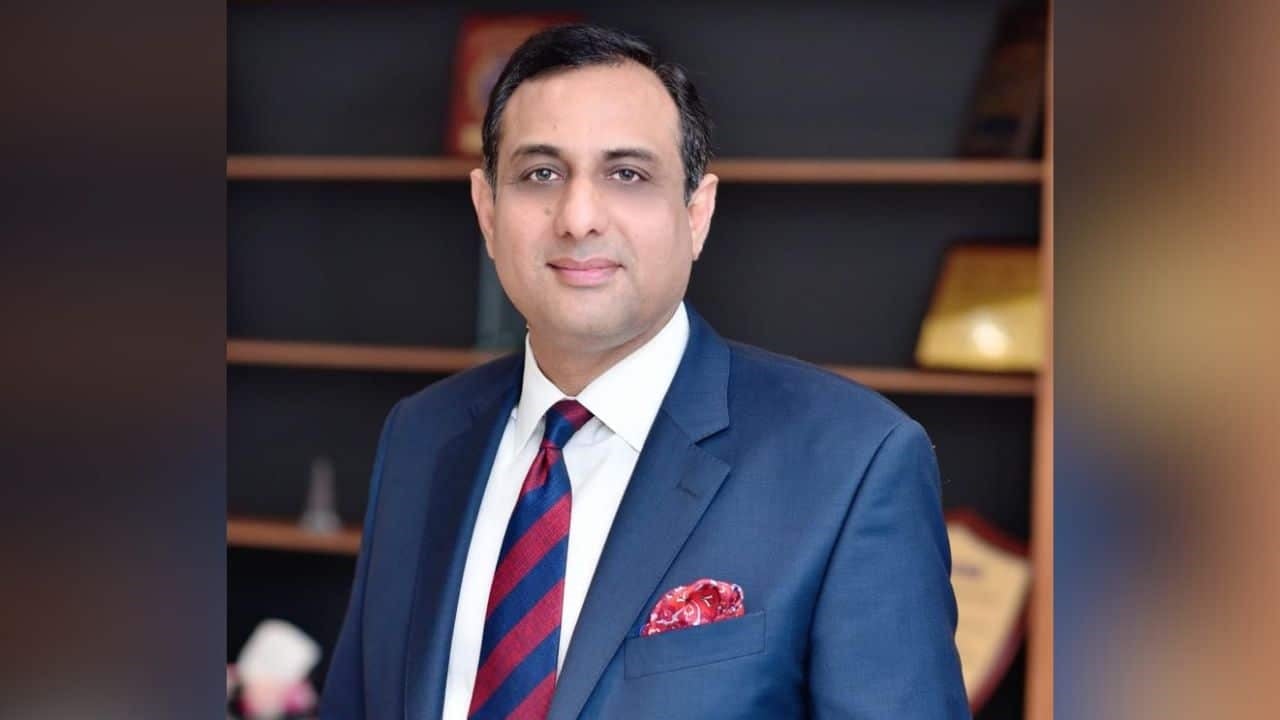
The company aims to scale its annual capacity to 7 million smartphones, 360,000 televisions and 400,000 air-conditioners, as it moves beyond mobile phones into higher-margin consumer technology products through partnerships with Xiaomi and Hisense.
Loads Limited signs a non-binding MoU with China’s Xinhuida to explore copper trading, JV and tech transfer in Pakistan. Read more.
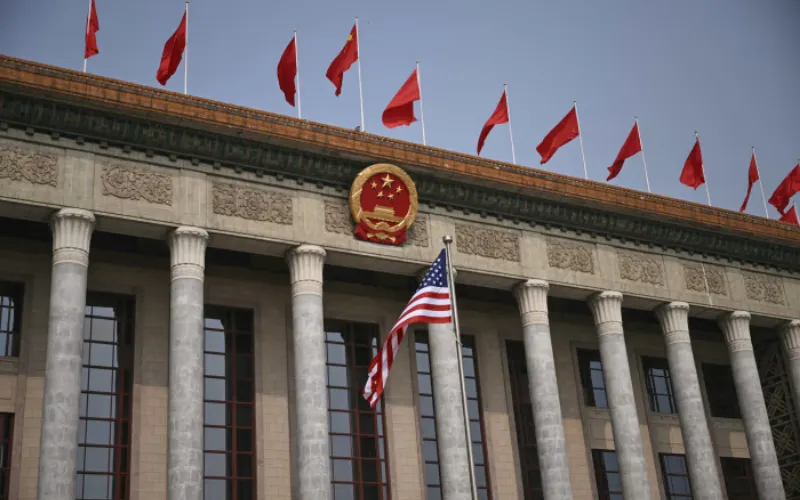
China imposed trade restrictions on dozens of US companies in response to Washington adding more Chinese firms to Pentagon blacklist.
Karachi: Book-building for the Initial Public Offering of Select Technologies Limited, a wholly owned subsidiary of Air Link Communication Limited, opens today at the Pakistan Stock Exchange and will continue on June 23, 2026, marking another important technology-sector listing at the local bourse.

Brent crude futures dropped $1.53, or 1.9 per cent, to $79.04 per barrel by 0656 GMT. Earlier in the session, prices had surged to $82.30 amid uncertainty surrounding the talks and renewed tensions in the Middle East
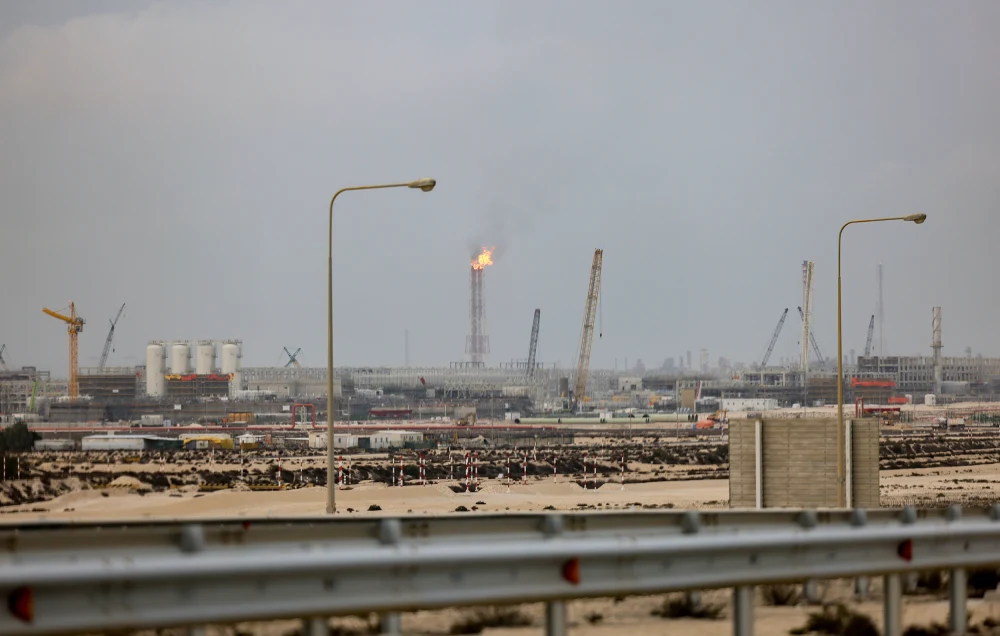
Qatar says 54 people injured and 18 missing after an explosion at its Barzan LNG gas facility. Fire contained—read the latest.
SEOUL: SK Hynix on Monday overtook Samsung Electronics to become South Korea’s most valuable listed company, marking a dramatic reversal of fortunes for a chipmaker that two decades ago nearly collapsed under debt.
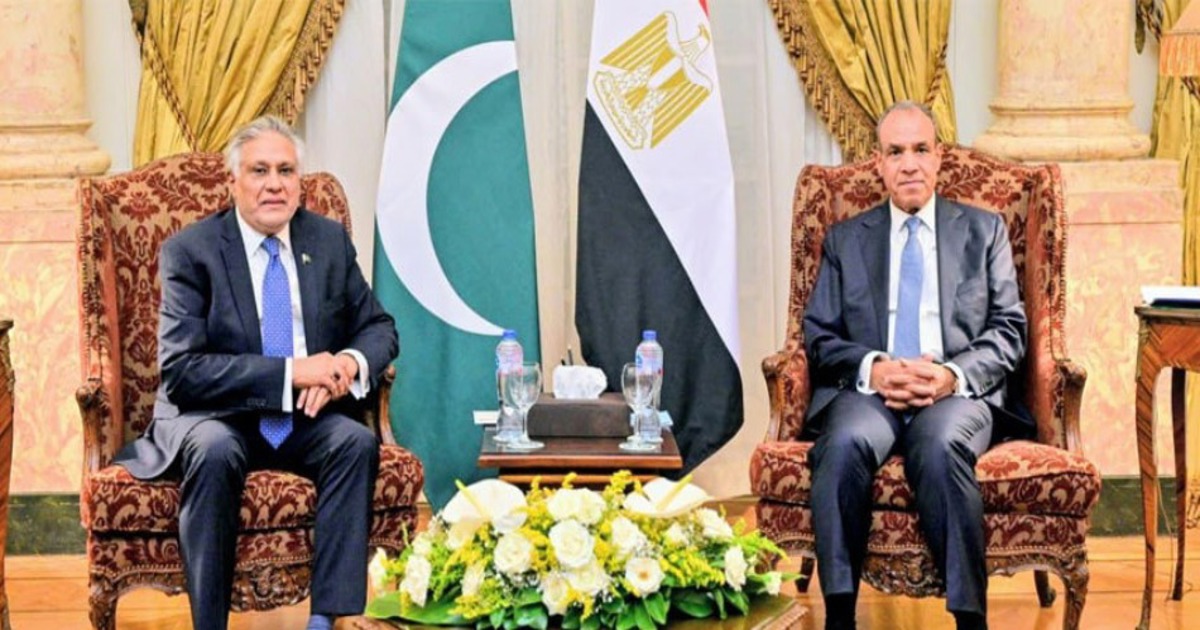
Deputy Prime Minister and Foreign Minister Senator Mohammad Ishaq Dar visited Cairo from 20–21 June 2026 at the invitation of Egypt’s Foreign Minister Bad
China blocks exports of dual-use items to MP Materials and USA Rare Earth, citing US “malicious practice.” Read the latest.
PSX opened higher on Monday after the first US-Iran talks session in Switzerland. KSE-100 index gained 1,223 points to reach 180,500 after last week’s decline.

Oil prices fell after US-Iran talks concluded in Switzerland. Tehran said it had received waivers for oil and petrochemical exports.

Global oil prices declined across major benchmarks, with WTI, Brent and Murban crude all recording losses after the US and Iran agreed upon a 60-day
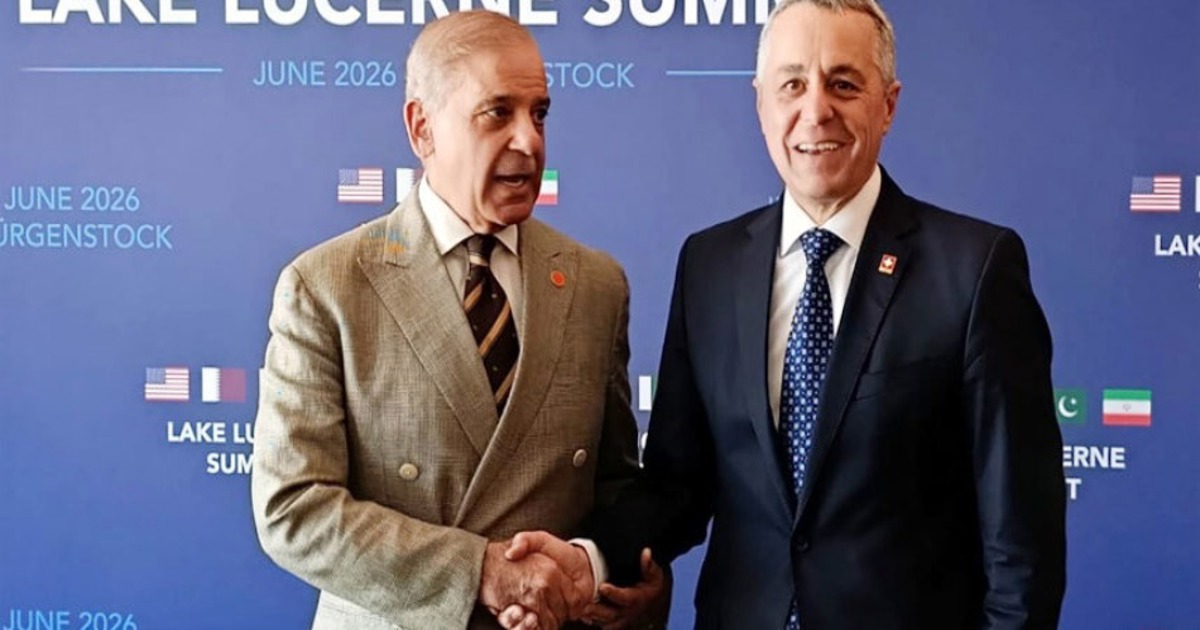
Pakistan and Switzerland discussed expanding bilateral investment ties and explored new avenues for economic cooperation, with the two sides expressing ke
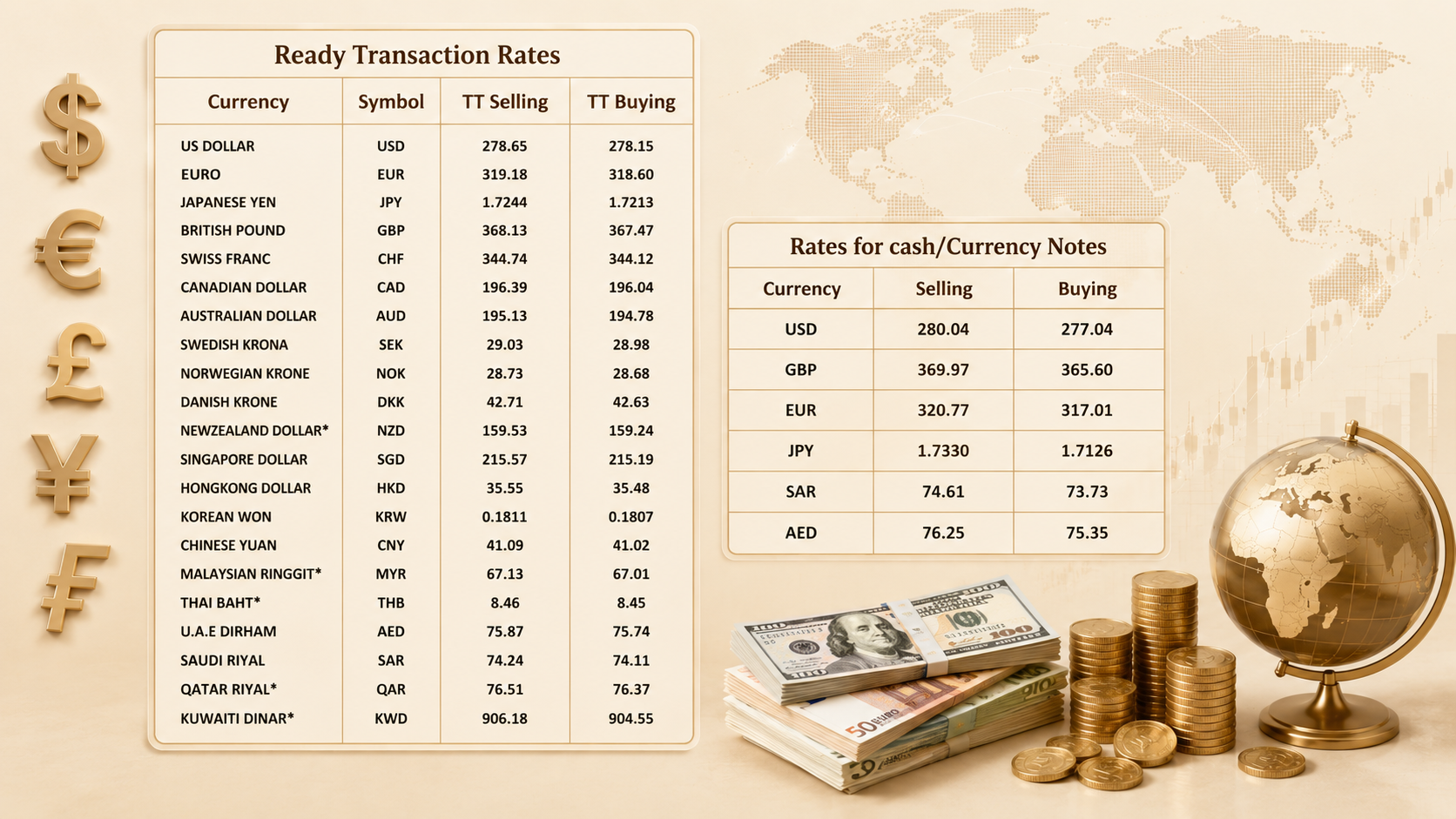
Check today’s foreign exchange rates in Pakistan (June 22, 2026) from NBP’s bulletin. View buying and selling rates now.
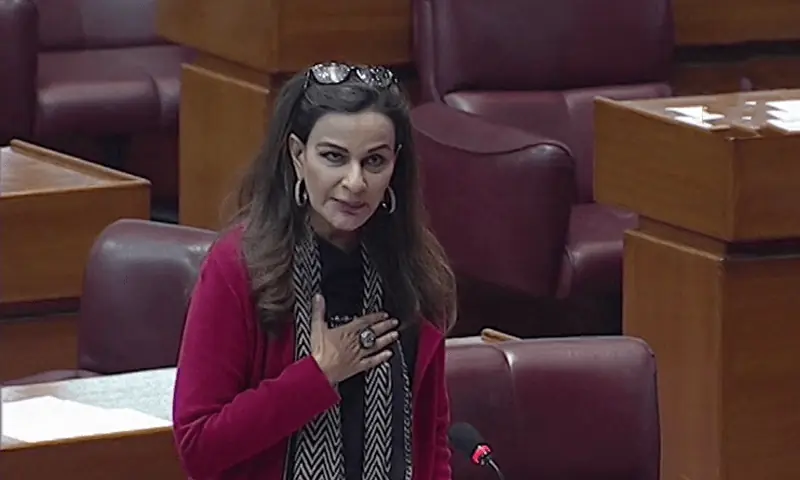
Says there is no hurry to push widely criticised telecom bill without "satisfying us and other representatives".
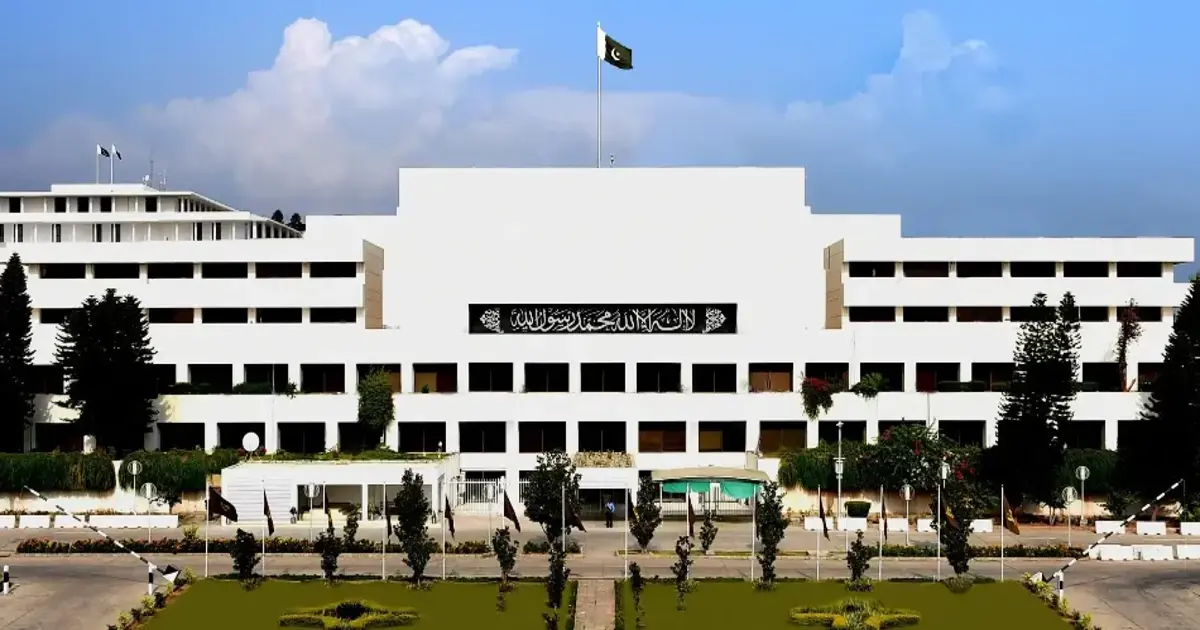
The National Assembly on Sunday approved 12 demands for grants totaling Rs4.282 trillion for the fiscal year ending June 2027, while rejecting all 100 cut
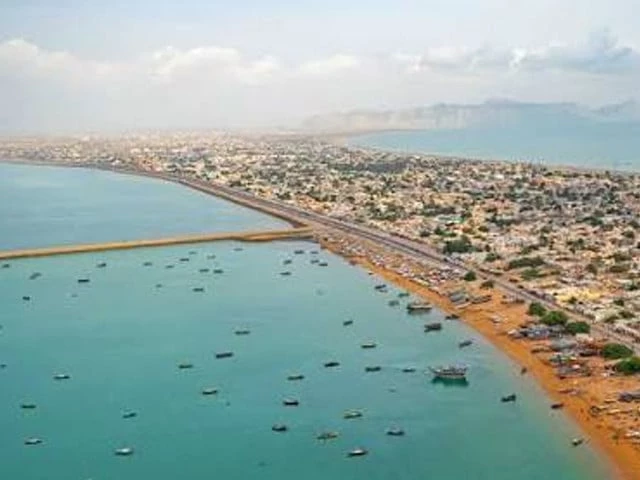
The idea of developing a modern port at Gwadar goes back to 1954, when a survey by the United States Geological Survey (USGS) convinced Pakistan of its strategic importance. However, it took us 54 years to realise the dream when the current port, after completion, received its first commercial cargo on March 15, 2008.
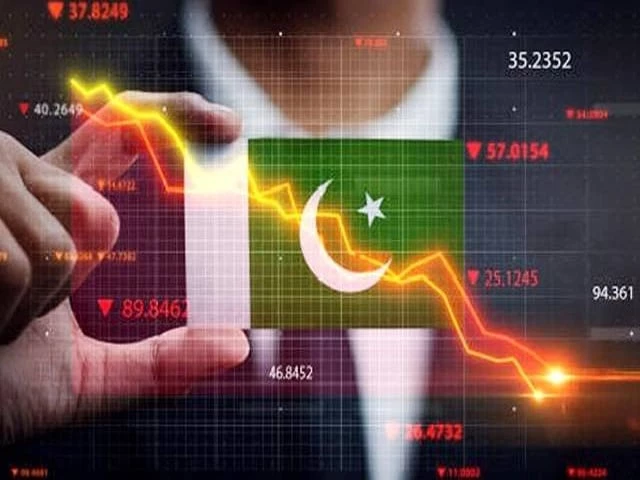
A great power rests on three pillars: military, diplomacy and economy. Pakistan has achieved many milestones on the military and diplomatic fronts. Two recent events further reinforced our strength.
The International Monetary Fund (IMF), being the lender of last resort for countries in balance-of-payments crisis or in danger of default, almost always ties its bailouts to excessive austerity measures. Its loans are tied, to use IMF jargon, to "structural adjustment programmes" and "conditionality". These programmes centre on raising taxes and/or spurring tax rate reductions, balancing the budget at all costs, devaluing the currency and increasing interest rates. Such anti-growth policies, delivered in line with IMF diktat, have been shown in the majority of cases to have actually increased the country's dependence on the IMF over time. Just think of what has happened in Argentina, Pakistan, Ecuador, Egypt or Ghana.
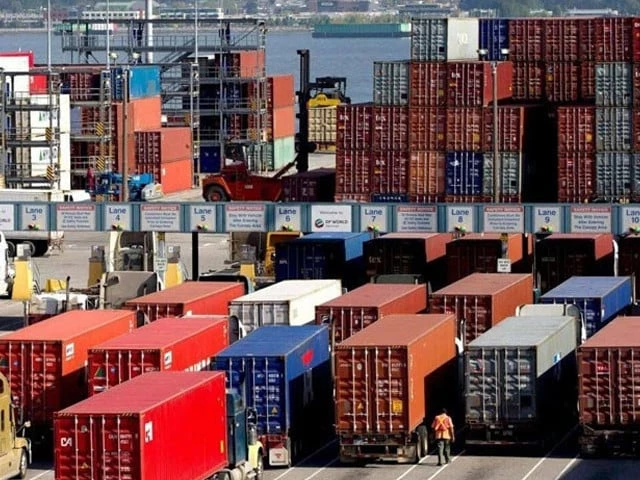
The current fiscal year has been marked by significant strain on the external account, driven in large part by the US-Iran conflict and its spillovers into capital flows and sovereign spreads. With peace now expected to return to the region, policymakers' attention should turn to the domestic constraints that continue to hold exports back. On a cumulative basis, the current account posted a modest surplus of $72 million in the first nine months of FY26, before slipping into a single-month deficit of $276 million in April and then rebounding to a surplus of $459 million in May 2026. This left a cumulative surplus of $255 million over the first 11 months (July-May), but much lower in comparison to the roughly $1.6 billion surplus recorded in the same period a year earlier. For context, the previous fiscal year closed with a current account surplus of $1.8 billion.
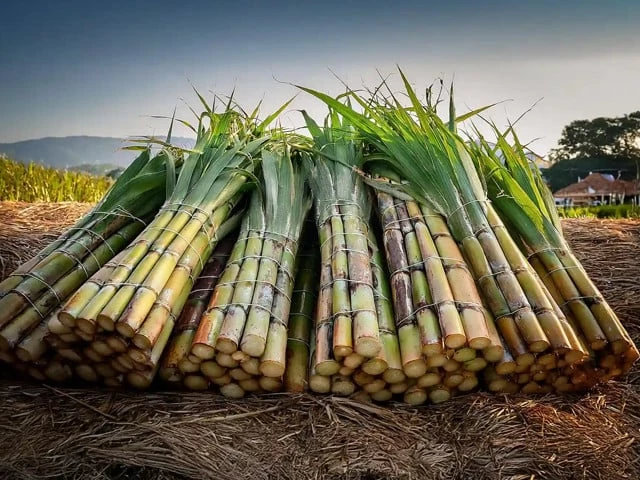
Pakistan's agriculture is facing a crisis that is neither sudden nor mysterious. It is the predictable result of a long-standing mismatch between what the country grows and what its climate, soils and water resources can realistically support. For decades, Pakistan's crop choices were shaped by a world of abundant canal flows, stable weather and a political economy that rewarded acreage rather than efficiency. That world is gone. Yet our cropping patterns remain frozen in time, even as the climate around us changes at a pace our policies refuse to acknowledge.
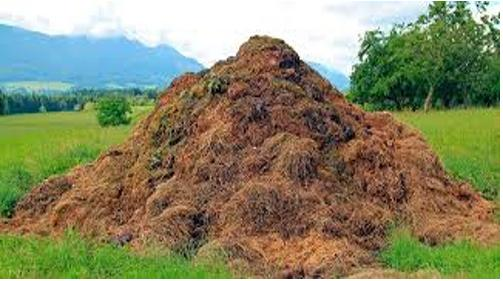
ISLAMABAD, Oct 21 (INP-Wealth Pakistan) -- The Sindh government has proposed a $30 million biogas development project to establish five centralized facilities across the province, according to a document available with Wealth Pakistan.

ISLAMABAD, Oct 21 (INP-Wealth Pakistan) -- Pakistan-China economic cooperation under the China-Pakistan Economic Corridor (CPEC) 2.0 is expanding into artificial intelligence (AI), cloud computing, data centres and digital connectivity, creating new opportunities for technology investment, industrial innovation and the development of domestic computing capacity.
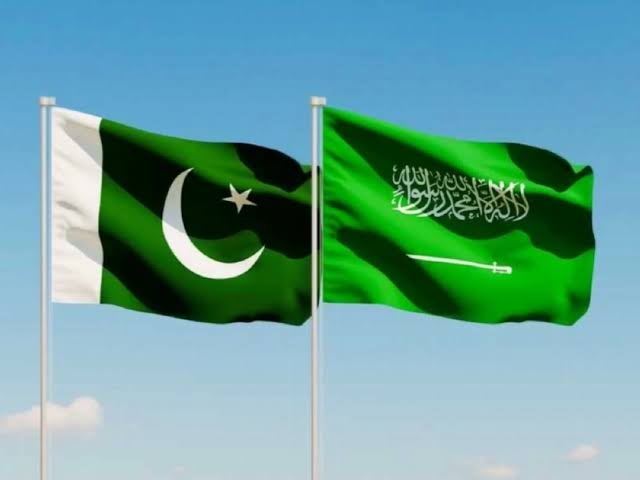
ISLAMABAD, Oct 21 (INP-Wealth Pakistan) -- The project to equip and furnish the King Abdullah Bin Abdul Aziz Teaching Hospital in Khyber Pakhtunkhwa’s Mansehra District is fully complete, with preparations underway for its formal inauguration in November this year, according to an official document available with Wealth Pakistan.
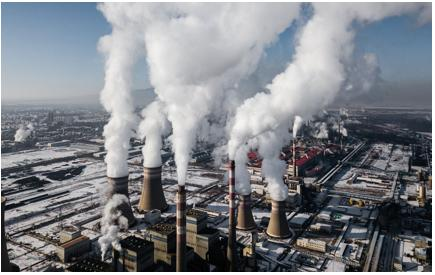
ISLAMABAD, Oct 21 (INP-Wealth Pakistan) -- The Sindh government has proposed a $7 million project to establish air quality monitoring stations across 23 districts under the World Bank's Country Partnership Framework (CPF) for Pakistan, according to documents available with Wealth Pakistan.
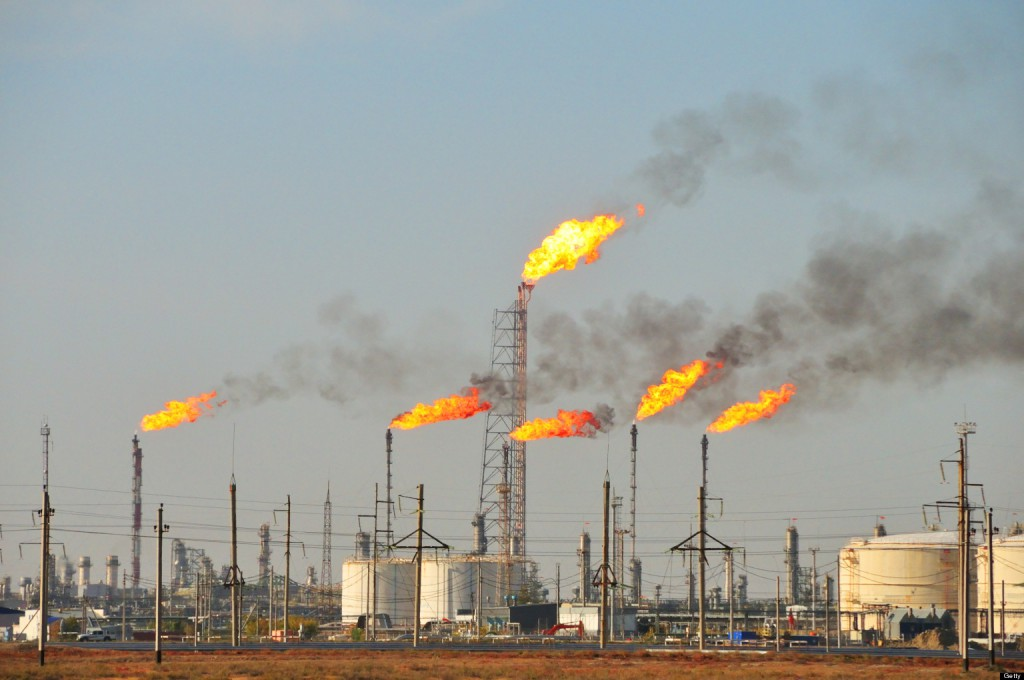
ISLAMABAD, Oct 21 (INP-Wealth Pakistan) -- Pakistan's 10 major gas fields hold 10.605 trillion cubic feet (TCF) of remaining recoverable reserves, while its 10 major oil fields have 105 million barrels of recoverable oil reserves as of June 30, 2026, according to official figures.
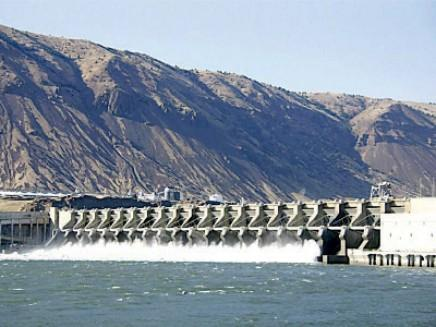
ISLAMABAD, Oct 21 (INP-Wealth Pakistan) -- Pakistan plans talks with Germany's KfW Development Bank to extend financing arrangements for the Harpo hydropower project in Gilgit-Baltistan beyond December 2026 to complete the remaining project activities, according to an official document available with Wealth Pakistan.
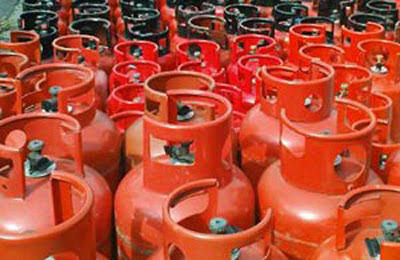
LAHORE, Oct 21 (INP-Wealth Pakistan) -- The suspension of trade activities at the Pakistan-Iran border has triggered a sharp increase of Rs200 per kg in liquefied petroleum gas (LPG) prices in Lahore and other cities across the country, pushing prices above Rs550 per kg.
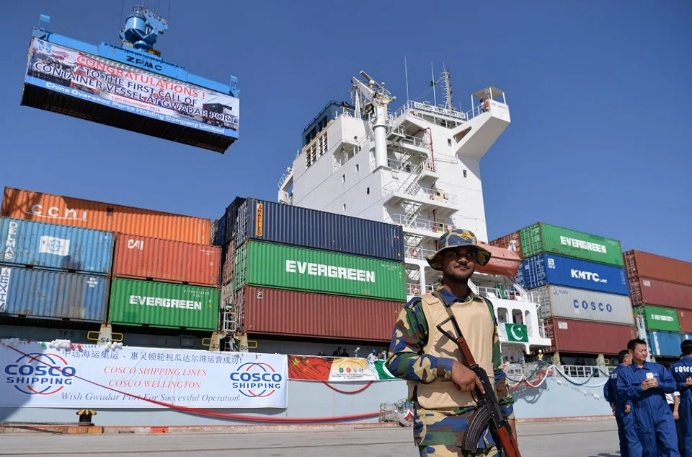
ISLAMABAD, Oct 21 (INP-Wealth Pakistan) -- Emerging railway connectivity plans linking Central Asia with Pakistan through Afghanistan could open new opportunities for regional trade and increase cargo movement through Karachi and Gwadar ports, potentially strengthening Pakistan's position as a maritime gateway for landlocked Central Asian economies, according to experts.

Oct 21, 2026
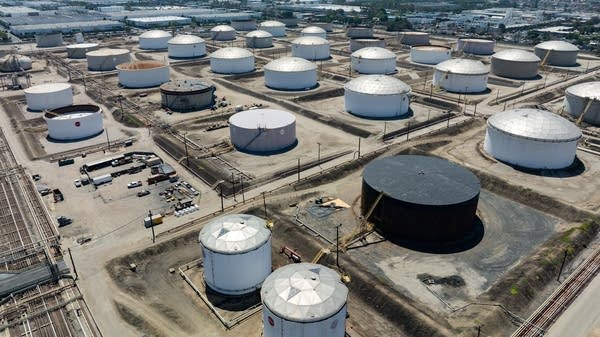
Strategic petroleum reserves are gaining importance in global energy security as governments coordinate emergency stock releases to ease fuel supply pressures, highlighting the role of such reserves in protecting import-dependent economies from temporary disruptions and sudden price shocks.
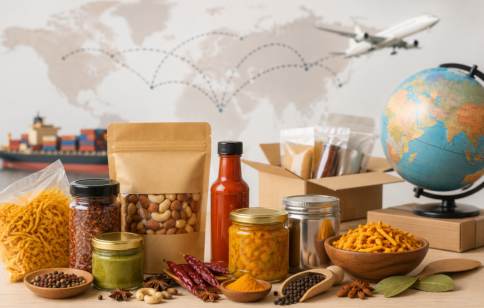
Pakistan's food exports increased by 25.31% year-on-year to $1.39 billion during July–September 2026, compared with $1.11 billion in the corresponding period last year, supported by higher export earnings from rice, oilseeds, meat and fish preparations.

Recent trade understandings between China and the European Union have bolstered prospects for international commerce stability. By enhancing market access, regulatory cooperation, and predictability in trade relations, these developments offer vital tailwinds for export-oriented developing economies like Pakistan.

China's growing emphasis on international cooperation in open-source artificial intelligence (AI) could help other developing economies strengthen technological capabilities, develop locally relevant applications and create new opportunities for innovation and economic growth, according to experts.
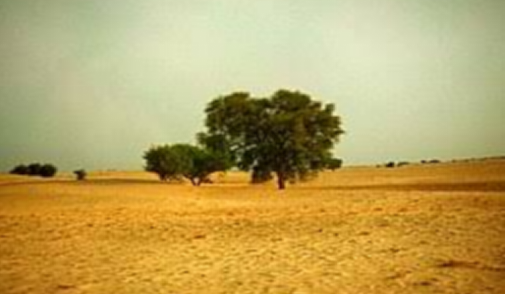
The Punjab government has proposed a GBP300,000 climate-resilient agriculture project for the Cholistan and Thal desert regions, according to a document available with Wealth Pakistan.
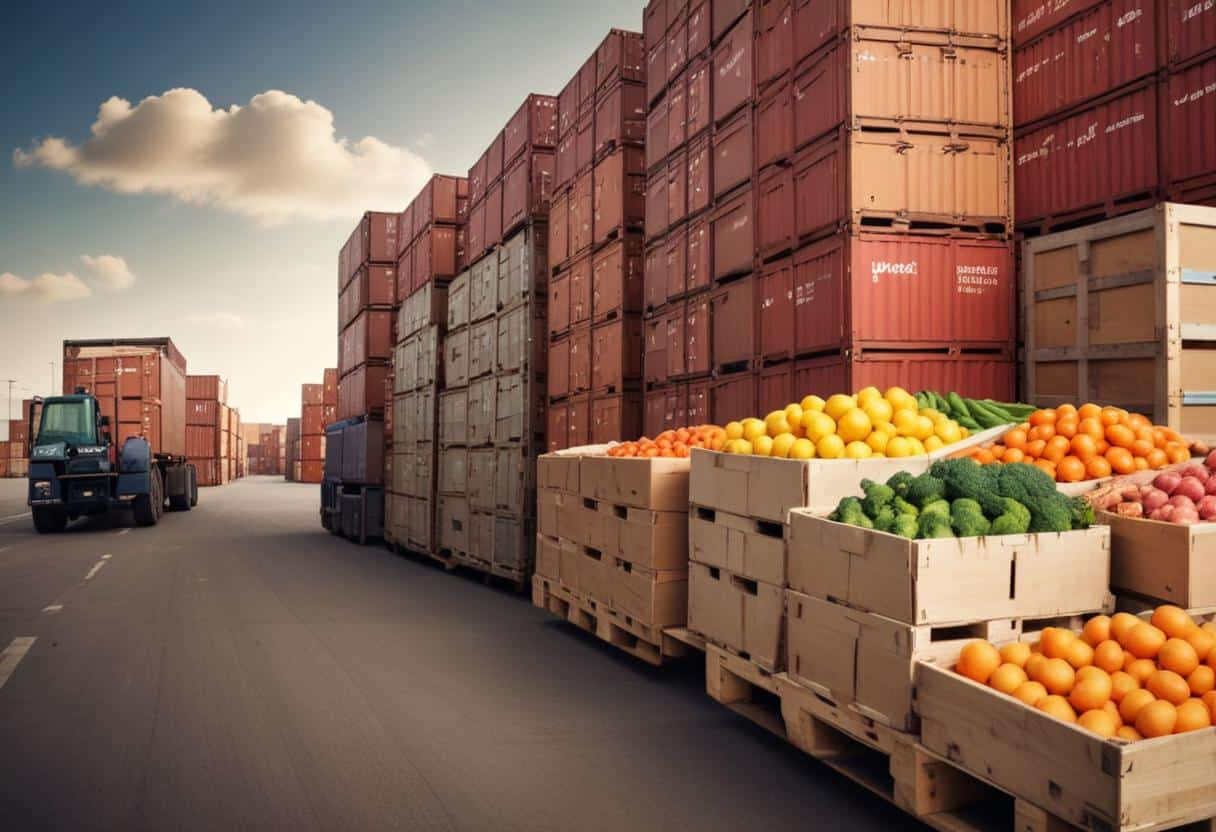
Pakistan's food imports increased by 5.71% year-on-year to $826.74 million in September 2026, compared with $782.08 million in the same month last year, driven by higher import values of pulses, tea and other food items.
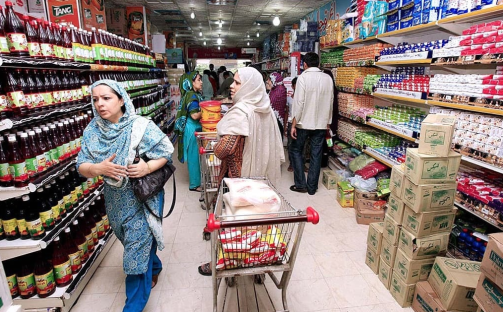
Pakistan's food imports increased by 3.44% to $2.33 billion during July-September 2026, compared with $2.25 billion in the corresponding period last year, driven by higher import values of tea and other food items, according to provisional official data.
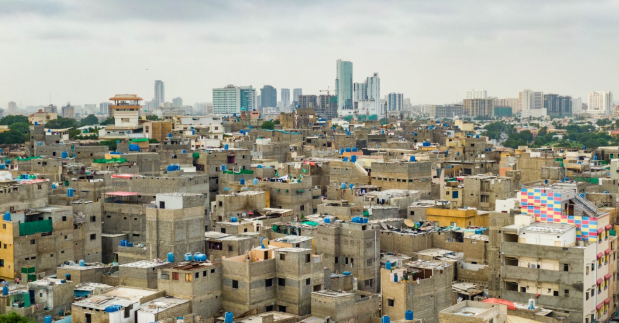
Pakistan needs a stronger mortgage financing market to make homeownership more affordable amid a housing shortage, according to economic and urban affairs experts.
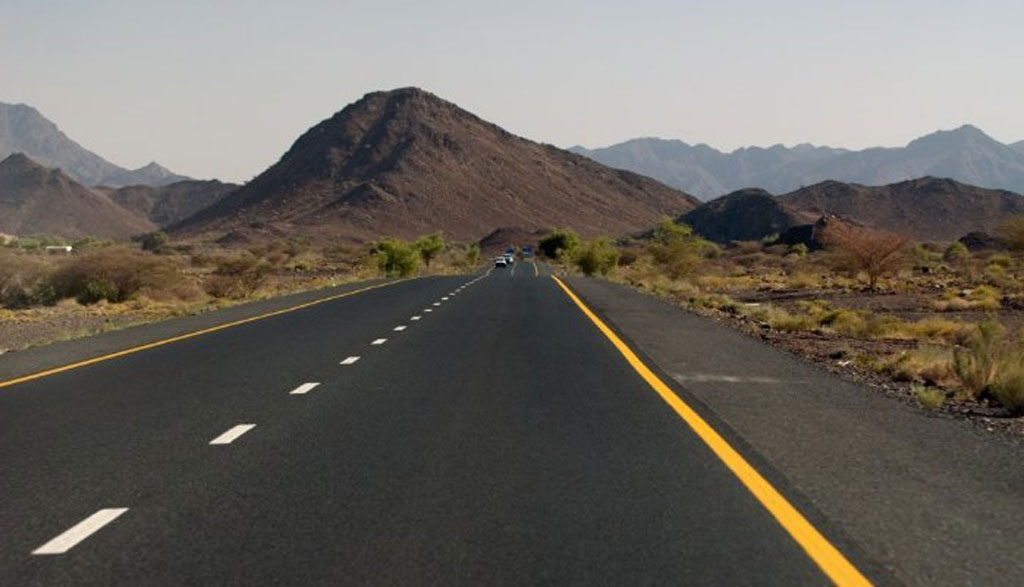
Ten major highway projects in Balochistan, involving a combined approved PC-I cost of Rs644.06 billion, are scheduled for completion between 2026 and 2028, with cumulative expenditure reaching Rs179.20 billion by September 2026.
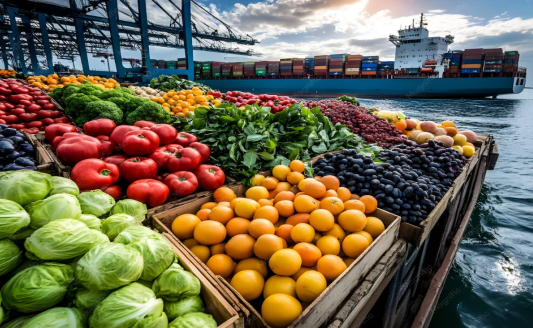
Pakistan's food exports surged 65.51% year-on-year to $553.65 million in September 2026, compared with $334.52 million in the same month last year, driven by higher export earnings from rice, oilseeds, fish and several other food products, according to Pakistan Bureau of Statistics data available with Wealth Pakistan.
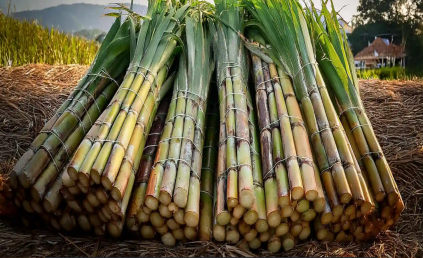
Pakistan's sugarcane production is provisionally estimated to increase by 8.8% to 97.29 million tonnes in 2026-27, compared with 89.45 million tonnes in the previous year, as the area under cultivation expands by 11.2%, according to an official document available with Wealth Pakistan.

Oct 20, 2026
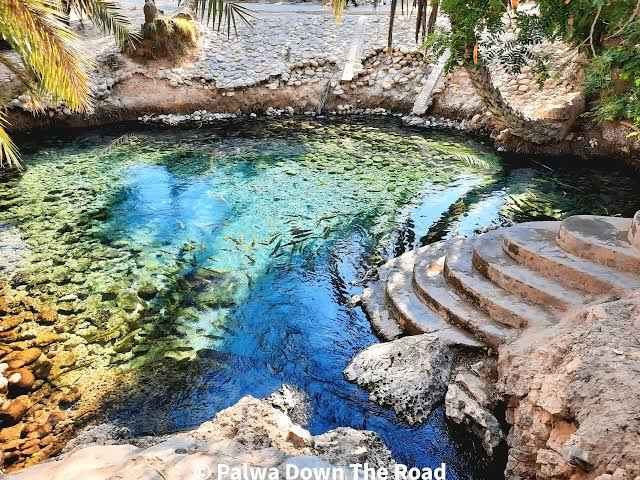
ISLAMABAD, Oct 20 (INP-Wealth Pakistan) -- Thirty community livestock ponds will be constructed in Balochistan under the Saudi Fund for Development (SFD)-supported Livelihood Restoration Project.

Chinese automobile manufacturers are strengthening their presence in Latin America, with major brands gaining ground in Argentina as expanding vehicle exports, advances in electric mobility and more favourable import policies create new opportunities for China's automotive industry in international markets.

China's equity market is showing signs of stronger long-term investor participation. Driven by regulatory reforms and measures to improve shareholder returns, institutional funds have significantly increased their share purchases, leading to a sharp rise in 2026 trading activity.
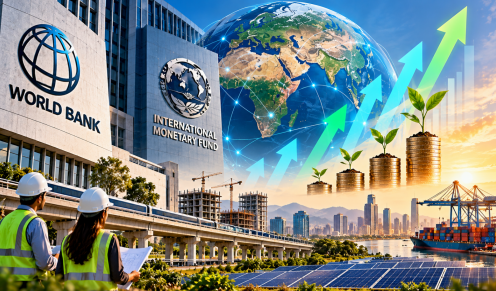
Global development financing is gaining momentum as the World Bank Group mobilised a record $112 billion in private capital during fiscal year 2026, reflecting growing international efforts to channel investment into developing economies facing high borrowing costs and limited public resources.

Oct 19, 2026
ISLAMABAD, Oct 16 (INP-Wealth Pakistan) -- The Khyber Pakhtunkhwa government has proposed introducing artificial intelligence-based, solar-powered irrigation systems at agricultural research farms across the province to reduce irrigation water consumption by 30 to 50 per cent, according to an official planning document available with Wealth Pakistan.
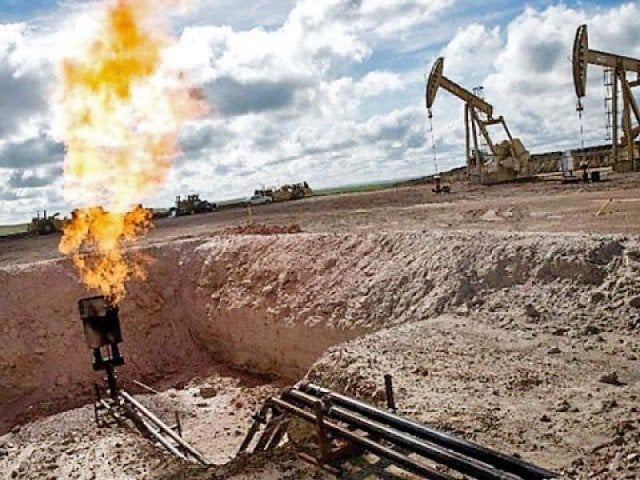
ISLAMABAD, Oct 16 (INP-Wealth Pakistan) -- Sui Southern Gas Company Limited (SSGCL) plans to extend natural gas infrastructure to 46 villages and towns in Sindh during the current financial year 2026-27 at an estimated cost of Rs1.922 billion, subject to the availability of government funding.
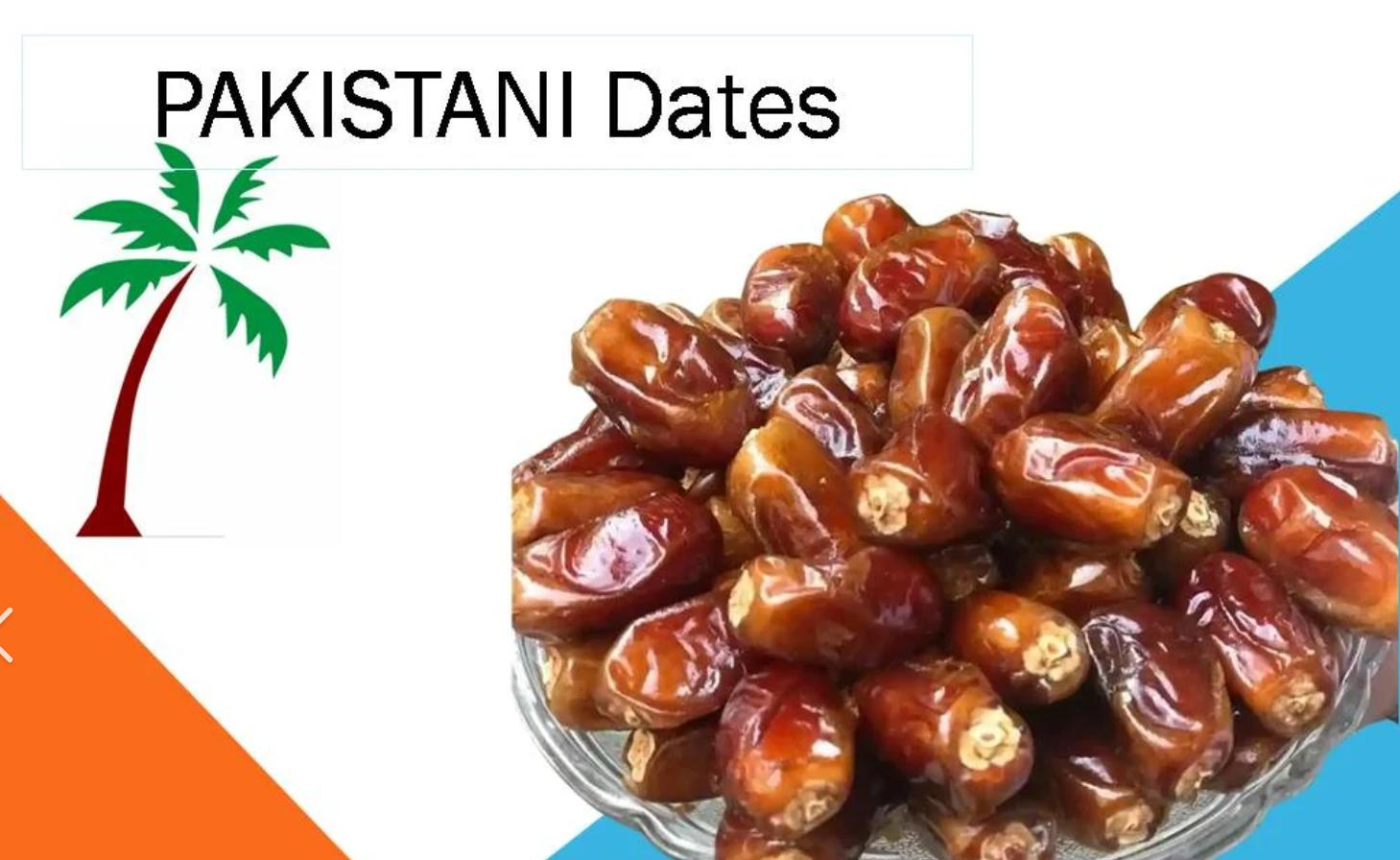
ISLAMABAD, Oct 16 (INP-Wealth Pakistan) -- Pakistan exported fresh and dried dates worth approximately $56.57 million to 45 international markets during FY2025-26, with total shipments reaching 138.74 million kilograms, according to official export figures available to Wealth Pakistan.
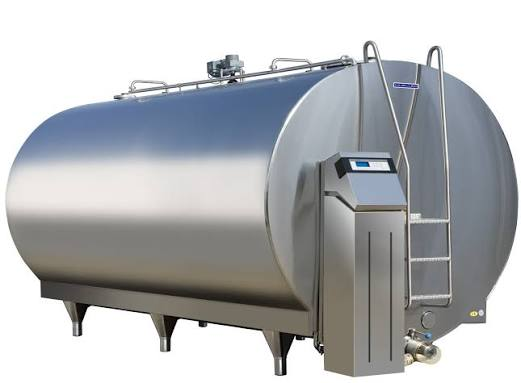
LAHORE, Oct 16 (INP-Wealth Pakistan) -- The Punjab government plans to invest Rs1 billion in a dairy supply chain support project to provide subsidized machinery and equipment to farmers across all 41 districts of the province, aiming to minimize milk production losses, improve productivity and modernize dairy farming.

Rising crude and Strait of Hormuz concerns weigh on sentiment

ISLAMABAD - The benchmark KSE 100-index of the Pakistan Stock Exchange (PSX) witnessed bearish trend on Monday, losing 1,692.74 points, a negative change of 0.97 percent, to close at 173,636.08 points against 175,328.82 points recorded in the previous trading session. The ready market witnessed a trading volume of 679.188 million shares, compared to 874.322 million shares traded in the previous session, while the traded value surged to Rs23.692 billion from Rs32.417 billion. Market capitalisation decreased to Rs19.434 trillion from Rs19.629 trillion recorded a day earlier. Out of 495 companies that traded in the ready market, 154 posted gains, 311 suffered losses, while 30 remained unchanged, reflecting a downward trend in the market. Cnergyico PK led the volume chart with 82.458 million shares, followed by 1st Capital Sec. with 41.468 million shares and Pak Refinery with 39.964 million shares. Among the top gainers, PIA Holding Company LimitedB surged by Rs225.12 to close at Rs17,22
KARACHI - SE Fruits & Vegetables Limited has received approval from the Pakistan Stock Exchange (PSX) for its initial public offering, paving the way for the horticulture exporter to raise between Rs1.2 billion and Rs1.92 billion to finance working capital and expand its processing and export capabilities. The company plans to offer 30 million ordinary shares, representing 32.01% of its post-IPO paid-up capital, at a floor price of Rs40 per share. The strike price can rise by up to 60% through book building to a maximum of Rs64 per share.

ISLAMABAD: The government on Monday increased the ex-depot price of petrol by Rs12.90 per litre to Rs358.77 per litre, up from Rs345.87 per litre. Meanwhile, the price of High-Speed Diesel (HSD) has also been increased by Rs3.72 per litre to Rs381.77 per litre for September 8.

KARACHI: SE Fruits & Vegetables Limited has received approval from the Pakistan Stock Exchange (PSX) for its initial public offering (IPO), through which the Sargodha-based horticulture exporter plans to raise between Rs1.2 billion and Rs1.92 billion to finance working capital and expand its processing and export capabilities.
KARACHI: On Friday, at PMEX, the total traded value of Metals, Energy, COTS, Indices, and Agricultural commodities stood at PKR 46.653 billion with 113,114 lots traded.


The Ministry of Energy (Petroleum Division) has raised the price of petrol (Motor Spirit) by Rs12.90 per litre and High-Speed Diesel (HSD) by Rs3.72 per l
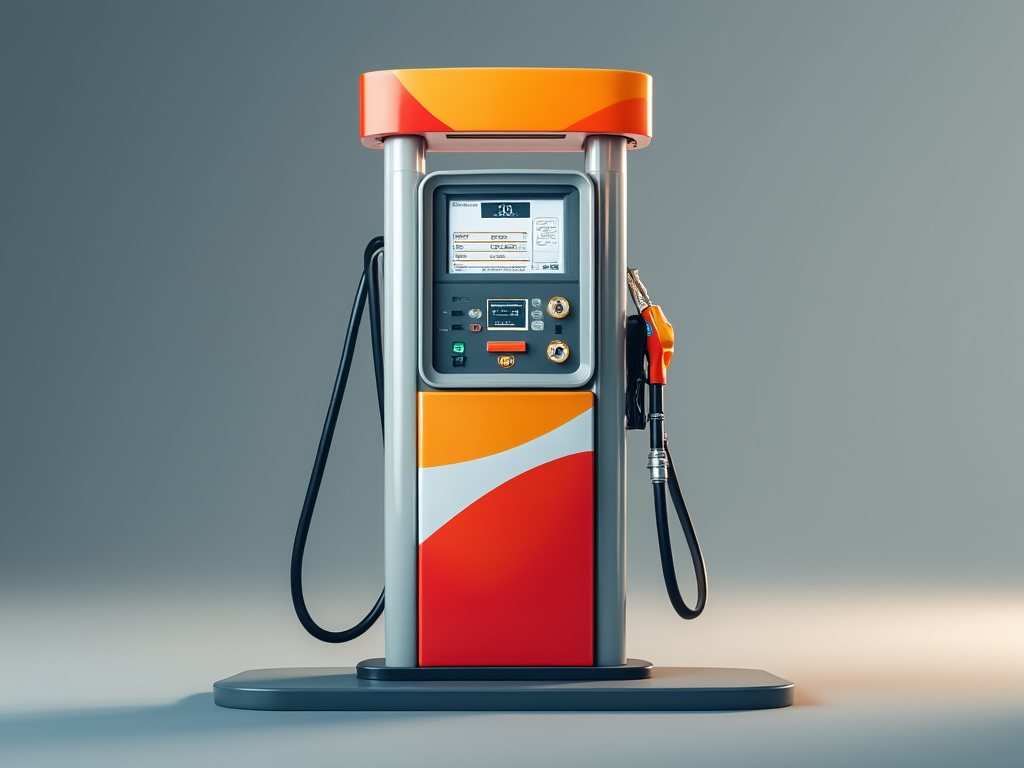
HSD price also rises by Rs3.72 to Rs381.77 per litre as revised rates take effect from September 8
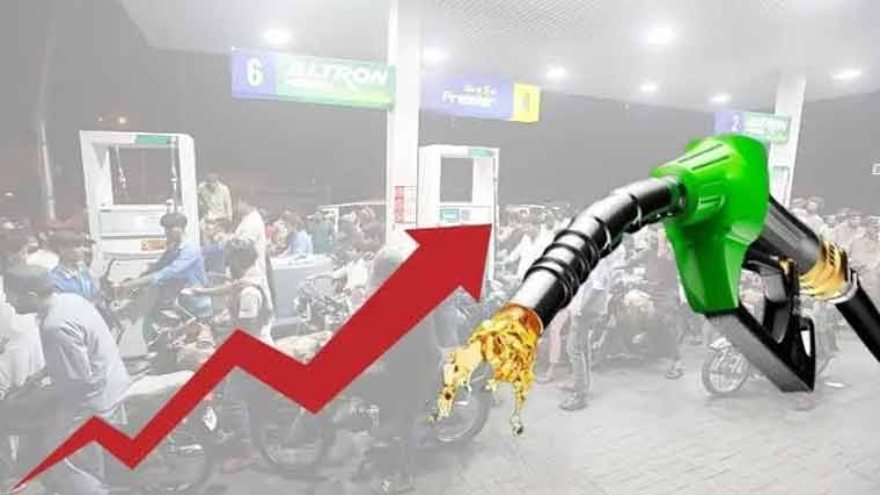
New rates take effect at midnight and remain in force through September 8

According to the Petroleum Division’s notification, the new prices will be applicable on Sept 8 (Tuesday).
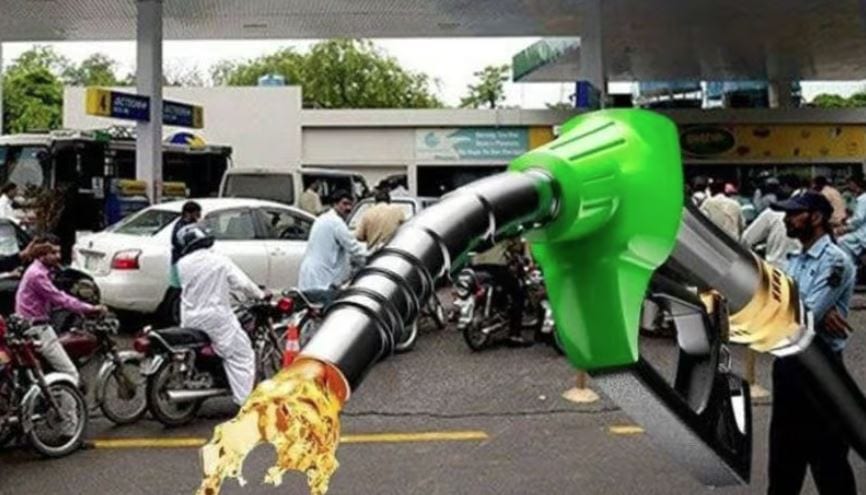
ISLAMABAD — A fresh fuel-price shock for Pakistanis, with petrol soaring by Rs12.90 per litre as mounting turmoil in global oil markets adds new pressure

The government increased the price of petrol by Rs12.90 per litre and the high-speed diesel (HSD) price by Rs3.72 per litre, effective from Tuesday, September 8, 2026.

SE Fruits & Vegetables Limited has received approval from the Pakistan Stock Exchange (PSX) for its initial public offering (IPO), with the horticulture exporter aiming to raise between Rs1.2 billion and Rs1.92 billion to fund working capital and expand its processing and export operations.

Pakistan Stock Exchange opened the week under heavy selling pressure, with the KSE-100 Index losing 1,692 points to close at 173,636.

ISLAMABAD, Sep 7 (APP):The benchmark KSE-100 Index of the Pakistan Stock Exchange (PSX) witnessed bearish trend on Monday, losing 1,692.74 points, a negative change of 0.97 percent, to close at 173,636.08 points against 175,328.82 points recorded in the previous trading session.
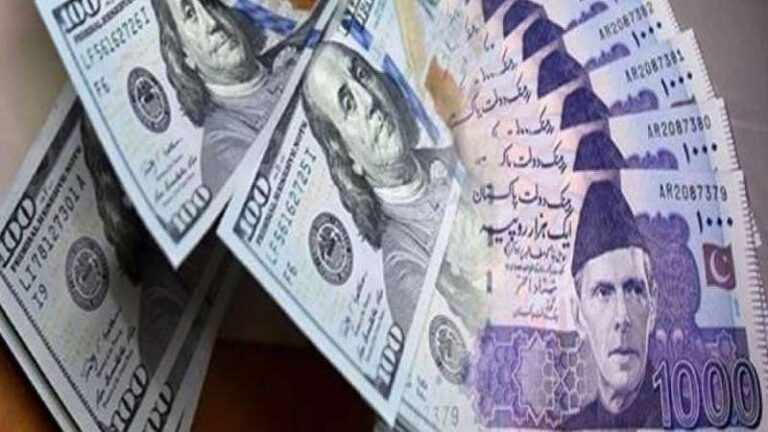
ISLAMABAD, Sep 7 (APP):The Rupee on Monday appreciated by 01 paisa against the US Dollar in interbank trading and closed at Rs277.40, compared to the previous day’s closing of Rs277.41.

The decline in gold and silver prices continued on Monday in both international and local markets, with the international bullion market reporting a decline of $24 per ounce.

The prices of gold witnessed a decline in the local market on Monday, with the price of 24-karat gold per tola falling by Rs2,400 to settle at Rs463,136, according to rates issued by the All Pakistan Sarafa Gems and Jewellers Association.

The Pakistani rupee extended its marginal gains against the US dollar on Monday.
The benchmark KSE-100 Index of the Pakistan Stock Exchange (PSX) witnessed bearish trend on Monday, losing 1,692.74 points, a negative change of 0.97 percent, to close at 173,636.08 points against 175,328.82 points recorded in the previous trading session.The ready market witnessed a trading volume ..
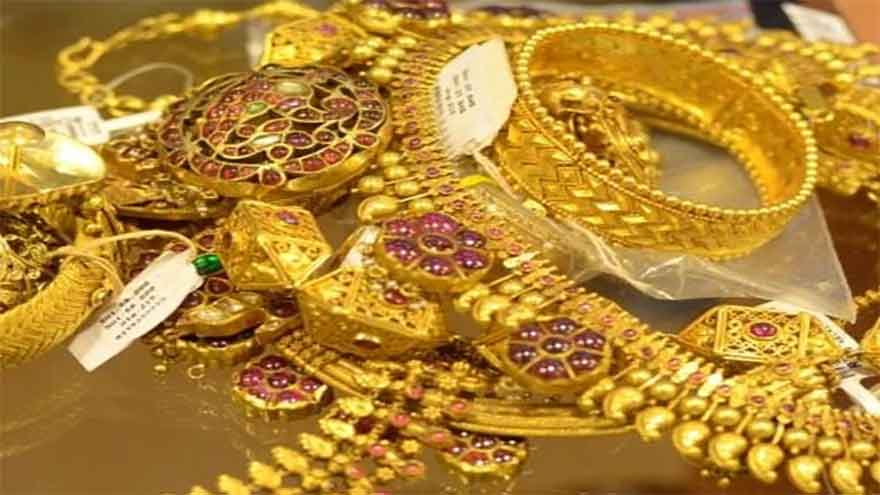
Gold prices declined in Pakistan on Monday, with the per-tola rate falling by Rs2,400 to Rs463,136 as international bullion prices also moved lower.
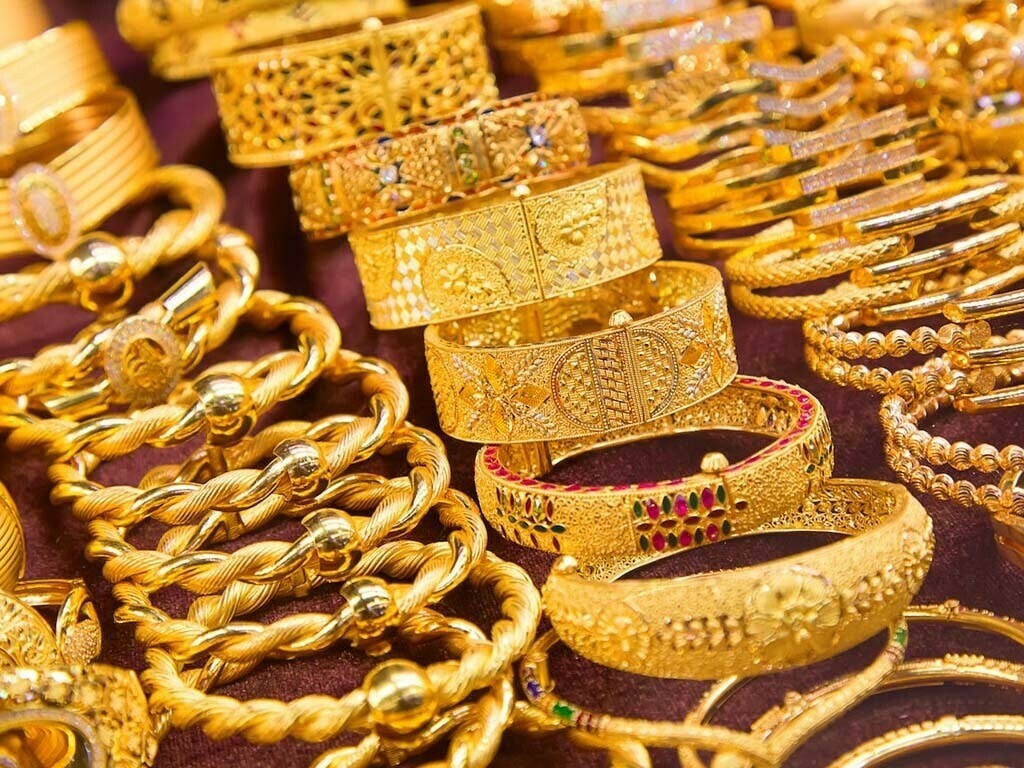
ISLAMABAD, Sep 7 (APP):The prices of gold witnessed a decline in the local market on Monday, with the price of 24-karat gold per tola falling by Rs2,400 to settle at Rs463,136, according to rates issued by the All Pakistan Sarafa Gems and Jewellers Association.
The prices of gold witnessed a decline in the local market on Monday, with the price of 24-karat gold per tola falling by Rs2,400 to settle at Rs463,136, according to rates issued by the All Pakistan Sarafa Gems and Jewellers Association. Similarly, the price of 10 grams of 24-karat gold decreased b ..

Gold prices in Pakistan decreased on Monday in line with their loss in the international market. In the local market, gold price per tola reached Rs463,136 after a decline of Rs2,400 during the day.

ISLAMABAD, Sep 7 (APP):The import of mobile phones into the country has witnessed a decrease of 3.56 percent during the first month of the current fiscal year (2026-27) as compared to the corresponding month of last year.
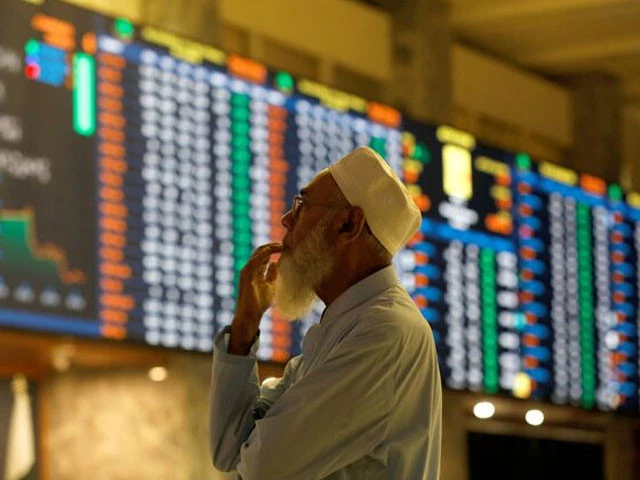
The Pakistan Stock Exchange (PSX) came under renewed selling pressure on Monday, with the benchmark KSE-100 index losing 1,003.40 points or 0.57% to 174,325.42 by 1:29 pm midday, as rising oil prices and heightened geopolitical tensions over the Strait of Hormuz weighed on investor sentiment.
The import of mobile phones into the country has witnessed a decrease of 3.56 percent during the first month of the current fiscal year (2026-27) as compared to the corresponding month of last year. Pakistan imported mobile phones worth US $ 140.435 million during July 2026 as compared to the import ..
Two ships, PST Genesis and Grand Ocean carrying Palm oil and Canola Seed, berthed at Liquid Cargo Terminal and Grain Terminal on 6th September. Meanwhile two more ships, Aetos and Chem Orchid scheduled to load/offload Rice and Chemicals also arrived at outer anchorage on same day.Ten ships were enga ..
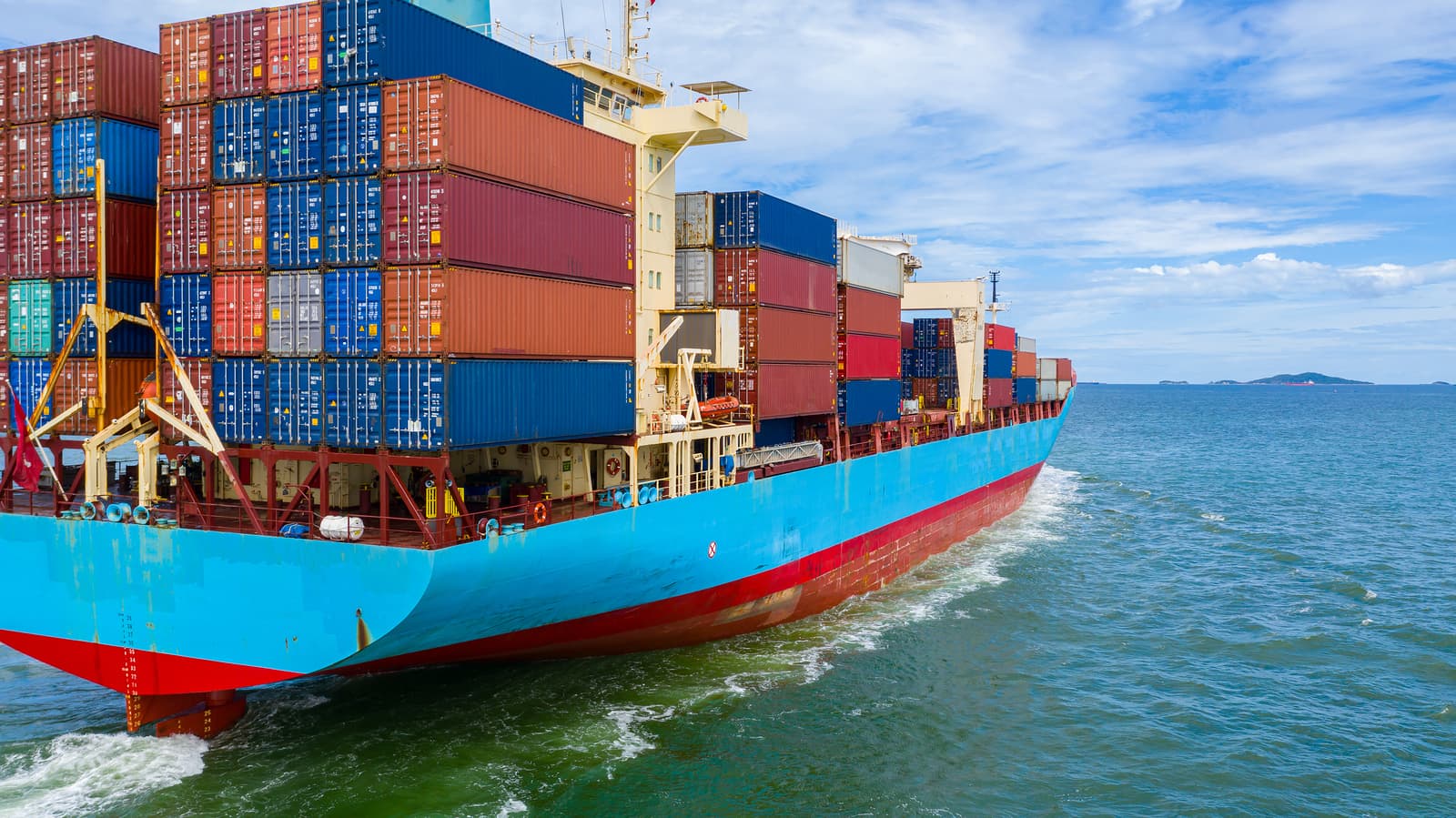
KARACHI, Sep 07 (APP):Two ships, PST Genesis and Grand Ocean carrying Palm oil and Canola Seed, berthed at Liquid Cargo Terminal and Grain Terminal on 6th September. Meanwhile two more ships, Aetos and Chem Orchid scheduled to load/offload Rice and Chemicals also arrived at outer anchorage on same day.