WealthPKNews

WealthPK News

Image for: Will US repeat Japan's Plaza Accord mistake?

Will US repeat Japan's Plaza Accord mistake?

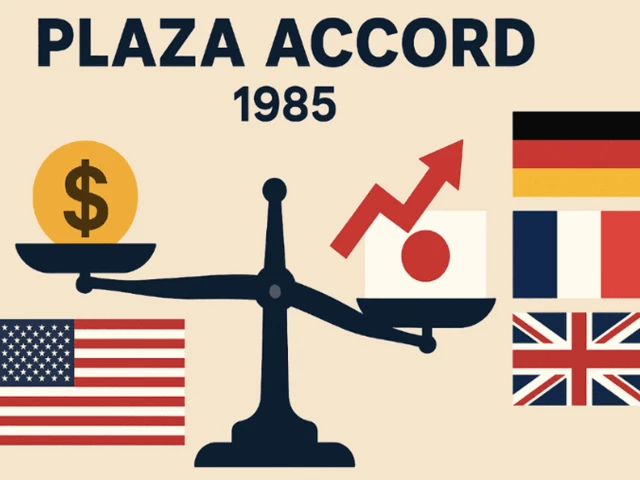
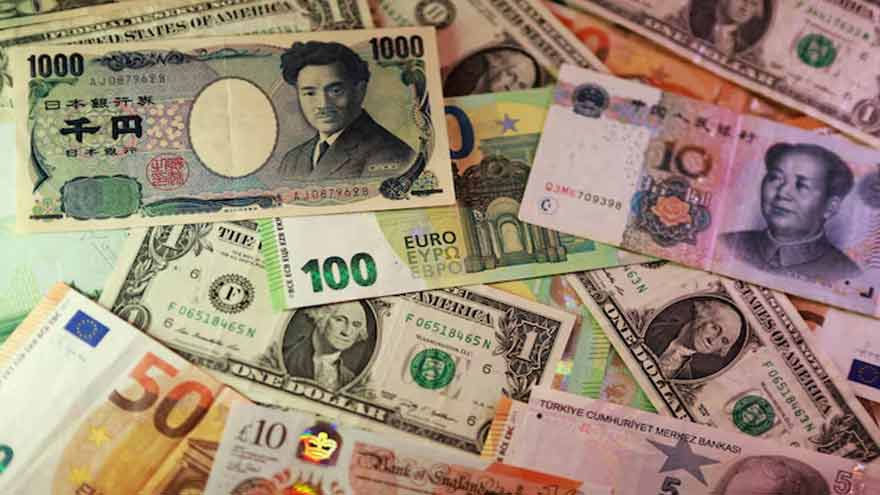
In the early 1980s, the Reagan Administration struggled to control the trade deficit without success. It kept rising, reaching around $123.5 billion in 1984. The administration sought a short-term solution and ignored inefficiencies in the economic, manufacturing and industrial sectors. It blamed the appreciation of the US dollar (43% appreciation) and the strong performance of trade partners, especially Japan. The US Treasury proposed manipulating the currency market and asked competitors to let their currencies appreciate. This led to the famous Plaza Accord.

Tribune
Image for: Energy riches but poor masses of Sindh

Energy riches but poor masses of Sindh

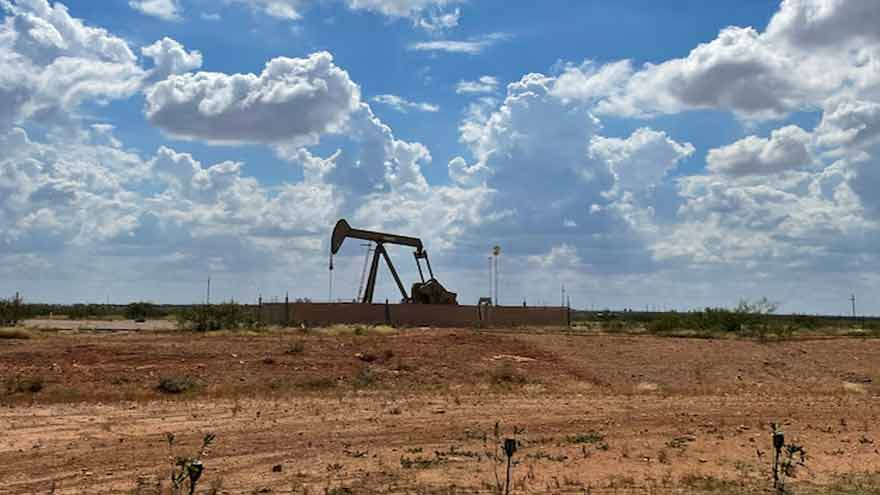
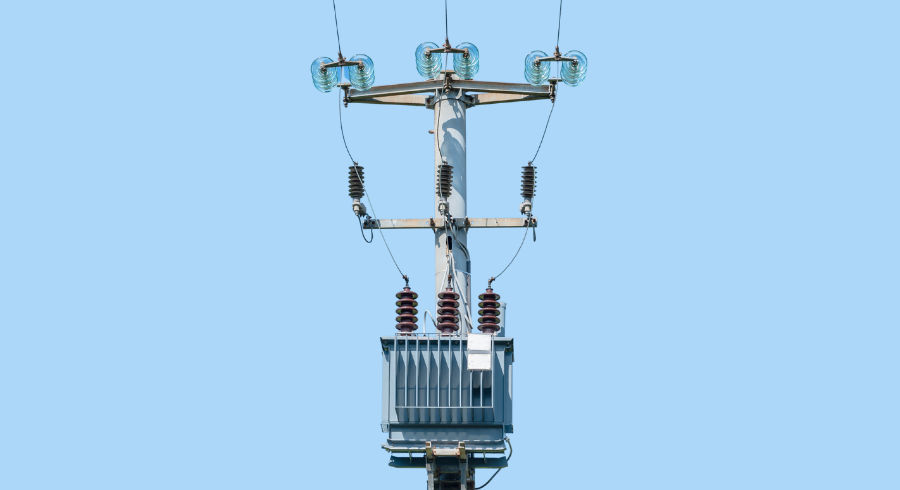
Sindh is geographically 29% larger than South Korea. However, its economy with GDP of around $135 billion is at least 14 times smaller than that country. This is despite that South Korea has hardly any indigenous energy resources. Only last year its energy import bill amounted to $140 billion. On the other hand, with its extensive hydrocarbon production over the past six decades, Sindh has proven to be Pakistan's pivotal energy basket. Still, it is no way even near to South Korea in development and well-being of the masses.

Tribune
Image for: Buy forest's services, not its timber

Buy forest's services, not its timber

With a view to compensating private forest owners, a comprehensive strategy has to be devised and implemented. The existing forest policies, laws, management plans and strategies are based on timber harvesting, and foresters are trained in how to grow forests and then harvest them to generate revenue for the public sector as well as for the forest owners, although after the ban on forest harvesting in 1992, the forest department of Khyber-Pakhtunkhwa (K-P) could not figure out ways and means to devise and implement forest policy and plans based on non-timber forest benefits during the past over 40 years.

Tribune

WealthPK Reports

Image for: Payment cards reach 68.3 million as debit cards dominate Pakistan's digital banking

Payment cards reach 68.3 million as debit cards dominate Pakistan's digital banking

ISLAMABAD, June 30 (INP–Wealth Pakistan) -- The number of payment cards in circulation in Pakistan continued to grow during the third quarter of FY2025-26, reaching 68.25 million by the end of March, with debit cards maintaining their overwhelming dominance as the country's preferred formal payment instrument, according to the State Bank of Pakistan's Payment Systems Quarterly Review.

WealthPK Reports
Image for: China's global governance vision could expand Pakistan's economic opportunities

China's global governance vision could expand Pakistan's economic opportunities

ISLAMABAD, June 30 (INP-Wealth Pakistan) -- China's pursuit of a more just and equitable global governance order could create new economic opportunities for Pakistan, paving the way for enhanced regional connectivity, broader trade networks and deep development cooperation. Even so, experts stressed that domestic reforms and regional stability would be crucial to translating those opportunities into tangible gains.

WealthPK Reports
Image for: PRISM+ settles Rs389.8trn as high-value payment system underpins financial sector

PRISM+ settles Rs389.8trn as high-value payment system underpins financial sector

ISLAMABAD, June 30 (INP–Wealth Pakistan) -- Pakistan's Real-time Gross Settlement (RTGS) system, PRISM+, continued to serve as the backbone of the country's financial infrastructure during the third quarter of FY2025-26, settling transactions worth Rs389.8 trillion as banks, financial institutions and government entities relied on the platform for large-value payments, according to the State Bank of Pakistan's Payment Systems Quarterly Review.

WealthPK Reports
Image for: Digital payments account for 92% of Pakistan's retail transactions in Q3 FY26

Digital payments account for 92% of Pakistan's retail transactions in Q3 FY26

ISLAMABAD, June 30 (INP–Wealth Pakistan) -- Pakistan's shift towards a digital economy gathered further pace during the third quarter of FY2025-26, with digital channels accounting for 92% of all retail payment transactions by volume as consumers increasingly relied on mobile apps, digital wallets, internet banking and electronic payment platforms, according to the State Bank of Pakistan's latest Payment Systems Quarterly Review.

WealthPK Reports

Data News

Image for: Stock market loses 1,692 points

Stock market loses 1,692 points

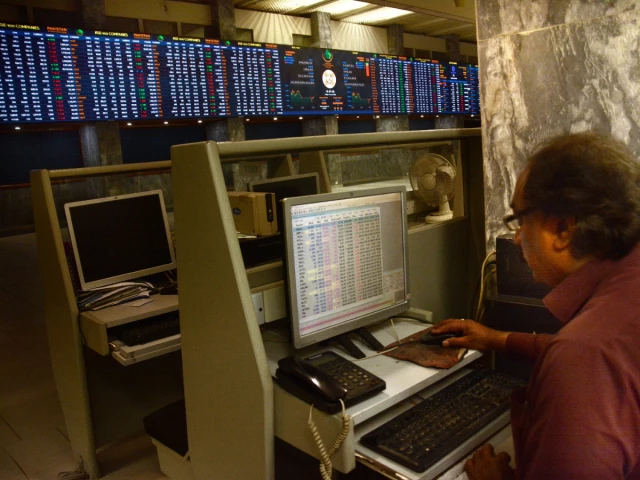
ISLAMABAD  -  The benchmark KSE 100-index of the Pakistan Stock Exchange (PSX) witnessed bearish trend on Monday, losing 1,692.74 points, a negative change of 0.97 percent, to close at 173,636.08 points against 175,328.82 points recorded in the previous trading session. The ready market witnessed a trading volume of 679.188 million shares, compared to 874.322 million shares traded in the previous session, while the traded value surged to Rs23.692 billion from Rs32.417 billion. Market capitalisation decreased to Rs19.434 trillion from Rs19.629 trillion recorded a day earlier. Out of 495 companies that traded in the ready market, 154 posted gains, 311 suffered losses, while 30 remained unchanged, reflecting a downward trend in the market. Cnergyico PK led the volume chart with 82.458 million shares, followed by 1st Capital Sec. with 41.468 million shares and Pak Refinery with 39.964 million shares. Among the top gainers, PIA Holding Company LimitedB surged by Rs225.12 to close at Rs17,22

The Nation

Image for: SE Fruits & Vegetables gets PSX approval for IPO, set to raise up to Rs1.92b

SE Fruits & Vegetables gets PSX approval for IPO, set to raise up to Rs1.92b

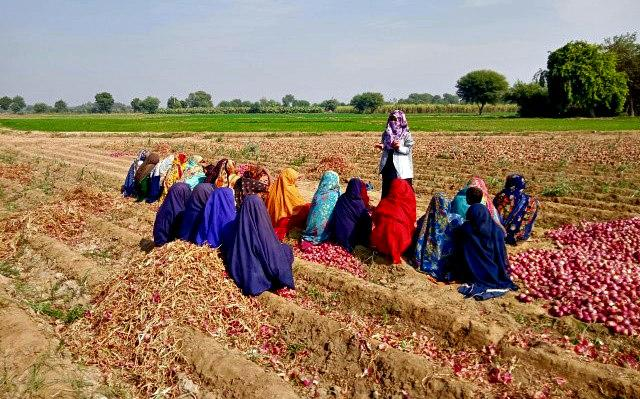
KARACHI  -  SE Fruits & Vegetables Limited has received approval from the Pakistan Stock Exchange (PSX) for its initial public offering, paving the way for the horticulture exporter to raise between Rs1.2 billion and Rs1.92 billion to finance working capital and expand its processing and export capabilities. The company plans to offer 30 million ordinary shares, representing 32.01% of its post-IPO paid-up capital, at a floor price of Rs40 per share. The strike price can rise by up to 60% through book building to a maximum of Rs64 per share.


The Nation