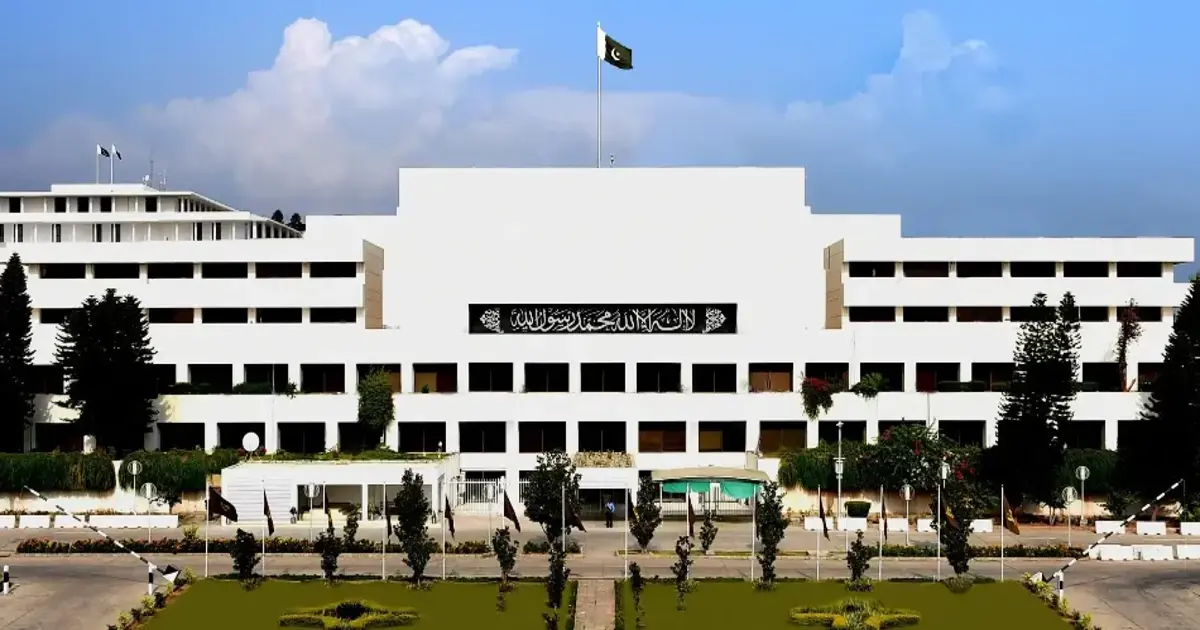
National Assembly clears Rs4.28tr spending plan
The National Assembly on Sunday approved 12 demands for grants totaling Rs4.282 trillion for the fiscal year ending June 2027, while rejecting all 100 cut
Mettis Link News
The National Assembly on Sunday approved 12 demands for grants totaling Rs4.282 trillion for the fiscal year ending June 2027, while rejecting all 100 cut
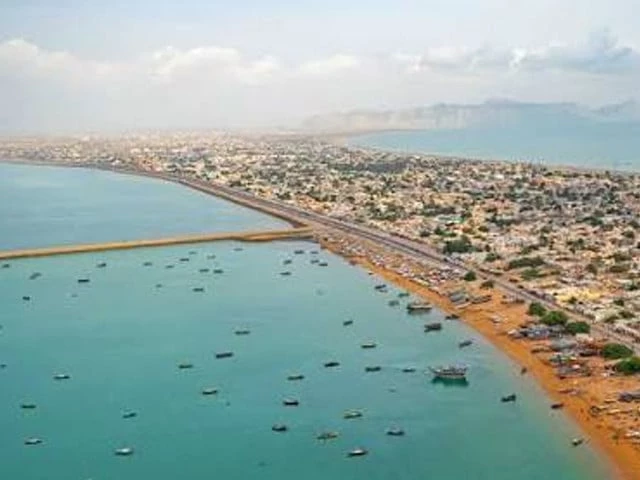
The idea of developing a modern port at Gwadar goes back to 1954, when a survey by the United States Geological Survey (USGS) convinced Pakistan of its strategic importance. However, it took us 54 years to realise the dream when the current port, after completion, received its first commercial cargo on March 15, 2008.
A great power rests on three pillars: military, diplomacy and economy. Pakistan has achieved many milestones on the military and diplomatic fronts. Two recent events further reinforced our strength.
The International Monetary Fund (IMF), being the lender of last resort for countries in balance-of-payments crisis or in danger of default, almost always ties its bailouts to excessive austerity measures. Its loans are tied, to use IMF jargon, to "structural adjustment programmes" and "conditionality". These programmes centre on raising taxes and/or spurring tax rate reductions, balancing the budget at all costs, devaluing the currency and increasing interest rates. Such anti-growth policies, delivered in line with IMF diktat, have been shown in the majority of cases to have actually increased the country's dependence on the IMF over time. Just think of what has happened in Argentina, Pakistan, Ecuador, Egypt or Ghana.
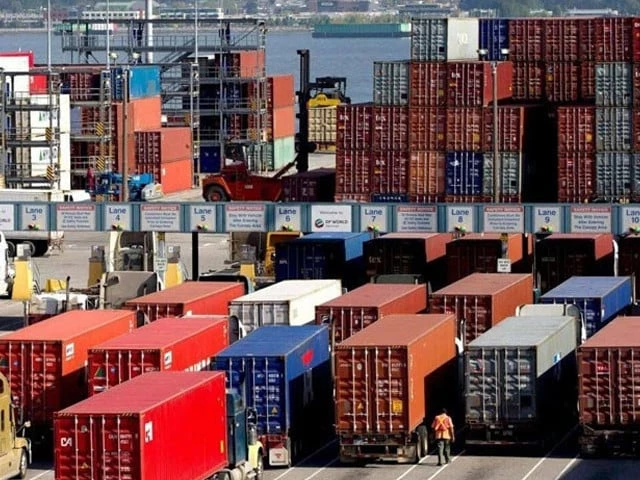
The current fiscal year has been marked by significant strain on the external account, driven in large part by the US-Iran conflict and its spillovers into capital flows and sovereign spreads. With peace now expected to return to the region, policymakers' attention should turn to the domestic constraints that continue to hold exports back. On a cumulative basis, the current account posted a modest surplus of $72 million in the first nine months of FY26, before slipping into a single-month deficit of $276 million in April and then rebounding to a surplus of $459 million in May 2026. This left a cumulative surplus of $255 million over the first 11 months (July-May), but much lower in comparison to the roughly $1.6 billion surplus recorded in the same period a year earlier. For context, the previous fiscal year closed with a current account surplus of $1.8 billion.
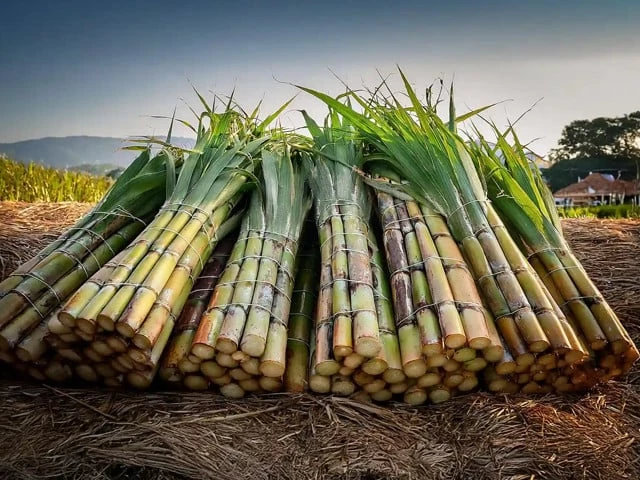
Pakistan's agriculture is facing a crisis that is neither sudden nor mysterious. It is the predictable result of a long-standing mismatch between what the country grows and what its climate, soils and water resources can realistically support. For decades, Pakistan's crop choices were shaped by a world of abundant canal flows, stable weather and a political economy that rewarded acreage rather than efficiency. That world is gone. Yet our cropping patterns remain frozen in time, even as the climate around us changes at a pace our policies refuse to acknowledge.
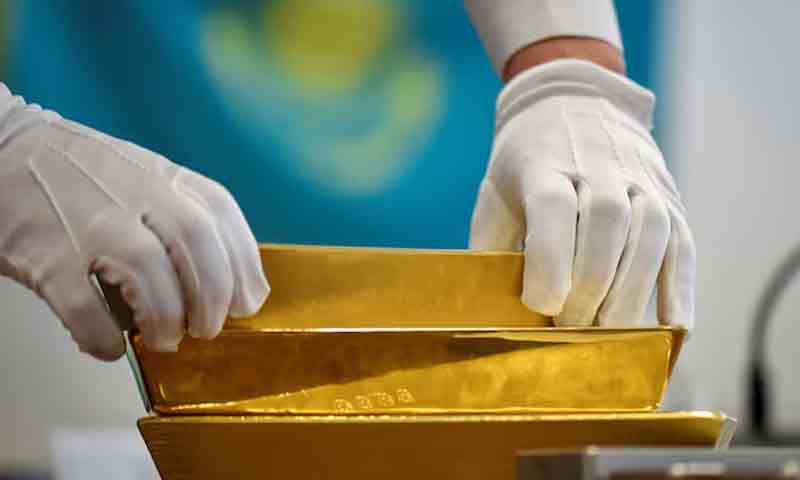
Gold prices recovered as oil fell following progress in US-Iran talks. Geopolitical optimism supported bullion, while expectations of higher US interest rates capped gains.

Muhammad Ali Tabba, CEO of Lucky Cement and Chairman of Lucky Group, has urged policymakers to adopt a pragmatic approach in Pakistan's upcoming auto poli

Khyber Pakhtunkhwa presents a Rs121.74bn supplementary budget for current and development spending. Read details and key allocations.

Pakistan and Qatar have outlined significant progress in high-level negotiations between the United States and Iran, with the parties agreeing on a roadma
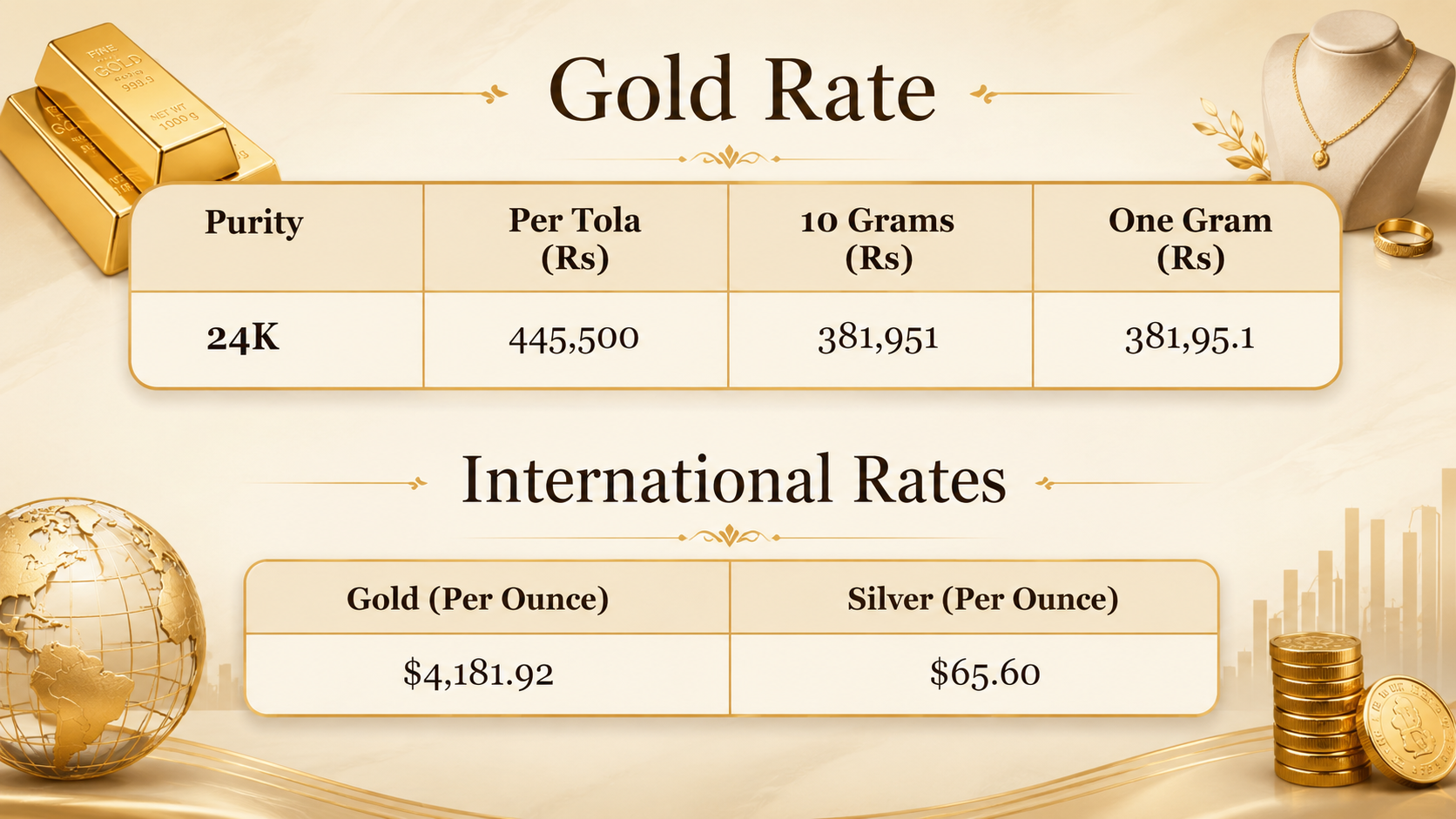
Check today’s gold price in Pakistan for June 22, 2026 across major city Sarafa markets. View updated rates now!
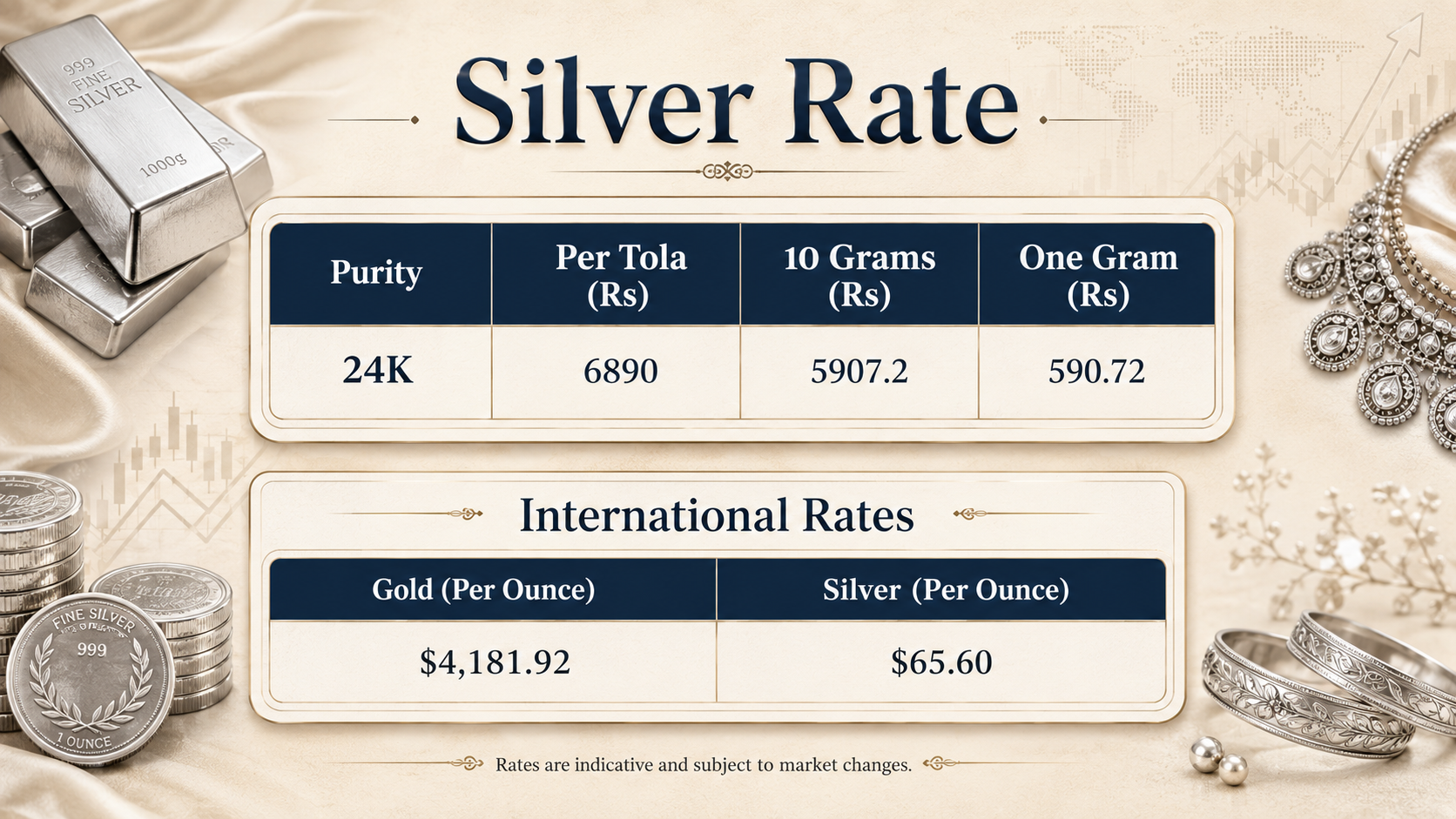
Check today’s silver price in Pakistan for June 22, 2026. Track city-wise Sarafa market rates and get the latest updates now.

Prime Minister Shehbaz Sharif orders a high-level panel to review the Telecommunication Reorganisation (Amendment) Bill. Get the latest updates.

FBR hints at reducing 20% regulatory duty on imported mobile phones priced up to $200. Get latest tax details and proposals now.
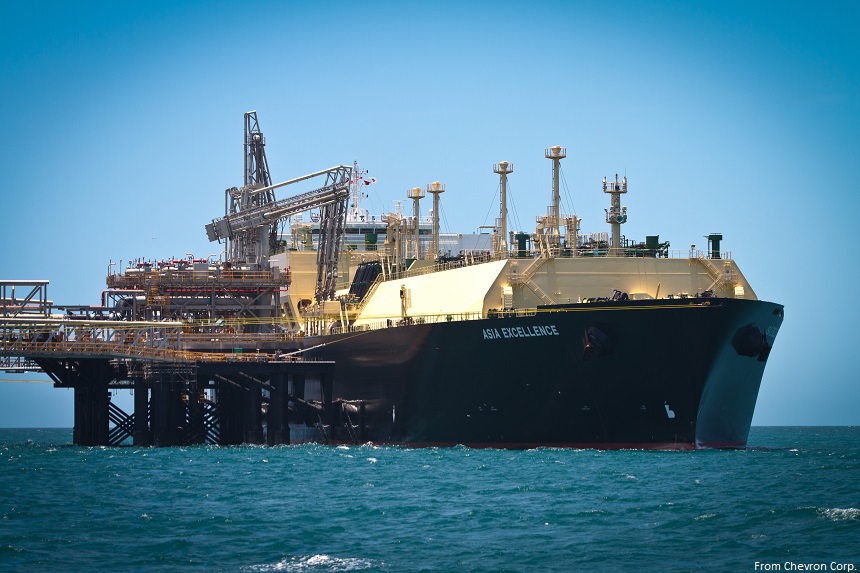
Pakistan received its seventh LNG cargo since Iran-US tensions escalated. Authorities keep supplies steady—read more on the latest delivery.
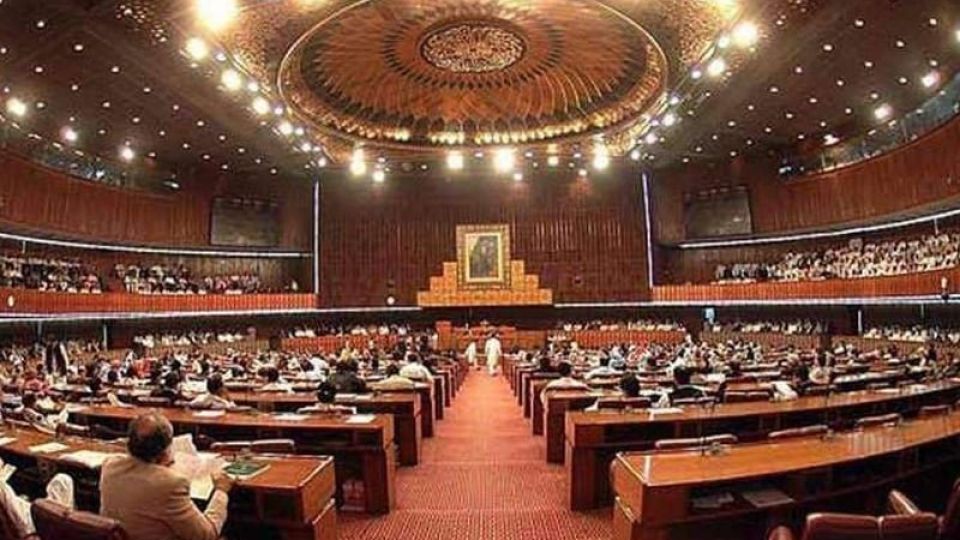
National Assembly clears Rs4.40 trillion grants for 2026-27, including nearly Rs3 trillion for defence. Next: federal budget passage—read more.

Select Technologies’ IPO book-building starts June 22. Company targets Rs2.5–Rs3.7bn and plans a new Lahore air-conditioner plant. Apply now.

Morning Breeze aims to lessen the load for its readers by curating noteworthy updates from the preceding day.

Pakistan aims to hand over PIA to new owners by end-June after remaining codal formalities. Read about the deal details and transfer process.
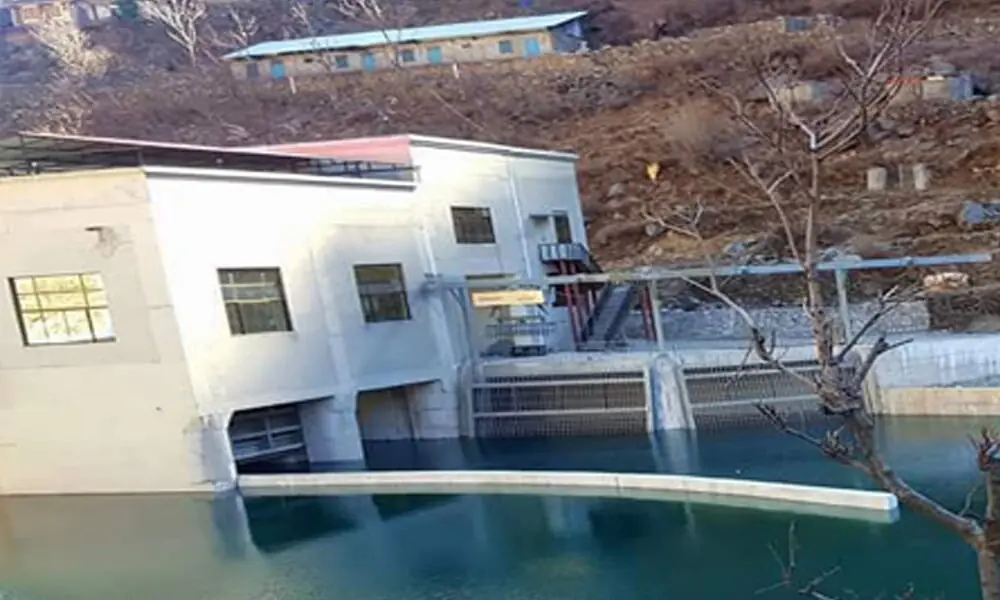
PESHAWAR: Chief Executive Officer (CEO) Provincial Energy Development Organization (PEDO) Engineer Anwar-ul-Haq has said that construction work on several hydropower projects have entered the final stages of completion.

Indian shares
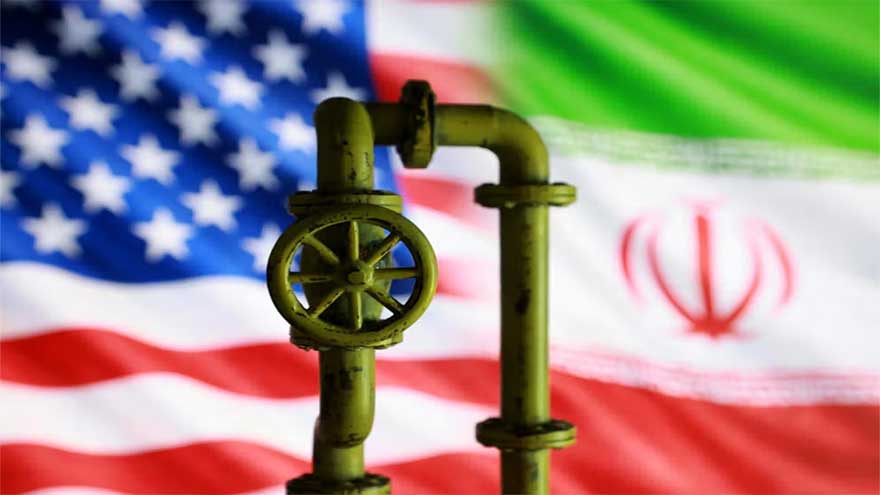
The market reaction came after mediators Qatar and Pakistan announced encouraging progress following nearly 18 hours of talks between US and Iranian negotiators.

SINGAPORE:

BENGALURU/LONDON: Oil prices dropped on Monday after U.S. Vice President JD Vance said progress has been made in talks with Iran and that the Strait of Hormuz was open.

SYDNEY:
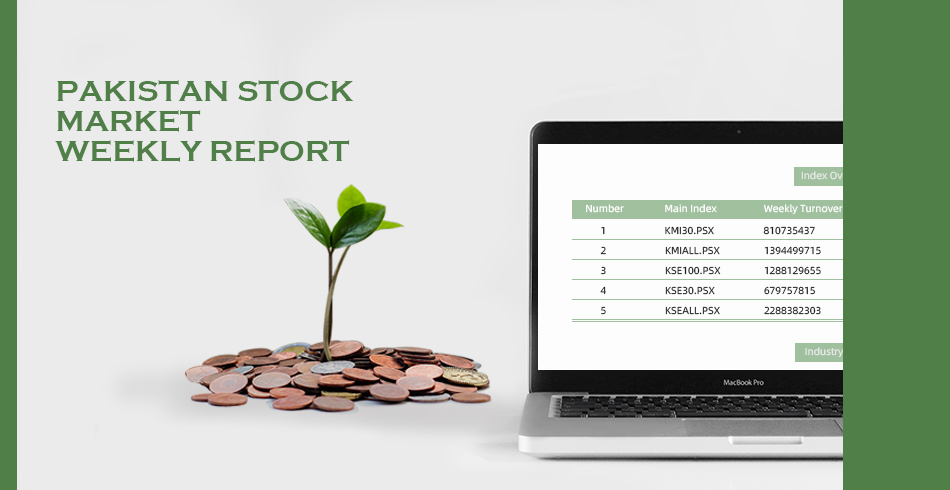
Weekly Review of Stock Market (2026.06.15-2026.06.19)
MUMBAI: The

Data-based fast fashion

Pakistan needs to align national effort behind sectors where it holds a genuine comparative advantage
There has been a structural shift in what Hormuz passage means — commercially, legally and operationally

ISLAMABAD, July 01 (INP-Wealth Pakistan) -- Pakistan's stock market shrugged off geopolitical tensions, higher oil prices and monetary policy uncertainty to deliver one of its strongest fiscal-year performances in recent years, with the benchmark KSE-100 Index gaining 54,674 points, or 43.5%, to close FY2025-26 at 180,302.

ISLAMABAD, July 01 (INP-Wealth Pakistan) -- Pakistan is implementing 86 foreign-funded development projects with financial support from multilateral and bilateral partners, underscoring the continued role of international development cooperation in financing infrastructure, social development and institutional reforms across the country.

ISLAMABAD, July 01 (INP-Wealth Pakistan) -- Pakistan has highlighted three major obstacles to achieving a Riba‑free financial system by 2027: converting public debt, implementing necessary legislative reforms and expanding the supply of Shariah-compliant financial instruments. The government has outlined a comprehensive mitigation strategy to address these challenges.
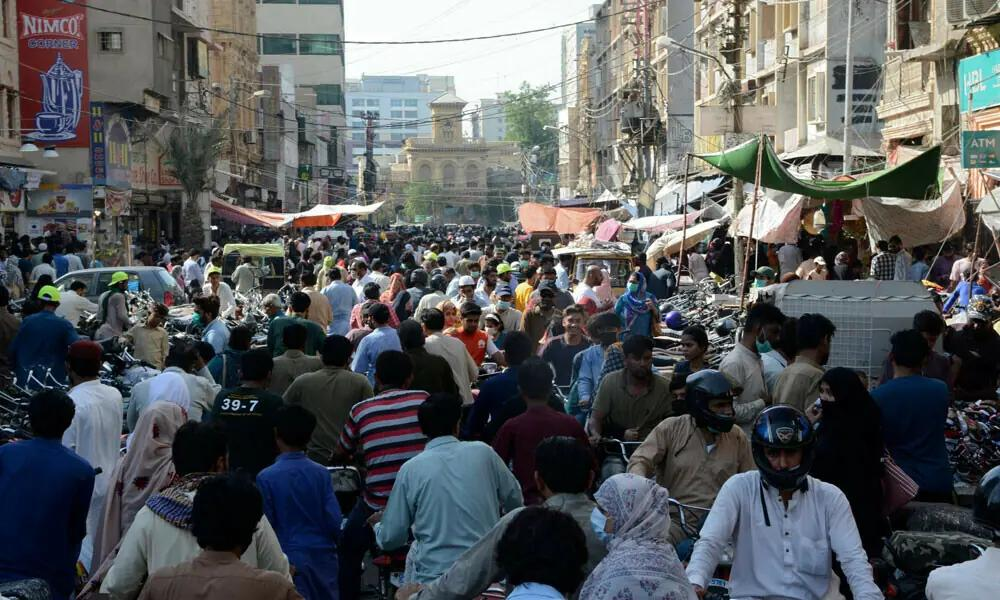
ISLAMABAD, July 01 (INP-Wealth Pakistan) -- Pakistan has unveiled new national and provincial population projections extending to 2050, providing a long-term demographic roadmap to guide development planning, resource allocation and policy formulation under Vision 2035 and other national development frameworks.

ISLAMABAD, July 01 (INP-Wealth Pakistan) -- Pakistan has launched a comprehensive capacity-building and awareness programme to prepare financial institutions, regulators, academia, government officials and the public for the country's transition to a Riba-free financial system after 2027.
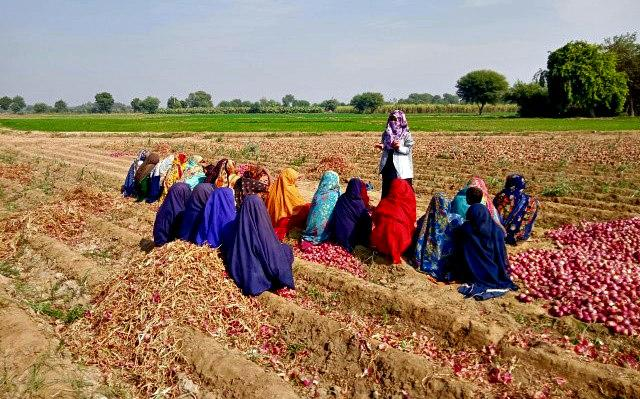
ISLAMABAD, July 01 (INP-Wealth Pakistan) -- Pakistan has reiterated its commitment to expanding women's participation in the economy, emphasizing that greater inclusion in education, entrepreneurship and the workforce is essential for achieving sustainable economic growth under the URAAN Pakistan initiative.

ISLAMABAD, June 30 (INP-Wealth Pakistan) -- The new agricultural cooperation agenda adopted by BRICS countries has created fresh opportunities for Pakistan to strengthen its farm sector through technology transfer, climate-smart agriculture, expanded exports and closer integration with emerging Global South agricultural value chains, experts say.
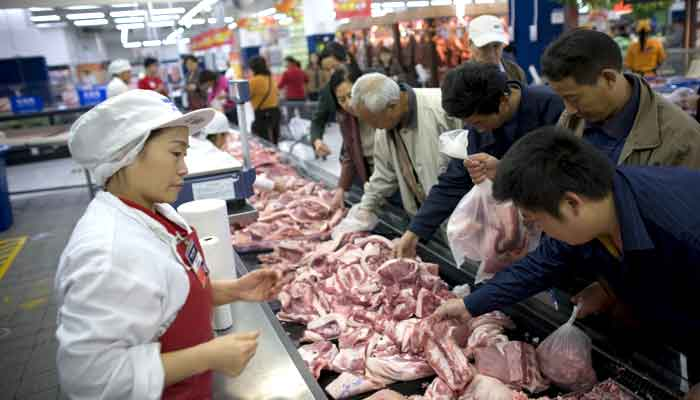
ISLAMABAD, June 30 (INP-Wealth Pakistan) -- China's growing demand for premium and processed food products, combined with expanding market access for Pakistani agricultural exports, has created fresh opportunities for Pakistan to move beyond raw commodity exports and strengthen shipments of higher value-added food products, experts say.
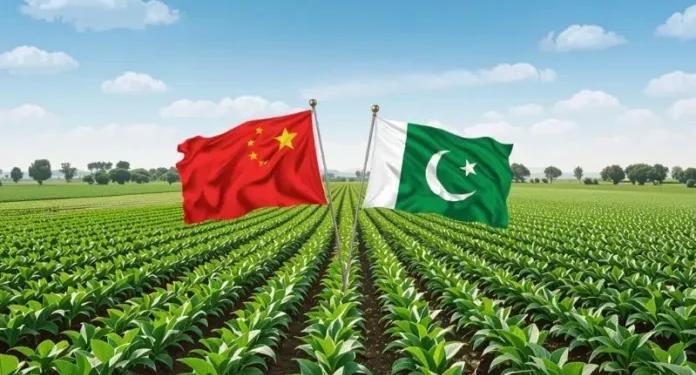
ISLAMABAD, June 30 (INP-Wealth Pakistan) -- Pakistan can draw practical lessons from China's smart agriculture model to strengthen food security, raise crop productivity, reduce post-harvest losses and improve farmers' incomes through precision farming, digital agriculture and modern storage infrastructure, experts say.
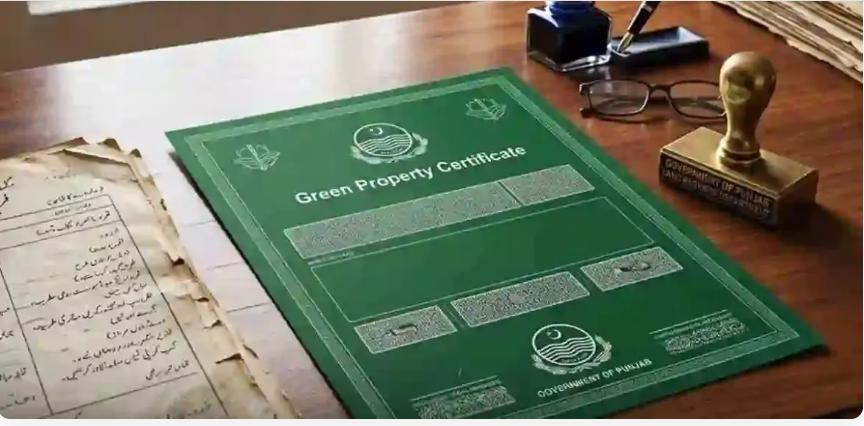
LAHORE, June 30 (INP-Wealth Pakistan) -- Punjab has begun replacing its centuries-old land ownership verification system with the Green Property Certificate (GPC), a digital ownership document designed to make property transactions more secure, transparent and legally verifiable while reducing land fraud and ownership disputes.

ISLAMABAD, June 30 (INP-Wealth Pakistan) -- Africa's accelerating shift towards electric mobility is opening a new export avenue for Pakistan's engineering sector. The country's established manufacturing base in two- and three-wheelers, auto parts and emerging electric vehicles (EVs) is well positioned to meet growing demand for affordable mobility solutions across the continent.

ISLAMABAD, June 30 (INP–Wealth Pakistan) -- The number of payment cards in circulation in Pakistan continued to grow during the third quarter of FY2025-26, reaching 68.25 million by the end of March, with debit cards maintaining their overwhelming dominance as the country's preferred formal payment instrument, according to the State Bank of Pakistan's Payment Systems Quarterly Review.
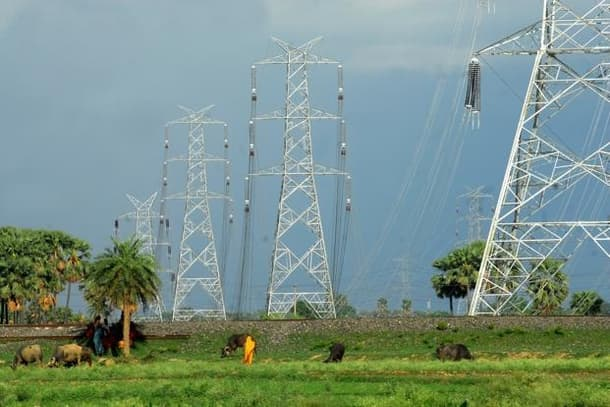
ISLAMABAD, June 30 (INP-Wealth Pakistan) -- Pakistan’s power distribution companies (DISCOs) plan to expand electricity access in FY2026-27 by electrifying 15,327 villages and adding 1,689,849 new consumer connections, with rural access and consumer-base expansion emerging as key targets of the distribution sector plan.
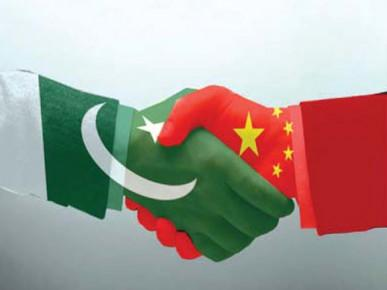
ISLAMABAD, June 30 (INP-Wealth Pakistan) -- China's pursuit of a more just and equitable global governance order could create new economic opportunities for Pakistan, paving the way for enhanced regional connectivity, broader trade networks and deep development cooperation. Even so, experts stressed that domestic reforms and regional stability would be crucial to translating those opportunities into tangible gains.

ISLAMABAD, June 30 (INP–Wealth Pakistan) -- Pakistan's Real-time Gross Settlement (RTGS) system, PRISM+, continued to serve as the backbone of the country's financial infrastructure during the third quarter of FY2025-26, settling transactions worth Rs389.8 trillion as banks, financial institutions and government entities relied on the platform for large-value payments, according to the State Bank of Pakistan's Payment Systems Quarterly Review.

ISLAMABAD, June 30 (INP-Wealth Pakistan) -- The government has planned three climate capacity-building projects with a combined cost of Rs1.47 billion to strengthen climate governance, develop a green workforce and prepare national guidelines for urban flooding, droughts and other climate-related disasters.

Jul 2, 2026

ISLAMABAD, June 30 (INP–Wealth Pakistan) -- Pakistan's shift towards cashless retail payments continued to gather momentum during the third quarter of FY2025-26 as QR-code payments and digital merchant acceptance expanded further, enabling more consumers to pay directly from their bank accounts and mobile wallets, according to the State Bank of Pakistan's Payment Systems Quarterly Review.

ISLAMABAD, June 30 (INP–Wealth Pakistan) -- Pakistan's shift towards a digital economy gathered further pace during the third quarter of FY2025-26, with digital channels accounting for 92% of all retail payment transactions by volume as consumers increasingly relied on mobile apps, digital wallets, internet banking and electronic payment platforms, according to the State Bank of Pakistan's latest Payment Systems Quarterly Review.
ISLAMABAD, June 27 (INP–Wealth Pakistan) -- Pakistan's instant payment system, Raast, continued to expand during the third quarter of FY2025-26, processing 742 million transactions worth Rs23.27 trillion as both person-to-person transfers and merchant payments gained momentum, according to the State Bank of Pakistan's Payment Systems Quarterly Review.
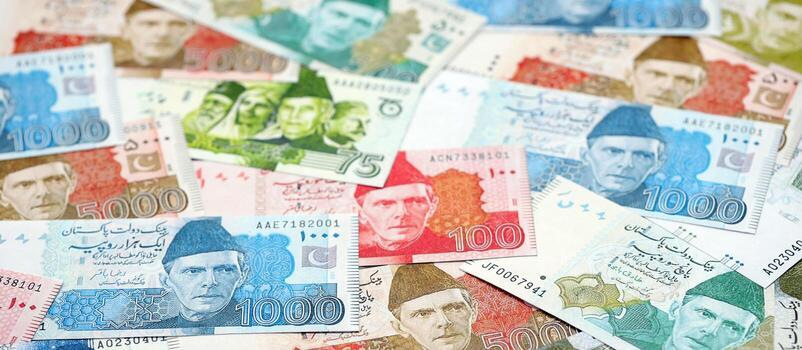
ISLAMABAD, June 30 (INP–Wealth Pakistan) -- The Pakistani rupee remained broadly stable against major international currencies during the fourth week of June, posting a slight gain against the US dollar as easing external-sector pressures, lower Treasury-bill yields and continued improvement in macroeconomic conditions helped sustain confidence in the local currency.

LAHORE, June 30 (INP-Wealth Pakistan) -- Punjab's decision to introduce algae-based "Liquid Trees" has generated optimism as an innovative approach to tackling urban air pollution, but environmental experts say the technology should be viewed as a complementary solution rather than a replacement for conventional tree planting.
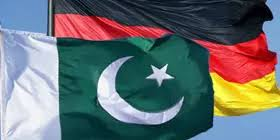
ISLAMABAD, June 30 (INP-Wealth Pakistan) -- Pakistan's expanding development partnership with Germany has created new opportunities to strengthen climate resilience, accelerate the clean energy transition and enhance social protection for vulnerable communities through long-term technical cooperation, according to experts.
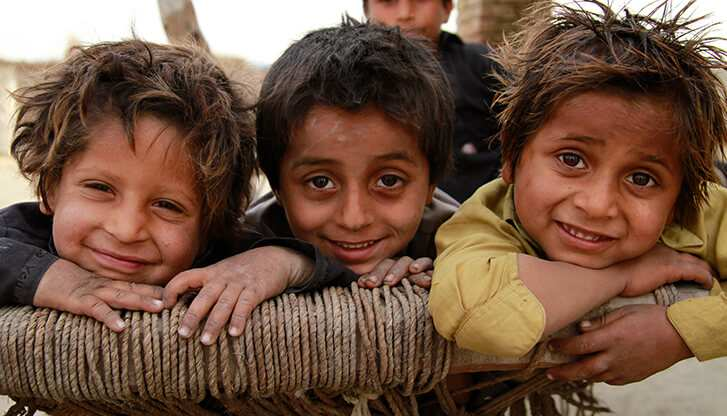
ISLAMABAD, June 30 (INP-Wealth Pakistan) -- China's decision to expand childcare subsidies to nearly 110 billion yuan in 2026 offers practical policy lessons for Pakistan as it seeks to ease the financial burden on low-income families, improve child welfare and enable greater participation of women in the workforce, experts say.

ISLAMABAD, June 30 (INP-Wealth Pakistan) -- The global shift towards nearshoring is creating a rare opportunity for Pakistan to attract export-oriented manufacturing and diversify its industrial base, but experts say the country must accelerate reforms and improve implementation if it is to win over relocating investors.

ISLAMABAD, June 30 (INP-Wealth Pakistan) -- The federal government plans to add three new environmental and biodiversity protection projects to the fiscal year 2026-27 under the revised Upscaling of Green Pakistan Programme (UGPP), with a focus on the Margalla Hills, a national botanical garden in Islamabad, and a pollution monitoring network.
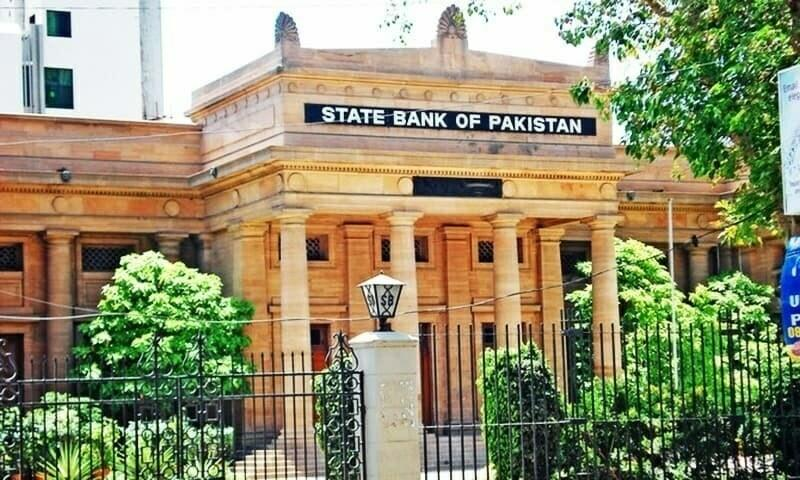
ISLAMABAD, June 30 (INP-Wealth Pakistan) -- Pakistan's foreign exchange reserves retreated in June after climbing to a one-year high at the end of May, although the country's external reserve position remained substantially stronger than it was a year earlier, according to the latest data released by the State Bank of Pakistan (SBP).
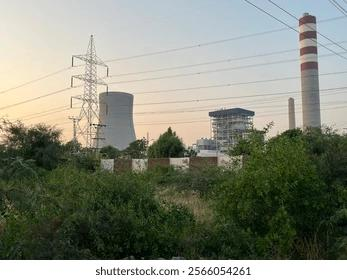
ISLAMABAD, June 30 (INP-Wealth Pakistan) -- Pakistan's electricity generation climbed to its highest level in five months in May 2026, driven by a sharp recovery in hydel power, increased coal and RLNG generation, and continued growth in wind and solar output, according to data released by the State Bank of Pakistan (SBP).
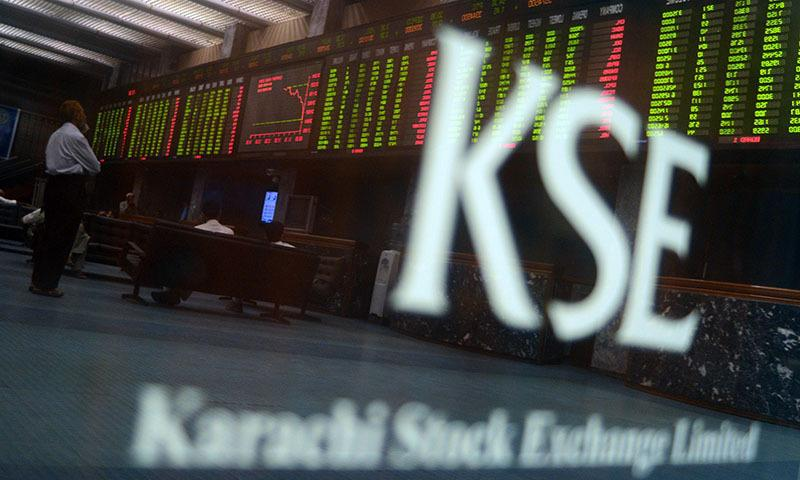
ISLAMABAD, June 30 (INP–Wealth Pakistan) -- The Pakistan Stock Exchange (PSX) extended its gains during the final week of June, with the benchmark KSE-100 Index advancing 649 points, or 0.36% week-on-week, to close at 179,571 points, as easing geopolitical tensions in the Middle East helped sustain investor confidence despite rollover-week pressures.
Jul. 01 & Jul. 02, 2026

Selling pressure was observed at the Pakistan Stock Exchange (PSX) after new Houthi strikes on Saudi Arabia and Iranian attacks on ships in the Gulf, with the benchmark KSE-100 Index shedding nearly 1,500 points during the opening minutes of trading on Monday.

Silver price in Pakistan for today, September 14, 2026
Morning Breeze aims to lessen the load for its readers by curating noteworthy updates from the preceding day.

Pakistan’s agri exports are falling as border rejections and regulatory weaknesses raise questions over the country’s plant-protection and food-safety system.
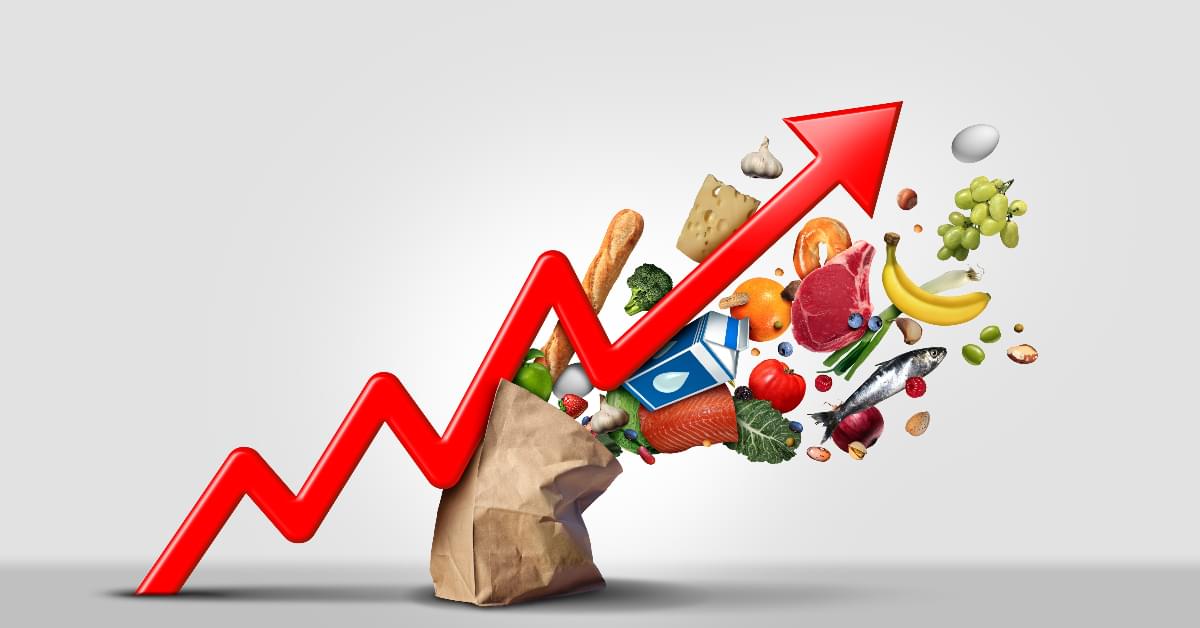
Lahore consumers continued to pay well above official rates for chicken, vegetables and fruits despite reductions in notified prices of several items.
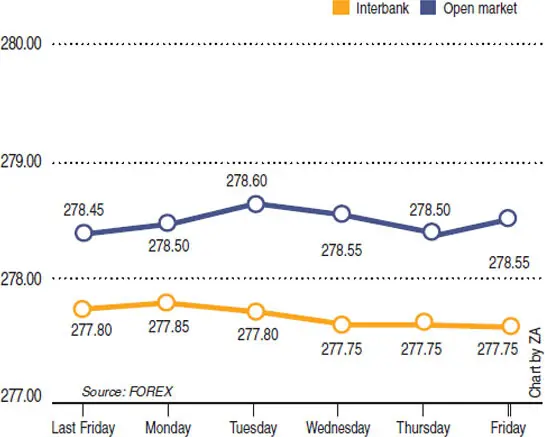
Source: FOREX Chart by ZA
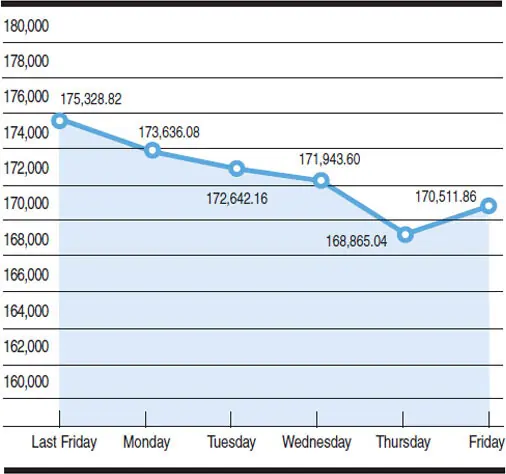
Source: PSX Chart by Mohammad Zeeshan Ali Khan

ISLAMABAD - The import of pesticides into the country during the month of July 2026 decreased by 18.03 percent as compared with the imports of the same month of the previous year. Over 3,630 metric tons of pesticides worth $19.743 million were imported as compared to the imports of 1,958 metric tons worth of $14.001 million of the same period of the last year, according to data of the Pakistan Bureau of Statistics. Meanwhile, about 213,516 metric tons of plastic materials costing $325.171 million were also imported during the month under review as compared to the imports of 231,314 metric tons worth of $271.947 million of the same month of the last year. The import of agricultural machinery into the country during the first month of the current financial year increased by 25.87 percent as compared to the import of the corresponding month of last year.

ISLAMABAD - Despite regional uncertainty, Pakistan’s imports from Iran recorded an increase of around 17 percent during the first two months of the ongoing FY2026-27, official source revealed.

ISLAMABAD - The ministries/divisions/corporations have utilised only Rs25.066 billion or 2.5 percent of the total Rs1 trillion PSDP allocation during the first in two-and-a-half months of the ongoing fiscal year (2026-27). The ministry of planning had issued an authorisation of Rs211.493 billion or 21 percent of the total PSDP allocation of Rs1 trillion till September 8, official source told The Nation.
ISLAMABAD - The import of mobile phones into the country has witnessed a decrease of 3.56 percent during the first month of the current fiscal year (2026-27) as compared to the corresponding month of last year. Pakistan imported mobile phones worth $140.435 million during July 2026 as compared to the imports of $145.612 million during July 2025, according to the Pakistan Bureau of Statistics (PBS). Meanwhile, on a month-on-month basis, the imports of mobile phones also decreased by 0.77 percent during July 2026 as compared to the imports of $141.522 million during June 2026, according to the data.

Pakistan's auto sales climbed 20% in August. The 1300cc+ segment jumped 54%, with trucks and buses seeing a strong 31% growth, signaling robust demand.

Gold prices plummet in Pakistan's local bullion markets. Discover how the Rs3,800 per tola drop impacts current rates, now Rs453,336 per tola.
Benchmark index sheds 4,817 points amid regional tensions and IMF review concerns

ISLAMABAD - The price of gold witnessed a decline in the local market on Saturday, with the price of 24-karat gold per tola falling by Rs5,600 to settle at Rs456,736, according to rates issued by the All Pakistan Sarafa Gems and Jewellers Association. Similarly, the price of 10 grams of 24-karat gold decreased by Rs4,801 to Rs391,577, whereas 10 grams of 22-karat gold declined by Rs4,401 to Rs358,958. In the international market, the price of gold fell by $56 to $4,342 per ounce, the association reported. Meanwhile, the price of silver per tola decreased by Rs253 to Rs6,871, while the price of 10 grams of silver fell by Rs217 to Rs5,890. The price of silver in the international market also declined by $2.53 to $63.92 per ounce, the association added.
ISLAMABAD - Pakistan’s export of goods and services to the United Kingdom (UK) witnessed an increase of 8.42 percent during the first month of the current fiscal year (2026-27) compared to the exports of the corresponding month of last year, the State Bank of Pakistan (SBP) reported.

ISLAMABAD, Sep 12 (APP):The prices of gold witnessed a decline in the local market on Saturday, with the price of 24-karat gold per tola falling by Rs5,600 to settle at Rs456,736, according to rates issued by the All Pakistan Sarafa Gems and Jewellers Association.

Gold prices in Pakistan increased on Saturday in line with their gain in the international market. In the local market, gold price per tola reached Rs457,136 after a gain of Rs400 during the day.

ISLAMABAD - The federal government has decided to introduce a three-year plan to eliminate the gas sector’s circular debt of Rs3.6 trillion in an effort

Pakistan Stock Exchange’s 100 Index fell 4,816 points during the week to close at 170,511, while market capitalization declined by Rs613 billion.

Weekly roundup of Key Economic releases and market data and statistics
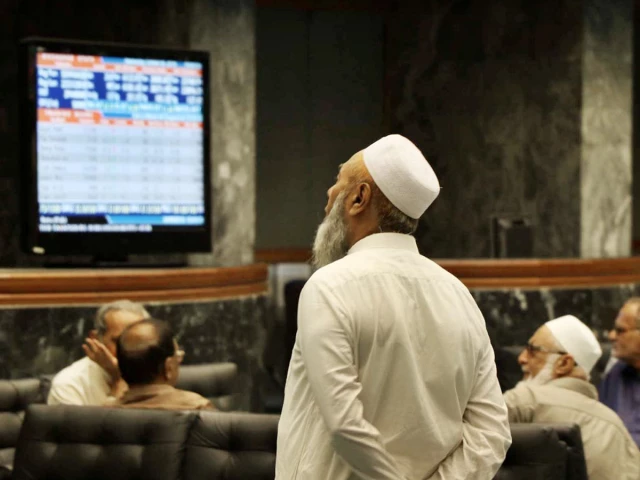
Pakistan Stock Exchange (PSX) recovered on Friday as late-session easing of crude oil prices lifted sentiment, allowing the benchmark KSE-100 index to close nearly 1,650 points higher.

Gold prices in Pakistan fell sharply on Friday, with the rate of one tola declining Rs5,600 to Rs456,736, despite a rebound in international bullion markets, as investors assessed stronger US inflation data and expectations of a Federal Reserve rate hike.

Pakistan's short-term inflation accelerated again as the Sensitive Price Indicator (SPI) rose 8.62% year-on-year in the week ended September 10, up from 8.35% a week earlier, after a sharp jump in fuel and cooking-gas prices more than offset cheaper perishables.

Govt is examining a JI proposal to cut petroleum levy to Rs5-10 per litre and replace a Rs1.45-1.50 trillion annual gap through taxes and savings.

Silver price in Pakistan for today, September 12, 2026

Gold price in Pakistan for today, September 12, 2026

Pakistan's weekly inflation rose 0.23% as petrol jumped 6.18%, diesel 5.49% and LPG 4.32%, while year-on-year SPI inflation reached 8.62%.

Pakistan received $259 million in RDA inflows in August 2026, taking cumulative inflows to $13.906 billion as total accounts rose to 966,144.

ISLAMABAD: In its daily revision of fuel prices, the government on Friday increased the ex-depot price of petrol by Rs5.02 to Rs375.82 per litre from Rs370.80 per litre.