Is the economy lagging behind?
A great power rests on three pillars: military, diplomacy and economy. Pakistan has achieved many milestones on the military and diplomatic fronts. Two recent events further reinforced our strength.
Tribune
A great power rests on three pillars: military, diplomacy and economy. Pakistan has achieved many milestones on the military and diplomatic fronts. Two recent events further reinforced our strength.
The International Monetary Fund (IMF), being the lender of last resort for countries in balance-of-payments crisis or in danger of default, almost always ties its bailouts to excessive austerity measures. Its loans are tied, to use IMF jargon, to "structural adjustment programmes" and "conditionality". These programmes centre on raising taxes and/or spurring tax rate reductions, balancing the budget at all costs, devaluing the currency and increasing interest rates. Such anti-growth policies, delivered in line with IMF diktat, have been shown in the majority of cases to have actually increased the country's dependence on the IMF over time. Just think of what has happened in Argentina, Pakistan, Ecuador, Egypt or Ghana.
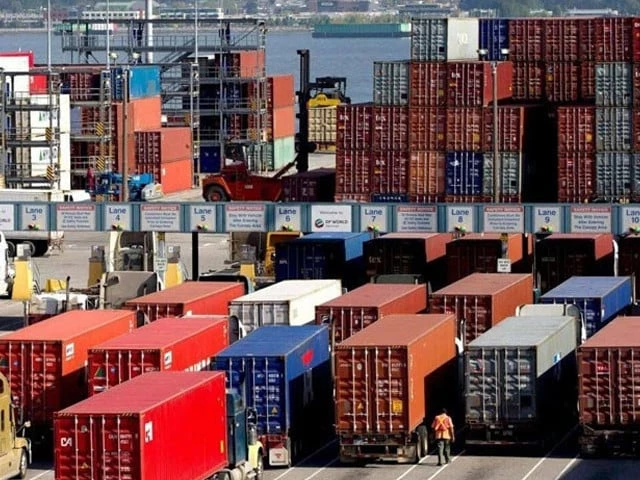
The current fiscal year has been marked by significant strain on the external account, driven in large part by the US-Iran conflict and its spillovers into capital flows and sovereign spreads. With peace now expected to return to the region, policymakers' attention should turn to the domestic constraints that continue to hold exports back. On a cumulative basis, the current account posted a modest surplus of $72 million in the first nine months of FY26, before slipping into a single-month deficit of $276 million in April and then rebounding to a surplus of $459 million in May 2026. This left a cumulative surplus of $255 million over the first 11 months (July-May), but much lower in comparison to the roughly $1.6 billion surplus recorded in the same period a year earlier. For context, the previous fiscal year closed with a current account surplus of $1.8 billion.
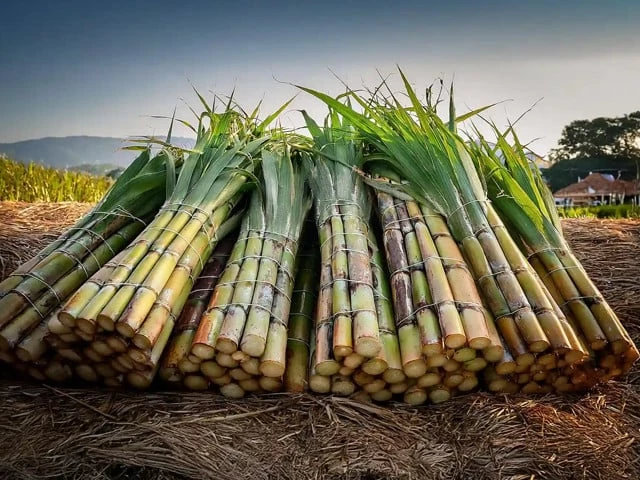
Pakistan's agriculture is facing a crisis that is neither sudden nor mysterious. It is the predictable result of a long-standing mismatch between what the country grows and what its climate, soils and water resources can realistically support. For decades, Pakistan's crop choices were shaped by a world of abundant canal flows, stable weather and a political economy that rewarded acreage rather than efficiency. That world is gone. Yet our cropping patterns remain frozen in time, even as the climate around us changes at a pace our policies refuse to acknowledge.
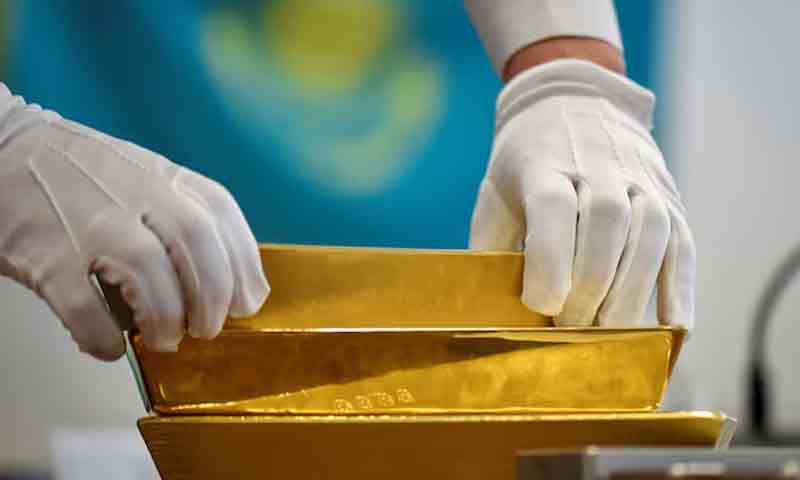
Gold prices recovered as oil fell following progress in US-Iran talks. Geopolitical optimism supported bullion, while expectations of higher US interest rates capped gains.

Muhammad Ali Tabba, CEO of Lucky Cement and Chairman of Lucky Group, has urged policymakers to adopt a pragmatic approach in Pakistan's upcoming auto poli

Khyber Pakhtunkhwa presents a Rs121.74bn supplementary budget for current and development spending. Read details and key allocations.

Pakistan and Qatar have outlined significant progress in high-level negotiations between the United States and Iran, with the parties agreeing on a roadma
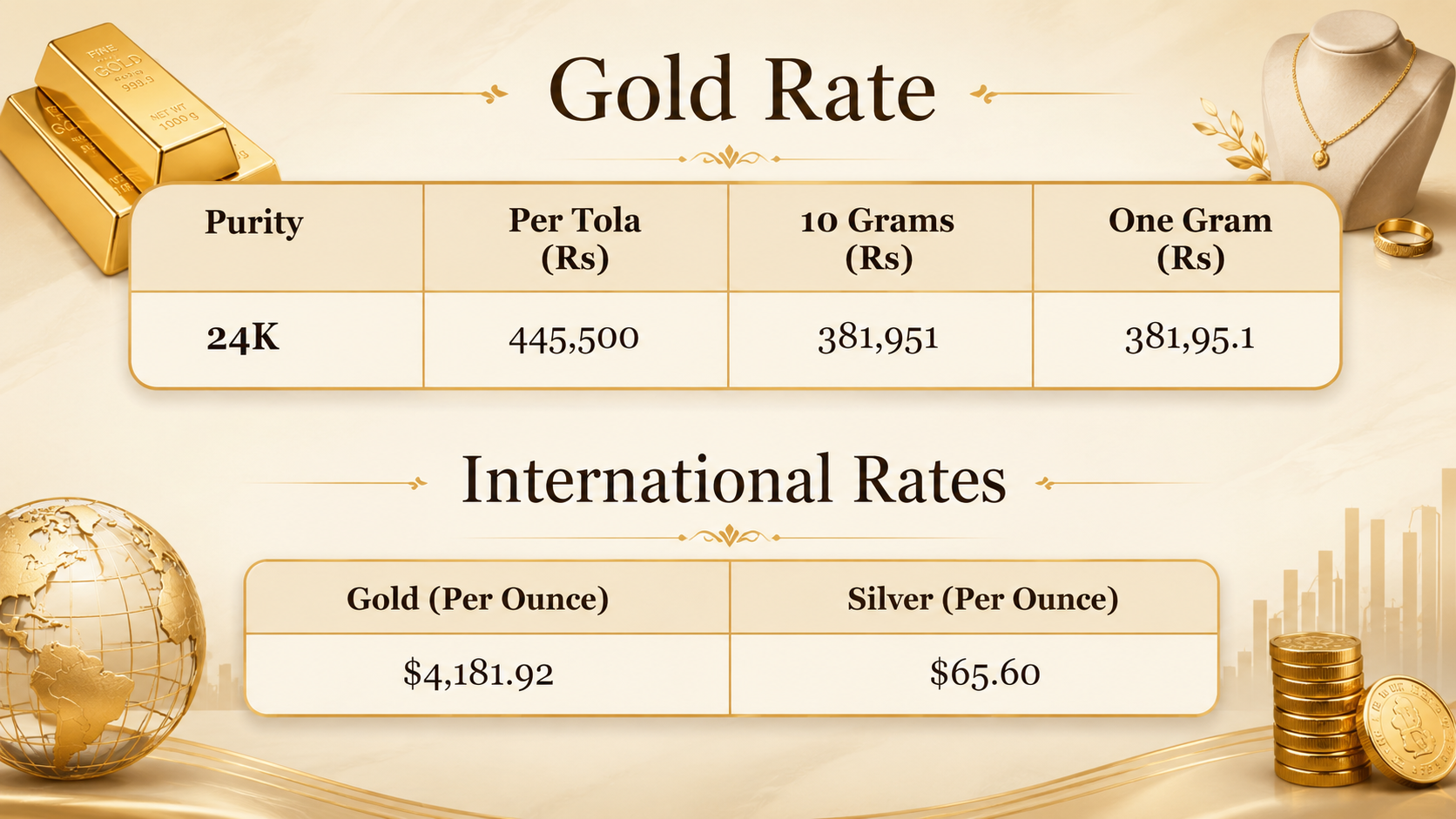
Check today’s gold price in Pakistan for June 22, 2026 across major city Sarafa markets. View updated rates now!
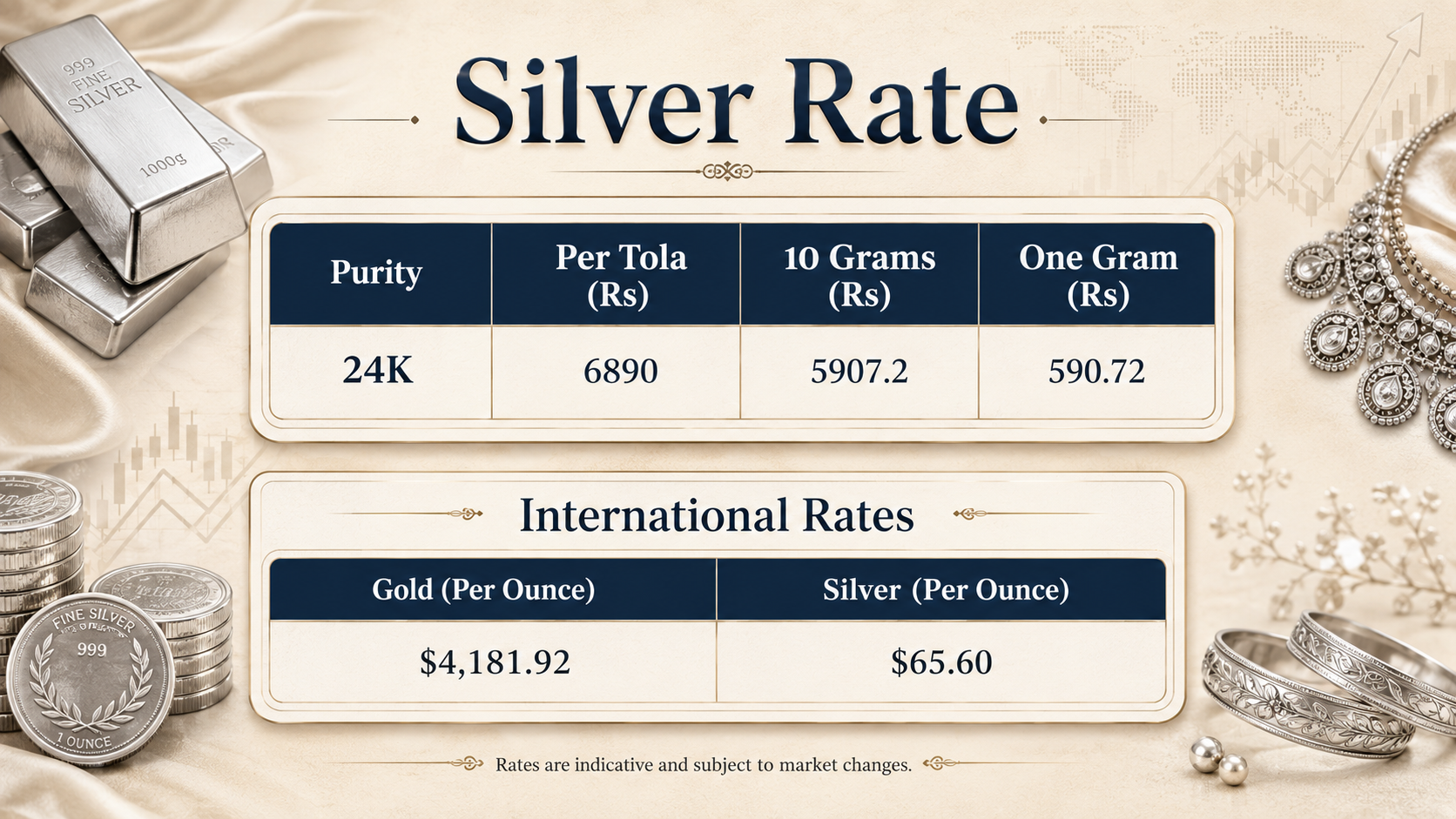
Check today’s silver price in Pakistan for June 22, 2026. Track city-wise Sarafa market rates and get the latest updates now.
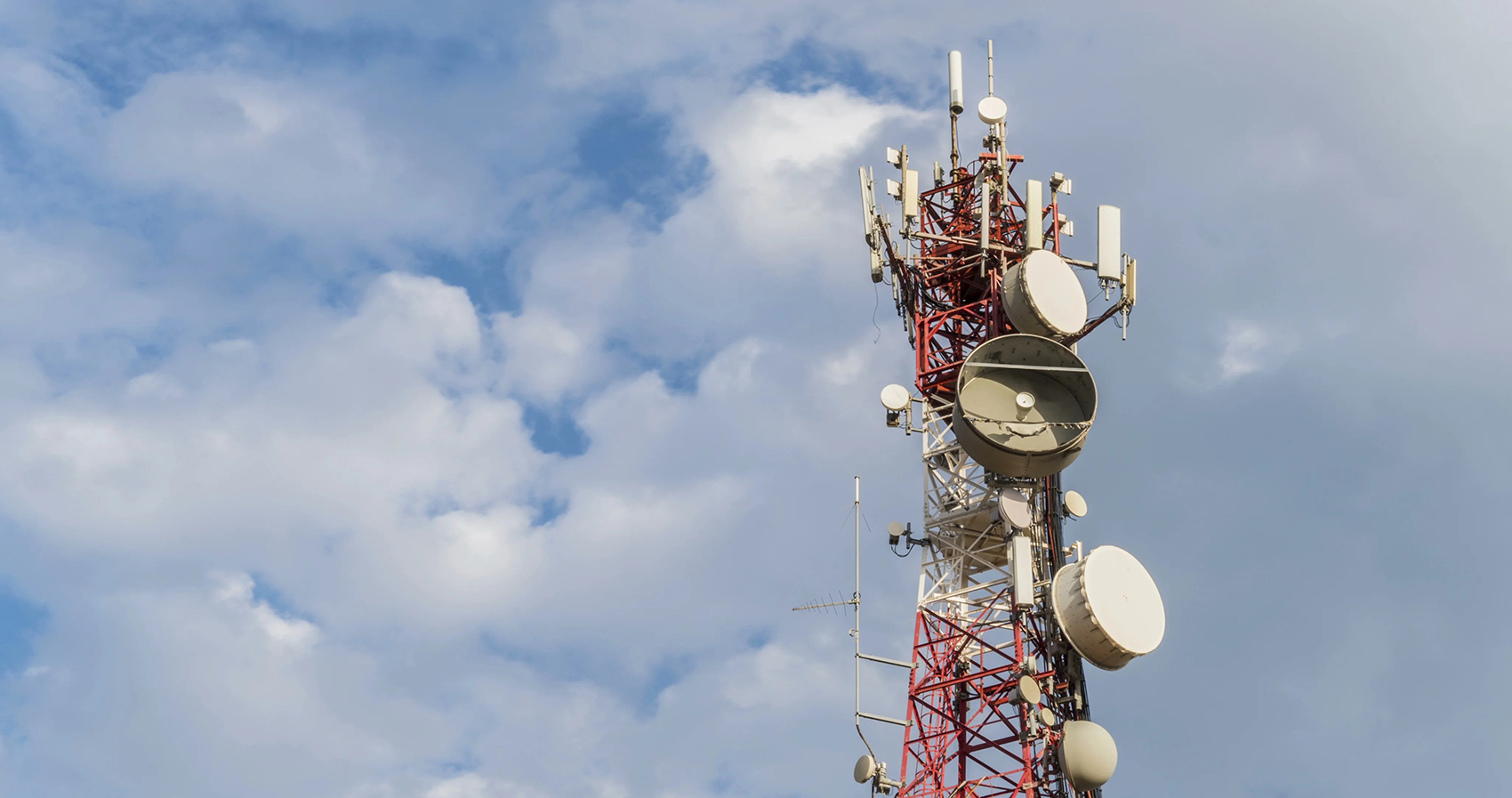
Prime Minister Shehbaz Sharif orders a high-level panel to review the Telecommunication Reorganisation (Amendment) Bill. Get the latest updates.

FBR hints at reducing 20% regulatory duty on imported mobile phones priced up to $200. Get latest tax details and proposals now.
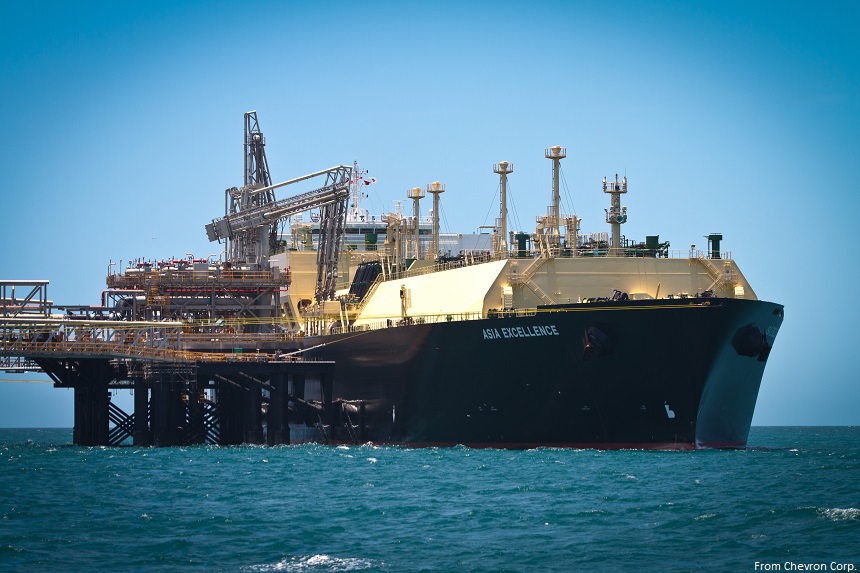
Pakistan received its seventh LNG cargo since Iran-US tensions escalated. Authorities keep supplies steady—read more on the latest delivery.
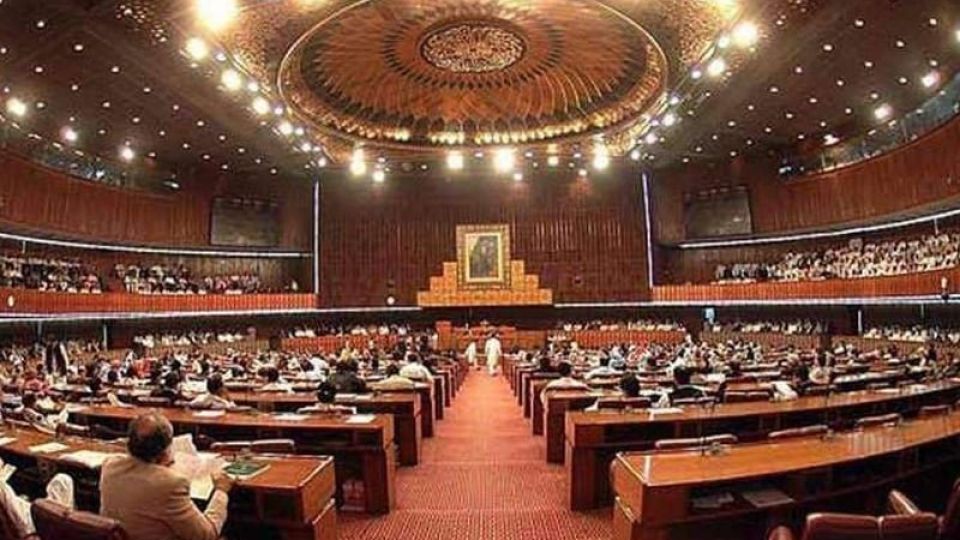
National Assembly clears Rs4.40 trillion grants for 2026-27, including nearly Rs3 trillion for defence. Next: federal budget passage—read more.

Select Technologies’ IPO book-building starts June 22. Company targets Rs2.5–Rs3.7bn and plans a new Lahore air-conditioner plant. Apply now.

Morning Breeze aims to lessen the load for its readers by curating noteworthy updates from the preceding day.
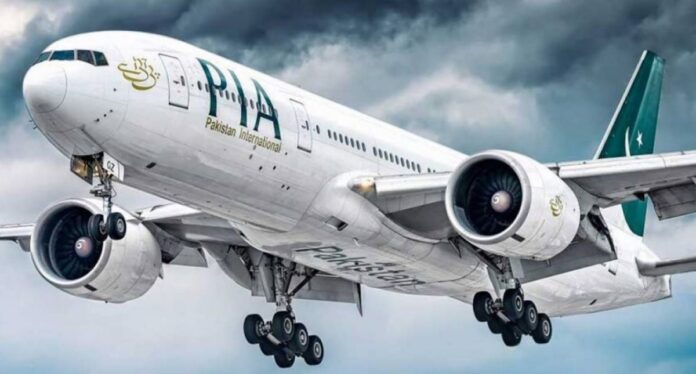
Pakistan aims to hand over PIA to new owners by end-June after remaining codal formalities. Read about the deal details and transfer process.
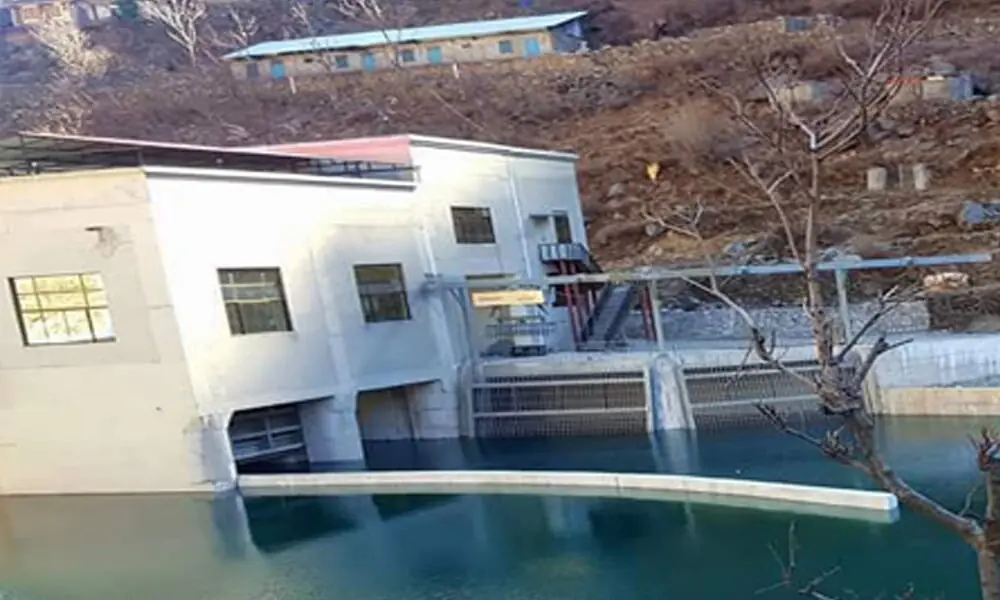
PESHAWAR: Chief Executive Officer (CEO) Provincial Energy Development Organization (PEDO) Engineer Anwar-ul-Haq has said that construction work on several hydropower projects have entered the final stages of completion.

Indian shares
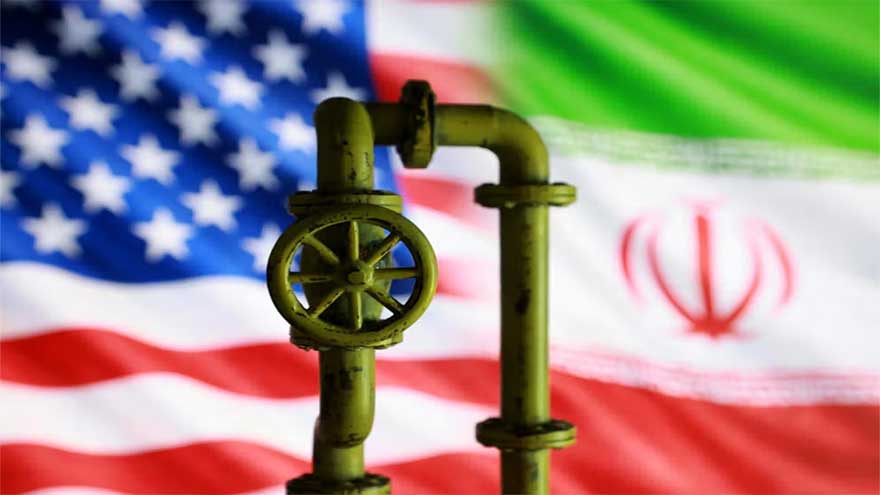
The market reaction came after mediators Qatar and Pakistan announced encouraging progress following nearly 18 hours of talks between US and Iranian negotiators.

SINGAPORE:

BENGALURU/LONDON: Oil prices dropped on Monday after U.S. Vice President JD Vance said progress has been made in talks with Iran and that the Strait of Hormuz was open.

SYDNEY:
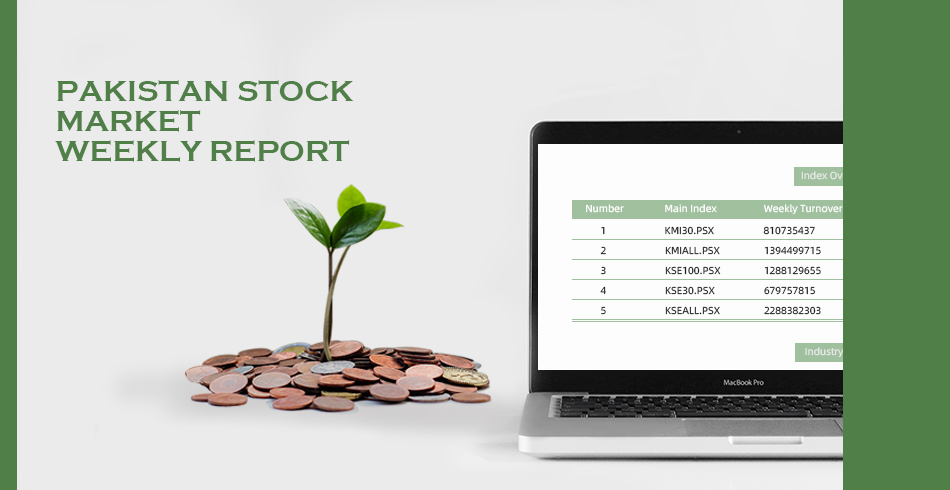
Weekly Review of Stock Market (2026.06.15-2026.06.19)
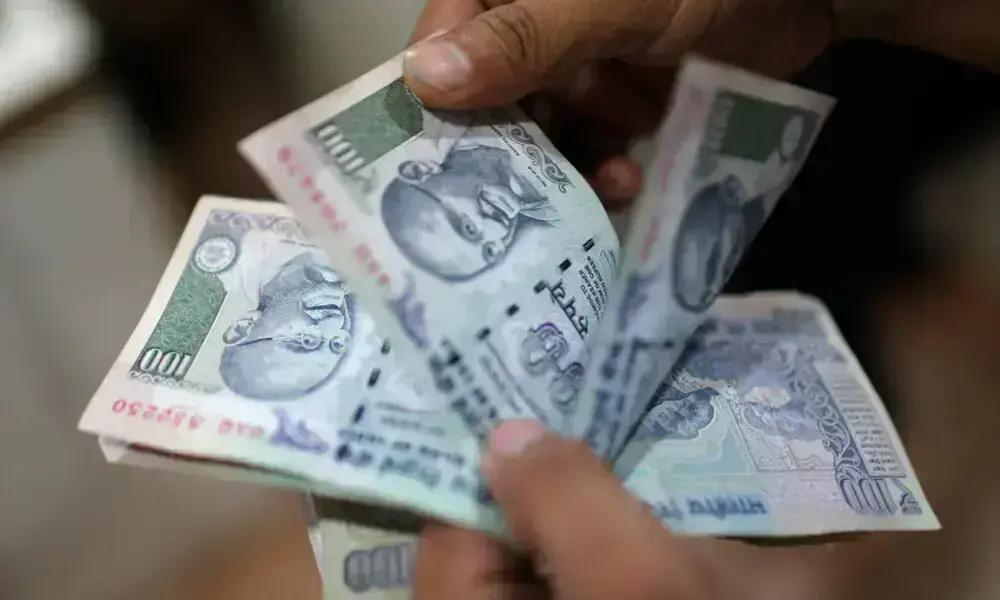
MUMBAI: The

Data-based fast fashion

Pakistan needs to align national effort behind sectors where it holds a genuine comparative advantage
There has been a structural shift in what Hormuz passage means — commercially, legally and operationally
By the end of 2025, some 300,000 e-books were released each month on Amazon, up from around 100,000 before the ...
The AI boom has minted vast fortunes, with Jensen Huang’s stake of nearly 4pc in Nvidia, the chipmaker he...
The Islamabad Healthcare Regulatory Authority (IHRA) plans to launch a Health Facility Availability Tracker (HFAT) to provide citizens with real-time information about the availability and capacity of healthcare facilities across the federal capital.
Five Asian Development Bank-funded projects have been proposed for Khyber Pakhtunkhwa in green public transport, Swat basin management, climate-resilient agriculture and rural road connectivity, carrying total commitments of $961 million, according to an official document available with Wealth Pakistan.

Aug 11, 2026
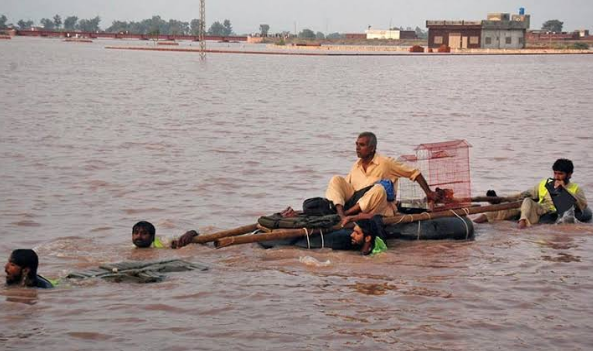
The proposed Rs194.86 billion Left Bank Outfall Drain (LBOD) rehabilitation project is expected to benefit around 21 million people by significantly enhancing flood resilience across southern Sindh, according to a document available with Wealth Pakistan.
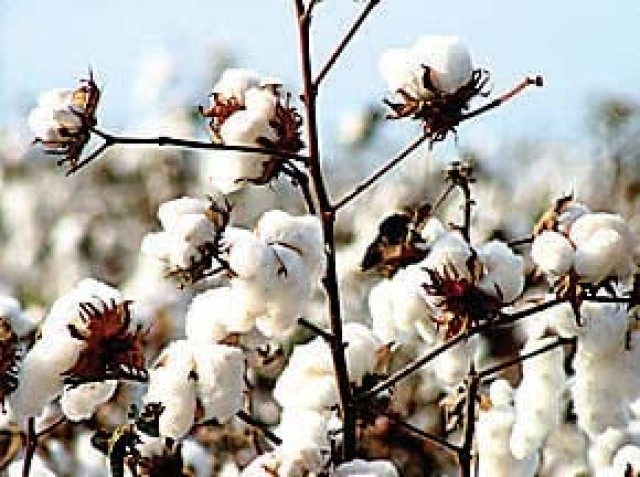
Pakistan plans to rebuild its cotton sector through tougher seed regulation, biotechnology-based research, institutional restructuring and human resource development to increase productivity, protect domestic producers and reduce reliance on imported cotton.
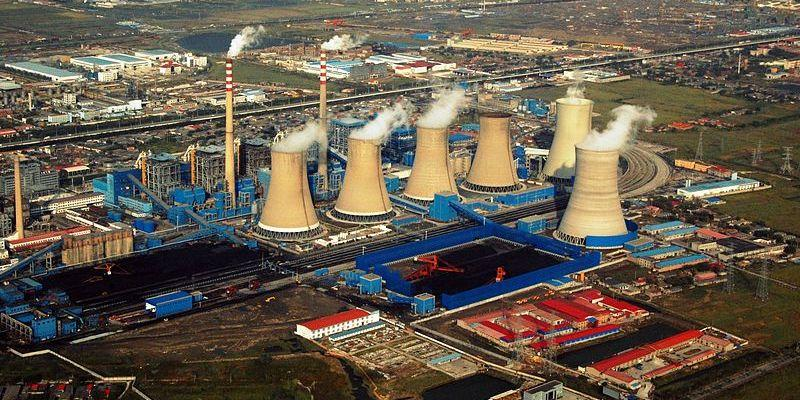
Pakistan can draw lessons from China's carbon-peaking model to better align climate action with industrial development, energy security and export competitiveness, but experts say the country needs a locally tailored approach reflecting its fiscal constraints, energy-sector challenges and institutional capacity.
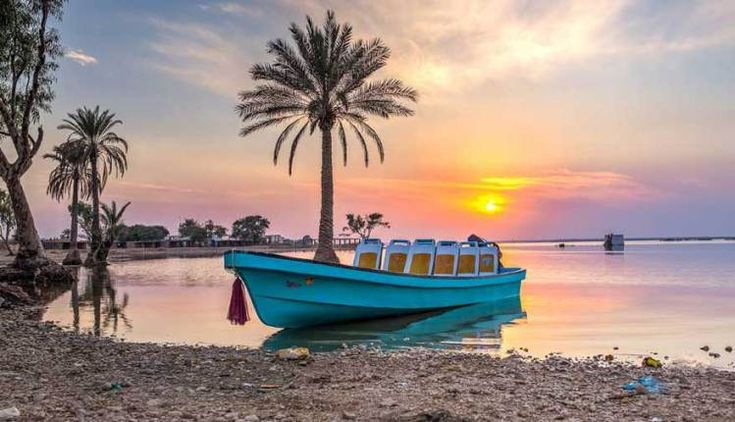
The Sindh government's Rs50.99 billion Kalri Baghar Feeder Upper Phase-I canal lining project has created an estimated 83,300 acre-feet of additional water storage at Keenjhar Lake, significantly improving Karachi's water security during peak summer, according to documents available with Wealth Pakistan.
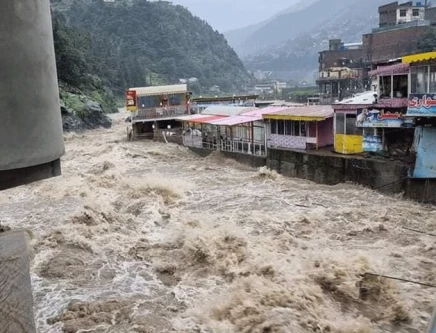
The Khyber Pakhtunkhwa government has spent Rs12.984 billion so far on the rehabilitation of flood-hit irrigation channels, drainage systems and flood-protection structures across the province against an allocation of Rs15 billion.
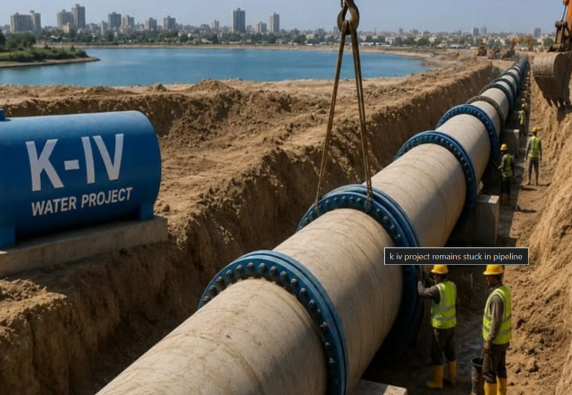
The funding impasse delaying the Greater Karachi Bulk Water Supply Scheme (K-IV) has been resolved, paving the way for the completion of Phase I by December 2026, according to an official brief submitted to the National Assembly and available with Wealth Pakistan.
A Saudi-funded program has delivered several social-sector projects across the Malakand division of Khyber Pakhtunkhwa.
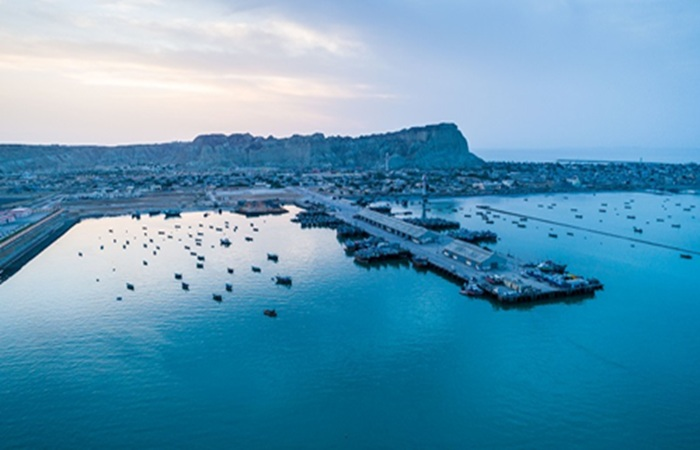
Balochistan has completed desilting over a four-kilometre stretch of the Pat Feeder Canal under the channel’s remodelling project to improve water flow and operational efficiency, according to a document available with Wealth Pakistan.

The number of operational 5G sites across Pakistan has increased to 1,136 as of August 5, 2026, from 449 in July, underscoring the rapid pace of network deployment by mobile operators ahead of the first phase of commercial rollout.
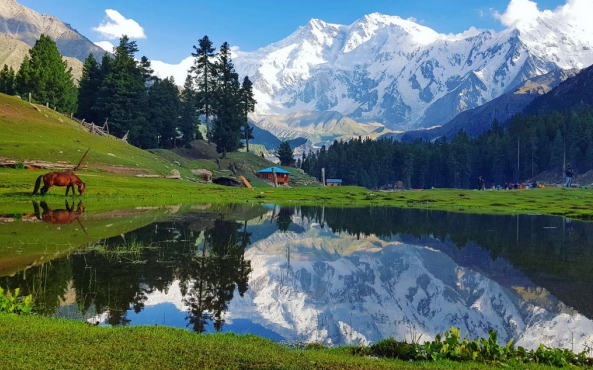
The World Bank-supported Khyber Pakhtunkhwa Integrated Tourism Development Project, commonly referred to as KITE, is set for completion by April 2027, offering the province a major opportunity to improve tourism infrastructure, enhance access to key destinations, and build a stronger institutional framework for sustainable tourism development.

Aug 10, 2026
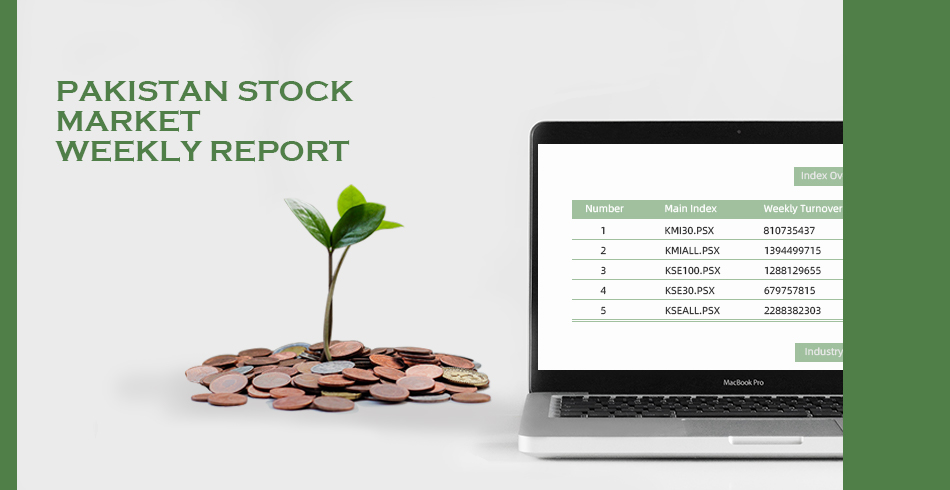
Weekly Review of Stock Market (2026.08.03-2026.08.07)

Aug 7, 2026
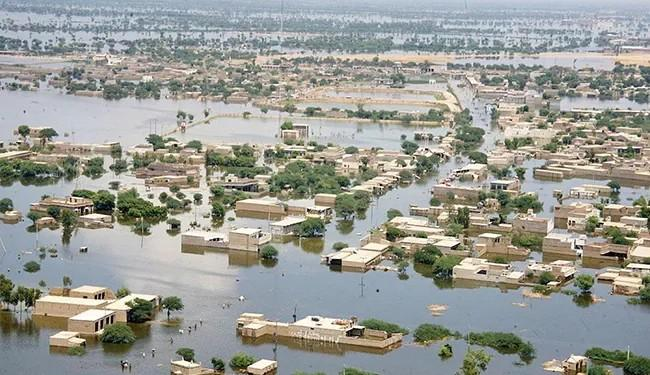
ISLAMABAD, Aug. 07 (INP-Wealth Pakistan) -- The Sindh government has launched a monsoon and flood monitoring system under its Monsoon Contingency Plan 2026, reinforcing its preparedness to track rainfall, river flows and potential flood risks across the province throughout the monsoon season.
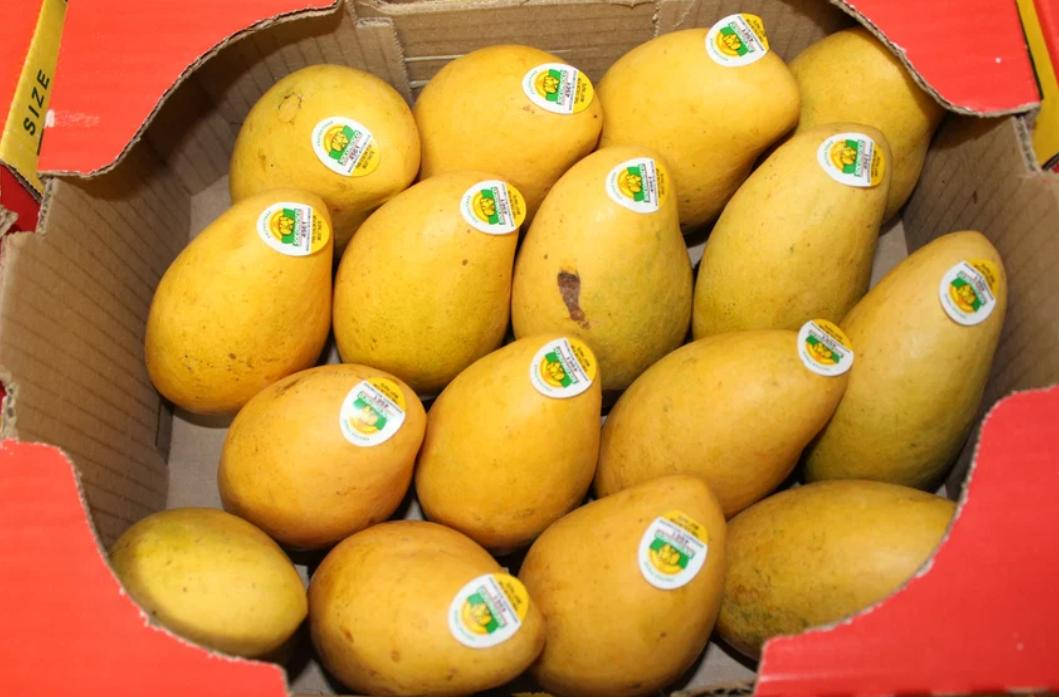
ISLAMABAD, Aug. 07 (INP-Wealth Pakistan) -- Pakistan's fresh mango exports rose from 118,121 metric tons in 2022 to a four-year high of 132,587 metric tons in 2024 before declining in 2025, while shipments during the ongoing 2026 season reached 44,882 metric tons by July 9.
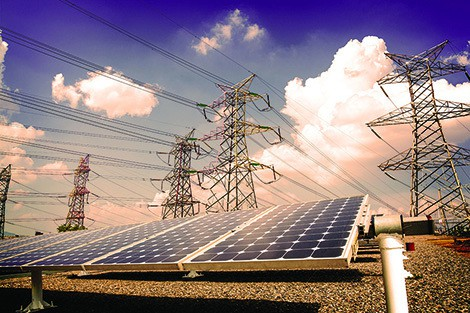
ISLAMABAD, Aug. 07 (INP-Wealth Pakistan) -- Pakistan can accelerate its renewable-energy transition by adopting an integrated approach to energy planning, which links electricity generation with transmission, storage, manufacturing and financing under a unified long-term strategy, experts say.
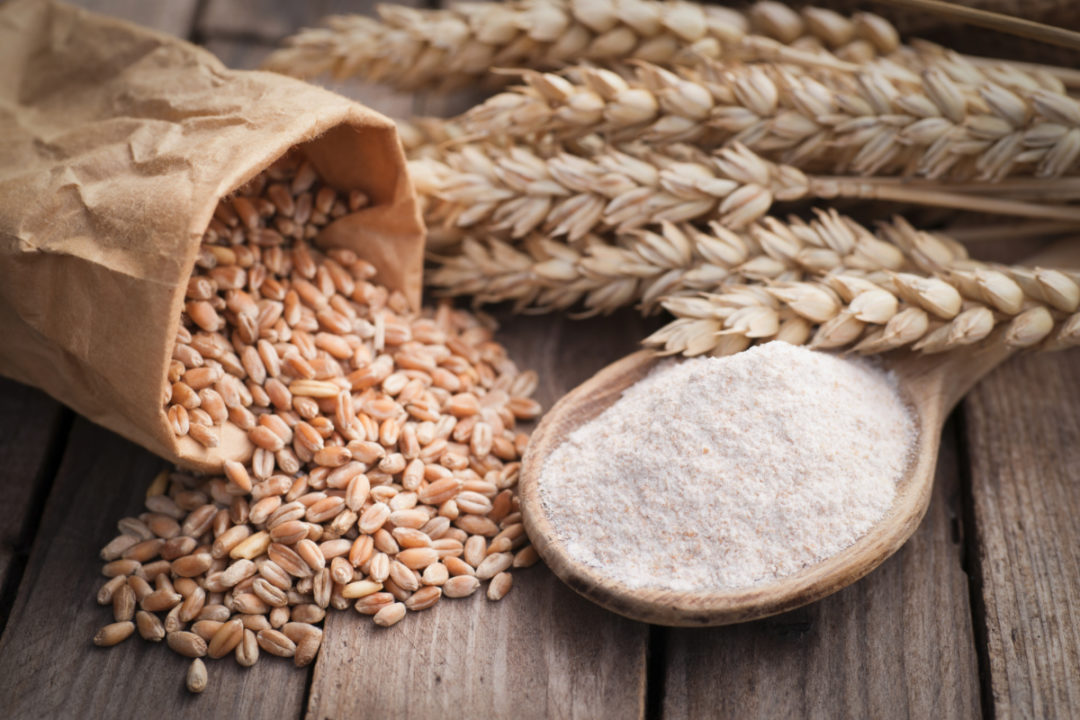
LAHORE, Aug. 07 (INP-Wealth Pakistan) -- Punjab has sufficient wheat stocks to meet the province's consumption requirements until the arrival of the next crop, with a record harvest this year creating a substantial surplus, according to the Punjab Food Department.
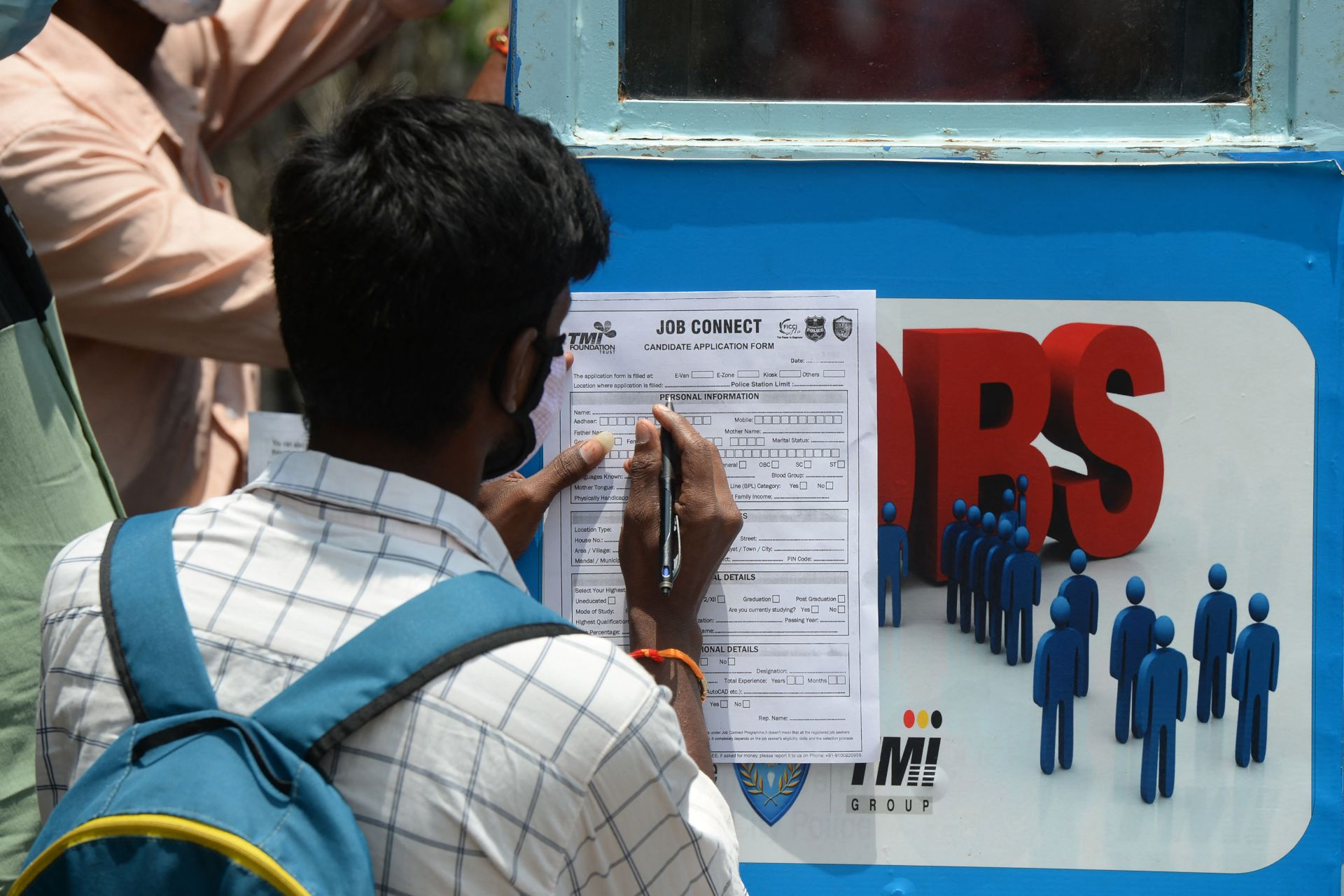
ISLAMABAD, Aug. 06 (INP-Wealth Pakistan) -- India's economy is expanding rapidly, but its labour market is not generating the kind of employment demanded by a growing and increasingly educated youth population.

Aug 6, 2026
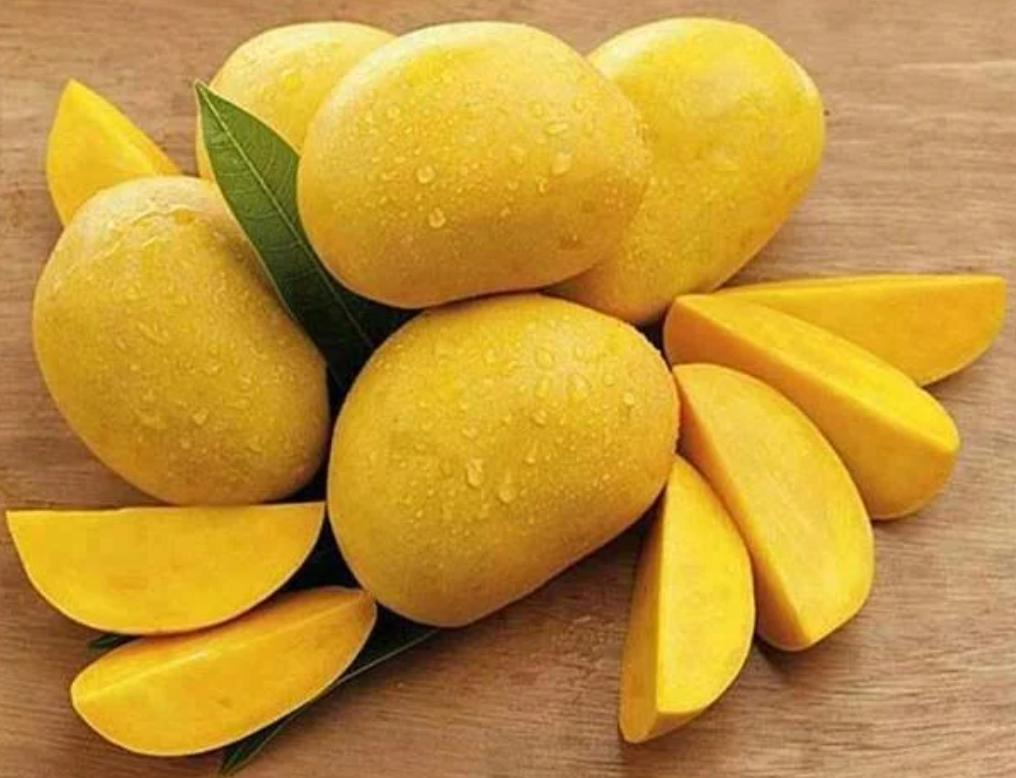
ISLAMABAD, Aug. 06 (INP-Wealth Pakistan) -- Pakistan exports mangoes to more than 40 countries; however, better harvesting, grading, packaging, ripening and quarantine treatment can further boost export value and enhance competitiveness in high-end markets, says a mango expert.

ISLAMABAD, Aug. 06 (INP-Wealth Pakistan) -- Sindh's motorway and highway infrastructure is set for a major boost in the current financial year, with Rs49.305 billion earmarked for key projects, including the Hyderabad-Sukkur Motorway and rehabilitation of the flood-damaged N-5 corridor, according to an official budget document available with Wealth Pakistan.

ISLAMABAD, Aug. 06 (INP-Wealth Pakistan) -- Pakistan has received 258 units of advanced agricultural machinery and irrigation equipment from China and trained 885 agricultural graduates under the Prime Minister’s Agriculture Modernisation Initiative, according to official documents of the Ministry of National Food Security and Research, also available with Wealth Pakistan.
ISLAMABAD, Aug. 06 (INP-Wealth Pakistan) -- The Workers' Welfare Fund (WWF) is developing an Urdu version of its Management Information System (MIS) Portal to improve digital access to workers across Pakistan.

Aug 5, 2026
Wholesale prices of several essential food commodities rose sharply in July 2026, with vegetables, potatoes, poultry, eggs, wheat and processed food products recording significant increases, according to figures released by the Pakistan Bureau of Statistics and available with Wealth Pakistan.
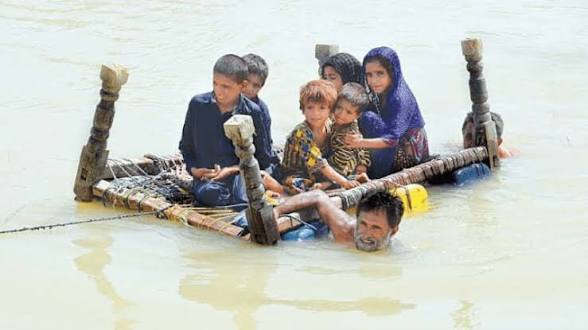
The Balochistan government has moved forward with the procurement process for a major flood management initiative to enhance water security, improve agricultural productivity, and strengthen climate resilience in the province's Kachhi plains.
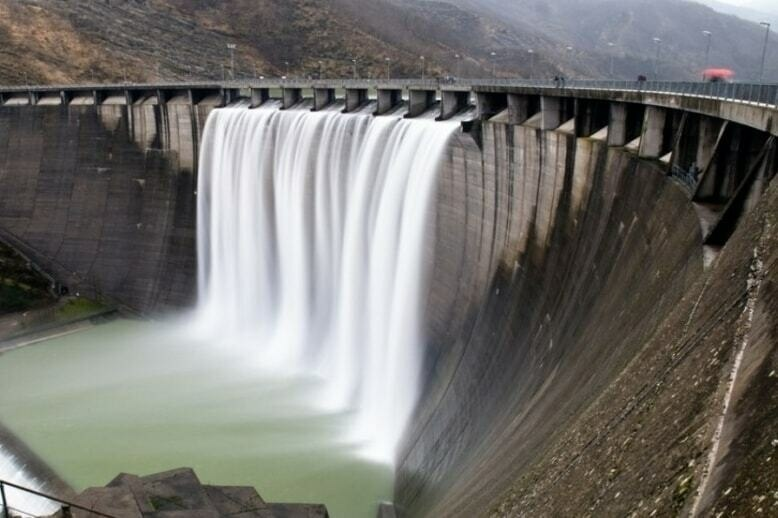
Pakistan is set to add 1,960 megawatts of hydropower capacity during the 2026-27 commissioning cycle, with three units of the Tarbela 5th Extension Project accounting for the bulk of the planned hydel expansion.

Selling pressure was observed at the Pakistan Stock Exchange (PSX) after new Houthi strikes on Saudi Arabia and Iranian attacks on ships in the Gulf, with the benchmark KSE-100 Index shedding nearly 1,500 points during the opening minutes of trading on Monday.

Silver price in Pakistan for today, September 14, 2026
Morning Breeze aims to lessen the load for its readers by curating noteworthy updates from the preceding day.

Pakistan’s agri exports are falling as border rejections and regulatory weaknesses raise questions over the country’s plant-protection and food-safety system.
Lahore consumers continued to pay well above official rates for chicken, vegetables and fruits despite reductions in notified prices of several items.
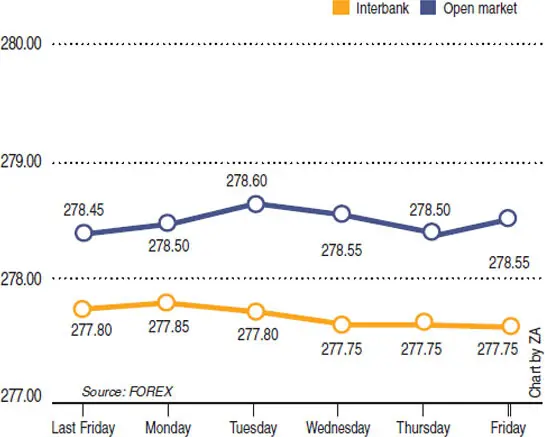
Source: FOREX Chart by ZA
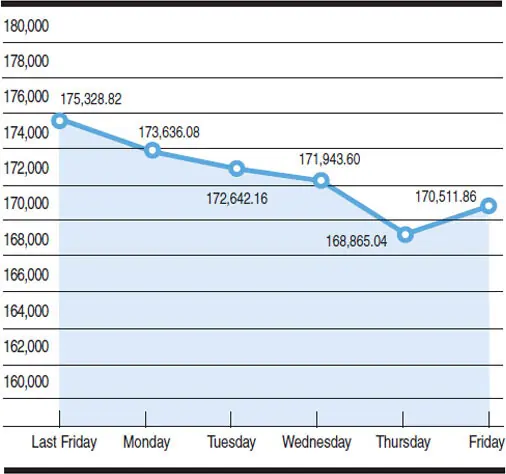
Source: PSX Chart by Mohammad Zeeshan Ali Khan

ISLAMABAD - The import of pesticides into the country during the month of July 2026 decreased by 18.03 percent as compared with the imports of the same month of the previous year. Over 3,630 metric tons of pesticides worth $19.743 million were imported as compared to the imports of 1,958 metric tons worth of $14.001 million of the same period of the last year, according to data of the Pakistan Bureau of Statistics. Meanwhile, about 213,516 metric tons of plastic materials costing $325.171 million were also imported during the month under review as compared to the imports of 231,314 metric tons worth of $271.947 million of the same month of the last year. The import of agricultural machinery into the country during the first month of the current financial year increased by 25.87 percent as compared to the import of the corresponding month of last year.

ISLAMABAD - Despite regional uncertainty, Pakistan’s imports from Iran recorded an increase of around 17 percent during the first two months of the ongoing FY2026-27, official source revealed.

ISLAMABAD - The ministries/divisions/corporations have utilised only Rs25.066 billion or 2.5 percent of the total Rs1 trillion PSDP allocation during the first in two-and-a-half months of the ongoing fiscal year (2026-27). The ministry of planning had issued an authorisation of Rs211.493 billion or 21 percent of the total PSDP allocation of Rs1 trillion till September 8, official source told The Nation.
ISLAMABAD - The import of mobile phones into the country has witnessed a decrease of 3.56 percent during the first month of the current fiscal year (2026-27) as compared to the corresponding month of last year. Pakistan imported mobile phones worth $140.435 million during July 2026 as compared to the imports of $145.612 million during July 2025, according to the Pakistan Bureau of Statistics (PBS). Meanwhile, on a month-on-month basis, the imports of mobile phones also decreased by 0.77 percent during July 2026 as compared to the imports of $141.522 million during June 2026, according to the data.

Pakistan's auto sales climbed 20% in August. The 1300cc+ segment jumped 54%, with trucks and buses seeing a strong 31% growth, signaling robust demand.

Gold prices plummet in Pakistan's local bullion markets. Discover how the Rs3,800 per tola drop impacts current rates, now Rs453,336 per tola.
Benchmark index sheds 4,817 points amid regional tensions and IMF review concerns

ISLAMABAD - The price of gold witnessed a decline in the local market on Saturday, with the price of 24-karat gold per tola falling by Rs5,600 to settle at Rs456,736, according to rates issued by the All Pakistan Sarafa Gems and Jewellers Association. Similarly, the price of 10 grams of 24-karat gold decreased by Rs4,801 to Rs391,577, whereas 10 grams of 22-karat gold declined by Rs4,401 to Rs358,958. In the international market, the price of gold fell by $56 to $4,342 per ounce, the association reported. Meanwhile, the price of silver per tola decreased by Rs253 to Rs6,871, while the price of 10 grams of silver fell by Rs217 to Rs5,890. The price of silver in the international market also declined by $2.53 to $63.92 per ounce, the association added.
ISLAMABAD - Pakistan’s export of goods and services to the United Kingdom (UK) witnessed an increase of 8.42 percent during the first month of the current fiscal year (2026-27) compared to the exports of the corresponding month of last year, the State Bank of Pakistan (SBP) reported.

ISLAMABAD, Sep 12 (APP):The prices of gold witnessed a decline in the local market on Saturday, with the price of 24-karat gold per tola falling by Rs5,600 to settle at Rs456,736, according to rates issued by the All Pakistan Sarafa Gems and Jewellers Association.

Gold prices in Pakistan increased on Saturday in line with their gain in the international market. In the local market, gold price per tola reached Rs457,136 after a gain of Rs400 during the day.

ISLAMABAD - The federal government has decided to introduce a three-year plan to eliminate the gas sector’s circular debt of Rs3.6 trillion in an effort

Pakistan Stock Exchange’s 100 Index fell 4,816 points during the week to close at 170,511, while market capitalization declined by Rs613 billion.

Weekly roundup of Key Economic releases and market data and statistics
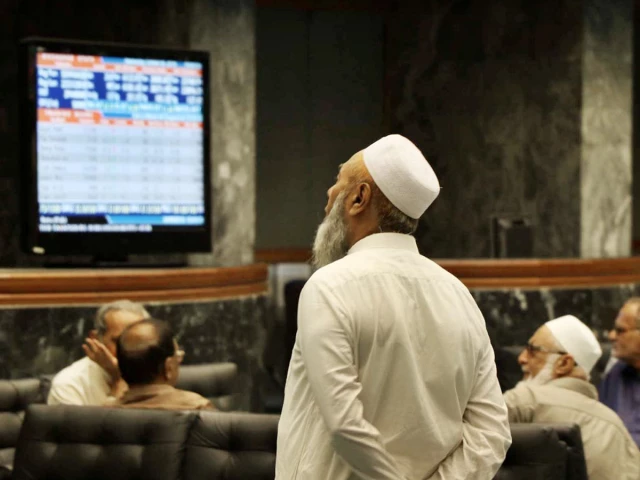
Pakistan Stock Exchange (PSX) recovered on Friday as late-session easing of crude oil prices lifted sentiment, allowing the benchmark KSE-100 index to close nearly 1,650 points higher.

Gold prices in Pakistan fell sharply on Friday, with the rate of one tola declining Rs5,600 to Rs456,736, despite a rebound in international bullion markets, as investors assessed stronger US inflation data and expectations of a Federal Reserve rate hike.

Pakistan's short-term inflation accelerated again as the Sensitive Price Indicator (SPI) rose 8.62% year-on-year in the week ended September 10, up from 8.35% a week earlier, after a sharp jump in fuel and cooking-gas prices more than offset cheaper perishables.

Govt is examining a JI proposal to cut petroleum levy to Rs5-10 per litre and replace a Rs1.45-1.50 trillion annual gap through taxes and savings.

Silver price in Pakistan for today, September 12, 2026

Gold price in Pakistan for today, September 12, 2026

Pakistan's weekly inflation rose 0.23% as petrol jumped 6.18%, diesel 5.49% and LPG 4.32%, while year-on-year SPI inflation reached 8.62%.

Pakistan received $259 million in RDA inflows in August 2026, taking cumulative inflows to $13.906 billion as total accounts rose to 966,144.

ISLAMABAD: In its daily revision of fuel prices, the government on Friday increased the ex-depot price of petrol by Rs5.02 to Rs375.82 per litre from Rs370.80 per litre.