
Pakistan set to launch locally developed credit card
KARACHI – Pakistan is set to introduce its first locally developed credit card under the PayPak payment scheme, marking a new chapter in Pakistan’s
PakObserver
KARACHI – Pakistan is set to introduce its first locally developed credit card under the PayPak payment scheme, marking a new chapter in Pakistan’s

Lahore shoppers see little relief as vegetables, fruits and poultry stay above official rates. Check this week’s market-price gap.
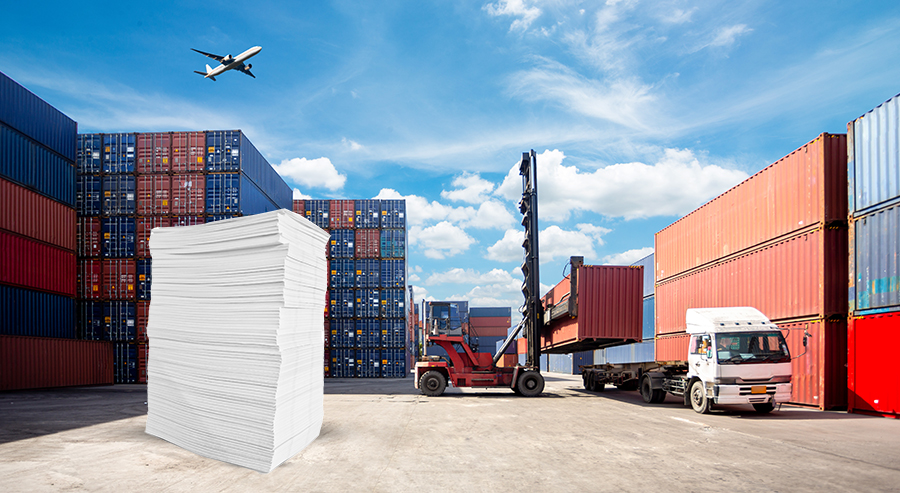
Karachi Port Trust logs highest annual cargo handling in 138-year history, surpassing 54.685 million tonnes. Read more.
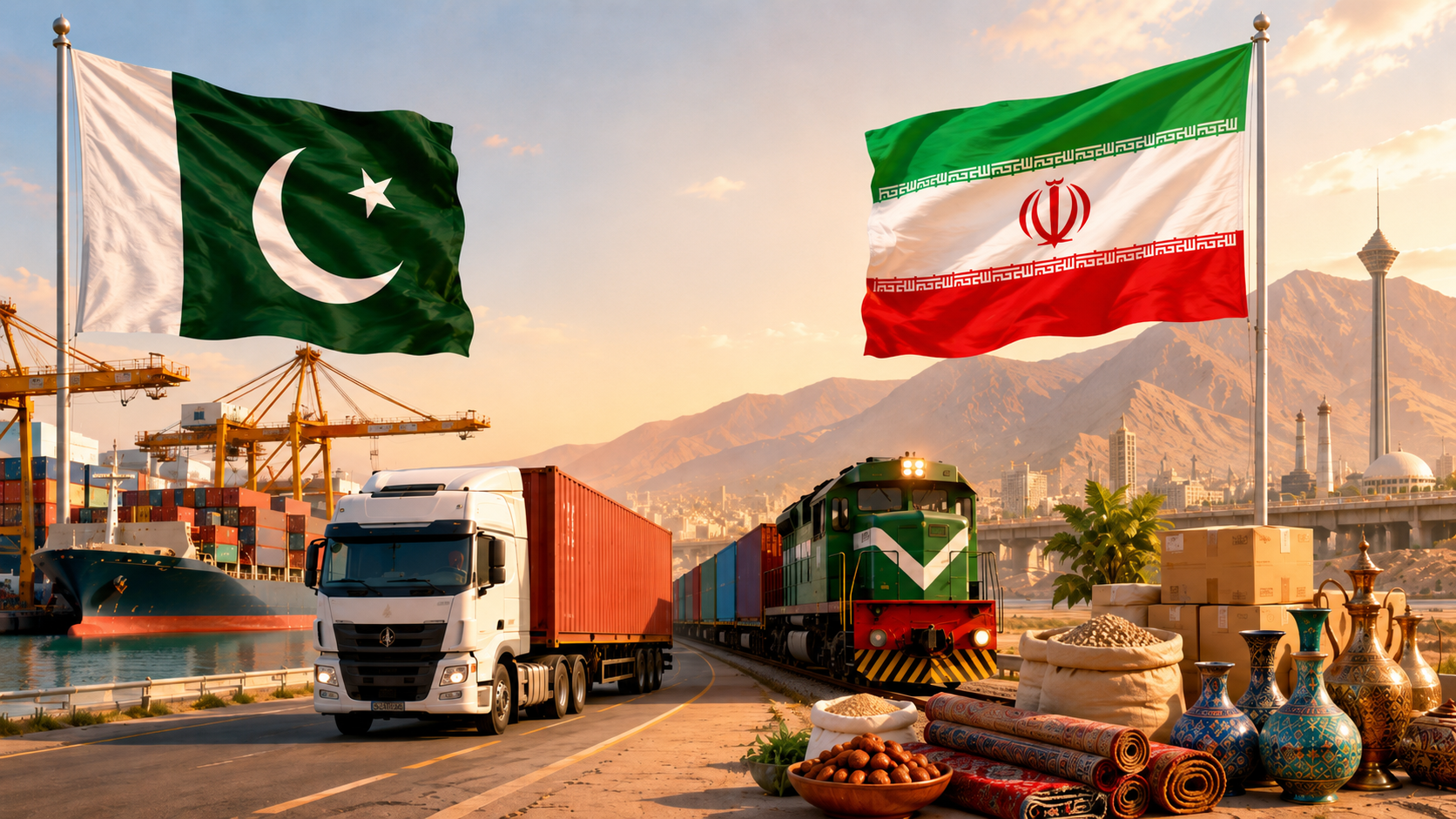
FBR issues new customs framework for Pakistan–Iran cargo movement. Rules take effect immediately—see transit, cross-stuffing and oversight details.
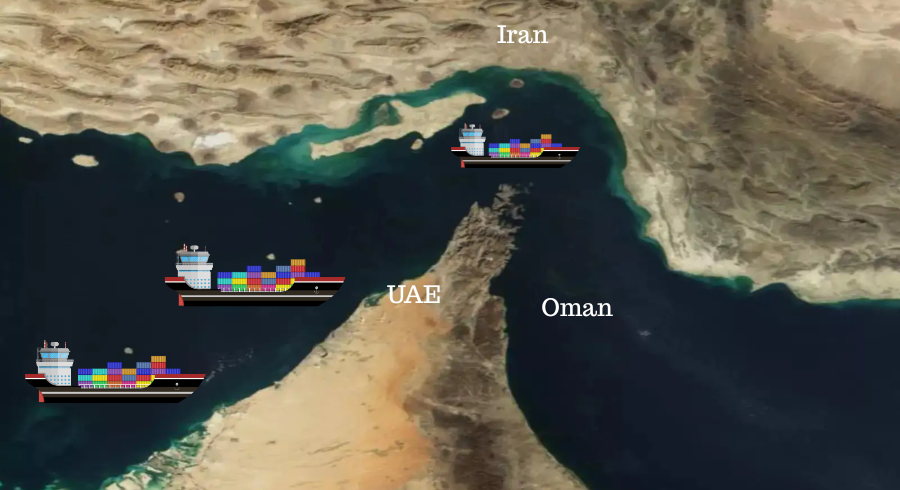
Hormuz shipping is back, but risk lingers. Read how Pakistan can build a reserve corridor to cut future energy disruption—act now.
KP Assembly unanimously rejects new federal taxes in Malakand and merged districts, urging protection of constitutional exemptions. Read more.

The U.S. dollar neared its biggest monthly gain in a year as Gulf tensions, rising oil prices, and strong U.S. jobs expectations boosted safe-haven demand ahead of Fed signals.
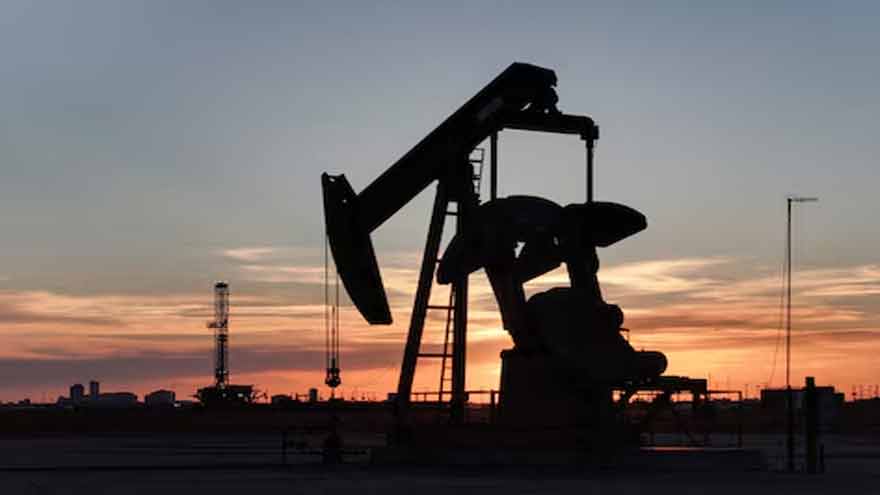
Oil prices rose as renewed U.S.-Iran strikes disrupted Strait of Hormuz shipping, raising supply concerns despite ceasefire efforts and ongoing peace talks.

Punjab govt unveils workforce plan to place 100,000 skilled workers overseas in three years with verified digital profiles. Read more.

Telenor’s 55% stake in Easypaisa may be sold as the bank enters a new phase. What comes next for Pakistan’s digital retail banking?
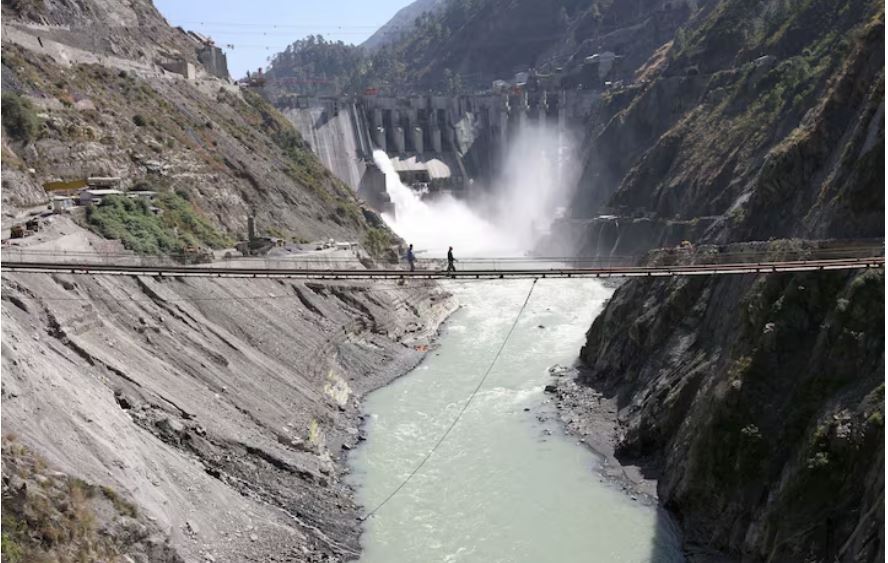
Pakistan ranks 14th most water-stressed. A new report warns governance and farming gaps threaten crops and food security—read more.
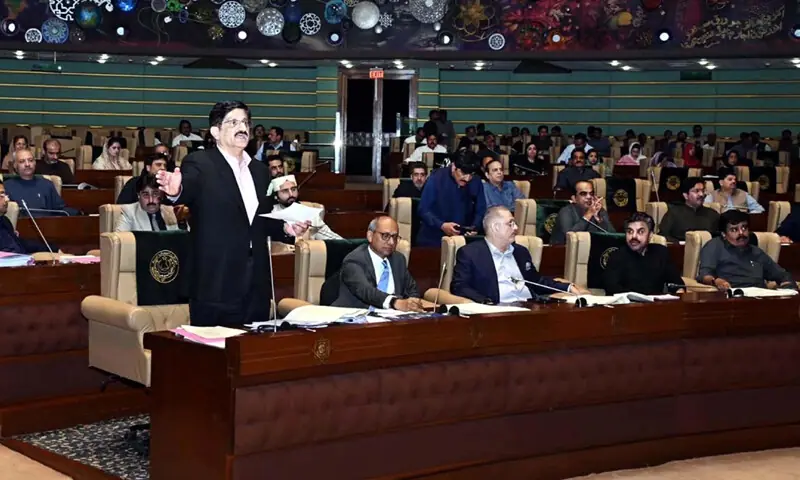
Thanks to its numerical strength in the house, PPP rejects all cut motions of opposition parties; CM Murad calls budget a document of prudent financial discipline.
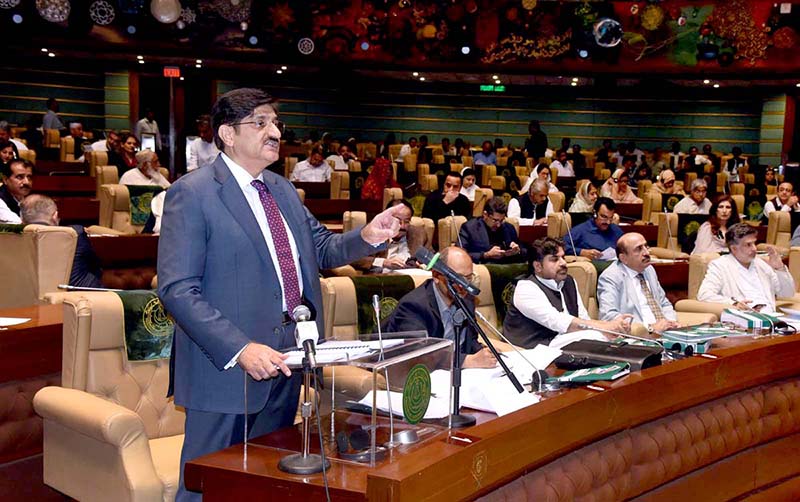
Sindh Assembly approved a Rs3.652 trillion budget for FY2026-27 and supplementary grants of Rs165bn. Finance Bill adds no new taxes.

A country that depends on others to finance its budget, supply its energy, provide critical technologies or provide its strategic resources inevitably finds its room for independent decision-making constrained.
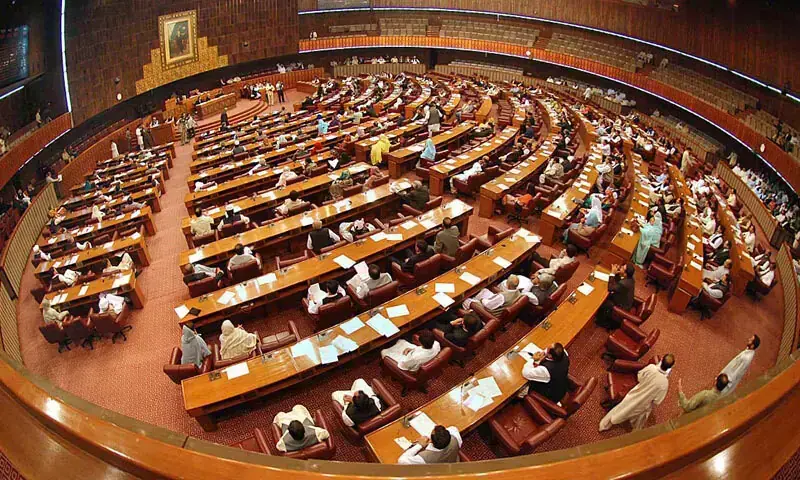
Pakistan's parliament typically has barely two to three weeks for budget debate, compared to seven to eight weeks in India.
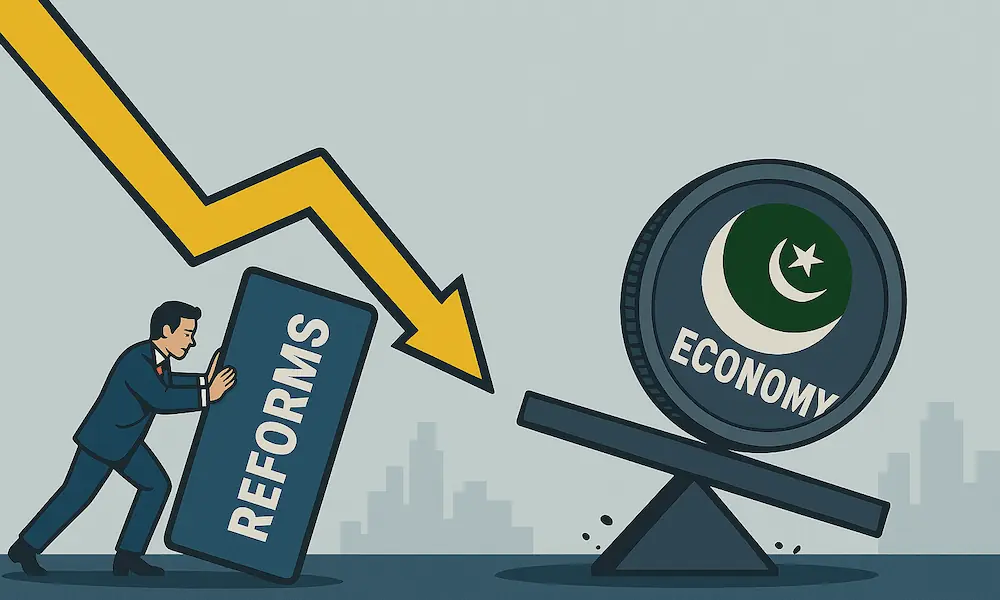
In the absence of a clear, consistent and predictable policy environment, only speculative economic activities tend to flourish, according to Pakistan Policy Dialogue 2026.

A high tech agri economy cannot be built while farmers face expensive diesel prices, volatile fertiliser markets, and a punitive energy tariff.

AGP audit finds Rs156.5bn Global Fund health grants lost, missed or stalled due to admin failures. Read key findings and recommendations.

Addressing the intertwined challenges of water scarcity, inequitable distribution, and declining irrigation-system efficiency...
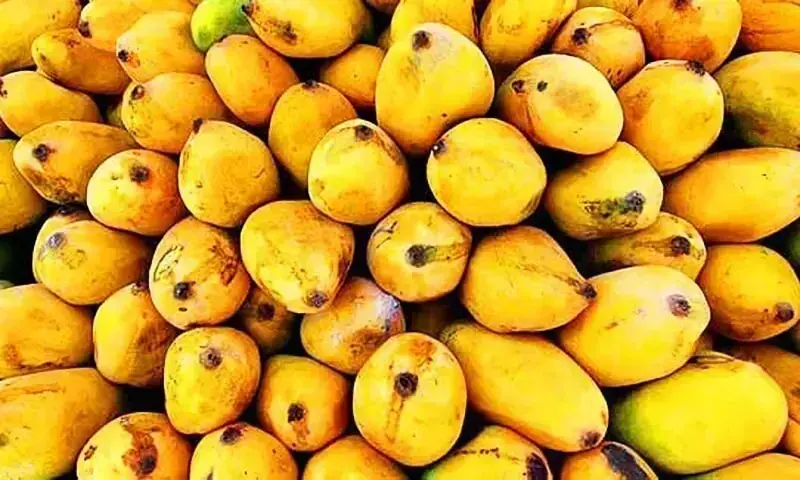
Disease-hit production, difficult marketing conditions, and the war in the Middle East have all contributed to a market glut.

When China disrupted the AI race in 2025 with the release of DeepSeek R1, it erased $1tr from America’s capital...
Beijing’s experience demonstrates how emerging capabilities move from policy signal to pilot project to large-scale industrial
Pakistan needs to shift from using electricity consumption as a proxy to using energy poverty as the guiding principle for policy
Pistachio farmers of California are reaping the benefits of the Iran-US conflict, as the nuts fetched $5.30 a pound...
This year India is on track to pass 1bn active internet users, according to one trade body, up from 622m in 2020,...

Banks, with their $140bn balance sheets, could put in considerably more effort for lending, especially within a productive climate-smart framework.
The movement to rejoin the European Union has rushed from the fringe to the centre, with some 55pc of Britons saying...

The expansion of online freelancing and access to e-commerce platforms has created a new impetus for female financial inclusion.
Zero-tolerance against corruption
Anime is one of Japan’s most popular and valuable exports, with the market almost tripling in size over the last...

Jun 3, 2026
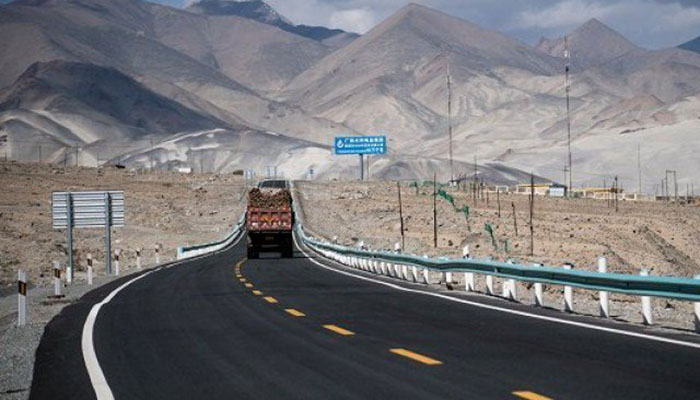
Transport infrastructure projects are set to absorb the largest share of future federal development resources, with major road and railway schemes requiring trillions of rupees for completion over the coming years.

Provincial governments are now spending significantly more on development than the federal government, highlighting the growing role of provinces in driving public-sector investment following the 18th Constitutional Amendment.
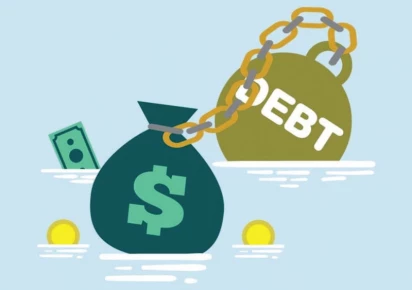
Pakistan’s Public Sector Development Programme (PSDP) is facing mounting financial pressure as the cost of completing approved projects continues to rise far beyond the resources available for development spending, prompting the Planning Ministry to warn that the programme is becoming a “new circular debt crisis.”
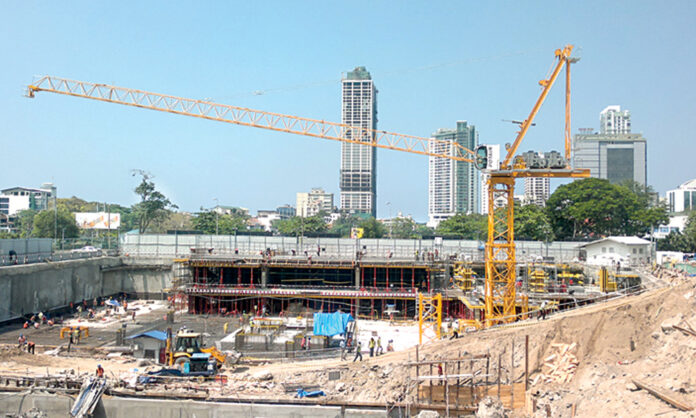
Pakistan’s development project backlog has surged to Rs10.818 trillion, highlighting the growing challenge of completing hundreds of ongoing public-sector schemes amid limited fiscal resources.

Over 9,000 incidents of diesel and electricity theft, along with prolonged power outages, disrupted Pakistan’s telecom infrastructure in the last 11 months, posing a major challenge to the sector, according to Pakistan Telecommunication Authority (PTA) documents available with Wealth Pakistan.

Pakistan's ongoing federal development projects will require about three times the resources currently available under the proposed Public Sector Development Programme (PSDP) framework for FY2026-27, according to official planning documents.
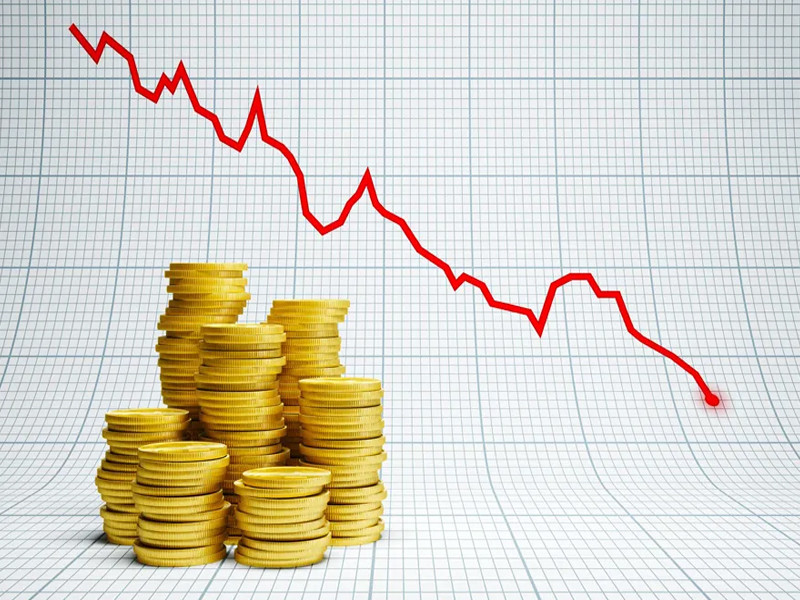
The government has introduced a new project prioritisation framework, known as the “Rockfill Strategy,” to manage mounting development commitments and ensure that limited Public Sector Development Programme (PSDP) resources are directed towards projects with the greatest strategic importance.
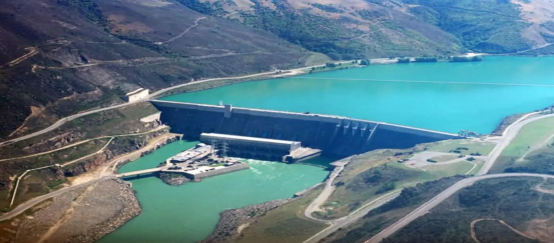
Major water-sector projects, particularly large dams and hydropower schemes, have emerged as one of the biggest contributors to Pakistan’s growing development liabilities, with financing requirements running into hundreds of billions of rupees.
Foreign-funded development projects are placing increasing pressure on Pakistan’s public finances as the government struggles to meet growing rupee-cover requirements needed to support externally financed schemes.
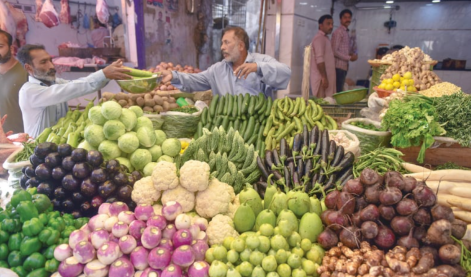
Consumers received some relief in May as prices of several key food items, particularly vegetables and poultry products, declined significantly on a month-on-month basis, according to data released by the Pakistan Bureau of Statistics (PBS).
The federal government continues to allocate significant development resources to projects falling within provincial domains despite the devolution of many sectors under the 18th Constitutional Amendment, according to official planning documents.

Pakistan's digital transformation initiatives continue to receive federal development support despite mounting fiscal pressures and growing competition for limited Public Sector Development Programme (PSDP) resources.
Pakistan’s development spending has failed to keep pace with the expansion of the federal budget and the overall economy over the past decade, raising concerns about the country’s capacity to finance infrastructure and development priorities.
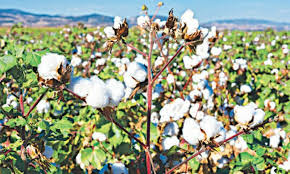
Punjab's cotton crop, the backbone of Pakistan's textile industry, is showing encouraging signs as major pest infestations remain under control and no cases of Cotton Curl Leaf Virus (CCLV) have been detected so far this season, according to the latest official monitoring report.

China’s targeted approach to financing small and medium enterprises (SMEs) offers valuable experience for Pakistan as it seeks to expand affordable credit, strengthen productive sectors and enable smaller businesses to play a larger role in job creation, exports and industrial growth, experts say.

Pakistan’s exploration of blockchain-based sovereign bonds could diversify the country’s debt financing channels, attract a broader pool of investors and modernise capital-market infrastructure, provided the initiative is supported by a robust regulatory framework, strong investor protections and secure digital systems, experts say.
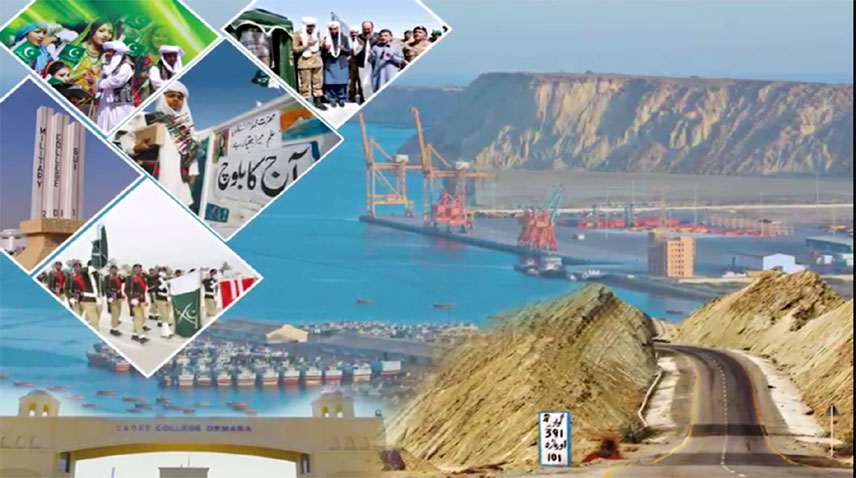
Balochistan is set to remain a major beneficiary of federal development spending in FY2026-27, with dedicated allocations proposed for infrastructure, connectivity and regional development projects despite growing fiscal constraints.
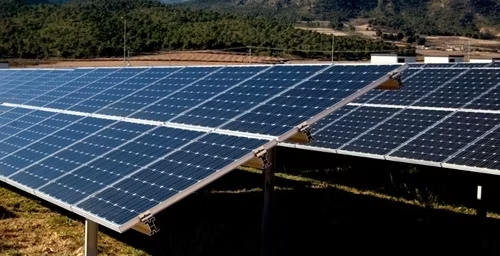
The revision of net metering to net billing will affect only three-phase commercial and industrial consumers, while 90 percent of single-phase consumers will remain unaffected, according to a media brief available with Wealth Pakistan.

Around two million single-phase electricity consumers have registered under a QR code system launched to verify subsidy eligibility, as Pakistan’s residential and agricultural power subsidy bill has reached Rs527 billion.

Jun 2, 2026
The Pakistan Stock Exchange (PSX) extended its strong upward momentum in May 2026, with the benchmark KSE-100 Index gaining 10,969 points month-on-month to close at 173,963, delivering a return of 6.7 percent amid improving investor sentiment and easing geopolitical concerns.
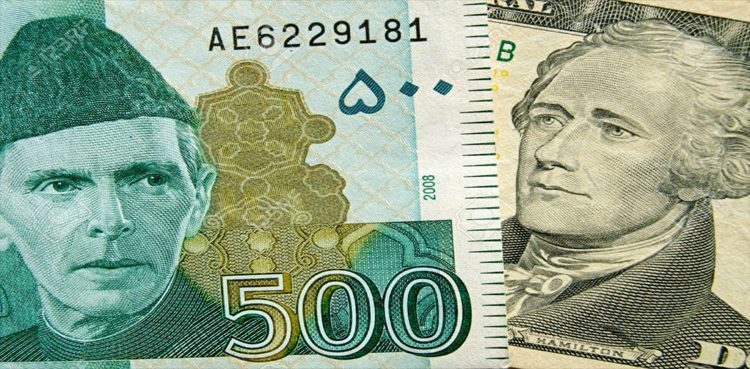
Pakistan’s liquid foreign exchange reserves rose to $22.646 billion by May 22, 2026, reflecting a notable improvement in the country’s external liquidity position and strengthening its capacity to meet external payment obligations.

In a major move, Pakistan Railways (PR) has decided to outsource its nationwide schools network under a long-term Public-Private Partnership (PPP) framework, according to documents available with Wealth Pakistan.

As supply chains across the Asia-Pacific continue to undergo a major realignment, Pakistan is increasingly positioning itself as a regional trade connector, offering alternative transit routes that can reduce delays, diversify trade corridors and enhance resilience against geopolitical and shipping disruptions.
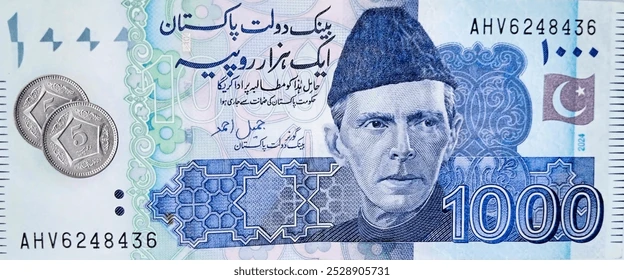
The Pakistani rupee remained broadly stable against major international currencies during May 2026, posting a modest appreciation against the US dollar amid improving foreign exchange reserves and steady market sentiment.

Oil and Gas Development Company Limited (OGDCL) has significantly accelerated the monetisation of its hydrocarbon discoveries, and its latest additions contributed around 9,734 barrels per day (BPD) of oil and 74.25 million standard cubic feet per day (MMSCFD) of gas, representing the strongest production gains during the first 10 months of the fiscal year 2025-26.
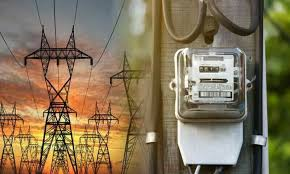
The Ministry of Energy is working on a time-of-use (ToU) electricity package for the industrial sector that would allow manufacturers to utilize surplus daytime power at significantly lower rates, as Pakistan seeks to balance a rapidly changing demand profile driven by large-scale solar adoption.
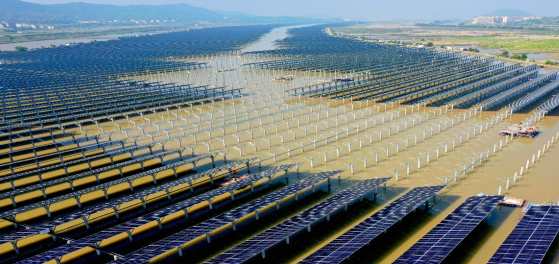
The rapid expansion of Chinese clean-tech financing and overseas green industrial investment is creating fresh opportunities for Pakistan’s Special Economic Zones (SEZs), as the country seeks to attract export-oriented manufacturing, renewable energy equipment production and electric vehicle-related industries.
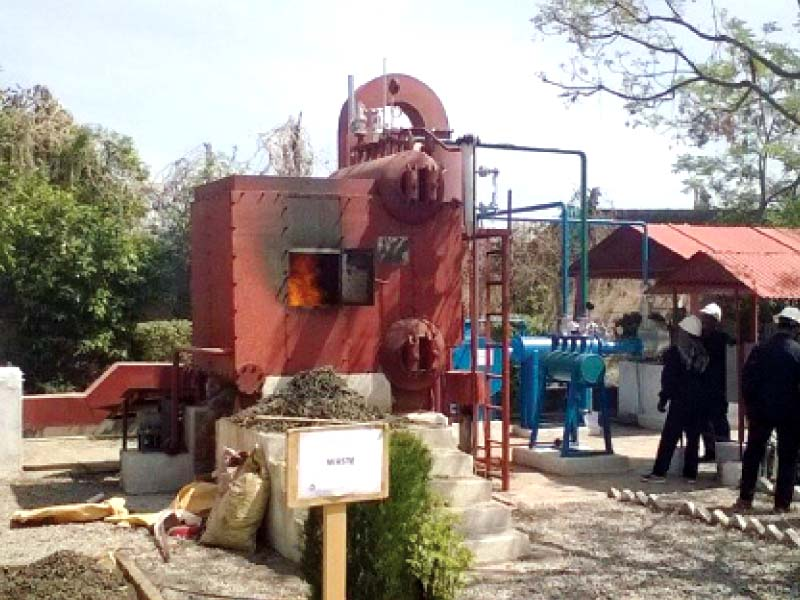
China’s waste-to-energy model offers insights for Pakistan as the country struggles with rising municipal solid waste, weak segregation systems, shrinking landfill space and an energy sector that needs cleaner and locally available generation sources.
Gold prices in the country surged by Rs7,900 per tola on Wednesday, with the price of 24-karat gold reaching Rs457,236 against Rs449,336 recorded on the previous trading day, according to the All Pakistan Sarafa Gems and Jewellers Association.The price of 24-karat gold per 10 grams increased by Rs6, ..
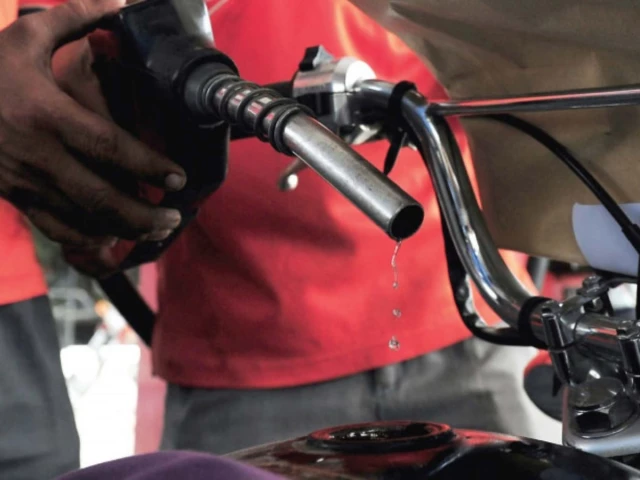
The federal government on Wednesday increased the price of petrol and high-speed diesel (HSD) by Rs6.88 and Rs5.62 per litre, respectively, for Sept 17.

The new prices will be applicable on Sept 17 (Thursday).
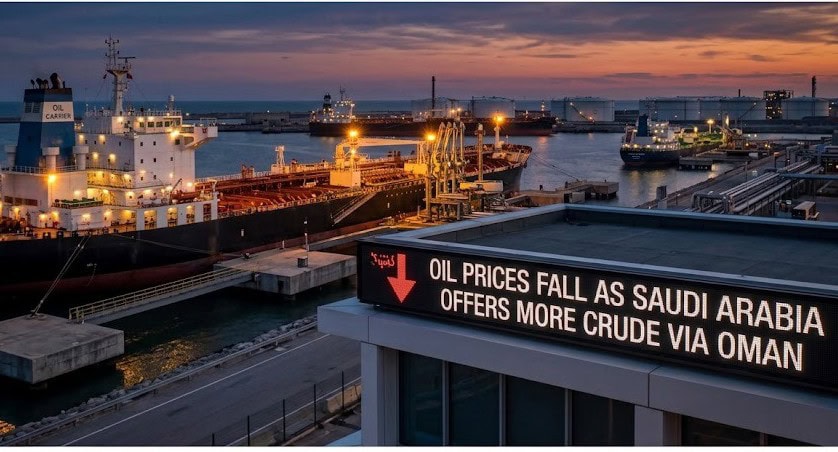
Oil prices declined on Wednesday as reports of Saudi Arabia arranging additional shipments through Oman eased concerns over global supplies.

The federal government has increased the price of petrol by Rs6.88 per litre and high-speed diesel (HSD) by Rs5.62 per litre, effective till Thursday, September 17, 2026.
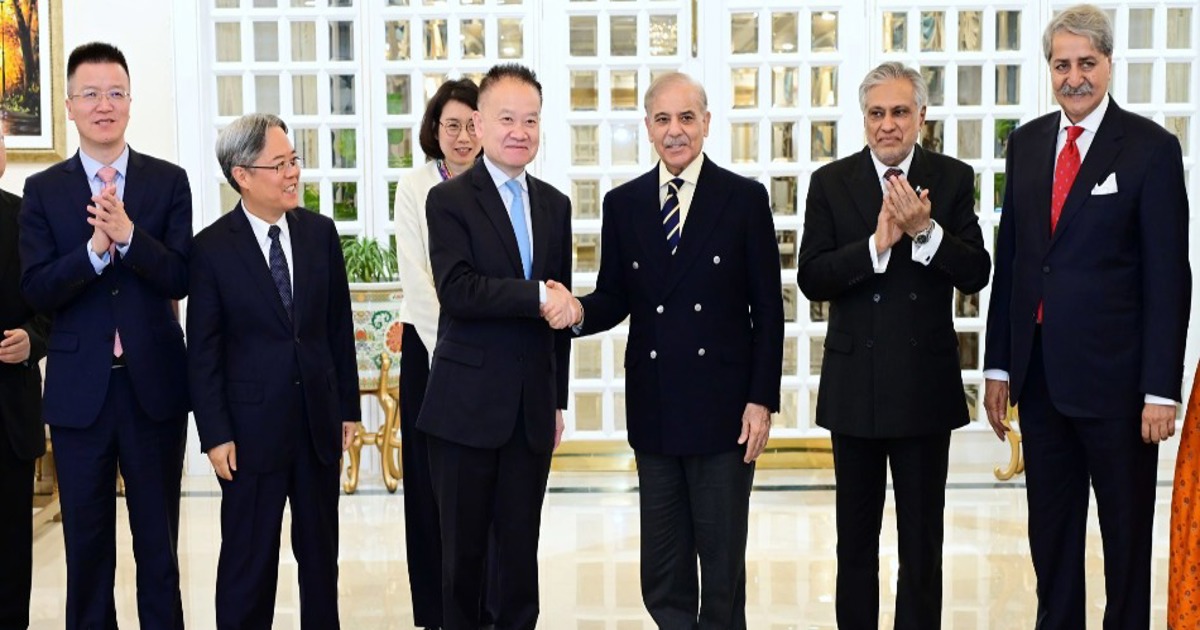
China remained the largest source of foreign direct investment (FDI) into Pakistan in August 2026, with gross inflows of $134m, according to provisional d


Pakistan's Real Effective Exchange Rate (REER) rose to 107.92 in August 2026, up from 107.89 in July 2026, registering a marginal 0.02% month-on-month inc
The Following are the selling and buying rates of major currencies issued by the National Bank of Pakistan (NBP), here on Wednesday.CURRENCY SELLING BUYING USD 279.09 276.09GBP 376.21 37 ..
The Rupee on Wednesday appreciated by 03 paisa against the US Dollar in interbank trading and closed at Rs 277.27, compared to the previous day’s closing of Rs 277.30.According to the Forex Association of Pakistan (FAP), the buying and selling rates of the dollar in the open market were recorded a ..
The benchmark KSE-100 Index of the Pakistan Stock Exchange (PSX) witnessed a bearish trend on Wednesday, losing 1,370.52 points, a negative change of 0.81 percent, to close at 168,021.80 points against 169,392.33 points recorded in the previous trading session.The ready market witnessed a trading vo ..

Gold prices also climbed in the international market, where the price per ounce increased by $79 to reach $4,347

The Pakistani rupee extended its marginal gains, appreciating 0.01%, against the US dollar in the interbank market on Wednesday.

Gold prices in Pakistan increased on Wednesday in line with their gain in the international market. In the local market, gold price per tola reached Rs457,236 after an increase of Rs7,900 during the day.

PSX came under renewed selling pressure as Middle East tensions intensified, pushing the KSE-100 down 1,438.35 points to an intraday low of 167,953.97.
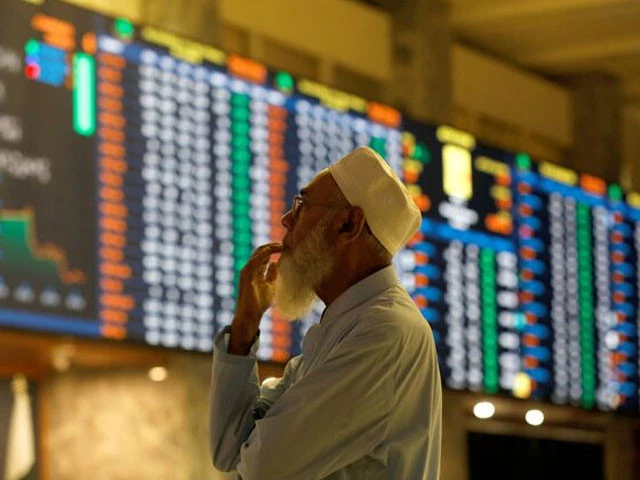
Sentiment reversed at the Pakistan Stock Exchange (PSX) on Wednesday as the KSE-100 Index opened in negative territory and remained in the red, with selling pressure spreading across major sectors amid weaker oil prices and lingering Middle East supply disruptions.

KARACHI, Sep 16 (APP):The Following are the selling and buying rates of major currencies issued by the National Bank of Pakistan (NBP), here on Wednesday.

KARACHI, Sep 16 (APP):The Treasury Management Division of National Bank of Pakistan (NBP) issued the following exchange rates here on Wednesday
CURRENCY SELLING BUYING USD 279.09 276.09GBP 376.21 371.78EUR 322.11 318.33 JPY 1.7963 1.7750 SAR 74.30 73.43 AED 75.99 ..
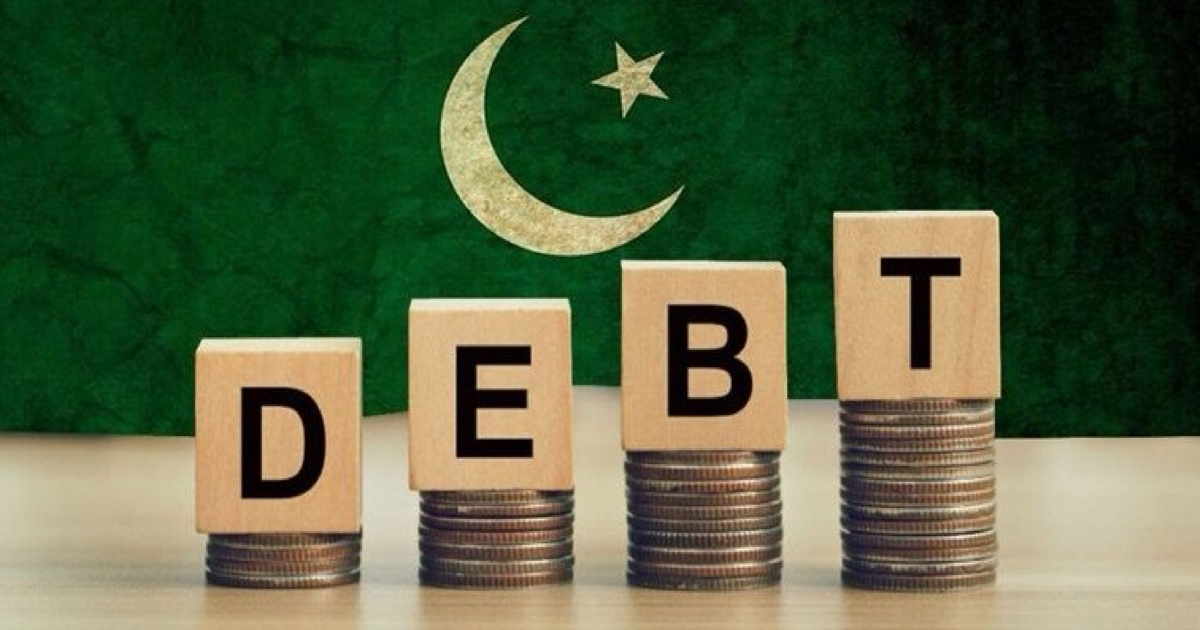
The government of Pakistan has acquired an additional debt of Rs327.54 billion during the week ended September 04, 2026, which brings its total net retir
Pakistan stocks turned bearish on Wednesday as the KSE-100 Index fell over 600 points to 168,732 after gaining 1,421.67 points in the previous trading session.

KARACHI, Sep 16 (APP):The Exchange Rates Committee of Financial Markets Association of Pakistan issued the following Exchange rates bulletin here on Wednesday.
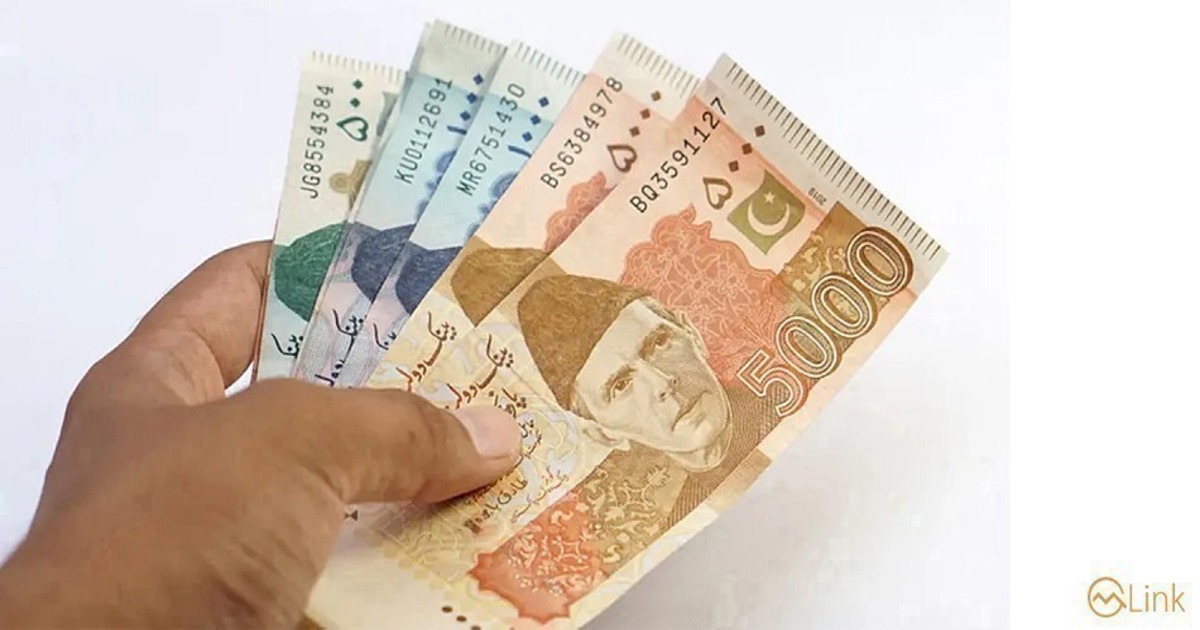
Broad money (M2), the most widely used measure of money supply in Pakistan, rose by Rs449.01 billion WoW to Rs44.39 trillion as of September 04, 2026, dat

Pakistan Stock Exchange (PSX) staged a modest rebound on Tuesday as the benchmark KSE-100 index gained 1,421.67 points, or 0.85%, to settle at 169,392.33, driven by renewed buying across key sectors and improved investor sentiment.
The Exchange Rates Committee of Financial Markets Association of Pakistan issued the following Exchange rates bulletin here on Wednesday. CONVERSION RATES FOR SEPTEMBER 16, 2026 FOR FOREIGN CURRENCY FOR FORWARD COVER FOR DEPOSITS (EXCLUDING FE-25 DEP ..

Selling continued at the Pakistan Stock Exchange (PSX) amid escalating tensions in the Middle East, with the benchmark KSE-100 Index shedding nearly 400 points on Wednesday.

Foreign exchange rates in Pakistan for today, September 16, 2026

Silver price in Pakistan for today, September 16, 2026
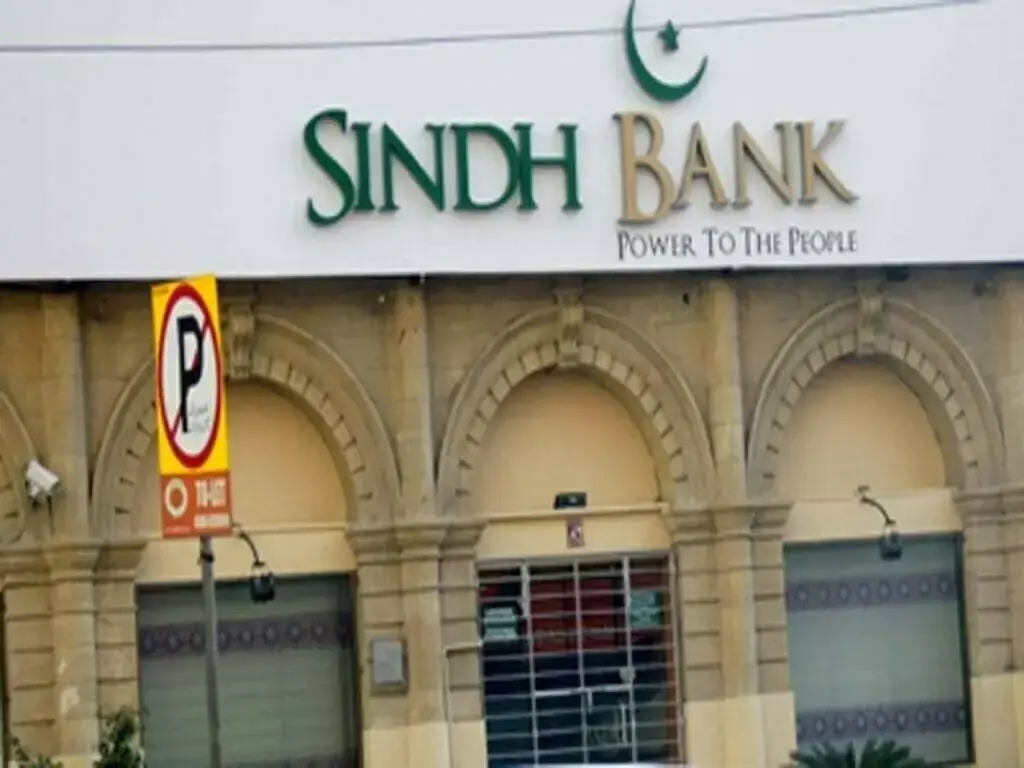
KARACHI: Sindh Bank reported its profit before tax of Rs 4.05 billion in H1’26, up from Rs 1.08 billion for H1’25 driven by manifold increase in operating profits attributable to resilient margins and hence significantly higher Net Markup Income.

ISLAMABAD: The Petroleum Division has announced an increase in domestic fuel prices for September 16 following a surge in global refined product costs driven by mounting geopolitical tensions. According to the official notification, the ex-depot price of petrol rises by Rs4.10 to Rs384.34 per litre (up from Rs 380.24), while High-Speed Diesel (HSD) climbs by Rs6.41 to reach Rs415.83 per litre.