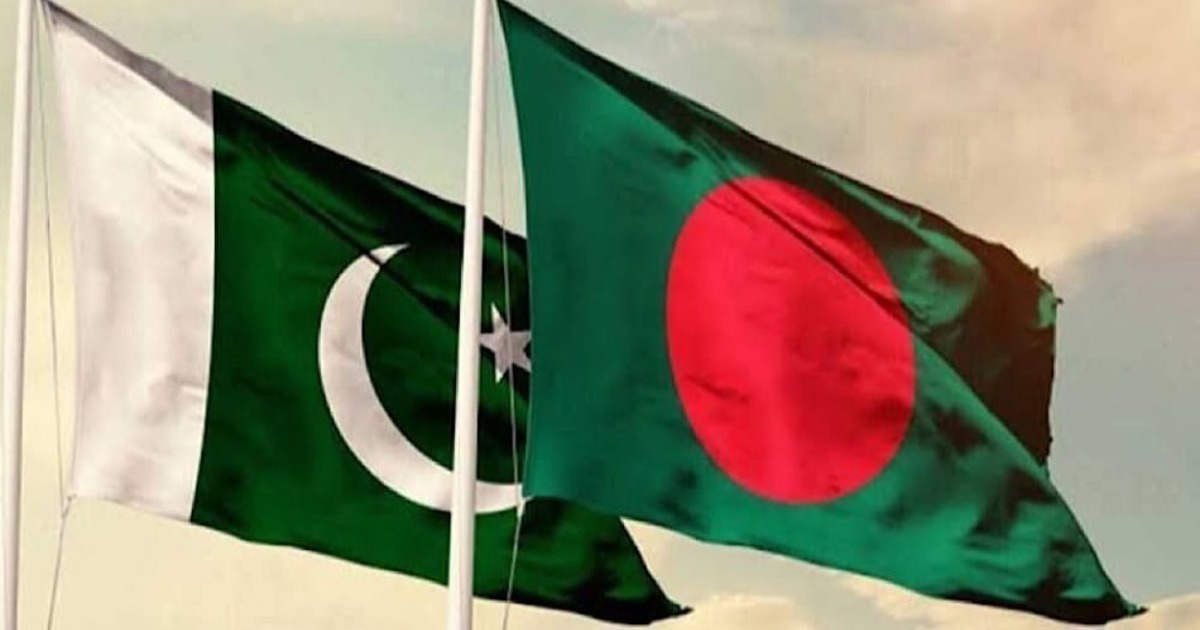
Pakistan, Bangladesh explore cooperation in pharma, agriculture, healthcare
Pakistan and Bangladesh have discussed expanding bilateral cooperation across healthcare, pharmaceuticals, agriculture, science and technology and other s
Mettis Link News
Pakistan and Bangladesh have discussed expanding bilateral cooperation across healthcare, pharmaceuticals, agriculture, science and technology and other s

BEIJING: Chicago soybeans rose on Monday, supported by strong Chinese demand and higher crude oil prices.

BANGKOK: The Thai baht weakened against the US dollar on Monday.

Middle East oil supply risks deepen as Gulf-Iran talks are postponed, Saudi Arabia’s key pipeline stays shut and fresh attacks threaten vital shipping routes.
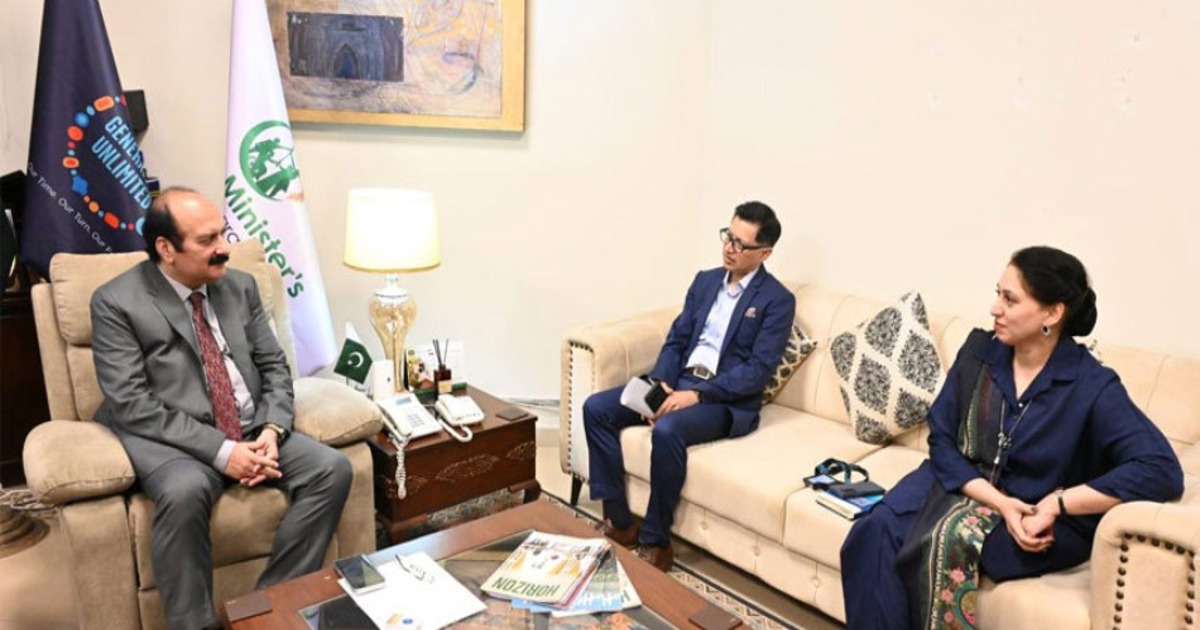
The Prime Minister’s Youth Programme and UN Women Pakistan have agreed to strengthen cooperation aimed at expanding leadership, entrepreneurship and profe

Supernet Technologies Limited (PSX: STL) has received subscriptions of nearly Rs898 million against its rights issue of approximately Rs914.77 million, reflecting a subscription rate of 98.16%.

The Treasury & Capital Markets Group of the National Bank of Pakistan (NBP) issued the following Exchange Rates Bulletin on Monday.

Gold prices eased on Monday as a surge in oil prices stoked inflation concerns, boosting expectations that the US Federal Reserve may raise interest rates at its policy meeting this week.
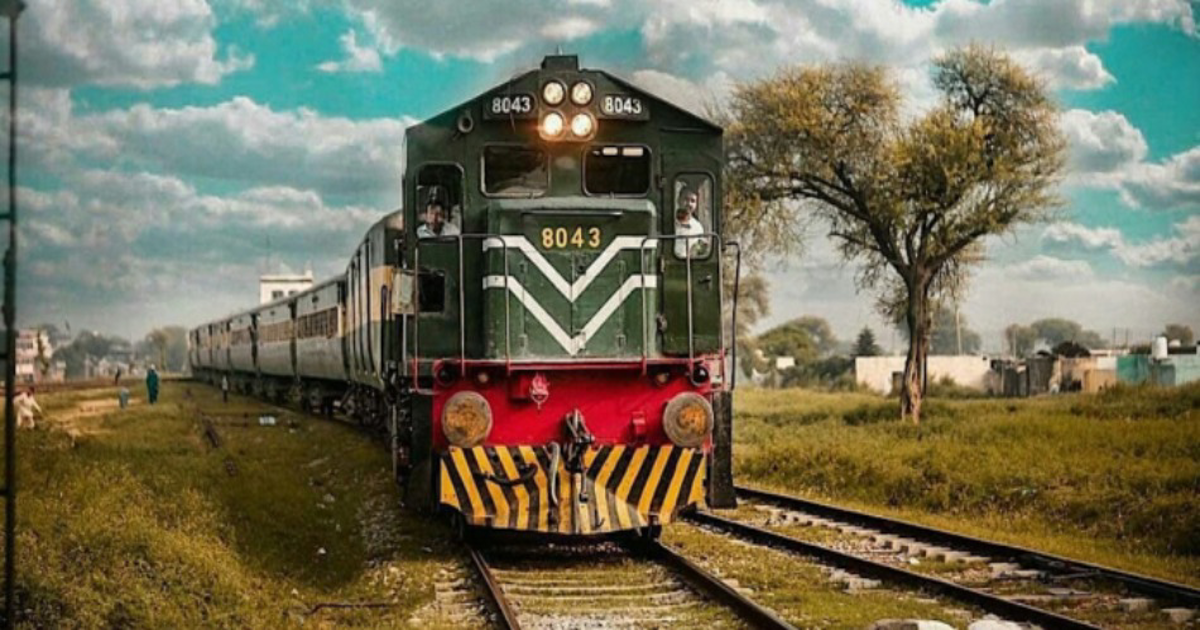
Pakistan Railways has approved a strategic reform roadmap aimed at increasing freight operations, improving passenger services and expanding private-secto
KARACHI, Sep 14 (APP):The Exchange Rates Committee of the Financial Markets Association of Pakistan issued the following Exchange rates bulletin here on Monday.

The draft of new Auto Development and Export Policy has been prepared, but its final approval remains pending until discussions with IMF
Pakistan and China have reaffirmed their commitment to expanding business-to-business cooperation in artificial intelligence and digital infrastructure.
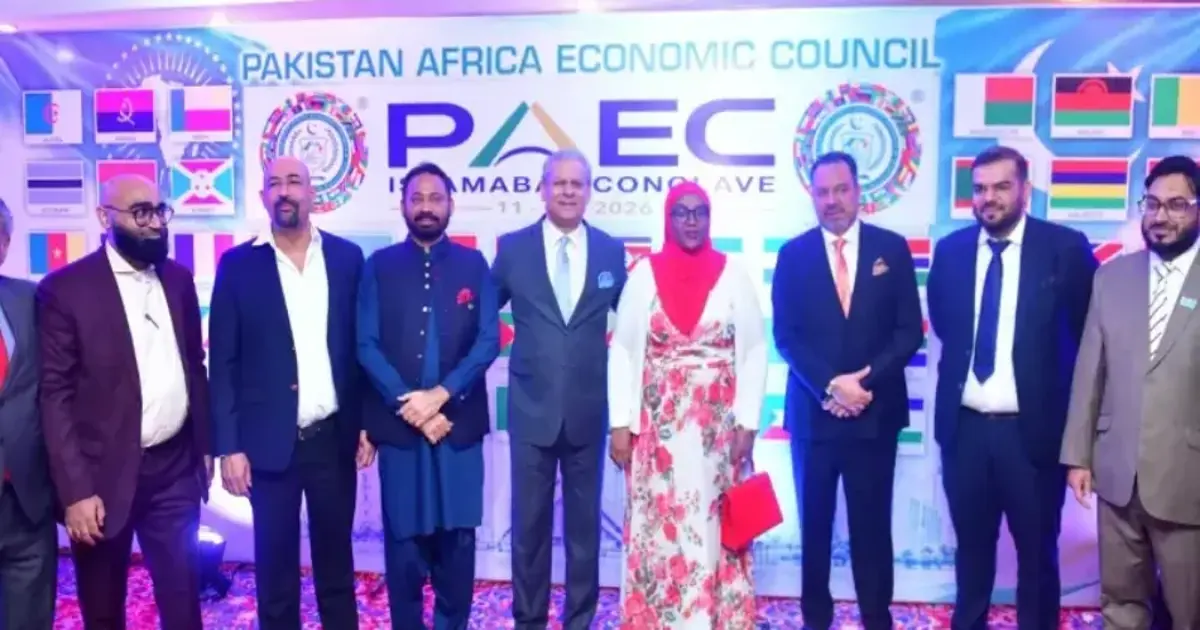
Pakistan and African countries have reaffirmed their target of raising bilateral trade to $15 billion by 2030 as both sides seek to diversify economic rel
The Economic Coordination Committee (ECC) of the Cabinet is likely to approve draft upgrade agreements under the Pakistan Oil Refining Policy for Upgradat
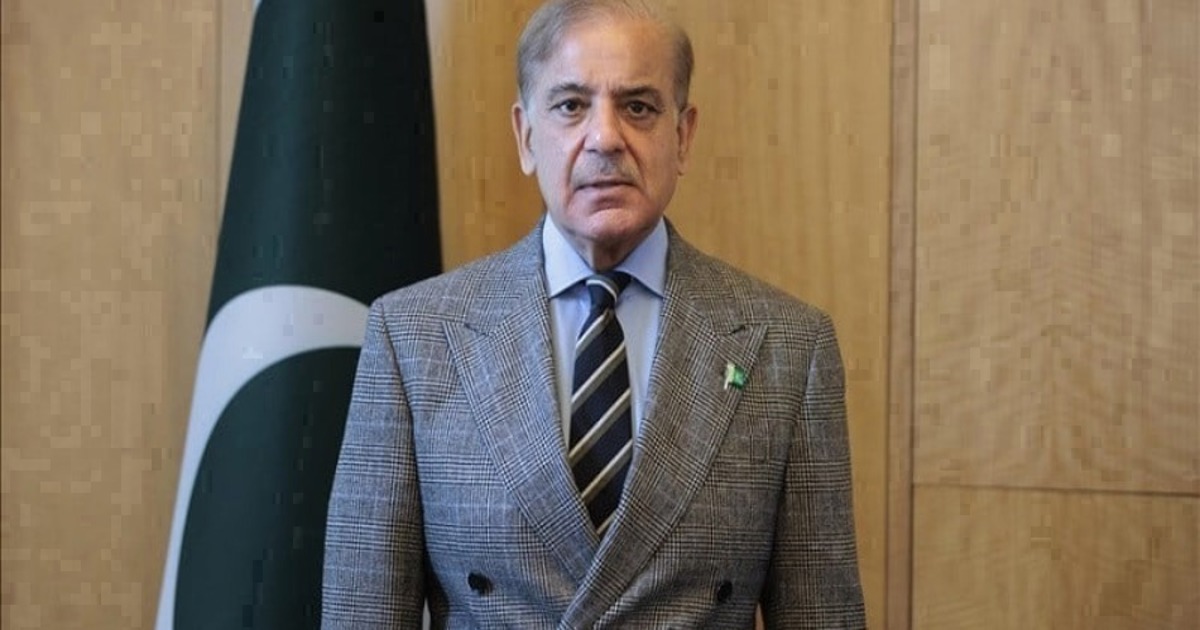
Prime Minister Shehbaz Sharif has warned that recent Houthi attacks on Saudi Arabia’s civilian and economic infrastructure could threaten regional securit
The Federal Board of Revenue has yet to formally notify the Income Tax Return for Tax Year 2026, even as taxpayers are being asked to file through the ver

The State Bank of Pakistan (SBP) Monetary Policy Committee (MPC) is expected to meet today (Monday) for the second time this fiscal year, with a majority of market participants expecting a status quo.

Pakistan stocks fell 1,059 points to 169,453 as investors weighed the upcoming monetary policy decision and ongoing Middle East tensions, with the KSE-100 down 0.62% in early trading.

Selling pressure was observed at the Pakistan Stock Exchange (PSX) after new Houthi strikes on Saudi Arabia and Iranian attacks on ships in the Gulf, with the benchmark KSE-100 Index shedding nearly 1,500 points during the opening minutes of trading on Monday.

Silver price in Pakistan for today, September 14, 2026

Gold price in Pakistan for today, September 14, 2026

In the early 1980s, the Reagan Administration struggled to control the trade deficit without success. It kept rising, reaching around $123.5 billion in 1984. The administration sought a short-term solution and ignored inefficiencies in the economic, manufacturing and industrial sectors. It blamed the appreciation of the US dollar (43% appreciation) and the strong performance of trade partners, especially Japan. The US Treasury proposed manipulating the currency market and asked competitors to let their currencies appreciate. This led to the famous Plaza Accord.
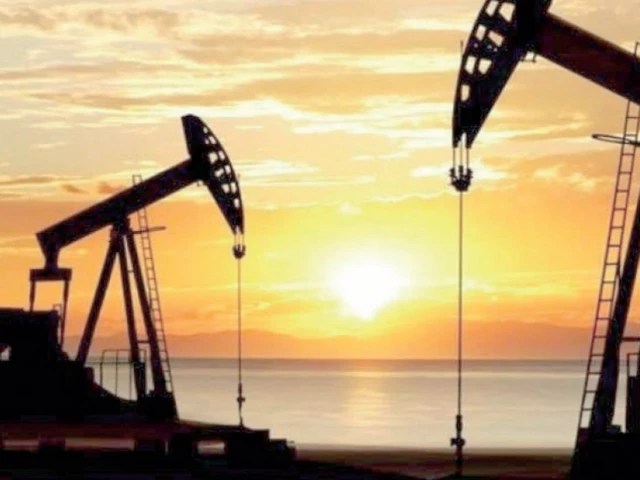
Sindh is geographically 29% larger than South Korea. However, its economy with GDP of around $135 billion is at least 14 times smaller than that country. This is despite that South Korea has hardly any indigenous energy resources. Only last year its energy import bill amounted to $140 billion. On the other hand, with its extensive hydrocarbon production over the past six decades, Sindh has proven to be Pakistan's pivotal energy basket. Still, it is no way even near to South Korea in development and well-being of the masses.
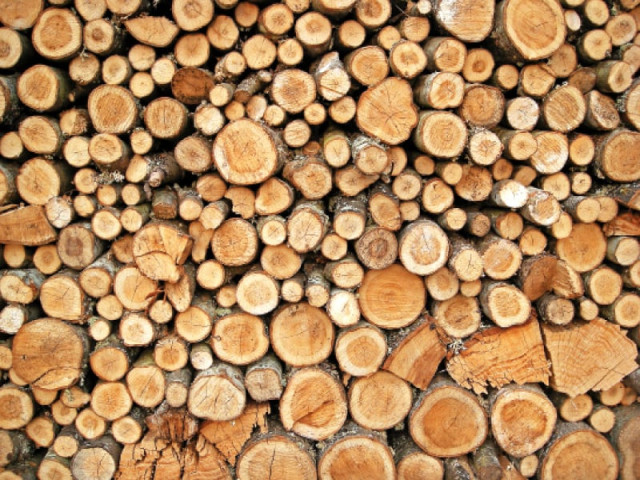
With a view to compensating private forest owners, a comprehensive strategy has to be devised and implemented. The existing forest policies, laws, management plans and strategies are based on timber harvesting, and foresters are trained in how to grow forests and then harvest them to generate revenue for the public sector as well as for the forest owners, although after the ban on forest harvesting in 1992, the forest department of Khyber-Pakhtunkhwa (K-P) could not figure out ways and means to devise and implement forest policy and plans based on non-timber forest benefits during the past over 40 years.
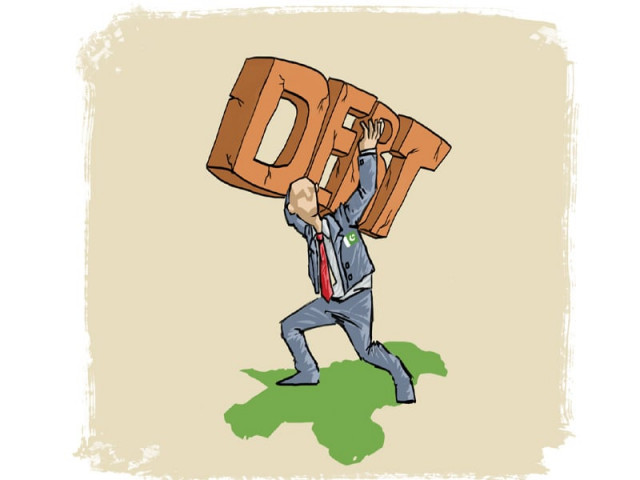
Amid the post-Covid massive inflationary spiral, the fiscally suffocated government with limited days of foreign exchange reserves became massively dependent on the domestic debt market to finance their massive deficits, and amid rising inflation they had to issue massive amount of floating-rate, long-tenor debt instruments to manage extreme rollover risk.

Morning Breeze aims to lessen the load for its readers by curating noteworthy updates from the preceding day.
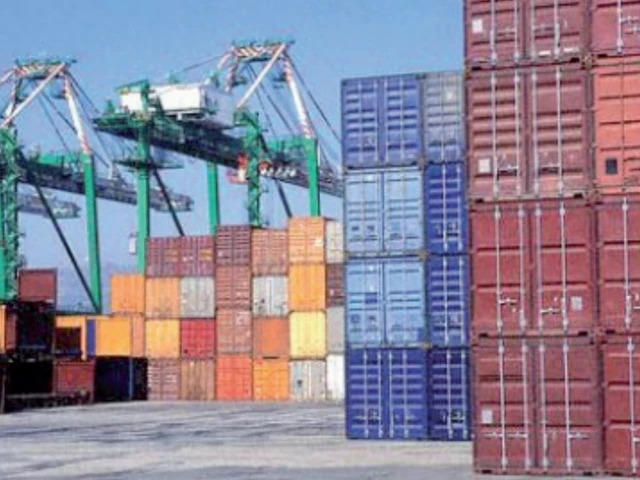
The government's recent decision to establish a Trade Facilitation Board under the chairmanship of the prime minister is an important step towards putting export-led growth at the centre of Pakistan's sustainable economic strategy.
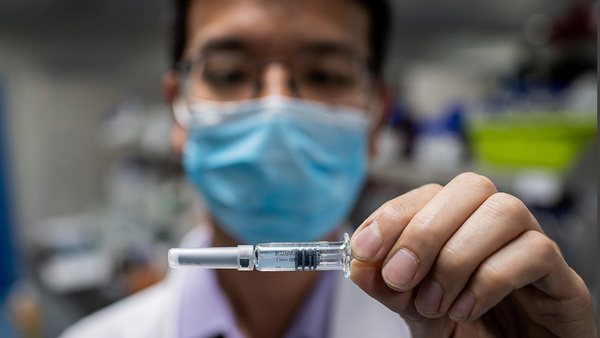
Pakistan has made Nadra-integrated vaccination proof mandatory for outbound travellers, covering polio, meningitis, yellow fever and influenza vaccines.

The limitation is not what FDI measures; it is what FDI cannot measure. FDI measures how much productive capital enters an economy during a given period.

Pakistan’s low private-sector lending reflects structural constraints more than bank reluctance, but major gaps persist in SME and housing finance.
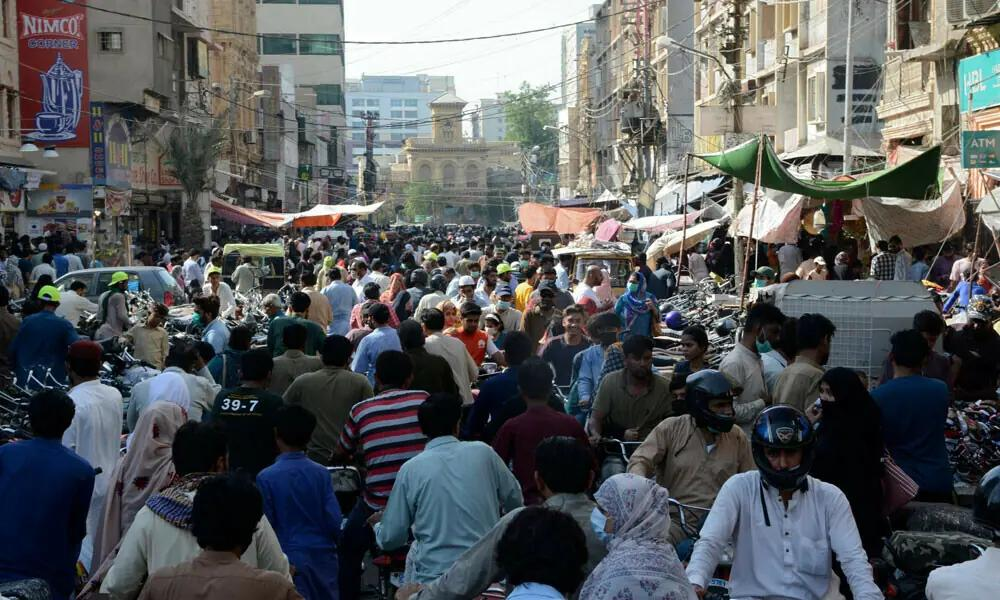
ISLAMABAD, July 01 (INP-Wealth Pakistan) -- Pakistan has unveiled new national and provincial population projections extending to 2050, providing a long-term demographic roadmap to guide development planning, resource allocation and policy formulation under Vision 2035 and other national development frameworks.

ISLAMABAD, July 01 (INP-Wealth Pakistan) -- Pakistan has launched a comprehensive capacity-building and awareness programme to prepare financial institutions, regulators, academia, government officials and the public for the country's transition to a Riba-free financial system after 2027.
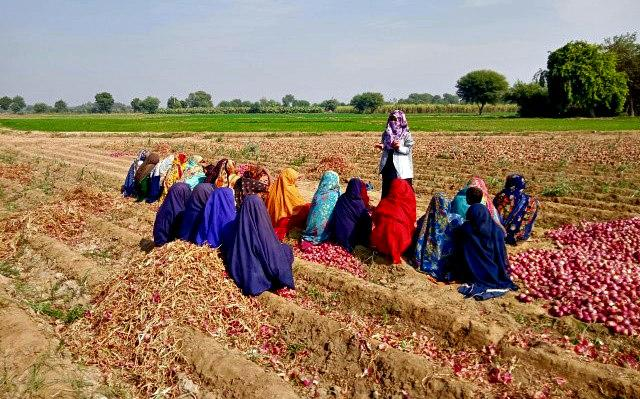
ISLAMABAD, July 01 (INP-Wealth Pakistan) -- Pakistan has reiterated its commitment to expanding women's participation in the economy, emphasizing that greater inclusion in education, entrepreneurship and the workforce is essential for achieving sustainable economic growth under the URAAN Pakistan initiative.

ISLAMABAD, June 30 (INP-Wealth Pakistan) -- The new agricultural cooperation agenda adopted by BRICS countries has created fresh opportunities for Pakistan to strengthen its farm sector through technology transfer, climate-smart agriculture, expanded exports and closer integration with emerging Global South agricultural value chains, experts say.
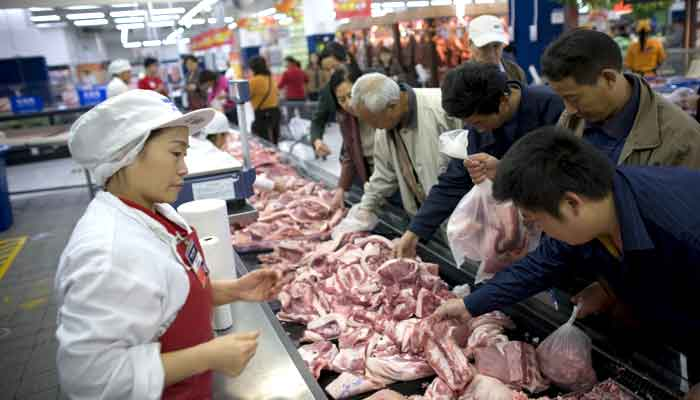
ISLAMABAD, June 30 (INP-Wealth Pakistan) -- China's growing demand for premium and processed food products, combined with expanding market access for Pakistani agricultural exports, has created fresh opportunities for Pakistan to move beyond raw commodity exports and strengthen shipments of higher value-added food products, experts say.
ISLAMABAD, June 30 (INP-Wealth Pakistan) -- Pakistan can draw practical lessons from China's smart agriculture model to strengthen food security, raise crop productivity, reduce post-harvest losses and improve farmers' incomes through precision farming, digital agriculture and modern storage infrastructure, experts say.
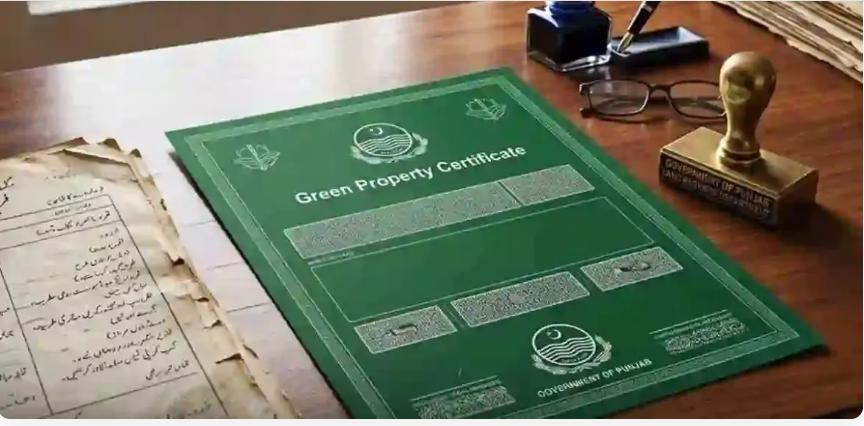
LAHORE, June 30 (INP-Wealth Pakistan) -- Punjab has begun replacing its centuries-old land ownership verification system with the Green Property Certificate (GPC), a digital ownership document designed to make property transactions more secure, transparent and legally verifiable while reducing land fraud and ownership disputes.

ISLAMABAD, June 30 (INP-Wealth Pakistan) -- Africa's accelerating shift towards electric mobility is opening a new export avenue for Pakistan's engineering sector. The country's established manufacturing base in two- and three-wheelers, auto parts and emerging electric vehicles (EVs) is well positioned to meet growing demand for affordable mobility solutions across the continent.

ISLAMABAD, June 30 (INP–Wealth Pakistan) -- The number of payment cards in circulation in Pakistan continued to grow during the third quarter of FY2025-26, reaching 68.25 million by the end of March, with debit cards maintaining their overwhelming dominance as the country's preferred formal payment instrument, according to the State Bank of Pakistan's Payment Systems Quarterly Review.
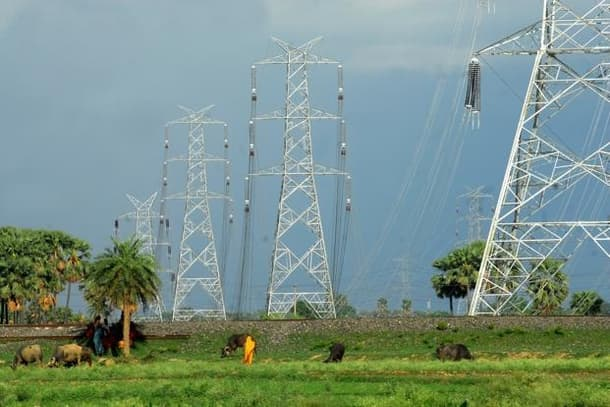
ISLAMABAD, June 30 (INP-Wealth Pakistan) -- Pakistan’s power distribution companies (DISCOs) plan to expand electricity access in FY2026-27 by electrifying 15,327 villages and adding 1,689,849 new consumer connections, with rural access and consumer-base expansion emerging as key targets of the distribution sector plan.
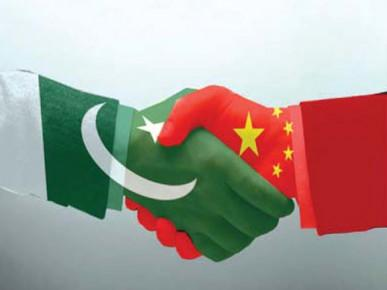
ISLAMABAD, June 30 (INP-Wealth Pakistan) -- China's pursuit of a more just and equitable global governance order could create new economic opportunities for Pakistan, paving the way for enhanced regional connectivity, broader trade networks and deep development cooperation. Even so, experts stressed that domestic reforms and regional stability would be crucial to translating those opportunities into tangible gains.

ISLAMABAD, June 30 (INP–Wealth Pakistan) -- Pakistan's Real-time Gross Settlement (RTGS) system, PRISM+, continued to serve as the backbone of the country's financial infrastructure during the third quarter of FY2025-26, settling transactions worth Rs389.8 trillion as banks, financial institutions and government entities relied on the platform for large-value payments, according to the State Bank of Pakistan's Payment Systems Quarterly Review.

ISLAMABAD, June 30 (INP-Wealth Pakistan) -- The government has planned three climate capacity-building projects with a combined cost of Rs1.47 billion to strengthen climate governance, develop a green workforce and prepare national guidelines for urban flooding, droughts and other climate-related disasters.

Jul 2, 2026

ISLAMABAD, June 30 (INP–Wealth Pakistan) -- Pakistan's shift towards cashless retail payments continued to gather momentum during the third quarter of FY2025-26 as QR-code payments and digital merchant acceptance expanded further, enabling more consumers to pay directly from their bank accounts and mobile wallets, according to the State Bank of Pakistan's Payment Systems Quarterly Review.

ISLAMABAD, June 30 (INP–Wealth Pakistan) -- Pakistan's shift towards a digital economy gathered further pace during the third quarter of FY2025-26, with digital channels accounting for 92% of all retail payment transactions by volume as consumers increasingly relied on mobile apps, digital wallets, internet banking and electronic payment platforms, according to the State Bank of Pakistan's latest Payment Systems Quarterly Review.
ISLAMABAD, June 27 (INP–Wealth Pakistan) -- Pakistan's instant payment system, Raast, continued to expand during the third quarter of FY2025-26, processing 742 million transactions worth Rs23.27 trillion as both person-to-person transfers and merchant payments gained momentum, according to the State Bank of Pakistan's Payment Systems Quarterly Review.
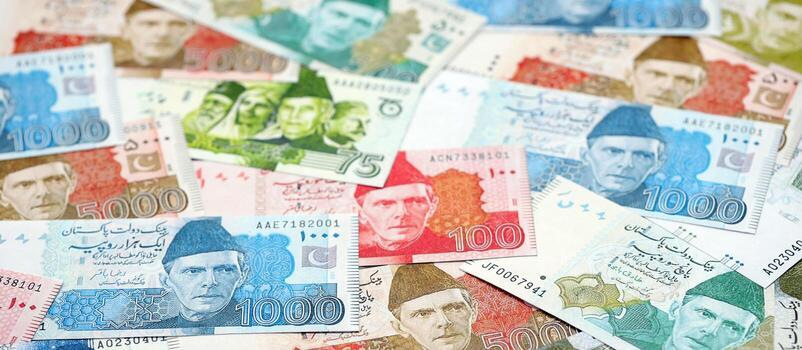
ISLAMABAD, June 30 (INP–Wealth Pakistan) -- The Pakistani rupee remained broadly stable against major international currencies during the fourth week of June, posting a slight gain against the US dollar as easing external-sector pressures, lower Treasury-bill yields and continued improvement in macroeconomic conditions helped sustain confidence in the local currency.

LAHORE, June 30 (INP-Wealth Pakistan) -- Punjab's decision to introduce algae-based "Liquid Trees" has generated optimism as an innovative approach to tackling urban air pollution, but environmental experts say the technology should be viewed as a complementary solution rather than a replacement for conventional tree planting.
ISLAMABAD, June 30 (INP-Wealth Pakistan) -- Pakistan's expanding development partnership with Germany has created new opportunities to strengthen climate resilience, accelerate the clean energy transition and enhance social protection for vulnerable communities through long-term technical cooperation, according to experts.
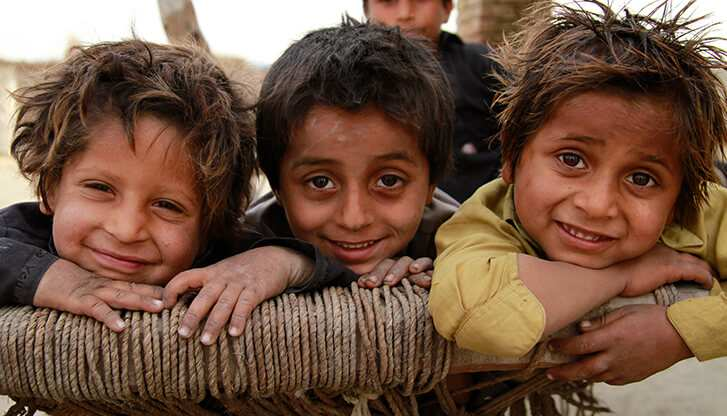
ISLAMABAD, June 30 (INP-Wealth Pakistan) -- China's decision to expand childcare subsidies to nearly 110 billion yuan in 2026 offers practical policy lessons for Pakistan as it seeks to ease the financial burden on low-income families, improve child welfare and enable greater participation of women in the workforce, experts say.

ISLAMABAD, June 30 (INP-Wealth Pakistan) -- The global shift towards nearshoring is creating a rare opportunity for Pakistan to attract export-oriented manufacturing and diversify its industrial base, but experts say the country must accelerate reforms and improve implementation if it is to win over relocating investors.

ISLAMABAD, June 30 (INP-Wealth Pakistan) -- The federal government plans to add three new environmental and biodiversity protection projects to the fiscal year 2026-27 under the revised Upscaling of Green Pakistan Programme (UGPP), with a focus on the Margalla Hills, a national botanical garden in Islamabad, and a pollution monitoring network.
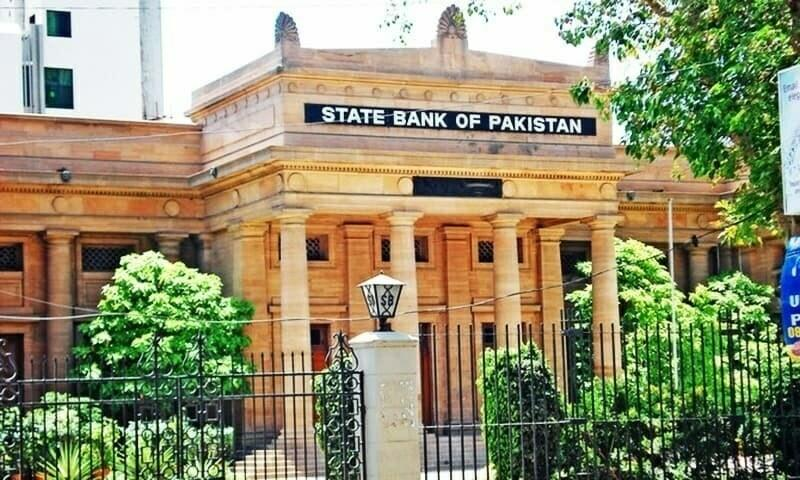
ISLAMABAD, June 30 (INP-Wealth Pakistan) -- Pakistan's foreign exchange reserves retreated in June after climbing to a one-year high at the end of May, although the country's external reserve position remained substantially stronger than it was a year earlier, according to the latest data released by the State Bank of Pakistan (SBP).
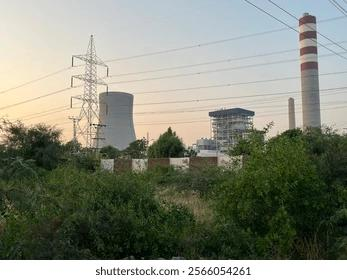
ISLAMABAD, June 30 (INP-Wealth Pakistan) -- Pakistan's electricity generation climbed to its highest level in five months in May 2026, driven by a sharp recovery in hydel power, increased coal and RLNG generation, and continued growth in wind and solar output, according to data released by the State Bank of Pakistan (SBP).
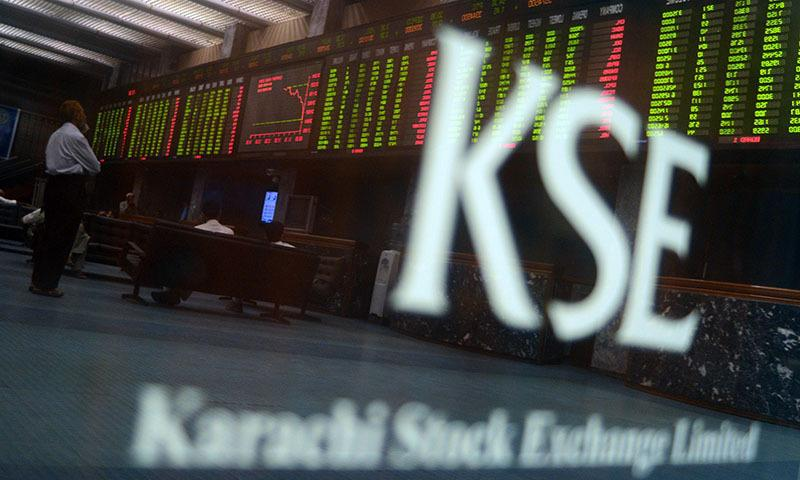
ISLAMABAD, June 30 (INP–Wealth Pakistan) -- The Pakistan Stock Exchange (PSX) extended its gains during the final week of June, with the benchmark KSE-100 Index advancing 649 points, or 0.36% week-on-week, to close at 179,571 points, as easing geopolitical tensions in the Middle East helped sustain investor confidence despite rollover-week pressures.
Jul. 01 & Jul. 02, 2026

Jun 30, 2026
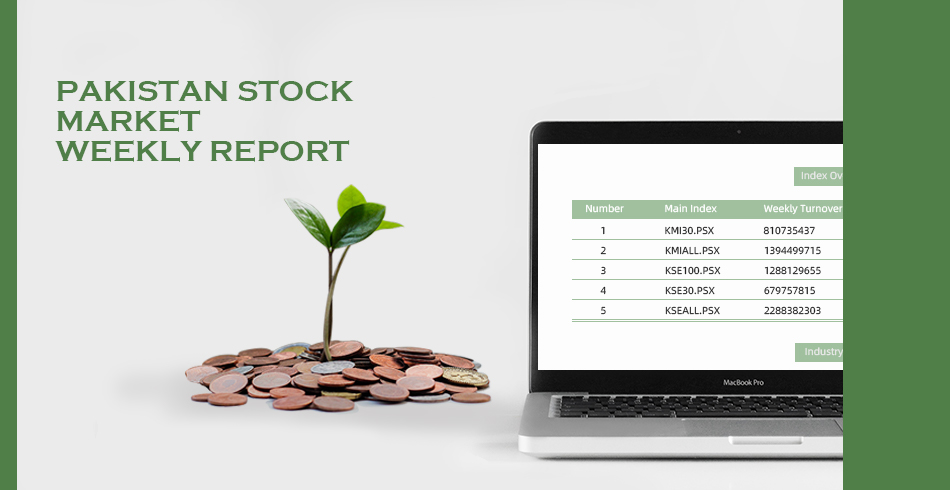
Weekly Review of Stock Market (2026.06.22-2026.06.26)

Jun 29, 2026
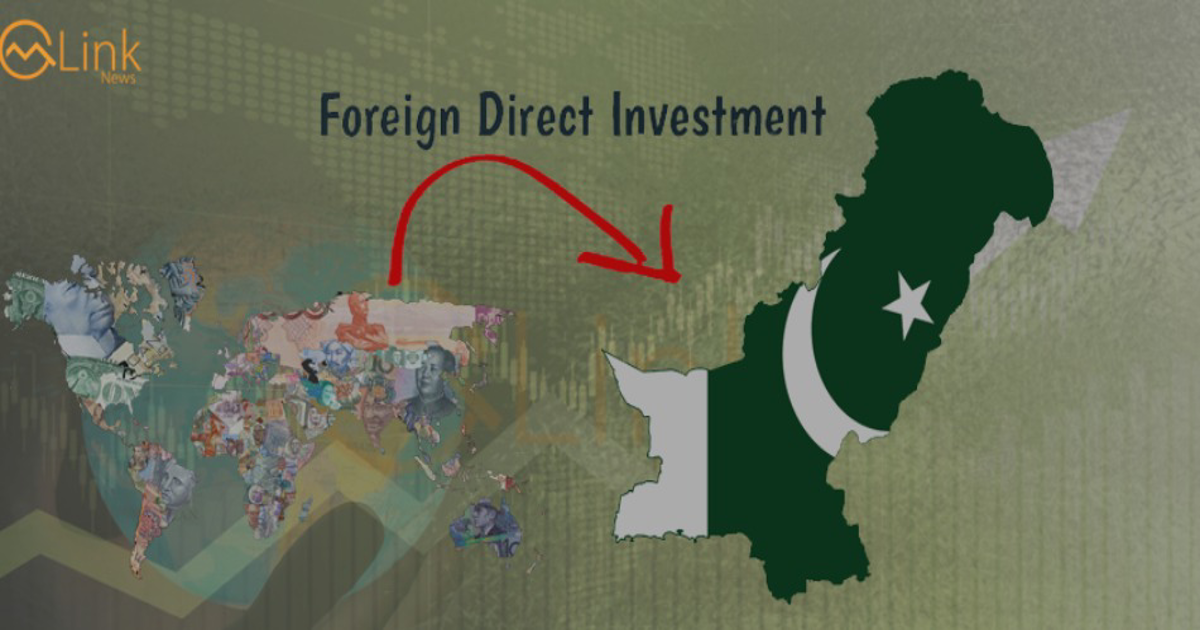
Pakistan recorded a net foreign direct investment (FDI) inflow of $216.0m in October 2026, up 31.7% from $164.0m in the same month last year, according to

The Pakistani rupee continued its marginal gain against the US dollar in the inter-bank market on Tuesday.

The total deposits held by scheduled banks have moved up by 14.23% YoY to Rs40.15 trillion in October 2026 compared to Rs35.15tr in October 2025.

In the international market, gold was recorded at $3,864 per ounce

The service sector of Pakistan posted a trade deficit of $245 million in October, reflecting a decrease of 10.91% MoM, as compared to a deficit of $275m r

Pakistan’s current account swung to a surplus of $39mn in October 2026 from a revised deficit of $371mn in September and a deficit of $307mn in October la
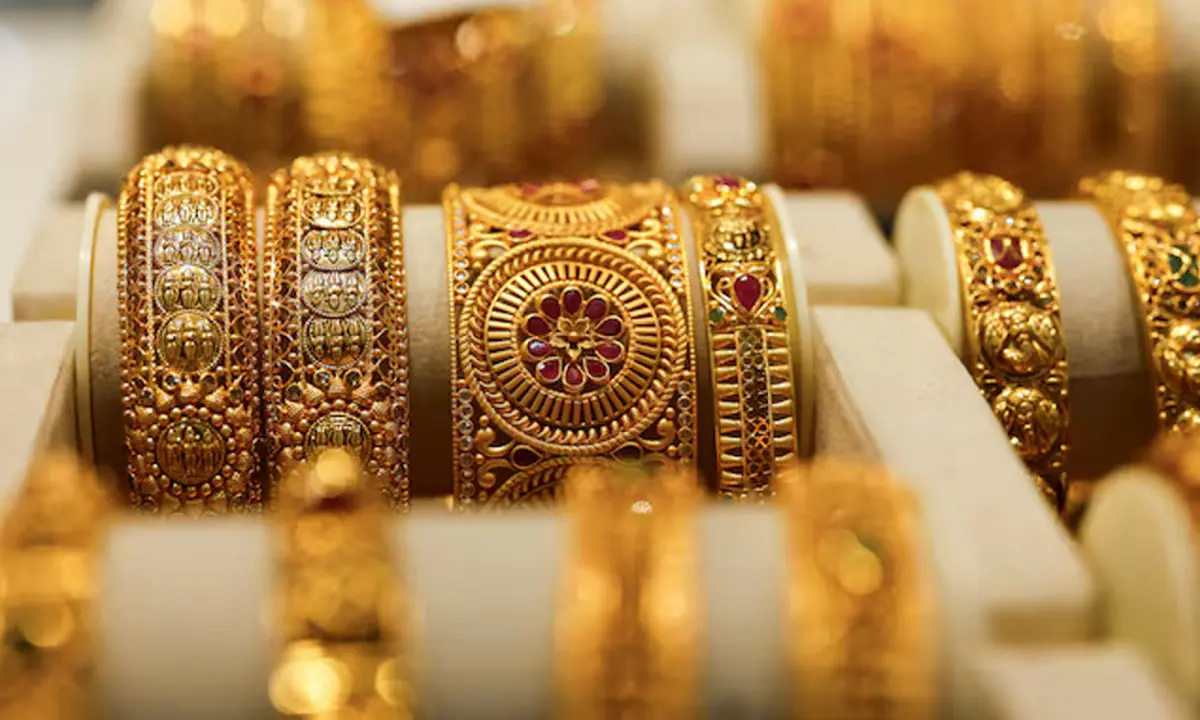
Gold prices in Pakistan remained unchanged on Tuesday in line with the trend in the international market. In the local market, gold price per tola was sold at Rs408,936 with no change in its price during the day.
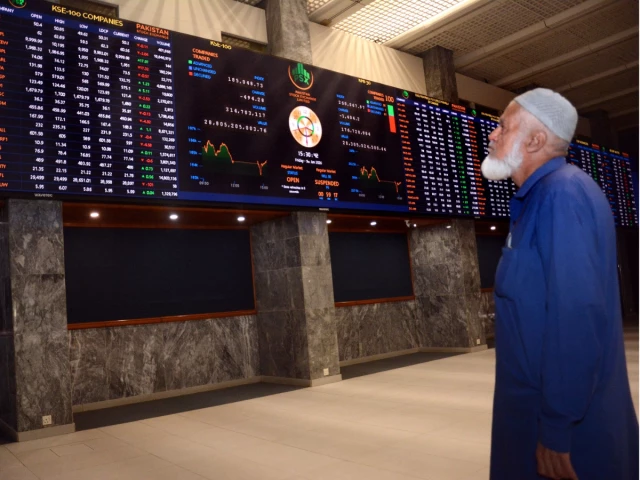
The Pakistan Stock Exchange (PSX) reversed its early gains on Tuesday as selling pressure dented initial buying interest across major sectors, pulling the benchmark index into negative territory.
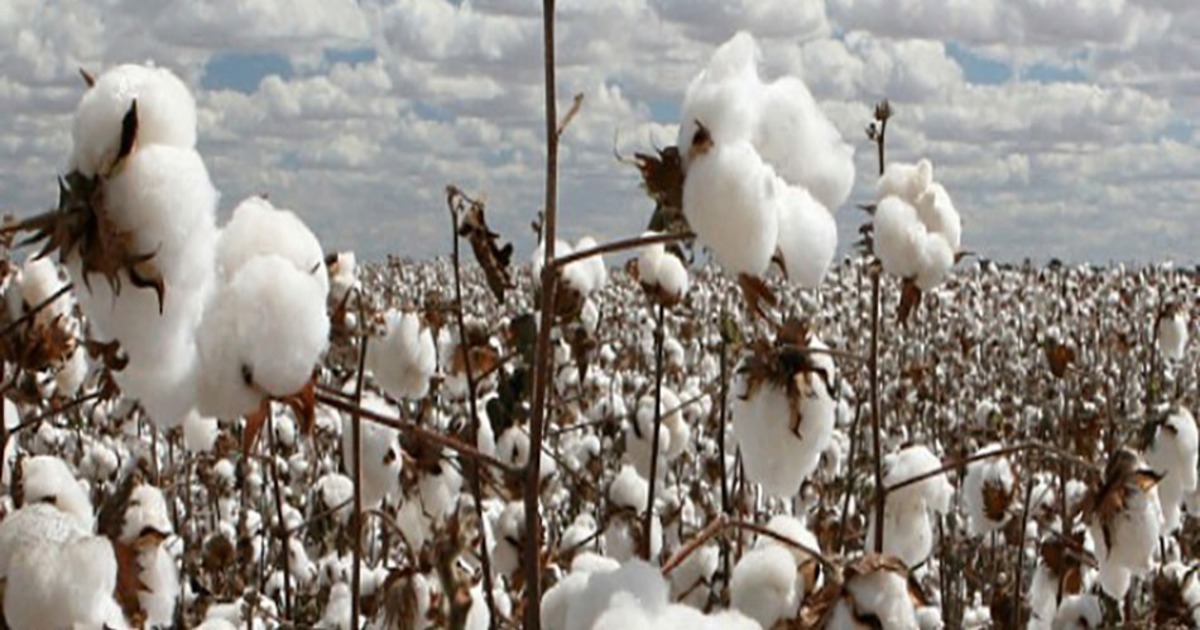
Cotton arrivals at ginning factories across Pakistan rose 6.88% to 4,742,630 bales as of Oct. 31, compared with 4,437,256 bales in the corresponding perio

The Pakistan Stock Exchange (PSX) opened the new trading week on a strong note on Monday, with investors initially stepping up buying across major sectors. However, late-hour volatility erased most of the gains, leaving the benchmark index marginally higher at close.

Foreign exchange rates in Pakistan for today, November 17, 2026

Pakistan Stock Exchange extends its bullish run as KSE-100 gains 957 points to 179,140, following Monday’s gains and stronger trading activity.

Gold price in Pakistan for today, November 17, 2026

Silver price in Pakistan for today, November 17, 2026

Govt allocates Rs300bn for SMEs
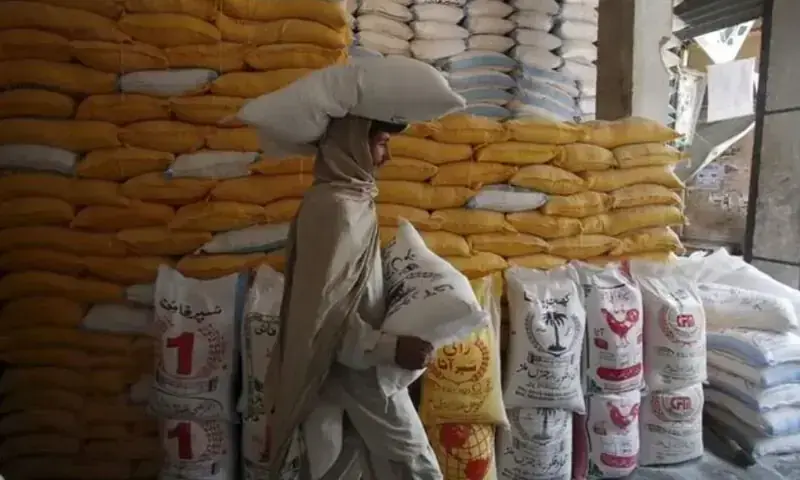
Stakeholders estimate 3-4 million tonnes shortage of wheat.

KARACHI: The Pakistan Stock Exchange (PSX) extended its positive momentum on Monday as easing geopolitical tensions and improving global oil supply prospects supported investor sentiment. However, cautious trading and profit-taking near the 180,000-point level kept the market from extending its gains further.
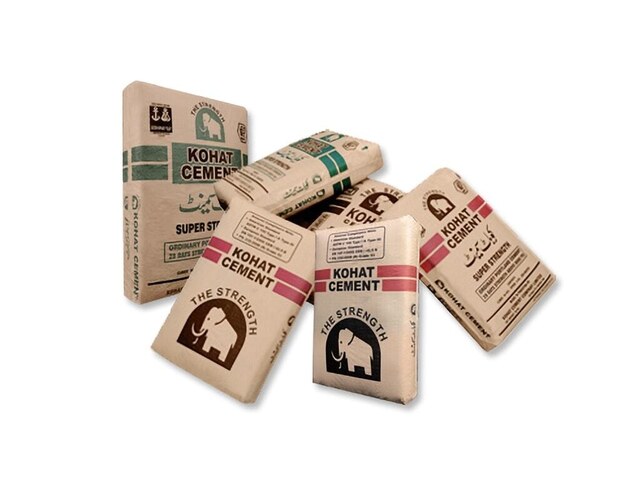
Kohat Cement Company Limited (PSX: KOHC) was established by State Cement Corporation of Pakistan in 1984. In 1992, the government privatized the company. The company was listed on the stock exchanges of Pakistan in 1984. The principal activity of the company is the manufacturing and sale of cement [grey and white clinker]. ANS Capital [Private] Limited is the holding company of KOHC.

ISLAMABAD - The price of gold witnessed a decline in the local market on Monday, with the price of 24-karat gold per tola falling by Rs2,000 to settle at Rs408,936, according to rates issued by the All Pakistan Sarafa Gems and Jewellers Association. Similarly, the price of 10 grams of 24-karat gold decreased by Rs1,715 to Rs350,596, while 10 grams of 22-karat gold declined by Rs1,572 to Rs321,391. In the international market, the price of gold decreased by $20 to $3,864 per ounce, the association reported. Meanwhile, the price of silver per tola fell by Rs115 to Rs5,228, while the price of 10 grams of silver declined by Rs98 to Rs4,482. The price of silver in the international market also decreased by $1.15 to $47.50 per ounce, the association added.
ISLAMABAD - Pakistan’s export freight rates from Karachi Port to major Gulf Cooperation Council (GCC) ports have surged by up to 577 percent after the US-Iran war, while Afghanistan has emerged as a cheap and short route to the Central Asian Republics from Pakistan’s port compared to China and Iran.
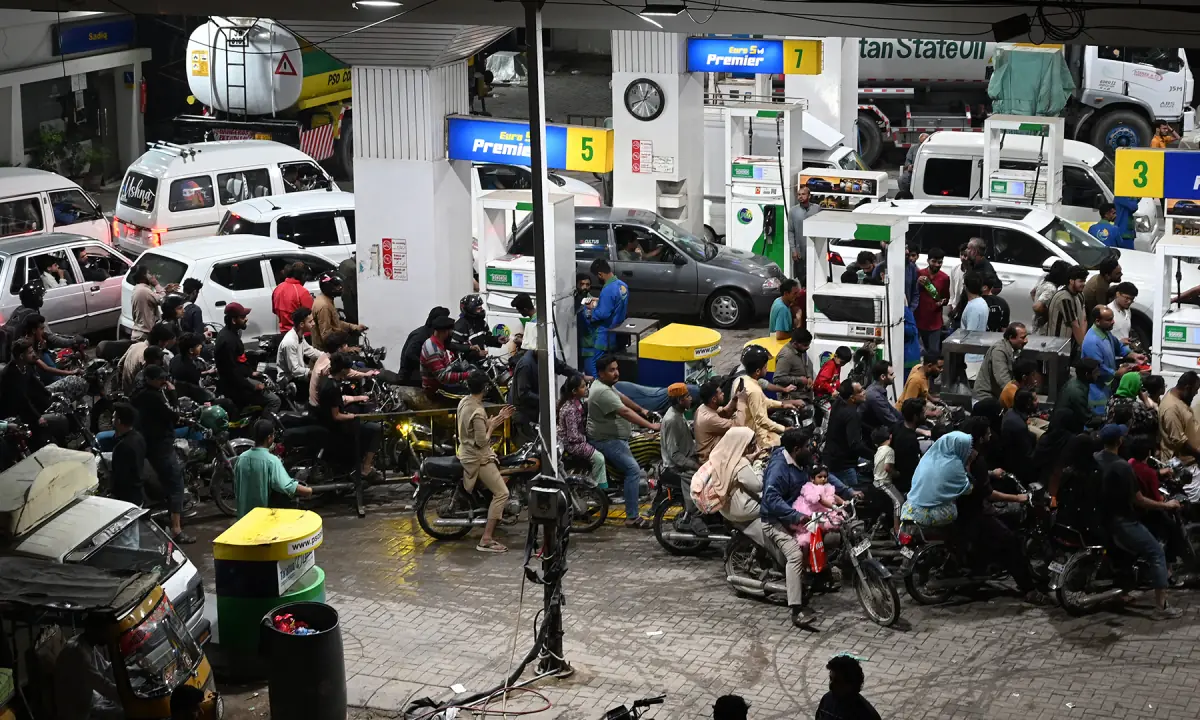
Petrol will retail at Rs328 per litre; diesel at Rs358 on Tuesday.
The Pakistan Stock Exchange maintained a positive trend, with the benchmark KSE-100 Index gaining 309 points to close at 178,182.

The US dollar declined by three paisas against the Pakistani rupee in the interbank market, closing at Rs276.57 on Monday.

Gold prices declined by Rs2,000 per tola in the local market on Monday, bringing the price of 24-karat gold to Rs408,936, according to the All Pakistan Sarafa Gems and Jewellers Association.

The Pakistani rupee continued its marginal gain against the US dollar, appreciating 0.01% in the inter-bank market on Monday.

Gold prices fell for the sixth consecutive day, with domestic per-tola rates declining Rs2,000 and international prices dropping $20.
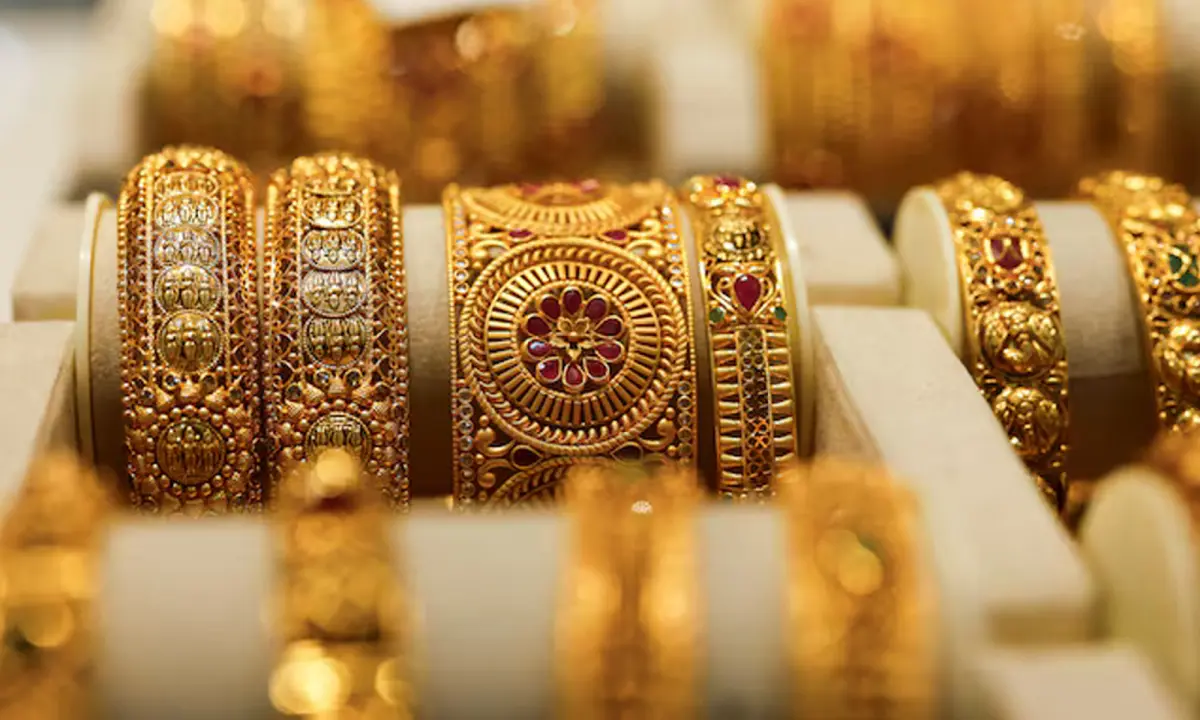
Gold prices in Pakistan decreased on Monday in line with their loss in the international market. In the local market, gold price per tola reached Rs408,936 after a decline of Rs2,000 during the day.

Federal government operating expenses increased by 28.21% during the first quarter of fiscal year 2026-27, reaching Rs206.64 billion despite ongoing austerity measures, according to Finance Ministry documents.
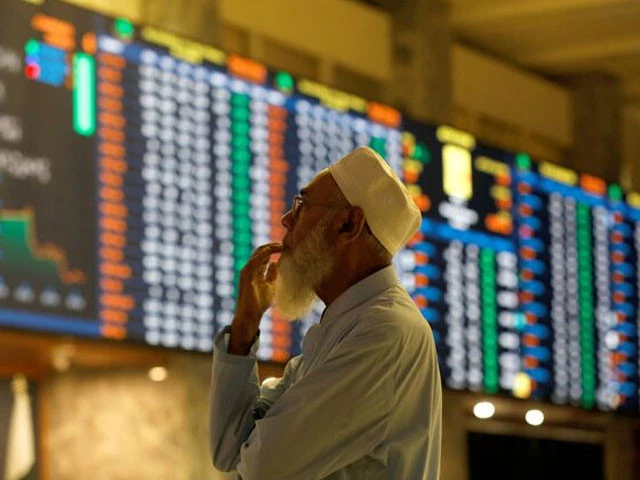
The Pakistan Stock Exchange (PSX) opened the new trading week on a strong note on Monday, with investors stepping up buying across major sectors, driving the benchmark index up by more than 3,000 points in early afternoon trading despite a subdued trend across Asian markets.

Foreign exchange rates in Pakistan for today, November 16, 2026