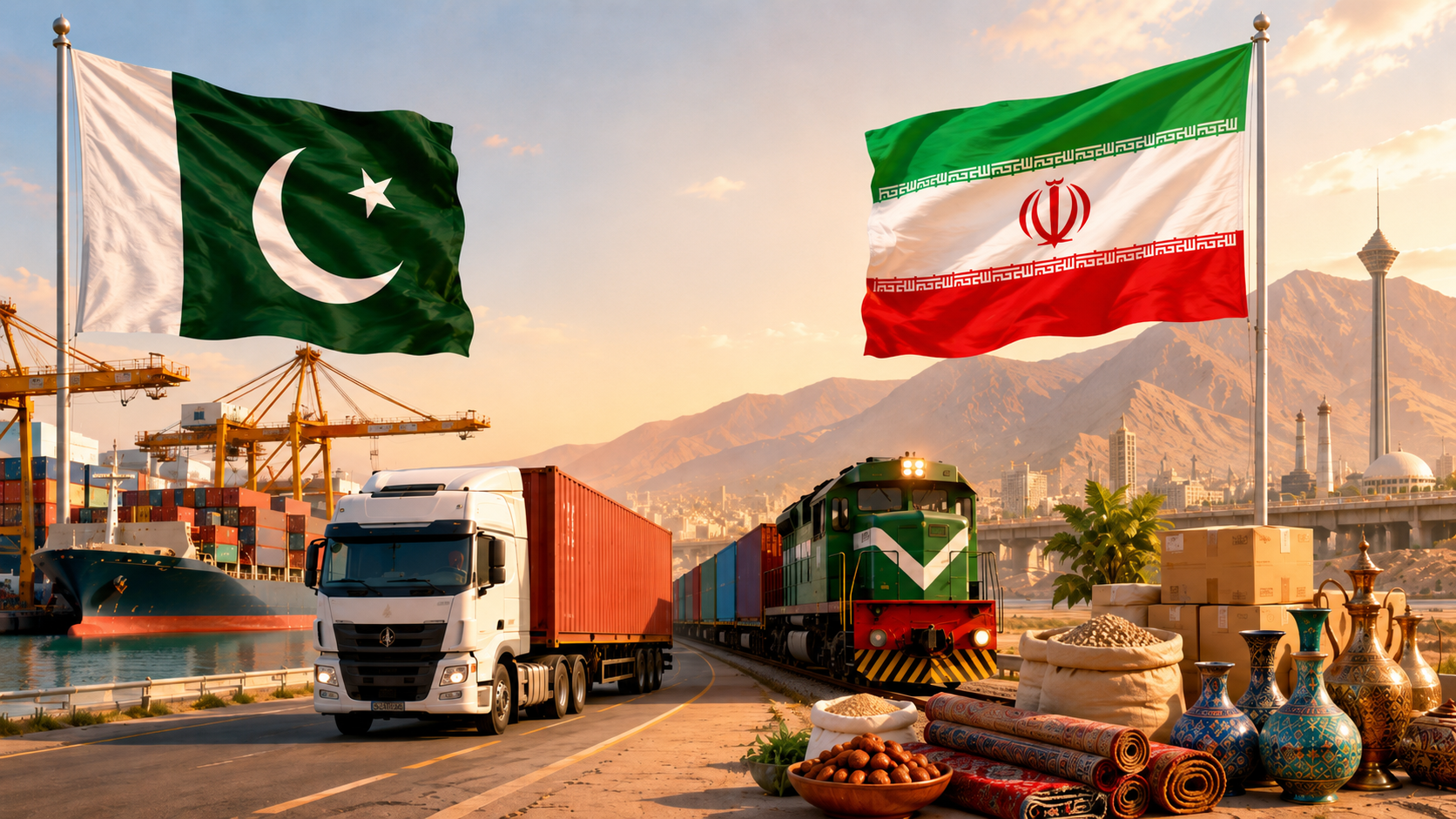
FBR issues new rules for cargo movement across Pakistan-Iran border
FBR issues new customs framework for Pakistan–Iran cargo movement. Rules take effect immediately—see transit, cross-stuffing and oversight details.
Profit
FBR issues new customs framework for Pakistan–Iran cargo movement. Rules take effect immediately—see transit, cross-stuffing and oversight details.
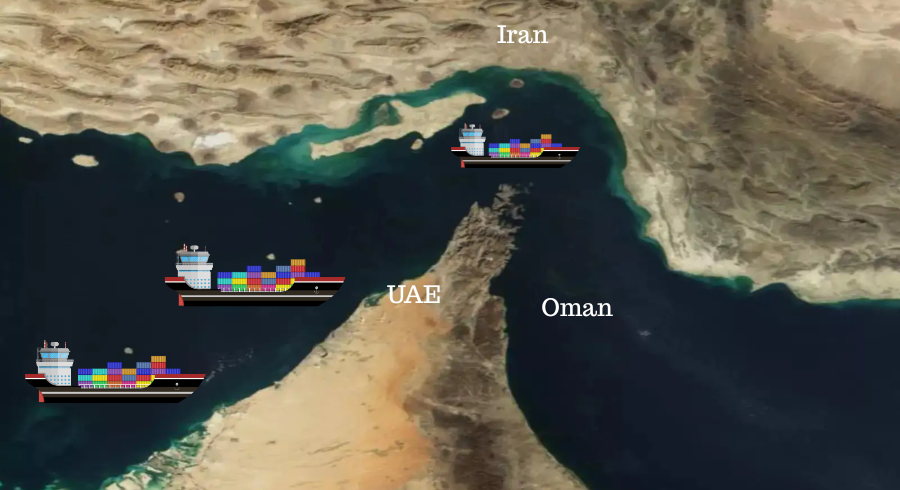
Hormuz shipping is back, but risk lingers. Read how Pakistan can build a reserve corridor to cut future energy disruption—act now.

KP Assembly unanimously rejects new federal taxes in Malakand and merged districts, urging protection of constitutional exemptions. Read more.

The U.S. dollar neared its biggest monthly gain in a year as Gulf tensions, rising oil prices, and strong U.S. jobs expectations boosted safe-haven demand ahead of Fed signals.
Oil prices rose as renewed U.S.-Iran strikes disrupted Strait of Hormuz shipping, raising supply concerns despite ceasefire efforts and ongoing peace talks.

Punjab govt unveils workforce plan to place 100,000 skilled workers overseas in three years with verified digital profiles. Read more.

Telenor’s 55% stake in Easypaisa may be sold as the bank enters a new phase. What comes next for Pakistan’s digital retail banking?
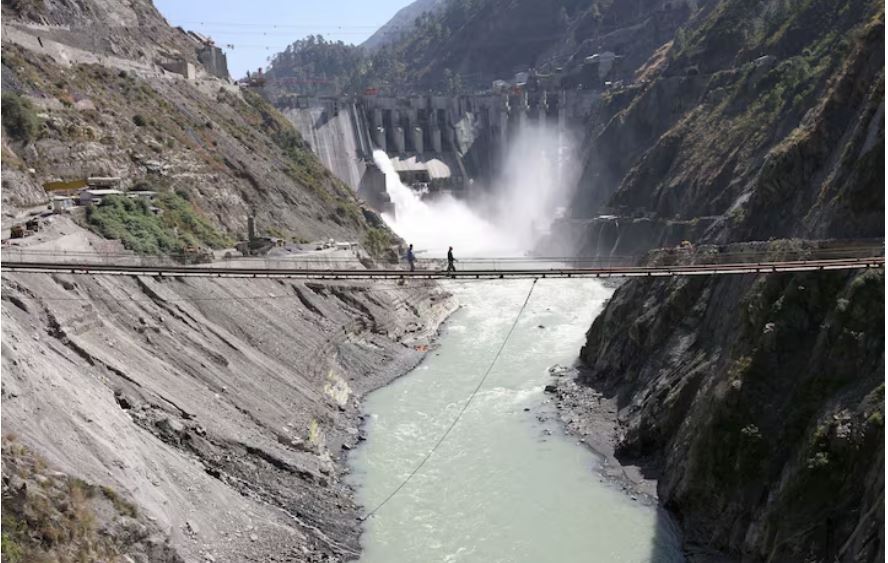
Pakistan ranks 14th most water-stressed. A new report warns governance and farming gaps threaten crops and food security—read more.
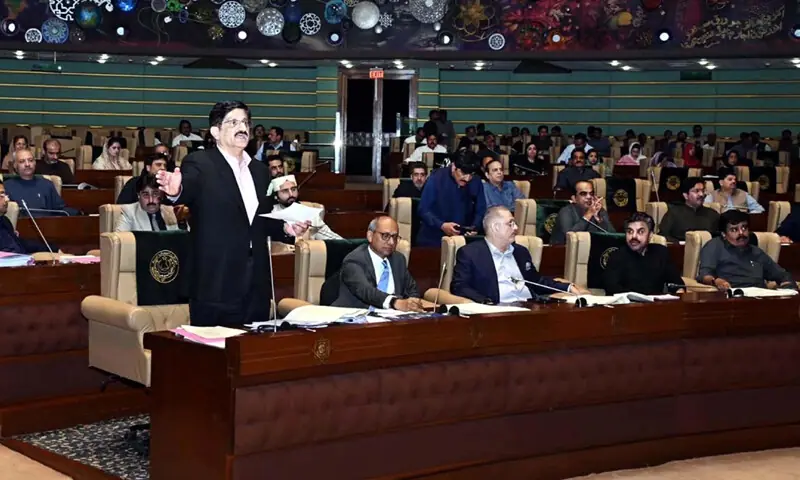
Thanks to its numerical strength in the house, PPP rejects all cut motions of opposition parties; CM Murad calls budget a document of prudent financial discipline.
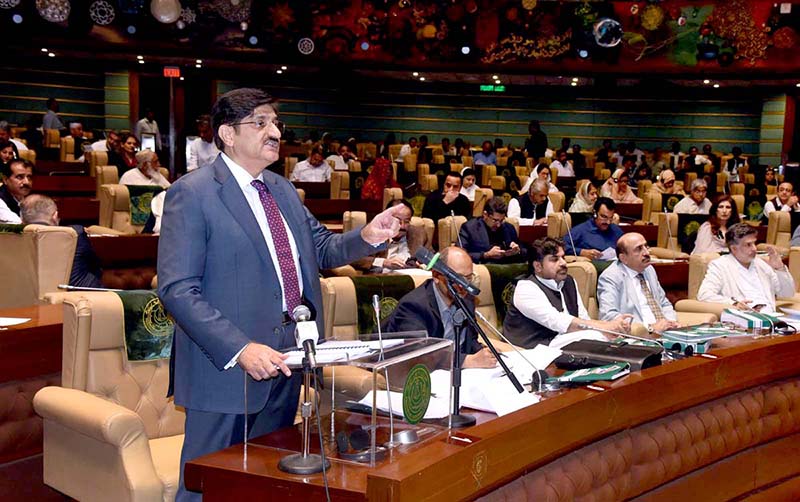
Sindh Assembly approved a Rs3.652 trillion budget for FY2026-27 and supplementary grants of Rs165bn. Finance Bill adds no new taxes.

A country that depends on others to finance its budget, supply its energy, provide critical technologies or provide its strategic resources inevitably finds its room for independent decision-making constrained.
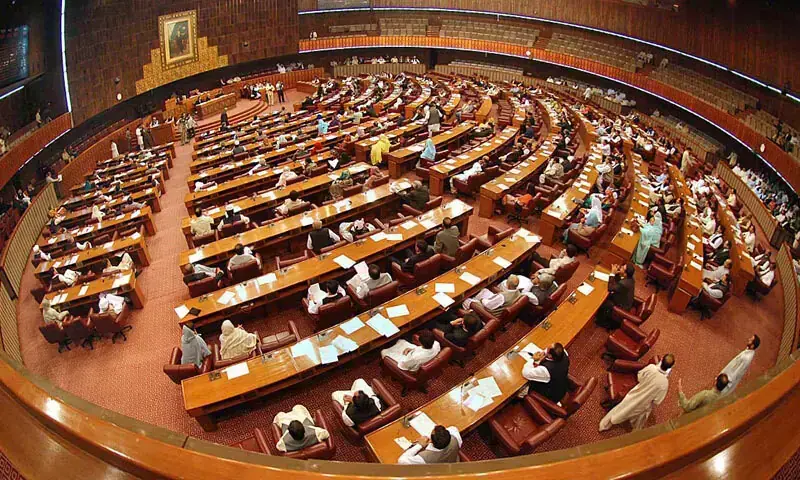
Pakistan's parliament typically has barely two to three weeks for budget debate, compared to seven to eight weeks in India.
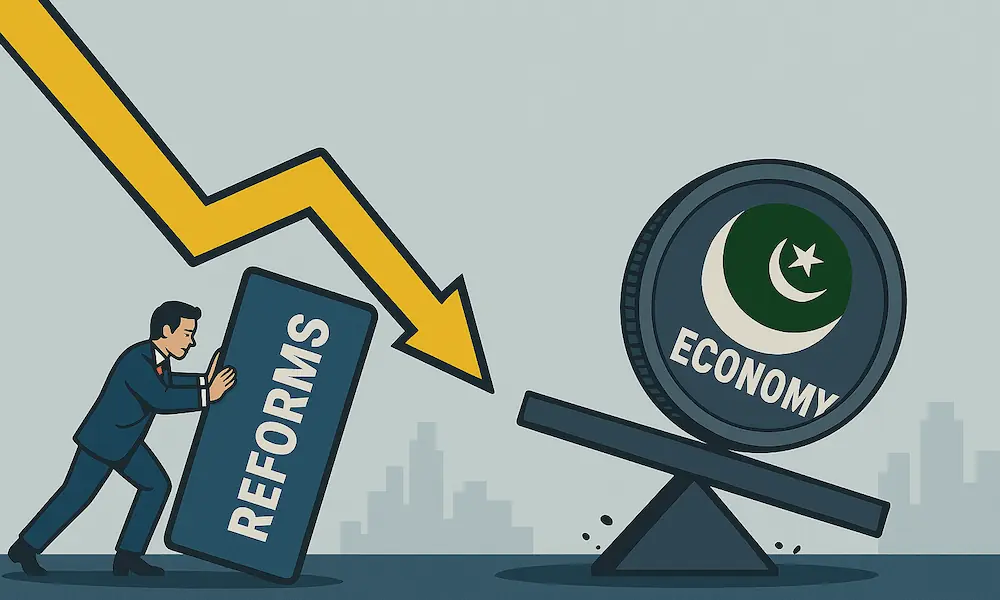
In the absence of a clear, consistent and predictable policy environment, only speculative economic activities tend to flourish, according to Pakistan Policy Dialogue 2026.
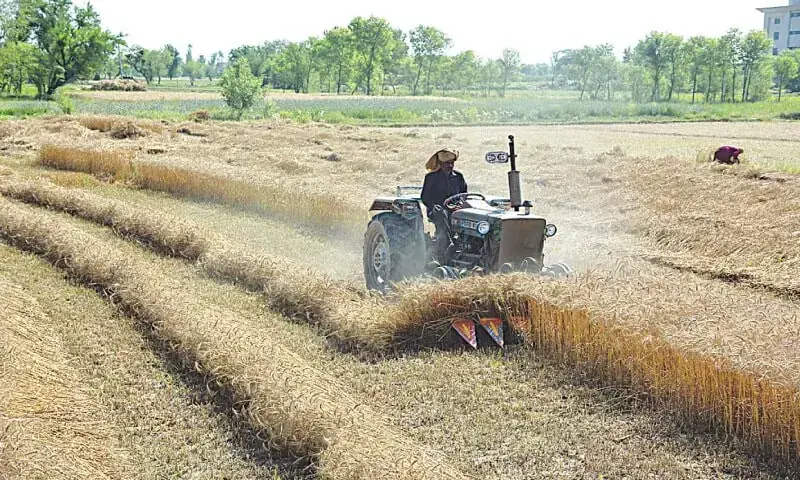
A high tech agri economy cannot be built while farmers face expensive diesel prices, volatile fertiliser markets, and a punitive energy tariff.

AGP audit finds Rs156.5bn Global Fund health grants lost, missed or stalled due to admin failures. Read key findings and recommendations.

Addressing the intertwined challenges of water scarcity, inequitable distribution, and declining irrigation-system efficiency...
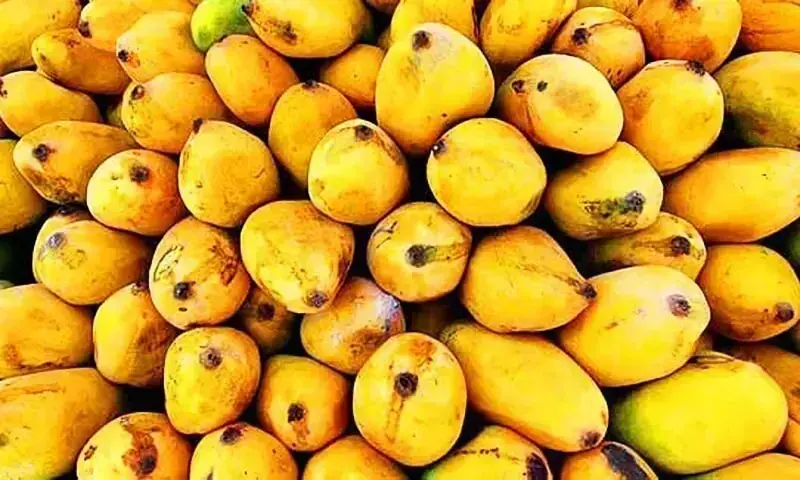
Disease-hit production, difficult marketing conditions, and the war in the Middle East have all contributed to a market glut.

When China disrupted the AI race in 2025 with the release of DeepSeek R1, it erased $1tr from America’s capital...
Beijing’s experience demonstrates how emerging capabilities move from policy signal to pilot project to large-scale industrial
Pakistan needs to shift from using electricity consumption as a proxy to using energy poverty as the guiding principle for policy
Pistachio farmers of California are reaping the benefits of the Iran-US conflict, as the nuts fetched $5.30 a pound...
This year India is on track to pass 1bn active internet users, according to one trade body, up from 622m in 2020,...

Banks, with their $140bn balance sheets, could put in considerably more effort for lending, especially within a productive climate-smart framework.
The movement to rejoin the European Union has rushed from the fringe to the centre, with some 55pc of Britons saying...

The expansion of online freelancing and access to e-commerce platforms has created a new impetus for female financial inclusion.
Zero-tolerance against corruption
Anime is one of Japan’s most popular and valuable exports, with the market almost tripling in size over the last...
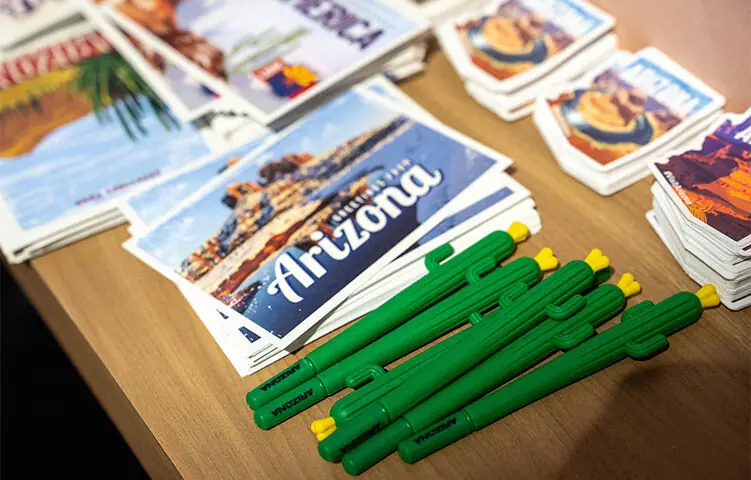
Higher Apple prices

Morning Breeze aims to lessen the load for its readers by curating noteworthy updates from the preceding day.

TDAP faces Rs3.656 billion audit objections over weak controls, recoveries and bank-account lapses. Read the report and proposed fixes.

Jun 3, 2026
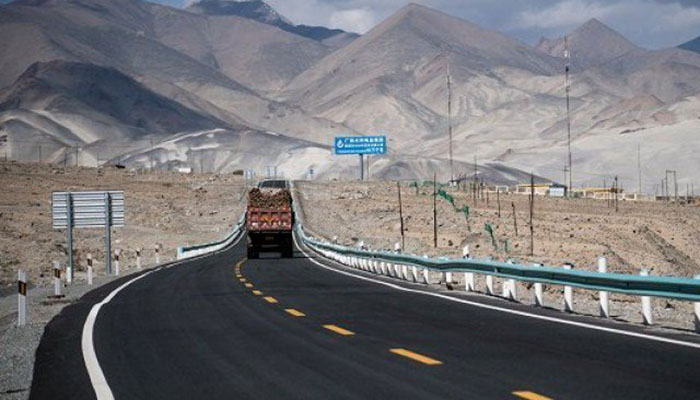
Transport infrastructure projects are set to absorb the largest share of future federal development resources, with major road and railway schemes requiring trillions of rupees for completion over the coming years.

Provincial governments are now spending significantly more on development than the federal government, highlighting the growing role of provinces in driving public-sector investment following the 18th Constitutional Amendment.
Pakistan’s Public Sector Development Programme (PSDP) is facing mounting financial pressure as the cost of completing approved projects continues to rise far beyond the resources available for development spending, prompting the Planning Ministry to warn that the programme is becoming a “new circular debt crisis.”
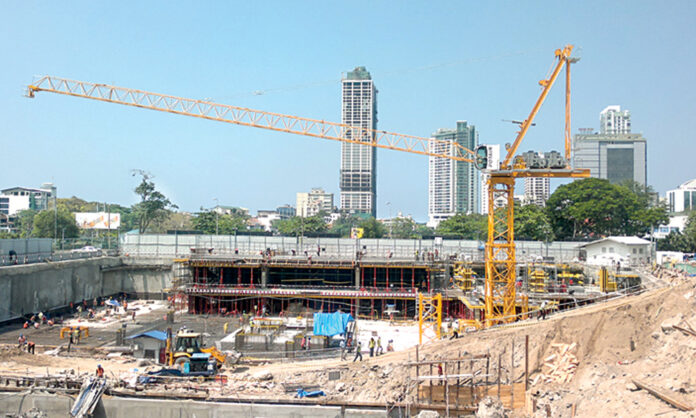
Pakistan’s development project backlog has surged to Rs10.818 trillion, highlighting the growing challenge of completing hundreds of ongoing public-sector schemes amid limited fiscal resources.

Over 9,000 incidents of diesel and electricity theft, along with prolonged power outages, disrupted Pakistan’s telecom infrastructure in the last 11 months, posing a major challenge to the sector, according to Pakistan Telecommunication Authority (PTA) documents available with Wealth Pakistan.

Pakistan's ongoing federal development projects will require about three times the resources currently available under the proposed Public Sector Development Programme (PSDP) framework for FY2026-27, according to official planning documents.
The government has introduced a new project prioritisation framework, known as the “Rockfill Strategy,” to manage mounting development commitments and ensure that limited Public Sector Development Programme (PSDP) resources are directed towards projects with the greatest strategic importance.
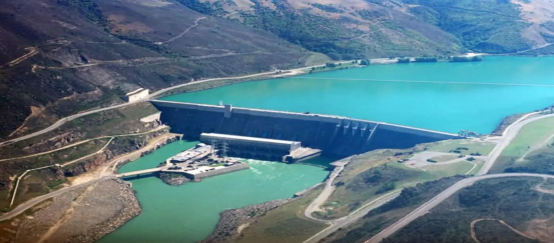
Major water-sector projects, particularly large dams and hydropower schemes, have emerged as one of the biggest contributors to Pakistan’s growing development liabilities, with financing requirements running into hundreds of billions of rupees.
Foreign-funded development projects are placing increasing pressure on Pakistan’s public finances as the government struggles to meet growing rupee-cover requirements needed to support externally financed schemes.
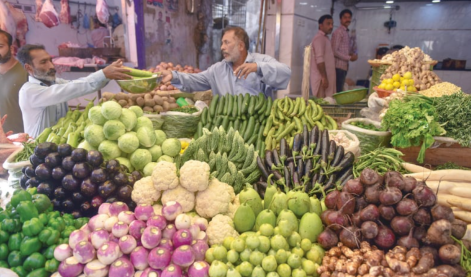
Consumers received some relief in May as prices of several key food items, particularly vegetables and poultry products, declined significantly on a month-on-month basis, according to data released by the Pakistan Bureau of Statistics (PBS).
The federal government continues to allocate significant development resources to projects falling within provincial domains despite the devolution of many sectors under the 18th Constitutional Amendment, according to official planning documents.

Pakistan's digital transformation initiatives continue to receive federal development support despite mounting fiscal pressures and growing competition for limited Public Sector Development Programme (PSDP) resources.
Pakistan’s development spending has failed to keep pace with the expansion of the federal budget and the overall economy over the past decade, raising concerns about the country’s capacity to finance infrastructure and development priorities.
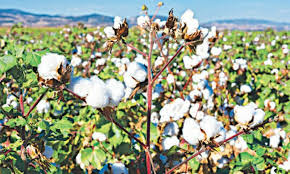
Punjab's cotton crop, the backbone of Pakistan's textile industry, is showing encouraging signs as major pest infestations remain under control and no cases of Cotton Curl Leaf Virus (CCLV) have been detected so far this season, according to the latest official monitoring report.

China’s targeted approach to financing small and medium enterprises (SMEs) offers valuable experience for Pakistan as it seeks to expand affordable credit, strengthen productive sectors and enable smaller businesses to play a larger role in job creation, exports and industrial growth, experts say.

Pakistan’s exploration of blockchain-based sovereign bonds could diversify the country’s debt financing channels, attract a broader pool of investors and modernise capital-market infrastructure, provided the initiative is supported by a robust regulatory framework, strong investor protections and secure digital systems, experts say.
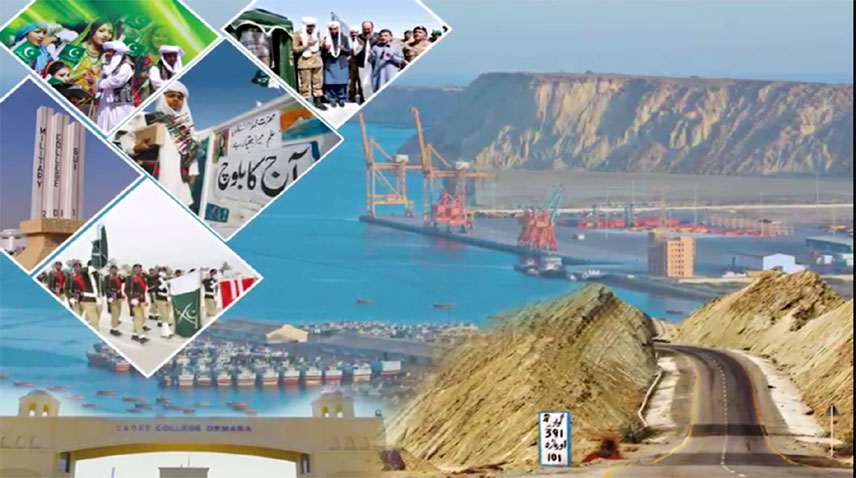
Balochistan is set to remain a major beneficiary of federal development spending in FY2026-27, with dedicated allocations proposed for infrastructure, connectivity and regional development projects despite growing fiscal constraints.
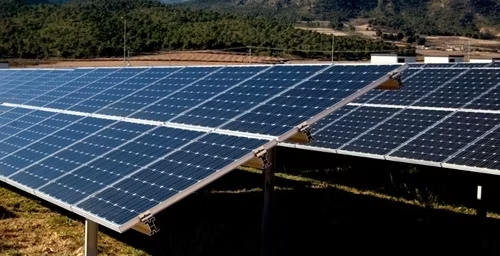
The revision of net metering to net billing will affect only three-phase commercial and industrial consumers, while 90 percent of single-phase consumers will remain unaffected, according to a media brief available with Wealth Pakistan.

Around two million single-phase electricity consumers have registered under a QR code system launched to verify subsidy eligibility, as Pakistan’s residential and agricultural power subsidy bill has reached Rs527 billion.

Jun 2, 2026
The Pakistan Stock Exchange (PSX) extended its strong upward momentum in May 2026, with the benchmark KSE-100 Index gaining 10,969 points month-on-month to close at 173,963, delivering a return of 6.7 percent amid improving investor sentiment and easing geopolitical concerns.
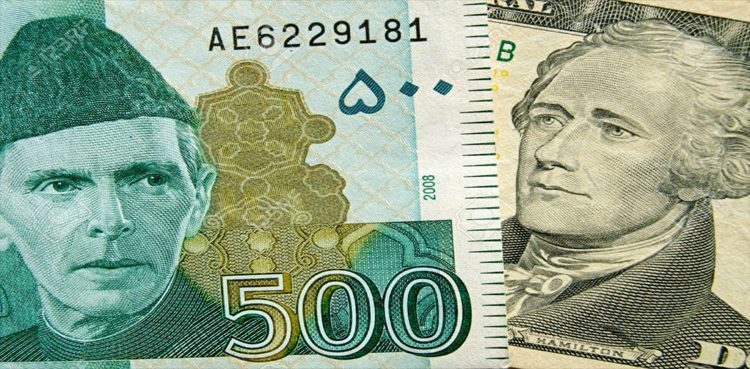
Pakistan’s liquid foreign exchange reserves rose to $22.646 billion by May 22, 2026, reflecting a notable improvement in the country’s external liquidity position and strengthening its capacity to meet external payment obligations.

In a major move, Pakistan Railways (PR) has decided to outsource its nationwide schools network under a long-term Public-Private Partnership (PPP) framework, according to documents available with Wealth Pakistan.

As supply chains across the Asia-Pacific continue to undergo a major realignment, Pakistan is increasingly positioning itself as a regional trade connector, offering alternative transit routes that can reduce delays, diversify trade corridors and enhance resilience against geopolitical and shipping disruptions.
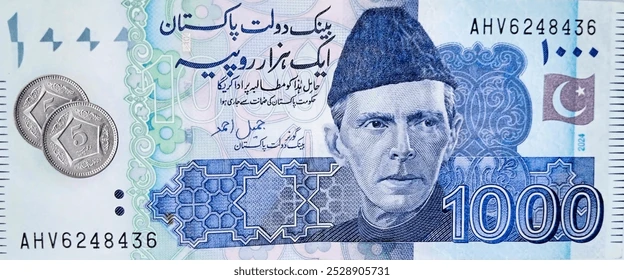
The Pakistani rupee remained broadly stable against major international currencies during May 2026, posting a modest appreciation against the US dollar amid improving foreign exchange reserves and steady market sentiment.

Oil and Gas Development Company Limited (OGDCL) has significantly accelerated the monetisation of its hydrocarbon discoveries, and its latest additions contributed around 9,734 barrels per day (BPD) of oil and 74.25 million standard cubic feet per day (MMSCFD) of gas, representing the strongest production gains during the first 10 months of the fiscal year 2025-26.
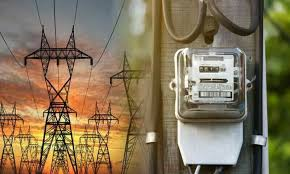
The Ministry of Energy is working on a time-of-use (ToU) electricity package for the industrial sector that would allow manufacturers to utilize surplus daytime power at significantly lower rates, as Pakistan seeks to balance a rapidly changing demand profile driven by large-scale solar adoption.
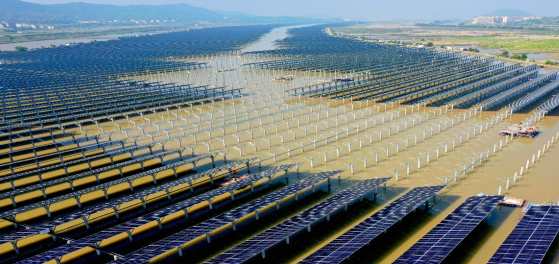
The rapid expansion of Chinese clean-tech financing and overseas green industrial investment is creating fresh opportunities for Pakistan’s Special Economic Zones (SEZs), as the country seeks to attract export-oriented manufacturing, renewable energy equipment production and electric vehicle-related industries.
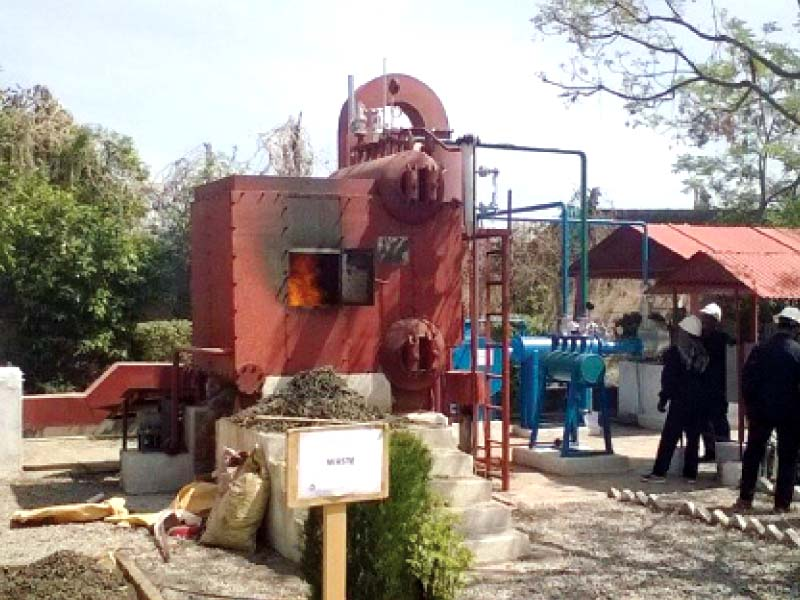
China’s waste-to-energy model offers insights for Pakistan as the country struggles with rising municipal solid waste, weak segregation systems, shrinking landfill space and an energy sector that needs cleaner and locally available generation sources.

The Pakistani rupee extended its marginal gains against the US dollar in the interbank market on Monday.

Gold prices in Pakistan decreased on Monday in line with their loss in the international market. In the local market, gold price per tola reached Rs457,536 after a decline of Rs2,700 during the day.

Power generation in Pakistan reached 14,943 GWh in August 2026, up 5.1% YoY from August 2025.
Food group exports from the country during the first-two months of the current financial year grew by 7.67 percent increase as compared to exports of the corresponding period of the last year.During the period from July-August 2026, food commodities worth $833.023 million were exported as compared t ..
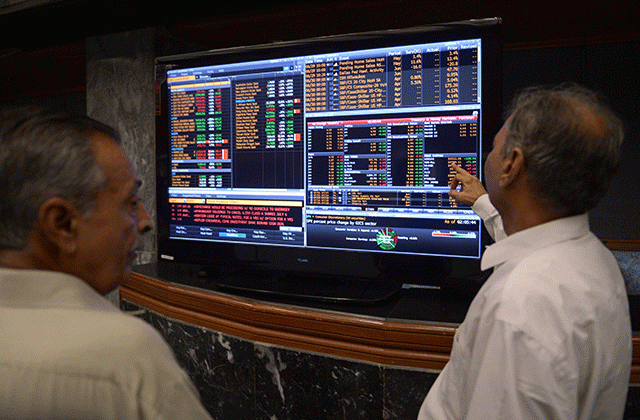
Pakistan equities opened the week on a firmer footing on Monday, with the benchmark KSE-100 index gaining ground as easing oil prices and hopes for diplomatic progress on the Iran conflict encouraged buying interest, although the early rally lost some momentum by midday.
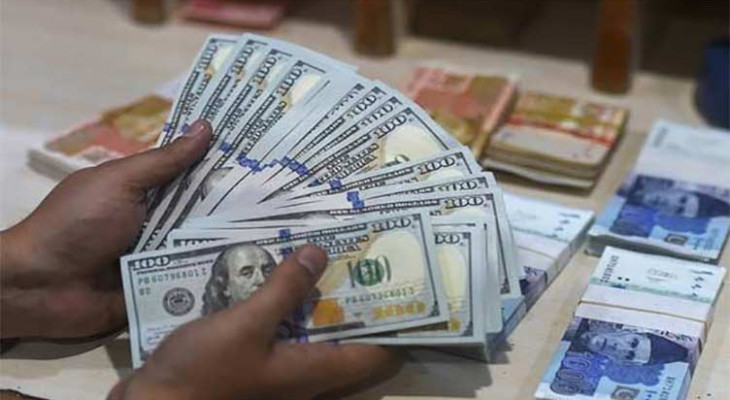
KARACHI, Sep 21 (APP):The following are the selling and buying rates of major currencies issued by the National Bank of Pakistan (NBP), here on Monday.
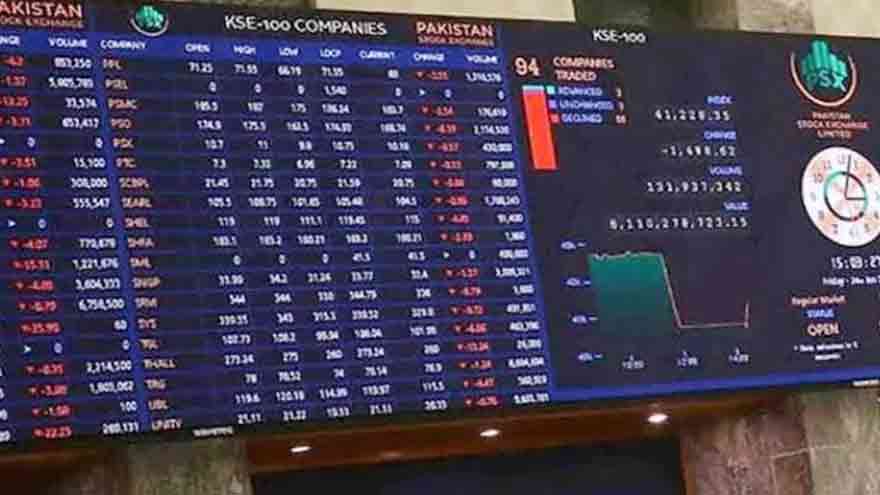
PSX opened the week on a positive note as the KSE-100 Index gained over 800 points to reach 171,732, following an 1,841-point rise in the previous session.
The following are the selling and buying rates of major currencies issued by the National Bank of Pakistan (NBP), here on Monday.CURRENCY SELLING BUYING USD 279.04 276.04GBP 373.40 368.9 ..
CURRENCY SELLING BUYING USD 279.04 276.04GBP 373.40 368.99EUR 320.21 316.44 JPY 1.7768 1.7558 SAR 74.28 73 ..

Foreign exchange rates in Pakistan for today, September 21, 2026

KARACHI, Sep 21 (APP):The Exchange Rates Committee of the Financial Markets Association of Pakistan issued the following Exchange rates bulletin, here on Monday.
Treasury Management Division of National Bank of Pakistan (NBP) on Monday the following exchange rates.CURRENCY SYMBOL T Selling TT Buying US DOLLAR USD 277.65277.15EURO EUR318.61318.04JAPANESE YENJPY1.7680 1.7648BRITISH POUND GBP371.54 370.87SWISS FRANCCHF337.3 ..

Buying interest was observed at the Pakistan Stock Exchange (PSX) on Monday, with the benchmark KSE-100 Index gaining over 200 points during the opening minutes of trading.

Silver price in Pakistan for today, September 21, 2026

Gold price in Pakistan for today, September 21, 2026

Pakistan’s listed auto firms earned Rs28.4 billion in the June quarter, up 39.2% YoY, as vehicle sales, financing and other income surged.

FBR has fixed September minimum sales tax values for locally produced ghee and cooking oil at Rs500 to Rs588 per litre/kg, depending on category.

In a post on X, Khurram Schehzad, an adviser to Finance Minister Muhammad Aurangzeb, said the $316 million foreign investment inflows was the highest monthly level achieved by the country

Pakistan’s foreign direct investment picked up pace in Aug-26, with net inflows reaching USD315.9 million — the highest monthly level in two years. That would be around 80 percent higher year-on-year and 77 percent above July, helped by stronger inflows and lower outflows during the month.
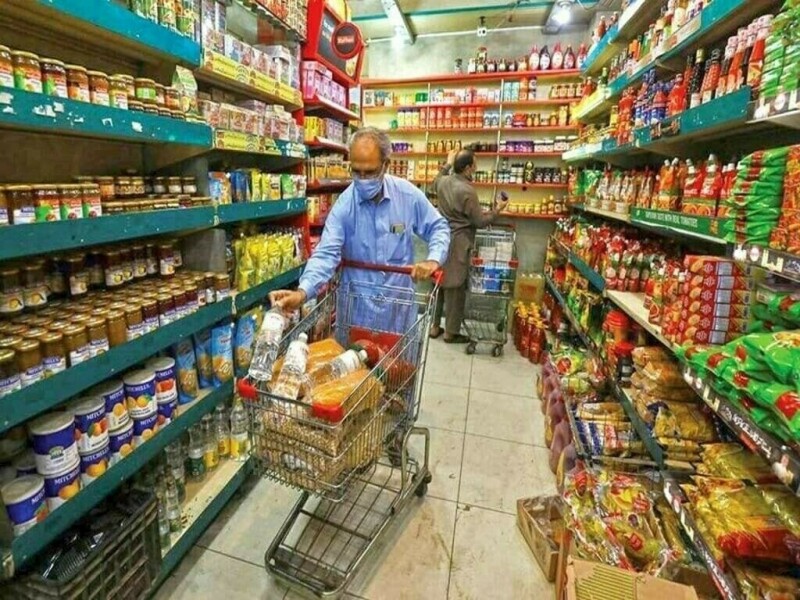
PESHAWAR: Prices of essential food commodities, like flour, sugar, eggs, live chicken, vegetables, pulses, fruits and others have remained firm in the retail market due to rising fuel prices on a daily basis.

KARACHI: Local cotton prices fell sharply on the domestic market, tracking a significant decline in New York cotton futures. Rates dropped by between Rs1,000 and Rs1,200 per maund. Meanwhile, cotton production has risen by 19.17 percent, with Sindh producing 1.528 million bales and Punjab 861,000 bales. A relatively higher supply of phutti (seed cotton) has also pushed its prices down.
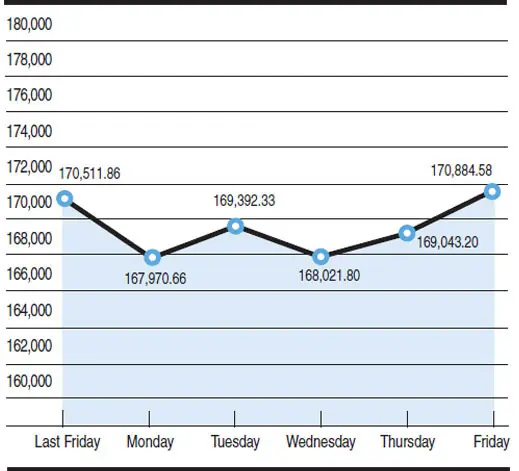
Source: PSX Chart by Mohammad Zeeshan Ali Khan

ISLAMABAD - The output of Large Scale Manufacturing Industries (LSMI) witnessed an increase of 3.03 percent during the month of July 2026 compared to the same month of last year, the Pakistan Bureau of Statistics (PBS) reported. On a month-on-month basis, the LSMI’s production in July 2026 increased by 9.51 per cent when compared with that of June 2026. The provisional quantum indices of Large Scale Manufacturing Industries (LSMI) for July 2026, with the base year 2015-16, have been developed based on the latest data supplied by the source agencies. The main contributors towards overall growth of 3.03% are food (-0.84), beverages (-0.45), tobacco (0.55), textile (-0.53), garments (3.87), petroleum products (0.11), chemicals (-0.50), pharmaceuticals (-1.24), cement (0.36), iron& steel products (-0.47), electrical equipment (0.21), machinery and equipment (-0.03), automobiles (1.91), other transport equipment (0.27), and furniture (0.18). The production in July 2026-27 has posted grow
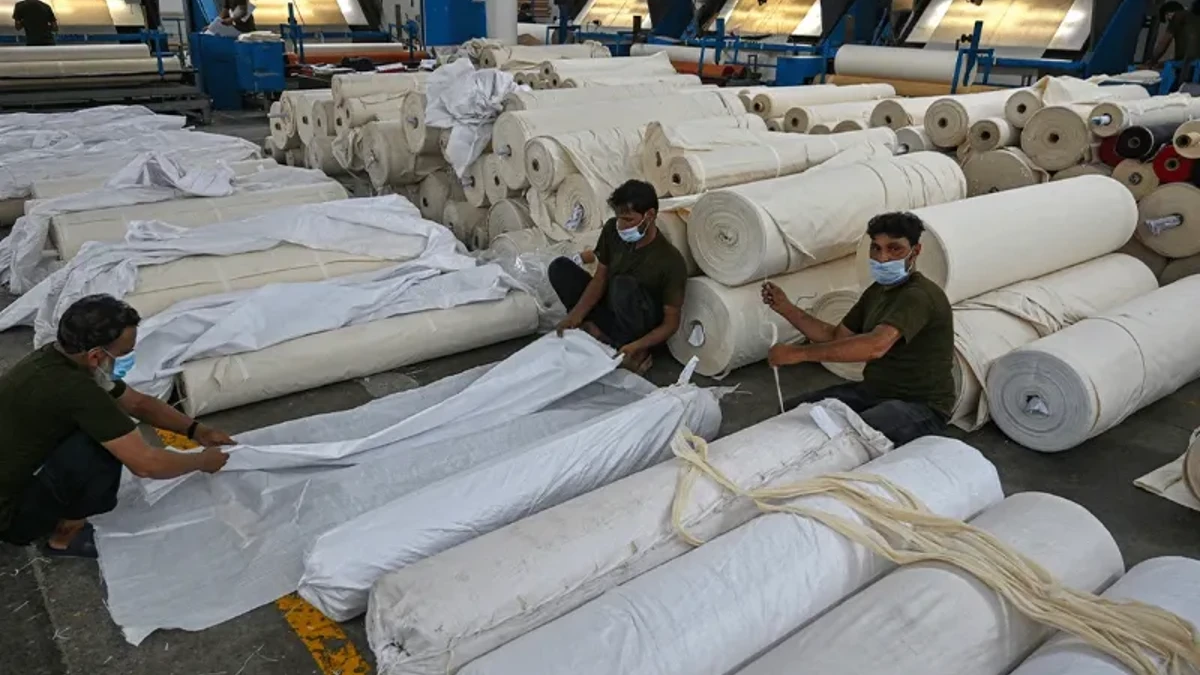
Exports of apparel and home textiles and made-ups increased 1.1% to $14.98 billion, accounting for 83.2% of total textile exports.
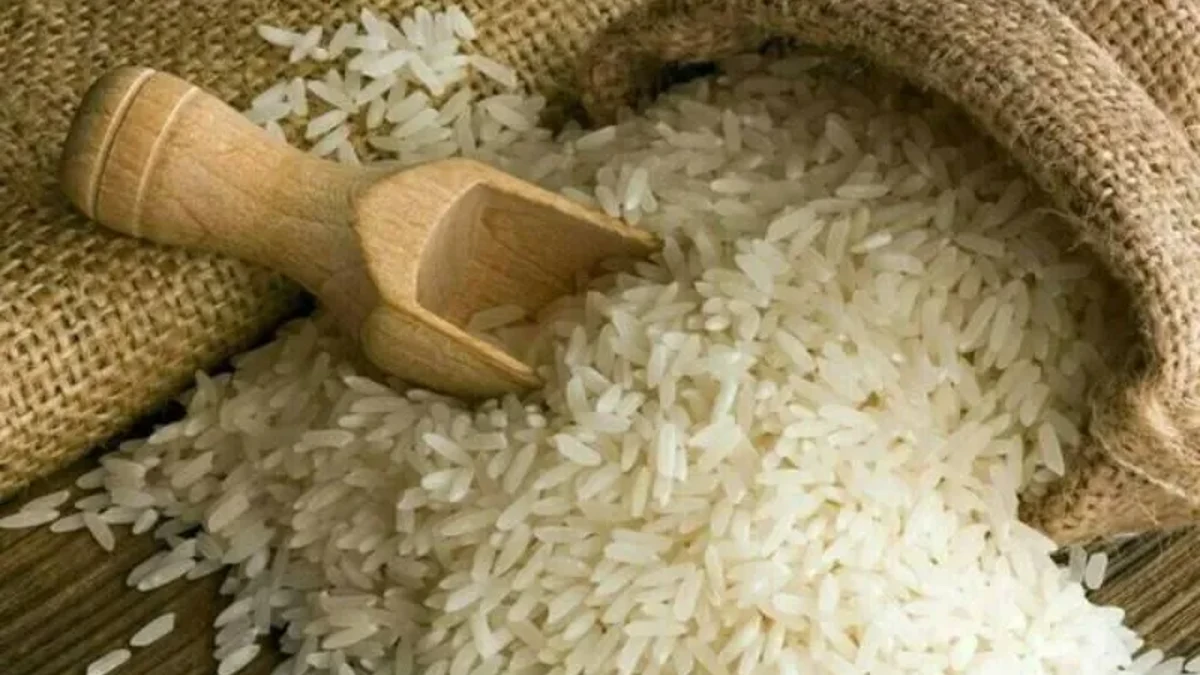
Pakistan’s rice exports increased significantly in August, taking total exports in the first two months of the current financial year to a record level.
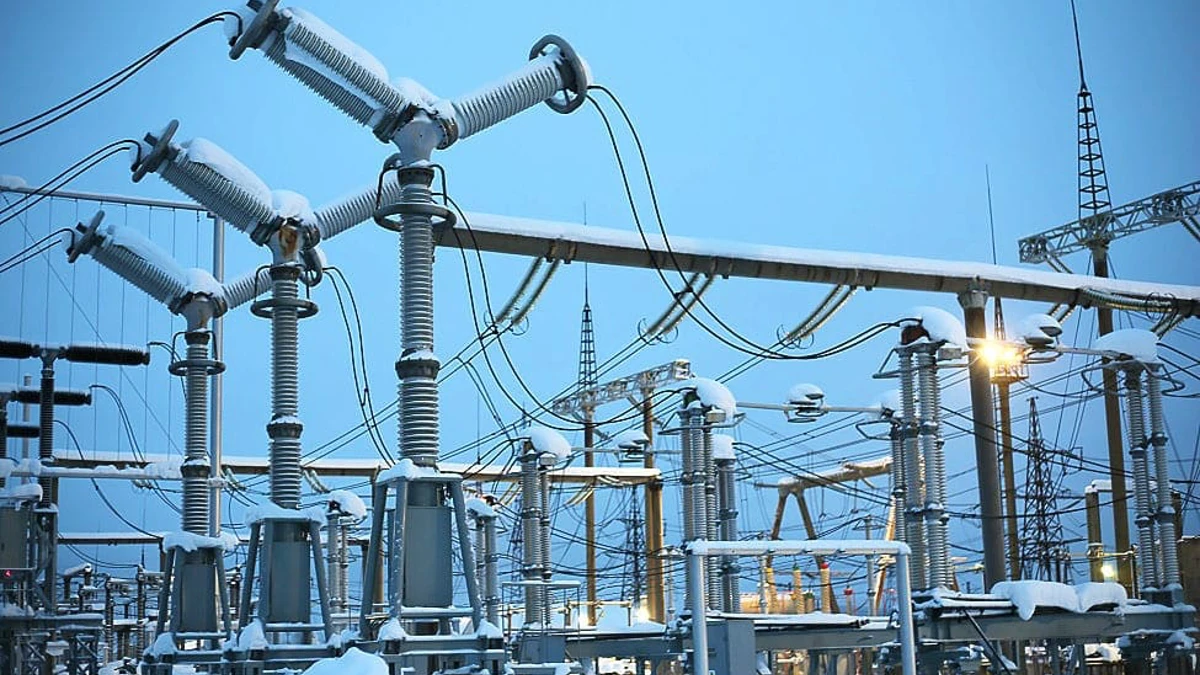
Pakistan's power generation rose 5.1% in August, contrasting with a 38% surge in fuel costs. Hydropower, providing 5,654 GWh, remains the top electricity source.

The KSE-100 index gained 0.22% week-on-week to close at 170,885 points at the Pakistan Stock Exchange (PSX) as geopolitical tensions kept the market under pressure for most of the week before expectations of diplomatic engagements ahead of the UN General Assembly session lifted investor sentiment.
PCGA reports Punjab production jumps 24.7pc and Sindh’s 16.25pc
Index recovers early losses after oil prices ease as supply fears recede

ISLAMABAD - The price of gold witnessed a decline in the local market on Saturday, with the price of 24-karat gold per tola falling by Rs100 to settle at Rs460,236, according to rates issued by the All Pakistan Sarafa Gems and Jewellers Association. Similarly, the price of 10 grams of 24-karat gold decreased by Rs85 to Rs394,578, whereas 10 grams of 22-karat gold declined by Rs78 to Rs361,709. In the international market, the price of gold fell by $1 to $4,377 per ounce, the association reported. Meanwhile, the price of silver per tola decreased by Rs69 to Rs7,100, while the price of 10 grams of silver fell by Rs59 to Rs6,087. The price of silver in the international market also declined by $0.69 to $66.22 per ounce, the association added.