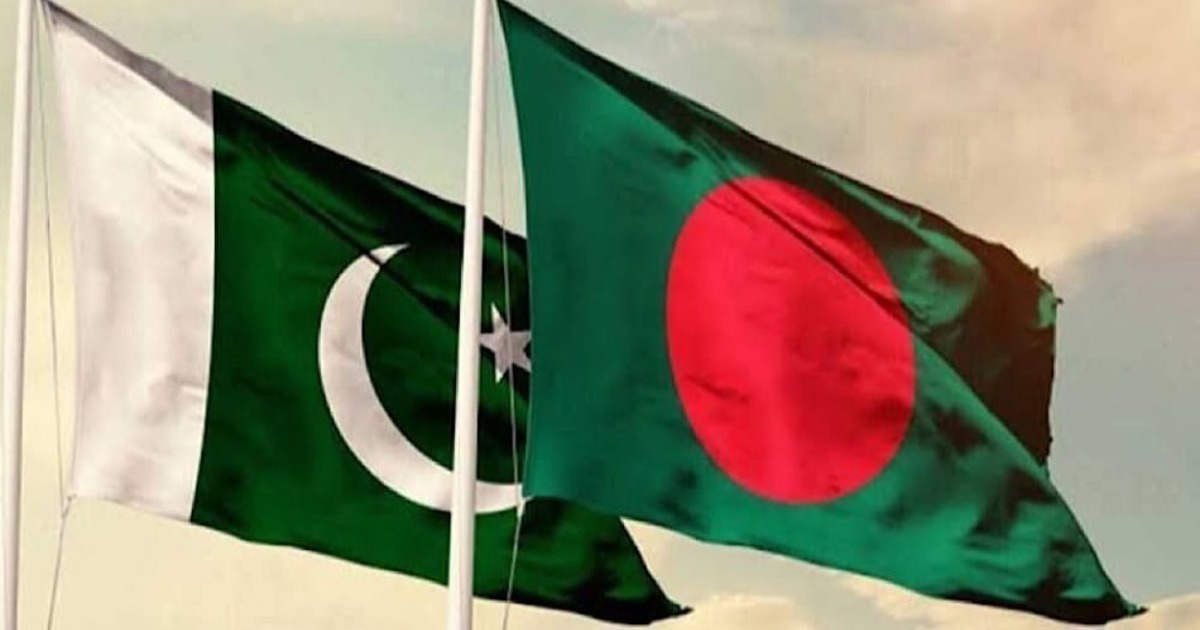
Pakistan, Bangladesh textile bodies plan joint business meetings
Pakistan and Bangladesh are preparing to deepen cooperation between their textile and garment industries through joint business-to-business activities and
Mettis Link News
Pakistan and Bangladesh are preparing to deepen cooperation between their textile and garment industries through joint business-to-business activities and
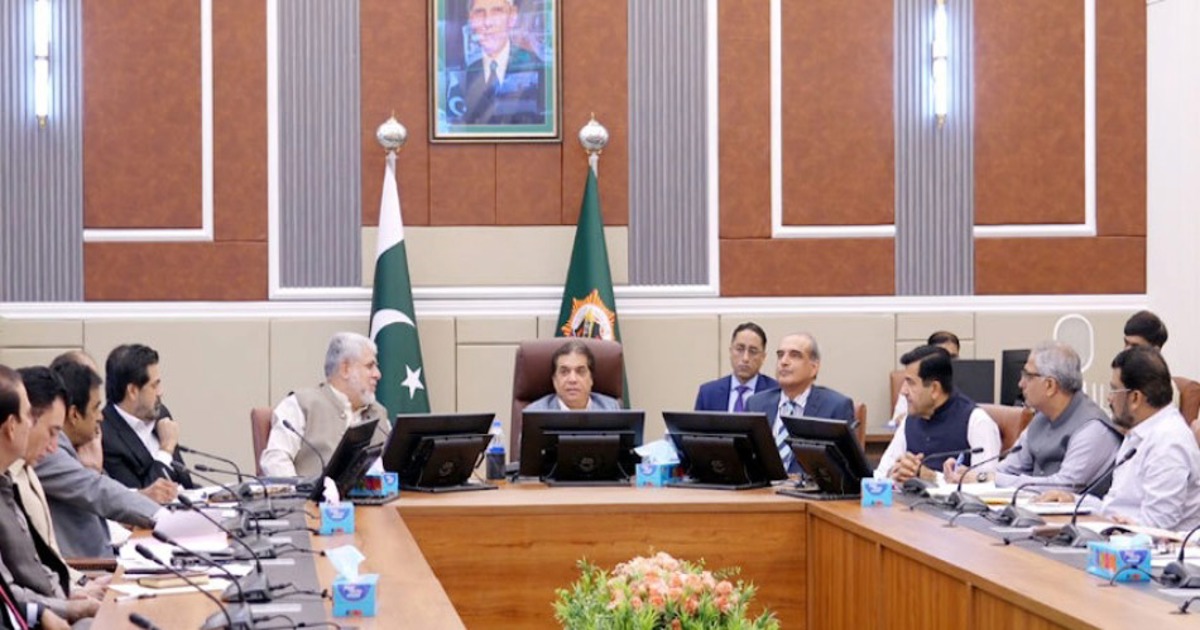
Pakistan Railways earned Rs26 billion during the first quarter, prompting Railways Minister Muhammad Hanif Abbasi to appreciate the administration’s perfo
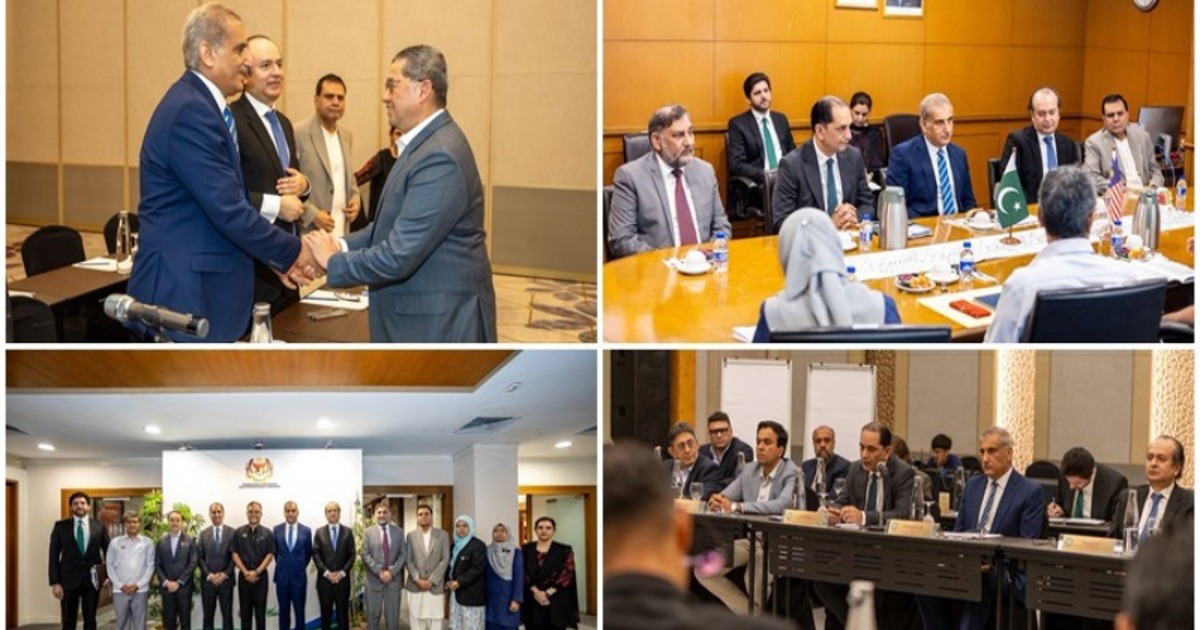
Pakistan and Malaysia have agreed to strengthen cooperation on rice exports, halal certification and agricultural supply chains as Islamabad seeks greater

China's Ministry of Industry and Information Technology has asked major domestic tech firms—including ByteDance and Alibaba—to report their purchasing plans for Nvidia's newly unveiled...

Gold price in Pakistan for today, September 28, 2026
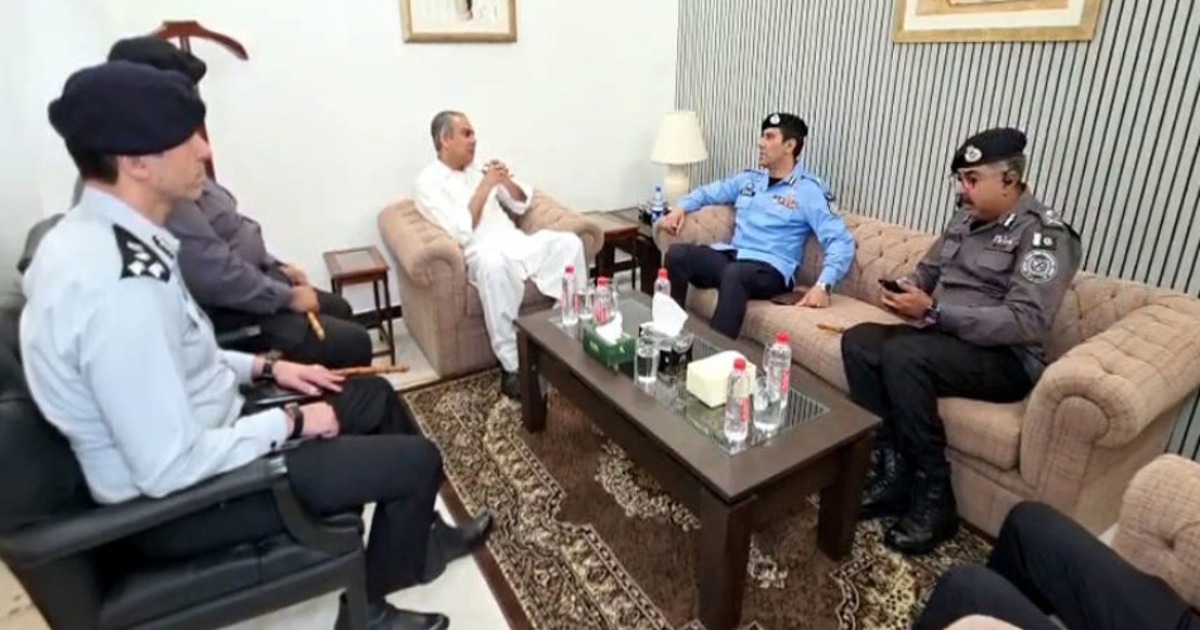
Interior Minister Mohsin Naqvi has directed the National Cyber Crime Investigation Agency (NCCIA) to intensify action against organized networks involved
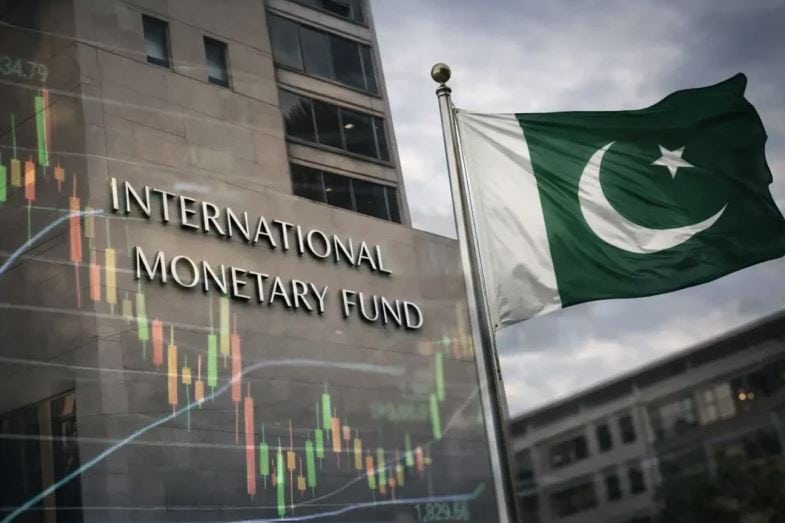
ISLAMABAD – Pakistan and an International Monetary Fund (IMF) staff mission are set to begin formal discussions on the latest reviews of the country’s

Sindh plans to expand its recorded urban property tax base from 397,375 to 2.15m properties under a $150m World Bank-backed programme.
Pakistan has a tax bureaucracy. What it increasingly needs is a rational tax policy. The distinction matters. A good tax policy decides who should pay, according to ability, and how revenue can finance development without destroying productive capacity. A revenue bureaucracy asks a simpler question: where can money be collected quickly enough to meet the target?
Pakistan's digital economy is rapidly becoming an important source of foreign exchange, employment and investment, creating opportunities beyond traditional exports. At a time when the country is seeking to diversify its export base and strengthen its external position, digital services offer an important avenue because they can reach international markets with relatively limited physical infrastructure.
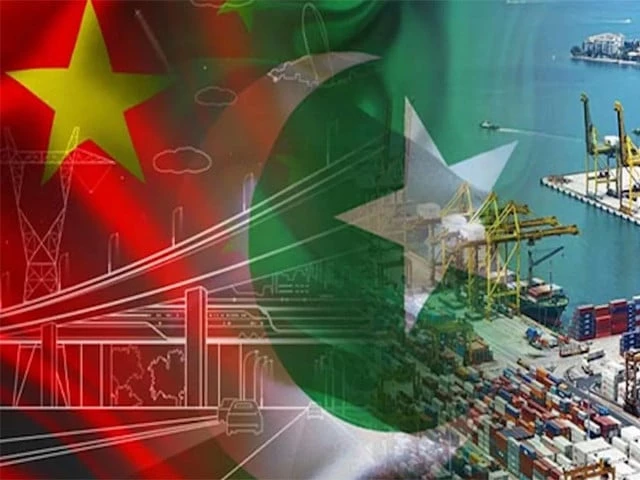
Pakistan is struggling to revive its economy. Despite all efforts and claims, the economy continues to deteriorate. Economic growth is not returning to track. Debt is increasing, rising day by day. Social and development indicators are deteriorating. As a result, the country is searching who can help and how. In this situation, it turns to international financial institutions and friendly countries, and is even considering cryptocurrency as a source of economic revival. However, cryptocurrency is a financial instrument that still has to establish its credibility and can never be a source of economic revival.
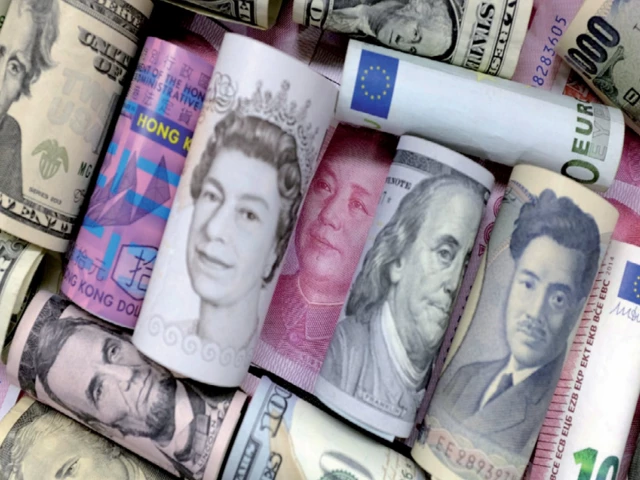
The next global debt crisis may not arrive with the drama of Lehman Brothers. No spectacular market collapse. No single bank failure. Instead, warning signs could appear quietly. A sovereign bond rolled over at a punishing rate. A development project postponed. A health budget squeezed. Or a cash-strapped government forced to spend more on debt servicing than on health and education.

Documented houses, undocumented borrowers
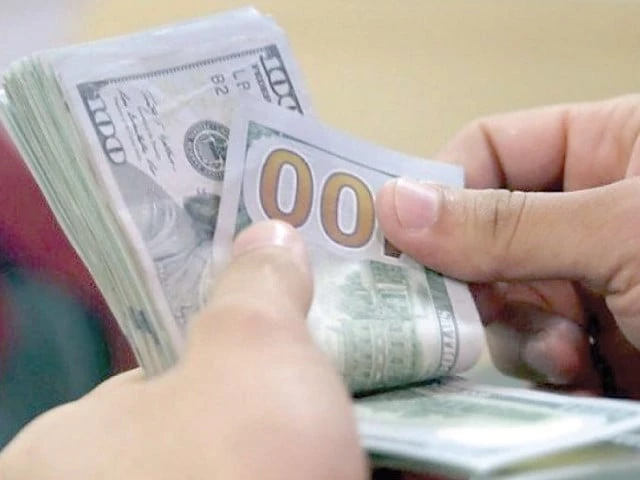
Pakistan's remittance story is no longer a marginal economic footnote. It is one of the country's central macroeconomic pillars. Workers' remittances rose to $41.58 billion in FY2026 from $38.30 billion in FY2025, registering an 8.6% year-on-year increase.

China's automotive industry has set a record this year as vehicle exports have already surpassed last year's total by August. As Chinese automakers expand into emerging markets to offset Western trade barriers and domestic overcapacity, Pakistan has become one of the clearest beneficiaries.

Shaheen Energy and China’s Anton Oilfield Services Group will explore around Rs20bn in gas and upstream energy investments in Pakistan over three to five years.

Pakistan’s seafood exports are growing, but poor processing, weak cold chains and overfishing are keeping the country from capturing higher-value markets.

In Pakistan, as elsewhere in the world, one of the pressing debates relates to the water footprint of data centres.

Fauji Cement’s 50 MWh battery project marks the latest shift as Pakistan’s cement makers pair solar with storage to reduce grid reliance and power costs.

Scammers are using AI-generated videos, cloned voices and fake websites to impersonate Arif Habib and promote fraudulent investment schemes in Pakistan.
Pakistan and the IMF are set to begin reviews of the $7bn EFF and RSF programmes, with successful completion expected to unlock about $1.2bn in financing.
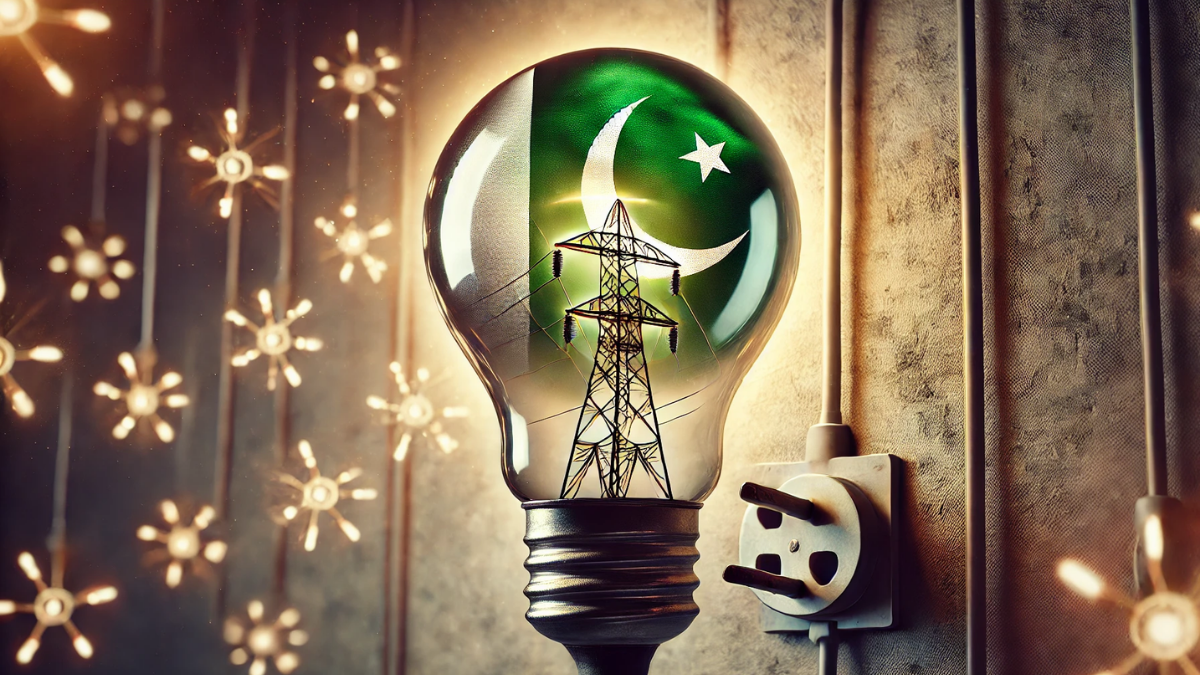
Pakistan moves to privatise FESCO, GEPCO and IESCO as investors line up, but binding bids, valuations and the post-sale regulatory framework remain ahead.

The next phase of Pakistan's reset must therefore move beyond repairing what is broken.
Sazgar outlines upcoming Canon Alpha, P500, TANK300, Haval H7 and Jolion Max launches, alongside plans to introduce ArcFox electric vehicles in Pakistan.
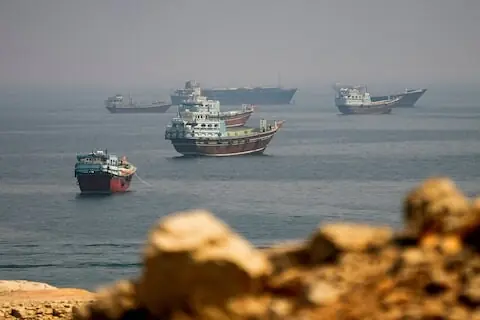
SINGAPORE: Crude oil exports from key Middle East producers rebounded in September to 12.8 million barrels per day, the highest since the US-Israeli war with Iran started in February, data from Kpler showed on Monday, as Saudi Arabia and the United Arab Emirates boosted exports.

HONG KONG: The dollar inched higher to hold near a two-month high on Monday, as the US-Iran standoff continued to push up oil prices while investors looked ahead to a data-packed week for more clues on inflation and central banks’ moves.
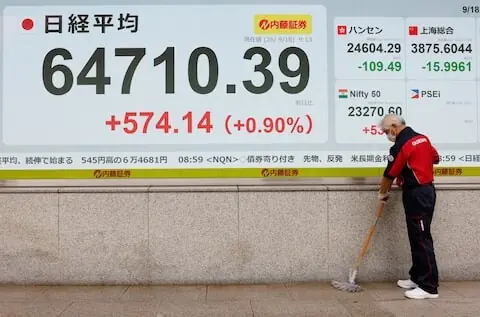
SYDNEY: Share markets were mostly lower on Monday as oil prices popped higher again amid doubts the United States and Iran will reach a truce anytime soon, keeping bonds under pressure ahead of a week packed with economic news.
The Rawalpindi Chamber of Commerce and Industry (RCCI) on Sunday demanded Federal Board of Revenue (FBR) to extend the deadline for filing income tax returns, citing severe technical glitches and system slow-downs on the online IRIS portal.In a statement, RCCI President Usman Shaukat highlighted tha ..
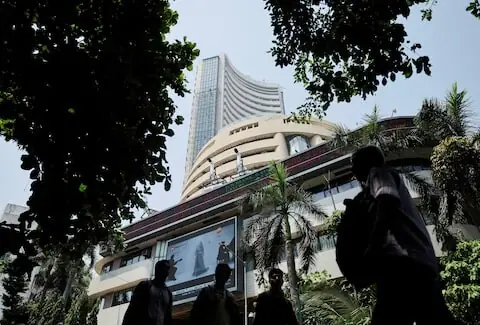
Indian shares were set for a subdued open on Monday, with investors remaining cautious after the benchmark indexes’ longest weekly losing streak since 2020 as oil prices rose following a stalemate in US-Iran peace talks.

Petroleum Minister Ali Pervaiz Malik says the government may continue its petrol subsidy for up to 10 months, with monthly spending of Rs35-40 billion.

Pakistan's exchange rate stability is increasingly being driven by stronger economic fundamentals rather than temporary administrative measures, with improvements in the country's external account, fiscal management and energy sector reducing pressure on the rupee, according to a new research report.
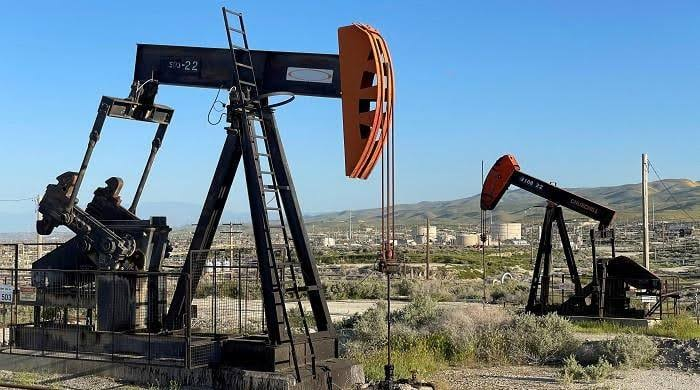
Pakistan has set higher production targets for crude oil, natural gas and LPG for the financial year 2026-27 as part of a broader strategy aimed at strengthening indigenous energy production, reducing import dependence and improving energy infrastructure resilience.
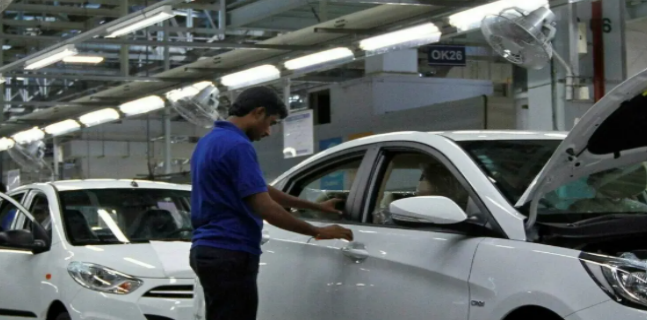
Pakistan has set a target for new energy vehicles (NEVs) to account for 30% of total new vehicle sales by 2030, with the government aiming to deploy around 2.2 million NEVs under its newly launched New Energy Vehicle (NEV) Policy 2025-30.
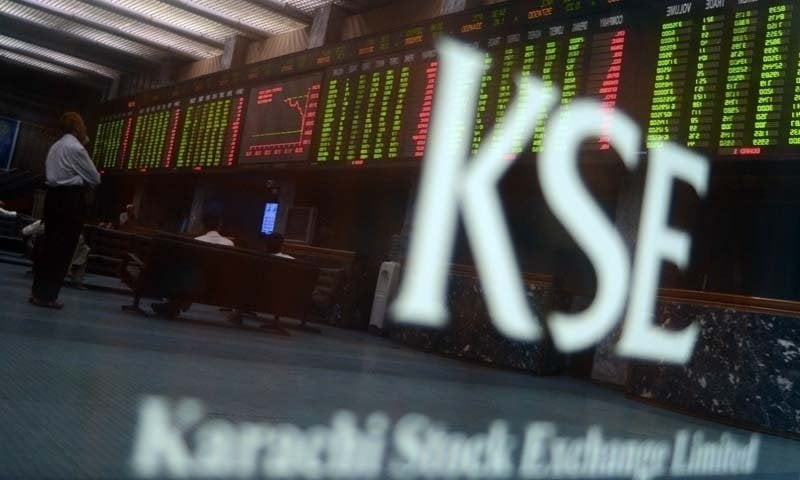
The Pakistan Stock Exchange (PSX) extended its rally during the outgoing week, with the benchmark KSE-100 Index gaining 5,801 points, or 3.23% week-on-week, to close at 185,372 points as easing geopolitical tensions in the Middle East pushed international oil prices lower and strengthened expectations of improving macroeconomic conditions.

The government is planning to establish a Rs9.8 billion footwear industrial hub near Lahore in a bid to attract foreign investment from the Kingdom of Saudi Arabia and other countries.
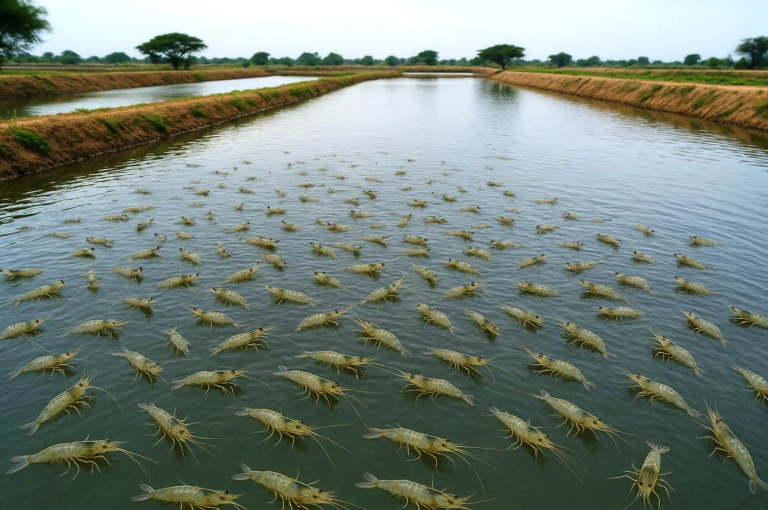
In a bid to secure a reasonable share of the growing global seafood market, particularly in quality-conscious European markets, the Punjab government plans to develop a new export-oriented aquaculture ecosystem through the establishment of three shrimp farming estates in the districts of Muzaffargarh and Sargodha.

Pakistan's proposed Automotive & Auto Parts Manufacturing Policy 2026-31 has entered the final stage of formulation, with the government seeking to strengthen local manufacturing, increase domestic value addition and accelerate the adoption of New Energy Vehicles (NEVs) under a long-term framework for the automotive sector.

Pakistan's telecom infrastructure came under sustained attacks over the past year, with at least 287 incidents of theft and vandalism recorded across four high-risk districts. Bannu alone accounted for nearly two-thirds of the cases.
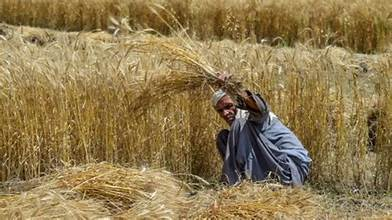
Pakistan's wheat production rose to 29.61 million metric tons in 2025-26 as government reforms over the past two years boosted cultivation, improved access to quality inputs and strengthened farmer confidence.
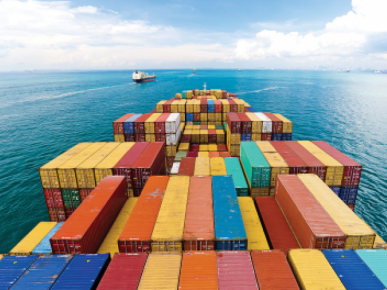
Pakistan's merchandise trade deficit widened sharply to $4.53 billion in June 2026, as exports declined while imports surged on both a monthly and annual basis, according to provisional data released by the Pakistan Bureau of Statistics (PBS).
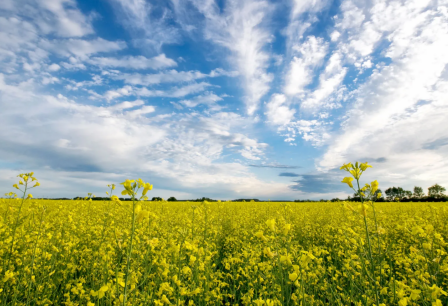
Pakistan's oilseed sector has delivered one of its strongest performances in recent years, with edible oil production from major oilseed crops rising by 30% in 2025-26 despite only a modest 4% increase in cultivated area, reflecting significant improvements in crop productivity and a growing shift by farmers towards more profitable oilseed cultivation.

Pakistan's edible oil and oilseed import bill continued its upward trajectory during the first 11 months (July–May) of FY2025–26, rising by 11.1% year-on-year to US$5.522 billion, compared with US$4.971 billion in the corresponding period of FY2024–25, according to the official data available with Wealth Pakistan.
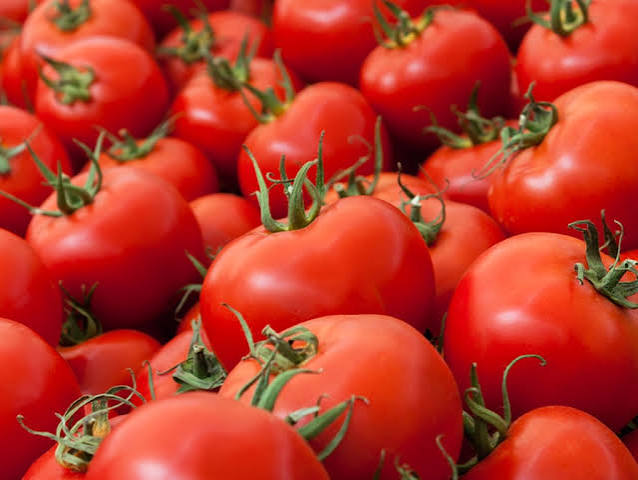
Scientists at the Vegetable Research Institute (VRI), Faisalabad, are developing high-yielding, heat-tolerant local tomato varieties to help reduce recurring shortages of this important kitchen crop in Pakistan.
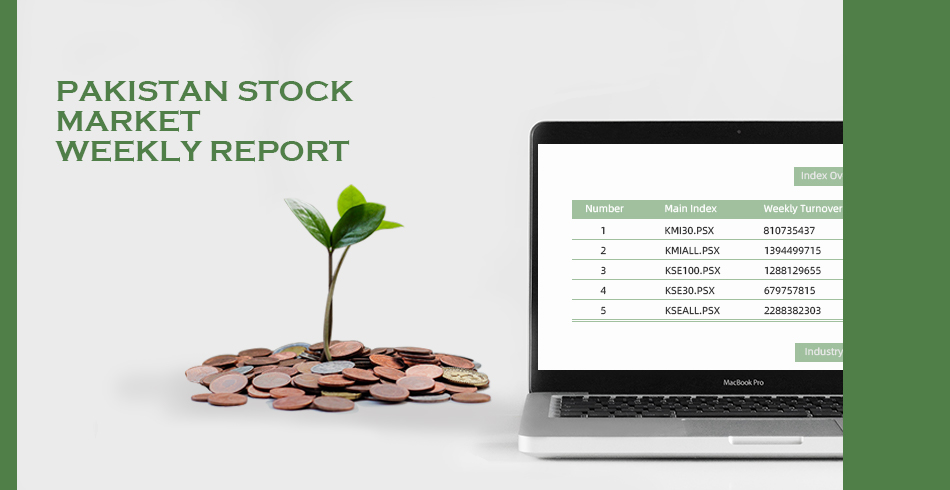
Weekly Review of Stock Market (2026.06.29-2026.07.03)

Jul 6, 2026
ISLAMABAD, July 02 (INP-Wealth Pakistan) -- Pakistan's economic outlook for FY2026-27 has improved as easing geopolitical tensions, moderating global oil prices and continued implementation of economic reforms are expected to strengthen growth while preserving macroeconomic stability, according to the Finance Division.
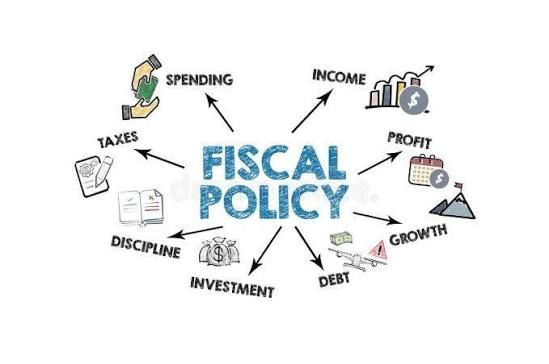
ISLAMABAD, July 02 (INP-Wealth Pakistan) -- Pakistan significantly improved its fiscal position during FY2025-26, with the budget deficit narrowing to 1.1% of GDP during July-April as stronger revenue collection, prudent expenditure management and lower debt servicing costs strengthened the country's macroeconomic stability.
ISLAMABAD, July 02 (INP-Wealth Pakistan) -- Pakistan's economy expanded to $452.1 billion in FY2025-26, while real GDP growth accelerated to 3.7%, the highest in four years, reflecting improving macroeconomic stability, broad-based economic recovery and stronger investor confidence, according to the Finance Division's Monthly Economic Update & Outlook (June 2026).
ISLAMABAD, July 02 (INP-Wealth Pakistan) -- Pakistan witnessed a sharp increase in new business formation during FY2025-26, with company registrations rising by nearly 25%, reflecting improving investor confidence and a more stable economic environment, according to the Finance Division.

ISLAMABAD, July 02 (INP-Wealth Pakistan) -- Pakistan’s agriculture sector is targeted to grow by 3.6% in the fiscal year 2026-27, up from 2.9% growth recorded during FY26 despite flood damage, according to the Monthly Economic Update & Outlook, June 2026, released by the Finance Division.

ISLAMABAD, July 02 (INP-Wealth Pakistan) -- Pakistan is expected to enter FY2026-27 with stronger economic momentum as easing geopolitical tensions, moderating global energy prices and continued structural reforms create a more supportive environment for sustainable growth, according to the Finance Division.
ISLAMABAD, July 02 (INP-Wealth Pakistan) -- Pakistan's stable monetary policy stance, improving liquidity conditions and rising private sector credit are expected to encourage business investment and support economic growth during FY2026-27, according to the Finance Division.

ISLAMABAD, July 02 (INP-Wealth Pakistan) -- Pakistan's rapidly growing information technology (IT) exports and record workers' remittances are expected to provide a stronger cushion against external shocks and support the country's balance of payments during FY2026-27, according to the Finance Division.
ISLAMABAD, July 02 (INP-Wealth Pakistan) -- Pakistan's petroleum product (POL) sales moderated in April 2026 after reaching a four-month high in March, with the transport sector retaining its position as the country's largest fuel consumer, according to data released by the State Bank of Pakistan (SBP).
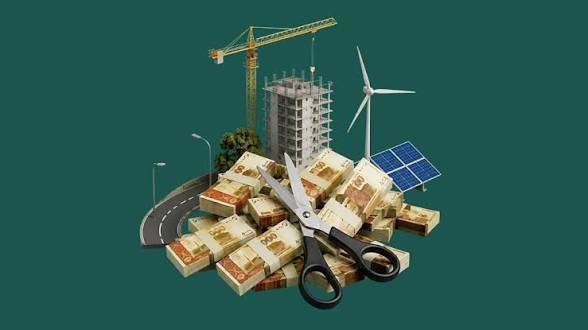
ISLAMABAD, July 01 (INP-Wealth Pakistan) -- Pakistan's improved fiscal management is creating greater room for development spending, with a sharp decline in debt servicing costs enabling the government to maintain investment in priority sectors while reducing the overall budget deficit, according to the Finance Division.

ISLAMABAD, July 02 (INP-Wealth Pakistan) -- Pakistan's external sector strengthened further during FY2025-26 as the country recorded a current account surplus of $255 million during July-May, supported by record workers' remittances, robust growth in information technology (IT) exports and improved foreign exchange reserves.
ISLAMABAD, July 02 (INP-Wealth Pakistan) -- Pakistan's improved fiscal position is reducing the government's reliance on bank borrowing, creating greater space for private sector credit and investment as the economy enters FY2026-27, according to the Finance Division.

ISLAMABAD, July 02 (INP-Wealth Pakistan) -- Pakistan's power and financial services sectors attracted the largest share of foreign direct investment (FDI) during FY2025-26, highlighting continued investor interest in key areas of the economy despite global economic uncertainties, according to the Finance Division.

ISLAMABAD, July 02 (INP-Wealth Pakistan) -- Pakistan's drive to modernise agriculture gathered momentum during FY2025-26 as imports of agricultural machinery and implements increased by nearly 25%, complementing higher farm credit and supporting efforts to improve productivity and climate resilience, according to the Finance Division.
ISLAMABAD, July 02 (INP-Wealth Pakistan) -- Pakistan's inflationary pressures are expected to ease in the coming months as declining international oil prices, improving external conditions and prudent monetary management help moderate domestic fuel costs and support overall price stability.

Silver price in Pakistan for today, September 21, 2026

Gold price in Pakistan for today, September 21, 2026

Pakistan’s listed auto firms earned Rs28.4 billion in the June quarter, up 39.2% YoY, as vehicle sales, financing and other income surged.

FBR has fixed September minimum sales tax values for locally produced ghee and cooking oil at Rs500 to Rs588 per litre/kg, depending on category.

In a post on X, Khurram Schehzad, an adviser to Finance Minister Muhammad Aurangzeb, said the $316 million foreign investment inflows was the highest monthly level achieved by the country

Pakistan’s foreign direct investment picked up pace in Aug-26, with net inflows reaching USD315.9 million — the highest monthly level in two years. That would be around 80 percent higher year-on-year and 77 percent above July, helped by stronger inflows and lower outflows during the month.
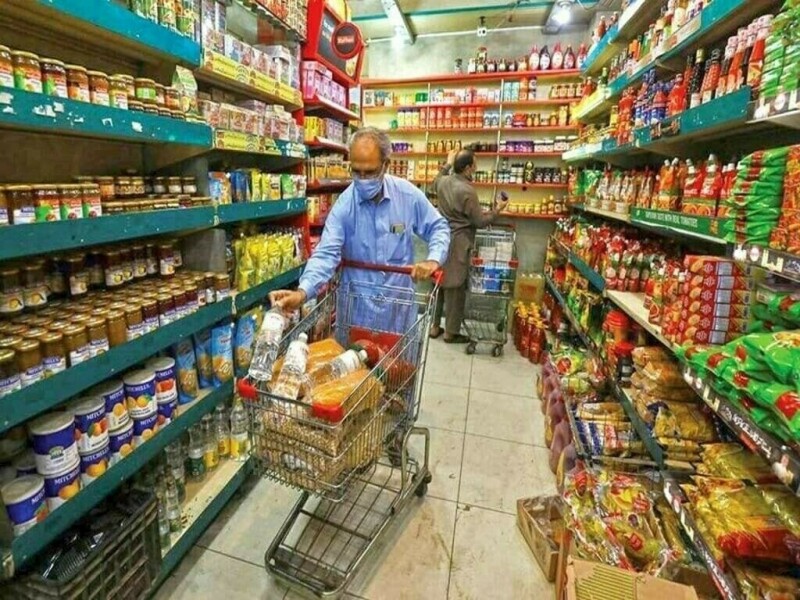
PESHAWAR: Prices of essential food commodities, like flour, sugar, eggs, live chicken, vegetables, pulses, fruits and others have remained firm in the retail market due to rising fuel prices on a daily basis.

KARACHI: Local cotton prices fell sharply on the domestic market, tracking a significant decline in New York cotton futures. Rates dropped by between Rs1,000 and Rs1,200 per maund. Meanwhile, cotton production has risen by 19.17 percent, with Sindh producing 1.528 million bales and Punjab 861,000 bales. A relatively higher supply of phutti (seed cotton) has also pushed its prices down.
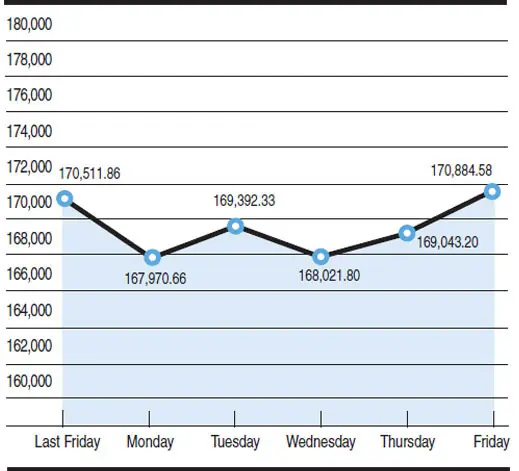
Source: PSX Chart by Mohammad Zeeshan Ali Khan

ISLAMABAD - The output of Large Scale Manufacturing Industries (LSMI) witnessed an increase of 3.03 percent during the month of July 2026 compared to the same month of last year, the Pakistan Bureau of Statistics (PBS) reported. On a month-on-month basis, the LSMI’s production in July 2026 increased by 9.51 per cent when compared with that of June 2026. The provisional quantum indices of Large Scale Manufacturing Industries (LSMI) for July 2026, with the base year 2015-16, have been developed based on the latest data supplied by the source agencies. The main contributors towards overall growth of 3.03% are food (-0.84), beverages (-0.45), tobacco (0.55), textile (-0.53), garments (3.87), petroleum products (0.11), chemicals (-0.50), pharmaceuticals (-1.24), cement (0.36), iron& steel products (-0.47), electrical equipment (0.21), machinery and equipment (-0.03), automobiles (1.91), other transport equipment (0.27), and furniture (0.18). The production in July 2026-27 has posted grow
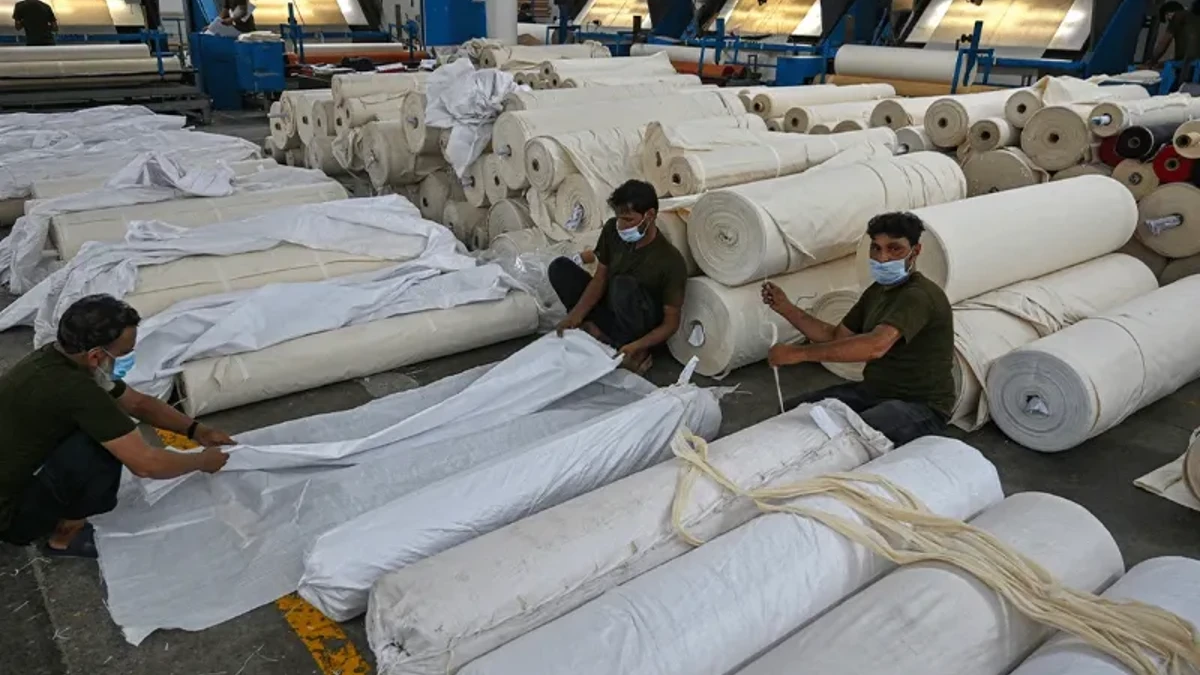
Exports of apparel and home textiles and made-ups increased 1.1% to $14.98 billion, accounting for 83.2% of total textile exports.
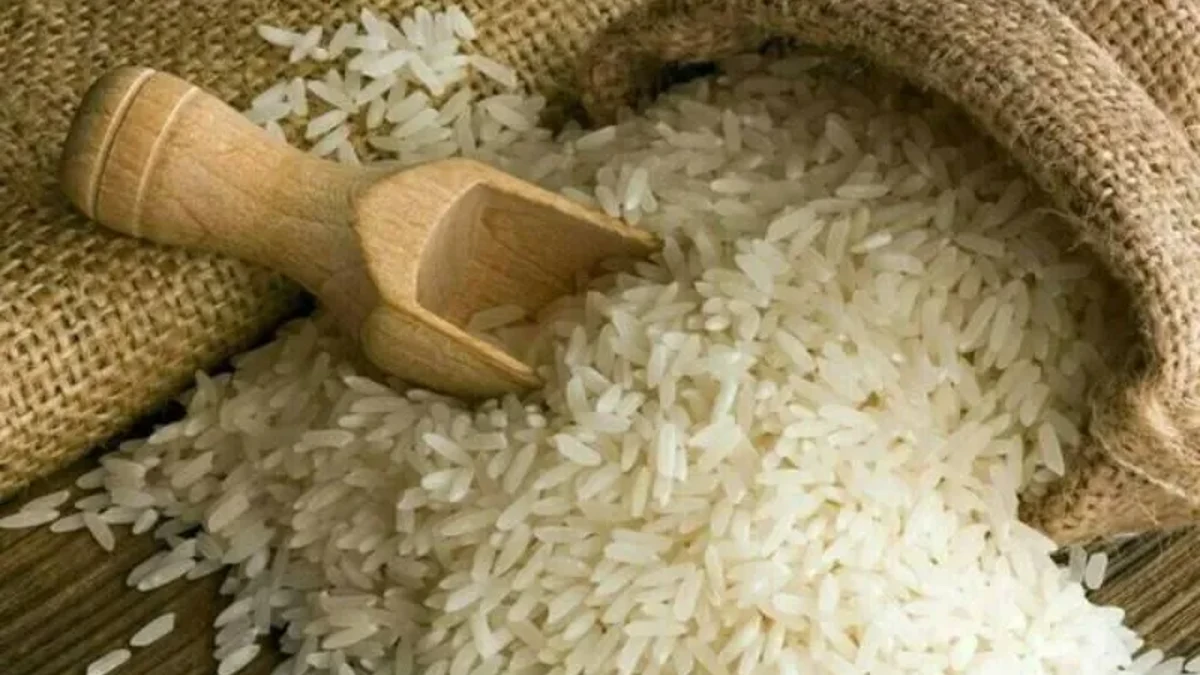
Pakistan’s rice exports increased significantly in August, taking total exports in the first two months of the current financial year to a record level.
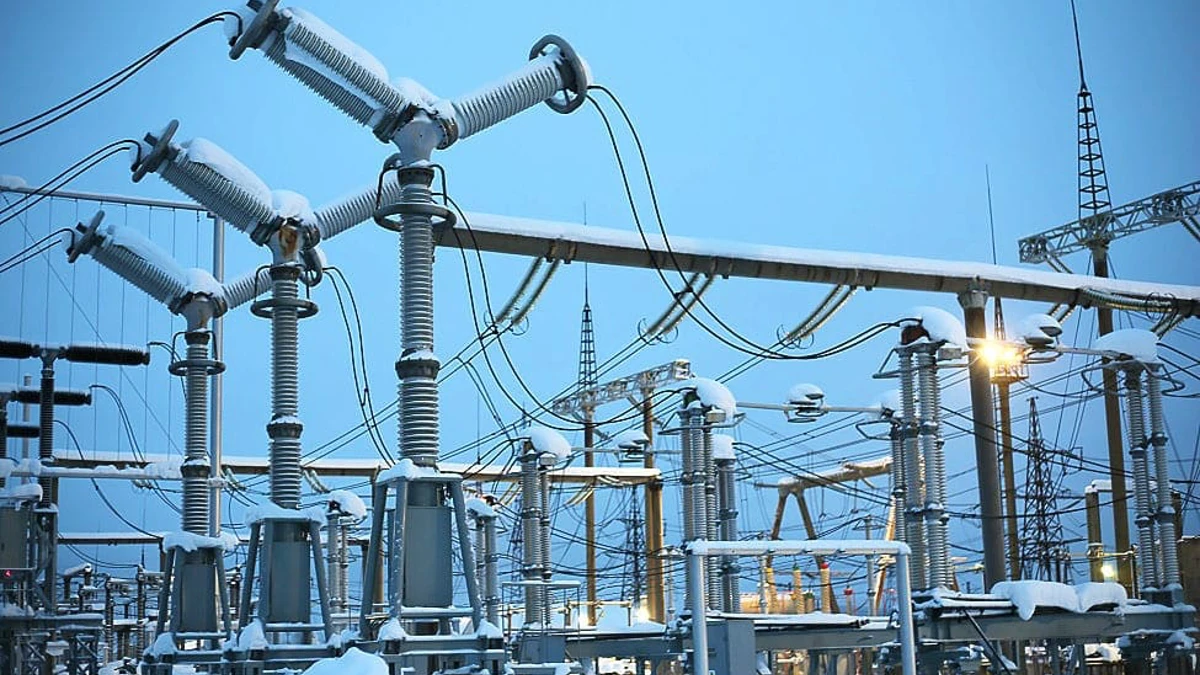
Pakistan's power generation rose 5.1% in August, contrasting with a 38% surge in fuel costs. Hydropower, providing 5,654 GWh, remains the top electricity source.

The KSE-100 index gained 0.22% week-on-week to close at 170,885 points at the Pakistan Stock Exchange (PSX) as geopolitical tensions kept the market under pressure for most of the week before expectations of diplomatic engagements ahead of the UN General Assembly session lifted investor sentiment.

PCGA reports Punjab production jumps 24.7pc and Sindh’s 16.25pc
Index recovers early losses after oil prices ease as supply fears recede

ISLAMABAD - The price of gold witnessed a decline in the local market on Saturday, with the price of 24-karat gold per tola falling by Rs100 to settle at Rs460,236, according to rates issued by the All Pakistan Sarafa Gems and Jewellers Association. Similarly, the price of 10 grams of 24-karat gold decreased by Rs85 to Rs394,578, whereas 10 grams of 22-karat gold declined by Rs78 to Rs361,709. In the international market, the price of gold fell by $1 to $4,377 per ounce, the association reported. Meanwhile, the price of silver per tola decreased by Rs69 to Rs7,100, while the price of 10 grams of silver fell by Rs59 to Rs6,087. The price of silver in the international market also declined by $0.69 to $66.22 per ounce, the association added.

Nepra to hear CPPA request for tariff increase on Sept 29; proposed hike will also apply to KE consumers.
Pakistan’s trade deficit increased to $3.306 billion in August 2026 as imports grew at more than twice the rate of exports compared with the same month last year, according to provisional data released by the Pakistan Bureau of Statistics (PBS).

The prices of gold witnessed a decline in the local market on Saturday, with the price of 24-karat gold per tola falling by Rs100 to settle at Rs460,236, according to rates issued by the All Pakistan Sarafa Gems and Jewellers Association.
Gold and silver prices declined slightly in Pakistan and international markets, with 24-karat gold falling Rs100 per tola locally.

ISLAMABAD, Sep 19 (APP):The prices of gold witnessed a decline in the local market on Saturday, with the price of 24-karat gold per tola falling by Rs100 to settle at Rs460,236, according to rates issued by the All Pakistan Sarafa Gems and Jewellers Association.

Gold prices in Pakistan decreased on Saturday in line with their loss in the international market. In the local market, gold price per tola reached Rs460,236 after a decline of Rs100 during the day.
The prices of gold witnessed a decline in the local market on Saturday, with the price of 24-karat gold per tola falling by Rs100 to settle at Rs460,236, according to rates issued by the All Pakistan Sarafa Gems and Jewellers Association. Similarly, the price of 10 grams of 24-karat gold decreased b ..

Weekly roundup of Key Economic releases and market data and statistics

Pakistan’s mobile phone imports fell 8.85% to $274.1 million in July-August FY27, while telecom equipment imports increased 8.95% to $432 million.
SBP injected Rs2.64 trillion through conventional and Shariah-compliant OMOs, with accepted rates ranging between 11.53% and 11.56%.
Gold prices in Pakistan rose sharply on Friday, tracking gains in the international bullion market, as softer crude oil prices eased concerns over prolonged inflationary pressures while a stronger US dollar limited the advance.

The Ministry of Energy (Petroleum Division) has revised the ex-depot prices of petroleum products, reducing the price of High-Speed Diesel (HSD) by Rs0.88
Foreign investors repatriated $557.6 million in profits and dividends during July-August FY27, down 13.4%, despite a monthly increase in August.