WealthPKNews

WealthPK News

Image for: Is IMF's cure worse than the disease?

Is IMF's cure worse than the disease?

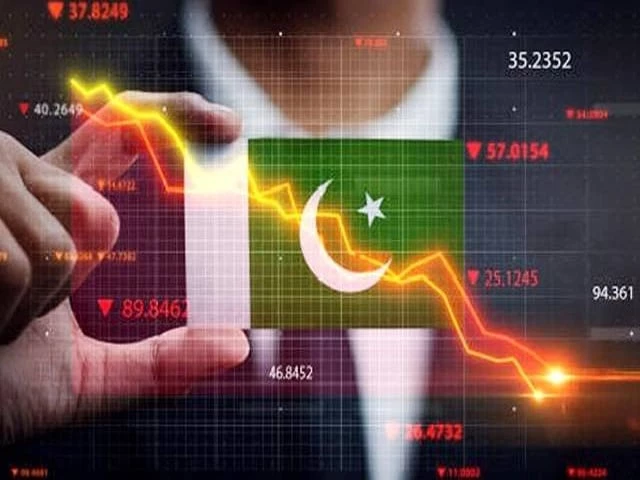
The International Monetary Fund (IMF), being the lender of last resort for countries in balance-of-payments crisis or in danger of default, almost always ties its bailouts to excessive austerity measures. Its loans are tied, to use IMF jargon, to "structural adjustment programmes" and "conditionality". These programmes centre on raising taxes and/or spurring tax rate reductions, balancing the budget at all costs, devaluing the currency and increasing interest rates. Such anti-growth policies, delivered in line with IMF diktat, have been shown in the majority of cases to have actually increased the country's dependence on the IMF over time. Just think of what has happened in Argentina, Pakistan, Ecuador, Egypt or Ghana.

Tribune
Image for: Incentives alone won't fix Pakistan's exports

Incentives alone won't fix Pakistan's exports

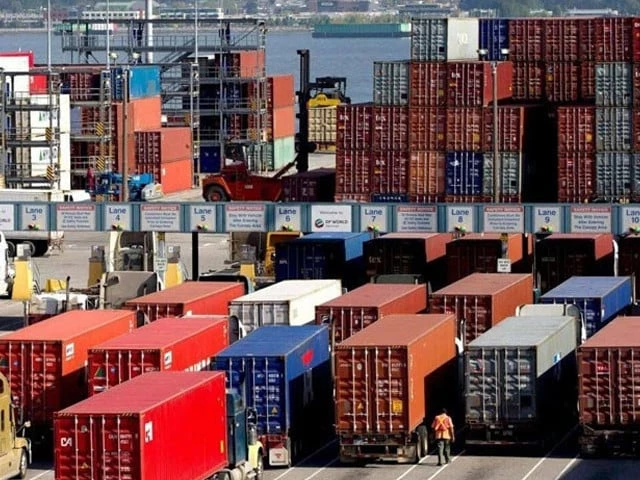
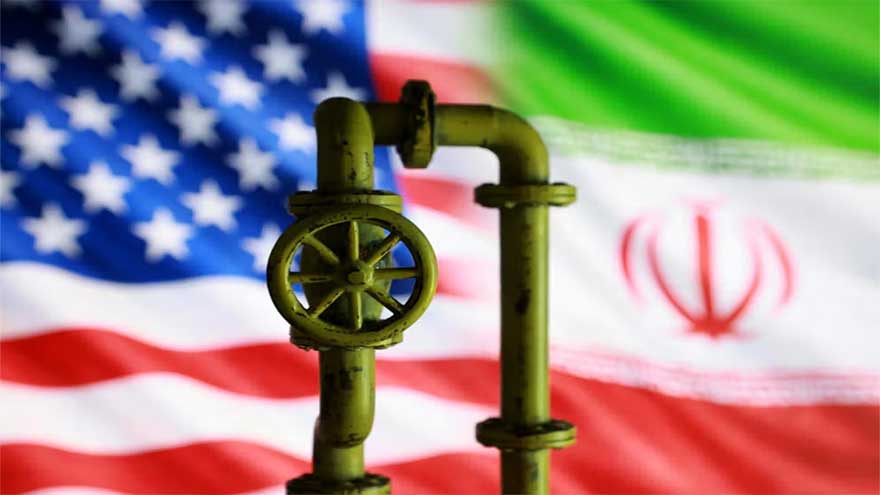
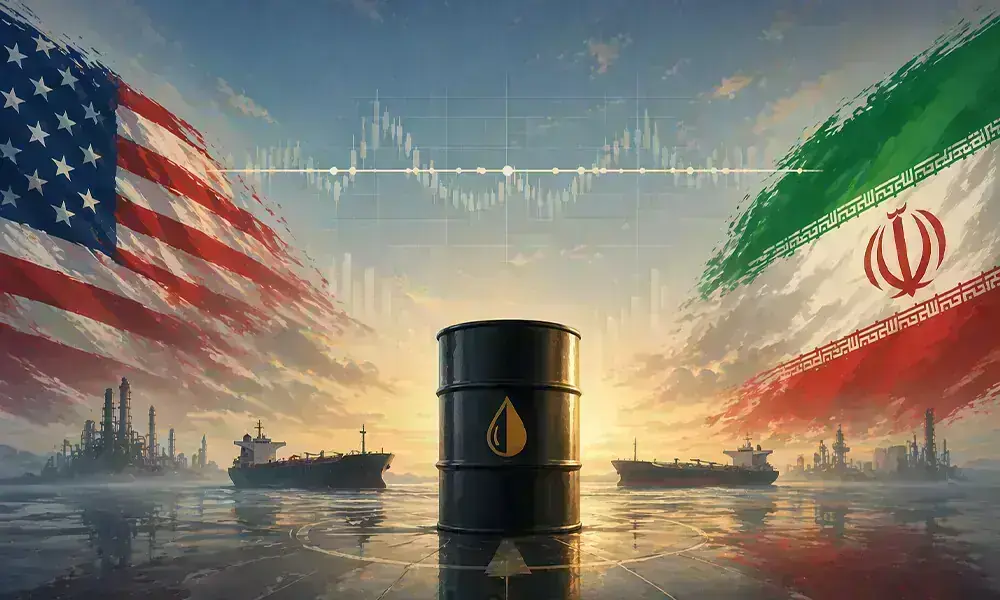
The current fiscal year has been marked by significant strain on the external account, driven in large part by the US-Iran conflict and its spillovers into capital flows and sovereign spreads. With peace now expected to return to the region, policymakers' attention should turn to the domestic constraints that continue to hold exports back. On a cumulative basis, the current account posted a modest surplus of $72 million in the first nine months of FY26, before slipping into a single-month deficit of $276 million in April and then rebounding to a surplus of $459 million in May 2026. This left a cumulative surplus of $255 million over the first 11 months (July-May), but much lower in comparison to the roughly $1.6 billion surplus recorded in the same period a year earlier. For context, the previous fiscal year closed with a current account surplus of $1.8 billion.

Tribune
Image for: Is growing sugarcane drying us out?

Is growing sugarcane drying us out?

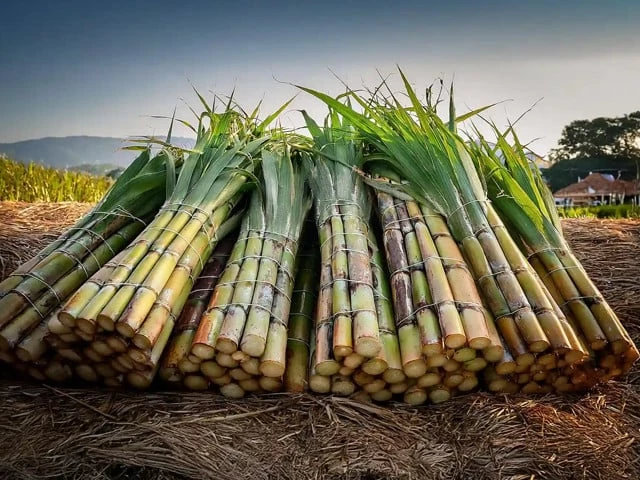
Pakistan's agriculture is facing a crisis that is neither sudden nor mysterious. It is the predictable result of a long-standing mismatch between what the country grows and what its climate, soils and water resources can realistically support. For decades, Pakistan's crop choices were shaped by a world of abundant canal flows, stable weather and a political economy that rewarded acreage rather than efficiency. That world is gone. Yet our cropping patterns remain frozen in time, even as the climate around us changes at a pace our policies refuse to acknowledge.

Tribune

WealthPK Reports

No articles found.

Data News

Image for: Cost of Pesco’s WB funded project jumps 47pc to $108m

Cost of Pesco’s WB funded project jumps 47pc to $108m

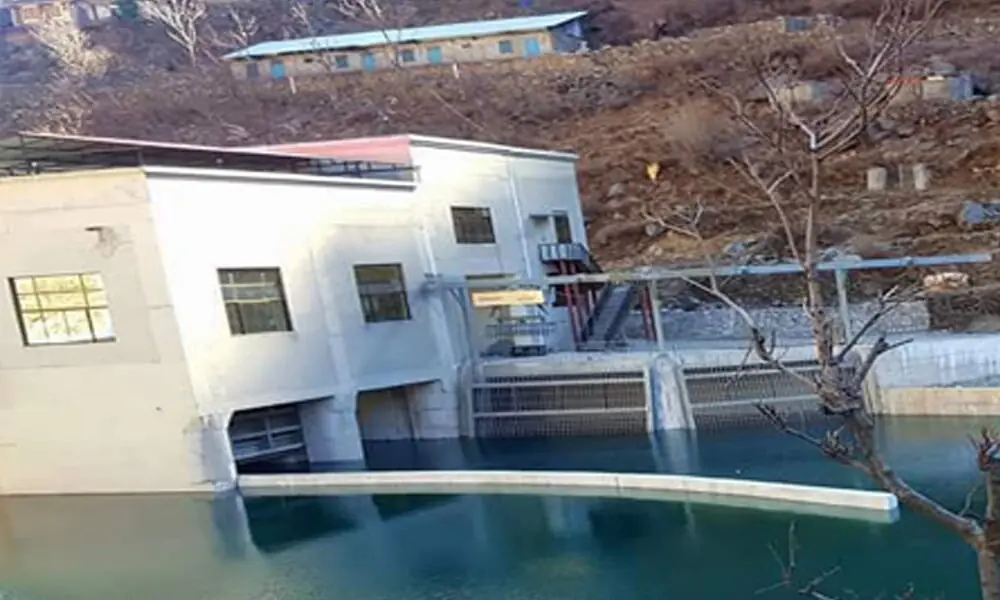
ISLAMABAD  -  The cost of the World Bank-funded Electricity Distribution Efficiency Improvement Project for Peshawar Electric Supply Company (PESCO) has escalated by 47 percent to $108.06 million from its original estimate of $73.44 million. According to an official document, the project is funded through a $70.10 million World Bank loan, with $3.34 million to be provided by PESCO. The loan agreement was signed on Dec 23, 2021, became effective on Aug 15, 2022, and the assignment account was opened in September 2023. The loan closing date is Dec 31, 2027, however, cumulative financial progress of the project is only 19.73% or Rs 2.321 billion, the data revealed.

The Nation
Image for: Agricultural, other chemical imports rise 9pc in 2 months

Agricultural, other chemical imports rise 9pc in 2 months

ISLAMABAD  - The imports of agricultural and other chemicals group into the country increased by 9.03 percent in value during the first two months of the current fiscal year as compared to the imports of the corresponding period of last year. The group’s imports were recorded at $1.910 billion during the period from July-August 2026 as compared to the imports of $1.751 billion during the same period of last year, according to data released by the Pakistan Bureau of Statistics (PBS). Among major items, the import of fertilizer grew by 8.13 percent as it was recorded at 128,337 metric tons worth $30.021 million as compared the imports of 155,830 metric tons valued at $28.277 million during the corresponding period last year. Meanwhile, the imports of insecticides into the country increased by 53.40 percent and were registered at 6,931 metric tons worth $35.469 million from 4,013 metric tons valued at $23.122 million of the same period of the last year. The import of plastic materials gre

The Nation