Is the economy lagging behind?
A great power rests on three pillars: military, diplomacy and economy. Pakistan has achieved many milestones on the military and diplomatic fronts. Two recent events further reinforced our strength.
Tribune
A great power rests on three pillars: military, diplomacy and economy. Pakistan has achieved many milestones on the military and diplomatic fronts. Two recent events further reinforced our strength.
The International Monetary Fund (IMF), being the lender of last resort for countries in balance-of-payments crisis or in danger of default, almost always ties its bailouts to excessive austerity measures. Its loans are tied, to use IMF jargon, to "structural adjustment programmes" and "conditionality". These programmes centre on raising taxes and/or spurring tax rate reductions, balancing the budget at all costs, devaluing the currency and increasing interest rates. Such anti-growth policies, delivered in line with IMF diktat, have been shown in the majority of cases to have actually increased the country's dependence on the IMF over time. Just think of what has happened in Argentina, Pakistan, Ecuador, Egypt or Ghana.
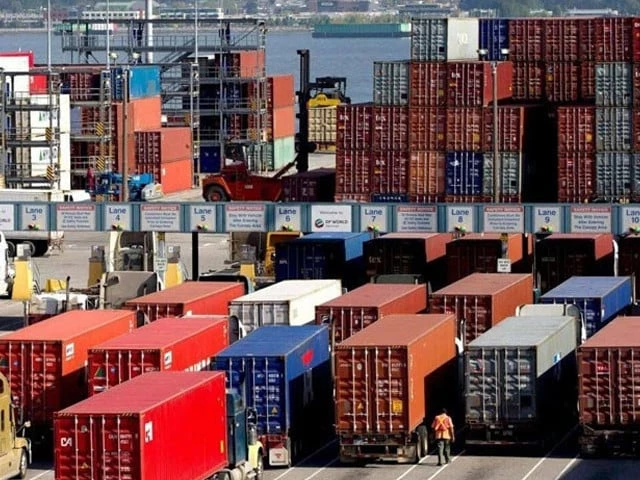
The current fiscal year has been marked by significant strain on the external account, driven in large part by the US-Iran conflict and its spillovers into capital flows and sovereign spreads. With peace now expected to return to the region, policymakers' attention should turn to the domestic constraints that continue to hold exports back. On a cumulative basis, the current account posted a modest surplus of $72 million in the first nine months of FY26, before slipping into a single-month deficit of $276 million in April and then rebounding to a surplus of $459 million in May 2026. This left a cumulative surplus of $255 million over the first 11 months (July-May), but much lower in comparison to the roughly $1.6 billion surplus recorded in the same period a year earlier. For context, the previous fiscal year closed with a current account surplus of $1.8 billion.
Pakistan's agriculture is facing a crisis that is neither sudden nor mysterious. It is the predictable result of a long-standing mismatch between what the country grows and what its climate, soils and water resources can realistically support. For decades, Pakistan's crop choices were shaped by a world of abundant canal flows, stable weather and a political economy that rewarded acreage rather than efficiency. That world is gone. Yet our cropping patterns remain frozen in time, even as the climate around us changes at a pace our policies refuse to acknowledge.
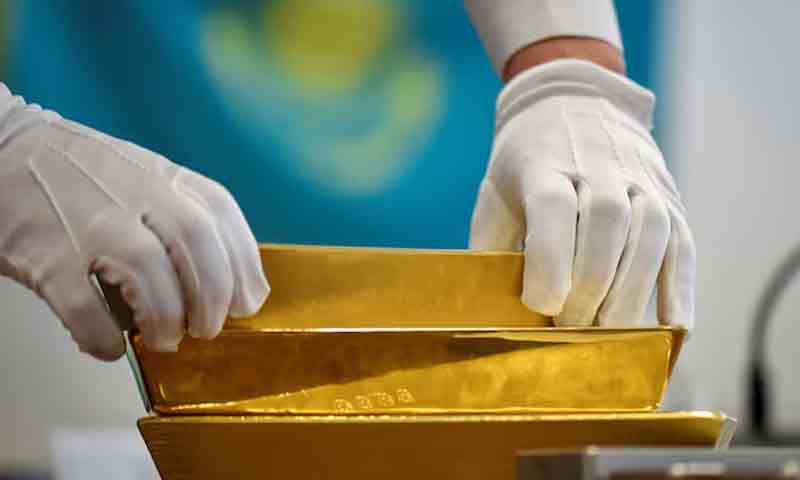
Gold prices recovered as oil fell following progress in US-Iran talks. Geopolitical optimism supported bullion, while expectations of higher US interest rates capped gains.

Muhammad Ali Tabba, CEO of Lucky Cement and Chairman of Lucky Group, has urged policymakers to adopt a pragmatic approach in Pakistan's upcoming auto poli

Khyber Pakhtunkhwa presents a Rs121.74bn supplementary budget for current and development spending. Read details and key allocations.

Pakistan and Qatar have outlined significant progress in high-level negotiations between the United States and Iran, with the parties agreeing on a roadma
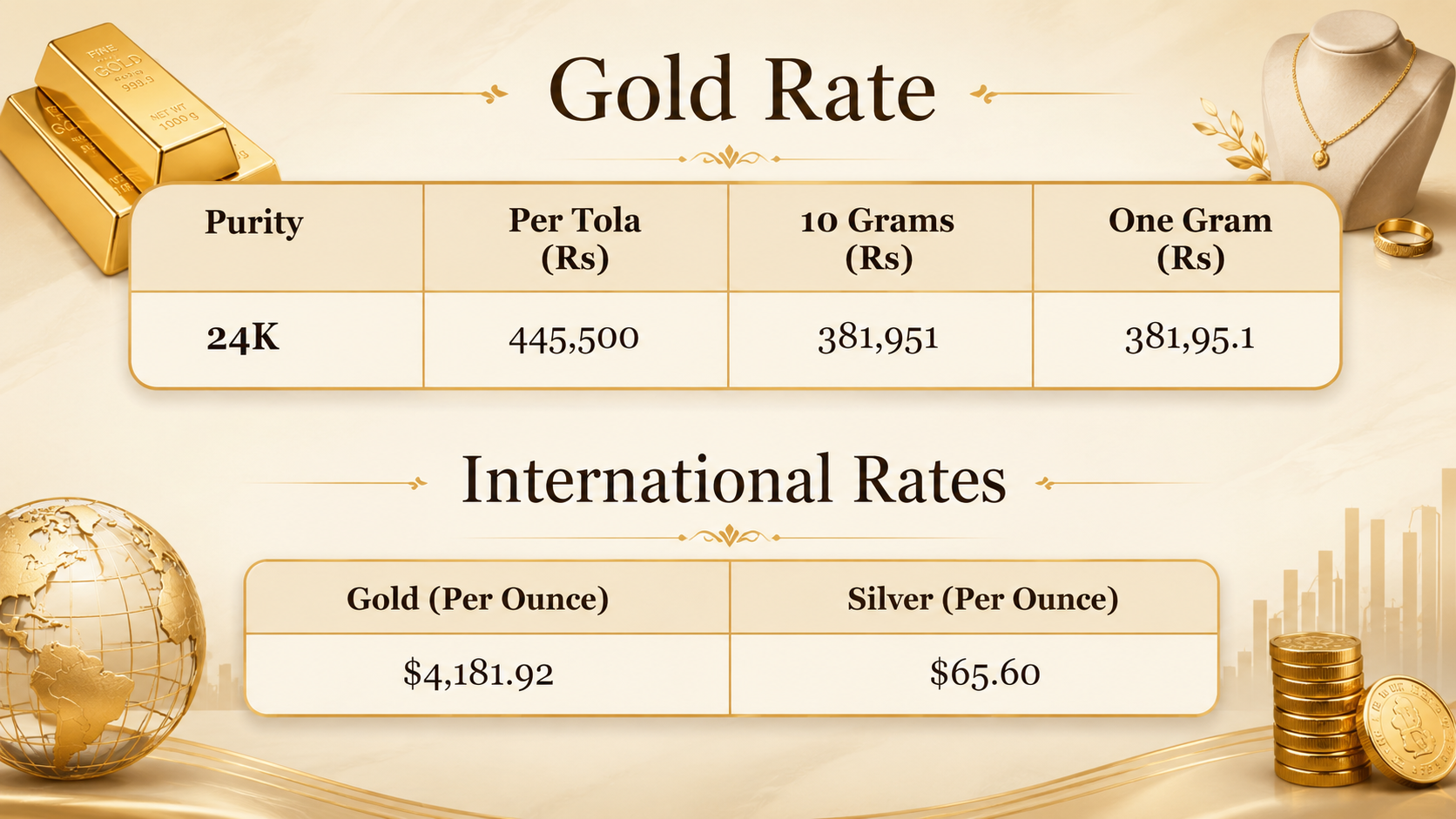
Check today’s gold price in Pakistan for June 22, 2026 across major city Sarafa markets. View updated rates now!
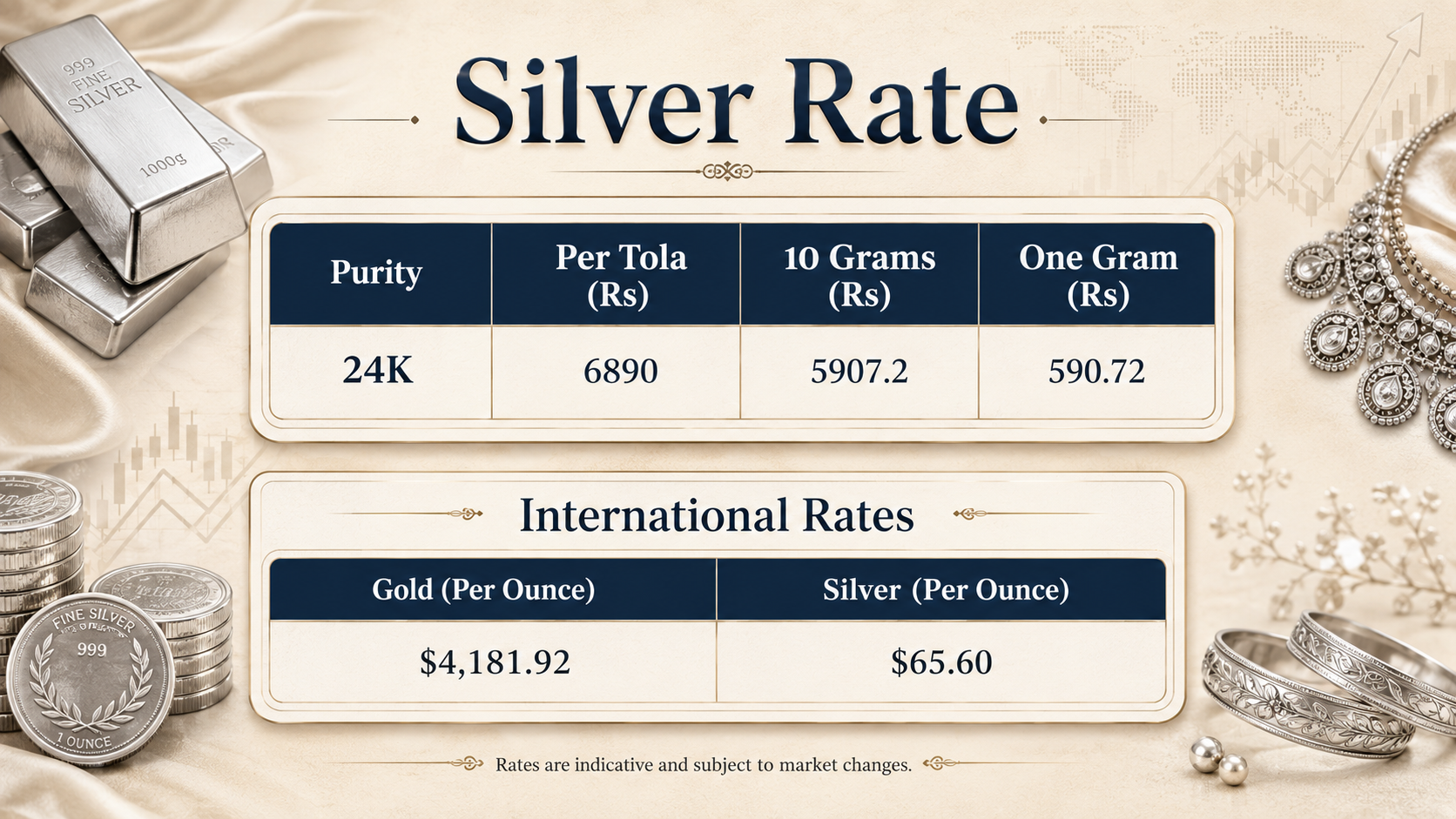
Check today’s silver price in Pakistan for June 22, 2026. Track city-wise Sarafa market rates and get the latest updates now.

Prime Minister Shehbaz Sharif orders a high-level panel to review the Telecommunication Reorganisation (Amendment) Bill. Get the latest updates.

FBR hints at reducing 20% regulatory duty on imported mobile phones priced up to $200. Get latest tax details and proposals now.
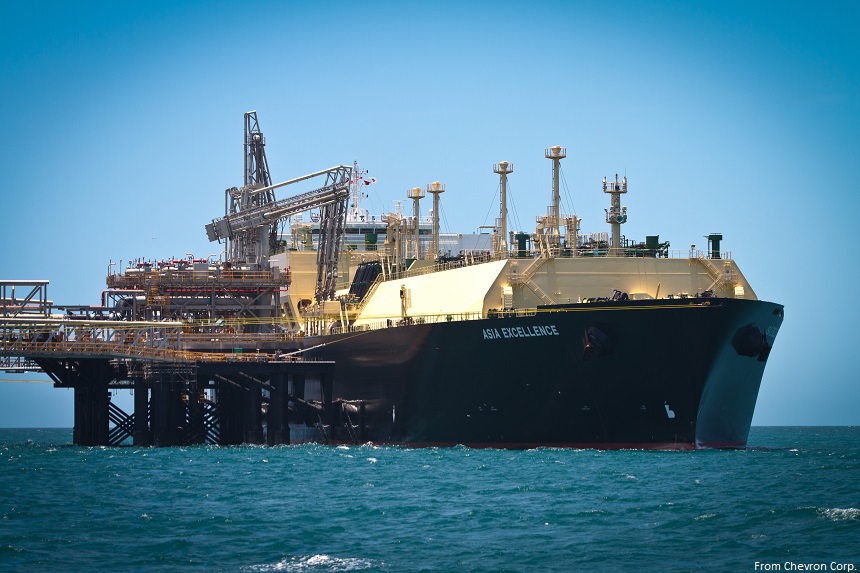
Pakistan received its seventh LNG cargo since Iran-US tensions escalated. Authorities keep supplies steady—read more on the latest delivery.
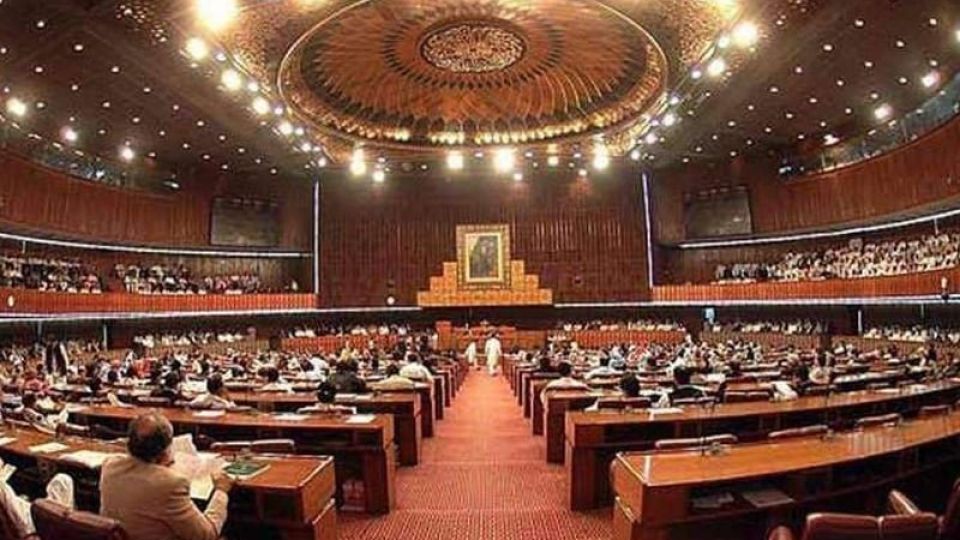
National Assembly clears Rs4.40 trillion grants for 2026-27, including nearly Rs3 trillion for defence. Next: federal budget passage—read more.

Select Technologies’ IPO book-building starts June 22. Company targets Rs2.5–Rs3.7bn and plans a new Lahore air-conditioner plant. Apply now.

Morning Breeze aims to lessen the load for its readers by curating noteworthy updates from the preceding day.

Pakistan aims to hand over PIA to new owners by end-June after remaining codal formalities. Read about the deal details and transfer process.
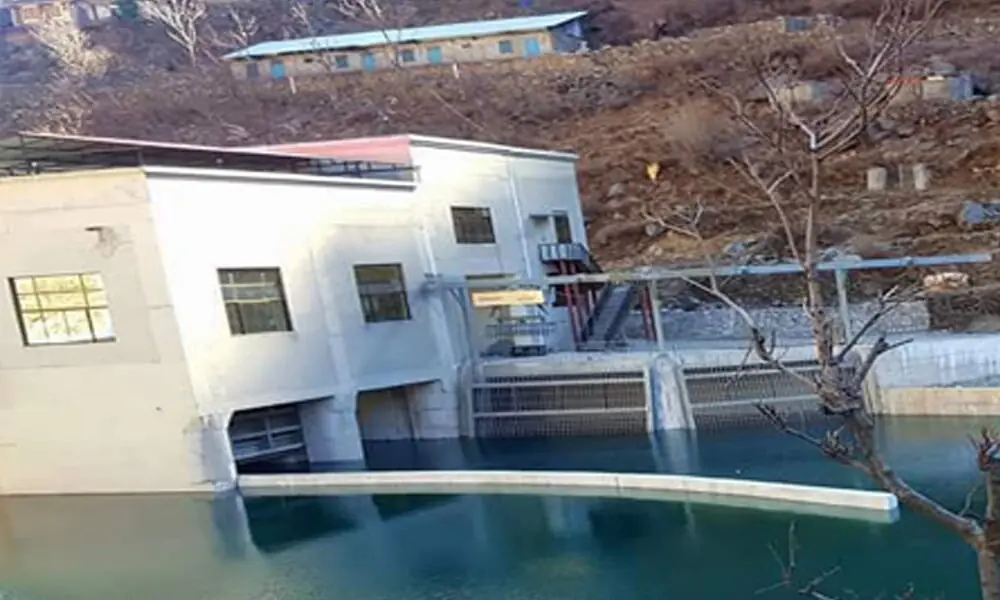
PESHAWAR: Chief Executive Officer (CEO) Provincial Energy Development Organization (PEDO) Engineer Anwar-ul-Haq has said that construction work on several hydropower projects have entered the final stages of completion.

Indian shares
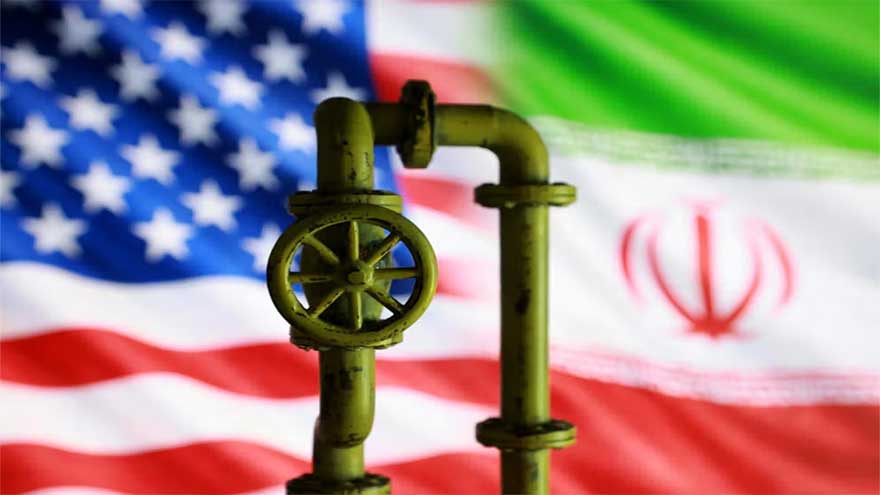
The market reaction came after mediators Qatar and Pakistan announced encouraging progress following nearly 18 hours of talks between US and Iranian negotiators.

SINGAPORE:

BENGALURU/LONDON: Oil prices dropped on Monday after U.S. Vice President JD Vance said progress has been made in talks with Iran and that the Strait of Hormuz was open.

SYDNEY:
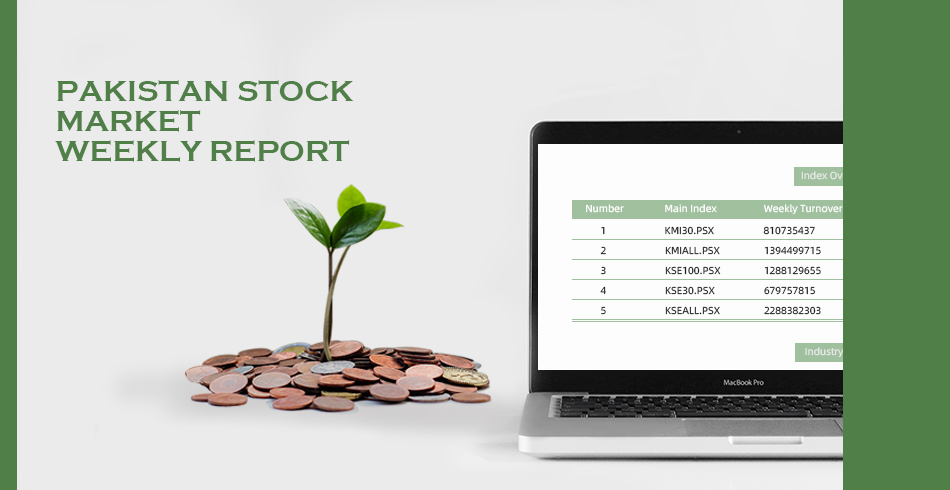
Weekly Review of Stock Market (2026.06.15-2026.06.19)
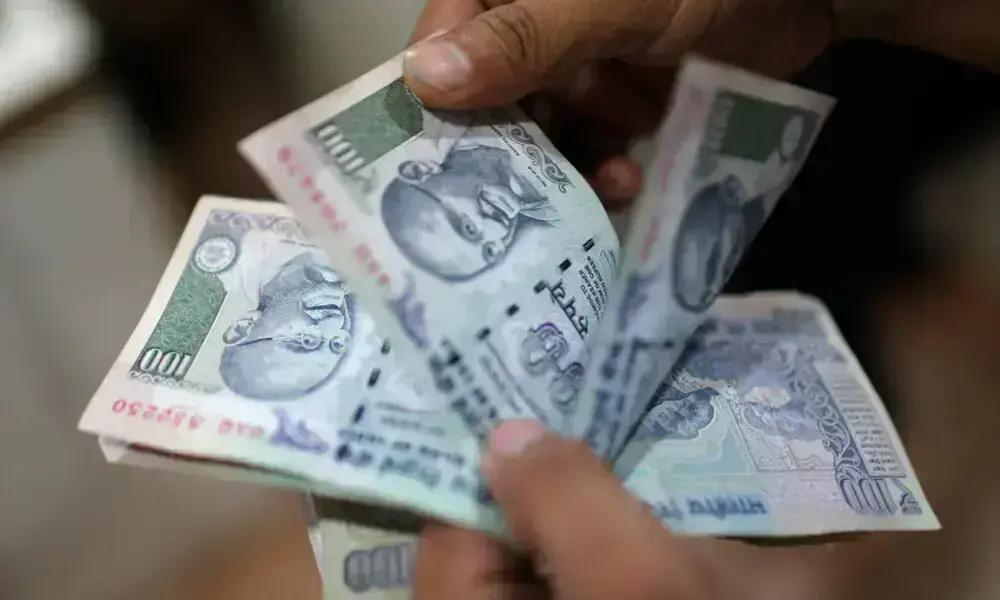
MUMBAI: The

Data-based fast fashion

Pakistan needs to align national effort behind sectors where it holds a genuine comparative advantage
There has been a structural shift in what Hormuz passage means — commercially, legally and operationally
By the end of 2025, some 300,000 e-books were released each month on Amazon, up from around 100,000 before the ...
The AI boom has minted vast fortunes, with Jensen Huang’s stake of nearly 4pc in Nvidia, the chipmaker he...
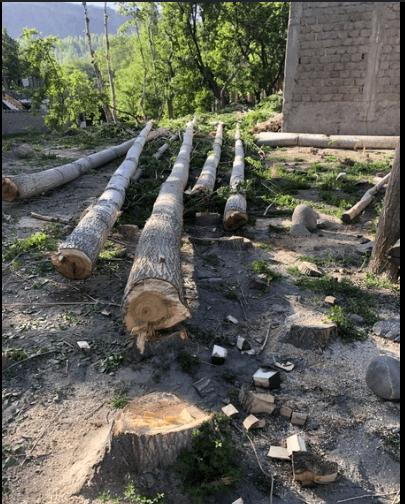
ISLAMABAD, June 11 (INP-Wealth Pakistan) -- Pakistan continues to lose around 11,000 hectares of forest area each year despite ongoing afforestation programmes and large-scale tree plantation campaigns, according to the Pakistan Economic Survey 2025-26.
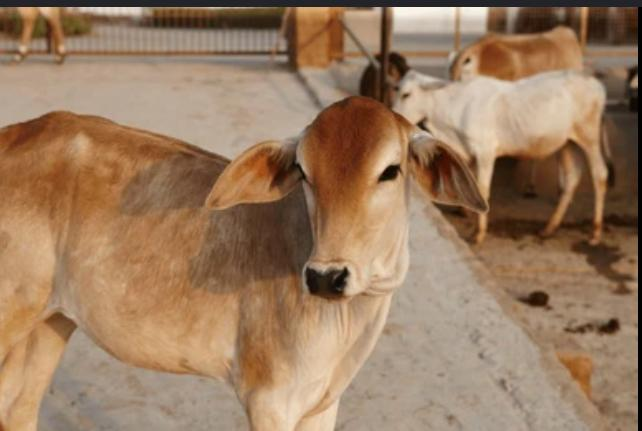
ISLAMABAD, June 11 (INP-Wealth Pakistan) -- Livestock continues to serve as the backbone of Pakistan's rural economy, supporting the livelihoods of more than 8 million rural families and contributing 14.6% to the national gross domestic product (GDP), according to the Pakistan Economic Survey 2025-26.
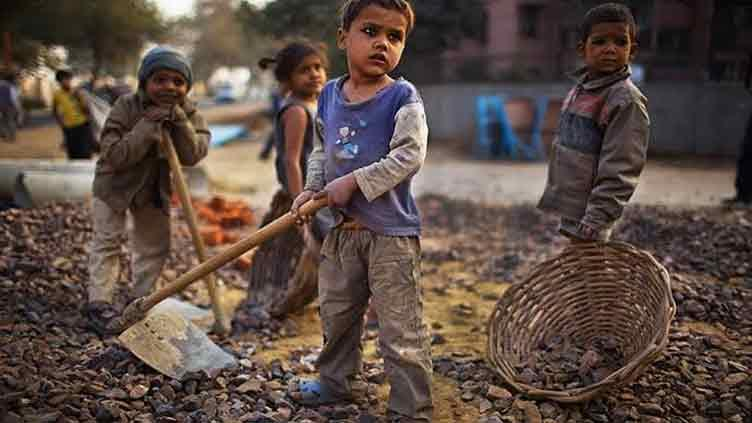
ISLAMABAD, June 11 (INP-Wealth Pakistan) -- Pakistan reduced the proportion of out-of-school children from 38% to 28% in FY2025-26, marking a significant improvement in school participation and access to education across the country, according to the Pakistan Economic Survey 2025-26 released by the Ministry of Finance.

ISLAMABAD, June 11 (INP-Wealth Pakistan) -- Pakistan maintained broad current account stability in FY2025-26 despite rising imports and continued global economic uncertainty, supported by strong remittance inflows, growing services exports and improved external sector management, according to the Pakistan Economic Survey 2025-26 released by the Ministry of Finance.

ISLAMABAD, June 11 (INP-Wealth Pakistan) -- Around 66% of Pakistan's population is below the age of 30, while the country's youth population aged 15-29 has reached nearly 67 million, presenting both a major development opportunity and a significant challenge for policymakers, according to the Pakistan Economic Survey 2025-26.
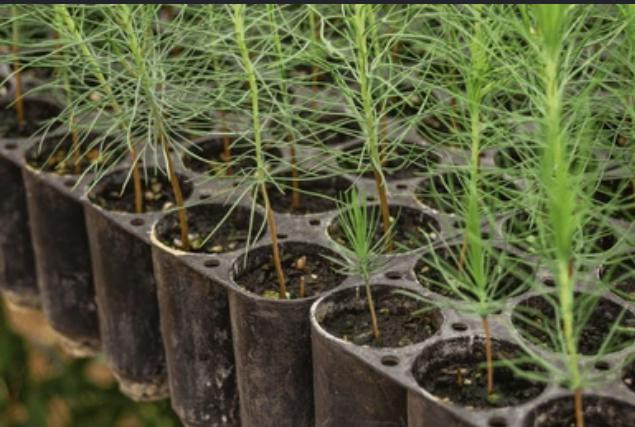
ISLAMABAD, June 11 (INP-Wealth Pakistan) -- Pakistan has planted, regenerated or distributed nearly 2.26 billion plants under the Green Pakistan Programme, marking one of the country's largest afforestation efforts aimed at combating climate change, restoring ecosystems and improving environmental sustainability, according to the Pakistan Economic Survey 2025-26.

ISLAMABAD, June 11 (INP-Wealth Pakistan) -- Pakistan Railways generated gross earnings of Rs63.56 billion during July-March FY2025-26, reflecting the continued importance of rail transport in supporting passenger mobility, freight movement and economic integration across the country, according to the Pakistan Economic Survey 2025-26 released by the Ministry of Finance.

ISLAMABAD, June 11 (INP-Wealth Pakistan) -- Pakistan's automobile industry staged a strong recovery in FY2025-26, with production of cars, jeeps, light commercial vehicles, trucks, buses and motorcycles increasing significantly as improving economic conditions, easing inflation and stronger consumer demand revived activity across the sector, according to the Pakistan Economic Survey 2025-26 released by the Ministry of Finance.
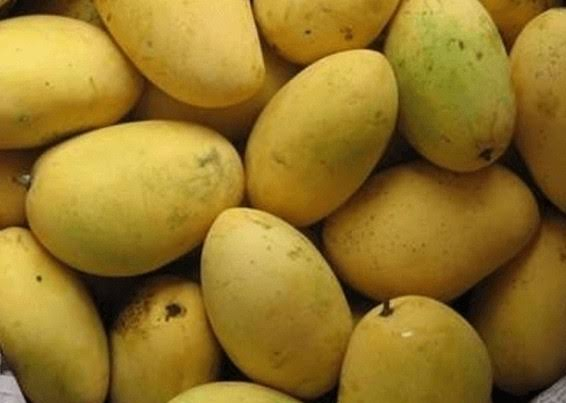
LAHORE, June 11 (INP-Wealth Pakistan) -- Weather conditions during the current season have adversely affected mango production in several mango-growing regions of Pakistan, particularly in South Punjab, horticulture experts have warned.
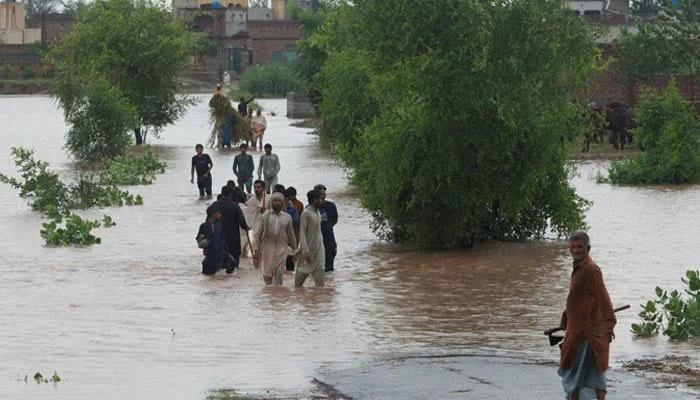
ISLAMABAD, June 11 (INP-Wealth Pakistan) -- Climate-related disasters caused economic losses of Rs822 billion in Pakistan during 2025, underscoring the country's growing vulnerability to extreme weather events and the increasing economic cost of climate change, according to the Pakistan Economic Survey 2025-26 released by the Ministry of Finance.
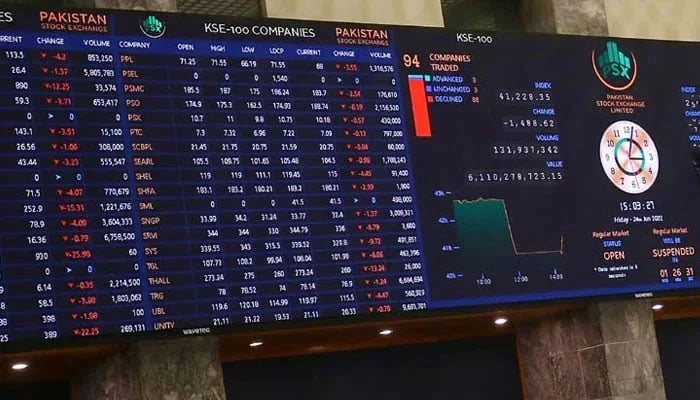
ISLAMABAD, June 11 (INP-Wealth Pakistan) -- Pakistan's stock market delivered a strong performance in FY2025-26, with the benchmark KSE-100 Index gaining 18.4%, reflecting improving investor confidence, strengthening macroeconomic stability and renewed interest in capital markets, according to the Pakistan Economic Survey 2025-26 released by the Ministry of Finance.

ISLAMABAD, June 11 (INP-Wealth Pakistan) -- Pakistan's mining and quarrying sector returned to positive growth in FY2025-26 after four consecutive years of contraction, signaling a revival in mineral extraction activity and highlighting the sector's growing importance in the country's economic and industrial landscape, according to the Pakistan Economic Survey 2025-26 released by the Ministry of Finance.

ISLAMABAD, June 11 (INP-Wealth Pakistan) -- Pakistan’s national savings were recorded at 14.13% of gross domestic product (GDP) in FY2025-26, reflecting the importance of domestic resource mobilization for investment-led economic growth, according to the Pakistan Economic Survey 2025-26 released by the Ministry of Finance.
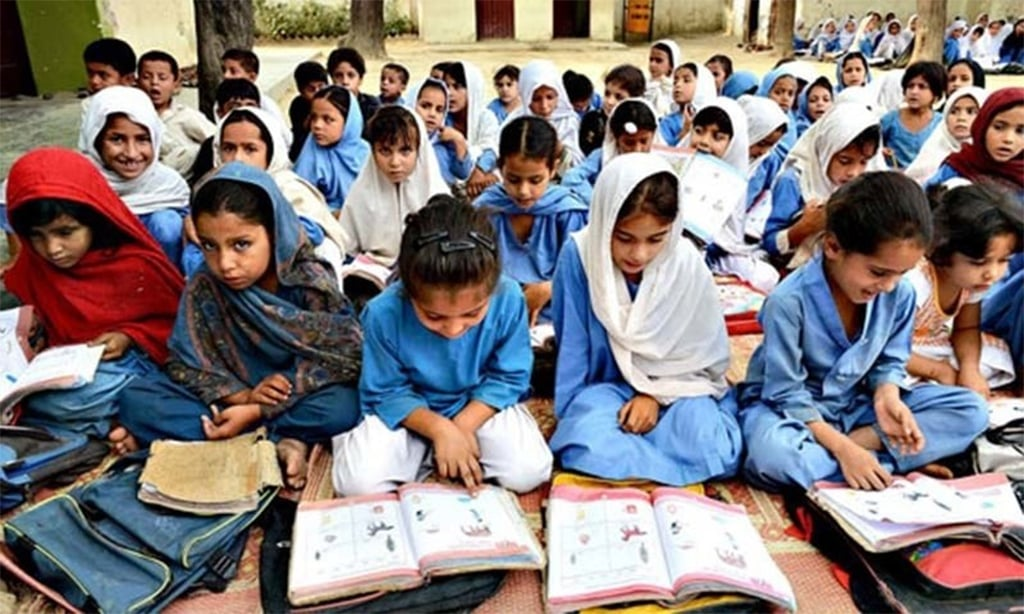
ISLAMABAD, June 11 (INP-Wealth Pakistan) -- Pakistan's literacy rate improved to 63% in 2024-25 from 61% in 2022-23, reflecting gradual progress in educational attainment and human capital development despite continuing challenges related to quality, infrastructure and regional disparities, according to the Pakistan Economic Survey 2025-26 released by the Ministry of Finance.
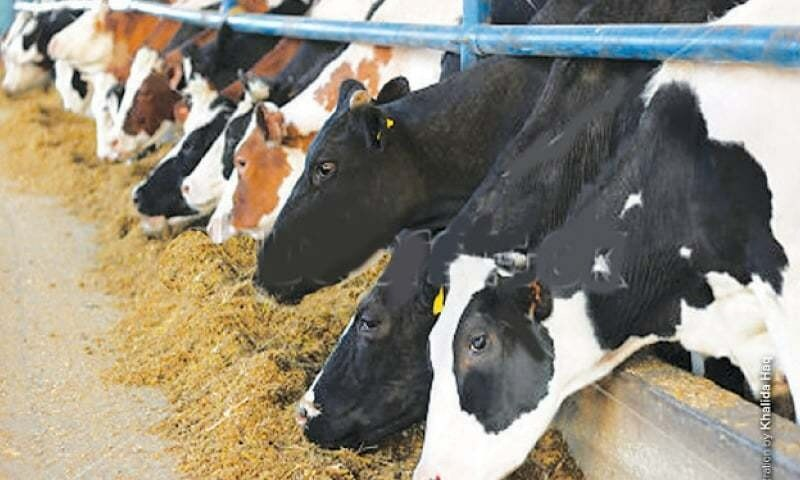
ISLAMABAD, June 11 (INP-Wealth Pakistan) -- Pakistan's livestock sector grew by 3.75% in FY2025-26, maintaining its position as the largest component of agriculture and reinforcing its importance for food security, rural livelihoods and export development, according to the Pakistan Economic Survey 2025-26 released by the Ministry of Finance.

ISLAMABAD, June 11 (INP-Wealth Pakistan) -- Pakistan's technology freelancers generated export earnings of $856.3 million in FY2025-26, marking a remarkable 51% increase over the previous year and reinforcing the country's position as one of the world's leading freelance markets, according to the Pakistan Economic Survey 2025-26 released by the Ministry of Finance.
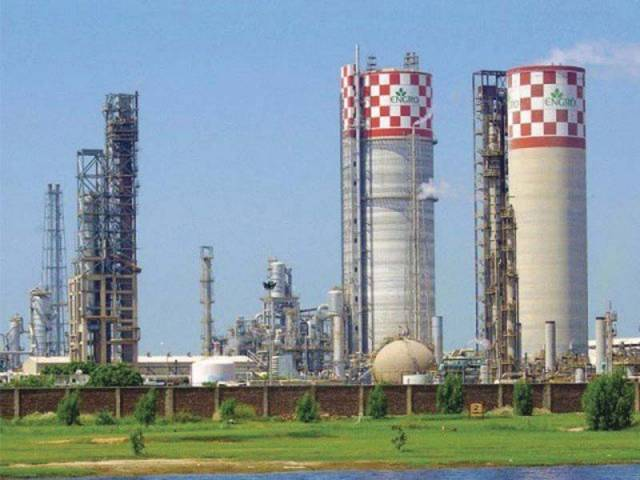
ISLAMABAD, June 11 (INP-Wealth Pakistan) -- Fertilizer nutrient offtake increased by 11.4% during July-March FY2026, reflecting stronger agricultural activity and improved input utilization as farmers sought to enhance crop productivity despite weather-related challenges, according to the Pakistan Economic Survey 2025-26 released by the Ministry of Finance.

ISLAMABAD, June 11 (INP-Wealth Pakistan) -- Pakistan's broadband subscriber base reached 161 million by March 2026, reflecting the rapid expansion of digital connectivity and the growing role of telecommunications infrastructure in supporting economic activity, digital services and technological transformation, according to the Pakistan Economic Survey 2025-26 released by the Ministry of Finance.

ISLAMABAD, June 11 (INP-Wealth Pakistan) -- Pakistan's construction sector grew by 5.73% in FY2025-26, making it one of the strongest-performing segments of the economy, according to the Pakistan Economic Survey 2025-26 released by the Ministry of Finance. The sector played a key role in supporting industrial activity, infrastructure development, and employment generation.

ISLAMABAD, June 11 (INP-Wealth Pakistan) -- Clean energy sources accounted for more than half of Pakistan's installed electricity generation capacity in FY2025-26, marking a significant shift in the country's energy mix as policymakers pursue greater energy security, sustainability and reduced dependence on imported fuels, according to the Pakistan Economic Survey 2025-26 released by the Ministry of Finance.

ISLAMABAD, June 11 (INP-Wealth Pakistan) -- Pakistan's manufacturing sector staged a strong recovery in FY2025-26, with large-scale manufacturing (LSM) growing by 6.11% after contracting in the previous fiscal year, according to the Pakistan Economic Survey 2025-26 released by the Ministry of Finance.

ISLAMABAD, June 11 (INP-Wealth Pakistan) -- The State Bank of Pakistan (SBP) is expected to keep the policy rate unchanged at 11.5 percent in its monetary policy decision due on Monday, June 15, 2026, despite double-digit inflation, as market and policy experts argue that the latest price pressures are largely supply-side and administratively driven rather than demand-led.
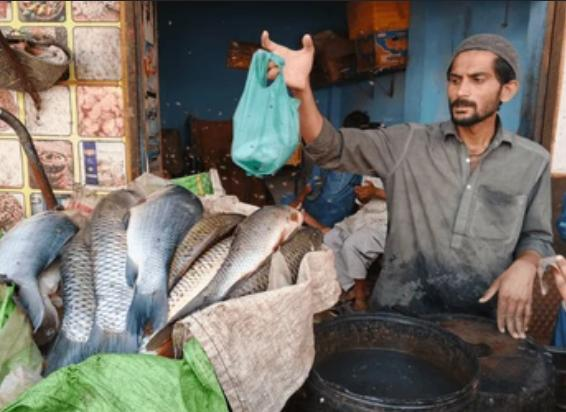
ISLAMABAD, June 11 (INP-Wealth Pakistan) -- Pakistan's fisheries sector is gaining renewed access to international markets as exports to the European Union (EU) resume and trade opportunities with China continue to expand, according to the Pakistan Economic Survey 2025-26.
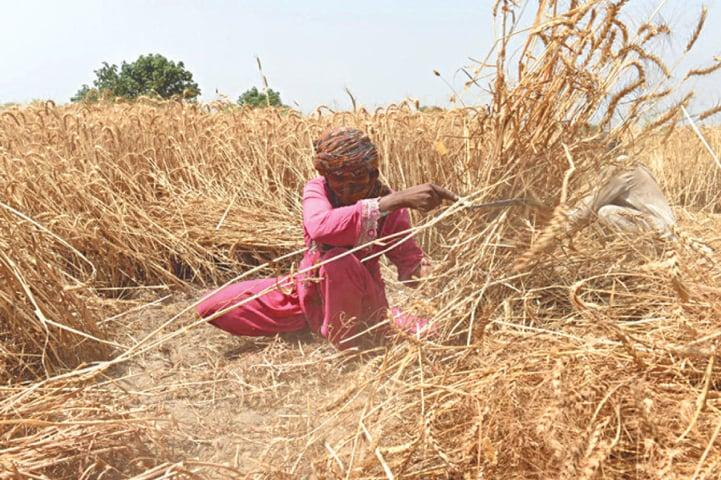
ISLAMABAD, June 11 (INP-Wealth Pakistan) -- Pakistan's agriculture sector grew by 2.89% in FY2025-26 despite widespread damage caused by the 2025 floods, demonstrating the sector's resilience and its continued importance as a pillar of the national economy, according to the Pakistan Economic Survey 2025-26 released by the Ministry of Finance.

ISLAMABAD, June 11 (INP-Wealth Pakistan) -- Pakistan's telecommunications sector generated revenues of Rs837 billion and contributed Rs285 billion to the national exchequer in FY2025-26, underscoring its growing importance as a key driver of digital transformation, investment and economic activity, according to the Pakistan Economic Survey 2025-26 released by the Ministry of Finance.
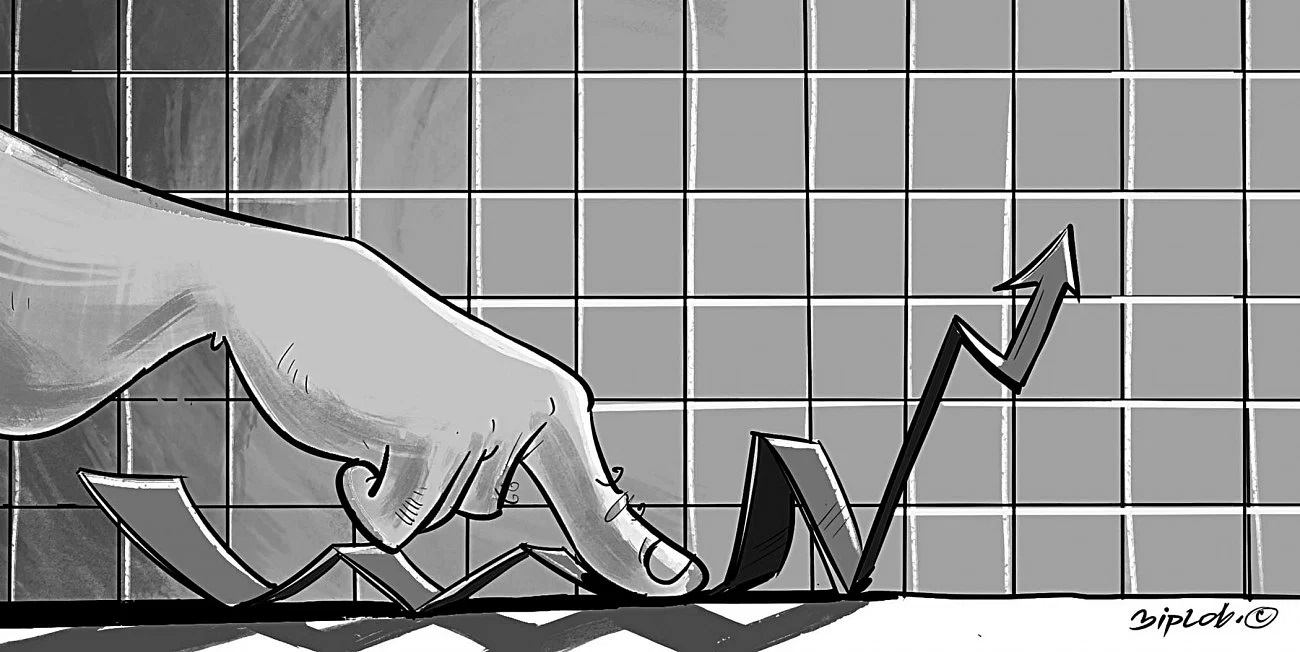
ISLAMABAD, June 11 (INP-Wealth Pakistan) -- Pakistan's expenditure on poverty reduction and social welfare programmes reached Rs4.66 trillion during July-March FY2025-26, reflecting the government's continued focus on protecting vulnerable segments of society and improving access to essential public services, according to the Pakistan Economic Survey 2025-26 released by the Ministry of Finance.
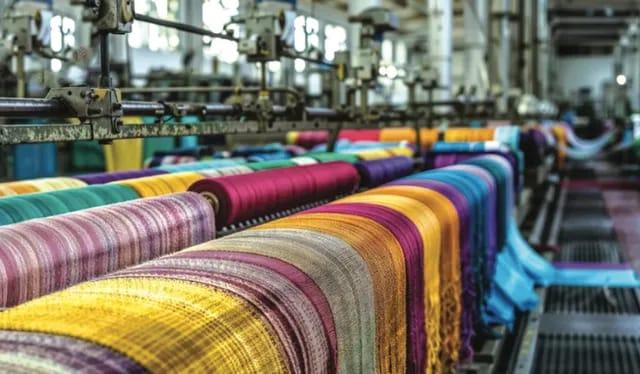
ISLAMABAD, June 11 (INP-Wealth Pakistan) -- Pakistan's textile sector returned to growth in FY2025-26, providing a boost to industrial activity and export-oriented manufacturing after facing significant challenges in recent years, according to the Pakistan Economic Survey 2025-26 released by the Ministry of Finance.

ISLAMABAD, June 11 (INP-Wealth Pakistan) -- Pakistan's information and communication technology (ICT) export remittances increased by 19.7% to $3.38 billion in FY2025-26, highlighting the sector's growing role as a major source of foreign exchange earnings and one of the country's fastest-growing export industries, according to the Pakistan Economic Survey 2025-26 released by the Ministry of Finance.
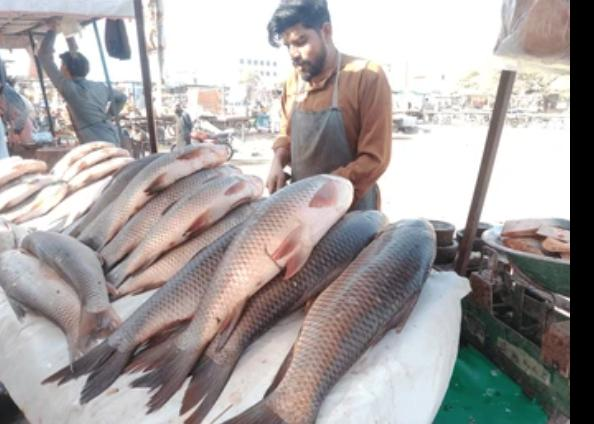
ISLAMABAD, June 11 (INP-Wealth Pakistan) -- Pakistan's fish production reached 642.18 thousand metric tonnes during July-March FY2026, highlighting the growing importance of fisheries in supporting food supplies, employment and economic activity in coastal and inland communities, according to the Pakistan Economic Survey 2025-26.

ISLAMABAD, June 11 (INP-Wealth Pakistan) -- Private investment increased by 12.8% in FY2025-26, reflecting improving investor confidence and strengthened macroeconomic stability as Pakistan's economy continued its recovery path, according to the Pakistan Economic Survey 2025-26 released by the Ministry of Finance.

The Rupee on Monday appreciated by 01 paisa against the US Dollar in interbank trading and closed at Rs 277.15 compared to the previous day’s closing of Rs 277.16. According to the Forex Association of Pakistan (FAP), the buying and selling rates of the dollar in the open market were recorded at R ..

ISLAMABAD, Sep 28 (APP): The benchmark KSE-100 Index of the Pakistan Stock Exchange (PSX) witnessed bearish trend on Monday, losing 339.60 points, a negative change of 0.20 percent, to close at 170,425.62 points against 170,765.22 points recorded in the previous trading session.

The Pakistani rupee extended its marginal gains against the US dollar in the interbank market on Monday.

Gold prices declined sharply in the local market on Monday, with the price of gold per tola falling by Rs12,800 following a major decrease in the international market.
The prices of gold witnessed a decline in the local market on Monday, with the price of 24-karat gold per tola falling by Rs12,800 to settle at Rs438,136, according to rates issued by the All Pakistan Sarafa Gems and Jewellers Association.Similarly, the price of 10 grams of 24-karat gold decreased b ..

Gold prices in Pakistan fell by Rs12,800 per tola to Rs438,136, while 10-gram gold dropped to Rs375,631 amid a decline in international gold prices.

Gold prices in Pakistan decreased on Monday in line with their loss in the international market. In the local market, gold price per tola reached Rs438,136 after a decline of Rs12,800 during the day.

KARACHI – Gold prices in Pakistan continued their downward trend on Monday, with the price of one tola falling by Rs12,800. According to the All Pakistan
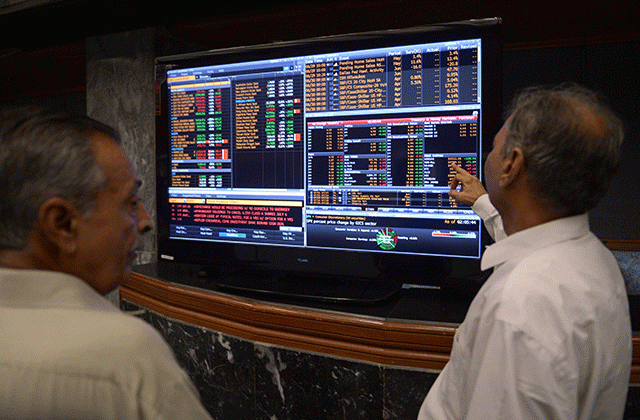
Cautious sentiment engulfed the Pakistan Stock Exchange (PSX) on Monday, pulling the KSE-100 Index down 404.24 points, or 0.24%, to 170,360.98 by 12:38pm as uncertainty over a United States-Iran diplomatic breakthrough weighed on risk appetite.

KARACHI, Sep 28 (APP):Following are the selling/buying rates of major currencies issued by the National Bank of Pakistan (NBP), here on Monday.
Following are the selling/buying rates of major currencies issued by the National Bank of Pakistan (NBP), here on Monday.CURRENCY SELLING BUYING USD 278.94 275.94GBP 369.43 365.04 EUR ..

Pakistan stocks opened lower on Monday, with the KSE-100 Index falling 407.67 points, or 0.24%, to 170,357.55 amid early selling pressure.

KARACHI, Sep 28 (APP):Following are the selling/buying rates Of major currencies issued by the National Bank of Pakistan (NBP), here on Monday.

KARACHI, Sep 28 (APP):(28-07-2026)

KARACHI, Sep 28 (APP):Treasury Management Division of National Bank of Pakistan (NBP) announced the following exchange rates on Monday.

KARACHI, Sep 28 (APP):The Exchange Rates Committee of Financial Markets Association of Pakistan issued the following Exchange rates bulletin, here on Monday.
Following are the selling/buying rates Of major currencies issued by the National Bank of Pakistan (NBP), here on Monday.CURRENCY SELLING BUYING USD 278.94 275.94GBP 369.43 365.04 EUR ..
The Exchange Rates Committee of Financial Markets Association of Pakistan issued the following Exchange rates bulletin, here on Monday. CONVERSION RATES FOR SEPTEMBER 28, 2026 FOR FOREIGN CURRENCY FOR FORWARD COVER FOR DEPOSITS (EXCLUDING FE-25 DEPOS ..
Treasury Management Division of National Bank of Pakistan (NBP) announced the following exchange rates on Monday.CURRENCY SYMBOL T Selling TT Buying US DOLLAR USD 277.55277.05EURO EUR316.04315.47JAPANESE YENJPY1.7590 1.7558BRITISH POUND GBP367.59 366.93SWISS FRA ..
(28-07-2026)CURRENCY SELLING BUYING USD 278.94 275.94GBP 369.43 365.04EUR 317.62 313.88 JPY 1.76781.7470 SAR 74.26 73.38 AED 75.95 75.06 LIBOR LIBOR FOR CALCULATING INTEREST ON SPECIAL USD ..

Foreign exchange rates in Pakistan for today, September 28, 2026

Silver price in Pakistan for today, September 28, 2026

Selling was observed at the Pakistan Stock Exchange (PSX) on Monday, with the benchmark KSE-100 Index shedding nearly 500 points during the opening minutes of trading.

Gold price in Pakistan for today, September 28, 2026
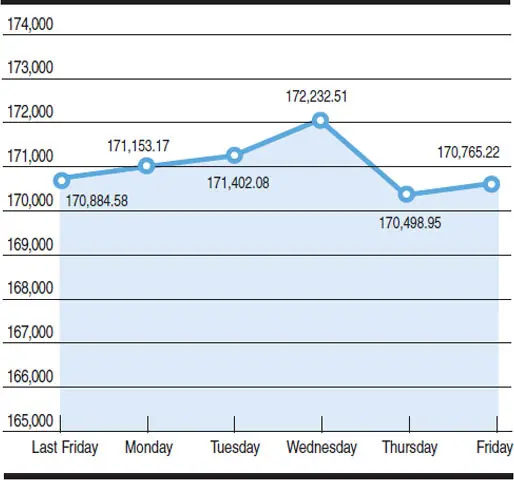
Source: PSX Chart by Mohammad Zeeshan Ali Khan
Textile production itself declined marginally by 0.03pc, but wearing apparel expanded 22pc

Large-Scale Manufacturing (LSM) growth may have slowed to 3 percent YoY in July, but the headline understates the more important development.

ISLAMABAD - The cost of the World Bank-funded Electricity Distribution Efficiency Improvement Project for Peshawar Electric Supply Company (PESCO) has escalated by 47 percent to $108.06 million from its original estimate of $73.44 million. According to an official document, the project is funded through a $70.10 million World Bank loan, with $3.34 million to be provided by PESCO. The loan agreement was signed on Dec 23, 2021, became effective on Aug 15, 2022, and the assignment account was opened in September 2023. The loan closing date is Dec 31, 2027, however, cumulative financial progress of the project is only 19.73% or Rs 2.321 billion, the data revealed.

Gold prices in Pakistan plunge! A tola now costs Rs438,136, while 10 grams fall by Rs10,973 to Rs375,631. Track the latest market rates with BolNews.
ISLAMABAD - The imports of agricultural and other chemicals group into the country increased by 9.03 percent in value during the first two months of the current fiscal year as compared to the imports of the corresponding period of last year. The group’s imports were recorded at $1.910 billion during the period from July-August 2026 as compared to the imports of $1.751 billion during the same period of last year, according to data released by the Pakistan Bureau of Statistics (PBS). Among major items, the import of fertilizer grew by 8.13 percent as it was recorded at 128,337 metric tons worth $30.021 million as compared the imports of 155,830 metric tons valued at $28.277 million during the corresponding period last year. Meanwhile, the imports of insecticides into the country increased by 53.40 percent and were registered at 6,931 metric tons worth $35.469 million from 4,013 metric tons valued at $23.122 million of the same period of the last year. The import of plastic materials gre