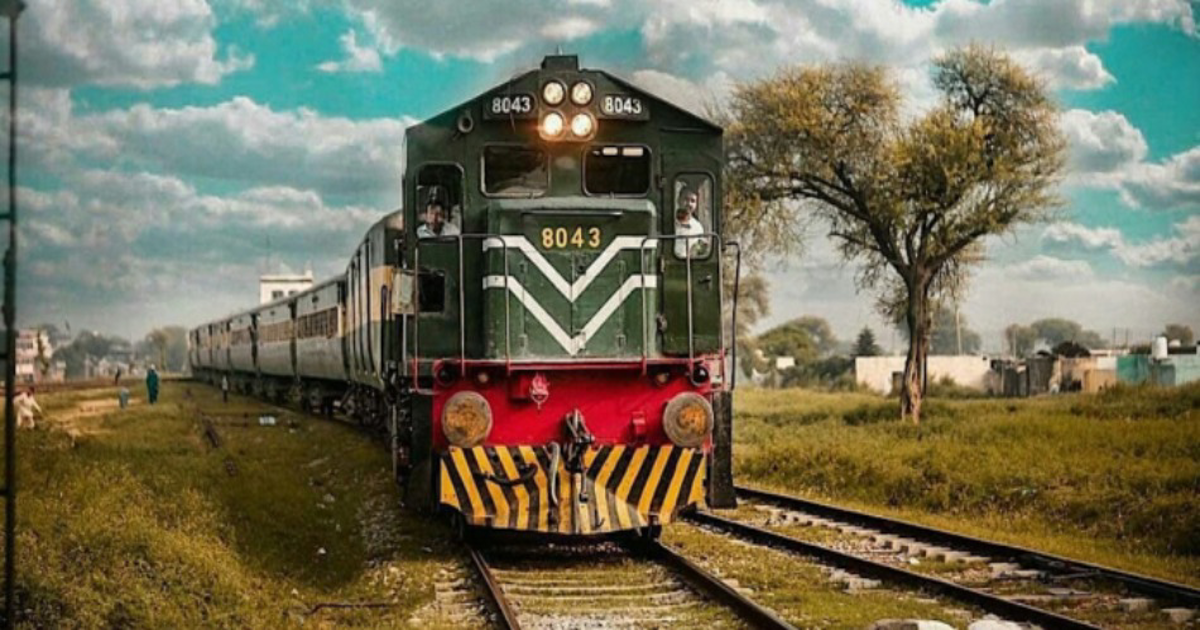
Pakistan Railways targets 20% freight share after ML-1 upgrade
Pakistan Railways has approved a strategic reform roadmap aimed at increasing freight operations, improving passenger services and expanding private-secto
Mettis Link News
Pakistan Railways has approved a strategic reform roadmap aimed at increasing freight operations, improving passenger services and expanding private-secto
KARACHI, Sep 14 (APP):The Exchange Rates Committee of the Financial Markets Association of Pakistan issued the following Exchange rates bulletin here on Monday.

The draft of new Auto Development and Export Policy has been prepared, but its final approval remains pending until discussions with IMF
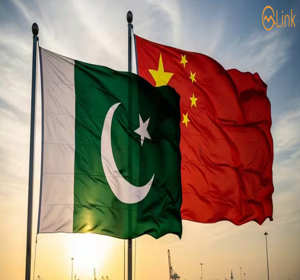
Pakistan and China have reaffirmed their commitment to expanding business-to-business cooperation in artificial intelligence and digital infrastructure.
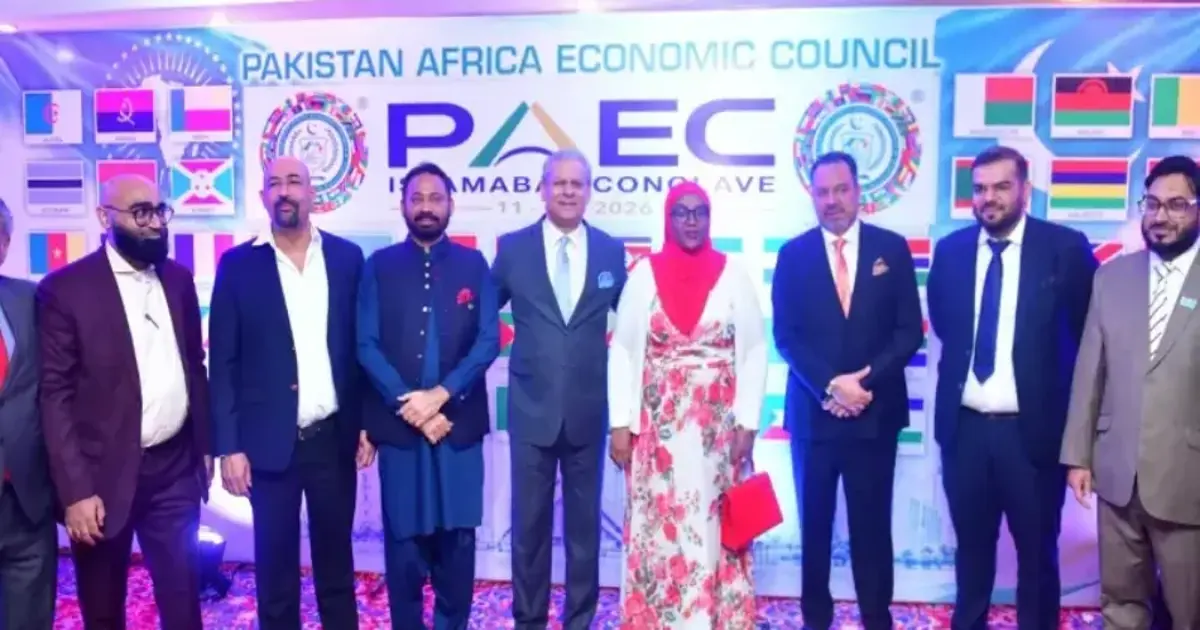
Pakistan and African countries have reaffirmed their target of raising bilateral trade to $15 billion by 2030 as both sides seek to diversify economic rel
The Economic Coordination Committee (ECC) of the Cabinet is likely to approve draft upgrade agreements under the Pakistan Oil Refining Policy for Upgradat
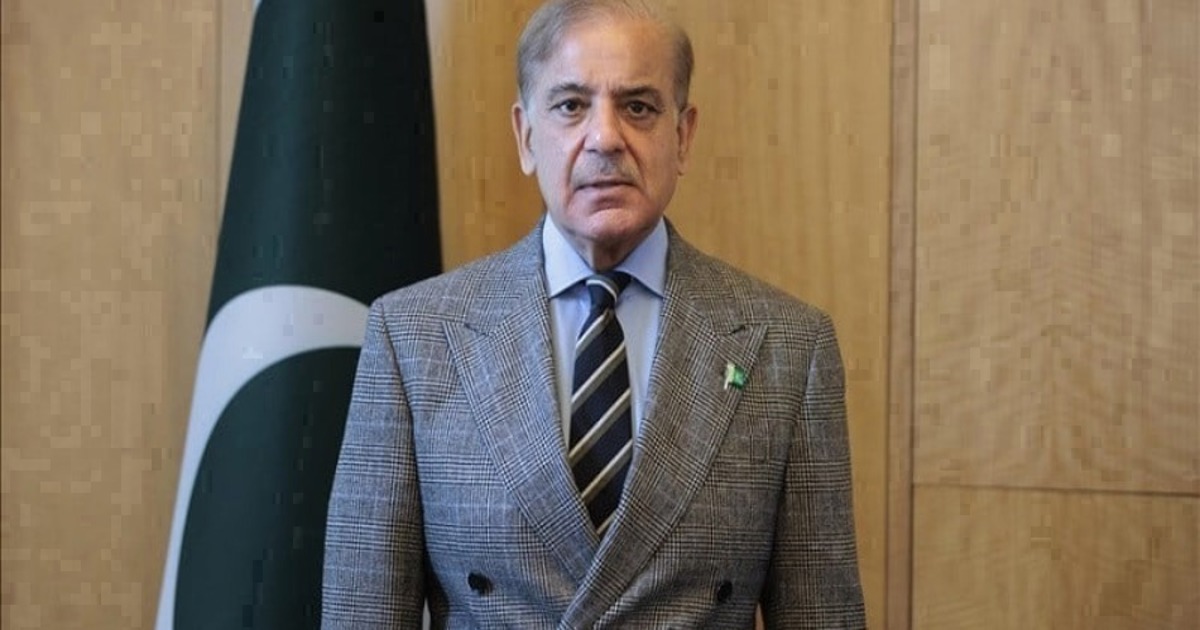
Prime Minister Shehbaz Sharif has warned that recent Houthi attacks on Saudi Arabia’s civilian and economic infrastructure could threaten regional securit
The Federal Board of Revenue has yet to formally notify the Income Tax Return for Tax Year 2026, even as taxpayers are being asked to file through the ver

The State Bank of Pakistan (SBP) Monetary Policy Committee (MPC) is expected to meet today (Monday) for the second time this fiscal year, with a majority of market participants expecting a status quo.

Pakistan stocks fell 1,059 points to 169,453 as investors weighed the upcoming monetary policy decision and ongoing Middle East tensions, with the KSE-100 down 0.62% in early trading.

Selling pressure was observed at the Pakistan Stock Exchange (PSX) after new Houthi strikes on Saudi Arabia and Iranian attacks on ships in the Gulf, with the benchmark KSE-100 Index shedding nearly 1,500 points during the opening minutes of trading on Monday.

Silver price in Pakistan for today, September 14, 2026

Gold price in Pakistan for today, September 14, 2026

In the early 1980s, the Reagan Administration struggled to control the trade deficit without success. It kept rising, reaching around $123.5 billion in 1984. The administration sought a short-term solution and ignored inefficiencies in the economic, manufacturing and industrial sectors. It blamed the appreciation of the US dollar (43% appreciation) and the strong performance of trade partners, especially Japan. The US Treasury proposed manipulating the currency market and asked competitors to let their currencies appreciate. This led to the famous Plaza Accord.
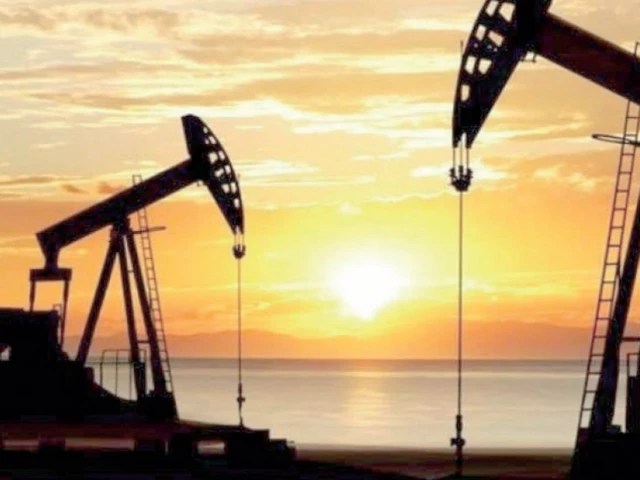
Sindh is geographically 29% larger than South Korea. However, its economy with GDP of around $135 billion is at least 14 times smaller than that country. This is despite that South Korea has hardly any indigenous energy resources. Only last year its energy import bill amounted to $140 billion. On the other hand, with its extensive hydrocarbon production over the past six decades, Sindh has proven to be Pakistan's pivotal energy basket. Still, it is no way even near to South Korea in development and well-being of the masses.
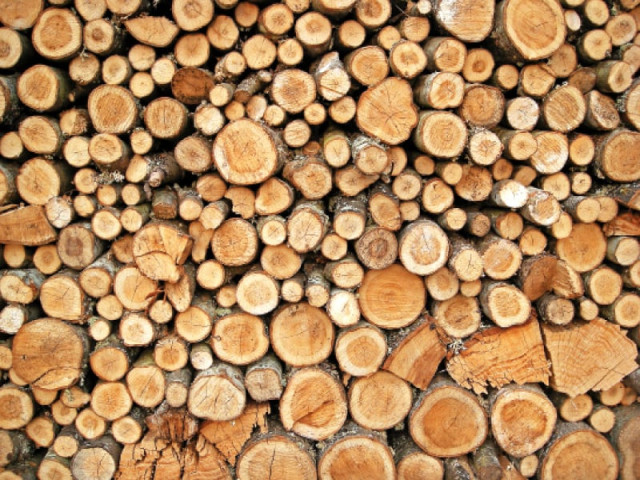
With a view to compensating private forest owners, a comprehensive strategy has to be devised and implemented. The existing forest policies, laws, management plans and strategies are based on timber harvesting, and foresters are trained in how to grow forests and then harvest them to generate revenue for the public sector as well as for the forest owners, although after the ban on forest harvesting in 1992, the forest department of Khyber-Pakhtunkhwa (K-P) could not figure out ways and means to devise and implement forest policy and plans based on non-timber forest benefits during the past over 40 years.
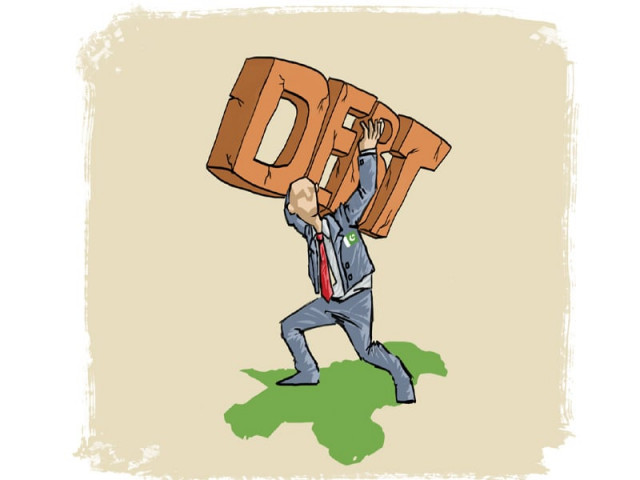
Amid the post-Covid massive inflationary spiral, the fiscally suffocated government with limited days of foreign exchange reserves became massively dependent on the domestic debt market to finance their massive deficits, and amid rising inflation they had to issue massive amount of floating-rate, long-tenor debt instruments to manage extreme rollover risk.

Morning Breeze aims to lessen the load for its readers by curating noteworthy updates from the preceding day.
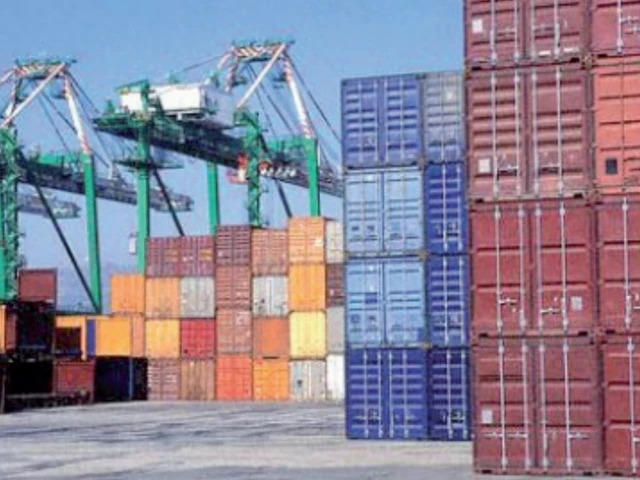
The government's recent decision to establish a Trade Facilitation Board under the chairmanship of the prime minister is an important step towards putting export-led growth at the centre of Pakistan's sustainable economic strategy.
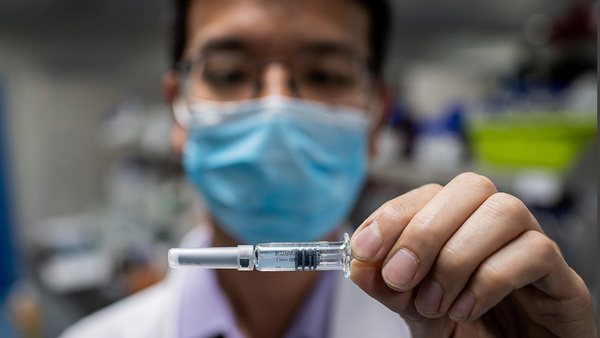
Pakistan has made Nadra-integrated vaccination proof mandatory for outbound travellers, covering polio, meningitis, yellow fever and influenza vaccines.

The limitation is not what FDI measures; it is what FDI cannot measure. FDI measures how much productive capital enters an economy during a given period.

Pakistan’s low private-sector lending reflects structural constraints more than bank reluctance, but major gaps persist in SME and housing finance.

PLL has warned K-Electric of an RLNG supply cutoff over Rs8.7 billion in dues, while KE says it has paid Rs4.2 billion in excess under expected pooled pricing.
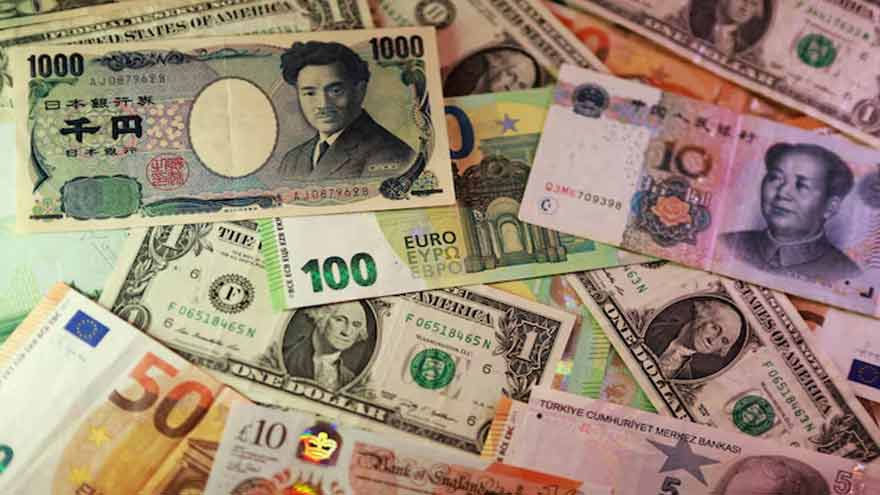
The dollar held steady while the yen stayed near a seven-month high as markets weighed expected Fed and BOJ rate hikes amid surging oil prices and shifting inflation risks.
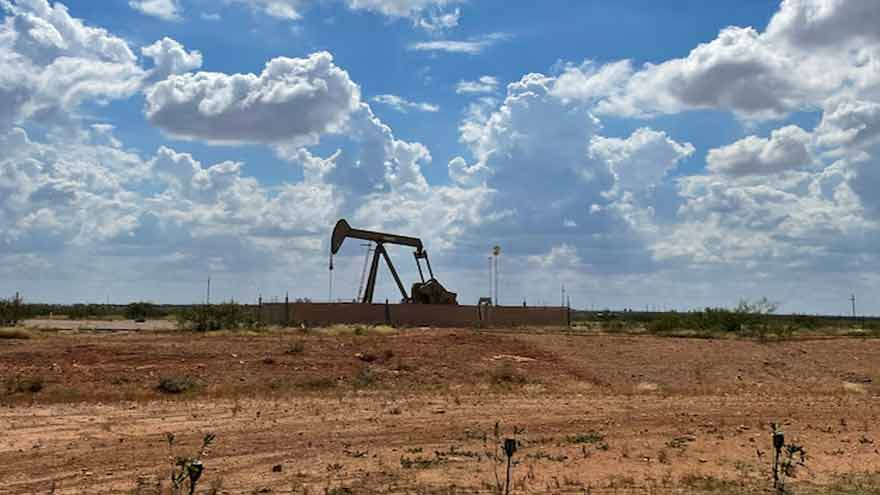
Oil prices jumped more than 2% as Houthi strikes on Saudi Arabia and attacks on Gulf shipping heightened supply concerns after a key Saudi pipeline was shut.

PIA and Kam Air have signed an interline agreement linking Afghanistan with Gulf destinations via Islamabad, starting with the Kabul-Dammam route.

Goldman Sachs now expects the US Federal Reserve to raise interest rates by 25 basis points at its September policy meeting, reversing its previous forecast for rates to remain unchanged.

SEOUL: Samsung Electronics and SK Hynix have rejected a proposal by Korea Electric Power Corp to make a 25 trillion won ($18.7 billion) upfront payment to support power supplies for planned semiconductor mega clusters, according to a document submitted to a lawmaker. Here are some details:

The Islamabad Wildlife Management Board (IWMB) is combining field patrols, scientific research, community awareness and wildlife rescue to strengthen the protection of Margalla Hills National Park and conserve wildlife and natural resources across the Islamabad Capital Territory.

FATF warns online gambling can enable money laundering and terror financing. In Pakistan, illegal betting apps, VPNs and hidden payments complicate oversight.
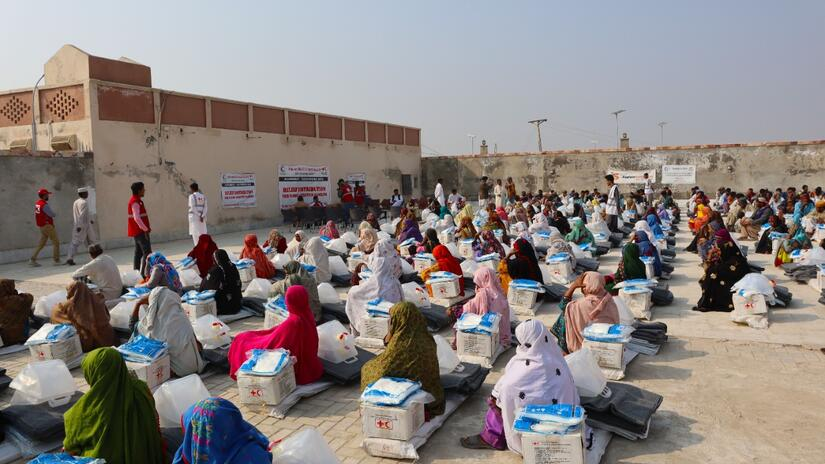
Pakistan is expanding disaster-monitoring and early-warning capacity in its vulnerable northern regions, but gaps in last-mile communication, evacuation arrangements and local response infrastructure can limit the ability of exposed communities to act on warnings when floods and glacial hazards strike, experts and affected residents say.

Banking professionals say Pakistan's rapid expansion of digital banking and payments has built a robust technology and data foundation, paving the way for the next stage of financial modernisation driven by artificial intelligence in foreign-exchange forecasting, liquidity management and treasury operations,.
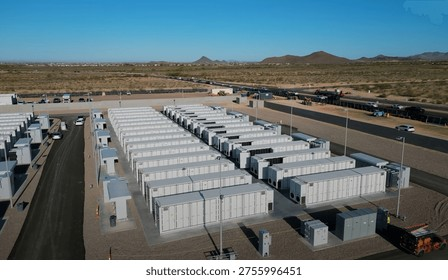
Pakistan's system-level battery storage requirement is projected to double from 750 megawatt-hours (MWh) during 2025-27 to 1,500 MWh from 2031, as growing solar penetration changes electricity demand patterns and increases the need for greater flexibility in the national grid.

Pakistan is ramping up efforts to expand its digital workforce and boost IT exports, with the National Semiconductor HR Development Programme (INSPIRE) targeting 7,200 individuals, while other government-backed initiatives plan to train more than 25,000 youth in emerging technologies and another 100,000 students through industry partnerships.
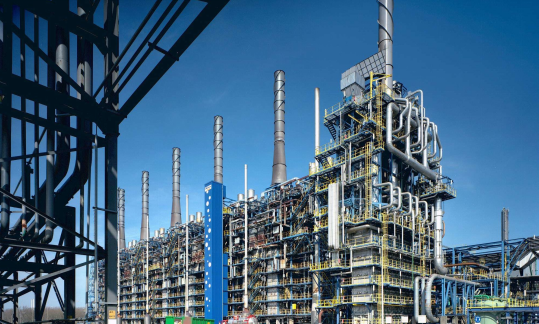
Pakistan could significantly reduce its dependence on imported chemicals and develop a stronger domestic petrochemical value chain by establishing a naphtha cracker complex that converts locally available feedstock into higher-value industrial raw materials, industry experts say.

The National Database and Registration Authority (NADRA) has developed an online biometric verification facility through its PakID mobile application for individual taxpayers, sole proprietors and overseas Pakistanis.

Elevated global sovereign-bond yields are making international borrowing more expensive for emerging economies, increasing the importance of pricing and timing as Pakistan prepares to rebuild its presence in global debt markets.
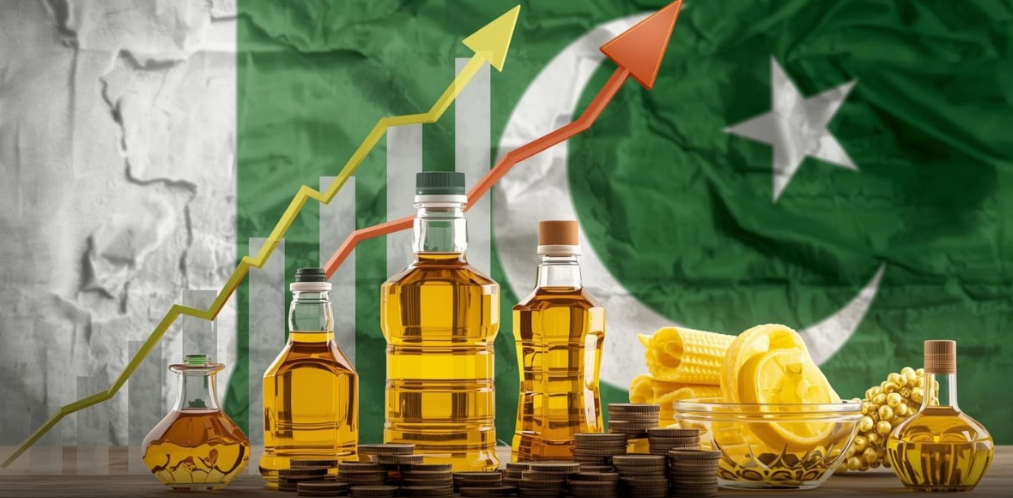
Pakistan plans a major expansion of domestic oilseed production to substitute $7.611 billion in annual imports by 2035-36, as the country seeks to reduce its heavy dependence on imported edible oils and oilseeds.

Aug 31, 2026
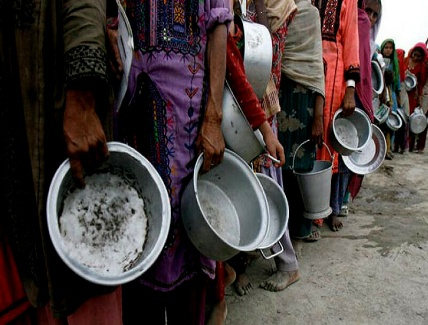
ISLAMABAD, Aug. 28 (INP-Wealth Pakistan) -- Food, housing and utilities consume nearly two-thirds of Pakistani household budgets, trapping low-income families in nutritional poverty when their purchasing power comes under pressure.

ISLAMABAD, Aug. 28 (INP-Wealth Pakistan) -- The cost of Peshawar Electric Supply Company's World Bank-funded Electricity Distribution Efficiency Improvement Project has been revised to Rs30.256 billion.
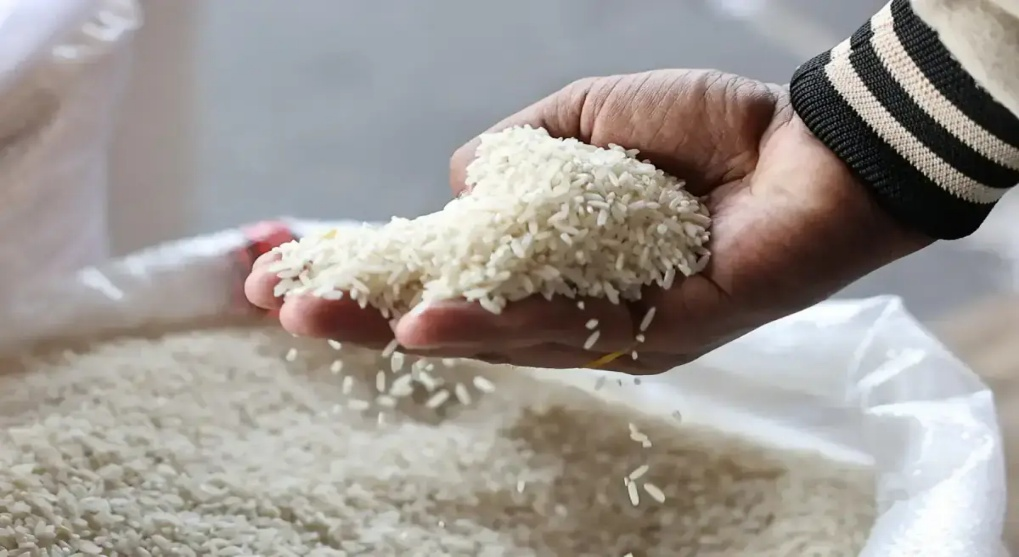
ISLAMABAD, Aug. 28 (INP-Wealth Pakistan) -- Pakistan's rice export support enters a new phase with a Rs20 billion federal budget allocation for the FY2026-27 exporters’ competitiveness scheme, boosting implementation funding.
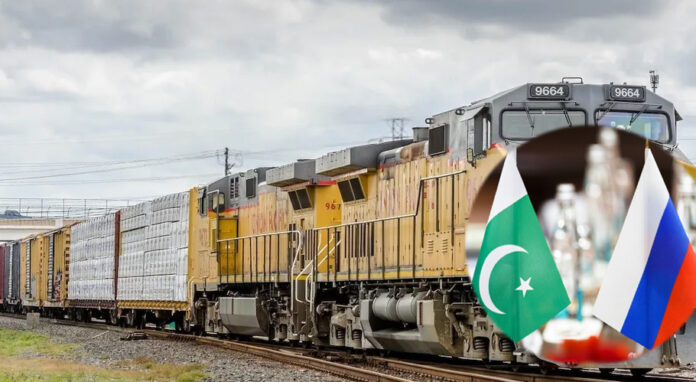
ISLAMABAD, Aug. 28 (INP-Wealth Pakistan) -- Pakistan's proposed freight rail connectivity with Russia could provide wider access to Central Asian and Eurasian markets, create new transit business through Pakistani ports and strengthen the country's position as a regional trade gateway, experts say.

ISLAMABAD, Aug. 28 (INP-Wealth Pakistan) -- The Trade Development Authority of Pakistan (TDAP) has planned a dedicated promotional campaign to expand the international market for Pakistani Pink Himalayan Salt, with activities scheduled from January to June 2027.
ISLAMABAD, Aug. 28 (INP-Wealth Pakistan) -- The government plans to strengthen the horticulture sector through dedicated events and initiatives under FoodAg 2027, with a particular focus on collaboration with the governments of Balochistan and Punjab, according to an official document available with Wealth Pakistan.

ISLAMABAD, Aug. 28 (INP-Wealth Pakistan) -- Pakistan's major trade exhibitions have so far generated $312 million in actualized business, while deals worth another $675 million remain in process.
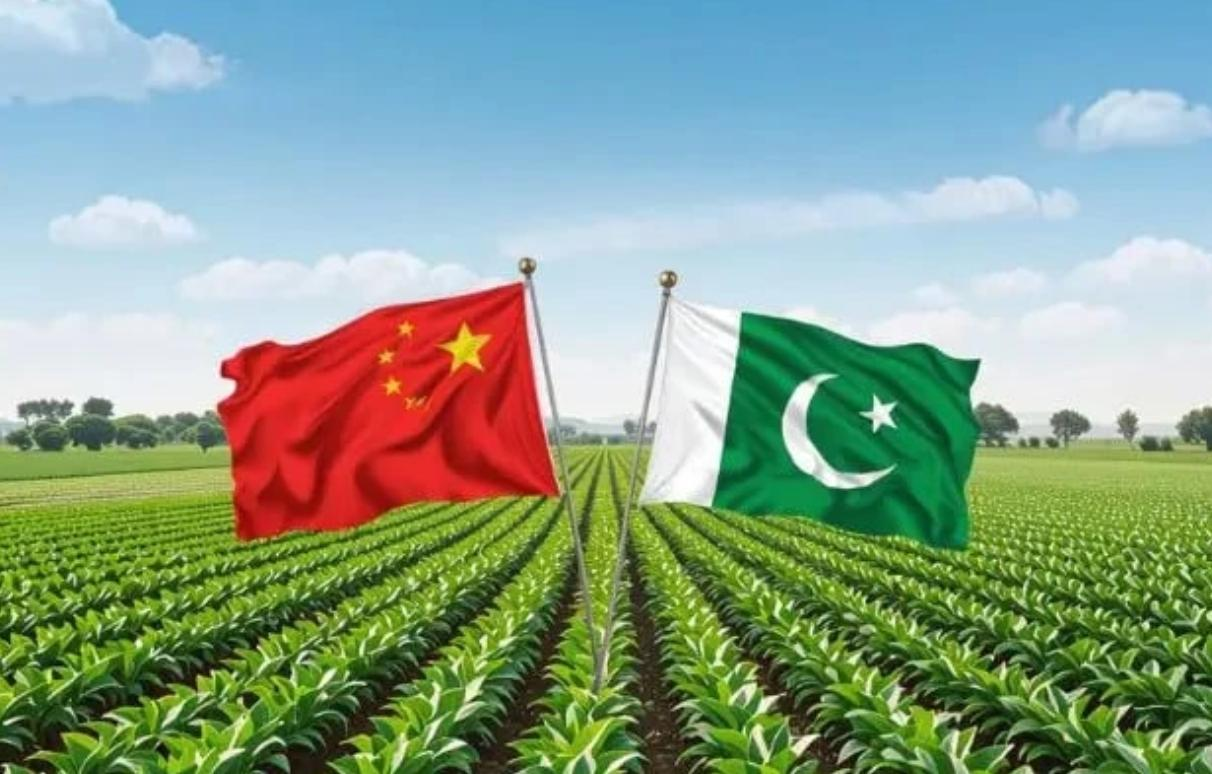
ISLAMABAD, Aug. 28 (INP-Wealth Pakistan) -- Pakistan could increase its agricultural exports to China to as much as $10 billion by improving certification, processing, packaging and cold-chain infrastructure, while helping producers better understand Chinese market requirements, according to Bilal Janjua.

ISLAMABAD, Aug. 28 (INP-Wealth Pakistan) -- Pakistan faces the challenge of moving its pharmaceutical industry beyond conventional generic medicines towards higher-value, research-driven products and internationally regulated markets as the government targets a major expansion in pharmaceutical exports.

Aug 28, 2026
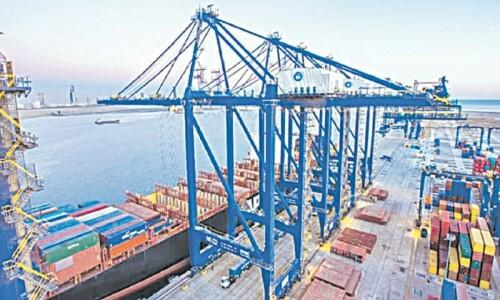
ISLAMABAD, Aug. 27 (INP-Wealth Pakistan) -- Pakistan is preparing to launch a Rs2 billion export credit insurance risk-sharing facility for small and medium enterprises (SMEs) in the first week of September, as the Export Development Fund (EDF) moves to widen exporters’ access to finance and protect them against international trade risks.

ISLAMABAD, Aug. 27 (INP-Wealth Pakistan) -- Oil and gas fields in Khyber Pakhtunkhwa’s Lakki Marwat and Karak districts produced a combined 6.73 million barrels of oil and 72,126.32 million cubic feet of gas during 2025-26, marking a strong recovery from the preceding year.
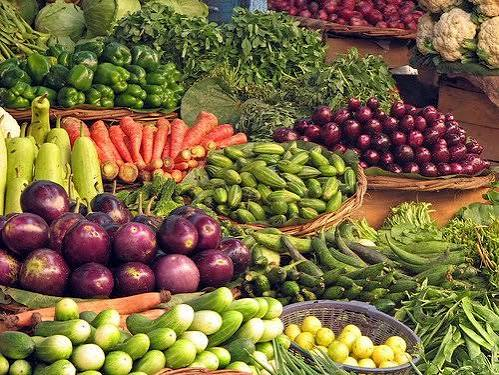
LAHORE, Aug. 27 (INP-Wealth Pakistan) -- Recent spells of monsoon rains across Punjab have disrupted vegetable supplies to the province’s markets, triggering a sharp surge in prices and putting consumers under increasing financial pressure.

Aug 27, 2026
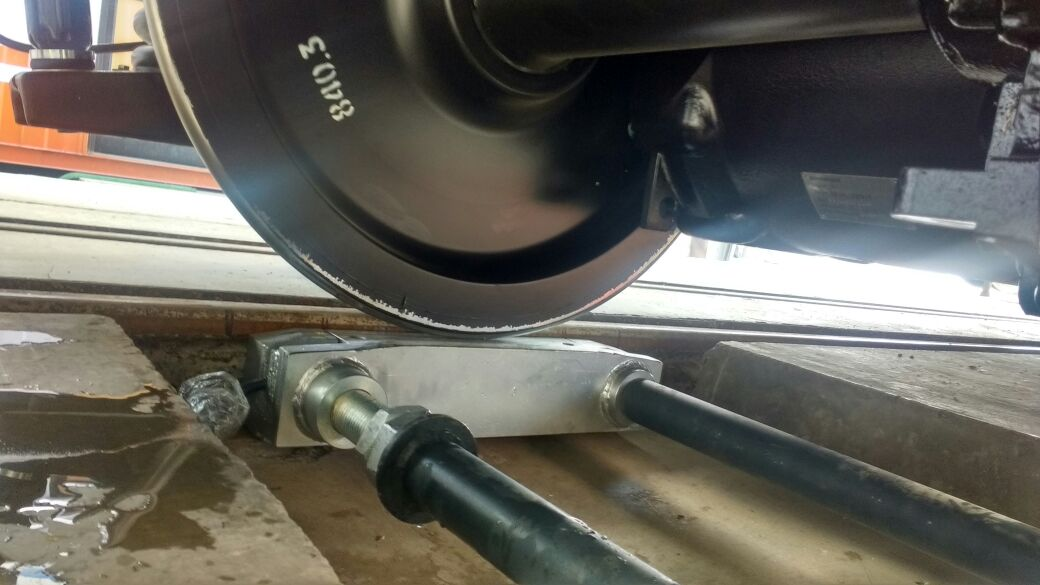
ISLAMABAD, Aug. 26 (INP-Wealth Pakistan) -- Pakistan Railways (PR) has accelerated its efforts to digitise and integrate its 10 Weigh-in-Motion (WIM) bridges into a centralised digital monitoring platform under the Railway Advanced Infrastructure Network (RAIN) Project by September 15 this year.
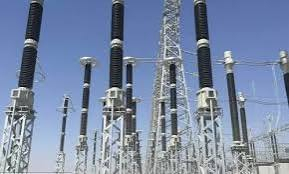
ISLAMABAD, Aug. 26 (INP-Wealth Pakistan) -- The Asian Development Bank (ADB) has extended a concessional loan of $45 million to Pakistan under the Power Transmission Strengthening Project-II (PTSP-II), according to a document available with Wealth Pakistan.
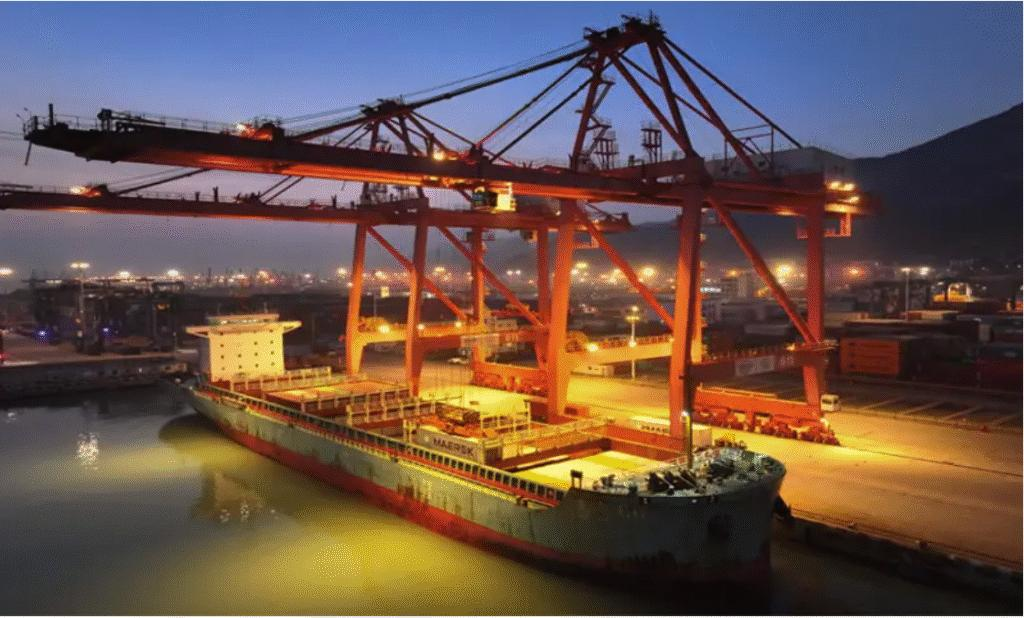
ISLAMABAD, Aug. 26 (INP-Wealth Pakistan) -- Pakistani exporters are facing sharply higher shipping costs on major international routes, adding pressure on their competitiveness as global freight rates rise amid geopolitical tensions, capacity constraints and disruptions across key maritime trade corridors.

ISLAMABAD, Aug. 26 (INP-Wealth Pakistan) -- The Ministry of Climate Change and Environmental Coordination (MoCC&EC) has been allocated Rs40.651 million for fiscal year 2026-27 under a Rs916.028 million project to strengthen expertise in climate finance, marine biodiversity, water and sanitation, and hazardous-waste management.
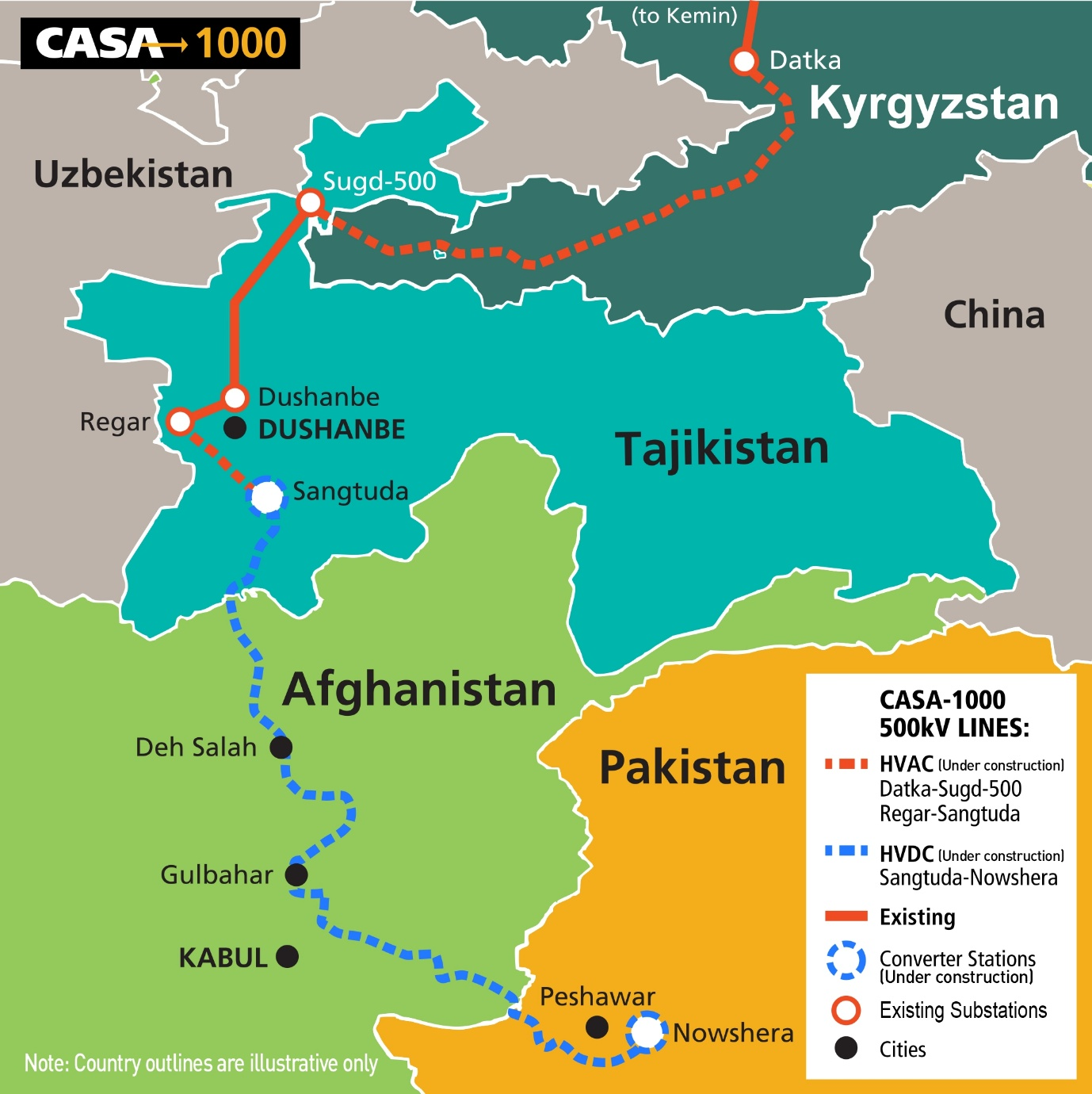
ISLAMABAD, Aug. 26 (INP-Wealth Pakistan) -- Commercial operations of the Central Asia-South Asia Electricity Transmission and Trade Project, commonly known as CASA-1000, are expected to begin on May 1, 2028, after completion of the remaining transmission works in Afghanistan, according to the latest project status document, available with Wealth Pakistan.
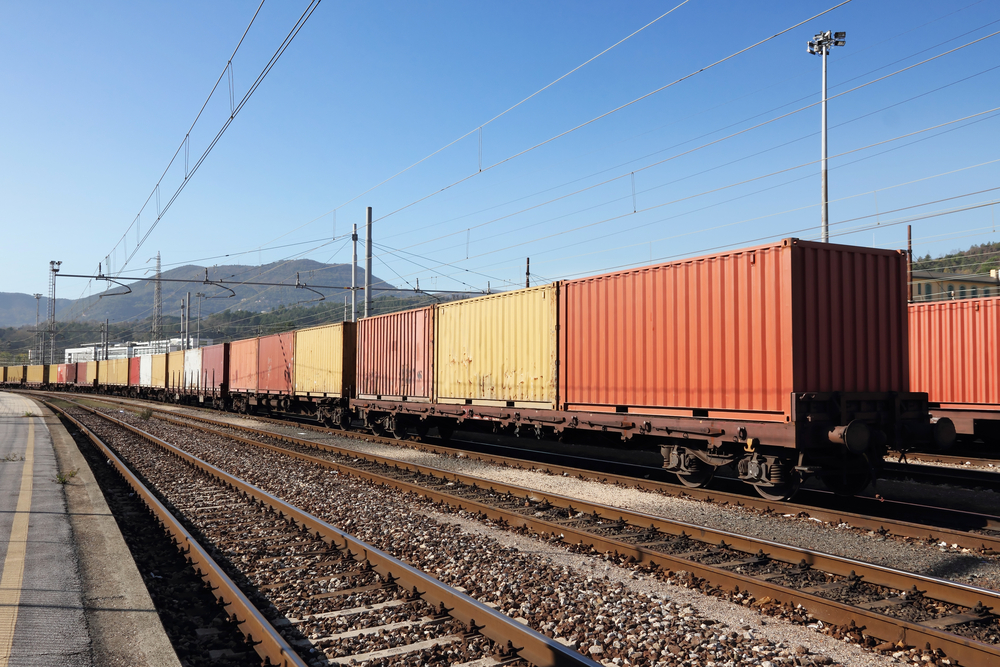
ISLAMABAD, Aug. 26 (INP-Wealth Pakistan) -- The inaugural cargo shipment to Iran under a multimodal logistics arrangement has launched, signalling Pakistan's efforts to strengthen cross-border trade and regional connectivity, according to a transport industry expert.

Aug 26, 2026

The Pakistan Stock Exchange closed in negative territory on Monday, with the benchmark KSE-100 Index falling 339 points to 170,425.

ISLAMABAD, Sep 28 (APP): The Rupee on Monday appreciated by 01 paisa against the US Dollar in interbank trading and closed at Rs 277.15 compared to the previous day’s closing of Rs 277.16.
The Rupee on Monday appreciated by 01 paisa against the US Dollar in interbank trading and closed at Rs 277.15 compared to the previous day’s closing of Rs 277.16. According to the Forex Association of Pakistan (FAP), the buying and selling rates of the dollar in the open market were recorded at R ..
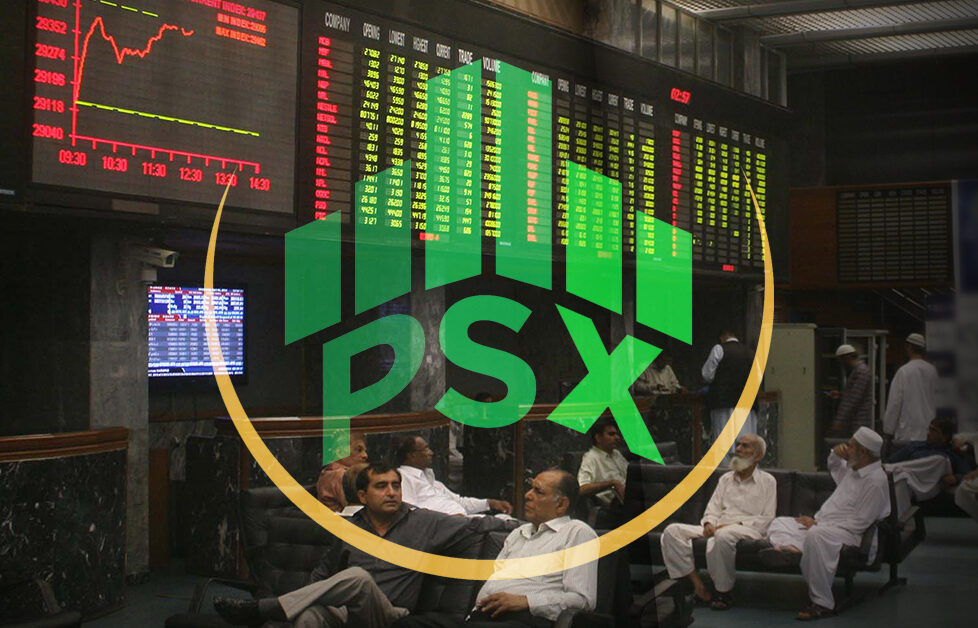
ISLAMABAD, Sep 28 (APP): The benchmark KSE-100 Index of the Pakistan Stock Exchange (PSX) witnessed bearish trend on Monday, losing 339.60 points, a negative change of 0.20 percent, to close at 170,425.62 points against 170,765.22 points recorded in the previous trading session.

The Pakistani rupee extended its marginal gains against the US dollar in the interbank market on Monday.

Gold prices declined sharply in the local market on Monday, with the price of gold per tola falling by Rs12,800 following a major decrease in the international market.
The prices of gold witnessed a decline in the local market on Monday, with the price of 24-karat gold per tola falling by Rs12,800 to settle at Rs438,136, according to rates issued by the All Pakistan Sarafa Gems and Jewellers Association.Similarly, the price of 10 grams of 24-karat gold decreased b ..

Gold prices in Pakistan fell by Rs12,800 per tola to Rs438,136, while 10-gram gold dropped to Rs375,631 amid a decline in international gold prices.

Gold prices in Pakistan decreased on Monday in line with their loss in the international market. In the local market, gold price per tola reached Rs438,136 after a decline of Rs12,800 during the day.

KARACHI – Gold prices in Pakistan continued their downward trend on Monday, with the price of one tola falling by Rs12,800. According to the All Pakistan
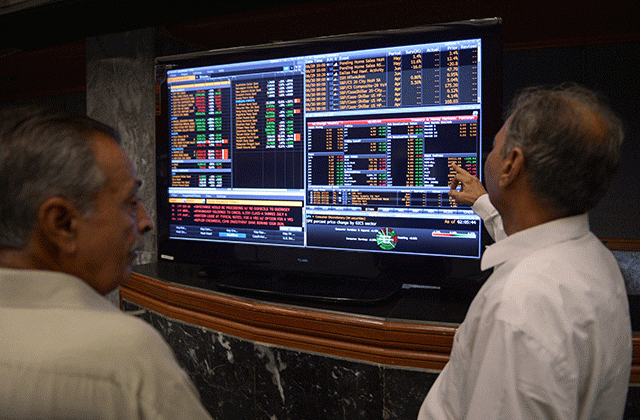
Cautious sentiment engulfed the Pakistan Stock Exchange (PSX) on Monday, pulling the KSE-100 Index down 404.24 points, or 0.24%, to 170,360.98 by 12:38pm as uncertainty over a United States-Iran diplomatic breakthrough weighed on risk appetite.

KARACHI, Sep 28 (APP):Following are the selling/buying rates of major currencies issued by the National Bank of Pakistan (NBP), here on Monday.
Following are the selling/buying rates of major currencies issued by the National Bank of Pakistan (NBP), here on Monday.CURRENCY SELLING BUYING USD 278.94 275.94GBP 369.43 365.04 EUR ..

Pakistan stocks opened lower on Monday, with the KSE-100 Index falling 407.67 points, or 0.24%, to 170,357.55 amid early selling pressure.

KARACHI, Sep 28 (APP):Following are the selling/buying rates Of major currencies issued by the National Bank of Pakistan (NBP), here on Monday.

KARACHI, Sep 28 (APP):(28-07-2026)

KARACHI, Sep 28 (APP):Treasury Management Division of National Bank of Pakistan (NBP) announced the following exchange rates on Monday.

KARACHI, Sep 28 (APP):The Exchange Rates Committee of Financial Markets Association of Pakistan issued the following Exchange rates bulletin, here on Monday.
Following are the selling/buying rates Of major currencies issued by the National Bank of Pakistan (NBP), here on Monday.CURRENCY SELLING BUYING USD 278.94 275.94GBP 369.43 365.04 EUR ..
The Exchange Rates Committee of Financial Markets Association of Pakistan issued the following Exchange rates bulletin, here on Monday. CONVERSION RATES FOR SEPTEMBER 28, 2026 FOR FOREIGN CURRENCY FOR FORWARD COVER FOR DEPOSITS (EXCLUDING FE-25 DEPOS ..
Treasury Management Division of National Bank of Pakistan (NBP) announced the following exchange rates on Monday.CURRENCY SYMBOL T Selling TT Buying US DOLLAR USD 277.55277.05EURO EUR316.04315.47JAPANESE YENJPY1.7590 1.7558BRITISH POUND GBP367.59 366.93SWISS FRA ..
(28-07-2026)CURRENCY SELLING BUYING USD 278.94 275.94GBP 369.43 365.04EUR 317.62 313.88 JPY 1.76781.7470 SAR 74.26 73.38 AED 75.95 75.06 LIBOR LIBOR FOR CALCULATING INTEREST ON SPECIAL USD ..

Foreign exchange rates in Pakistan for today, September 28, 2026

Silver price in Pakistan for today, September 28, 2026
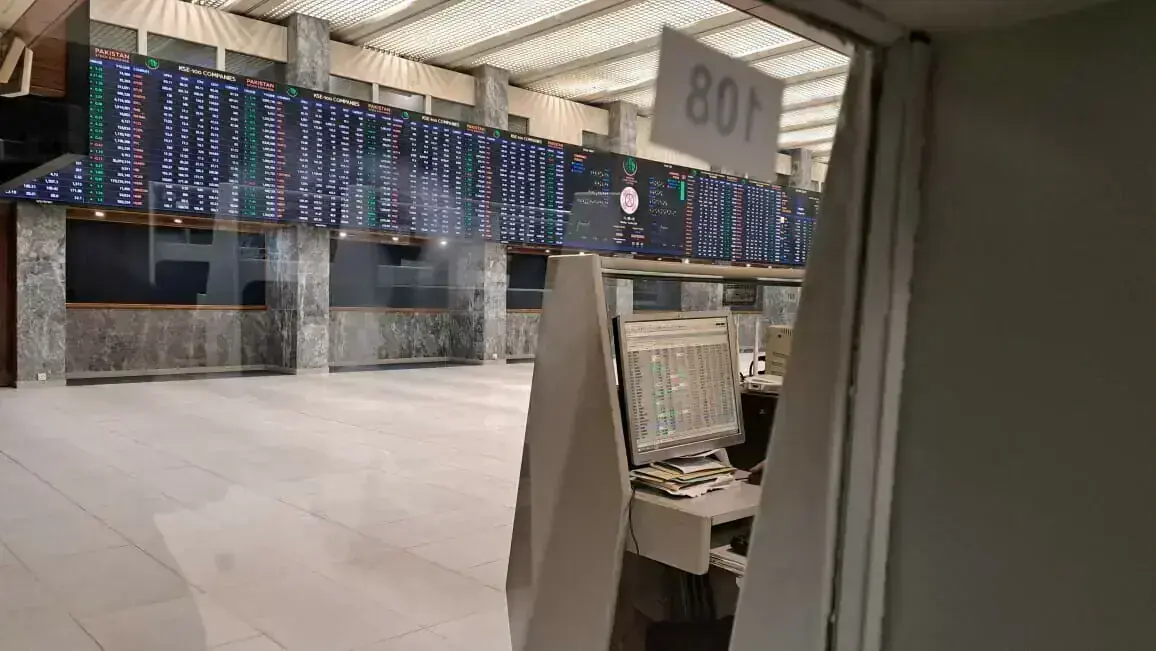
Selling was observed at the Pakistan Stock Exchange (PSX) on Monday, with the benchmark KSE-100 Index shedding nearly 500 points during the opening minutes of trading.

Gold price in Pakistan for today, September 28, 2026
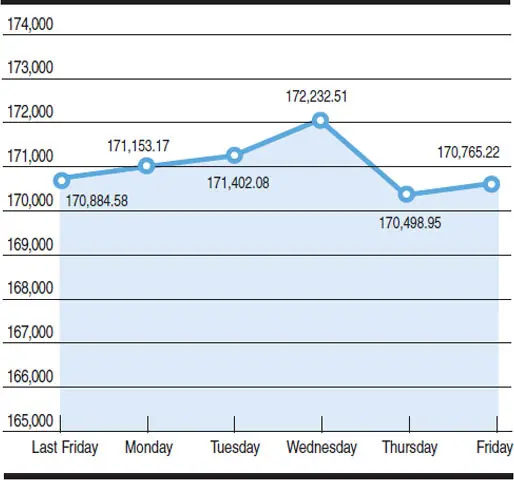
Source: PSX Chart by Mohammad Zeeshan Ali Khan

Textile production itself declined marginally by 0.03pc, but wearing apparel expanded 22pc

Large-Scale Manufacturing (LSM) growth may have slowed to 3 percent YoY in July, but the headline understates the more important development.

ISLAMABAD - The cost of the World Bank-funded Electricity Distribution Efficiency Improvement Project for Peshawar Electric Supply Company (PESCO) has escalated by 47 percent to $108.06 million from its original estimate of $73.44 million. According to an official document, the project is funded through a $70.10 million World Bank loan, with $3.34 million to be provided by PESCO. The loan agreement was signed on Dec 23, 2021, became effective on Aug 15, 2022, and the assignment account was opened in September 2023. The loan closing date is Dec 31, 2027, however, cumulative financial progress of the project is only 19.73% or Rs 2.321 billion, the data revealed.