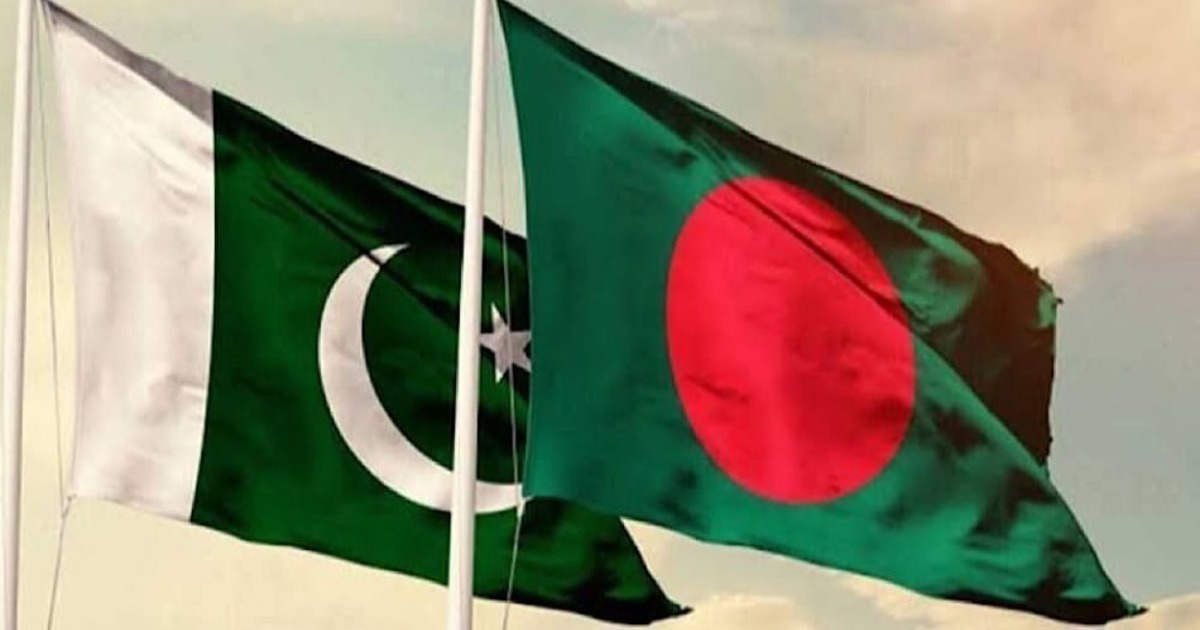
Pakistan, Bangladesh textile bodies plan joint business meetings
Pakistan and Bangladesh are preparing to deepen cooperation between their textile and garment industries through joint business-to-business activities and
Mettis Link News
Pakistan and Bangladesh are preparing to deepen cooperation between their textile and garment industries through joint business-to-business activities and
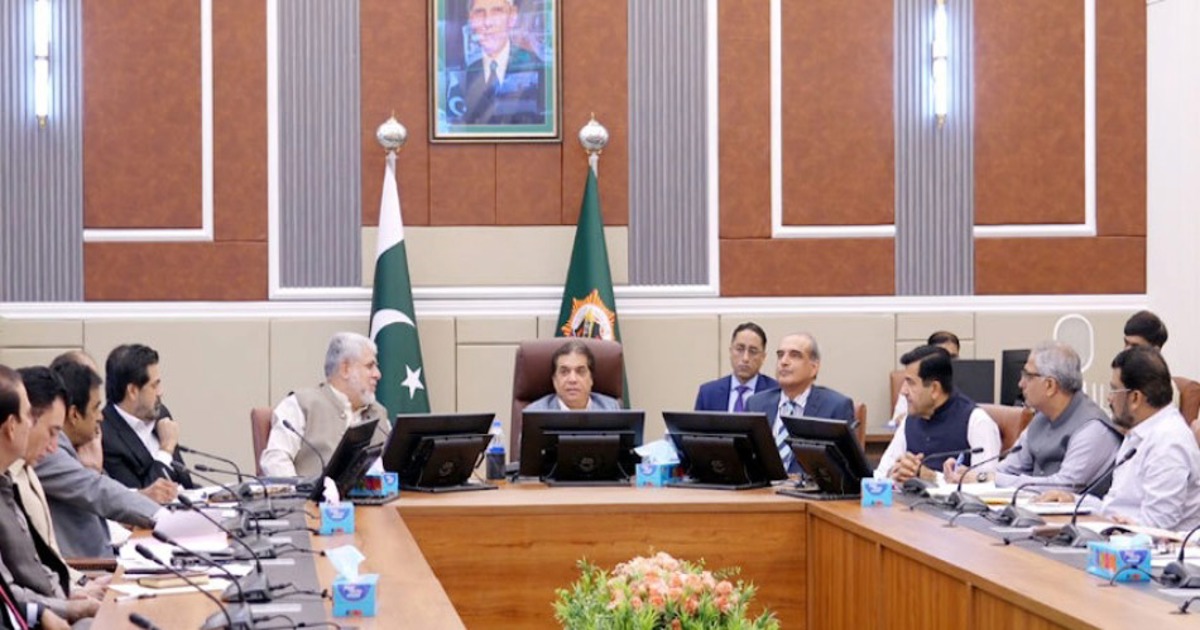
Pakistan Railways earned Rs26 billion during the first quarter, prompting Railways Minister Muhammad Hanif Abbasi to appreciate the administration’s perfo
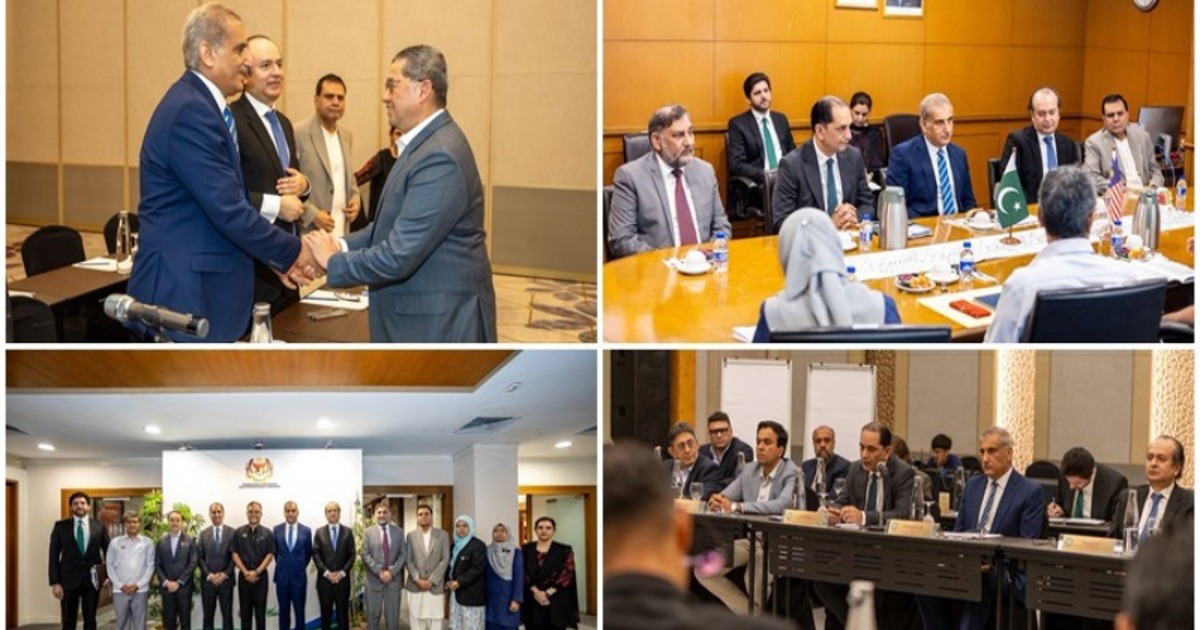
Pakistan and Malaysia have agreed to strengthen cooperation on rice exports, halal certification and agricultural supply chains as Islamabad seeks greater

China's Ministry of Industry and Information Technology has asked major domestic tech firms—including ByteDance and Alibaba—to report their purchasing plans for Nvidia's newly unveiled...

Gold price in Pakistan for today, September 28, 2026
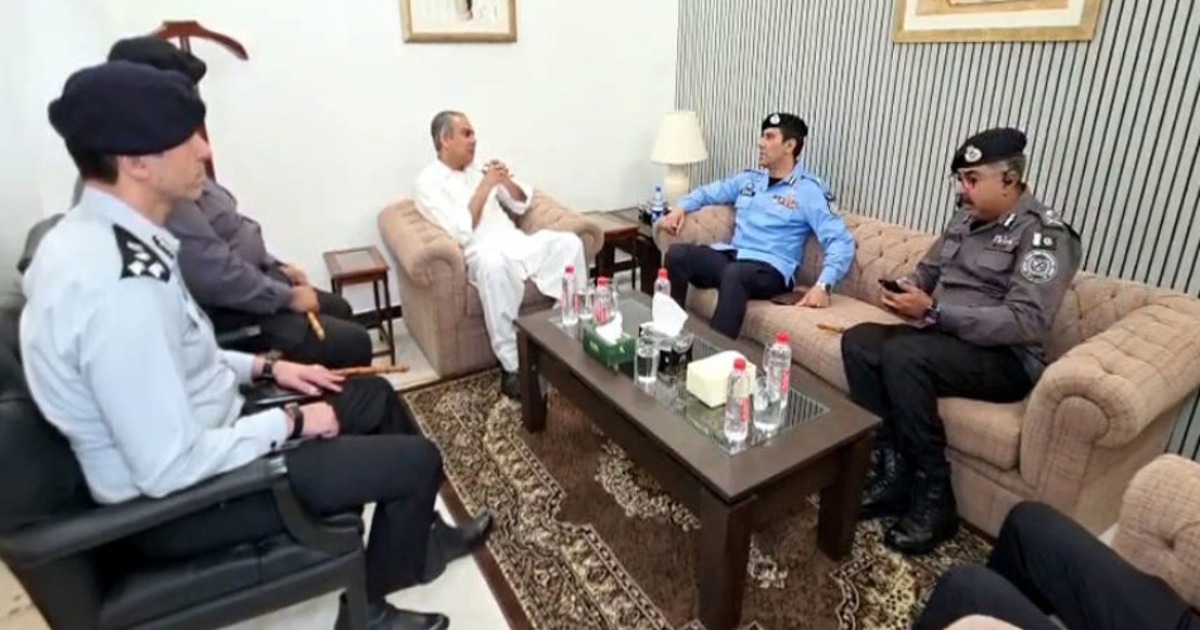
Interior Minister Mohsin Naqvi has directed the National Cyber Crime Investigation Agency (NCCIA) to intensify action against organized networks involved
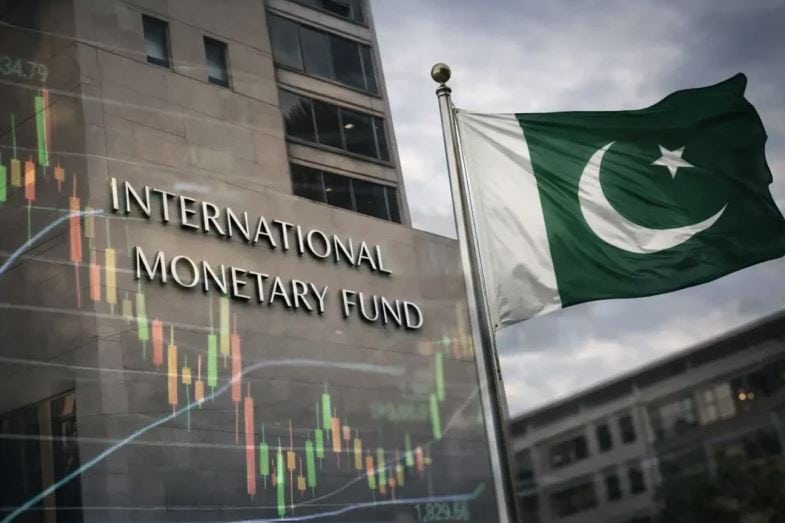
ISLAMABAD – Pakistan and an International Monetary Fund (IMF) staff mission are set to begin formal discussions on the latest reviews of the country’s

Sindh plans to expand its recorded urban property tax base from 397,375 to 2.15m properties under a $150m World Bank-backed programme.
Pakistan has a tax bureaucracy. What it increasingly needs is a rational tax policy. The distinction matters. A good tax policy decides who should pay, according to ability, and how revenue can finance development without destroying productive capacity. A revenue bureaucracy asks a simpler question: where can money be collected quickly enough to meet the target?
Pakistan's digital economy is rapidly becoming an important source of foreign exchange, employment and investment, creating opportunities beyond traditional exports. At a time when the country is seeking to diversify its export base and strengthen its external position, digital services offer an important avenue because they can reach international markets with relatively limited physical infrastructure.
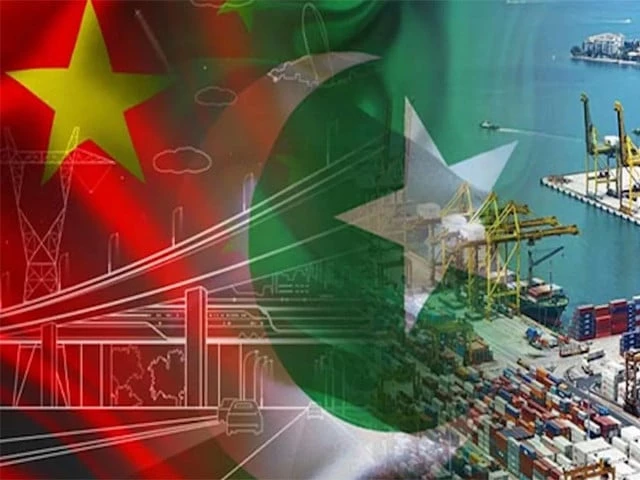
Pakistan is struggling to revive its economy. Despite all efforts and claims, the economy continues to deteriorate. Economic growth is not returning to track. Debt is increasing, rising day by day. Social and development indicators are deteriorating. As a result, the country is searching who can help and how. In this situation, it turns to international financial institutions and friendly countries, and is even considering cryptocurrency as a source of economic revival. However, cryptocurrency is a financial instrument that still has to establish its credibility and can never be a source of economic revival.
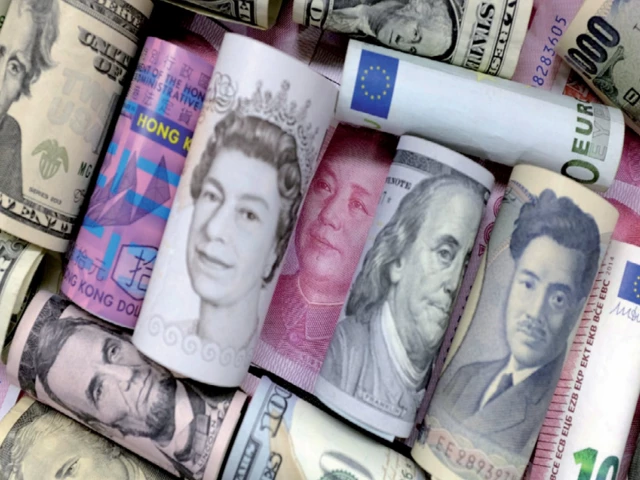
The next global debt crisis may not arrive with the drama of Lehman Brothers. No spectacular market collapse. No single bank failure. Instead, warning signs could appear quietly. A sovereign bond rolled over at a punishing rate. A development project postponed. A health budget squeezed. Or a cash-strapped government forced to spend more on debt servicing than on health and education.

Documented houses, undocumented borrowers

Pakistan's remittance story is no longer a marginal economic footnote. It is one of the country's central macroeconomic pillars. Workers' remittances rose to $41.58 billion in FY2026 from $38.30 billion in FY2025, registering an 8.6% year-on-year increase.

China's automotive industry has set a record this year as vehicle exports have already surpassed last year's total by August. As Chinese automakers expand into emerging markets to offset Western trade barriers and domestic overcapacity, Pakistan has become one of the clearest beneficiaries.

Shaheen Energy and China’s Anton Oilfield Services Group will explore around Rs20bn in gas and upstream energy investments in Pakistan over three to five years.

Pakistan’s seafood exports are growing, but poor processing, weak cold chains and overfishing are keeping the country from capturing higher-value markets.

In Pakistan, as elsewhere in the world, one of the pressing debates relates to the water footprint of data centres.

Fauji Cement’s 50 MWh battery project marks the latest shift as Pakistan’s cement makers pair solar with storage to reduce grid reliance and power costs.

Scammers are using AI-generated videos, cloned voices and fake websites to impersonate Arif Habib and promote fraudulent investment schemes in Pakistan.
Pakistan and the IMF are set to begin reviews of the $7bn EFF and RSF programmes, with successful completion expected to unlock about $1.2bn in financing.
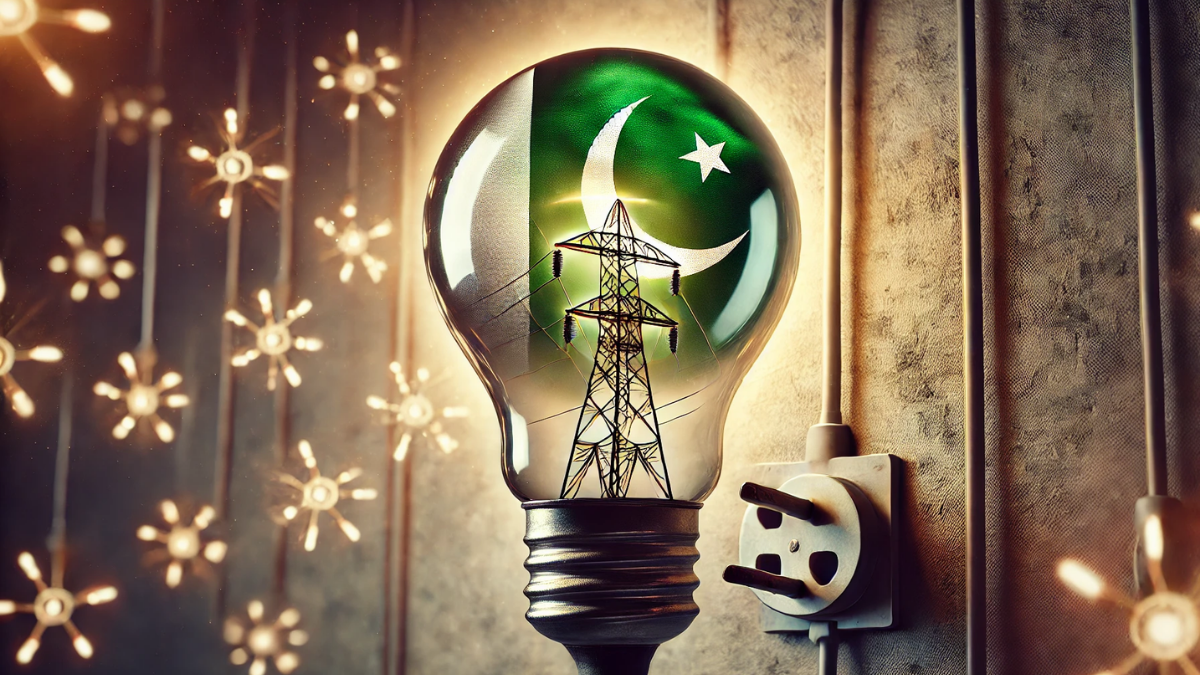
Pakistan moves to privatise FESCO, GEPCO and IESCO as investors line up, but binding bids, valuations and the post-sale regulatory framework remain ahead.

The next phase of Pakistan's reset must therefore move beyond repairing what is broken.
Sazgar outlines upcoming Canon Alpha, P500, TANK300, Haval H7 and Jolion Max launches, alongside plans to introduce ArcFox electric vehicles in Pakistan.
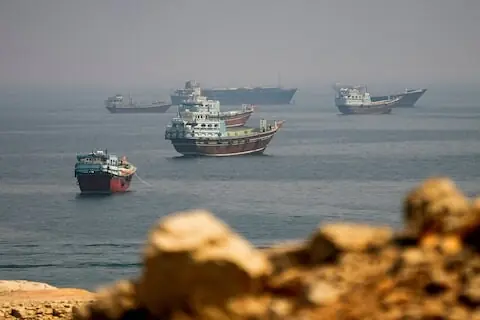
SINGAPORE: Crude oil exports from key Middle East producers rebounded in September to 12.8 million barrels per day, the highest since the US-Israeli war with Iran started in February, data from Kpler showed on Monday, as Saudi Arabia and the United Arab Emirates boosted exports.

HONG KONG: The dollar inched higher to hold near a two-month high on Monday, as the US-Iran standoff continued to push up oil prices while investors looked ahead to a data-packed week for more clues on inflation and central banks’ moves.
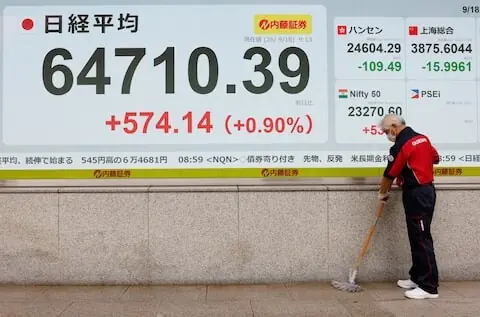
SYDNEY: Share markets were mostly lower on Monday as oil prices popped higher again amid doubts the United States and Iran will reach a truce anytime soon, keeping bonds under pressure ahead of a week packed with economic news.
The Rawalpindi Chamber of Commerce and Industry (RCCI) on Sunday demanded Federal Board of Revenue (FBR) to extend the deadline for filing income tax returns, citing severe technical glitches and system slow-downs on the online IRIS portal.In a statement, RCCI President Usman Shaukat highlighted tha ..
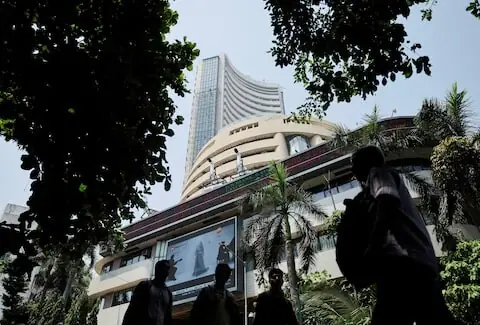
Indian shares were set for a subdued open on Monday, with investors remaining cautious after the benchmark indexes’ longest weekly losing streak since 2020 as oil prices rose following a stalemate in US-Iran peace talks.

Petroleum Minister Ali Pervaiz Malik says the government may continue its petrol subsidy for up to 10 months, with monthly spending of Rs35-40 billion.

Pakistan’s Public Sector Development Programme (PSDP) is facing mounting financial pressure as the cost of completing approved projects continues to rise far beyond the resources available for development spending, prompting the Planning Ministry to warn that the programme is becoming a “new circular debt crisis.”
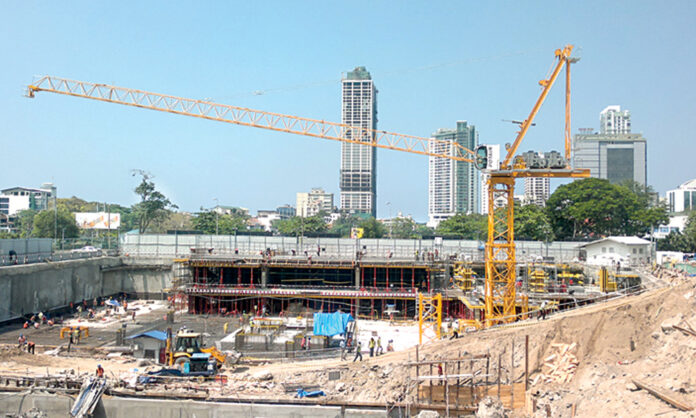
Pakistan’s development project backlog has surged to Rs10.818 trillion, highlighting the growing challenge of completing hundreds of ongoing public-sector schemes amid limited fiscal resources.

Over 9,000 incidents of diesel and electricity theft, along with prolonged power outages, disrupted Pakistan’s telecom infrastructure in the last 11 months, posing a major challenge to the sector, according to Pakistan Telecommunication Authority (PTA) documents available with Wealth Pakistan.

Pakistan's ongoing federal development projects will require about three times the resources currently available under the proposed Public Sector Development Programme (PSDP) framework for FY2026-27, according to official planning documents.
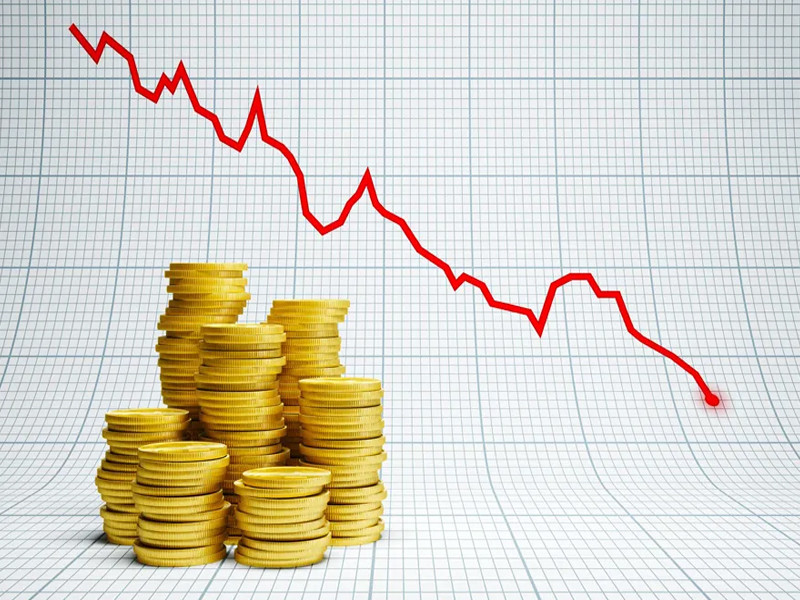
The government has introduced a new project prioritisation framework, known as the “Rockfill Strategy,” to manage mounting development commitments and ensure that limited Public Sector Development Programme (PSDP) resources are directed towards projects with the greatest strategic importance.
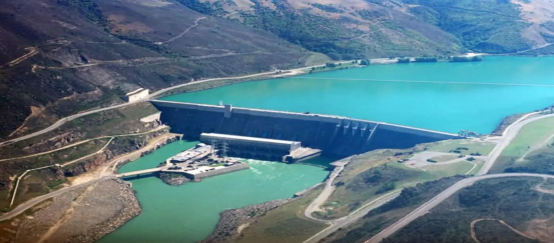
Major water-sector projects, particularly large dams and hydropower schemes, have emerged as one of the biggest contributors to Pakistan’s growing development liabilities, with financing requirements running into hundreds of billions of rupees.
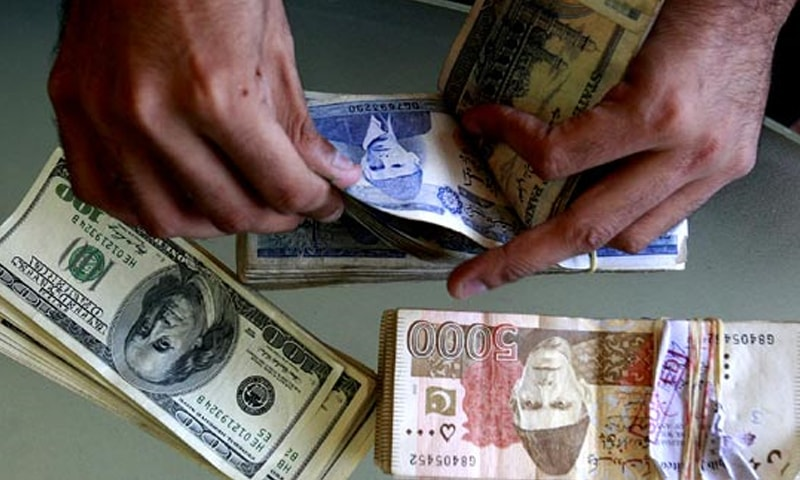
Foreign-funded development projects are placing increasing pressure on Pakistan’s public finances as the government struggles to meet growing rupee-cover requirements needed to support externally financed schemes.
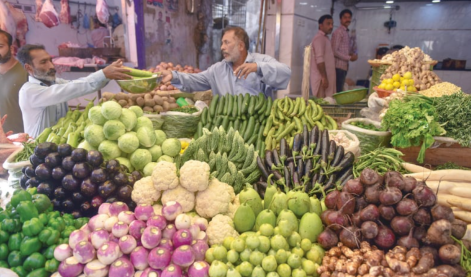
Consumers received some relief in May as prices of several key food items, particularly vegetables and poultry products, declined significantly on a month-on-month basis, according to data released by the Pakistan Bureau of Statistics (PBS).
The federal government continues to allocate significant development resources to projects falling within provincial domains despite the devolution of many sectors under the 18th Constitutional Amendment, according to official planning documents.

Pakistan's digital transformation initiatives continue to receive federal development support despite mounting fiscal pressures and growing competition for limited Public Sector Development Programme (PSDP) resources.
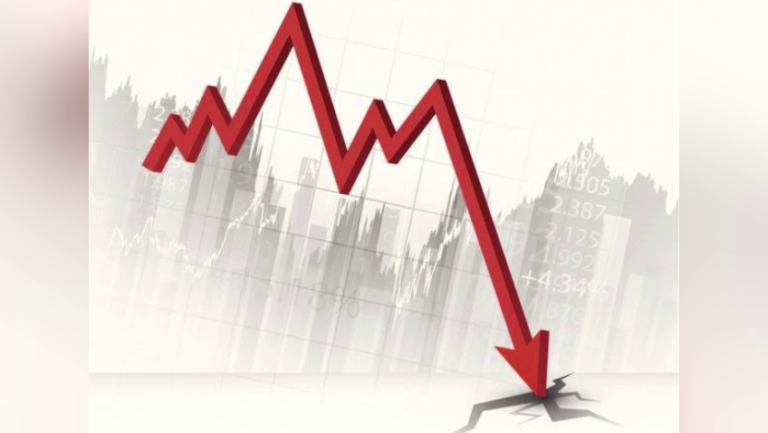
Pakistan’s development spending has failed to keep pace with the expansion of the federal budget and the overall economy over the past decade, raising concerns about the country’s capacity to finance infrastructure and development priorities.
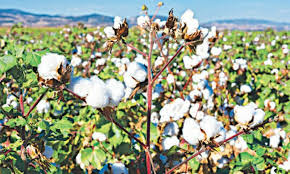
Punjab's cotton crop, the backbone of Pakistan's textile industry, is showing encouraging signs as major pest infestations remain under control and no cases of Cotton Curl Leaf Virus (CCLV) have been detected so far this season, according to the latest official monitoring report.

China’s targeted approach to financing small and medium enterprises (SMEs) offers valuable experience for Pakistan as it seeks to expand affordable credit, strengthen productive sectors and enable smaller businesses to play a larger role in job creation, exports and industrial growth, experts say.

Pakistan’s exploration of blockchain-based sovereign bonds could diversify the country’s debt financing channels, attract a broader pool of investors and modernise capital-market infrastructure, provided the initiative is supported by a robust regulatory framework, strong investor protections and secure digital systems, experts say.
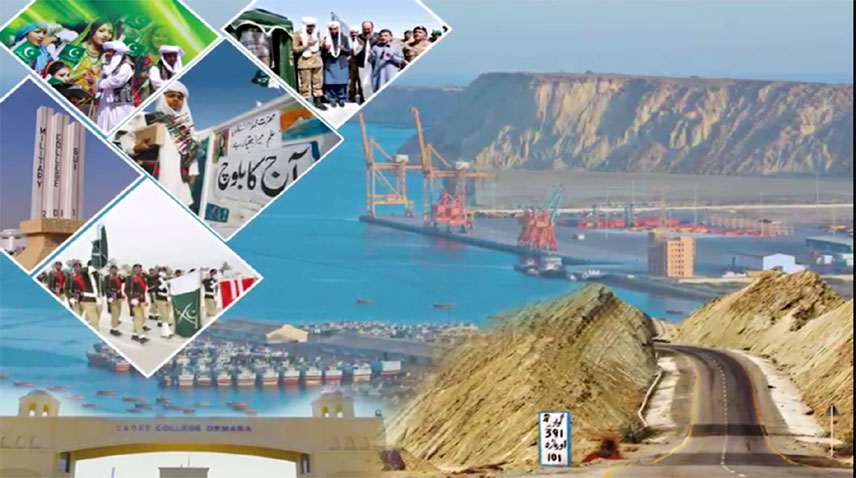
Balochistan is set to remain a major beneficiary of federal development spending in FY2026-27, with dedicated allocations proposed for infrastructure, connectivity and regional development projects despite growing fiscal constraints.
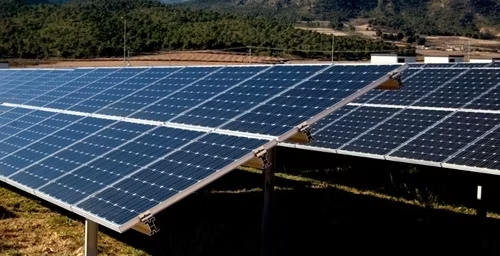
The revision of net metering to net billing will affect only three-phase commercial and industrial consumers, while 90 percent of single-phase consumers will remain unaffected, according to a media brief available with Wealth Pakistan.

Around two million single-phase electricity consumers have registered under a QR code system launched to verify subsidy eligibility, as Pakistan’s residential and agricultural power subsidy bill has reached Rs527 billion.

Jun 2, 2026
The Pakistan Stock Exchange (PSX) extended its strong upward momentum in May 2026, with the benchmark KSE-100 Index gaining 10,969 points month-on-month to close at 173,963, delivering a return of 6.7 percent amid improving investor sentiment and easing geopolitical concerns.
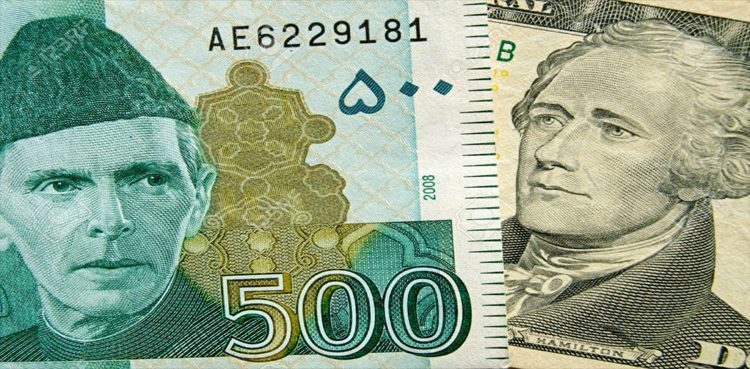
Pakistan’s liquid foreign exchange reserves rose to $22.646 billion by May 22, 2026, reflecting a notable improvement in the country’s external liquidity position and strengthening its capacity to meet external payment obligations.

In a major move, Pakistan Railways (PR) has decided to outsource its nationwide schools network under a long-term Public-Private Partnership (PPP) framework, according to documents available with Wealth Pakistan.

As supply chains across the Asia-Pacific continue to undergo a major realignment, Pakistan is increasingly positioning itself as a regional trade connector, offering alternative transit routes that can reduce delays, diversify trade corridors and enhance resilience against geopolitical and shipping disruptions.
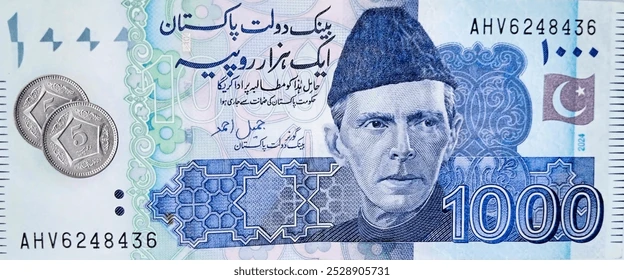
The Pakistani rupee remained broadly stable against major international currencies during May 2026, posting a modest appreciation against the US dollar amid improving foreign exchange reserves and steady market sentiment.

Oil and Gas Development Company Limited (OGDCL) has significantly accelerated the monetisation of its hydrocarbon discoveries, and its latest additions contributed around 9,734 barrels per day (BPD) of oil and 74.25 million standard cubic feet per day (MMSCFD) of gas, representing the strongest production gains during the first 10 months of the fiscal year 2025-26.

The Ministry of Energy is working on a time-of-use (ToU) electricity package for the industrial sector that would allow manufacturers to utilize surplus daytime power at significantly lower rates, as Pakistan seeks to balance a rapidly changing demand profile driven by large-scale solar adoption.
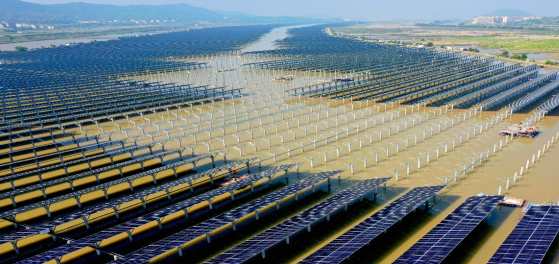
The rapid expansion of Chinese clean-tech financing and overseas green industrial investment is creating fresh opportunities for Pakistan’s Special Economic Zones (SEZs), as the country seeks to attract export-oriented manufacturing, renewable energy equipment production and electric vehicle-related industries.
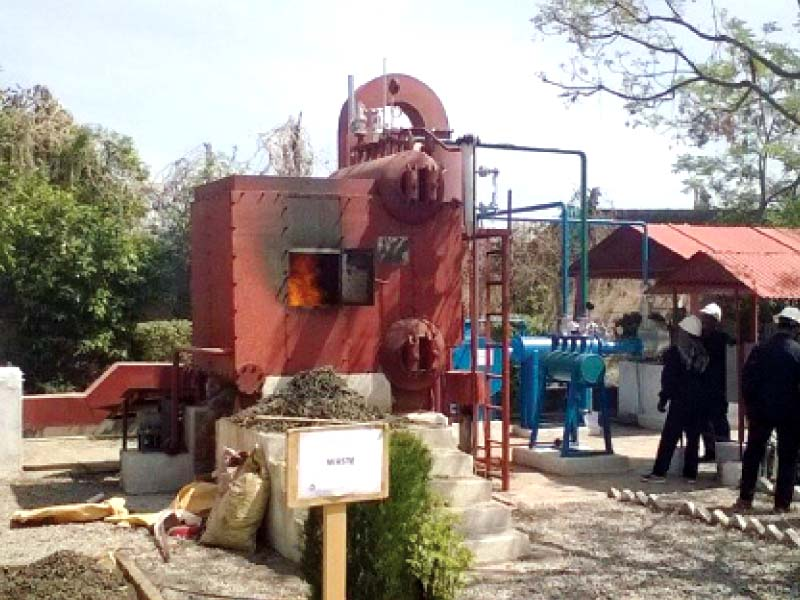
China’s waste-to-energy model offers insights for Pakistan as the country struggles with rising municipal solid waste, weak segregation systems, shrinking landfill space and an energy sector that needs cleaner and locally available generation sources.
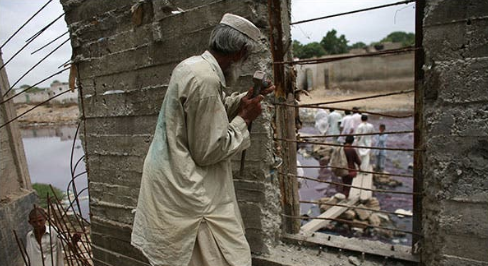
China’s renewed emphasis on law-based governance and sustained action against organized crime offers valuable experience for Pakistan as illicit networks, smuggling, extortion and weak enforcement continue to undermine business confidence, investment security and formal economic activity, experts say.

China’s renewed focus on disaster prevention, community-level emergency response systems and public preparedness offers valuable experience for Pakistan as climate-induced floods, heatwaves, landslides and urban flooding continue to challenge the country’s resilience and response capacity, experts say.
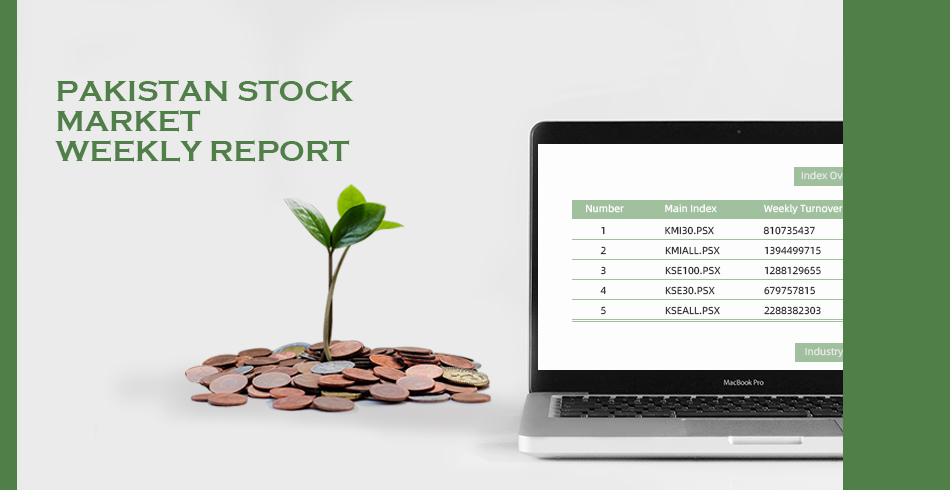
Weekly Review of Stock Market (2026.05.25-2026.05.29)
Treasury Management Division of National Bank of Pakistan (NBP) on Tuesday the following exchange rates.CURRENCY SYMBOL T Selling TT Buying US DOLLAR USD 277.55277.05EURO EUR315.36314.79JAPANESE YENJPY1.7636 1.7604BRITISH POUND GBP367.53 366.86SWISS FRANCCHF333. ..

Pakistan’s stock market opened higher on Tuesday, with the KSE-100 Index gaining over 500 points to reach 170,944, after closing 339 points lower in the previous session.

Gold prices in Pakistan fell sharply on Monday, tracking a steep decline in the international market, as rising US Treasury yields weighed on demand for the non-yielding precious metal.

Morning Breeze aims to lessen the load for its readers by curating noteworthy updates from the preceding day.
KARACHI: The Pakistan Stock Exchange (PSX) opened the week on a bearish note as elevated oil prices, amid a ...

ISLAMABAD - The price of gold witnessed a decline in the local market on Monday, with the price of 24-karat gold per tola falling by Rs12,800 to settle at Rs438,136, according to rates issued by the All Pakistan Sarafa Gems and Jewellers Association. Similarly, the price of 10 grams of 24-karat gold decreased by Rs10,973 to Rs375,631, whereas 10 grams of 22-karat gold declined by Rs10,059 to Rs344,340. In the international market, the price of gold fell by $128 to $4,156 per ounce, the association reported. Meanwhile, the price of silver per tola decreased by Rs325 to Rs6,578, while the price of 10 grams of silver fell by Rs279 to Rs5,639. The price of silver in the international market also declined by $3.25 to $61 per ounce, the association added.

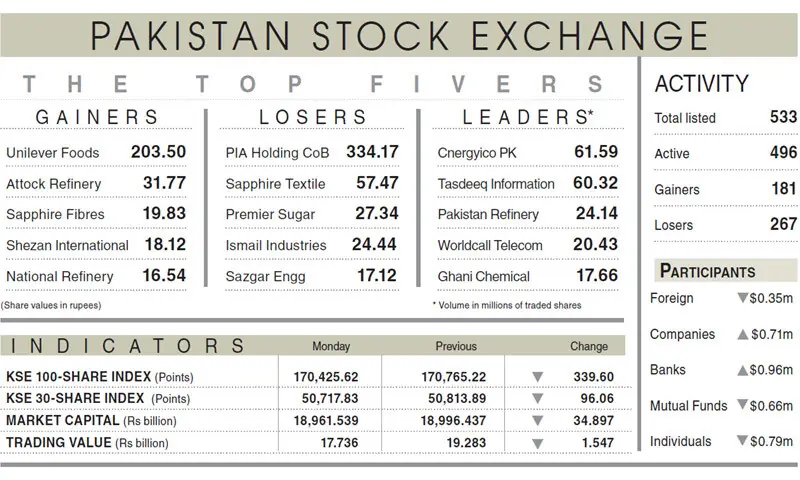
ISLAMABAD - The benchmark KSE 100-index of the Pakistan Stock Exchange (PSX) witnessed bearish trend on Monday, losing 339.60 points, a negative change of 0.20 percent, to close at 170,425.62 points against 170,765.22 points recorded in the previous trading session. The ready market witnessed a trading volume of 421.016 million shares compared to 482.759 million shares traded in the previous session, while the traded value decreased to Rs17.736 billion from Rs19.284 billion. Market capitalisation decreased to Rs18.962 trillion from Rs18.996 trillion recorded a day earlier. Out of 496 companies that traded in the ready market, 181 posted gains, 267 suffered losses, while 48 remained unchanged.

KARACHI: Gold prices nosedived on Monday, posting a mamooth fall by over Rs12,000 per tola, reflecting the international market’s sharp downturn, traders said.

ISLAMABAD: The ex-depot prices of petrol has decreased by Rs 2.27 per litre from Rs 391.30 to Rs 389.03 per litre while High Speed Diesel (HSD) dropped by Rs 3.56 per litre to settle at Rs 404.97 per litre effective for September 29.

KARACHI, Sep 28 (APP):
(28-07-2026)CURRENCY SELLING BUYING USD 278.94 275.94GBP 369.43 365.04EUR 317.62 313.88 JPY 1.76781.7470 SAR 74.26 73.38 AED 75.95 75.06 LIBOR LIBOR FOR CALCULATING INTEREST ON SPECIAL USD ..
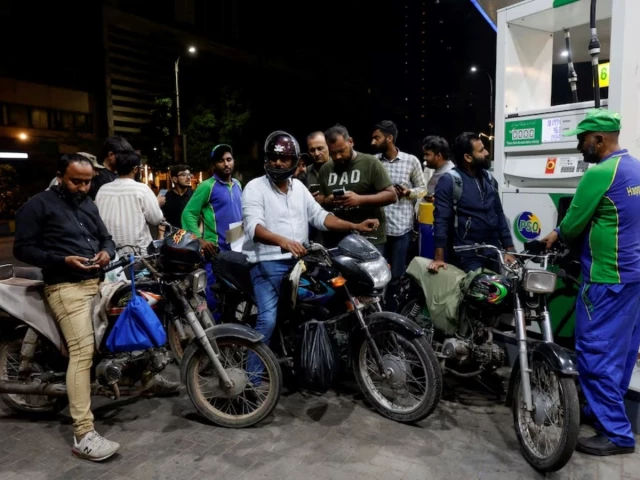
The federal government on Monday decreased the price of petrol and high-speed diesel (HSD) by Rs2.27 and Rs3.56 per litre, respectively, for September 29.

The new price of petrol is Rs389.03 per litre while HSD will cost Rs404.97 per litre.
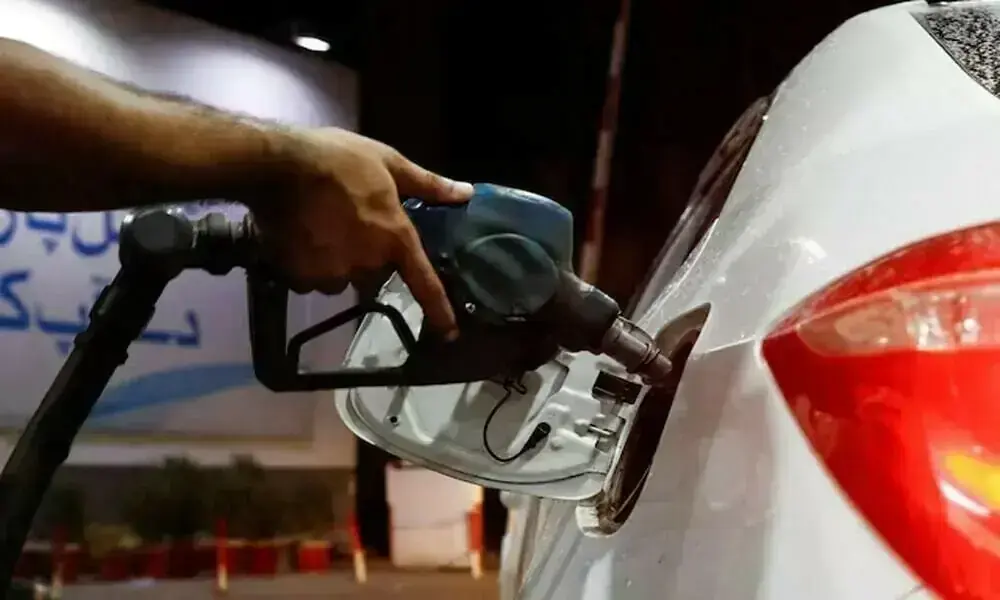
The government has reduced the price of petrol by Rs2.27 per litre to Rs389.03 and high-speed diesel (HSD) by Rs3.56 to Rs404.97 per litre, effective September 29, 2026.

Gold prices continued their downward trend in Pakistan on Monday, with the price of one tola declining by Rs12,800 to Rs438,136.

The Pakistan Stock Exchange closed in negative territory on Monday, with the benchmark KSE-100 Index falling 339 points to 170,425.

ISLAMABAD, Sep 28 (APP): The Rupee on Monday appreciated by 01 paisa against the US Dollar in interbank trading and closed at Rs 277.15 compared to the previous day’s closing of Rs 277.16.
The Rupee on Monday appreciated by 01 paisa against the US Dollar in interbank trading and closed at Rs 277.15 compared to the previous day’s closing of Rs 277.16. According to the Forex Association of Pakistan (FAP), the buying and selling rates of the dollar in the open market were recorded at R ..
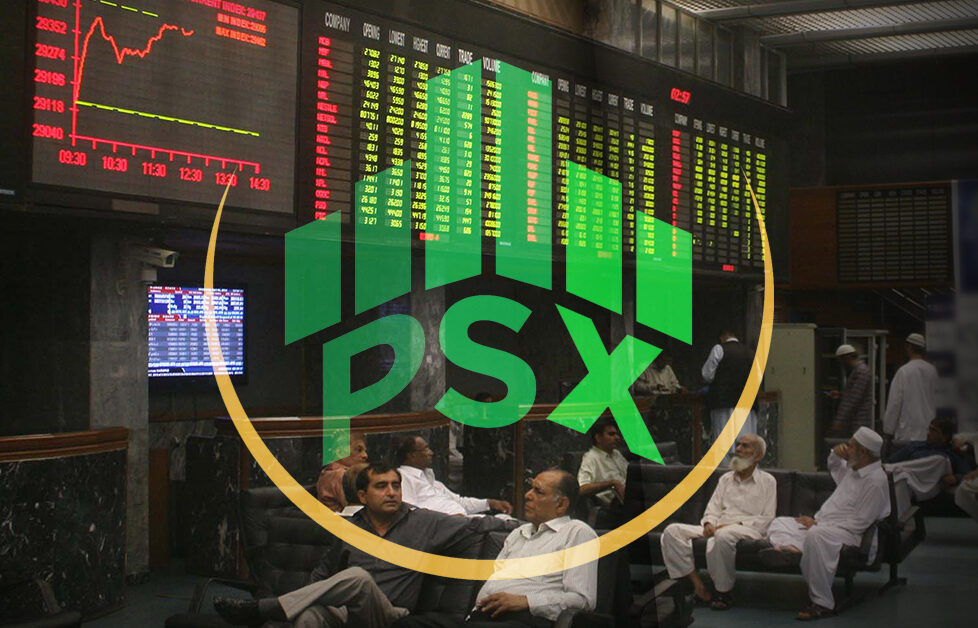
ISLAMABAD, Sep 28 (APP): The benchmark KSE-100 Index of the Pakistan Stock Exchange (PSX) witnessed bearish trend on Monday, losing 339.60 points, a negative change of 0.20 percent, to close at 170,425.62 points against 170,765.22 points recorded in the previous trading session.

The Pakistani rupee extended its marginal gains against the US dollar in the interbank market on Monday.
Gold prices declined sharply in the local market on Monday, with the price of gold per tola falling by Rs12,800 following a major decrease in the international market.
The prices of gold witnessed a decline in the local market on Monday, with the price of 24-karat gold per tola falling by Rs12,800 to settle at Rs438,136, according to rates issued by the All Pakistan Sarafa Gems and Jewellers Association.Similarly, the price of 10 grams of 24-karat gold decreased b ..

Gold prices in Pakistan fell by Rs12,800 per tola to Rs438,136, while 10-gram gold dropped to Rs375,631 amid a decline in international gold prices.

Gold prices in Pakistan decreased on Monday in line with their loss in the international market. In the local market, gold price per tola reached Rs438,136 after a decline of Rs12,800 during the day.

KARACHI – Gold prices in Pakistan continued their downward trend on Monday, with the price of one tola falling by Rs12,800. According to the All Pakistan
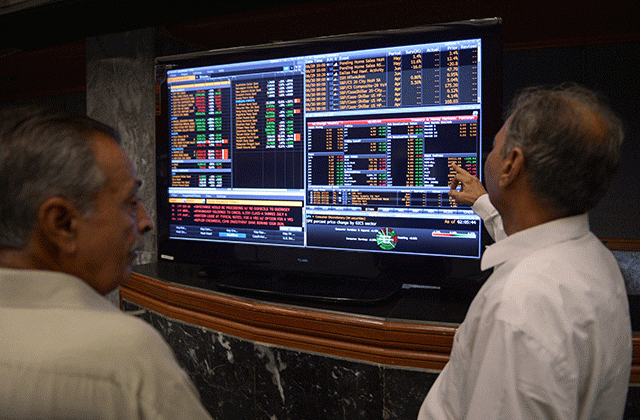
Cautious sentiment engulfed the Pakistan Stock Exchange (PSX) on Monday, pulling the KSE-100 Index down 404.24 points, or 0.24%, to 170,360.98 by 12:38pm as uncertainty over a United States-Iran diplomatic breakthrough weighed on risk appetite.

KARACHI, Sep 28 (APP):Following are the selling/buying rates of major currencies issued by the National Bank of Pakistan (NBP), here on Monday.
Following are the selling/buying rates of major currencies issued by the National Bank of Pakistan (NBP), here on Monday.CURRENCY SELLING BUYING USD 278.94 275.94GBP 369.43 365.04 EUR ..

Pakistan stocks opened lower on Monday, with the KSE-100 Index falling 407.67 points, or 0.24%, to 170,357.55 amid early selling pressure.

KARACHI, Sep 28 (APP):Following are the selling/buying rates Of major currencies issued by the National Bank of Pakistan (NBP), here on Monday.