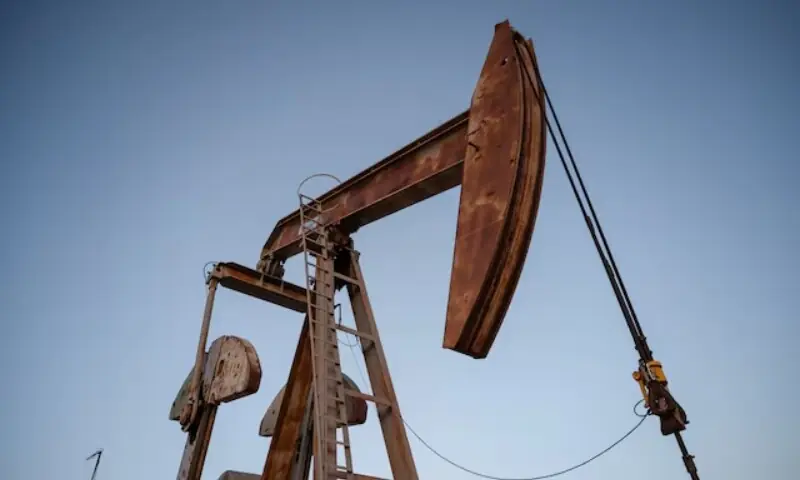
Oil falls after US-Iran talks conclude in Switzerland
“The decline has been driven primarily by improving prospects for a diplomatic breakthrough between the United States and Iran," says analyst.
DAWN
“The decline has been driven primarily by improving prospects for a diplomatic breakthrough between the United States and Iran," says analyst.
Gold climbed 0.8% after Iran cited progress in peace talks with the US. Oil eased, but rate-hike fears cap gains—read more.
BEIJING:
The company aims to scale its annual capacity to 7 million smartphones, 360,000 televisions and 400,000 air-conditioners, as it moves beyond mobile phones into higher-margin consumer technology products through partnerships with Xiaomi and Hisense.
Loads Limited signs a non-binding MoU with China’s Xinhuida to explore copper trading, JV and tech transfer in Pakistan. Read more.
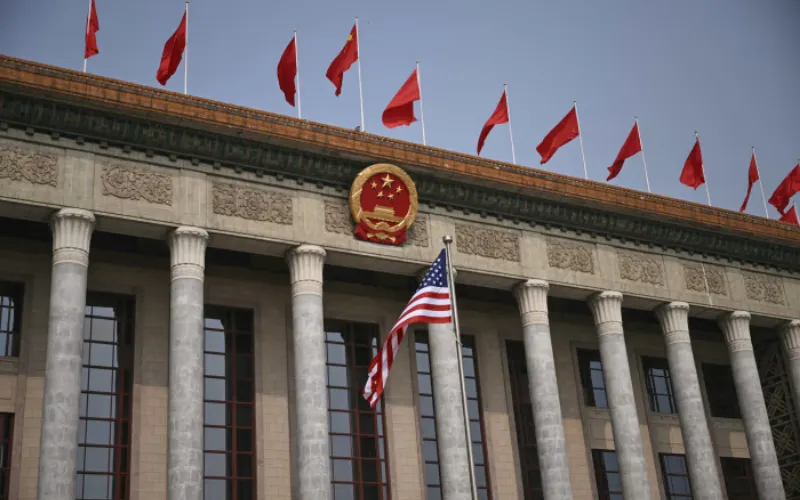
China imposed trade restrictions on dozens of US companies in response to Washington adding more Chinese firms to Pentagon blacklist.

Karachi: Book-building for the Initial Public Offering of Select Technologies Limited, a wholly owned subsidiary of Air Link Communication Limited, opens today at the Pakistan Stock Exchange and will continue on June 23, 2026, marking another important technology-sector listing at the local bourse.

Brent crude futures dropped $1.53, or 1.9 per cent, to $79.04 per barrel by 0656 GMT. Earlier in the session, prices had surged to $82.30 amid uncertainty surrounding the talks and renewed tensions in the Middle East
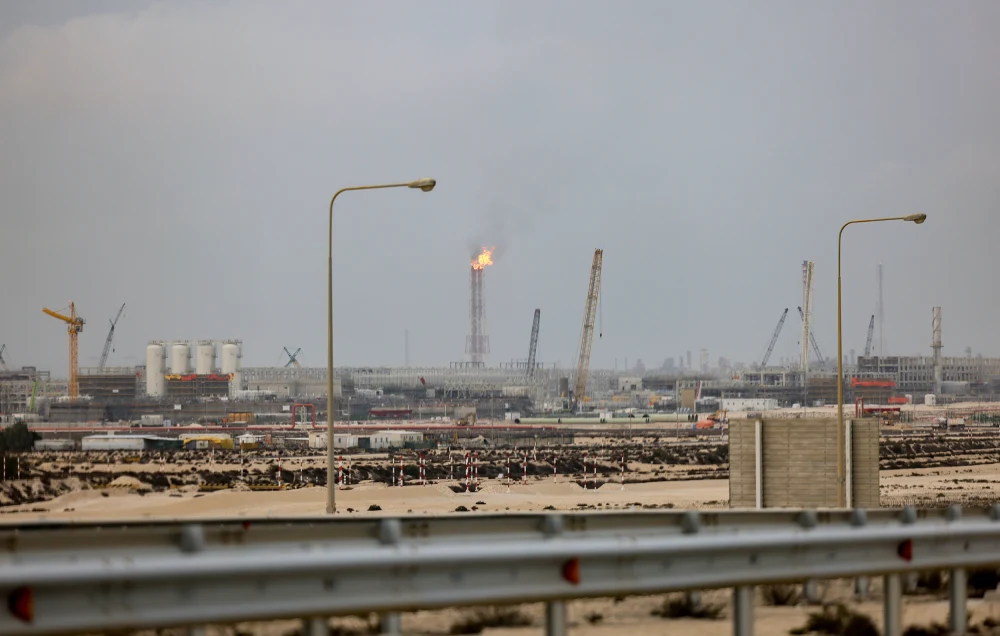
Qatar says 54 people injured and 18 missing after an explosion at its Barzan LNG gas facility. Fire contained—read the latest.

SEOUL: SK Hynix on Monday overtook Samsung Electronics to become South Korea’s most valuable listed company, marking a dramatic reversal of fortunes for a chipmaker that two decades ago nearly collapsed under debt.
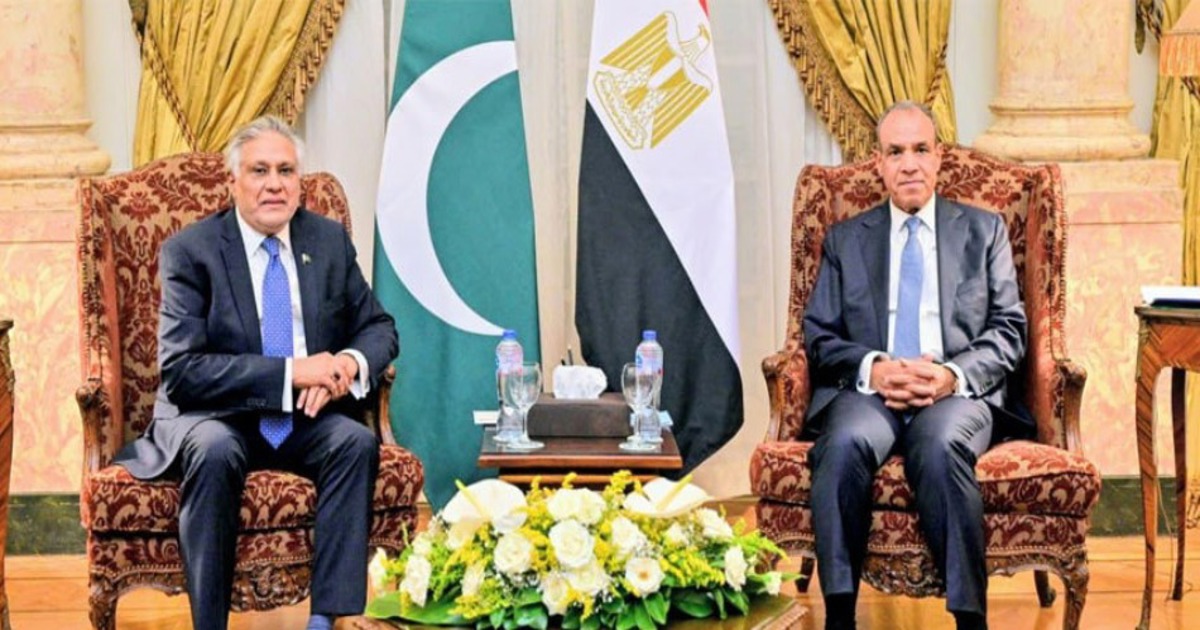
Deputy Prime Minister and Foreign Minister Senator Mohammad Ishaq Dar visited Cairo from 20–21 June 2026 at the invitation of Egypt’s Foreign Minister Bad
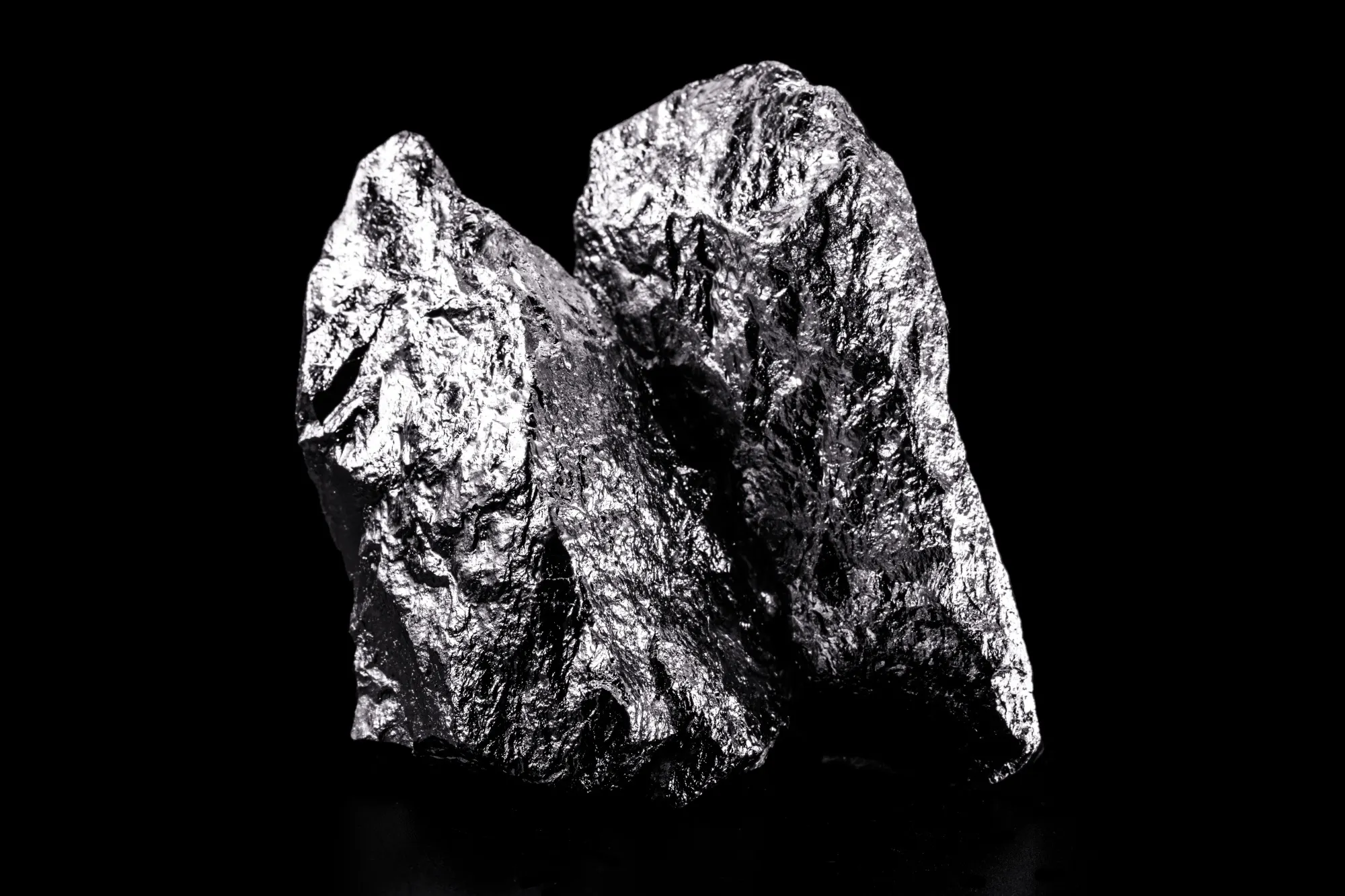
China blocks exports of dual-use items to MP Materials and USA Rare Earth, citing US “malicious practice.” Read the latest.

PSX opened higher on Monday after the first US-Iran talks session in Switzerland. KSE-100 index gained 1,223 points to reach 180,500 after last week’s decline.

Oil prices fell after US-Iran talks concluded in Switzerland. Tehran said it had received waivers for oil and petrochemical exports.

Global oil prices declined across major benchmarks, with WTI, Brent and Murban crude all recording losses after the US and Iran agreed upon a 60-day
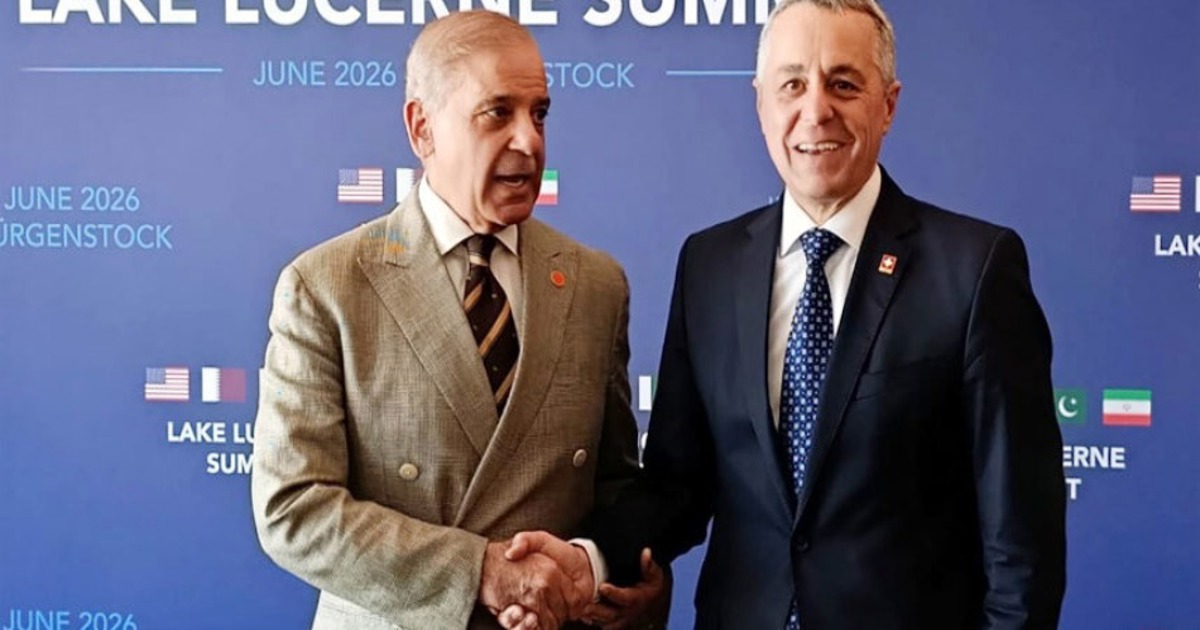
Pakistan and Switzerland discussed expanding bilateral investment ties and explored new avenues for economic cooperation, with the two sides expressing ke
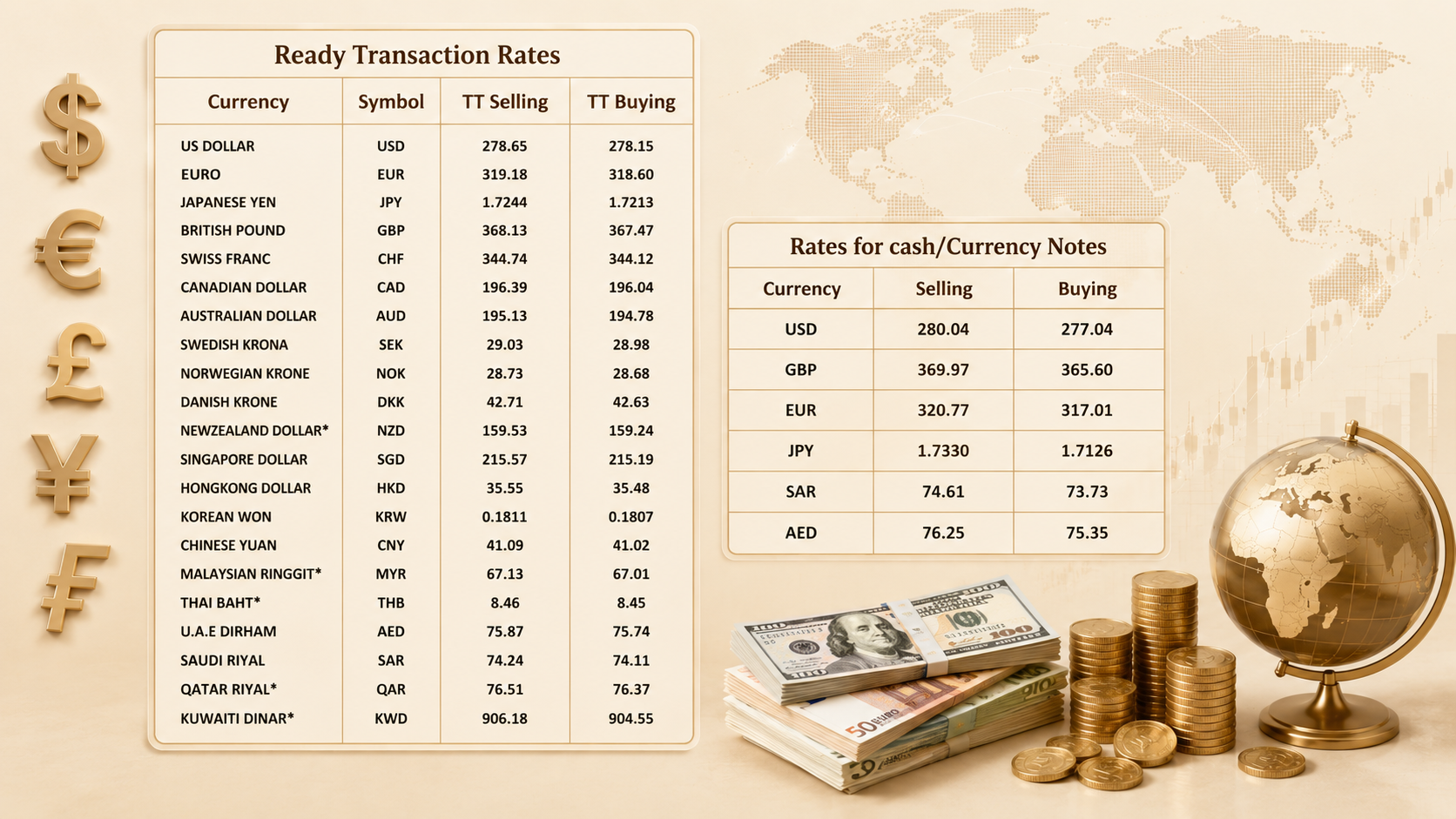
Check today’s foreign exchange rates in Pakistan (June 22, 2026) from NBP’s bulletin. View buying and selling rates now.
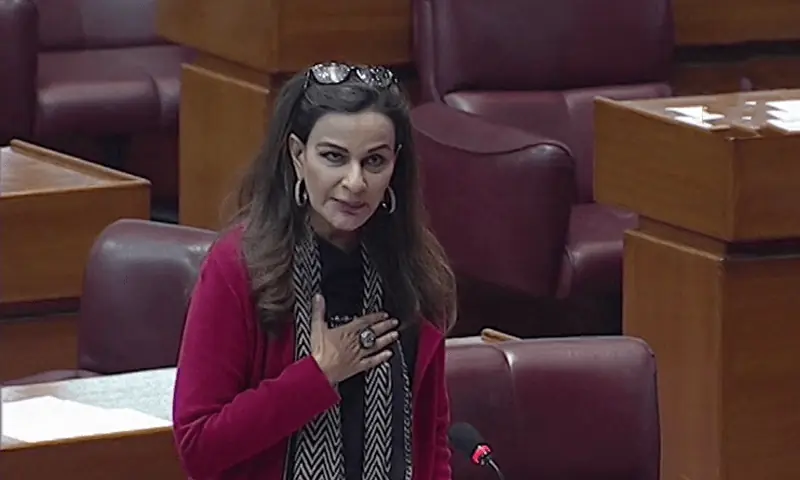
Says there is no hurry to push widely criticised telecom bill without "satisfying us and other representatives".
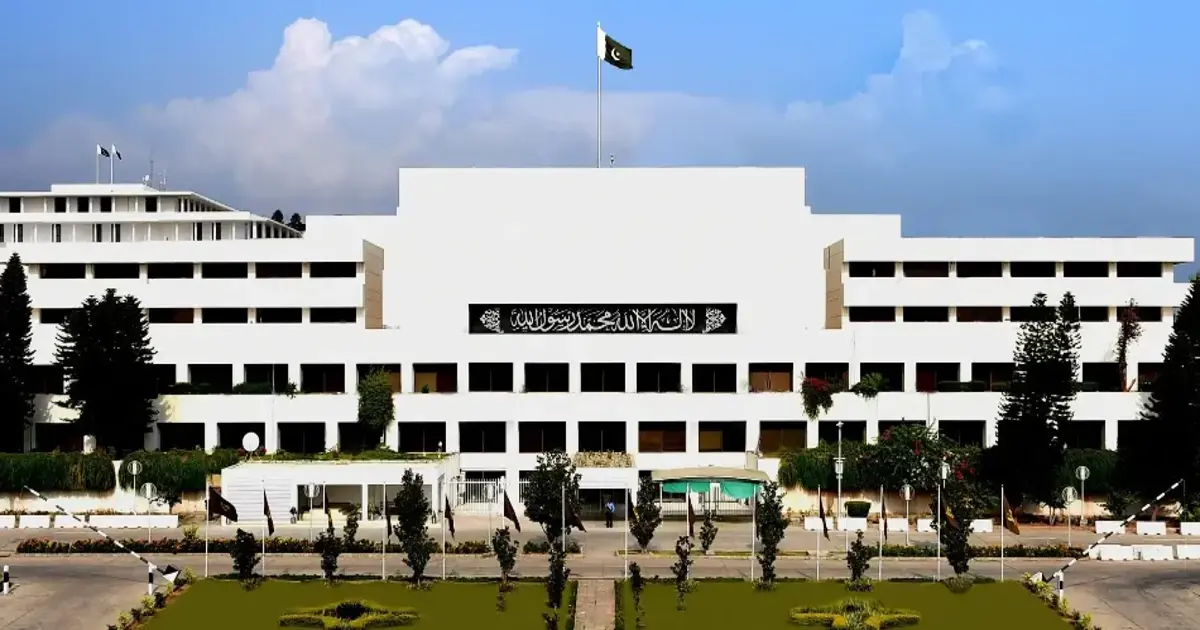
The National Assembly on Sunday approved 12 demands for grants totaling Rs4.282 trillion for the fiscal year ending June 2027, while rejecting all 100 cut
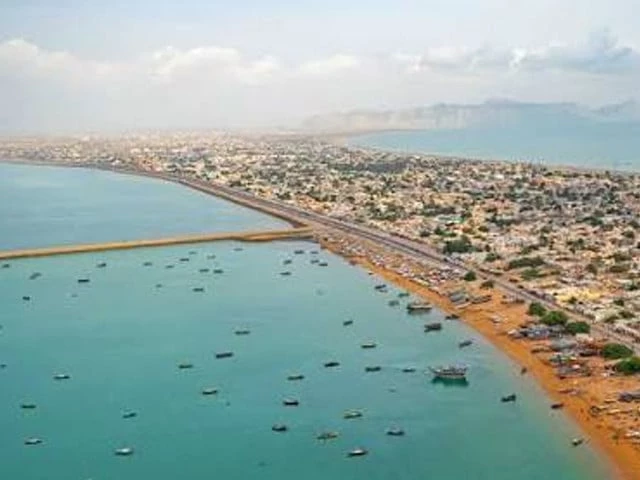
The idea of developing a modern port at Gwadar goes back to 1954, when a survey by the United States Geological Survey (USGS) convinced Pakistan of its strategic importance. However, it took us 54 years to realise the dream when the current port, after completion, received its first commercial cargo on March 15, 2008.
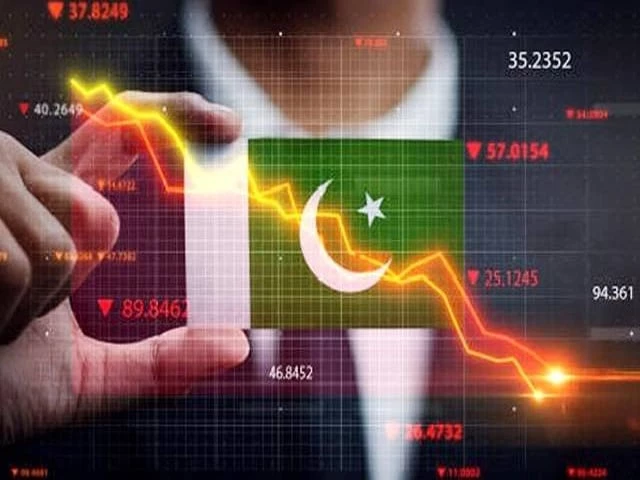
A great power rests on three pillars: military, diplomacy and economy. Pakistan has achieved many milestones on the military and diplomatic fronts. Two recent events further reinforced our strength.
The International Monetary Fund (IMF), being the lender of last resort for countries in balance-of-payments crisis or in danger of default, almost always ties its bailouts to excessive austerity measures. Its loans are tied, to use IMF jargon, to "structural adjustment programmes" and "conditionality". These programmes centre on raising taxes and/or spurring tax rate reductions, balancing the budget at all costs, devaluing the currency and increasing interest rates. Such anti-growth policies, delivered in line with IMF diktat, have been shown in the majority of cases to have actually increased the country's dependence on the IMF over time. Just think of what has happened in Argentina, Pakistan, Ecuador, Egypt or Ghana.
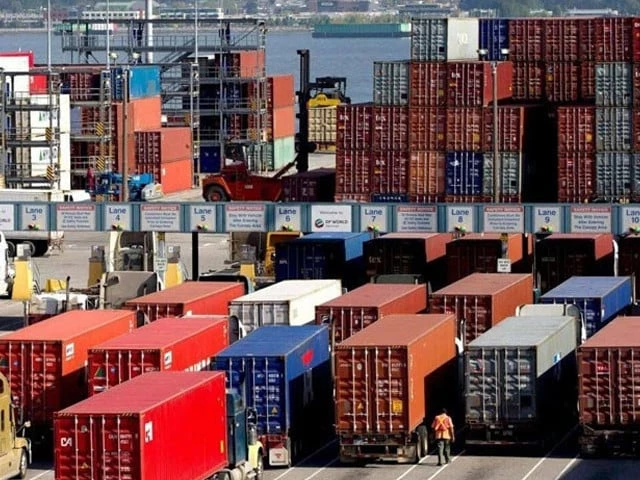
The current fiscal year has been marked by significant strain on the external account, driven in large part by the US-Iran conflict and its spillovers into capital flows and sovereign spreads. With peace now expected to return to the region, policymakers' attention should turn to the domestic constraints that continue to hold exports back. On a cumulative basis, the current account posted a modest surplus of $72 million in the first nine months of FY26, before slipping into a single-month deficit of $276 million in April and then rebounding to a surplus of $459 million in May 2026. This left a cumulative surplus of $255 million over the first 11 months (July-May), but much lower in comparison to the roughly $1.6 billion surplus recorded in the same period a year earlier. For context, the previous fiscal year closed with a current account surplus of $1.8 billion.
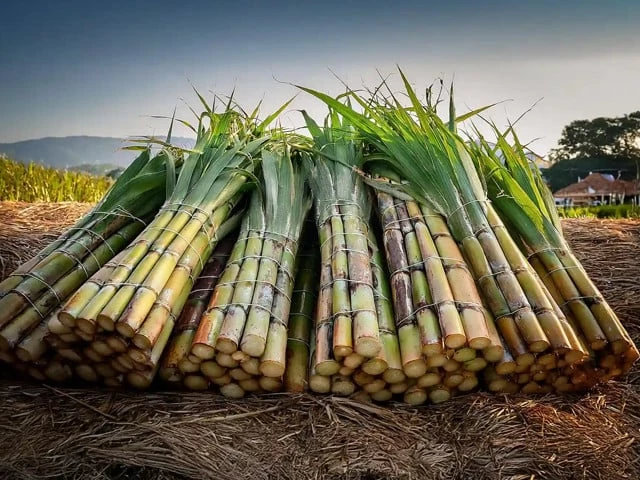
Pakistan's agriculture is facing a crisis that is neither sudden nor mysterious. It is the predictable result of a long-standing mismatch between what the country grows and what its climate, soils and water resources can realistically support. For decades, Pakistan's crop choices were shaped by a world of abundant canal flows, stable weather and a political economy that rewarded acreage rather than efficiency. That world is gone. Yet our cropping patterns remain frozen in time, even as the climate around us changes at a pace our policies refuse to acknowledge.
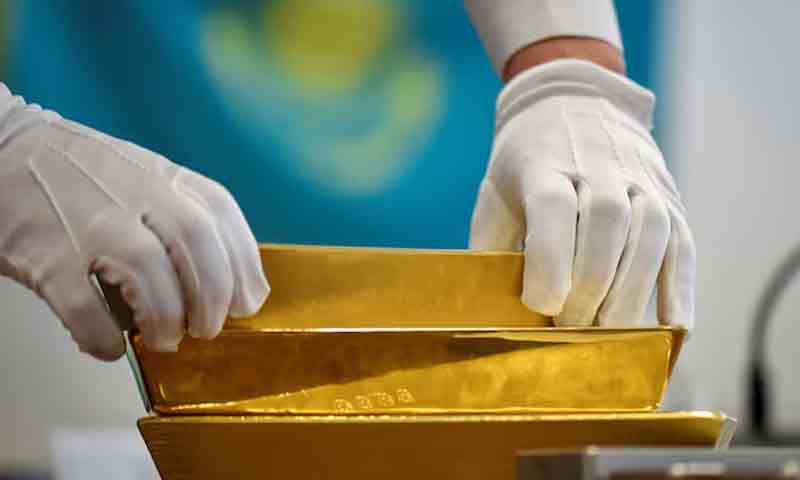
Gold prices recovered as oil fell following progress in US-Iran talks. Geopolitical optimism supported bullion, while expectations of higher US interest rates capped gains.

Muhammad Ali Tabba, CEO of Lucky Cement and Chairman of Lucky Group, has urged policymakers to adopt a pragmatic approach in Pakistan's upcoming auto poli
Khyber Pakhtunkhwa presents a Rs121.74bn supplementary budget for current and development spending. Read details and key allocations.

Pakistan and Qatar have outlined significant progress in high-level negotiations between the United States and Iran, with the parties agreeing on a roadma
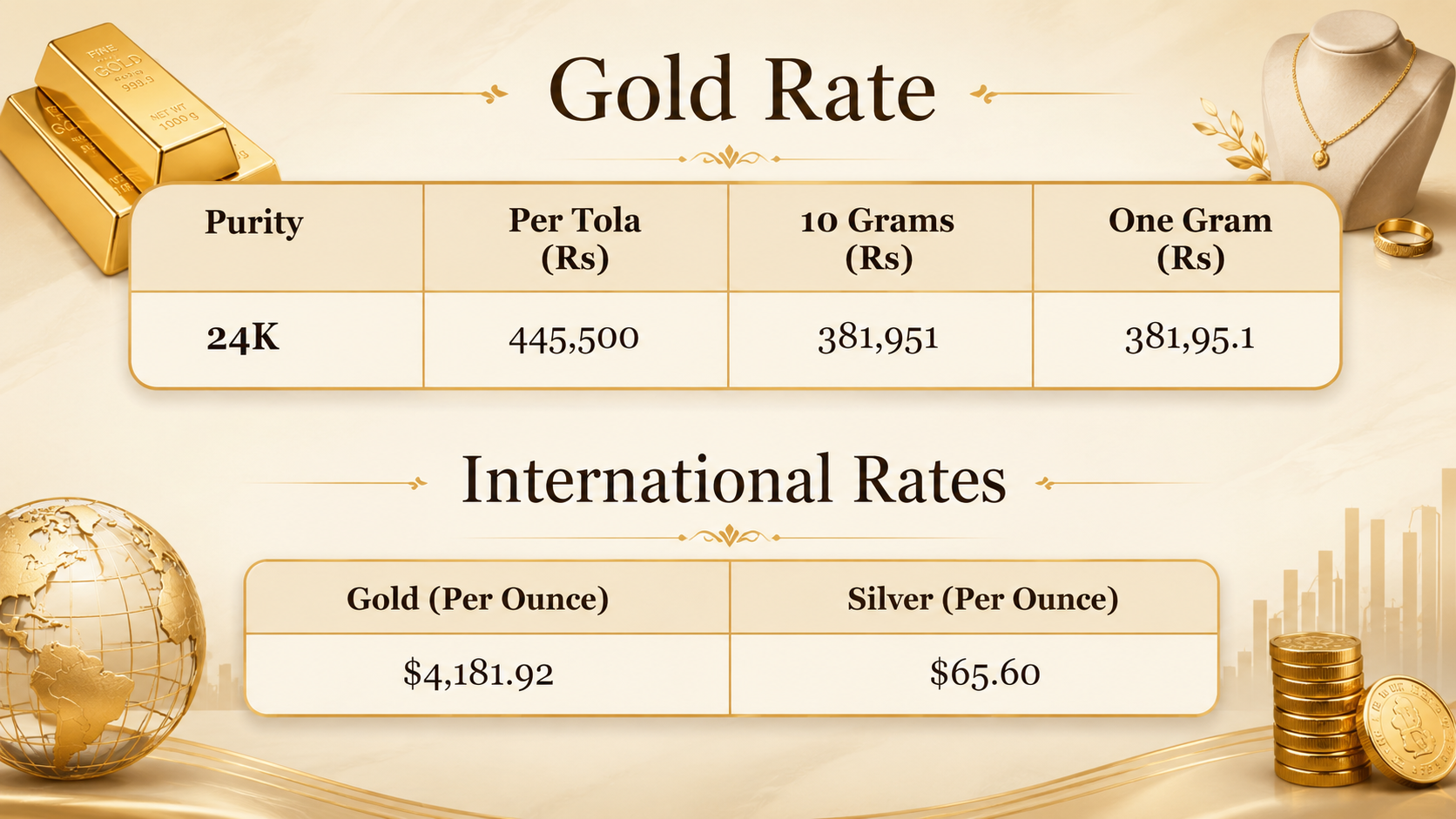
Check today’s gold price in Pakistan for June 22, 2026 across major city Sarafa markets. View updated rates now!
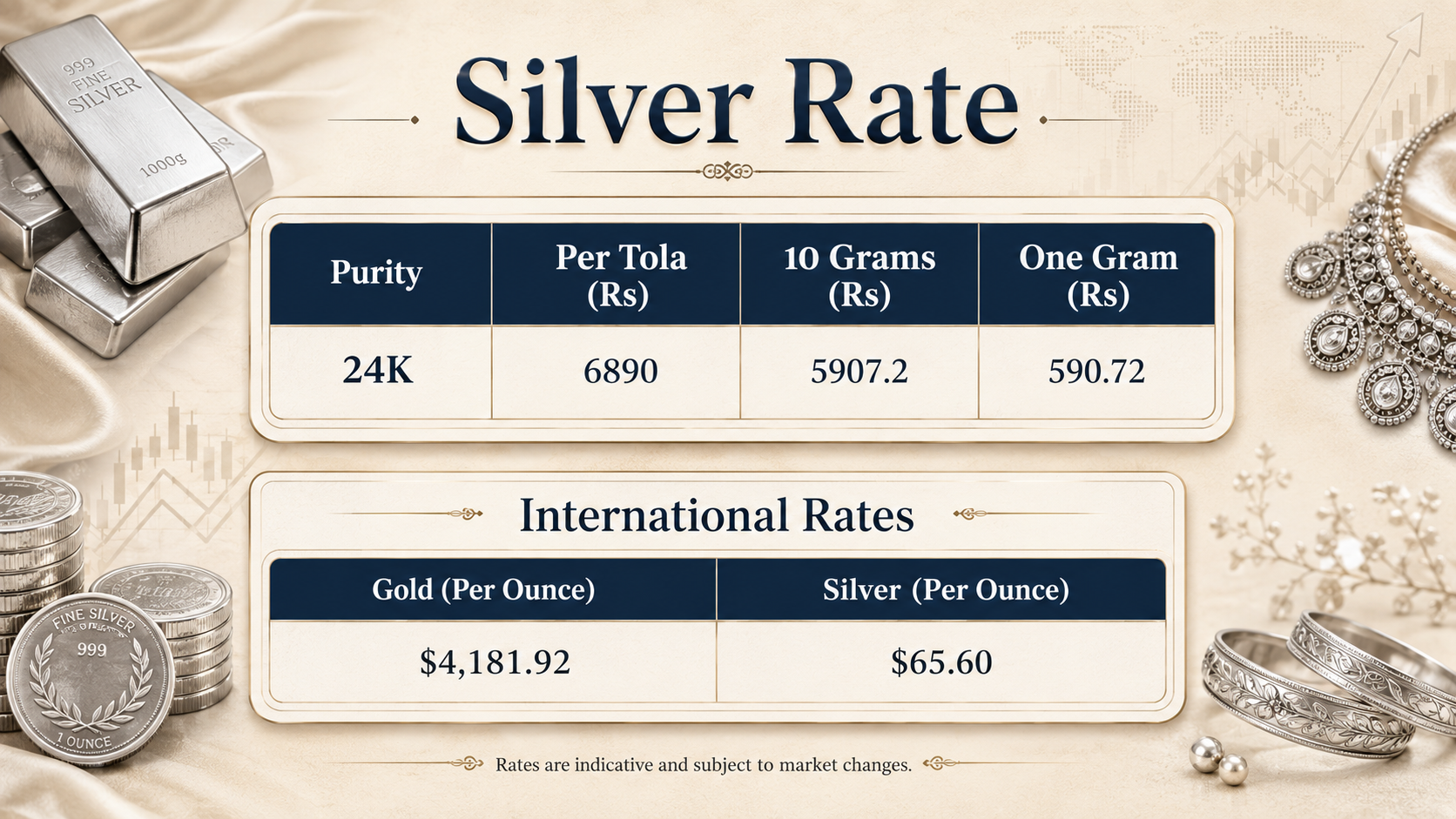
Check today’s silver price in Pakistan for June 22, 2026. Track city-wise Sarafa market rates and get the latest updates now.

Pakistan can use carbon markets to mobilise private investment for emissions-reduction projects as the country faces annual climate investment needs of around $65 billion, but experts say success will depend on developing measurable, verifiable and bankable projects rather than treating carbon credits merely as a source of revenue.
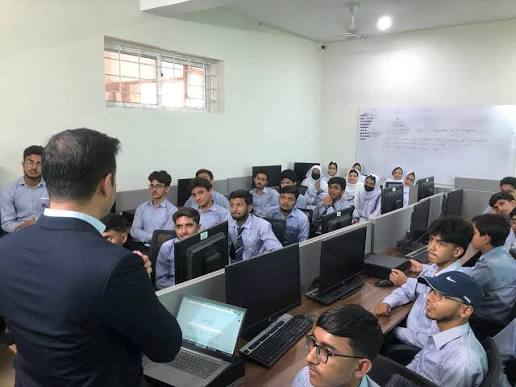
An ongoing foreign-funded project is helping Pakistan boost teacher development, digital learning, foundational literacy and education data systems.

The US Treasury is set to more than double the size of its long-dated debt buybacks from September 9, stepping up liquidity support at the far end of the yield curve as elevated borrowing requirements, fiscal pressures and yields above 5% test investor appetite for long-duration government debt.
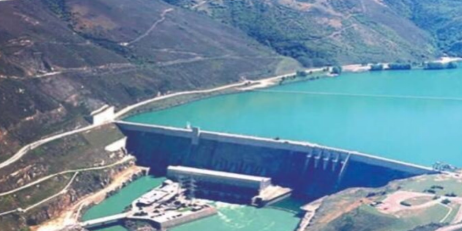
Pakistan’s water-sector development drive is targeting flood protection for 15.76 million people and an additional 12.8 million acre-feet (MAF) of water storage, as Uraan Pakistan-linked projects aim to strengthen irrigation, urban water supply and climate resilience.

Sep 8, 2026
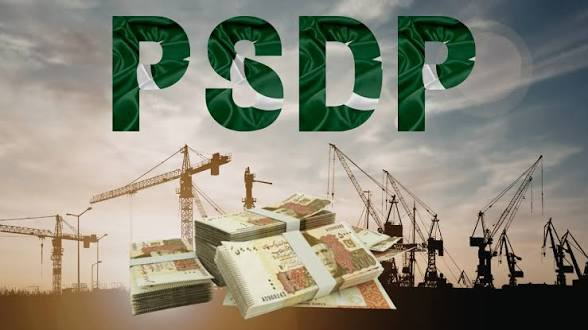
The government has proposed dedicated funding under the Public Sector Development Programme (PSDP) to expand childcare, eldercare, disability care and community-based care facilities across Pakistan, according to a document available with Wealth Pakistan.
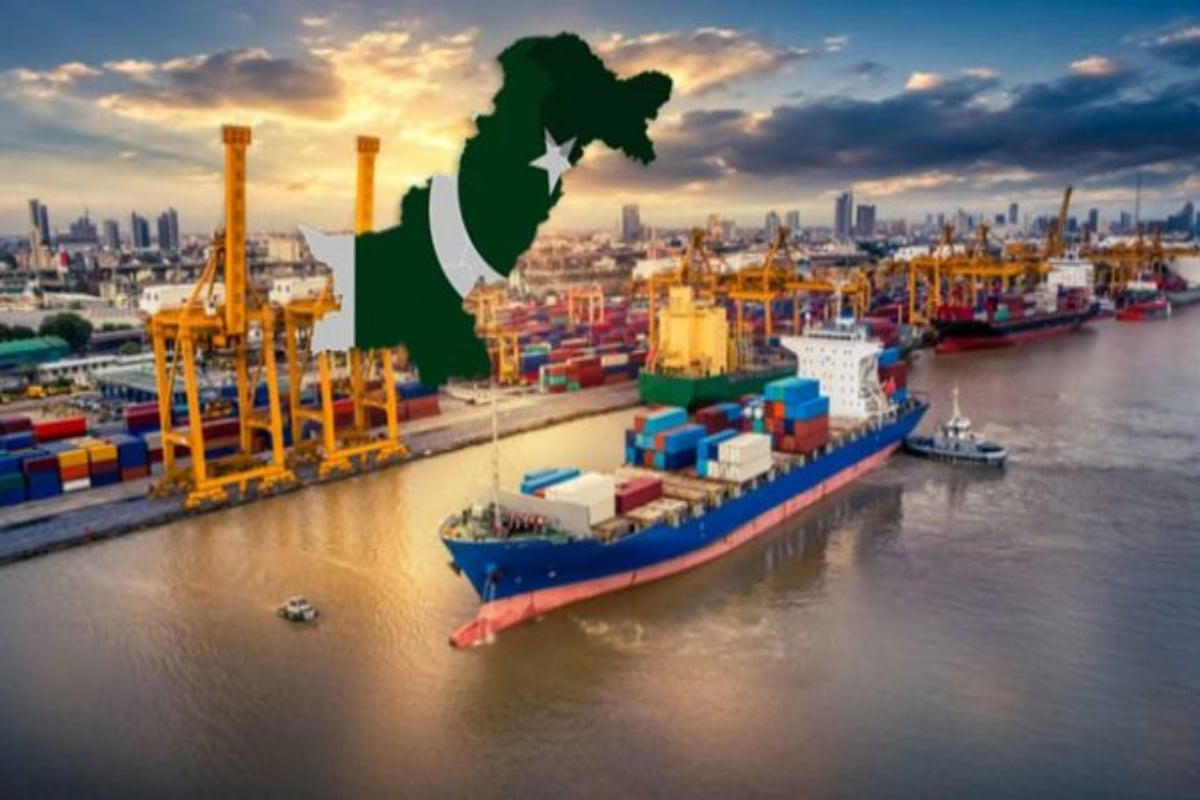
Pakistan's merchandise exports got off to a positive start in FY2026-27, rising more than 7% in July-August from the same period last year, while the monthly trade deficit narrowed sharply in August compared with July, according to the latest data from the Pakistan Bureau of Statistics (PBS).
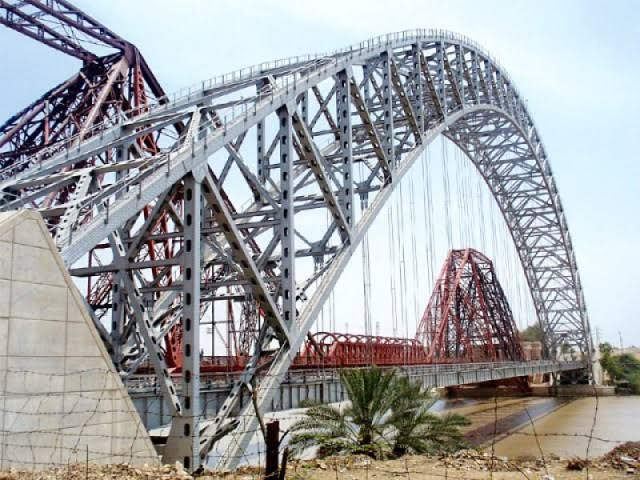
Significant progress has been made on restoring flood-damaged roads in Sindh , with 14 out of 17 new bridges completed, including the Tangwani Bridge in Kashmore district, alongside 16 out of 24 repaired structures, according to a document available with Wealth Pakistan.
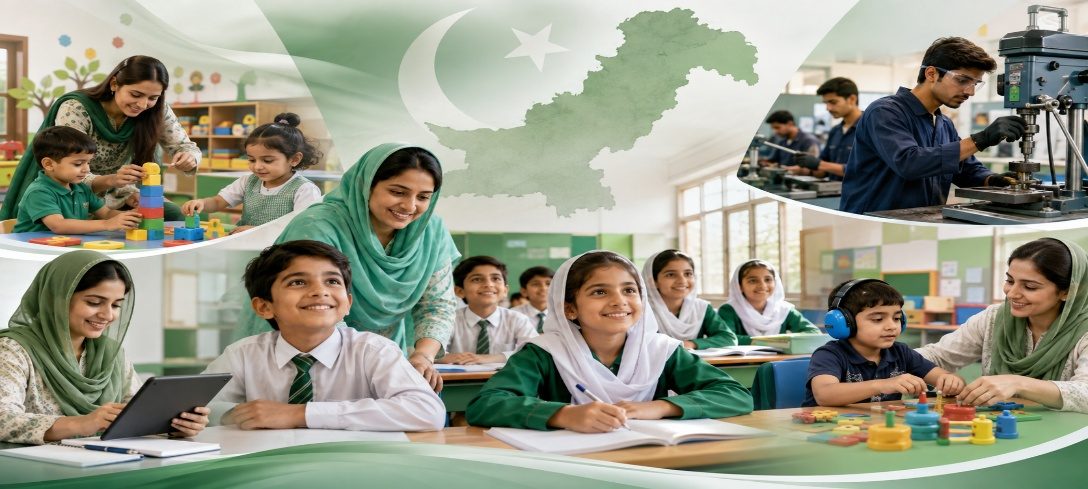
Uraan Pakistan-linked initiatives have trained around 160,000 youth in different skills and enrolled 114,300 out-of-school children, according to a document available with Wealth Pakistan.
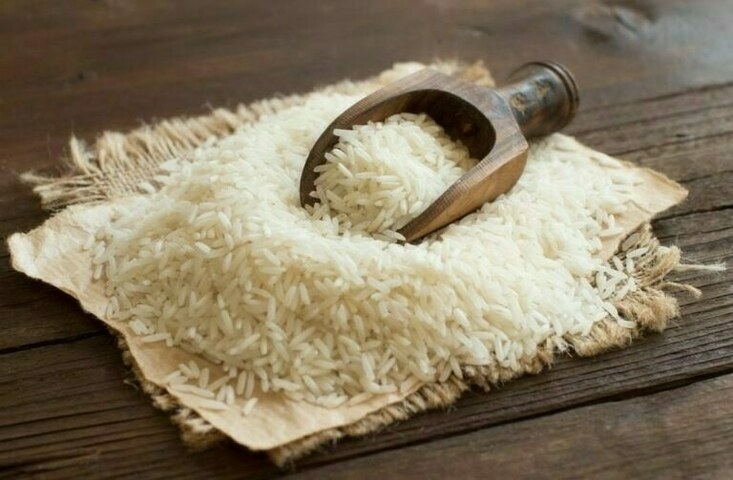
Pakistan's rice exports got off to a strong start in FY2026-27, with export earnings rising 23% in July-August to $394 million, driven by higher shipments and improved average unit prices.
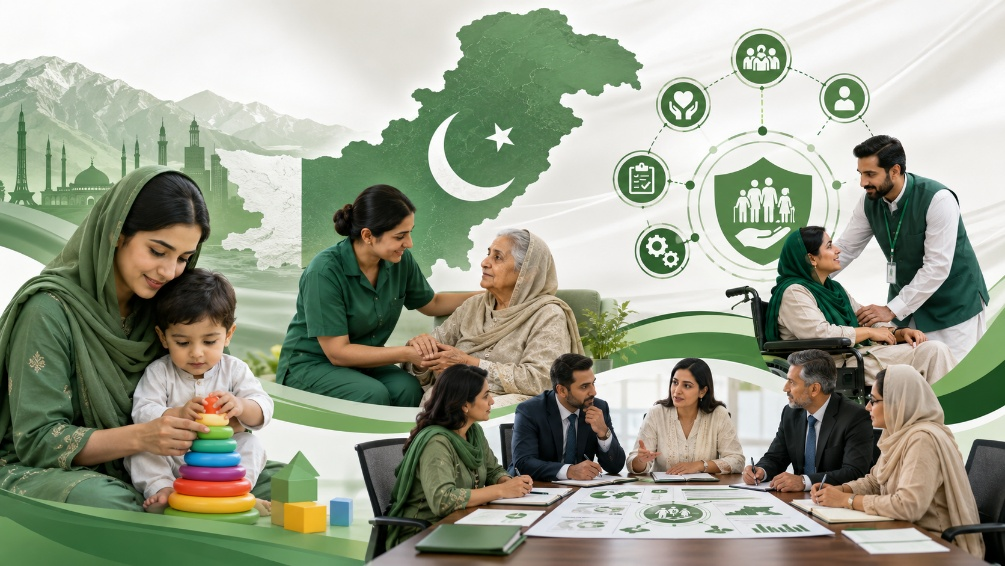
The Ministry of Human Rights (MoHR) is set to convene federal and provincial stakeholders on October 1-2, 2026 to develop a National Care Economy Policy and Roadmap with defined priorities, institutional responsibilities, timelines and monitoring indicators.
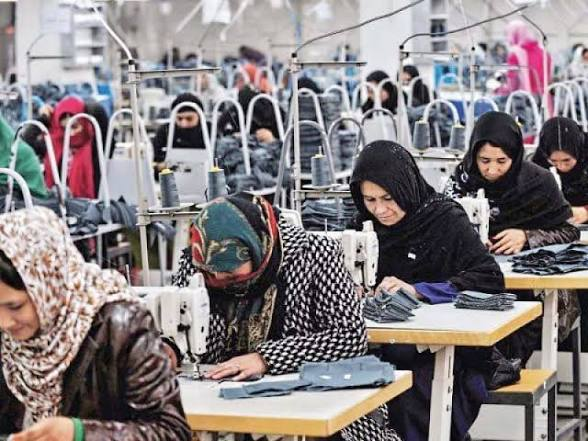
The federal government has directed the Ministry of Housing and Works (MoHW) to expedite the operationalisation of a Working Women Endowment Fund with a proposed seed fund of Rs2 billion to provide financial assistance to working women.
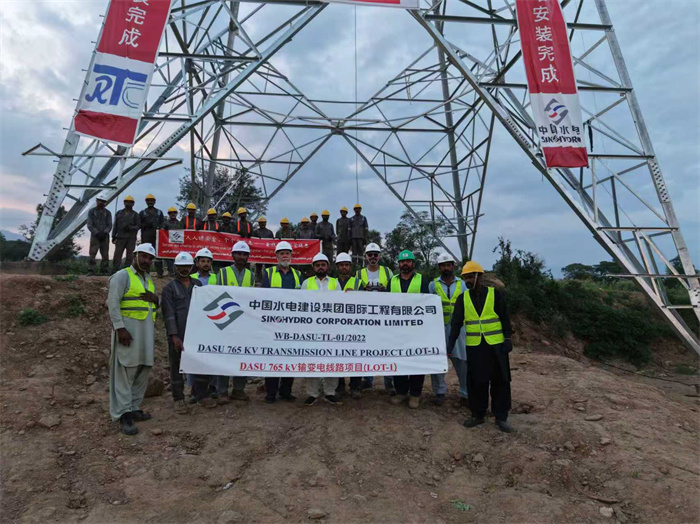
The 157-kilometre Dasu-Mansehra 765kV transmission line has achieved 46% overall physical progress, with its completion now expected by June 30, 2028.
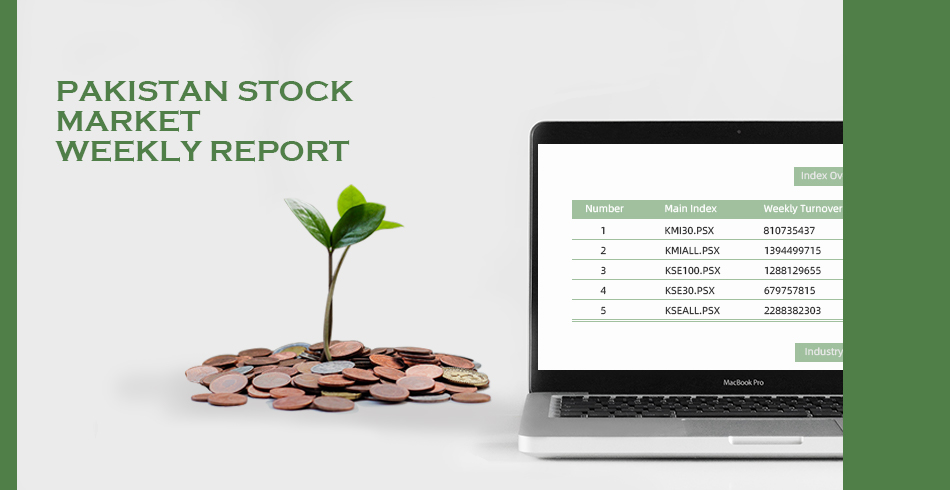
Weekly Review of Stock Market (2026.08.31-2026.09.04)

Sep 7, 2026

ISLAMABAD, Sept. 04 (INP-Wealth Pakistan) -- The National Highway Authority (NHA) has prepared a rehabilitation plan for major highways in Gilgit-Baltistan following the recent flash floods, landslides, and glacial lake outburst floods (GLOFs) that damaged roads and bridges.
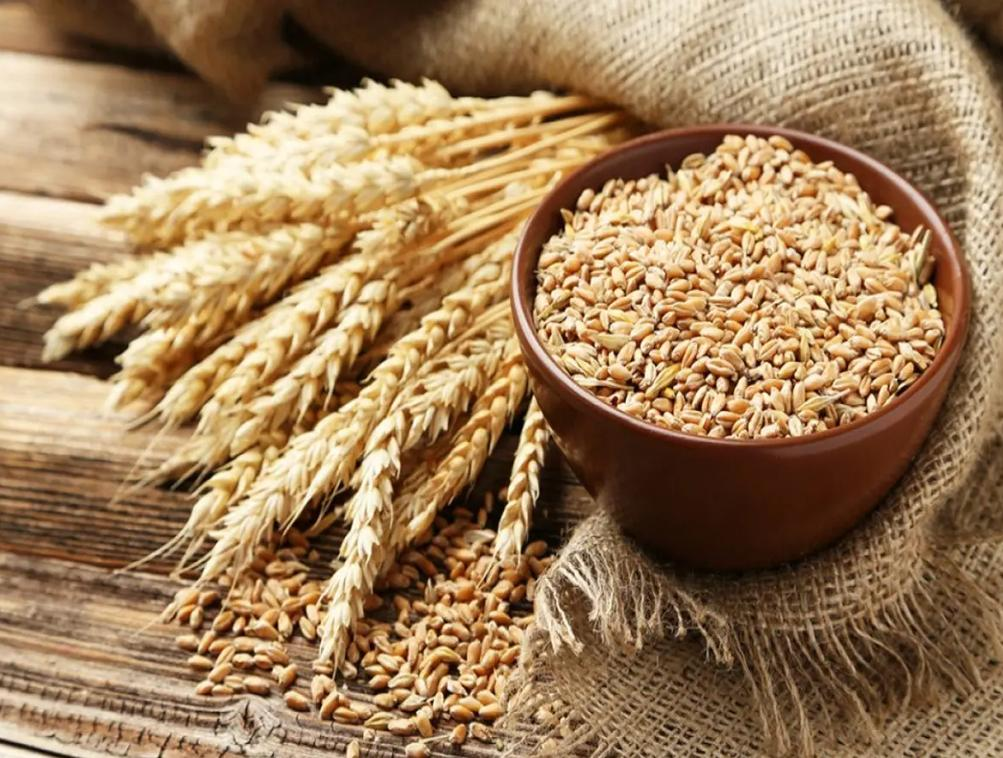
ISLAMABAD, Sept. 04 (INP-Wealth Pakistan) -- Pakistan is expected to maintain a comfortable and satisfactory wheat supply position during 2026-27, with local availability estimated at 31.78 million metric tonnes against a total requirement of 31.66 million metric tonnes, according to documents from the Ministry of National Food Security and Research available with Wealth Pakistan.
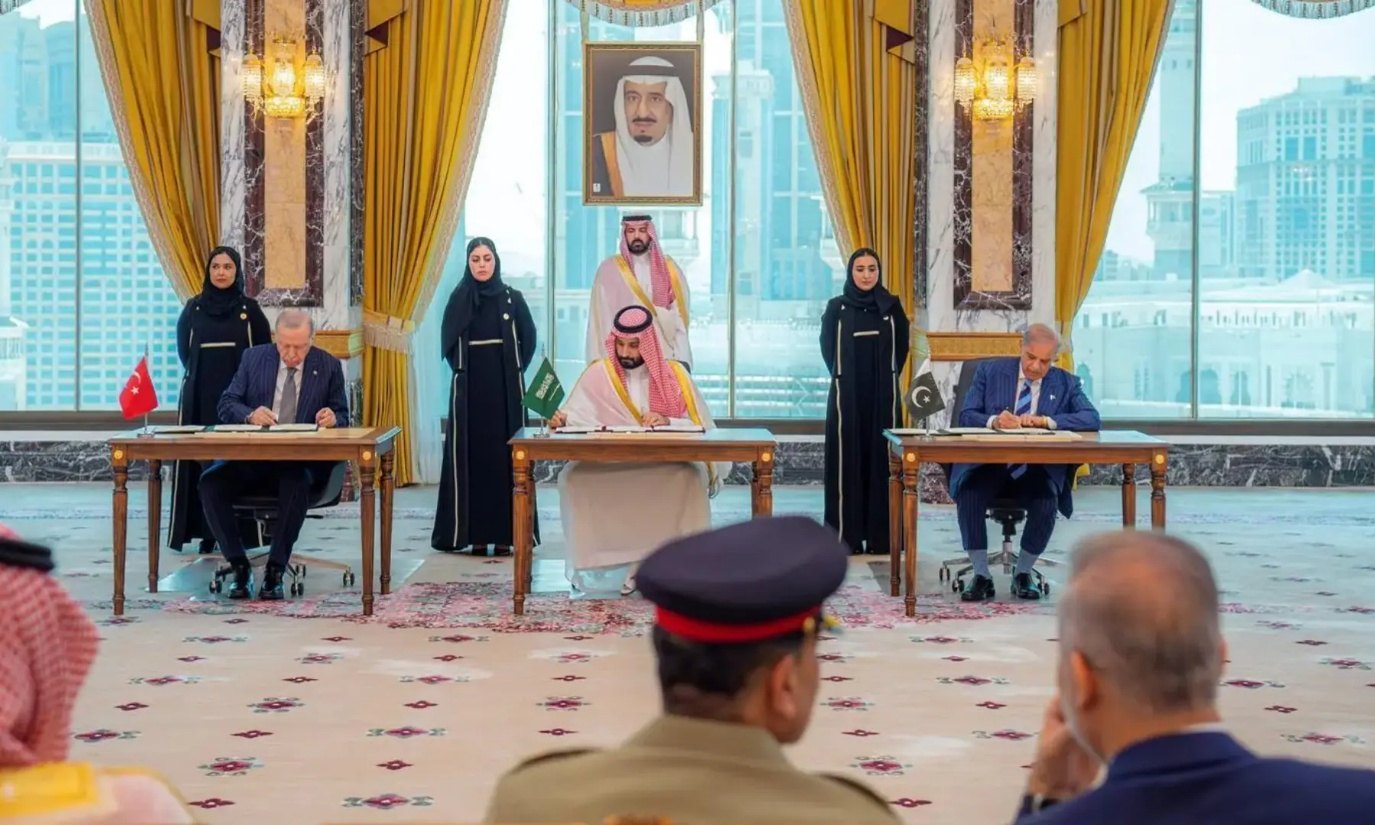
ISLAMABAD, Sept. 04 (INP-Wealth Pakistan) -- The selection of a Pakistani as the first secretary general of the Makkah Defence Alliance gives Islamabad an opportunity to influence the emerging regional security framework, deepen defence industry cooperation and strengthen its regional role, but the leadership position could also bring new strategic and diplomatic obligations.
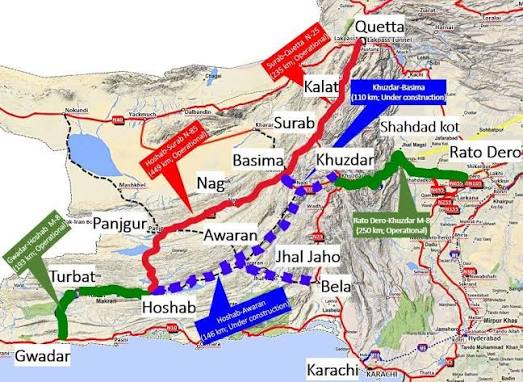
ISLAMABAD, Sept. 04 (INP-Wealth Pakistan) -- Construction on the 146-kilometre Hoshab-Awaran section of the M-8 Motorway has achieved more than 60% physical progress. However, completing this strategically vital project in Balochistan by June 2027 requires an additional Rs16.4 billion, alongside timely funding availability and improved law-and-order situation.
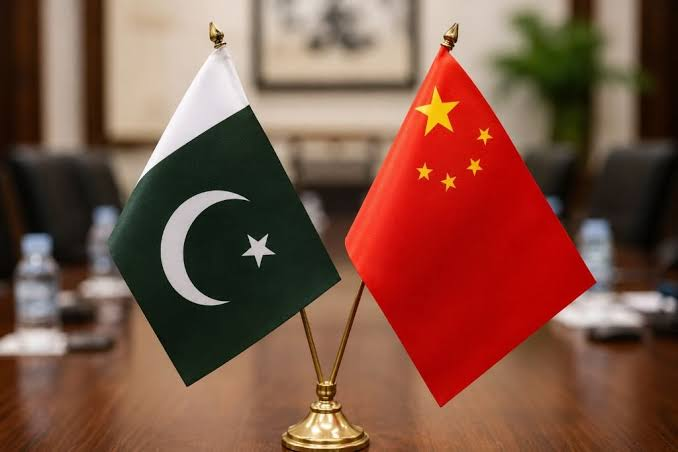
ISLAMABAD, Sept. 04 (INP-Wealth Pakistan) -- China has proposed a meeting of the Joint Technical Working Group (JTWG) in Beijing to map out the implementation framework for the Karakoram Highway (KKH) Phase-II (Thakot-Raikot) project.
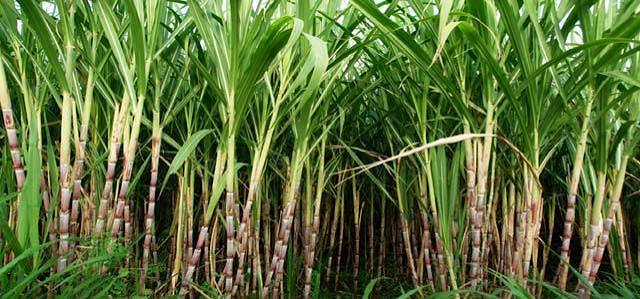
LAHORE, Sept. 04 (INP-Wealth Pakistan) -- Sugarcane cultivation in September, which once covered considerable acreage in Punjab, has been declining every year because of its longer maturity period and relatively lower returns compared with February planting, experts say.
ISLAMABAD, Sept. 04 (INP-Wealth Pakistan) -- OGDC-operated fields, along with the company's share in joint ventures with United Energy Pakistan (UEP) across several Sindh districts, collectively produce 12,369.6 barrels of oil per day (BPD) and 111.77 million standard cubic feet of gas per day (MMSCFD), underscoring the significant contribution of its producing assets across the province.
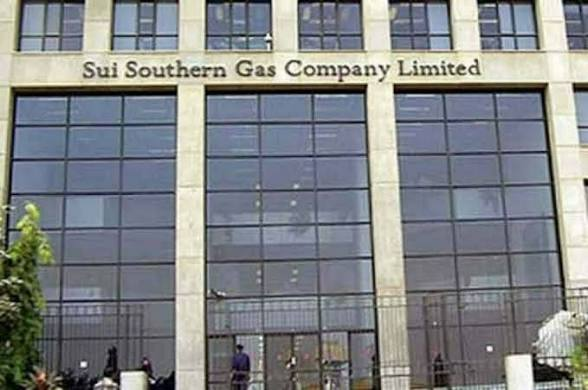
ISLAMABAD, Sept. 04 (INP-Wealth Pakistan) -- The Sui Southern Gas Company (SSGC) has laid out a four-year roadmap to supply gas to 261 villages and towns located within a 5-kilometre radius of gas-fields across Sindh.
ISLAMABAD, Sept. 04 (INP-Wealth Pakistan) -- The Capital Development Authority (CDA) has compensated about 800 households affected by land acquisition in Noor Pur Shahan. This includes Rs3.128 million paid for built-up properties and the issuance of certificates to 357 awardees confirming their entitlement to alternative land, according to the documents available with Wealth Pakistan.
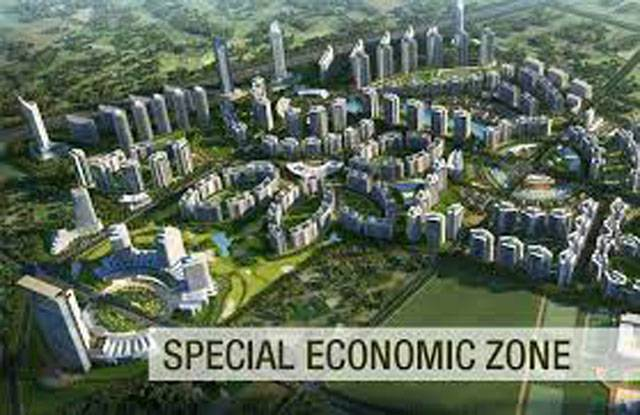
ISLAMABAD, Sept. 04 (INP-Wealth Pakistan) -- The government is planning to introduce special electricity tariffs for new high-technology industries, including electric vehicles (EVs), batteries and data centres, under the proposed National Industrial Policy (NIP) 2026, according to the policy document available with Wealth Pakistan.
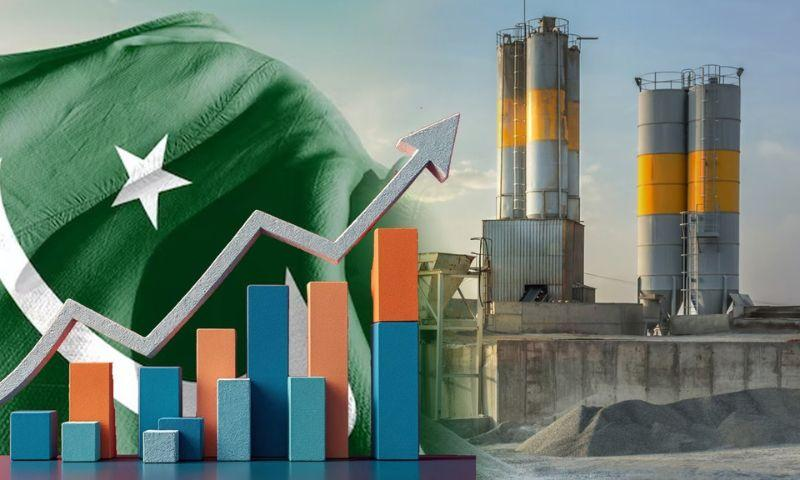
ISLAMABAD, Sept. 03 (INP-Wealth Pakistan) -- Pakistan's National Industrial Policy 2026 proposes a 10% pass-through for venture capital and private equity investments, cheaper electricity, easier financing and regulatory reforms to strengthen the competitiveness of the manufacturing sector.
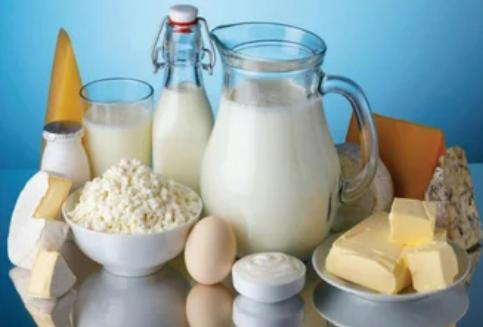
ISLAMABAD, Sept. 04 (INP-Wealth Pakistan) -- Pakistan can strengthen the competitiveness of its meat and dairy sectors by improving animal productivity, formalising milk collection, expanding cold-chain infrastructure, developing export-focused halal clusters and introducing national traceability systems, according to documents of the Ministry of National Food Security and Research available with Wealth Pakistan.
ISLAMABAD, Sept. 04 (INP-Wealth Pakistan) -- The Federal Board of Revenue (FBR) has strengthened its institutional accountability mechanism by constituting a new Internal Affairs and Integrity Oversight Committee, according to an official document available with Wealth Pakistan.
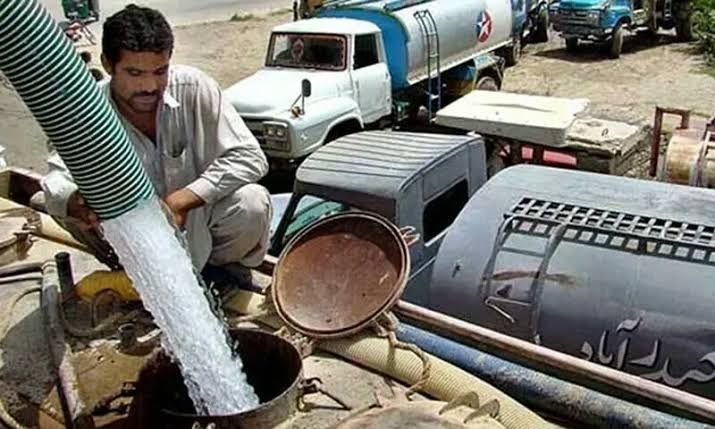
ISLAMABAD, Sept. 04 (INP-Wealth Pakistan) -- The Sindh Transmission and Dispatch Company (STDC) is moving ahead with a Rs13.908 billion power infrastructure component for the Karachi Water and Sewerage Corporation's (KWSC) K-IV project, with major transmission, grid station and distribution works scheduled for completion by June 2027.

ISLAMABAD, Sept. 04 (INP-Wealth Pakistan) -- The government has identified seven roads spanning a combined 464 kilometres across Gilgit-Baltistan (GB) for federalisation under the prime minister's tourism initiative, according to an official document available with Wealth Pakistan.

Discover why Pakistan's car sales fell 12% in September. Despite the monthly drop, Q1 FY27 cumulative sales surged 19% to 50,480 units.
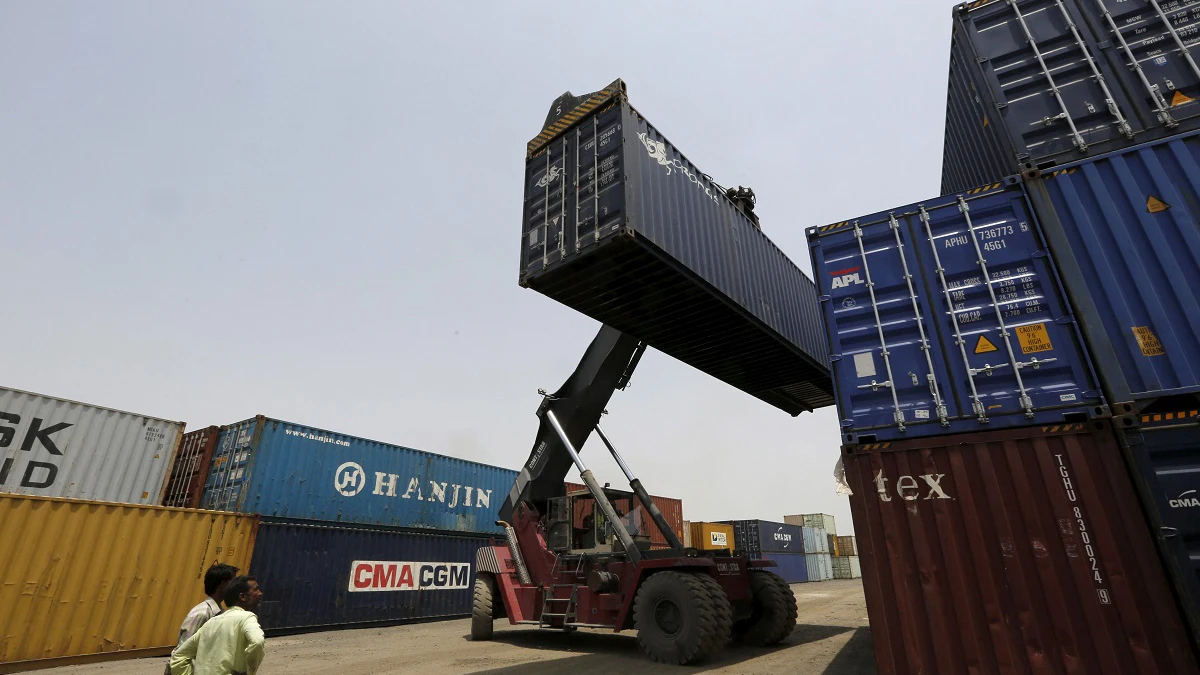
Pakistani textile firms' profits surge 11% despite stagnant sales. Lower borrowing costs and tax reversals lifted earnings for the 20 biggest listed companies.
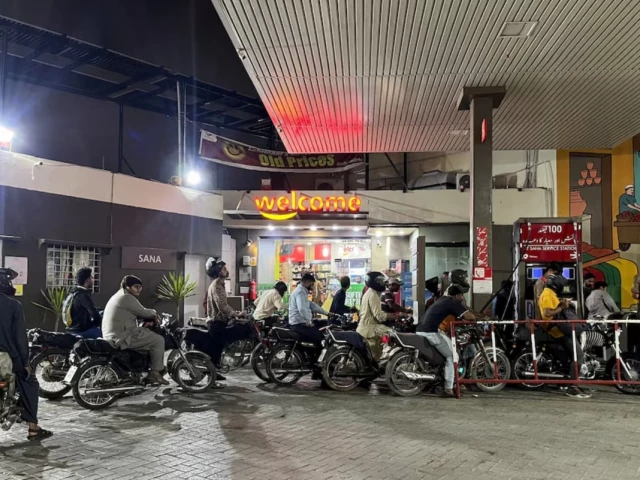
The federal government on Monday decreased the price of petrol by Rs2.93 per litre, while increasing the price of high-speed diesel (HSD) by 61 paisas per litre for October 13.

The Ministry of Energy (Petroleum Division) has revised the ex-depot prices of petroleum products, raising the price of High-Speed Diesel (HSD) by Rs0.61
Petrol price reduced to Rs395.37 per litre, while high-speed diesel rises to Rs396.85 amid fluctuations in international oil markets

The government on Monday reduced the price of petrol by Rs2.93 to Rs395.37 per litre, while increasing the price of high-speed diesel (HSD) by Re0.61 to Rs396.85 per litre, effective from Tuesday, October 13, 2026.
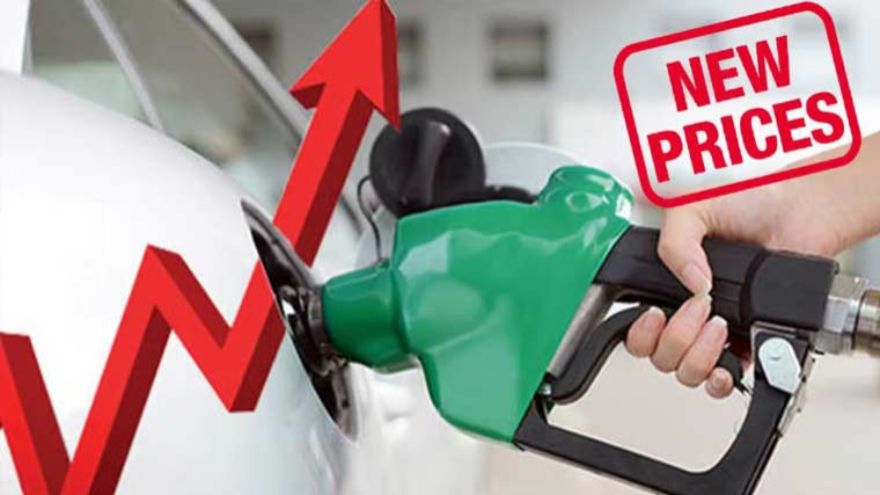
New fuel rates announced for Tuesday
The marginal decline extended the rupee’s recent stability against the US currency, although the movement remained limited.

The KSE-100 Index fell 1,964 points to close at 165,124 on Monday, as selling pressure weighed on investor sentiment at the Pakistan Stock Exchange.

ISLAMABAD, Oct 12 (APP):The benchmark KSE-100 Index of the Pakistan Stock Exchange (PSX) remained bearish on Monday, losing 1,964.87 points, a negative change of 1.18 percent, to close at 165,124.41 points against 167,089.28 points recorded in the previous trading session.


The All Pakistan Gems and Jewellers Association said the price of 24-karat gold in Pakistan fell by Rs. 2,100 per tola to Rs. 439,936. The previous reported per-tola rate was Rs. 442,036. The price of 24-karat gold per 10 grams also decreased by Rs. 1,800 to Rs. 377,174, compared with the previous ..

ISLAMABAD, Oct 12 (APP): Gold prices witnessed a decline in the local market on Monday, with the price of 24-karat gold per tola falling by Rs2,100 to settle at Rs439,936, according to rates issued by the All Pakistan Sarafa Gems and Jewellers Association.

Gold prices in Pakistan fell by Rs2,100 per tola to Rs439,936, while silver dropped to Rs6,532. International gold prices declined by $21 to $4,174 per ounce.

The Pakistani rupee extended its marginal gains against the US dollar, appreciating 0.01% in the interbank market on Monday.

Gold prices in Pakistan decreased on Monday in line with their loss in the international market. In the local market, gold price per tola reached Rs439,936 after a decline of Rs2,100 during the day.
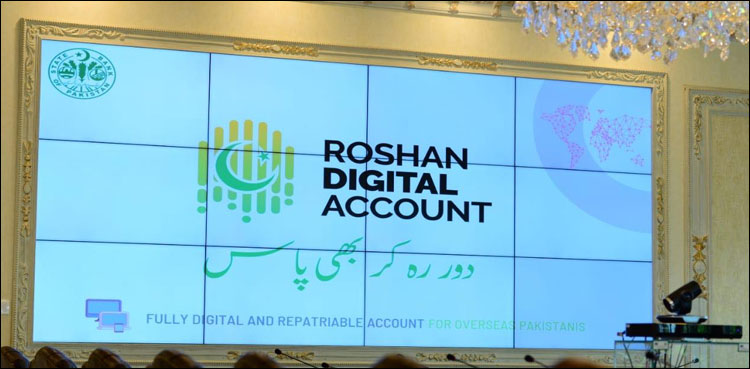
Pakistan's Roshan Digital Account inflows reach $14.16 billion by September 2026, with $2.15 billion repatriated and $8.94 billion utilised locally.
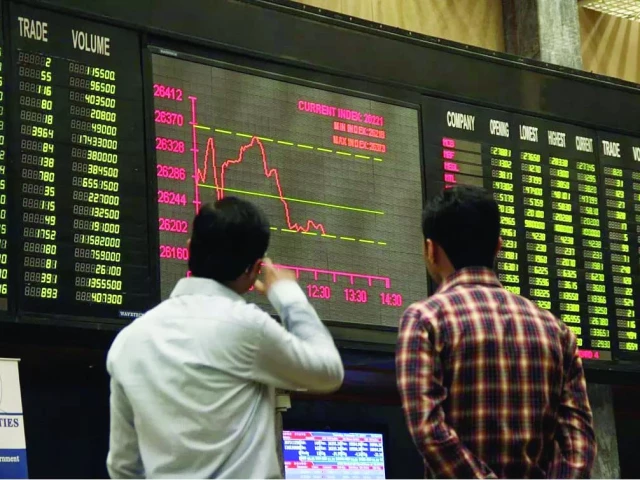
The Pakistan Stock Exchange (PSX) came under pressure on Monday as political turmoil in Khyber-Pakhtunkhwa (K-P), following the imposition of governor’s rule and reports of a police crackdown, stirred fresh alarm among investors at the start of the trading week. The benchmark KSE-100 Index dropped 752.13 points or 0.45% to 166,337.14 by midday as the developments fuelled fears of an escalation in the country's political landscape, keeping market sentiment fragile.

WASHINGTON, Oct 12 (APP):The World Bank Group has mobilized a record $112 billion in private capital for developing economies in fiscal year 2026, more than tripling the amount over four years, including nearly $3.2 billion mobilized for Pakistan since 2022.

Foreign exchange rates in Pakistan for today, October 12, 2026

KARACHI, Oct 12 (APP):The Exchange Rates Committee of Financial Markets Association of Pakistan issued the following exchange rates bulletin, here on Monday.
KARACHI, Oct 12 (APP):Following are the selling/buying rates of major currencies issued by the National Bank of Pakistan (NBP), here on Monday.
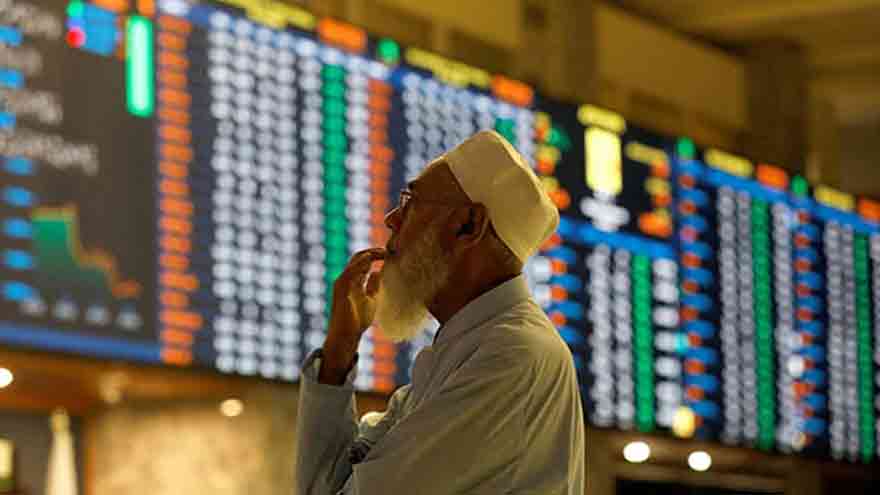
Pakistan Stock Exchange opened the week in negative territory, with the KSE-100 Index falling over 900 points to below 166,100 after closing down 352 points last week.

KARACHI, Oct 12 (APP):Treasury Management Division of National Bank of Pakistan (NBP) on Monday the following exchange rates.
KARACHI, Oct 12 (APP):The Exchange Rates Committee of Financial Markets Association of Pakistan issued the following exchange rates bulletin, here on Monday.
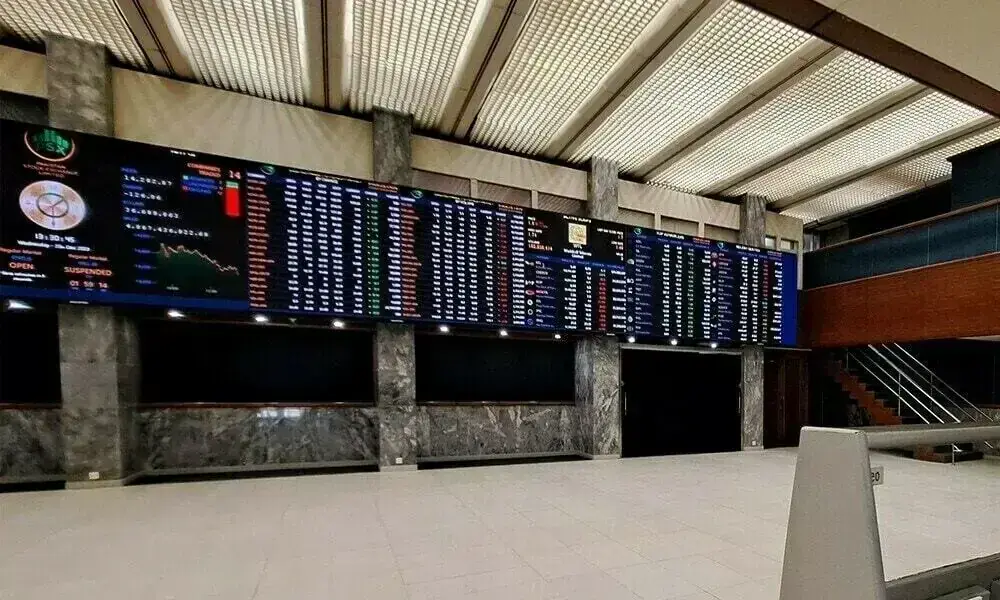
Selling pressure was observed at the Pakistan Stock Exchange (PSX), with the benchmark KSE-100 Index shedding nearly 400 points amid volatility on the political front on Monday.

Silver price in Pakistan for today, October 12, 2026

Morning Breeze aims to lessen the load for its readers by curating noteworthy updates from the preceding day.
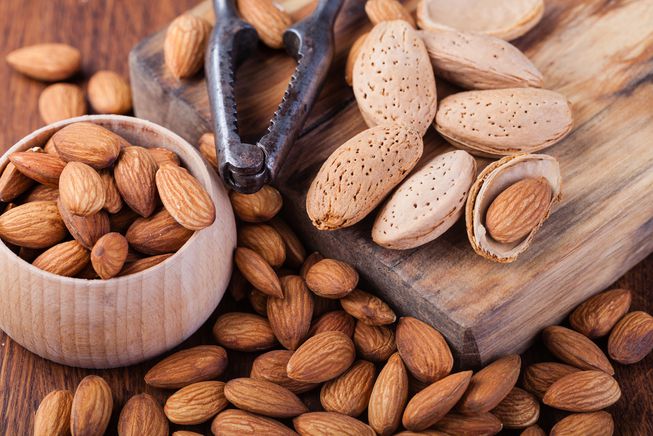
Pakistan Customs fixes new assessment values for imported almonds at $1.41 to $3.81 per kilogram, with a 15% increase for processed varieties.

ISLAMABAD - Pakistan’s export of goods and services to the United Kingdom (UK) witnessed an increase of 7.41 percent during the first two months of the current fiscal year (2026-27) as compared to the exports of the corresponding months of last year, the State Bank of Pakistan (SBP) reported.