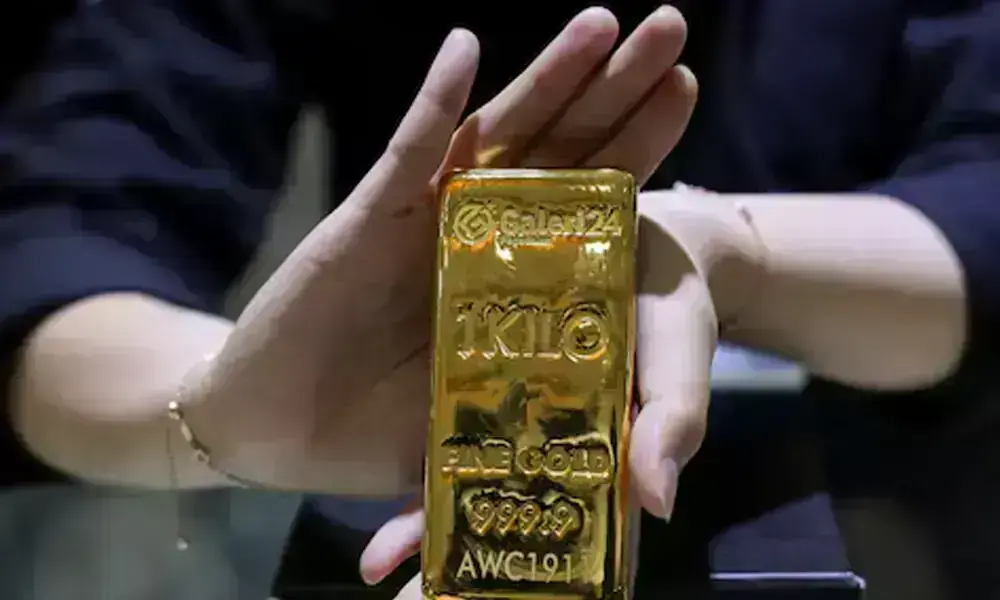
Gold price per tola gains Rs4,643 in Pakistan
Gold prices in Pakistan
Brecorder
Gold prices in Pakistan
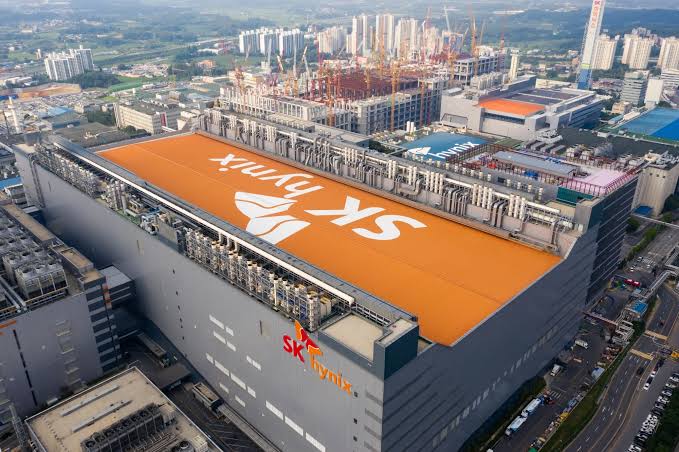
SK Hynix becomes South Korea’s most valuable listed company, boosted by AI HBM chip demand. Check the latest market figures and outlook.
The Securities and Exchange Commission of Pakistan (SECP) has approved a new digital financing product titled “Khudmukhtar Khatoon” aimed at supporting wo
OCAC protests Pakistan’s unilateral fuel price cut, warning refineries and OMCs face ~Rs105 billion losses. Read the details and impact.

The move is aimed at expanding the tax base and improving revenue collection by bringing more retail businesses into the formal economy

Pakistan Stock Exchange opens higher as US-Iran talks progress and oil prices ease. Follow today’s PSX market moves—read the update.
“The decline has been driven primarily by improving prospects for a diplomatic breakthrough between the United States and Iran," says analyst.
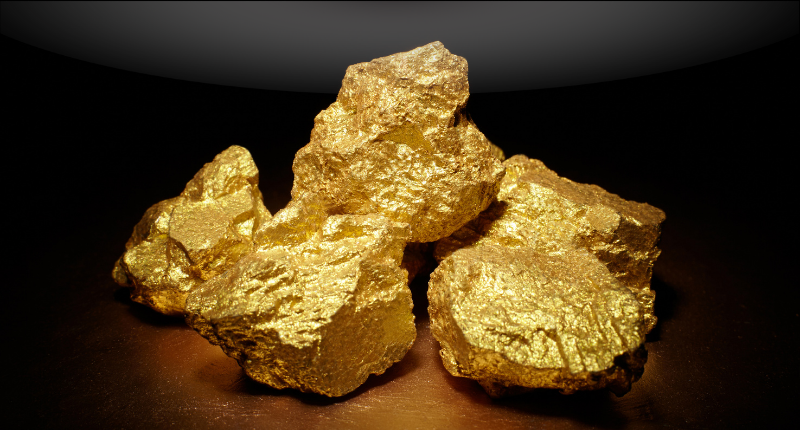
Gold climbed 0.8% after Iran cited progress in peace talks with the US. Oil eased, but rate-hike fears cap gains—read more.
BEIJING:
The company aims to scale its annual capacity to 7 million smartphones, 360,000 televisions and 400,000 air-conditioners, as it moves beyond mobile phones into higher-margin consumer technology products through partnerships with Xiaomi and Hisense.
Loads Limited signs a non-binding MoU with China’s Xinhuida to explore copper trading, JV and tech transfer in Pakistan. Read more.
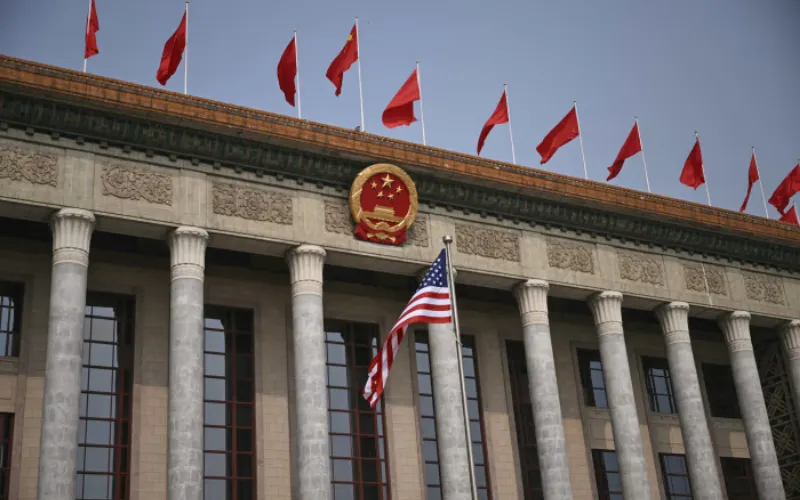
China imposed trade restrictions on dozens of US companies in response to Washington adding more Chinese firms to Pentagon blacklist.
Karachi: Book-building for the Initial Public Offering of Select Technologies Limited, a wholly owned subsidiary of Air Link Communication Limited, opens today at the Pakistan Stock Exchange and will continue on June 23, 2026, marking another important technology-sector listing at the local bourse.

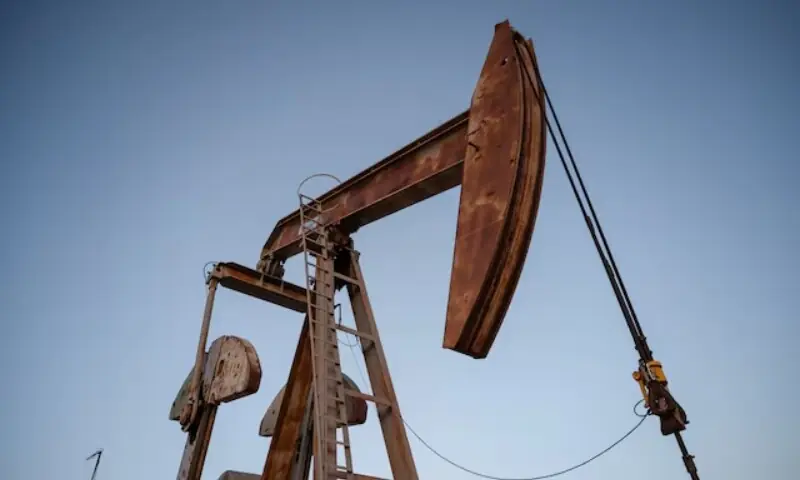
Brent crude futures dropped $1.53, or 1.9 per cent, to $79.04 per barrel by 0656 GMT. Earlier in the session, prices had surged to $82.30 amid uncertainty surrounding the talks and renewed tensions in the Middle East
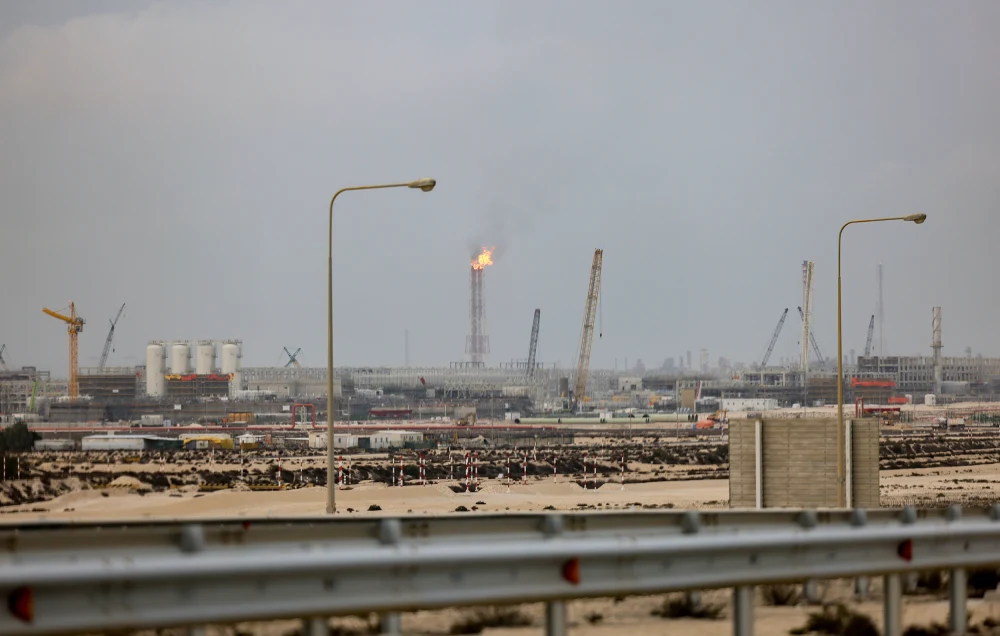
Qatar says 54 people injured and 18 missing after an explosion at its Barzan LNG gas facility. Fire contained—read the latest.
SEOUL: SK Hynix on Monday overtook Samsung Electronics to become South Korea’s most valuable listed company, marking a dramatic reversal of fortunes for a chipmaker that two decades ago nearly collapsed under debt.
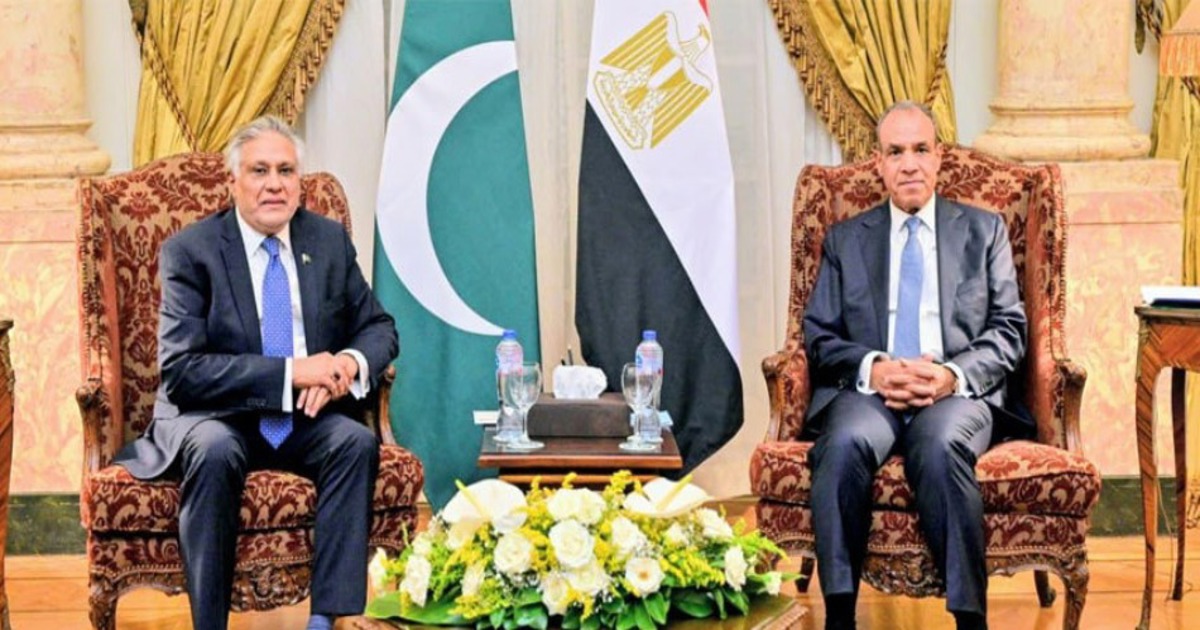
Deputy Prime Minister and Foreign Minister Senator Mohammad Ishaq Dar visited Cairo from 20–21 June 2026 at the invitation of Egypt’s Foreign Minister Bad
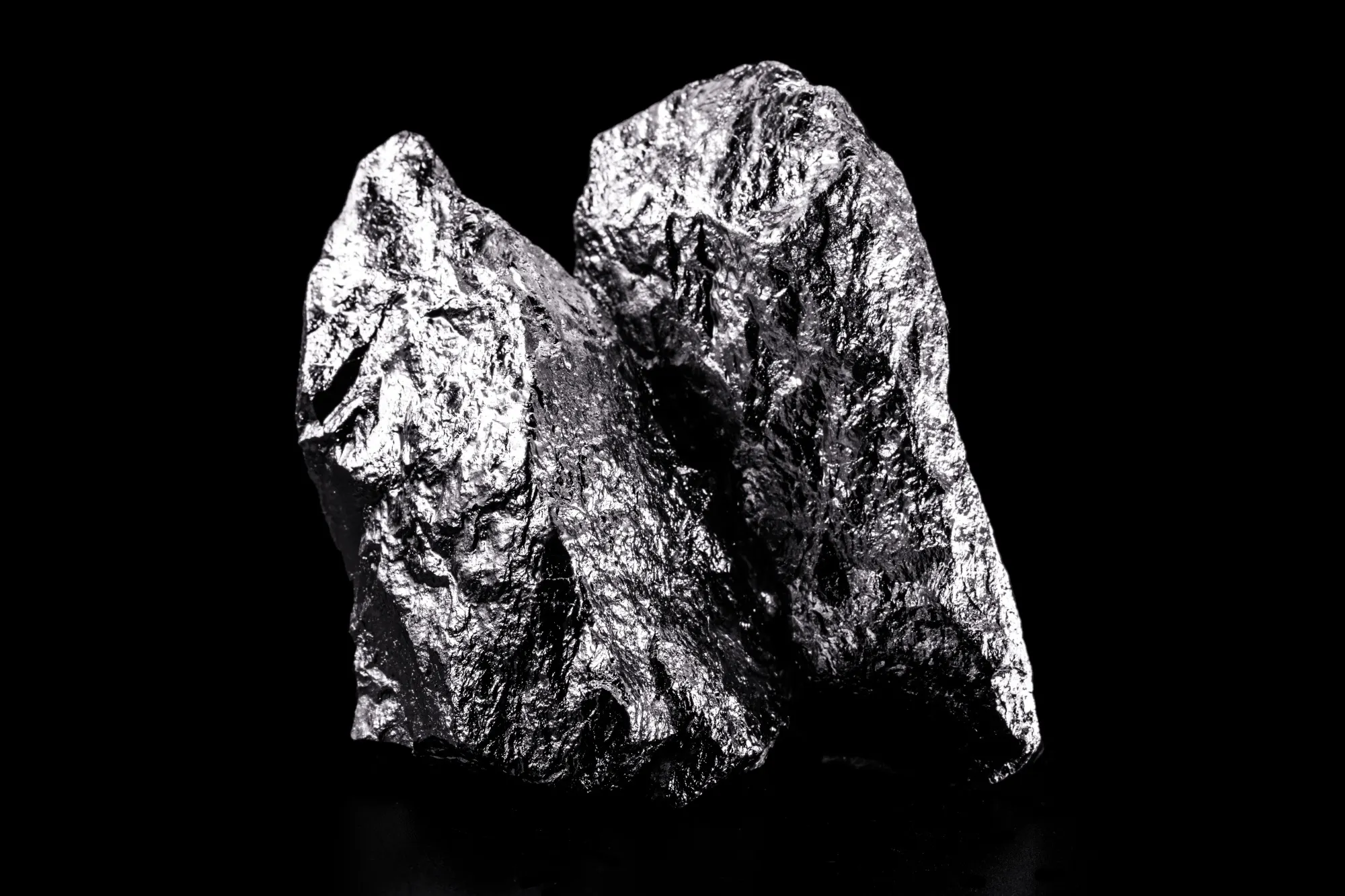
China blocks exports of dual-use items to MP Materials and USA Rare Earth, citing US “malicious practice.” Read the latest.
PSX opened higher on Monday after the first US-Iran talks session in Switzerland. KSE-100 index gained 1,223 points to reach 180,500 after last week’s decline.

Oil prices fell after US-Iran talks concluded in Switzerland. Tehran said it had received waivers for oil and petrochemical exports.

Global oil prices declined across major benchmarks, with WTI, Brent and Murban crude all recording losses after the US and Iran agreed upon a 60-day
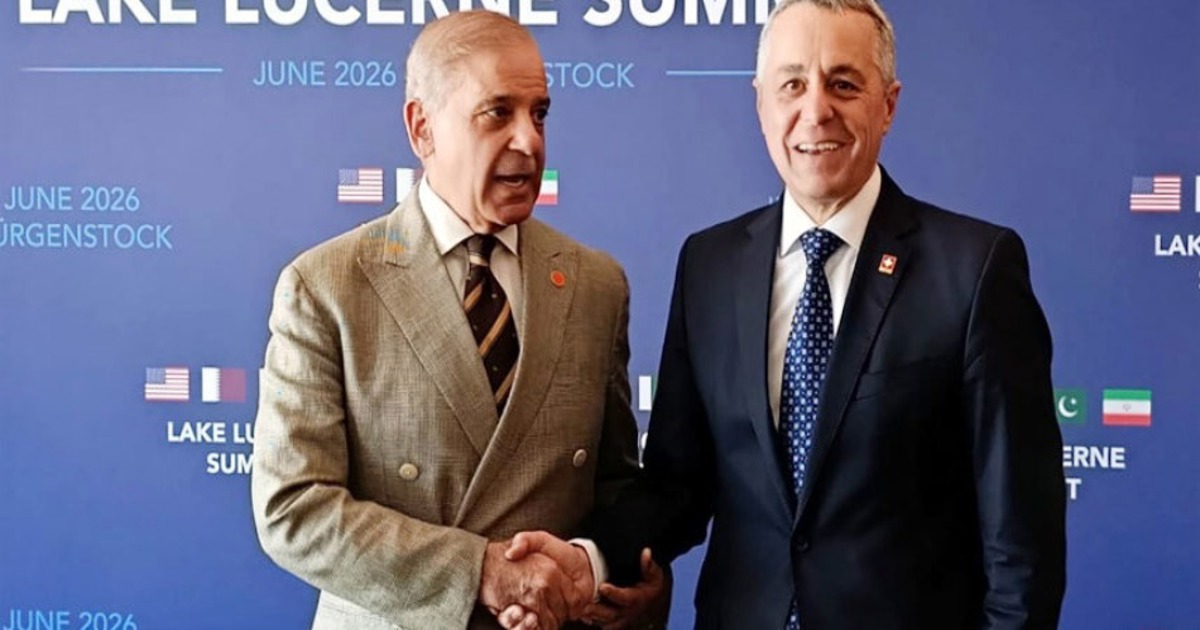
Pakistan and Switzerland discussed expanding bilateral investment ties and explored new avenues for economic cooperation, with the two sides expressing ke
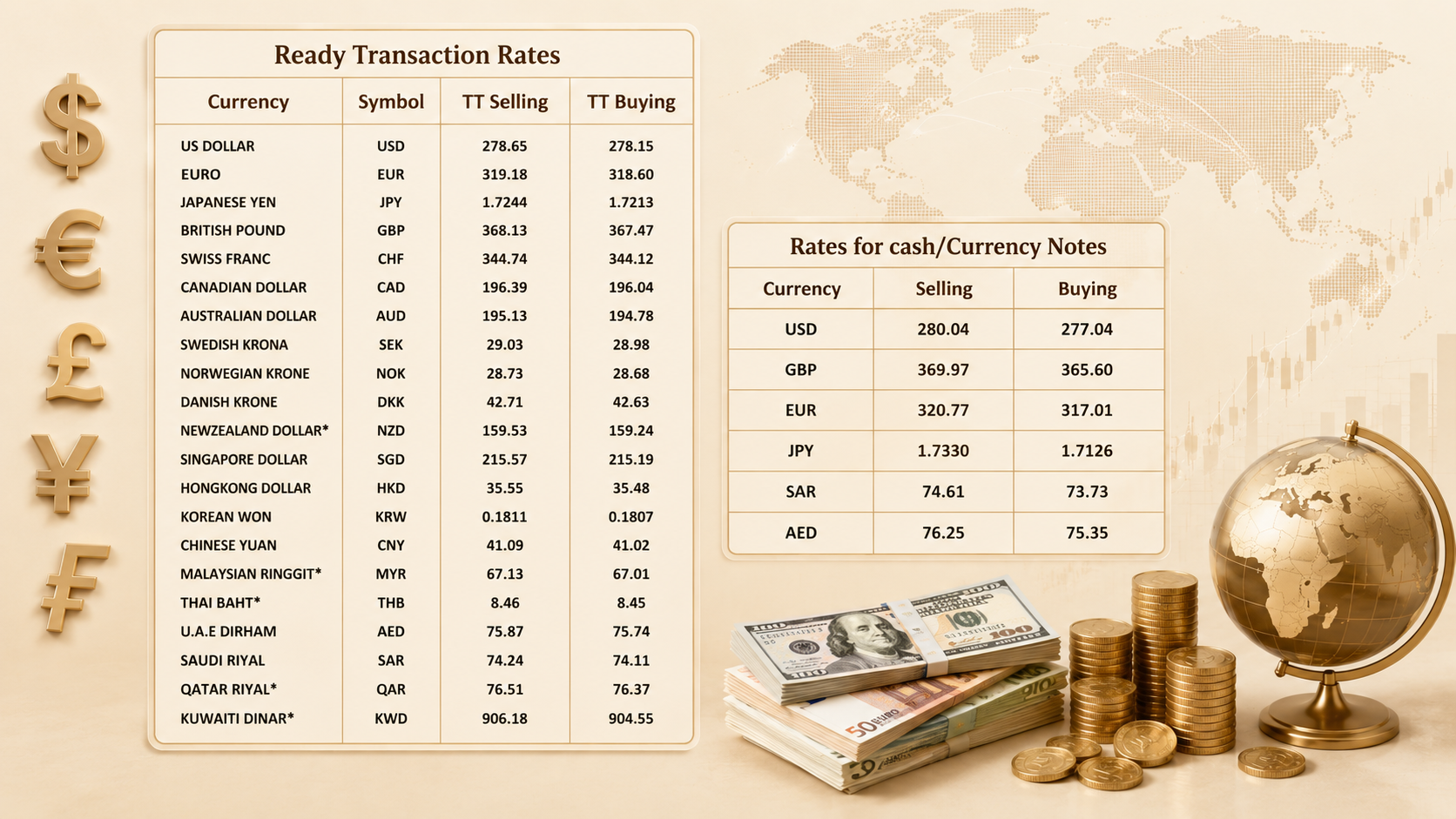
Check today’s foreign exchange rates in Pakistan (June 22, 2026) from NBP’s bulletin. View buying and selling rates now.
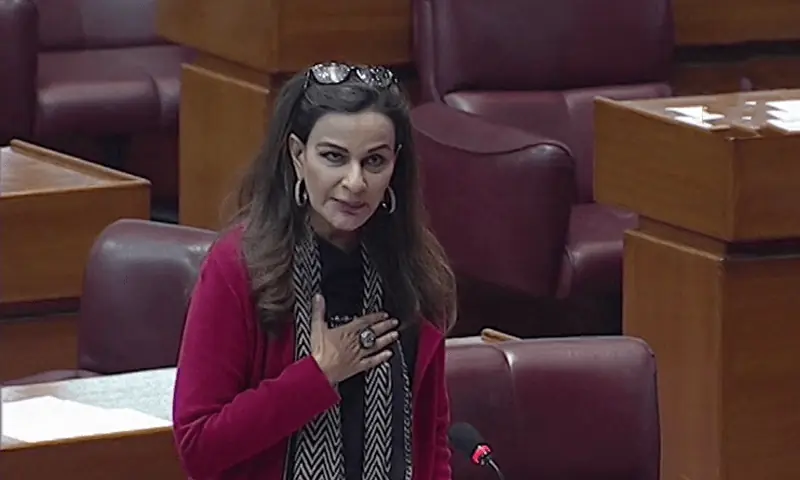
Says there is no hurry to push widely criticised telecom bill without "satisfying us and other representatives".
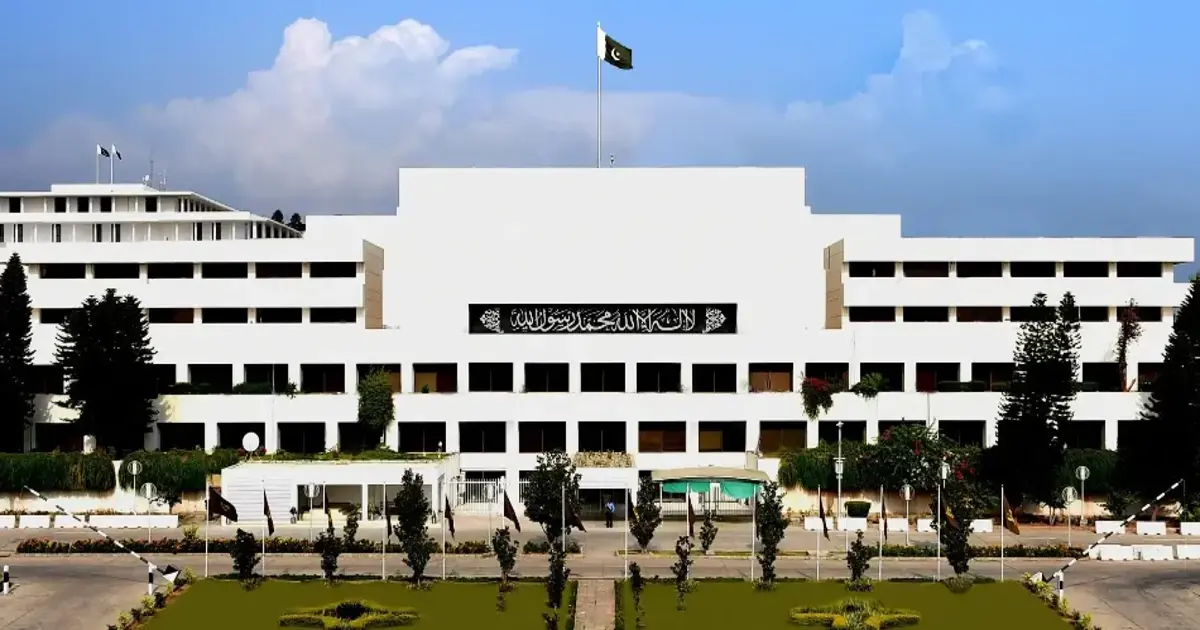
The National Assembly on Sunday approved 12 demands for grants totaling Rs4.282 trillion for the fiscal year ending June 2027, while rejecting all 100 cut
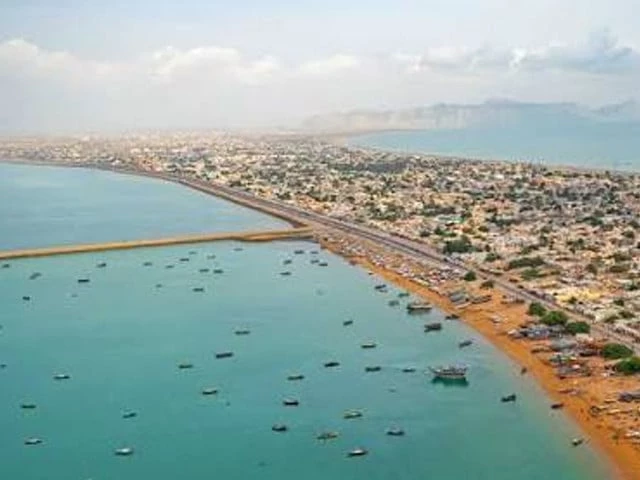
The idea of developing a modern port at Gwadar goes back to 1954, when a survey by the United States Geological Survey (USGS) convinced Pakistan of its strategic importance. However, it took us 54 years to realise the dream when the current port, after completion, received its first commercial cargo on March 15, 2008.
A great power rests on three pillars: military, diplomacy and economy. Pakistan has achieved many milestones on the military and diplomatic fronts. Two recent events further reinforced our strength.
The International Monetary Fund (IMF), being the lender of last resort for countries in balance-of-payments crisis or in danger of default, almost always ties its bailouts to excessive austerity measures. Its loans are tied, to use IMF jargon, to "structural adjustment programmes" and "conditionality". These programmes centre on raising taxes and/or spurring tax rate reductions, balancing the budget at all costs, devaluing the currency and increasing interest rates. Such anti-growth policies, delivered in line with IMF diktat, have been shown in the majority of cases to have actually increased the country's dependence on the IMF over time. Just think of what has happened in Argentina, Pakistan, Ecuador, Egypt or Ghana.
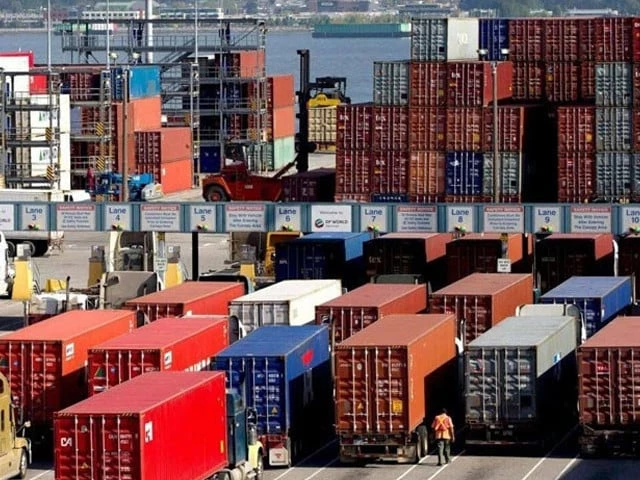
The current fiscal year has been marked by significant strain on the external account, driven in large part by the US-Iran conflict and its spillovers into capital flows and sovereign spreads. With peace now expected to return to the region, policymakers' attention should turn to the domestic constraints that continue to hold exports back. On a cumulative basis, the current account posted a modest surplus of $72 million in the first nine months of FY26, before slipping into a single-month deficit of $276 million in April and then rebounding to a surplus of $459 million in May 2026. This left a cumulative surplus of $255 million over the first 11 months (July-May), but much lower in comparison to the roughly $1.6 billion surplus recorded in the same period a year earlier. For context, the previous fiscal year closed with a current account surplus of $1.8 billion.
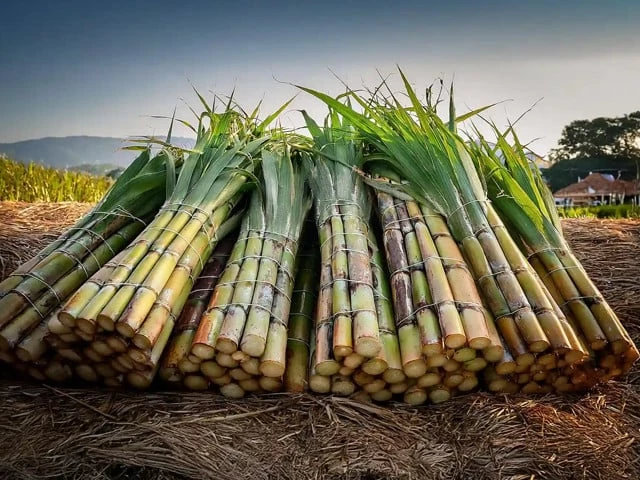
Pakistan's agriculture is facing a crisis that is neither sudden nor mysterious. It is the predictable result of a long-standing mismatch between what the country grows and what its climate, soils and water resources can realistically support. For decades, Pakistan's crop choices were shaped by a world of abundant canal flows, stable weather and a political economy that rewarded acreage rather than efficiency. That world is gone. Yet our cropping patterns remain frozen in time, even as the climate around us changes at a pace our policies refuse to acknowledge.
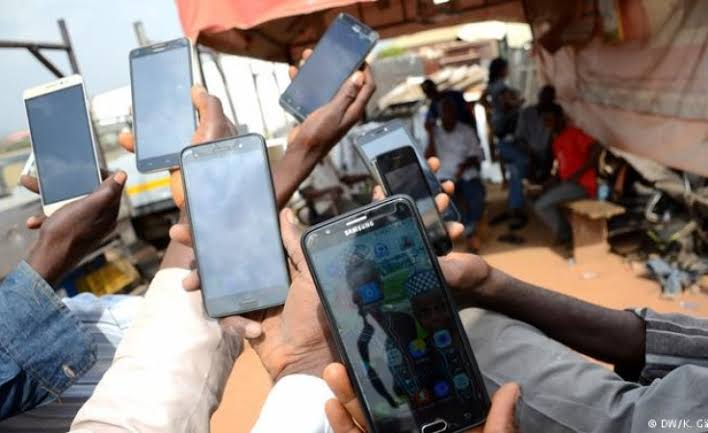
ISLAMABAD, June 16 (INP-Wealth Pakistan) -- The federal government has proposed a new sovereign mobile communication project for officials to enhance digital sovereignty, strengthen cybersecurity infrastructure and secure official communications against evolving cyber threats, according to a document available with Wealth Pakistan.
ISLAMABAD, June 16 (INP–Wealth Pakistan) -- Pakistan’s merchandise trade deficit narrowed significantly in May 2026, as a sharp contraction in imports combined with modest export growth eased pressure on the country’s external account, according to provisional data released by the Pakistan Bureau of Statistics (PBS).

ISLAMABAD, June 16 (INP-Wealth Pakistan) -- The government is set to launch a Rs283 billion programme to build a secure, sovereign, and innovation-driven artificial intelligence ecosystem over the next five years.
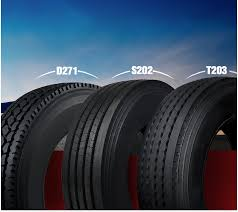
ISLAMABAD, June 16 (INP-Wealth Pakistan) -- The successful listing of Service Long March Tyres Limited (SLM), the first Chinese-owned company to go public on the Pakistan Stock Exchange (PSX), marks a significant milestone in Pakistan-China industrial cooperation and highlights the growing role of Chinese investment in developing Pakistan's tyre manufacturing industry and strengthening its position in international export markets.
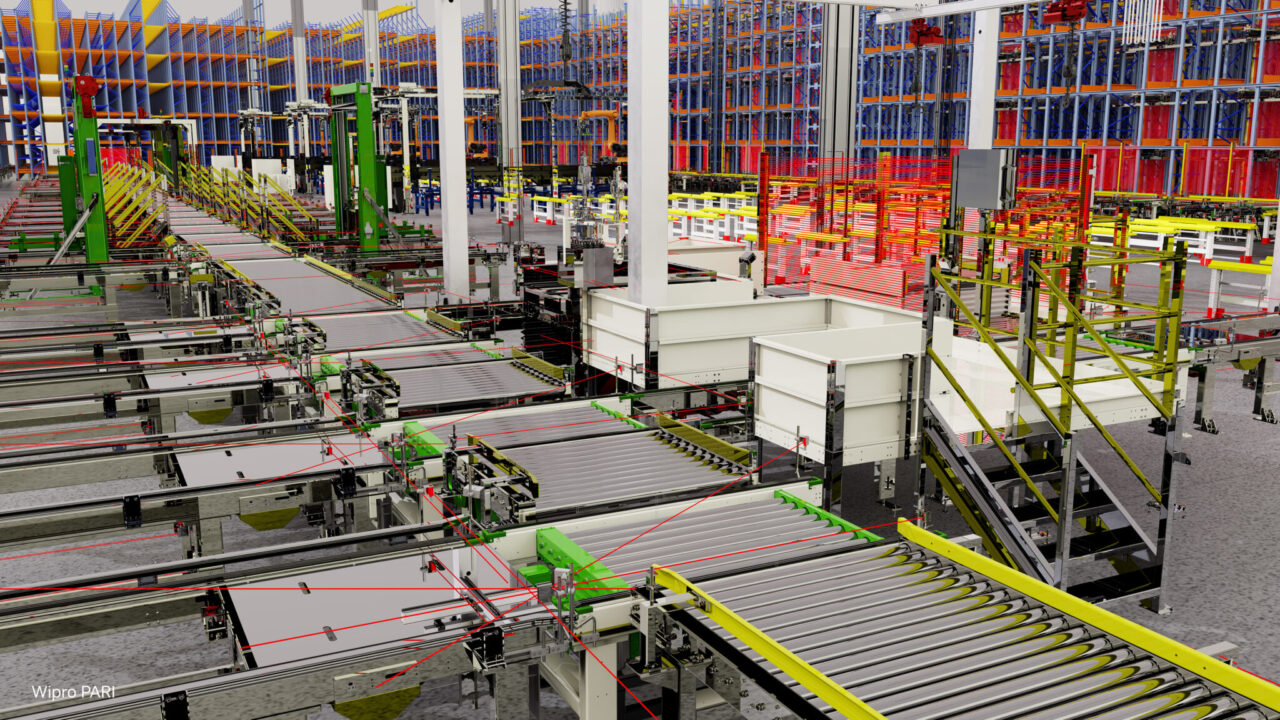
ISLAMABAD, June 16 (INP-Wealth Pakistan) -- The rapid rise of artificial intelligence (AI)-powered factories across major industrial economies is transforming global manufacturing and creating an opportunity for Pakistan to boost productivity, strengthen competitiveness and improve export performance through greater adoption of digital technologies.
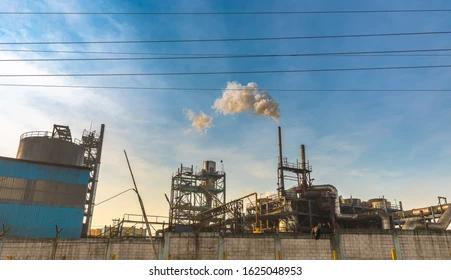
ISLAMABAD, June 16 (INP–Wealth Pakistan) -- Pakistan’s large-scale manufacturing (LSM) sector showed mixed performance in April 2026, as a sharp rebound in automobile production contrasted with a broader decline in overall industrial activity, according to data released by the State Bank of Pakistan (SBP).
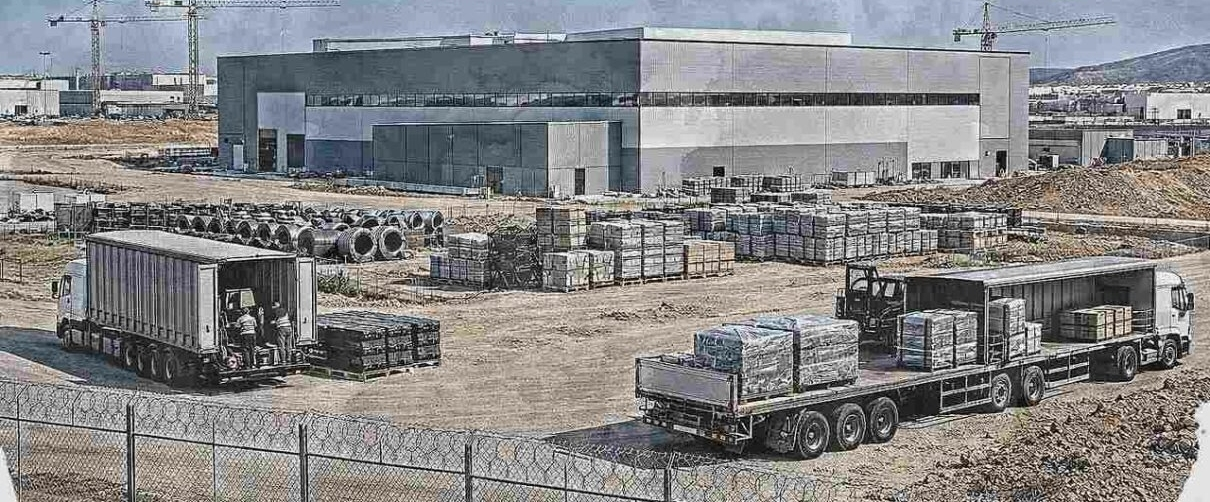
ISLAMABAD, June 15 (INP-Wealth Pakistan) -- Morocco's evolution into a major automotive and electric vehicle (EV) manufacturing hub, driven by Chinese investment and export-oriented industrial policies, offers valuable lessons for Pakistan as it seeks to diversify exports and attract investment into higher-value manufacturing sectors.
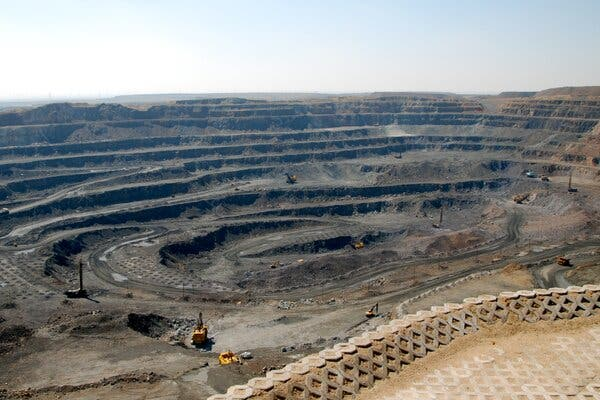
ISLAMABAD, June 15 (INP-Wealth Pakistan) -- A global push to diversify rare-earth and critical mineral supply chains is creating new opportunities for emerging resource-rich economies. Industry experts believe Pakistan could position itself as a future supplier if it accelerates mineral exploration, expands processing capacity, and advances investment reforms.
ISLAMABAD, June 16 (INP-Wealth Pakistan) -- Pakistan’s federal budget has drawn a mixed response from economists and market experts, who see targeted relief measures and incentives for key sectors but caution that ambitious revenue targets and persistent fiscal pressures could hamper implementation of the key proposals announced in the Finance Bill 2026-27.

ISLAMABAD, June 15 (INP-Wealth Pakistan) -- China's rapid adoption of artificial intelligence across education, healthcare, public services and industry offers valuable lessons for Pakistan as it begins implementing its National AI Policy 2025 and seeks to build a digitally skilled workforce.
ISLAMABAD, June 15 (INP-Wealth Pakistan) -- The Asian Infrastructure Investment Bank's (AIIB) plans to explore non-sovereign and private-sector financing in Pakistan could help mobilise long-term investment for critical infrastructure projects and reduce pressure on public finances, experts say.

Jun 18, 2026

Jun 17, 2026
ISLAMABAD, June 15 (INP-Wealth Pakistan) -- The State Bank of Pakistan (SBP) on Monday left its benchmark policy rate unchanged at 11.5%, signalling confidence in the country's improving macroeconomic fundamentals while maintaining a cautious stance amid lingering inflation risks.

ISLAMABAD, June 15 (INP-Wealth Pakistan) -- Sindh is implementing a Rs61.6 billion health and population initiative aimed at improving maternal and child health outcomes as part of its broader nutrition and human capital development strategy.

ISLAMABAD, June 15 (INP-Wealth Pakistan) -- Pakistan plans to establish a Green University aimed at developing climate-resilient human capital, promoting green innovation and supporting the country's transition toward a sustainable and low-carbon economy.
ISLAMABAD, June 15 (INP-Wealth Pakistan) -- Pakistan Post's International Parcel Service now serves 204 international destinations, reflecting the organization's efforts to expand global connectivity, strengthen logistics services and support cross-border trade.
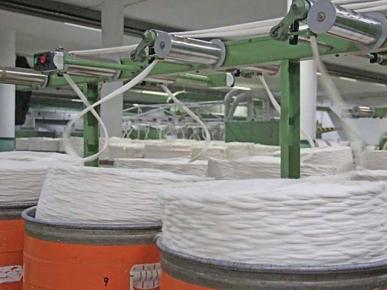
ISLAMABAD, June 15 (INP-Wealth Pakistan) -- The Pakistan Textile Council (PTC) has welcomed the export-focused measures announced in the Finance Bill 2026-27, saying the budget reflects the government's commitment to strengthening investment, boosting competitiveness and promoting export-led growth.
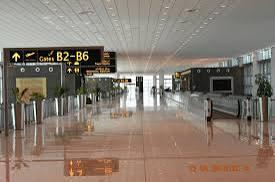
ISLAMABAD, June 15 (INP-Wealth Pakistan) -- The federal government has set an airport fee revenue target of Rs14 billion for FY2026–27, up from Rs13 billion in the previous fiscal year, according to budget documents available with Wealth Pakistan outlining the composition of non-tax revenues.
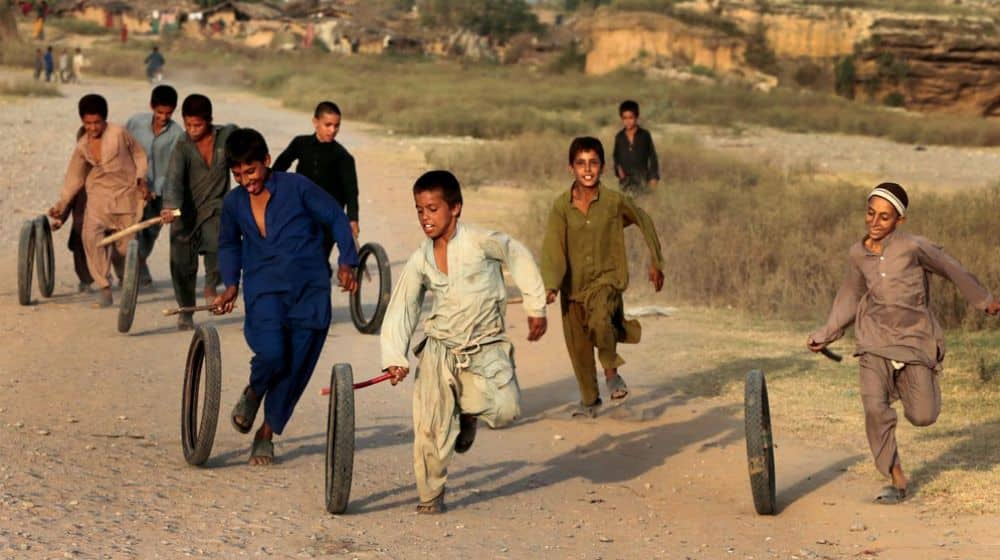
ISLAMABAD, June 15 (INP-Wealth Pakistan) -- Balochistan recorded the largest reduction in the proportion of out-of-school children among Pakistan's provinces, with the rate declining from 69% in 2023 to 45% in 2025.
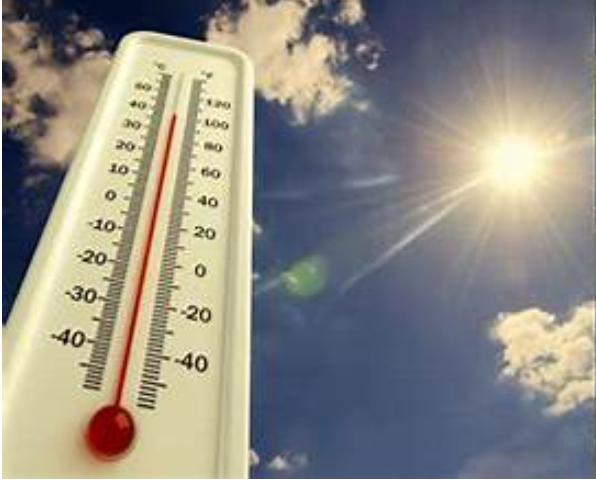
ISLAMABAD, June 15 (INP-Wealth Pakistan) -- Pakistan's annual mean temperature has risen by approximately 0.5°C over the past five decades and is projected to increase by a further 3°C to 5°C by the end of the century, underscoring the growing threat of climate change to the country's economy, environment and population, according to the Pakistan Economic Survey 2025-26.

ISLAMABAD, June 15 (INP-Wealth Pakistan) -- Pakistan trained 215,719 workers in soft skills during July-March FY2025-26 as part of efforts to improve their adaptability, productivity and employability in international labour markets.

ISLAMABAD, June 15 (INP-Wealth Pakistan) -- Pakistan conducted 4,752 anti-drug awareness and demand-reduction activities during July-March FY2025-26 while expanding rehabilitation services and strengthening enforcement efforts against narcotics-related crimes.

ISLAMABAD, June 15 (INP-Wealth Pakistan) -- Pakistan is accelerating the digitisation of family planning and reproductive health services through the introduction of real-time data reporting systems, capacity-building initiatives and legislative reforms aimed at improving service delivery and transparency.

ISLAMABAD, June 15 (INP-Wealth Pakistan) -- Azad Jammu and Kashmir (AJK) is expanding its Early Childhood Development (ECD) Programme to 300 middle schools as part of broader efforts to strengthen education, nutrition and child development services.
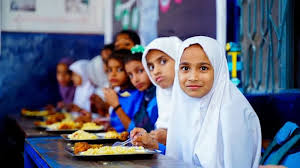
ISLAMABAD, June 15 (INP-Wealth Pakistan) -- The Government of Balochistan is implementing a Rs1.58 billion school meal programme for primary school students in Quetta as part of its efforts to address nutrition challenges and improve child health outcomes.
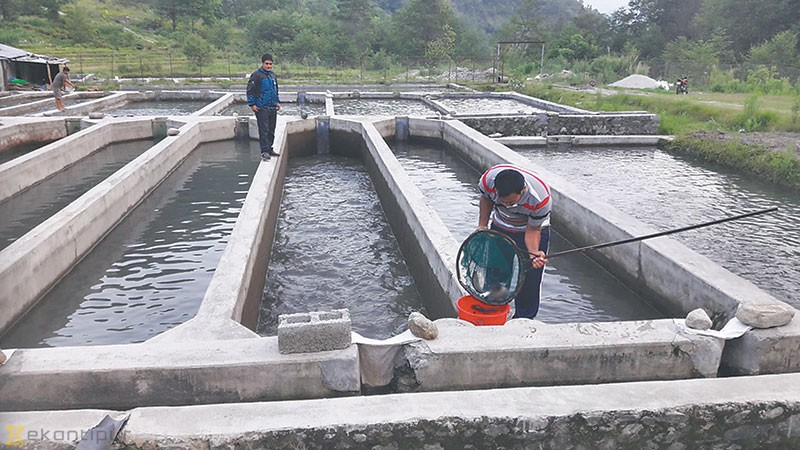
ISLAMABAD, June 15 (INP-Wealth Pakistan) -- Gilgit-Baltistan is implementing a Rs50 million trout farming project in District Ghizer as part of efforts to strengthen food security and support economic growth in the region.

Jun 16, 2026
Pakistan’s weekly inflation, measured by the Sensitive Price Indicator (SPI), increased by 0.16% during the week ended June 11, 2026, mainly due to higher prices of tomatoes, LPG, potatoes, cigarettes and vegetable ghee, according to data released by the Pakistan Bureau of Statistics (PBS).

Sales and purchases of vehicles excluding two- and three-wheelers stood at 20,990 units in May 2026, lower than April’s 25,663 units but significantly higher than the 17,051 units recorded in December 2025, according to State Bank of Pakistan (SBP) data available with Wealth Pakistan.
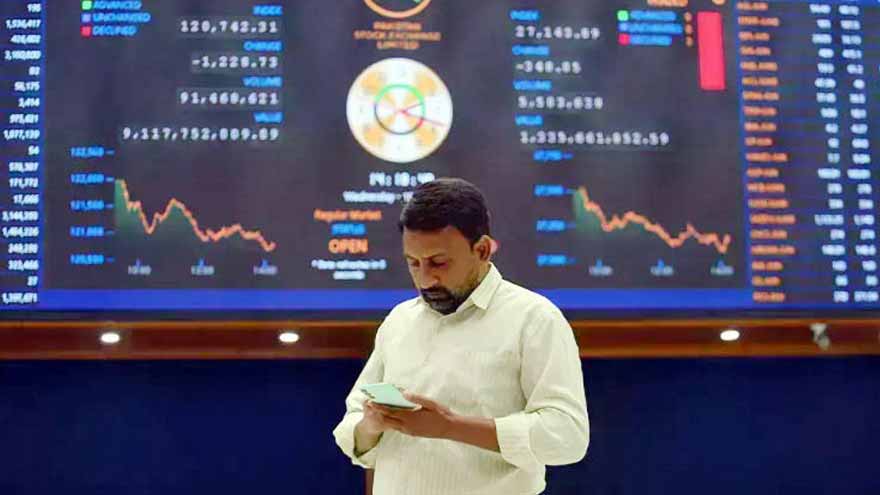
The index fluctuated within a range of 2,927 points during the week

Pakistan Stock Exchange (PSX) closed marginally higher on Friday, with the benchmark KSE-100 index gaining less than 235 points, as selective buying in banking and technology stocks offset selling pressure in oil and gas and cement shares amid elevated crude oil prices and persistent geopolitical uncertainty.
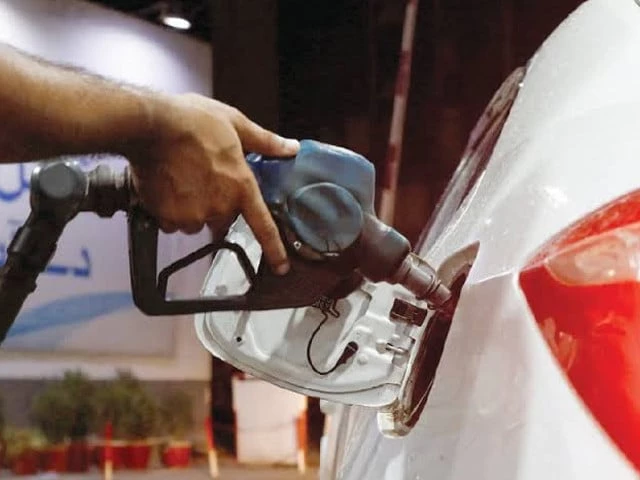
Pakistan's short-term inflation remained in double digits at 11.38% year-on-year for the week ended October 15, 2026 as the fallout from the Middle East conflict continued to keep energy prices elevated, according to data released by the Pakistan Bureau of Statistics (PBS).
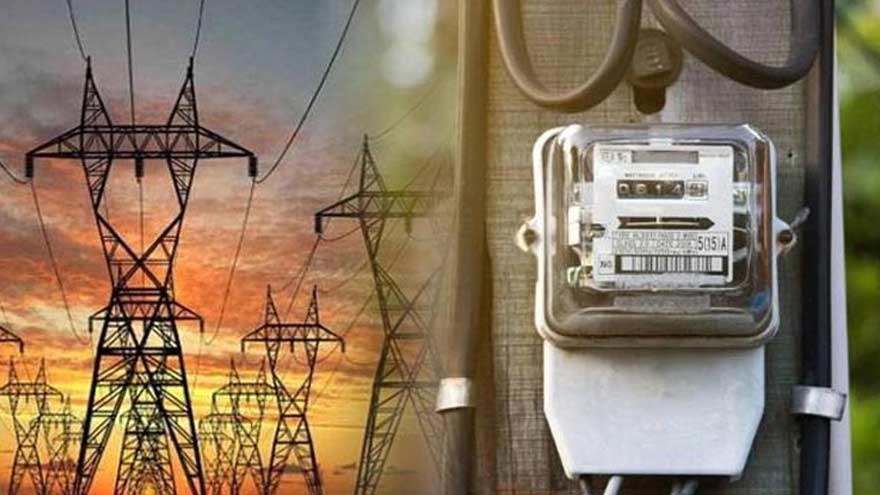
The CPPA’s petition states that the average fuel cost of electricity generation was estimated at Rs7.46 per unit for September but rose to Rs10.02 per unit during the month

Silver price in Pakistan for today, October 17, 2026

CPPA-G seeks a Rs2.5624 per unit increase in September 2026 fuel charges. NEPRA will hear the request on October 29, with K-Electric consumers also potentially

Gold price in Pakistan for today, October 17, 2026
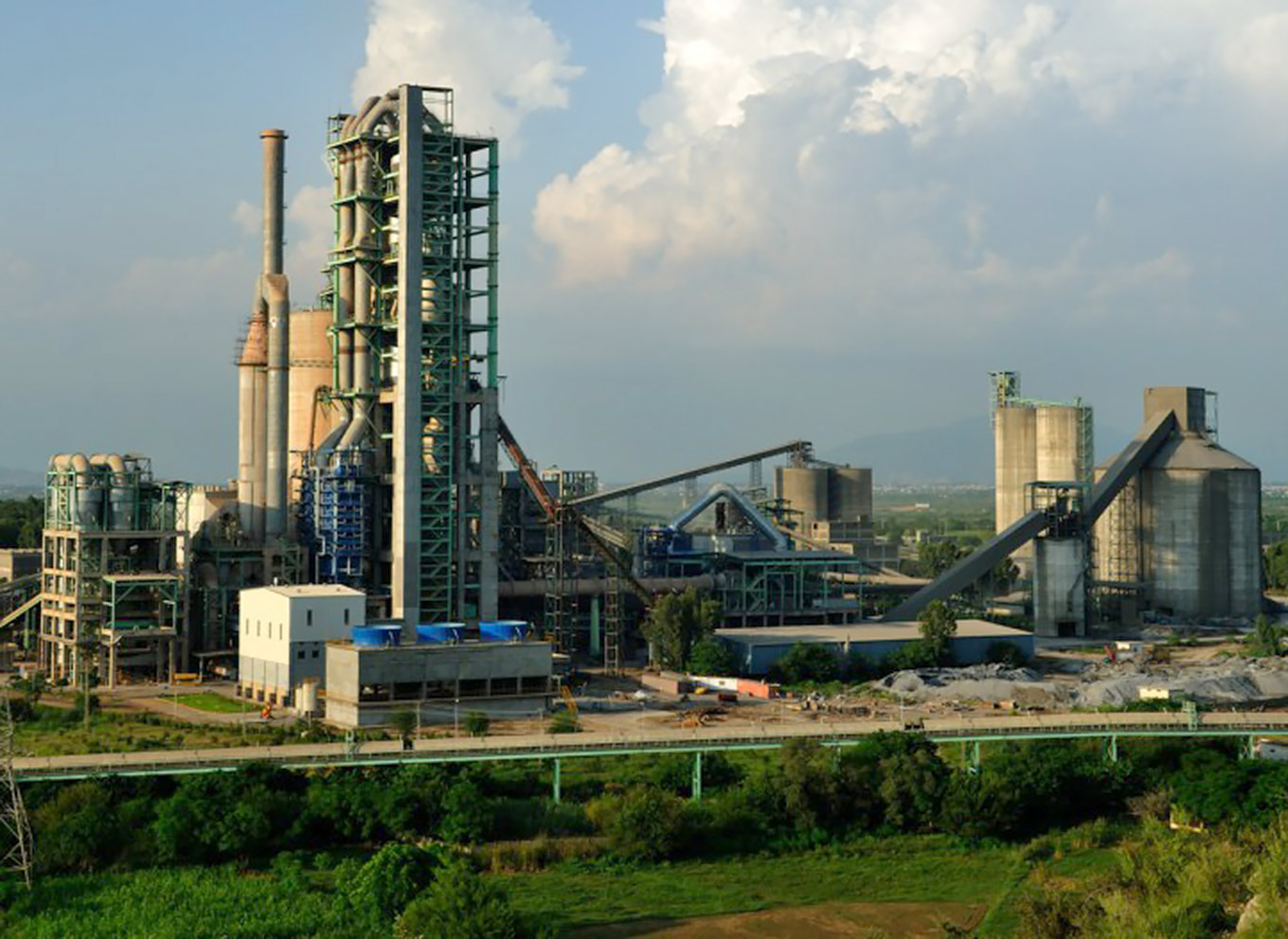
Pakistan's large-scale manufacturing output rises 1.85% in July-August FY27 but falls 4.96% month-on-month in August, according to provisional PBS data.
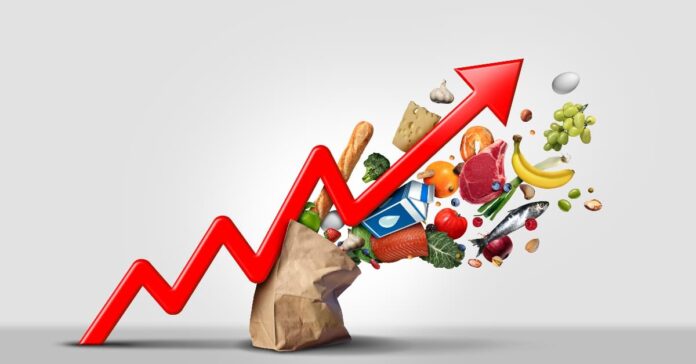
Pakistan's weekly SPI inflation declines 0.04% for the week ended October 15, 2026, while annual inflation stands at 11.38%, according to PBS data.

ISLAMABAD - Rupee on Friday appreciated by 01 paisa against the US Dollar in interbank trading and closed at Rs276.91, compared to the previous day’s closing of Rs 76.92. According to the Forex Association of Pakistan (FAP), the dollar’s open-market buying and selling rates were Rs 277.50 and Rs 280.20, respectively. The price of the Euro against the rupee increased by Rs 0.56, closing at Rs311.33 against the previous day’s rate of Rs310.77, according to the State Bank of Pakistan (SBP). The Japanese Yen remained unchanged at Rs 1.75, and the British Pound witnessed an increase of Rs1.66 and closed at Rs368.84 compared to the previous day’s Rs367.18. The exchange rates of the Emirate Dirham remained stagnant at Rs75.39, while the Saudi Riyal increased by 01 paisa to close at Rs73.78.

ISLAMABAD - The Sensitive Price Indicator (SPI)-based weekly inflation decreased by 0.04 percent during the week ended on October 15, 2026, for the combined consumption group, the Pakistan Bureau of Statistics (PBS) reported here on Friday.
KARACHI: The country’s current account deficit widened by 16 percent in the first quarter of this fiscal year, mainly due to a higher goods import bill.
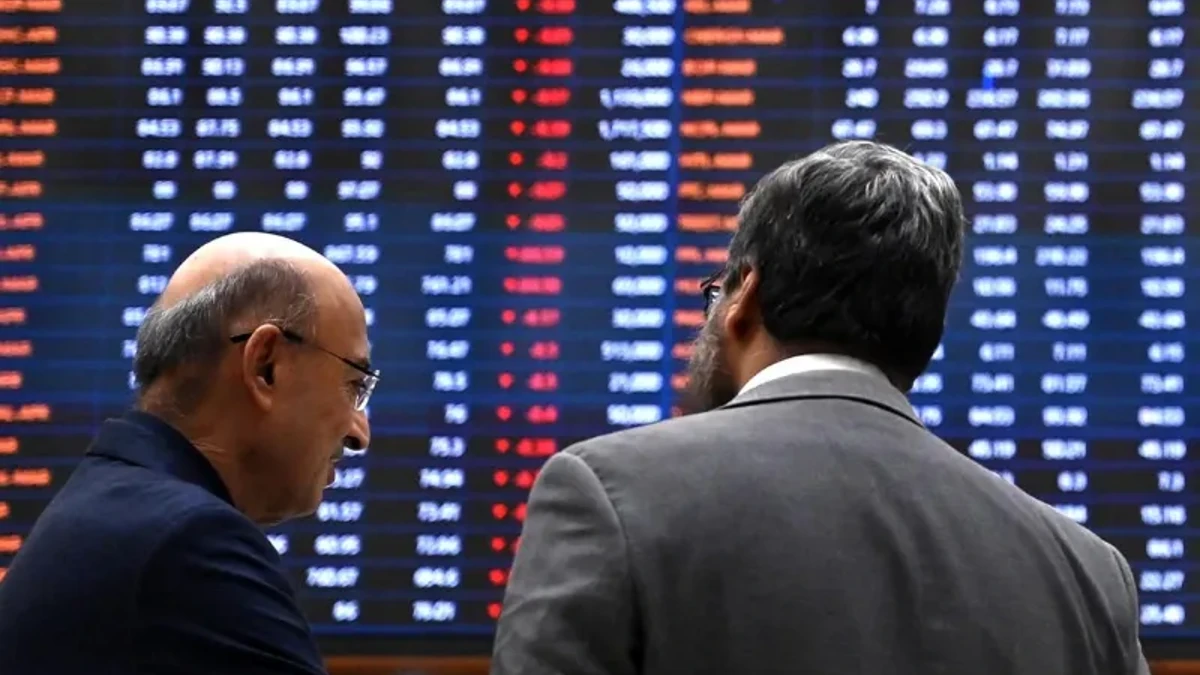
Pakistan's KSE-100 Index plunged 670 points in weekly trading, closing at 166,419. Understand the latest performance of Karachi's stock market.

The Ministry of Energy (Petroleum Division) has revised the ex-depot prices of petroleum products, reducing the price of Motor Spirit (petrol) by Rs3.93 p
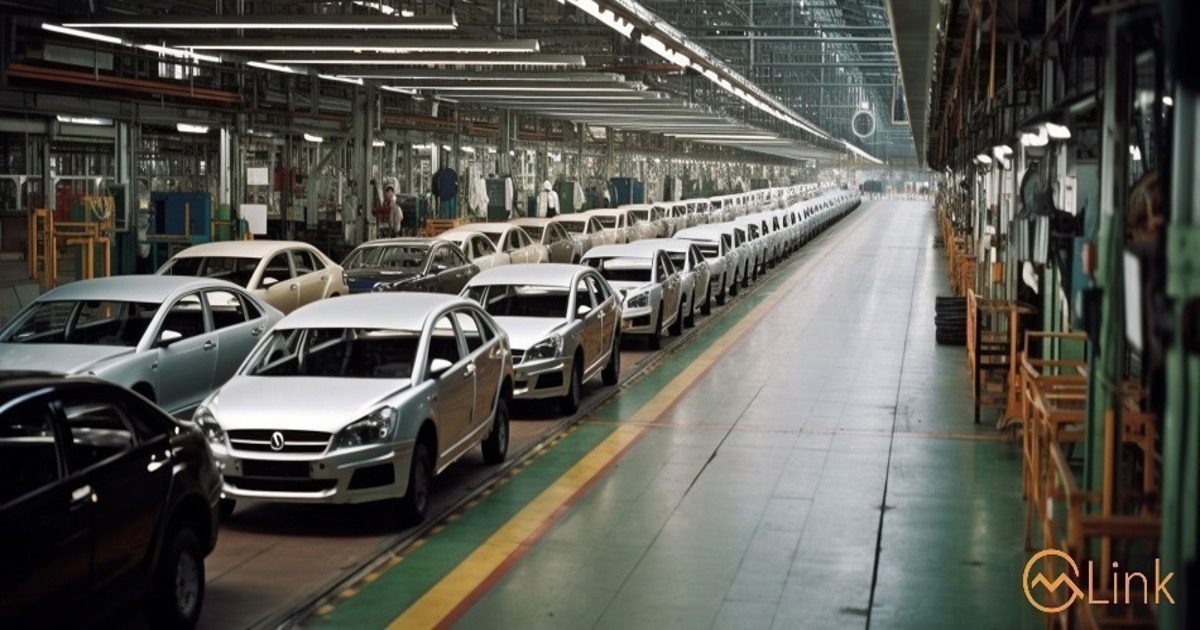
Automobile financing in Pakistan has increased to Rs407.12bn in September 2026, witnessing a rise of 3.49% MoM compared to Rs393.4bn recorded in August 20

IT exports rise 18% year-on-year as freelancers' earnings reach record $197m; first-quarter technology exports stand at $1.25bn
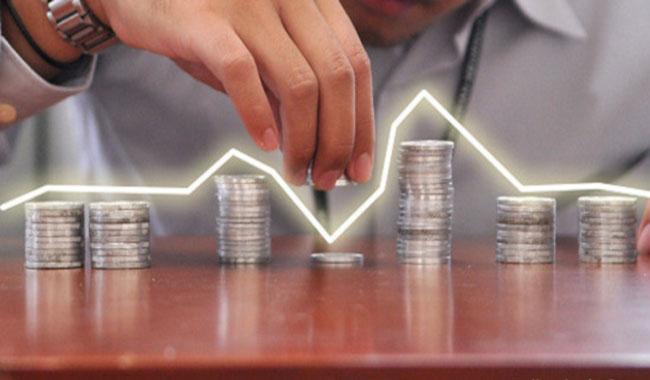
Imports rise 23% year-on-year, outpacing export growth; first-quarter deficit reaches $874m
Petrol price drops by Rs3.93 to Rs386.30 per litre, while diesel remains unchanged at Rs396.96 from October 17 to 19.

Pakistan’s IT exports reached a nine-month high of $435 million in September 2026, up 19% year-on-year, while the government targets $10 billion in annual exports by FY2028-29.
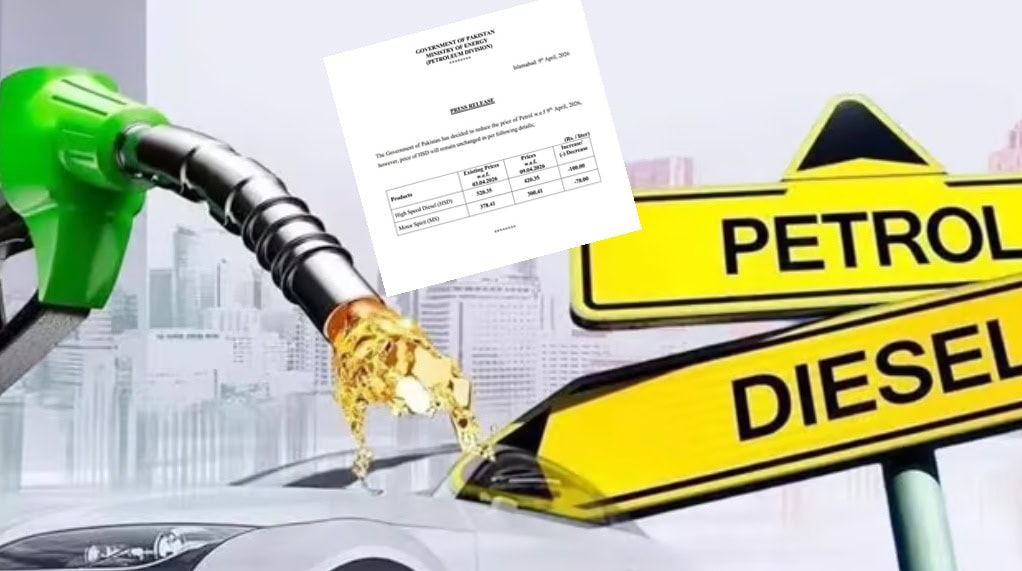
ISLAMABAD - Pakistani government passes on relief for masses with more reduction in petrol prices. For the weekend, the petrol rates got axed by Rs3.93
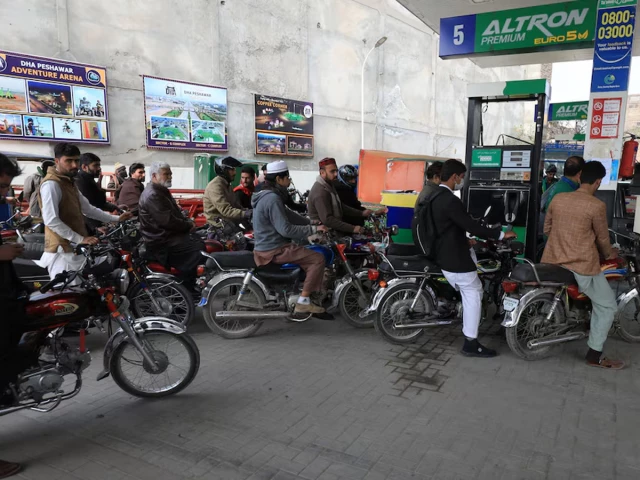
The federal government on Friday decreased the price of petrol by Rs3.93 per litre, while keeping the price of high-speed diesel (HSD) unchanged till October 19.
KARACHI, Oct 16 (APP): The following are the selling/buying rates of major currencies issued by the National Bank of Pakistan (NBP), here on Thursday.
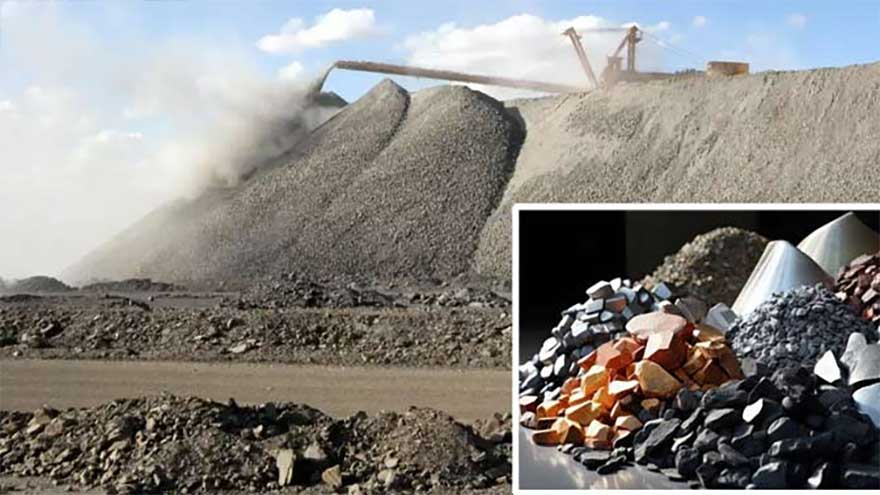
The development is expected to strengthen Pakistan’s mining sector and expand its role in international mineral supply chains.
ISLAMABAD, Oct 16 (APP):The Sensitive Price Indicator (SPI)-based weekly inflation decreased by 0.04 percent during the week ended on October 15, 2026, for the combined consumption group, the Pakistan Bureau of Statistics (PBS) reported here on Friday.
Pakistan’s IT and tech exports rose to $435 million in September 2026, the second-highest monthly figure on record, Adviser to the Finance Minister Khurram Schehzad said on Friday.
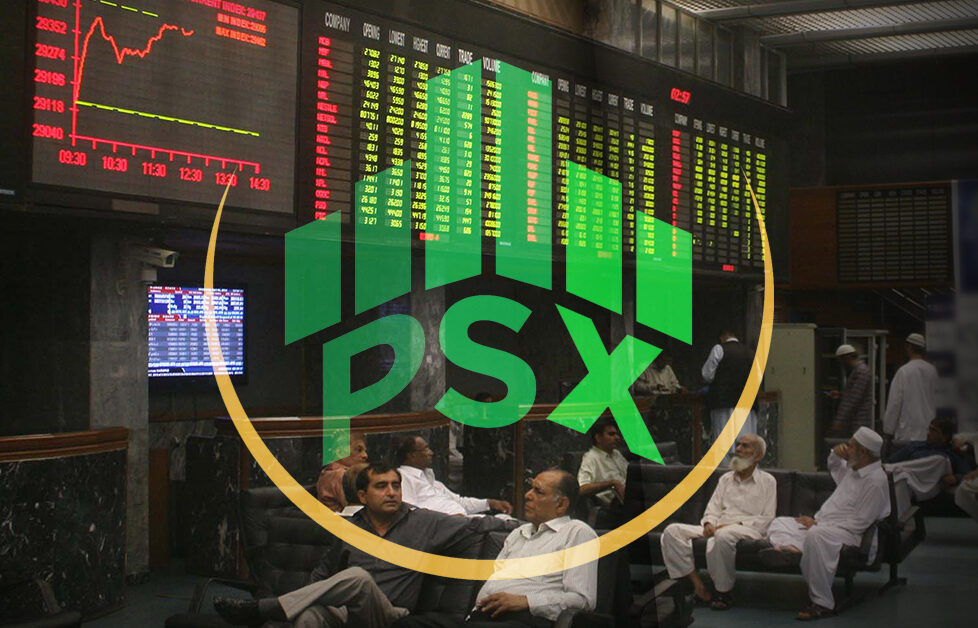
ISLAMABAD, Oct 16 (APP): The benchmark KSE-100 Index of the Pakistan Stock Exchange (PSX) continued its positive momentum on Friday, gaining 233.55 points, a positive change of 0.14 percent, to close at 166,419.72 points against 166,186.17 points recorded in the previous trading session.
Pakistan’s exports rose 18% year-on-year to over $2.96 billion in September 2026, while imports increased 11% to $6.50 billion, widening pressure on the trade balance.
Canada emerged as the largest source of foreign direct investment (FDI) into Pakistan in September 2026, with gross inflows of $85.3m and no outflows, acc
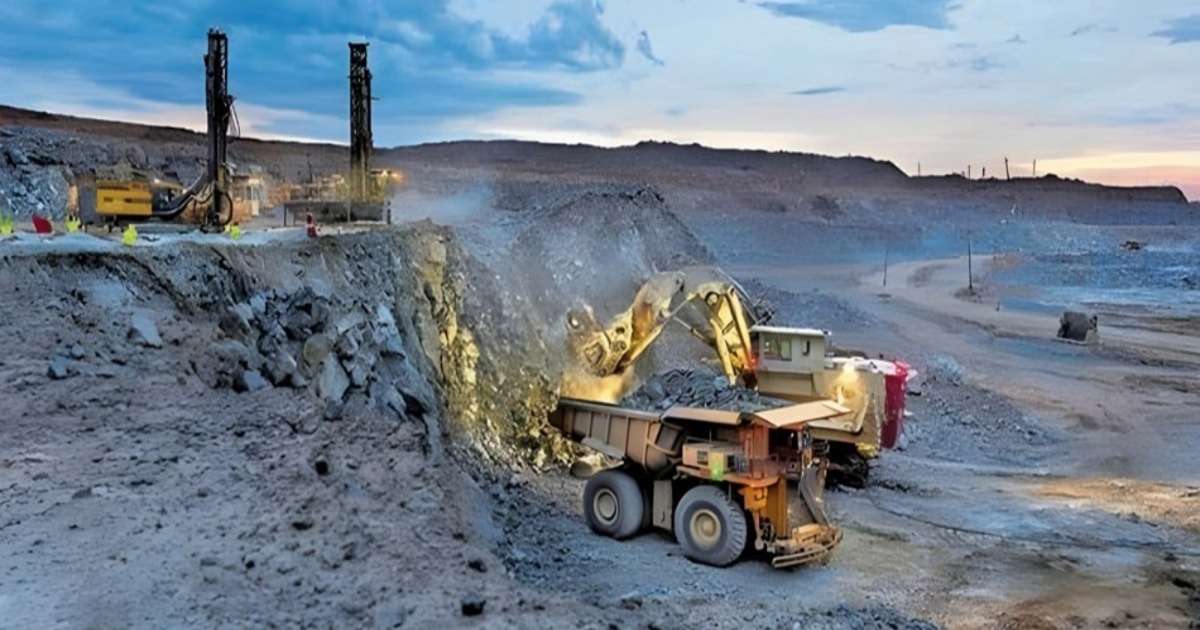
Pakistan’s mining and quarrying sector attracted the largest gross foreign direct investment (FDI) inflows in September 2026, receiving $62.6m with no out

The total deposits held by scheduled banks have moved up by 15.95% YoY to Rs40.83 trillion in September 2026 compared to Rs35.21tr in September 2025.