
SK Hynix Overtakes Samsung as Korea’s Top Value Firm
SK Hynix becomes South Korea’s most valuable listed company, boosted by AI HBM chip demand. Check the latest market figures and outlook.
Profit
SK Hynix becomes South Korea’s most valuable listed company, boosted by AI HBM chip demand. Check the latest market figures and outlook.
The Securities and Exchange Commission of Pakistan (SECP) has approved a new digital financing product titled “Khudmukhtar Khatoon” aimed at supporting wo

OCAC protests Pakistan’s unilateral fuel price cut, warning refineries and OMCs face ~Rs105 billion losses. Read the details and impact.

The move is aimed at expanding the tax base and improving revenue collection by bringing more retail businesses into the formal economy

Pakistan Stock Exchange opens higher as US-Iran talks progress and oil prices ease. Follow today’s PSX market moves—read the update.
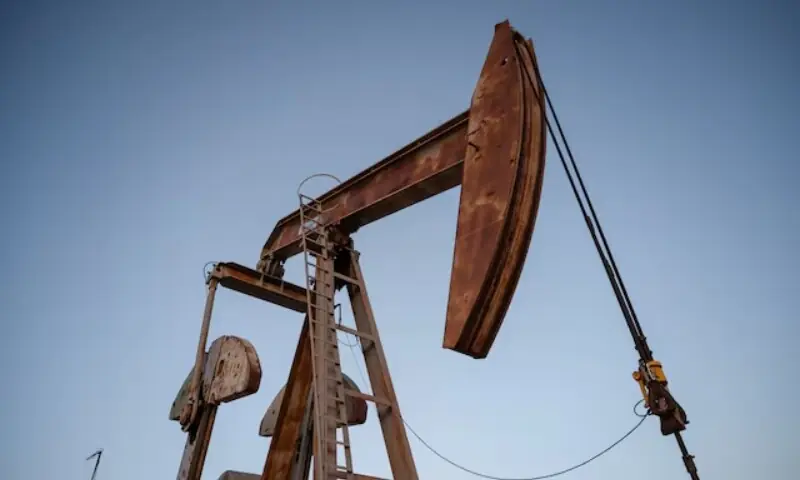
“The decline has been driven primarily by improving prospects for a diplomatic breakthrough between the United States and Iran," says analyst.
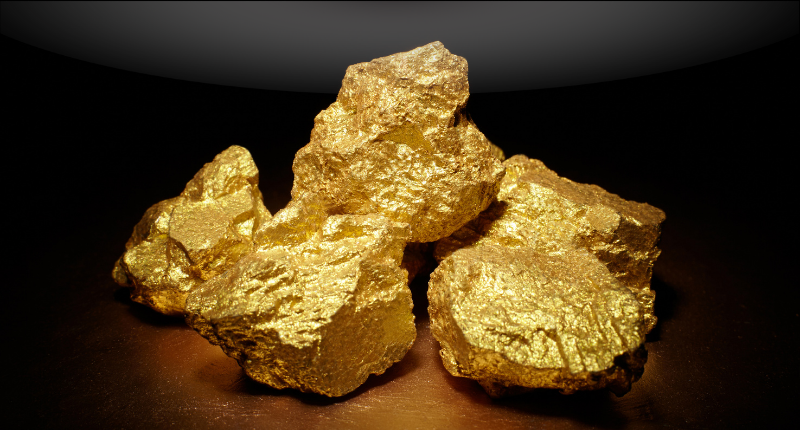
Gold climbed 0.8% after Iran cited progress in peace talks with the US. Oil eased, but rate-hike fears cap gains—read more.

BEIJING:
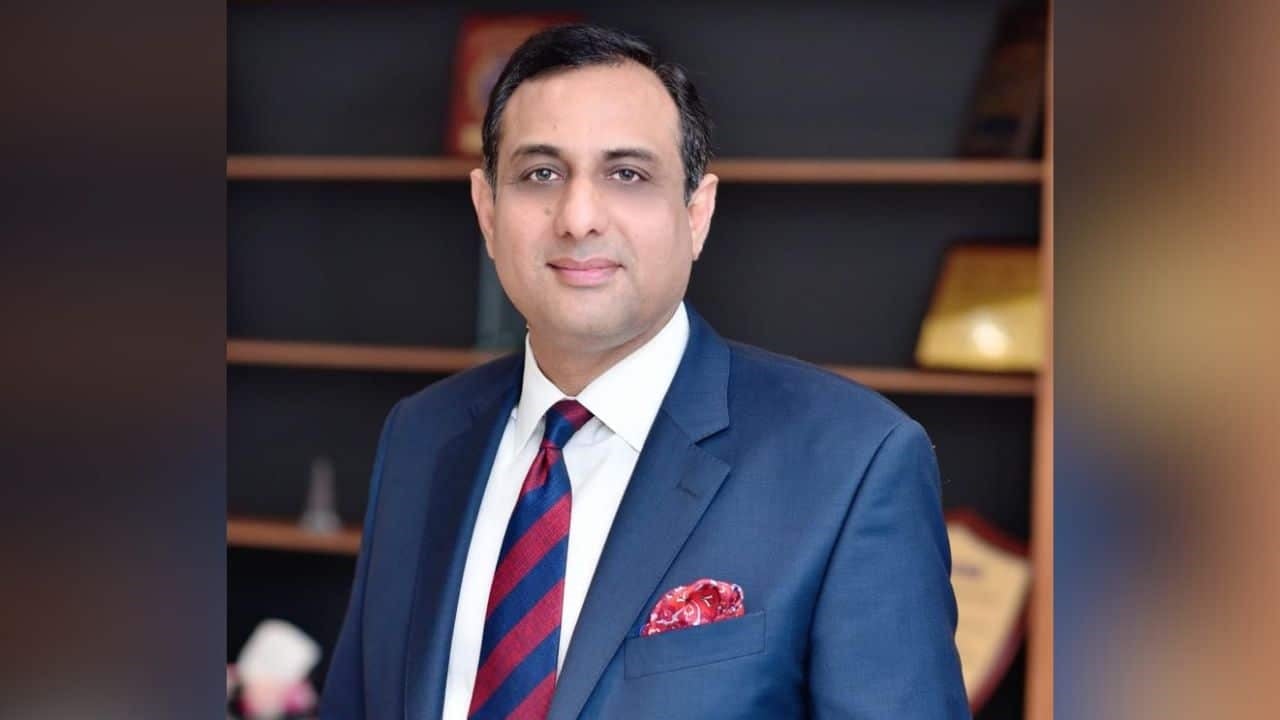
The company aims to scale its annual capacity to 7 million smartphones, 360,000 televisions and 400,000 air-conditioners, as it moves beyond mobile phones into higher-margin consumer technology products through partnerships with Xiaomi and Hisense.

Loads Limited signs a non-binding MoU with China’s Xinhuida to explore copper trading, JV and tech transfer in Pakistan. Read more.
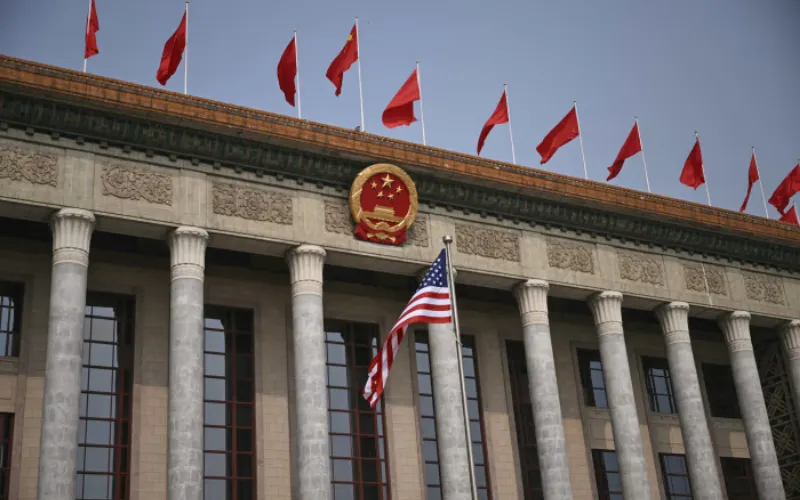
China imposed trade restrictions on dozens of US companies in response to Washington adding more Chinese firms to Pentagon blacklist.

Karachi: Book-building for the Initial Public Offering of Select Technologies Limited, a wholly owned subsidiary of Air Link Communication Limited, opens today at the Pakistan Stock Exchange and will continue on June 23, 2026, marking another important technology-sector listing at the local bourse.

Brent crude futures dropped $1.53, or 1.9 per cent, to $79.04 per barrel by 0656 GMT. Earlier in the session, prices had surged to $82.30 amid uncertainty surrounding the talks and renewed tensions in the Middle East
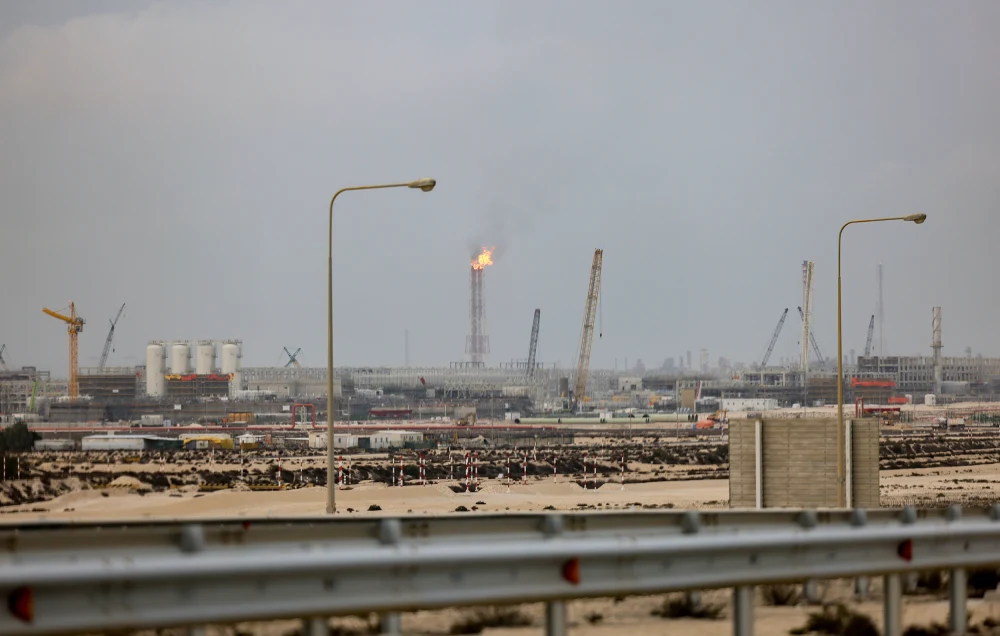
Qatar says 54 people injured and 18 missing after an explosion at its Barzan LNG gas facility. Fire contained—read the latest.

SEOUL: SK Hynix on Monday overtook Samsung Electronics to become South Korea’s most valuable listed company, marking a dramatic reversal of fortunes for a chipmaker that two decades ago nearly collapsed under debt.
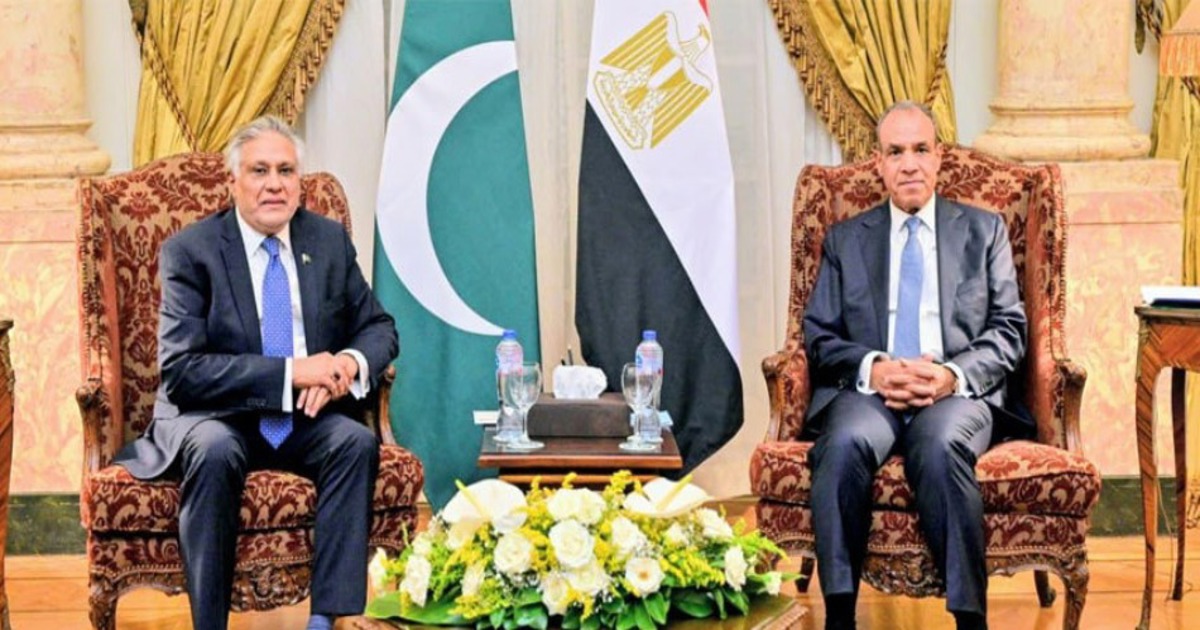
Deputy Prime Minister and Foreign Minister Senator Mohammad Ishaq Dar visited Cairo from 20–21 June 2026 at the invitation of Egypt’s Foreign Minister Bad
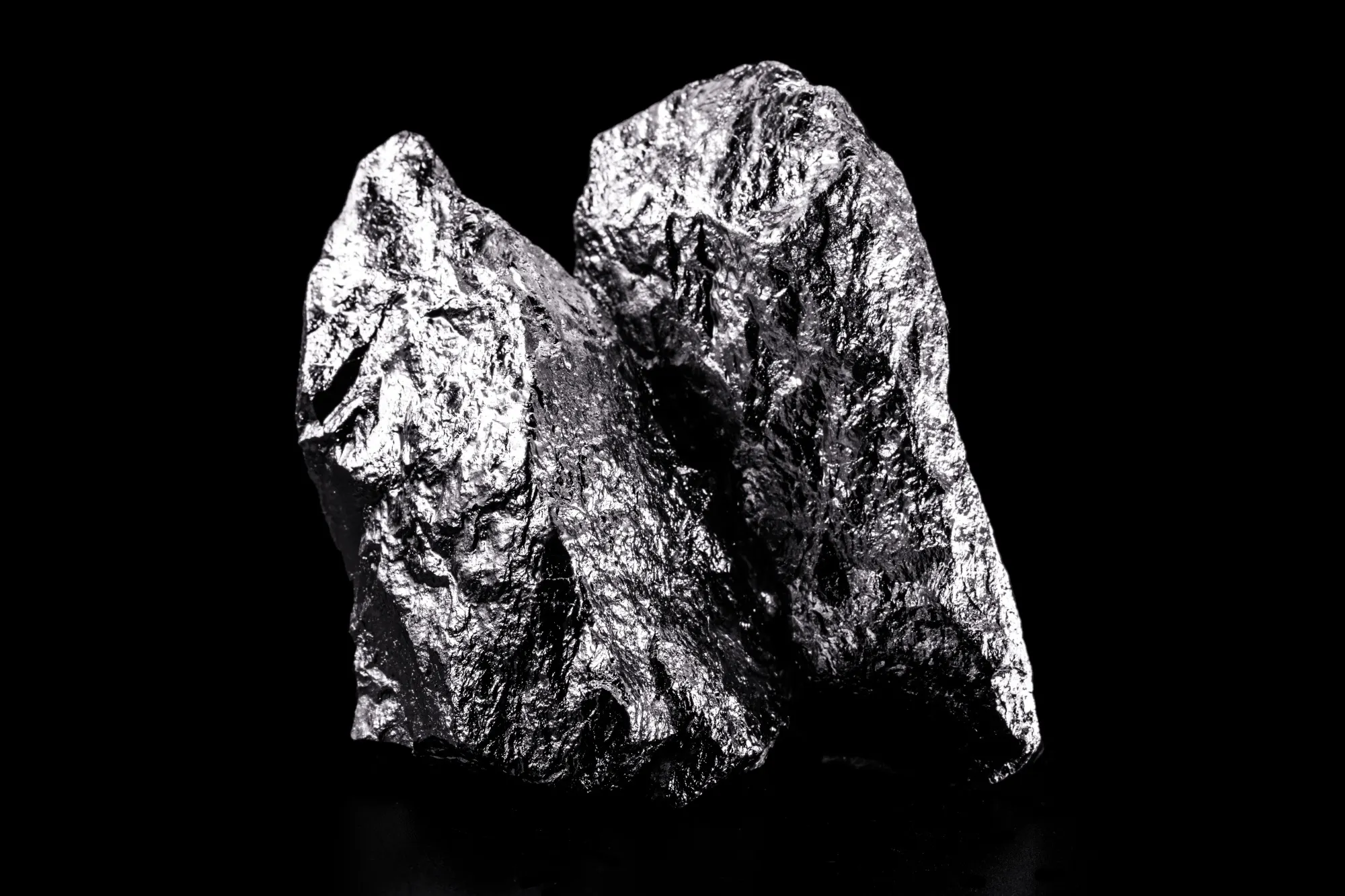
China blocks exports of dual-use items to MP Materials and USA Rare Earth, citing US “malicious practice.” Read the latest.

PSX opened higher on Monday after the first US-Iran talks session in Switzerland. KSE-100 index gained 1,223 points to reach 180,500 after last week’s decline.

Oil prices fell after US-Iran talks concluded in Switzerland. Tehran said it had received waivers for oil and petrochemical exports.

Global oil prices declined across major benchmarks, with WTI, Brent and Murban crude all recording losses after the US and Iran agreed upon a 60-day
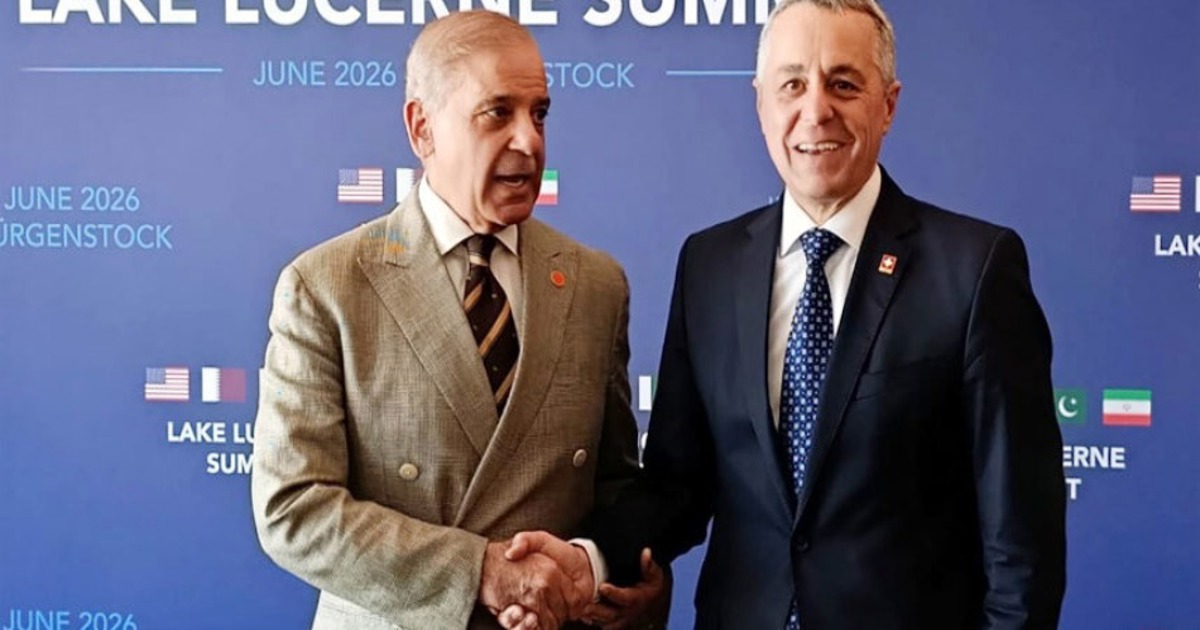
Pakistan and Switzerland discussed expanding bilateral investment ties and explored new avenues for economic cooperation, with the two sides expressing ke
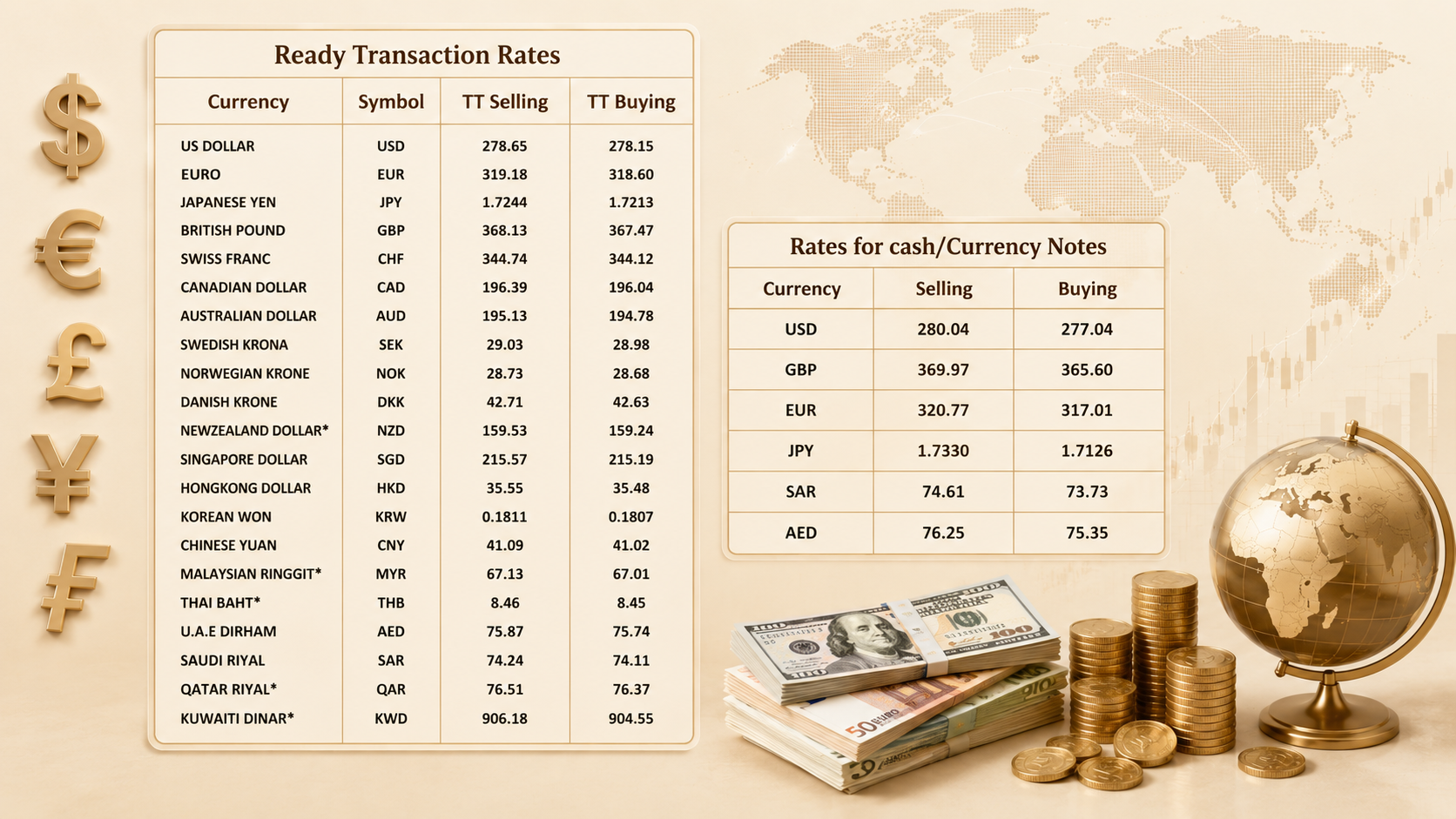
Check today’s foreign exchange rates in Pakistan (June 22, 2026) from NBP’s bulletin. View buying and selling rates now.
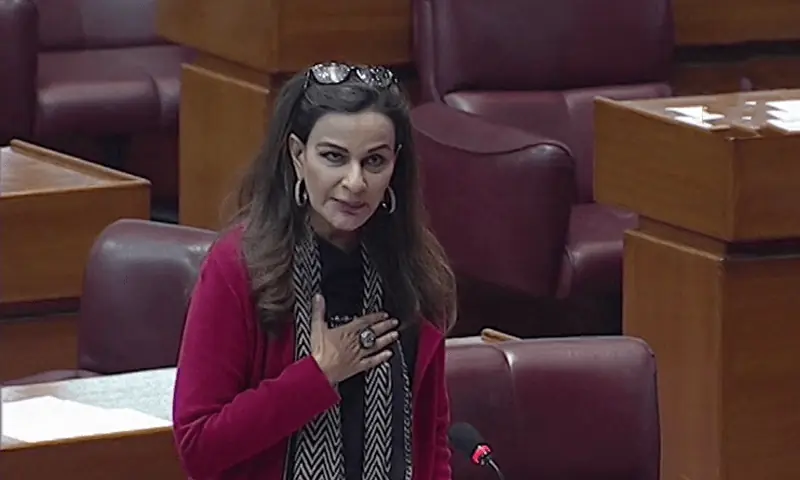
Says there is no hurry to push widely criticised telecom bill without "satisfying us and other representatives".
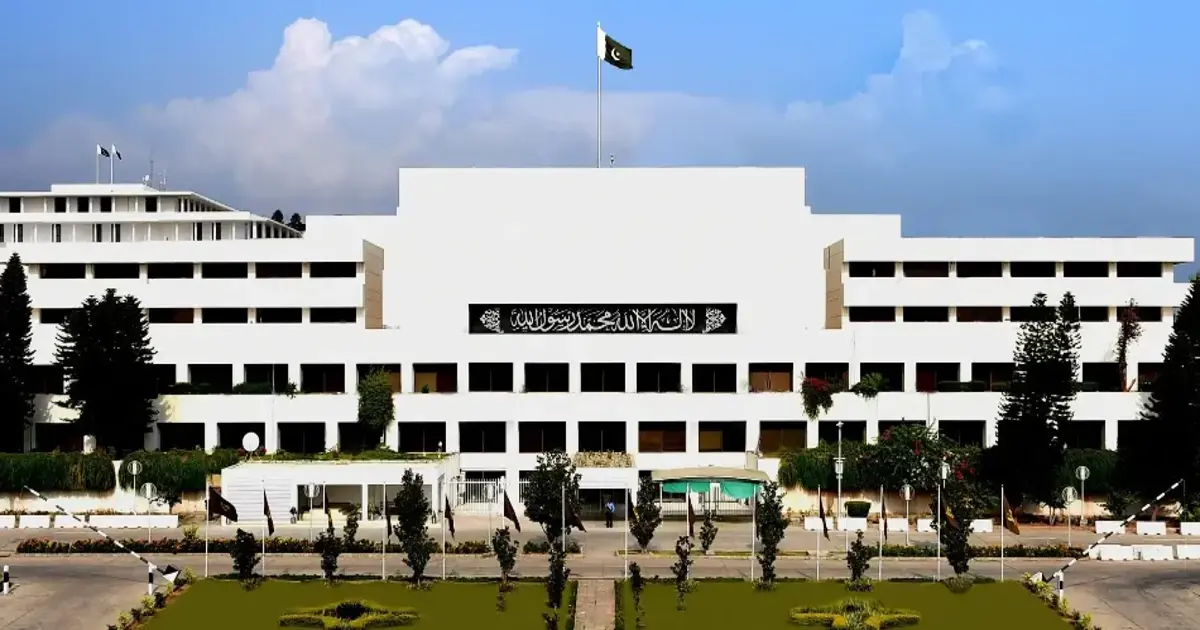
The National Assembly on Sunday approved 12 demands for grants totaling Rs4.282 trillion for the fiscal year ending June 2027, while rejecting all 100 cut
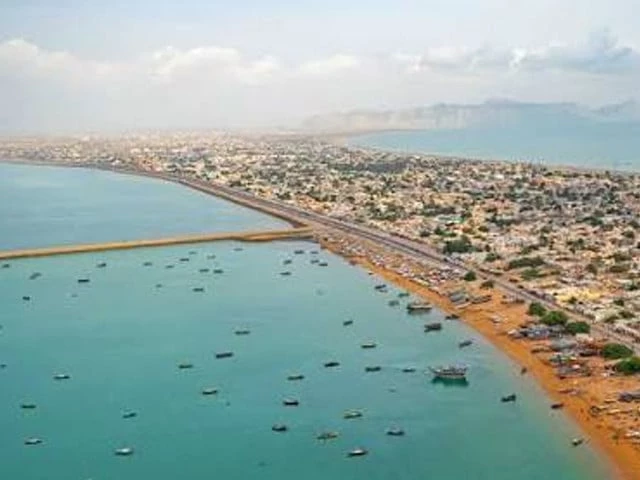
The idea of developing a modern port at Gwadar goes back to 1954, when a survey by the United States Geological Survey (USGS) convinced Pakistan of its strategic importance. However, it took us 54 years to realise the dream when the current port, after completion, received its first commercial cargo on March 15, 2008.
A great power rests on three pillars: military, diplomacy and economy. Pakistan has achieved many milestones on the military and diplomatic fronts. Two recent events further reinforced our strength.
The International Monetary Fund (IMF), being the lender of last resort for countries in balance-of-payments crisis or in danger of default, almost always ties its bailouts to excessive austerity measures. Its loans are tied, to use IMF jargon, to "structural adjustment programmes" and "conditionality". These programmes centre on raising taxes and/or spurring tax rate reductions, balancing the budget at all costs, devaluing the currency and increasing interest rates. Such anti-growth policies, delivered in line with IMF diktat, have been shown in the majority of cases to have actually increased the country's dependence on the IMF over time. Just think of what has happened in Argentina, Pakistan, Ecuador, Egypt or Ghana.
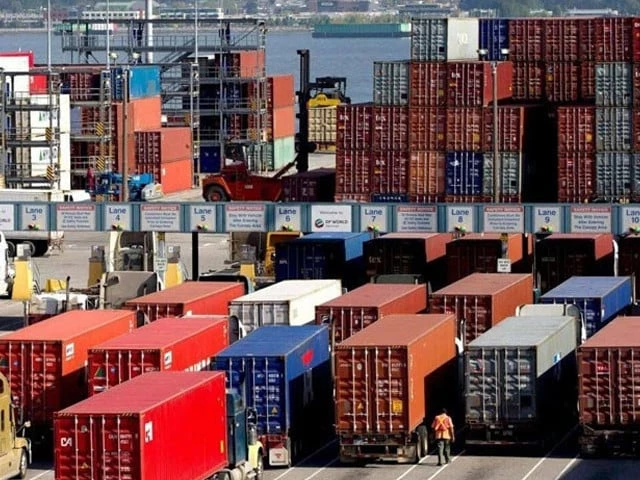
The current fiscal year has been marked by significant strain on the external account, driven in large part by the US-Iran conflict and its spillovers into capital flows and sovereign spreads. With peace now expected to return to the region, policymakers' attention should turn to the domestic constraints that continue to hold exports back. On a cumulative basis, the current account posted a modest surplus of $72 million in the first nine months of FY26, before slipping into a single-month deficit of $276 million in April and then rebounding to a surplus of $459 million in May 2026. This left a cumulative surplus of $255 million over the first 11 months (July-May), but much lower in comparison to the roughly $1.6 billion surplus recorded in the same period a year earlier. For context, the previous fiscal year closed with a current account surplus of $1.8 billion.
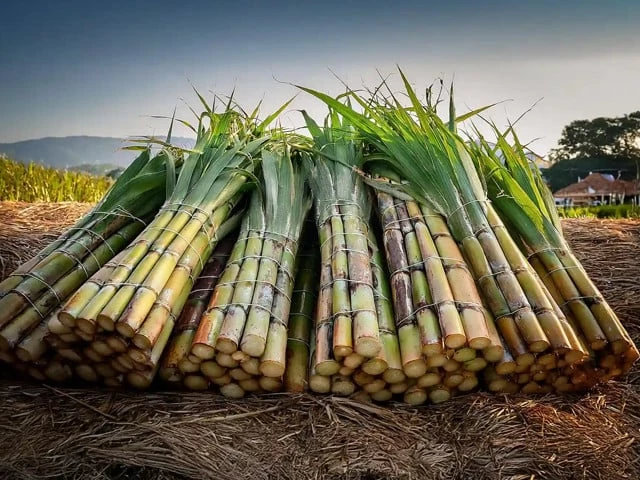
Pakistan's agriculture is facing a crisis that is neither sudden nor mysterious. It is the predictable result of a long-standing mismatch between what the country grows and what its climate, soils and water resources can realistically support. For decades, Pakistan's crop choices were shaped by a world of abundant canal flows, stable weather and a political economy that rewarded acreage rather than efficiency. That world is gone. Yet our cropping patterns remain frozen in time, even as the climate around us changes at a pace our policies refuse to acknowledge.
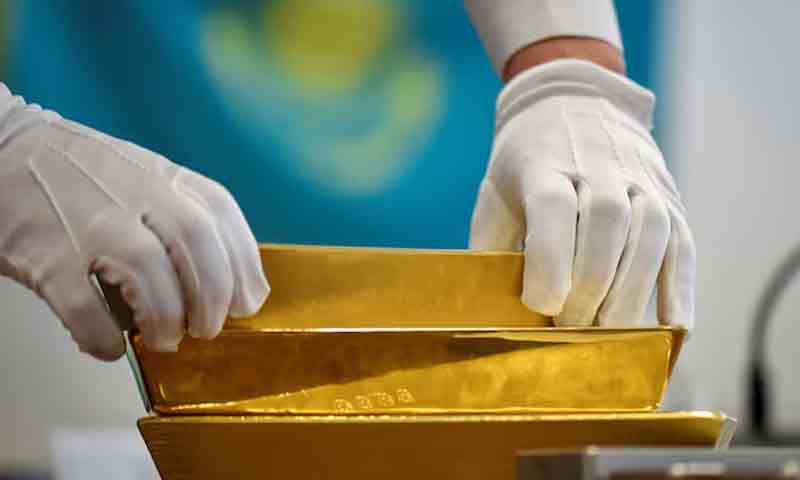
Gold prices recovered as oil fell following progress in US-Iran talks. Geopolitical optimism supported bullion, while expectations of higher US interest rates capped gains.
ISLAMABAD, Aug.01 (INP-Wealth Pakistan) -- Pakistan has decided to concentrate the bulk of its federal development budget on ongoing projects in FY2026-27, aiming to accelerate project completion, maximise the economic returns of public investment and avoid the delays associated with spreading limited resources across a large number of new schemes.

ISLAMABAD, Aug.01 (INP-Wealth Pakistan) -- Pakistan has taken a major step towards building an artificial intelligence-driven economy by recommending a Rs283 billion National Artificial Intelligence Ecosystem Development Programme (NAIEDP) for approval, signalling the government's intent to strengthen digital transformation, technological innovation and knowledge-based economic growth.

ISLAMABAD, Aug.01 (INP-Wealth Pakistan) -- Pakistan's Ministry of Planning, Development and Special Initiatives exceeded its annual target for evaluating development projects during FY2025-26, reflecting stronger oversight of public investment as the government seeks to improve project implementation, accountability and the efficient use of development funds.

ISLAMABAD, Aug.01 (INP-Wealth Pakistan) -- Pakistan is advancing its digital transformation agenda through a series of technology-driven initiatives, including the Smart Islamabad Initiative and the establishment of a Geo-AI Development and Innovation Hub, as the government seeks to modernise public services, strengthen digital infrastructure and promote innovation-led economic growth.
ISLAMABAD, Aug.01 (INP-Wealth Pakistan) -- Pakistan saved Rs12.62 billion during FY2025-26 through cost rationalisation measures under the Public Sector Development Programme (PSDP), as the government intensified scrutiny of development projects to improve the efficiency of public spending and maximise the value of limited financial resources.
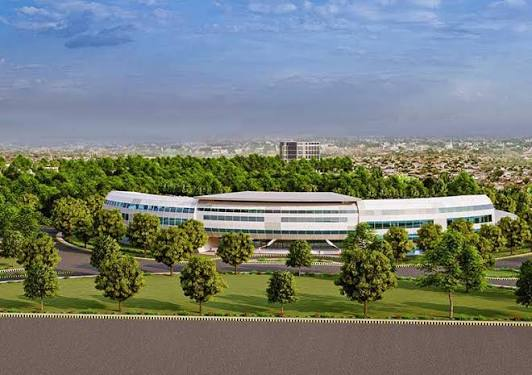
ISLAMABAD, Aug.01 (INP-Wealth Pakistan) -- Infrastructure will remain the cornerstone of Pakistan's public investment strategy in FY2026-27, with more than two-thirds of the federal development budget earmarked for transport, energy, water and housing projects aimed at improving connectivity, strengthening productive capacity and supporting long-term economic growth.
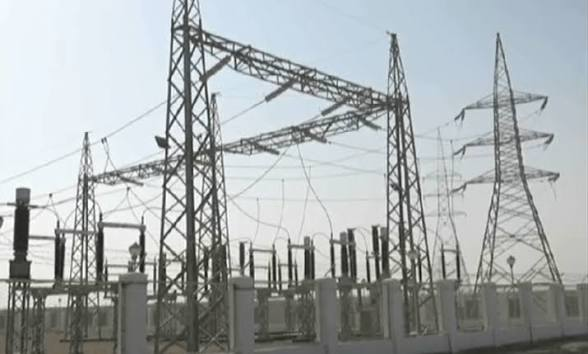
ISLAMABAD, Aug.01 (INP-Wealth Pakistan) -- Pakistan is set to modernise its electricity transmission and distribution network through a series of major power sector projects worth more than Rs343 billion, aimed at improving grid reliability, enhancing operational efficiency and strengthening the country's long-term energy security.
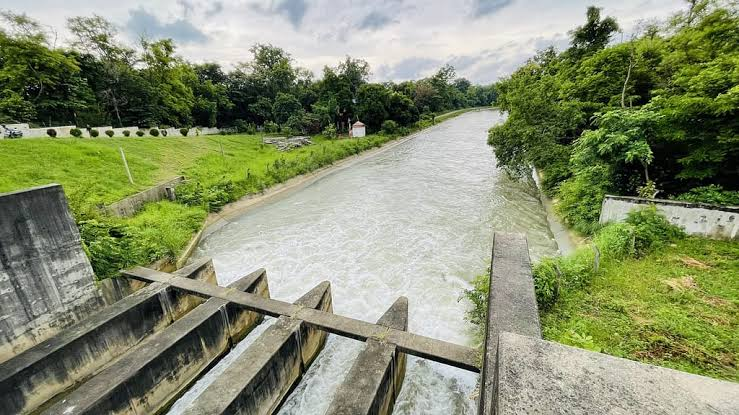
ISLAMABAD, Aug.02 (INP-Wealth Pakistan) -- Pakistan is planning major investments in water infrastructure worth more than Rs79 billion to improve irrigation systems, strengthen water resource management and enhance climate resilience, as the government seeks to boost agricultural productivity and address growing water security challenges.

ISLAMABAD, July 31 (INP-Wealth Pakistan) -- Pakistan's foreign-funded development portfolio surpassed its allocated rupee cover during FY2025-26, reflecting faster implementation of externally financed projects and expanded third-party payments under major infrastructure and development programmes.

ISLAMABAD, July 31 (INP-Wealth Pakistan) -- Pakistan's public sector development programme is expected to generate more than 713,000 employment opportunities, reflecting the government's growing emphasis on using development spending to stimulate economic activity, improve infrastructure and create jobs across a wide range of sectors.

LAHORE, July 31 (INP-Wealth Pakistan) -- Climate change, coupled with aging drainage infrastructure and unplanned urbanisation, is increasingly overwhelming Pakistan's urban drainage systems, making flooding a recurring challenge in Lahore and other major cities during the monsoon season, according to urban planning and water management experts.

ISLAMABAD, July 31 (INP-Wealth Pakistan) -- Pakistan's Central Development Working Party (CDWP) processed 288 development proposals during FY2025-26, approving 192 projects and recommending 96 major schemes to the Executive Committee of the National Economic Council (ECNEC), reflecting sustained momentum in the country's public investment and development planning.

ISLAMABAD, July 31 (INP-Wealth Pakistan) -- Pakistan's transition to electric mobility is set to gain momentum as Chinese automaker BYD, in partnership with Mega Motor Company (MMC), moves closer to completing its $150 million vehicle assembly plant in Gharo, Sindh, a project expected to strengthen local manufacturing and support the country's clean energy ambitions.

Jul 31, 2026
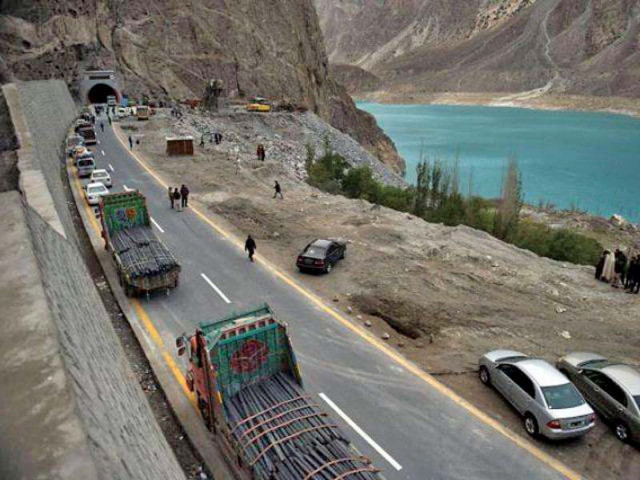
ISLAMABAD, July 30 (INP-Wealth Pakistan) -- The federal government has allocated more than Rs310 billion for nine China-Pakistan Economic Corridor (CPEC) road infrastructure projects in Balochistan's western zone since the Public Sector Development Programme (PSDP) 2022-23, with expenditures reaching over Rs163 billion so far.

ISLAMABAD, July 30 (INP-Wealth Pakistan) -- Pakistan is accelerating the digital transformation of its customs and trade system through AI-assisted risk management, paperless documentation and real-time cargo monitoring, as growing cargo volumes increase the need for faster and more efficient border clearance.
ISLAMABAD, July 29 (INP-Wealth Pakistan) -- The Asian Development Bank's (ADB) latest economic outlook indicates that Pakistan's exporters are likely to face higher production costs, renewed inflationary pressures and weakening merchandise exports in the coming fiscal year, although stronger regional demand and expanding services exports could create new growth opportunities.
ISLAMABAD, July 30 (INP-Wealth Pakistan) -- The federal government has digitized around 75 percent of service records of its employees as part of a broader technology-driven reform aimed at modernizing human resource management and reducing reliance on paper-based records.
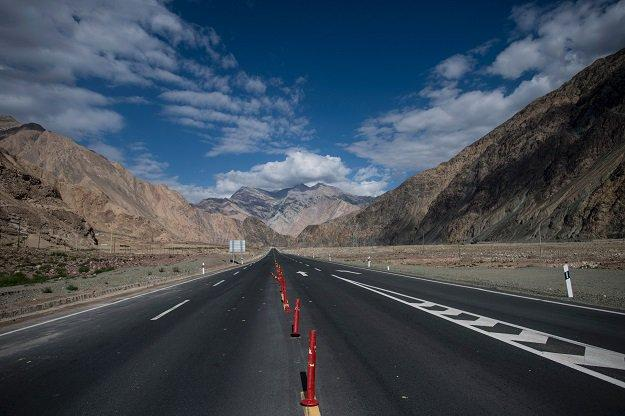
ISLAMABAD, July 30 (INP-Wealth Pakistan) -- Two major N-55 dualization packages have entered the final stretch, with physical progress reaching 82% on the Kashmore-Rojhan section and 79% on the Rojhan-Rajanpur section ahead of their scheduled completion dates in October 2026.
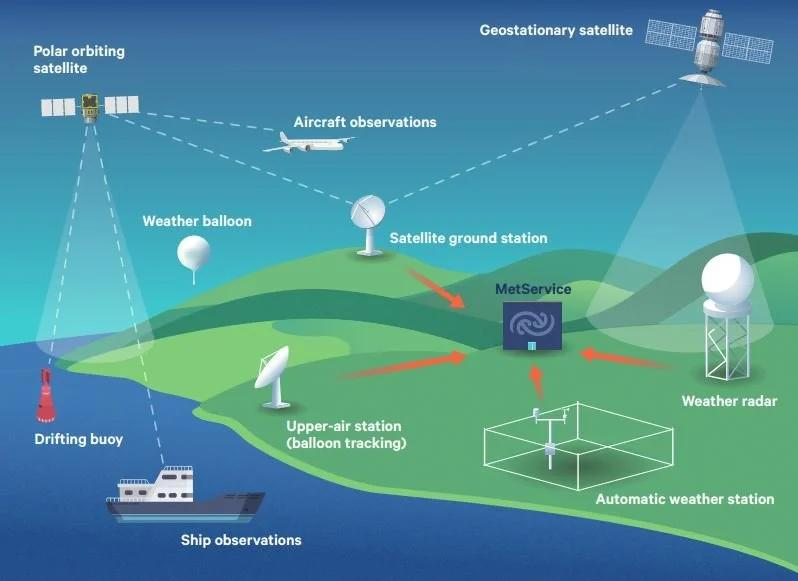
ISLAMABAD, July 30 (INP-Wealth Pakistan) -- Pakistan can significantly strengthen its environmental monitoring and climate resilience by adopting elements of China's newly introduced environmental monitoring framework, experts say, as the country seeks to integrate fragmented monitoring systems and improve early warning for floods, heatwaves and glacial lake outburst floods.
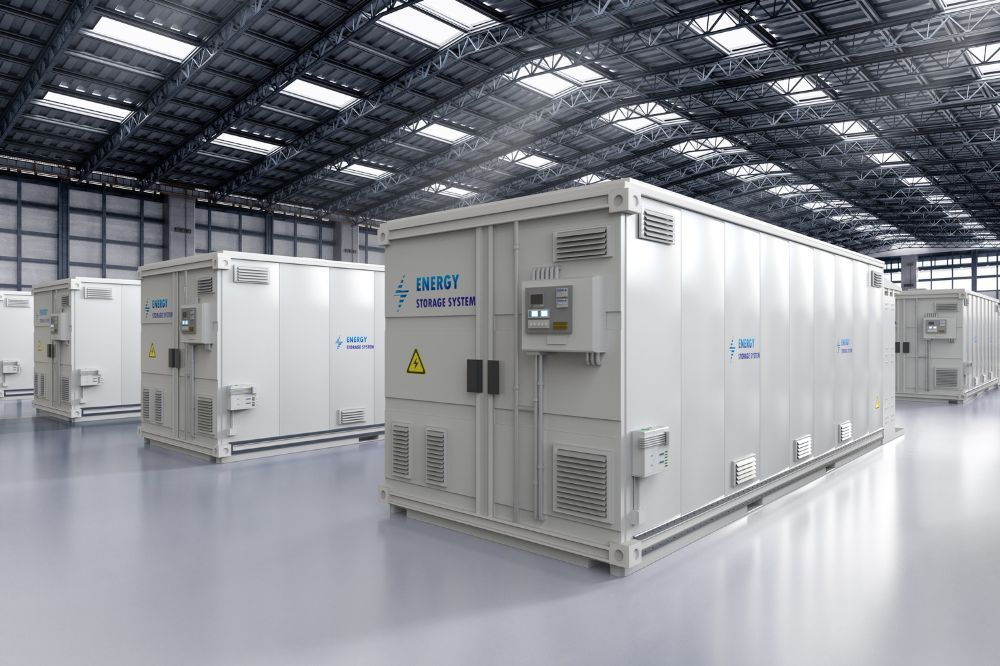
LAHORE, July 30 (INP-Wealth Pakistan) -- The government has stepped up efforts to promote battery energy storage systems (BESS) by constituting a steering committee and two working groups to accelerate the deployment of battery storage across Pakistan's electricity network.
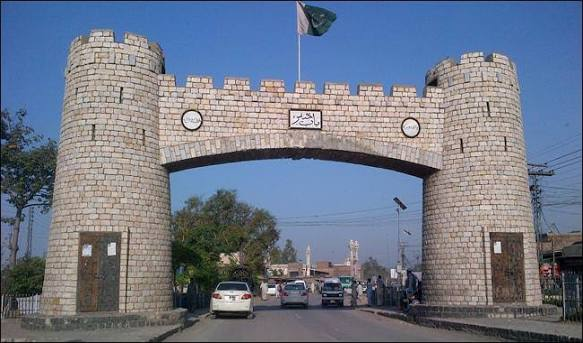
ISLAMABAD, July 30 (INP-Wealth Pakistan) -- The Khyber Pakhtunkhwa government is set to launch a US$175 million (Rs47.25 billion) World Bank-funded program to expand infrastructure and improve public service delivery across its merged districts, according to project documents available with Wealth Pakistan.

Jul 30, 2026
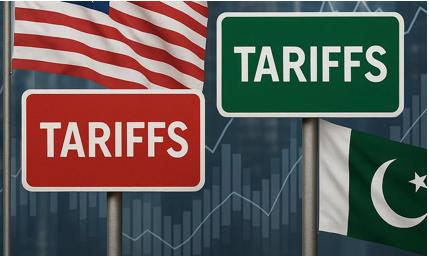
ISLAMABAD, July 29 (INP-Wealth Pakistan) -- A new United States tariff regime has created a timely opportunity for Pakistan to protect its existing market share and secure additional export orders in textiles, sports goods, surgical instruments and leather products as exporters grapple with weakening overseas demand and declining national shipments.
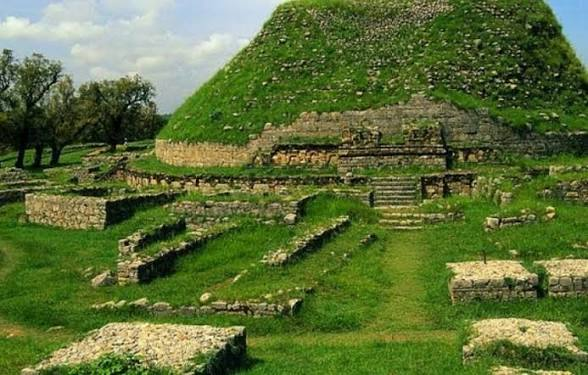
ISLAMABAD, July 29 (INP-Wealth Pakistan) -- The Punjab government has adopted the first comprehensive long-term conservation strategy for the UNESCO World Heritage Property of Taxila, replacing decades of fragmented restoration with an integrated management program designed to safeguard one of South Asia's most important archaeological landscapes.
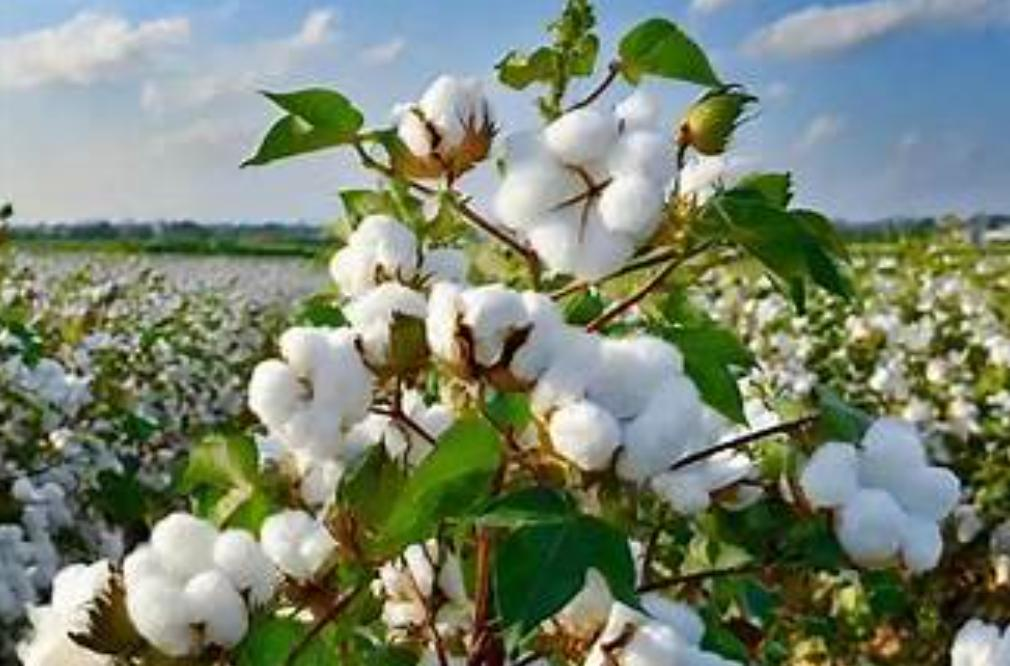
ISLAMABAD, July 29 (INP-Wealth Pakistan) -- Pakistan approved 14 cotton varieties during 2021-2025 featuring improved fibre quality, higher ginning outturn, heat tolerance, drought tolerance and bollworm resistance, strengthening the country's cotton seed portfolio and supporting the textile value chain, according to official documents available with Wealth Pakistan.

ISLAMABAD, July 29 (INP-Wealth Pakistan) -- The government has launched an integrated population program for FY2026-27, combining contraceptive security measures with a nationwide awareness campaign to promote informed family planning choices, according to the documents available with Wealth Pakistan.
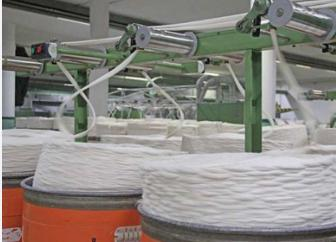
ISLAMABAD, July 29 (INP–Wealth Pakistan) -- A newly approved Rs98 billion export financing and rebate package could help revive textile exports after the sector recorded a marginal growth of only 0.3% in FY2025-26, according to a research report by AKD Securities Limited.

ISLAMABAD, July 29 (INP-Wealth Pakistan) -- The federal government has initiated a comprehensive plan to restructure the National Highway Authority's (NHA) long-standing debt portfolio by separating it into commercial and non-commercial components.
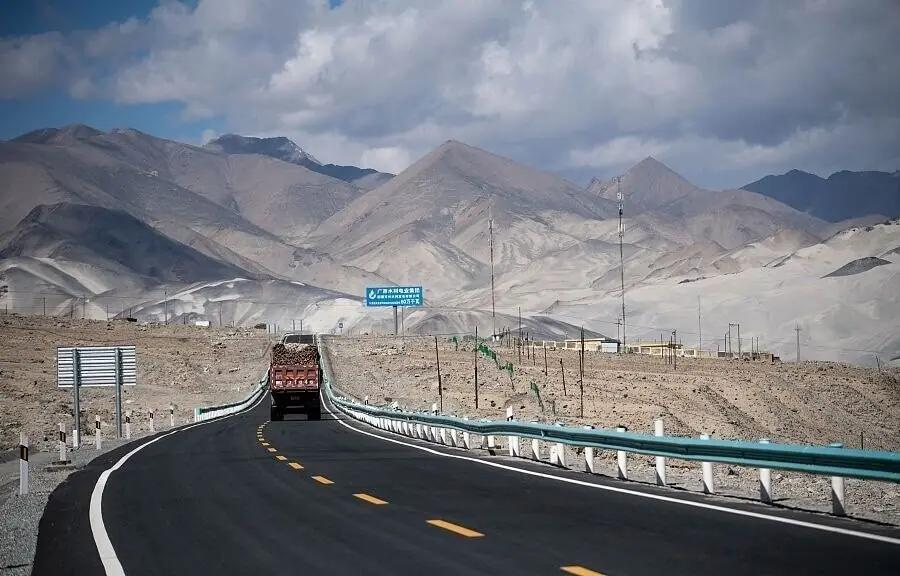
ISLAMABAD, July 29 (INP-Wealth Pakistan) -- Construction has formally commenced on two N-55 packages worth Rs94.6 billion, with the 208-kilometre DG Khan-DI Khan corridor scheduled for completion by June 2028.

Gap with nine neighbours rises 26.6pc to $4.97bn in July-September
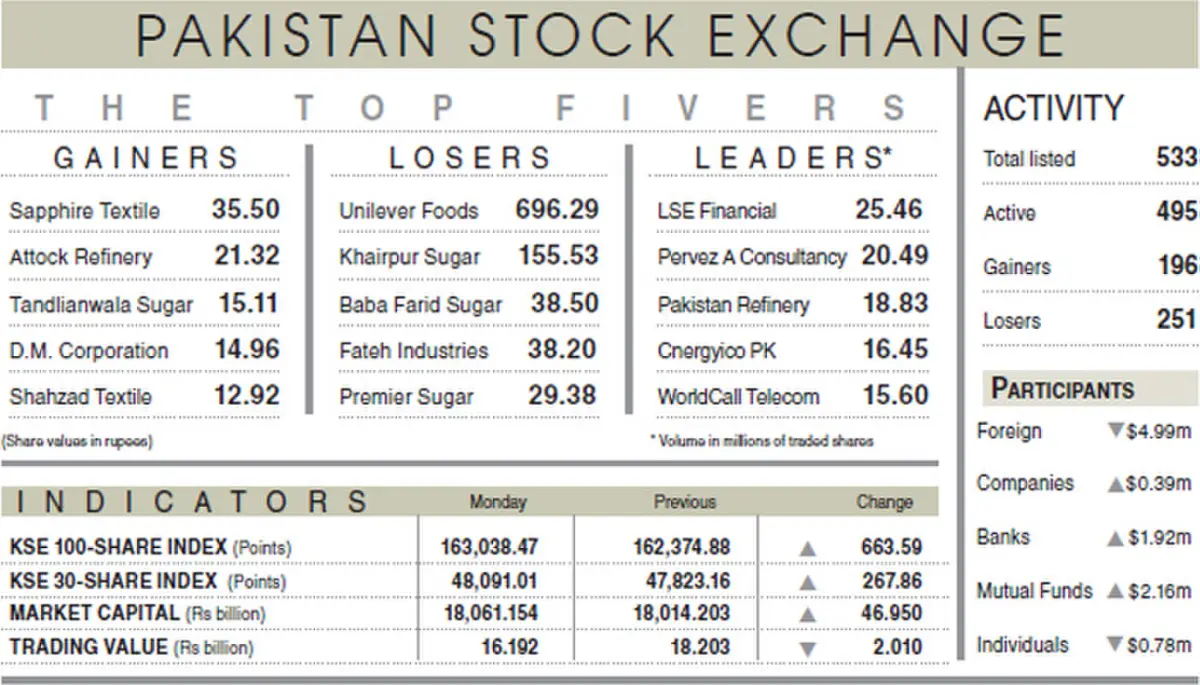
Index recovers 664 points amid cautious trading ahead of SBP rate decision
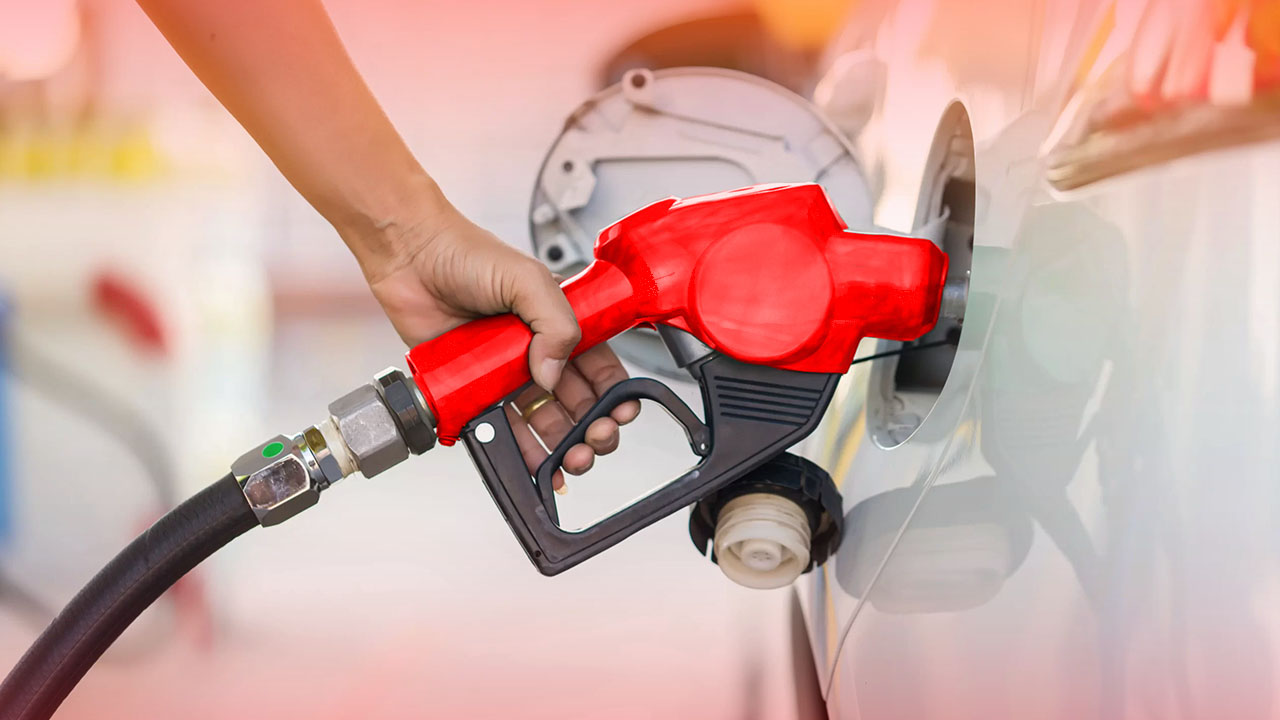
The government raises petrol by Rs1.54 and diesel by Rs2.16 per litre from October 27, taking prices to Rs379.25 and Rs395.82, respectively.

ISLAMABAD - The imports of the overall petroleum group increased by 6.50 percent during the first quarter of the current fiscal year as compared to the corresponding period of last year, the Pakistan Bureau of Statistics (PBS) reported.
ISLAMABAD - Gold price witnessed an increase in the domestic market on Monday, with the price of 24-karat gold per tola rising by Rs1,400 to Rs423,436, according to rates issued by the All Pakistan Sarafa Gems and Jewellers Association. Similarly, the price of 10 grams of 24-karat gold increased by Rs1,201 to Rs363,028, while the price of 10 grams of 22-karat gold rose by Rs1,101 to Rs332,787. In the international market, the price of gold increased by $14 to $4,009 per ounce, the association reported. Meanwhile, the price of silver per tola rose by Rs20 to Rs5,878, while the price of 10 grams of 24-karat silver increased by Rs17 to Rs5,039. The price of silver in the international market also registered an increase, rising by $0.20 to $54 per ounce, the association added.

ISLAMABAD: The National Assembly was informed on Monday that the government granted tax exemptions, concessions, reduced rates and special treatments worth Rs2.35 trillion in 2024-25, while a comprehensive assessment of the costs and benefits of major tax incentives is targeted for completion by June 2027.

KARACHI: Gold prices regained some ground on Monday, posting a sizeable increase to end a weeklong downturn, as the world bullion market showed momentum, traders said.
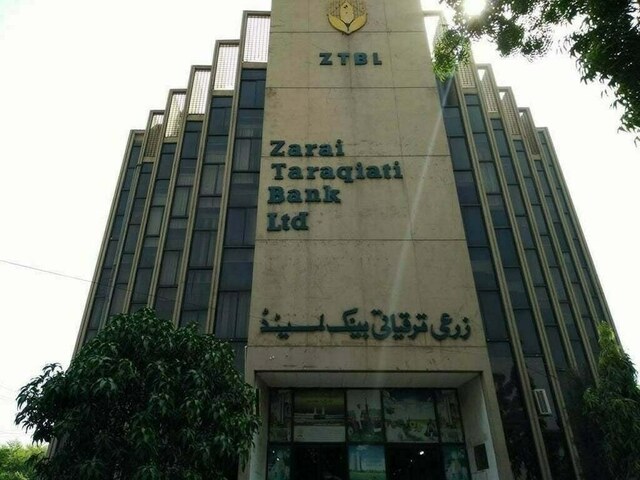
ISLAMABAD: The Finance Ministry told National Assembly on Monday that Punjab received 83.9 per cent of agricultural loans disbursed by Zarai Taraqiati Bank Limited (ZTBL) in fiscal year 2025-26, while Balochistan got a mere 1.1 percent, highlighting a stark regional imbalance in agricultural credit.

Petrol drops to Rs376.06/L, diesel climbs to Rs398.07. Global oil prices dipped as US-Israeli talks on Iran eased supply worries, despite Houthi attacks.

The State Bank of Pakistan (SBP) purchased a net $863 million from the interbank foreign exchange market in July 2026, according to data released by the c

KARACHI, Oct 26 (APP):The State Bank of Pakistan (SBP), on Monday, increased the policy rate by 50 bps to 12 percent owing to the continued geo-political uncertainties in the Middle East and rising energy costs and their potential impacts on domestic economy, inflation outlook and external account.
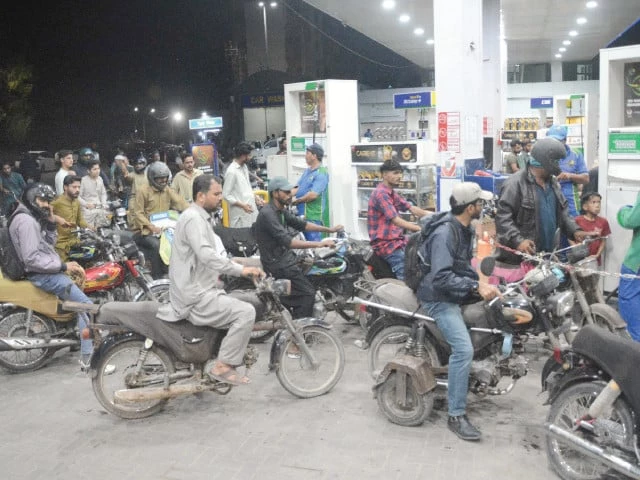
The federal government on Monday increased the price of petrol and high-speed diesel (HSD) by Rs1.54 and Rs2.16 per litre, respectively, for October 27.

Revised rates set to take effect from Tuesday

Following the revision, petrol will retail at Rs379.25 per litre, while HSD will cost Rs395.82 per litre.
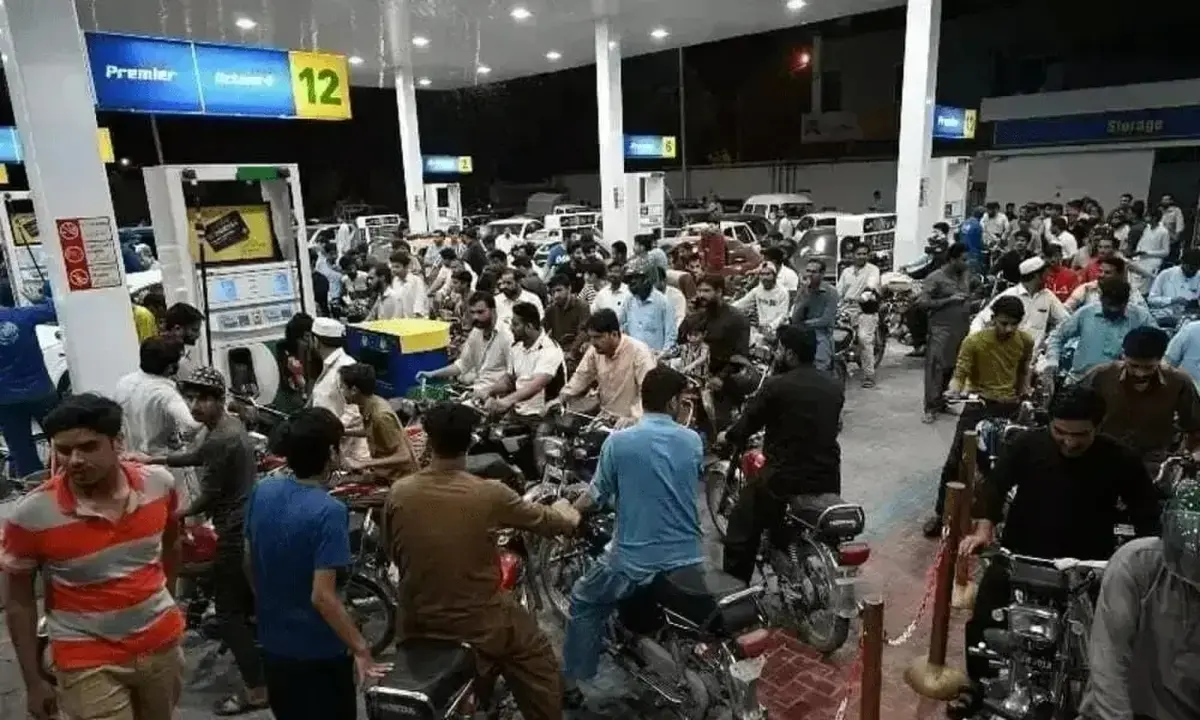
Pakistan government increased on Monday the price of high-speed diesel (HSD) by Rs2.16 per litre and petrol by Rs1.54 per litre.
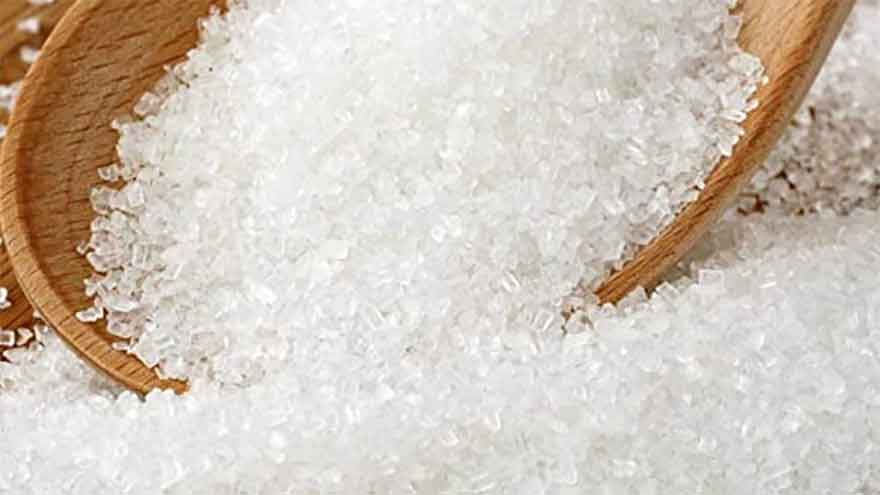
Pakistan imported 306,373 metric tonnes of sugar in fiscal year 2025-26 at a reported cost exceeding Rs54.15 billion

ISLAMABAD – Pakistanis face higher fuel costs on Tuesday, with Petrol becomes Rs1.50 per litre more expensive and diesel jump by Rs2.25 per litre. The
Overall business confidence weakened further in October 2026, with the Business Confidence Index (BCI) falling 1.1 points to 48, led by a decline in servi

Pakistan’s benchmark KSE-100 Index gained 663 points to close at 163,038 on Monday after falling more than 1,000 points early in the session.
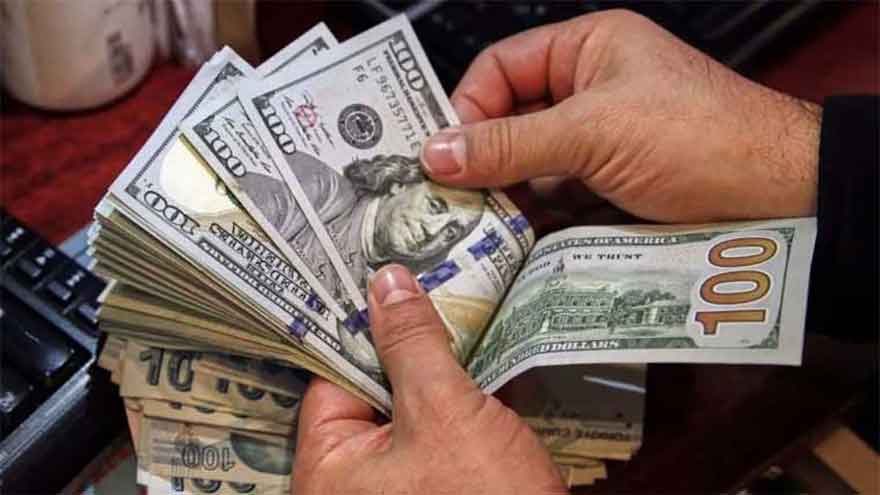
The governor also said Pakistan’s external debt stood at approximately $107 billion.

The price of 24-karat gold in Pakistan rose by Rs. 1,400 per tola, reaching Rs. 423,436, according to the All Pakistan Gems and Jewellers Association. The previous reported per-tola rate was Rs. 422,036. The price of 24-karat gold per 10 grams also increased by Rs. 1,201 to Rs. 363,028, compared wi ..
The benchmark index gained 0.41% on Monday, while market capitalisation increased to Rs18.061 trillion. Trading volume and value in the ready market fell from the previous session.
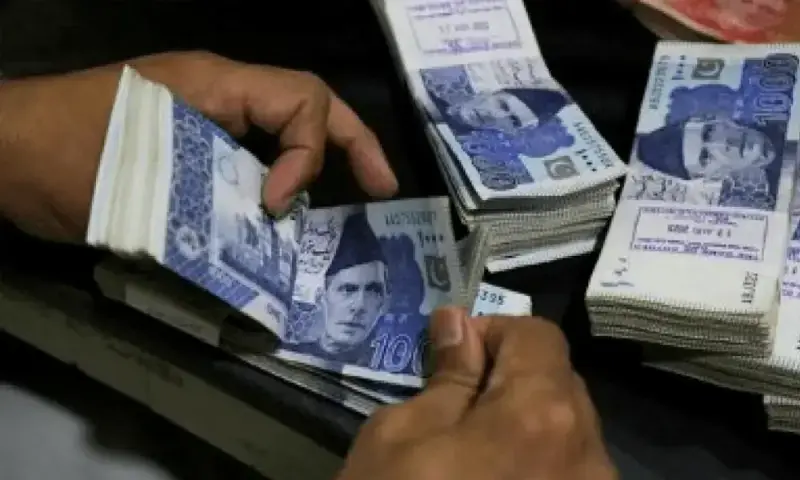
The Pakistani rupee continued its marginal gain against the US dollar in the inter-bank market on Monday.
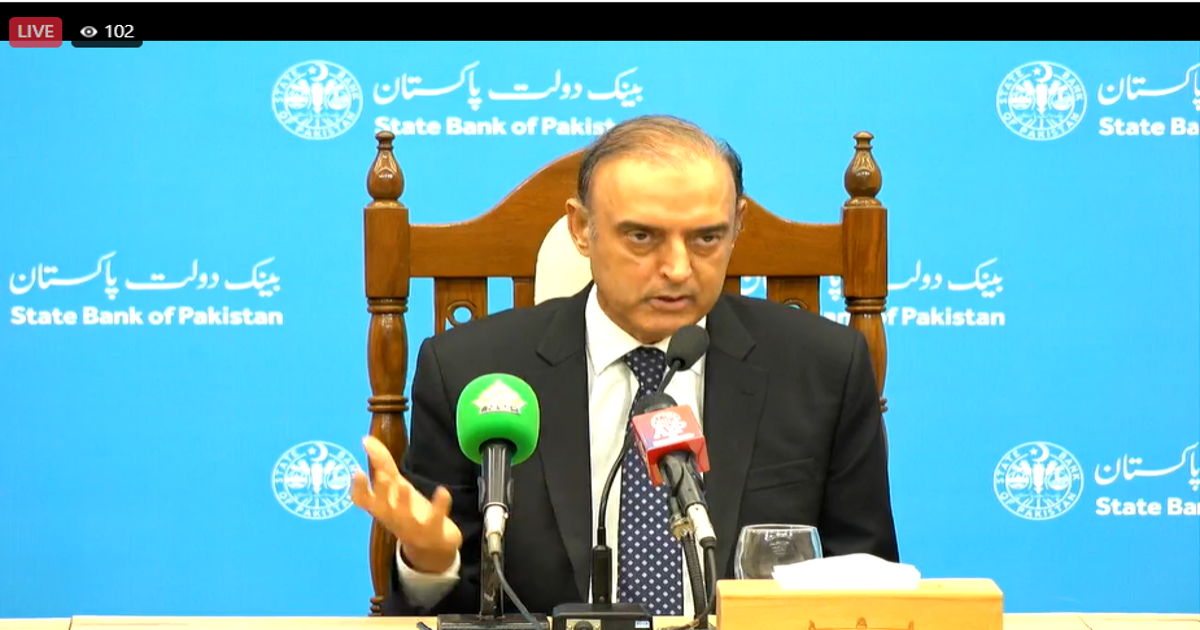
The State Bank of Pakistan (SBP) expects its foreign exchange reserves to rise to $23 billion by December 2026 and $25 billion by June 2027, from $21.5 bi
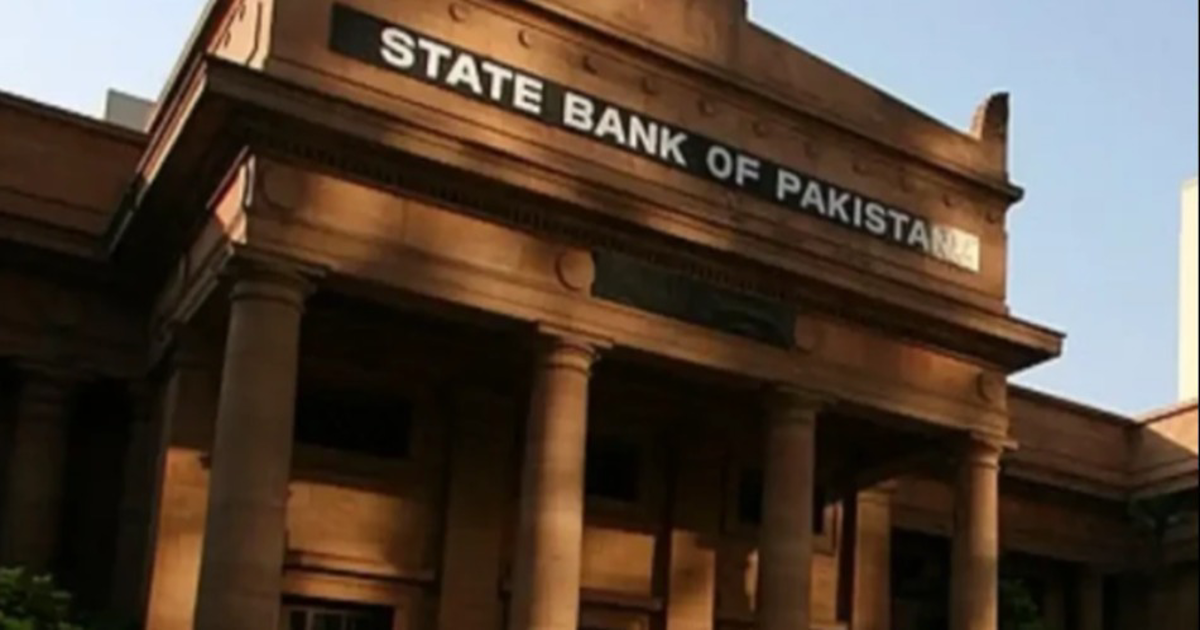
The Monetary Policy Committee (MPC) raised the policy rate by 50 basis points to 12% at its meeting on October 26, 2026.

ISLAMABAD, Oct 26 (APP):The United States (US) remained the top export destination of Pakistani products during the quarter of the current fiscal year 2026-27, followed by China and the United Kingdom (UK).

Gold prices in Pakistan rose by Rs1,400 per tola to Rs423,436 after five days of losses. International gold gained $14 to $4,009 per ounce, while silver also increased.
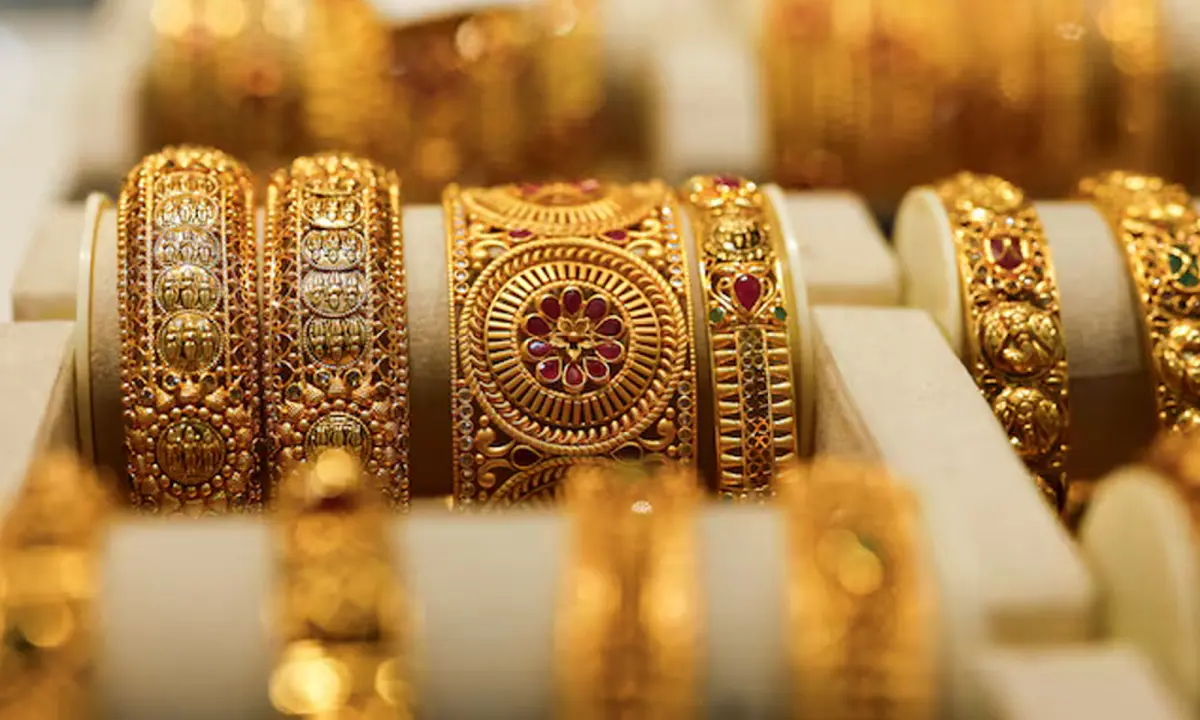
Gold prices in Pakistan increased on Monday in line with their gain in the international market. In the local market, gold price per tola reached Rs423,436 after a gain of Rs1,400 during the day.

The All Pakistan Sarafa Gems and Jewellers Association reported increases in domestic and international gold prices, while silver rates also rose in Pakistan and global markets.
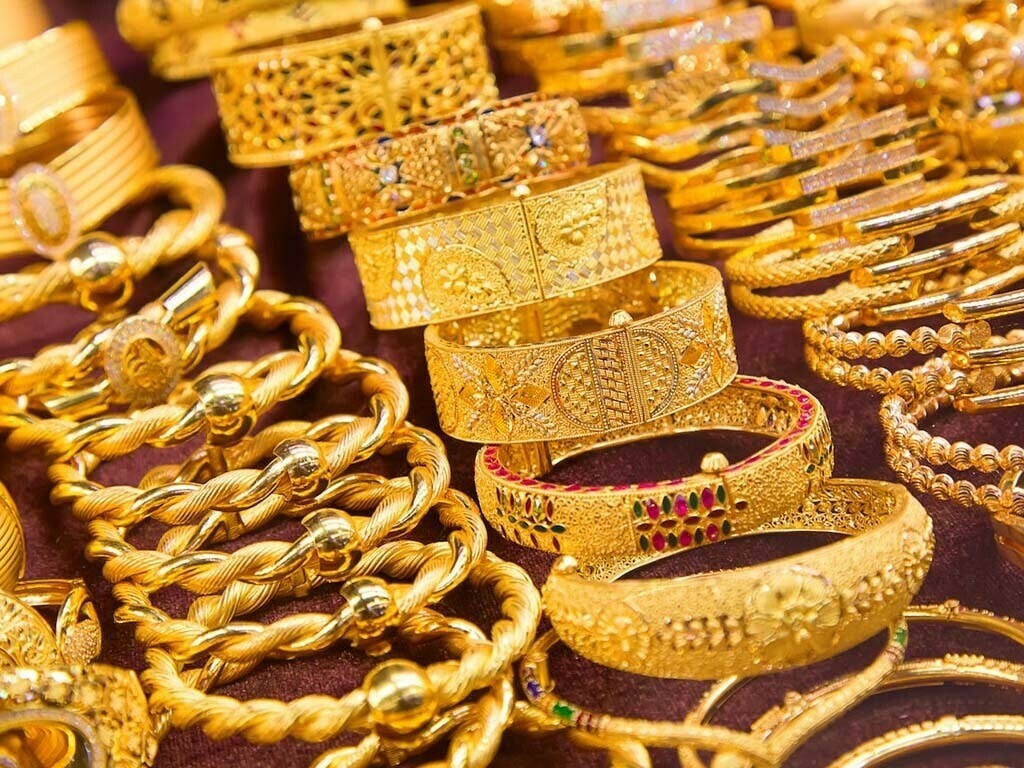
ISLAMABAD, Oct 26 (APP):Gold prices witnessed an increase in the domestic market on Monday, with the price of 24-karat gold per tola rising by Rs1,400 to Rs423,436, according to rates issued by the All Pakistan Sarafa Gems and Jewellers Association.