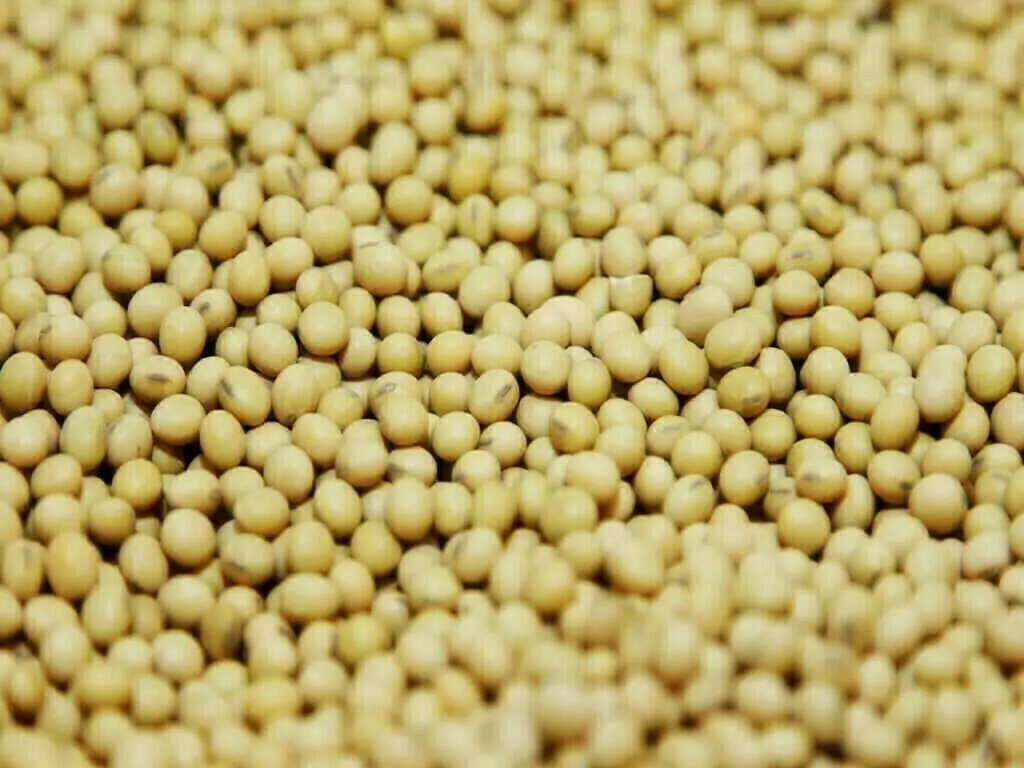
Soybeans climb on soyoil rally, China buying
BEIJING:
Brecorder
BEIJING:
The company aims to scale its annual capacity to 7 million smartphones, 360,000 televisions and 400,000 air-conditioners, as it moves beyond mobile phones into higher-margin consumer technology products through partnerships with Xiaomi and Hisense.
Loads Limited signs a non-binding MoU with China’s Xinhuida to explore copper trading, JV and tech transfer in Pakistan. Read more.
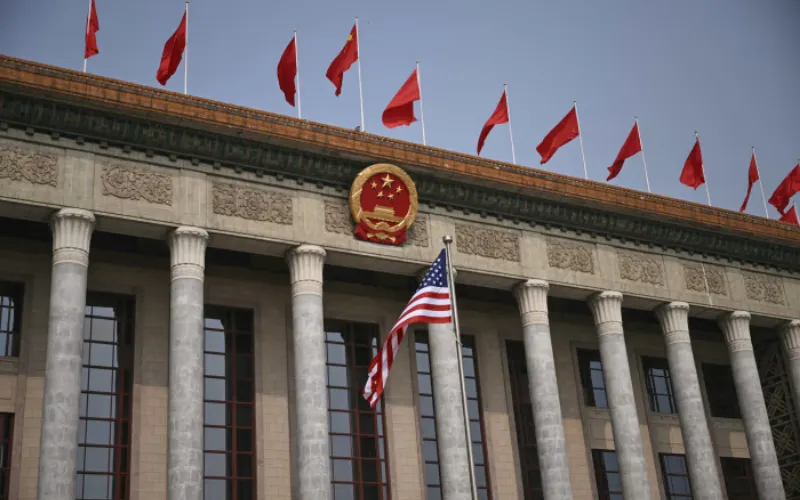
China imposed trade restrictions on dozens of US companies in response to Washington adding more Chinese firms to Pentagon blacklist.
Karachi: Book-building for the Initial Public Offering of Select Technologies Limited, a wholly owned subsidiary of Air Link Communication Limited, opens today at the Pakistan Stock Exchange and will continue on June 23, 2026, marking another important technology-sector listing at the local bourse.

Brent crude futures dropped $1.53, or 1.9 per cent, to $79.04 per barrel by 0656 GMT. Earlier in the session, prices had surged to $82.30 amid uncertainty surrounding the talks and renewed tensions in the Middle East
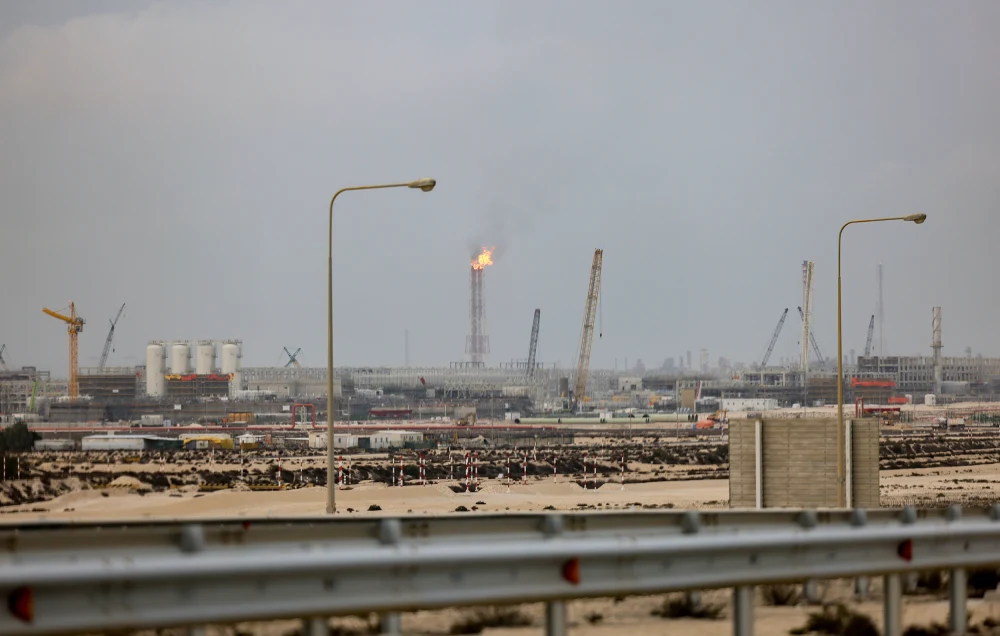
Qatar says 54 people injured and 18 missing after an explosion at its Barzan LNG gas facility. Fire contained—read the latest.

SEOUL: SK Hynix on Monday overtook Samsung Electronics to become South Korea’s most valuable listed company, marking a dramatic reversal of fortunes for a chipmaker that two decades ago nearly collapsed under debt.
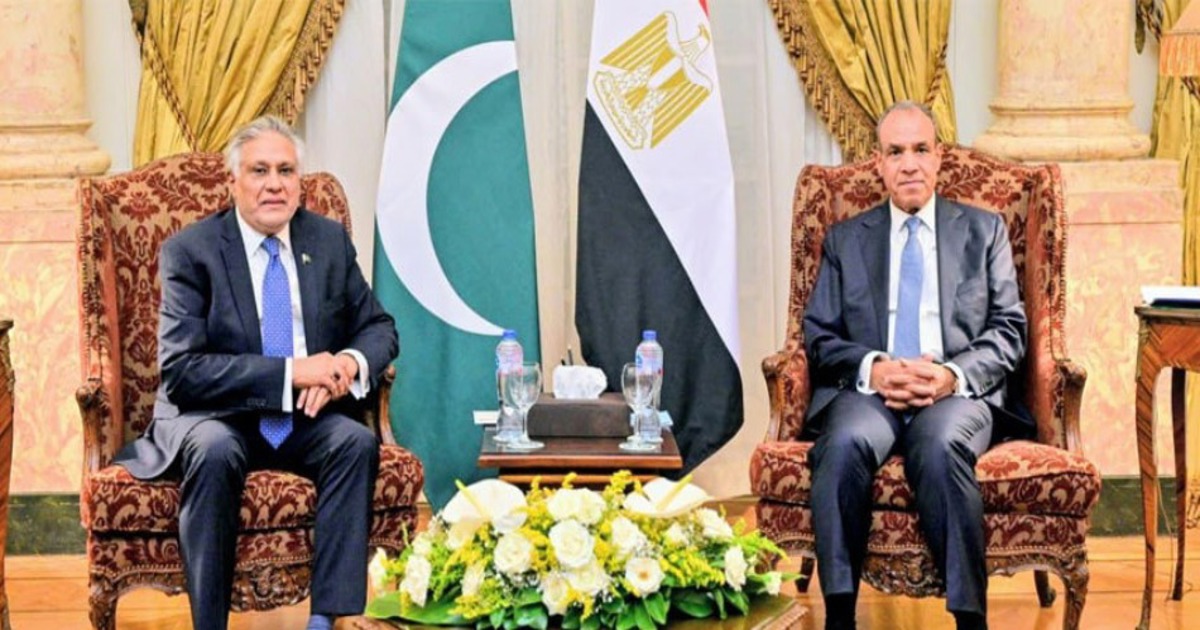
Deputy Prime Minister and Foreign Minister Senator Mohammad Ishaq Dar visited Cairo from 20–21 June 2026 at the invitation of Egypt’s Foreign Minister Bad
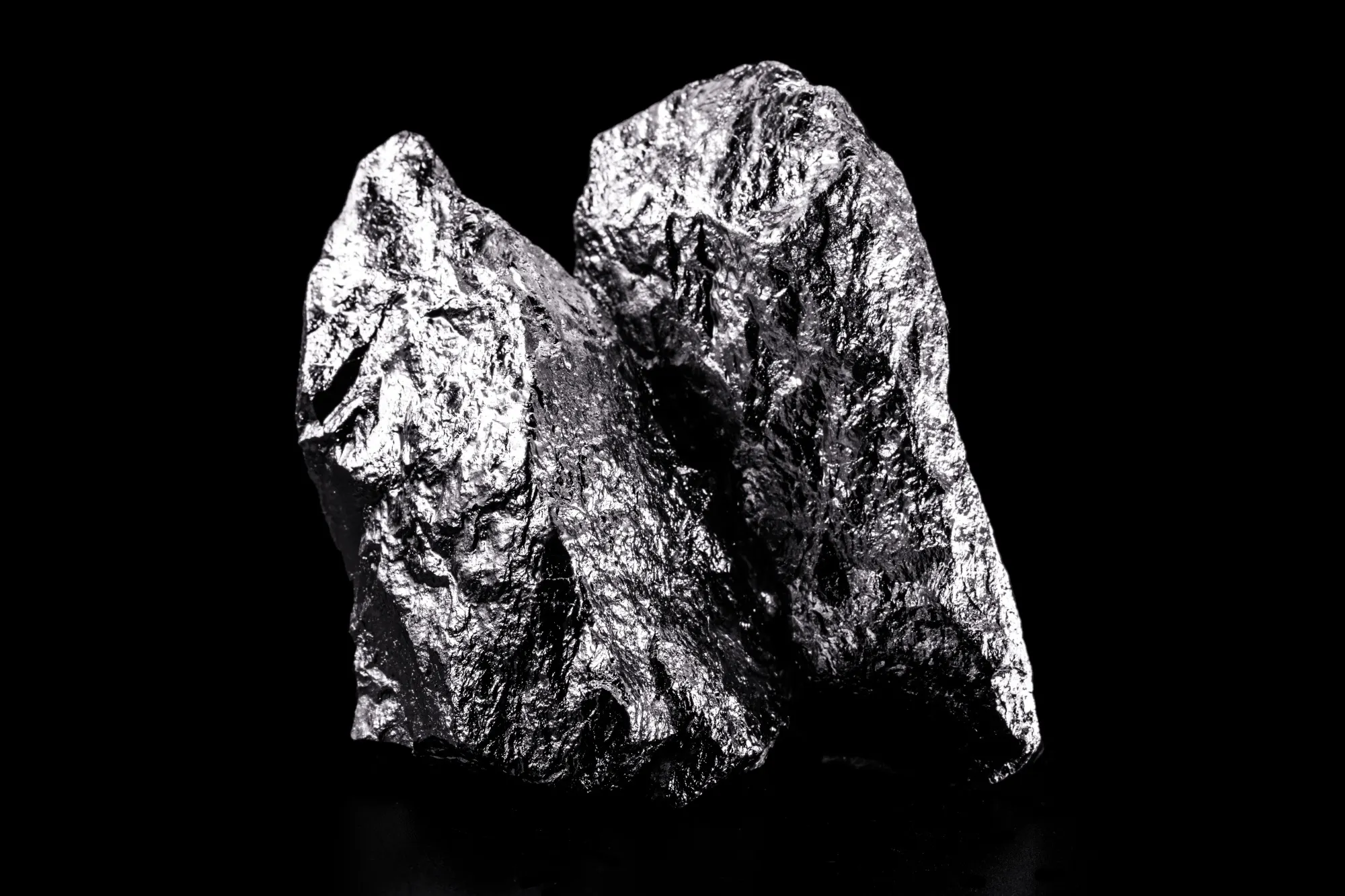
China blocks exports of dual-use items to MP Materials and USA Rare Earth, citing US “malicious practice.” Read the latest.

PSX opened higher on Monday after the first US-Iran talks session in Switzerland. KSE-100 index gained 1,223 points to reach 180,500 after last week’s decline.

Oil prices fell after US-Iran talks concluded in Switzerland. Tehran said it had received waivers for oil and petrochemical exports.

Global oil prices declined across major benchmarks, with WTI, Brent and Murban crude all recording losses after the US and Iran agreed upon a 60-day
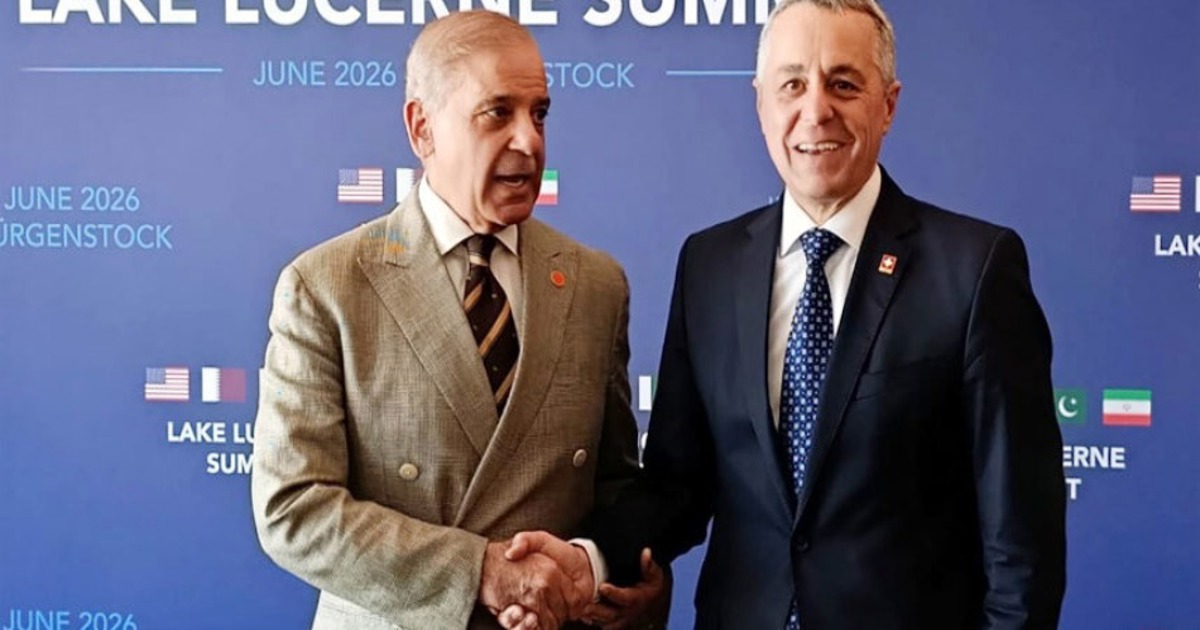
Pakistan and Switzerland discussed expanding bilateral investment ties and explored new avenues for economic cooperation, with the two sides expressing ke
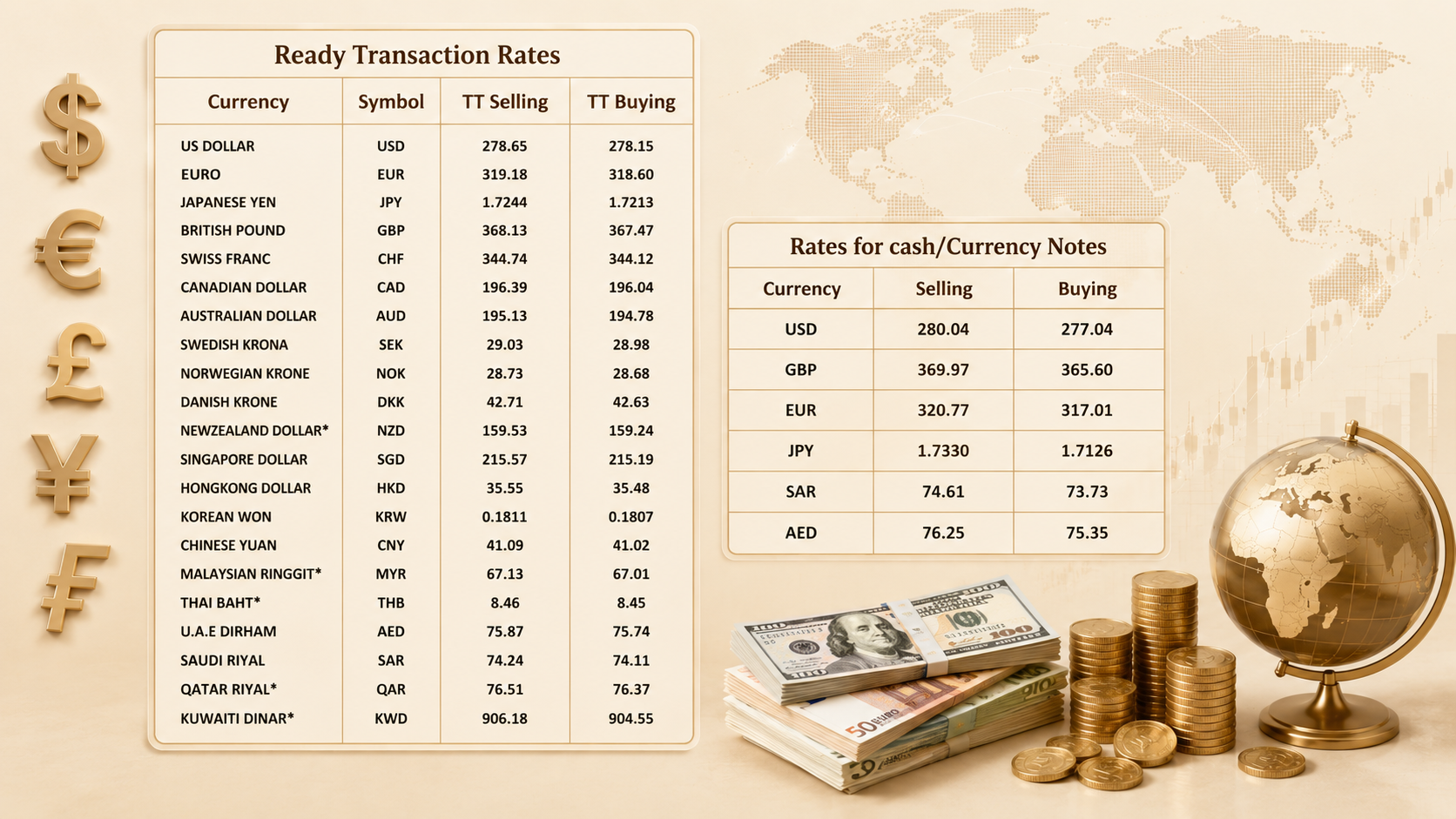
Check today’s foreign exchange rates in Pakistan (June 22, 2026) from NBP’s bulletin. View buying and selling rates now.
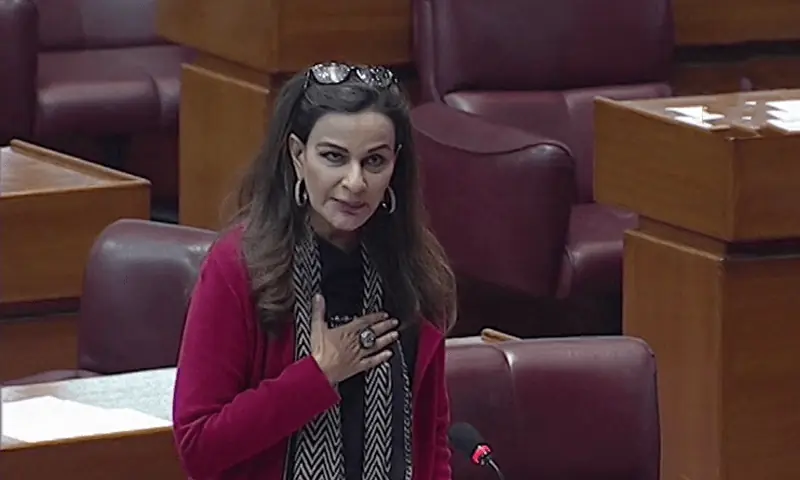
Says there is no hurry to push widely criticised telecom bill without "satisfying us and other representatives".
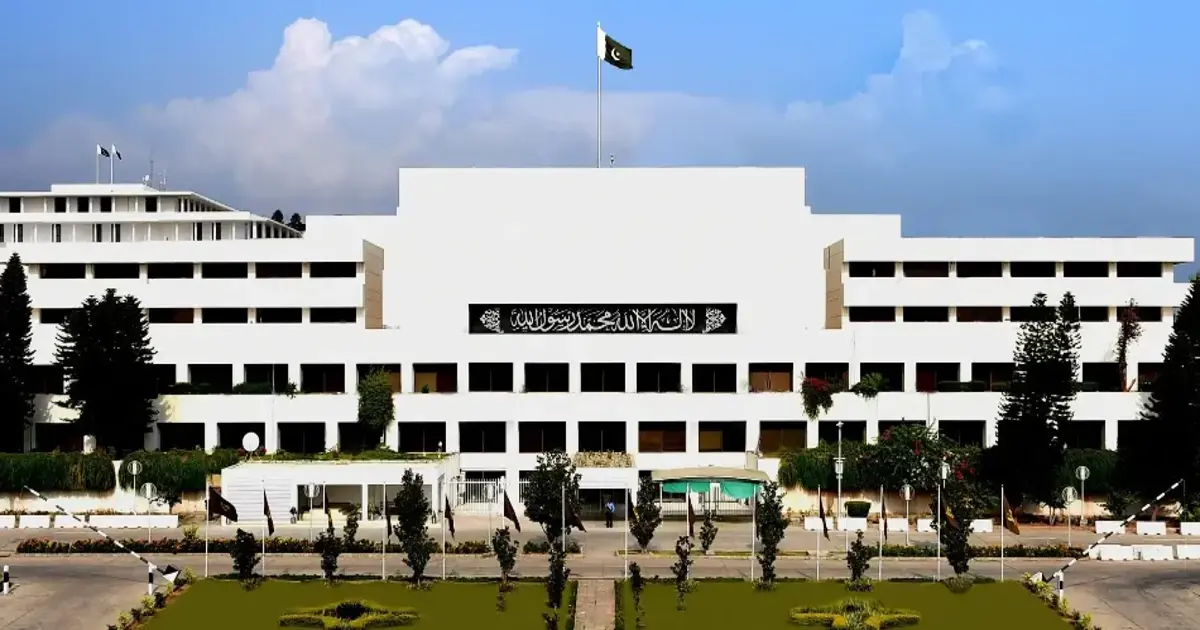
The National Assembly on Sunday approved 12 demands for grants totaling Rs4.282 trillion for the fiscal year ending June 2027, while rejecting all 100 cut
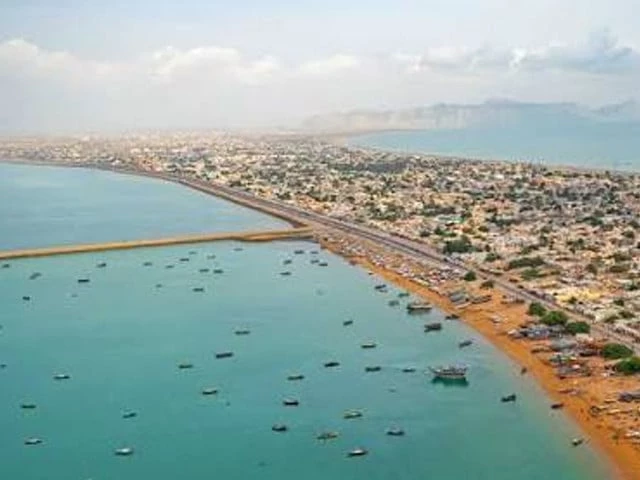
The idea of developing a modern port at Gwadar goes back to 1954, when a survey by the United States Geological Survey (USGS) convinced Pakistan of its strategic importance. However, it took us 54 years to realise the dream when the current port, after completion, received its first commercial cargo on March 15, 2008.
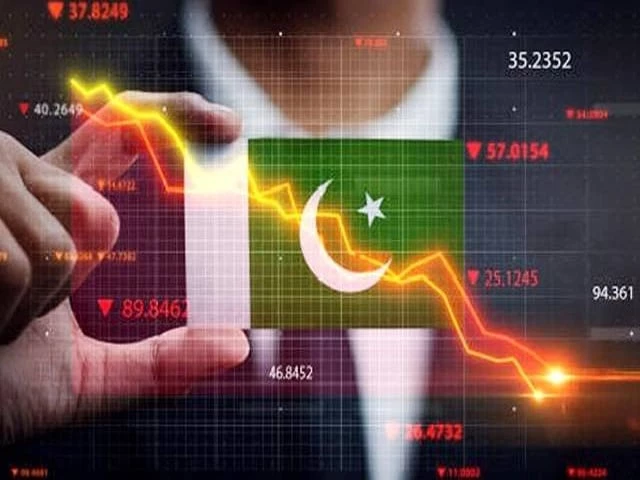
A great power rests on three pillars: military, diplomacy and economy. Pakistan has achieved many milestones on the military and diplomatic fronts. Two recent events further reinforced our strength.
The International Monetary Fund (IMF), being the lender of last resort for countries in balance-of-payments crisis or in danger of default, almost always ties its bailouts to excessive austerity measures. Its loans are tied, to use IMF jargon, to "structural adjustment programmes" and "conditionality". These programmes centre on raising taxes and/or spurring tax rate reductions, balancing the budget at all costs, devaluing the currency and increasing interest rates. Such anti-growth policies, delivered in line with IMF diktat, have been shown in the majority of cases to have actually increased the country's dependence on the IMF over time. Just think of what has happened in Argentina, Pakistan, Ecuador, Egypt or Ghana.
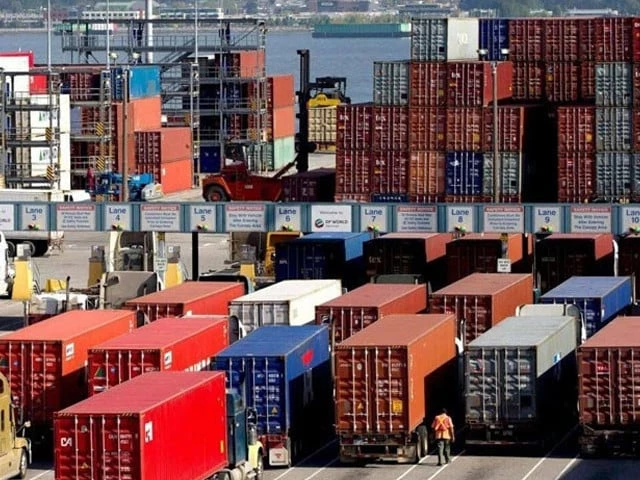
The current fiscal year has been marked by significant strain on the external account, driven in large part by the US-Iran conflict and its spillovers into capital flows and sovereign spreads. With peace now expected to return to the region, policymakers' attention should turn to the domestic constraints that continue to hold exports back. On a cumulative basis, the current account posted a modest surplus of $72 million in the first nine months of FY26, before slipping into a single-month deficit of $276 million in April and then rebounding to a surplus of $459 million in May 2026. This left a cumulative surplus of $255 million over the first 11 months (July-May), but much lower in comparison to the roughly $1.6 billion surplus recorded in the same period a year earlier. For context, the previous fiscal year closed with a current account surplus of $1.8 billion.
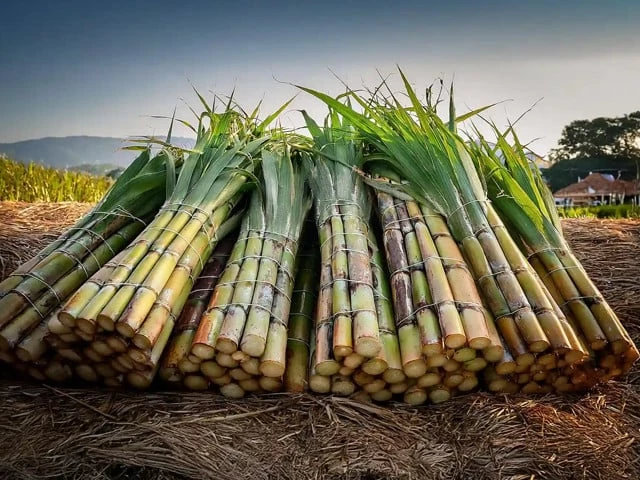
Pakistan's agriculture is facing a crisis that is neither sudden nor mysterious. It is the predictable result of a long-standing mismatch between what the country grows and what its climate, soils and water resources can realistically support. For decades, Pakistan's crop choices were shaped by a world of abundant canal flows, stable weather and a political economy that rewarded acreage rather than efficiency. That world is gone. Yet our cropping patterns remain frozen in time, even as the climate around us changes at a pace our policies refuse to acknowledge.
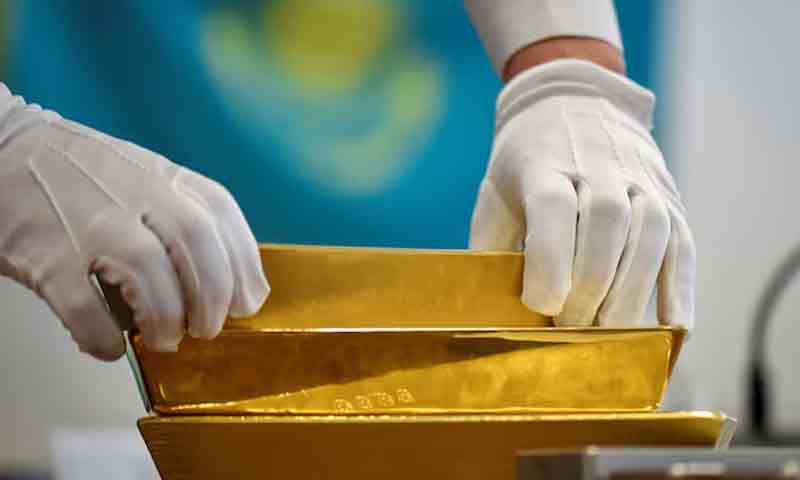
Gold prices recovered as oil fell following progress in US-Iran talks. Geopolitical optimism supported bullion, while expectations of higher US interest rates capped gains.

Muhammad Ali Tabba, CEO of Lucky Cement and Chairman of Lucky Group, has urged policymakers to adopt a pragmatic approach in Pakistan's upcoming auto poli

Khyber Pakhtunkhwa presents a Rs121.74bn supplementary budget for current and development spending. Read details and key allocations.

Pakistan and Qatar have outlined significant progress in high-level negotiations between the United States and Iran, with the parties agreeing on a roadma
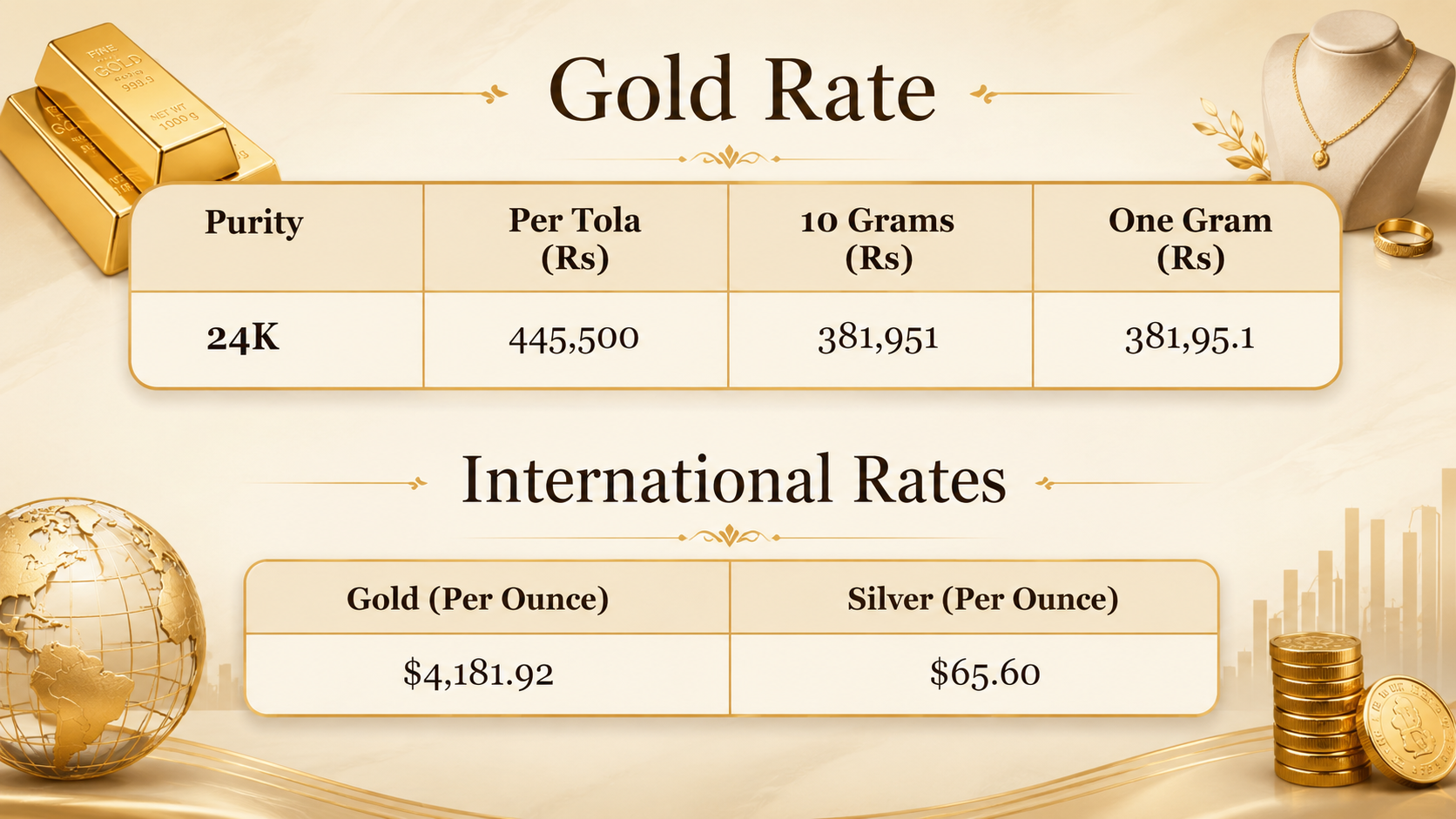
Check today’s gold price in Pakistan for June 22, 2026 across major city Sarafa markets. View updated rates now!
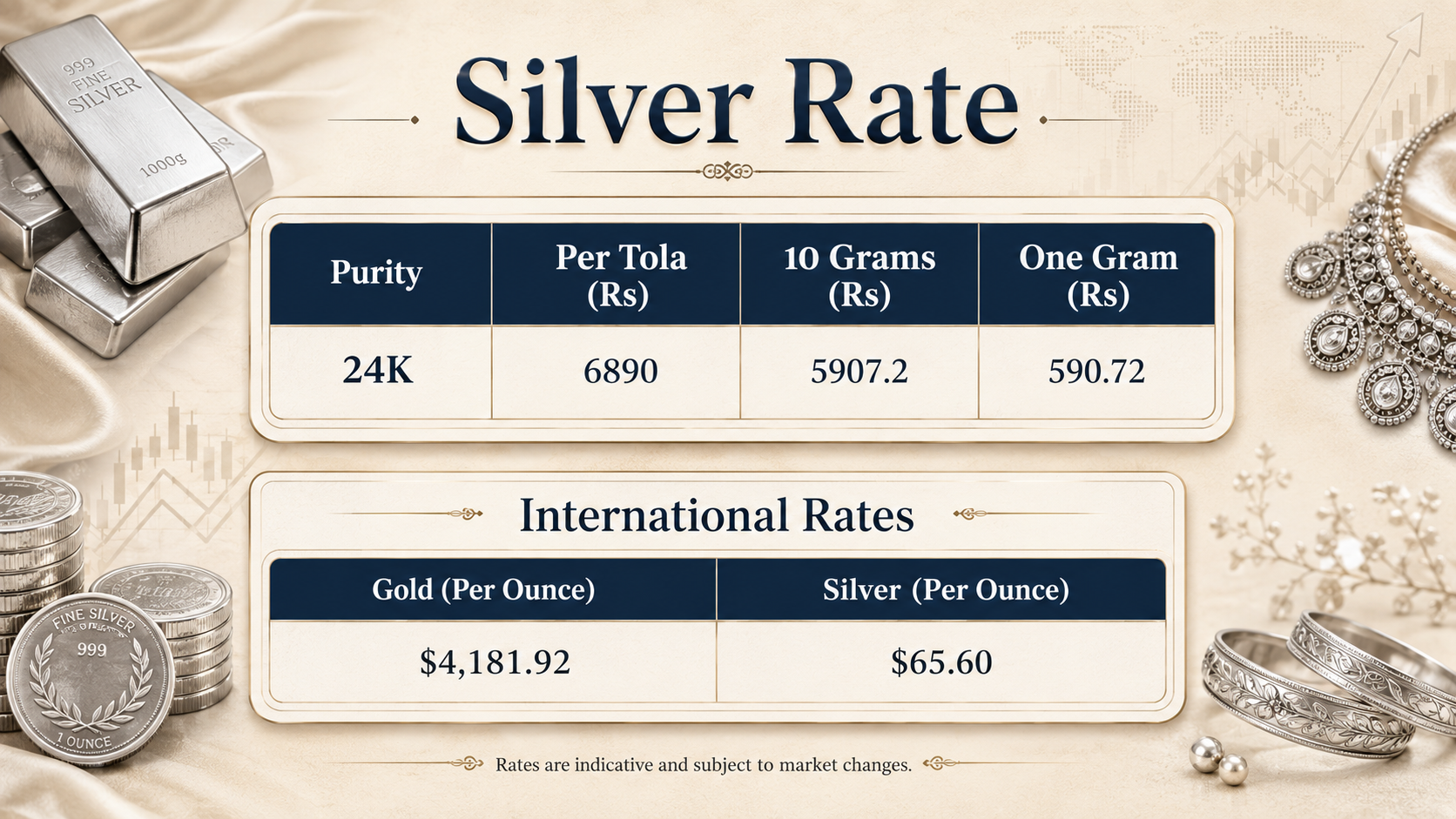
Check today’s silver price in Pakistan for June 22, 2026. Track city-wise Sarafa market rates and get the latest updates now.
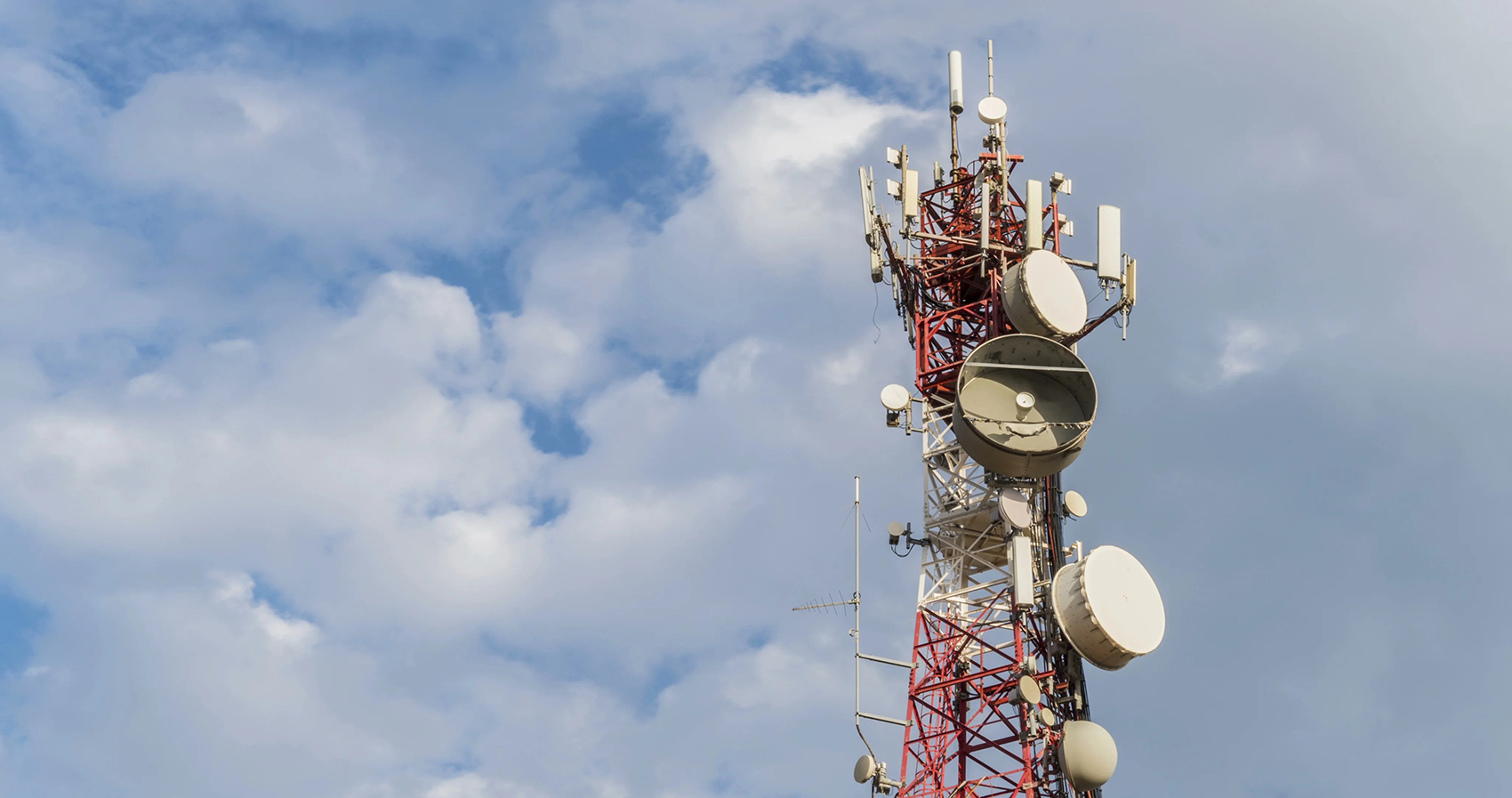
Prime Minister Shehbaz Sharif orders a high-level panel to review the Telecommunication Reorganisation (Amendment) Bill. Get the latest updates.

FBR hints at reducing 20% regulatory duty on imported mobile phones priced up to $200. Get latest tax details and proposals now.
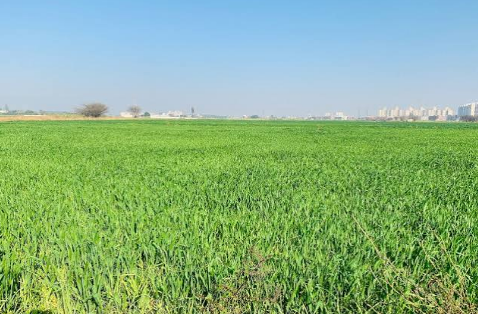
The government’s decision to raise the indicative wheat price to Rs4,500 per 40 kilograms is expected to encourage farmers across Punjab to expand wheat cultivation this season, potentially resulting in a bumper harvest sufficient to meet the province’s annual needs, according to agriculture experts.

Oct 27, 2026
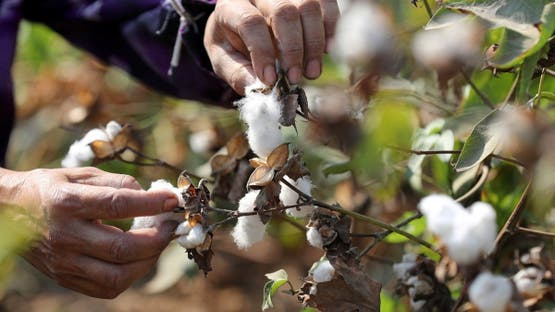
A strengthening El Niño is fuelling concerns over global cotton production and textile supplies. As the industry faces growing risks from extreme weather, declining output and tightening inventories, international brands and manufacturers are forcing a rethink of sourcing strategies to bolster supply-chain resilience.
Pakistan has recorded 265,820 birth notifications through birth registration and notification tool piloted by the National Database and Registration Authority (NADRA) to 4,959 health facilities, according to a document available with Wealth Pakistan.
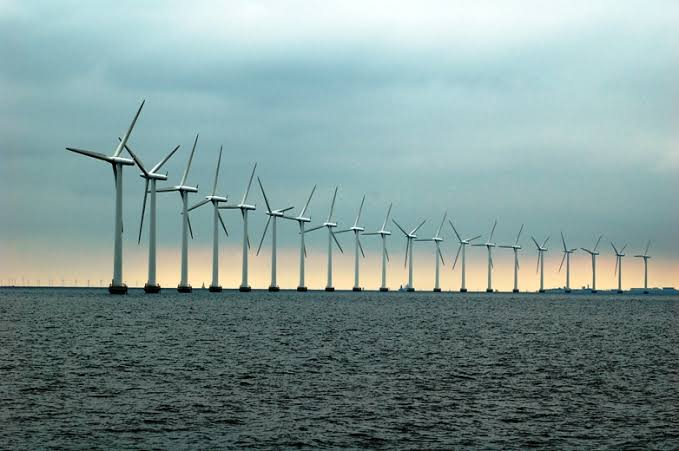
The Jhimpir-Gharo wind power evacuation project is nearing completion, with the physical progress reaching 94 per cent, according to a document available with Wealth Pakistan.
The Higher Education Commission (HEC) has processed 73,146 degree-attestation cases covering 139,021 academic documents through its paperless online attestation system since its launch on May 11, 2026.
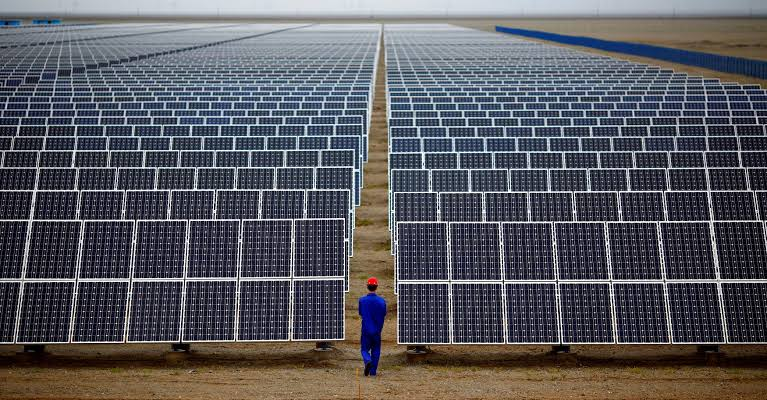
China's proposed framework for managing exports of advanced solar manufacturing technologies signals a new phase in the global renewable energy industry, highlighting the growing importance of technological innovation and international industrial cooperation while maintaining the country's role as a major supplier of solar products.
Pakistan received a total of $29.20 billion in foreign assistance during the five financial years from FY2021-22 to FY2025-26, with loans accounting for 97% of total disbursements and grants making up the remaining 3%, according to an official response available with Wealth Pakistan.
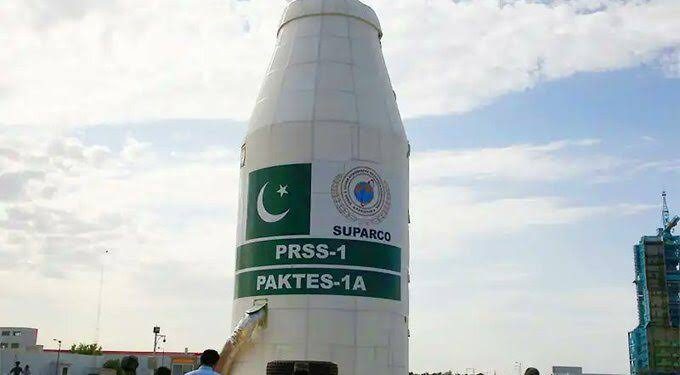
The Space and Upper Atmosphere Research Commission (SUPARCO) has received Rs995 million in budgetary support for fiscal year 2026-27 to establish the Pakistan Space Centre.
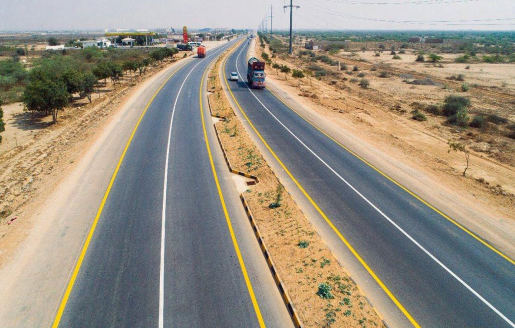
The government has set aside Rs2,500 million in PSDP 2026-27 for the rehabilitation of a 66-kilometre section of National Highway N-5 between Hala and Moro, according to a document available with Wealth Pakistan.
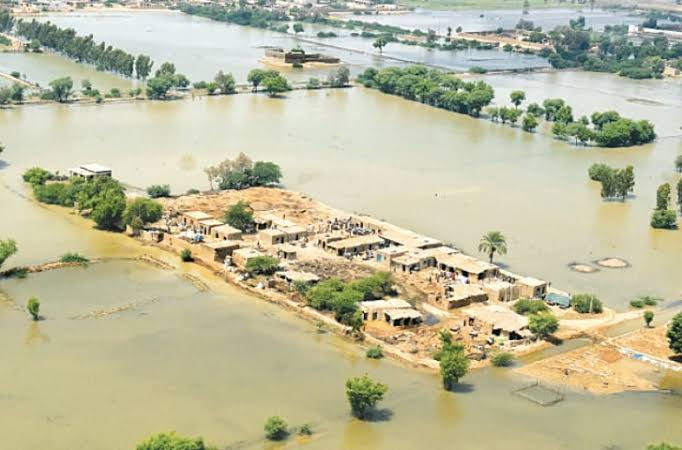
Balochistan's Rs45.78 billion post-flood reconstruction programme has achieved 50 percent progress, with the federal government allocating Rs17 billion for the initiative in the 2026-27 fiscal year, according to a document available with Wealth Pakistan.
Closer cooperation between the Asian Infrastructure Investment Bank (AIIB) and the World Bank Group is creating new opportunities for infrastructure investment in developing economies, as the two institutions seek to expand co-financing, mobilise private capital and support major development projects at a time when high borrowing costs and limited fiscal resources are restricting public investment.
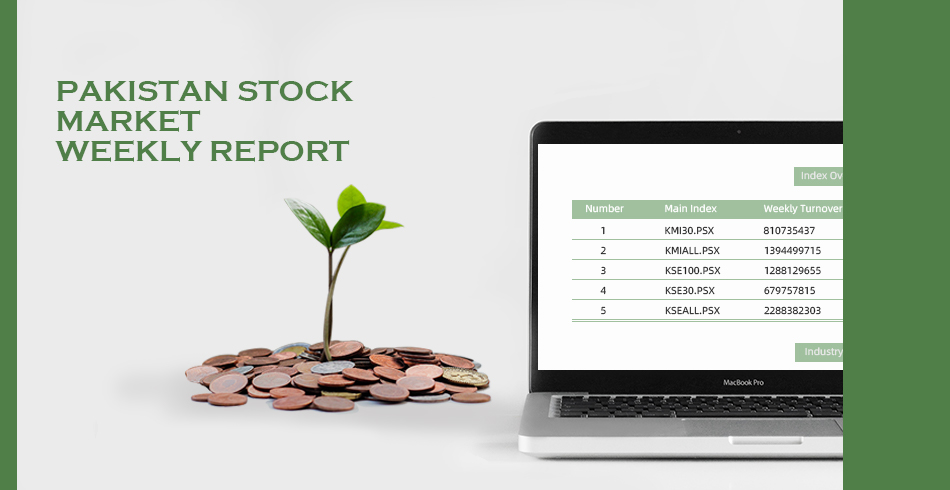
Weekly Review of Stock Market (2026.10.19-2026.10.23)

Oct 26, 2026

ISLAMABAD, Oct 23 (INP-Wealth Pakistan) -- The government collected Rs22.25 billion under the Carbon Levy during the first three months of fiscal year 2026-27, achieving 44.5% of the annual budget estimate of Rs50 billion, according to an official Finance Division briefing.

ISLAMABAD, Oct 23 (INP-Wealth Pakistan) -- Strong investment in artificial intelligence (AI) infrastructure is improving the global trade outlook, as rising demand for semiconductors, servers and other advanced technologies supports international commerce and creates new opportunities for developing economies to participate in the expanding digital economy.
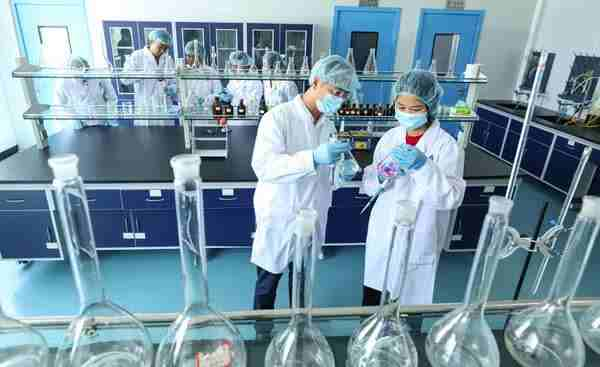
ISLAMABAD, Oct 23 (INP-Wealth Pakistan) -- China's biotechnology sector is expanding its role in the global pharmaceutical industry, moving beyond the manufacturing of conventional medicines and pharmaceutical ingredients to the development and international licensing of innovative drugs, as growing demand for Chinese-developed therapies creates new opportunities for international research and commercial partnerships.
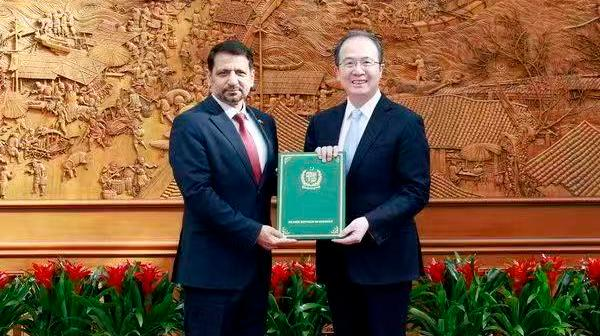
BEIJING, Oct 23 (INP-Wealth Pakistan) -- According to the Embassy of Pakistan in Beijing, Dr. Syed Ali Asad Gillani, Pakistan's Ambassador to the People's Republic of China, presented a copy of his credentials to H.E. Mr. Hong Lei, Assistant Minister of Foreign Affairs of China and Director-General of the Protocol Department of the Chinese Ministry of Foreign Affairs.
ISLAMABAD, Oct 23 (INP-Wealth Pakistan) -- The Pakistan Climate Change Authority (PCCA) has developed more than 38 climate project concepts, completed two projects, and submitted a proposal for $3.5 million in Green Climate Fund (GCF) readiness funding.

Oct 23, 2026
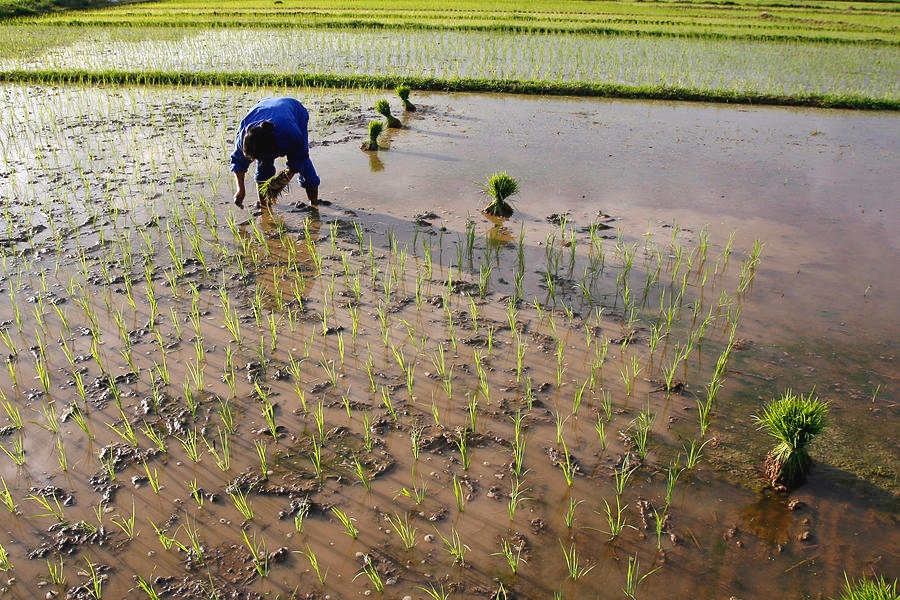
ISLAMABAD, Oct 22 (INP-Wealth Pakistan) -- Pakistan's rice production is provisionally estimated at 10.18 million tonnes for the 2026-27 crop, 11% above the official target of 9.17 million tonnes, as the area under cultivation also exceeded its target by 28.4%.

ISLAMABAD, Oct 22 (INP-Wealth Pakistan) -- Expanding trade among developing economies is strengthening prospects for export growth, regional economic cooperation and industrial development, as changing global supply chains create new opportunities for emerging markets to diversify trade partnerships and increase their participation in international commerce.

ISLAMABAD, Oct 22 (INP-Wealth Pakistan) -- The growing emphasis on industrial cooperation, manufacturing investment and technology transfer under CPEC 2.0 is opening new avenues for Chinese investment in Pakistan's industries.
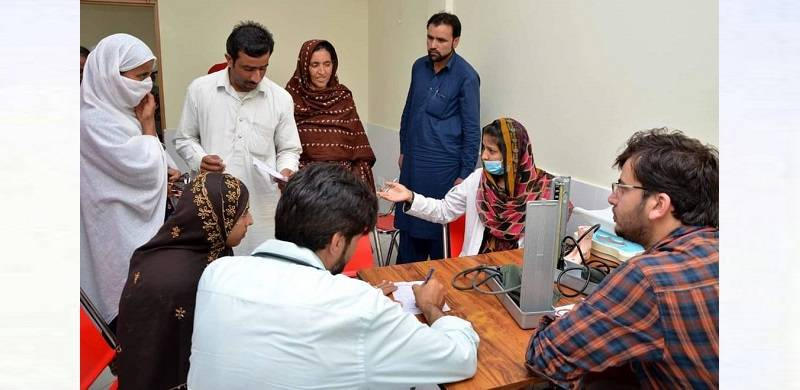
ISLAMABAD, Oct 22 (INP-Wealth Pakistan) -- The District Health Office, Islamabad, is pursuing a series of healthcare infrastructure development projects, including an initiative to establish four basic health units (BHUs) and build and upgrade community health facilities to improve public access to essential medical services.
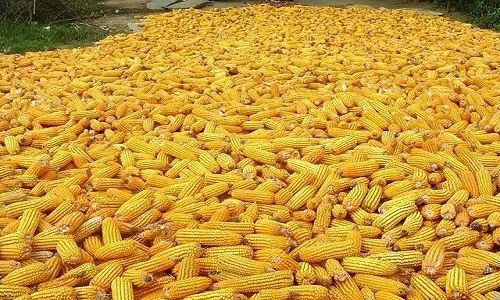
ISLAMABAD, Oct 22 (INP-Wealth Pakistan) -- Pakistan's maize production is provisionally estimated to have increased by 12.1% to 9.98 million tonnes in 2026-27, exceeding the official production target by 3.2%, as an expansion in cultivated area and higher output in Punjab helped raise national production.
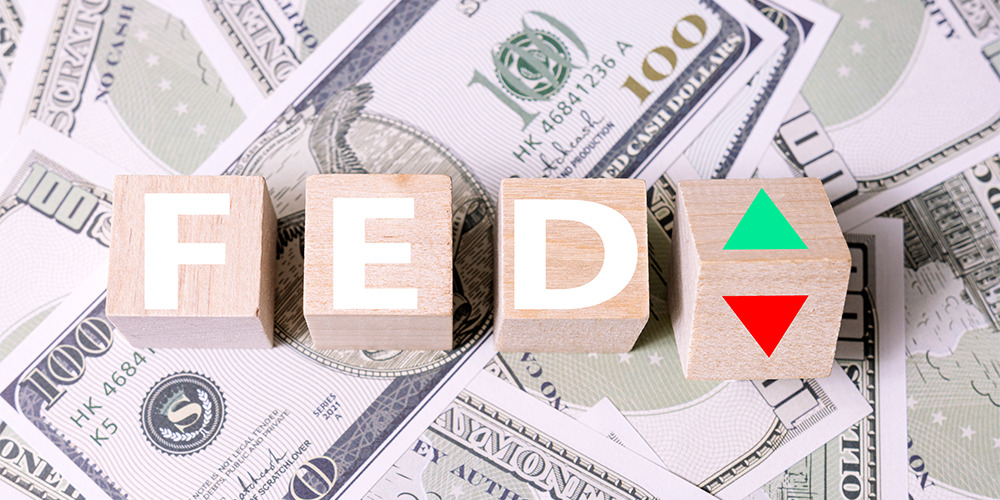
ISLAMABAD, Oct 22 (INP-Wealth Pakistan) -- Expectations of a cautious approach to further interest-rate increases by the US Federal Reserve are creating potential borrowing opportunities for emerging economies, as greater policy predictability could help stabilise capital flows, reduce financial market volatility and allow governments and businesses to plan external financing more effectively.
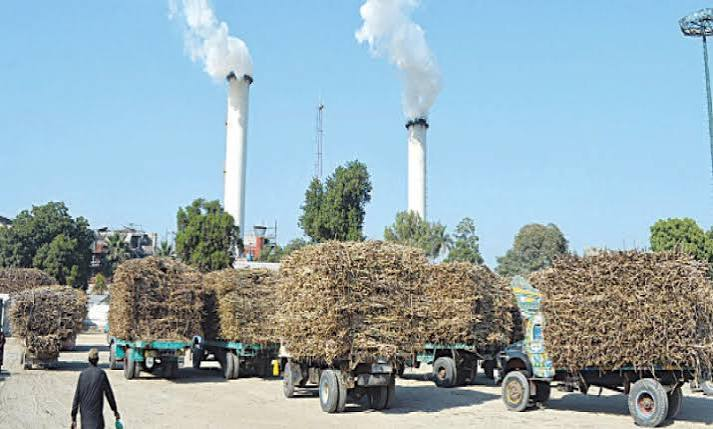
LAHORE, Oct 22 (INP-Wealth Pakistan) -- The sugarcane crop in Punjab has shown satisfactory growth this year and is expected to be ready for crushing by mid-November at the province's 41 sugar mills, according to sugarcane experts.

Oct 22, 2026
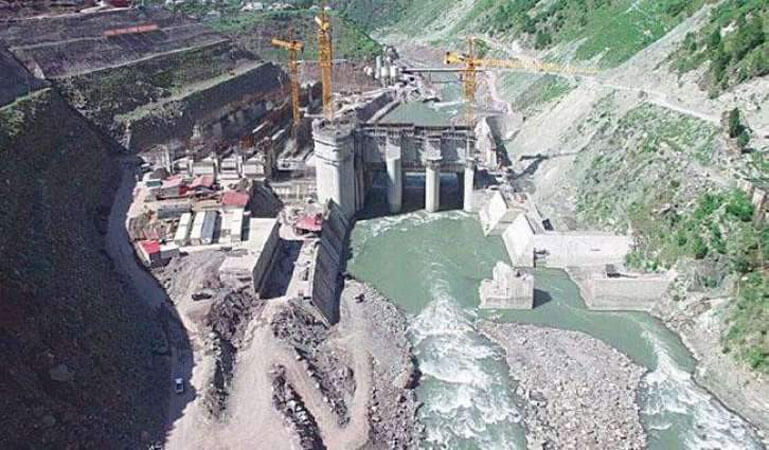
ISLAMABAD, Oct 21 (INP-Wealth Pakistan) -- The World Bank is financing 18 development projects across 10 major sectors in Pakistan, involving a total committed amount of $7.042 billion, with all projects currently under implementation, according to an official document available with Wealth Pakistan.

ISLAMABAD, Oct 21 (INP-Wealth Pakistan) -- China's rapid advances in artificial intelligence (AI) are strengthening prospects for global digital growth, as increasingly powerful and affordable AI models create new opportunities for businesses to improve productivity, reduce operating costs and enhance their competitiveness in international markets, particularly in developing economies.

The price of 24-karat gold in Pakistan remained unchanged at Rs. 425,636 per tola on Thursday, according to the All Pakistan Gems and Jewellers Association. The 24-karat gold price for 10 grams also held steady at Rs. 364,914. The previously reported rates were Rs. 425,636 per tola and Rs. 364,914 ..
The Karachi Interbank Offered Rates (KIBOR) moved higher on Thursday, with the sharpest increases in the three-month to one-year tenors, days after the St
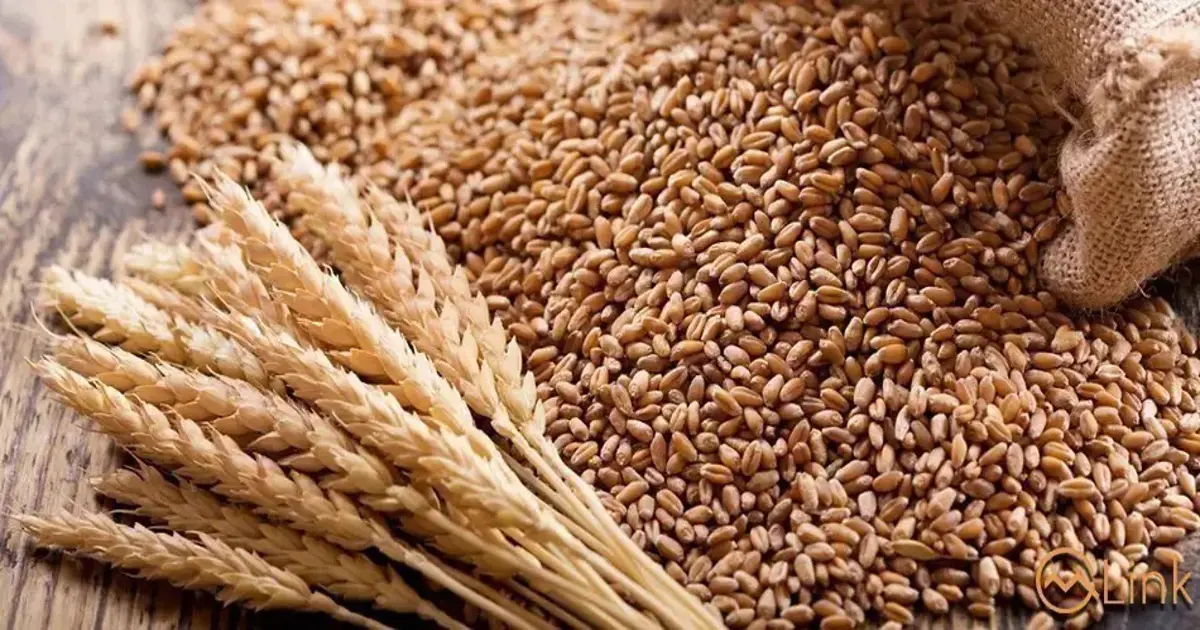
Karachi Port Trust (KPT) is facilitating the handling of a bulk cargo of 51,000 metric tons of imported wheat at Karachi Gateway Terminal Multipurpose Lim

The National Bank of Pakistan issued buying and selling rates for the US dollar, British pound, euro, Japanese yen, Saudi riyal and UAE dirham in Karachi on Thursday.

Federal Minister Ahsan Iqbal said combined goods and services exports reached $11.2 billion, while ICT exports rose to $1.2 billion during the first quarter amid global market and supply-chain disruptions.
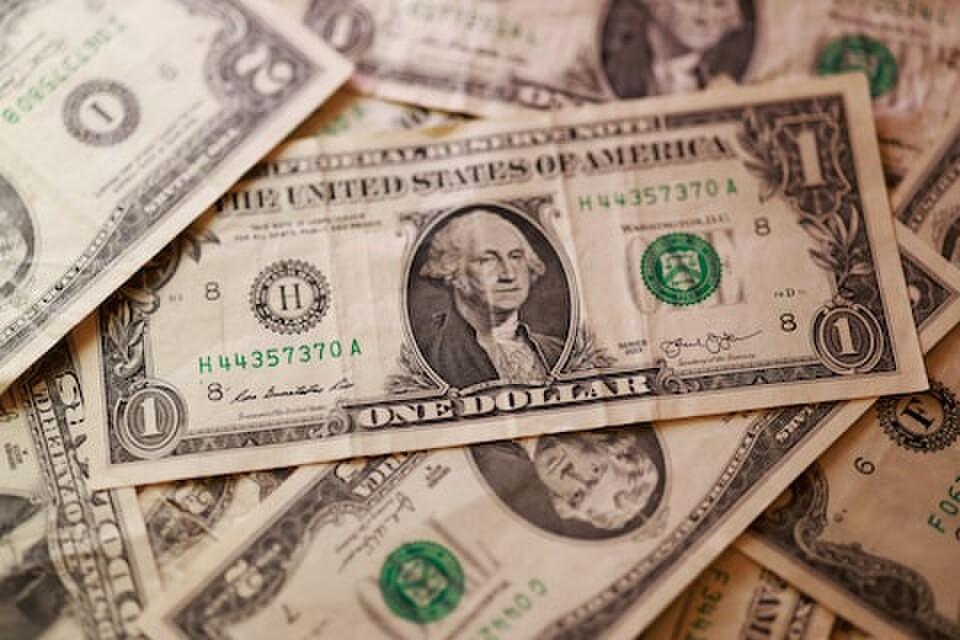
The Pakistani rupee continued its marginal gain against the US dollar in the inter-bank market on Thursday.
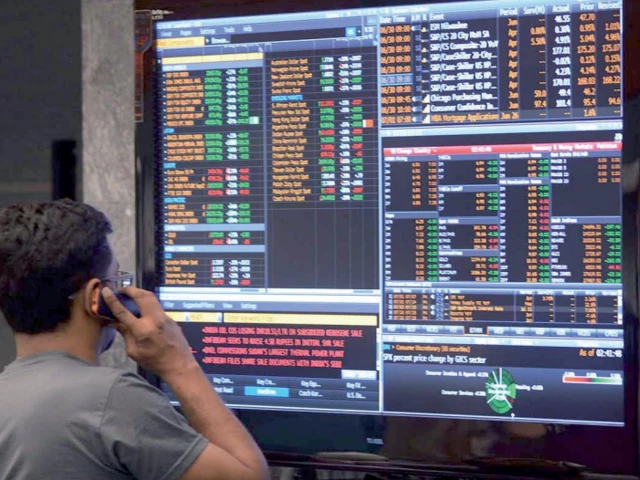
The Pakistan Stock Exchange remained in positive territory at mid-day on Thursday, with the benchmark KSE-100 index trading at 166,873.49 points, up 1,136.74 points or 0.69 per cent from the previous close of 165,736.75.
The Exchange Rates Committee of Financial Markets Association of Pakistan issued the following exchange rates bulletin, here on Thursday.CONVERSION RATES FOR OCTOBER 29, 2026 FOR FOREIGN CURRENCY FOR FORWARD COVER FOR DEPOSITS (EXCLUDING FE-25 DEPOSITS)SBP SETTLEMENT VALUE DATE NOVEMBER 02, 2026.USD ..

Lucky Cement approves a 3.2 million tonne Karachi plant expansion and new renewable energy projects as quarterly consolidated profit falls to Rs22.56 billion.

Pakistan's poverty rate rises to 28.9% as the government considers revising poverty indicators and assessing deprivation across political constituencies.
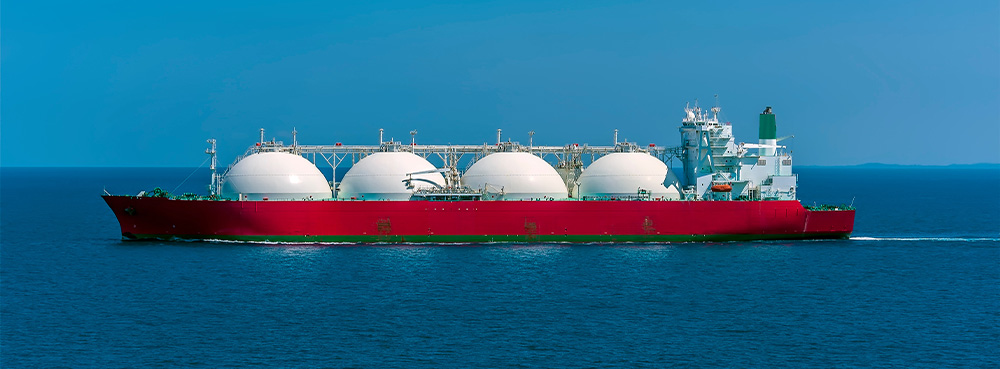
QatarEnergy offers Pakistan an LNG price of 11.96% of Brent for two contracts, with annual cargoes proposed to fall from 108 to 66 during 2027–31.

The British pound, euro, Saudi riyal and UAE dirham were also listed, while benchmark LIBOR rates for one-, three- and six-month periods were provided for special US dollar bonds.
The National Bank of Pakistan issued buying and selling rates for major currencies, including the British pound, euro, Japanese yen, Saudi riyal and UAE dirham, in Karachi on Thursday.

The National Bank of Pakistan’s Treasury Management Division released buying and selling rates for major currencies, including the US dollar, euro, pound and Gulf currencies, for Thursday, October 29.

SBP raises Rs1.84 trillion in treasury bills, with three-month papers attracting the highest acceptance and cut-off yields reaching 12.8900%.
The Exchange Rates Committee of the Financial Markets Association of Pakistan issued conversion rates for forward cover deposits, with settlement scheduled for November 2, 2026.

The Pakistan Stock Exchange (PSX) put on an impressive show on Wednesday as the benchmark KSE-100 index staged a strong rally, driven by accelerating purchases in the final hours despite lingering concerns over monetary tightening and rising international oil prices.
Federal Minister for Finance and Revenue Senator Muhammad Aurangzeb has called on financial institutions and implementing agencies to step up efforts in small and medium enterprises (SMEs) and agriculture financing, stressing greater urgency and faster disbursements, even as he praised progress in housing finance under the Prime Minister's Apna Ghar scheme, where Rs511 billion has been approved but only Rs91 billion disbursed, according to a statement issued by the Ministry of Finance on Wednesday.
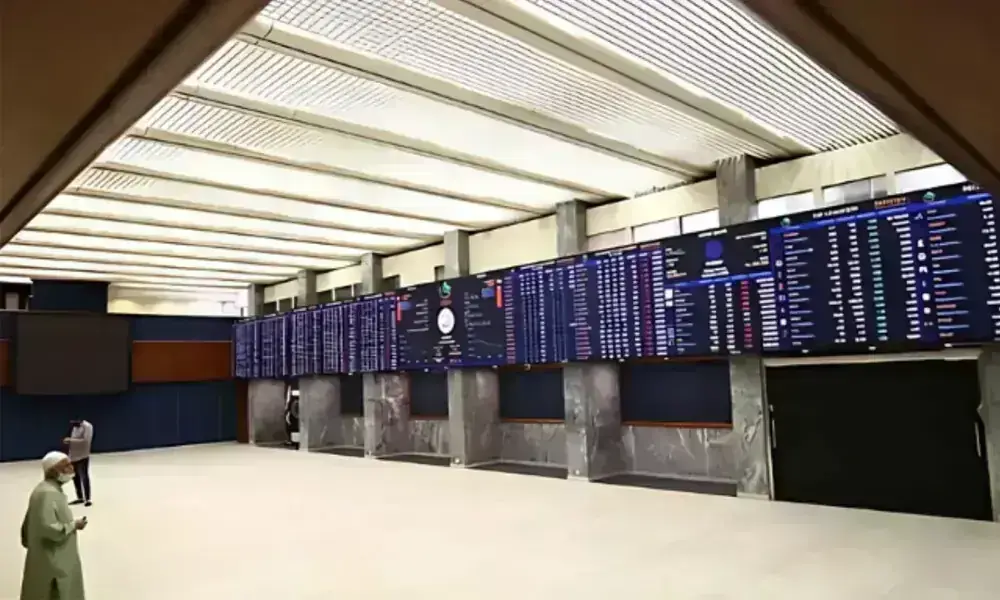
Buying momentum continued at the Pakistan Stock Exchange (PSX), with the benchmark KSE-100 Index gaining nearly 400 points during the opening minutes of trading on Thursday.
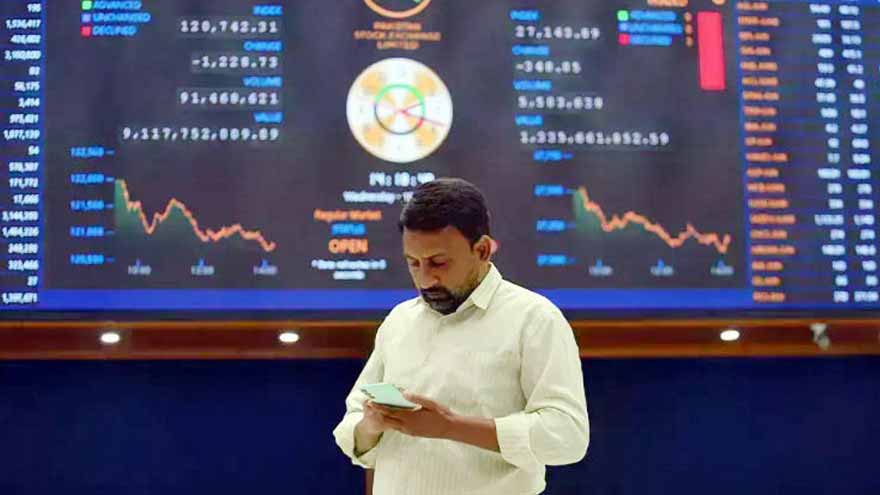
The benchmark index rose to 166,169 points during early trading, reflecting bullish sentiment in the market

Silver price in Pakistan for today, October 29, 2026

Morning Breeze aims to lessen the load for its readers by curating noteworthy updates from the preceding day.
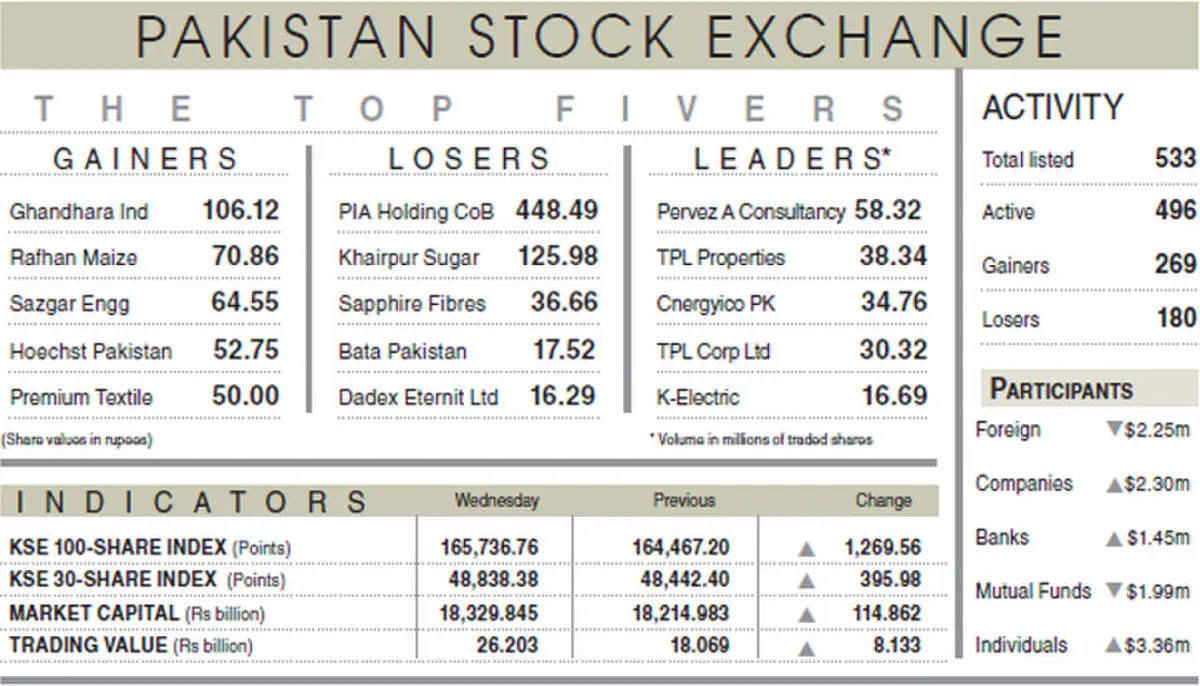
Index settles above 165,000 despite high oil prices

KARACHI: Banks were keen to invest about Rs4.9 trillion in treasury bills on Wednesday, while the government ...
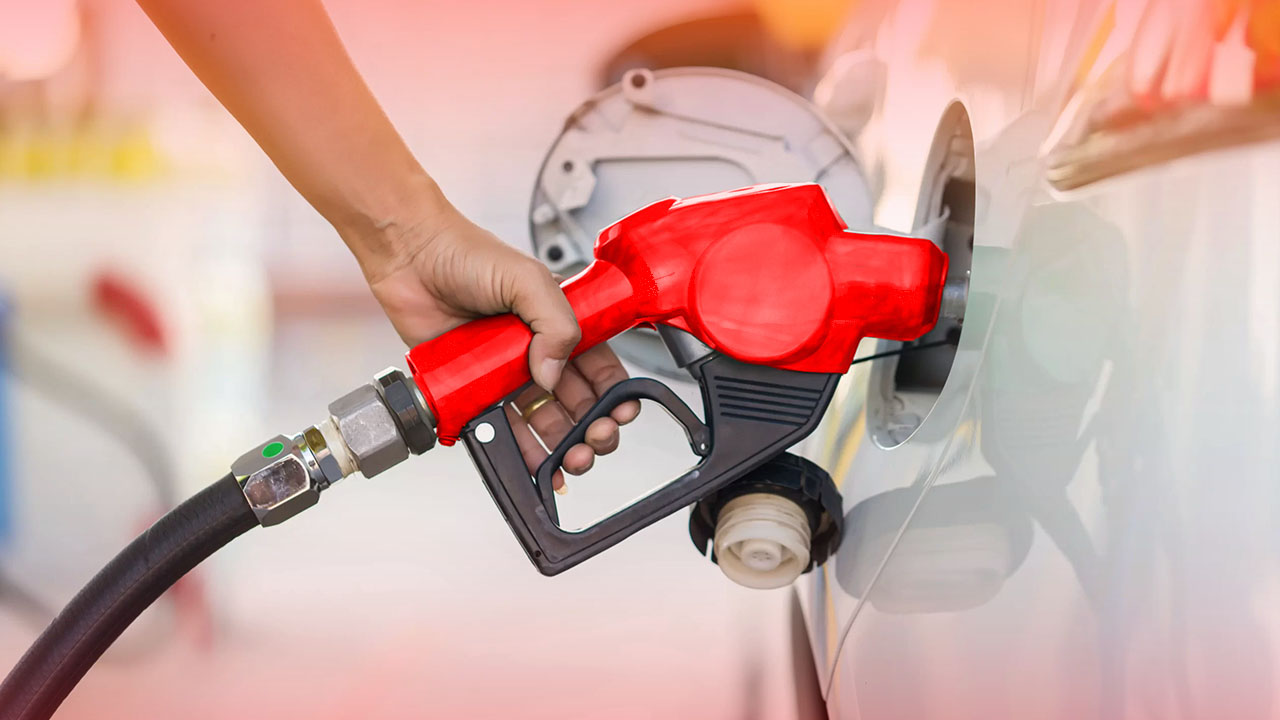
The government has raised petrol prices by Rs1.85 and high-speed diesel by Rs1.75 per litre, effective October 29, 2026.

ISLAMABAD: Petrol has been increased by Rs1.85, bringing the new retail price to Rs377.91 per litre from Rs 376.06. Similarly, the price of High-Speed Diesel (HSD) has been raised by Rs1.75 to Rs399.82 per litre from Rs 398.07, despite a drop in the HSD crack spread from USD 41.89 to USD 38 per barrel.
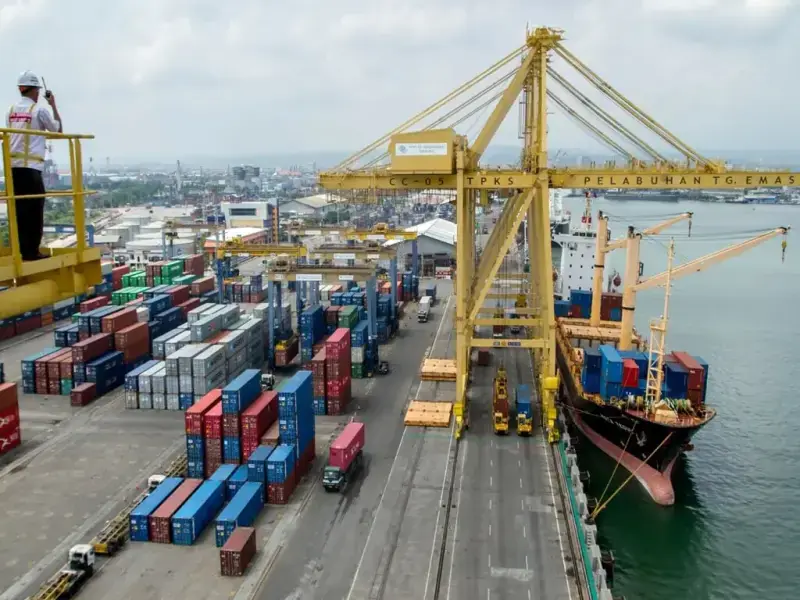
KARACHI: Shipping activity was report at the port where four ships, BGS Barbados, Orca-02, Ocean Pioneer and Bolan carrying Container, Palm oil, Chemicals and Mogas, berthed at Qasim International Container Terminal, Liquid Cargo Terminal, Engro Vopak Terminal and FOTCO oil Terminal on 27th Oct.

Pakistan Govt hikes high-speed diesel price to Rs 400.67 per litre. Petrol rates hold steady. Stay informed on latest fuel costs impacting consumers.

ISLAMABAD, Oct 28 (APP):The benchmark KSE-100 Index of the Pakistan Stock Exchange (PSX) continued with bullish momentum on Wednesday, gaining 1,269.55 points, a positive change of 0.77 percent, to close at 165,736.76 points against 164,467.20 points recorded in the previous trading session.
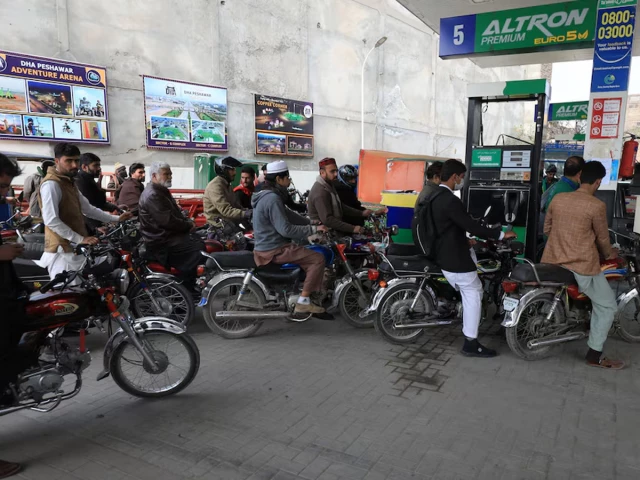
The federal government on Wednesday increased the price of petrol and high-speed diesel (HSD) by Rs1.85 and Rs1.75 per litre, respectively, for October 29.