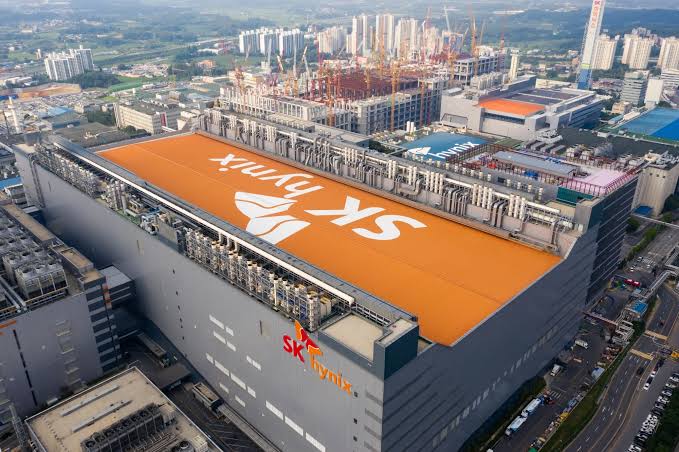
SK Hynix Overtakes Samsung as Korea’s Top Value Firm
SK Hynix becomes South Korea’s most valuable listed company, boosted by AI HBM chip demand. Check the latest market figures and outlook.
Profit
SK Hynix becomes South Korea’s most valuable listed company, boosted by AI HBM chip demand. Check the latest market figures and outlook.
The Securities and Exchange Commission of Pakistan (SECP) has approved a new digital financing product titled “Khudmukhtar Khatoon” aimed at supporting wo

OCAC protests Pakistan’s unilateral fuel price cut, warning refineries and OMCs face ~Rs105 billion losses. Read the details and impact.

The move is aimed at expanding the tax base and improving revenue collection by bringing more retail businesses into the formal economy

Pakistan Stock Exchange opens higher as US-Iran talks progress and oil prices ease. Follow today’s PSX market moves—read the update.
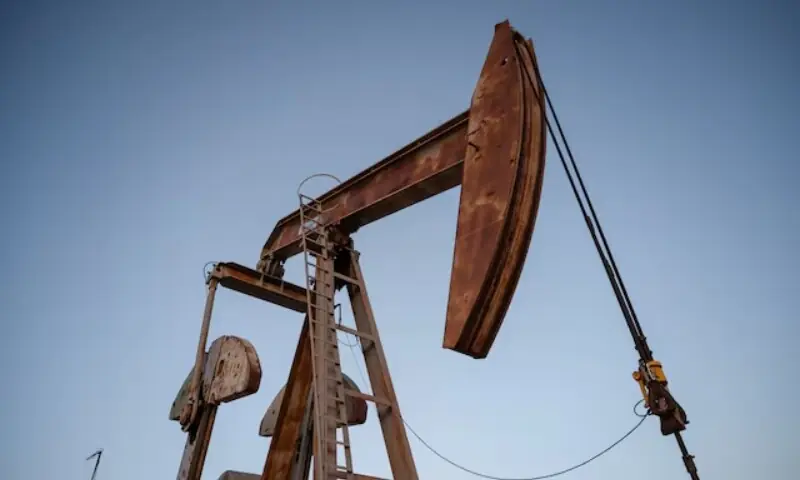
“The decline has been driven primarily by improving prospects for a diplomatic breakthrough between the United States and Iran," says analyst.
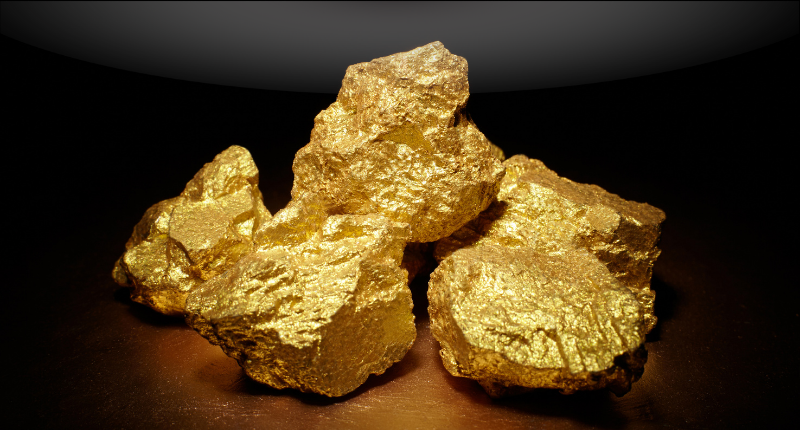
Gold climbed 0.8% after Iran cited progress in peace talks with the US. Oil eased, but rate-hike fears cap gains—read more.
BEIJING:
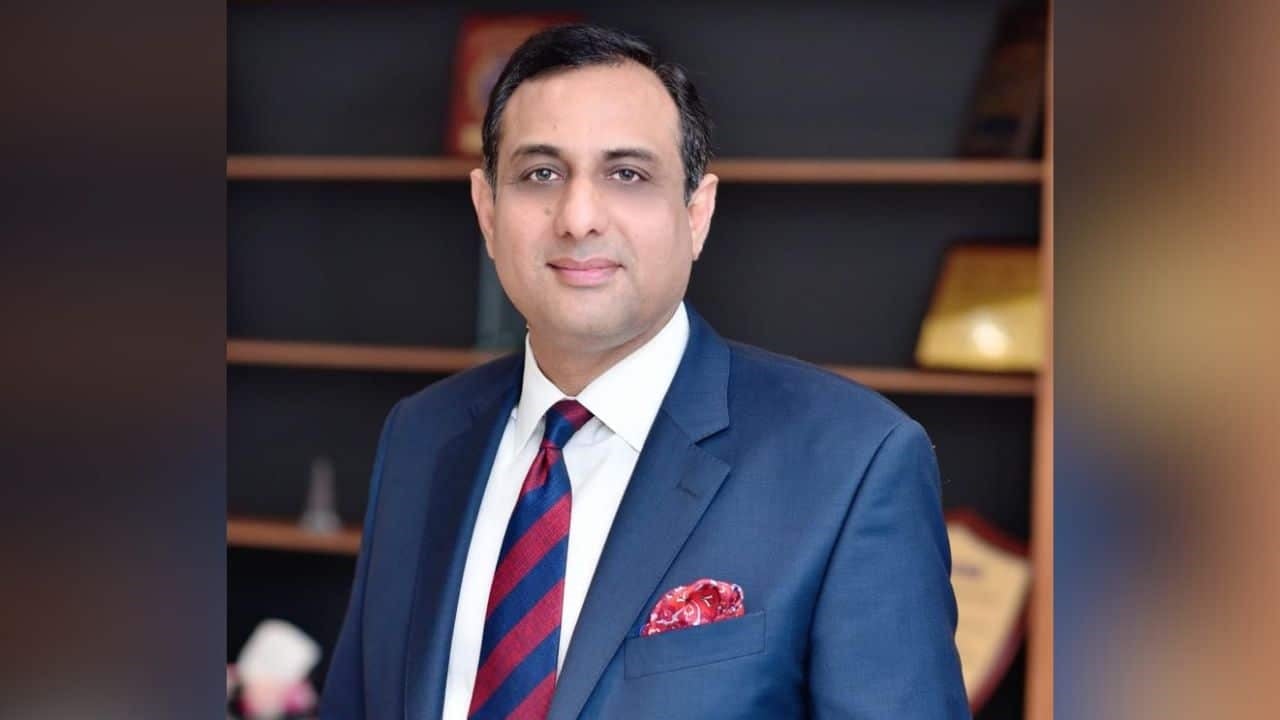
The company aims to scale its annual capacity to 7 million smartphones, 360,000 televisions and 400,000 air-conditioners, as it moves beyond mobile phones into higher-margin consumer technology products through partnerships with Xiaomi and Hisense.
Loads Limited signs a non-binding MoU with China’s Xinhuida to explore copper trading, JV and tech transfer in Pakistan. Read more.
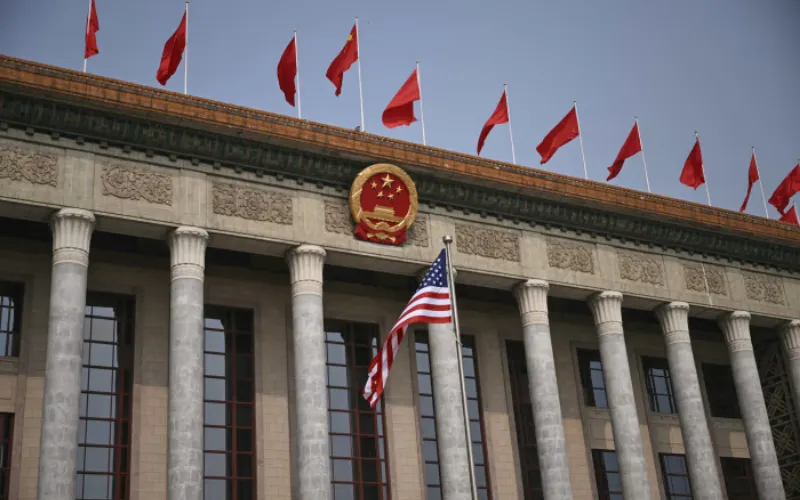
China imposed trade restrictions on dozens of US companies in response to Washington adding more Chinese firms to Pentagon blacklist.
Karachi: Book-building for the Initial Public Offering of Select Technologies Limited, a wholly owned subsidiary of Air Link Communication Limited, opens today at the Pakistan Stock Exchange and will continue on June 23, 2026, marking another important technology-sector listing at the local bourse.

Brent crude futures dropped $1.53, or 1.9 per cent, to $79.04 per barrel by 0656 GMT. Earlier in the session, prices had surged to $82.30 amid uncertainty surrounding the talks and renewed tensions in the Middle East
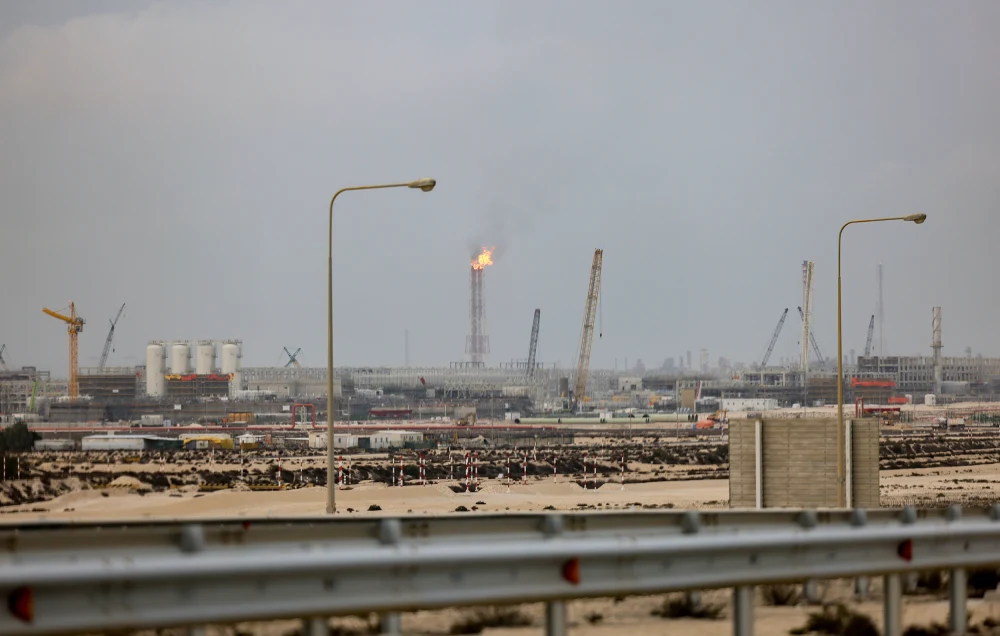
Qatar says 54 people injured and 18 missing after an explosion at its Barzan LNG gas facility. Fire contained—read the latest.
SEOUL: SK Hynix on Monday overtook Samsung Electronics to become South Korea’s most valuable listed company, marking a dramatic reversal of fortunes for a chipmaker that two decades ago nearly collapsed under debt.
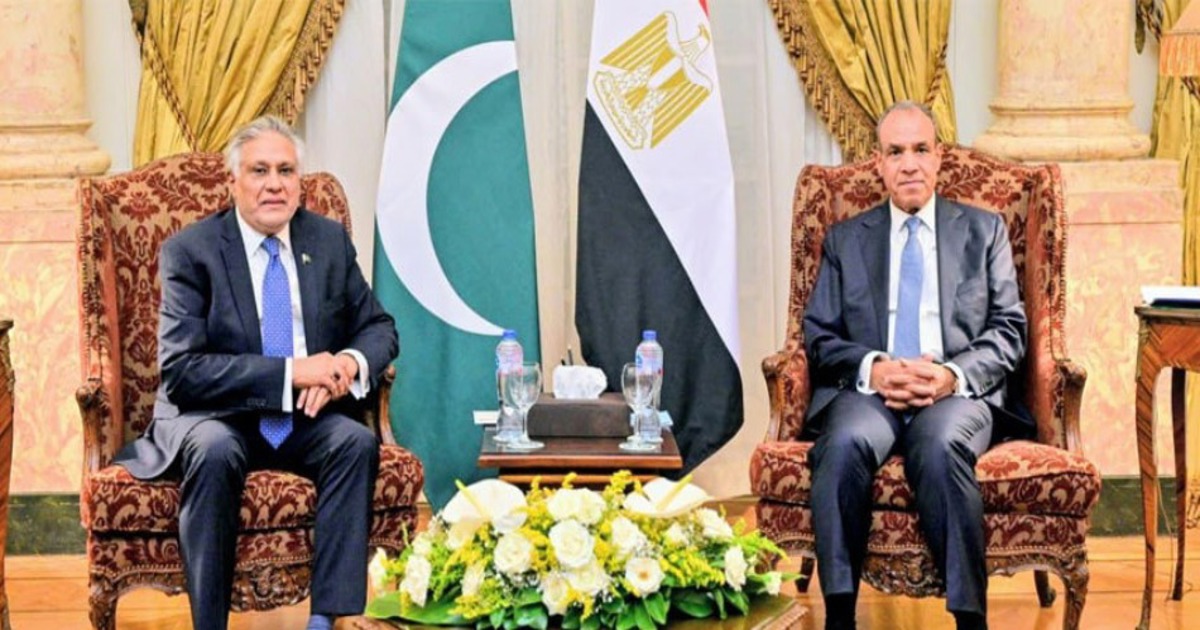
Deputy Prime Minister and Foreign Minister Senator Mohammad Ishaq Dar visited Cairo from 20–21 June 2026 at the invitation of Egypt’s Foreign Minister Bad
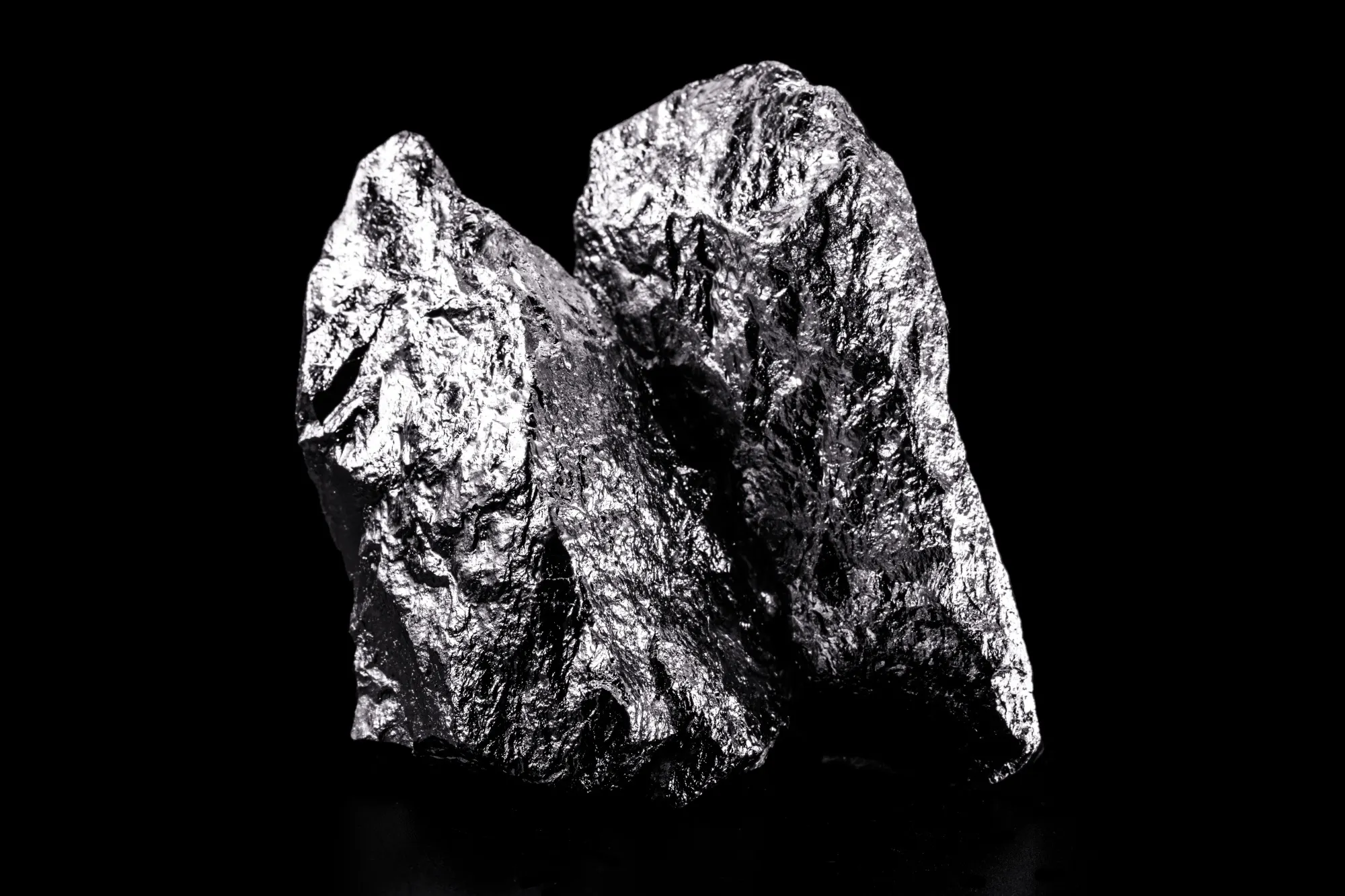
China blocks exports of dual-use items to MP Materials and USA Rare Earth, citing US “malicious practice.” Read the latest.

PSX opened higher on Monday after the first US-Iran talks session in Switzerland. KSE-100 index gained 1,223 points to reach 180,500 after last week’s decline.

Oil prices fell after US-Iran talks concluded in Switzerland. Tehran said it had received waivers for oil and petrochemical exports.

Global oil prices declined across major benchmarks, with WTI, Brent and Murban crude all recording losses after the US and Iran agreed upon a 60-day
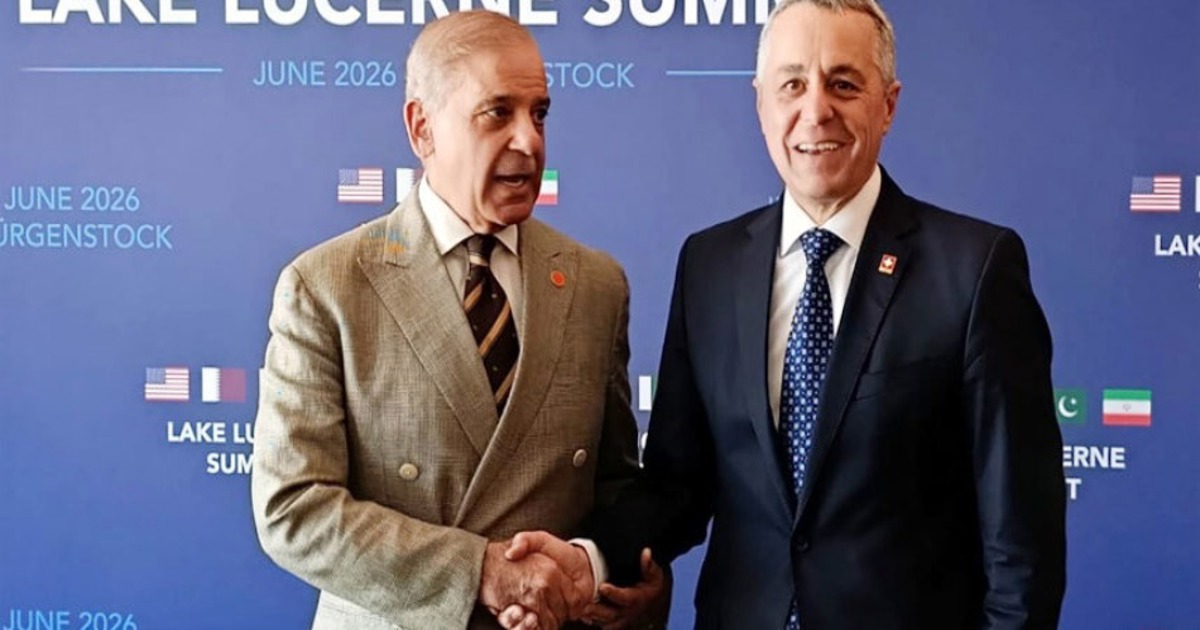
Pakistan and Switzerland discussed expanding bilateral investment ties and explored new avenues for economic cooperation, with the two sides expressing ke
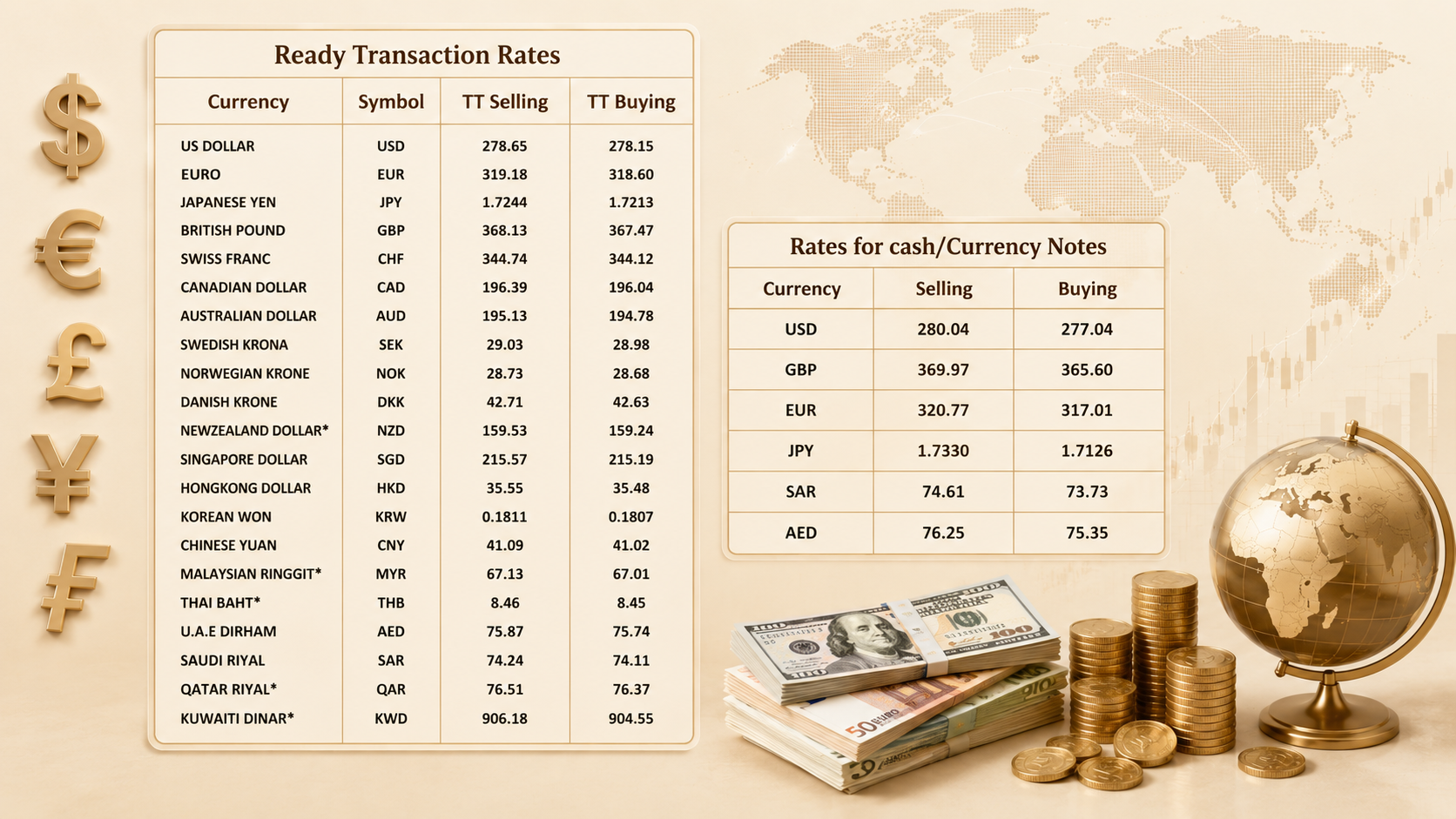
Check today’s foreign exchange rates in Pakistan (June 22, 2026) from NBP’s bulletin. View buying and selling rates now.
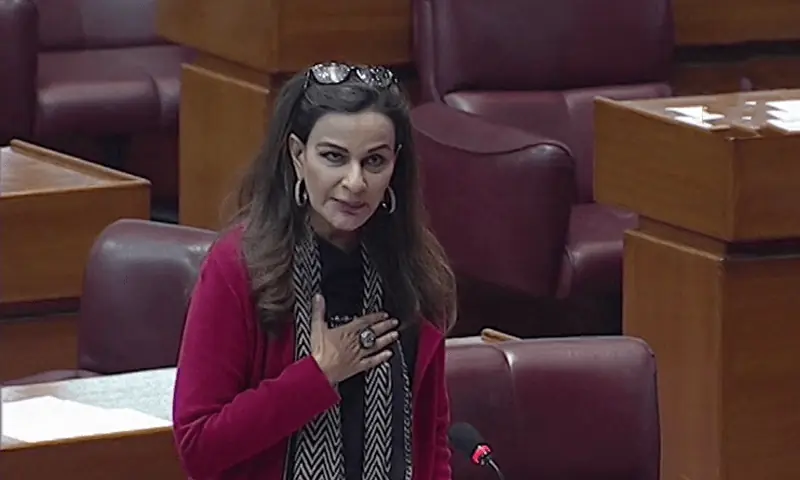
Says there is no hurry to push widely criticised telecom bill without "satisfying us and other representatives".
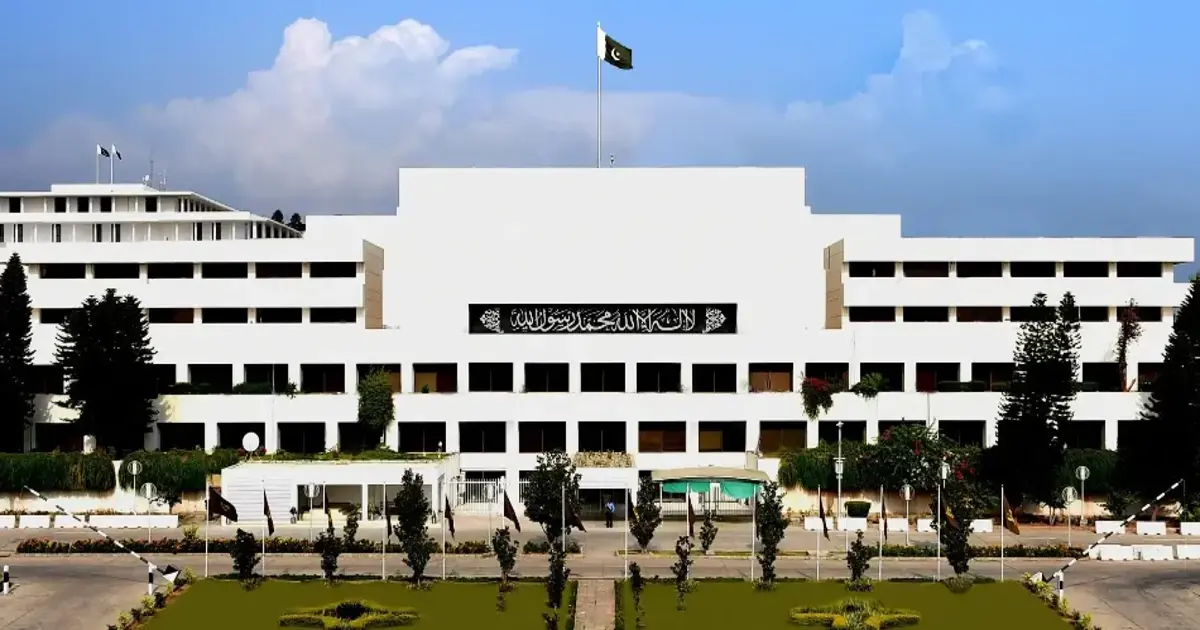
The National Assembly on Sunday approved 12 demands for grants totaling Rs4.282 trillion for the fiscal year ending June 2027, while rejecting all 100 cut
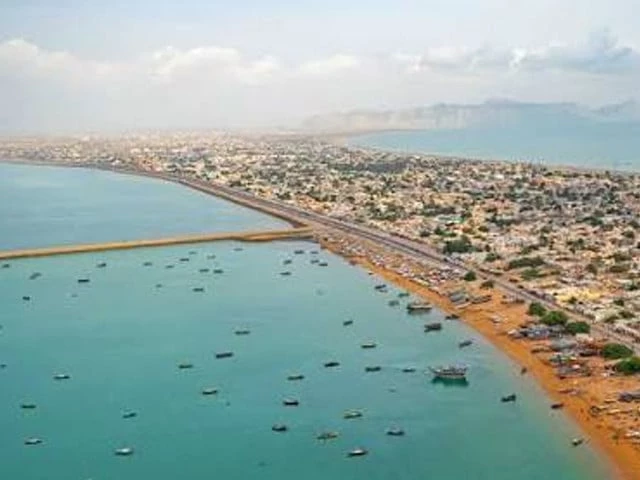
The idea of developing a modern port at Gwadar goes back to 1954, when a survey by the United States Geological Survey (USGS) convinced Pakistan of its strategic importance. However, it took us 54 years to realise the dream when the current port, after completion, received its first commercial cargo on March 15, 2008.
A great power rests on three pillars: military, diplomacy and economy. Pakistan has achieved many milestones on the military and diplomatic fronts. Two recent events further reinforced our strength.
The International Monetary Fund (IMF), being the lender of last resort for countries in balance-of-payments crisis or in danger of default, almost always ties its bailouts to excessive austerity measures. Its loans are tied, to use IMF jargon, to "structural adjustment programmes" and "conditionality". These programmes centre on raising taxes and/or spurring tax rate reductions, balancing the budget at all costs, devaluing the currency and increasing interest rates. Such anti-growth policies, delivered in line with IMF diktat, have been shown in the majority of cases to have actually increased the country's dependence on the IMF over time. Just think of what has happened in Argentina, Pakistan, Ecuador, Egypt or Ghana.
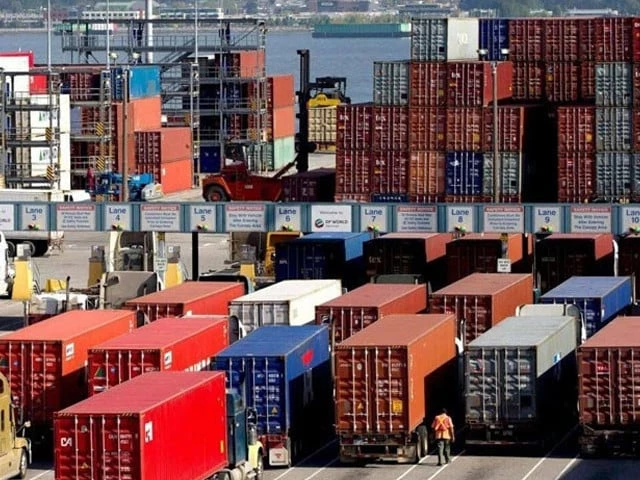
The current fiscal year has been marked by significant strain on the external account, driven in large part by the US-Iran conflict and its spillovers into capital flows and sovereign spreads. With peace now expected to return to the region, policymakers' attention should turn to the domestic constraints that continue to hold exports back. On a cumulative basis, the current account posted a modest surplus of $72 million in the first nine months of FY26, before slipping into a single-month deficit of $276 million in April and then rebounding to a surplus of $459 million in May 2026. This left a cumulative surplus of $255 million over the first 11 months (July-May), but much lower in comparison to the roughly $1.6 billion surplus recorded in the same period a year earlier. For context, the previous fiscal year closed with a current account surplus of $1.8 billion.
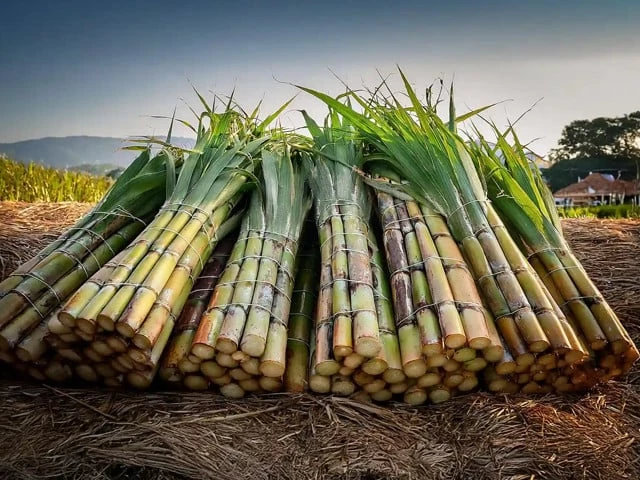
Pakistan's agriculture is facing a crisis that is neither sudden nor mysterious. It is the predictable result of a long-standing mismatch between what the country grows and what its climate, soils and water resources can realistically support. For decades, Pakistan's crop choices were shaped by a world of abundant canal flows, stable weather and a political economy that rewarded acreage rather than efficiency. That world is gone. Yet our cropping patterns remain frozen in time, even as the climate around us changes at a pace our policies refuse to acknowledge.
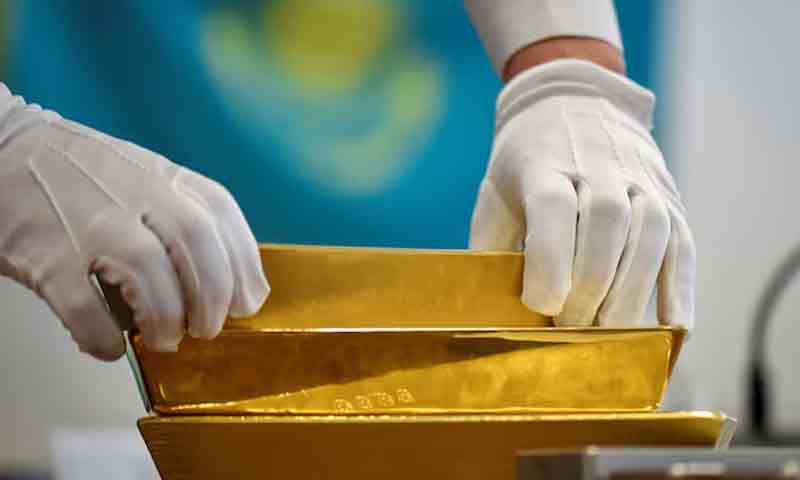
Gold prices recovered as oil fell following progress in US-Iran talks. Geopolitical optimism supported bullion, while expectations of higher US interest rates capped gains.
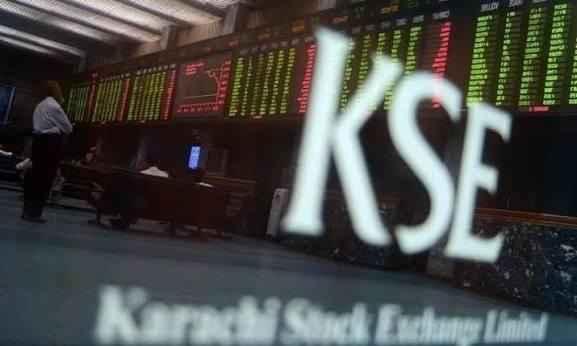
ISLAMABAD, July 01 (INP-Wealth Pakistan) -- Pakistan's stock market shrugged off geopolitical tensions, higher oil prices and monetary policy uncertainty to deliver one of its strongest fiscal-year performances in recent years, with the benchmark KSE-100 Index gaining 54,674 points, or 43.5%, to close FY2025-26 at 180,302.
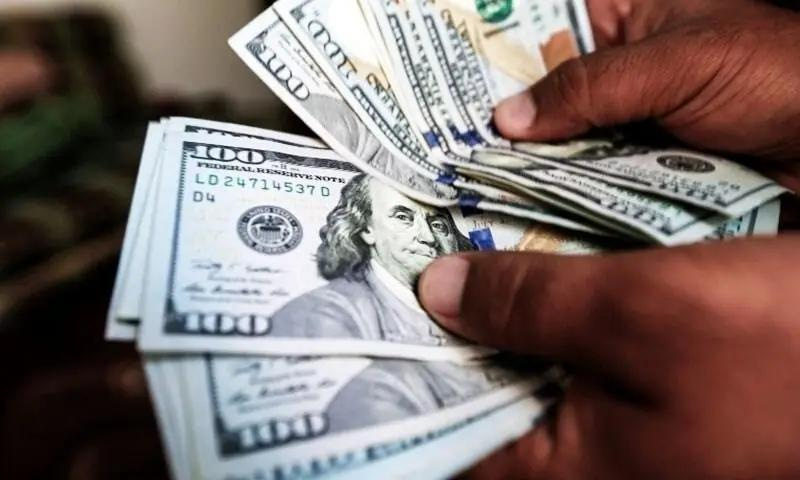
ISLAMABAD, July 01 (INP-Wealth Pakistan) -- Pakistan is implementing 86 foreign-funded development projects with financial support from multilateral and bilateral partners, underscoring the continued role of international development cooperation in financing infrastructure, social development and institutional reforms across the country.

ISLAMABAD, July 01 (INP-Wealth Pakistan) -- Pakistan has highlighted three major obstacles to achieving a Riba‑free financial system by 2027: converting public debt, implementing necessary legislative reforms and expanding the supply of Shariah-compliant financial instruments. The government has outlined a comprehensive mitigation strategy to address these challenges.
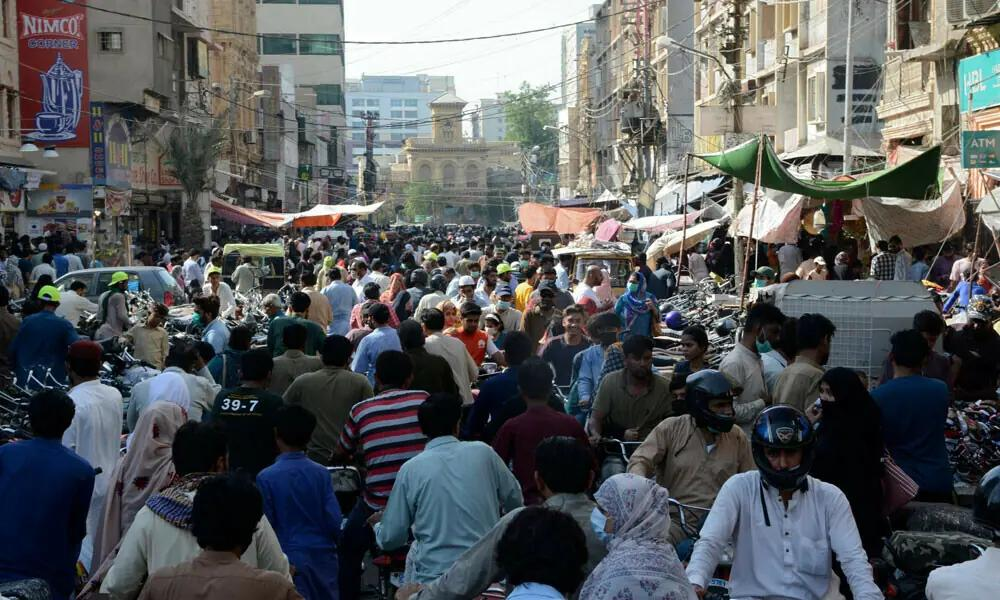
ISLAMABAD, July 01 (INP-Wealth Pakistan) -- Pakistan has unveiled new national and provincial population projections extending to 2050, providing a long-term demographic roadmap to guide development planning, resource allocation and policy formulation under Vision 2035 and other national development frameworks.

ISLAMABAD, July 01 (INP-Wealth Pakistan) -- Pakistan has launched a comprehensive capacity-building and awareness programme to prepare financial institutions, regulators, academia, government officials and the public for the country's transition to a Riba-free financial system after 2027.
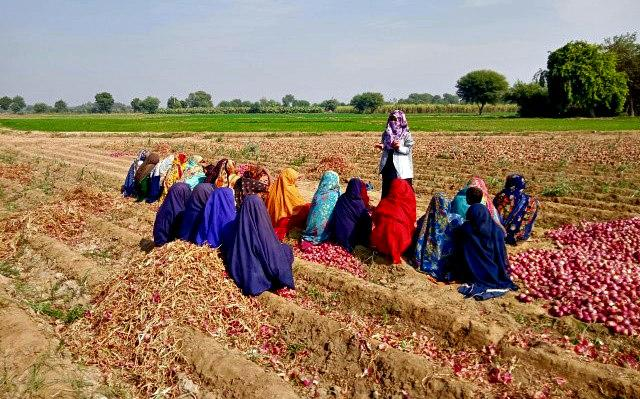
ISLAMABAD, July 01 (INP-Wealth Pakistan) -- Pakistan has reiterated its commitment to expanding women's participation in the economy, emphasizing that greater inclusion in education, entrepreneurship and the workforce is essential for achieving sustainable economic growth under the URAAN Pakistan initiative.
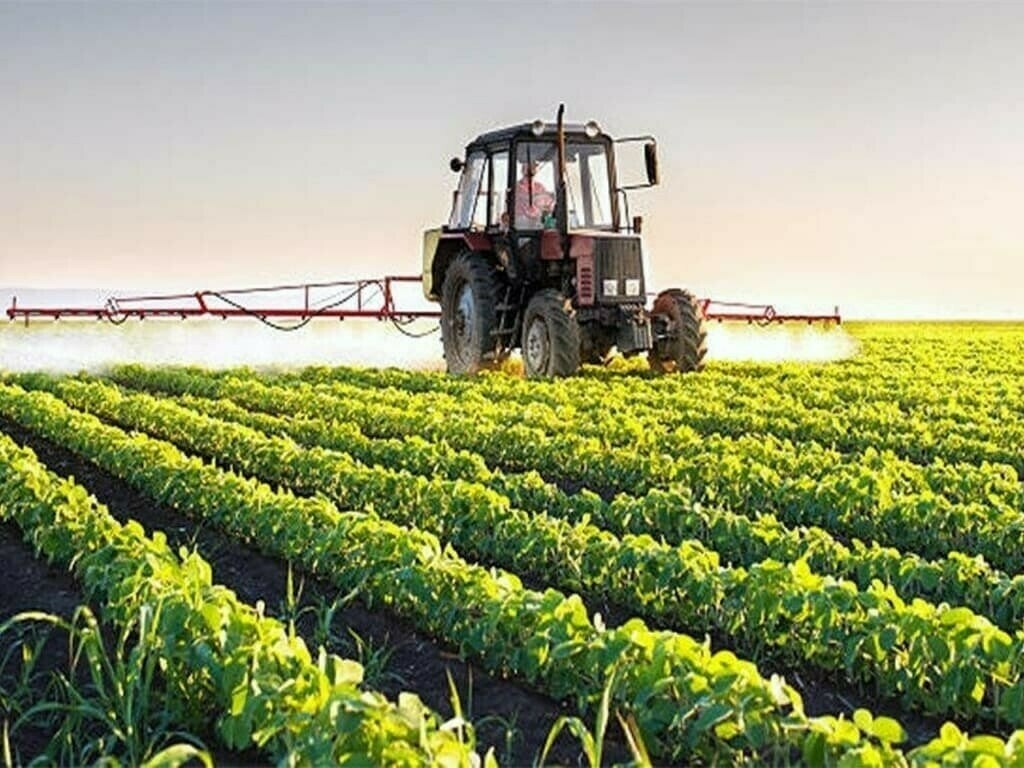
ISLAMABAD, June 30 (INP-Wealth Pakistan) -- The new agricultural cooperation agenda adopted by BRICS countries has created fresh opportunities for Pakistan to strengthen its farm sector through technology transfer, climate-smart agriculture, expanded exports and closer integration with emerging Global South agricultural value chains, experts say.
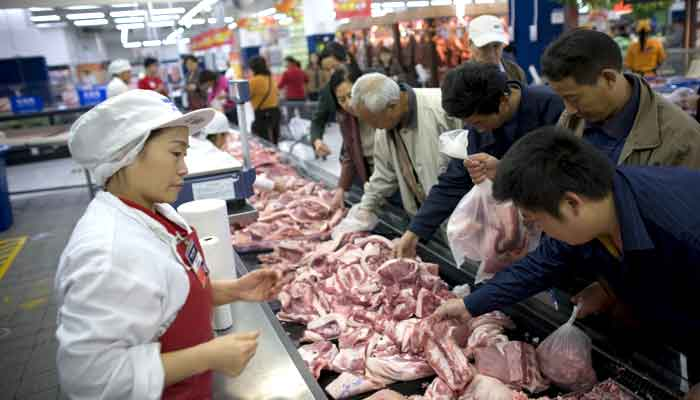
ISLAMABAD, June 30 (INP-Wealth Pakistan) -- China's growing demand for premium and processed food products, combined with expanding market access for Pakistani agricultural exports, has created fresh opportunities for Pakistan to move beyond raw commodity exports and strengthen shipments of higher value-added food products, experts say.
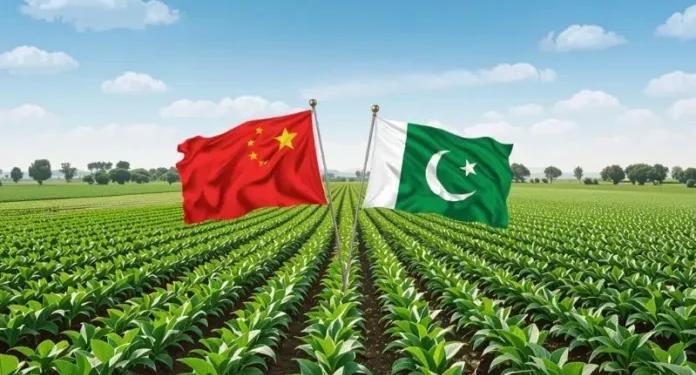
ISLAMABAD, June 30 (INP-Wealth Pakistan) -- Pakistan can draw practical lessons from China's smart agriculture model to strengthen food security, raise crop productivity, reduce post-harvest losses and improve farmers' incomes through precision farming, digital agriculture and modern storage infrastructure, experts say.
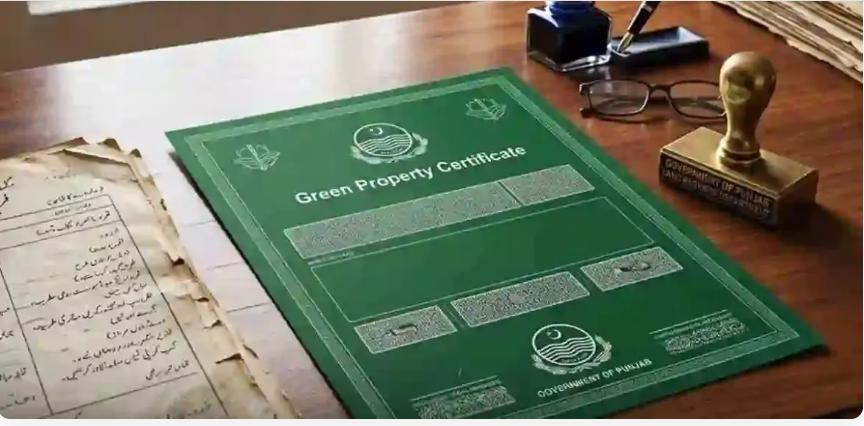
LAHORE, June 30 (INP-Wealth Pakistan) -- Punjab has begun replacing its centuries-old land ownership verification system with the Green Property Certificate (GPC), a digital ownership document designed to make property transactions more secure, transparent and legally verifiable while reducing land fraud and ownership disputes.

ISLAMABAD, June 30 (INP-Wealth Pakistan) -- Africa's accelerating shift towards electric mobility is opening a new export avenue for Pakistan's engineering sector. The country's established manufacturing base in two- and three-wheelers, auto parts and emerging electric vehicles (EVs) is well positioned to meet growing demand for affordable mobility solutions across the continent.

ISLAMABAD, June 30 (INP–Wealth Pakistan) -- The number of payment cards in circulation in Pakistan continued to grow during the third quarter of FY2025-26, reaching 68.25 million by the end of March, with debit cards maintaining their overwhelming dominance as the country's preferred formal payment instrument, according to the State Bank of Pakistan's Payment Systems Quarterly Review.
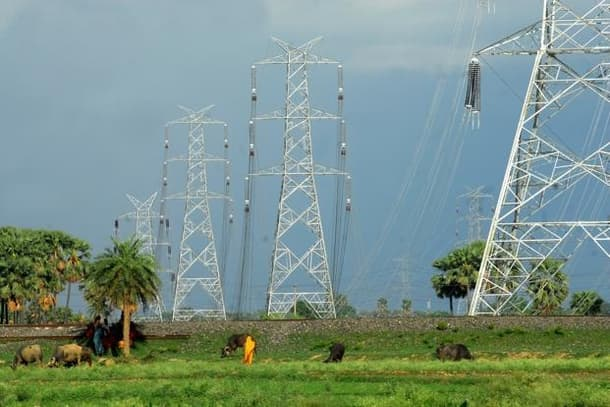
ISLAMABAD, June 30 (INP-Wealth Pakistan) -- Pakistan’s power distribution companies (DISCOs) plan to expand electricity access in FY2026-27 by electrifying 15,327 villages and adding 1,689,849 new consumer connections, with rural access and consumer-base expansion emerging as key targets of the distribution sector plan.
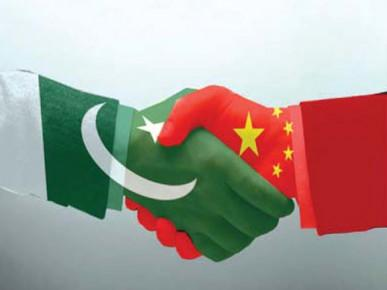
ISLAMABAD, June 30 (INP-Wealth Pakistan) -- China's pursuit of a more just and equitable global governance order could create new economic opportunities for Pakistan, paving the way for enhanced regional connectivity, broader trade networks and deep development cooperation. Even so, experts stressed that domestic reforms and regional stability would be crucial to translating those opportunities into tangible gains.
ISLAMABAD, June 30 (INP–Wealth Pakistan) -- Pakistan's Real-time Gross Settlement (RTGS) system, PRISM+, continued to serve as the backbone of the country's financial infrastructure during the third quarter of FY2025-26, settling transactions worth Rs389.8 trillion as banks, financial institutions and government entities relied on the platform for large-value payments, according to the State Bank of Pakistan's Payment Systems Quarterly Review.

ISLAMABAD, June 30 (INP-Wealth Pakistan) -- The government has planned three climate capacity-building projects with a combined cost of Rs1.47 billion to strengthen climate governance, develop a green workforce and prepare national guidelines for urban flooding, droughts and other climate-related disasters.

Jul 2, 2026

ISLAMABAD, June 30 (INP–Wealth Pakistan) -- Pakistan's shift towards cashless retail payments continued to gather momentum during the third quarter of FY2025-26 as QR-code payments and digital merchant acceptance expanded further, enabling more consumers to pay directly from their bank accounts and mobile wallets, according to the State Bank of Pakistan's Payment Systems Quarterly Review.

ISLAMABAD, June 30 (INP–Wealth Pakistan) -- Pakistan's shift towards a digital economy gathered further pace during the third quarter of FY2025-26, with digital channels accounting for 92% of all retail payment transactions by volume as consumers increasingly relied on mobile apps, digital wallets, internet banking and electronic payment platforms, according to the State Bank of Pakistan's latest Payment Systems Quarterly Review.
ISLAMABAD, June 27 (INP–Wealth Pakistan) -- Pakistan's instant payment system, Raast, continued to expand during the third quarter of FY2025-26, processing 742 million transactions worth Rs23.27 trillion as both person-to-person transfers and merchant payments gained momentum, according to the State Bank of Pakistan's Payment Systems Quarterly Review.
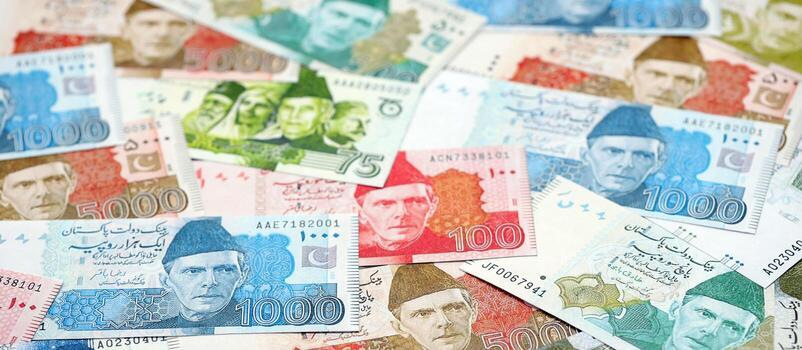
ISLAMABAD, June 30 (INP–Wealth Pakistan) -- The Pakistani rupee remained broadly stable against major international currencies during the fourth week of June, posting a slight gain against the US dollar as easing external-sector pressures, lower Treasury-bill yields and continued improvement in macroeconomic conditions helped sustain confidence in the local currency.

LAHORE, June 30 (INP-Wealth Pakistan) -- Punjab's decision to introduce algae-based "Liquid Trees" has generated optimism as an innovative approach to tackling urban air pollution, but environmental experts say the technology should be viewed as a complementary solution rather than a replacement for conventional tree planting.
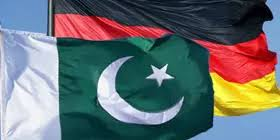
ISLAMABAD, June 30 (INP-Wealth Pakistan) -- Pakistan's expanding development partnership with Germany has created new opportunities to strengthen climate resilience, accelerate the clean energy transition and enhance social protection for vulnerable communities through long-term technical cooperation, according to experts.
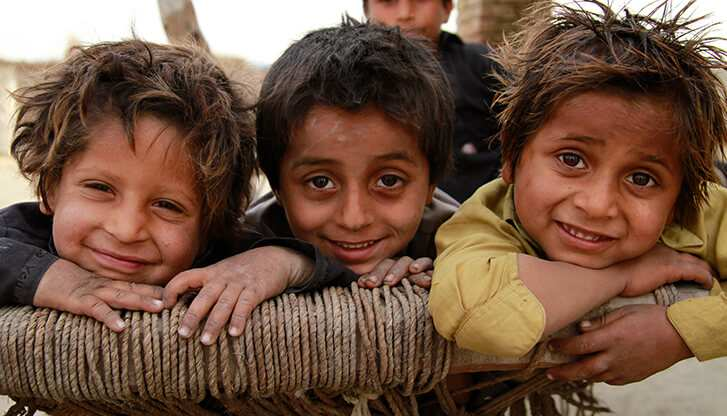
ISLAMABAD, June 30 (INP-Wealth Pakistan) -- China's decision to expand childcare subsidies to nearly 110 billion yuan in 2026 offers practical policy lessons for Pakistan as it seeks to ease the financial burden on low-income families, improve child welfare and enable greater participation of women in the workforce, experts say.
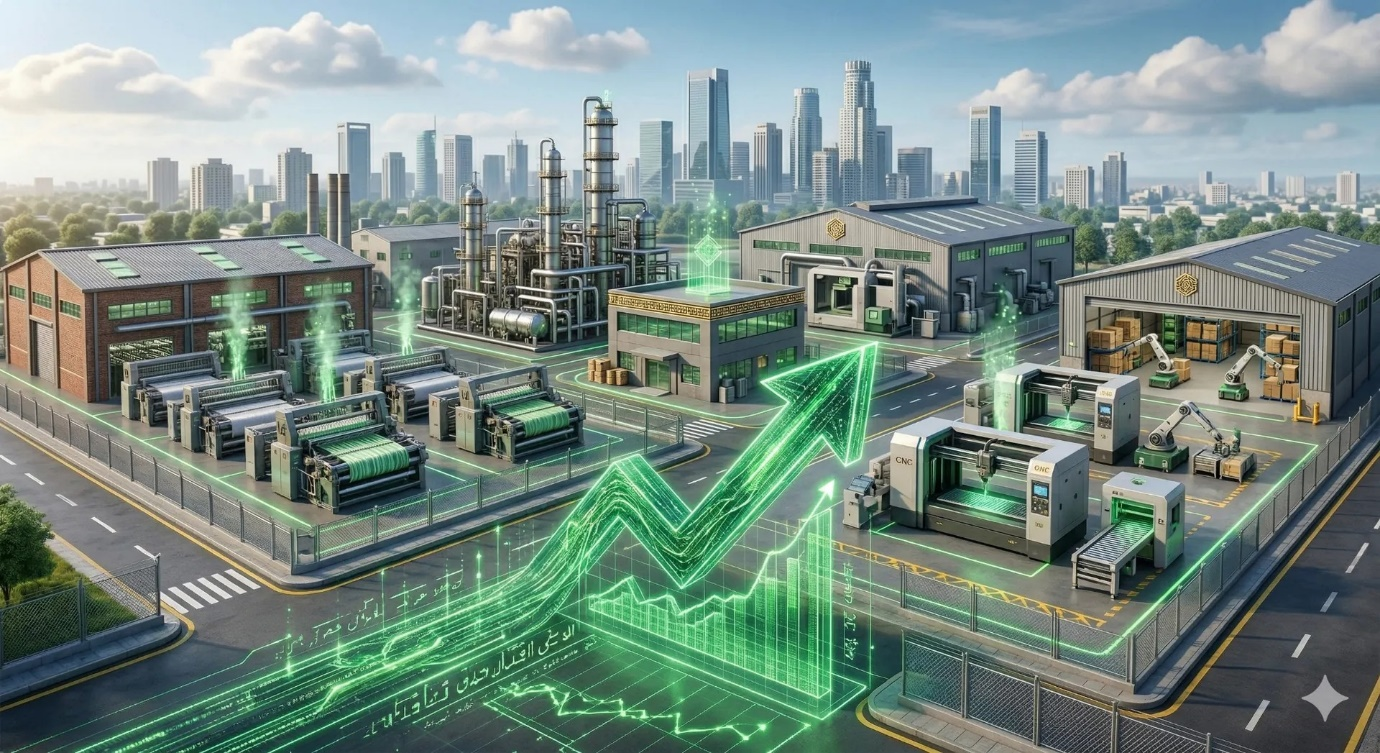
ISLAMABAD, June 30 (INP-Wealth Pakistan) -- The global shift towards nearshoring is creating a rare opportunity for Pakistan to attract export-oriented manufacturing and diversify its industrial base, but experts say the country must accelerate reforms and improve implementation if it is to win over relocating investors.

ISLAMABAD, June 30 (INP-Wealth Pakistan) -- The federal government plans to add three new environmental and biodiversity protection projects to the fiscal year 2026-27 under the revised Upscaling of Green Pakistan Programme (UGPP), with a focus on the Margalla Hills, a national botanical garden in Islamabad, and a pollution monitoring network.
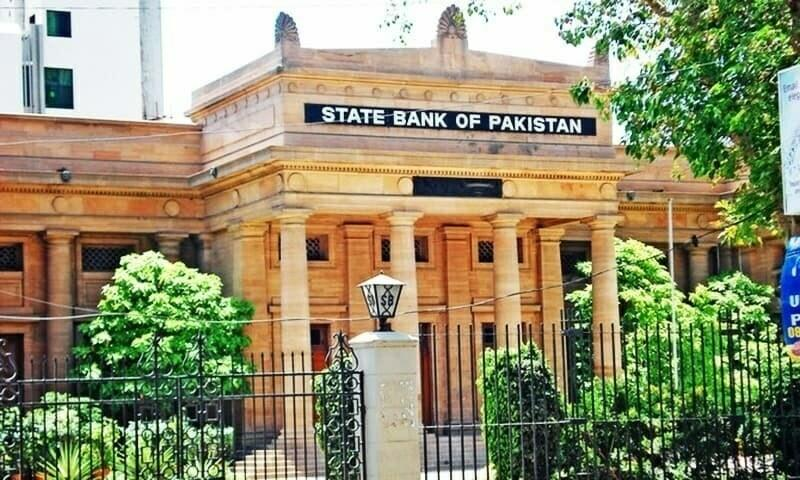
ISLAMABAD, June 30 (INP-Wealth Pakistan) -- Pakistan's foreign exchange reserves retreated in June after climbing to a one-year high at the end of May, although the country's external reserve position remained substantially stronger than it was a year earlier, according to the latest data released by the State Bank of Pakistan (SBP).
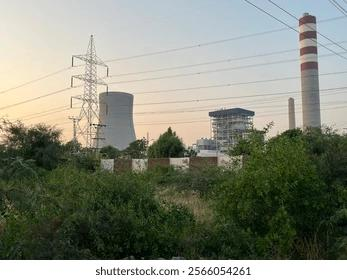
ISLAMABAD, June 30 (INP-Wealth Pakistan) -- Pakistan's electricity generation climbed to its highest level in five months in May 2026, driven by a sharp recovery in hydel power, increased coal and RLNG generation, and continued growth in wind and solar output, according to data released by the State Bank of Pakistan (SBP).
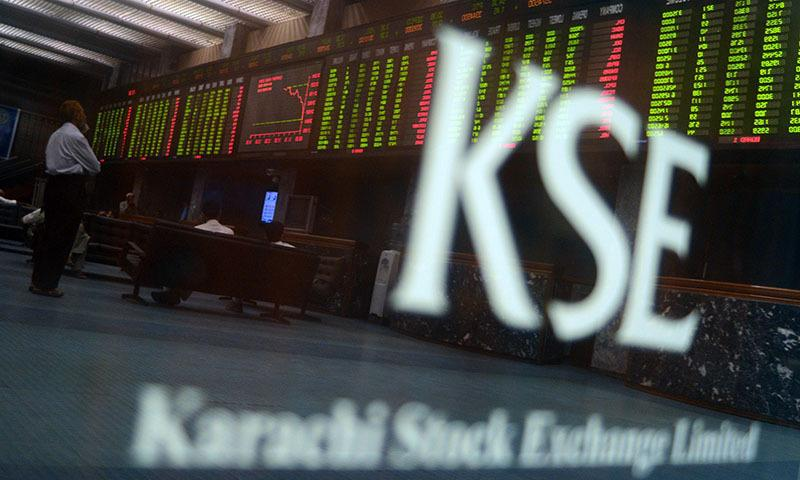
ISLAMABAD, June 30 (INP–Wealth Pakistan) -- The Pakistan Stock Exchange (PSX) extended its gains during the final week of June, with the benchmark KSE-100 Index advancing 649 points, or 0.36% week-on-week, to close at 179,571 points, as easing geopolitical tensions in the Middle East helped sustain investor confidence despite rollover-week pressures.
Jul. 01 & Jul. 02, 2026

State Bank of Pakistan data showed exports to the United States increased from $1.643 billion a year earlier, while imports from the US rose 45.43% to $659.231 million during the quarter.
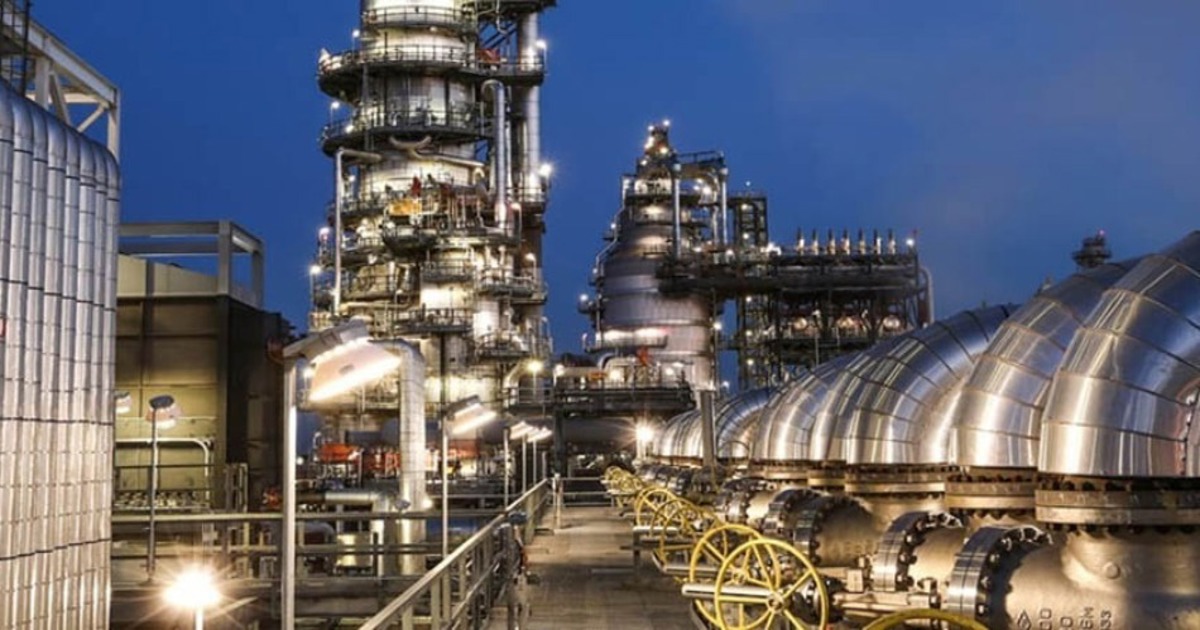
Refinery upliftment rose 9.7% year-on-year (YoY) to 1,119k tons in October 2026, driven by higher HSD and FO sales, according to Arif Habib. On a month-on
The benchmark index was trading at 166,169.41 points at 9:34am, down 239.84 points or 0.14% from its previous close

Oil marketing companies’ (OMCs) sales declined 1% year-on-year (YoY) to 1.48 million tons in October 2026 as higher fuel prices weighed on demand, accordi

PSX sees sharp volatility as KSE-100 recovers from intraday low of 165,585 to trade above 166,700 amid falling oil prices and renewed Iran peace talks.
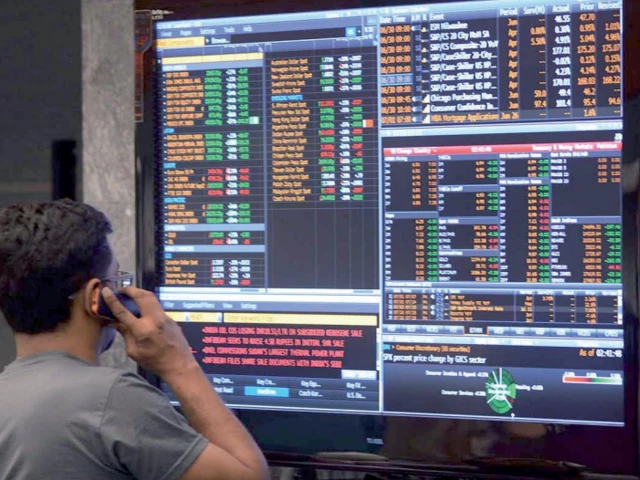
The Pakistan Stock Exchange (PSX) began the week on a subdued note on Monday, as selling pressure emerged shortly after the
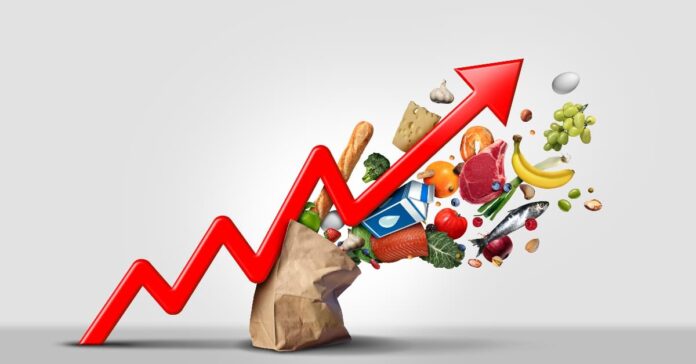
Lahore consumers pay up to Rs2,400 per kg for dates, Rs1,100 for boneless chicken and Rs1,000 for grapes as retail prices exceed official rates.
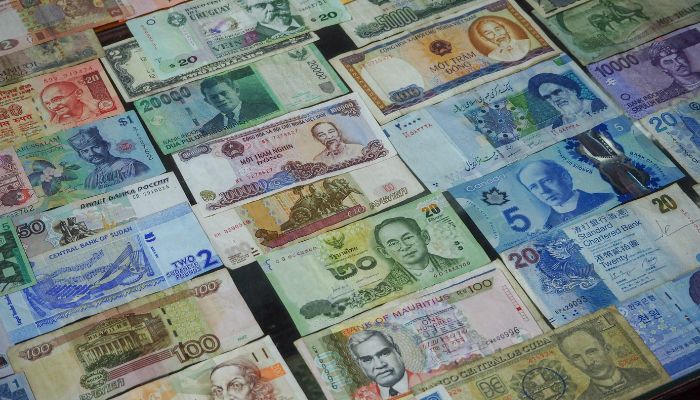
KARACHI, Nov 02 (APP):Following are the selling/buying rates of major currencies issued by the National Bank of Pakistan (NBP), here on Monday.

The National Bank of Pakistan released selling and buying rates for the US dollar, British pound, euro, Japanese yen, Saudi riyal and UAE dirham in Karachi on Monday.

Foreign exchange rates in Pakistan for today, November 02, 2026
KARACHI, Nov 02 (APP):Following are the selling/buying rates of major currencies issued by the National Bank of Pakistan (NBP), here on Monday.

KARACHI, Nov 02 (APP):(30-10-2026)
KARACHI, Nov 02 (APP):The Exchange Rates Committee of Financial Markets Association of Pakistan issued the following exchange rates bulletin, here on Monday.
The National Bank of Pakistan issued selling and buying rates for major currencies, including the US dollar, British pound, euro, Japanese yen, Saudi riyal and UAE dirham, in Karachi on Monday.
The National Bank of Pakistan listed selling and buying rates for major currencies, including the US dollar, pound, euro, yen, Saudi riyal and UAE dirham, along with LIBOR figures for special US dollar bonds.
KARACHI, Nov 02 (APP):The Exchange Rates Committee of Financial Markets Association of Pakistan issued the following Exchange rates bulletin, here on Monday.
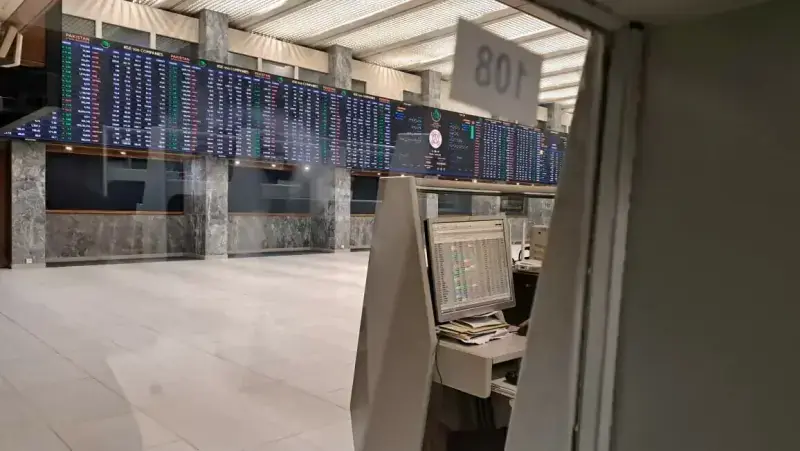
Selling pressure was observed at the Pakistan Stock Exchange (PSX), with the benchmark KSE-100 Index shedding over 600 points on Monday.

The Exchange Rates Committee of the Financial Markets Association of Pakistan issued rates for deposits excluding FE-25 deposits, with the settlement value date set for Nov 4, 2026.

The Exchange Rates Committee of the Financial Markets Association of Pakistan released conversion rates for foreign currencies for forward cover deposits, with the settlement value date set for Nov 4, 2026.

Silver price in Pakistan for today, November 02, 2026

PESHAWAR: Prices of important kitchen items, including vegetable, live chicken/meat, flour, sugar, cooking oil/ghee, and other grocery items remained high in the retail market despite the gradually decreasing oil prices.
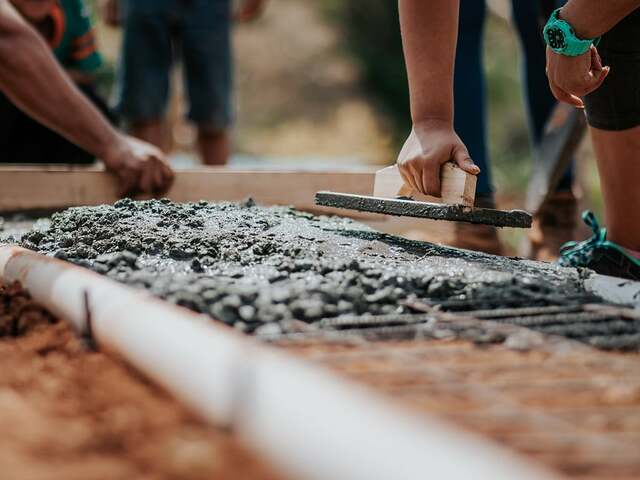
Pioneer Cement Limited (PSX: PIOC) was incorporated as a public company limited by shares in Pakistan in 1986. The company is engaged in the production, marketing and sale of cement and clinker.

Federal govt slashes fuel prices! Petrol now Rs374.51/L; high-speed diesel Rs395.20/L. Discover new rates and economic impact in Pakistan.
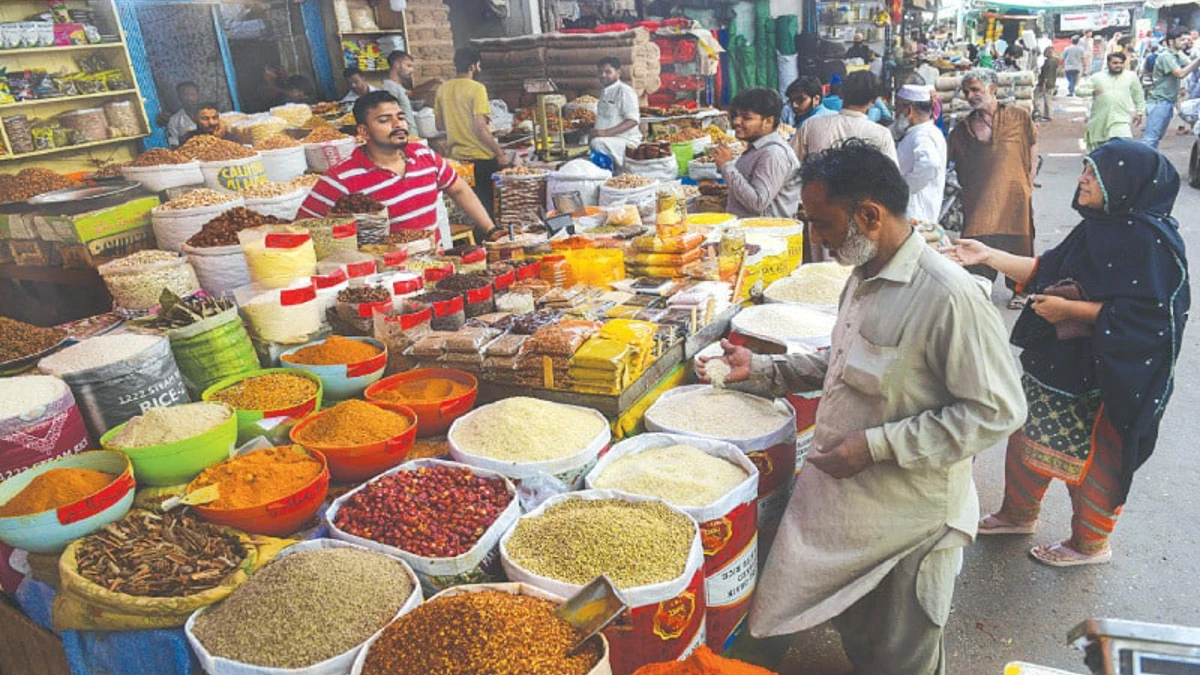
Pakistan's headline inflation eased to 9.61% in October. Core inflation also dipped to 7.8% (from 8.6% in Sept), signaling economic relief for the nation.

The current price of 24-karat gold in Pakistan is Rs. 409,736 per tola, according to the All Pakistan Gems and Jewellers Association. The current price of 24-karat gold is Rs. 351,282 per 10 grams. In the previous reported session, the per-tola gold rate was Rs. 420,536 and the 10-gram rate was Rs. ..

Domestic cylinder price increases by Rs173.86 to Rs3,470.09 as households face higher fuel costs ahead of winter
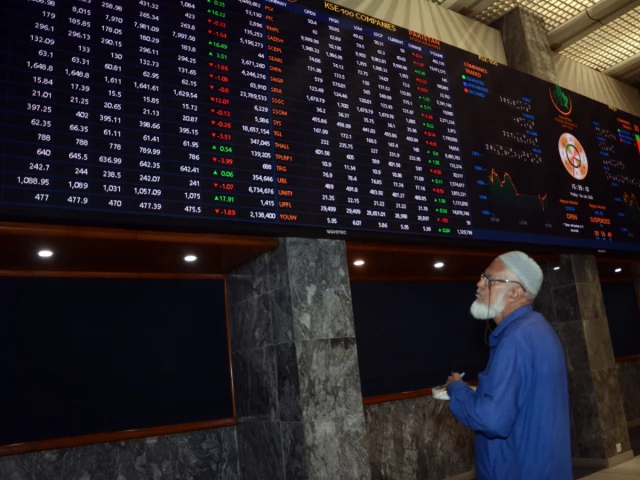
The Pakistan Stock Exchange's (PSX) benchmark KSE-100 index declined 2.1%, or 3,560 points, in October to close at 166,409, as geopolitical uncertainty, foreign portfolio outflows and profit-taking in heavyweight stocks weighed on investor sentiment. The market staged a four-day recovery towards the end of the week, gaining more than 4,800 points to reclaim the 167,000 level on Thursday, before profit-taking pulled the index back below the threshold on Friday.

Ogra notifies about Rs15 per kg increase in gas price; LPG selling for up to Rs630 per kg in open market while company-operated franchises are charging up to Rs400 per kg.

ISLAMABAD - The price of gold witnessed a significant decline in the local market on Saturday, with the price of 24-karat gold per tola falling by Rs10,800 to settle at Rs 409,736, according to rates issued by the All Pakistan Sarafa Gems and Jewellers Association. Similarly, the price of 10 grams of 24-karat gold decreased by Rs 9,259 to Rs 351,282, while 10 grams of 22-karat gold fell by Rs 8,487 to Rs 322,020. In the international market, the price of gold declined by $108 to $3,872 per ounce, the association reported.
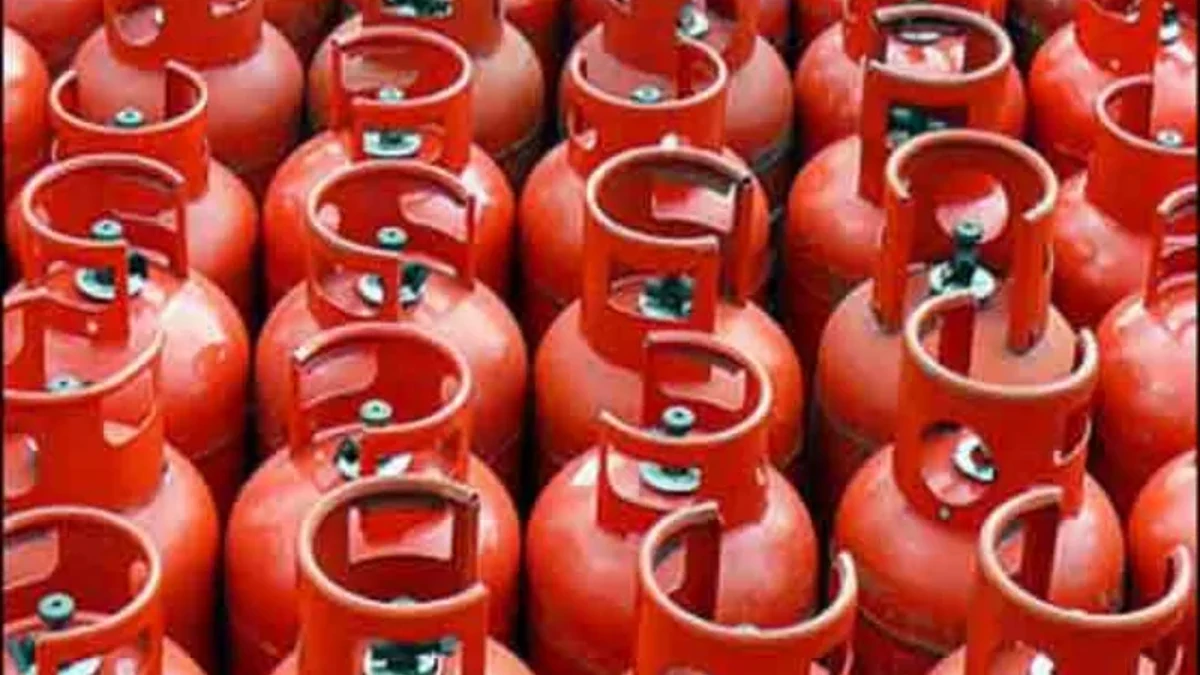
Pakistan's regulator hikes LPG prices as market rates soar due to shortage. Prices are tied to Saudi Aramco contract prices & the dollar exchange rate.