
SK Hynix Overtakes Samsung as Korea’s Top Value Firm
SK Hynix becomes South Korea’s most valuable listed company, boosted by AI HBM chip demand. Check the latest market figures and outlook.
Profit
SK Hynix becomes South Korea’s most valuable listed company, boosted by AI HBM chip demand. Check the latest market figures and outlook.
The Securities and Exchange Commission of Pakistan (SECP) has approved a new digital financing product titled “Khudmukhtar Khatoon” aimed at supporting wo
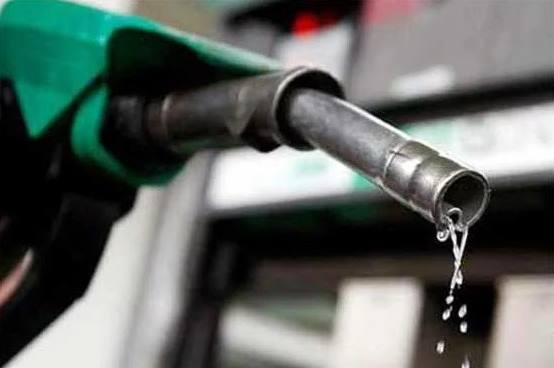
OCAC protests Pakistan’s unilateral fuel price cut, warning refineries and OMCs face ~Rs105 billion losses. Read the details and impact.

The move is aimed at expanding the tax base and improving revenue collection by bringing more retail businesses into the formal economy

Pakistan Stock Exchange opens higher as US-Iran talks progress and oil prices ease. Follow today’s PSX market moves—read the update.
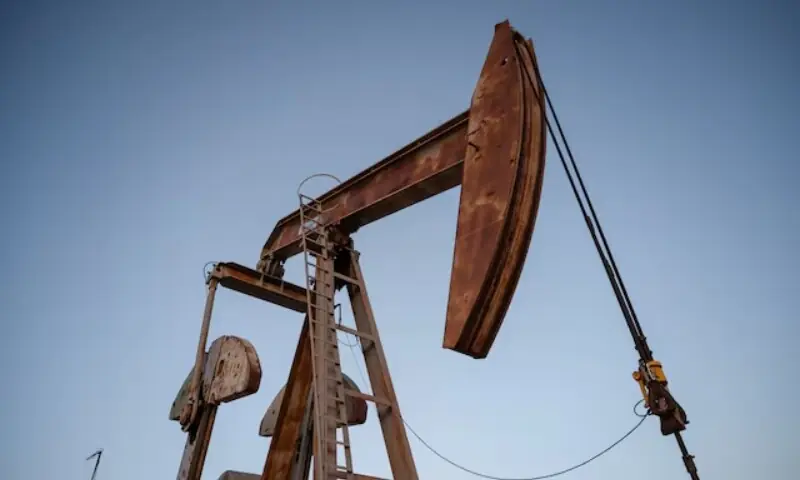
“The decline has been driven primarily by improving prospects for a diplomatic breakthrough between the United States and Iran," says analyst.

Gold climbed 0.8% after Iran cited progress in peace talks with the US. Oil eased, but rate-hike fears cap gains—read more.
BEIJING:
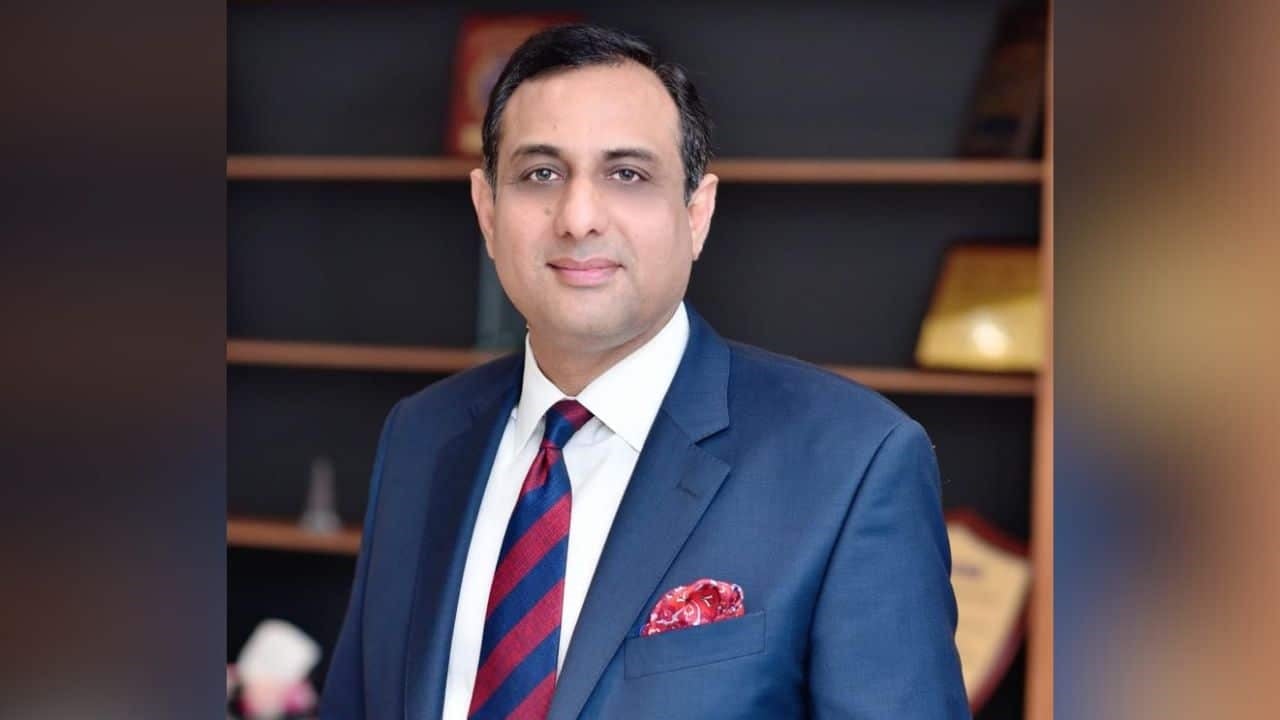
The company aims to scale its annual capacity to 7 million smartphones, 360,000 televisions and 400,000 air-conditioners, as it moves beyond mobile phones into higher-margin consumer technology products through partnerships with Xiaomi and Hisense.
Loads Limited signs a non-binding MoU with China’s Xinhuida to explore copper trading, JV and tech transfer in Pakistan. Read more.
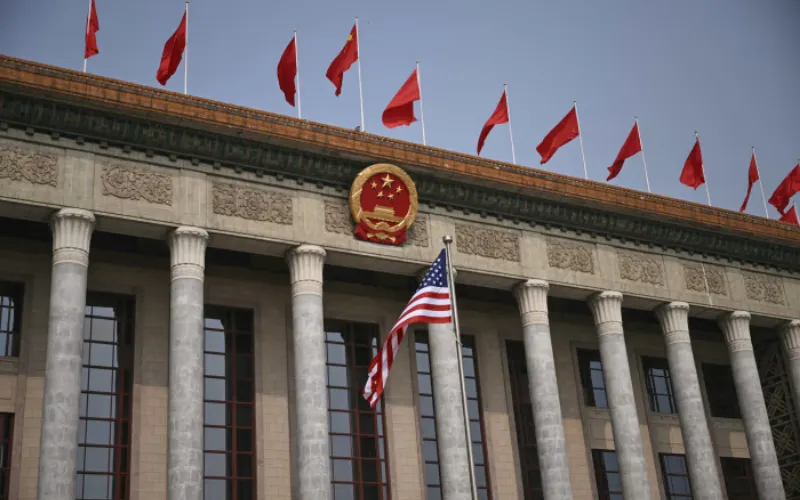
China imposed trade restrictions on dozens of US companies in response to Washington adding more Chinese firms to Pentagon blacklist.

Karachi: Book-building for the Initial Public Offering of Select Technologies Limited, a wholly owned subsidiary of Air Link Communication Limited, opens today at the Pakistan Stock Exchange and will continue on June 23, 2026, marking another important technology-sector listing at the local bourse.

Brent crude futures dropped $1.53, or 1.9 per cent, to $79.04 per barrel by 0656 GMT. Earlier in the session, prices had surged to $82.30 amid uncertainty surrounding the talks and renewed tensions in the Middle East
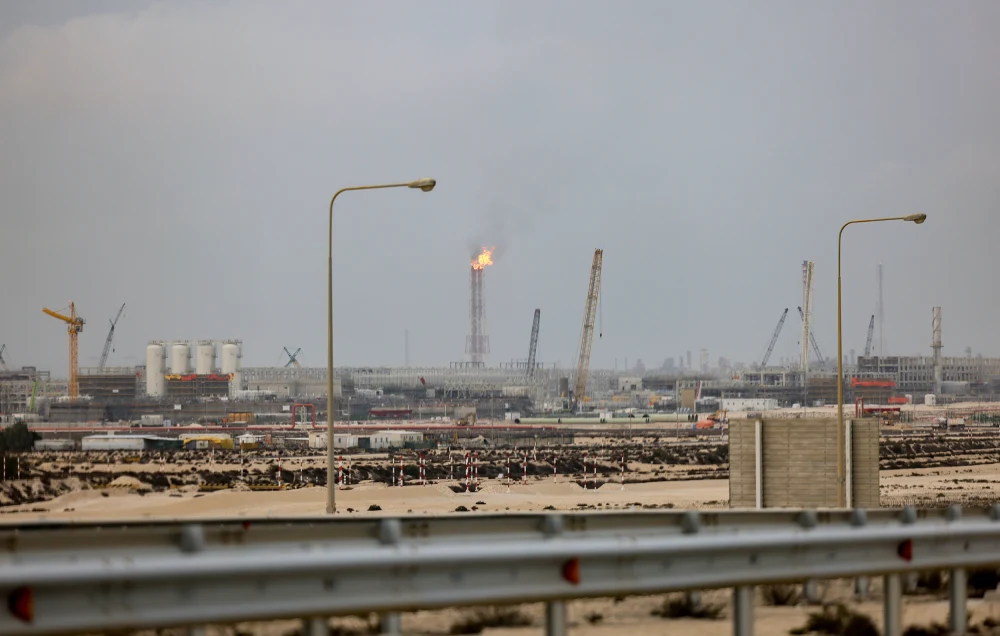
Qatar says 54 people injured and 18 missing after an explosion at its Barzan LNG gas facility. Fire contained—read the latest.
SEOUL: SK Hynix on Monday overtook Samsung Electronics to become South Korea’s most valuable listed company, marking a dramatic reversal of fortunes for a chipmaker that two decades ago nearly collapsed under debt.
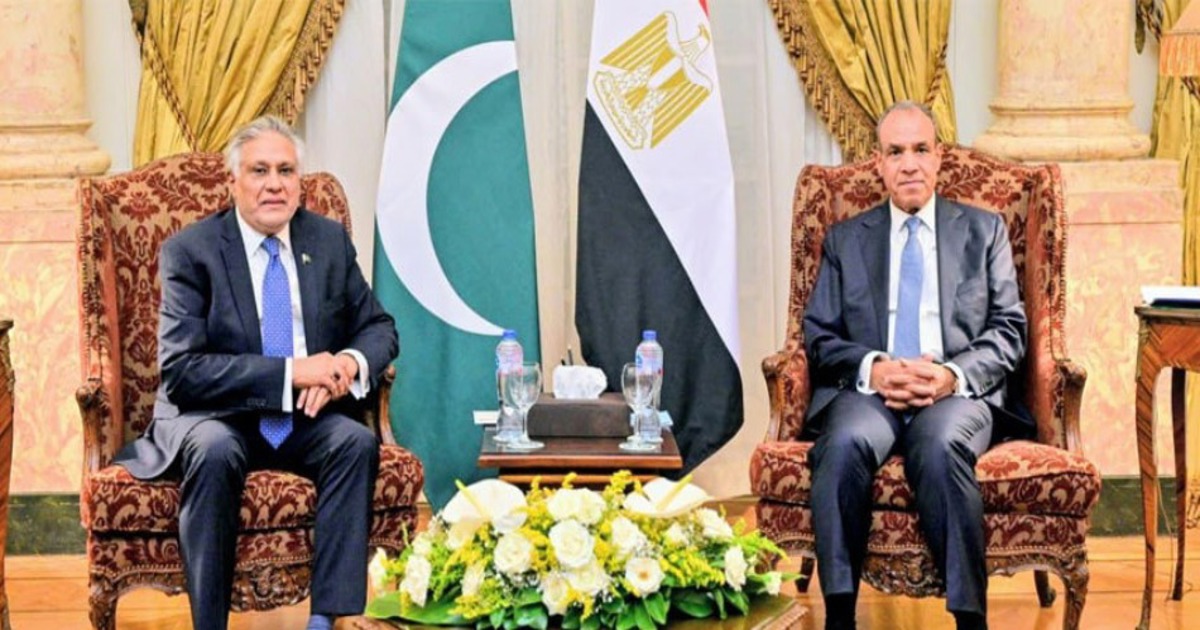
Deputy Prime Minister and Foreign Minister Senator Mohammad Ishaq Dar visited Cairo from 20–21 June 2026 at the invitation of Egypt’s Foreign Minister Bad
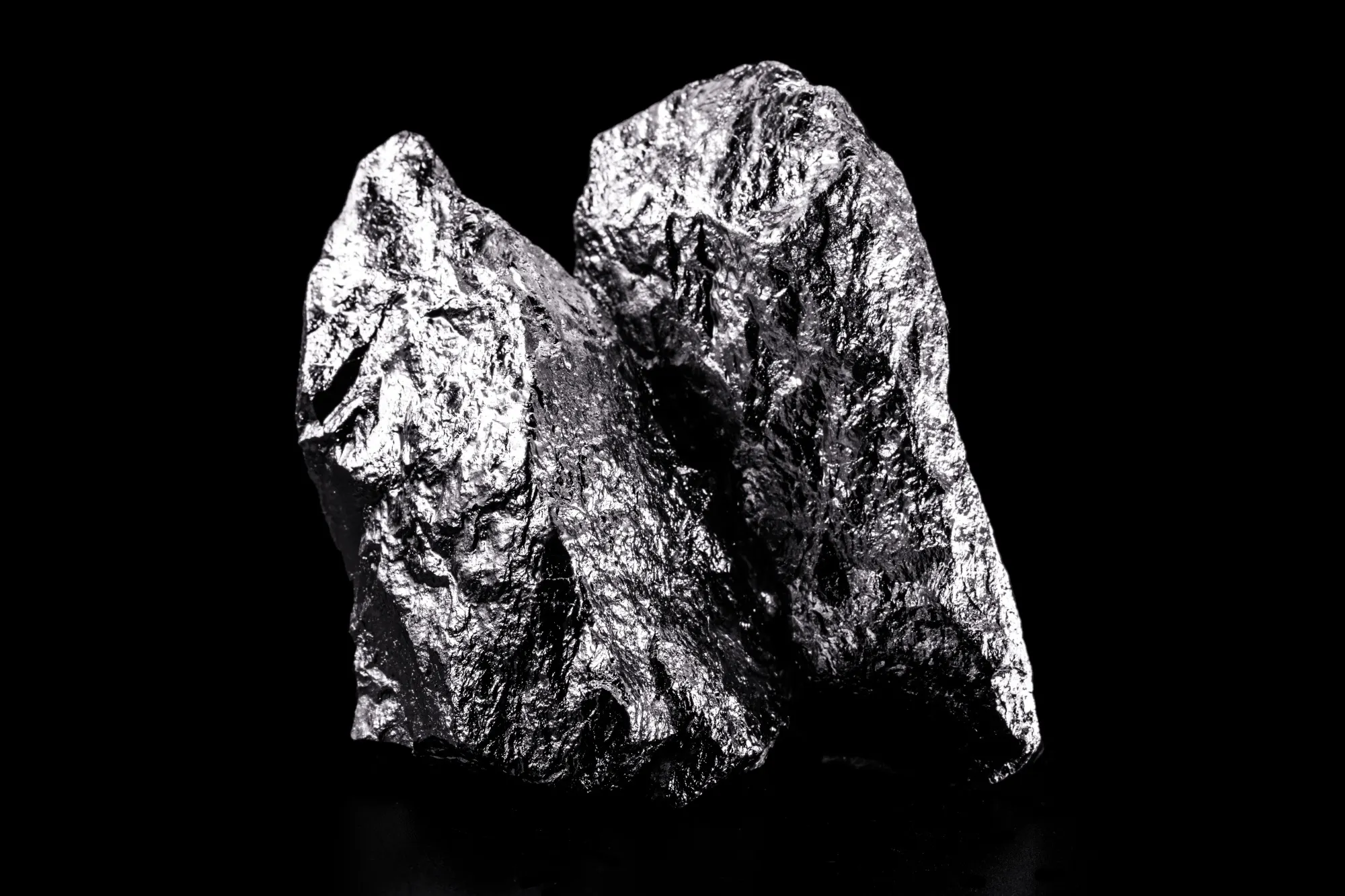
China blocks exports of dual-use items to MP Materials and USA Rare Earth, citing US “malicious practice.” Read the latest.

PSX opened higher on Monday after the first US-Iran talks session in Switzerland. KSE-100 index gained 1,223 points to reach 180,500 after last week’s decline.

Oil prices fell after US-Iran talks concluded in Switzerland. Tehran said it had received waivers for oil and petrochemical exports.

Global oil prices declined across major benchmarks, with WTI, Brent and Murban crude all recording losses after the US and Iran agreed upon a 60-day
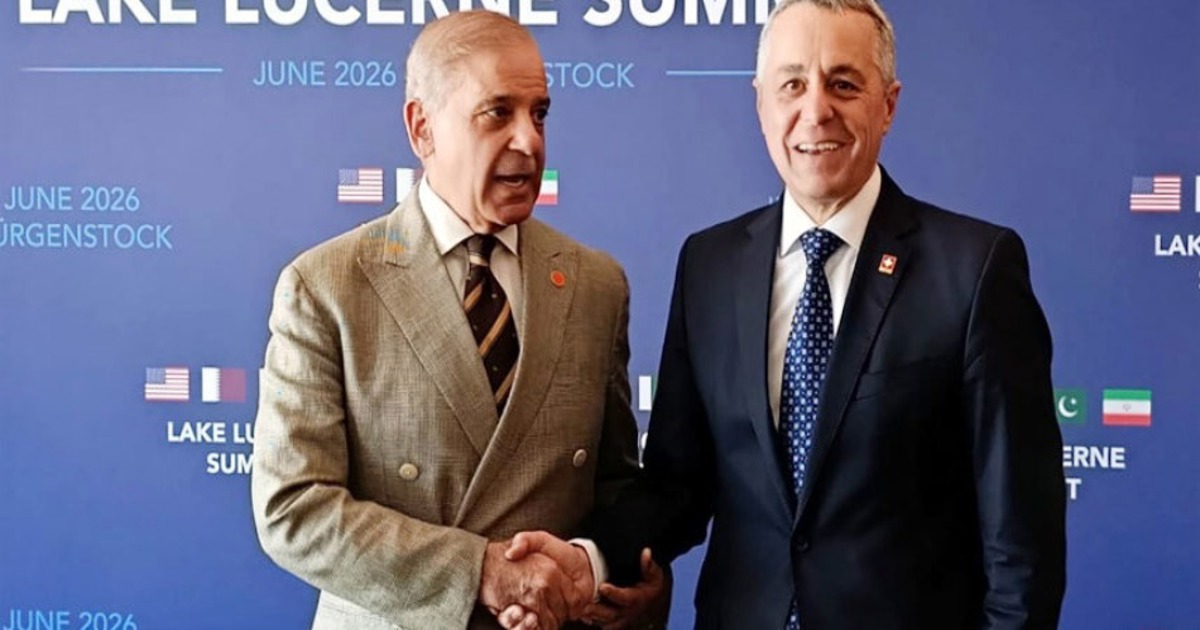
Pakistan and Switzerland discussed expanding bilateral investment ties and explored new avenues for economic cooperation, with the two sides expressing ke
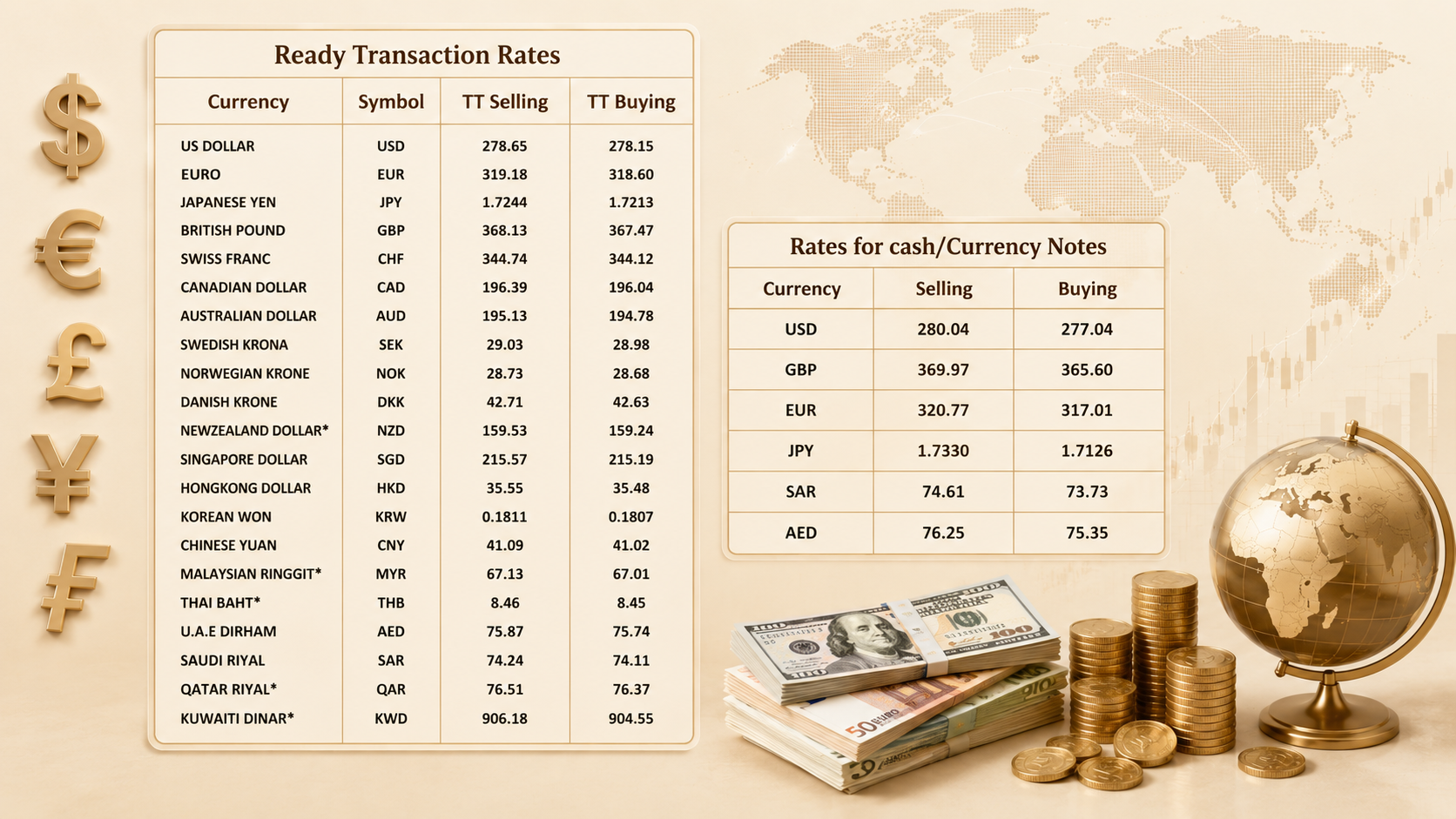
Check today’s foreign exchange rates in Pakistan (June 22, 2026) from NBP’s bulletin. View buying and selling rates now.
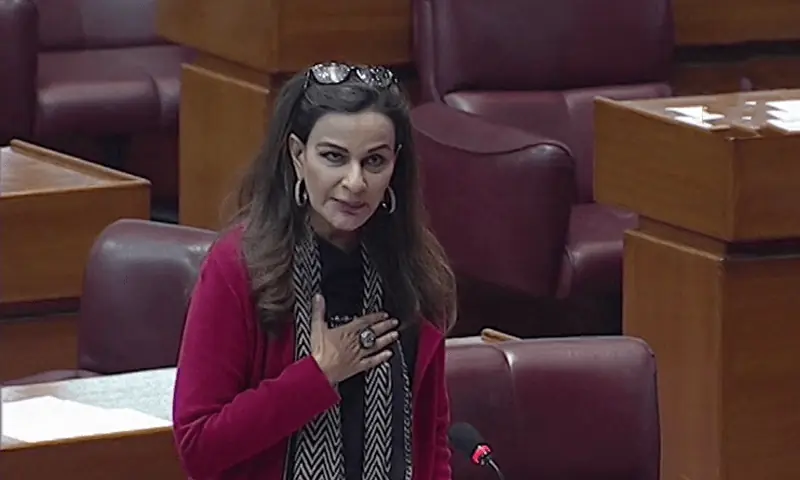
Says there is no hurry to push widely criticised telecom bill without "satisfying us and other representatives".
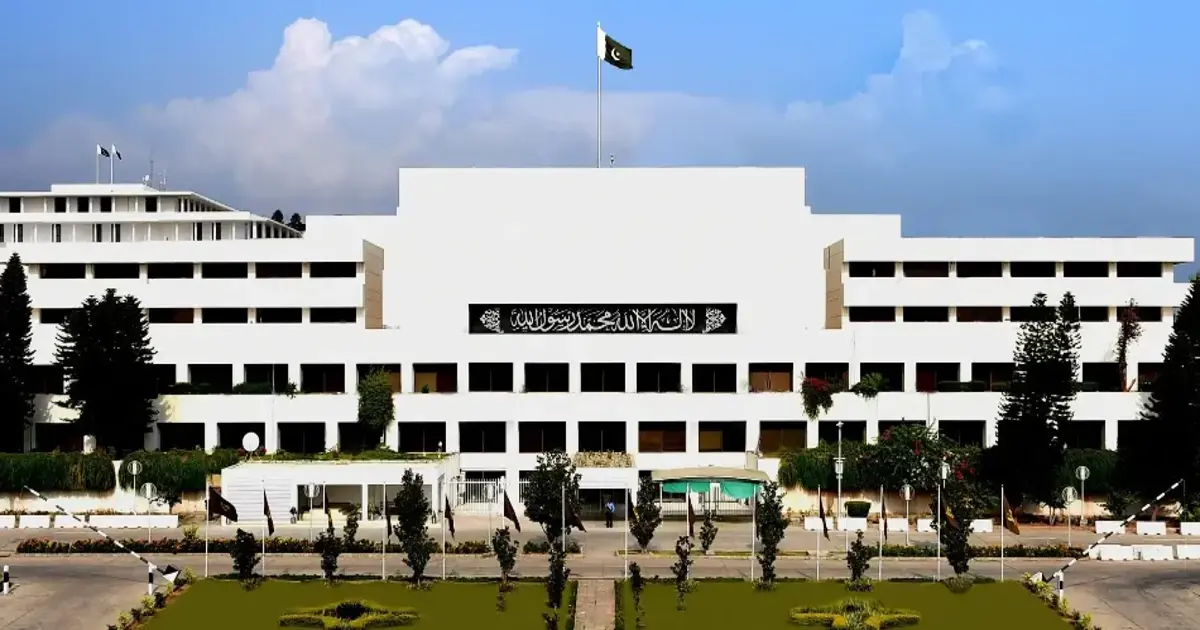
The National Assembly on Sunday approved 12 demands for grants totaling Rs4.282 trillion for the fiscal year ending June 2027, while rejecting all 100 cut
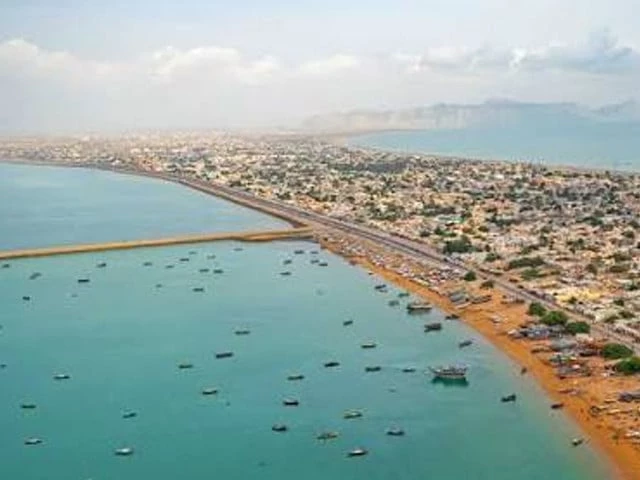
The idea of developing a modern port at Gwadar goes back to 1954, when a survey by the United States Geological Survey (USGS) convinced Pakistan of its strategic importance. However, it took us 54 years to realise the dream when the current port, after completion, received its first commercial cargo on March 15, 2008.
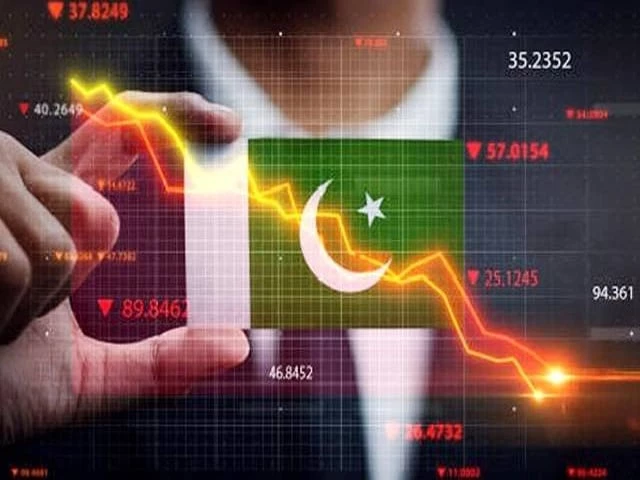
A great power rests on three pillars: military, diplomacy and economy. Pakistan has achieved many milestones on the military and diplomatic fronts. Two recent events further reinforced our strength.
The International Monetary Fund (IMF), being the lender of last resort for countries in balance-of-payments crisis or in danger of default, almost always ties its bailouts to excessive austerity measures. Its loans are tied, to use IMF jargon, to "structural adjustment programmes" and "conditionality". These programmes centre on raising taxes and/or spurring tax rate reductions, balancing the budget at all costs, devaluing the currency and increasing interest rates. Such anti-growth policies, delivered in line with IMF diktat, have been shown in the majority of cases to have actually increased the country's dependence on the IMF over time. Just think of what has happened in Argentina, Pakistan, Ecuador, Egypt or Ghana.
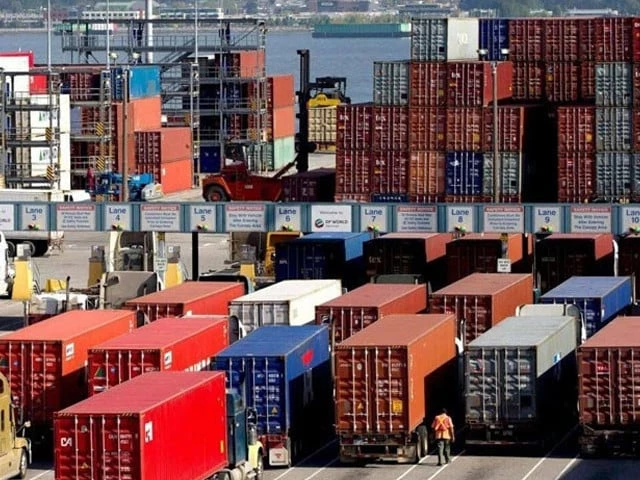
The current fiscal year has been marked by significant strain on the external account, driven in large part by the US-Iran conflict and its spillovers into capital flows and sovereign spreads. With peace now expected to return to the region, policymakers' attention should turn to the domestic constraints that continue to hold exports back. On a cumulative basis, the current account posted a modest surplus of $72 million in the first nine months of FY26, before slipping into a single-month deficit of $276 million in April and then rebounding to a surplus of $459 million in May 2026. This left a cumulative surplus of $255 million over the first 11 months (July-May), but much lower in comparison to the roughly $1.6 billion surplus recorded in the same period a year earlier. For context, the previous fiscal year closed with a current account surplus of $1.8 billion.
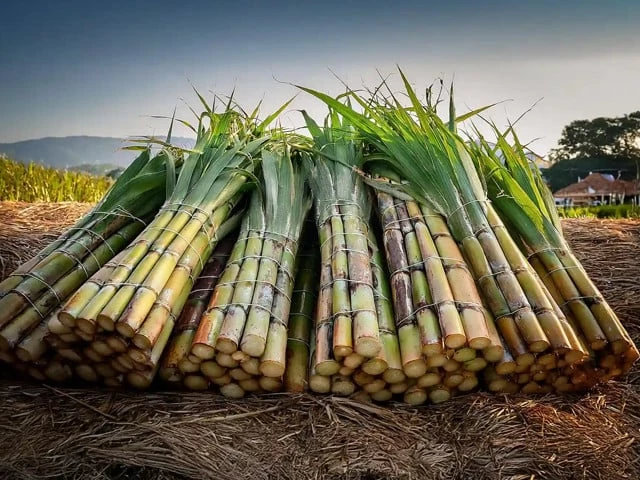
Pakistan's agriculture is facing a crisis that is neither sudden nor mysterious. It is the predictable result of a long-standing mismatch between what the country grows and what its climate, soils and water resources can realistically support. For decades, Pakistan's crop choices were shaped by a world of abundant canal flows, stable weather and a political economy that rewarded acreage rather than efficiency. That world is gone. Yet our cropping patterns remain frozen in time, even as the climate around us changes at a pace our policies refuse to acknowledge.
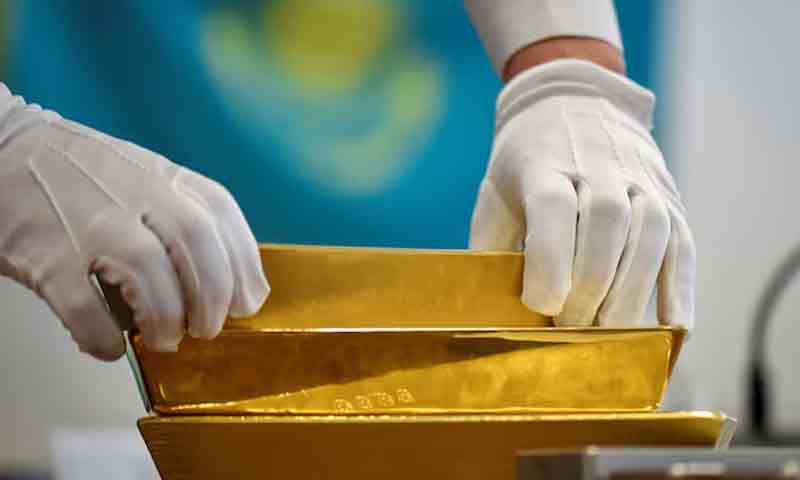
Gold prices recovered as oil fell following progress in US-Iran talks. Geopolitical optimism supported bullion, while expectations of higher US interest rates capped gains.
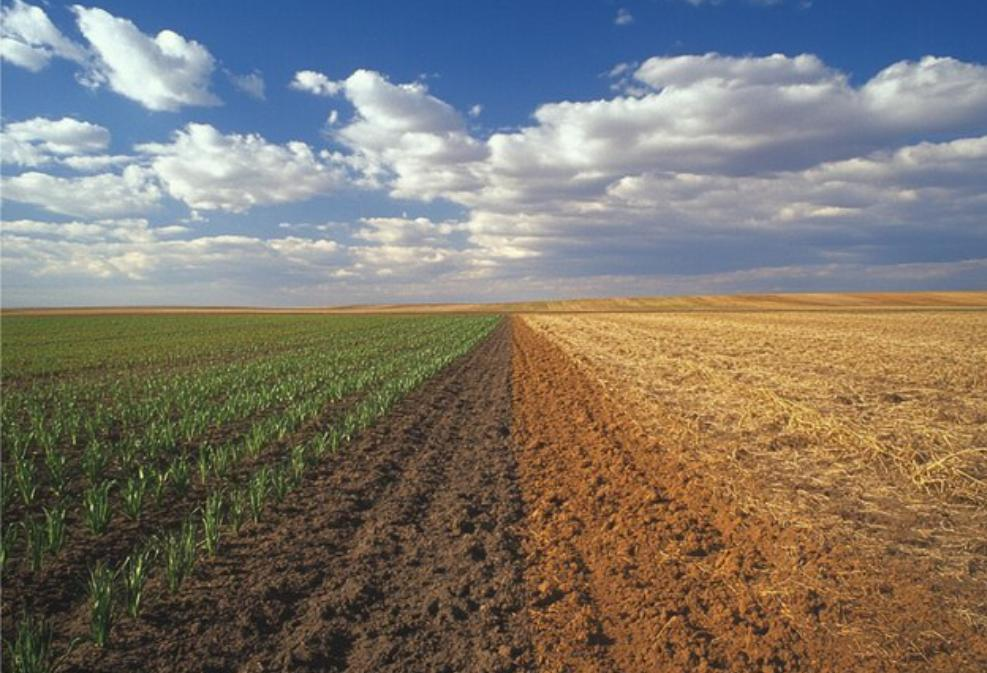
ISLAMABAD, Aug. 15 (INP-Wealth Pakistan) -- Pakistan is currently experiencing largely normal drought conditions, with only a mild rainfall deficit persisting in western districts of Balochistan, as the country's drought monitoring system continues surveillance to identify any emerging risks to agriculture, livestock and livelihoods, official documents of the Pakistan Meteorological Department (PMD) show.
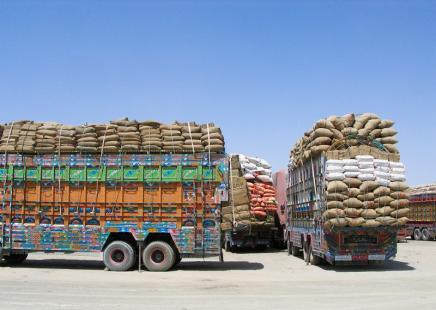
ISLAMABAD, Aug. 15 (INP-Wealth Pakistan) -- Pakistan's exports to Afghanistan, Russia and five Central Asian Republics (CARs) more than doubled in July 2026, rising 128.3% month-on-month to $40.34 million from $17.67 million in June 2026, while imports from these markets declined 17.4% to $16.58 million from $20.06 million, according to official trade data, available with Wealth Pakistan.
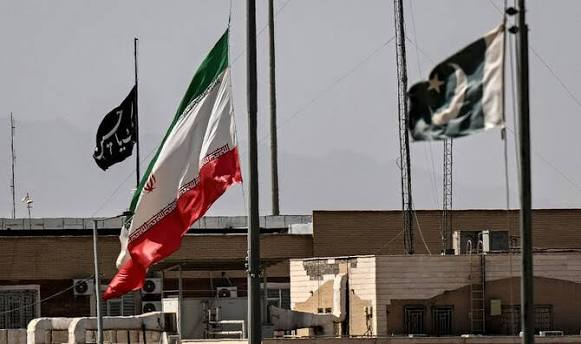
ISLAMABAD, Aug. 15 (INP-Wealth Pakistan) -- A total of 2,330 trucks carrying rice and mangoes from Pakistan crossed into Iran through the Gabd and Taftan border points in June-July 2026, underscoring Islamabad’s effort to keep the trade corridor open despite serious security risks in Balochistan.

Aug 14, 2026

ISLAMABAD, Aug. 14 (INP-Wealth Pakistan) -- China’s Unitree Robotics is showcasing the commercial viability of deep technology, as strong demand for its Shanghai initial public offering highlights growing investor interest in humanoid robotics and embodied artificial intelligence.

ISLAMABAD, Aug. 13 (INP-Wealth Pakistan) -- The government is set to finalise the revised PC-I for the Implementation of the National Action Plan on Population (2021-26) by the end of this month, with a target of reducing the total fertility rate to 2.2 births per woman and the population growth rate to 1.1% by 2030, according to official project documents available with Wealth Pakistan.
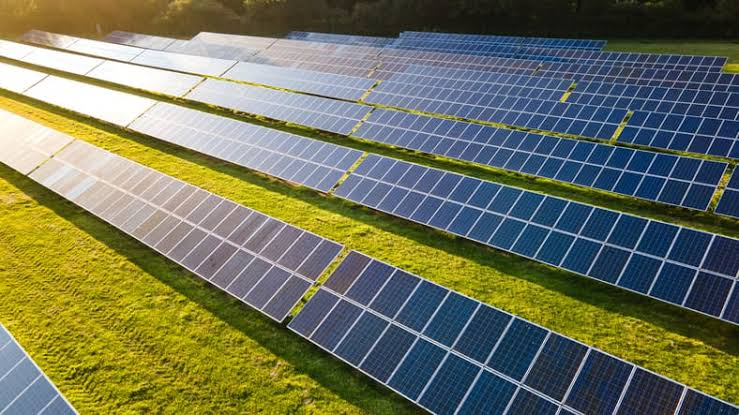
ISLAMABAD, Aug. 12 (INP-Wealth Pakistan) -- Pakistan can build on its rapid rooftop solar expansion by developing utility-scale projects alongside transmission networks, battery storage and private investment, experts say, pointing to China's integrated approach as a useful model for creating a more affordable and reliable power system.
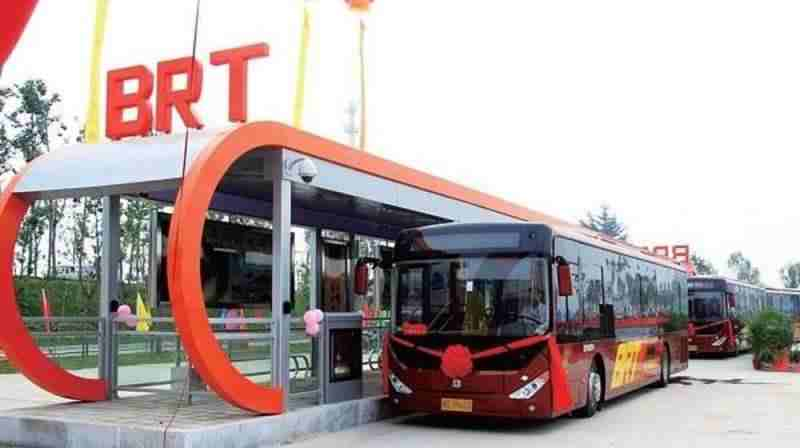
ISLAMABAD, Aug. 13 (INP-Wealth Pakistan) -- The revised cost of Karachi’s Red Line Bus Rapid Transit (BRT) project has surged to Rs184.63 billion from the original Rs78.38 billion, according to the latest position paper available with Wealth Pakistan.
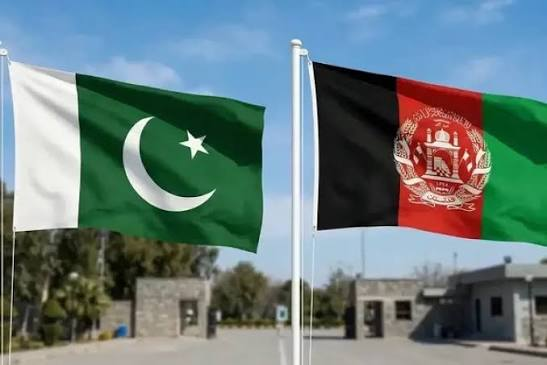
ISLAMABAD, Aug. 13 (INP-Wealth Pakistan) -- Humanitarian cargo from United Nations agencies has been allowed to cross into Afghanistan through the Torkham border crossing point, according to an official document available with Wealth Pakistan.
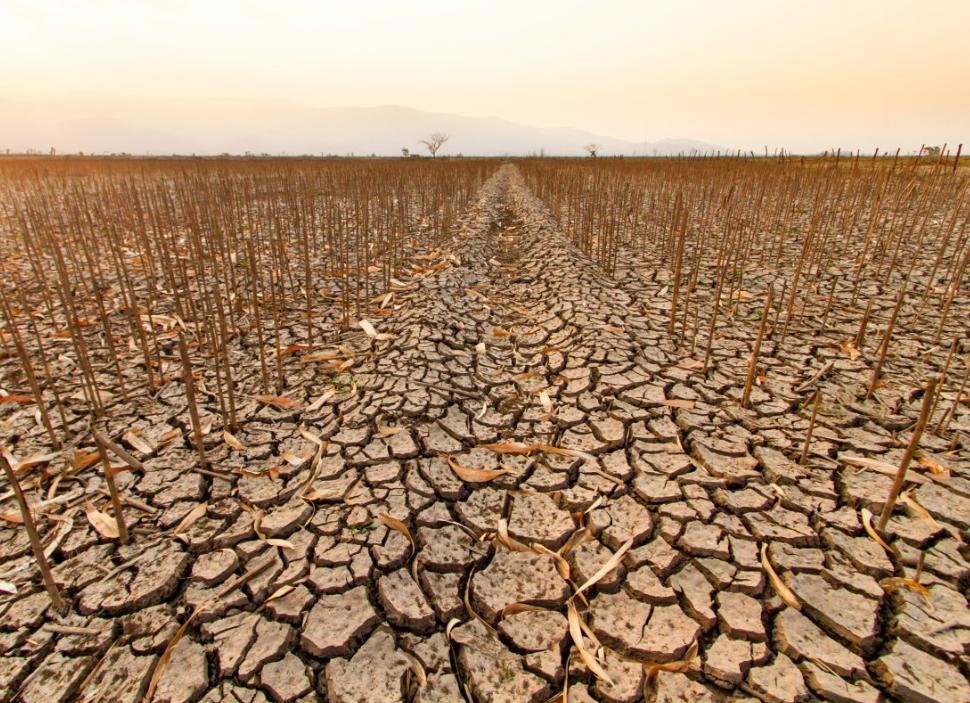
ISLAMABAD, Aug. 13 (INP-Wealth Pakistan) -- Pakistan is shifting from reactive drought relief to a proactive preparedness approach, focusing on early warning systems, local mitigation, water conservation, institutional coordination and community awareness to reduce climate-related risks.
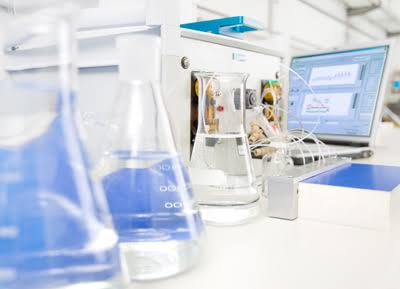
ISLAMABAD, Aug. 13 (INP-Wealth Pakistan) -- Water quality monitoring capacity has been significantly strengthened across Islamabad, Punjab and Khyber Pakhtunkhwa (KP). Testing equipment was installed in 46 laboratories, and nine mobile water-testing laboratories were made operational.
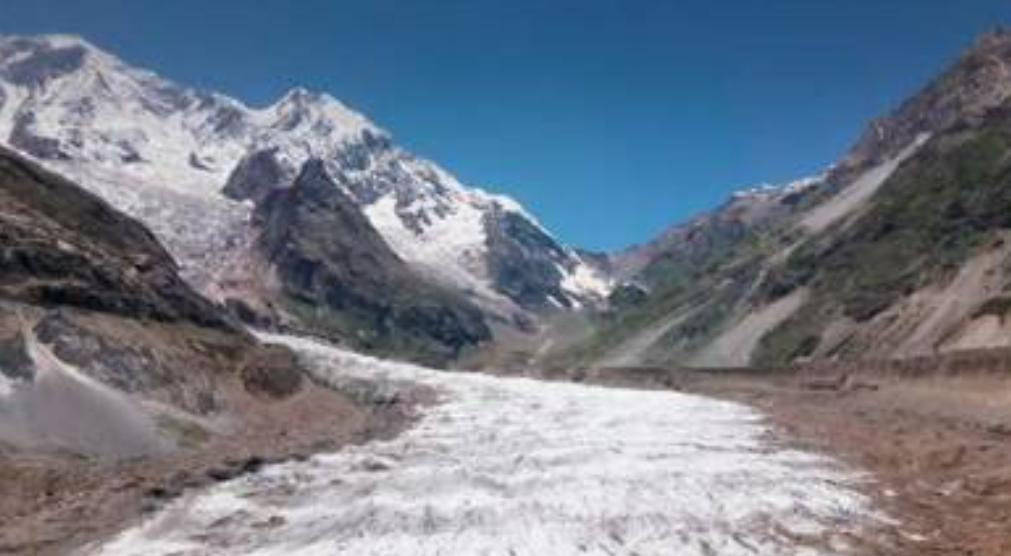
ISLAMABAD, Aug. 13 (INP-Wealth Pakistan) -- Pakistan's glacier-risk monitoring system showed stronger field readiness during the 2026 monsoon. Two glacial lake outburst flood (GLOF) events were recorded in Gilgit-Baltistan but no casualties were reported, as alerts, sirens and community response mechanisms helped limit the impact to infrastructure damage.
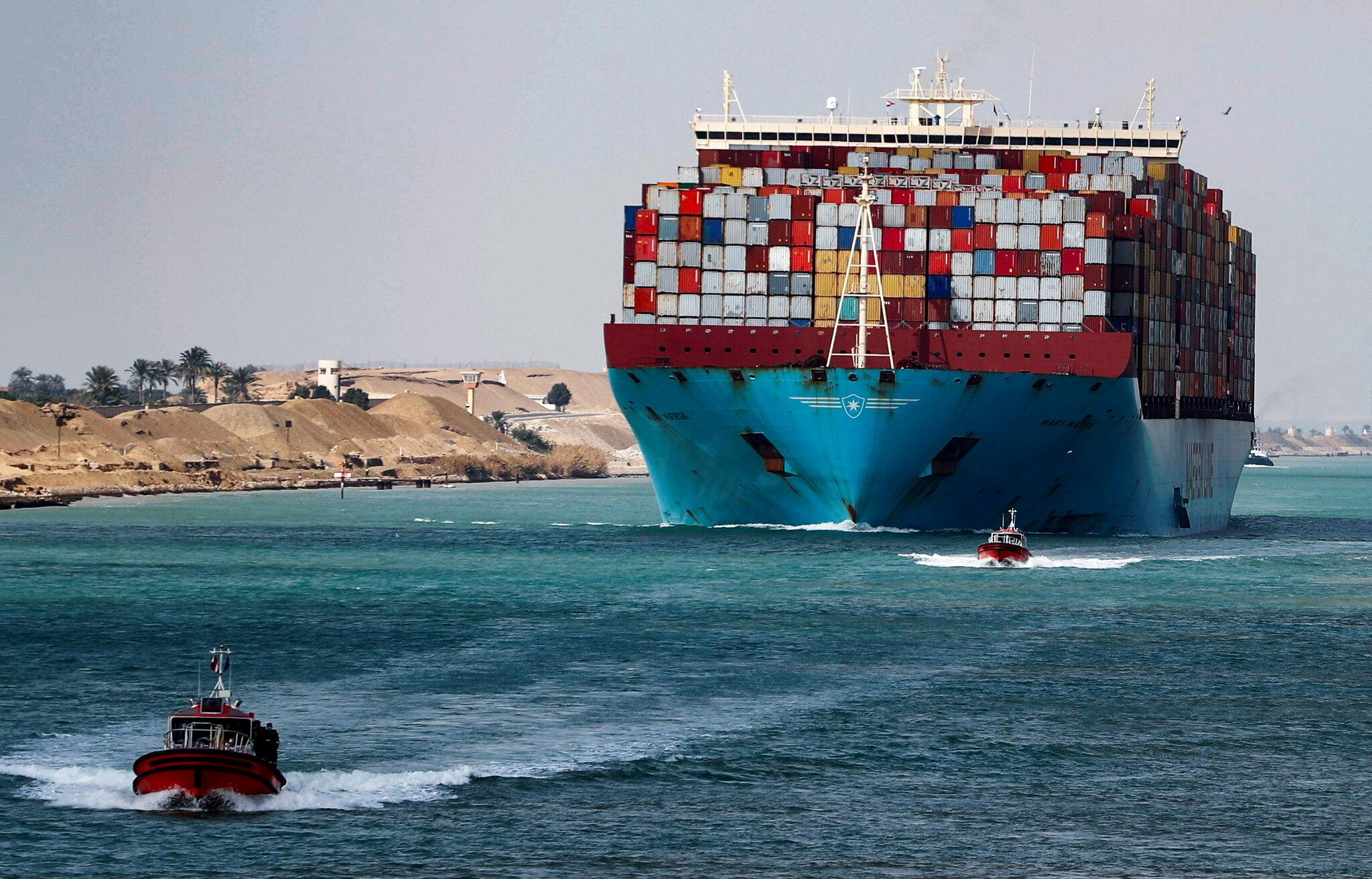
ISLAMABAD, Aug. 13 (INP-Wealth Pakistan) -- Escalating regional tensions have disrupted Pakistan’s international trade, with commercial shipping between Pakistan and GCC countries suspended and exports to the region transported by air only in July 2026, according to a document available with Wealth Pakistan.

Aug 13, 2026
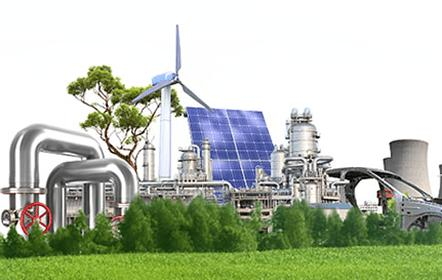
ISLAMABAD, Aug. 12 (INP-Wealth Pakistan) -- Pakistan can strengthen manufacturing competitiveness by adapting elements of China's integrated green industrial model, including cleaner energy, energy efficiency and green financing, alongside policies that encourage low-carbon production, industry and climate experts say.
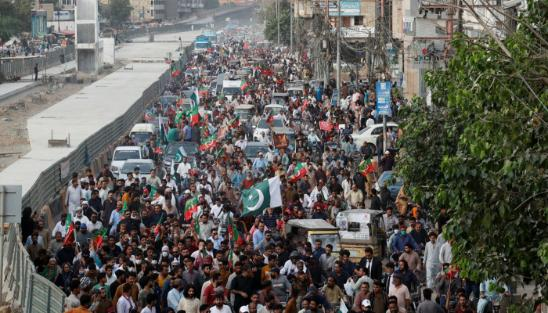
ISLAMABAD, Aug. 12 (INP-Wealth Pakistan) -- Pakistan can improve population planning by drawing lessons from China's long-term approach of linking demographic trends with education, healthcare, women's participation and economic development, experts say, as the country seeks to balance population growth with jobs, public services and available resources.
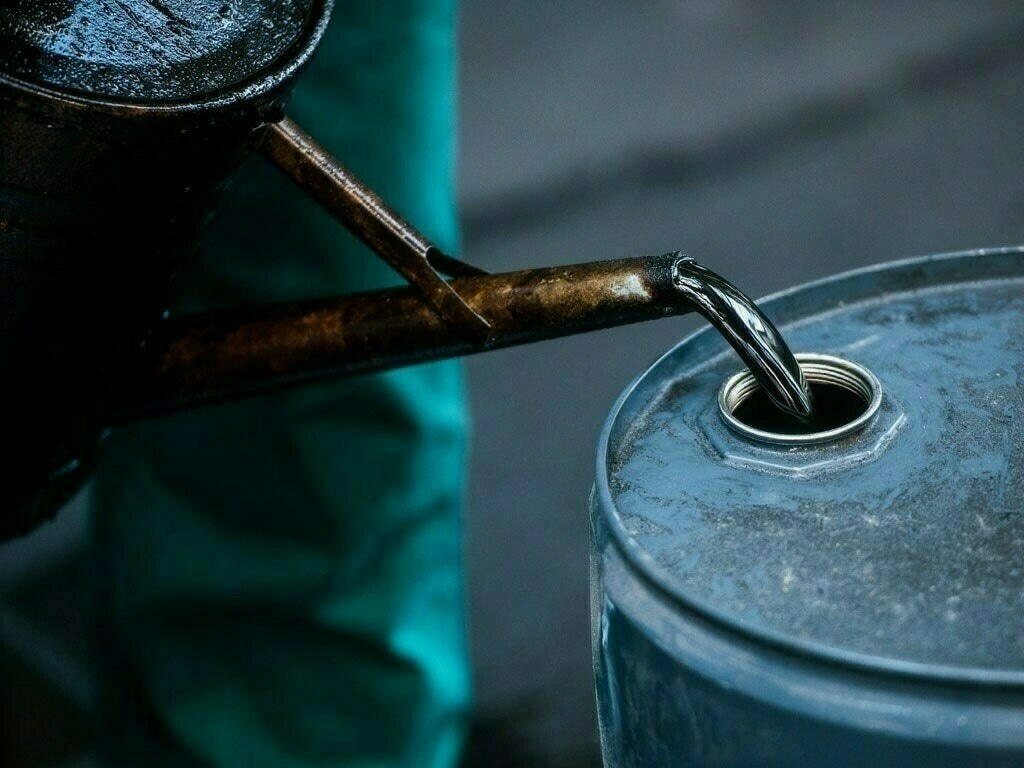
ISLAMABAD, Aug. 12 (INP-Wealth Pakistan) -- The outstanding price differential claims (PDCs) of five major oil marketing companies (OMCs) have reached Rs53.28 billion, accounting for more than 80 per cent of the total outstanding PDCs of Rs66.50 billion, according to details in an official document available with Wealth Pakistan.
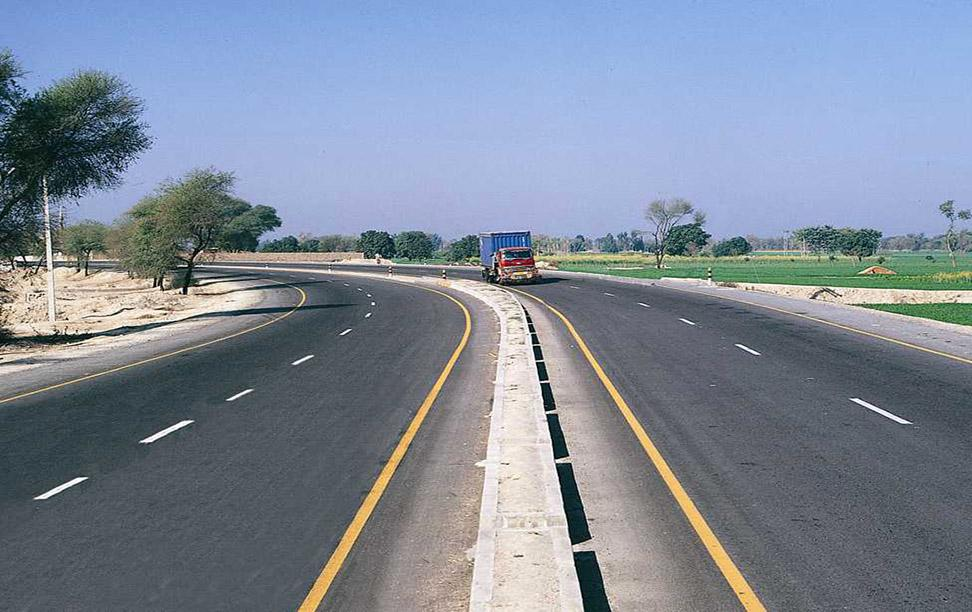
ISLAMABAD, Aug. 12 (INP-Wealth Pakistan) -- Five road packages in Dera Ismail Khan have reached 12 to 28 per cent physical progress under the Asian Development Bank-supported Khyber Pakhtunkhwa Rural Roads Development Project, advancing the province’s Rs105.45 billion rural connectivity programme.

ISLAMABAD, Aug. 12 (INP-Wealth Pakistan) -- The Oil and Gas Regulatory Authority (OGRA) will provide the Federal Board of Revenue (FBR) with enhanced, real-time visibility of petroleum stocks as part of a major digital transformation of Pakistan's oil supply chain.
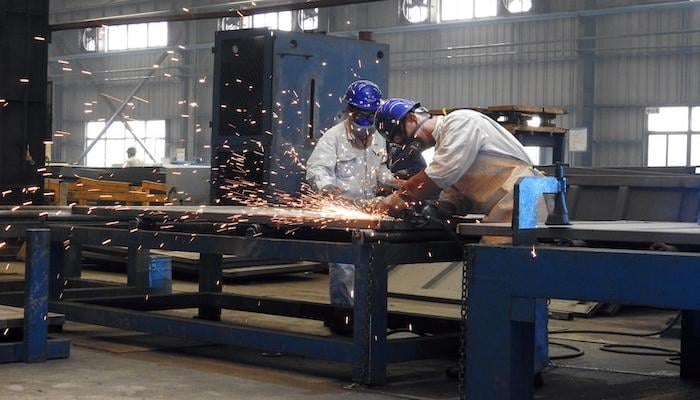
ISLAMABAD, Aug. 12 (INP-Wealth Pakistan) -- Emerging signs of stronger manufacturing and trade activity in some of the world's largest economies could create fresh opportunities for Pakistani exporters, particularly if local manufacturers improve competitiveness, diversify products and strengthen their participation in global supply chains.

ISLAMABAD, Aug. 12 (INP-Wealth Pakistan) -- Pakistan's proposed $10 billion financial backstop from the United States could reinforce the country's improving external position and strengthen investor confidence, experts say, as Islamabad seeks to build on macroeconomic stabilisation and expand economic engagement with Washington.
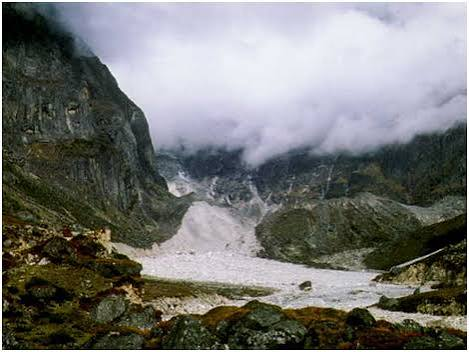
ISLAMABAD, Aug. 12 (INP-Wealth Pakistan) -- Pakistan is strengthening its climate resilience and disaster preparedness through a series of initiatives focused on glacial lake outburst flood (GLOF) risks, early warning systems and glacier preservation, with 286 early warning systems planned across 24 vulnerable valleys under the GLOF-II project, according to a document available with Wealth Pakistan.
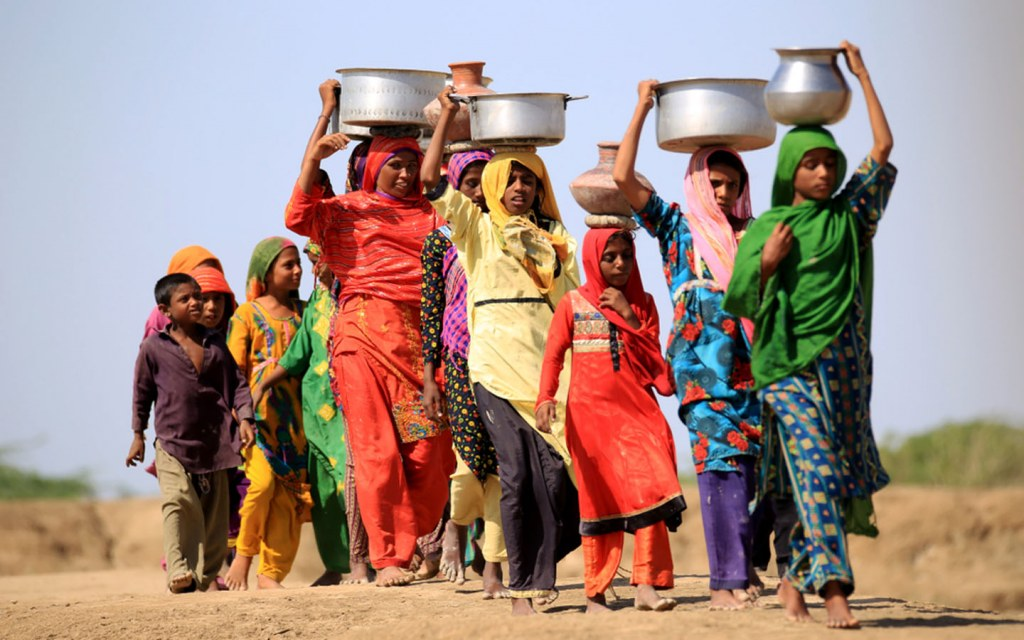
ISLAMABAD, Aug. 12 (INP-Wealth Pakistan) -- Pakistan has expanded rainwater harvesting initiatives in water-stressed areas of Sindh and Khyber Pakhtunkhwa, with projects in Thar and Kohat-Hangu providing water access to around 67,000 people and 98,000 livestock.

Aug 12, 2026
World Bank-supported agriculture, tourism and transport projects in Khyber Pakhtunkhwa are slated for completion by 2026-27, while rural development and economic corridor schemes are expected to be completed by 2029.
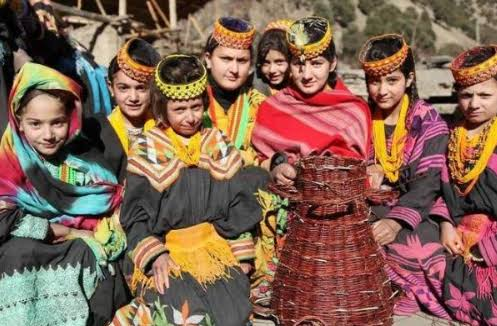
A package of 13 community-level development schemes has been proposed for the Kalash Valleys of Chitral, Khyber Pakhtunkhwa, for fiscal year 2026-27, targeting tourism facilities, cultural heritage, drinking water, sanitation, energy and community infrastructure.
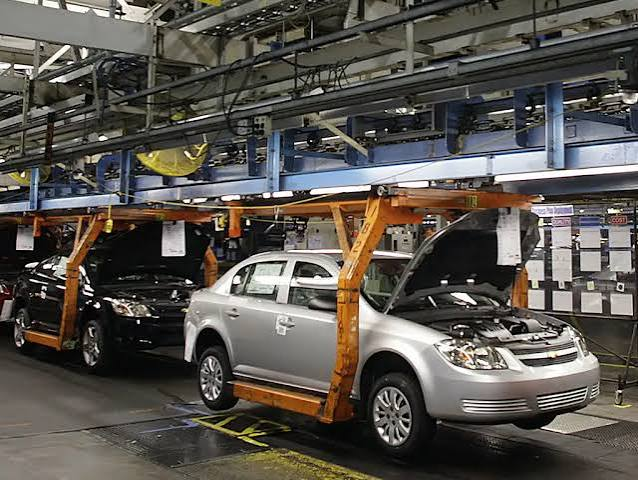
Inordinate delay in finalizing and announcing the next five-year auto policy has brought activity in Pakistan’s automobile sector to a standstill, with industry stakeholders uncertain about the features of the new policy, particularly its tariff and tax structure.

Pakistan's private sector is expanding exports of camel milk powder and other camel milk-based dairy products to China and Gulf markets, while efforts are also underway to strengthen domestic camel population and dairy value chain.
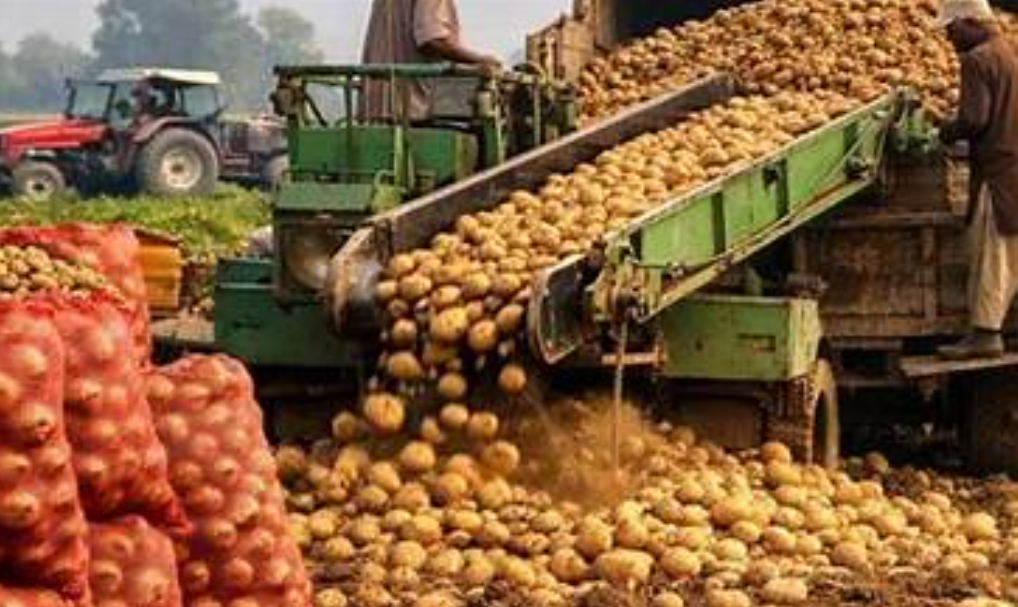
Pakistan is making it easier for potato exporters to reach overseas markets by setting clear country-wise requirements, providing round-the-clock certification support in key potato clusters and engaging importing countries to remove phytosanitary hurdles.
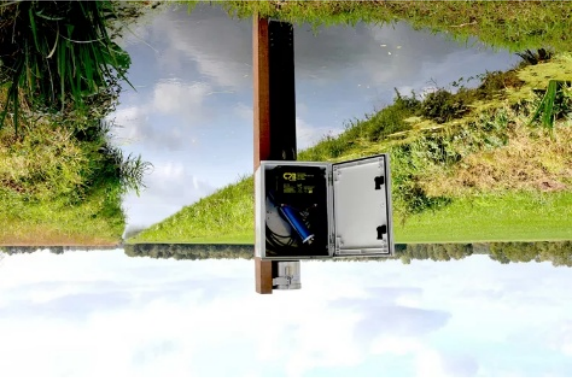
Pakistan can improve water-use efficiency and strengthen water governance by drawing lessons from China's large-scale digital telemetry model, but experts say technology will deliver results only if real-time water data is independently verified, transparently shared and trusted by all provinces.

The National Bank of Pakistan issued selling and buying rates for the US dollar, British pound, euro, Japanese yen, Saudi riyal and UAE dirham in Karachi on Friday.
The Sensitive Price Indicator (SPI) increased by 0.29% week-on-week (WoW) during the week ended November 05, 2026, while registering a 12.31% year-on-year
National Bank of Pakistan’s Treasury Management Division issued buying and selling rates for major currencies, including the US dollar, euro, British pound and Gulf currencies, for settlement on November 12, 2026.
The British pound was quoted at Rs374.06 for selling and the euro at Rs311.83, while the US dollar buying rate stood at Rs275.44, according to the latest rates issued on Nov 6.

The Exchange Rates Committee of the Financial Markets Association of Pakistan issued conversion rates for forward cover deposits, with the SBP settlement value date set for November 12.

The Pakistan Stock Exchange (PSX) extended its bullish rally for a fourth consecutive session on Thursday, with the benchmark KSE-100 index surging 3,366 points, almost 2%, to close at 175,380, as easing geopolitical concerns, falling international oil prices and broad-based buying across key sectors lifted investor sentiment.

The KSE-100 Index fell 2,024.81 points, or 1.15%, to 173,355.05 amid profit-taking after Thursday’s strong rally at the Pakistan Stock Exchange.

Foreign exchange rates in Pakistan for today, November 06, 2026

Silver price in Pakistan for today, November 06, 2026

Gold price in Pakistan for today, November 06, 2026
Pakistan's total liquid foreign exchange reserves stand at $26.86 billion as SBP holdings increase by $39 million to $21.56 billion.
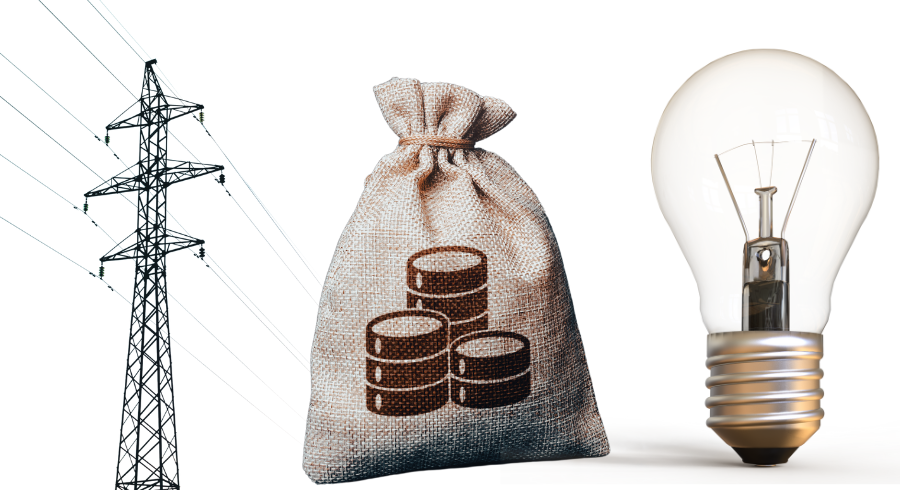
Pakistan's power distribution companies seek Rs1.34 per unit increase to recover Rs23.3 billion over three months. NEPRA hearing set for November 17.

World Bank’s global debt report shows figure climbed from $68.7bn in 2015 to $135.1bn in 2025; China remains Pakistan’s largest single creditor.
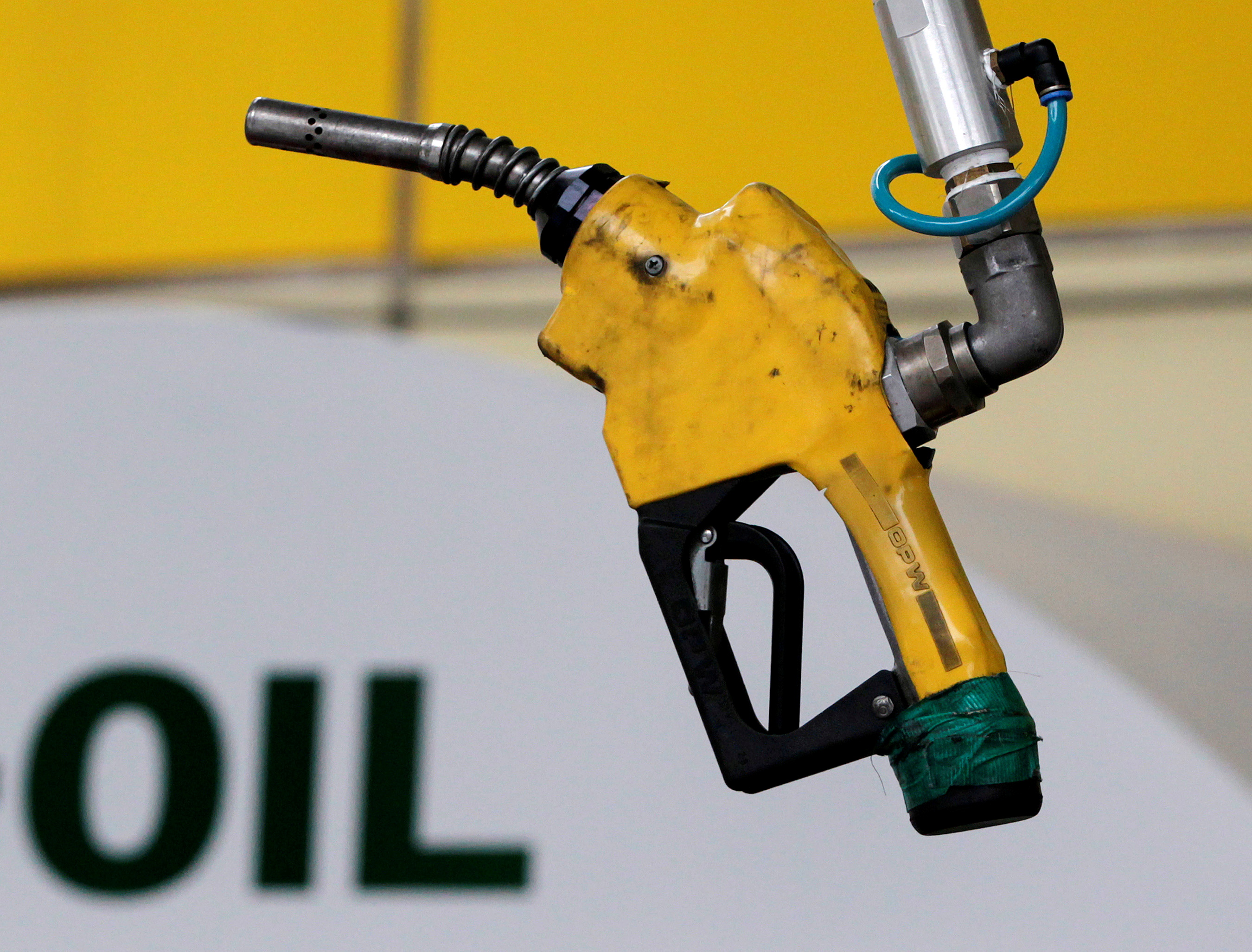
Government reduces petrol price by Rs9.41 to Rs352.59 per litre and diesel by Rs5.56 to Rs382.25, providing relief to motorists and transporters.
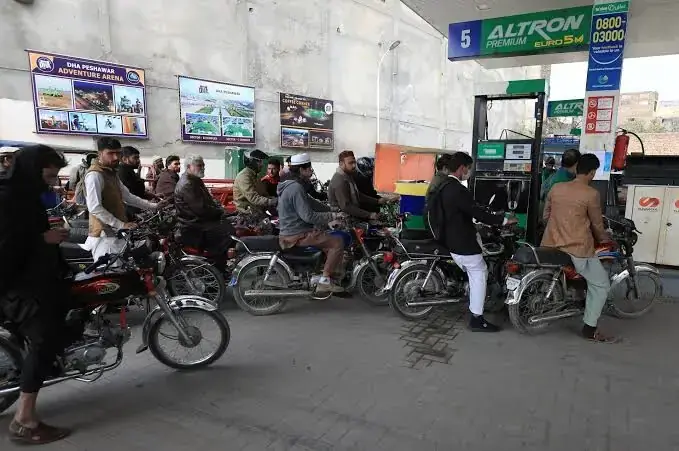
ISLAMABAD: The price of petrol has been reduced by Rs9.41 per litre, bringing the retail price down to Rs352.59 per litre. High-Speed Diesel (HSD) saw a cut of Rs5.56 per litre, fixing its new rate at Rs382.25 per litre, down from the previous Rs387.81 per litre, effective for November 6.

ISLAMABAD - The Securities and Exchange Commission of Pakistan (SECP) registered 5,003 new companies in October 2026, bringing the total number of registered companies in the country to 321,794. The eZfile portal, integrated with federal and provincial systems, enabled 99.9% of the new registrations to be completed online. Private limited companies accounted for the largest share of new incorporations, with 2,773 companies (55.4%), followed by 2,079 single member companies (41.6%). The registrations also included 105 Limited Liability Partnerships (2.1%), 39 Section 42 (not-for-profit) licensed companies (0.8%) and 7 other entities (0.1%), comprising 4 public companies, 2 foreign companies and 1 trade organisation. Punjab recorded the highest number of incorporations at 2,663 (53.2%), followed by Islamabad Capital Territory with 934 (18.7%), Sindh with 751 (15%), Khyber Pakhtunkhwa with 382 (7.7%), Gilgit-Baltistan with 162 (3.2%) and Balochistan with 111 (2.2%). The information techno
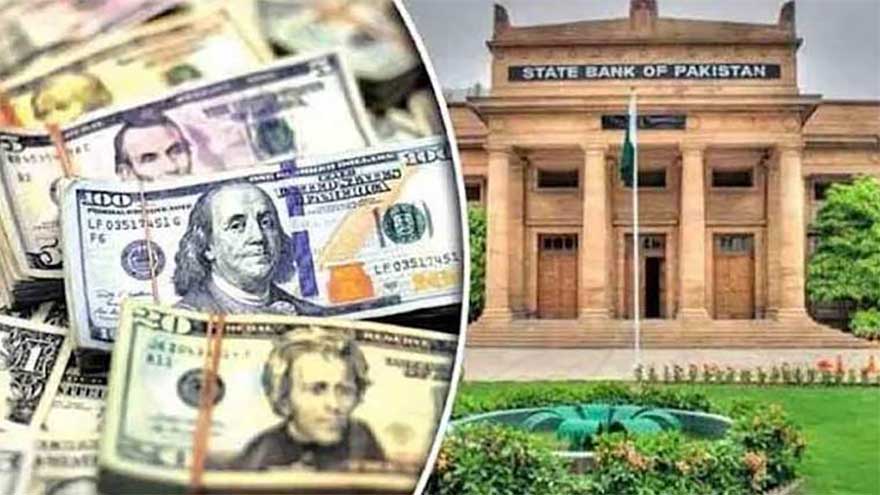
According to State Bank data, the country's total foreign exchange reserves increased by $111 million, after which the total reserves increased to $26.86 billion.
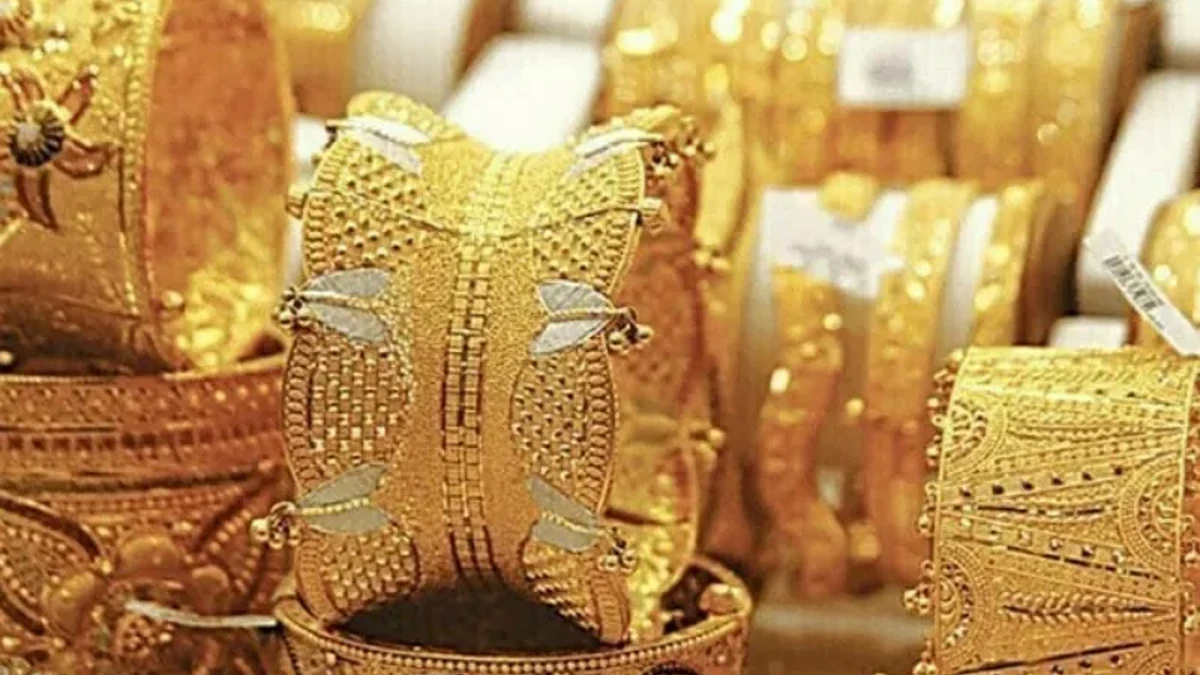
Gold prices plummet in Pakistan today, reflecting a sharp decline in the international market. Get the latest on the local dip as global rates fell $65 per ounce.
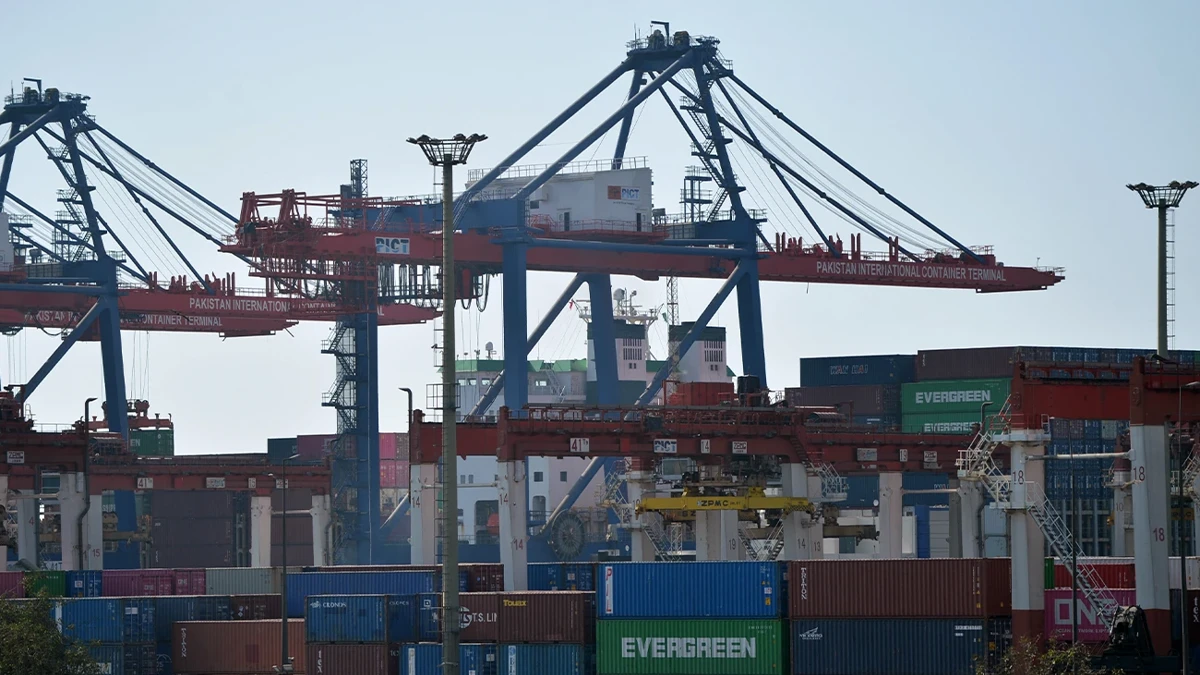
Pakistan's trade deficit soared to $3.88 billion in October, a 20% jump driven by rising imports & sluggish exports. The fiscal year's first 4-month gap hit $14.63B. BolNews.

The foreign exchange reserves held by the State Bank of Pakistan (SBP) increased by $39.5 million or 0.18% WoW to $21.56 billion during the week ended on

The federal government has lowered petrol and

The Exchange Rates Committee of the Financial Markets Association of Pakistan issued conversion rates for forward cover deposits, with SBP settlement scheduled for November 10.
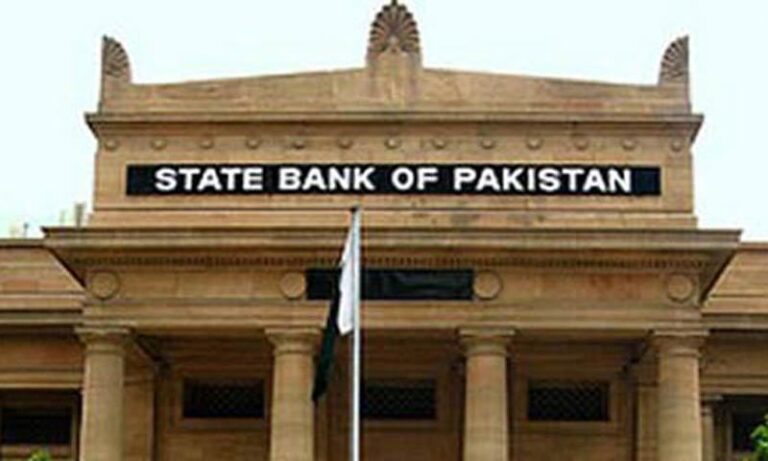
KARACHI, Nov 05 (APP):The total liquid foreign reserves of Pakistan surged to US$ 26,864.5 million as of October 30, while State Bank of Pakistan (SBP) reserves further rose to US$ 21,561.2 million.
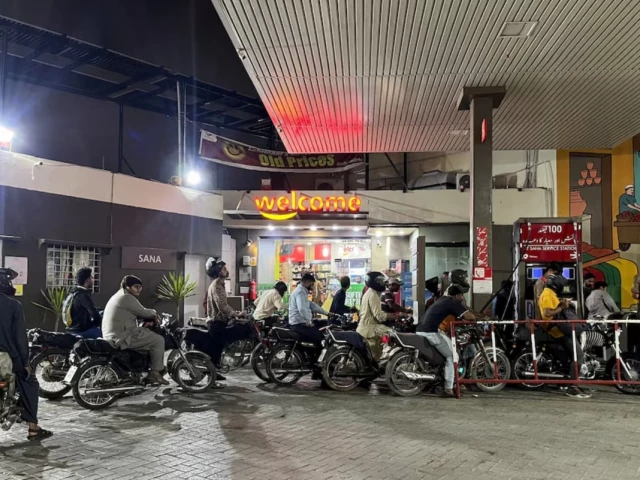
The federal government on Thursday slashed the price of petrol by Rs9.41 per litre and that of high-speed diesel (HSD) by Rs5.56 per litre for November 6.
Pakistan has reduced petrol prices by Rs9.41 to Rs352.59 and diesel by Rs5.56 to Rs382.25 per litre under its new daily fuel price review mechanism.
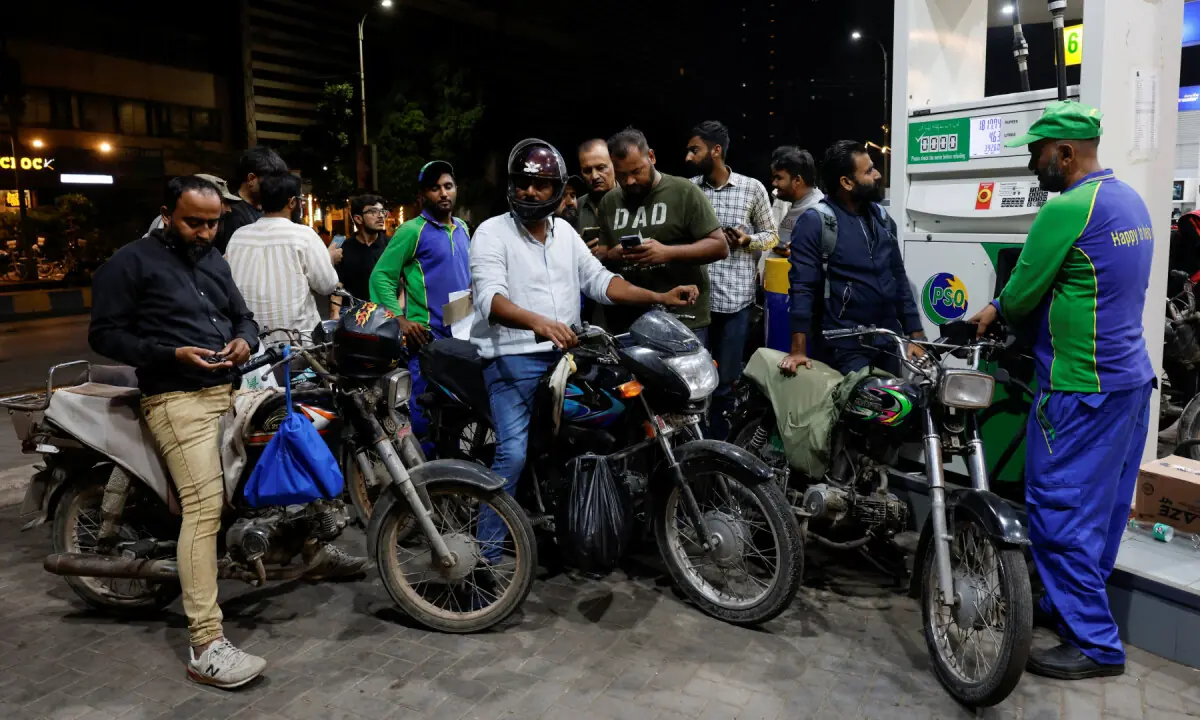
Following the revision, petrol will retail at Rs352.59 per litre, while HSD will cost Rs382.25.

Pakistan government reduced on Thursday the price of petrol by Rs9.41 to Rs352.59 per litre, and high-speed diesel by Rs5.56 to Rs382.25 per litre, effective November 6, 2026.

ISLAMABAD – Pakistanis get another relief in fuel costs as petrol prices move closer to Rs350-per-litre mark, extending a series of consecutive cuts that
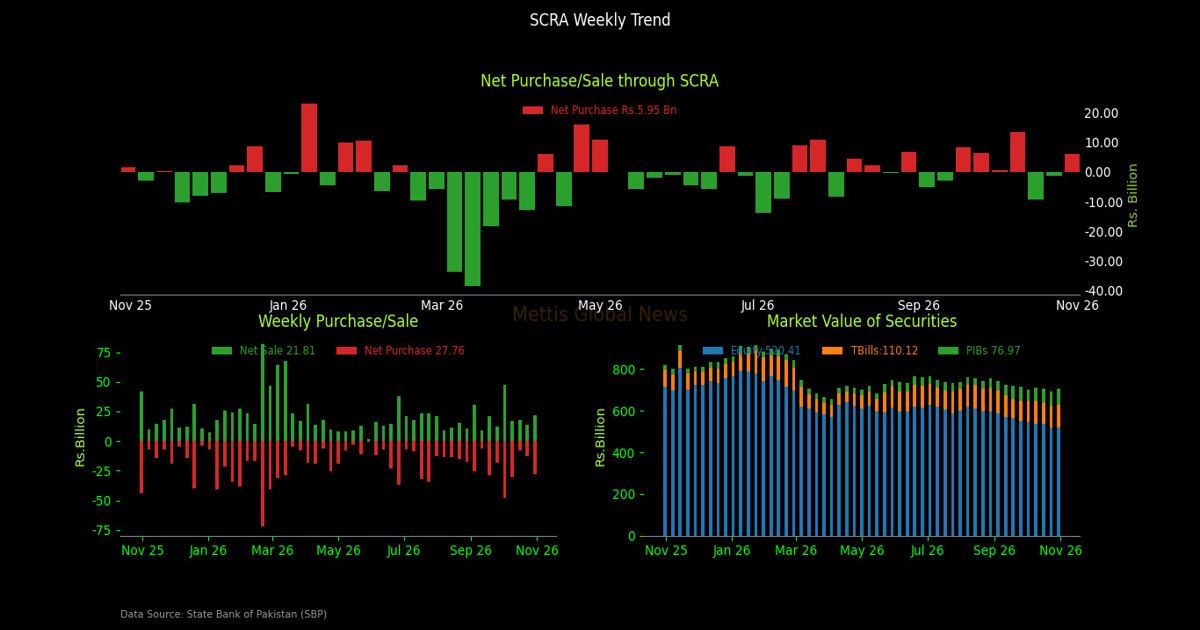
The SCRA balance increased by Rs617.69m during the week ending Oct 30, 2026 to close at Rs38.96 billion.
The State Bank of Pakistan said its foreign exchange reserves increased by $39 million in the week ended October 30, while commercial banks’ holdings rose by $71 million.