
PSX surges as KSE-100 index crosses 186,000 mark
Pakistan's stock market opened the week on a strong note as the KSE-100 Index surged over 1,100 points, crossing the 186,000 mark during early trading.
dunyanews
Pakistan's stock market opened the week on a strong note as the KSE-100 Index surged over 1,100 points, crossing the 186,000 mark during early trading.

The US dollar holds near a two-week low as Fed rate-hike expectations cool. Watch this week’s Fed minutes—read more now.
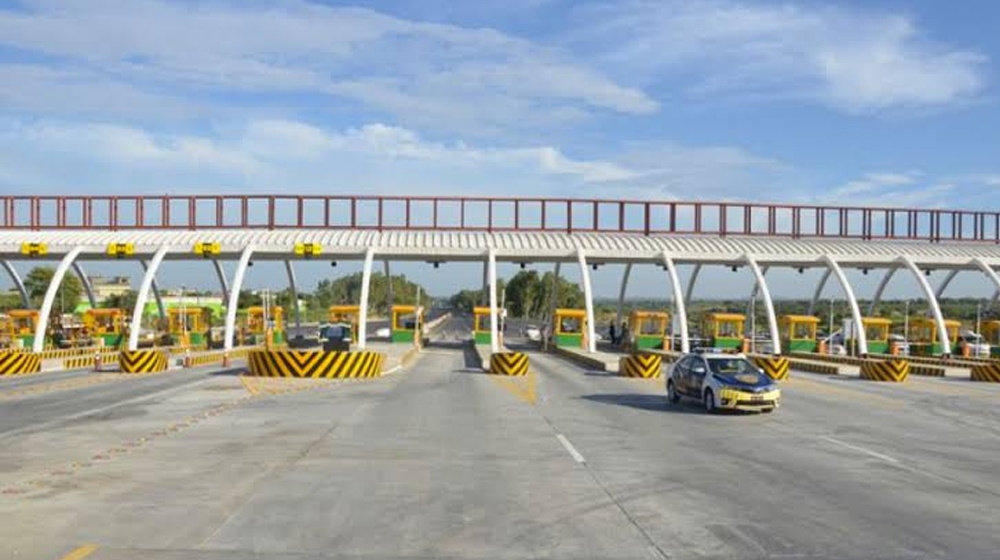
NHA hikes Lahore-Islamabad Motorway (M-2) tolls by 7% from July 5, 2026. Check revised charges and effective dates now.

DOHA – Maritime trade between Iran and Qatar has resumed after being suspended for around five months, according to Iran’s commercial attaché in Doha, as
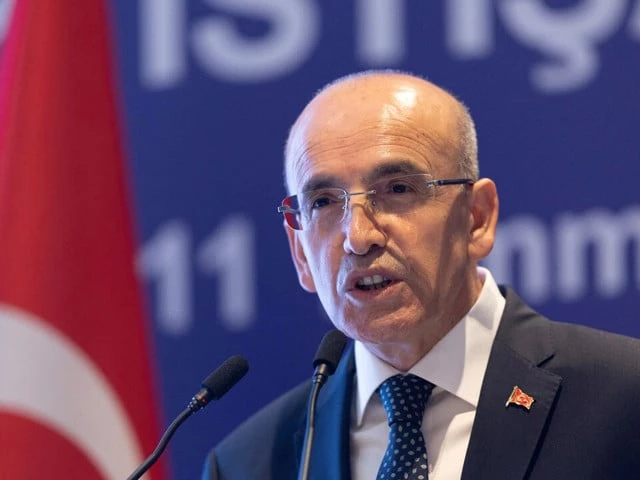
Recent tax reforms announced by the finance minister of Turkiye are a game changer. With collaboration between the current government of President Recep Tayyip Erdogan, opposition political parties, think tanks, and the Istanbul Chamber of Commerce, a tax policy has been introduced to attract high-net-worth individuals and large corporate entities to relocate to Turkiye.
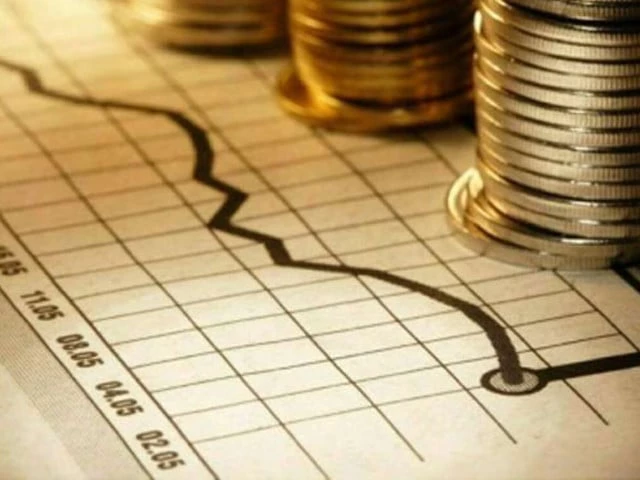
Pakistan's policymakers routinely lament low investment, weak exports, declining industrial competitiveness and the high cost of doing business. Yet, while governments announce investment facilitation councils, export incentives and industrial support packages, they simultaneously erect new barriers that make economic activity more expensive and less efficient.
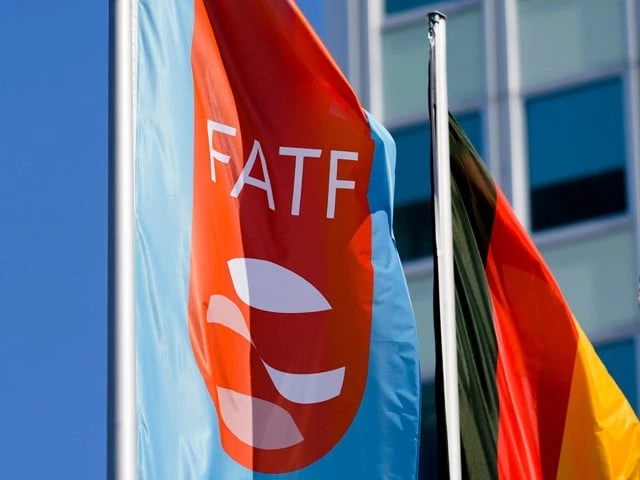
The appointment of Vivek Aggarwal as incoming Vice-President of the Financial Action Task Force (FATF) has been read in some quarters as if India has acquired a switch over Pakistan's financial reputation; that reading is convenient and it is also wrong.
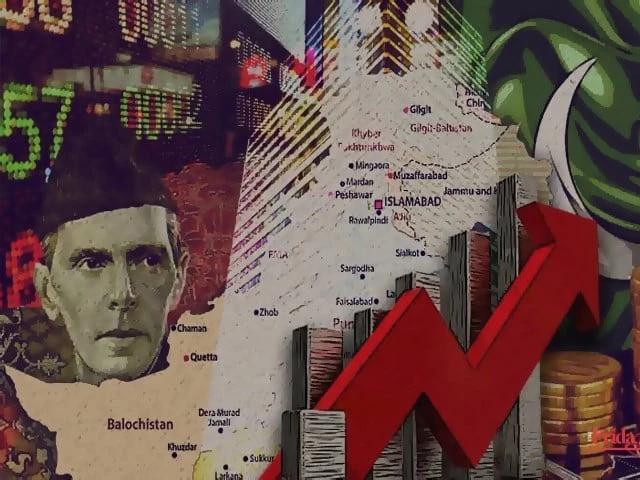
Pakistan's economic debate is often polarised between two sharply contrasting narratives. One presents a picture of stability and improvement – rising gross national product (GNP), record high foreign exchange reserves, and controlled inflation. The other paints a bleaker reality – rising unemployment, persistent inflationary pressure, and worsening poverty. To understand the true state of Pakistan's economy, it is essential to examine the evidence behind both views, identify where each is grounded in fact, and evaluate the structural forces shaping outcomes. Only then can a balanced conclusion be reached.
There is a point beyond which higher tax rates do not produce higher revenue. In fact, they can do the opposite: shrink the tax base, encourage avoidance, push activity into informal channels, and reduce the very revenue the state hopes to collect. This is not merely a textbook proposition from the Laffer Curve. Pakistan's recent tax experience provides concrete evidence that excessive taxation can defeat its own purpose.
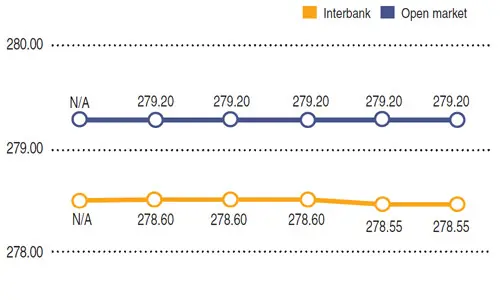
Chart by ZA
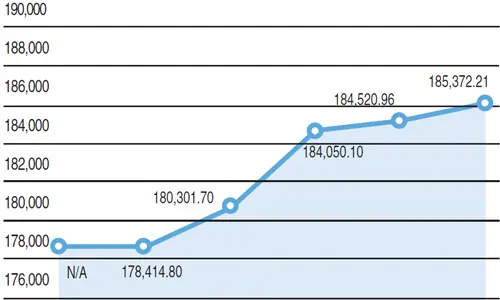
Chart by Mohammad Zeeshan Ali Khan
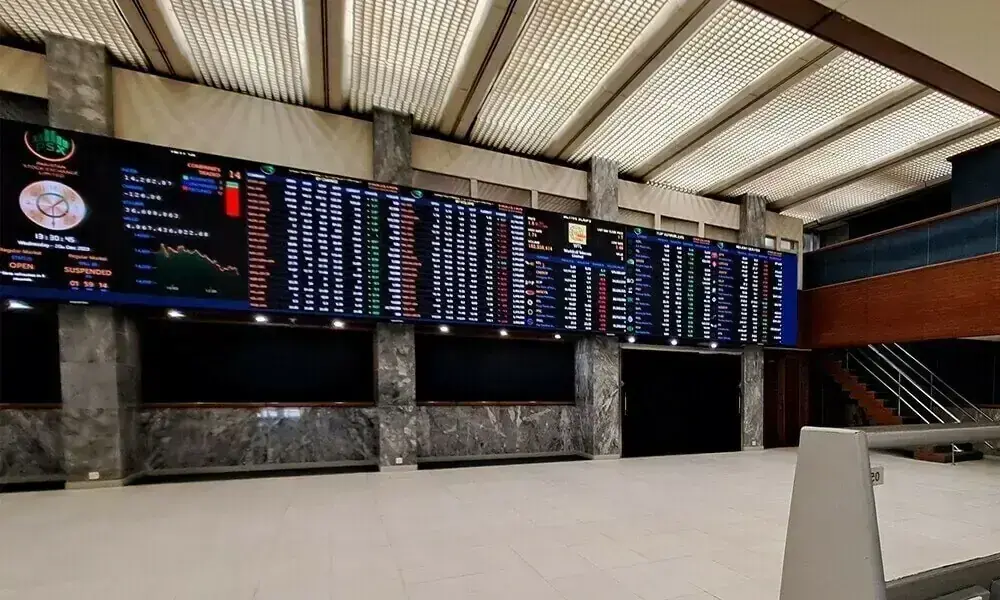
The Pakistan Stock Exchange (PSX) extended its upward momentum on Monday, with the benchmark KSE-100 Index closing the day with a gain of nearly 2,100 points.
Karandaaz Pakistan has partnered with D-Tech & Consultancy Private Ltd. (DTC) to develop a customer-friendly solution named ‘My Intelligent Assistant’ (MI
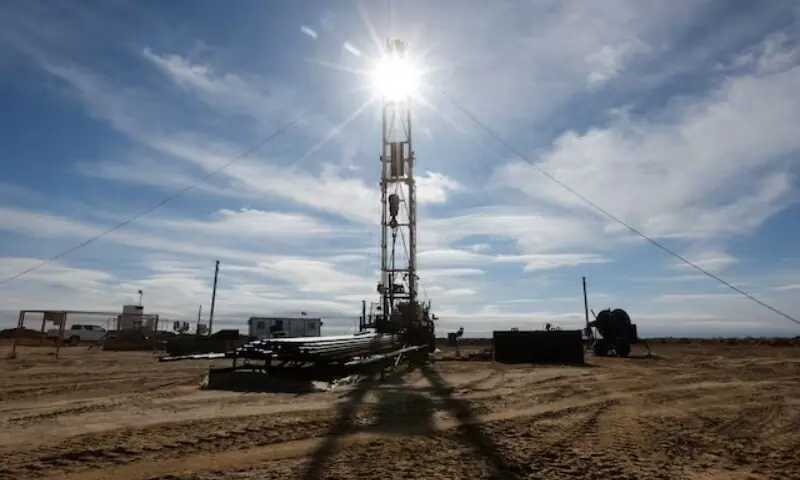
Exports from key producers via the Strait of Hormuz are recovering, potentially adding to global supplies.

Oil edges lower after OPEC+ agrees to raise output targets from August as Hormuz exports recover. Read the latest market update.

Oil prices edged lower on Monday after OPEC+ agreed to raise production targets from August, while recovering Gulf exports and higher Russian shipments signalled increased global supply.

Pakistan set aside Rs1.6bn for PMD to boost forecasting and disaster readiness, including radar projects and hydromet upgrades. Read more.

Gold steadies near a two-week high after weaker US jobs data cools Fed rate-hike odds. Watch Fed minutes—read the latest.
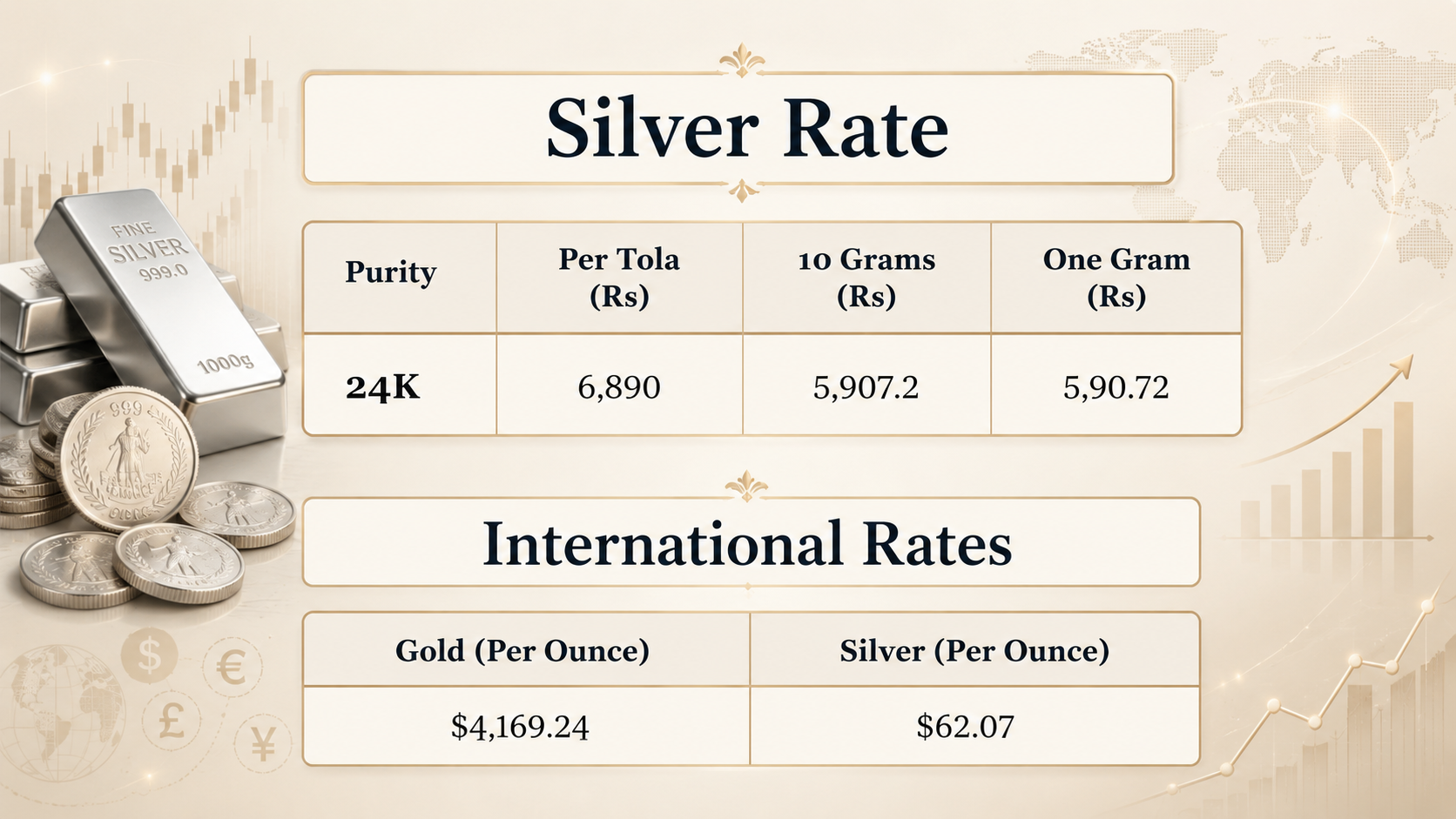
Check today’s silver price in Pakistan as local Sarafa and gold markets update rates by city. View the latest rates now!
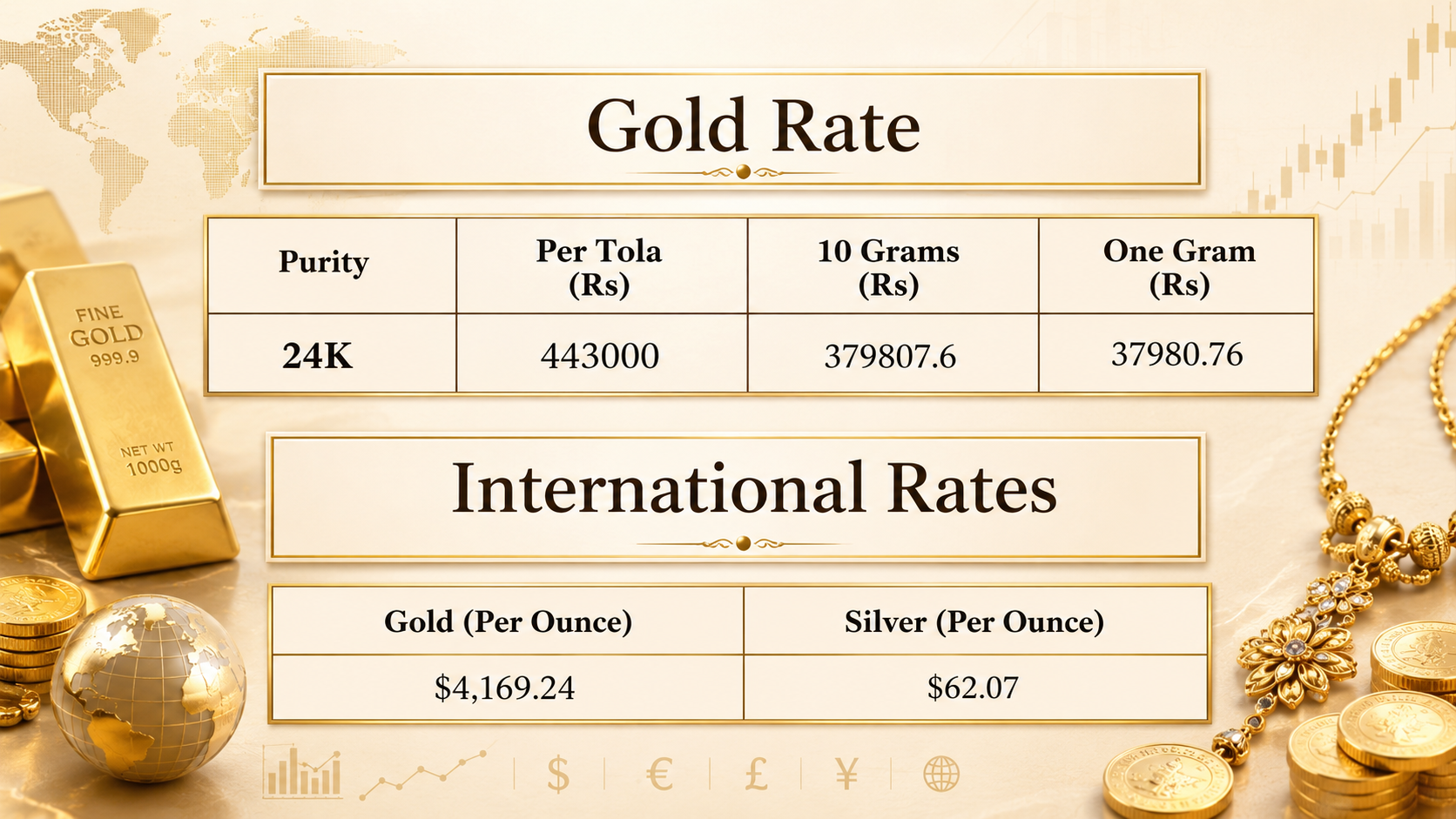
Check today’s gold price in Pakistan, updated for July 06, 2026. Compare Sarafa market rates by city—read the latest updates now.
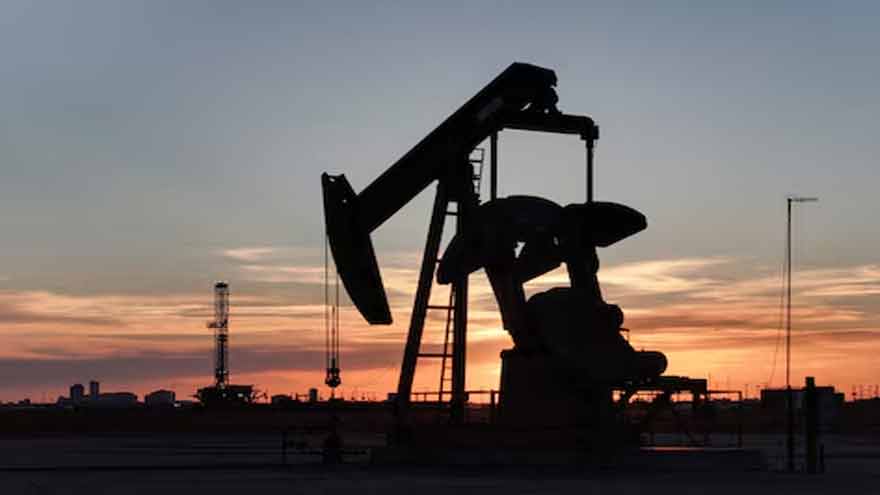
Oil prices edged lower after OPEC+ agreed to raise August output targets, while recovering Gulf and Russian exports eased supply concerns despite ongoing geopolitical tensions.

The U.S. dollar steadied near a two-week low after weaker jobs data reduced Fed rate hike expectations, while Japan’s yen hovered near a 40-year low, fueling intervention concerns.

Telenor Pakistan and PTCL merger could cut 300–500 jobs as overlapping roles are reviewed. Read the report and latest updates.

Revised telecom law will require property owners’ consent before telecom right-of-way is granted. Ministers say it protects private land—read more.
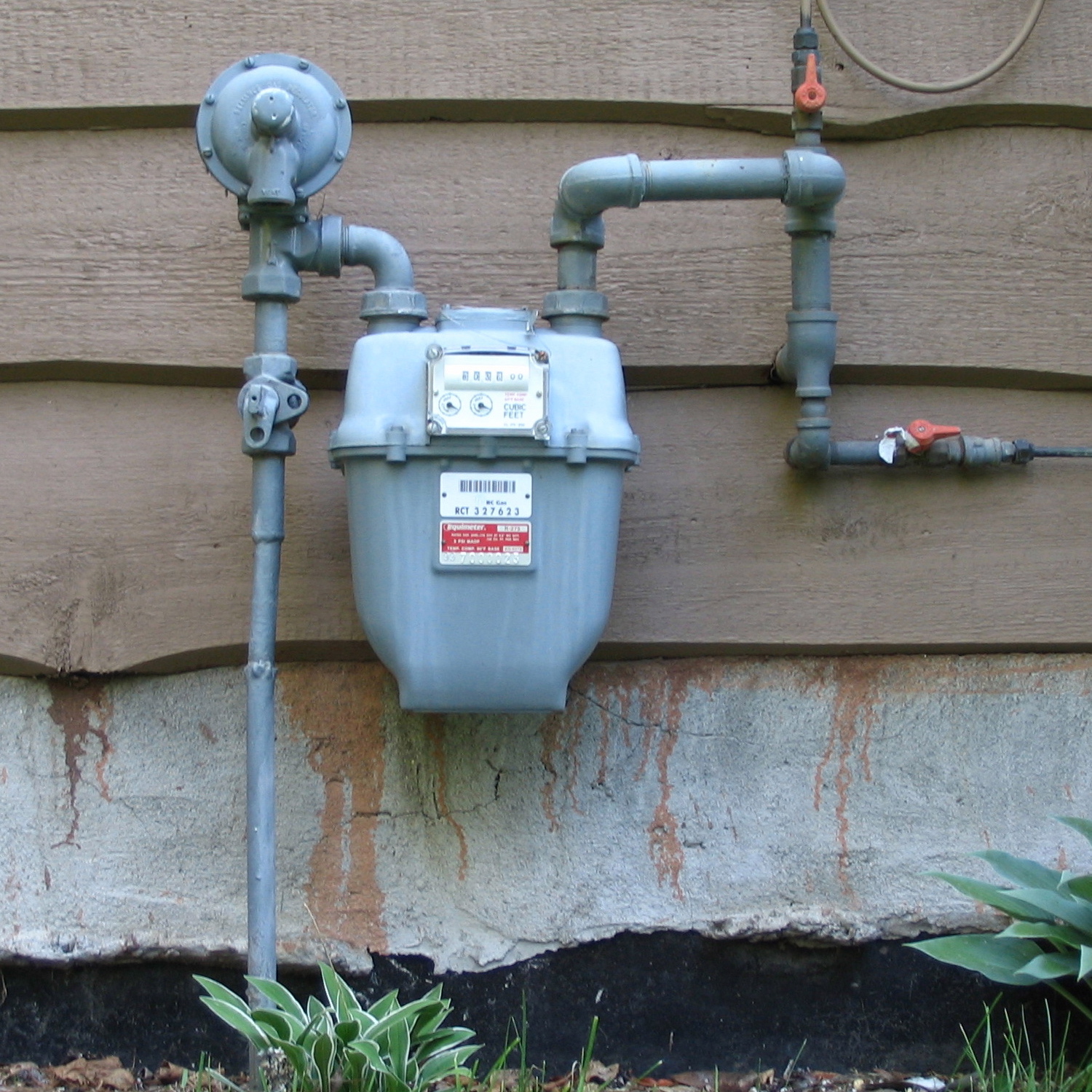
AGP audit warns unjustified RLNG costs were recovered through gas tariffs and fixed charges. Read the findings and call for reforms.

SBP says climate disasters already cost Pakistan $58.8B and needs $331B by 2030. Read why funding gap persists and what must change.
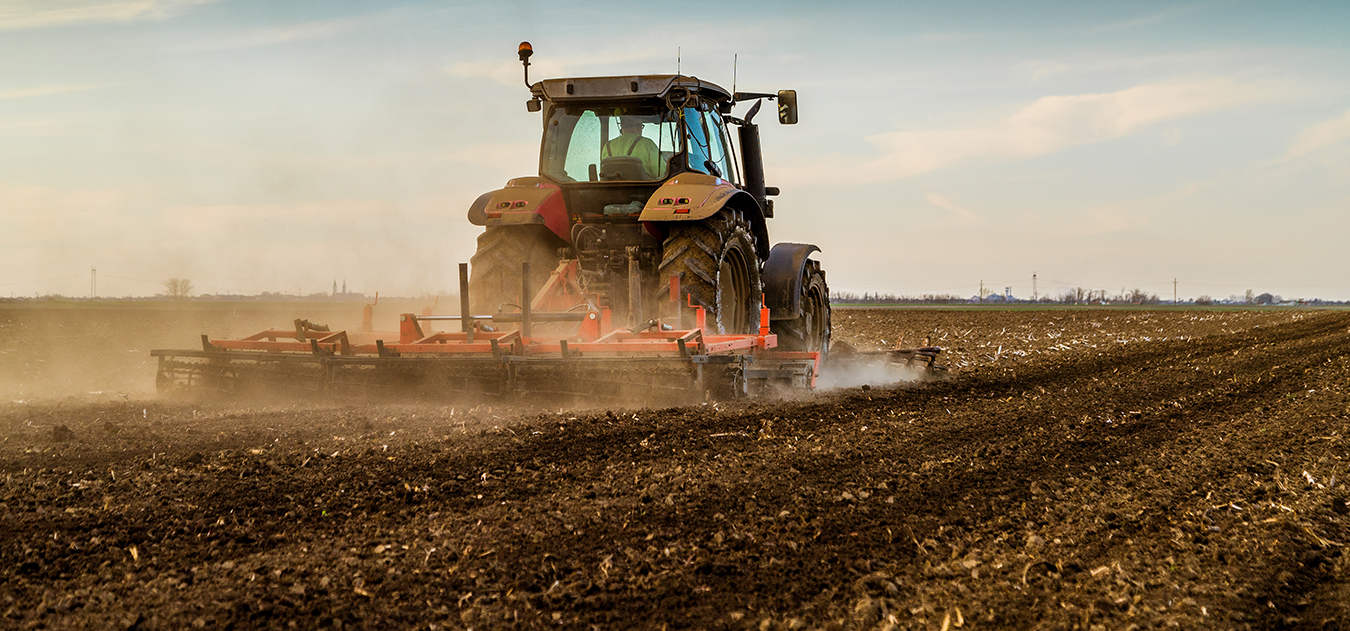
Pakistan’s low mechanization leaves wheat and wheat fields labor-heavy and inefficient. Read how horsepower gaps drive hunger—act now.
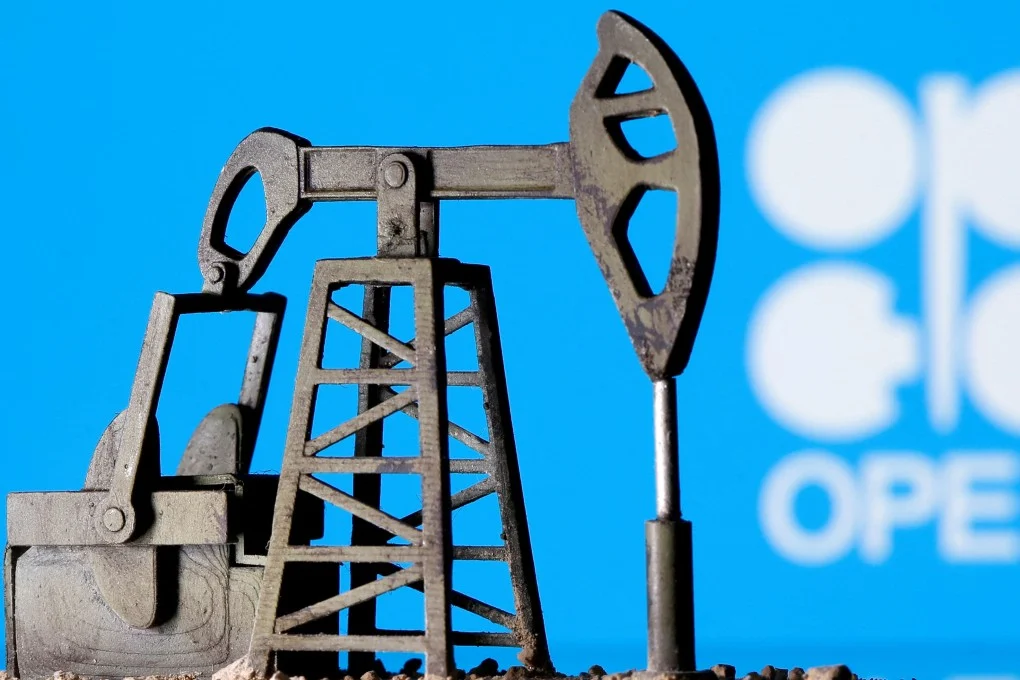
OPEC+ raises production quotas by 188,000 bpd from August as Strait of Hormuz exports recover. Read the latest market impact.
SINGAPORE:
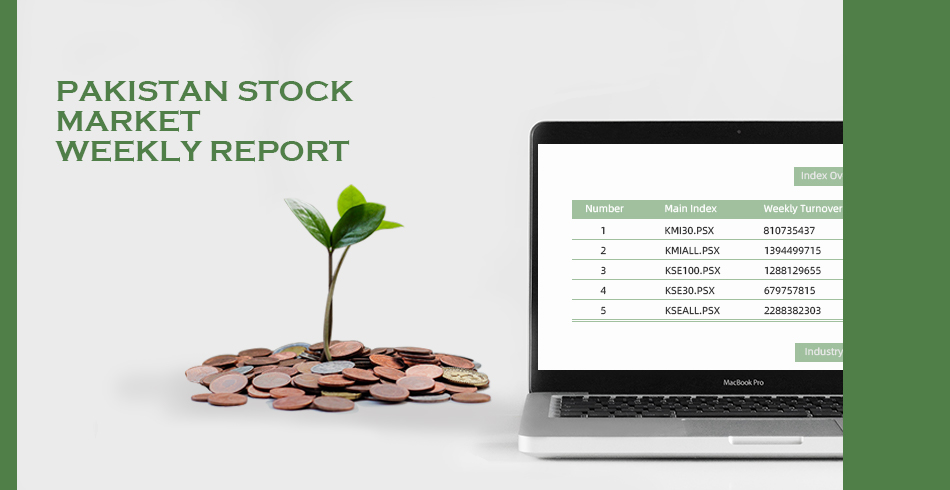
Weekly Review of Stock Market (2026.06.29-2026.07.03)

Jun 3, 2026
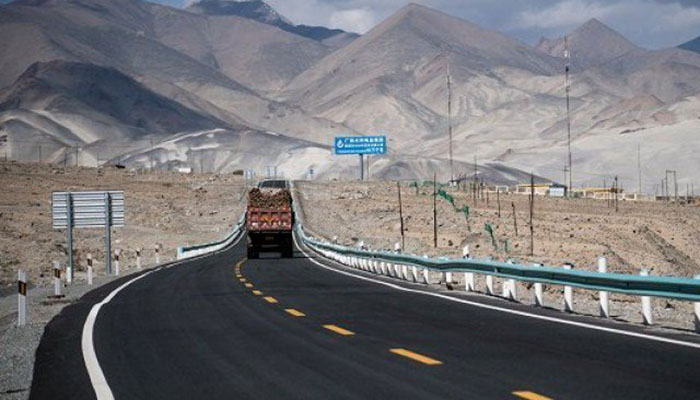
Transport infrastructure projects are set to absorb the largest share of future federal development resources, with major road and railway schemes requiring trillions of rupees for completion over the coming years.

Provincial governments are now spending significantly more on development than the federal government, highlighting the growing role of provinces in driving public-sector investment following the 18th Constitutional Amendment.

Pakistan’s Public Sector Development Programme (PSDP) is facing mounting financial pressure as the cost of completing approved projects continues to rise far beyond the resources available for development spending, prompting the Planning Ministry to warn that the programme is becoming a “new circular debt crisis.”
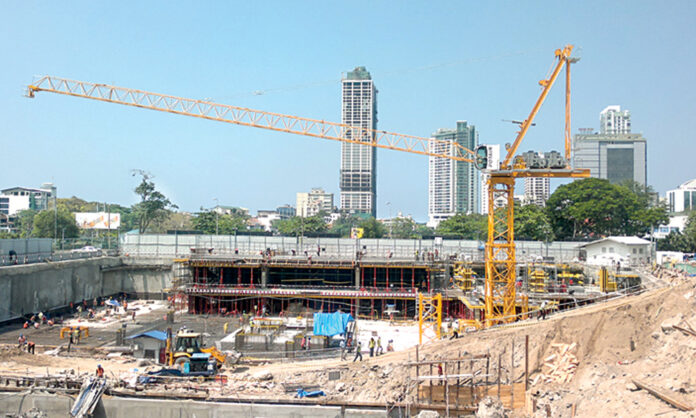
Pakistan’s development project backlog has surged to Rs10.818 trillion, highlighting the growing challenge of completing hundreds of ongoing public-sector schemes amid limited fiscal resources.

Over 9,000 incidents of diesel and electricity theft, along with prolonged power outages, disrupted Pakistan’s telecom infrastructure in the last 11 months, posing a major challenge to the sector, according to Pakistan Telecommunication Authority (PTA) documents available with Wealth Pakistan.

Pakistan's ongoing federal development projects will require about three times the resources currently available under the proposed Public Sector Development Programme (PSDP) framework for FY2026-27, according to official planning documents.
The government has introduced a new project prioritisation framework, known as the “Rockfill Strategy,” to manage mounting development commitments and ensure that limited Public Sector Development Programme (PSDP) resources are directed towards projects with the greatest strategic importance.
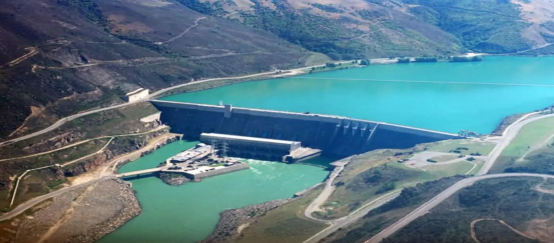
Major water-sector projects, particularly large dams and hydropower schemes, have emerged as one of the biggest contributors to Pakistan’s growing development liabilities, with financing requirements running into hundreds of billions of rupees.
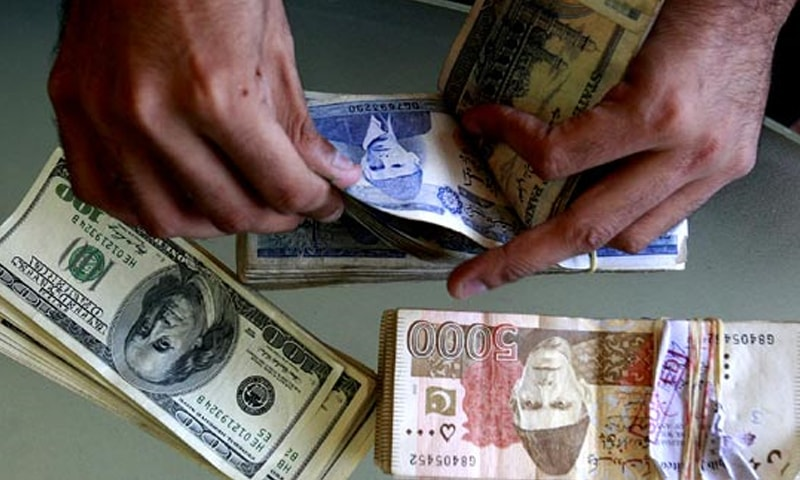
Foreign-funded development projects are placing increasing pressure on Pakistan’s public finances as the government struggles to meet growing rupee-cover requirements needed to support externally financed schemes.
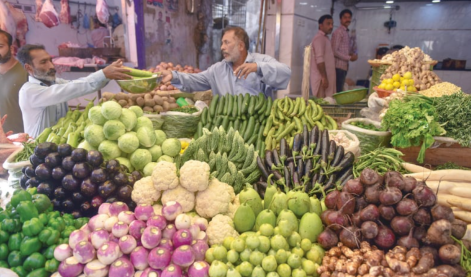
Consumers received some relief in May as prices of several key food items, particularly vegetables and poultry products, declined significantly on a month-on-month basis, according to data released by the Pakistan Bureau of Statistics (PBS).
The federal government continues to allocate significant development resources to projects falling within provincial domains despite the devolution of many sectors under the 18th Constitutional Amendment, according to official planning documents.

Pakistan's digital transformation initiatives continue to receive federal development support despite mounting fiscal pressures and growing competition for limited Public Sector Development Programme (PSDP) resources.
Pakistan’s development spending has failed to keep pace with the expansion of the federal budget and the overall economy over the past decade, raising concerns about the country’s capacity to finance infrastructure and development priorities.
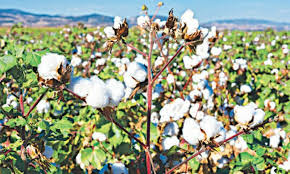
Punjab's cotton crop, the backbone of Pakistan's textile industry, is showing encouraging signs as major pest infestations remain under control and no cases of Cotton Curl Leaf Virus (CCLV) have been detected so far this season, according to the latest official monitoring report.

China’s targeted approach to financing small and medium enterprises (SMEs) offers valuable experience for Pakistan as it seeks to expand affordable credit, strengthen productive sectors and enable smaller businesses to play a larger role in job creation, exports and industrial growth, experts say.

Pakistan’s exploration of blockchain-based sovereign bonds could diversify the country’s debt financing channels, attract a broader pool of investors and modernise capital-market infrastructure, provided the initiative is supported by a robust regulatory framework, strong investor protections and secure digital systems, experts say.
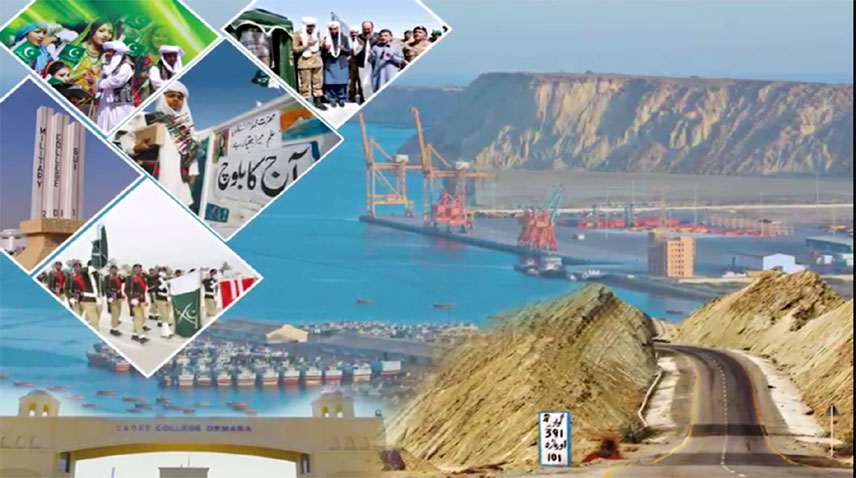
Balochistan is set to remain a major beneficiary of federal development spending in FY2026-27, with dedicated allocations proposed for infrastructure, connectivity and regional development projects despite growing fiscal constraints.
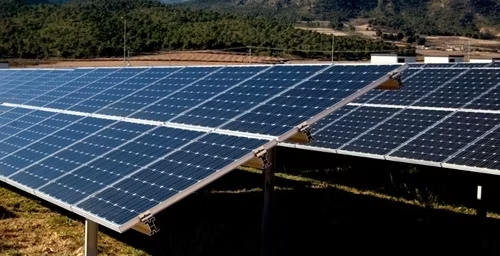
The revision of net metering to net billing will affect only three-phase commercial and industrial consumers, while 90 percent of single-phase consumers will remain unaffected, according to a media brief available with Wealth Pakistan.

Around two million single-phase electricity consumers have registered under a QR code system launched to verify subsidy eligibility, as Pakistan’s residential and agricultural power subsidy bill has reached Rs527 billion.

Jun 2, 2026
The Pakistan Stock Exchange (PSX) extended its strong upward momentum in May 2026, with the benchmark KSE-100 Index gaining 10,969 points month-on-month to close at 173,963, delivering a return of 6.7 percent amid improving investor sentiment and easing geopolitical concerns.
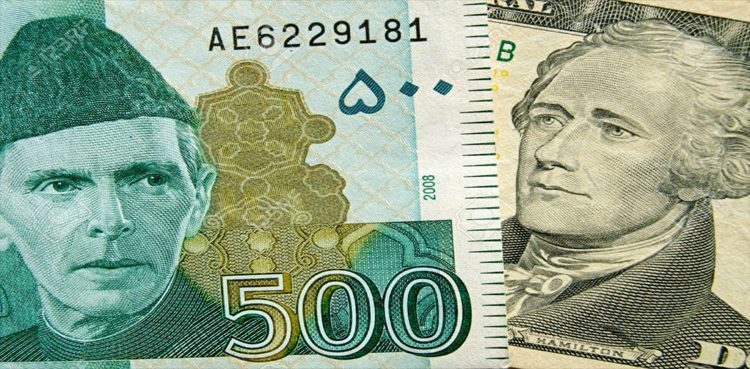
Pakistan’s liquid foreign exchange reserves rose to $22.646 billion by May 22, 2026, reflecting a notable improvement in the country’s external liquidity position and strengthening its capacity to meet external payment obligations.
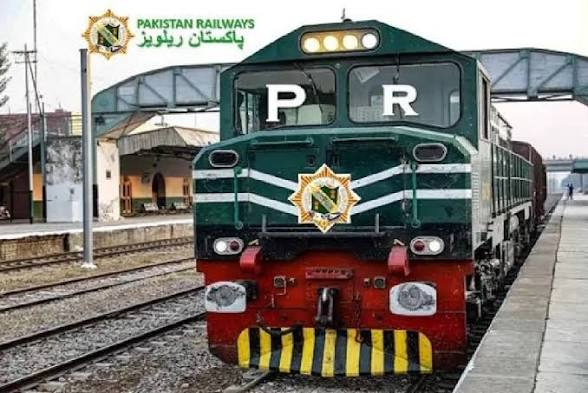
In a major move, Pakistan Railways (PR) has decided to outsource its nationwide schools network under a long-term Public-Private Partnership (PPP) framework, according to documents available with Wealth Pakistan.

As supply chains across the Asia-Pacific continue to undergo a major realignment, Pakistan is increasingly positioning itself as a regional trade connector, offering alternative transit routes that can reduce delays, diversify trade corridors and enhance resilience against geopolitical and shipping disruptions.
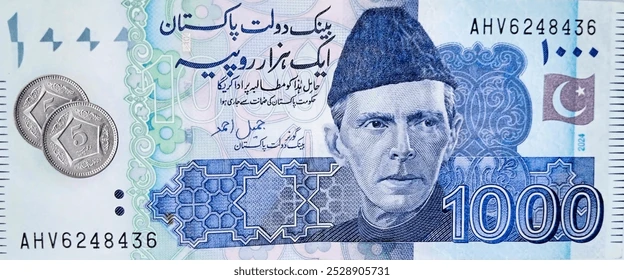
The Pakistani rupee remained broadly stable against major international currencies during May 2026, posting a modest appreciation against the US dollar amid improving foreign exchange reserves and steady market sentiment.

Oil and Gas Development Company Limited (OGDCL) has significantly accelerated the monetisation of its hydrocarbon discoveries, and its latest additions contributed around 9,734 barrels per day (BPD) of oil and 74.25 million standard cubic feet per day (MMSCFD) of gas, representing the strongest production gains during the first 10 months of the fiscal year 2025-26.

The Ministry of Energy is working on a time-of-use (ToU) electricity package for the industrial sector that would allow manufacturers to utilize surplus daytime power at significantly lower rates, as Pakistan seeks to balance a rapidly changing demand profile driven by large-scale solar adoption.
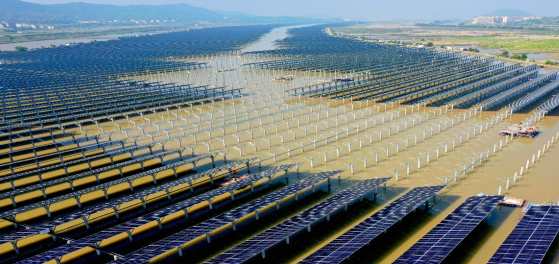
The rapid expansion of Chinese clean-tech financing and overseas green industrial investment is creating fresh opportunities for Pakistan’s Special Economic Zones (SEZs), as the country seeks to attract export-oriented manufacturing, renewable energy equipment production and electric vehicle-related industries.
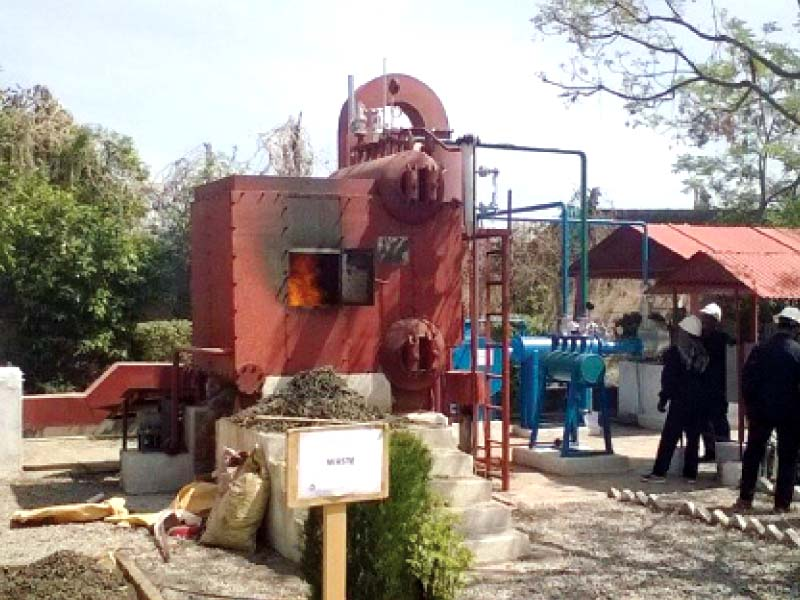
China’s waste-to-energy model offers insights for Pakistan as the country struggles with rising municipal solid waste, weak segregation systems, shrinking landfill space and an energy sector that needs cleaner and locally available generation sources.

LAHORE: The Sui Northern Gas Pipelines Ltd (SNGPL) reported a profit after tax (PAT) of Rs14.809 billion, ...

ISLAMABAD - The country’s trade imbalance has widened by almost 16 percent to $14.6 billion in the first four months (July to October) of the current fiscal year (FY2026-27) as the imports have surpassed the exports.
ISLAMABAD - The Sensitive Price Indicator (SPI)-based weekly inflation increased by 0.29 percent during the week ended on November 05, 2026, for the combined consumption group, the Pakistan Bureau of Statistics (PBS) reported here on Friday. According to PBS data, the SPI for the week under review increased to 374.61 points from 373.51 points recorded in the previous week. On a year-on-year basis, the SPI increased by 12.31 percent. The weekly SPI, with base year 2015-16=100, covers 17 urban centres and 51 essential items for all expenditure groups. The SPI for the lowest consumption group (up to Rs17,732) increased by 0.86 percent to 361.00 points from 357.92 points. Likewise, the SPI for consumption groups of Rs17,733–22,888, Rs22,889–29,517, Rs29,518–44,175 and above Rs44,175 increased by 0.70 percent, 0.52 percent, 0.40 percent and 0.10 percent, respectively.

The Oil and Gas Regulatory Authority (OGRA) has revised the ex-depot prices of petroleum products, reducing the price of Motor Spirit (petrol) by Rs6.59 p
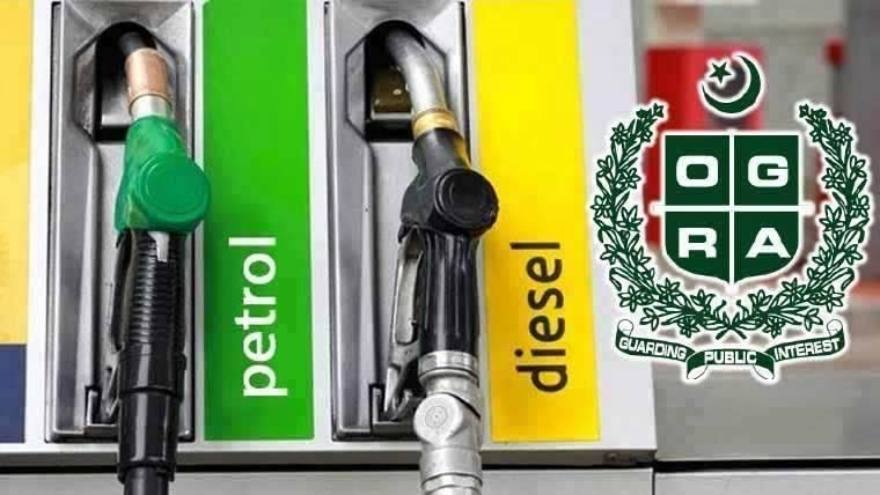
Pakistan's latest petroleum price revision sets petrol at Rs346 per litre and high-speed diesel at Rs378, affecting motorists and transport operators.
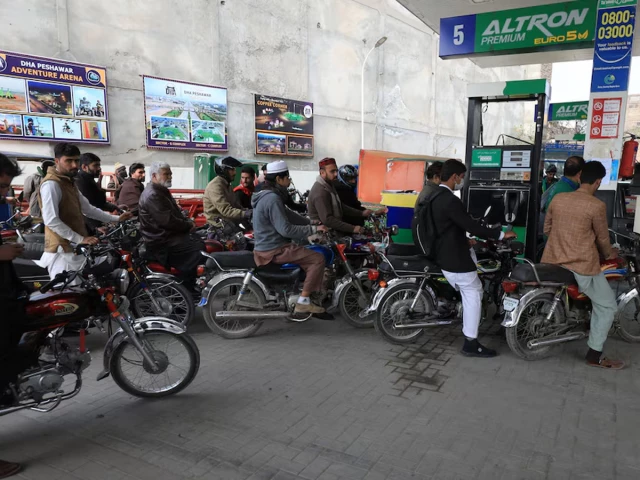
The federal government on Friday slashed the price of petrol by Rs6.59 per litre and that of high-speed diesel (HSD) by Rs4.25 per litre for November 7.

Petrol falls to Rs346 per litre and diesel to Rs378, with revised prices remaining unchanged from November 7 to 10 due to the public holiday.
The Exchange Rates Committee of the Financial Markets Association of Pakistan issued conversion rates for forward cover deposits, with an SBP settlement value date of November 12, 2026.

October deficit jumps nearly 20% to $3.88bn as import growth continues to outpace exports.

ISLAMABAD, Nov 6 (APP):The benchmark KSE-100 Index of the Pakistan Stock Exchange (PSX) reversed its positive momentum on Friday, losing 1,493.18 points, a negative change of 0.85 percent, to close at 173,886.69 points against 175,379.87 points recorded in the previous trading session.
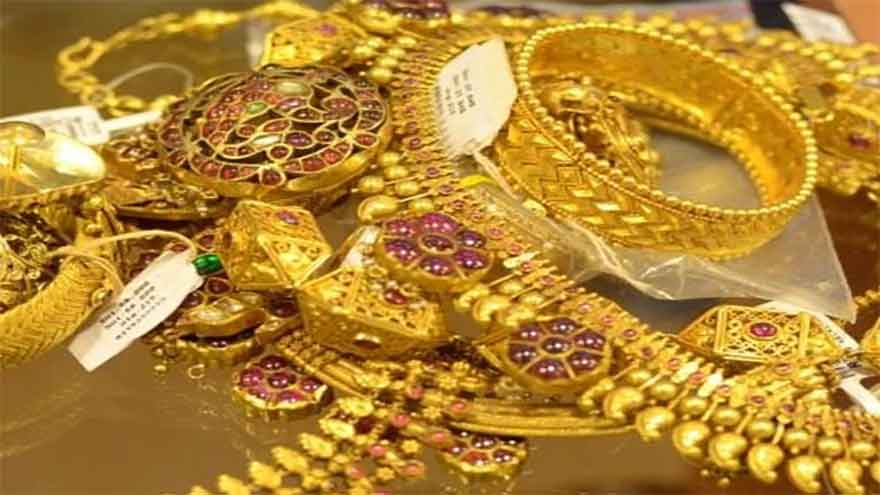
Gold prices declined sharply in Pakistan, with the per tola rate falling Rs6,500 to Rs429,136, following a $65 drop in international markets.


Benchmark index closes at 173,886 points amid widespread selling pressure
Exports grow 8.52%, while imports surge 12.59% during July-October

According to the All Pakistan Sarafa Gems and Jewellers Association, 24-karat gold fell to Rs429,136 per tola, while silver prices and international bullion rates also declined on Friday.

The 24-karat gold price in Pakistan fell by Rs. 6,500 per tola to Rs. 429,136, according to the All Pakistan Gems and Jewellers Association. The previous reported per-tola rate was Rs. 435,636. The price of 24-karat gold per 10 grams also declined by Rs. 5,573 to Rs. 367,914, compared with the prev ..
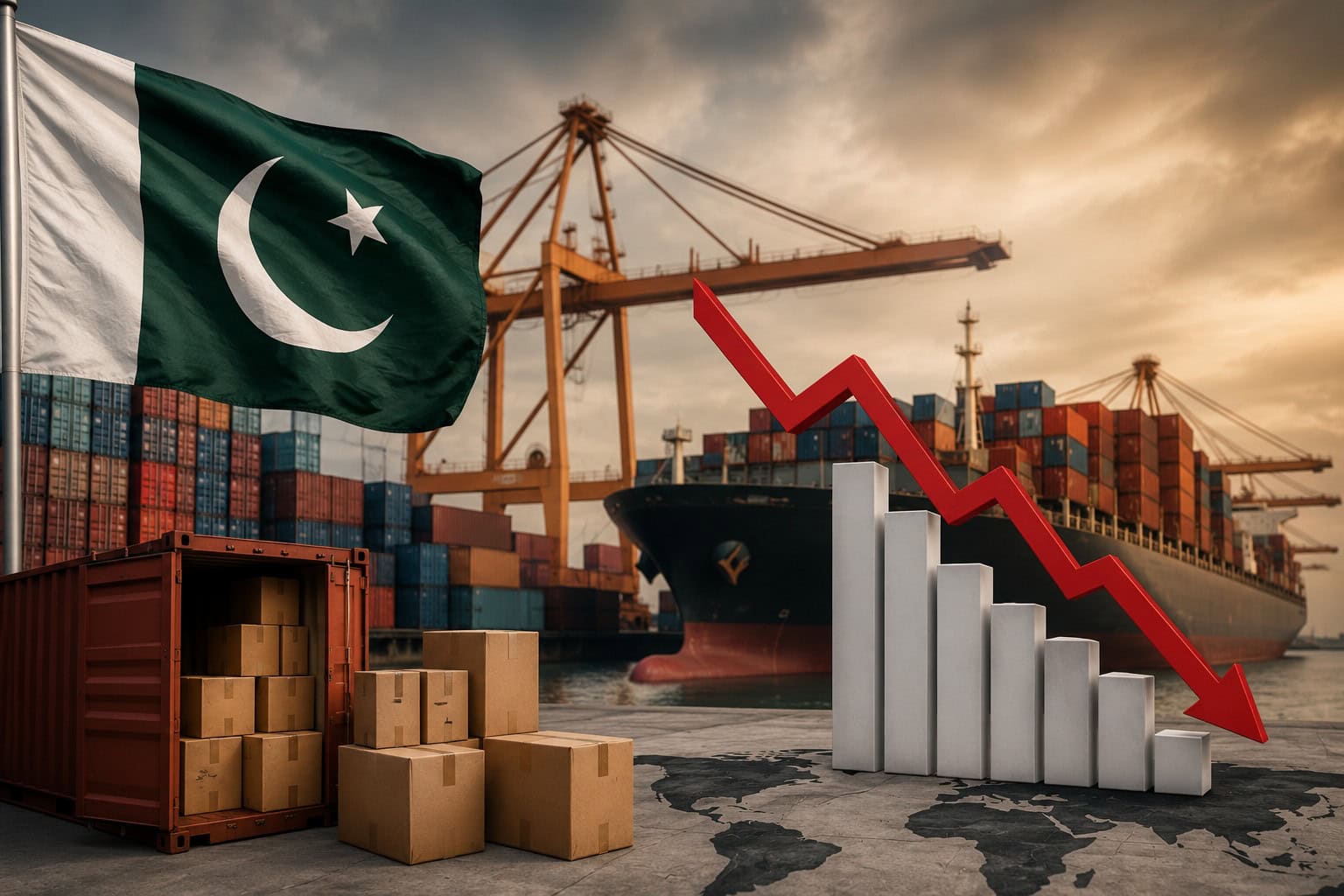
Pakistan’s trade deficit surged nearly 20% year-on-year to $3.88 billion in October 2026, up from $3.24 billion in the same month last year.
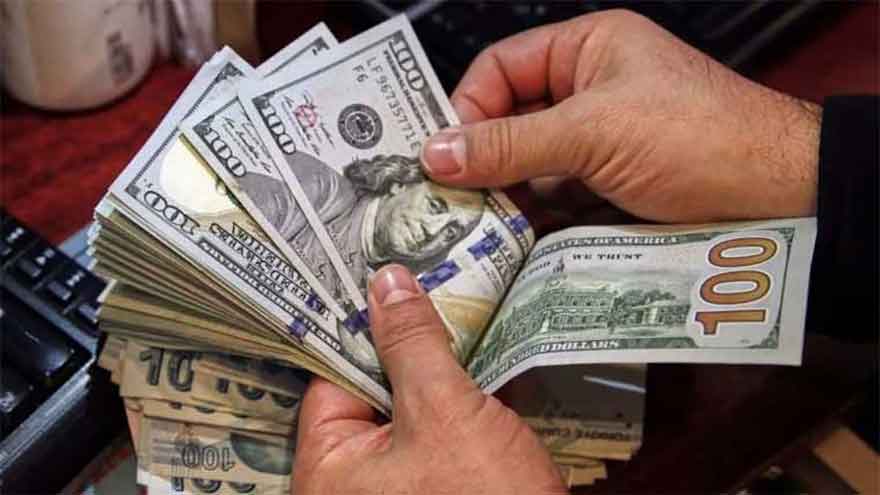
The rupee edged up one paisa against the US dollar on Friday, while the euro and British pound weakened; the Japanese yen was unchanged, according to exchange-rate data.

The Exchange Rates Committee of the Financial Markets Association of Pakistan issued conversion rates for forward cover on foreign currency deposits, with an SBP settlement value date of November 12.

The Pakistani rupee continued its marginal gain against the US dollar in the inter-bank market on Friday.
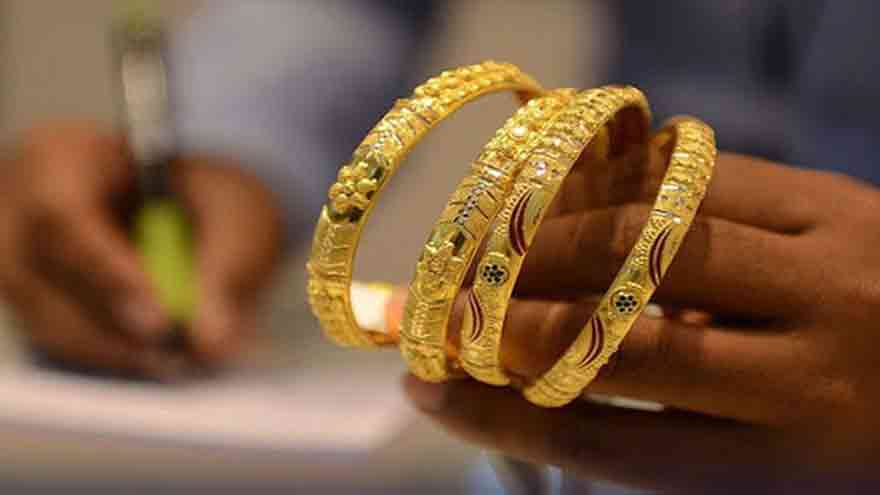
Gold prices in Pakistan fell by Rs6,500 per tola to Rs429,136, while international rates dropped $65 to $4,066 per ounce after a two-day rally.
ISLAMABAD, Nov 6 (APP):The Sensitive Price Indicator (SPI)-based weekly inflation increased by 0.29 percent during the week ended on November 05, 2026, for the combined consumption group, the Pakistan Bureau of Statistics (PBS) reported here on Friday.

Gold prices in Pakistan decreased on Friday in line with their loss in the international market. In the local market, gold price per tola reached Rs429,136 after a decline of Rs6,500 during the day.
ISLAMABAD, Nov 6 (APP):Exports from the country increased by 8.52 percent during the first four months of the current fiscal year as compared to the exports of the corresponding period of last year, Pakistan Bureau of Statistics (PBS) reported.

The Pakistan Stock Exchange (PSX) suspended trading at midday on Friday for the regular Friday prayers break, with the benchmark KSE-100 Index down 1,494.09 points, or 0.85 per cent, at 173,885.77.
The State Bank of Pakistan (SBP) conducted a reverse repo and Shariah Compliant Modarabah based Open Market Operation (OMO) today, in which it cumulativel

KARACHI, Nov 06 (APP):Following are the selling/buying rates of major currencies issued by the National Bank of Pakistan (NBP), here on Friday.

The National Bank of Pakistan issued selling and buying rates for the US dollar, British pound, euro, Japanese yen, Saudi riyal and UAE dirham in Karachi on Friday.

The Sensitive Price Indicator (SPI) increased by 0.29% week-on-week (WoW) during the week ended November 05, 2026, while registering a 12.31% year-on-year
National Bank of Pakistan’s Treasury Management Division issued buying and selling rates for major currencies, including the US dollar, euro, British pound and Gulf currencies, for settlement on November 12, 2026.