
Tackling agri’s challenges
Constructing groundwater recharge boreholes is a step in the right direction
DAWN
Constructing groundwater recharge boreholes is a step in the right direction
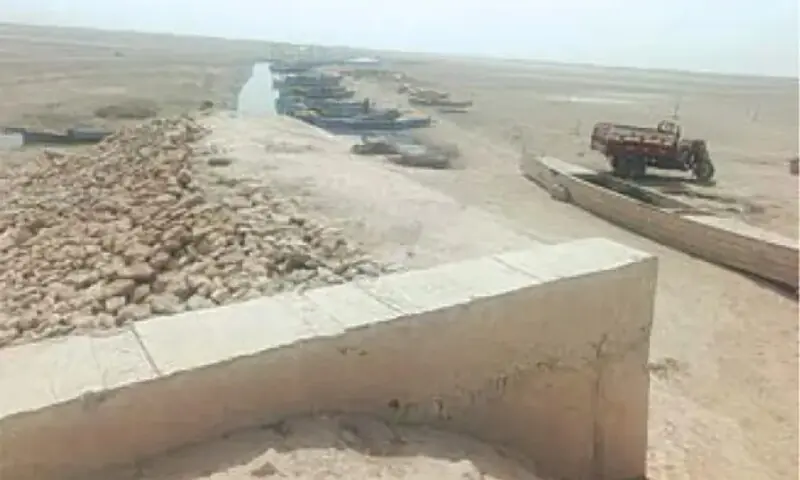
Deprived of its once-thriving economy and biodiversity, fishing communities migrate in search of livelihoods.
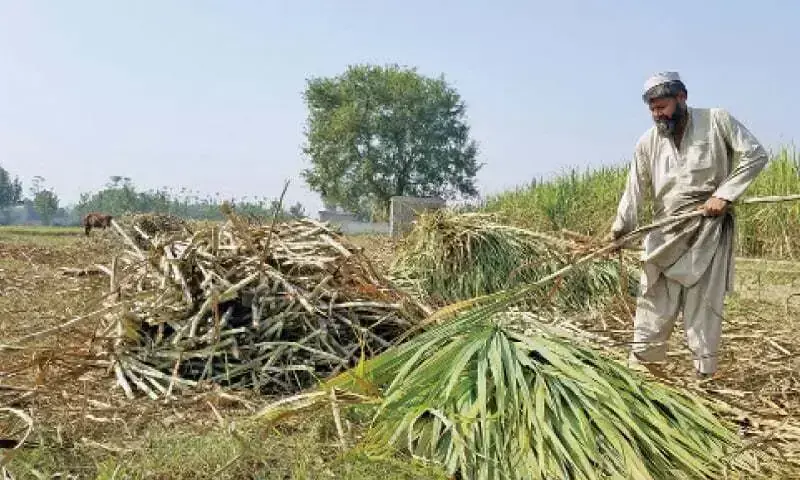
Productivity improvement offers a long-lasting solution because it expands economic value instead of merely redistributing it.

PSX opened the week lower as Middle East tensions weighed on investor sentiment, with KSE-100 index falling over 1,500 points. Rising oil prices added pressure on global markets.
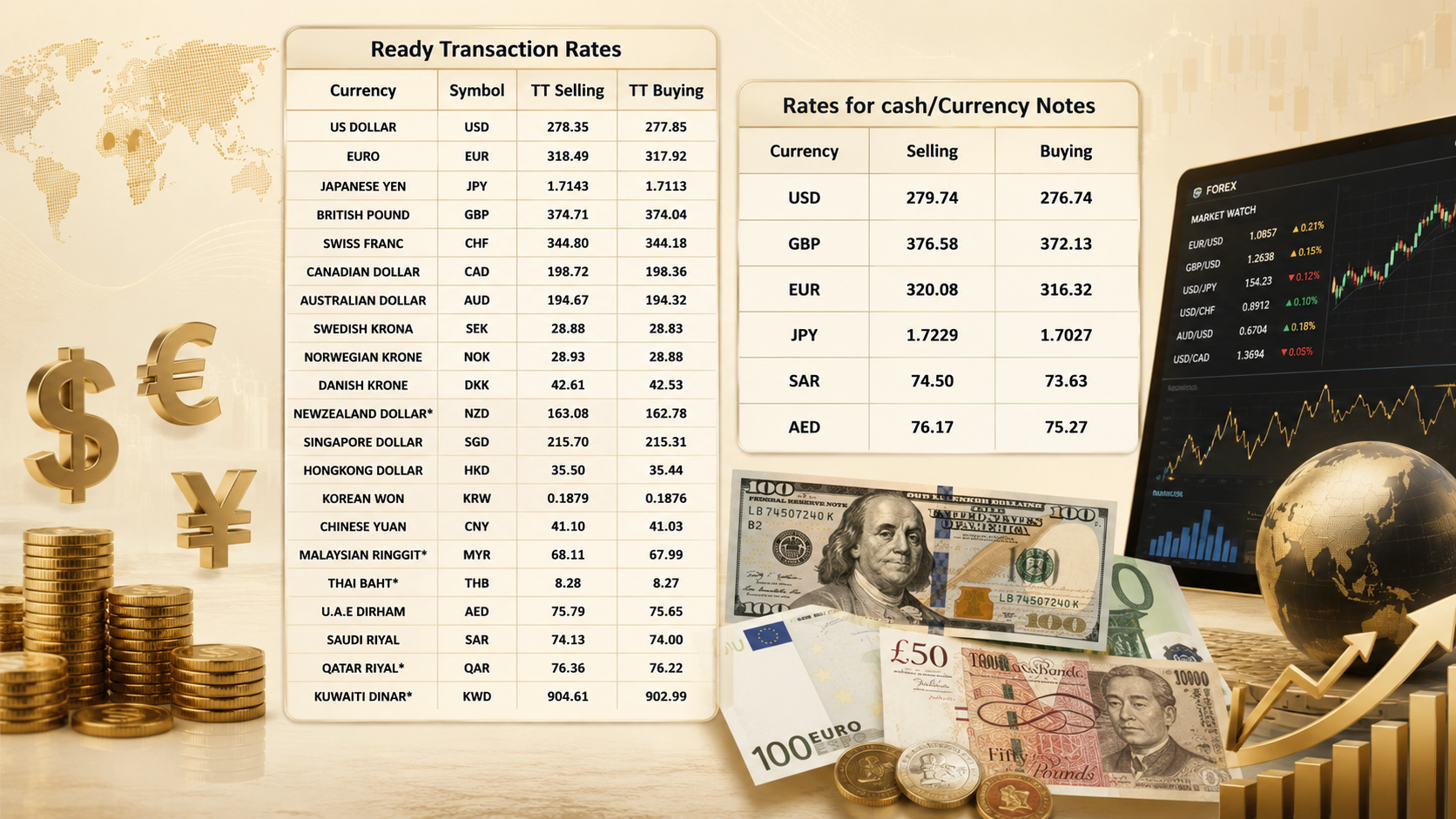
Check today’s Pakistan foreign exchange rates as per NBP’s bulletin for July 20, 2026. See buying and selling rates now!
The Exchange Rates Committee of Financial Markets Association of Pakistan issued the following exchange rates bulletin, here on Monday. CONVERSION RATES FOR JULY 20, 2026 FOR FOREIGN CURRENCY FOR FORWARD COVER FOR DEPOSITS (EXCLUDING FE-25 DEPOSITS) ..

Under the proposed strategy, the government plans to establish a 45-day emergency oil buffer in the first phase, with a longer-term objective of expanding reserve capacity to 90 days.
Government-academia partnership could improve tax collection through analysis
Faysal Bank Limited has reaffirmed its longstanding partnership with the Lahore University of Management Sciences (Lums)

KARACHI, Jul 20 (APP): The Exchange Rates Committee of the Financial Markets Association of Pakistan issued the following exchange rates bulletin here on Monday.

Singapore: Global oil prices extended their gains on Monday, with Brent crude rising above $90 per barrel, as concerns over potential supply disruptions through the Strait of Hormuz continued to support the market.

Pakistan Engineering Company Ltd. (PECO) said on Monday that Humaira Zia Mufti was appointed as Ex-Officio Director/ Chairman of Pakistan Engineering Company (PECO) with immediate effect to represent the Government of Pakistan on the PECO Board.

Two schools of thought have emerged in the recent debate on the 18th constitutional amendment, which brought a structural shift towards devolution. One school – let's call it centralists – has argued that the federal government is now structurally weak and in a perpetual fiscal crisis, since 57.5% of divisible resources are transferred to provinces whereas it must finance defence and debt servicing on its own, leaving hardly any resources for other heads. This school also argues that despite resource transfer, provincial governments have failed to bring any improvement in social spending – in education and health particularly. The other school – let's call it federalists – believes that the continued presence of the federal government in devolved subjects – including social protection, education, health, and agriculture – is unnecessary and has increased its fiscal burden. This school echoes the direction of the 18th amendment, demanding more devolution, including empowered local gover

Saudi Arabia's decision to increase its financial support to Pakistan by replacing the deposits withdrawn by the United Arab Emirates (UAE) under the ongoing International Monetary Fund (IMF) programme deserves sincere appreciation. At a time when geopolitical uncertainty has intensified across the Middle East and global financial markets remain volatile, Riyadh has once again reposed its confidence in Pakistan. Such support reflects the depth of bilateral relations and reinforces Saudi Arabia's role as one of Pakistan's most dependable strategic partners.
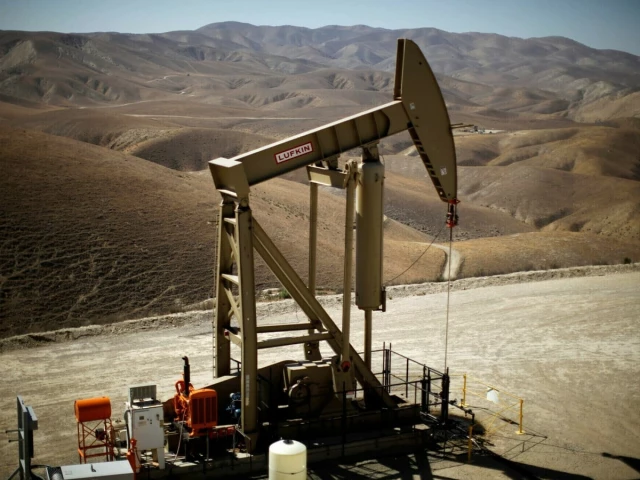
Pakistan has recently made a number of hydrocarbon discoveries, which need rapid and economical development. This led me to study some associated project execution practices currently in vogue and share suggestions which may help.
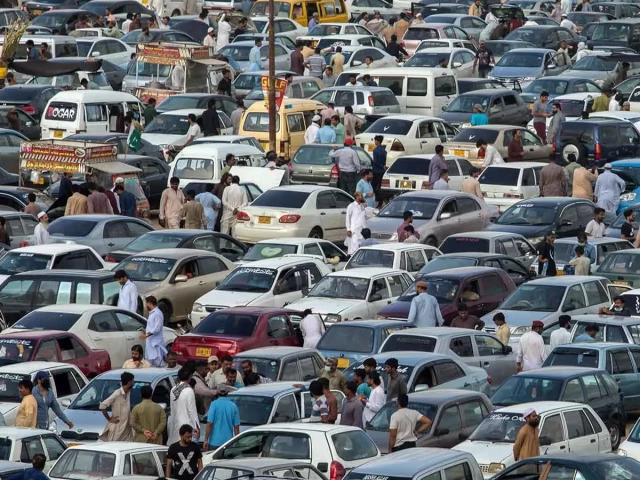
Recent tensions and disruptions in the Strait of Hormuz have triggered a fresh energy crisis, turning the global shift to electric vehicles from a gradual climate response into an urgent economic imperative.
If there is one economic data point that has consistently worried Pakistani analysts, investors, policymakers, bankers, and even the common man, it is the current account deficit.
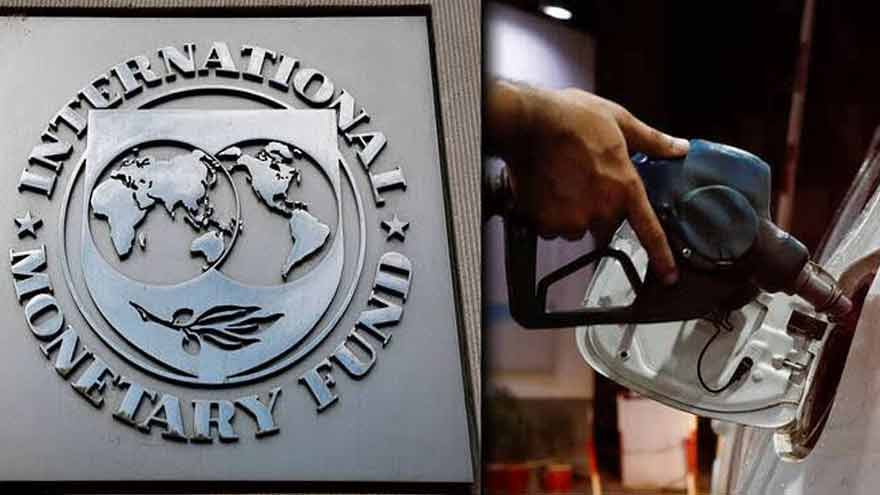
Pakistan's oil import bill rose to $16.86 billion in FY2025-26, exceeding the IMF estimate by $1.58 billion as global oil prices surged amid Middle East tensions.
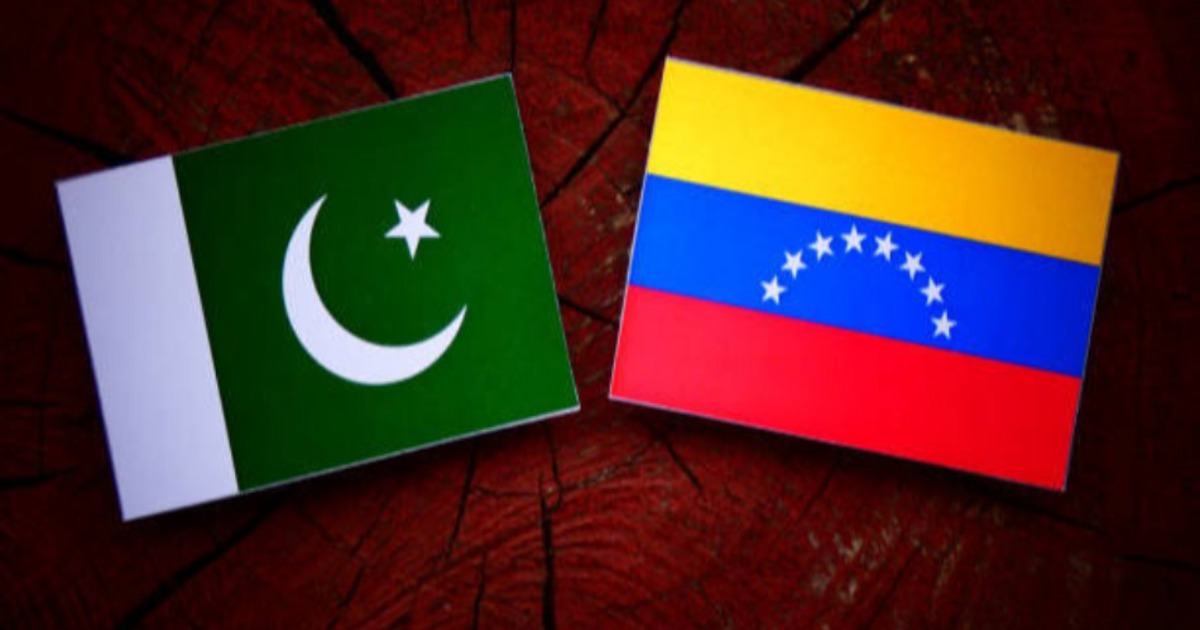
Pakistan and Venezuela have agreed to broaden economic cooperation and strengthen people-to-people contacts, with both sides identifying trade, investment

Raising tree canopy cover by 10pc lowers air temperature by about 0.8°C

The Pakistan Stock Exchange (PSX) saw a volatile trading session on Monday, with the benchmark KSE-100 Index swinging sharply between gains and losses before ending the day marginally higher.
By addressing parental concerns proactively, platforms reduce friction, strengthen credibility, and build loyalty that can span
Lilly is the world’s most valuable drugmaker and the first pharmaceutical company to be worth more than $1tr,...
Stripe and Advent International reportedly made a joint offer to acquire the payments firm PayPal in a $53 billion...
JPMorgan Chase CEO Jamie Dimon says AI has helped JPMorgan cut up to 40pc of jobs in certain roles, as per CNBC...
The ocean could hold as many as 1.75m undescribed species, but habitat destruction, pollution, climate change, and...

Pakistan’s CKD and SKD vehicle kit imports surged 92% to a record $2.12B in FY26. How localisation gaps and policy changes may shape next steps.
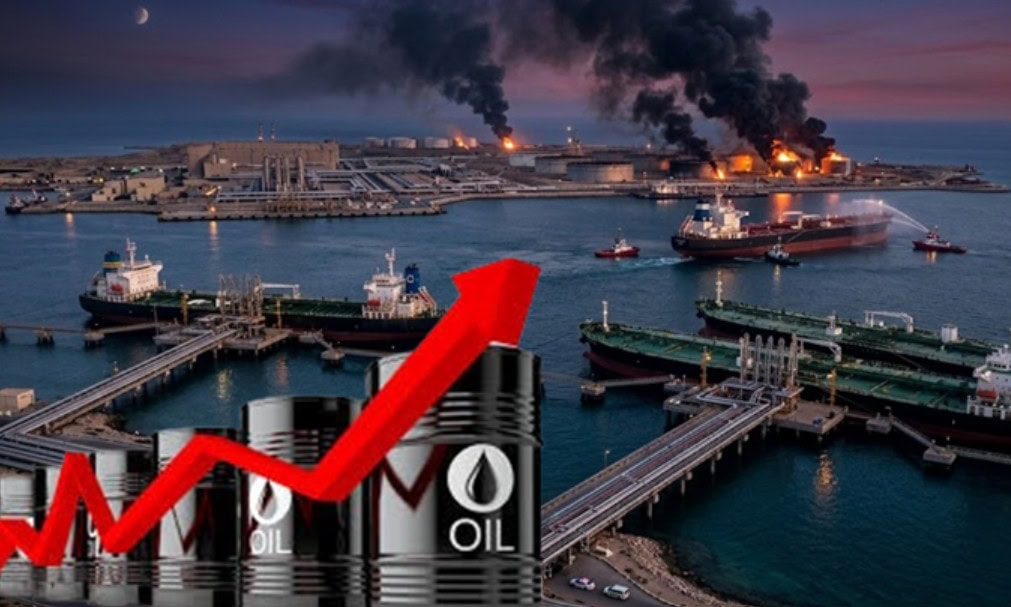
SINGAPORE – Global oil prices moved higher as escalating tensions between the United States and Iran raised concerns over disruptions to energy supplies,

K-Electric (KE) has partnered with Mashreq Pakistan to offer cashback rewards of up to Rs10,000 to the utility's customers who hold a current account with

Pakistan and China sign $1.4 billion in pharma, vaccine and medical equipment agreements. Read what local manufacturing and jobs could bring.
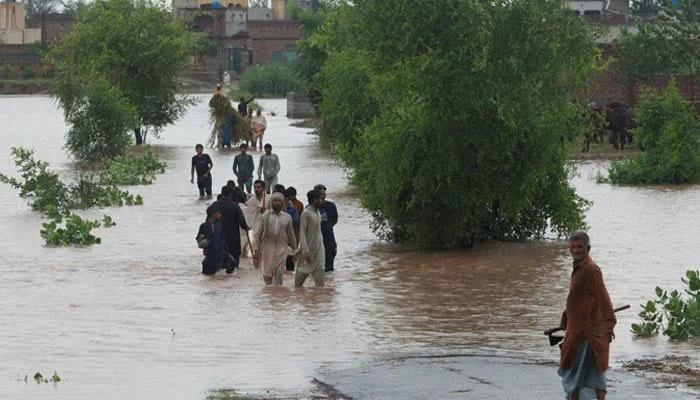
ISLAMABAD, June 11 (INP-Wealth Pakistan) -- Climate-related disasters caused economic losses of Rs822 billion in Pakistan during 2025, underscoring the country's growing vulnerability to extreme weather events and the increasing economic cost of climate change, according to the Pakistan Economic Survey 2025-26 released by the Ministry of Finance.
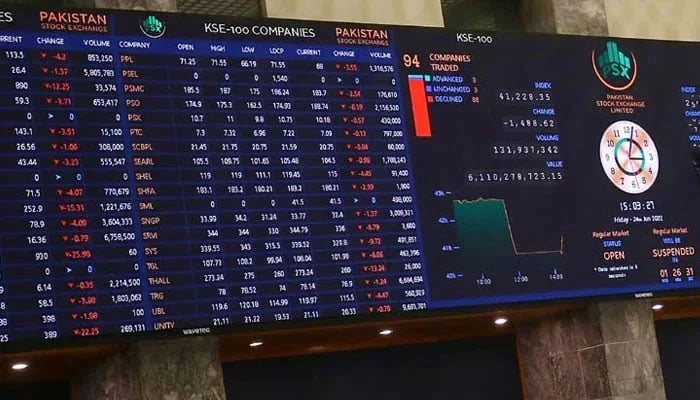
ISLAMABAD, June 11 (INP-Wealth Pakistan) -- Pakistan's stock market delivered a strong performance in FY2025-26, with the benchmark KSE-100 Index gaining 18.4%, reflecting improving investor confidence, strengthening macroeconomic stability and renewed interest in capital markets, according to the Pakistan Economic Survey 2025-26 released by the Ministry of Finance.

ISLAMABAD, June 11 (INP-Wealth Pakistan) -- Pakistan's mining and quarrying sector returned to positive growth in FY2025-26 after four consecutive years of contraction, signaling a revival in mineral extraction activity and highlighting the sector's growing importance in the country's economic and industrial landscape, according to the Pakistan Economic Survey 2025-26 released by the Ministry of Finance.

ISLAMABAD, June 11 (INP-Wealth Pakistan) -- Pakistan’s national savings were recorded at 14.13% of gross domestic product (GDP) in FY2025-26, reflecting the importance of domestic resource mobilization for investment-led economic growth, according to the Pakistan Economic Survey 2025-26 released by the Ministry of Finance.
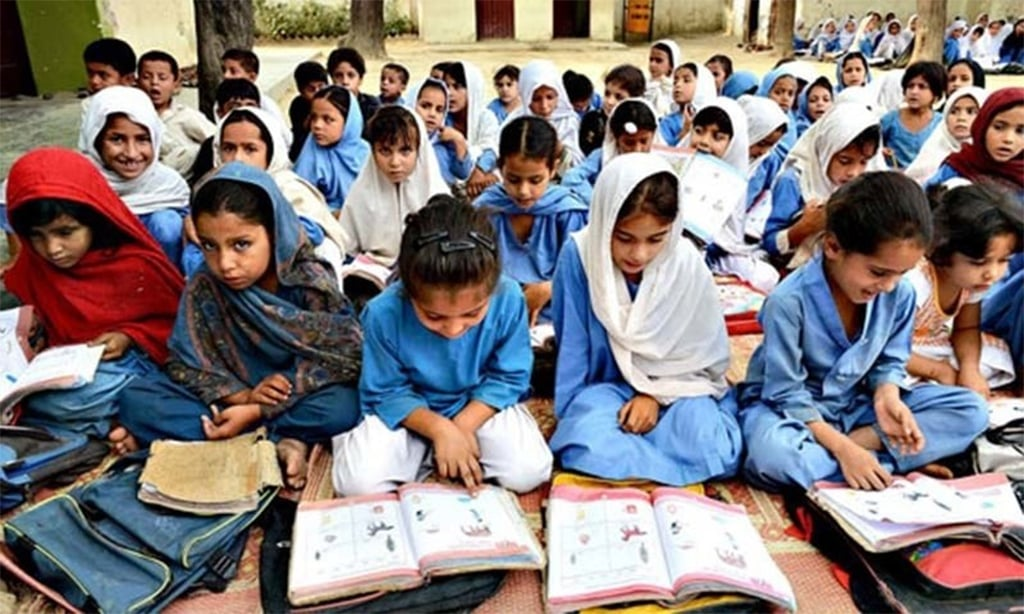
ISLAMABAD, June 11 (INP-Wealth Pakistan) -- Pakistan's literacy rate improved to 63% in 2024-25 from 61% in 2022-23, reflecting gradual progress in educational attainment and human capital development despite continuing challenges related to quality, infrastructure and regional disparities, according to the Pakistan Economic Survey 2025-26 released by the Ministry of Finance.
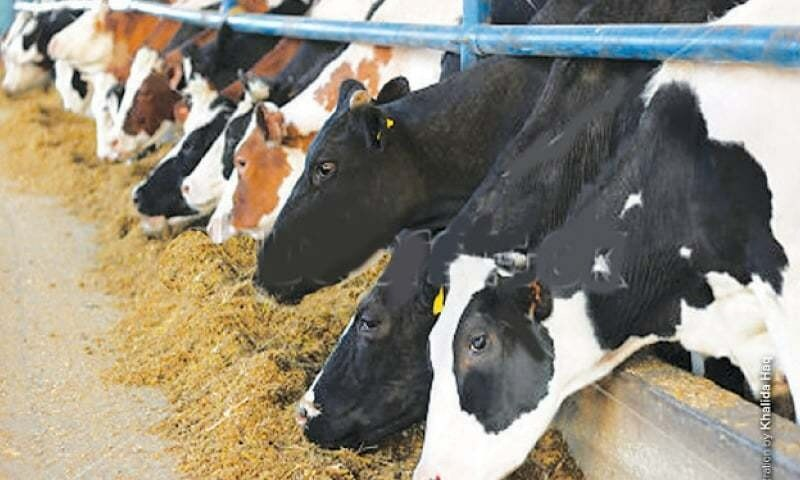
ISLAMABAD, June 11 (INP-Wealth Pakistan) -- Pakistan's livestock sector grew by 3.75% in FY2025-26, maintaining its position as the largest component of agriculture and reinforcing its importance for food security, rural livelihoods and export development, according to the Pakistan Economic Survey 2025-26 released by the Ministry of Finance.

ISLAMABAD, June 11 (INP-Wealth Pakistan) -- Pakistan's technology freelancers generated export earnings of $856.3 million in FY2025-26, marking a remarkable 51% increase over the previous year and reinforcing the country's position as one of the world's leading freelance markets, according to the Pakistan Economic Survey 2025-26 released by the Ministry of Finance.

ISLAMABAD, June 11 (INP-Wealth Pakistan) -- Fertilizer nutrient offtake increased by 11.4% during July-March FY2026, reflecting stronger agricultural activity and improved input utilization as farmers sought to enhance crop productivity despite weather-related challenges, according to the Pakistan Economic Survey 2025-26 released by the Ministry of Finance.

ISLAMABAD, June 11 (INP-Wealth Pakistan) -- Pakistan's broadband subscriber base reached 161 million by March 2026, reflecting the rapid expansion of digital connectivity and the growing role of telecommunications infrastructure in supporting economic activity, digital services and technological transformation, according to the Pakistan Economic Survey 2025-26 released by the Ministry of Finance.

ISLAMABAD, June 11 (INP-Wealth Pakistan) -- Pakistan's construction sector grew by 5.73% in FY2025-26, making it one of the strongest-performing segments of the economy, according to the Pakistan Economic Survey 2025-26 released by the Ministry of Finance. The sector played a key role in supporting industrial activity, infrastructure development, and employment generation.

ISLAMABAD, June 11 (INP-Wealth Pakistan) -- Clean energy sources accounted for more than half of Pakistan's installed electricity generation capacity in FY2025-26, marking a significant shift in the country's energy mix as policymakers pursue greater energy security, sustainability and reduced dependence on imported fuels, according to the Pakistan Economic Survey 2025-26 released by the Ministry of Finance.

ISLAMABAD, June 11 (INP-Wealth Pakistan) -- Pakistan's manufacturing sector staged a strong recovery in FY2025-26, with large-scale manufacturing (LSM) growing by 6.11% after contracting in the previous fiscal year, according to the Pakistan Economic Survey 2025-26 released by the Ministry of Finance.

ISLAMABAD, June 11 (INP-Wealth Pakistan) -- The State Bank of Pakistan (SBP) is expected to keep the policy rate unchanged at 11.5 percent in its monetary policy decision due on Monday, June 15, 2026, despite double-digit inflation, as market and policy experts argue that the latest price pressures are largely supply-side and administratively driven rather than demand-led.
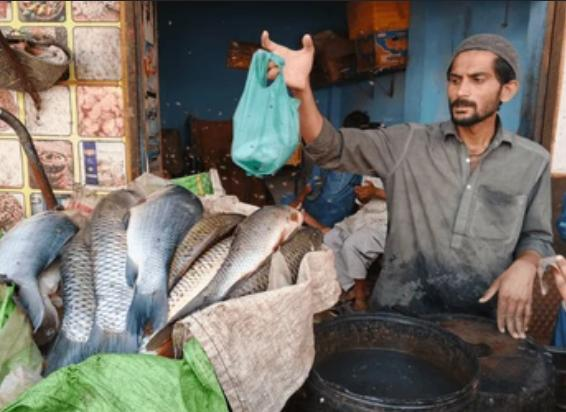
ISLAMABAD, June 11 (INP-Wealth Pakistan) -- Pakistan's fisheries sector is gaining renewed access to international markets as exports to the European Union (EU) resume and trade opportunities with China continue to expand, according to the Pakistan Economic Survey 2025-26.
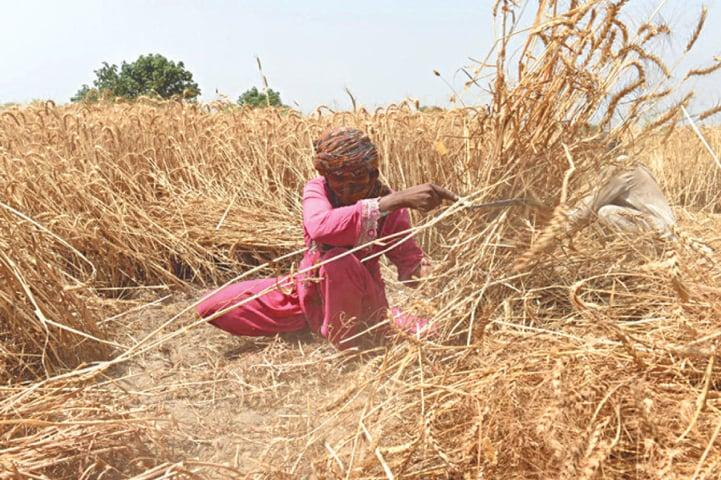
ISLAMABAD, June 11 (INP-Wealth Pakistan) -- Pakistan's agriculture sector grew by 2.89% in FY2025-26 despite widespread damage caused by the 2025 floods, demonstrating the sector's resilience and its continued importance as a pillar of the national economy, according to the Pakistan Economic Survey 2025-26 released by the Ministry of Finance.

ISLAMABAD, June 11 (INP-Wealth Pakistan) -- Pakistan's telecommunications sector generated revenues of Rs837 billion and contributed Rs285 billion to the national exchequer in FY2025-26, underscoring its growing importance as a key driver of digital transformation, investment and economic activity, according to the Pakistan Economic Survey 2025-26 released by the Ministry of Finance.

ISLAMABAD, June 11 (INP-Wealth Pakistan) -- Pakistan's expenditure on poverty reduction and social welfare programmes reached Rs4.66 trillion during July-March FY2025-26, reflecting the government's continued focus on protecting vulnerable segments of society and improving access to essential public services, according to the Pakistan Economic Survey 2025-26 released by the Ministry of Finance.
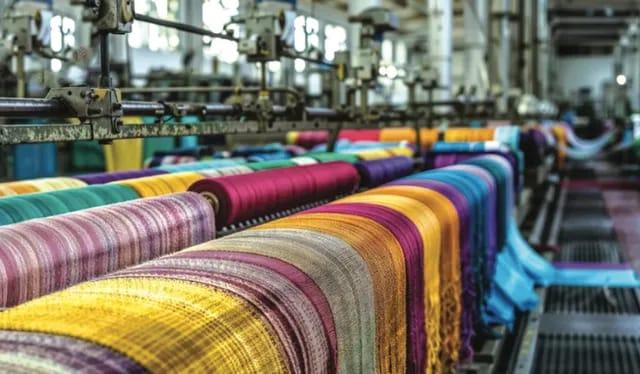
ISLAMABAD, June 11 (INP-Wealth Pakistan) -- Pakistan's textile sector returned to growth in FY2025-26, providing a boost to industrial activity and export-oriented manufacturing after facing significant challenges in recent years, according to the Pakistan Economic Survey 2025-26 released by the Ministry of Finance.

ISLAMABAD, June 11 (INP-Wealth Pakistan) -- Pakistan's information and communication technology (ICT) export remittances increased by 19.7% to $3.38 billion in FY2025-26, highlighting the sector's growing role as a major source of foreign exchange earnings and one of the country's fastest-growing export industries, according to the Pakistan Economic Survey 2025-26 released by the Ministry of Finance.
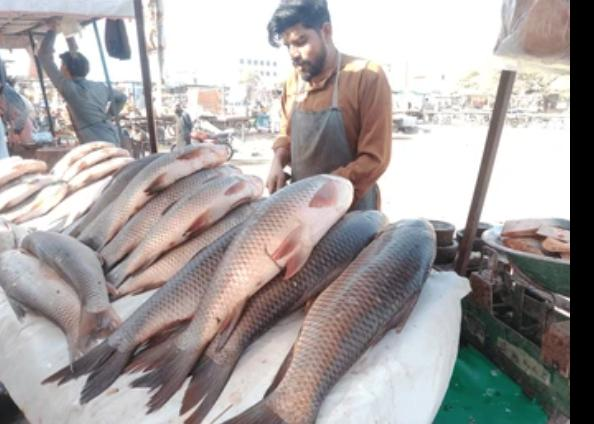
ISLAMABAD, June 11 (INP-Wealth Pakistan) -- Pakistan's fish production reached 642.18 thousand metric tonnes during July-March FY2026, highlighting the growing importance of fisheries in supporting food supplies, employment and economic activity in coastal and inland communities, according to the Pakistan Economic Survey 2025-26.

ISLAMABAD, June 11 (INP-Wealth Pakistan) -- Private investment increased by 12.8% in FY2025-26, reflecting improving investor confidence and strengthened macroeconomic stability as Pakistan's economy continued its recovery path, according to the Pakistan Economic Survey 2025-26 released by the Ministry of Finance.

ISLAMABAD, June 11 (INP-Wealth Pakistan) -- Pakistan’s total public debt reached Rs83.285 trillion by the end of March FY2025-26, reflecting the scale of the government's financing requirements while highlighting ongoing efforts to improve debt management, strengthen fiscal discipline and reduce financing risks, according to the Pakistan Economic Survey 2025-26 released by the Ministry of Finance.

ISLAMABAD, June 11 (INP-Wealth Pakistan) -- Pakistan's per capita income increased to $1,901 in FY2025-26, reflecting improved economic activity, exchange rate stability and growth across major sectors of the economy, according to the Pakistan Economic Survey 2025-26 released by the Ministry of Finance.

ISLAMABAD, June 11 (INP-Wealth Pakistan) -- Pakistan's poverty rate increased to 28.9% in FY2025-26, highlighting the continued impact of economic shocks, inflationary pressures, climate-related disasters and population growth on household welfare, according to the Pakistan Economic Survey 2025-26 released by the Ministry of Finance.

ISLAMABAD, June 11 (INP-Wealth Pakistan) -- Pakistan International Airlines (PIA) posted an operating profit of Rs16 billion in FY2025-26, marking a significant improvement in the financial performance of the national flag carrier after years of losses and operational challenges, according to the Pakistan Economic Survey 2025-26 released by the Ministry of Finance.
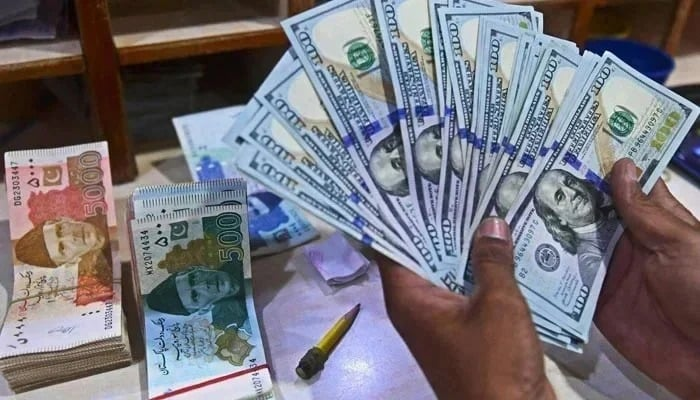
ISLAMABAD, June 11 (INP-Wealth Pakistan) -- Workers' remittances increased by 8.2% to $30.3 billion in FY2025-26, providing critical support to Pakistan's external sector and helping strengthen the country's foreign exchange position amid continued global economic uncertainty, according to the Pakistan Economic Survey 2025-26 released by the Ministry of Finance.
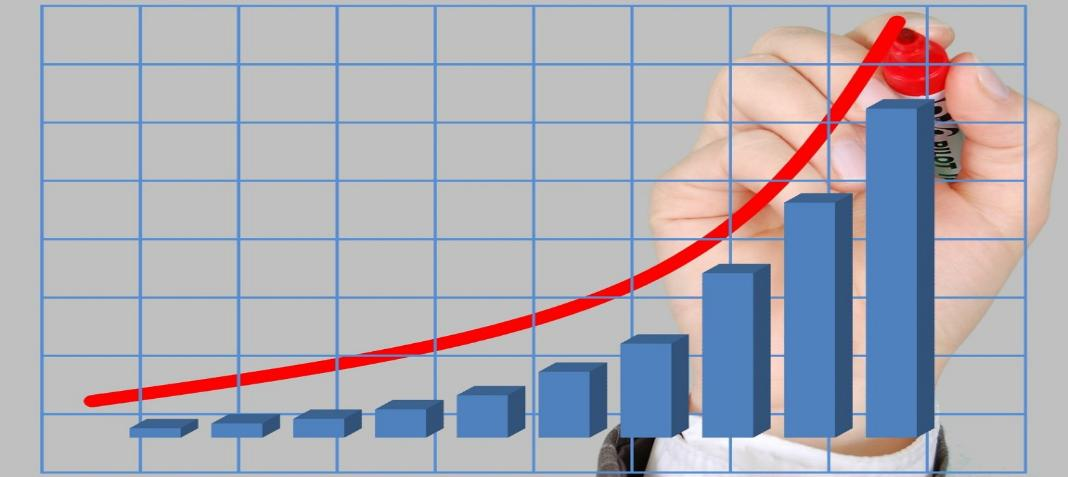
ISLAMABAD, June 11 (INP-Wealth Pakistan) -- Pakistan's unemployment rate increased to 7.1% in FY2025-26 despite the economy growing by 3.7%, underscoring the challenges of generating sufficient employment opportunities for a rapidly expanding workforce, according to the Pakistan Economic Survey 2025-26 released by the Ministry of Finance.

ISLAMABAD, June 11 (INP-Wealth Pakistan) -- Pakistan's economy expanded to Rs126.9 trillion and crossed the US$452 billion mark in FY2025-26, reflecting growth across agriculture, industry and services amid improving macroeconomic stability, according to the Pakistan Economic Survey 2025-26 released by the Ministry of Finance.

ISLAMABAD, June 11 (INP-Wealth Pakistan) -- The market capitalization of the Pakistan Stock Exchange (PSX) increased to Rs16.53 trillion by the end of March 2026, reflecting improved investor confidence, stronger corporate earnings and positive capital market performance during FY2025-26, according to the Pakistan Economic Survey 2025-26 released by the Ministry of Finance.
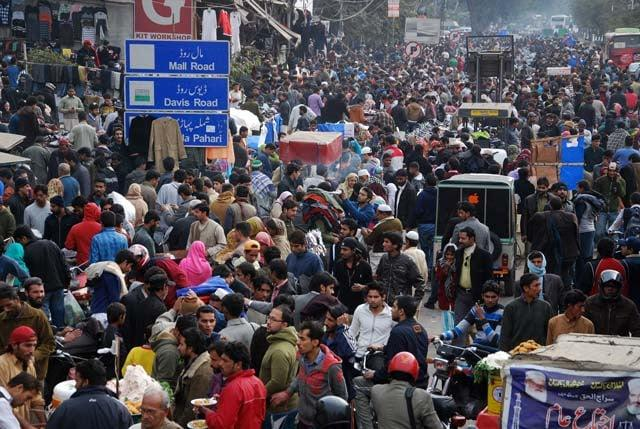
ISLAMABAD, June 11 (INP-Wealth Pakistan) -- Pakistan's population reached approximately 252 million in FY2025-26, reinforcing the country's position as the world's fifth most populous nation and highlighting the growing demand for jobs, education, healthcare, housing and infrastructure, according to the Pakistan Economic Survey 2025-26 released by the Ministry of Finance.
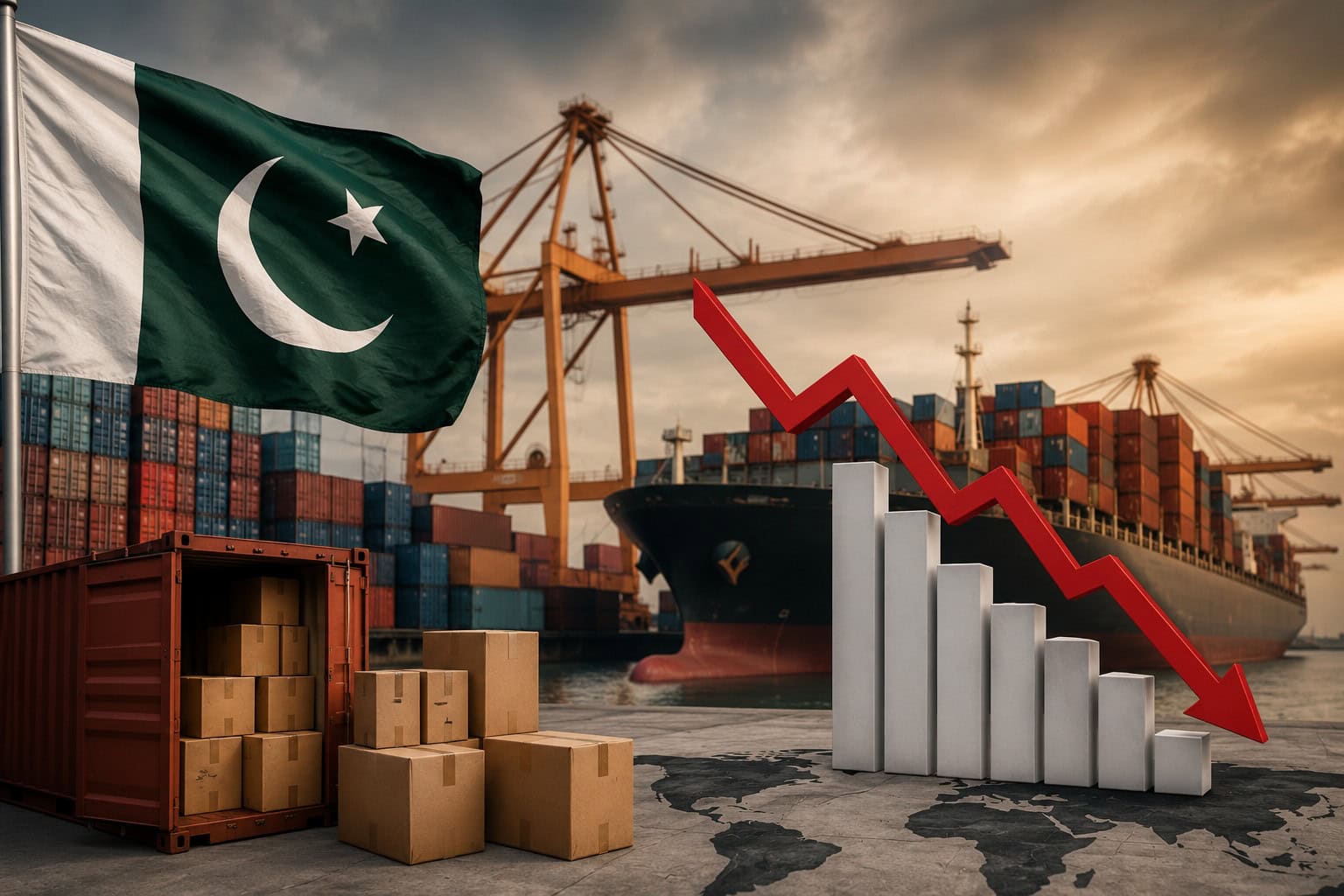
Pakistan’s trade deficit surged nearly 20% year-on-year to $3.88 billion in October 2026, up from $3.24 billion in the same month last year.
The rupee edged up one paisa against the US dollar on Friday, while the euro and British pound weakened; the Japanese yen was unchanged, according to exchange-rate data.

The Exchange Rates Committee of the Financial Markets Association of Pakistan issued conversion rates for forward cover on foreign currency deposits, with an SBP settlement value date of November 12.

The Pakistani rupee continued its marginal gain against the US dollar in the inter-bank market on Friday.
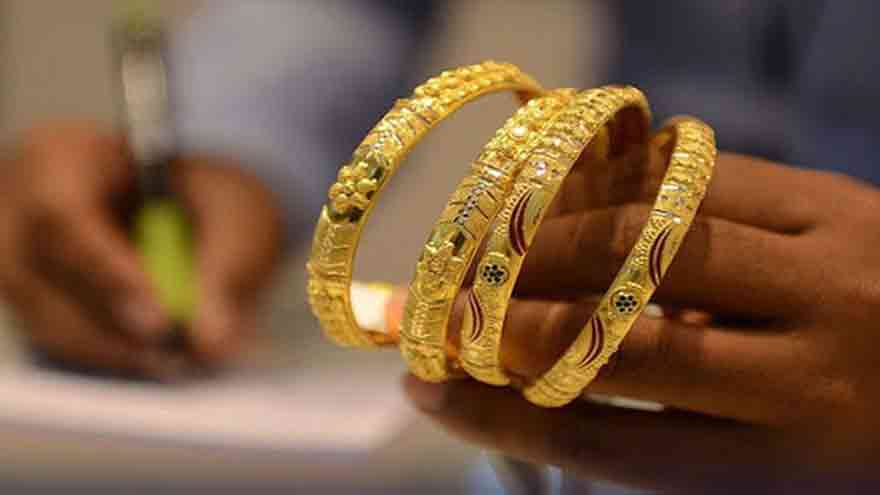
Gold prices in Pakistan fell by Rs6,500 per tola to Rs429,136, while international rates dropped $65 to $4,066 per ounce after a two-day rally.
ISLAMABAD, Nov 6 (APP):The Sensitive Price Indicator (SPI)-based weekly inflation increased by 0.29 percent during the week ended on November 05, 2026, for the combined consumption group, the Pakistan Bureau of Statistics (PBS) reported here on Friday.

Gold prices in Pakistan decreased on Friday in line with their loss in the international market. In the local market, gold price per tola reached Rs429,136 after a decline of Rs6,500 during the day.
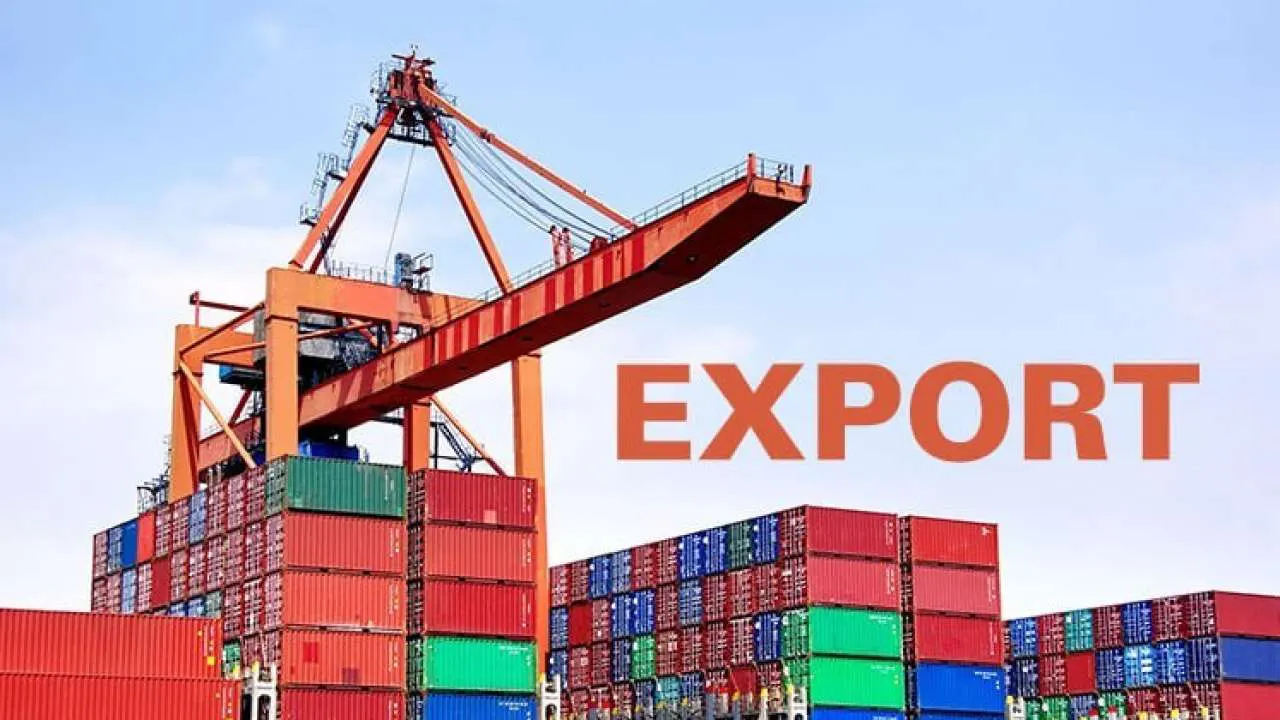
ISLAMABAD, Nov 6 (APP):Exports from the country increased by 8.52 percent during the first four months of the current fiscal year as compared to the exports of the corresponding period of last year, Pakistan Bureau of Statistics (PBS) reported.

The Pakistan Stock Exchange (PSX) suspended trading at midday on Friday for the regular Friday prayers break, with the benchmark KSE-100 Index down 1,494.09 points, or 0.85 per cent, at 173,885.77.

The State Bank of Pakistan (SBP) conducted a reverse repo and Shariah Compliant Modarabah based Open Market Operation (OMO) today, in which it cumulativel

KARACHI, Nov 06 (APP):Following are the selling/buying rates of major currencies issued by the National Bank of Pakistan (NBP), here on Friday.

The National Bank of Pakistan issued selling and buying rates for the US dollar, British pound, euro, Japanese yen, Saudi riyal and UAE dirham in Karachi on Friday.

The Sensitive Price Indicator (SPI) increased by 0.29% week-on-week (WoW) during the week ended November 05, 2026, while registering a 12.31% year-on-year
National Bank of Pakistan’s Treasury Management Division issued buying and selling rates for major currencies, including the US dollar, euro, British pound and Gulf currencies, for settlement on November 12, 2026.
The British pound was quoted at Rs374.06 for selling and the euro at Rs311.83, while the US dollar buying rate stood at Rs275.44, according to the latest rates issued on Nov 6.

The Exchange Rates Committee of the Financial Markets Association of Pakistan issued conversion rates for forward cover deposits, with the SBP settlement value date set for November 12.

The Pakistan Stock Exchange (PSX) extended its bullish rally for a fourth consecutive session on Thursday, with the benchmark KSE-100 index surging 3,366 points, almost 2%, to close at 175,380, as easing geopolitical concerns, falling international oil prices and broad-based buying across key sectors lifted investor sentiment.

The KSE-100 Index fell 2,024.81 points, or 1.15%, to 173,355.05 amid profit-taking after Thursday’s strong rally at the Pakistan Stock Exchange.

Foreign exchange rates in Pakistan for today, November 06, 2026

Silver price in Pakistan for today, November 06, 2026

Gold price in Pakistan for today, November 06, 2026

Pakistan's total liquid foreign exchange reserves stand at $26.86 billion as SBP holdings increase by $39 million to $21.56 billion.
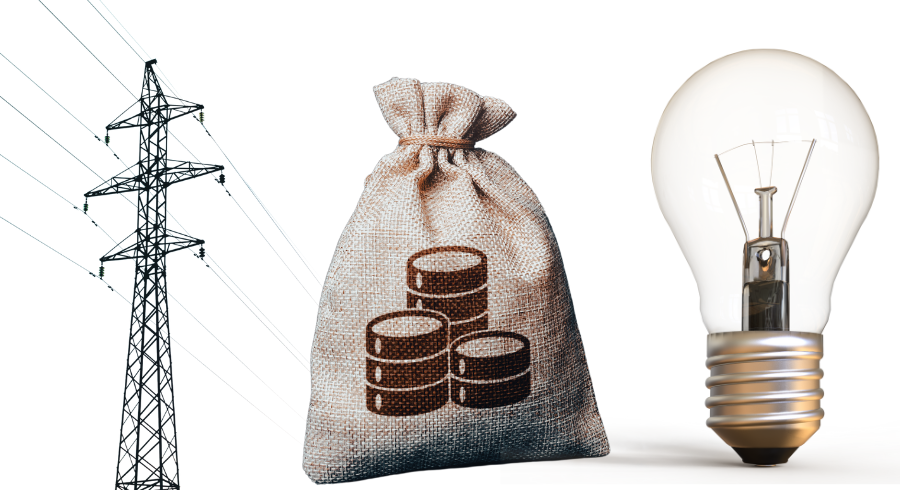
Pakistan's power distribution companies seek Rs1.34 per unit increase to recover Rs23.3 billion over three months. NEPRA hearing set for November 17.

World Bank’s global debt report shows figure climbed from $68.7bn in 2015 to $135.1bn in 2025; China remains Pakistan’s largest single creditor.
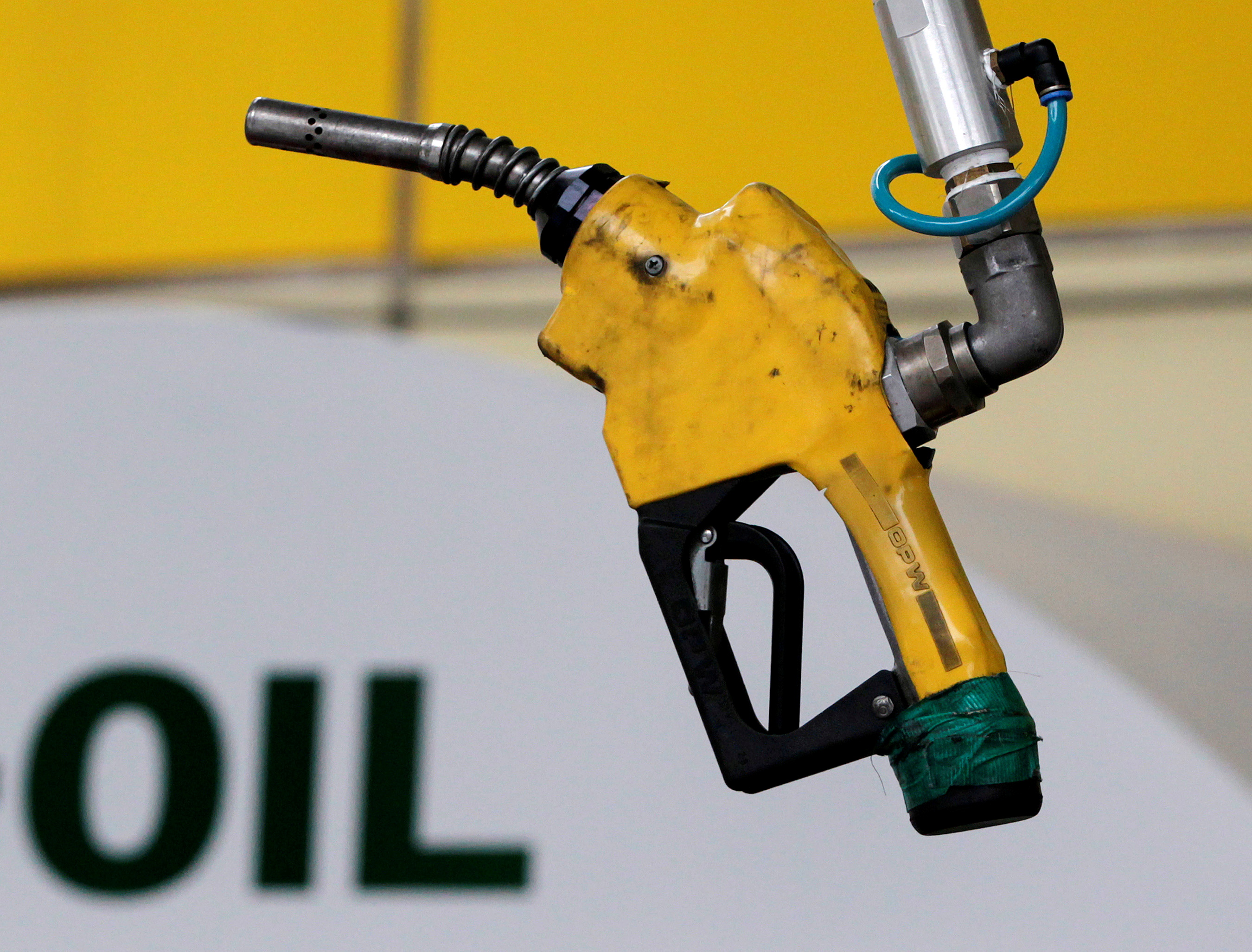
Government reduces petrol price by Rs9.41 to Rs352.59 per litre and diesel by Rs5.56 to Rs382.25, providing relief to motorists and transporters.
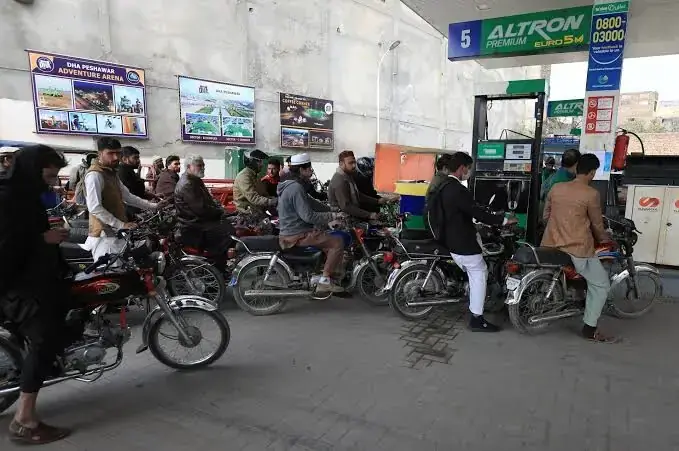
ISLAMABAD: The price of petrol has been reduced by Rs9.41 per litre, bringing the retail price down to Rs352.59 per litre. High-Speed Diesel (HSD) saw a cut of Rs5.56 per litre, fixing its new rate at Rs382.25 per litre, down from the previous Rs387.81 per litre, effective for November 6.

ISLAMABAD - The Securities and Exchange Commission of Pakistan (SECP) registered 5,003 new companies in October 2026, bringing the total number of registered companies in the country to 321,794. The eZfile portal, integrated with federal and provincial systems, enabled 99.9% of the new registrations to be completed online. Private limited companies accounted for the largest share of new incorporations, with 2,773 companies (55.4%), followed by 2,079 single member companies (41.6%). The registrations also included 105 Limited Liability Partnerships (2.1%), 39 Section 42 (not-for-profit) licensed companies (0.8%) and 7 other entities (0.1%), comprising 4 public companies, 2 foreign companies and 1 trade organisation. Punjab recorded the highest number of incorporations at 2,663 (53.2%), followed by Islamabad Capital Territory with 934 (18.7%), Sindh with 751 (15%), Khyber Pakhtunkhwa with 382 (7.7%), Gilgit-Baltistan with 162 (3.2%) and Balochistan with 111 (2.2%). The information techno
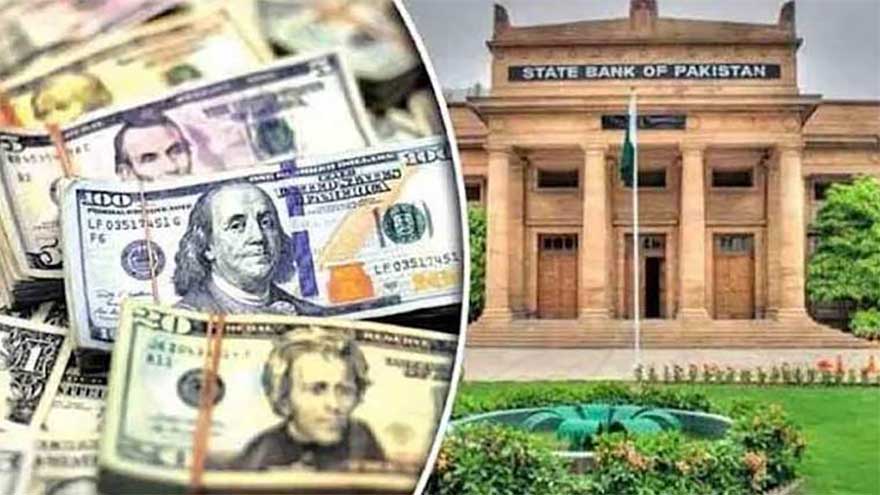
According to State Bank data, the country's total foreign exchange reserves increased by $111 million, after which the total reserves increased to $26.86 billion.

Gold prices plummet in Pakistan today, reflecting a sharp decline in the international market. Get the latest on the local dip as global rates fell $65 per ounce.
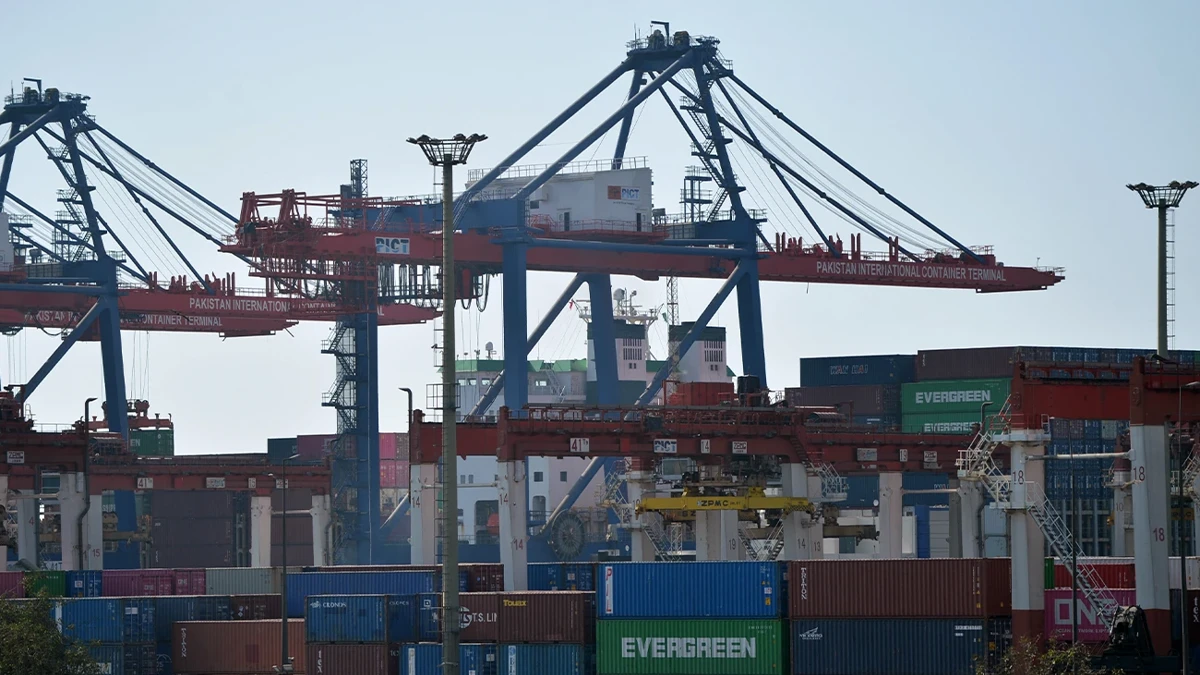
Pakistan's trade deficit soared to $3.88 billion in October, a 20% jump driven by rising imports & sluggish exports. The fiscal year's first 4-month gap hit $14.63B. BolNews.