Govt may revive fuel austerity measures as oil prices rise: report
Pakistan could revive fuel conservation measures this week or next as oil prices climb and FX reserves face pressure. Read the report.
Profit
Pakistan could revive fuel conservation measures this week or next as oil prices climb and FX reserves face pressure. Read the report.

KARACHI, Jul 20 (APP):Treasury Management Division of National Bank of Pakistan (NBP) on monday the following exchange rates.

BEIJING:
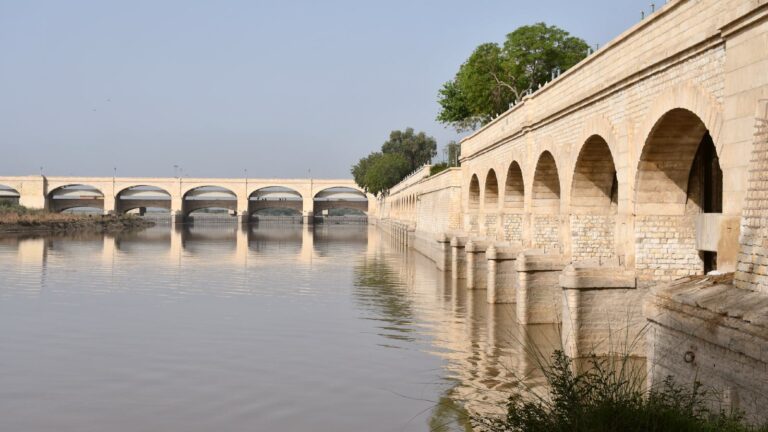
Sindh and Balochistan vow higher water supplies and long-term cooperation. Sindh will maintain ~9,000 cusecs—read the latest update.

Firms are 80pc more likely to qualify for support on traditional products than on new ones.

Reducing tariffs on imported cars has fundamentally altered the economics of local vehicle assembly.

Australian shares

With debt roughly 67pc of GDP, the government wants to reduce reliance on banks by encouraging direct investment in government

Brent crude futures climb 2.37pc to $90.19, touching the highest since June 11; US WTI reaches $84.20 a barrel, up 2.07pc, the loftiest since June 12.
Constructing groundwater recharge boreholes is a step in the right direction
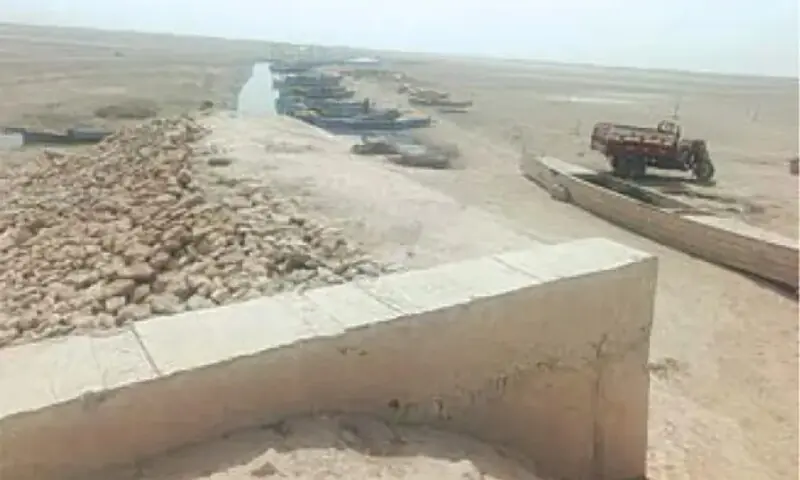
Deprived of its once-thriving economy and biodiversity, fishing communities migrate in search of livelihoods.
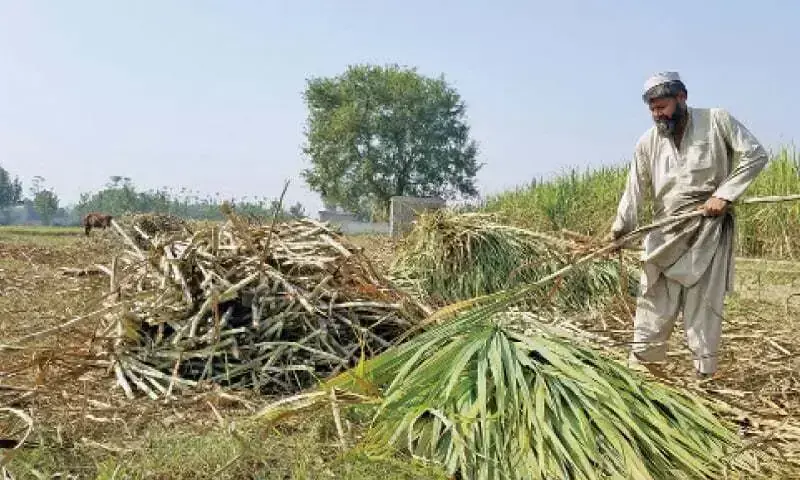
Productivity improvement offers a long-lasting solution because it expands economic value instead of merely redistributing it.

PSX opened the week lower as Middle East tensions weighed on investor sentiment, with KSE-100 index falling over 1,500 points. Rising oil prices added pressure on global markets.
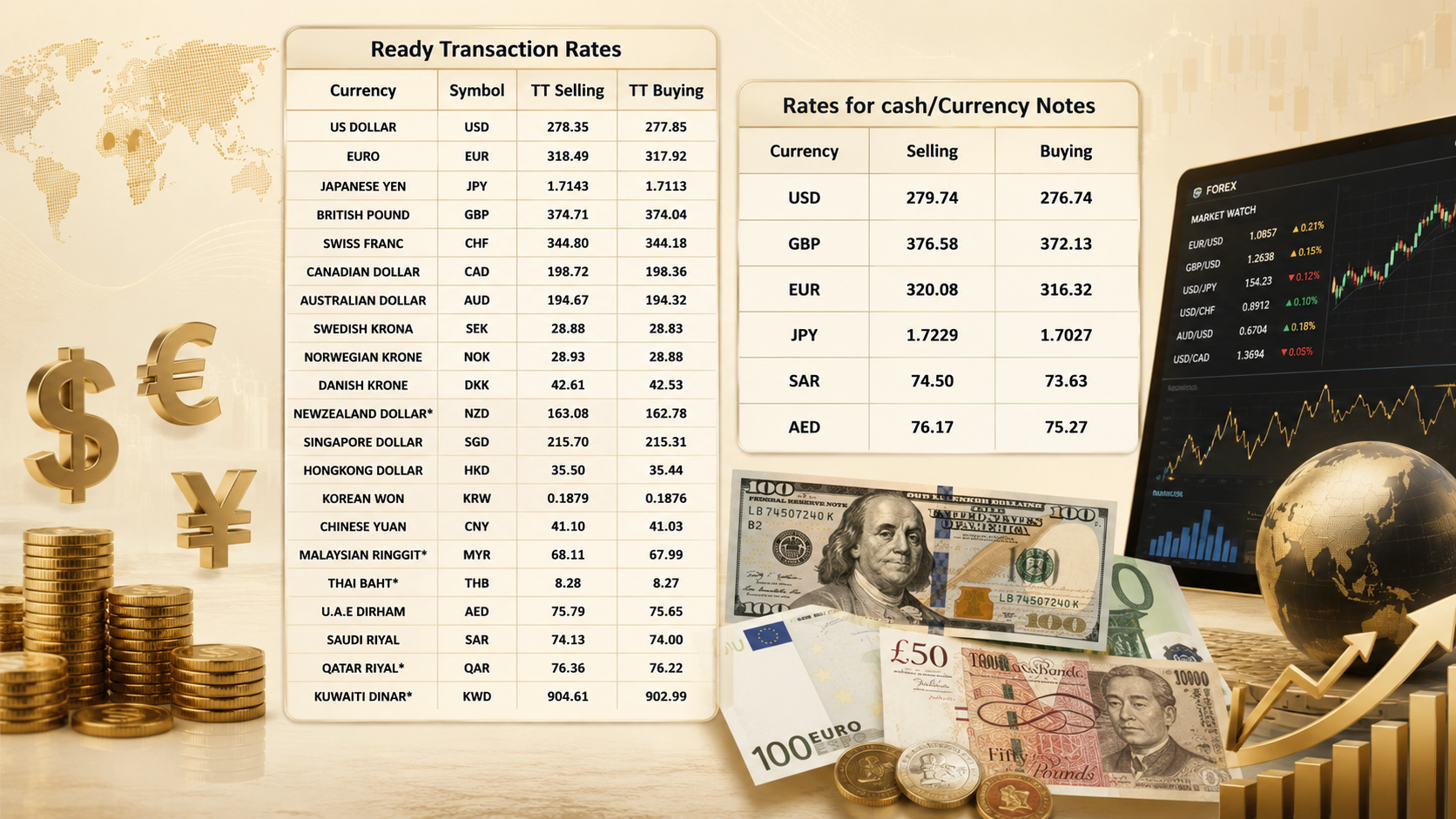
Check today’s Pakistan foreign exchange rates as per NBP’s bulletin for July 20, 2026. See buying and selling rates now!
The Exchange Rates Committee of Financial Markets Association of Pakistan issued the following exchange rates bulletin, here on Monday. CONVERSION RATES FOR JULY 20, 2026 FOR FOREIGN CURRENCY FOR FORWARD COVER FOR DEPOSITS (EXCLUDING FE-25 DEPOSITS) ..

Under the proposed strategy, the government plans to establish a 45-day emergency oil buffer in the first phase, with a longer-term objective of expanding reserve capacity to 90 days.
Government-academia partnership could improve tax collection through analysis
Faysal Bank Limited has reaffirmed its longstanding partnership with the Lahore University of Management Sciences (Lums)

KARACHI, Jul 20 (APP): The Exchange Rates Committee of the Financial Markets Association of Pakistan issued the following exchange rates bulletin here on Monday.

Singapore: Global oil prices extended their gains on Monday, with Brent crude rising above $90 per barrel, as concerns over potential supply disruptions through the Strait of Hormuz continued to support the market.

Pakistan Engineering Company Ltd. (PECO) said on Monday that Humaira Zia Mufti was appointed as Ex-Officio Director/ Chairman of Pakistan Engineering Company (PECO) with immediate effect to represent the Government of Pakistan on the PECO Board.

Two schools of thought have emerged in the recent debate on the 18th constitutional amendment, which brought a structural shift towards devolution. One school – let's call it centralists – has argued that the federal government is now structurally weak and in a perpetual fiscal crisis, since 57.5% of divisible resources are transferred to provinces whereas it must finance defence and debt servicing on its own, leaving hardly any resources for other heads. This school also argues that despite resource transfer, provincial governments have failed to bring any improvement in social spending – in education and health particularly. The other school – let's call it federalists – believes that the continued presence of the federal government in devolved subjects – including social protection, education, health, and agriculture – is unnecessary and has increased its fiscal burden. This school echoes the direction of the 18th amendment, demanding more devolution, including empowered local gover
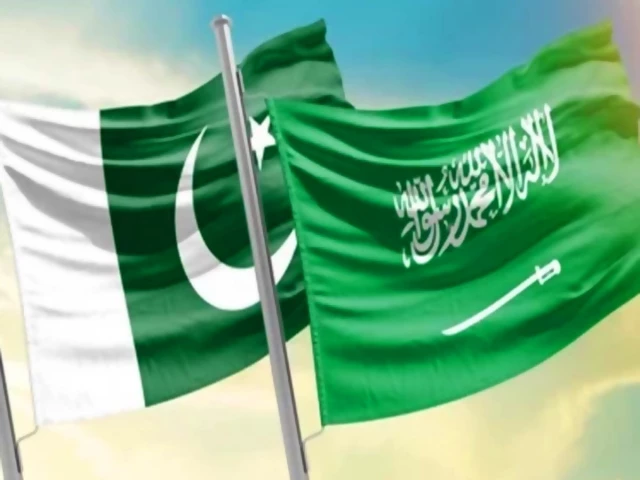
Saudi Arabia's decision to increase its financial support to Pakistan by replacing the deposits withdrawn by the United Arab Emirates (UAE) under the ongoing International Monetary Fund (IMF) programme deserves sincere appreciation. At a time when geopolitical uncertainty has intensified across the Middle East and global financial markets remain volatile, Riyadh has once again reposed its confidence in Pakistan. Such support reflects the depth of bilateral relations and reinforces Saudi Arabia's role as one of Pakistan's most dependable strategic partners.
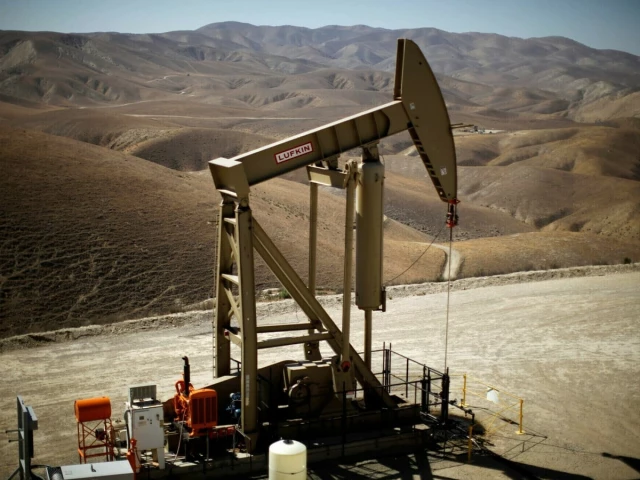
Pakistan has recently made a number of hydrocarbon discoveries, which need rapid and economical development. This led me to study some associated project execution practices currently in vogue and share suggestions which may help.
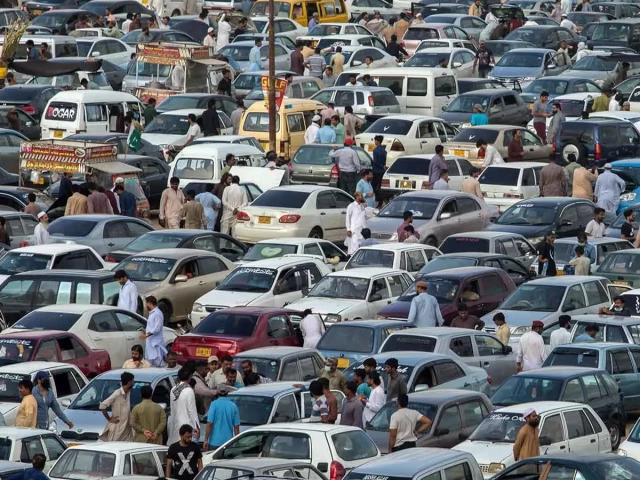
Recent tensions and disruptions in the Strait of Hormuz have triggered a fresh energy crisis, turning the global shift to electric vehicles from a gradual climate response into an urgent economic imperative.
If there is one economic data point that has consistently worried Pakistani analysts, investors, policymakers, bankers, and even the common man, it is the current account deficit.
Pakistan's oil import bill rose to $16.86 billion in FY2025-26, exceeding the IMF estimate by $1.58 billion as global oil prices surged amid Middle East tensions.
Pakistan and Venezuela have agreed to broaden economic cooperation and strengthen people-to-people contacts, with both sides identifying trade, investment
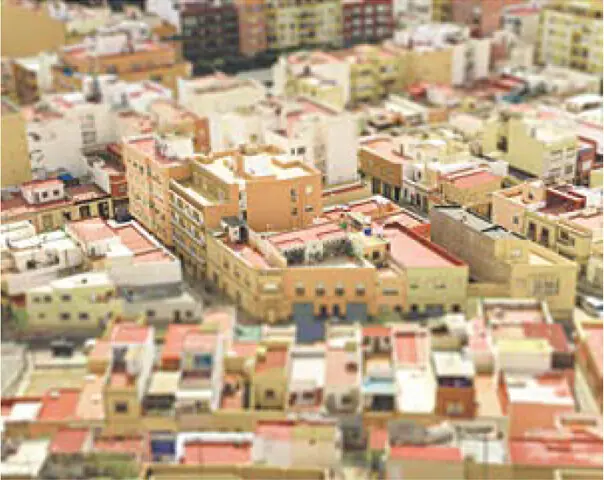
Raising tree canopy cover by 10pc lowers air temperature by about 0.8°C

The Pakistan Stock Exchange (PSX) saw a volatile trading session on Monday, with the benchmark KSE-100 Index swinging sharply between gains and losses before ending the day marginally higher.
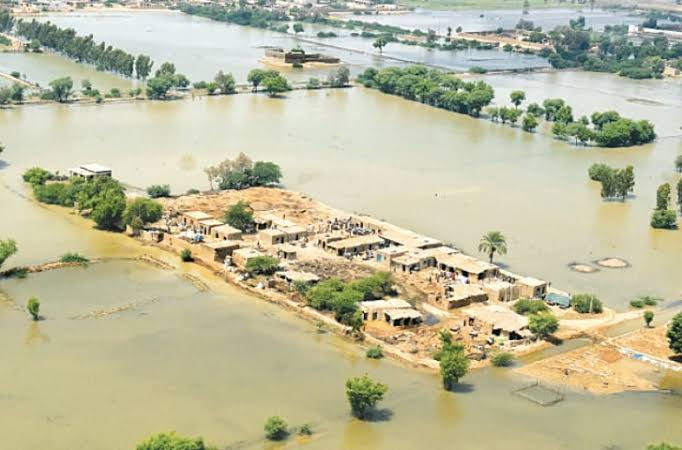
Balochistan's Rs45.78 billion post-flood reconstruction programme has achieved 50 percent progress, with the federal government allocating Rs17 billion for the initiative in the 2026-27 fiscal year, according to a document available with Wealth Pakistan.
Closer cooperation between the Asian Infrastructure Investment Bank (AIIB) and the World Bank Group is creating new opportunities for infrastructure investment in developing economies, as the two institutions seek to expand co-financing, mobilise private capital and support major development projects at a time when high borrowing costs and limited fiscal resources are restricting public investment.
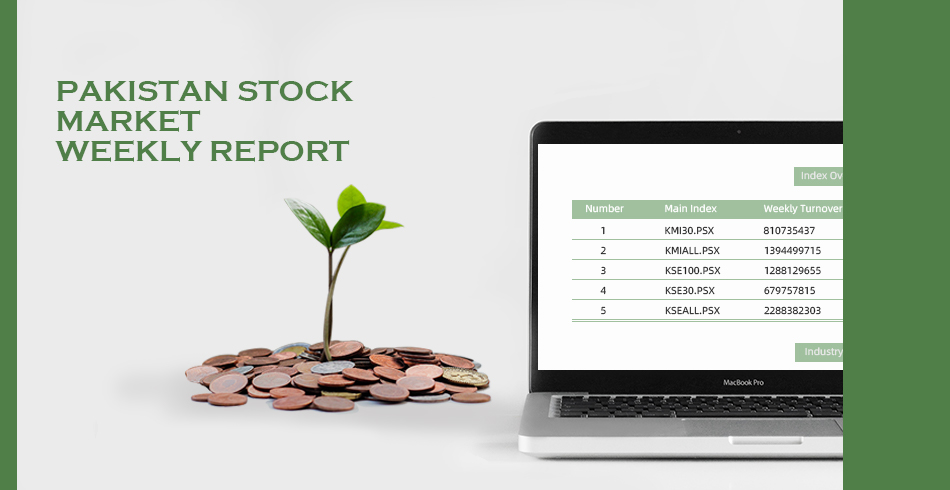
Weekly Review of Stock Market (2026.10.19-2026.10.23)

Oct 26, 2026

ISLAMABAD, Oct 23 (INP-Wealth Pakistan) -- The government collected Rs22.25 billion under the Carbon Levy during the first three months of fiscal year 2026-27, achieving 44.5% of the annual budget estimate of Rs50 billion, according to an official Finance Division briefing.

ISLAMABAD, Oct 23 (INP-Wealth Pakistan) -- Strong investment in artificial intelligence (AI) infrastructure is improving the global trade outlook, as rising demand for semiconductors, servers and other advanced technologies supports international commerce and creates new opportunities for developing economies to participate in the expanding digital economy.
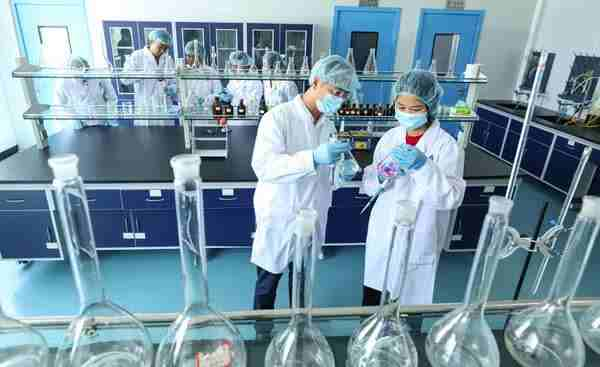
ISLAMABAD, Oct 23 (INP-Wealth Pakistan) -- China's biotechnology sector is expanding its role in the global pharmaceutical industry, moving beyond the manufacturing of conventional medicines and pharmaceutical ingredients to the development and international licensing of innovative drugs, as growing demand for Chinese-developed therapies creates new opportunities for international research and commercial partnerships.
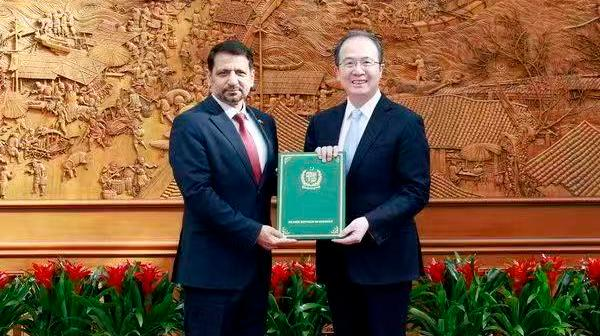
BEIJING, Oct 23 (INP-Wealth Pakistan) -- According to the Embassy of Pakistan in Beijing, Dr. Syed Ali Asad Gillani, Pakistan's Ambassador to the People's Republic of China, presented a copy of his credentials to H.E. Mr. Hong Lei, Assistant Minister of Foreign Affairs of China and Director-General of the Protocol Department of the Chinese Ministry of Foreign Affairs.
ISLAMABAD, Oct 23 (INP-Wealth Pakistan) -- The Pakistan Climate Change Authority (PCCA) has developed more than 38 climate project concepts, completed two projects, and submitted a proposal for $3.5 million in Green Climate Fund (GCF) readiness funding.

Oct 23, 2026
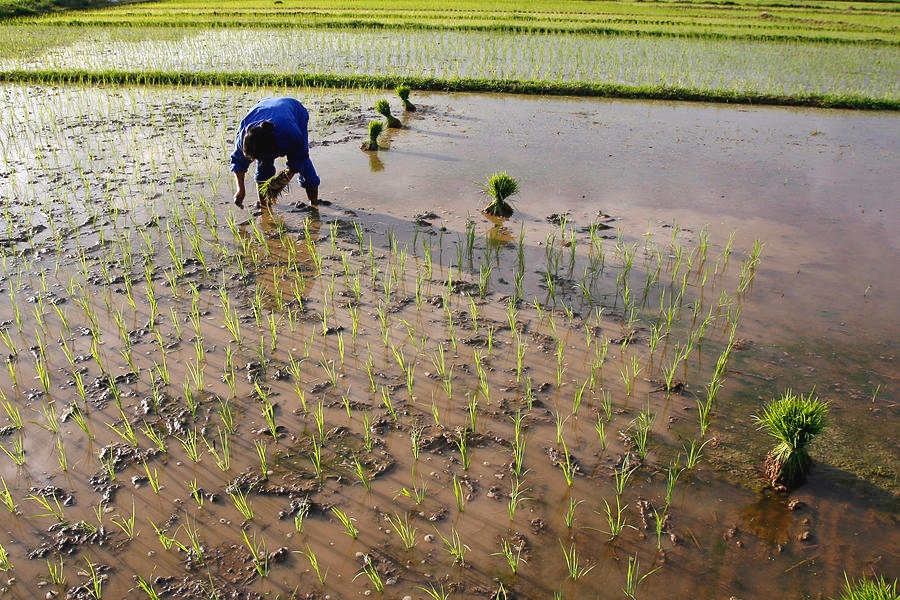
ISLAMABAD, Oct 22 (INP-Wealth Pakistan) -- Pakistan's rice production is provisionally estimated at 10.18 million tonnes for the 2026-27 crop, 11% above the official target of 9.17 million tonnes, as the area under cultivation also exceeded its target by 28.4%.

ISLAMABAD, Oct 22 (INP-Wealth Pakistan) -- Expanding trade among developing economies is strengthening prospects for export growth, regional economic cooperation and industrial development, as changing global supply chains create new opportunities for emerging markets to diversify trade partnerships and increase their participation in international commerce.

ISLAMABAD, Oct 22 (INP-Wealth Pakistan) -- The growing emphasis on industrial cooperation, manufacturing investment and technology transfer under CPEC 2.0 is opening new avenues for Chinese investment in Pakistan's industries.
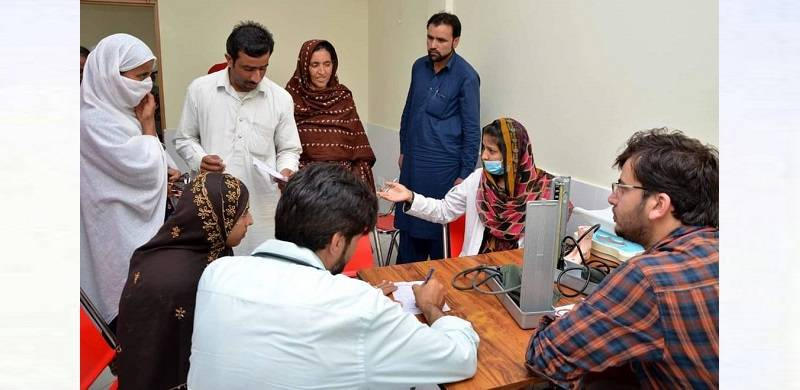
ISLAMABAD, Oct 22 (INP-Wealth Pakistan) -- The District Health Office, Islamabad, is pursuing a series of healthcare infrastructure development projects, including an initiative to establish four basic health units (BHUs) and build and upgrade community health facilities to improve public access to essential medical services.
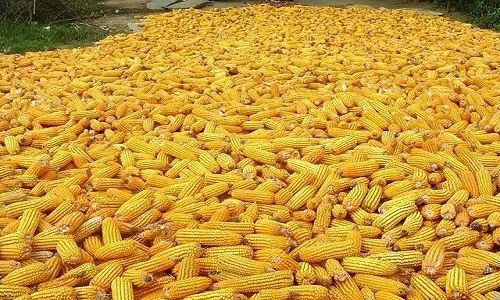
ISLAMABAD, Oct 22 (INP-Wealth Pakistan) -- Pakistan's maize production is provisionally estimated to have increased by 12.1% to 9.98 million tonnes in 2026-27, exceeding the official production target by 3.2%, as an expansion in cultivated area and higher output in Punjab helped raise national production.
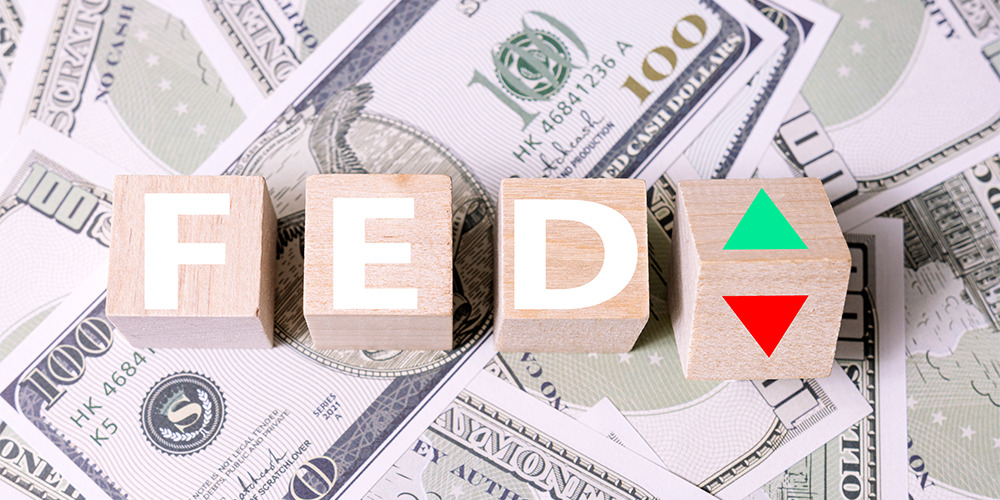
ISLAMABAD, Oct 22 (INP-Wealth Pakistan) -- Expectations of a cautious approach to further interest-rate increases by the US Federal Reserve are creating potential borrowing opportunities for emerging economies, as greater policy predictability could help stabilise capital flows, reduce financial market volatility and allow governments and businesses to plan external financing more effectively.
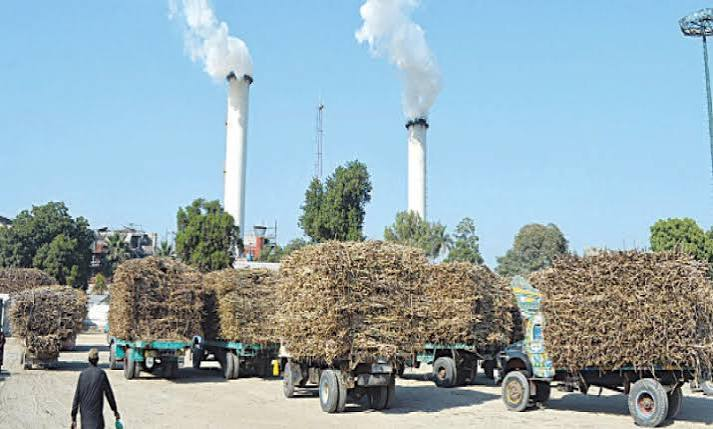
LAHORE, Oct 22 (INP-Wealth Pakistan) -- The sugarcane crop in Punjab has shown satisfactory growth this year and is expected to be ready for crushing by mid-November at the province's 41 sugar mills, according to sugarcane experts.

Oct 22, 2026
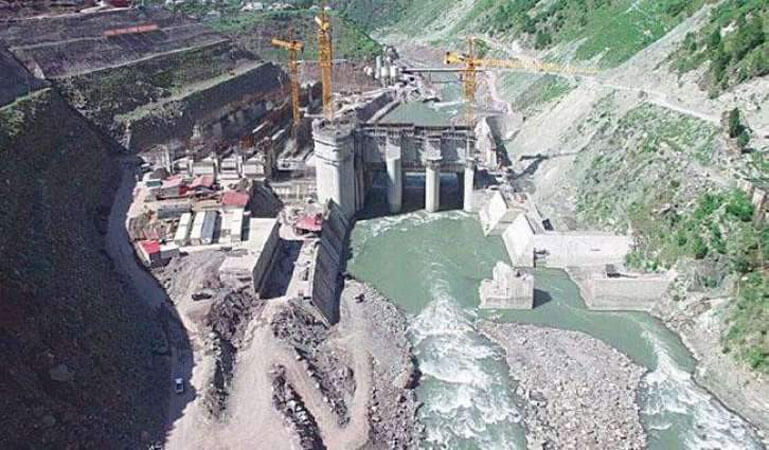
ISLAMABAD, Oct 21 (INP-Wealth Pakistan) -- The World Bank is financing 18 development projects across 10 major sectors in Pakistan, involving a total committed amount of $7.042 billion, with all projects currently under implementation, according to an official document available with Wealth Pakistan.

ISLAMABAD, Oct 21 (INP-Wealth Pakistan) -- China's rapid advances in artificial intelligence (AI) are strengthening prospects for global digital growth, as increasingly powerful and affordable AI models create new opportunities for businesses to improve productivity, reduce operating costs and enhance their competitiveness in international markets, particularly in developing economies.
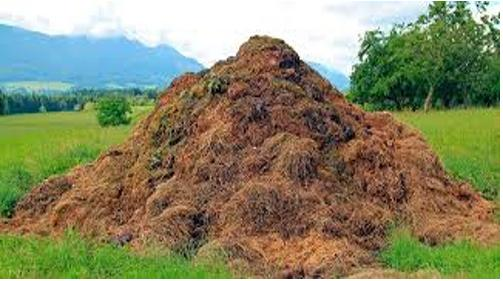
ISLAMABAD, Oct 21 (INP-Wealth Pakistan) -- The Sindh government has proposed a $30 million biogas development project to establish five centralized facilities across the province, according to a document available with Wealth Pakistan.

ISLAMABAD, Oct 21 (INP-Wealth Pakistan) -- Pakistan-China economic cooperation under the China-Pakistan Economic Corridor (CPEC) 2.0 is expanding into artificial intelligence (AI), cloud computing, data centres and digital connectivity, creating new opportunities for technology investment, industrial innovation and the development of domestic computing capacity.
ISLAMABAD, Oct 21 (INP-Wealth Pakistan) -- The project to equip and furnish the King Abdullah Bin Abdul Aziz Teaching Hospital in Khyber Pakhtunkhwa’s Mansehra District is fully complete, with preparations underway for its formal inauguration in November this year, according to an official document available with Wealth Pakistan.
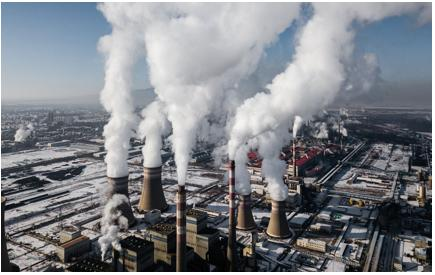
ISLAMABAD, Oct 21 (INP-Wealth Pakistan) -- The Sindh government has proposed a $7 million project to establish air quality monitoring stations across 23 districts under the World Bank's Country Partnership Framework (CPF) for Pakistan, according to documents available with Wealth Pakistan.
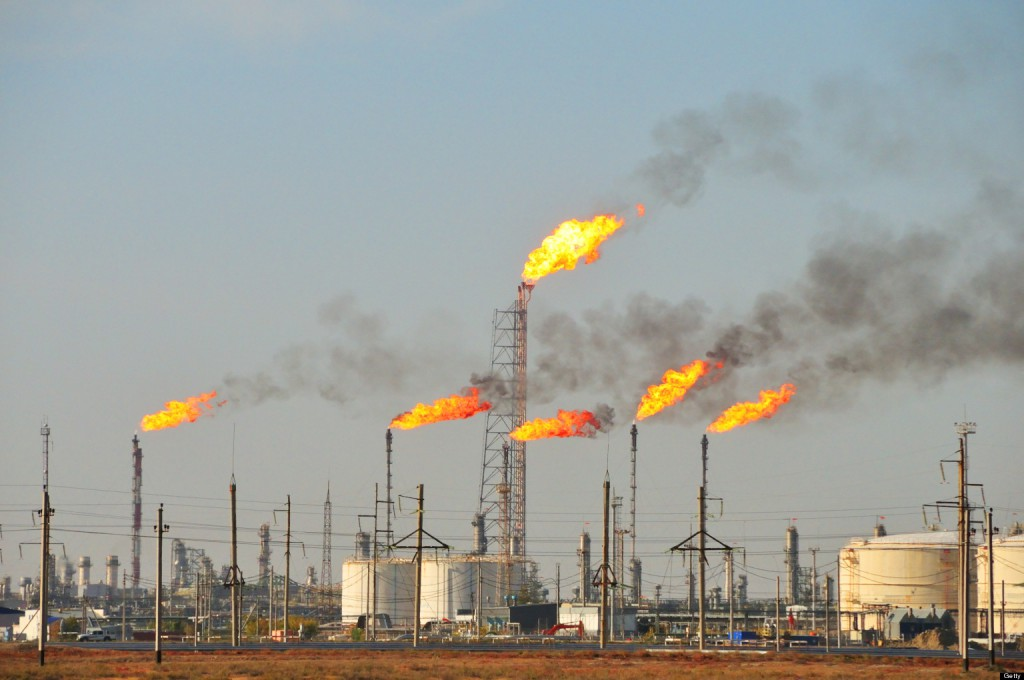
ISLAMABAD, Oct 21 (INP-Wealth Pakistan) -- Pakistan's 10 major gas fields hold 10.605 trillion cubic feet (TCF) of remaining recoverable reserves, while its 10 major oil fields have 105 million barrels of recoverable oil reserves as of June 30, 2026, according to official figures.
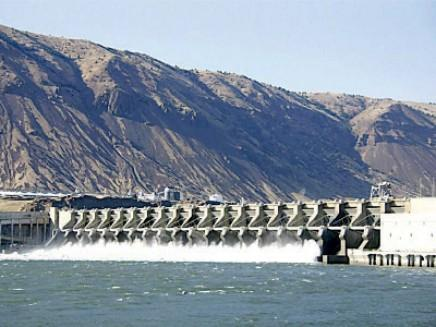
ISLAMABAD, Oct 21 (INP-Wealth Pakistan) -- Pakistan plans talks with Germany's KfW Development Bank to extend financing arrangements for the Harpo hydropower project in Gilgit-Baltistan beyond December 2026 to complete the remaining project activities, according to an official document available with Wealth Pakistan.
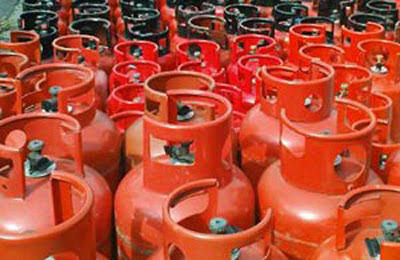
LAHORE, Oct 21 (INP-Wealth Pakistan) -- The suspension of trade activities at the Pakistan-Iran border has triggered a sharp increase of Rs200 per kg in liquefied petroleum gas (LPG) prices in Lahore and other cities across the country, pushing prices above Rs550 per kg.
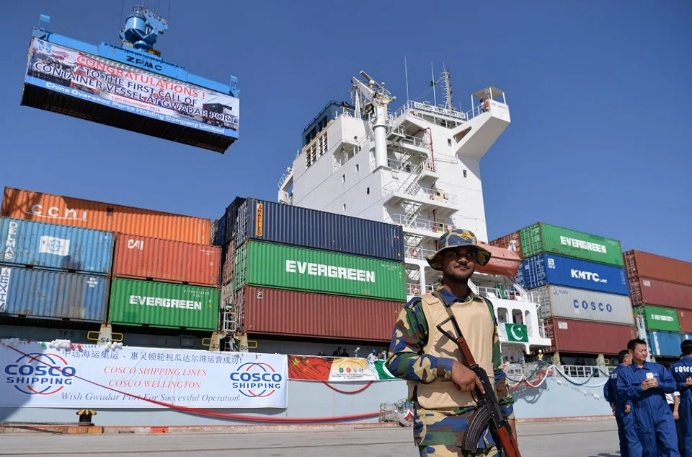
ISLAMABAD, Oct 21 (INP-Wealth Pakistan) -- Emerging railway connectivity plans linking Central Asia with Pakistan through Afghanistan could open new opportunities for regional trade and increase cargo movement through Karachi and Gwadar ports, potentially strengthening Pakistan's position as a maritime gateway for landlocked Central Asian economies, according to experts.

Oct 21, 2026
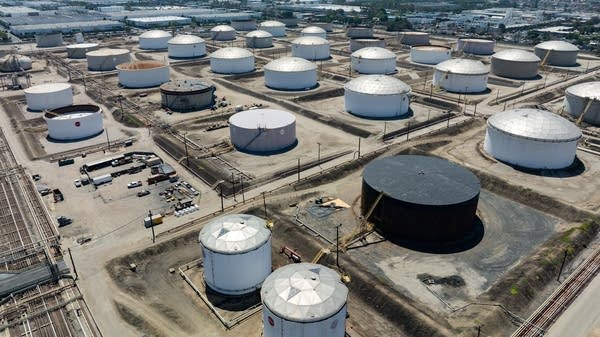
Strategic petroleum reserves are gaining importance in global energy security as governments coordinate emergency stock releases to ease fuel supply pressures, highlighting the role of such reserves in protecting import-dependent economies from temporary disruptions and sudden price shocks.
Pakistan's power distribution companies seek Rs1.34 per unit increase to recover Rs23.3 billion over three months. NEPRA hearing set for November 17.

World Bank’s global debt report shows figure climbed from $68.7bn in 2015 to $135.1bn in 2025; China remains Pakistan’s largest single creditor.
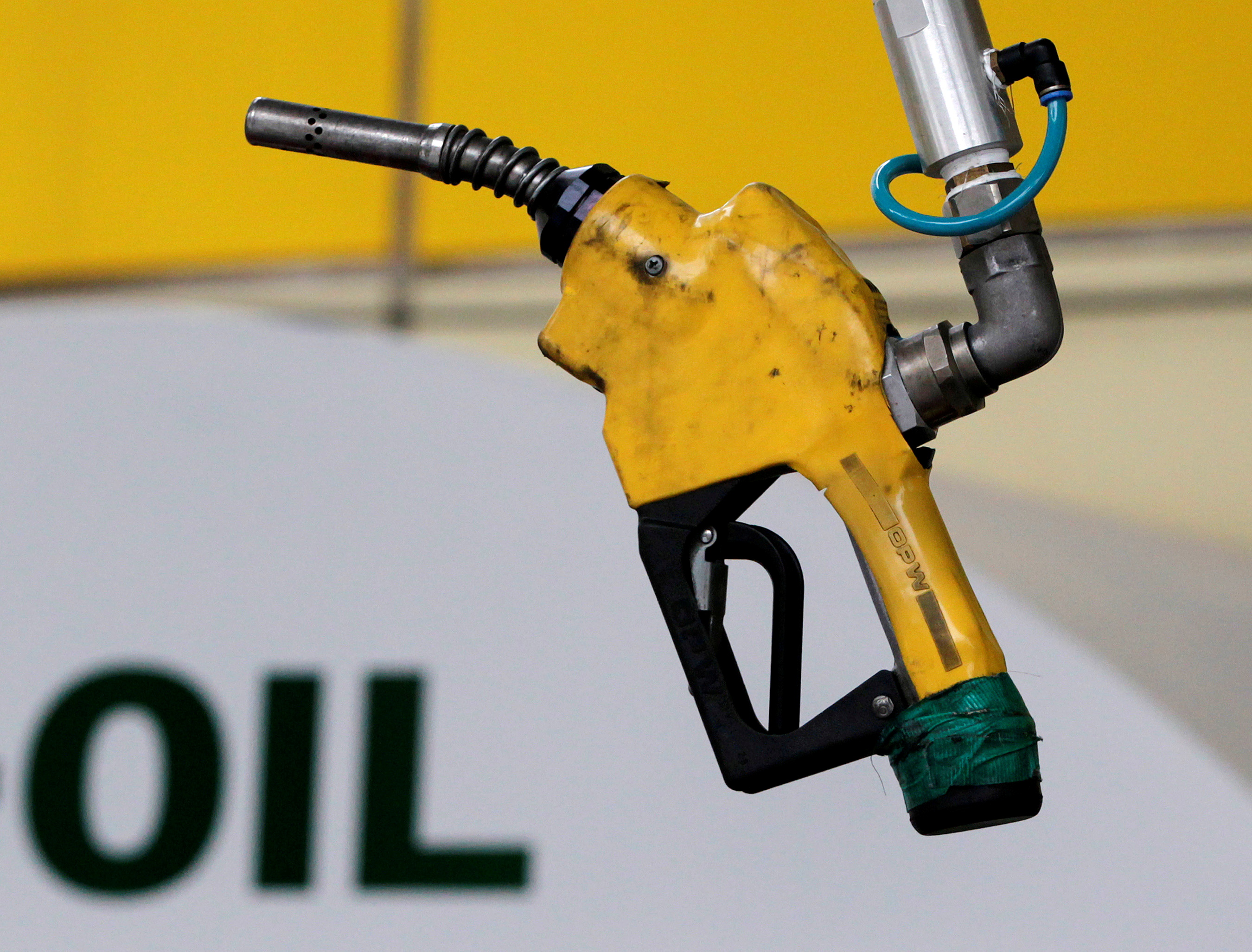
Government reduces petrol price by Rs9.41 to Rs352.59 per litre and diesel by Rs5.56 to Rs382.25, providing relief to motorists and transporters.
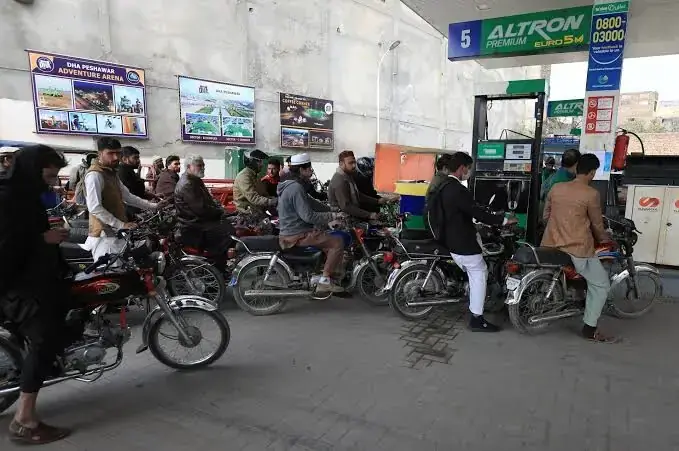
ISLAMABAD: The price of petrol has been reduced by Rs9.41 per litre, bringing the retail price down to Rs352.59 per litre. High-Speed Diesel (HSD) saw a cut of Rs5.56 per litre, fixing its new rate at Rs382.25 per litre, down from the previous Rs387.81 per litre, effective for November 6.

ISLAMABAD - The Securities and Exchange Commission of Pakistan (SECP) registered 5,003 new companies in October 2026, bringing the total number of registered companies in the country to 321,794. The eZfile portal, integrated with federal and provincial systems, enabled 99.9% of the new registrations to be completed online. Private limited companies accounted for the largest share of new incorporations, with 2,773 companies (55.4%), followed by 2,079 single member companies (41.6%). The registrations also included 105 Limited Liability Partnerships (2.1%), 39 Section 42 (not-for-profit) licensed companies (0.8%) and 7 other entities (0.1%), comprising 4 public companies, 2 foreign companies and 1 trade organisation. Punjab recorded the highest number of incorporations at 2,663 (53.2%), followed by Islamabad Capital Territory with 934 (18.7%), Sindh with 751 (15%), Khyber Pakhtunkhwa with 382 (7.7%), Gilgit-Baltistan with 162 (3.2%) and Balochistan with 111 (2.2%). The information techno
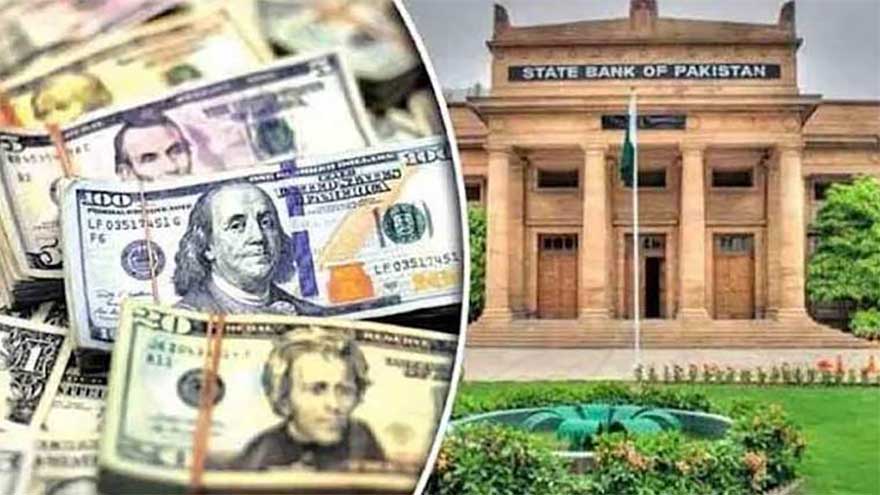
According to State Bank data, the country's total foreign exchange reserves increased by $111 million, after which the total reserves increased to $26.86 billion.
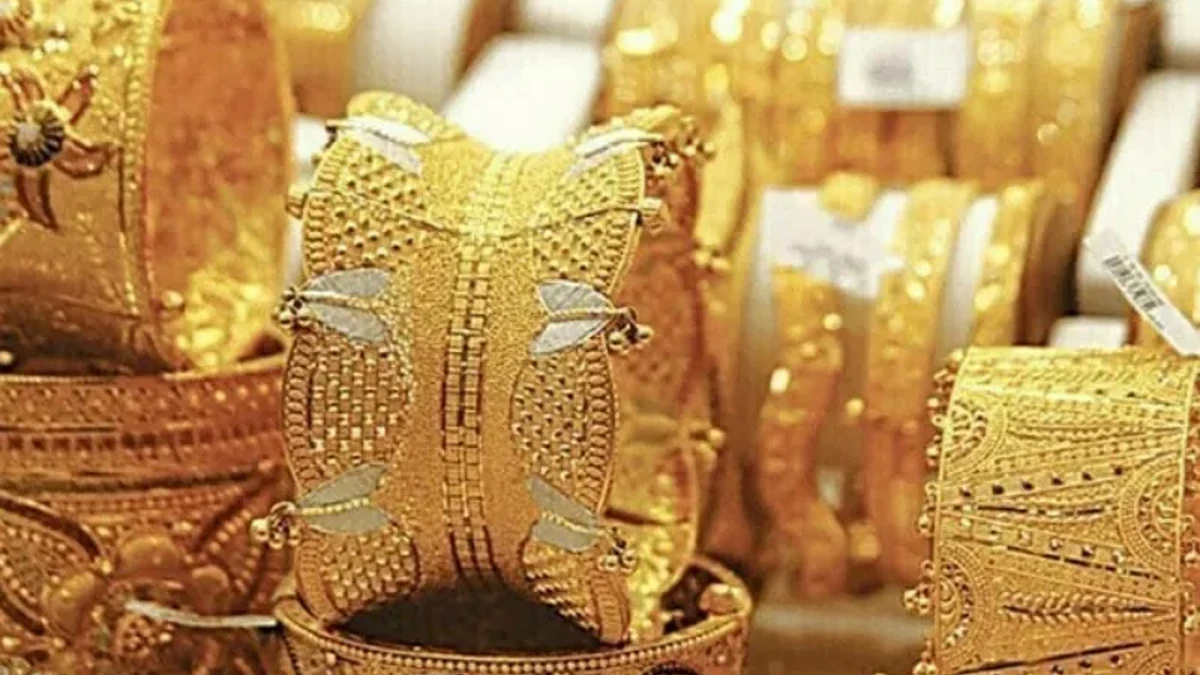
Gold prices plummet in Pakistan today, reflecting a sharp decline in the international market. Get the latest on the local dip as global rates fell $65 per ounce.
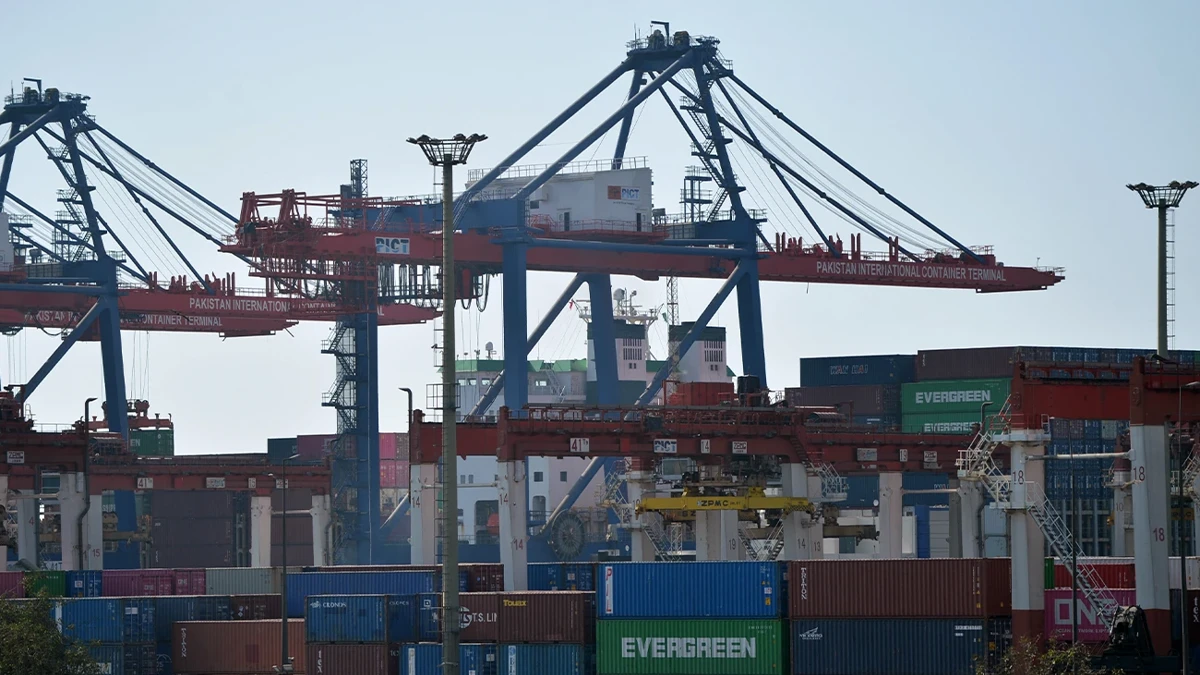
Pakistan's trade deficit soared to $3.88 billion in October, a 20% jump driven by rising imports & sluggish exports. The fiscal year's first 4-month gap hit $14.63B. BolNews.

The foreign exchange reserves held by the State Bank of Pakistan (SBP) increased by $39.5 million or 0.18% WoW to $21.56 billion during the week ended on

The federal government has lowered petrol and

The Exchange Rates Committee of the Financial Markets Association of Pakistan issued conversion rates for forward cover deposits, with SBP settlement scheduled for November 10.
KARACHI, Nov 05 (APP):The total liquid foreign reserves of Pakistan surged to US$ 26,864.5 million as of October 30, while State Bank of Pakistan (SBP) reserves further rose to US$ 21,561.2 million.
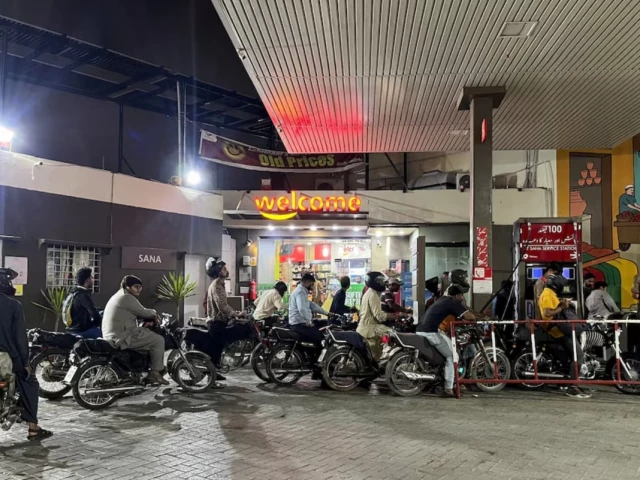
The federal government on Thursday slashed the price of petrol by Rs9.41 per litre and that of high-speed diesel (HSD) by Rs5.56 per litre for November 6.
Pakistan has reduced petrol prices by Rs9.41 to Rs352.59 and diesel by Rs5.56 to Rs382.25 per litre under its new daily fuel price review mechanism.
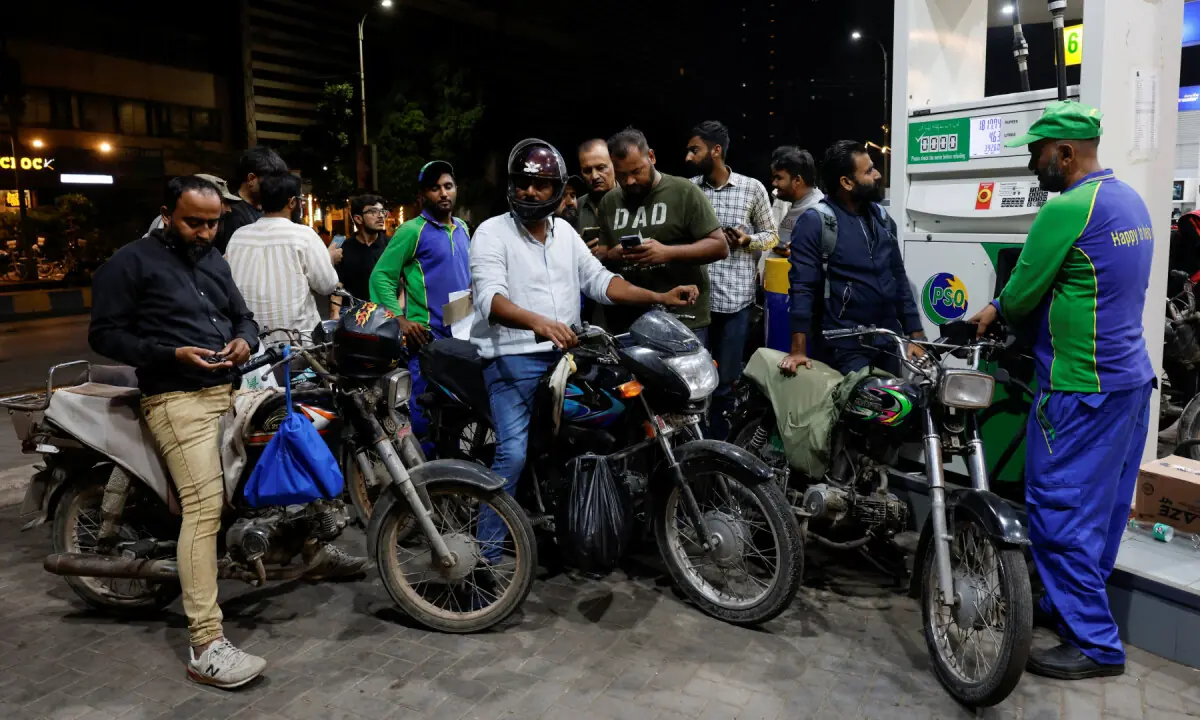
Following the revision, petrol will retail at Rs352.59 per litre, while HSD will cost Rs382.25.

Pakistan government reduced on Thursday the price of petrol by Rs9.41 to Rs352.59 per litre, and high-speed diesel by Rs5.56 to Rs382.25 per litre, effective November 6, 2026.

ISLAMABAD – Pakistanis get another relief in fuel costs as petrol prices move closer to Rs350-per-litre mark, extending a series of consecutive cuts that
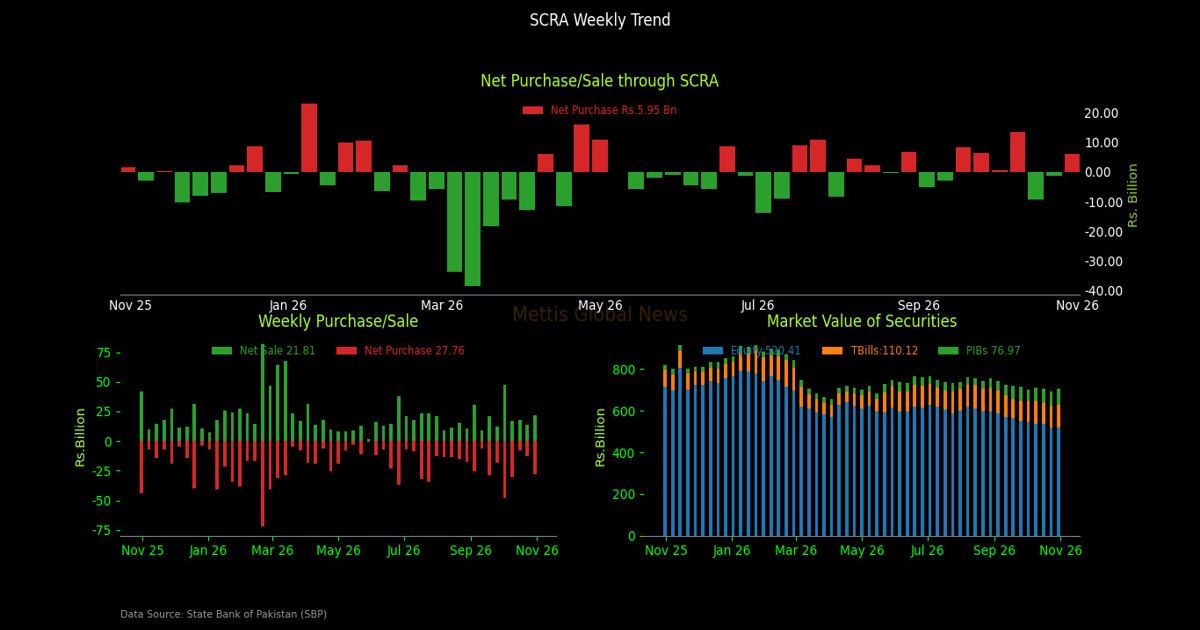
The SCRA balance increased by Rs617.69m during the week ending Oct 30, 2026 to close at Rs38.96 billion.
The State Bank of Pakistan said its foreign exchange reserves increased by $39 million in the week ended October 30, while commercial banks’ holdings rose by $71 million.
Pakistan’s total liquid foreign exchange reserves rose to $26.8645 billion, according to data released by the SBP on Thursday.
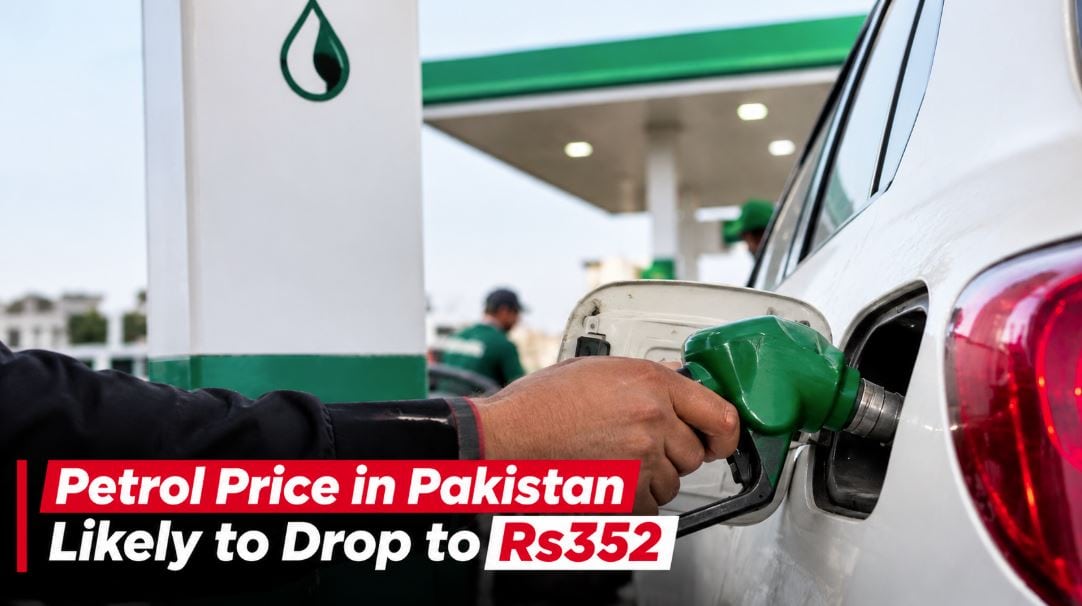
ISLAMABAD – Some more relief for inflation-weary Pakistanis as petrol prices are expected to fall by up to Rs10 per litre amid daily petroleum price

Gold and

The government has proposed an 8.2% increase in the combined production target of three major oilseed crops for 2026–27, targeting 883,732 tonnes of canola, sunflower and rapeseed/mustard against 817,100 tonnes achieved in the previous crop year.
The Pakistani rupee strengthened by three paisa against the US dollar, which closed at Rs276.67 in the interbank market on Thursday.

ISLAMABAD, Nov 5 (APP):The benchmark KSE-100 Index of the Pakistan Stock Exchange (PSX) continued with a strong positive trend on Thursday, gaining 3,366.38 points, a massive positive change of 1.96 percent, to close at 175,379.87 points against 172,013.48 points recorded in the previous trading session.

The benchmark index rose 1.96 percent as trading volume and value increased, while market capitalisation climbed to Rs19.113 trillion and 365 of 501 traded companies posted gains.

The price of 24-karat gold in Pakistan rose by Rs. 9,600 per tola to Rs. 435,636, according to the All Pakistan Gems and Jewellers Association. This marked the second consecutive daily increase in the gold rate. The price of 24-karat gold for 10 grams also increased by Rs. 8,230 to Rs. 373,487. The ..

Gold prices in Pakistan increased by Rs9,600 per tola to Rs435,636, while silver gained Rs100 amid rising international precious metal rates.

The rupee strengthened by three paisas against the US dollar on Thursday, while the euro, Japanese yen, British pound and UAE dirham also declined against the Pakistani currency, according to official and market data.

Gold prices in Pakistan increased on Thursday in line with their gain in the international market. In the local market, gold price per tola reached Rs435,636 after a gain of Rs9,600 during the day.