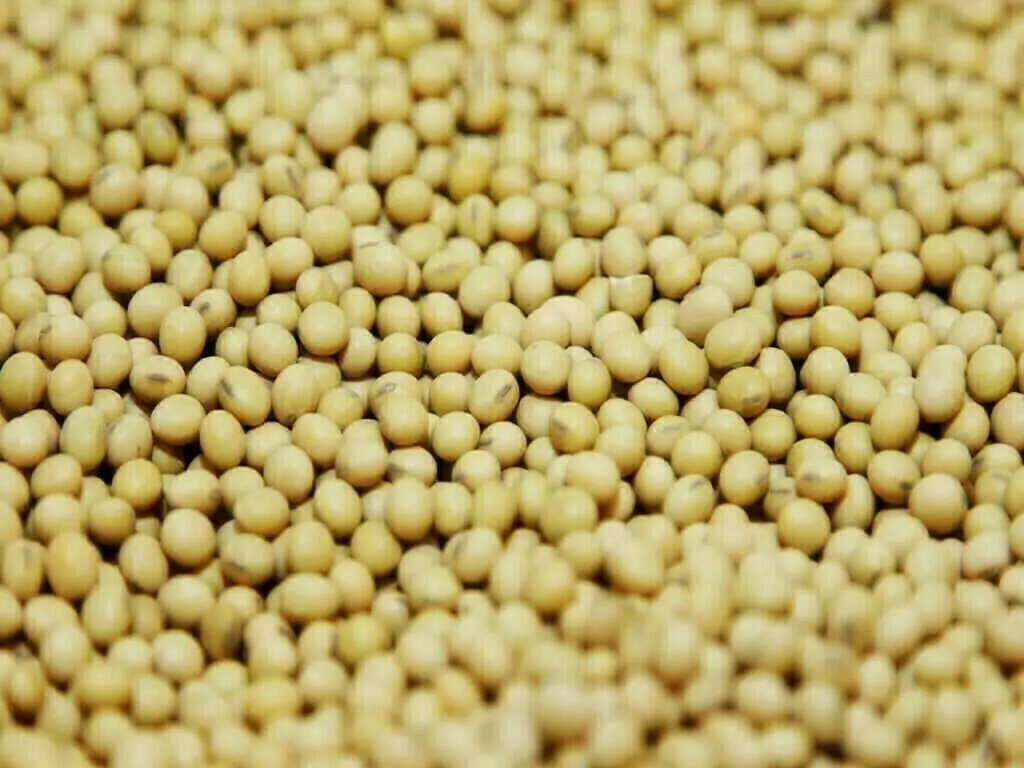
Soybeans climb on soyoil rally, China buying
BEIJING:
Brecorder
BEIJING:
The company aims to scale its annual capacity to 7 million smartphones, 360,000 televisions and 400,000 air-conditioners, as it moves beyond mobile phones into higher-margin consumer technology products through partnerships with Xiaomi and Hisense.
Loads Limited signs a non-binding MoU with China’s Xinhuida to explore copper trading, JV and tech transfer in Pakistan. Read more.
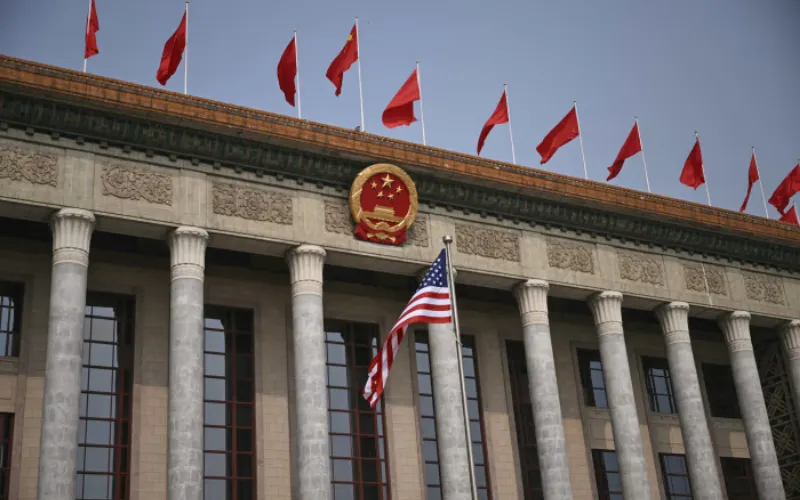
China imposed trade restrictions on dozens of US companies in response to Washington adding more Chinese firms to Pentagon blacklist.

Karachi: Book-building for the Initial Public Offering of Select Technologies Limited, a wholly owned subsidiary of Air Link Communication Limited, opens today at the Pakistan Stock Exchange and will continue on June 23, 2026, marking another important technology-sector listing at the local bourse.

Brent crude futures dropped $1.53, or 1.9 per cent, to $79.04 per barrel by 0656 GMT. Earlier in the session, prices had surged to $82.30 amid uncertainty surrounding the talks and renewed tensions in the Middle East
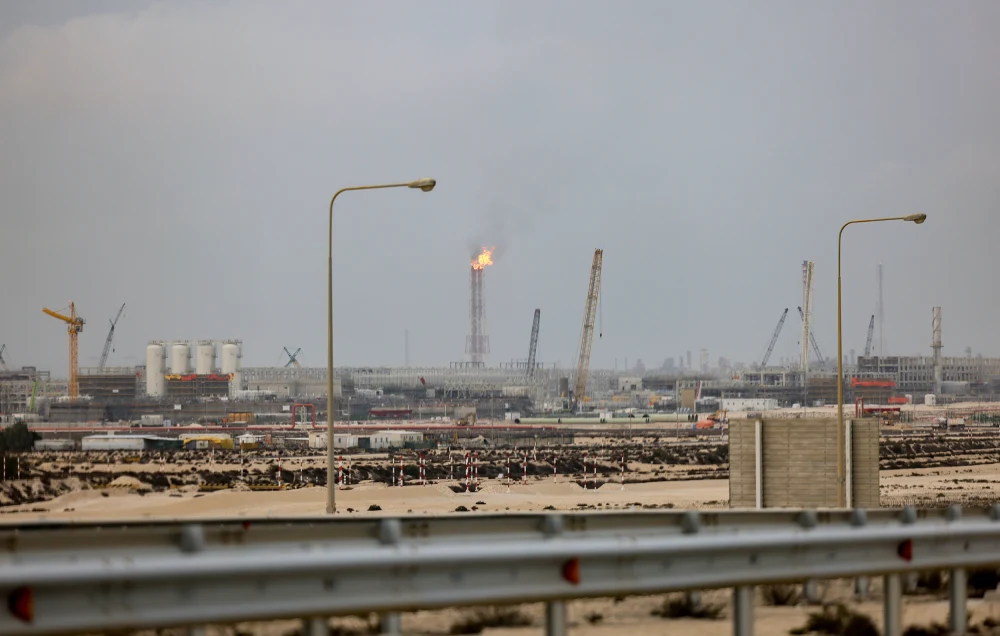
Qatar says 54 people injured and 18 missing after an explosion at its Barzan LNG gas facility. Fire contained—read the latest.

SEOUL: SK Hynix on Monday overtook Samsung Electronics to become South Korea’s most valuable listed company, marking a dramatic reversal of fortunes for a chipmaker that two decades ago nearly collapsed under debt.
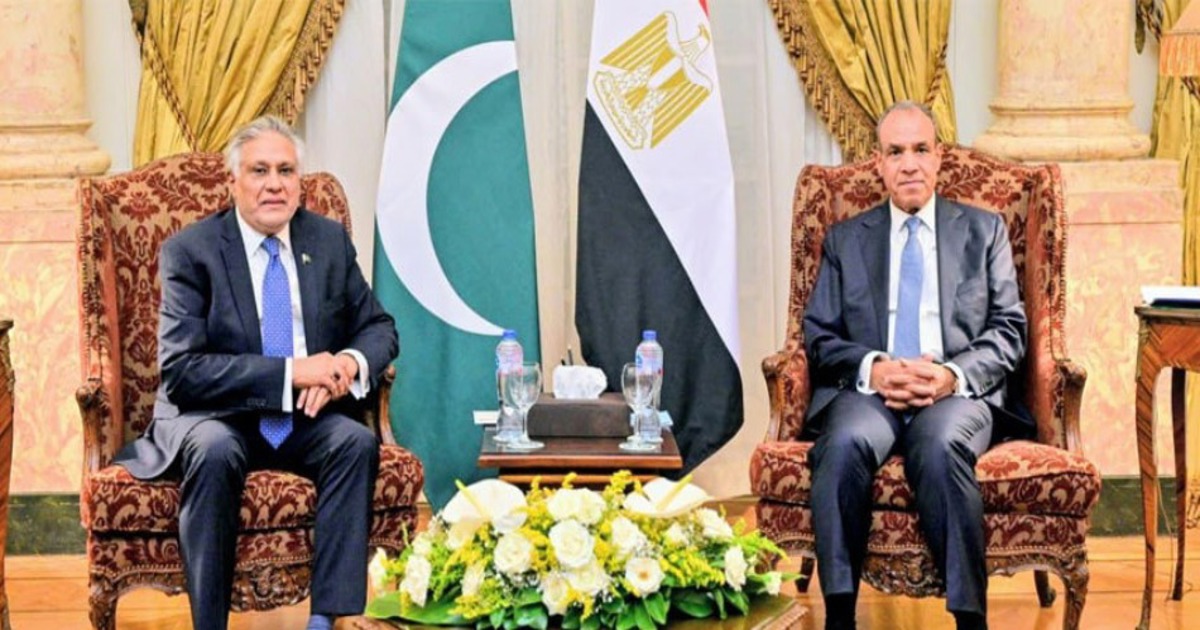
Deputy Prime Minister and Foreign Minister Senator Mohammad Ishaq Dar visited Cairo from 20–21 June 2026 at the invitation of Egypt’s Foreign Minister Bad
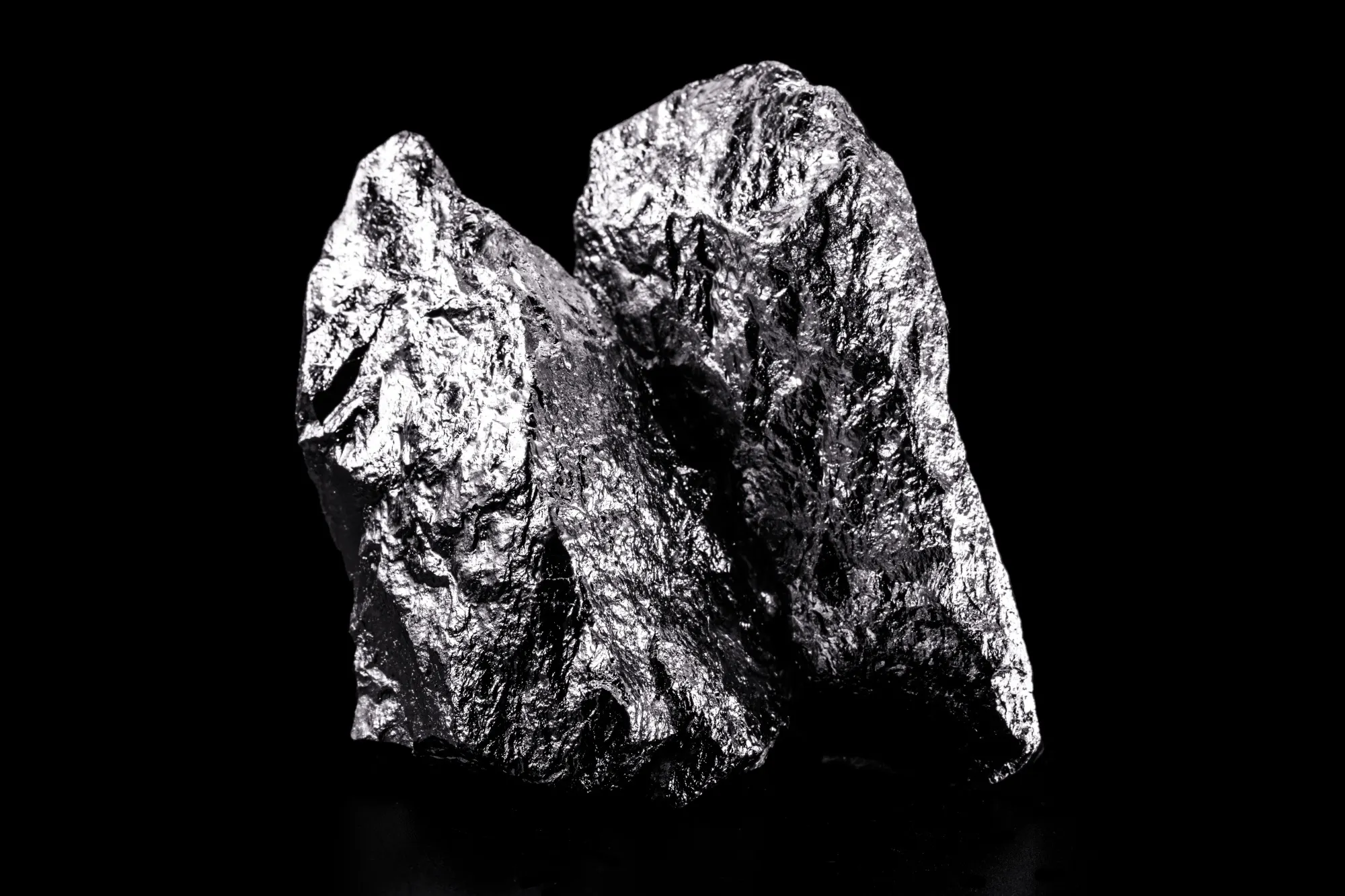
China blocks exports of dual-use items to MP Materials and USA Rare Earth, citing US “malicious practice.” Read the latest.

PSX opened higher on Monday after the first US-Iran talks session in Switzerland. KSE-100 index gained 1,223 points to reach 180,500 after last week’s decline.

Oil prices fell after US-Iran talks concluded in Switzerland. Tehran said it had received waivers for oil and petrochemical exports.

Global oil prices declined across major benchmarks, with WTI, Brent and Murban crude all recording losses after the US and Iran agreed upon a 60-day
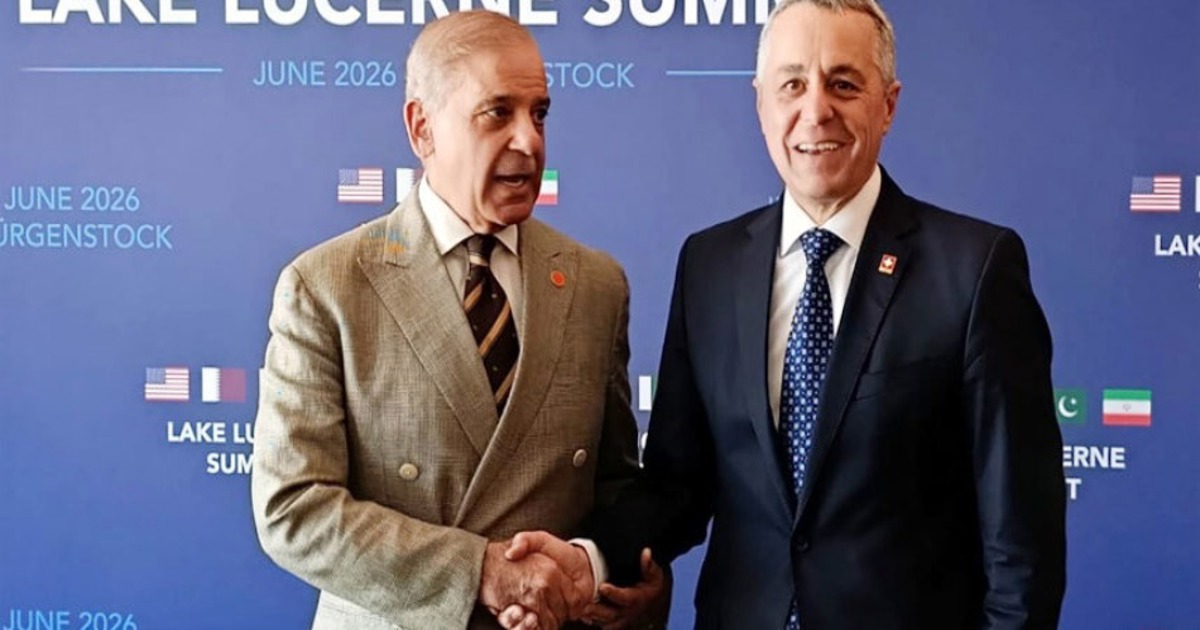
Pakistan and Switzerland discussed expanding bilateral investment ties and explored new avenues for economic cooperation, with the two sides expressing ke
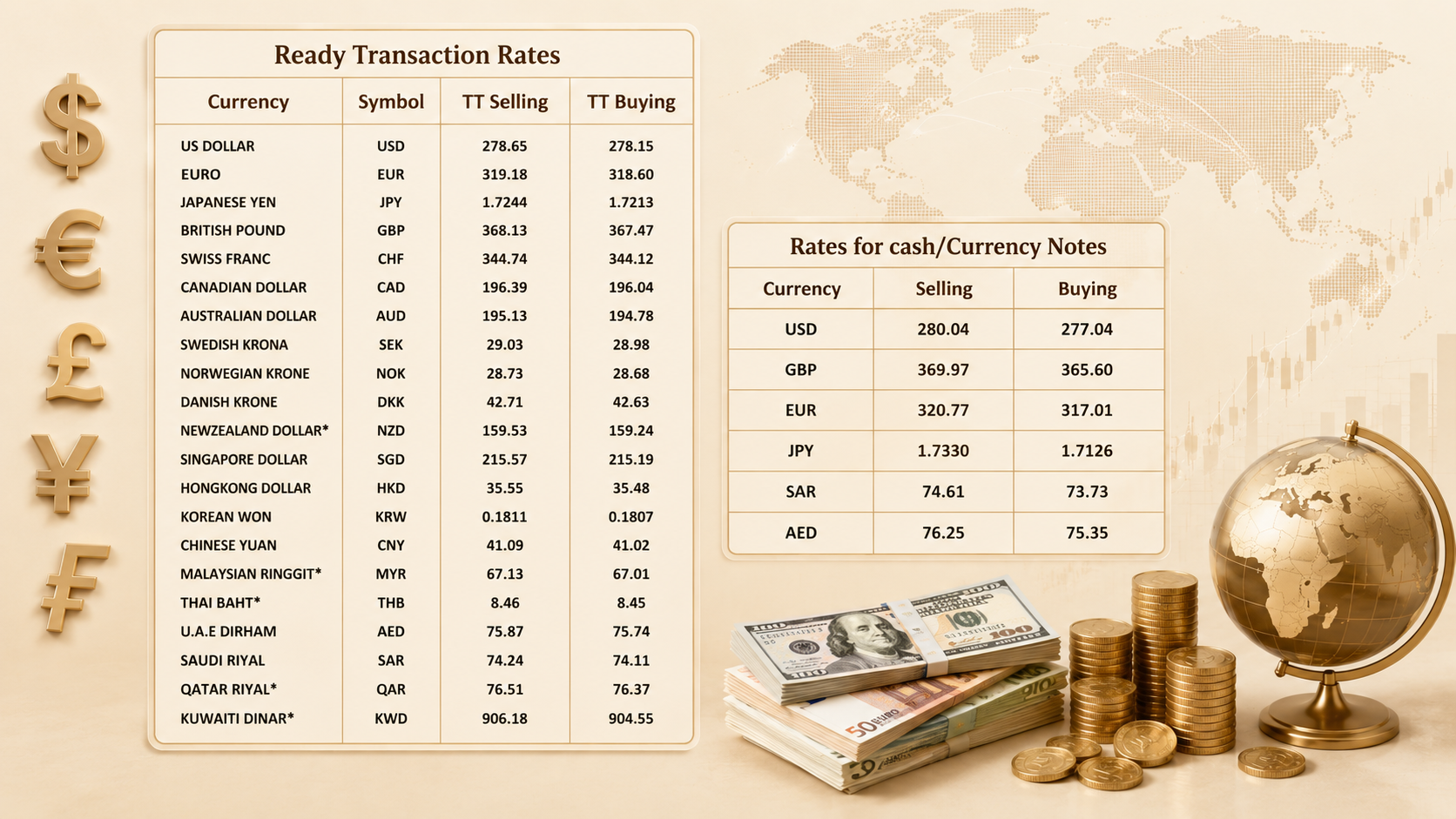
Check today’s foreign exchange rates in Pakistan (June 22, 2026) from NBP’s bulletin. View buying and selling rates now.
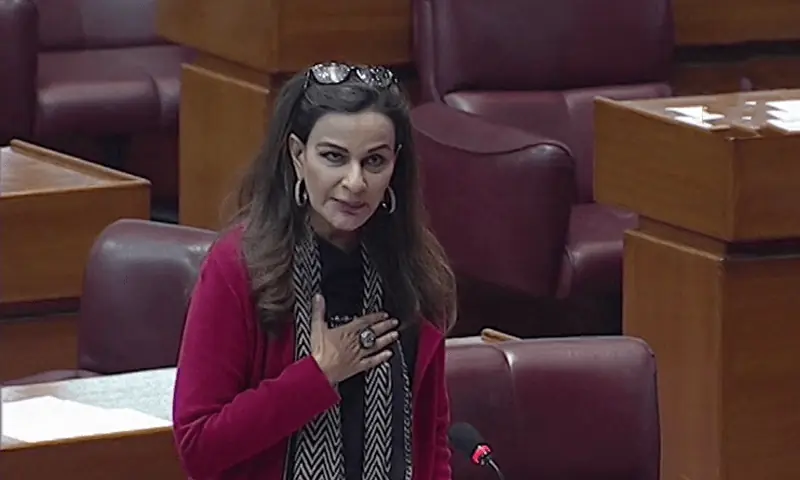
Says there is no hurry to push widely criticised telecom bill without "satisfying us and other representatives".
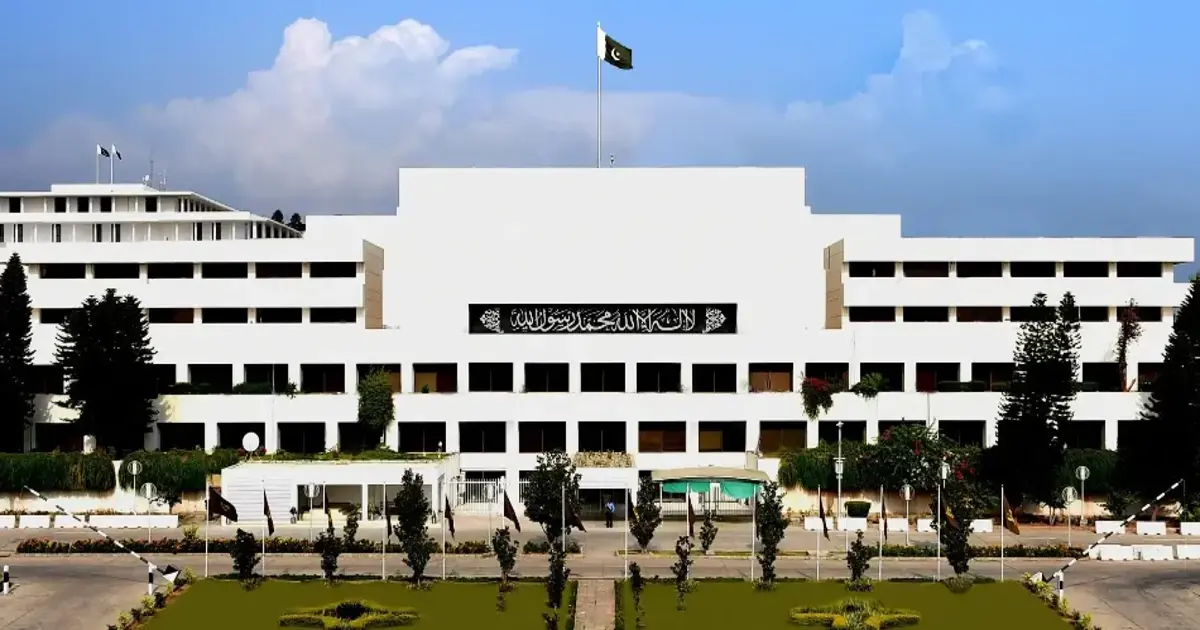
The National Assembly on Sunday approved 12 demands for grants totaling Rs4.282 trillion for the fiscal year ending June 2027, while rejecting all 100 cut
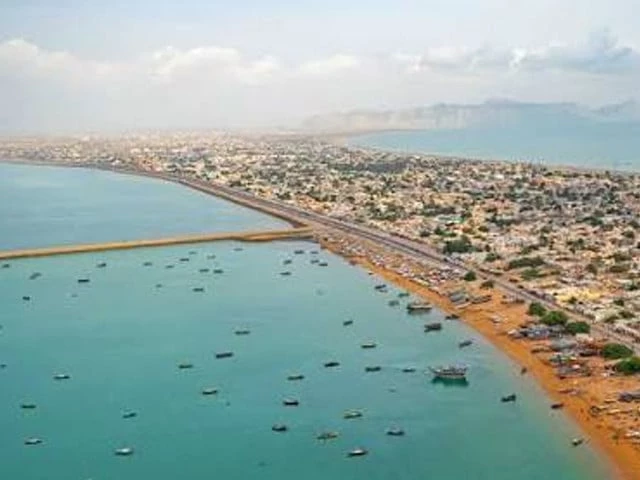
The idea of developing a modern port at Gwadar goes back to 1954, when a survey by the United States Geological Survey (USGS) convinced Pakistan of its strategic importance. However, it took us 54 years to realise the dream when the current port, after completion, received its first commercial cargo on March 15, 2008.
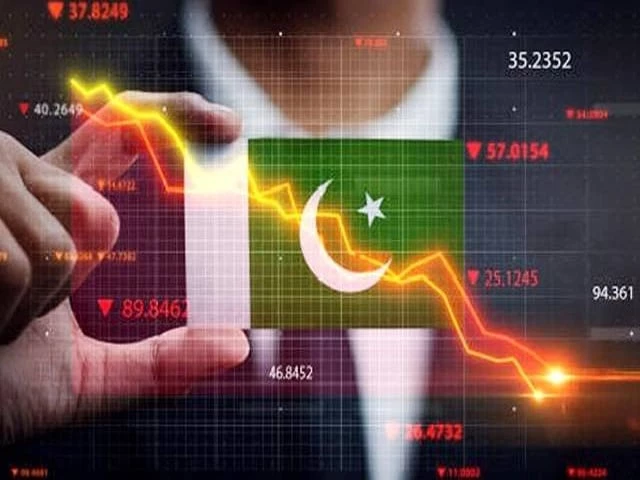
A great power rests on three pillars: military, diplomacy and economy. Pakistan has achieved many milestones on the military and diplomatic fronts. Two recent events further reinforced our strength.
The International Monetary Fund (IMF), being the lender of last resort for countries in balance-of-payments crisis or in danger of default, almost always ties its bailouts to excessive austerity measures. Its loans are tied, to use IMF jargon, to "structural adjustment programmes" and "conditionality". These programmes centre on raising taxes and/or spurring tax rate reductions, balancing the budget at all costs, devaluing the currency and increasing interest rates. Such anti-growth policies, delivered in line with IMF diktat, have been shown in the majority of cases to have actually increased the country's dependence on the IMF over time. Just think of what has happened in Argentina, Pakistan, Ecuador, Egypt or Ghana.
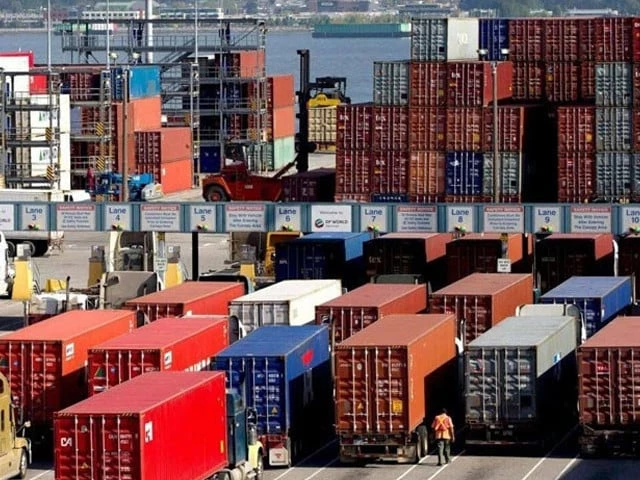
The current fiscal year has been marked by significant strain on the external account, driven in large part by the US-Iran conflict and its spillovers into capital flows and sovereign spreads. With peace now expected to return to the region, policymakers' attention should turn to the domestic constraints that continue to hold exports back. On a cumulative basis, the current account posted a modest surplus of $72 million in the first nine months of FY26, before slipping into a single-month deficit of $276 million in April and then rebounding to a surplus of $459 million in May 2026. This left a cumulative surplus of $255 million over the first 11 months (July-May), but much lower in comparison to the roughly $1.6 billion surplus recorded in the same period a year earlier. For context, the previous fiscal year closed with a current account surplus of $1.8 billion.
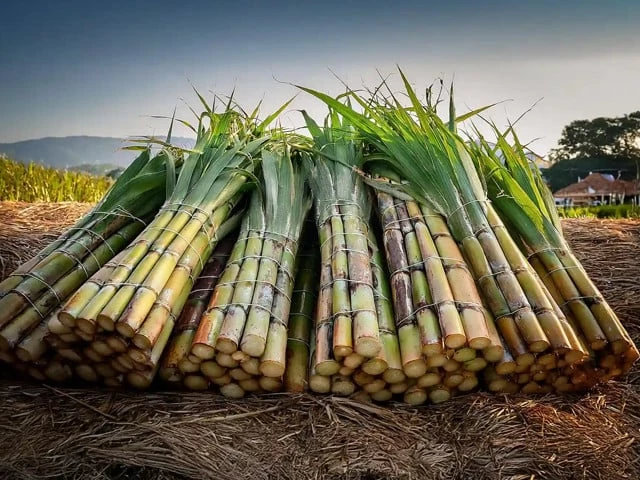
Pakistan's agriculture is facing a crisis that is neither sudden nor mysterious. It is the predictable result of a long-standing mismatch between what the country grows and what its climate, soils and water resources can realistically support. For decades, Pakistan's crop choices were shaped by a world of abundant canal flows, stable weather and a political economy that rewarded acreage rather than efficiency. That world is gone. Yet our cropping patterns remain frozen in time, even as the climate around us changes at a pace our policies refuse to acknowledge.
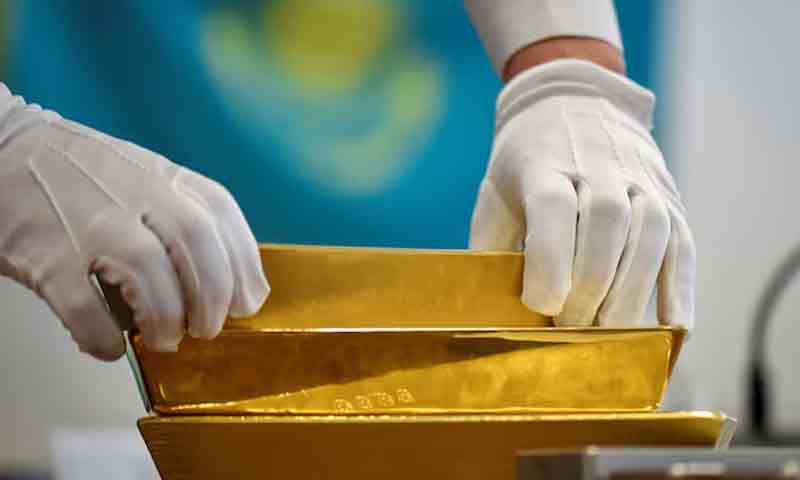
Gold prices recovered as oil fell following progress in US-Iran talks. Geopolitical optimism supported bullion, while expectations of higher US interest rates capped gains.

Muhammad Ali Tabba, CEO of Lucky Cement and Chairman of Lucky Group, has urged policymakers to adopt a pragmatic approach in Pakistan's upcoming auto poli

Khyber Pakhtunkhwa presents a Rs121.74bn supplementary budget for current and development spending. Read details and key allocations.

Pakistan and Qatar have outlined significant progress in high-level negotiations between the United States and Iran, with the parties agreeing on a roadma
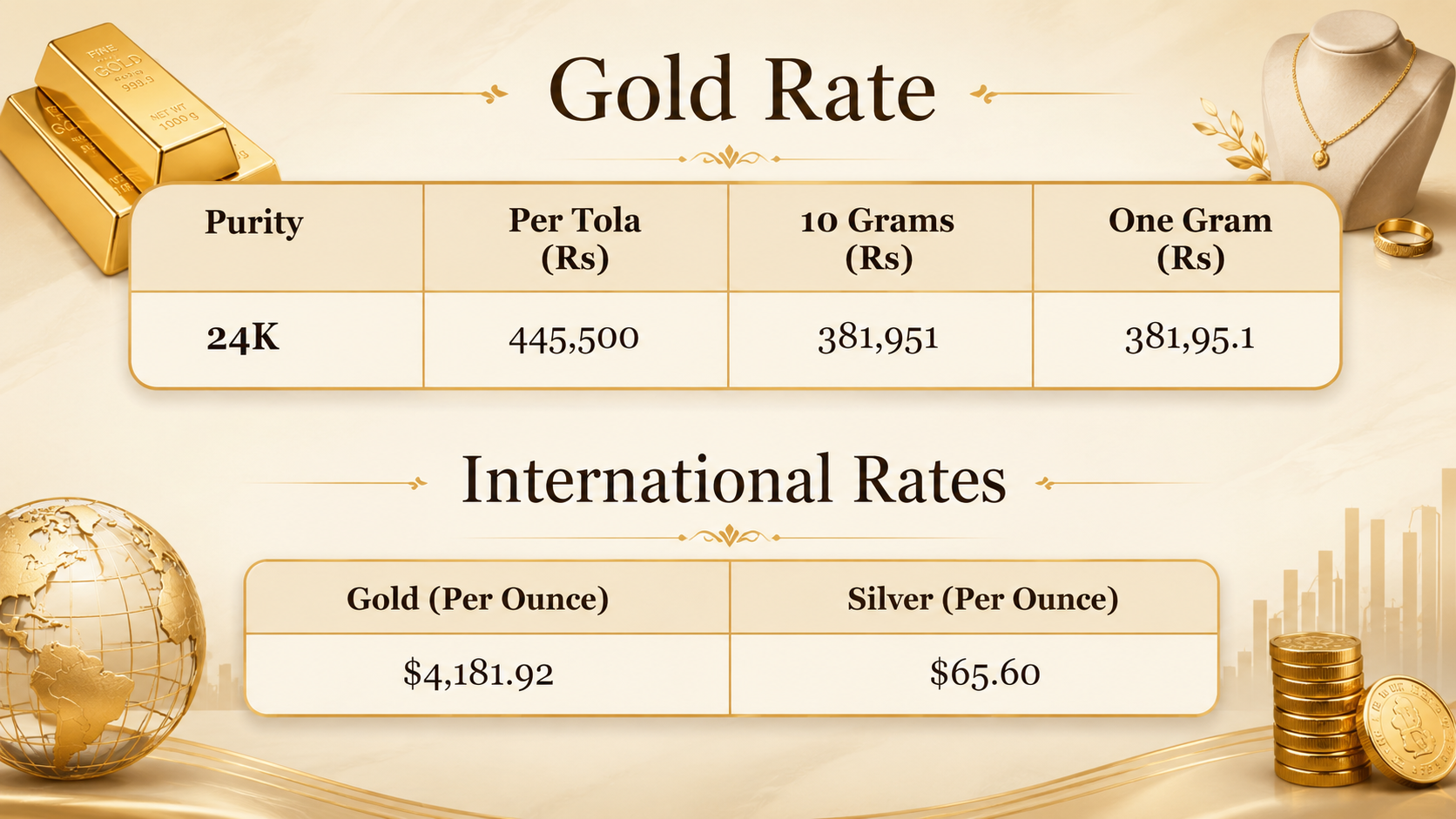
Check today’s gold price in Pakistan for June 22, 2026 across major city Sarafa markets. View updated rates now!
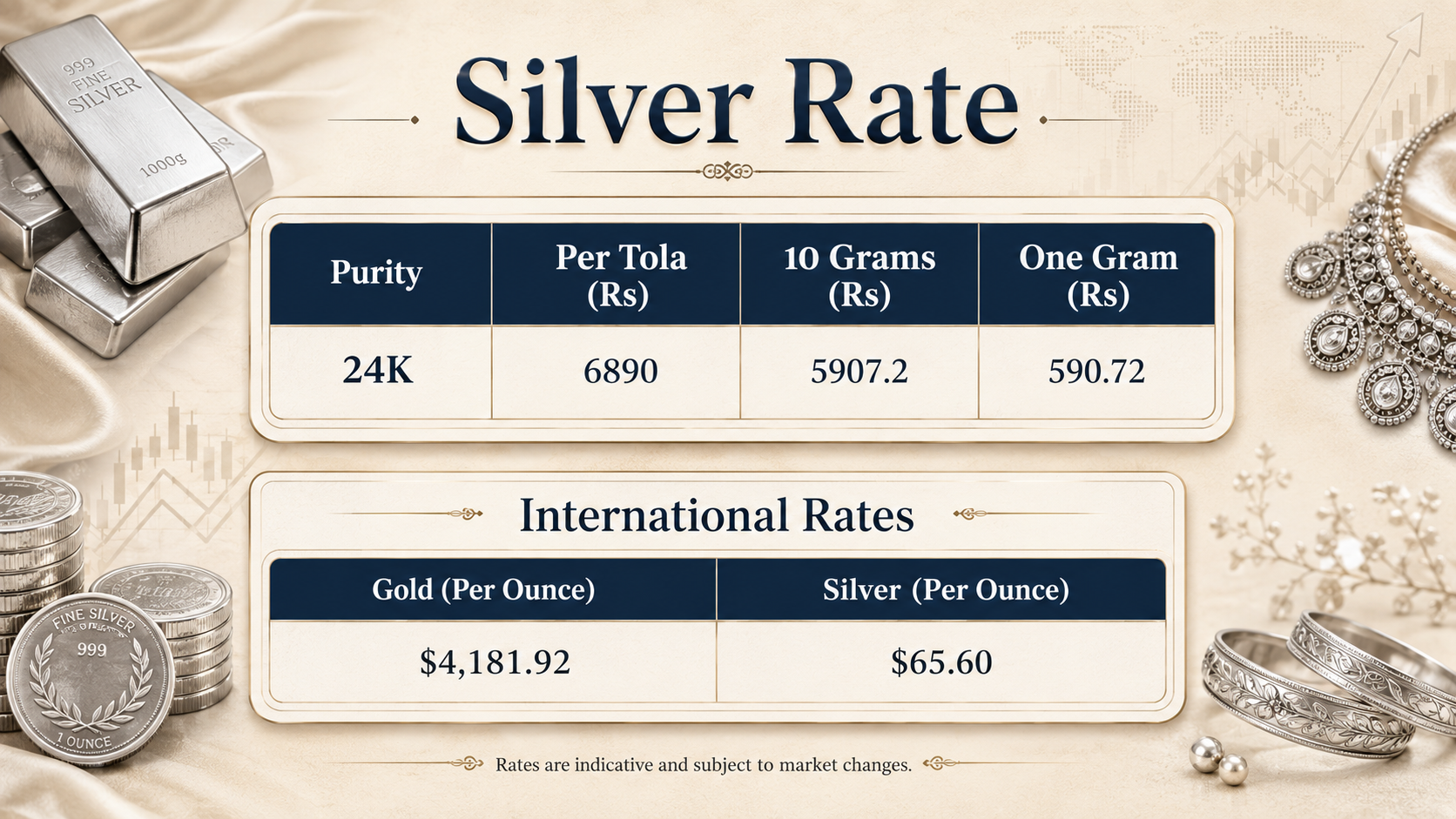
Check today’s silver price in Pakistan for June 22, 2026. Track city-wise Sarafa market rates and get the latest updates now.

Prime Minister Shehbaz Sharif orders a high-level panel to review the Telecommunication Reorganisation (Amendment) Bill. Get the latest updates.

FBR hints at reducing 20% regulatory duty on imported mobile phones priced up to $200. Get latest tax details and proposals now.
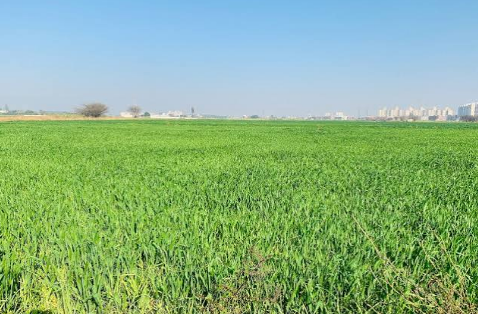
The government’s decision to raise the indicative wheat price to Rs4,500 per 40 kilograms is expected to encourage farmers across Punjab to expand wheat cultivation this season, potentially resulting in a bumper harvest sufficient to meet the province’s annual needs, according to agriculture experts.

Oct 27, 2026
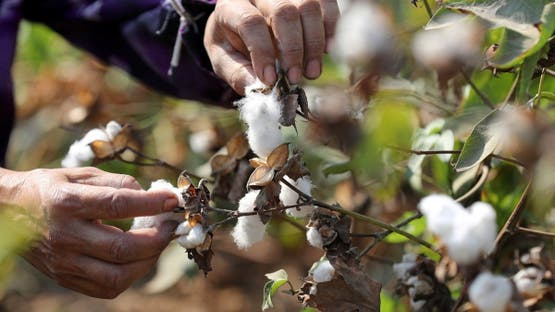
A strengthening El Niño is fuelling concerns over global cotton production and textile supplies. As the industry faces growing risks from extreme weather, declining output and tightening inventories, international brands and manufacturers are forcing a rethink of sourcing strategies to bolster supply-chain resilience.
Pakistan has recorded 265,820 birth notifications through birth registration and notification tool piloted by the National Database and Registration Authority (NADRA) to 4,959 health facilities, according to a document available with Wealth Pakistan.
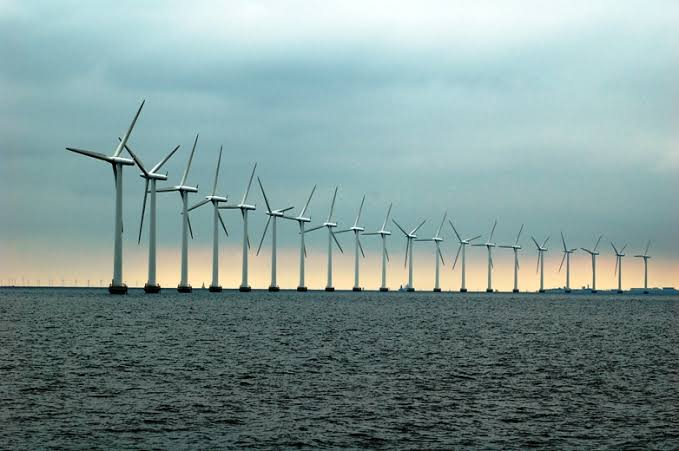
The Jhimpir-Gharo wind power evacuation project is nearing completion, with the physical progress reaching 94 per cent, according to a document available with Wealth Pakistan.
The Higher Education Commission (HEC) has processed 73,146 degree-attestation cases covering 139,021 academic documents through its paperless online attestation system since its launch on May 11, 2026.
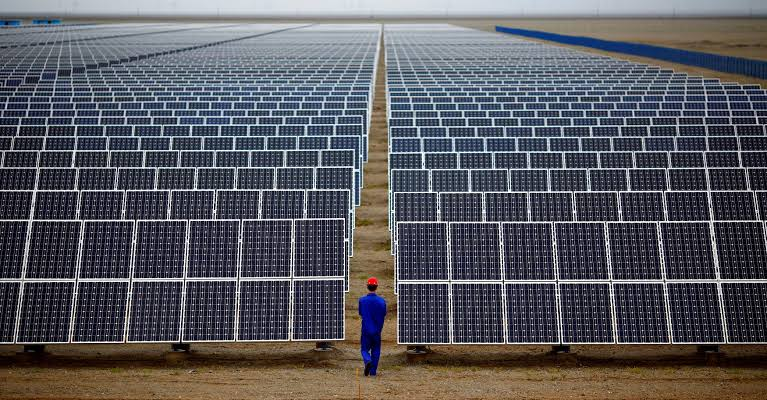
China's proposed framework for managing exports of advanced solar manufacturing technologies signals a new phase in the global renewable energy industry, highlighting the growing importance of technological innovation and international industrial cooperation while maintaining the country's role as a major supplier of solar products.
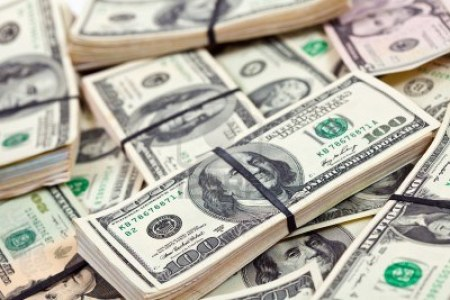
Pakistan received a total of $29.20 billion in foreign assistance during the five financial years from FY2021-22 to FY2025-26, with loans accounting for 97% of total disbursements and grants making up the remaining 3%, according to an official response available with Wealth Pakistan.
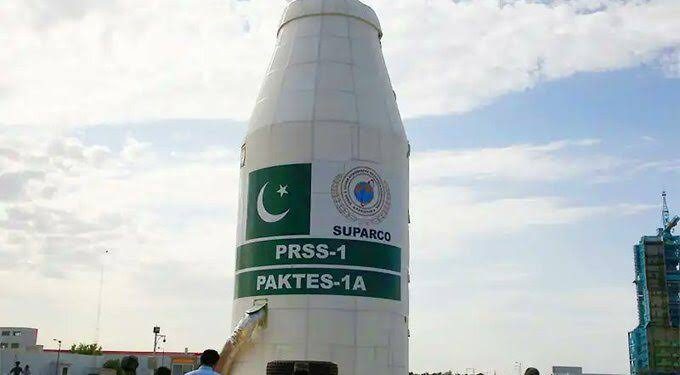
The Space and Upper Atmosphere Research Commission (SUPARCO) has received Rs995 million in budgetary support for fiscal year 2026-27 to establish the Pakistan Space Centre.
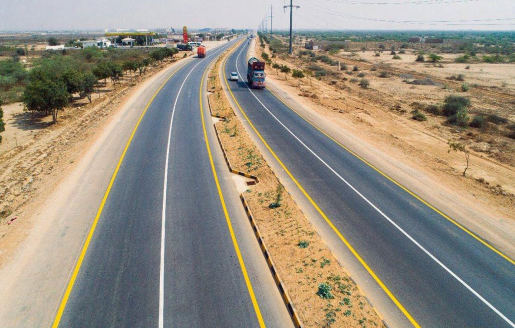
The government has set aside Rs2,500 million in PSDP 2026-27 for the rehabilitation of a 66-kilometre section of National Highway N-5 between Hala and Moro, according to a document available with Wealth Pakistan.
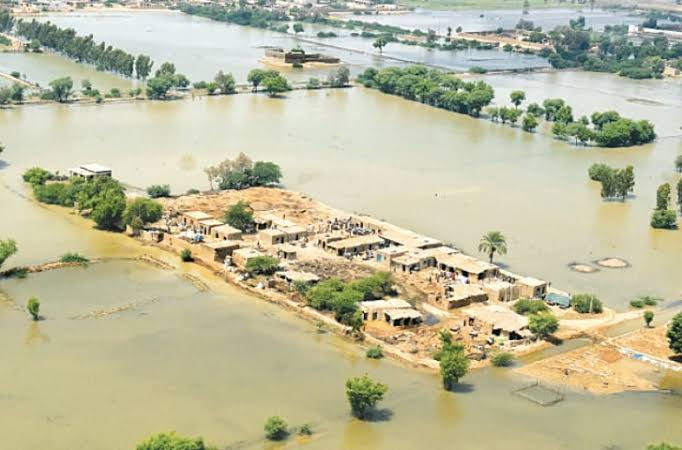
Balochistan's Rs45.78 billion post-flood reconstruction programme has achieved 50 percent progress, with the federal government allocating Rs17 billion for the initiative in the 2026-27 fiscal year, according to a document available with Wealth Pakistan.
Closer cooperation between the Asian Infrastructure Investment Bank (AIIB) and the World Bank Group is creating new opportunities for infrastructure investment in developing economies, as the two institutions seek to expand co-financing, mobilise private capital and support major development projects at a time when high borrowing costs and limited fiscal resources are restricting public investment.
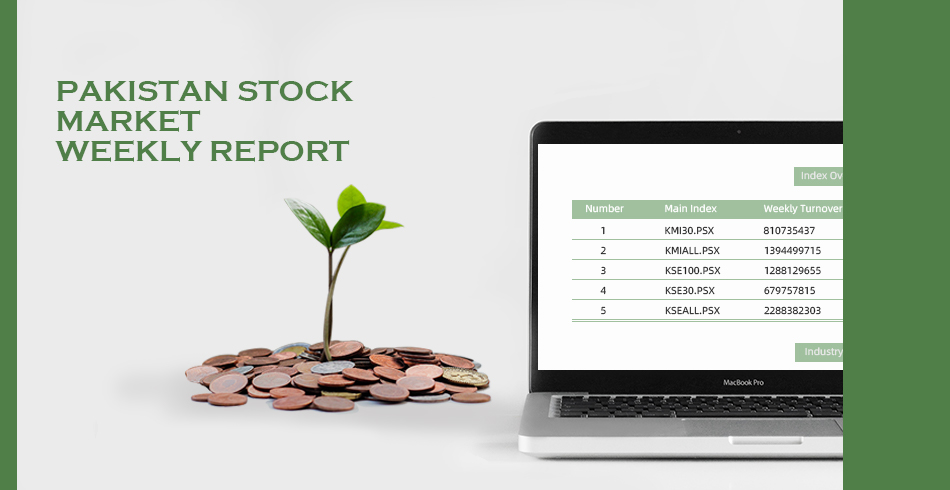
Weekly Review of Stock Market (2026.10.19-2026.10.23)

Oct 26, 2026

ISLAMABAD, Oct 23 (INP-Wealth Pakistan) -- The government collected Rs22.25 billion under the Carbon Levy during the first three months of fiscal year 2026-27, achieving 44.5% of the annual budget estimate of Rs50 billion, according to an official Finance Division briefing.

ISLAMABAD, Oct 23 (INP-Wealth Pakistan) -- Strong investment in artificial intelligence (AI) infrastructure is improving the global trade outlook, as rising demand for semiconductors, servers and other advanced technologies supports international commerce and creates new opportunities for developing economies to participate in the expanding digital economy.
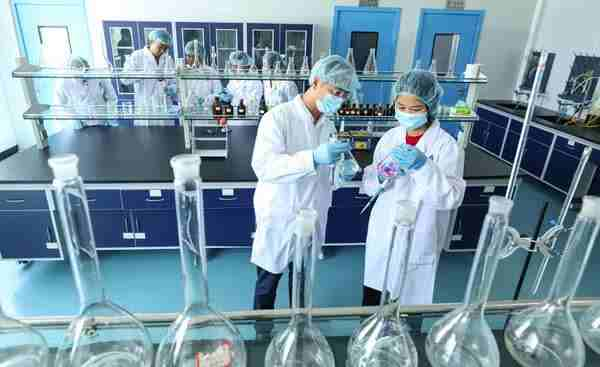
ISLAMABAD, Oct 23 (INP-Wealth Pakistan) -- China's biotechnology sector is expanding its role in the global pharmaceutical industry, moving beyond the manufacturing of conventional medicines and pharmaceutical ingredients to the development and international licensing of innovative drugs, as growing demand for Chinese-developed therapies creates new opportunities for international research and commercial partnerships.
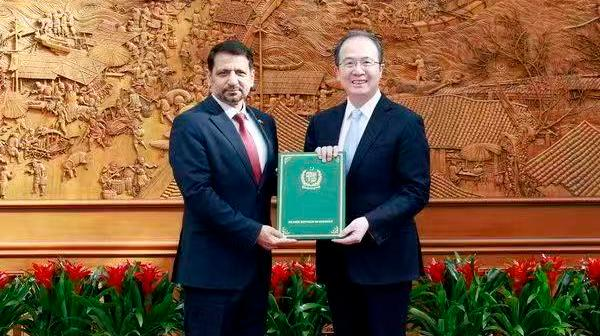
BEIJING, Oct 23 (INP-Wealth Pakistan) -- According to the Embassy of Pakistan in Beijing, Dr. Syed Ali Asad Gillani, Pakistan's Ambassador to the People's Republic of China, presented a copy of his credentials to H.E. Mr. Hong Lei, Assistant Minister of Foreign Affairs of China and Director-General of the Protocol Department of the Chinese Ministry of Foreign Affairs.
ISLAMABAD, Oct 23 (INP-Wealth Pakistan) -- The Pakistan Climate Change Authority (PCCA) has developed more than 38 climate project concepts, completed two projects, and submitted a proposal for $3.5 million in Green Climate Fund (GCF) readiness funding.

Oct 23, 2026
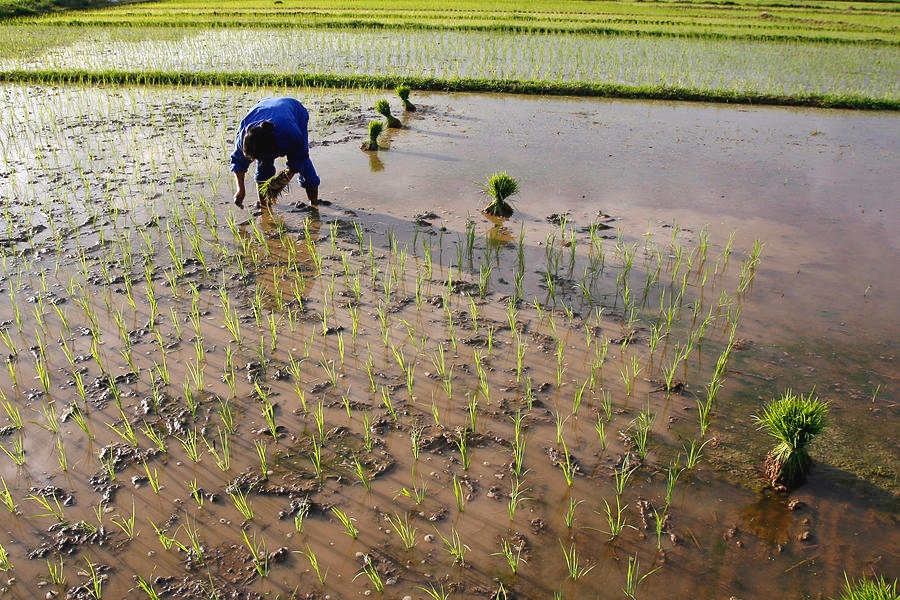
ISLAMABAD, Oct 22 (INP-Wealth Pakistan) -- Pakistan's rice production is provisionally estimated at 10.18 million tonnes for the 2026-27 crop, 11% above the official target of 9.17 million tonnes, as the area under cultivation also exceeded its target by 28.4%.

ISLAMABAD, Oct 22 (INP-Wealth Pakistan) -- Expanding trade among developing economies is strengthening prospects for export growth, regional economic cooperation and industrial development, as changing global supply chains create new opportunities for emerging markets to diversify trade partnerships and increase their participation in international commerce.

ISLAMABAD, Oct 22 (INP-Wealth Pakistan) -- The growing emphasis on industrial cooperation, manufacturing investment and technology transfer under CPEC 2.0 is opening new avenues for Chinese investment in Pakistan's industries.
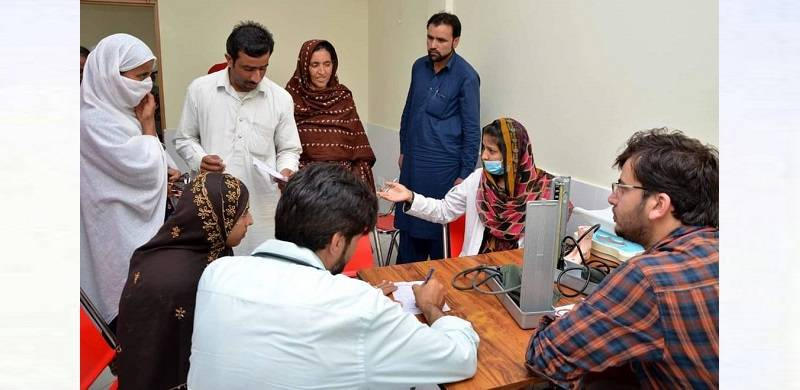
ISLAMABAD, Oct 22 (INP-Wealth Pakistan) -- The District Health Office, Islamabad, is pursuing a series of healthcare infrastructure development projects, including an initiative to establish four basic health units (BHUs) and build and upgrade community health facilities to improve public access to essential medical services.
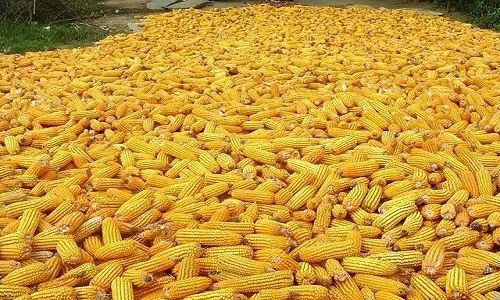
ISLAMABAD, Oct 22 (INP-Wealth Pakistan) -- Pakistan's maize production is provisionally estimated to have increased by 12.1% to 9.98 million tonnes in 2026-27, exceeding the official production target by 3.2%, as an expansion in cultivated area and higher output in Punjab helped raise national production.
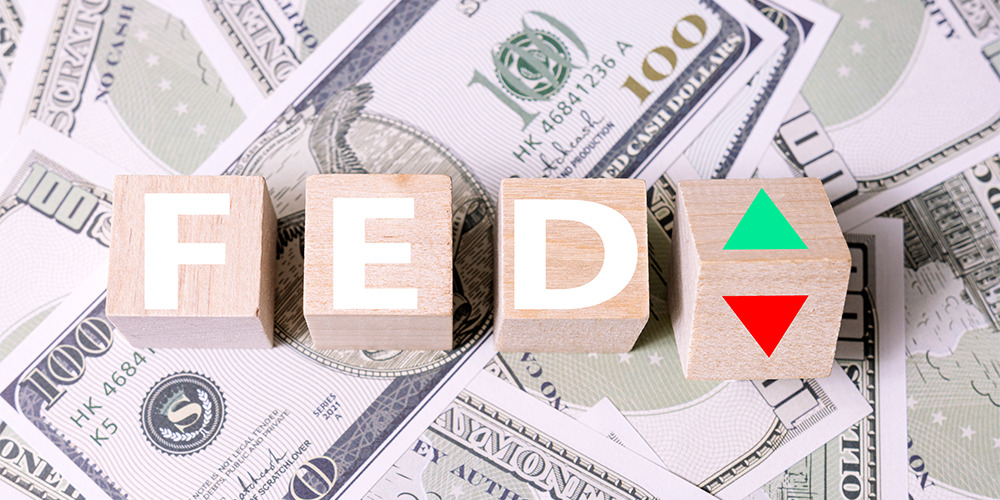
ISLAMABAD, Oct 22 (INP-Wealth Pakistan) -- Expectations of a cautious approach to further interest-rate increases by the US Federal Reserve are creating potential borrowing opportunities for emerging economies, as greater policy predictability could help stabilise capital flows, reduce financial market volatility and allow governments and businesses to plan external financing more effectively.
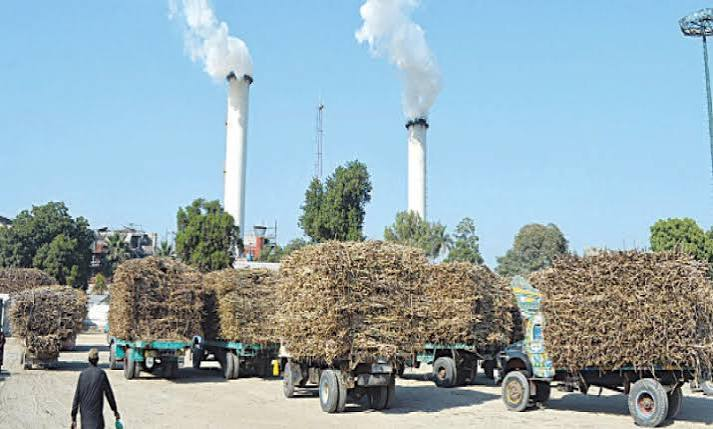
LAHORE, Oct 22 (INP-Wealth Pakistan) -- The sugarcane crop in Punjab has shown satisfactory growth this year and is expected to be ready for crushing by mid-November at the province's 41 sugar mills, according to sugarcane experts.

Oct 22, 2026
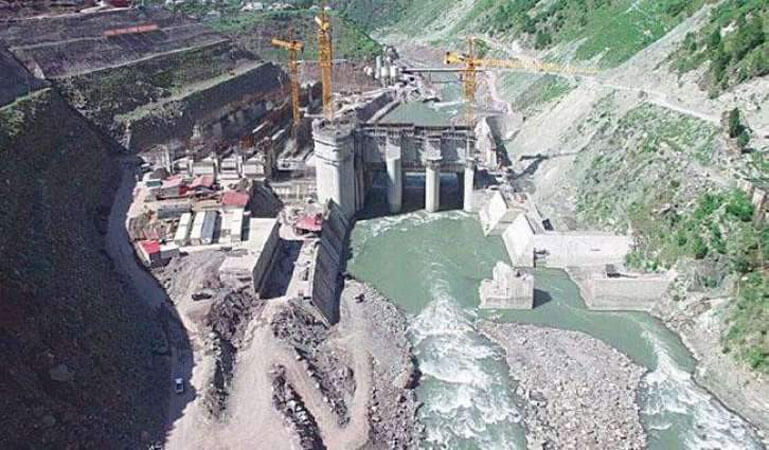
ISLAMABAD, Oct 21 (INP-Wealth Pakistan) -- The World Bank is financing 18 development projects across 10 major sectors in Pakistan, involving a total committed amount of $7.042 billion, with all projects currently under implementation, according to an official document available with Wealth Pakistan.

ISLAMABAD, Oct 21 (INP-Wealth Pakistan) -- China's rapid advances in artificial intelligence (AI) are strengthening prospects for global digital growth, as increasingly powerful and affordable AI models create new opportunities for businesses to improve productivity, reduce operating costs and enhance their competitiveness in international markets, particularly in developing economies.
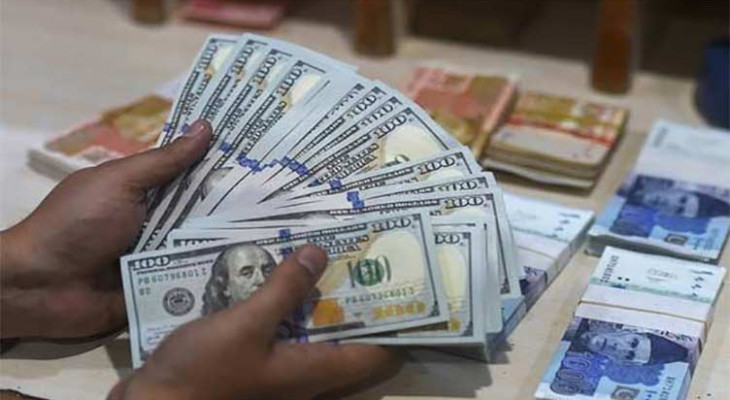
(15-06-2026)CURRENCY SELLING BUYING USD 280.09 277.09GBP 376.55 372.12 EUR 325.05 321.23 JPY 1.7500 1.7294 SAR 74.64 73.76AED 76.26 75.36 LIBOR LIBOR FOR CALCULATING INTEREST ON SPECIAL USD BONDSLIBOR 1M 3.6331 LIBOR 3M 3.6705 LIBOR 6M 3.7510 US DOLLAR Indicative ..

KARACHI, Jun 15 (APP):Treasury Management Division of National Bank of Pakistan (NBP) on Monday issued the following exchange rates.
KARACHI, Jun 15 (APP):Following are the selling/buying rates of major currencies issued by the National Bank of Pakistan (NBP), here on Monday.
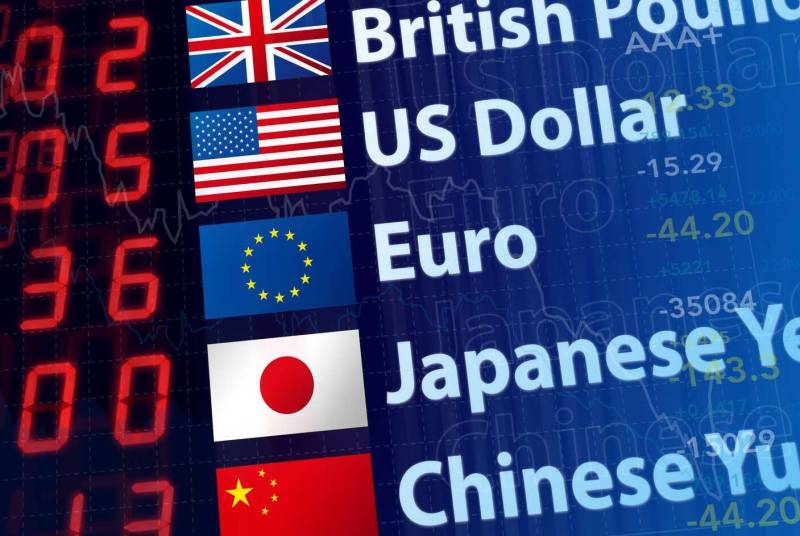
KARACHI, Jun 15 (APP):The Exchange Rates Committee of Financial Markets Association of Pakistan issued the following Exchange rates bulletin, here on Monday.

Pakistan stocks surged as the KSE-100 jumped over 4,500 points to 176,917 after a reported Iran-US deal boosted investor confidence, while Asian markets rallied and oil fell.

KARACHI – The Pakistan Stock Exchange (PSX) opened the week with strong gains as the US and Iran have reached a peace deal, lifting the investor
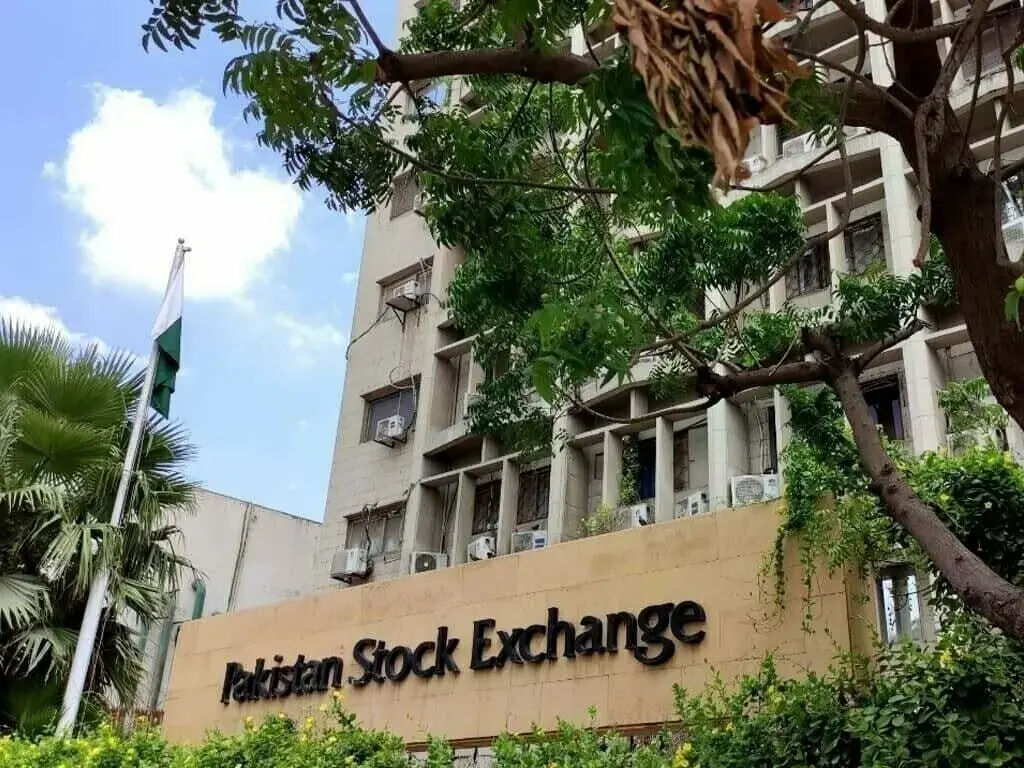
Massive buying was observed at the Pakistan Stock Exchange (PSX), with the benchmark KSE-100 Index gaining nearly 4,400 points during the opening minutes of trading on Monday, as investors rejoiced over the peace deal between the United States and Iran.
The Exchange Rates Committee of Financial Markets Association of Pakistan issued the following Exchange rates bulletin, here on Monday. CONVERSION RATES FOR June 15, 2026 FOR FOREIGN CURRENCY FOR FORWARD COVER FOR DEPOSITS (EXCLUDING FE-25 DEPOSITS) ..

Morning Breeze aims to lessen the load for its readers by curating noteworthy updates from the preceding day.

The standout performer was LSM, which rebounded by 6.1pc after several subdued years, with 16 of 22 sub-sectors posting growth
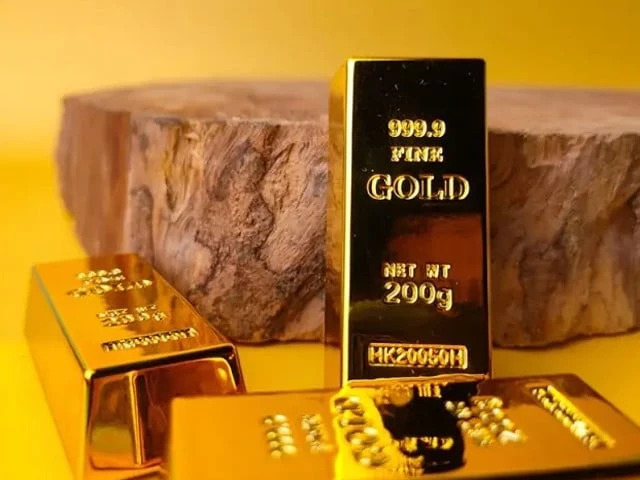
The federal budget for FY2026-27 is expected to create a supportive environment for gold and precious metals traded on the Pakistan Mercantile Exchange (PMEX), as higher fuel levies, inflationary pressures, rupee vulnerability and tax changes strengthen the case for safe-haven assets.
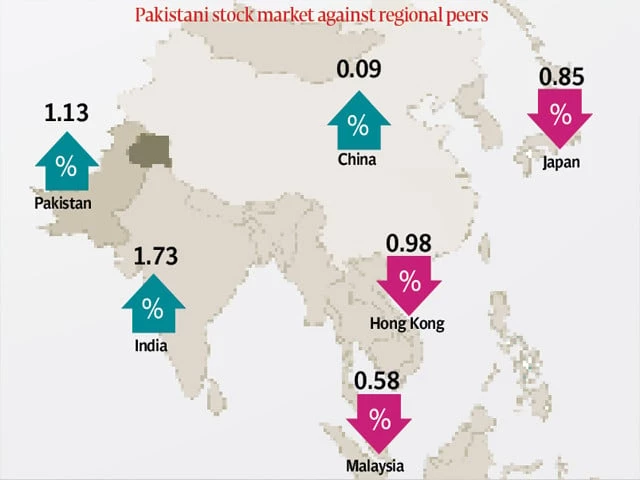
Despite witnessing sharp swings throughout the week and briefly slipping below the key 170,000-point level, the Pakistan Stock Exchange (PSX) gained 1.13% week-on-week to close at 172,400 points. It staged a strong recovery on Friday, adding 1.6% in a single session after reports that planned US strikes on Iran had been called off, boosting risk appetite and improving investor sentiment.

ISLAMABAD - The price of gold registered a significant increase in the local market on Friday, with 24 karat gold per tola rising by Rs4,370 to settle at Rs444,336 compared to Rs439,966 on the previous trading day, according to rates issued by the All Pakistan Sarafa Gems and Jewellers Association. Similarly, the price of 10 grams of 24 karat gold increased by Rs3,933 to Rs379,880 from Rs375,947 whereas 10 grams of 22 karat gold went up by Rs3,570 to Rs348,493 against Rs344,923. In the international market, the price of gold increased by $43.70 to $4,219 per ounce from $4,175.30. Meanwhile, the price of silver per tola rose by Rs200 to Rs7,279 from Rs7,079, while the price of 10 grams of silver increased by Rs171 to Rs6,199 from Rs6,028. The price of silver in the international market also increased by $2 to $68.00 per ounce from $66.00.
Remittances hit record high as lower oil prices support investor sentiment

ISLAMABAD: The prices of essential kitchen items showed a mixed trend during the last week as compared to the previous week, a survey conducted by
KARACHI: On Thurs-day, at PMEX, the total traded value of Metals, Energy, COTS, Indices, and Agricultural commodities stood at PKR 51.393 billion with 127,475 lots traded.

The prices of gold registered a significant increase in the local market on Friday, with 24 karat
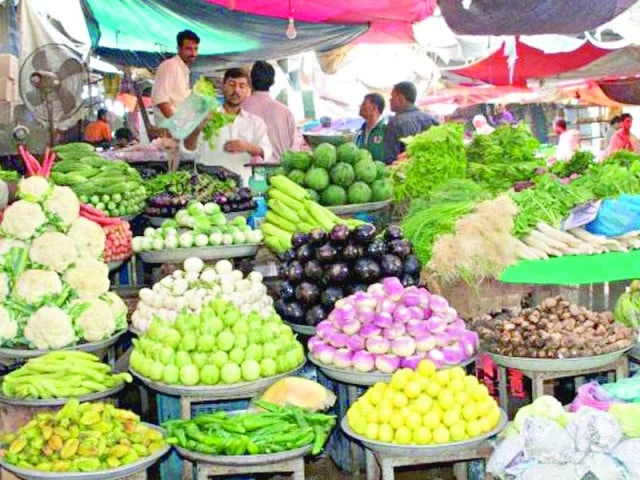
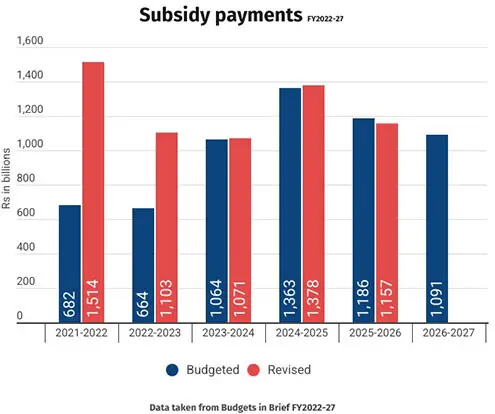
The government has decided to slash its subsidy budget by 8% for the next fiscal year 2026-27, though it is meant to shield the poor from the biting inflation.
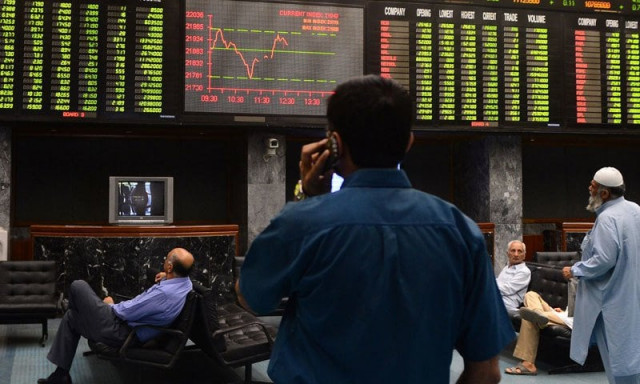
Pakistan Stock Exchange (PSX) on Friday enjoyed a strong bullish momentum amid budget announcement for fiscal year 2026-27, with the benchmark KSE-100 index closing at 172,400 points, gaining around 2,700 points.
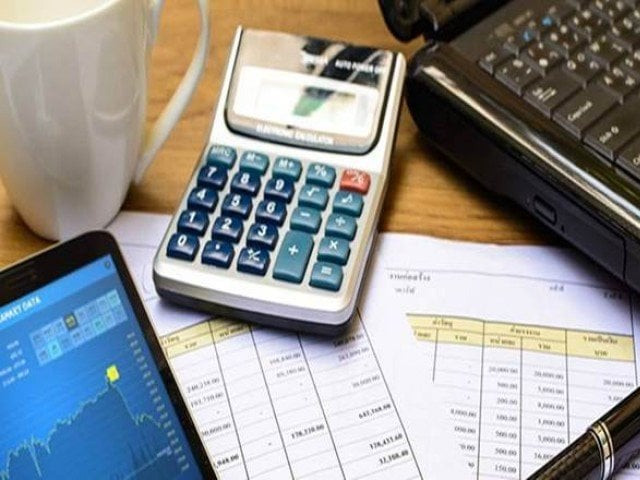
The government on Friday announced a Rs17 trillion tax collection target for the new fiscal year, including over Rs1.7 trillion through the petroleum levy, but also gave relief of Rs360 billion to the salaried class, real estate and businesses aimed at kick-starting the economy.
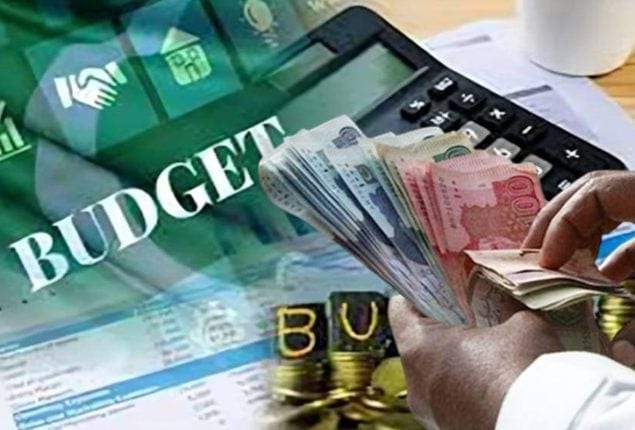
ISLAMABAD – The federal government has revised income tax rates for salaried individuals as part of the federal budget for fiscal year 2026-27. Finance
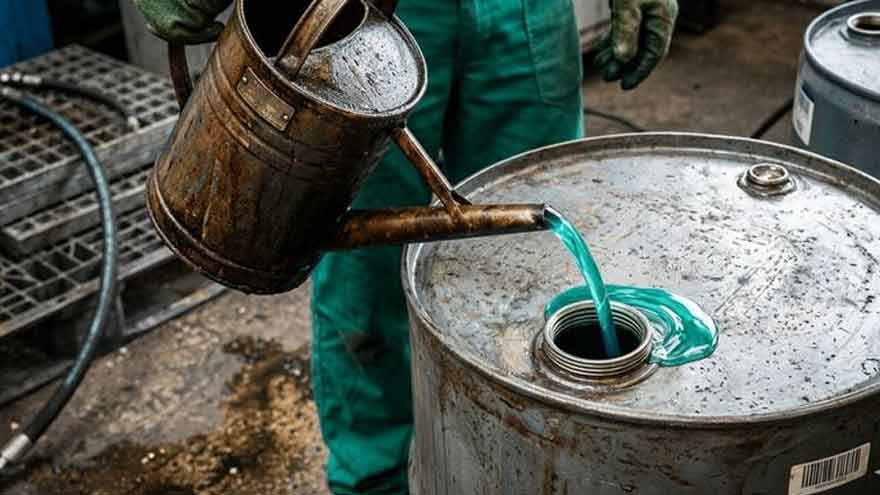
OGRA raises kerosene price by Rs1.49 per litre despite cuts in petrol and diesel rates, with the revised prices taking effect immediately.

ISLAMABAD: The government has budgeted Rs27.685 billion from 4G/ 5G licenses under the head of non-tax revenue for the next fiscal year 2026-27 against Rs22.049 billion budgeted for the outgoing fiscal year which was later revised upward to Rs24.973 billion.
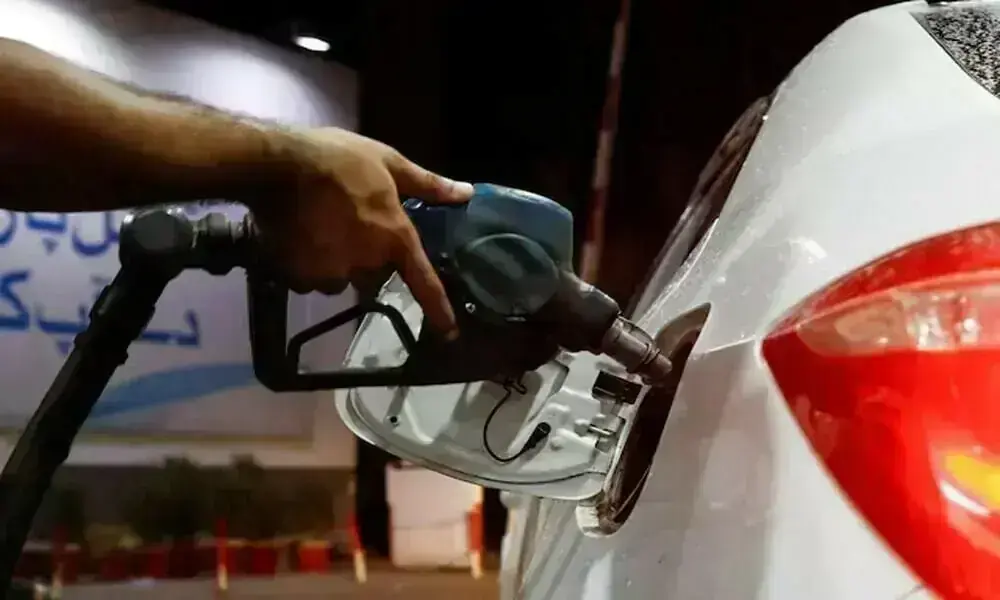
ISLAMABAD: Domestic rates of petrol and high speed diesel (HSD) have been declined in line with the drop in global oil prices, according to a statement of Petroleum division.
New housing scheme gets Rs71bn
Projects higher current account deficit at $3.6bn for next fiscal year
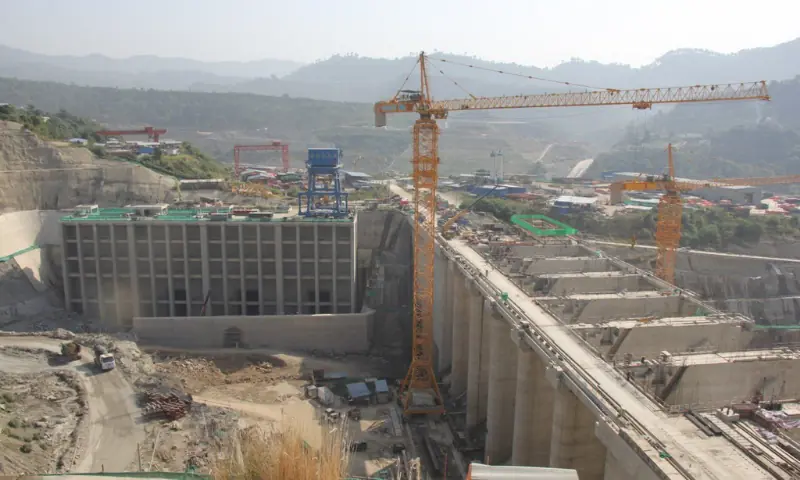
Govt announces Rs1tr for Public Sector Development Programme, Rs2.2tr for provincial programmes, and Rs450bn for state-owned enterprises.

ISLAMABAD - Pakistan has planned to borrow $23.38 billion under the foreign economic assistance during the next fiscal year 2026-27 to maintain its foreign exchange reserves and repay previous loans. The amount of foreign borrowing for the next fiscal year is 17.5 percent higher than the estimates of the outgoing fiscal year, in which the government had projected to borrow $19.9 billion under the foreign economic assistance during the next fiscal year 2025-26. The government would borrow the amount to maintain its foreign exchange reserves and repay previous loans.

The revised fuel prices will take effect from midnight on June 13
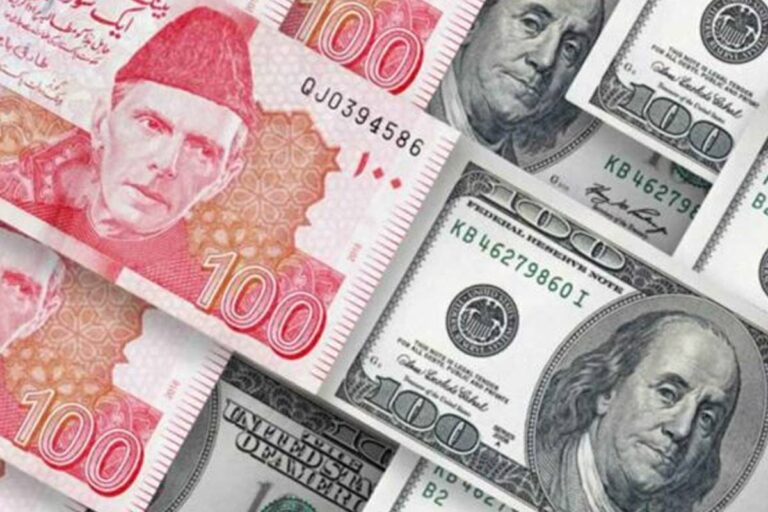
ISLAMABAD, Jun 12 (APP): The Rupee on Friday appreciated by 03 paisa against the US Dollar in interbank trading and closed at Rs 278.32 compared to the previous day’s closing of Rs 278.35.