WealthPKNews

WealthPK News

Image for: Energy riches but poor masses of Sindh

Energy riches but poor masses of Sindh

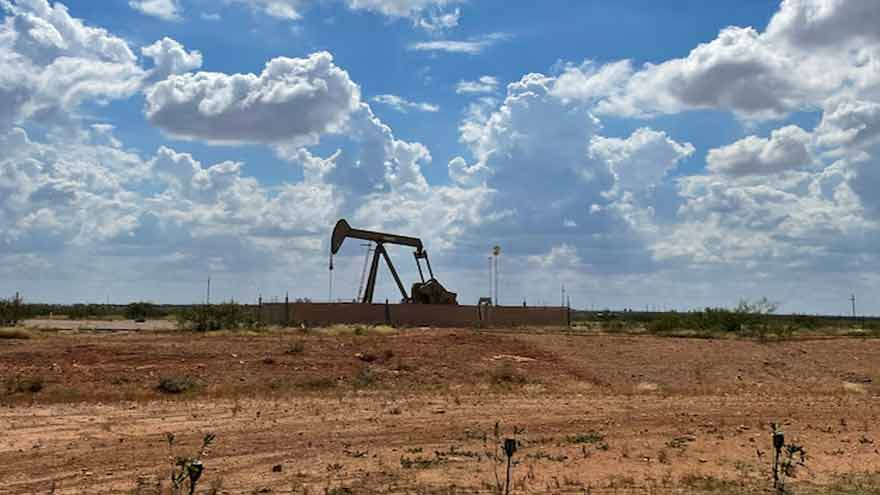
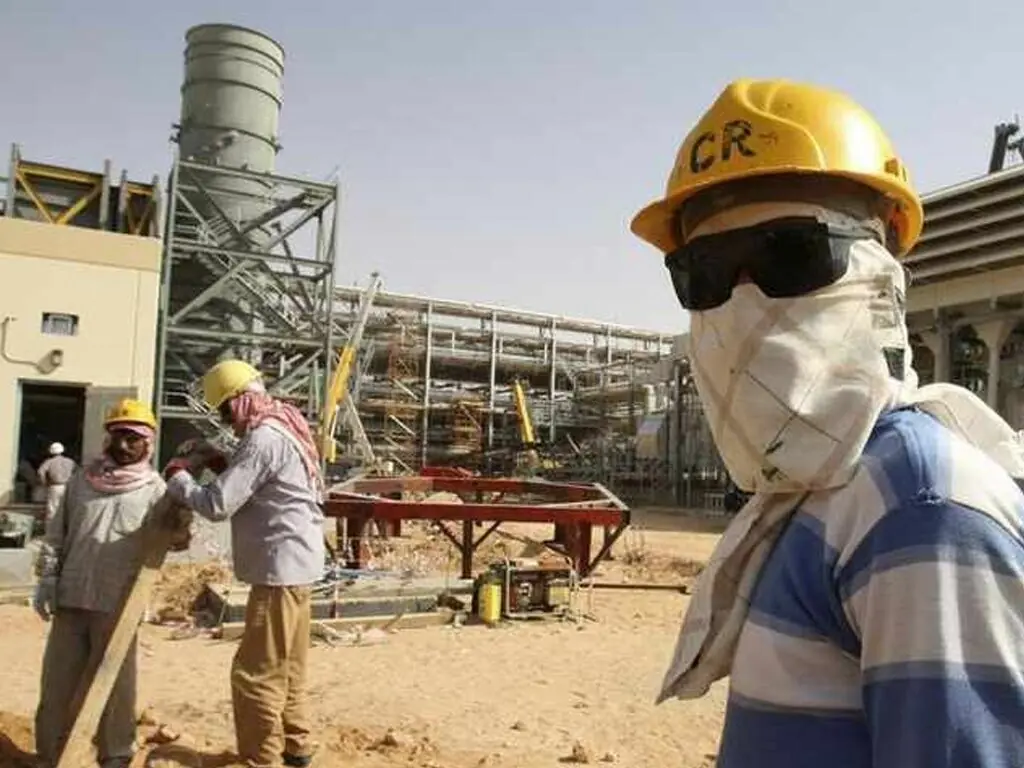
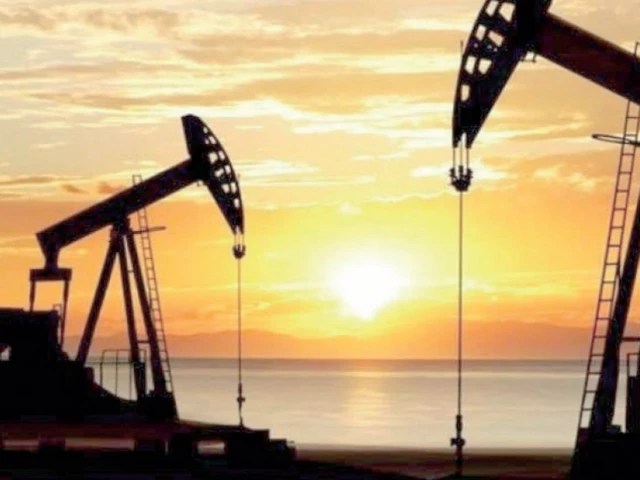
Sindh is geographically 29% larger than South Korea. However, its economy with GDP of around $135 billion is at least 14 times smaller than that country. This is despite that South Korea has hardly any indigenous energy resources. Only last year its energy import bill amounted to $140 billion. On the other hand, with its extensive hydrocarbon production over the past six decades, Sindh has proven to be Pakistan's pivotal energy basket. Still, it is no way even near to South Korea in development and well-being of the masses.

Tribune
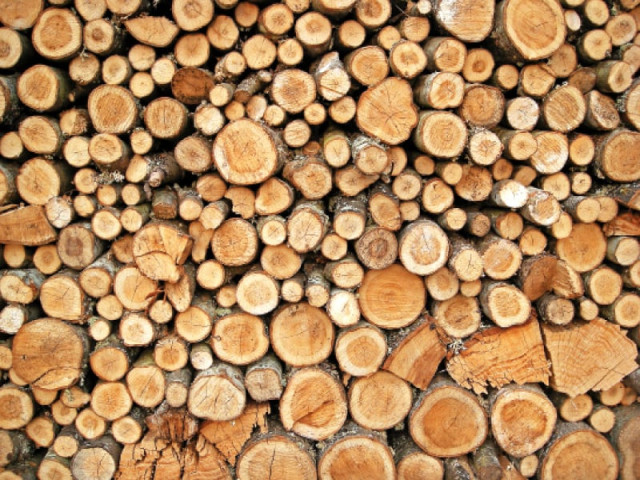
Image for: Buy forest's services, not its timber

Buy forest's services, not its timber

With a view to compensating private forest owners, a comprehensive strategy has to be devised and implemented. The existing forest policies, laws, management plans and strategies are based on timber harvesting, and foresters are trained in how to grow forests and then harvest them to generate revenue for the public sector as well as for the forest owners, although after the ban on forest harvesting in 1992, the forest department of Khyber-Pakhtunkhwa (K-P) could not figure out ways and means to devise and implement forest policy and plans based on non-timber forest benefits during the past over 40 years.

Tribune
WealthPK Reports

Image for: China’s afforestation model offers pathway for Pakistan’s climate resilience

China’s afforestation model offers pathway for Pakistan’s climate resilience

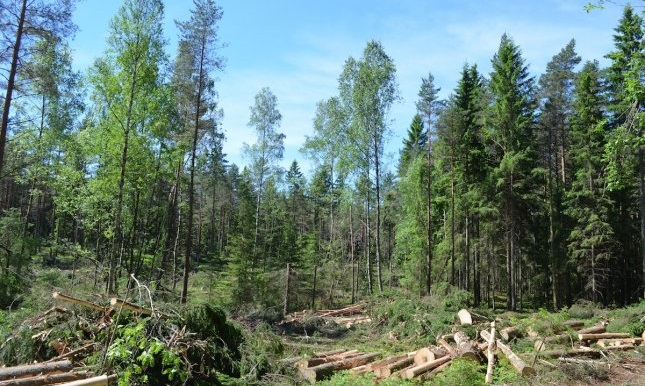
ISLAMABAD, May 27 (INP–Wealth Pakistan) -- Pakistan’s climate resilience will increasingly depend on how effectively it restores degraded land, protects watersheds, and expands forest cover. China’s long-running afforestation and desertification-control experience offers a practical model for integrating technology, governance, and community participation into a nationally coordinated green development strategy.

WealthPK Reports
Image for: Pakistan’s forex reserves climb to $21.29bn on stronger SBP holdings

Pakistan’s forex reserves climb to $21.29bn on stronger SBP holdings

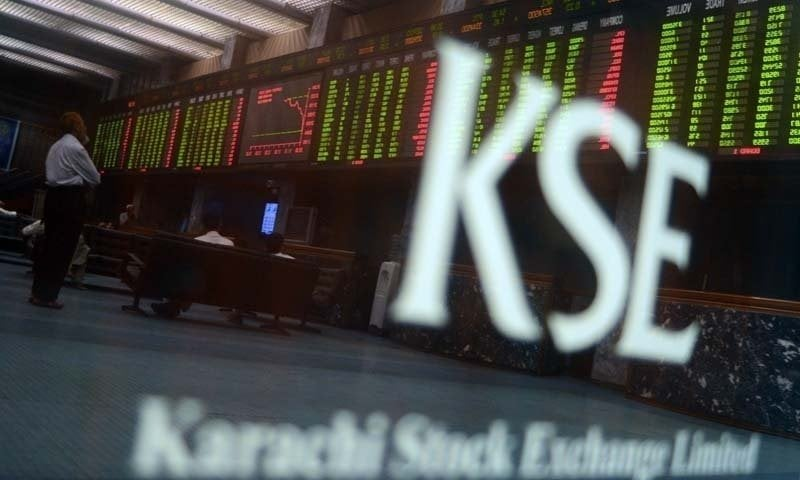
ISLAMABAD, May 27 (INP–Wealth Pakistan) -- Pakistan’s total liquid foreign exchange reserves rose to $21.29 billion during the week ended April 30, 2026, according to data released by the State Bank of Pakistan, reflecting continued improvement mainly driven by higher holdings of the central bank. According to the SBP data, total liquid reserves stood at $21,293.5 million, compared to $21,269.0 million recorded a week earlier.

WealthPK Reports

Data News

Image for: Tax exemptions cost govt Rs2.4 trillion in FY2025-26

Tax exemptions cost govt Rs2.4 trillion in FY2025-26

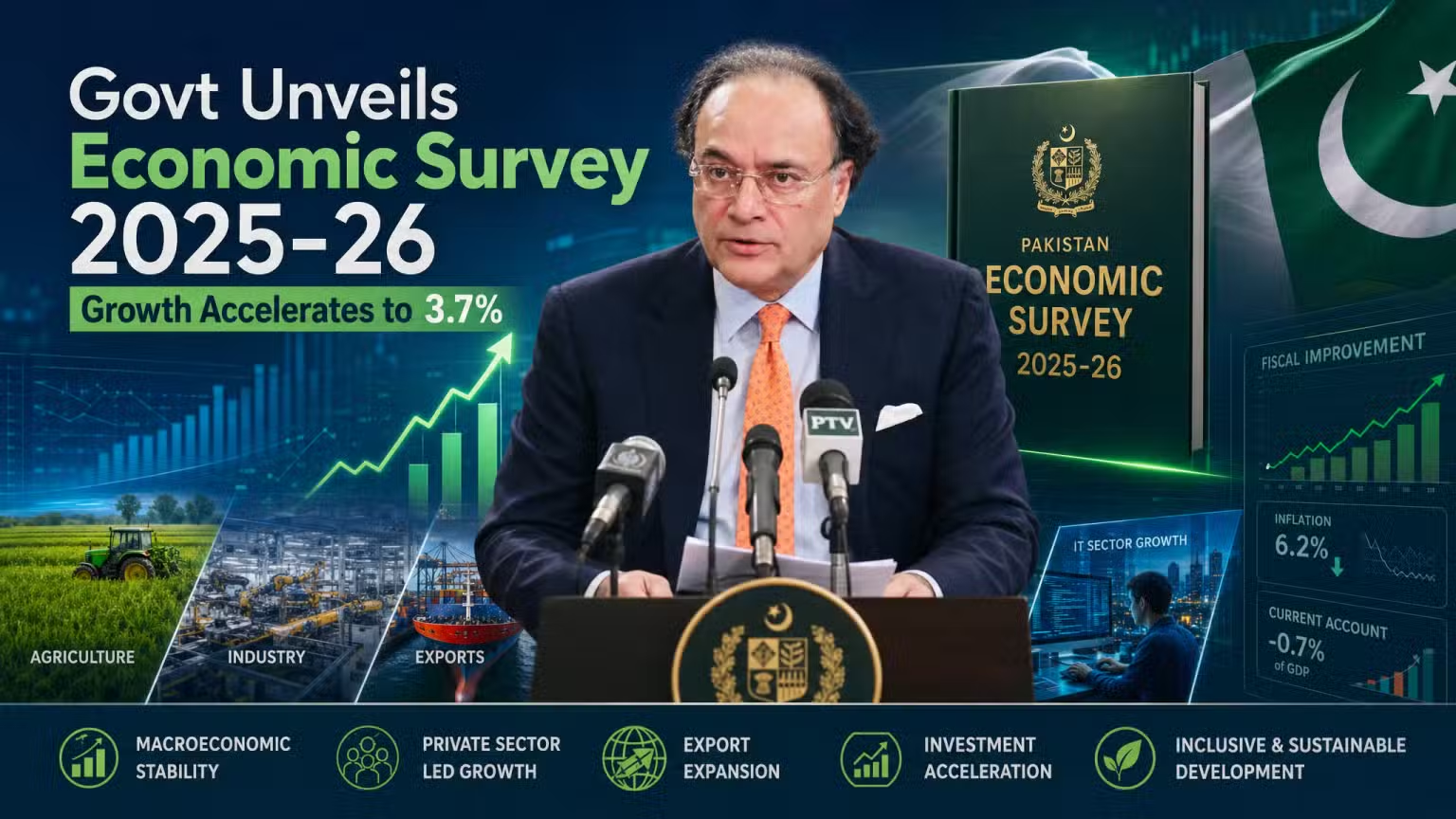
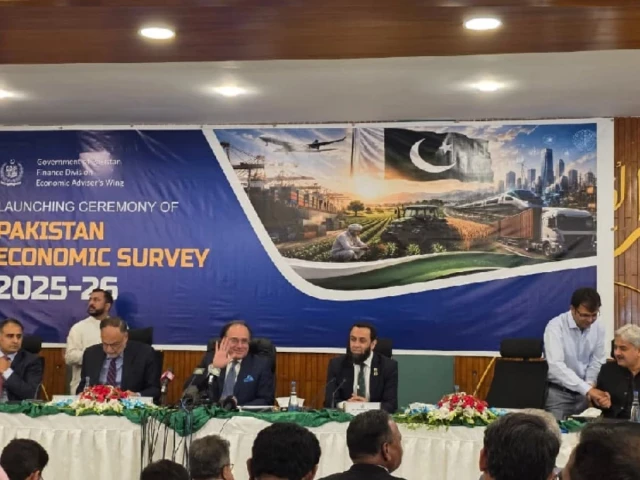
ISLAMABAD - The federal government has given tax exemptions worth Rs2.4 trillion in the outgoing financial year 2025-26. The volume of tax exemptions has reduced to Rs2.4 trillion in the current fiscal year from Rs5.8 trillion in the preceding year, according to the latest Economic Survey of Pakistan 2025-26, which was released on Thursday. The Economic Survey showed that the government had given income tax exemptions worth Rs579.7 billion in FY26 as against Rs800.8 billion in FY25. Meanwhile, the cost of sales tax exemptions has been estimated to be Rs1.23 trillion in FY26 as compared to Rs4.25 trillion in FY25. Meanwhile, the cost of customs exemptions has been projected at Rs499.4 billion in FY26 as against Rs785.9 billion in the previous year.

The Nation
Image for: Power generation capacity grows 8.5pc to 49,651MW in nine months
Power generation capacity grows 8.5pc to 49,651MW in nine months
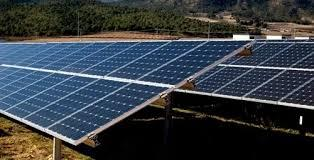
ISLAMABAD - Pakistan’s power generation capacity grew by 8.5 percent to 49,651MW, driven by 7,319MW net metering additions, in July-March period of FY2026. The country’s electricity usage also grew 3.5pc in first nine months of ongoing fiscal year, but households’ share dropped from 49.6pc to 47.5pc, as rising tariffs pushed consumers to alternatives and conservation, according to Pakistan Economic Survey 2025-26.

The Nation