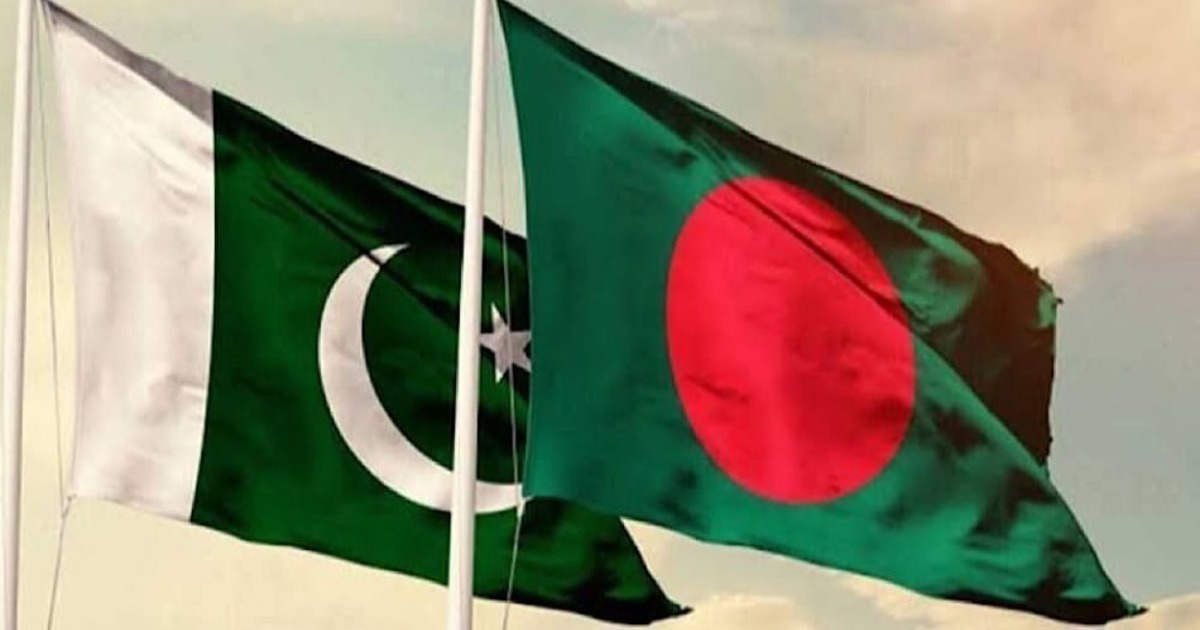
Pakistan, Bangladesh textile bodies plan joint business meetings
Pakistan and Bangladesh are preparing to deepen cooperation between their textile and garment industries through joint business-to-business activities and
Mettis Link News
Pakistan and Bangladesh are preparing to deepen cooperation between their textile and garment industries through joint business-to-business activities and
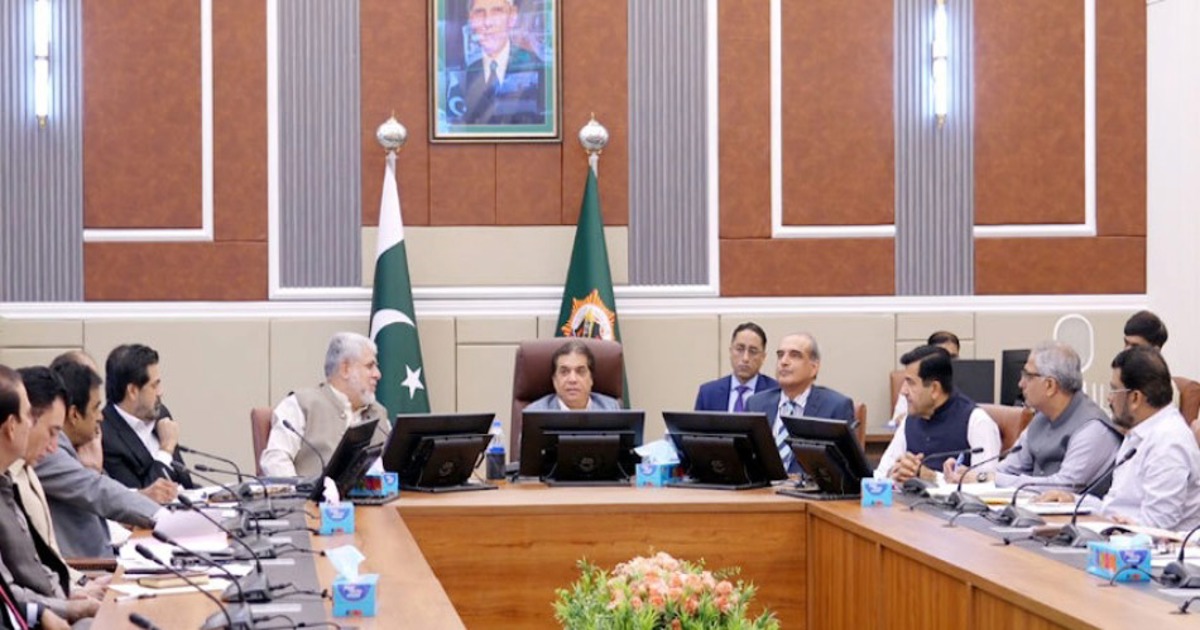
Pakistan Railways earned Rs26 billion during the first quarter, prompting Railways Minister Muhammad Hanif Abbasi to appreciate the administration’s perfo
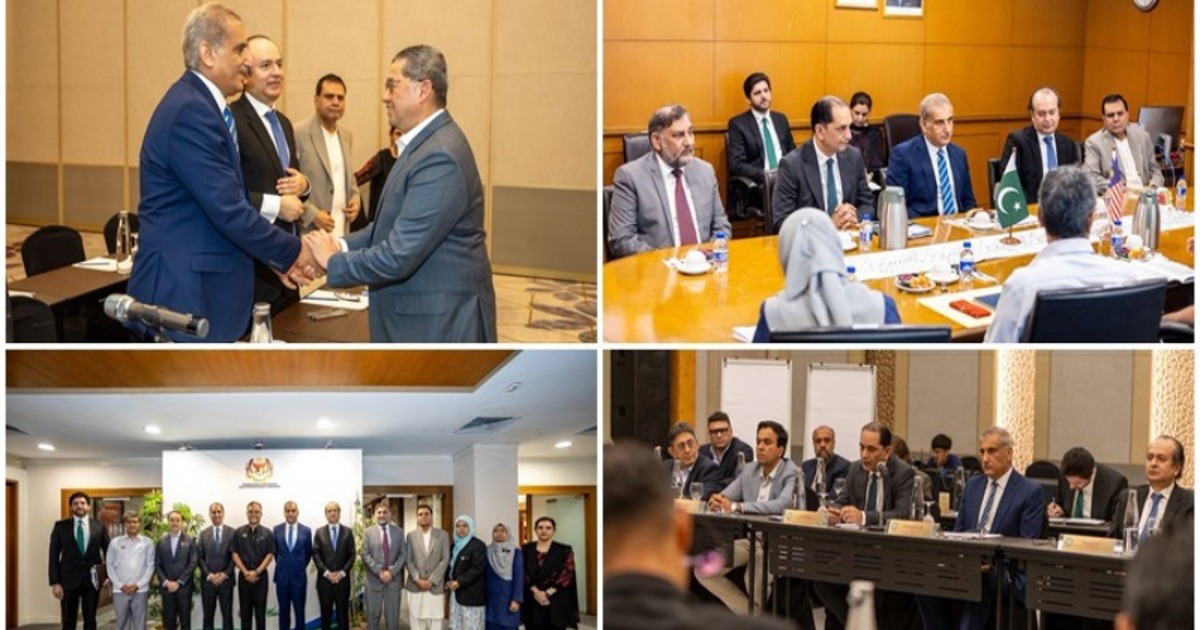
Pakistan and Malaysia have agreed to strengthen cooperation on rice exports, halal certification and agricultural supply chains as Islamabad seeks greater

China's Ministry of Industry and Information Technology has asked major domestic tech firms—including ByteDance and Alibaba—to report their purchasing plans for Nvidia's newly unveiled...

Gold price in Pakistan for today, September 28, 2026
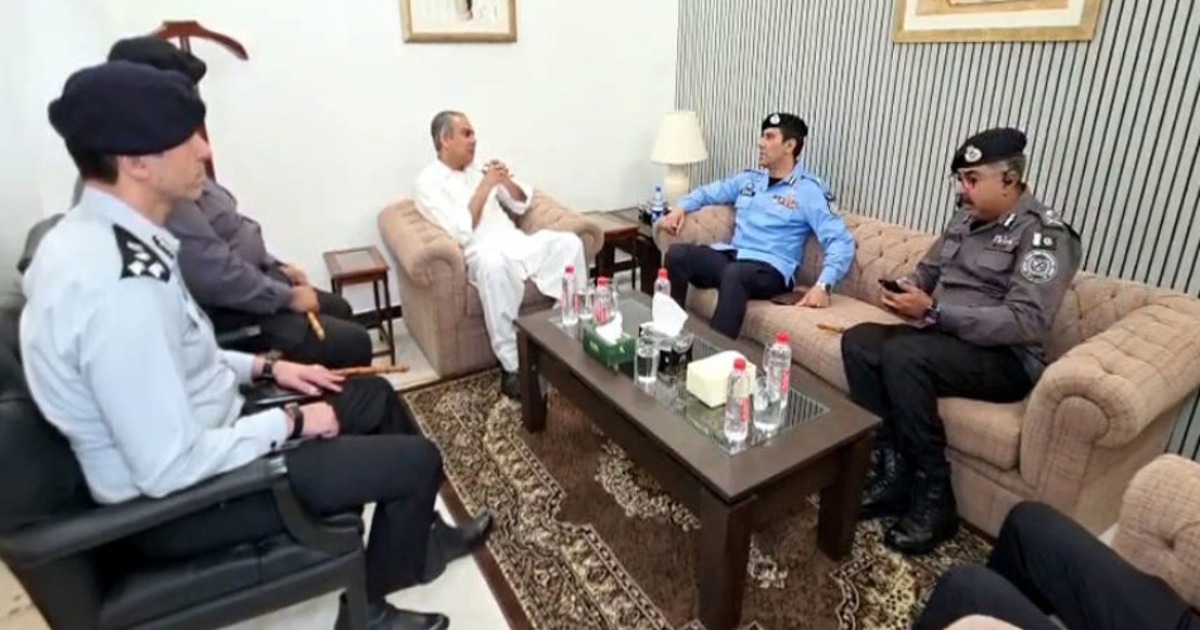
Interior Minister Mohsin Naqvi has directed the National Cyber Crime Investigation Agency (NCCIA) to intensify action against organized networks involved
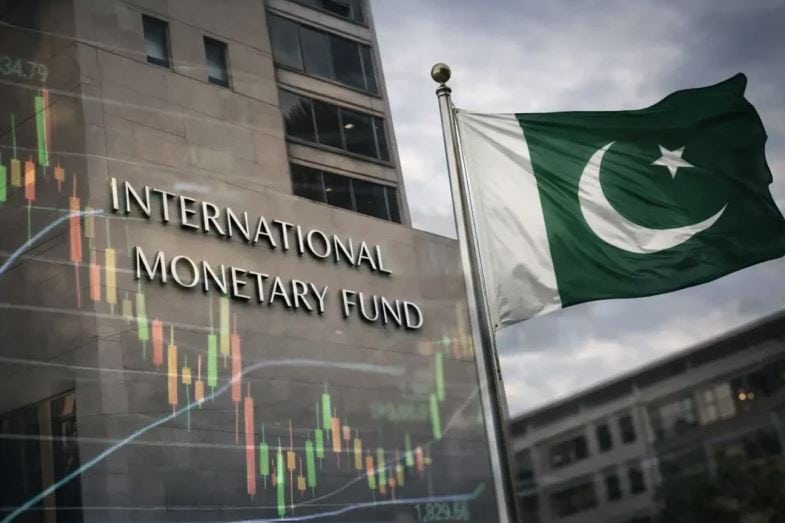
ISLAMABAD – Pakistan and an International Monetary Fund (IMF) staff mission are set to begin formal discussions on the latest reviews of the country’s

Sindh plans to expand its recorded urban property tax base from 397,375 to 2.15m properties under a $150m World Bank-backed programme.
Pakistan has a tax bureaucracy. What it increasingly needs is a rational tax policy. The distinction matters. A good tax policy decides who should pay, according to ability, and how revenue can finance development without destroying productive capacity. A revenue bureaucracy asks a simpler question: where can money be collected quickly enough to meet the target?
Pakistan's digital economy is rapidly becoming an important source of foreign exchange, employment and investment, creating opportunities beyond traditional exports. At a time when the country is seeking to diversify its export base and strengthen its external position, digital services offer an important avenue because they can reach international markets with relatively limited physical infrastructure.
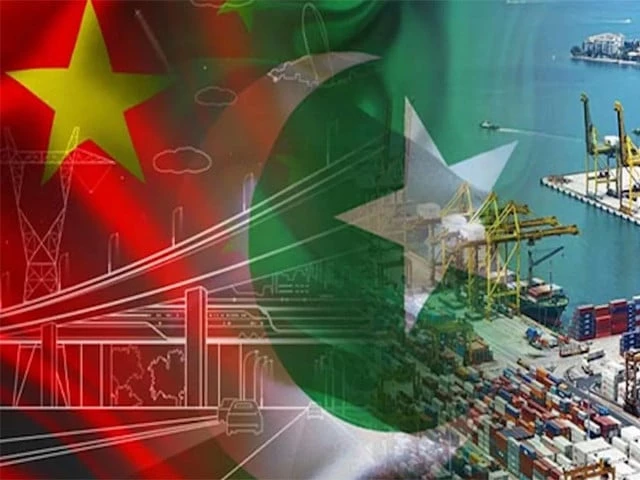
Pakistan is struggling to revive its economy. Despite all efforts and claims, the economy continues to deteriorate. Economic growth is not returning to track. Debt is increasing, rising day by day. Social and development indicators are deteriorating. As a result, the country is searching who can help and how. In this situation, it turns to international financial institutions and friendly countries, and is even considering cryptocurrency as a source of economic revival. However, cryptocurrency is a financial instrument that still has to establish its credibility and can never be a source of economic revival.
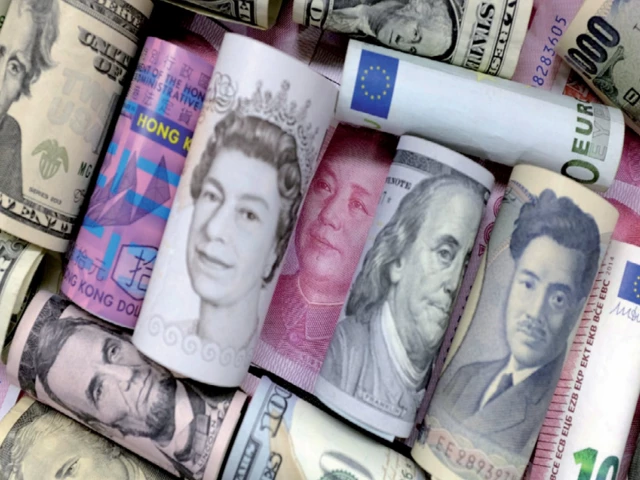
The next global debt crisis may not arrive with the drama of Lehman Brothers. No spectacular market collapse. No single bank failure. Instead, warning signs could appear quietly. A sovereign bond rolled over at a punishing rate. A development project postponed. A health budget squeezed. Or a cash-strapped government forced to spend more on debt servicing than on health and education.

Documented houses, undocumented borrowers

Pakistan's remittance story is no longer a marginal economic footnote. It is one of the country's central macroeconomic pillars. Workers' remittances rose to $41.58 billion in FY2026 from $38.30 billion in FY2025, registering an 8.6% year-on-year increase.

China's automotive industry has set a record this year as vehicle exports have already surpassed last year's total by August. As Chinese automakers expand into emerging markets to offset Western trade barriers and domestic overcapacity, Pakistan has become one of the clearest beneficiaries.

Shaheen Energy and China’s Anton Oilfield Services Group will explore around Rs20bn in gas and upstream energy investments in Pakistan over three to five years.

Pakistan’s seafood exports are growing, but poor processing, weak cold chains and overfishing are keeping the country from capturing higher-value markets.

In Pakistan, as elsewhere in the world, one of the pressing debates relates to the water footprint of data centres.

Fauji Cement’s 50 MWh battery project marks the latest shift as Pakistan’s cement makers pair solar with storage to reduce grid reliance and power costs.

Scammers are using AI-generated videos, cloned voices and fake websites to impersonate Arif Habib and promote fraudulent investment schemes in Pakistan.
Pakistan and the IMF are set to begin reviews of the $7bn EFF and RSF programmes, with successful completion expected to unlock about $1.2bn in financing.
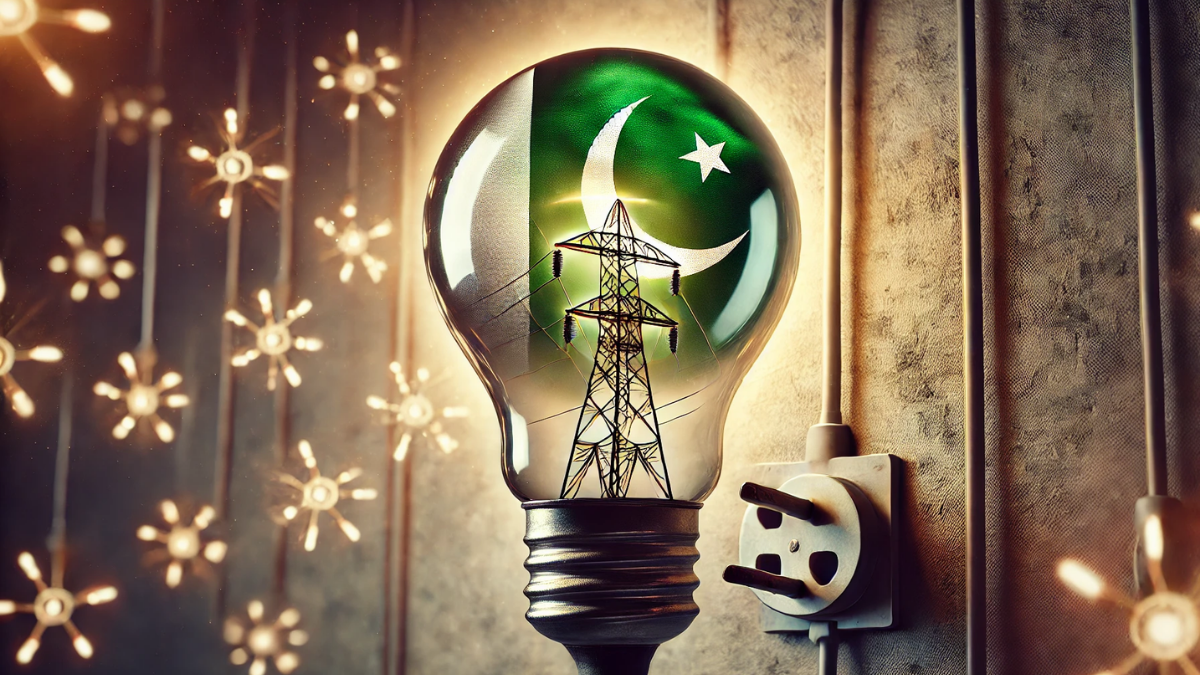
Pakistan moves to privatise FESCO, GEPCO and IESCO as investors line up, but binding bids, valuations and the post-sale regulatory framework remain ahead.

The next phase of Pakistan's reset must therefore move beyond repairing what is broken.
Sazgar outlines upcoming Canon Alpha, P500, TANK300, Haval H7 and Jolion Max launches, alongside plans to introduce ArcFox electric vehicles in Pakistan.

SINGAPORE: Crude oil exports from key Middle East producers rebounded in September to 12.8 million barrels per day, the highest since the US-Israeli war with Iran started in February, data from Kpler showed on Monday, as Saudi Arabia and the United Arab Emirates boosted exports.

HONG KONG: The dollar inched higher to hold near a two-month high on Monday, as the US-Iran standoff continued to push up oil prices while investors looked ahead to a data-packed week for more clues on inflation and central banks’ moves.
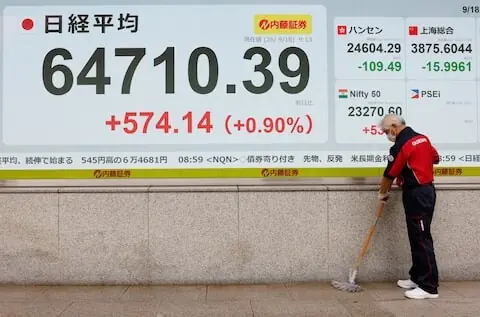
SYDNEY: Share markets were mostly lower on Monday as oil prices popped higher again amid doubts the United States and Iran will reach a truce anytime soon, keeping bonds under pressure ahead of a week packed with economic news.

The Rawalpindi Chamber of Commerce and Industry (RCCI) on Sunday demanded Federal Board of Revenue (FBR) to extend the deadline for filing income tax returns, citing severe technical glitches and system slow-downs on the online IRIS portal.In a statement, RCCI President Usman Shaukat highlighted tha ..
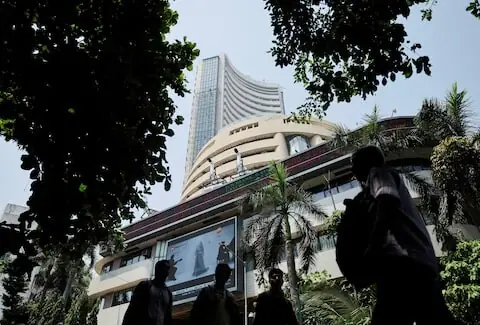
Indian shares were set for a subdued open on Monday, with investors remaining cautious after the benchmark indexes’ longest weekly losing streak since 2020 as oil prices rose following a stalemate in US-Iran peace talks.

Petroleum Minister Ali Pervaiz Malik says the government may continue its petrol subsidy for up to 10 months, with monthly spending of Rs35-40 billion.

Provincial governments are now spending significantly more on development than the federal government, highlighting the growing role of provinces in driving public-sector investment following the 18th Constitutional Amendment.

Pakistan’s Public Sector Development Programme (PSDP) is facing mounting financial pressure as the cost of completing approved projects continues to rise far beyond the resources available for development spending, prompting the Planning Ministry to warn that the programme is becoming a “new circular debt crisis.”
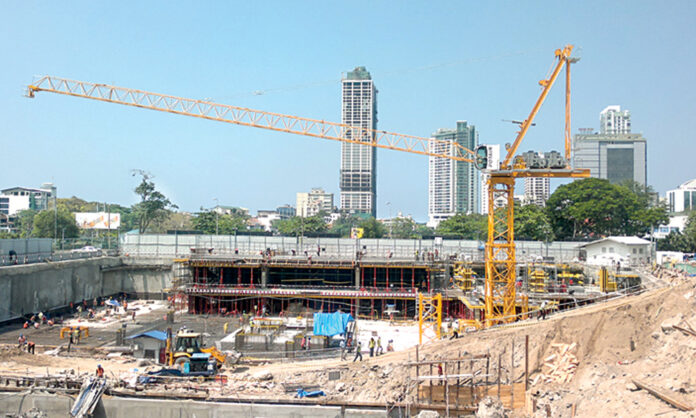
Pakistan’s development project backlog has surged to Rs10.818 trillion, highlighting the growing challenge of completing hundreds of ongoing public-sector schemes amid limited fiscal resources.

Over 9,000 incidents of diesel and electricity theft, along with prolonged power outages, disrupted Pakistan’s telecom infrastructure in the last 11 months, posing a major challenge to the sector, according to Pakistan Telecommunication Authority (PTA) documents available with Wealth Pakistan.

Pakistan's ongoing federal development projects will require about three times the resources currently available under the proposed Public Sector Development Programme (PSDP) framework for FY2026-27, according to official planning documents.
The government has introduced a new project prioritisation framework, known as the “Rockfill Strategy,” to manage mounting development commitments and ensure that limited Public Sector Development Programme (PSDP) resources are directed towards projects with the greatest strategic importance.
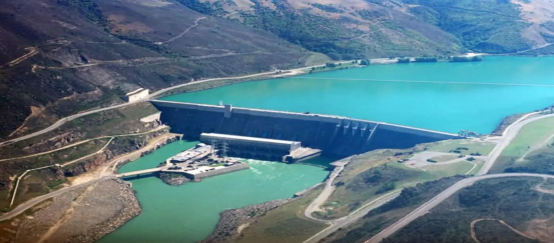
Major water-sector projects, particularly large dams and hydropower schemes, have emerged as one of the biggest contributors to Pakistan’s growing development liabilities, with financing requirements running into hundreds of billions of rupees.
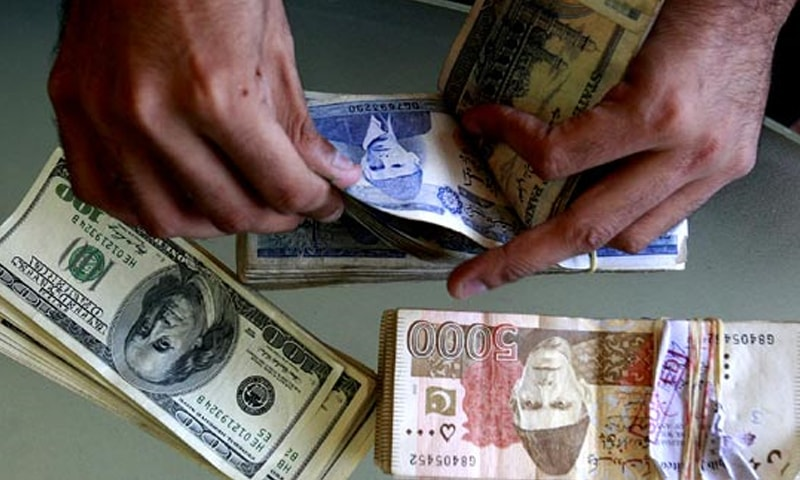
Foreign-funded development projects are placing increasing pressure on Pakistan’s public finances as the government struggles to meet growing rupee-cover requirements needed to support externally financed schemes.
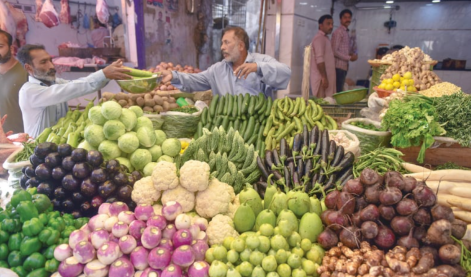
Consumers received some relief in May as prices of several key food items, particularly vegetables and poultry products, declined significantly on a month-on-month basis, according to data released by the Pakistan Bureau of Statistics (PBS).
The federal government continues to allocate significant development resources to projects falling within provincial domains despite the devolution of many sectors under the 18th Constitutional Amendment, according to official planning documents.

Pakistan's digital transformation initiatives continue to receive federal development support despite mounting fiscal pressures and growing competition for limited Public Sector Development Programme (PSDP) resources.
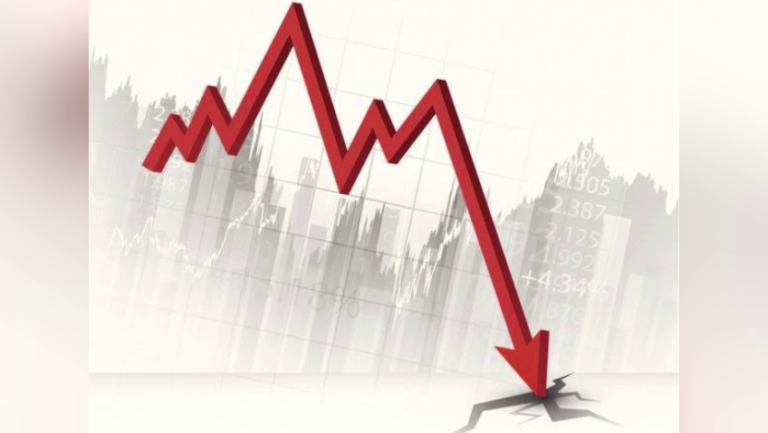
Pakistan’s development spending has failed to keep pace with the expansion of the federal budget and the overall economy over the past decade, raising concerns about the country’s capacity to finance infrastructure and development priorities.

Punjab's cotton crop, the backbone of Pakistan's textile industry, is showing encouraging signs as major pest infestations remain under control and no cases of Cotton Curl Leaf Virus (CCLV) have been detected so far this season, according to the latest official monitoring report.

China’s targeted approach to financing small and medium enterprises (SMEs) offers valuable experience for Pakistan as it seeks to expand affordable credit, strengthen productive sectors and enable smaller businesses to play a larger role in job creation, exports and industrial growth, experts say.

Pakistan’s exploration of blockchain-based sovereign bonds could diversify the country’s debt financing channels, attract a broader pool of investors and modernise capital-market infrastructure, provided the initiative is supported by a robust regulatory framework, strong investor protections and secure digital systems, experts say.
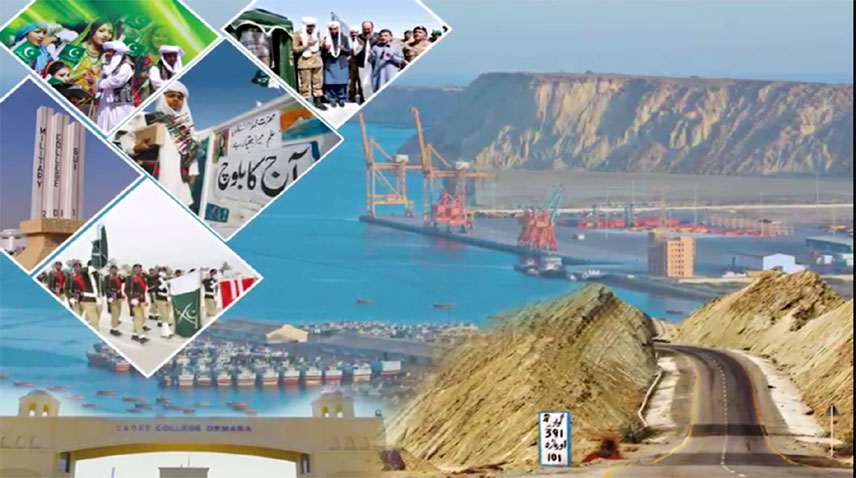
Balochistan is set to remain a major beneficiary of federal development spending in FY2026-27, with dedicated allocations proposed for infrastructure, connectivity and regional development projects despite growing fiscal constraints.
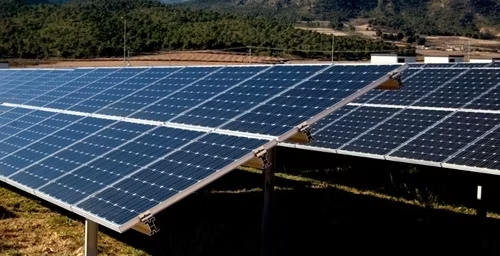
The revision of net metering to net billing will affect only three-phase commercial and industrial consumers, while 90 percent of single-phase consumers will remain unaffected, according to a media brief available with Wealth Pakistan.

Around two million single-phase electricity consumers have registered under a QR code system launched to verify subsidy eligibility, as Pakistan’s residential and agricultural power subsidy bill has reached Rs527 billion.

Jun 2, 2026
The Pakistan Stock Exchange (PSX) extended its strong upward momentum in May 2026, with the benchmark KSE-100 Index gaining 10,969 points month-on-month to close at 173,963, delivering a return of 6.7 percent amid improving investor sentiment and easing geopolitical concerns.
Pakistan’s liquid foreign exchange reserves rose to $22.646 billion by May 22, 2026, reflecting a notable improvement in the country’s external liquidity position and strengthening its capacity to meet external payment obligations.

In a major move, Pakistan Railways (PR) has decided to outsource its nationwide schools network under a long-term Public-Private Partnership (PPP) framework, according to documents available with Wealth Pakistan.

As supply chains across the Asia-Pacific continue to undergo a major realignment, Pakistan is increasingly positioning itself as a regional trade connector, offering alternative transit routes that can reduce delays, diversify trade corridors and enhance resilience against geopolitical and shipping disruptions.
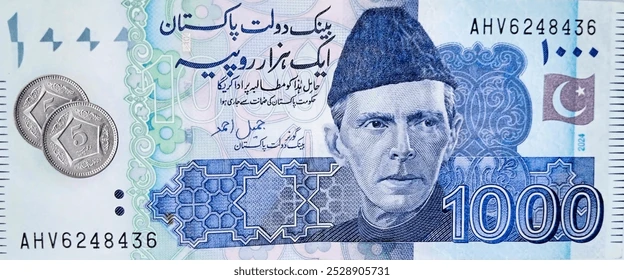
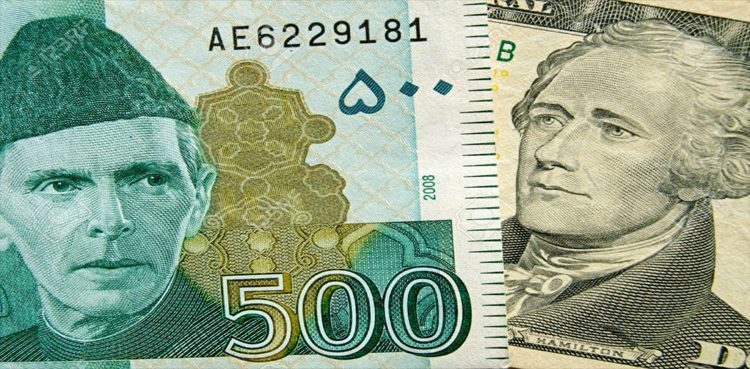
The Pakistani rupee remained broadly stable against major international currencies during May 2026, posting a modest appreciation against the US dollar amid improving foreign exchange reserves and steady market sentiment.

Oil and Gas Development Company Limited (OGDCL) has significantly accelerated the monetisation of its hydrocarbon discoveries, and its latest additions contributed around 9,734 barrels per day (BPD) of oil and 74.25 million standard cubic feet per day (MMSCFD) of gas, representing the strongest production gains during the first 10 months of the fiscal year 2025-26.

The Ministry of Energy is working on a time-of-use (ToU) electricity package for the industrial sector that would allow manufacturers to utilize surplus daytime power at significantly lower rates, as Pakistan seeks to balance a rapidly changing demand profile driven by large-scale solar adoption.
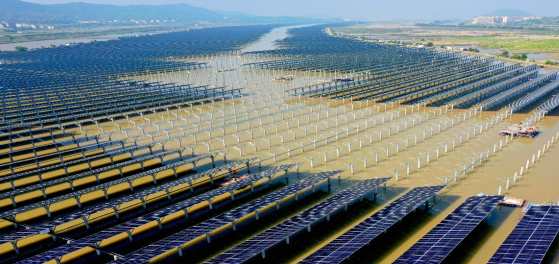
The rapid expansion of Chinese clean-tech financing and overseas green industrial investment is creating fresh opportunities for Pakistan’s Special Economic Zones (SEZs), as the country seeks to attract export-oriented manufacturing, renewable energy equipment production and electric vehicle-related industries.
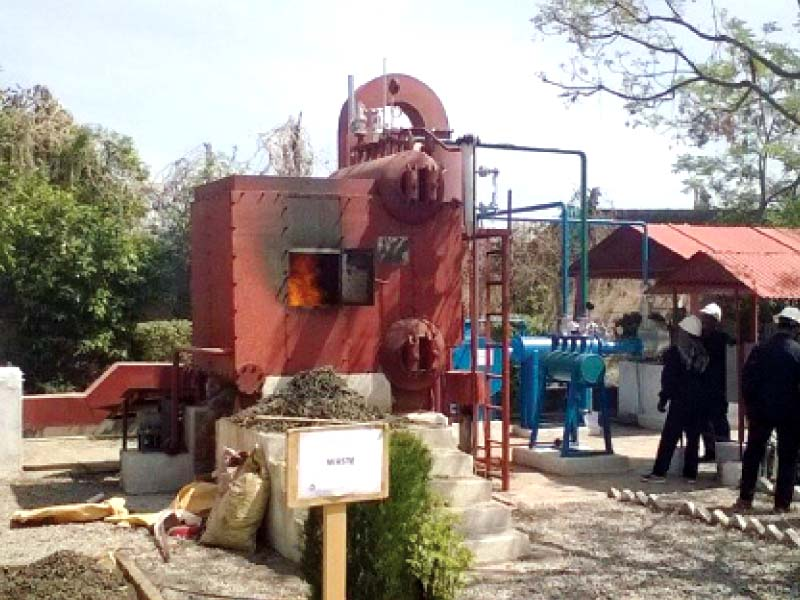
China’s waste-to-energy model offers insights for Pakistan as the country struggles with rising municipal solid waste, weak segregation systems, shrinking landfill space and an energy sector that needs cleaner and locally available generation sources.
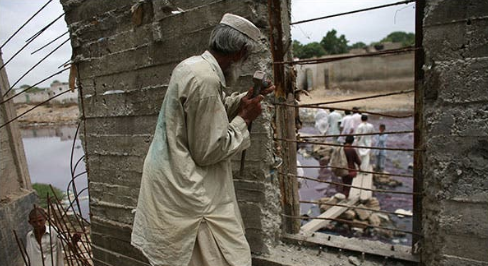
China’s renewed emphasis on law-based governance and sustained action against organized crime offers valuable experience for Pakistan as illicit networks, smuggling, extortion and weak enforcement continue to undermine business confidence, investment security and formal economic activity, experts say.

China’s renewed focus on disaster prevention, community-level emergency response systems and public preparedness offers valuable experience for Pakistan as climate-induced floods, heatwaves, landslides and urban flooding continue to challenge the country’s resilience and response capacity, experts say.
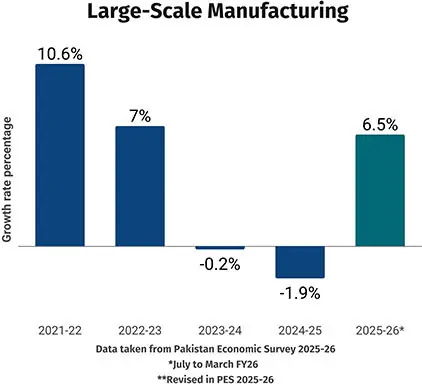
ISLAMABAD: The manufacturing sector performed strongly, posting an expansion of 6.6 per cent in 2025-26 compared...

ISLAMABAD - The state-owned Sui gas companies will add around 708,245 new customers across the country in the upcoming FY2026-2027, revealed Pakistan Economic Survey 2025-26. According to the survey, total consumption of petroleum products registered a growth of 3.5 percent year-on-year during first nine months (July-March) of the ongoing FY2026 and stood at 13.64 million metric tonnes (MMT) compared to 13.17 MMT during the same period of FY2025.
ISLAMABAD - Pakistan’s poverty rose to 28.9 percent in FY2024-25 from 21.9 percent in FY2018-19, with highest rates in Balochistan at 47 percent, followed by Khyber Pakhtunkhwa with 35.3 percent. The updated estimates also indicate a rise in inequality with national Gini coefficient increasing from 28.4 in FY2018-19 to 32.7 in FY2024-25, Pakistan Economic Survey FY2025-26 revealed.

ISLAMABAD - The price of gold registered a significant decline in the local market on Thursday, with 24 karat gold per tola falling by Rs9,720 to settle at Rs432,716 compared to Rs442,436 on the previous trading day, according to rates issued by the All Pakistan Sarafa Gems and Jewellers Association. Similarly, the price of 10 grams of 24 karat gold decreased by Rs8,748 to Rs369,422 from Rs378,170, whereas 10 grams of 22 karat gold went down by Rs7,950 to Rs338,998 against Rs346,948. In the international market, the price of gold decreased by $97.20 to $4,102.80 per ounce from $4,200.00. Meanwhile, the price of silver per tola declined by Rs40 to Rs6,889 from Rs6,929, while the price of 10 grams of silver dropped by Rs36 to Rs5,857 from Rs5,893. The price of silver in the international market also decreased by $0.40 to $64.10 per ounce from $64.50.
ISLAMABAD - The federal government has given tax exemptions worth Rs2.4 trillion in the outgoing financial year 2025-26. The volume of tax exemptions has reduced to Rs2.4 trillion in the current fiscal year from Rs5.8 trillion in the preceding year, according to the latest Economic Survey of Pakistan 2025-26, which was released on Thursday. The Economic Survey showed that the government had given income tax exemptions worth Rs579.7 billion in FY26 as against Rs800.8 billion in FY25. Meanwhile, the cost of sales tax exemptions has been estimated to be Rs1.23 trillion in FY26 as compared to Rs4.25 trillion in FY25. Meanwhile, the cost of customs exemptions has been projected at Rs499.4 billion in FY26 as against Rs785.9 billion in the previous year.
ISLAMABAD - Pakistan’s power generation capacity grew by 8.5 percent to 49,651MW, driven by 7,319MW net metering additions, in July-March period of FY2026. The country’s electricity usage also grew 3.5pc in first nine months of ongoing fiscal year, but households’ share dropped from 49.6pc to 47.5pc, as rising tariffs pushed consumers to alternatives and conservation, according to Pakistan Economic Survey 2025-26.

Car sales in Pakistan surged 48% in the first eleven months of FY2025-26, with industry experts attributing the growth to eased import restrictions and lower interest rates.

The foreign exchange reserves held by the State Bank of Pakistan (SBP) increased by $24.8 million or 0.14% WoW to $17.22 billion during the week ended on
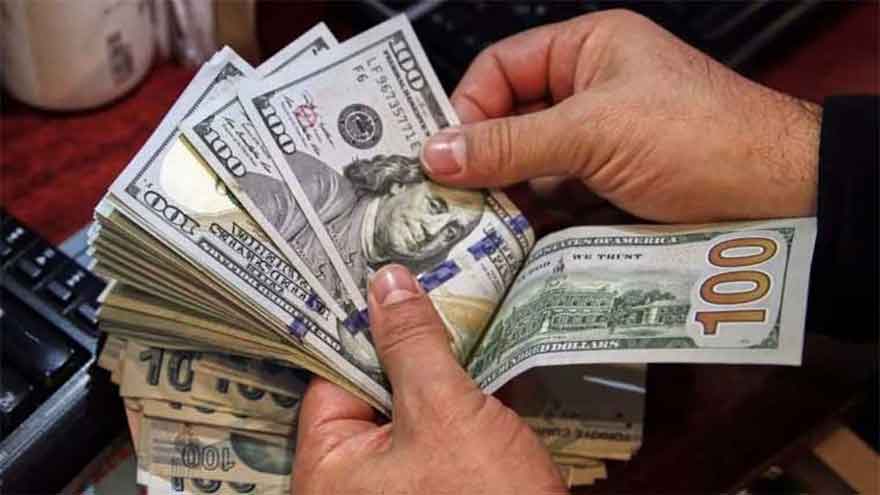
Pakistan's foreign exchange reserves increased by $35 million during the week ended June 5, with State Bank reserves rising by $25 million.
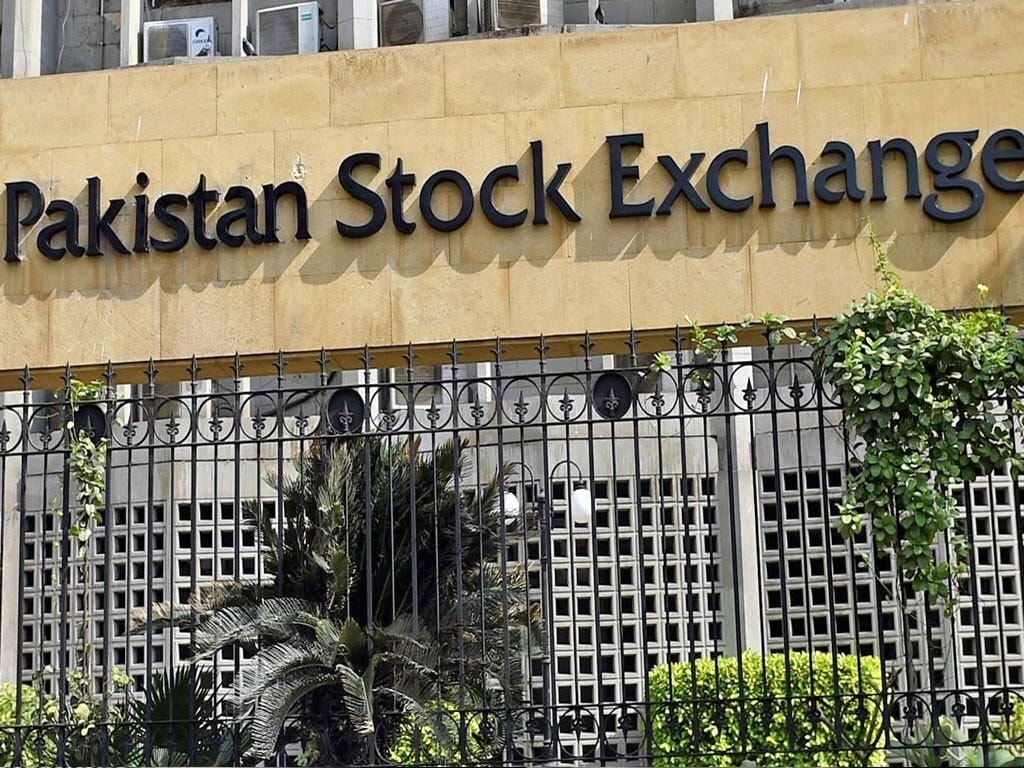
ISLAMABAD, Jun 11 (APP): The benchmark KSE-100 Index of the Pakistan Stock Exchange (PSX) bounced back to bullish territory on Thursday, gaining 276.16 points, a positive change of 0.16 percent, closing at 169,703.60 points against 169,427.44 points on the last trading day.

KARACHI, Jun 11 (APP): The total liquid foreign reserves of Pakistan stood at US$ 22,671.7 million as of June 5, 2026 as reserves held by the State Bank of Pakistan further increased to $ 17,215 million.
The benchmark KSE-100 Index of the Pakistan Stock Exchange (PSX) bounced back to bullish territory on Thursday, gaining 276.16 points, a positive change of 0.16 percent, closing at 169,703.60 points against 169,427.44 points on the last trading day.During the session, the ready market recorded a tra ..
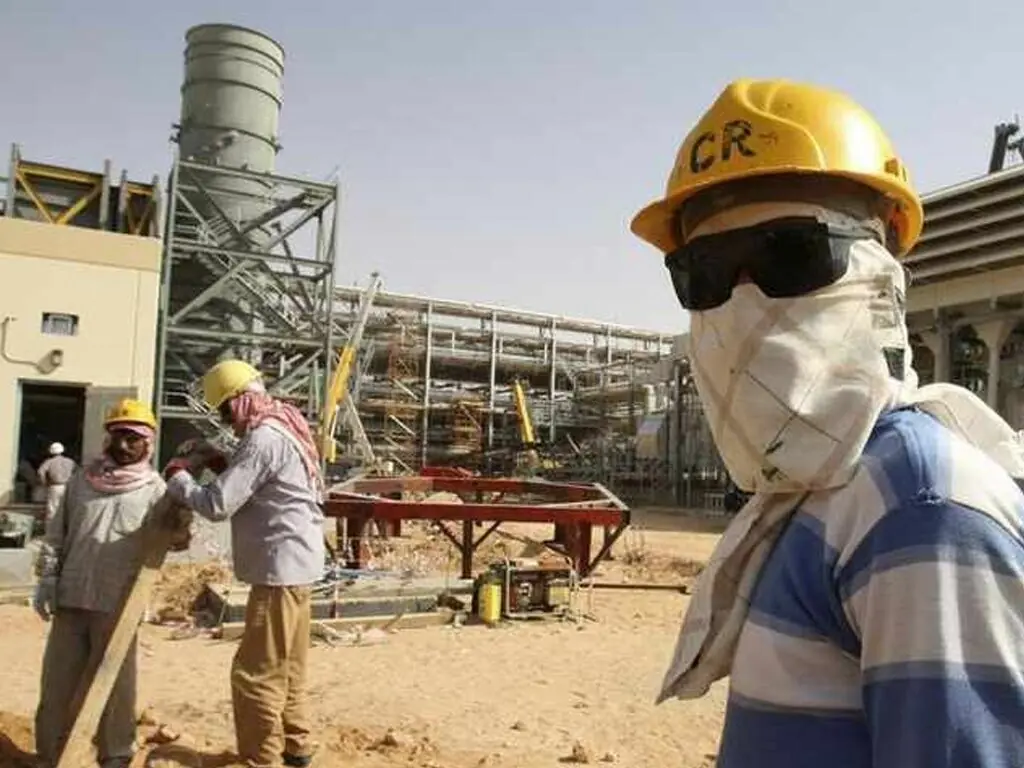
Pakistan’s unemployment rate rose to 7.1% in 2024-25, up from 6.3% a year earlier, even as the country’s economy returned to growth, according to the Pakistan Economic Survey 2025-26 released by the Finance Ministry on Thursday.

During the week ending June 5, 2026, State Bank of Pakistan’s foreign reserves increased by $ 25 million to $ 17.22 billion.
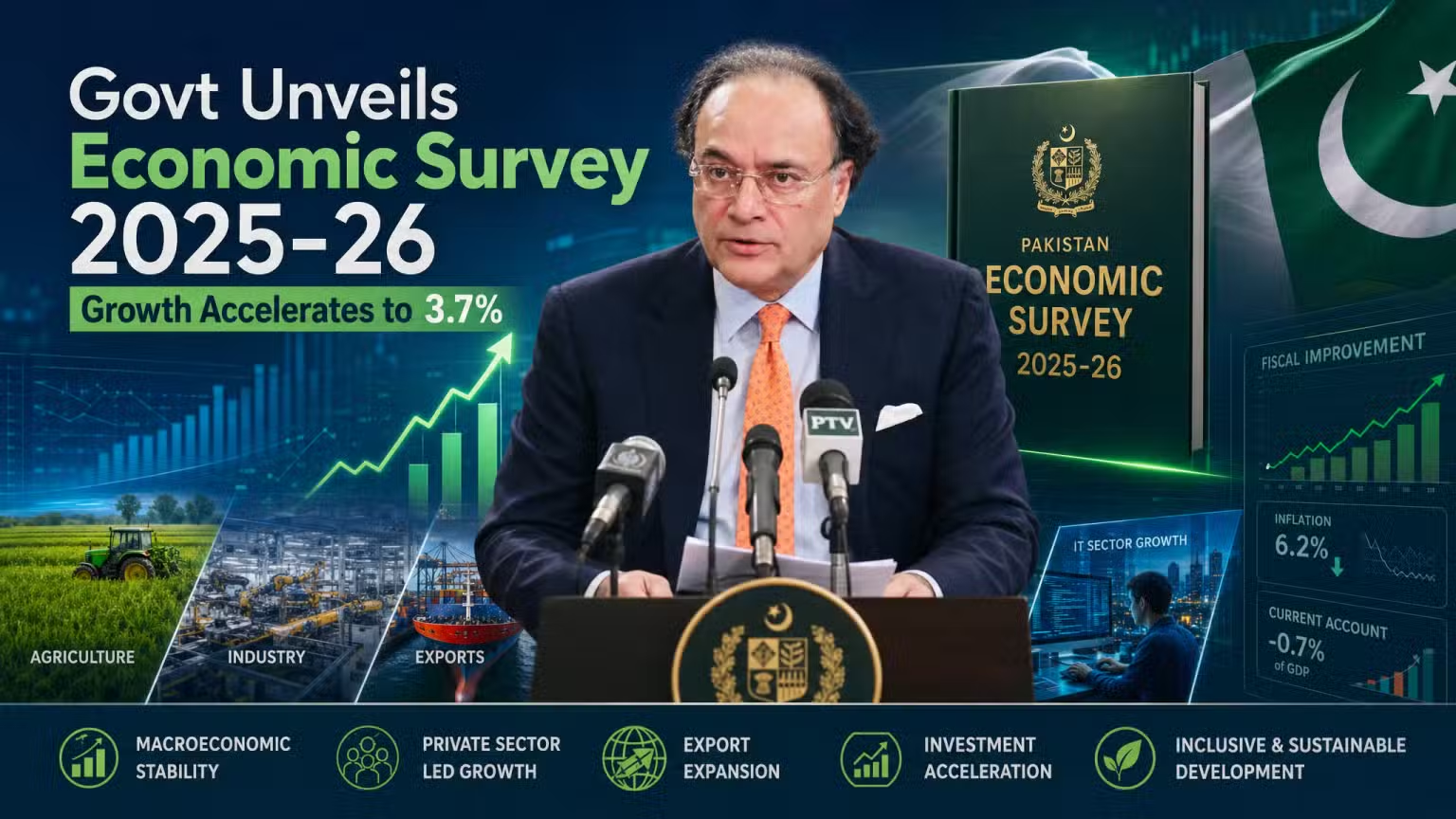
ISLAMABAD, Jun 11 (APP):Pakistan’s Information and Communication Technology (ICT) sector continued its strong growth trajectory, with ICT export remittances rising 19.7 per cent to a record $3.38 billion during July-March FY2026, according to the Economic Survey of Pakistan 2025-26 unveiled by Finance Minister Muhammad Aurangzeb.
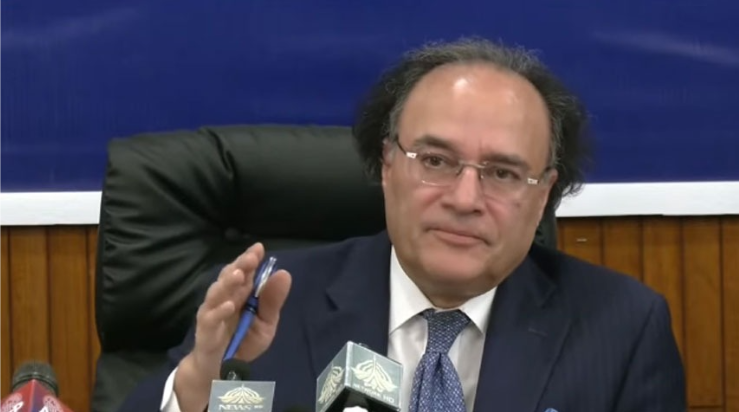
ISLAMABAD, Jun 11 (APP):The manufacturing sector recorded a strong growth of 6.6 percent in fiscal year 2026, up from 2.0 percent in the previous year, according to the Pakistan Economic Survey 2025-26 launched by Minister for Finance and Revenue, Senator Muhammad Aurangzeb here Thursday.
Pakistan government unveiled

ISLAMABAD, Jun 11 (APP):The benchmark KSE-100 Index of the Pakistan Stock Exchange (PSX) bounced back to bullish territory on Thursday, gaining 276.16 points, a positive change of 0.16 percent, closing at 169,703.60 points against 169,427.44 points on the last trading day.
ISLAMABAD, Jun 11 (APP):The headline Consumer Price Index (CPI) inflation averaged 6.2 percent during July-April of fiscal year 2025-26 against 4.7 percent in the corresponding period of last year, according to Pakistan Economic Survey launched her by Federal Minister for Finance and Revenue, Senator Muhammad Aurangzeb.

ISLAMABAD, Jun 11 (APP):The prices of gold registered a significant decline in the local market on Thursday, with 24 karat gold per tola falling by Rs 9,720 to settle at Rs 432,716 compared to Rs 442,436 on the previous trading day, according to rates issued by the All Pakistan Sarafa Gems and Jewellers Association.

KARACHI: Vehicle sales in Pakistan surged 45% during the first 11 months of the fiscal year, according to data released by the Pakistan
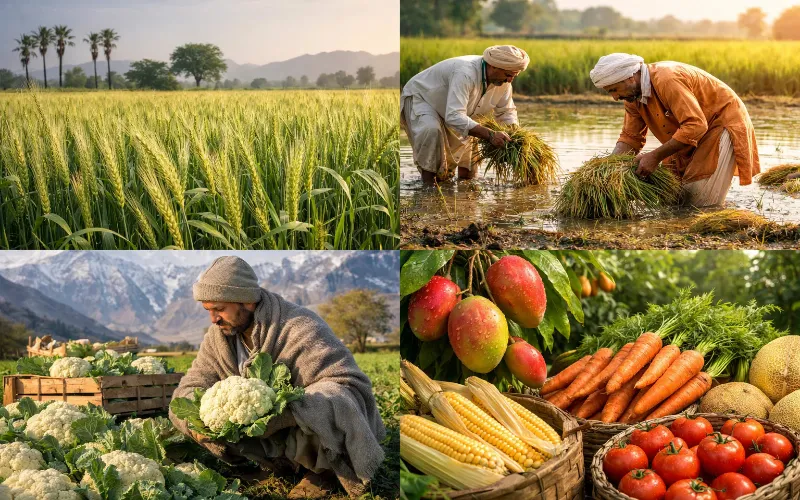
LAHORE: Pakistan agriculture sector showed strong recovery in fiscal year 2025-26. The sector grew by 2.89%, compared to 1.53% during the same period last year.

Pakistan's Information Technology and Telecommunication sector has shattered previous records, with IT export remittances surging by 19.7% to hit a monume
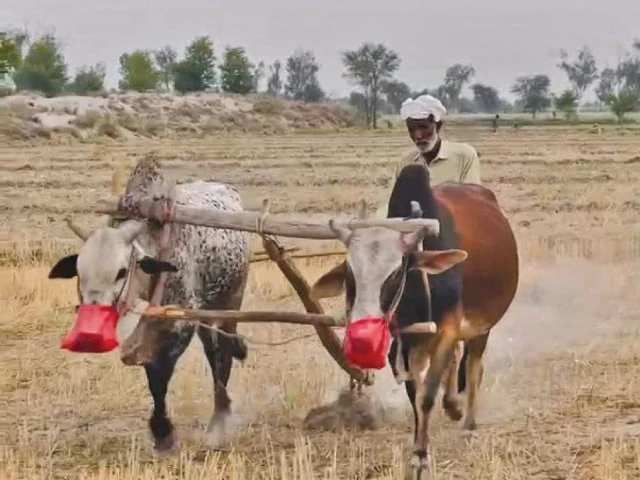
Pakistan’s agriculture sector has demonstrated notable resilience in 2025-26, recording growth of 2.89% compared with just 1.53% during the same period last year. The rebound is particularly significant given the devastating monsoon floods of 2025, which threatened to derail crop production across major growing regions.

Pakistan's balance of payments-maintained stability during July-March FY2026, supported by strong remittance inflows and growing IT exports, though a Midd

Pakistan information and communication technology (ICT) sector posted a trade surplus of $2.91 billion during the first nine months of fiscal year 2026.
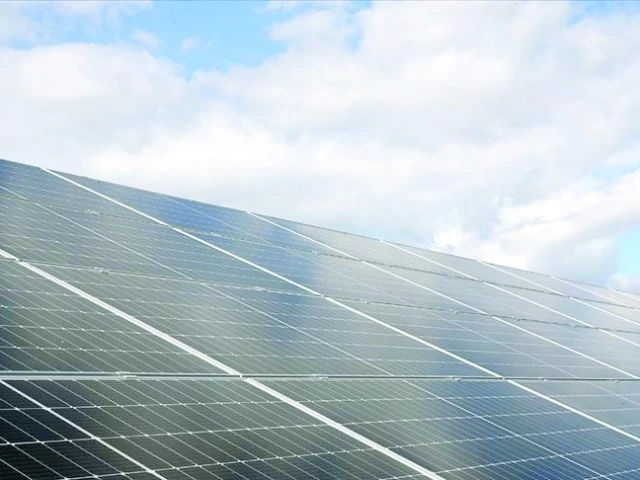
The installed capacity of electricity jumped to 49,651 MW, reflecting an 8.5% increase mainly due to the addition of power through solar net metering, according to data from the Economic Survey 2025-26 released on Thursday by the Economic Adviser’s Wing of the Finance Division and unveiled by Finance Minister Senator Muhammad Aurangzeb.

Pakistan's manufacturing and mining sectors are pulsing stronger than ever, driving a powerful economic recovery with a massive 6.6% manufacturing rebound
The benchmark KSE-100 Index of the Pakistan Stock Exchange (PSX) bounced back to bullish territory on Thursday, gaining 276.16 points, a positive change of 0.16 percent, closing at 169,703.60 points against 169,427.44 points on the last trading day.During the session, the ready market recorded a tra ..
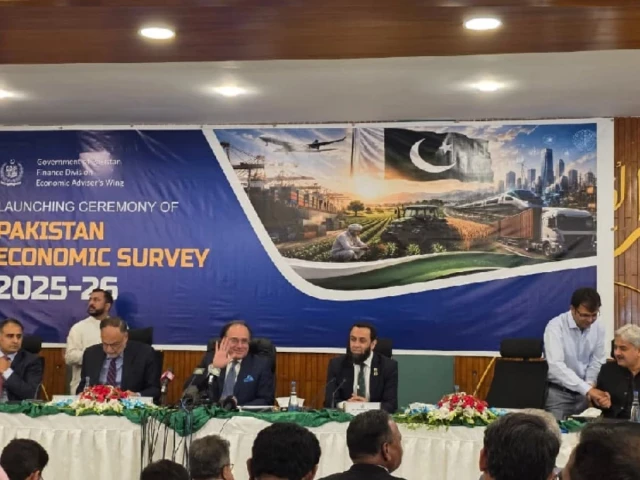
Finance Minister Muhammad Aurangzeb announced on Thursday that the size of Pakistan’s economy had risen above $452 billion, with per capita income increasing 9% to $1,901, as he unveiled the Pakistan Economic Survey ahead of the federal budget.