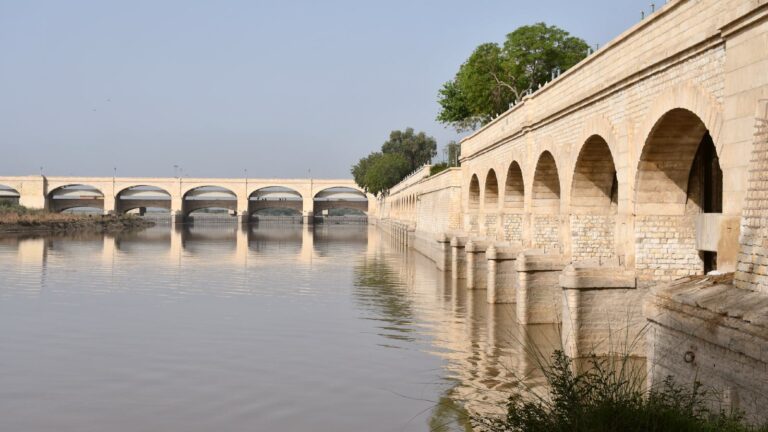
Sindh, Balochistan agree to increase water supplies, pursue long-term cooperation
Sindh and Balochistan vow higher water supplies and long-term cooperation. Sindh will maintain ~9,000 cusecs—read the latest update.
Profit
Sindh and Balochistan vow higher water supplies and long-term cooperation. Sindh will maintain ~9,000 cusecs—read the latest update.

Firms are 80pc more likely to qualify for support on traditional products than on new ones.

Reducing tariffs on imported cars has fundamentally altered the economics of local vehicle assembly.

Australian shares

With debt roughly 67pc of GDP, the government wants to reduce reliance on banks by encouraging direct investment in government

Brent crude futures climb 2.37pc to $90.19, touching the highest since June 11; US WTI reaches $84.20 a barrel, up 2.07pc, the loftiest since June 12.
Constructing groundwater recharge boreholes is a step in the right direction
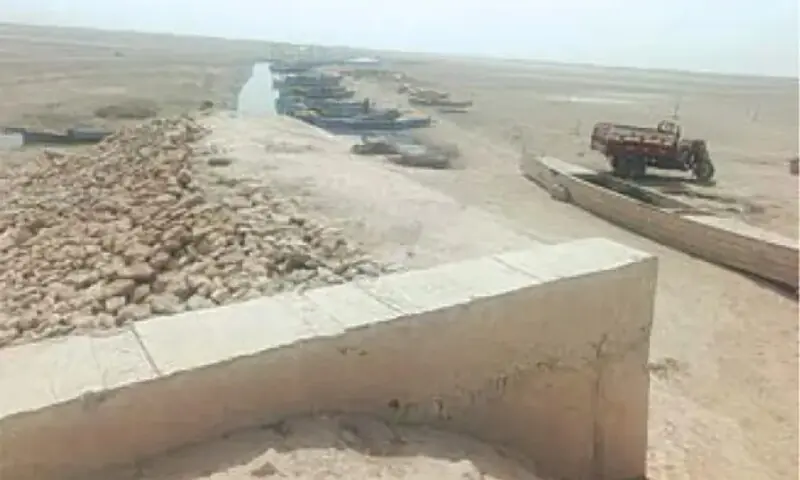
Deprived of its once-thriving economy and biodiversity, fishing communities migrate in search of livelihoods.
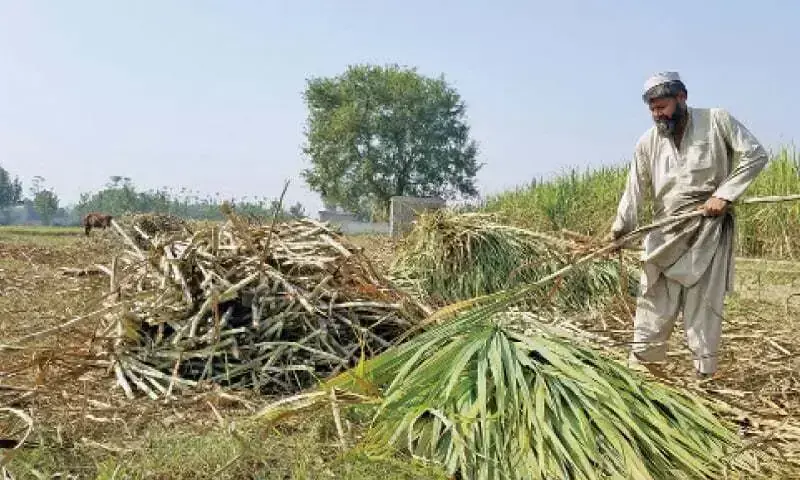
Productivity improvement offers a long-lasting solution because it expands economic value instead of merely redistributing it.

PSX opened the week lower as Middle East tensions weighed on investor sentiment, with KSE-100 index falling over 1,500 points. Rising oil prices added pressure on global markets.
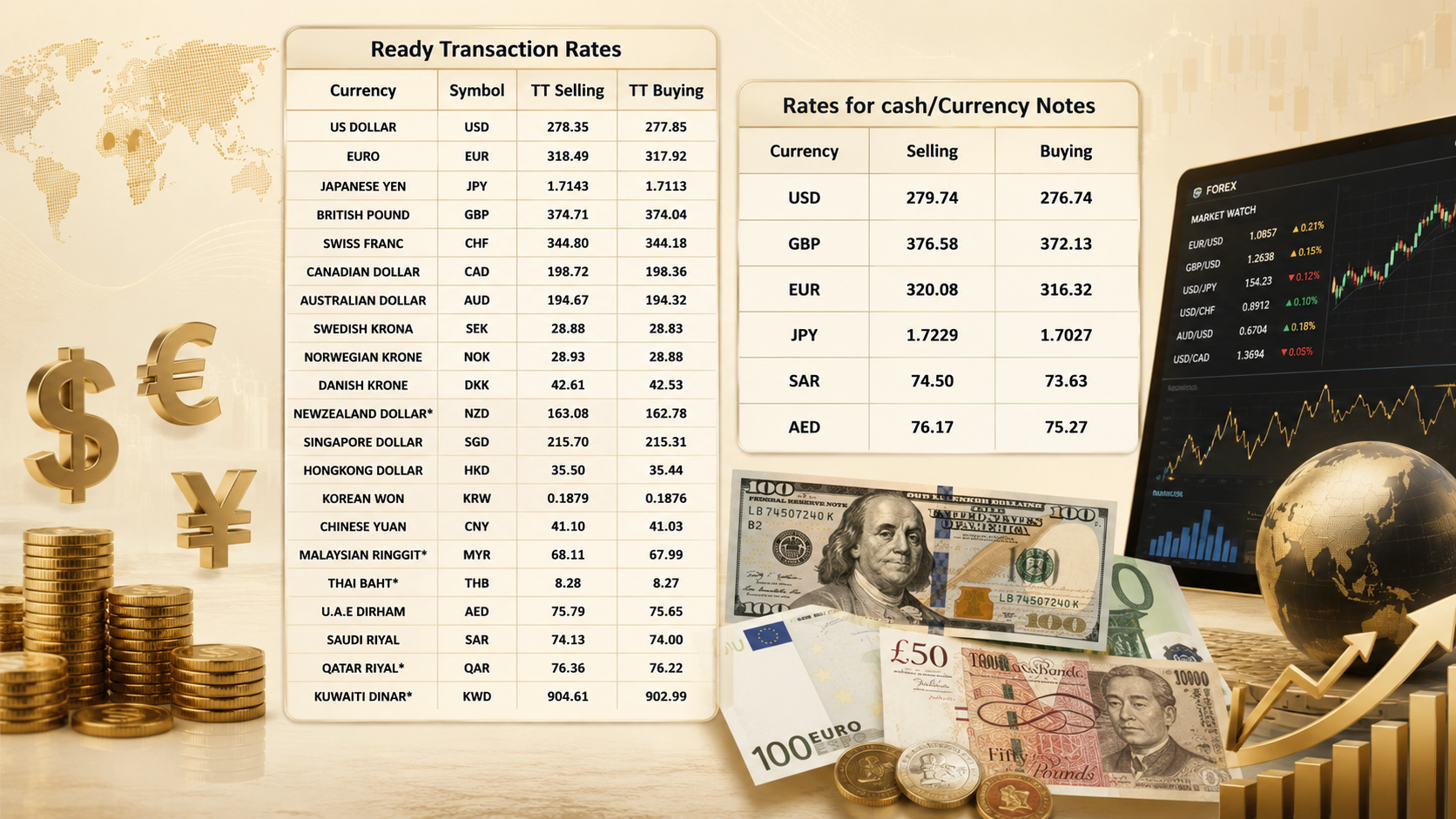
Check today’s Pakistan foreign exchange rates as per NBP’s bulletin for July 20, 2026. See buying and selling rates now!
The Exchange Rates Committee of Financial Markets Association of Pakistan issued the following exchange rates bulletin, here on Monday. CONVERSION RATES FOR JULY 20, 2026 FOR FOREIGN CURRENCY FOR FORWARD COVER FOR DEPOSITS (EXCLUDING FE-25 DEPOSITS) ..

Under the proposed strategy, the government plans to establish a 45-day emergency oil buffer in the first phase, with a longer-term objective of expanding reserve capacity to 90 days.
Government-academia partnership could improve tax collection through analysis
Faysal Bank Limited has reaffirmed its longstanding partnership with the Lahore University of Management Sciences (Lums)

KARACHI, Jul 20 (APP): The Exchange Rates Committee of the Financial Markets Association of Pakistan issued the following exchange rates bulletin here on Monday.

Singapore: Global oil prices extended their gains on Monday, with Brent crude rising above $90 per barrel, as concerns over potential supply disruptions through the Strait of Hormuz continued to support the market.

Pakistan Engineering Company Ltd. (PECO) said on Monday that Humaira Zia Mufti was appointed as Ex-Officio Director/ Chairman of Pakistan Engineering Company (PECO) with immediate effect to represent the Government of Pakistan on the PECO Board.

Two schools of thought have emerged in the recent debate on the 18th constitutional amendment, which brought a structural shift towards devolution. One school – let's call it centralists – has argued that the federal government is now structurally weak and in a perpetual fiscal crisis, since 57.5% of divisible resources are transferred to provinces whereas it must finance defence and debt servicing on its own, leaving hardly any resources for other heads. This school also argues that despite resource transfer, provincial governments have failed to bring any improvement in social spending – in education and health particularly. The other school – let's call it federalists – believes that the continued presence of the federal government in devolved subjects – including social protection, education, health, and agriculture – is unnecessary and has increased its fiscal burden. This school echoes the direction of the 18th amendment, demanding more devolution, including empowered local gover
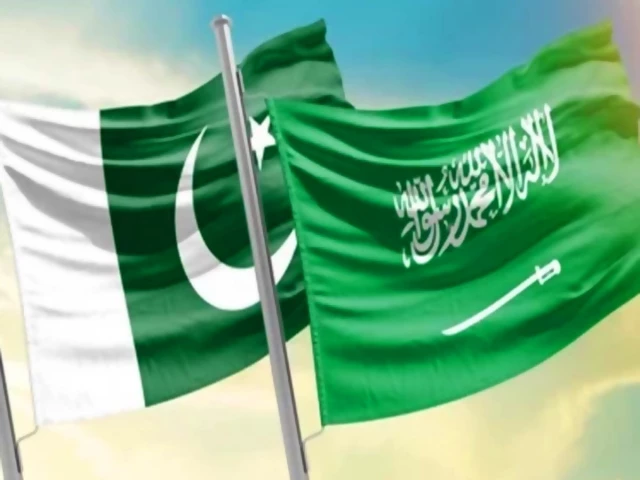
Saudi Arabia's decision to increase its financial support to Pakistan by replacing the deposits withdrawn by the United Arab Emirates (UAE) under the ongoing International Monetary Fund (IMF) programme deserves sincere appreciation. At a time when geopolitical uncertainty has intensified across the Middle East and global financial markets remain volatile, Riyadh has once again reposed its confidence in Pakistan. Such support reflects the depth of bilateral relations and reinforces Saudi Arabia's role as one of Pakistan's most dependable strategic partners.
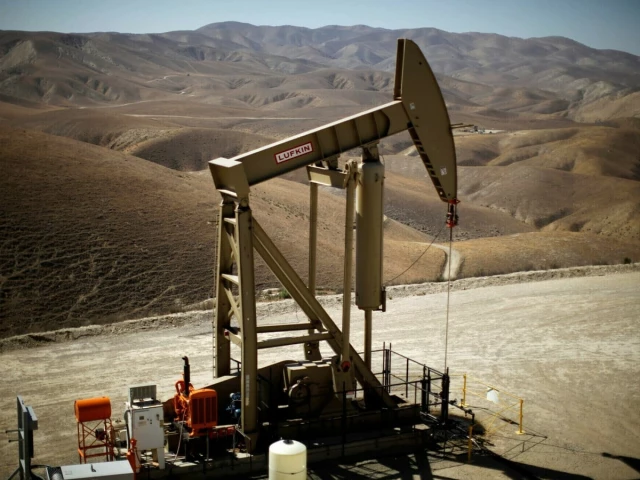
Pakistan has recently made a number of hydrocarbon discoveries, which need rapid and economical development. This led me to study some associated project execution practices currently in vogue and share suggestions which may help.
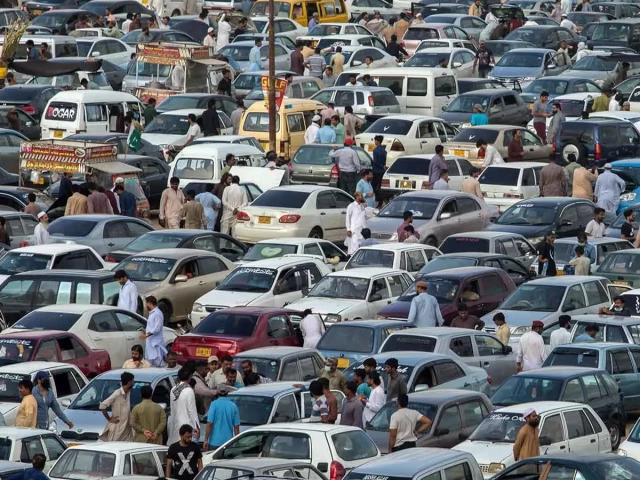
Recent tensions and disruptions in the Strait of Hormuz have triggered a fresh energy crisis, turning the global shift to electric vehicles from a gradual climate response into an urgent economic imperative.
If there is one economic data point that has consistently worried Pakistani analysts, investors, policymakers, bankers, and even the common man, it is the current account deficit.
Pakistan's oil import bill rose to $16.86 billion in FY2025-26, exceeding the IMF estimate by $1.58 billion as global oil prices surged amid Middle East tensions.
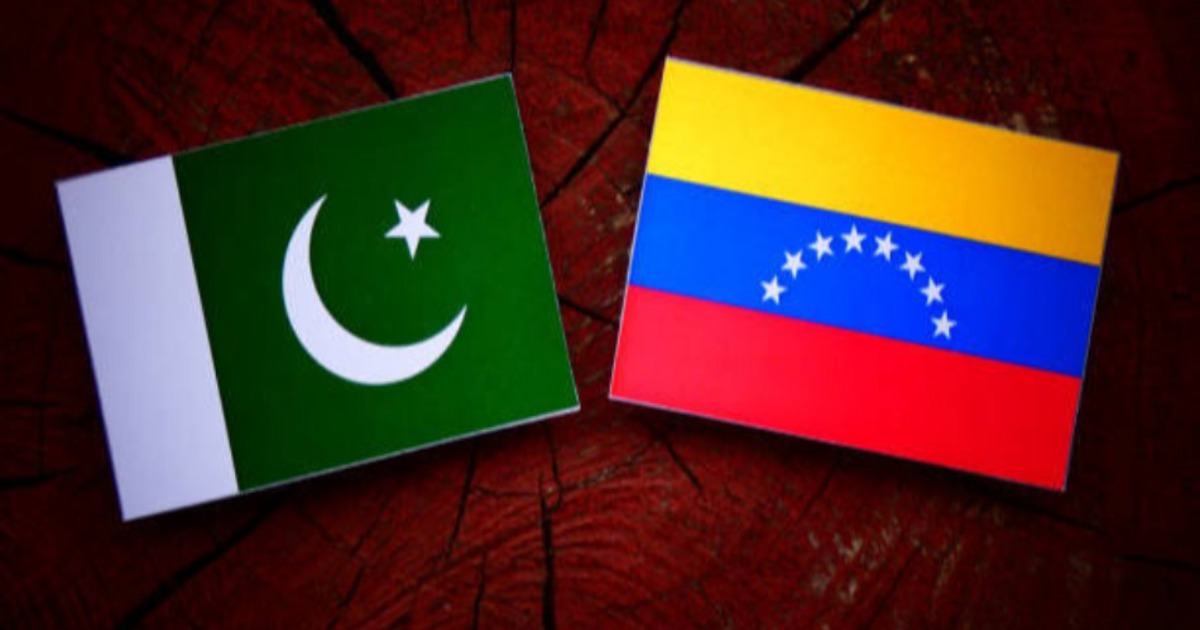
Pakistan and Venezuela have agreed to broaden economic cooperation and strengthen people-to-people contacts, with both sides identifying trade, investment
Raising tree canopy cover by 10pc lowers air temperature by about 0.8°C

The Pakistan Stock Exchange (PSX) saw a volatile trading session on Monday, with the benchmark KSE-100 Index swinging sharply between gains and losses before ending the day marginally higher.
By addressing parental concerns proactively, platforms reduce friction, strengthen credibility, and build loyalty that can span
Lilly is the world’s most valuable drugmaker and the first pharmaceutical company to be worth more than $1tr,...
Stripe and Advent International reportedly made a joint offer to acquire the payments firm PayPal in a $53 billion...
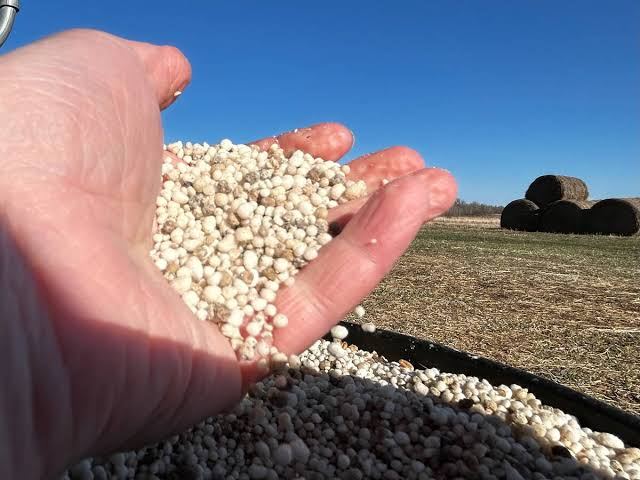
ISLAMABAD, Nov 11 (INP-Wealth Pakistan) -- A sharp decline in global fertilizer prices may offer little immediate relief from food inflation. Earlier increases in agricultural input costs continue to affect farmers' production expenses and crop yields, with their impact potentially extending into 2027 harvests.
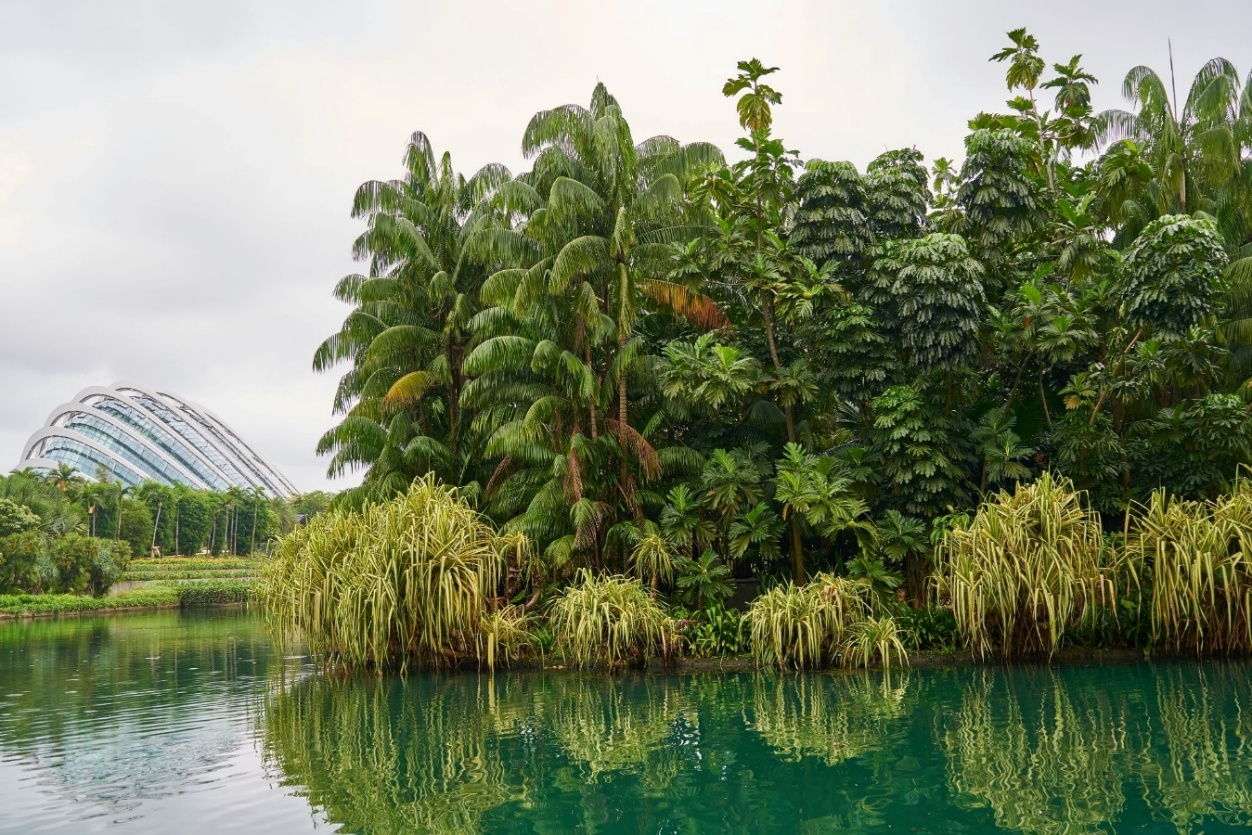
ISLAMABAD, Nov 11 (INP-Wealth Pakistan) -- China-backed biodiversity financing is expanding support for conservation efforts in developing countries, with nine new projects worth approximately $4.5 million approved under the Kunming Biodiversity Fund as international funding for nature protection continues to fall short of global commitments.

Nov 11, 2026
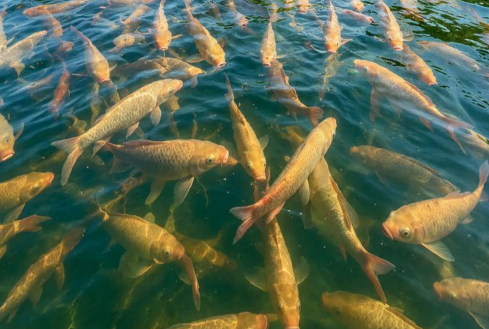
Pakistan's aquaculture output grew by 22.8% between 2011 and 2024, offering new opportunities to boost fish supplies and expand the fisheries industry.
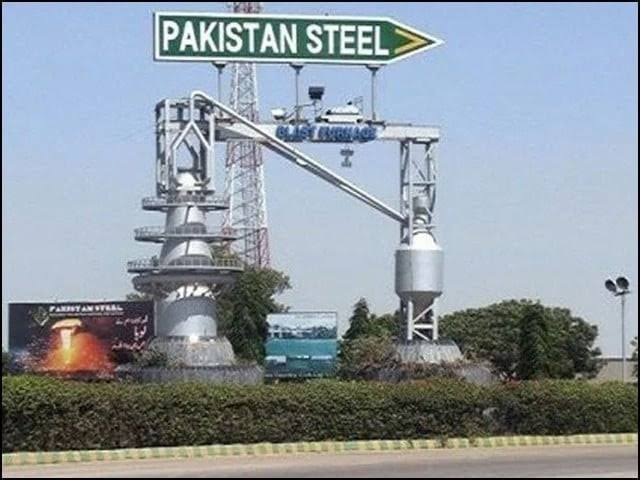
The state-owned Pakistan Steel Mills (PSM) has initiated the process to procure modern surveillance equipment and reconstruct the 8.5-kilometre boundary wall to strengthen security on its premises.
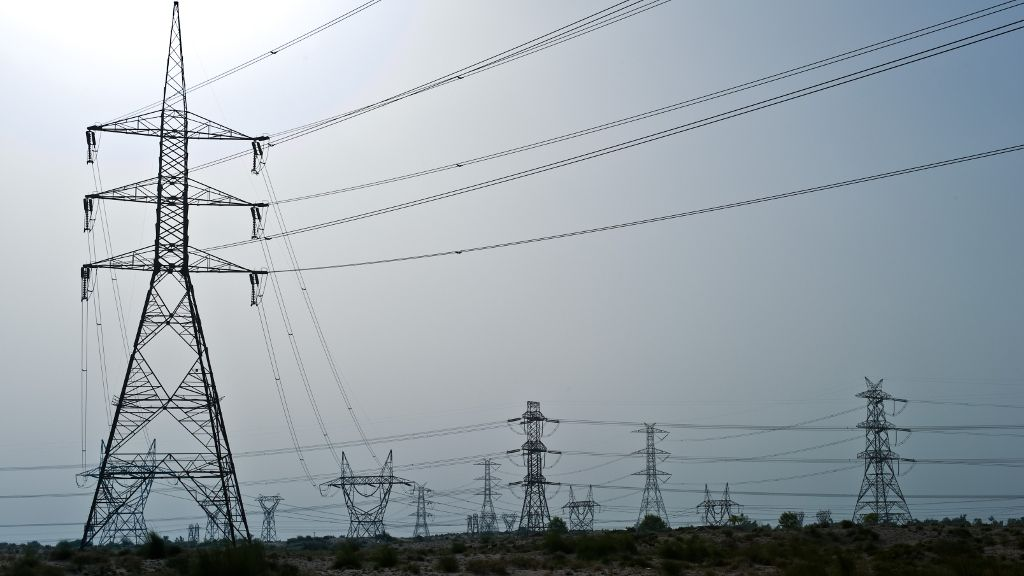
Pakistan's electricity transmission network is set for a series of upgrades under six projects supported by KfW, AFD and JICA, according to a project-status summary, a copy of which is available with Wealth Pakistan.
The Federal Board of Revenue (FBR) has collected an additional revenue of Rs99.8 billion during the fiscal year 2025-26 through its Track and Trace production monitoring system, significantly curbing sales tax evasion across major industrial sectors, according to an official document available with Wealth Pakistan.
The Federal Board of Revenue (FBR) has adopted a data-driven Compliance Risk Management (CRM) system to identify domestic tax compliance risks and assess and audit taxpayers accordingly, according to a document available with Wealth Pakistan.
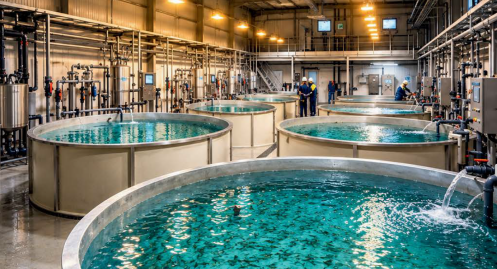
Bangladesh produces more than 17 times as much farmed fish as Pakistan, highlighting the potential for Pakistan to expand its aquaculture industry through greater investment, modern technology and stronger government support.

Pakistan's services exports surged 22.6% to $2.72 billion during July–September 2026, outpacing import growth and helping narrow the services trade deficit, according to the latest figures released by the Pakistan Bureau of Statistics (PBS).
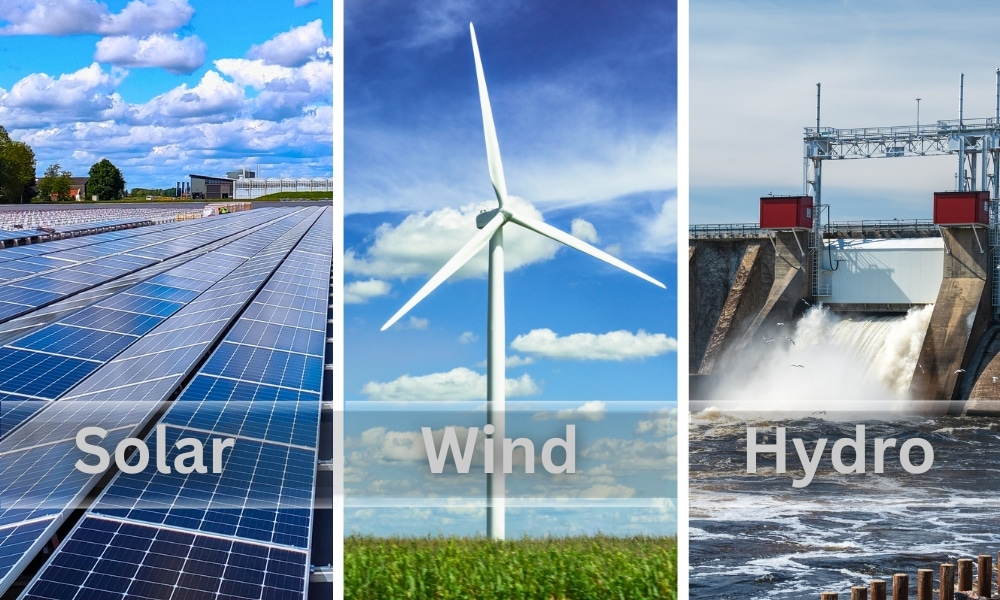
The government plans to add 15,206 megawatts (MW) of renewable energy capacity, including hydropower, to the national electricity generation system by 2035, accounting for approximately 93% of the total planned capacity additions during the 2025–35 period.

Nov 10, 2026
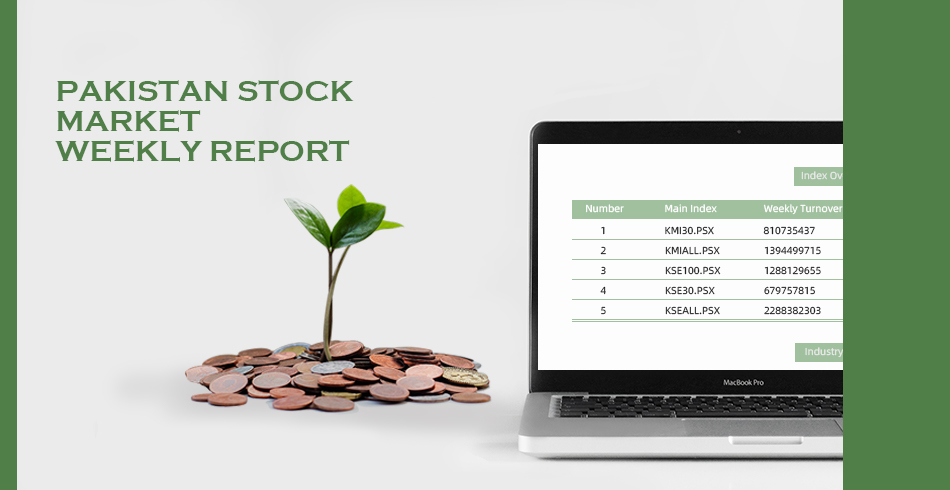
Weekly Review of Stock Market (2026.11.02-2026.11.06)

Nov 9, 2026
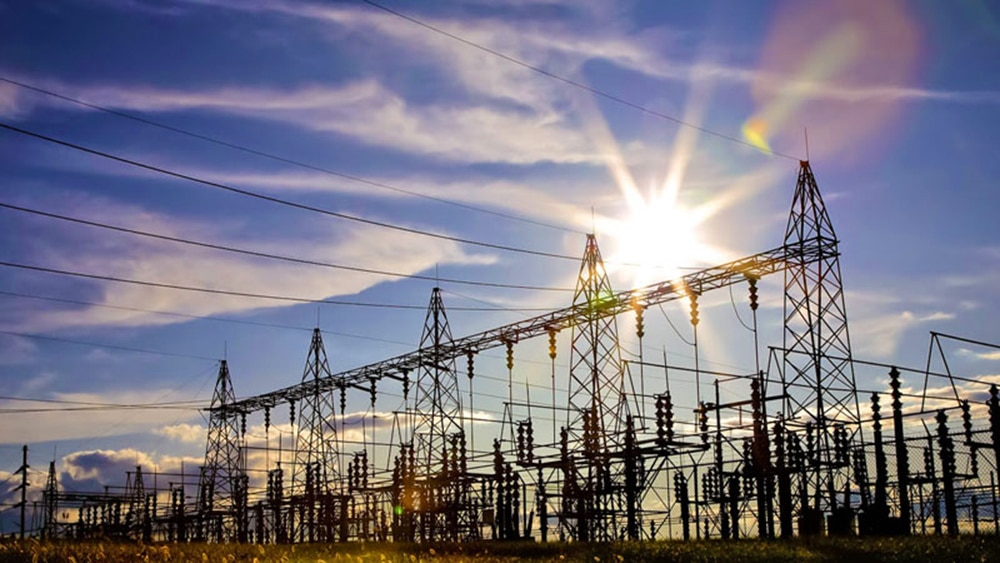
ISLAMABAD, Nov 06 (INP-Wealth Pakistan) -- The World Bank is financing a series of projects across Pakistan's power sector, including transmission networks, cross-border electricity trade and improvements to electricity distribution and grid infrastructure, according to a project status document available with Wealth Pakistan.
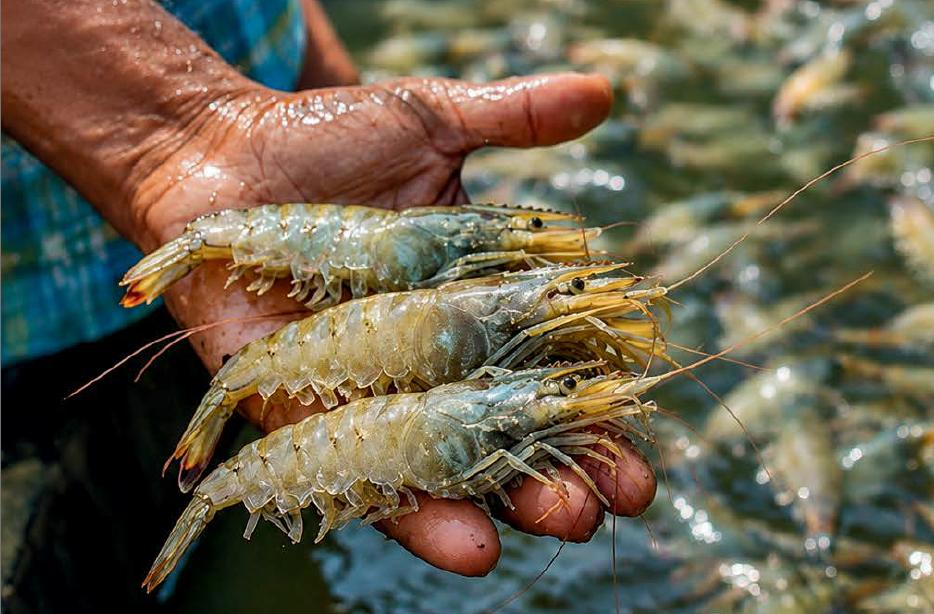
ISLAMABAD, Nov 06 (INP-Wealth Pakistan) -- Pakistan's emerging inland shrimp farming could generate annual net profits of up to Rs11 million per hectare, against Rs500,000–800,000 from conventional carp farming, opening opportunities in the global shrimp market worth over $32 billion annually, says a research report available with Wealth Pakistan.

Nov 6, 2026
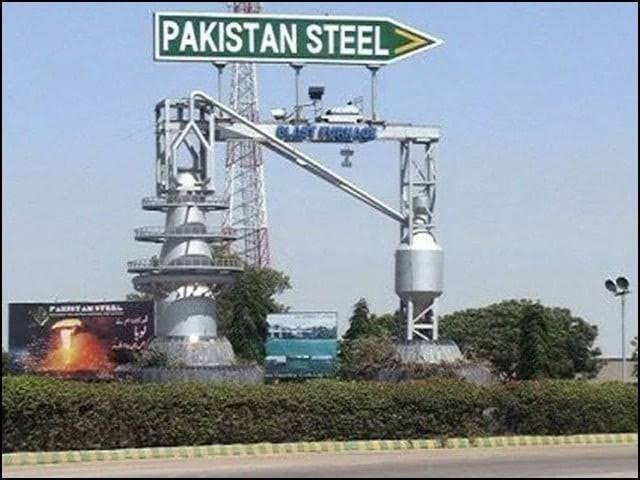
ISLAMABAD, Nov 05 (INP-Wealth Pakistan) -- The Pakistan Steel Mills (PSM) has outsourced its five educational institutions to M/s NJV School Management Board, which operates under the Akhuwat Foundation, according to a document available with Wealth Pakistan.
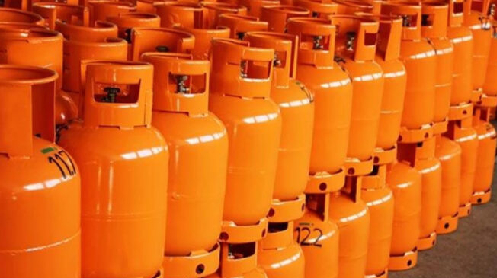
LAHORE, Nov 05 (INP-Wealth Pakistan) -- The replacement of the decades-old quota regime for locally produced liquefied petroleum gas (LPG) with an auction system will go a long way towards ending the monopoly of a handful of companies, helping ensure a smooth supply of the fuel at reasonable prices for consumers, LPG sector stakeholders say.
ISLAMABAD, Nov 05 (INP-Wealth Pakistan) -- Pakistan's Ministry of Foreign Affairs (MoFA) plans to integrate with the National Database and Registration Authority (NADRA) in the coming weeks for the electronic attestation of documents, according to the documents available with Wealth Pakistan.

ISLAMABAD, Nov 05 (INP-Wealth Pakistan) -- The Federal Reserve's decision to keep interest rates unchanged has provided stability in benchmark borrowing costs, but uneven lending conditions continue to limit access to finance for smaller businesses and financially weaker households, even as productivity gains support US economic growth.
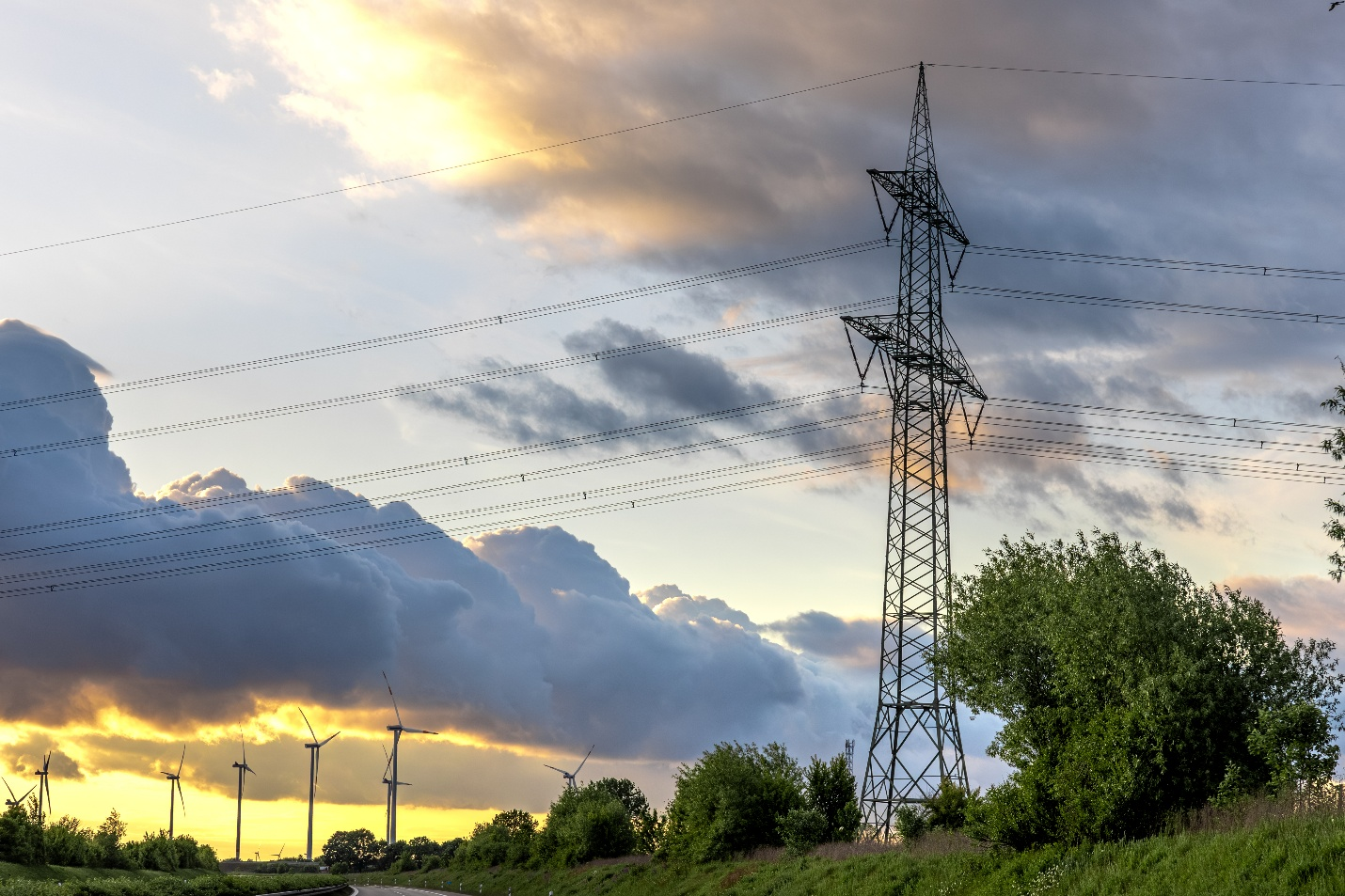
ISLAMABAD, Nov 05 (INP-Wealth Pakistan) -- Achieving the global target of nearly 18.4 terawatts of renewable energy capacity by 2035 will require rapidly scaling grid investment, energy storage and affordable financing. However, developing economies face the steepest challenges in expanding their clean energy systems.

ISLAMABAD, Nov 05 (INP-Wealth Pakistan) -- A China-backed financing framework endorsed by the Asia-Pacific Economic Cooperation (APEC) is promoting innovative investment mechanisms for digital infrastructure, offering new opportunities to mobilise private capital, strengthen technological connectivity, and drive digital transformation across the region.

ISLAMABAD, Nov 05 (INP-Wealth Pakistan) -- Rising prices of metals and other industrial inputs are creating additional inflation risks across major economies, with higher manufacturing costs potentially feeding into consumer prices even as energy remains a major driver of inflation.
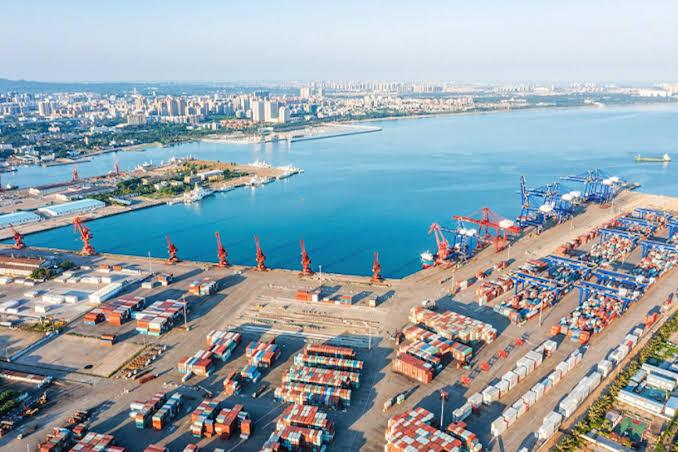
ISLAMABAD, Nov 05 (INP-Wealth Pakistan) -- China's latest trade liberalisation measures in the Hainan Free Trade Port are expanding opportunities for foreign businesses in high-value industrial services, logistics and international trade, strengthening the country's investment connectivity and integration with global markets.

ISLAMABAD, Nov 04 (INP-Wealth Pakistan) -- The Estate Office has digitized 28,116 government accommodation allotment files in Islamabad and four other major cities. An official document available with Wealth Pakistan shows that 17,496 allotment files have been scanned and digitized in Islamabad, while another 10,620 files out of a total of 11,014 have been digitized by the Estate Offices in Karachi, Lahore, Quetta and Peshawar.
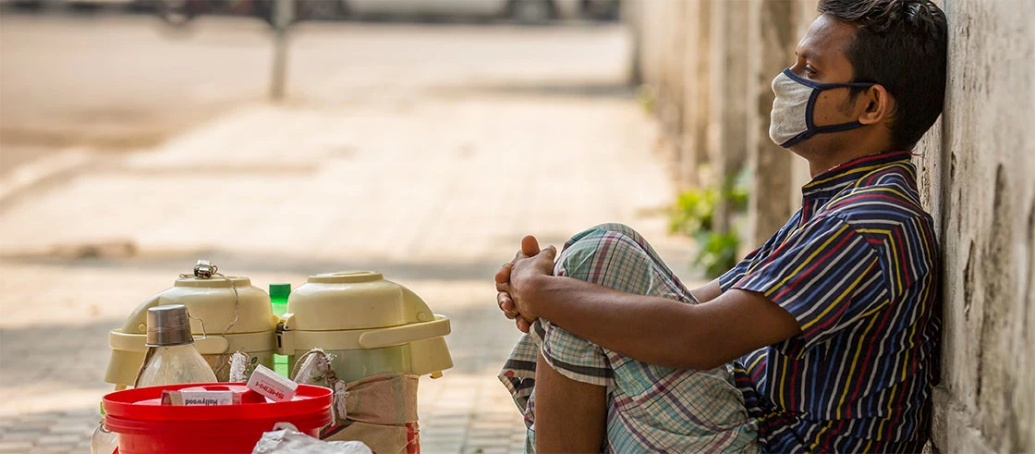
ISLAMABAD, Nov 05 (INP-Wealth Pakistan) -- South Asia needs to accelerate investment in skills, productive employment, access to finance and market linkages to turn its large working-age population into a source of sustainable economic growth and poverty reduction, experts say.

ISLAMABAD, Nov 04 (INP-Wealth Pakistan) -- China's Cross-Border Interbank Payment System (CIPS) is gaining ground across Africa as more banks expand renminbi settlement services, offering faster cross-border transactions and greater payment flexibility for developing economies, with experts highlighting potential benefits for Pakistan's trade and investment.

Nov 5, 2026
ISLAMABAD, Nov 04 (INP-Wealth Pakistan) -- The Federal Government Employees Housing Authority (FGEHA) is evaluating a public-private partnership (PPP) and asset-swap mechanism to complete the remaining work on 1,869 apartments over an estimated period of three years.

ISLAMABAD - Pakistan’s export of goods and services to the United States (US) witnessed an increase of 4.44 percent during the first quarter of the current fiscal year (2026-27) as compared to the exports of the corresponding months of last year, the State Bank of Pakistan (SBP) reported. The overall exports to US were recorded at $1.716 billion during July-September (2026-27) against exports of $1.643 billion during July-September (2025-26), SBP data revealed. On a year-to-year basis, exports to US increased by 12.46 per cent, from $531.269 million in September 2025 to $597.484 million in September 2026.

The 24-karat gold price in Pakistan today is Rs. 429,136 per tola, according to the All Pakistan Gems and Jewellers Association. The price of 24-karat gold stands at Rs. 367,914 per 10 grams. In the previous reported session, gold was quoted at Rs. 429,136 per tola and Rs. 367,914 per 10 grams. In ..

The Pakistan Stock Exchange (PSX) staged its strongest weekly rally in nearly six months, with the benchmark KSE-100 index surging 7,477 points, or 4.5%, to close at 173,887, as easing geopolitical concerns and a sharp decline in international oil prices lifted investor sentiment amid US midterm elections.

JazzWorld reported revenue of PKR 144.9 billion for the third quarter of 2026, up 26.6% from a year earlier.

The prices of gold remained unchanged in the domestic market on Saturday, while silver prices witnessed a decline, according to the All Pakistan Sarafa Gems and Jewellers Association.
ISLAMABAD, Nov 07 (APP):The prices of gold remained unchanged in the domestic market on Saturday, while silver prices witnessed a decline, according to the All Pakistan Sarafa Gems and Jewellers Association.

The All Pakistan Gems and Jewellers Association said the price of 24-karat gold remained unchanged at Rs. 429,136 per tola in Pakistan. The rate was confirmed by the association on Saturday. The price of 24-karat gold also remained unchanged at Rs. 367,914 per 10 grams. The previous reported rates ..

Gold prices in Pakistan remained unchanged on Saturday in line with the trend in the international market. In the local market, gold price per tola remained at Rs429,136 after experiencing no change during the day.

Weekly roundup of Key Economic releases and market data and statistics
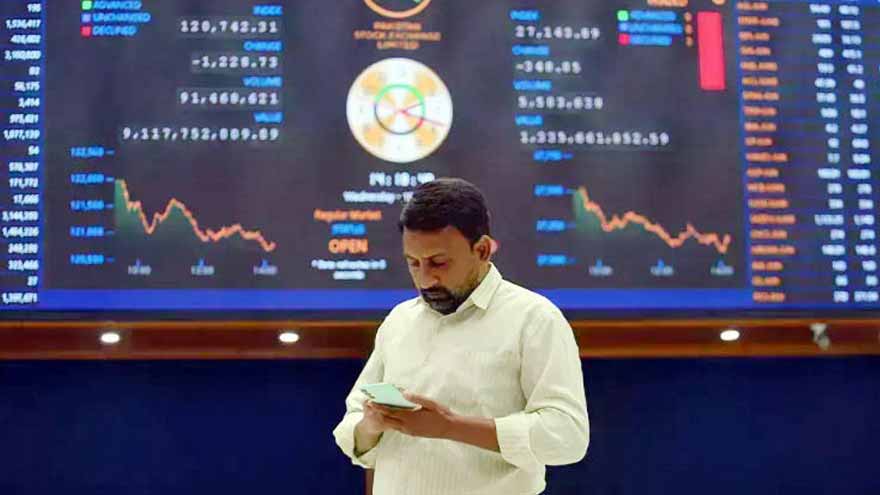
KSE-100 index traded within a range of 9,614 points during the week
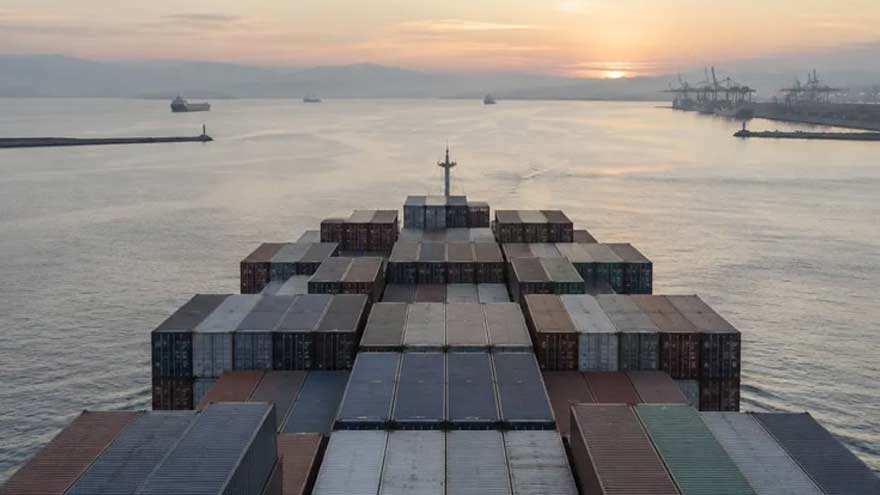
The trade deficit also widened by 19.7 percent in October 2026 compared to the same month last year
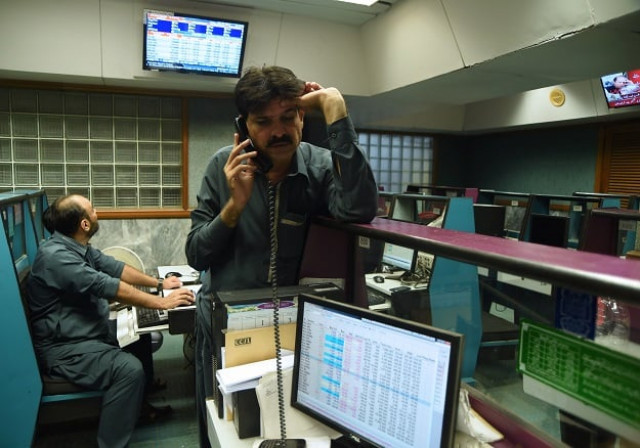
The Pakistan Stock Exchange (PSX) ended Friday's session lower as investors locked in profits ahead of the long weekend, dragging the benchmark KSE-100 index down nearly 1,500 points to close around 173,890.

Gold prices in Pakistan declined sharply on Friday, shedding Rs6,500 per tola as international bullion markets came under pressure from a stronger US dollar and rising Treasury yields following stronger-than-expected US employment data.

Pakistan's Sensitive Price Indicator (SPI) climbed 12.31% year-on-year for the week ended November 5, 2026, with the Pakistan Bureau of Statistics (PBS) linking the sustained increase to elevated energy prices driven by ongoing Middle East tensions. The combined SPI reached 374.61, up from 333.55 in the corresponding week of last year, underscoring persistent cost pressures on households even as some weekly fuel prices eased.

Pakistan's trade deficit increased 16% to nearly $15 billion during the first four months of this fiscal year after imports hit $26 billion amid continued sluggish export growth, a gap that may keep Islamabad dependent on foreign creditors longer than planned.

Silver price in Pakistan for today, November 07, 2026

Gold price in Pakistan for today, November 07, 2026

Pakistan's services exports grow 22.60% to $2.72 billion in July–September 2026, while the trade deficit narrows 0.33% despite a wider September gap.

Pakistan's weekly inflation rises 0.29% and annual SPI inflation reaches 12.31% as tomato and LPG prices increase despite cheaper petrol and diesel.

ISLAMABAD: The price of petrol has been reduced by Rs6.59 per litre, bringing the retail price down to Rs346 per litre. High-Speed Diesel (HSD) saw a cut of Rs4.25 per litre, fixing its new rate at Rs378 per litre, down from the previous Rs382.25 per litre, effective till November 10.
Imports surge 12.59pc in four months, pushing trade deficit to $14.63bn
ISLAMABAD: Short-term inflation rose to 12.31 per cent year-on-year in the week ending Nov 5, driven largely by...
LAHORE: The Sui Northern Gas Pipelines Ltd (SNGPL) reported a profit after tax (PAT) of Rs14.809 billion, ...
ISLAMABAD - The country’s trade imbalance has widened by almost 16 percent to $14.6 billion in the first four months (July to October) of the current fiscal year (FY2026-27) as the imports have surpassed the exports.
ISLAMABAD - The Sensitive Price Indicator (SPI)-based weekly inflation increased by 0.29 percent during the week ended on November 05, 2026, for the combined consumption group, the Pakistan Bureau of Statistics (PBS) reported here on Friday. According to PBS data, the SPI for the week under review increased to 374.61 points from 373.51 points recorded in the previous week. On a year-on-year basis, the SPI increased by 12.31 percent. The weekly SPI, with base year 2015-16=100, covers 17 urban centres and 51 essential items for all expenditure groups. The SPI for the lowest consumption group (up to Rs17,732) increased by 0.86 percent to 361.00 points from 357.92 points. Likewise, the SPI for consumption groups of Rs17,733–22,888, Rs22,889–29,517, Rs29,518–44,175 and above Rs44,175 increased by 0.70 percent, 0.52 percent, 0.40 percent and 0.10 percent, respectively.

The Oil and Gas Regulatory Authority (OGRA) has revised the ex-depot prices of petroleum products, reducing the price of Motor Spirit (petrol) by Rs6.59 p
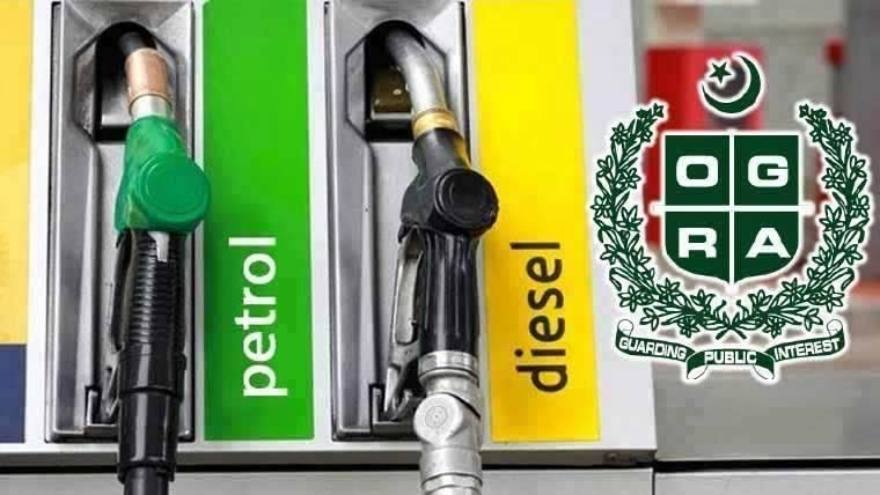
Pakistan's latest petroleum price revision sets petrol at Rs346 per litre and high-speed diesel at Rs378, affecting motorists and transport operators.
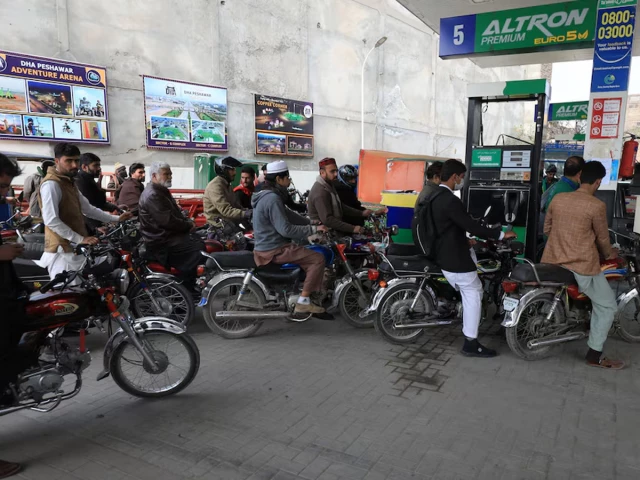
The federal government on Friday slashed the price of petrol by Rs6.59 per litre and that of high-speed diesel (HSD) by Rs4.25 per litre for November 7.
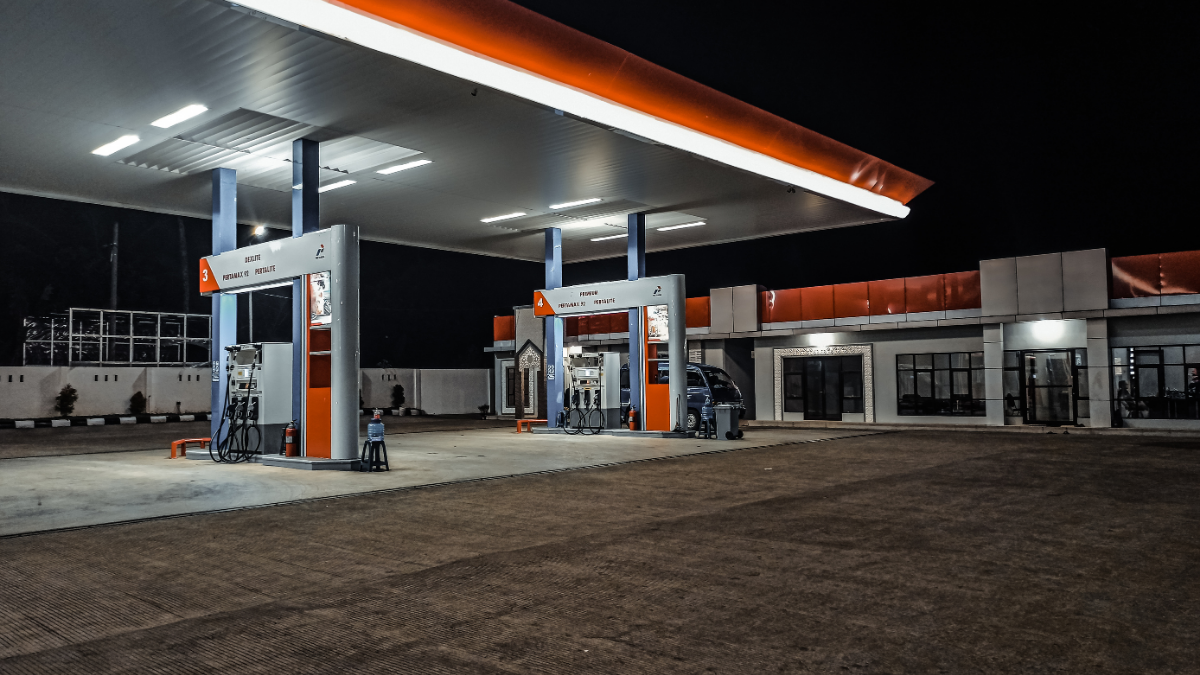
Petrol falls to Rs346 per litre and diesel to Rs378, with revised prices remaining unchanged from November 7 to 10 due to the public holiday.
The Exchange Rates Committee of the Financial Markets Association of Pakistan issued conversion rates for forward cover deposits, with an SBP settlement value date of November 12, 2026.