WealthPKNews

WealthPK News

Image for: Petroleum deregulation is not enough for energy security

Petroleum deregulation is not enough for energy security

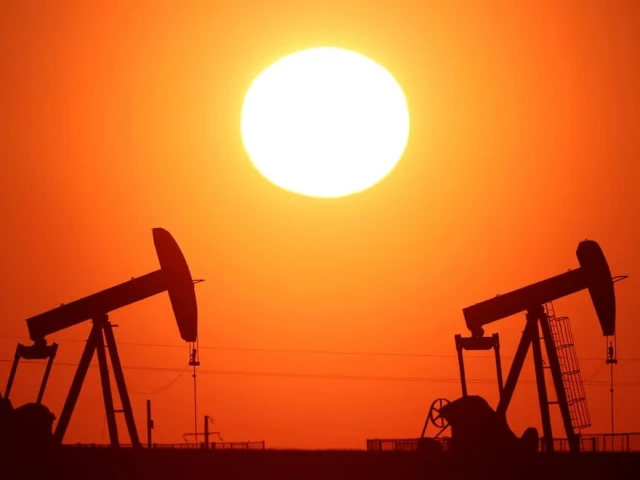
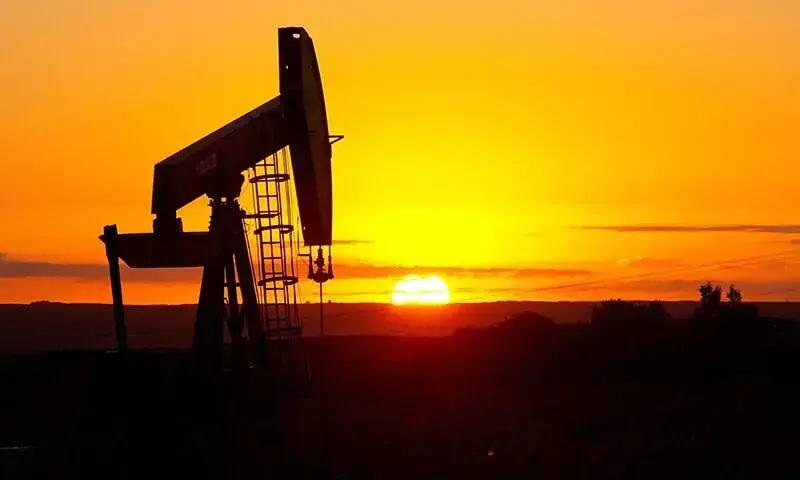
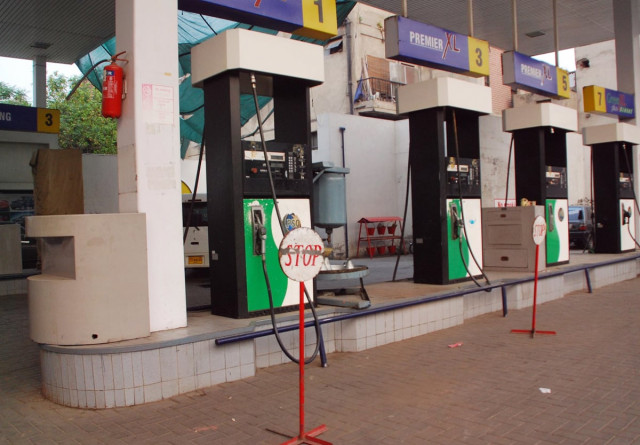
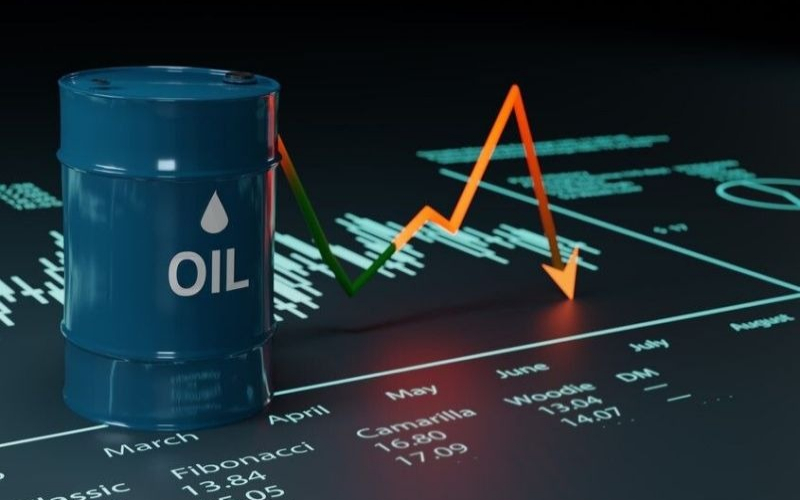
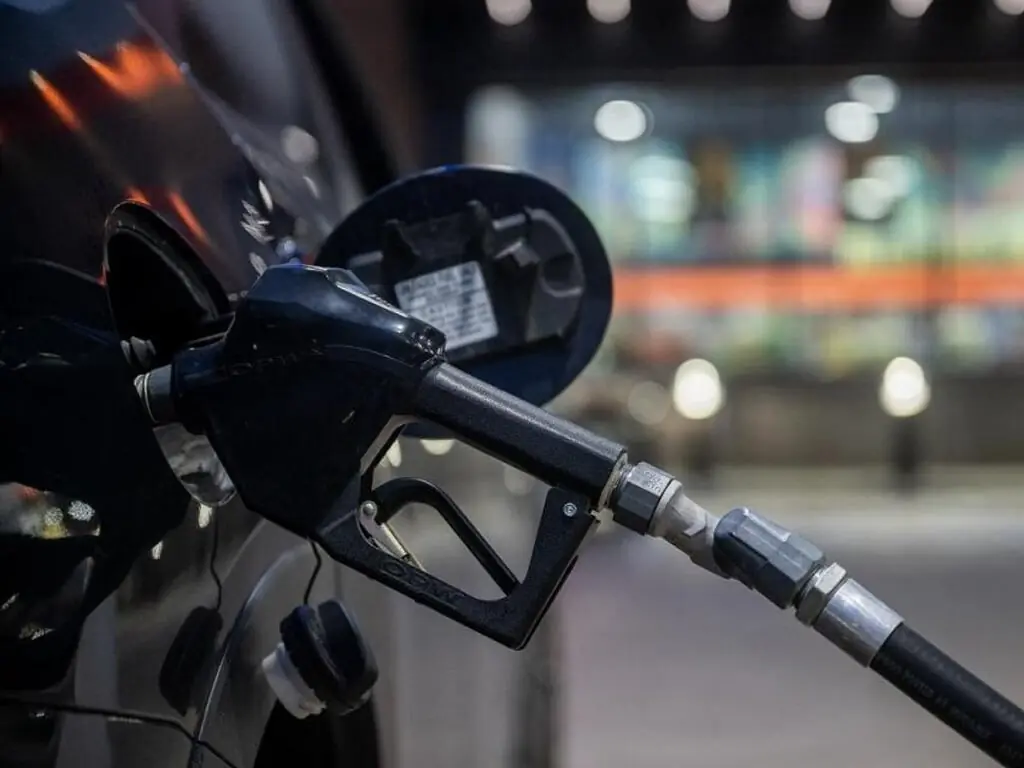
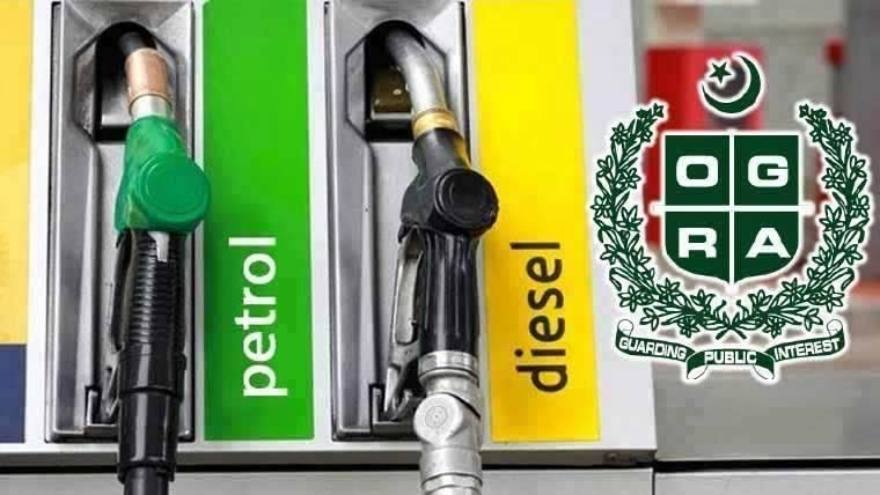
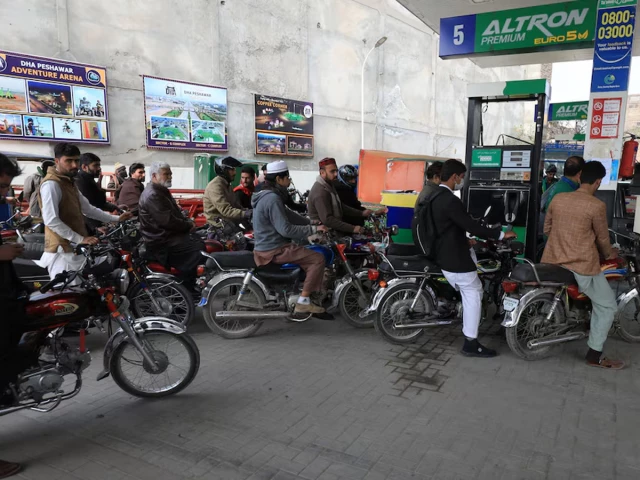
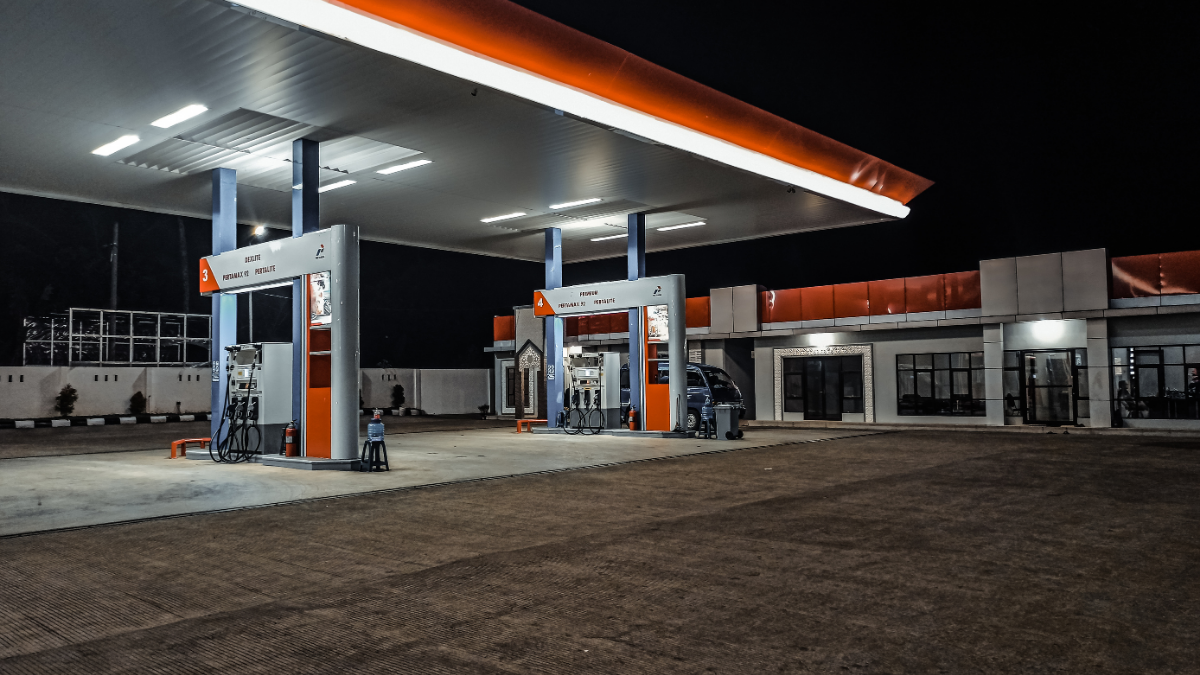
Petroleum prices in Pakistan have always been more than an economic indicator; they influence inflation, industrial competitiveness, government revenues, and the cost of living. In recent years, Pakistan has accelerated reforms by moving towards greater deregulation of the petroleum sector while simultaneously facing unprecedented volatility in global oil markets caused by geopolitical conflicts, supply disruptions, and changing energy policies.

Tribune
Image for: Surging M2 undermines export competitiveness

Surging M2 undermines export competitiveness

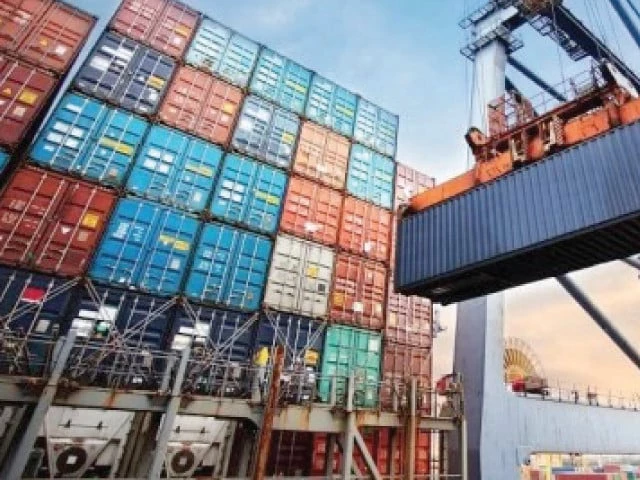
Pakistan's export sector continues to underperform despite repeated currency depreciations, IMF-supported stabilisation and periodic policy interventions. Merchandise exports have largely remained between $28-32 billion over the past four years. Exports reached $32.1 billion in FY2025, but declined 6.8% to $30.13 billion in FY2026, highlighting the economy's inability to translate macroeconomic adjustments into sustained export growth.

Tribune
Image for: The pension time bomb

The pension time bomb

As the national pension bill threatens to consume development budgets, a transition to decentralised, privately managed Defined Contribution funds offers a sustainable lifeline for Pakistan's economic future. Deep within the ledgers of Pakistan's federal and provincial budgets lies a ticking time bomb. It is not an external debt obligation, nor is it a sudden geopolitical shock. It is a quiet, compounding crisis that has been decades in the making: the nation's public sector pension liabilities.

Tribune
Image for: IT sector sets sights high to gain AI edge

IT sector sets sights high to gain AI edge

Pakistan, which set its eyes on $5 billion in IT and IT-enabled services exports, closed the 2025-26 fiscal year with a record $4.6 billion in exports, a roughly 21% rise from $3.814 billion in the previous year. The figure marks the highest annual earnings in the sector's history and confirms ICT as the country's largest services export category, though it fell about $400 million short of the government's $5 billion target. Under the Uraan Pakistan framework, the longer-term goal remains $10 billion by FY2028-29.

Tribune

WealthPK Reports

No articles found.

Data News

Image for: Pakistan’s exports to US up by 4.44pc to $1.71b in Q1

Pakistan’s exports to US up by 4.44pc to $1.71b in Q1

ISLAMABAD - Pakistan’s export of goods and services to the United States (US) witnessed an increase of 4.44 percent during the first quarter of the current fiscal year (2026-27) as compared to the exports of the corresponding months of last year, the State Bank of Pakistan (SBP) reported. The overall exports to US were recorded at $1.716 billion during July-September (2026-27) against exports of $1.643 billion during July-September (2025-26), SBP data revealed. On a year-to-year basis, exports to US increased by 12.46 per cent, from $531.269 million in September 2025 to $597.484 million in September 2026.

The Nation
Image for: Weekly inflation increases 0.29pc: PBS
Weekly inflation increases 0.29pc: PBS

ISLAMABAD - The Sensitive Price Indicator (SPI)-based weekly inflation increased by 0.29 percent during the week ended on November 05, 2026, for the combined consumption group, the Pakistan Bureau of Statistics (PBS) reported here on Friday. According to PBS data, the SPI for the week under review increased to 374.61 points from 373.51 points recorded in the previous week. On a year-on-year basis, the SPI increased by 12.31 percent. The weekly SPI, with base year 2015-16=100, covers 17 urban centres and 51 essential items for all expenditure groups. The SPI for the lowest consumption group (up to Rs17,732) increased by 0.86 percent to 361.00 points from 357.92 points.  Likewise, the SPI for consumption groups of Rs17,733–22,888, Rs22,889–29,517, Rs29,518–44,175 and above Rs44,175 increased by 0.70 percent, 0.52 percent, 0.40 percent and 0.10 percent, respectively.

The Nation