
PSX surges as KSE-100 index crosses 186,000 mark
Pakistan's stock market opened the week on a strong note as the KSE-100 Index surged over 1,100 points, crossing the 186,000 mark during early trading.
dunyanews
Pakistan's stock market opened the week on a strong note as the KSE-100 Index surged over 1,100 points, crossing the 186,000 mark during early trading.

The US dollar holds near a two-week low as Fed rate-hike expectations cool. Watch this week’s Fed minutes—read more now.
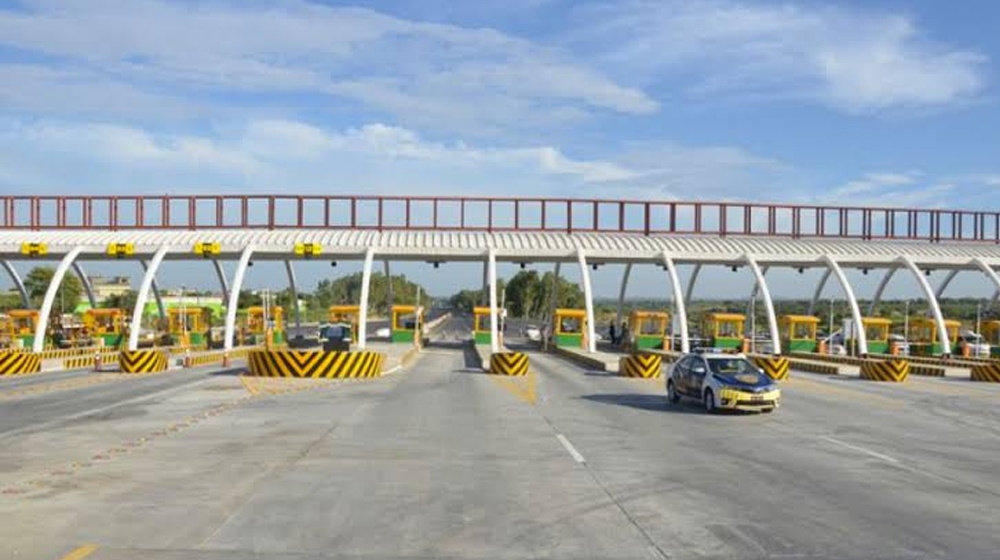
NHA hikes Lahore-Islamabad Motorway (M-2) tolls by 7% from July 5, 2026. Check revised charges and effective dates now.

DOHA – Maritime trade between Iran and Qatar has resumed after being suspended for around five months, according to Iran’s commercial attaché in Doha, as
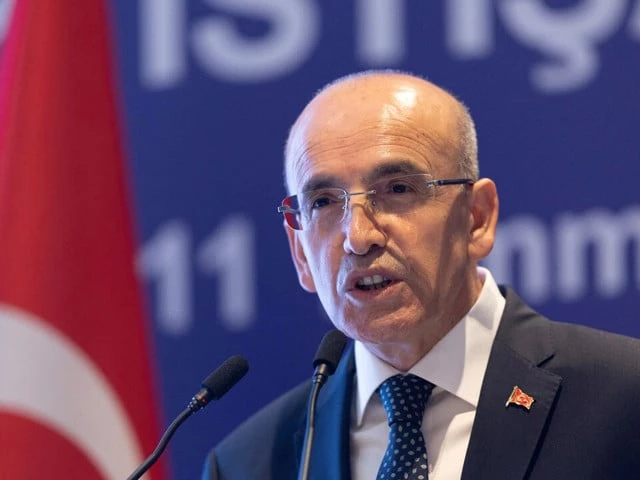
Recent tax reforms announced by the finance minister of Turkiye are a game changer. With collaboration between the current government of President Recep Tayyip Erdogan, opposition political parties, think tanks, and the Istanbul Chamber of Commerce, a tax policy has been introduced to attract high-net-worth individuals and large corporate entities to relocate to Turkiye.
Pakistan's policymakers routinely lament low investment, weak exports, declining industrial competitiveness and the high cost of doing business. Yet, while governments announce investment facilitation councils, export incentives and industrial support packages, they simultaneously erect new barriers that make economic activity more expensive and less efficient.
The appointment of Vivek Aggarwal as incoming Vice-President of the Financial Action Task Force (FATF) has been read in some quarters as if India has acquired a switch over Pakistan's financial reputation; that reading is convenient and it is also wrong.
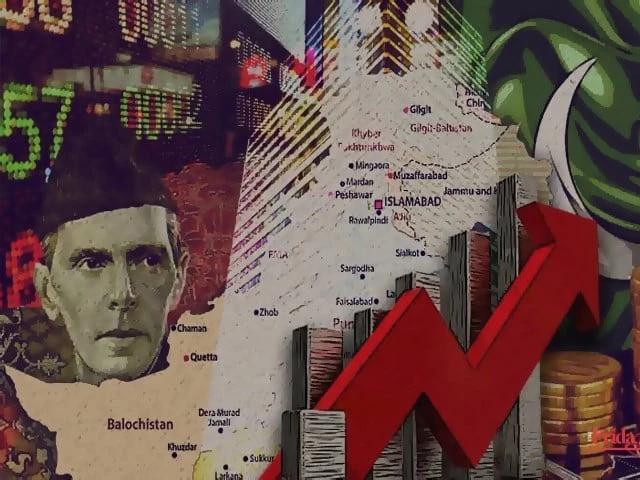
Pakistan's economic debate is often polarised between two sharply contrasting narratives. One presents a picture of stability and improvement – rising gross national product (GNP), record high foreign exchange reserves, and controlled inflation. The other paints a bleaker reality – rising unemployment, persistent inflationary pressure, and worsening poverty. To understand the true state of Pakistan's economy, it is essential to examine the evidence behind both views, identify where each is grounded in fact, and evaluate the structural forces shaping outcomes. Only then can a balanced conclusion be reached.
There is a point beyond which higher tax rates do not produce higher revenue. In fact, they can do the opposite: shrink the tax base, encourage avoidance, push activity into informal channels, and reduce the very revenue the state hopes to collect. This is not merely a textbook proposition from the Laffer Curve. Pakistan's recent tax experience provides concrete evidence that excessive taxation can defeat its own purpose.
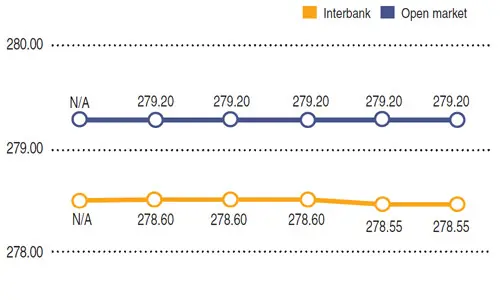
Chart by ZA
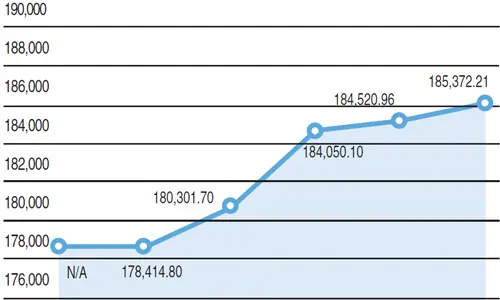
Chart by Mohammad Zeeshan Ali Khan
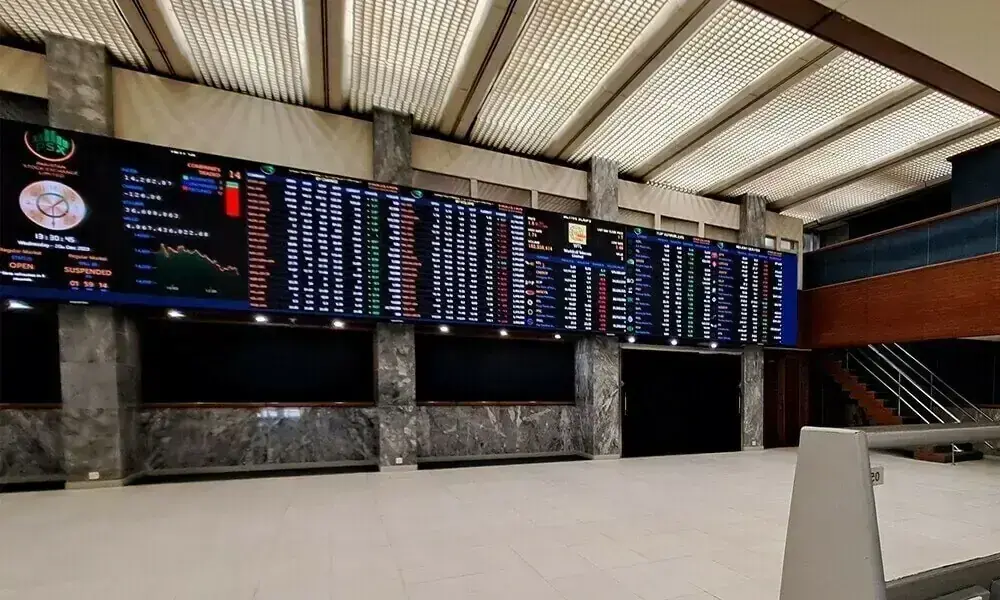
The Pakistan Stock Exchange (PSX) extended its upward momentum on Monday, with the benchmark KSE-100 Index closing the day with a gain of nearly 2,100 points.
Karandaaz Pakistan has partnered with D-Tech & Consultancy Private Ltd. (DTC) to develop a customer-friendly solution named ‘My Intelligent Assistant’ (MI
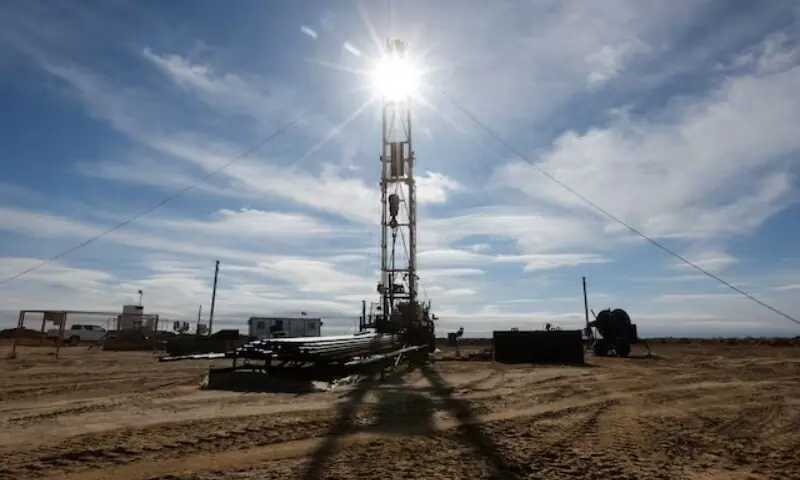
Exports from key producers via the Strait of Hormuz are recovering, potentially adding to global supplies.

Oil edges lower after OPEC+ agrees to raise output targets from August as Hormuz exports recover. Read the latest market update.

Oil prices edged lower on Monday after OPEC+ agreed to raise production targets from August, while recovering Gulf exports and higher Russian shipments signalled increased global supply.

Pakistan set aside Rs1.6bn for PMD to boost forecasting and disaster readiness, including radar projects and hydromet upgrades. Read more.

Gold steadies near a two-week high after weaker US jobs data cools Fed rate-hike odds. Watch Fed minutes—read the latest.
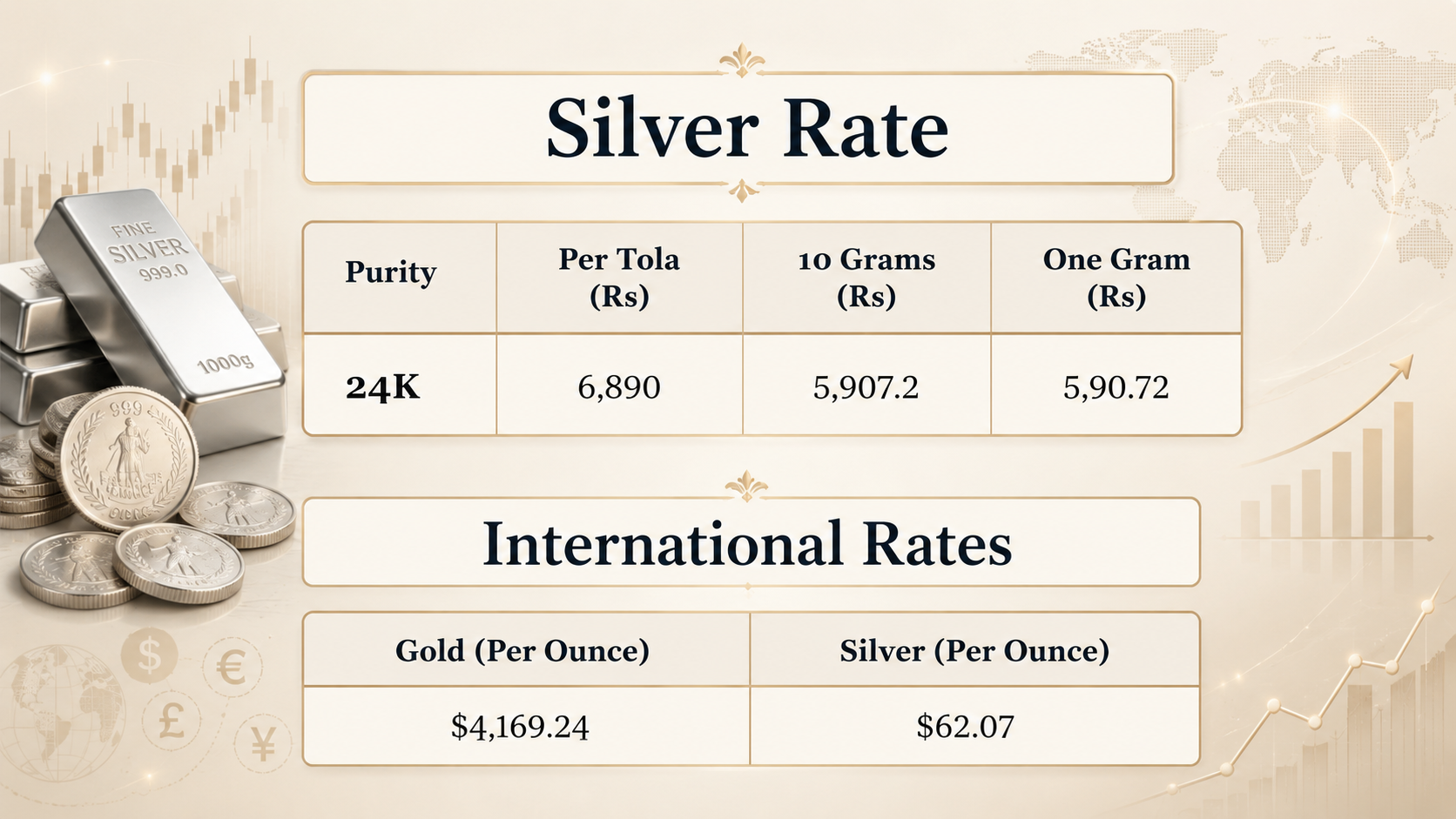
Check today’s silver price in Pakistan as local Sarafa and gold markets update rates by city. View the latest rates now!
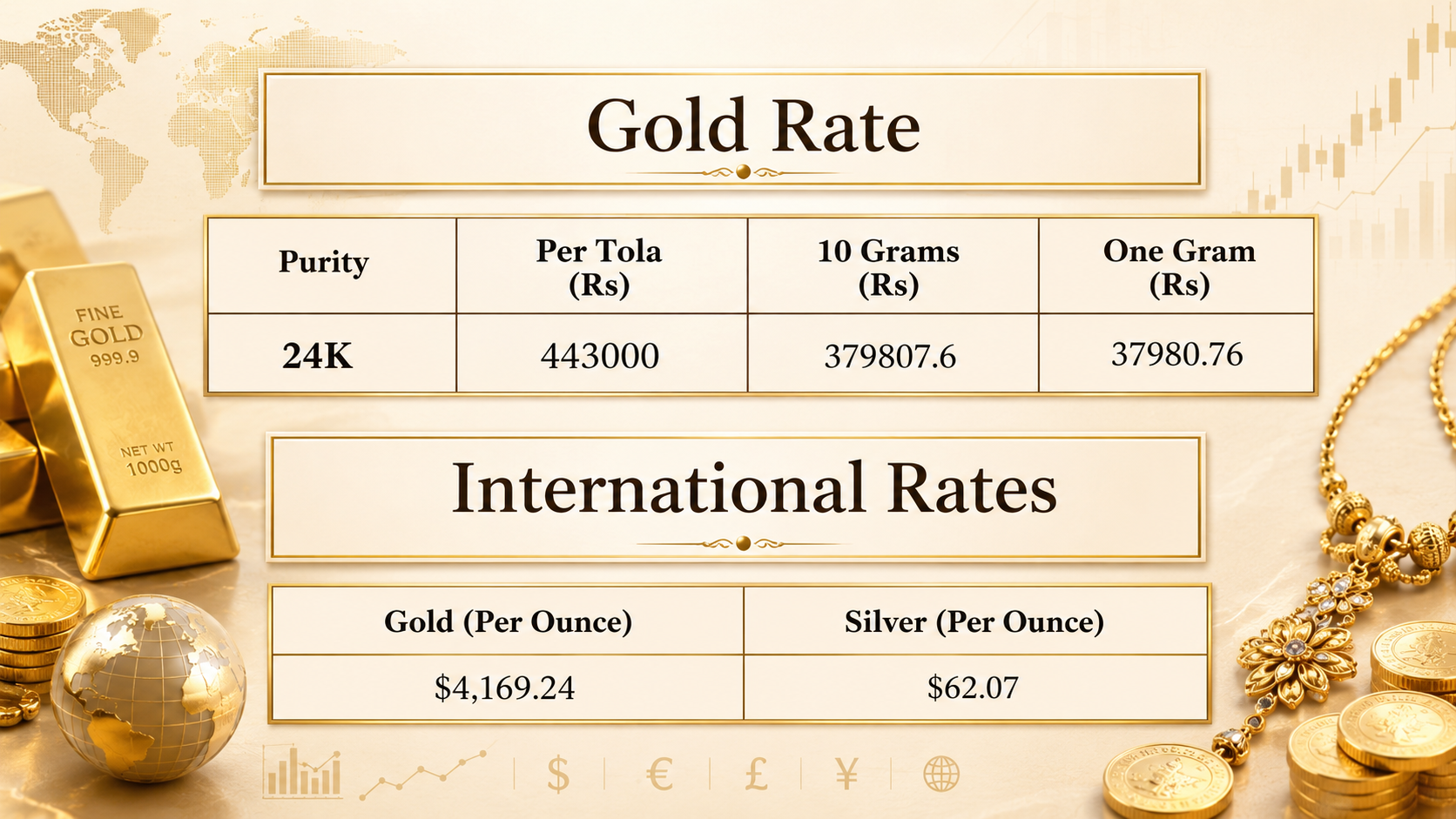
Check today’s gold price in Pakistan, updated for July 06, 2026. Compare Sarafa market rates by city—read the latest updates now.
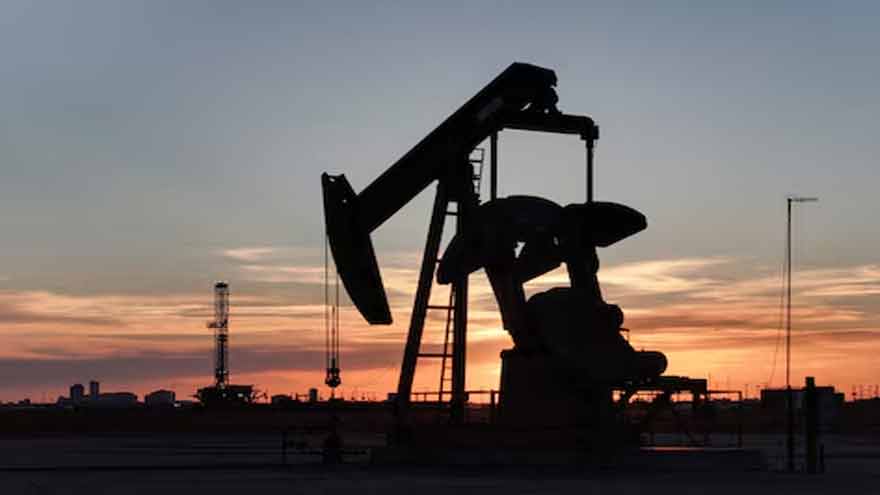
Oil prices edged lower after OPEC+ agreed to raise August output targets, while recovering Gulf and Russian exports eased supply concerns despite ongoing geopolitical tensions.

The U.S. dollar steadied near a two-week low after weaker jobs data reduced Fed rate hike expectations, while Japan’s yen hovered near a 40-year low, fueling intervention concerns.

Telenor Pakistan and PTCL merger could cut 300–500 jobs as overlapping roles are reviewed. Read the report and latest updates.

Revised telecom law will require property owners’ consent before telecom right-of-way is granted. Ministers say it protects private land—read more.
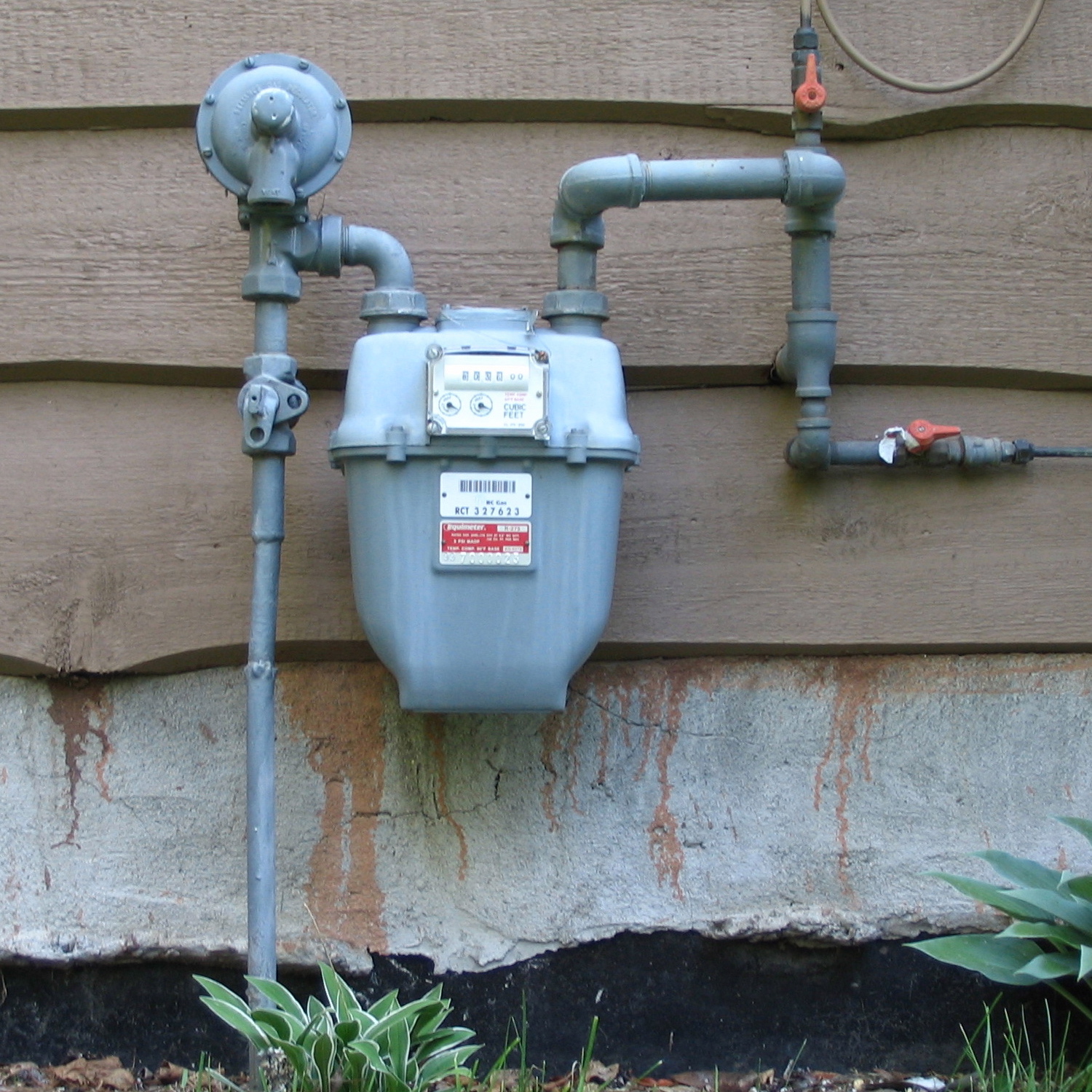
AGP audit warns unjustified RLNG costs were recovered through gas tariffs and fixed charges. Read the findings and call for reforms.

SBP says climate disasters already cost Pakistan $58.8B and needs $331B by 2030. Read why funding gap persists and what must change.

Pakistan’s low mechanization leaves wheat and wheat fields labor-heavy and inefficient. Read how horsepower gaps drive hunger—act now.
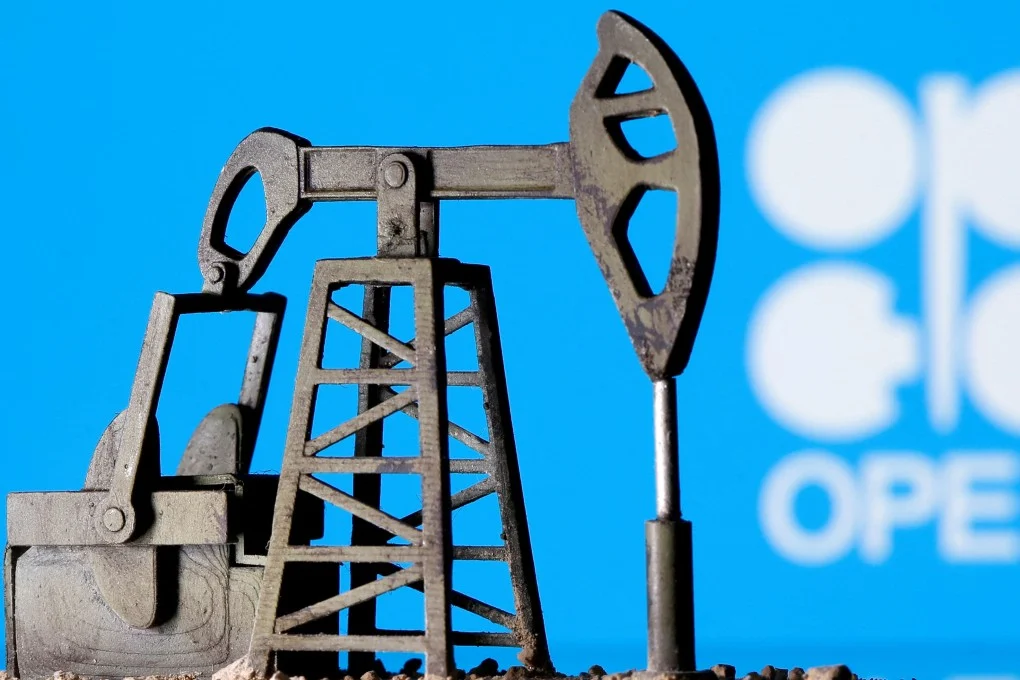
OPEC+ raises production quotas by 188,000 bpd from August as Strait of Hormuz exports recover. Read the latest market impact.
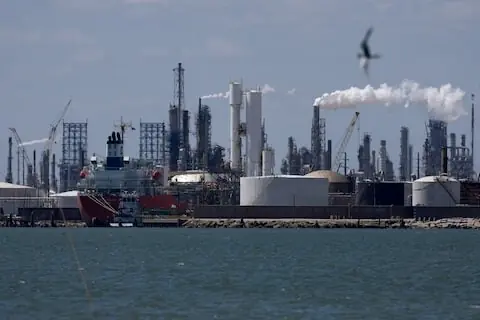
SINGAPORE:
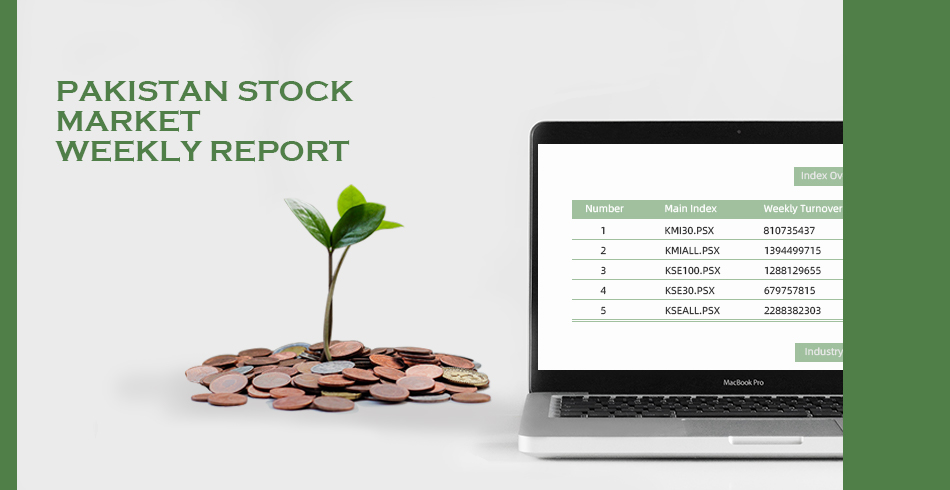
Weekly Review of Stock Market (2026.06.29-2026.07.03)

Jun 3, 2026
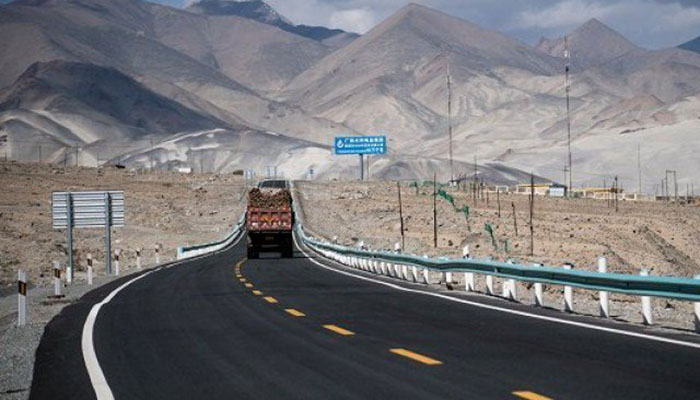
Transport infrastructure projects are set to absorb the largest share of future federal development resources, with major road and railway schemes requiring trillions of rupees for completion over the coming years.

Provincial governments are now spending significantly more on development than the federal government, highlighting the growing role of provinces in driving public-sector investment following the 18th Constitutional Amendment.

Pakistan’s Public Sector Development Programme (PSDP) is facing mounting financial pressure as the cost of completing approved projects continues to rise far beyond the resources available for development spending, prompting the Planning Ministry to warn that the programme is becoming a “new circular debt crisis.”
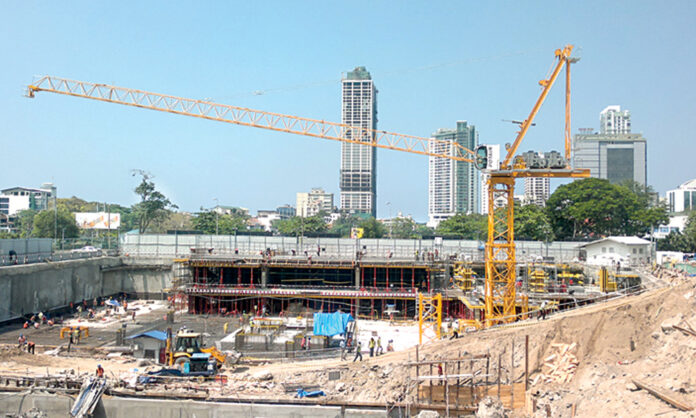
Pakistan’s development project backlog has surged to Rs10.818 trillion, highlighting the growing challenge of completing hundreds of ongoing public-sector schemes amid limited fiscal resources.

Over 9,000 incidents of diesel and electricity theft, along with prolonged power outages, disrupted Pakistan’s telecom infrastructure in the last 11 months, posing a major challenge to the sector, according to Pakistan Telecommunication Authority (PTA) documents available with Wealth Pakistan.

Pakistan's ongoing federal development projects will require about three times the resources currently available under the proposed Public Sector Development Programme (PSDP) framework for FY2026-27, according to official planning documents.
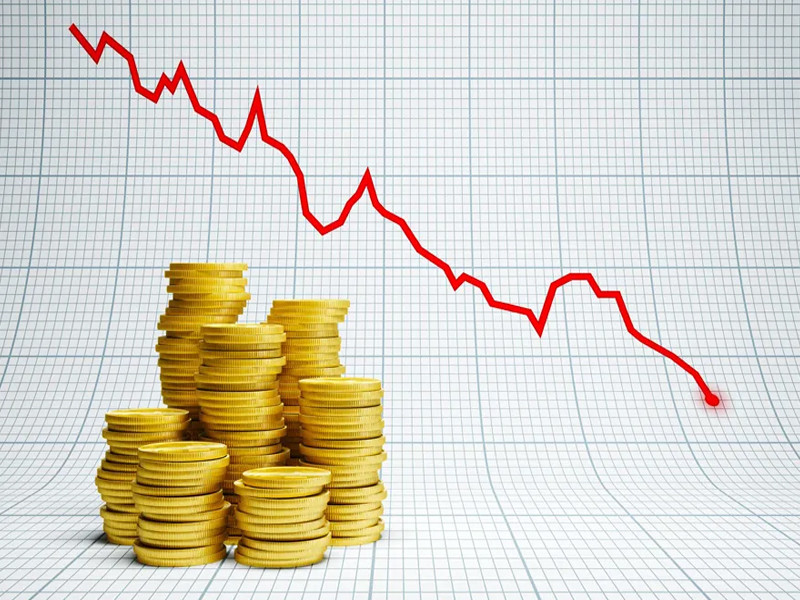
The government has introduced a new project prioritisation framework, known as the “Rockfill Strategy,” to manage mounting development commitments and ensure that limited Public Sector Development Programme (PSDP) resources are directed towards projects with the greatest strategic importance.
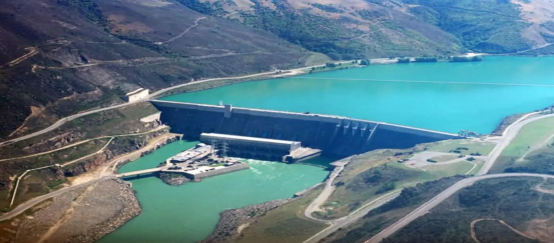
Major water-sector projects, particularly large dams and hydropower schemes, have emerged as one of the biggest contributors to Pakistan’s growing development liabilities, with financing requirements running into hundreds of billions of rupees.
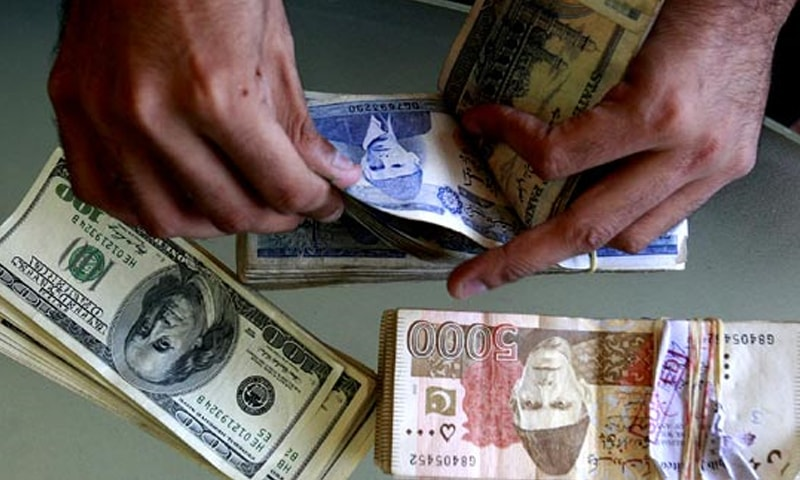
Foreign-funded development projects are placing increasing pressure on Pakistan’s public finances as the government struggles to meet growing rupee-cover requirements needed to support externally financed schemes.
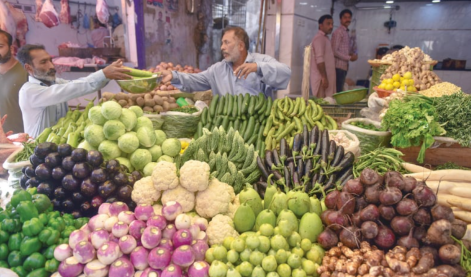
Consumers received some relief in May as prices of several key food items, particularly vegetables and poultry products, declined significantly on a month-on-month basis, according to data released by the Pakistan Bureau of Statistics (PBS).
The federal government continues to allocate significant development resources to projects falling within provincial domains despite the devolution of many sectors under the 18th Constitutional Amendment, according to official planning documents.

Pakistan's digital transformation initiatives continue to receive federal development support despite mounting fiscal pressures and growing competition for limited Public Sector Development Programme (PSDP) resources.
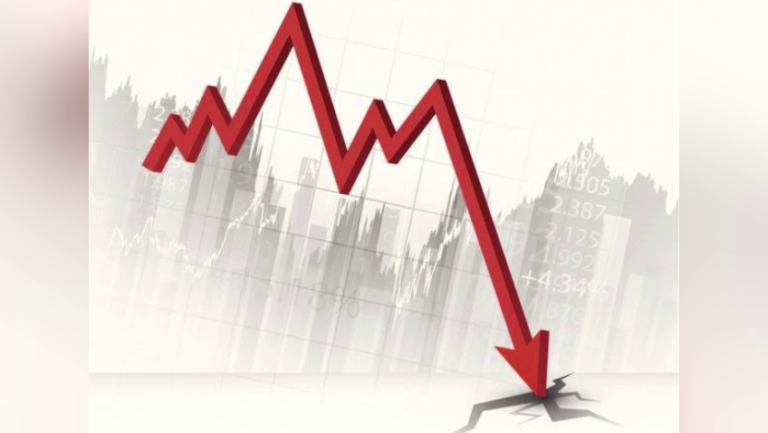
Pakistan’s development spending has failed to keep pace with the expansion of the federal budget and the overall economy over the past decade, raising concerns about the country’s capacity to finance infrastructure and development priorities.
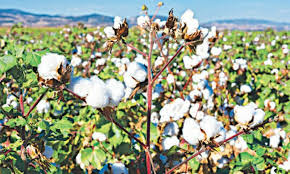
Punjab's cotton crop, the backbone of Pakistan's textile industry, is showing encouraging signs as major pest infestations remain under control and no cases of Cotton Curl Leaf Virus (CCLV) have been detected so far this season, according to the latest official monitoring report.

China’s targeted approach to financing small and medium enterprises (SMEs) offers valuable experience for Pakistan as it seeks to expand affordable credit, strengthen productive sectors and enable smaller businesses to play a larger role in job creation, exports and industrial growth, experts say.

Pakistan’s exploration of blockchain-based sovereign bonds could diversify the country’s debt financing channels, attract a broader pool of investors and modernise capital-market infrastructure, provided the initiative is supported by a robust regulatory framework, strong investor protections and secure digital systems, experts say.
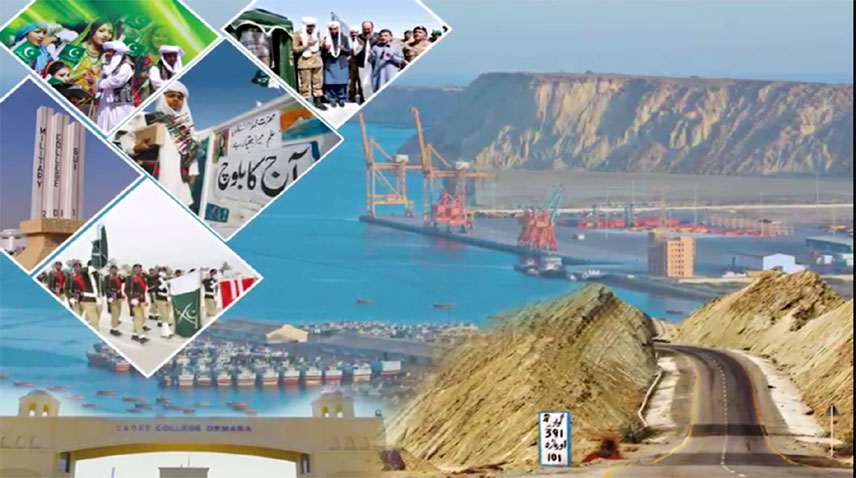
Balochistan is set to remain a major beneficiary of federal development spending in FY2026-27, with dedicated allocations proposed for infrastructure, connectivity and regional development projects despite growing fiscal constraints.
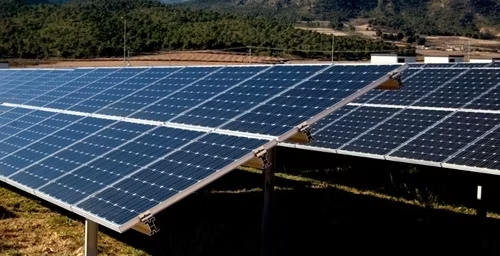
The revision of net metering to net billing will affect only three-phase commercial and industrial consumers, while 90 percent of single-phase consumers will remain unaffected, according to a media brief available with Wealth Pakistan.

Around two million single-phase electricity consumers have registered under a QR code system launched to verify subsidy eligibility, as Pakistan’s residential and agricultural power subsidy bill has reached Rs527 billion.

Jun 2, 2026
The Pakistan Stock Exchange (PSX) extended its strong upward momentum in May 2026, with the benchmark KSE-100 Index gaining 10,969 points month-on-month to close at 173,963, delivering a return of 6.7 percent amid improving investor sentiment and easing geopolitical concerns.
Pakistan’s liquid foreign exchange reserves rose to $22.646 billion by May 22, 2026, reflecting a notable improvement in the country’s external liquidity position and strengthening its capacity to meet external payment obligations.

In a major move, Pakistan Railways (PR) has decided to outsource its nationwide schools network under a long-term Public-Private Partnership (PPP) framework, according to documents available with Wealth Pakistan.

As supply chains across the Asia-Pacific continue to undergo a major realignment, Pakistan is increasingly positioning itself as a regional trade connector, offering alternative transit routes that can reduce delays, diversify trade corridors and enhance resilience against geopolitical and shipping disruptions.
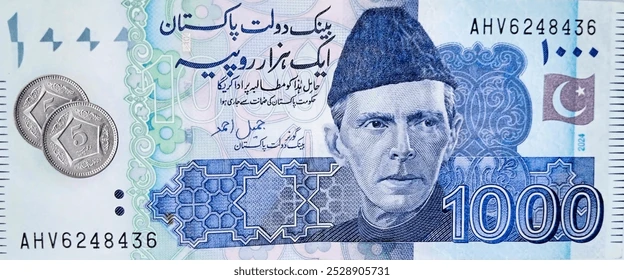
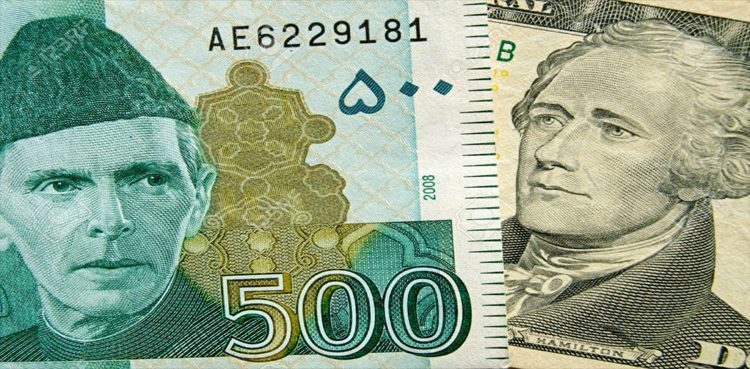
The Pakistani rupee remained broadly stable against major international currencies during May 2026, posting a modest appreciation against the US dollar amid improving foreign exchange reserves and steady market sentiment.

Oil and Gas Development Company Limited (OGDCL) has significantly accelerated the monetisation of its hydrocarbon discoveries, and its latest additions contributed around 9,734 barrels per day (BPD) of oil and 74.25 million standard cubic feet per day (MMSCFD) of gas, representing the strongest production gains during the first 10 months of the fiscal year 2025-26.

The Ministry of Energy is working on a time-of-use (ToU) electricity package for the industrial sector that would allow manufacturers to utilize surplus daytime power at significantly lower rates, as Pakistan seeks to balance a rapidly changing demand profile driven by large-scale solar adoption.
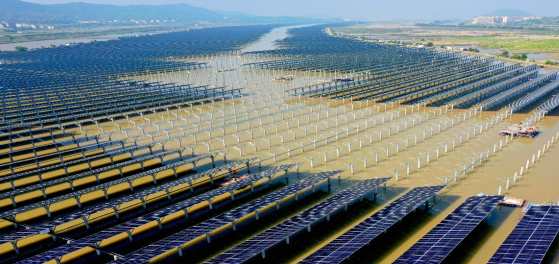
The rapid expansion of Chinese clean-tech financing and overseas green industrial investment is creating fresh opportunities for Pakistan’s Special Economic Zones (SEZs), as the country seeks to attract export-oriented manufacturing, renewable energy equipment production and electric vehicle-related industries.
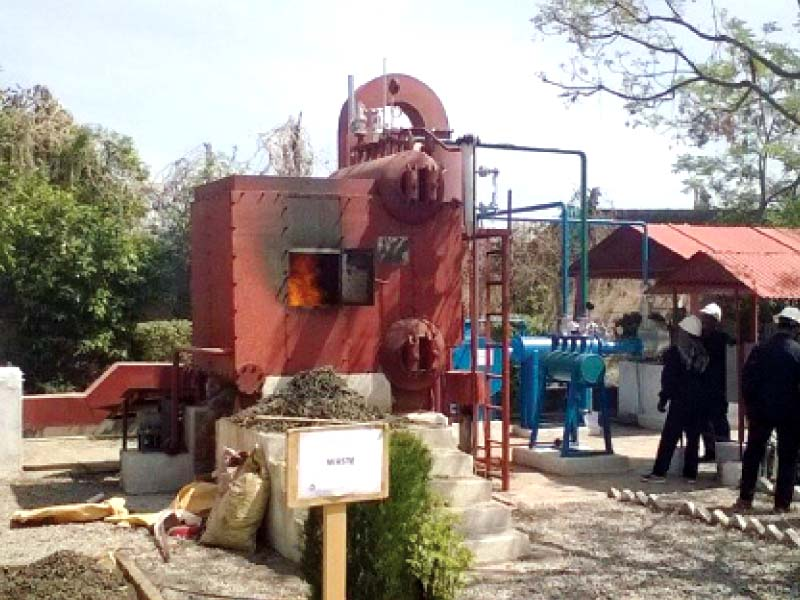
China’s waste-to-energy model offers insights for Pakistan as the country struggles with rising municipal solid waste, weak segregation systems, shrinking landfill space and an energy sector that needs cleaner and locally available generation sources.

Meanwhile, the price of silver declined by Rs190 per tola to Rs5,578, while the price of 10 grams of silver fell by Rs163 to Rs4,782.
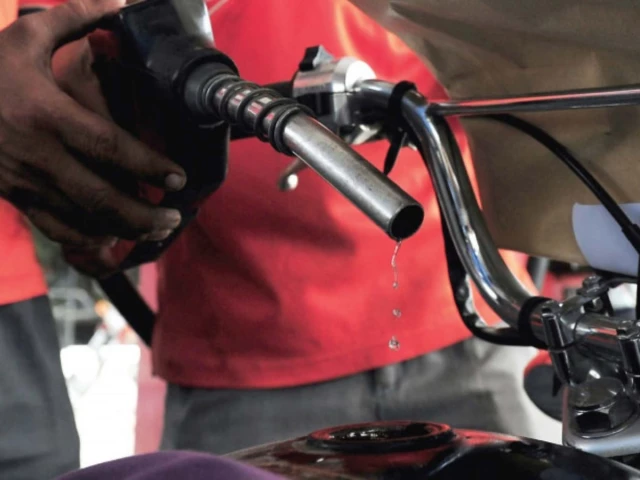
The federal government on Wednesday decreased the price of petrol by Rs3 per litre and that of high-speed diesel (HSD) by Rs7 per litre for November 12.
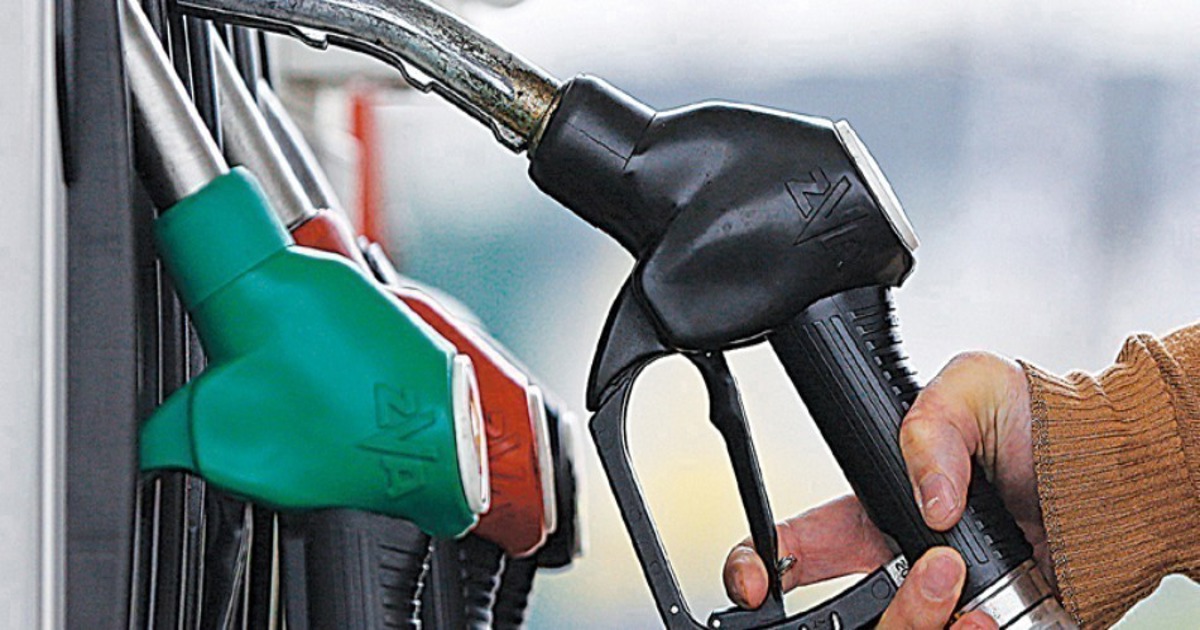
The Oil and Gas Regulatory Authority (OGRA) has revised the ex-depot prices of petroleum products, reducing the price of Motor Spirit (petrol) by Rs3.00 p
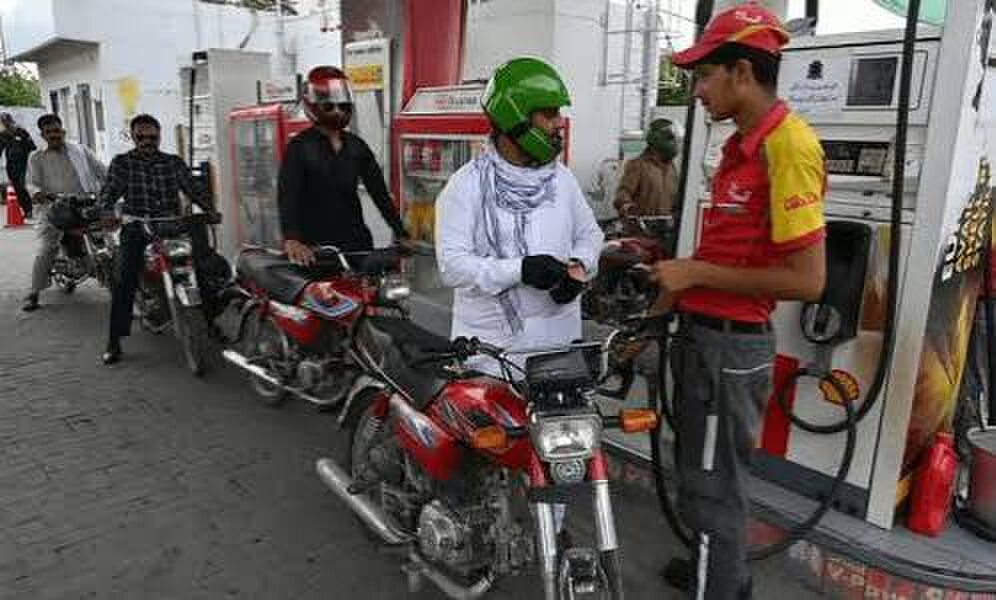
Pakistan government on Wednesday reduced the price of petrol by Rs3 to Rs335 per litre and the price of high-speed diesel (HSD) by Rs7 to Rs364 per litre, effective Thursday, November 12.

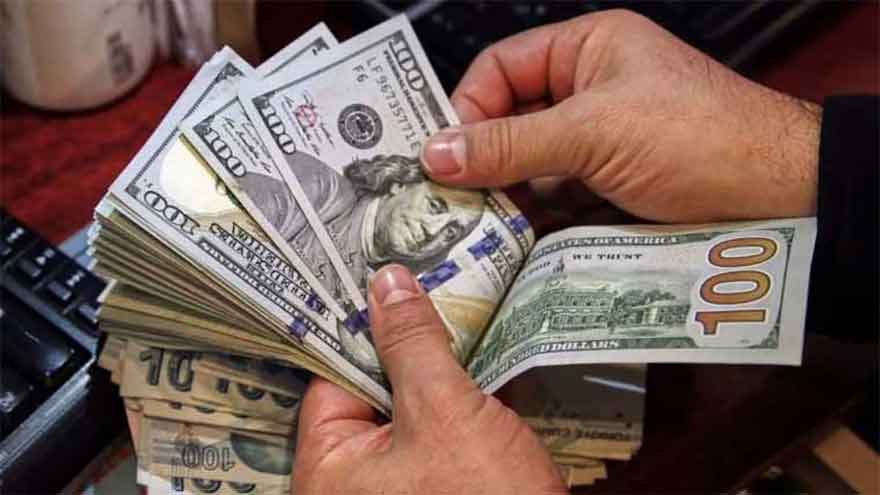
The Pakistani rupee gained three paisa against the US dollar, which closed at Rs276.62 in the interbank market on Wednesday.
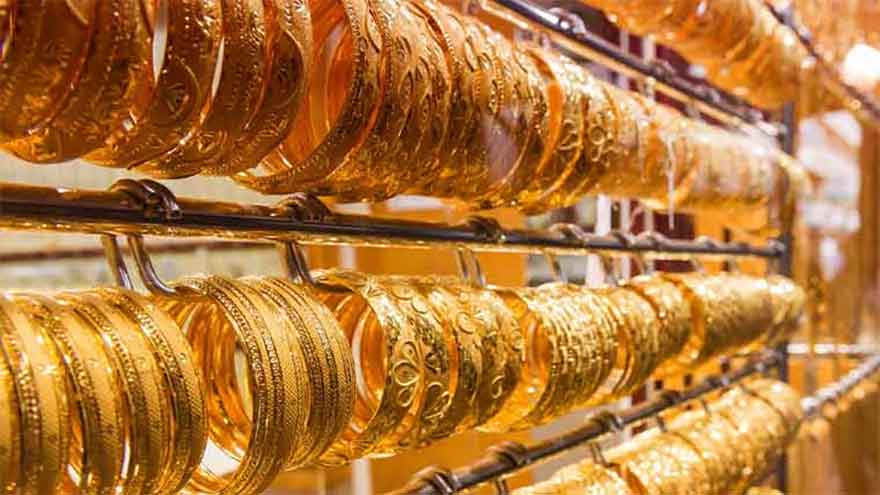
Gold prices declined by Rs3,400 per tola in Pakistan as international rates fell, while silver gained Rs45 to reach Rs5,768 per tola.

Gold prices in Pakistan decreased on Wednesday in line with their loss in the international market. In the local market, gold price per tola reached Rs427,436 after a decline of Rs3,400 during the day.
Federal Public Sector Development Programme (PSDP) spending stood at Rs103.88bn in the first four months (July-October) of FY27, equal to 10.4pc of the Rs

The Pakistan Stock Exchange (PSX) continued its positive run in mid-day trading on Wednesday, with the benchmark KSE-100 Index rising 1,111.05 points, or 0.62 per cent, to 180,446.29.

Pakistan Stock Exchange stages a sharp recovery as KSE-100 reverses early losses and gains over 1,400 points despite renewed tensions in the Strait of Hormuz.

The government of Pakistan has acquired an additional debt of Rs571.36 billion during the week ended October 30, 2026, which brings its total net retireme

The US dollar was quoted at Rs278.44 for selling and Rs275.44 for buying in Pakistan's currency exchange market on Wednesday, according to exchange rate data released on November 11, 2026.
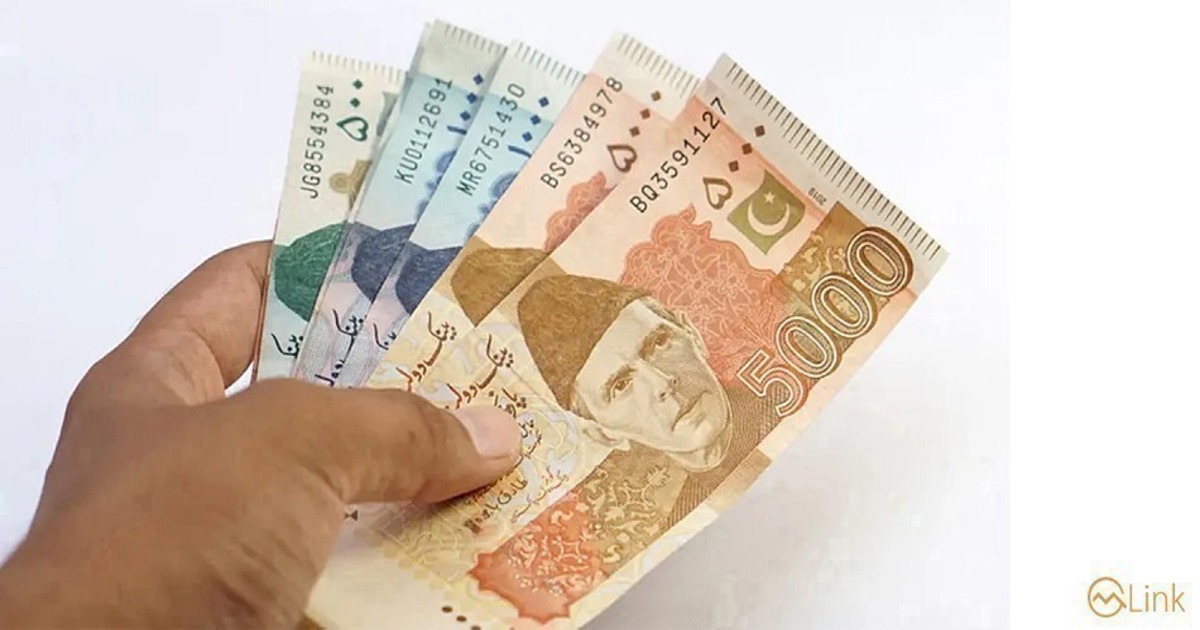
Broad money (M2), the most widely used measure of money supply in Pakistan, rose by Rs830.33 billion WoW to Rs45.15 trillion as of October 30, 2026, data

KARACHI, Nov 11 (APP):The following are the selling/buying rates of major currencies issued by the National Bank of Pakistan (NBP), here on Wednesday.

Foreign exchange rates in Pakistan for today, November 11, 2026

Pakistan Stock Exchange opened higher on Wednesday, with the KSE-100 Index gaining 309 points to reach 179,600. The market had surged 5,448 points in Tuesday’s session, closing at 179,335.
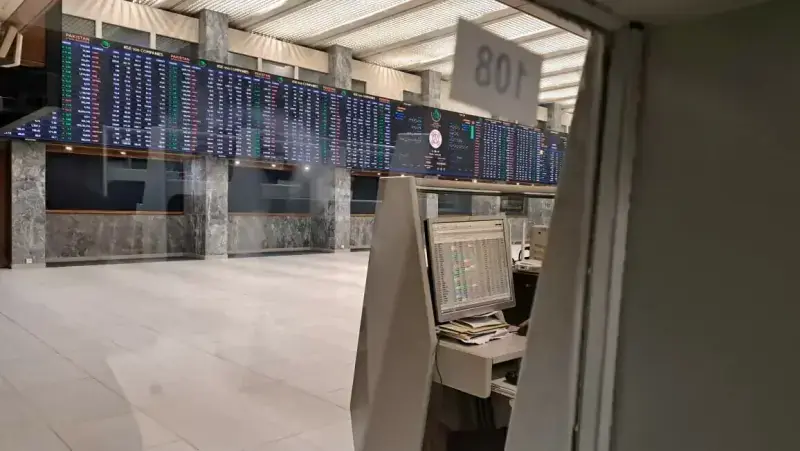
Selling was observed at the Pakistan Stock Exchange (PSX) amid concerns about ongoing attacks on shipping in the Strait of Hormuz, with the benchmark KSE-100 Index shedding over 500 points during the opening minutes of trading on Wednesday.

The Pakistan Stock Exchange (PSX) staged a powerful rally on Tuesday as investors returned from the long weekend with renewed buying interest, driving the KSE-100 index up by over 5,400 points amid support from strong remittances and easing international oil prices.

Silver price in Pakistan for today, November 11, 2026

Gold price in Pakistan for today, November 11, 2026
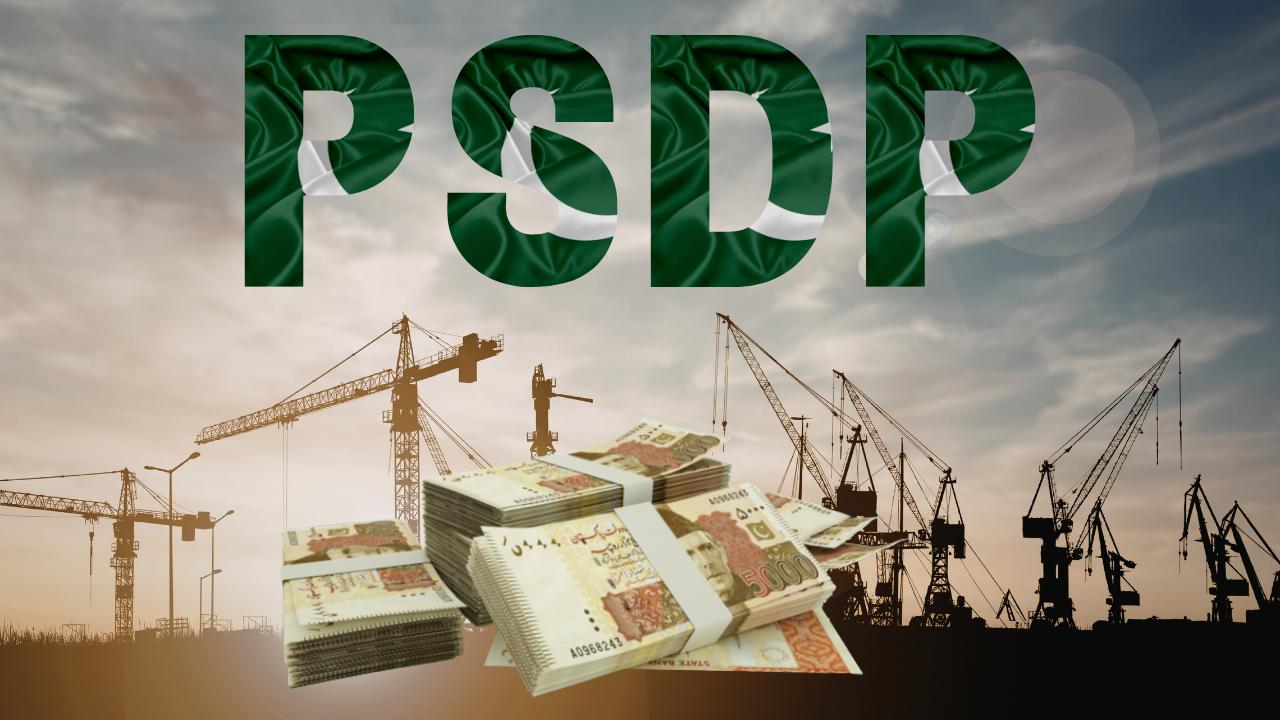
Pakistan authorises Rs412.29 billion in PSDP funds during July–October FY2027, but actual development spending stands at just Rs103.88 billion.

Ministries, divisions utilise just Rs103.87bn in July-October against Rs1tr allocation
KARACHI: Workers’ remittances increased by 13.8 per cent year-on-year in October, taking cumulative growth to 14pc...
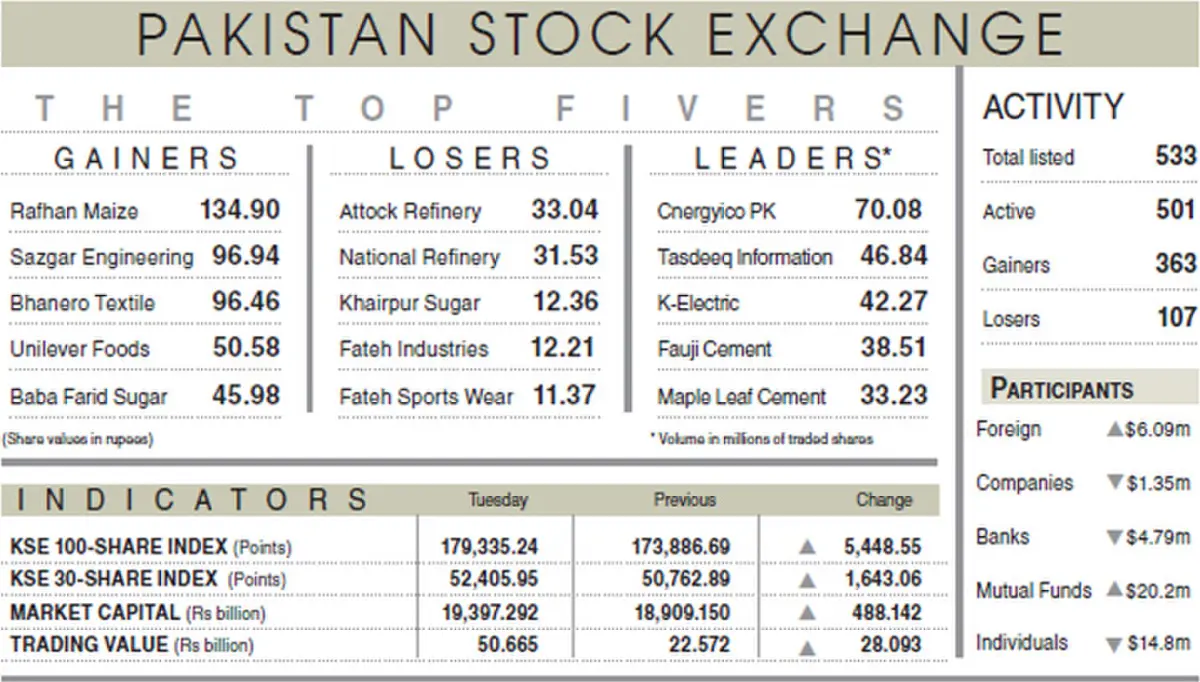
Settles above 179,000 on broad-based buying as fears of US-Iran escalation diminish

ISLAMABAD: The ex-depot price of petrol has been reduced by Rs8 per litre, bringing the retail price down from Rs346 to Rs338 per litre. Similarly, High-Speed Diesel (HSD) saw a price cut of Rs7 per litre, lowering its rate from Rs378 to Rs371 per litre for November 11.

Flying Cement Company Limited (PSX: FLYNG) was incorporated in Pakistan as a public limited company in 1992. The company is engaged in the manufacturing, marketing and sale of cement.

ISLAMABAD - Pakistan’s exports of advertising and market research services rose 19 percent year-on-year to $30.7 million in July–September 2026, up from $25.8 million in the same quarter last year, State Bank of Pakistan data shows. The figures set the backdrop for Payoneer Connect Lahore, where more than 40 marketing agencies met to explore how to win clients abroad and scale with them.
ISLAMABAD - The federal government has authorised development funds amounting to Rs412.294 billion under the Public Sector Development Programme (PSDP) during the first four months (July-October) of fiscal year 2026-27, against a total allocation of Rs1 trillion. According to the latest Ministry of Planning, Development and Special Initiatives data released on Tuesday, the PSDP 2026-27 allocation comprises Rs682.485 billion for federal ministries, Rs312.515 billion for corporations, Rs4 billion for project liabilities and Rs1 billion for new initiatives under CPEC 2.0. Against the total allocation of Rs1 trillion, Rs412.294 billion was authorised while development expenditure stood at Rs103.876 billion during July-October 2026.
ISLAMABAD - Overseas workers’ remittances to Pakistan recorded healthy growth of 13.8 percent, reaching $3.9 billion in October 2026. According to the latest data released by the State Bank of Pakistan, remittances stood at $3.9 billion in October 2026, compared with $3.42 billion in the same month last year, reflecting an increase of 13.8 percent.