WealthPKNews

WealthPK News

Image for: From stabilisation to growth

From stabilisation to growth
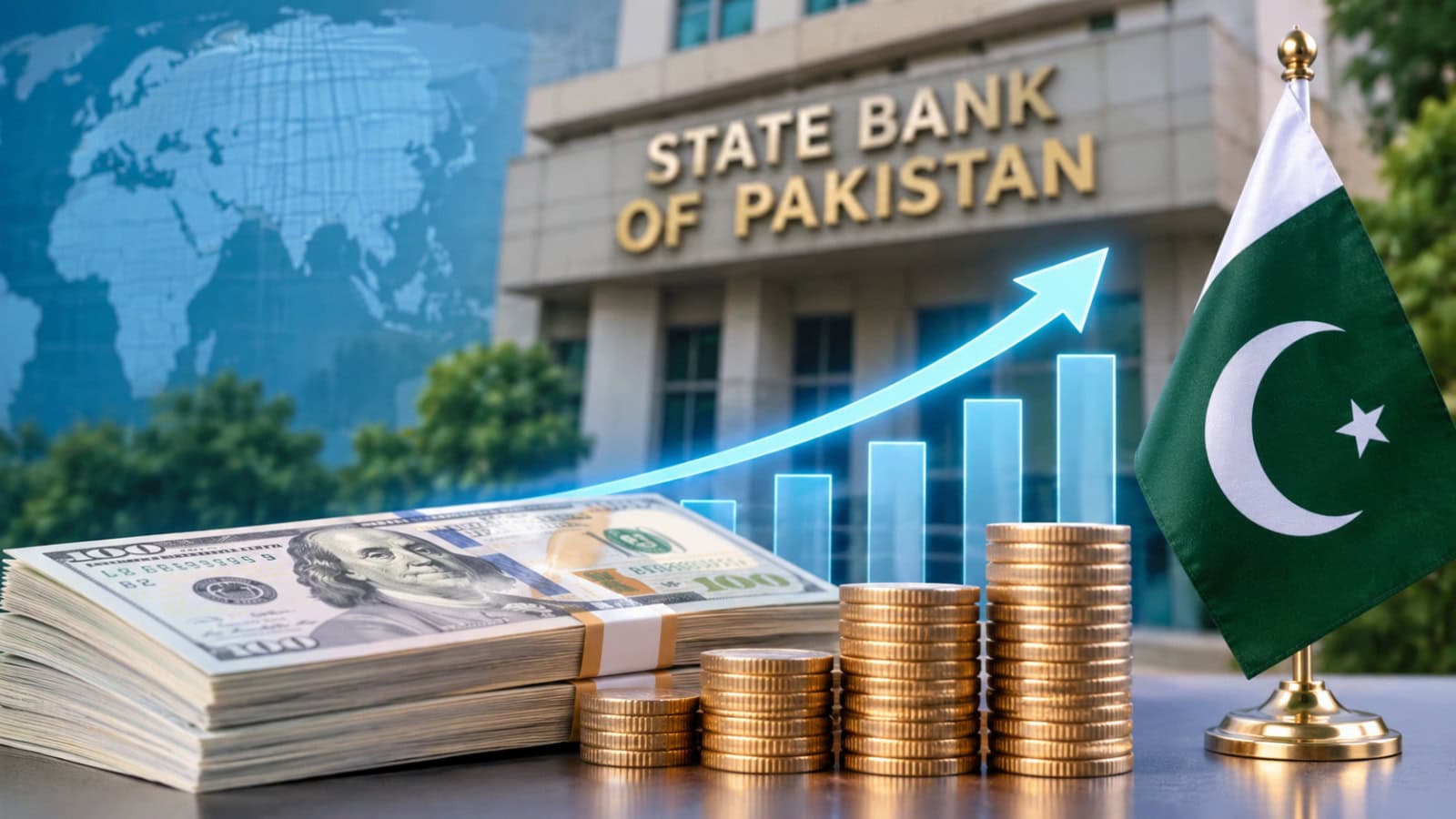
Pakistan may have stabilised its economy, but it has yet to make that stability work. Inflation is no longer at crisis levels, external pressures have eased and foreign exchange reserves have recovered. Yet these improvements have not translated into a corresponding sense of opportunity for businesses or households. For the young graduate, the small manufacturer or the entrepreneur trying to expand, macroeconomic stability remains a distant statistic unless it creates jobs, investment and rising incomes.
Tribune
Image for: No straight path for markets

No straight path for markets

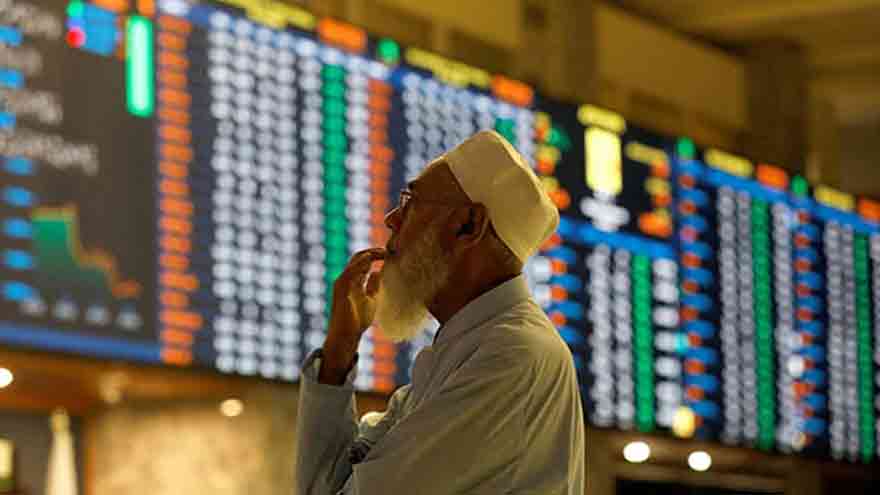
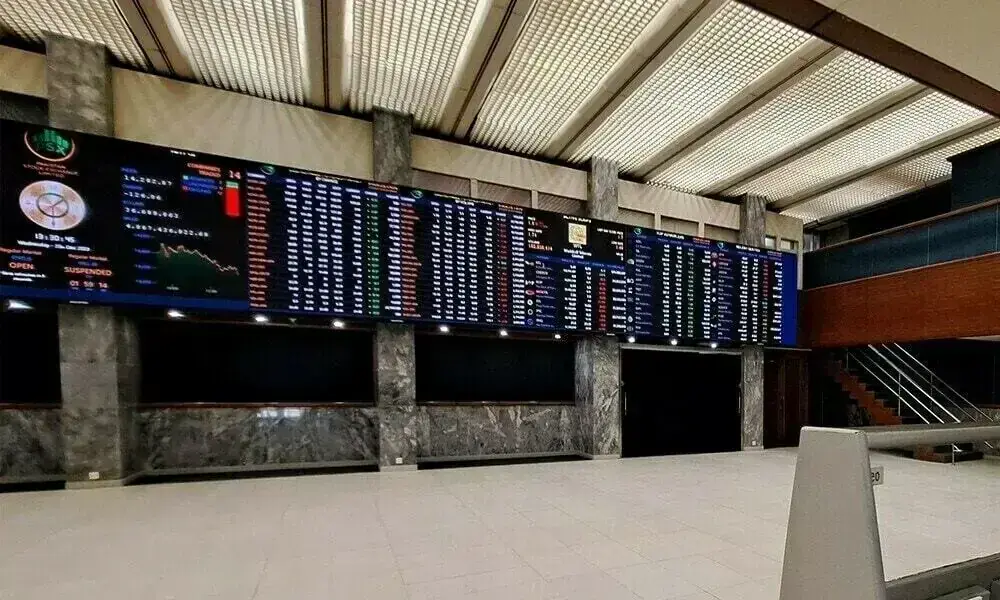
Pakistan stock market's extraordinary rally from around 40,000 to beyond 180,000 in 2.5 years from June 2023 to January 2026 reflected improving fundamentals (from low 3.5x price-to-earnings (P/E), liquidity (rate cut from 22% to 11.5%), sentiment and diplomatic goodwill. Much good news arrived – and was priced in remarkably quickly. After roughly eight frustrating months, investors are questioning equities and eyeing property or fixed income. With the index closing October 1 near 168,637, disappointment is understandable. But consolidation after an exceptional advance does not invalidate the investment case.

Tribune

WealthPK Reports

Image for: AIIB-World Bank cooperation strengthens prospects for infrastructure investment

AIIB-World Bank cooperation strengthens prospects for infrastructure investment

Closer cooperation between the Asian Infrastructure Investment Bank (AIIB) and the World Bank Group is creating new opportunities for infrastructure investment in developing economies, as the two institutions seek to expand co-financing, mobilise private capital and support major development projects at a time when high borrowing costs and limited fiscal resources are restricting public investment.

WealthPK Reports
Image for: From manufacturing to innovation: What China's pharmaceutical shift means for Pakistan

From manufacturing to innovation: What China's pharmaceutical shift means for Pakistan

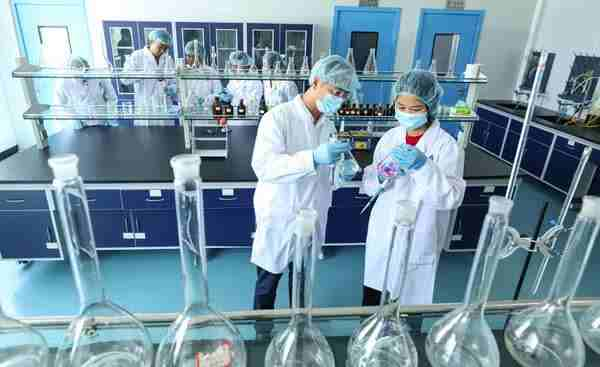
ISLAMABAD, Oct 23 (INP-Wealth Pakistan) -- China's biotechnology sector is expanding its role in the global pharmaceutical industry, moving beyond the manufacturing of conventional medicines and pharmaceutical ingredients to the development and international licensing of innovative drugs, as growing demand for Chinese-developed therapies creates new opportunities for international research and commercial partnerships.

WealthPK Reports
Image for: Fed's cautious rate outlook opens borrowing opportunities for emerging economies

Fed's cautious rate outlook opens borrowing opportunities for emerging economies

ISLAMABAD, Oct 22 (INP-Wealth Pakistan) -- Expectations of a cautious approach to further interest-rate increases by the US Federal Reserve are creating potential borrowing opportunities for emerging economies, as greater policy predictability could help stabilise capital flows, reduce financial market volatility and allow governments and businesses to plan external financing more effectively.

WealthPK Reports

Data News

Image for: SECP enrols 5,003 new companies in Oct

SECP enrols 5,003 new companies in Oct

ISLAMABAD - The Securities and Exchange Commission of Pakistan (SECP) registered 5,003 new companies in October 2026, bringing the total number of registered companies in the country to 321,794. The eZfile portal, integrated with federal and provincial systems, enabled 99.9% of the new registrations to be completed online. Private limited companies accounted for the largest share of new incorporations, with 2,773 companies (55.4%), followed by 2,079 single member companies (41.6%). The registrations also included 105 Limited Liability Partnerships (2.1%), 39 Section 42 (not-for-profit) licensed companies (0.8%) and 7 other entities (0.1%), comprising 4 public companies, 2 foreign companies and 1 trade organisation. Punjab recorded the highest number of incorporations at 2,663 (53.2%), followed by Islamabad Capital Territory with 934 (18.7%), Sindh with 751 (15%), Khyber Pakhtunkhwa with 382 (7.7%), Gilgit-Baltistan with 162 (3.2%) and Balochistan with 111 (2.2%). The information techno

The Nation