
Business circles disappointed over SBP rate pause
• Call for a cut in next MPC meeting to support industrial recovery • OICCI, PBC term SBP decision ‘balanced, prudent’
DAWN
Finance minister asks parliament to clear supplementary grants that dwarf last year’s Rs895bn
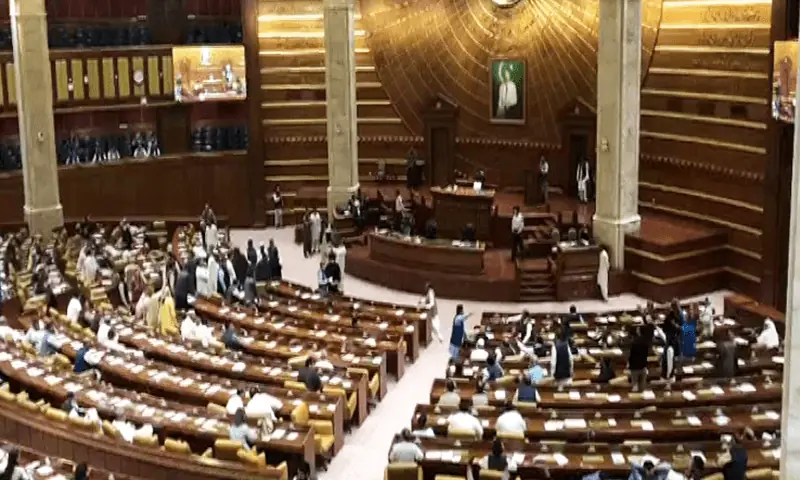
The proposed hike in salaries of Punjab government employees is expected to be in line with raise announced by the Centre; Balochistan Assembly to hold budget session tomorrow.
Pakistan’s slow slide back into macroeconomic decline appears halted, with the new budget offering a glimmer of hope amid renewed geopolitical stability.

Govt signals gradual end to super tax; State minister says target of bringing 3.5m retailers into tax net in one year ‘unrealistic’.

KARACHI: Experts have called for long-term policy consistency, stronger infrastructure and increased investment in research to accelerate the growth of Pakistan’s electric vehicle (EV) industry, during a webinar on the federal budget 2026-27 organised by Indus Consortium.
LAHORE: The Lahore Chamber of Commerce and Industry (LCCI) has appreciated Prime Minister Shehbaz Sharif and his economic team for presenting a balanced, business-friendly and growth-oriented Federal Budget 2026-27, describing it as a positive step towards economic stability, investment promotion and sustainable growth.
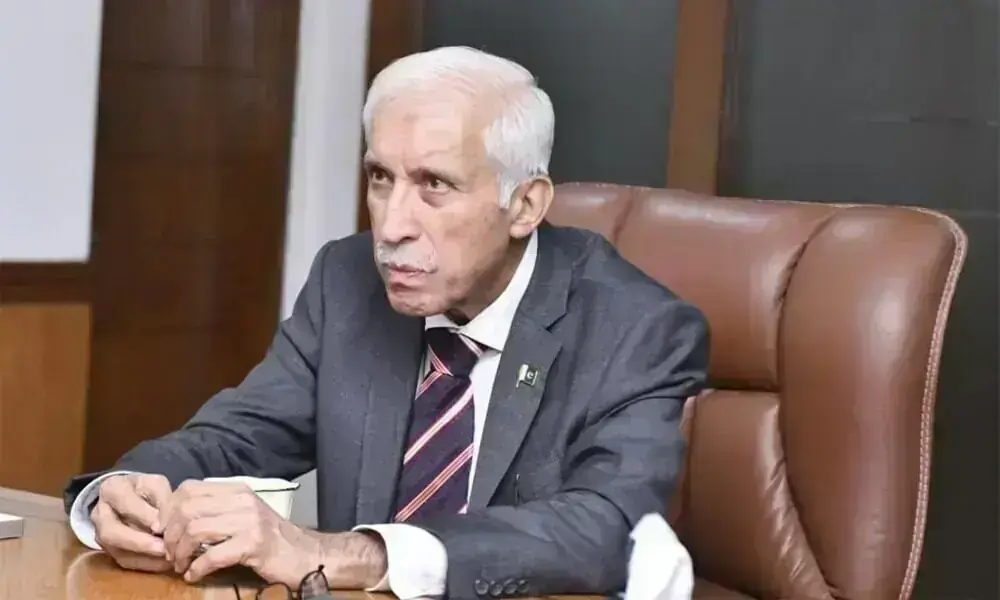
ISLAMABAD: Federal Minister for Investment Qaiser Ahmed Sheikh on Monday called for strengthening Pakistan’s business environment through investment, innovation, and export-led growth.

ISLAMABAD: Around 100,000 small shopkeepers and retailers across Pakistan will contribute Rs 25,000 each to avail the benefits of the new fixed tax scheme from July 1, 2026.
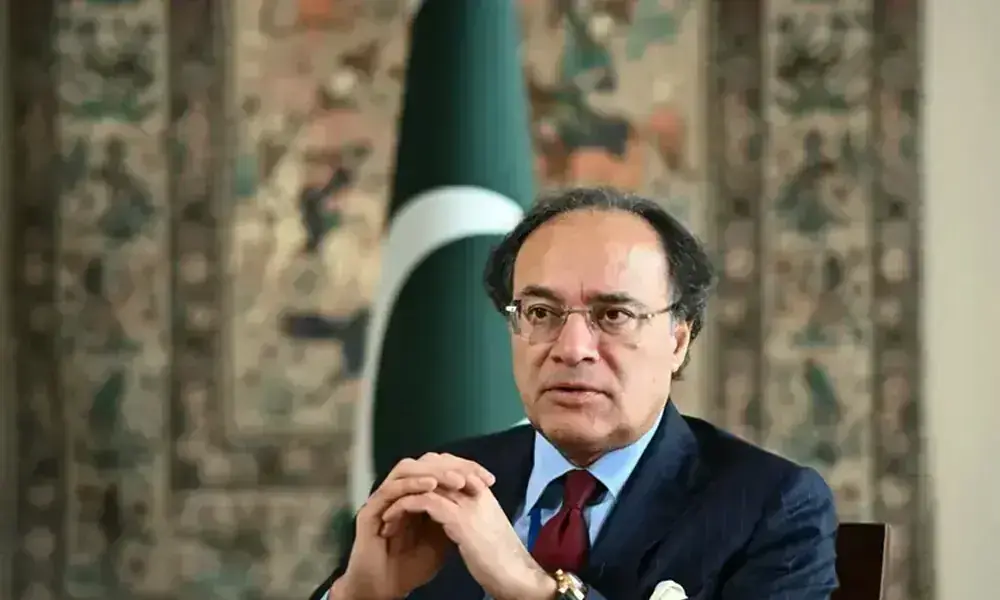
ISLAMABAD: Finance Minister Muhammad Aurangzeb on Monday acknowledged that Pakistan’s exports have remained largely stagnant over the past five years and indicated that the super tax would eventually be phased out. He warned that the existing business operating model has run its course and urged the industrial sector to adopt innovation, as the government works to create an enabling environment for export-led growth.

NEW YORK: U.S. natural gas futures hit a more than two-week low on Monday, in step with a sharp oil price drop, and as weather forecasts pointed to cooler temperatures for the rest of June.
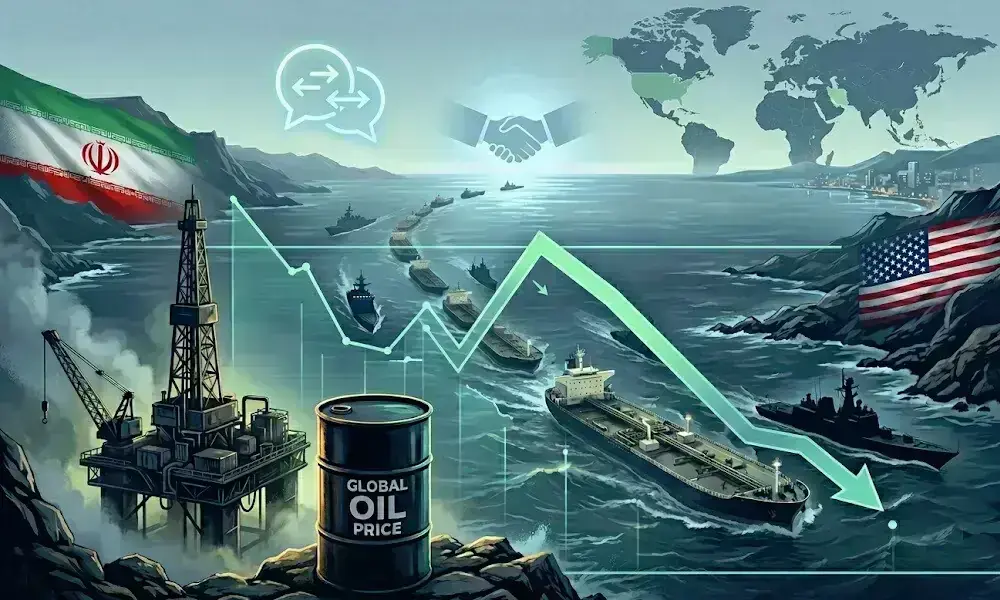
HOUSTON: Oil prices settled down USD4 a barrel to a three-month low on Monday after President Donald Trump said the United States and Iran have signed a memorandum of understanding aiming to end the Iran war and reopen the Strait of Hormuz.
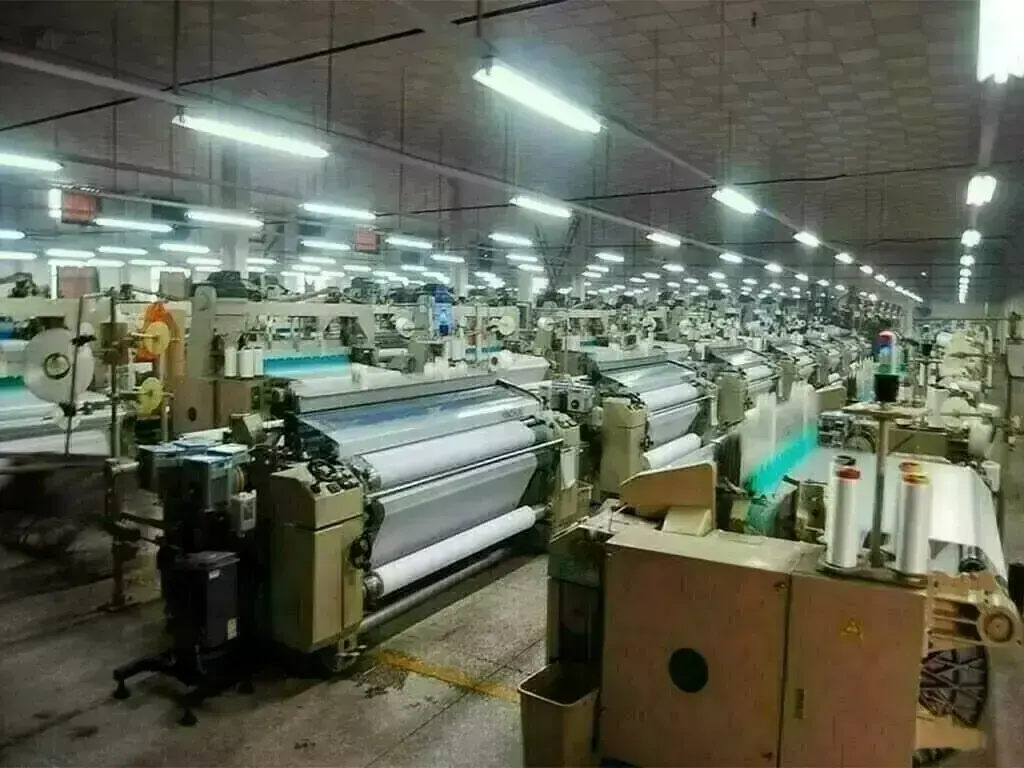
ISLAMABAD: The Large Scale Manufacturing (LSM) sector recorded a growth of 6.44 percent during the July–April 2025-26 period as compared to the same period of the last year, provisional data released here on Monday by Pakistan Bureau of Statistics (PBS) said.
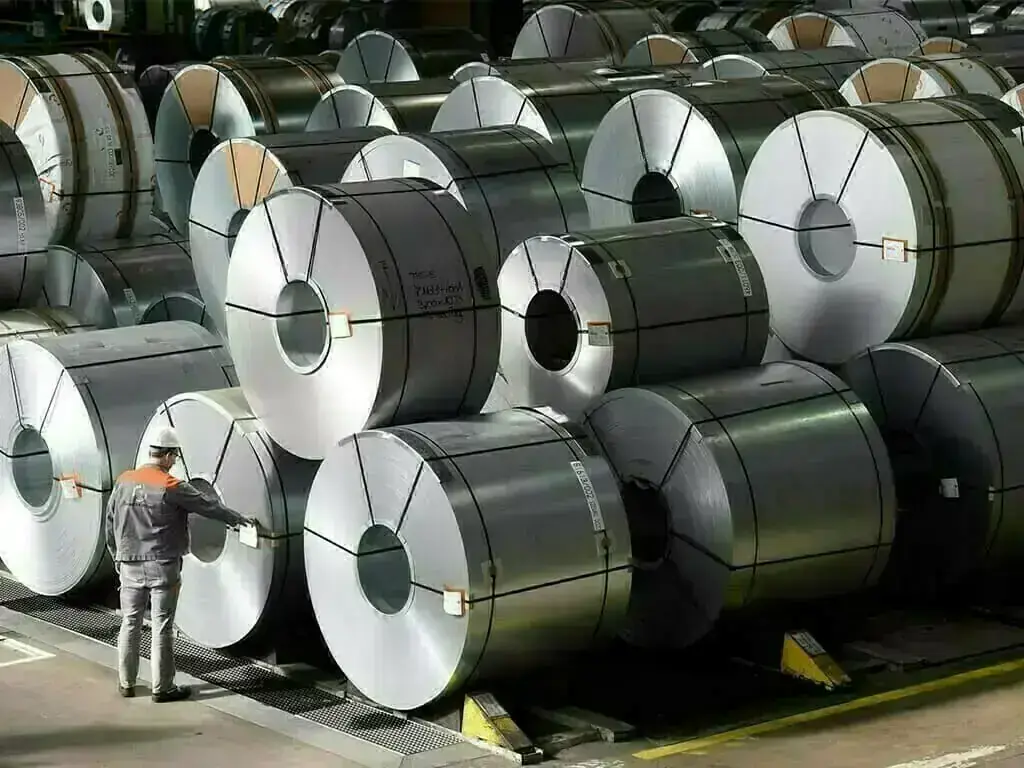
LONDON: Aluminium prices fell to their lowest level in two-and-a-half months on Monday as a U.S.-Iran framework agreement to end their war improved prospects for deliveries from Gulf producers, even though shippers were still cautious on transit through the Strait of Hormuz.
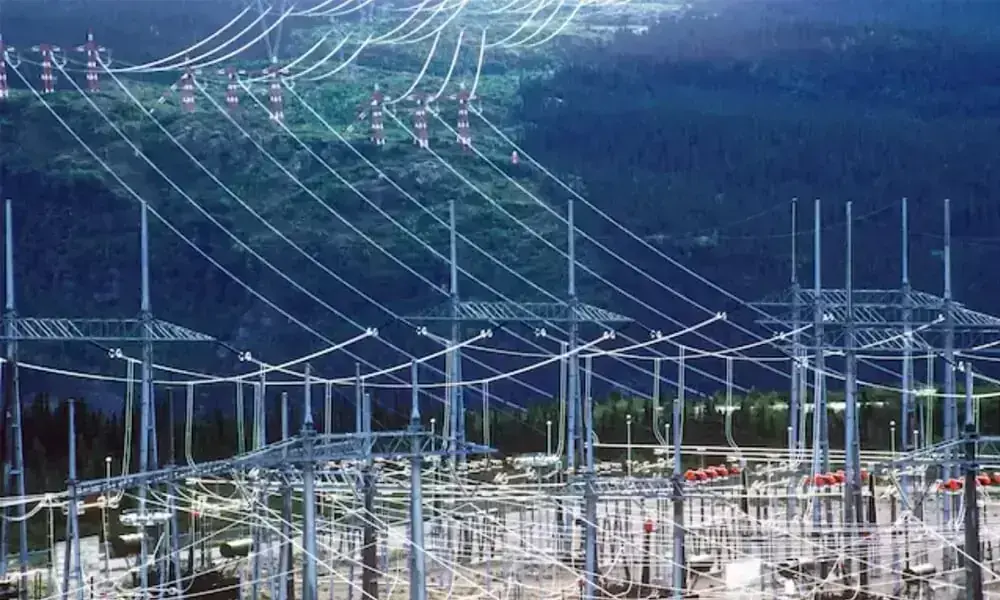
At first glance, the FY27 federal budget appears short on surprises for the power sector. The headline subsidy allocation looks largely in line with expectations. But a closer look at the Rs248 billion earmarked for the Inter-DISCO Tariff Differential Subsidy raises an obvious question. Why is it virtually unchanged from last year?
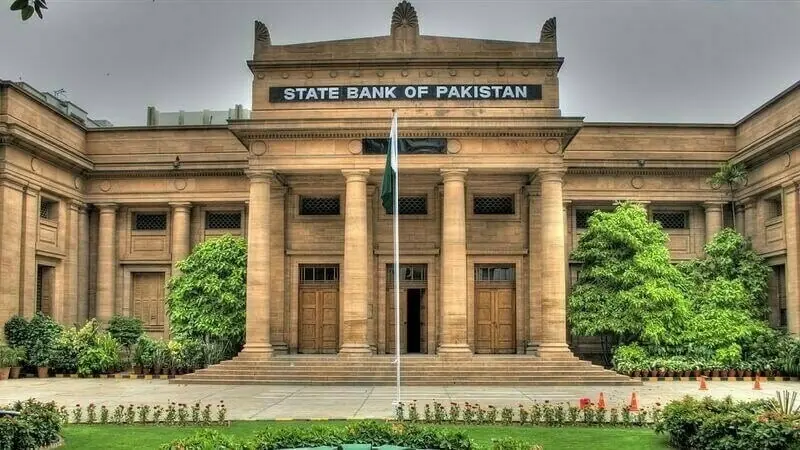
As expected, the SBP kept the policy rate unchanged at 11.5 percent. Overall, the stance is hawkish, and barring any shock—whether from energy prices or climate-related events—inflation is likely to taper off over the next few months. Analysts, and perhaps the SBP, expect inflation next year to remain between 7 and 9 percent, which is higher than the SBP’s medium-term target range of 5–7 percent. Hence, maintaining real rates of 2–3 percent is prudent.

ISLAMABAD: The Senate Standing Committee on Finance and Revenue asked the Telecom Operators’ Association (TOA) to provide written justification for its claim that reducing the advance tax on telecom services from 15 percent to 8 percent would lead to an increase in government revenue.

KUALA LUMPUR: Malaysia has lowered its July crude palm oil reference price to a level that maintains the export duty at 10 percent, a circular on the Malaysian Palm Oil Board website showed on Monday.
KARACHI: A business leader and provincial convener of the Awam Pakistan Party Balochistan, Syed Aman Shah, has strongly criticized the budget, describing it as contrary to people’s expectations and country’s economic needs.
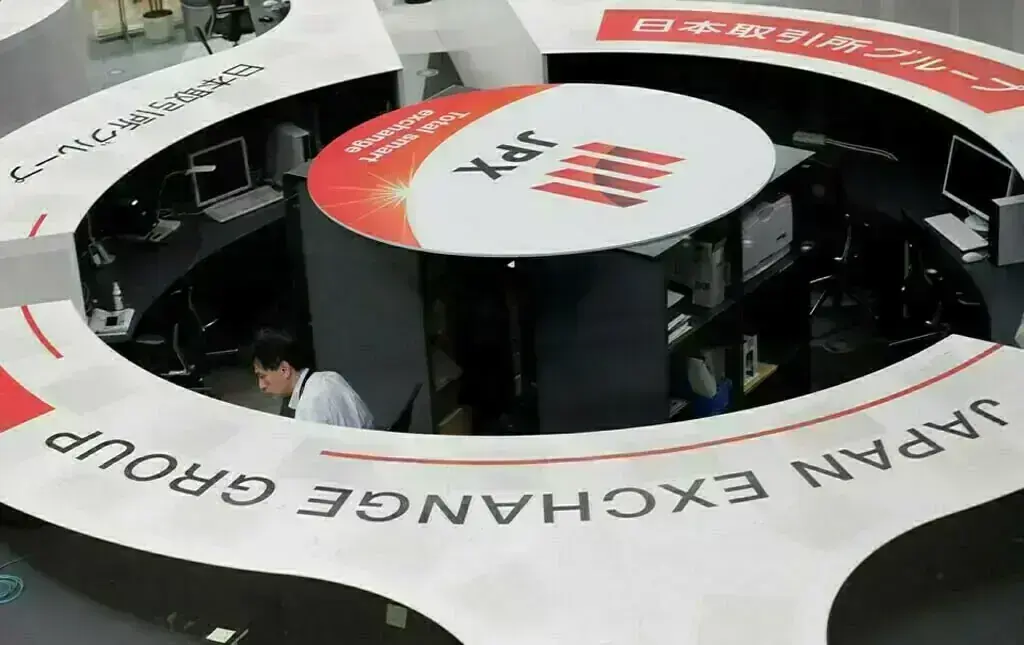
TOKYO: Japan’s Nikkei share average rallied to an all-time high, while government bond yields tumbled on Monday, after news that the United States and Iran had agreed on a framework for a deal to end their war, fuelling relief across markets.
Data Agro Limited (PSX: DAAG) was incorporated in Pakistan as a private limited company in 1992 and was converted into a public limited company in 1994. The company is engaged in the production and processing of agro seeds. Another activity of the company is the delinting of cotton crops.

ISLAMABAD - National Assembly Standing Committee on Finance and Revenue Monday expressed serious concerns regarding the potential revenue implications of the proposed concessions in the budget and the adequacy of efforts to broaden the tax base.
ISLAMABAD - The Senate Standing Committee on Finance and Revenue Monday continued its detailed examination of the Finance Bill 2026 under the chairmanship of Senator Saleem Mandviwalla, holding its third consecutive session to conduct a clause-by-clause review of the Income Tax Ordinance, 2001 and deliberate on a wide range of fiscal, taxation, industrial and revenue-related proposals.
ISLAMABAD - The Telecom Operators’ Association (TOA) has welcomed the federal budget 2026–27 and acknowledged the government’s efforts to maintain macroeconomic stability while supporting Pakistan’s long-term development priorities. The association believes the budget contains several positive measures that reflect the government’s continued recognition of the importance of digital connectivity and the digital economy. TOA particularly appreciated measures that support investment, affordability, and digital adoption. These include the government’s indication to reduce customs duties on raw material for local production of handsets, subject to enactment through the Finance Bill, which would improve device affordability and accelerate connectivity. The association also welcomed the rationalization of the super tax, which will help strengthen the investment environment and support growth across Pakistan’s digital economy.
KARACHI - Lucky Investments Limited (Lucky Investments), one of Pakistan’s fastest-growing Islamic Asset Management Companies, and DIB Pakistan, a subsidiary of Dubai Islamic Bank UAE, have entered into a strategic collaboration to broaden access to Shariah-compliant investment solutions across Pakistan.

LAHORE - Punjab Skills Development Fund (PSDF) and Migrant Resource Centre (MRC) Pakistan have signed a memorandum of understanding (MoU) to establish a coordinated framework for promoting safe, legal, and informed international migration among beneficiaries of PSDF - Parwaaz Card, Chief Minister Punjab’s initiative under Maryam Nawaz Hunarmand Naujawan.

KARACHI - IBA hosted a delegation of senior academics from Bangladesh Monday as part of an academic engagement hosted at the Main Campus. The visiting delegation comprised deans, vice chancellors, heads of departments, directors, faculty members, and senior representatives from leading Bangladeshi higher education institutions, including the University of Rajshahi, University of Dhaka, Chittagong University, Shahjalal University of Science & Technology, Jahangirnagar University, North South University, BRAC University, Asian University of Bangladesh, and Southeast University.

ISLAMABAD - Planning Minister Ahsan Iqbal on Tuesday said the federal government was not seeking a cut in the provinces’ share under the National Finance Commission (NFC) Award, however stressed that funding for the Benazir Income Support Programme (BISP) should be shared by the provinces.

ISLAMABAD - Pakistan’s power sector circular debt recorded an increase of Rs240 billion in the first 10 months (July-April) of the current fiscal year to reach Rs1.854 trillion against Rs1.614 trillion in June 2025.
ISLAMABAD - Pursuant to the Prime Minister’s vision to transform the National Tariff Commission by way of making it a credible robust and responsive organisation by way of digitalisation, an agreement signing ceremony took place between the National Tariff Commission (NTC) and the Pakistan Single Window (PSW). This ‘Agreement for Automation and Digitization’ of NTC’s Processes was signed by Dr Jawwad Uwais Agha, Chairman NTC, and Syed Aftab Haider, Chief Executive Officer PSW. At the occasion, Jam Kamal Khan, Federal Minister for Commerce, appreciated the recent achievements of the National Tariff Commission in moving speedily towards achieving its transformation. Stressing that digitalization was a catalyst for the NTC’s reform, he emphasized that, “A robust, digitalized NTC is essential for supporting a high-growth economy and ensuring that Pakistan’s trade defense mechanisms are aligned with global best practices.” Dr Muhammad Saeed, Technical Advisor to the Prime Minister, Jawad Pa

Jun 3, 2026
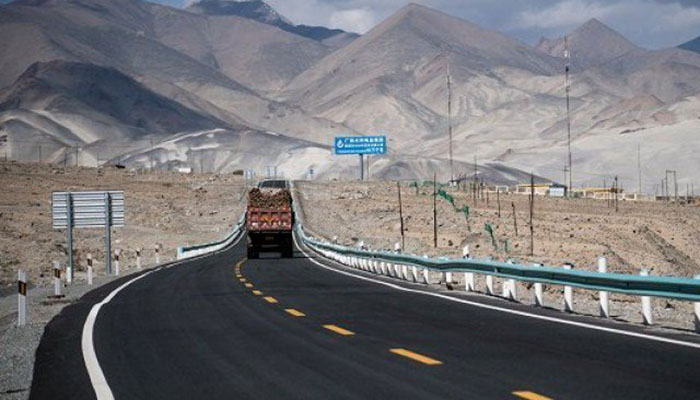
Transport infrastructure projects are set to absorb the largest share of future federal development resources, with major road and railway schemes requiring trillions of rupees for completion over the coming years.

Provincial governments are now spending significantly more on development than the federal government, highlighting the growing role of provinces in driving public-sector investment following the 18th Constitutional Amendment.

Pakistan’s Public Sector Development Programme (PSDP) is facing mounting financial pressure as the cost of completing approved projects continues to rise far beyond the resources available for development spending, prompting the Planning Ministry to warn that the programme is becoming a “new circular debt crisis.”
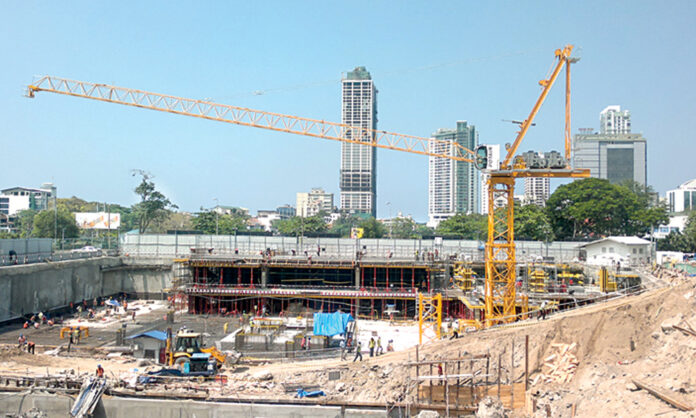
Pakistan’s development project backlog has surged to Rs10.818 trillion, highlighting the growing challenge of completing hundreds of ongoing public-sector schemes amid limited fiscal resources.

Over 9,000 incidents of diesel and electricity theft, along with prolonged power outages, disrupted Pakistan’s telecom infrastructure in the last 11 months, posing a major challenge to the sector, according to Pakistan Telecommunication Authority (PTA) documents available with Wealth Pakistan.

Pakistan's ongoing federal development projects will require about three times the resources currently available under the proposed Public Sector Development Programme (PSDP) framework for FY2026-27, according to official planning documents.
The government has introduced a new project prioritisation framework, known as the “Rockfill Strategy,” to manage mounting development commitments and ensure that limited Public Sector Development Programme (PSDP) resources are directed towards projects with the greatest strategic importance.
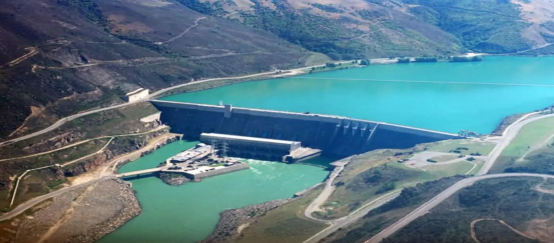
Major water-sector projects, particularly large dams and hydropower schemes, have emerged as one of the biggest contributors to Pakistan’s growing development liabilities, with financing requirements running into hundreds of billions of rupees.
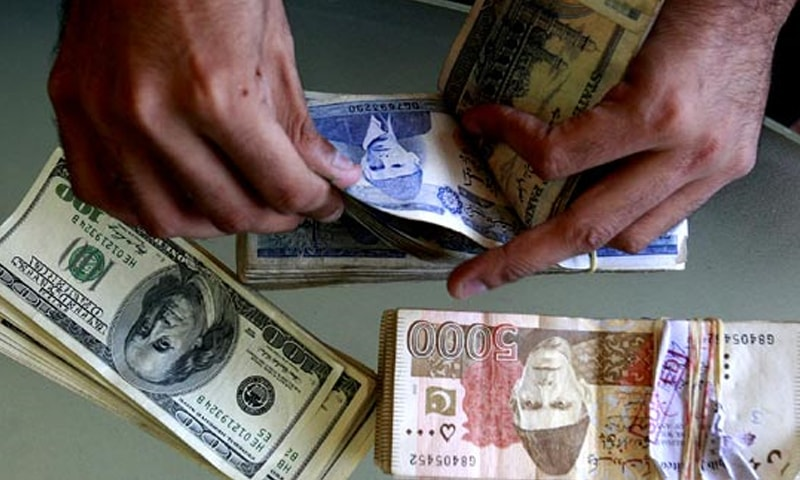
Foreign-funded development projects are placing increasing pressure on Pakistan’s public finances as the government struggles to meet growing rupee-cover requirements needed to support externally financed schemes.
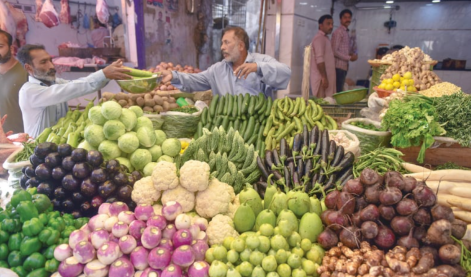
Consumers received some relief in May as prices of several key food items, particularly vegetables and poultry products, declined significantly on a month-on-month basis, according to data released by the Pakistan Bureau of Statistics (PBS).
The federal government continues to allocate significant development resources to projects falling within provincial domains despite the devolution of many sectors under the 18th Constitutional Amendment, according to official planning documents.

Pakistan's digital transformation initiatives continue to receive federal development support despite mounting fiscal pressures and growing competition for limited Public Sector Development Programme (PSDP) resources.
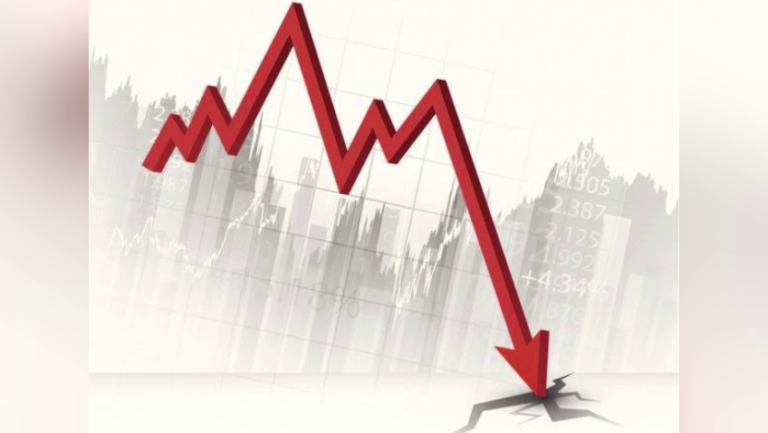
Pakistan’s development spending has failed to keep pace with the expansion of the federal budget and the overall economy over the past decade, raising concerns about the country’s capacity to finance infrastructure and development priorities.
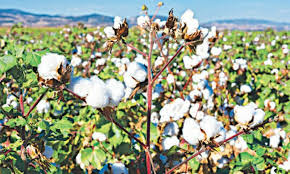
Punjab's cotton crop, the backbone of Pakistan's textile industry, is showing encouraging signs as major pest infestations remain under control and no cases of Cotton Curl Leaf Virus (CCLV) have been detected so far this season, according to the latest official monitoring report.

China’s targeted approach to financing small and medium enterprises (SMEs) offers valuable experience for Pakistan as it seeks to expand affordable credit, strengthen productive sectors and enable smaller businesses to play a larger role in job creation, exports and industrial growth, experts say.

Pakistan’s exploration of blockchain-based sovereign bonds could diversify the country’s debt financing channels, attract a broader pool of investors and modernise capital-market infrastructure, provided the initiative is supported by a robust regulatory framework, strong investor protections and secure digital systems, experts say.
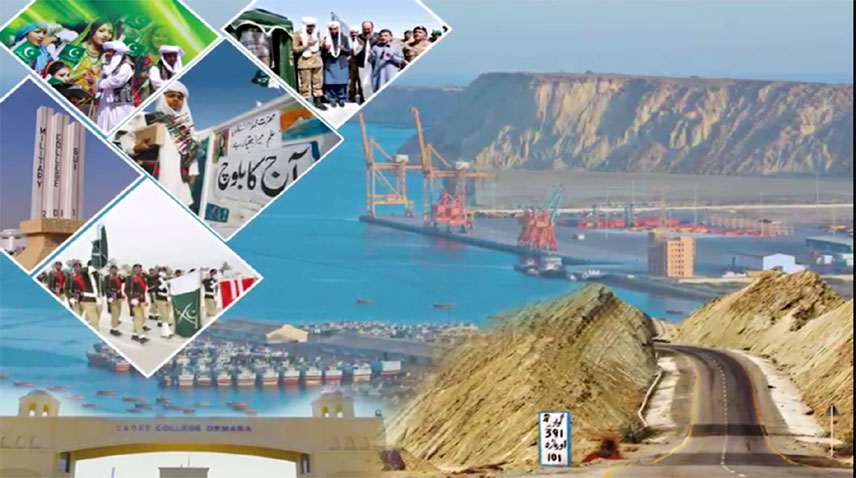
Balochistan is set to remain a major beneficiary of federal development spending in FY2026-27, with dedicated allocations proposed for infrastructure, connectivity and regional development projects despite growing fiscal constraints.
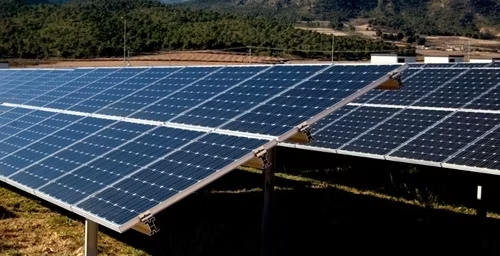
The revision of net metering to net billing will affect only three-phase commercial and industrial consumers, while 90 percent of single-phase consumers will remain unaffected, according to a media brief available with Wealth Pakistan.

Around two million single-phase electricity consumers have registered under a QR code system launched to verify subsidy eligibility, as Pakistan’s residential and agricultural power subsidy bill has reached Rs527 billion.

Jun 2, 2026
The Pakistan Stock Exchange (PSX) extended its strong upward momentum in May 2026, with the benchmark KSE-100 Index gaining 10,969 points month-on-month to close at 173,963, delivering a return of 6.7 percent amid improving investor sentiment and easing geopolitical concerns.
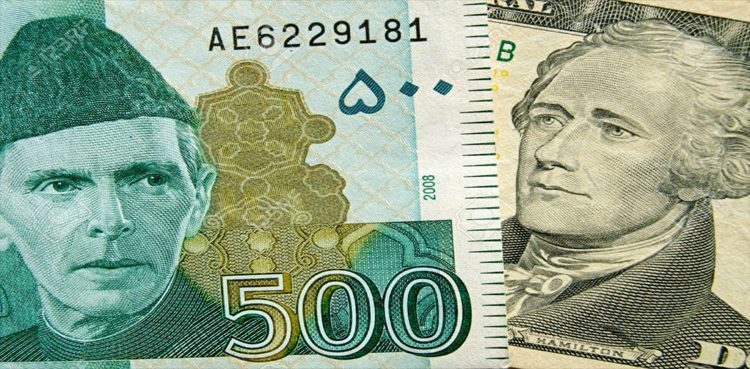
Pakistan’s liquid foreign exchange reserves rose to $22.646 billion by May 22, 2026, reflecting a notable improvement in the country’s external liquidity position and strengthening its capacity to meet external payment obligations.

In a major move, Pakistan Railways (PR) has decided to outsource its nationwide schools network under a long-term Public-Private Partnership (PPP) framework, according to documents available with Wealth Pakistan.

As supply chains across the Asia-Pacific continue to undergo a major realignment, Pakistan is increasingly positioning itself as a regional trade connector, offering alternative transit routes that can reduce delays, diversify trade corridors and enhance resilience against geopolitical and shipping disruptions.
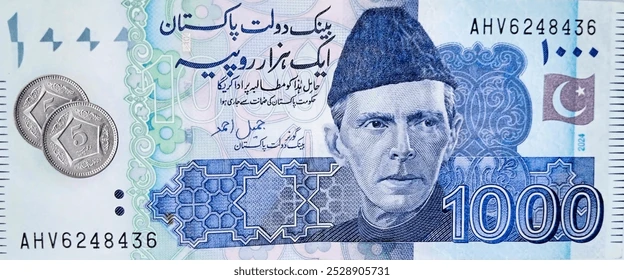
The Pakistani rupee remained broadly stable against major international currencies during May 2026, posting a modest appreciation against the US dollar amid improving foreign exchange reserves and steady market sentiment.

Oil and Gas Development Company Limited (OGDCL) has significantly accelerated the monetisation of its hydrocarbon discoveries, and its latest additions contributed around 9,734 barrels per day (BPD) of oil and 74.25 million standard cubic feet per day (MMSCFD) of gas, representing the strongest production gains during the first 10 months of the fiscal year 2025-26.

The Ministry of Energy is working on a time-of-use (ToU) electricity package for the industrial sector that would allow manufacturers to utilize surplus daytime power at significantly lower rates, as Pakistan seeks to balance a rapidly changing demand profile driven by large-scale solar adoption.
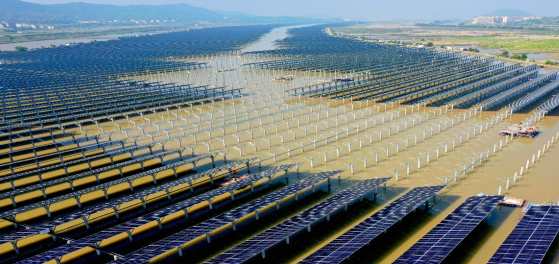
The rapid expansion of Chinese clean-tech financing and overseas green industrial investment is creating fresh opportunities for Pakistan’s Special Economic Zones (SEZs), as the country seeks to attract export-oriented manufacturing, renewable energy equipment production and electric vehicle-related industries.
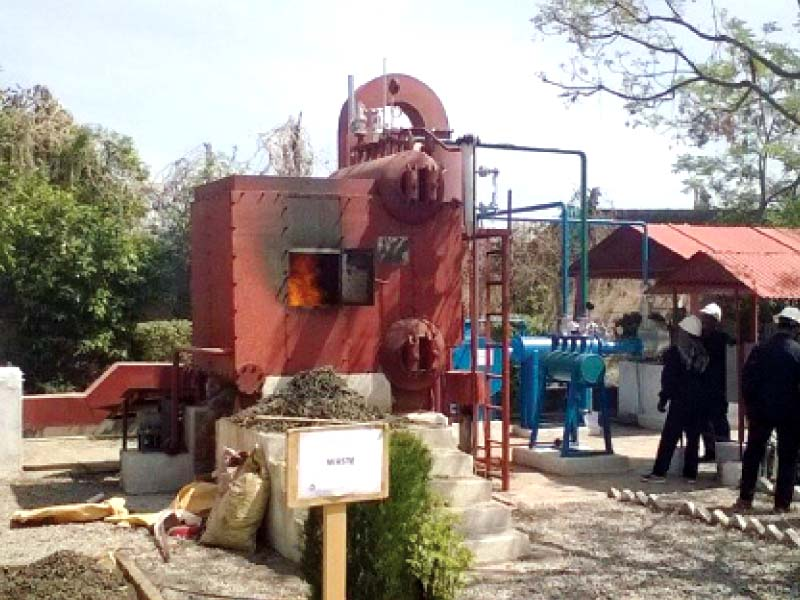
China’s waste-to-energy model offers insights for Pakistan as the country struggles with rising municipal solid waste, weak segregation systems, shrinking landfill space and an energy sector that needs cleaner and locally available generation sources.
ISLAMABAD - The price of gold witnessed a decline in the local market on Monday, with the price of 24-karat gold per tola falling by Rs2,000 to settle at Rs408,936, according to rates issued by the All Pakistan Sarafa Gems and Jewellers Association. Similarly, the price of 10 grams of 24-karat gold decreased by Rs1,715 to Rs350,596, while 10 grams of 22-karat gold declined by Rs1,572 to Rs321,391. In the international market, the price of gold decreased by $20 to $3,864 per ounce, the association reported. Meanwhile, the price of silver per tola fell by Rs115 to Rs5,228, while the price of 10 grams of silver declined by Rs98 to Rs4,482. The price of silver in the international market also decreased by $1.15 to $47.50 per ounce, the association added.
ISLAMABAD - Pakistan’s export freight rates from Karachi Port to major Gulf Cooperation Council (GCC) ports have surged by up to 577 percent after the US-Iran war, while Afghanistan has emerged as a cheap and short route to the Central Asian Republics from Pakistan’s port compared to China and Iran.
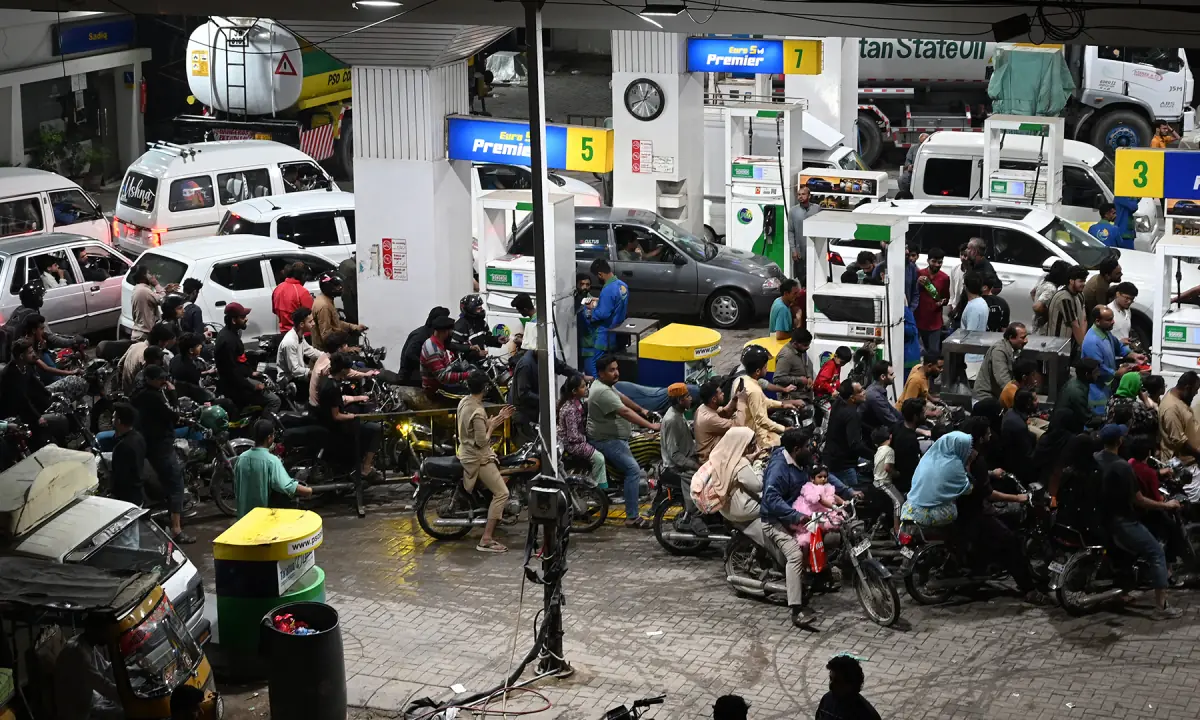
Petrol will retail at Rs328 per litre; diesel at Rs358 on Tuesday.

The Pakistan Stock Exchange maintained a positive trend, with the benchmark KSE-100 Index gaining 309 points to close at 178,182.

The US dollar declined by three paisas against the Pakistani rupee in the interbank market, closing at Rs276.57 on Monday.

Gold prices declined by Rs2,000 per tola in the local market on Monday, bringing the price of 24-karat gold to Rs408,936, according to the All Pakistan Sarafa Gems and Jewellers Association.

The Pakistani rupee continued its marginal gain against the US dollar, appreciating 0.01% in the inter-bank market on Monday.

Gold prices fell for the sixth consecutive day, with domestic per-tola rates declining Rs2,000 and international prices dropping $20.

Gold prices in Pakistan decreased on Monday in line with their loss in the international market. In the local market, gold price per tola reached Rs408,936 after a decline of Rs2,000 during the day.

Federal government operating expenses increased by 28.21% during the first quarter of fiscal year 2026-27, reaching Rs206.64 billion despite ongoing austerity measures, according to Finance Ministry documents.
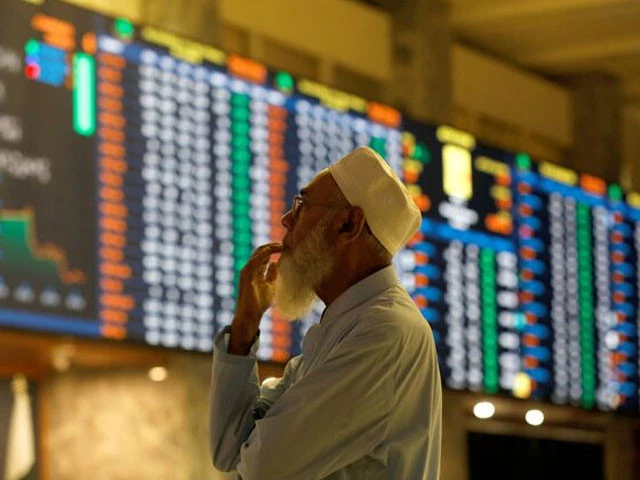
The Pakistan Stock Exchange (PSX) opened the new trading week on a strong note on Monday, with investors stepping up buying across major sectors, driving the benchmark index up by more than 3,000 points in early afternoon trading despite a subdued trend across Asian markets.

Foreign exchange rates in Pakistan for today, November 16, 2026

Foreign currency deposits fell by $67.17mn to $6.891bn in October 2026 from the previous month, according to the latest data released by the State Bank of
PSX opened the business week positively as the KSE-100 Index surged 1,400.20 points, or 0.79%, to 179,274.07 amid strong buying activity and rising investor interest.
Stocks opened the week on a positive note at the Pakistan Stock Exchange (PSX), with the benchmark KSE-100 Index gaining over 1,000 points during the opening minutes of trading on Monday.

Silver price in Pakistan for today, November 16, 2026
Net interest income and non-interest income both fell from a year earlier. Deposits are down 9.4% this year, borrowings are up 72.3%.

Pakistan's exports grow 8.52% to $11.34 billion in four months, but imports rise faster, widening the trade deficit by 15.97%.
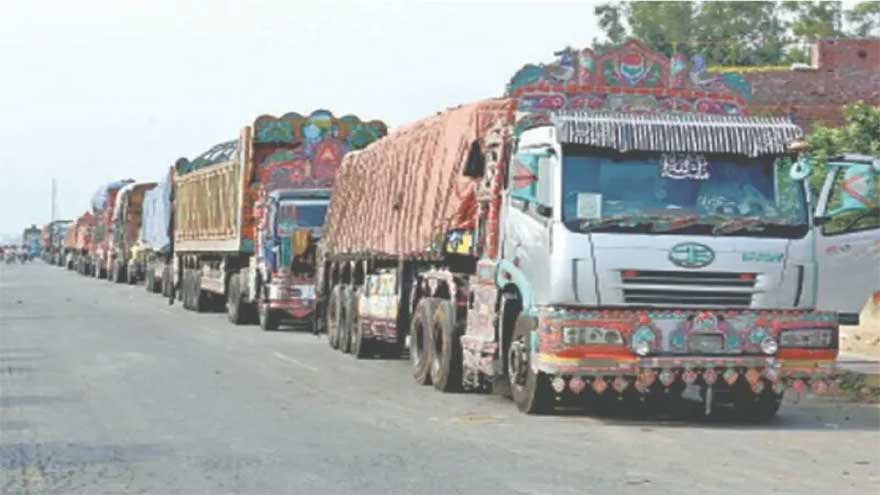
The government credited the record rise in exports to key measures included in the FY27 budget, such as reduced taxes and surcharges for businesses and industry, particularly exporters.

Pakistan's services trade deficit falls 0.33% to $832.16 million in the first quarter, as exports grow 22.60% and imports rise 16.32%.
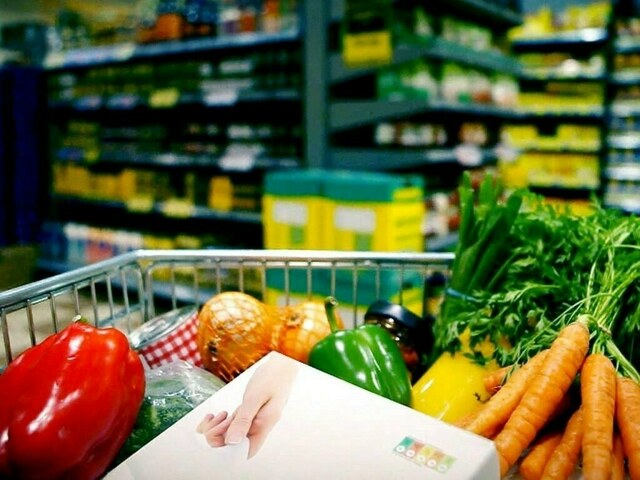
PESHAWAR: Prices of important kitchen items, including flour, vegetables, live chicken/meat, sugar, cooking oil/ghee, and others remained high in the retail market despite the consistent decrease in fuel prices.

Following the reduction, the new price of petrol has been fixed at Rs328 per litre, while high-speed diesel will cost Rs358 per litre.
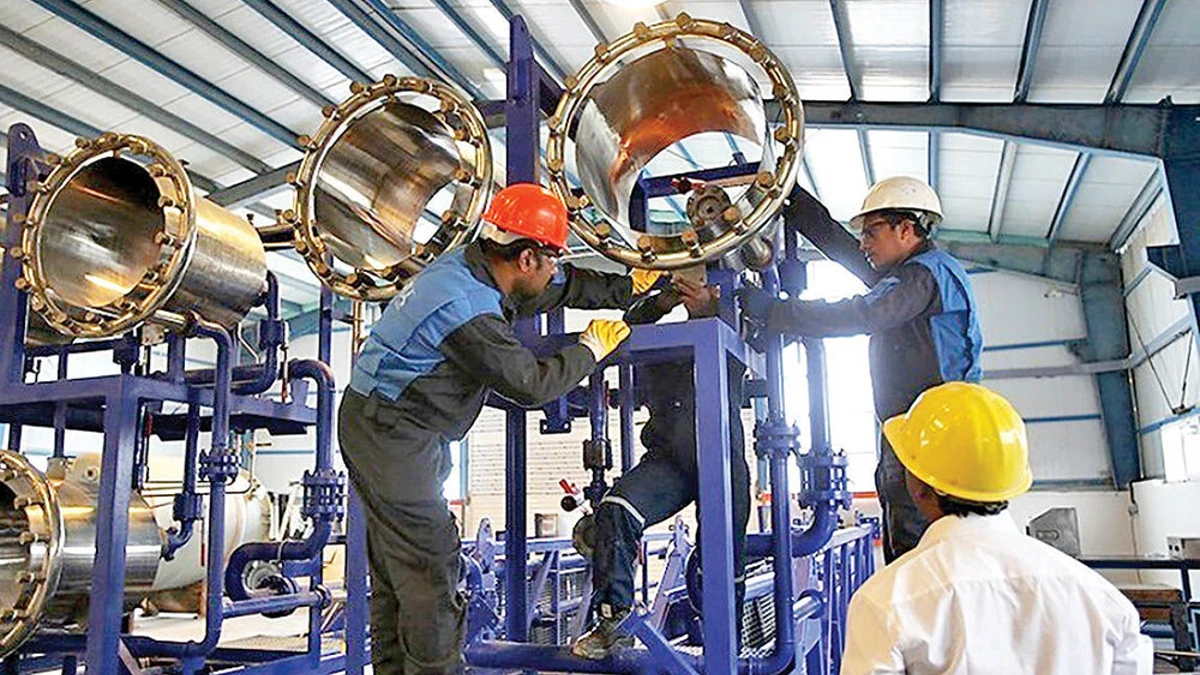
Pakistan's investment slumps, falling from 15% of GDP (FY06) to just 12.6% by FY26. This sharp decline critically impacts sectors vital for productivity, exports, and tech innovati


Gold prices declined by Rs700 per tola across Pakistan, while the price of 10-gram gold dropped by Rs600 in local markets.

Gold prices in Pakistan decreased on Saturday in line with their loss in the international market. In the local market, gold price per tola reached Rs410,936 after a decline of Rs700 during the day.
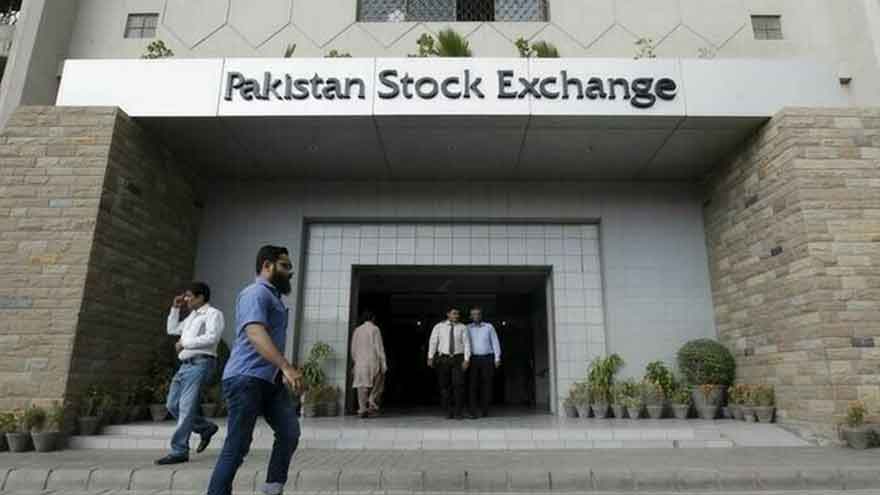
Pakistan Stock Exchange posts a positive weekly trend as the KSE-100 Index gains 3,987 points to close at 177,873, while market capitalisation rises by Rs426 billion.

Gold prices in Pakistan declined for the second consecutive session on Friday, shedding Rs4,900 per tola, as the precious metal remained under pressure in international markets amid expectations of further US monetary tightening and persistent geopolitical uncertainty.
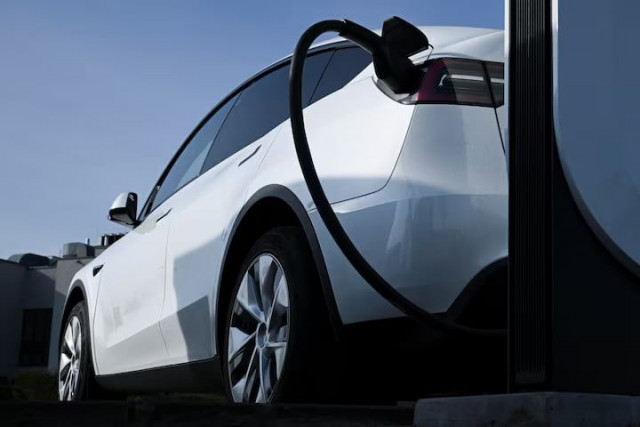
The government has decided to impose an Automotive Development Levy (ADL) of 2% to 10% on imported and locally manufactured internal combustion engine (ICE) vehicles to speed up electric vehicle adoption, with a clear vehicle classification and the minimum levy on public service vehicles and vehicles up to 2000cc. ICE refers to conventional petrol- or diesel-powered vehicles that use an engine to burn fuel and generate power. The levy will not apply to imported and locally manufactured 2/3-wheelers, tractors and vehicles with engine capacity up to 1000cc, and it will carry a sunset clause while remaining enforced during the policy period.

Inflation measured by the Sensitive Price Indicator (SPI) remained in double digits on a year-on-year basis, rising 11.21% in the week ended November 12, despite a 0.46% decline from the preceding week, as steep increases in liquefied petroleum gas (LPG), tomatoes, electricity charges and wheat flour continued to put pressure on household budgets.