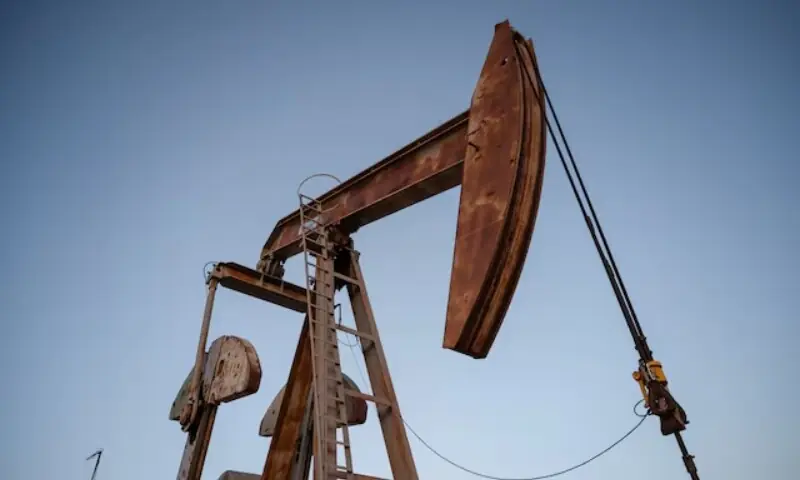
Oil falls after US-Iran talks conclude in Switzerland
“The decline has been driven primarily by improving prospects for a diplomatic breakthrough between the United States and Iran," says analyst.
DAWN
“The decline has been driven primarily by improving prospects for a diplomatic breakthrough between the United States and Iran," says analyst.
Gold climbed 0.8% after Iran cited progress in peace talks with the US. Oil eased, but rate-hike fears cap gains—read more.
BEIJING:

The company aims to scale its annual capacity to 7 million smartphones, 360,000 televisions and 400,000 air-conditioners, as it moves beyond mobile phones into higher-margin consumer technology products through partnerships with Xiaomi and Hisense.
Loads Limited signs a non-binding MoU with China’s Xinhuida to explore copper trading, JV and tech transfer in Pakistan. Read more.
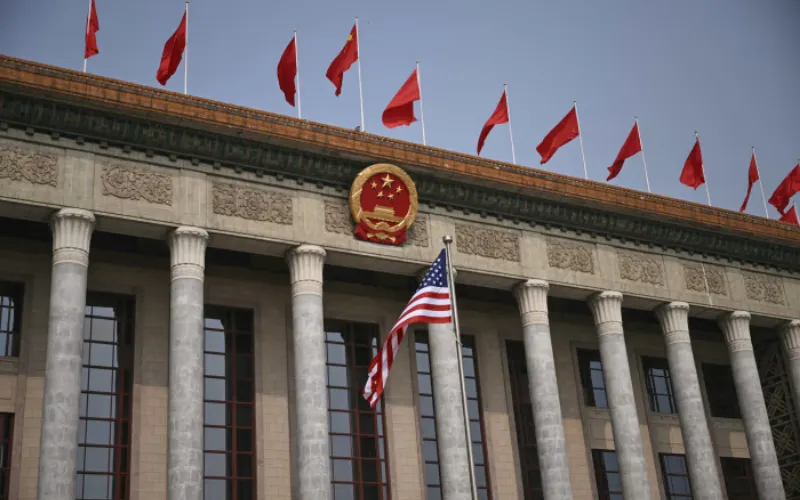
China imposed trade restrictions on dozens of US companies in response to Washington adding more Chinese firms to Pentagon blacklist.

Karachi: Book-building for the Initial Public Offering of Select Technologies Limited, a wholly owned subsidiary of Air Link Communication Limited, opens today at the Pakistan Stock Exchange and will continue on June 23, 2026, marking another important technology-sector listing at the local bourse.

Brent crude futures dropped $1.53, or 1.9 per cent, to $79.04 per barrel by 0656 GMT. Earlier in the session, prices had surged to $82.30 amid uncertainty surrounding the talks and renewed tensions in the Middle East
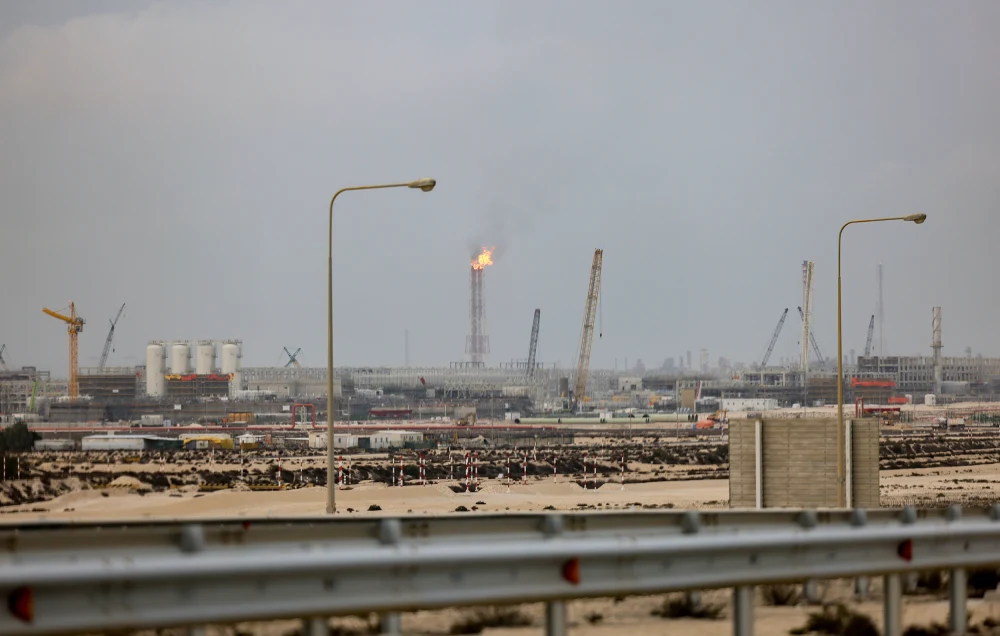
Qatar says 54 people injured and 18 missing after an explosion at its Barzan LNG gas facility. Fire contained—read the latest.

SEOUL: SK Hynix on Monday overtook Samsung Electronics to become South Korea’s most valuable listed company, marking a dramatic reversal of fortunes for a chipmaker that two decades ago nearly collapsed under debt.
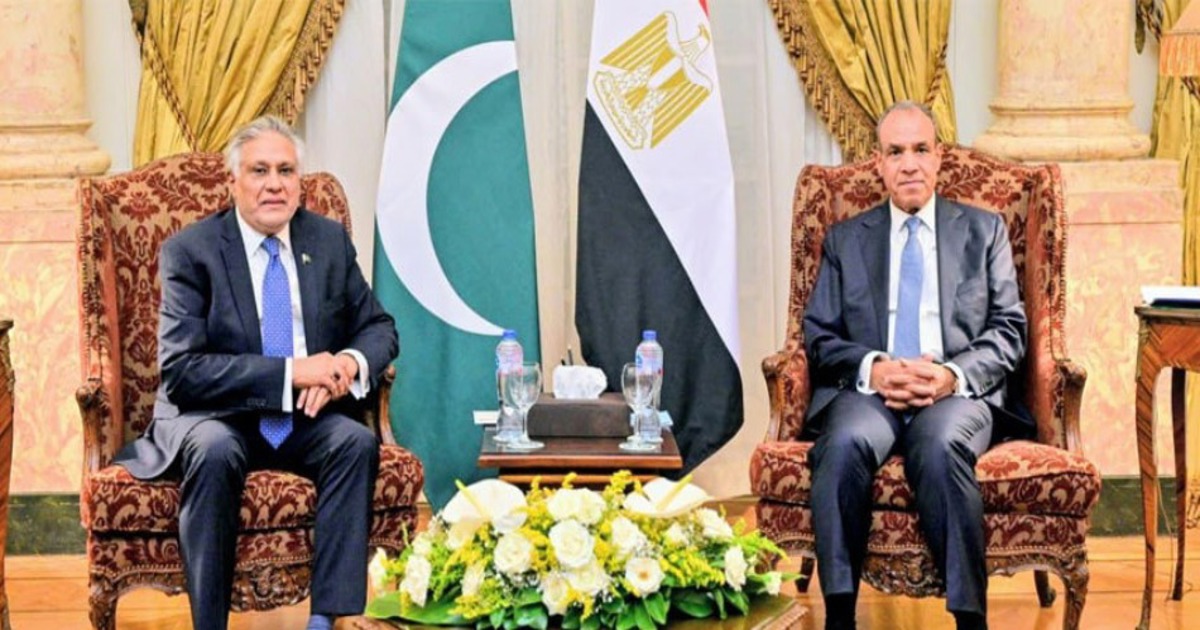
Deputy Prime Minister and Foreign Minister Senator Mohammad Ishaq Dar visited Cairo from 20–21 June 2026 at the invitation of Egypt’s Foreign Minister Bad
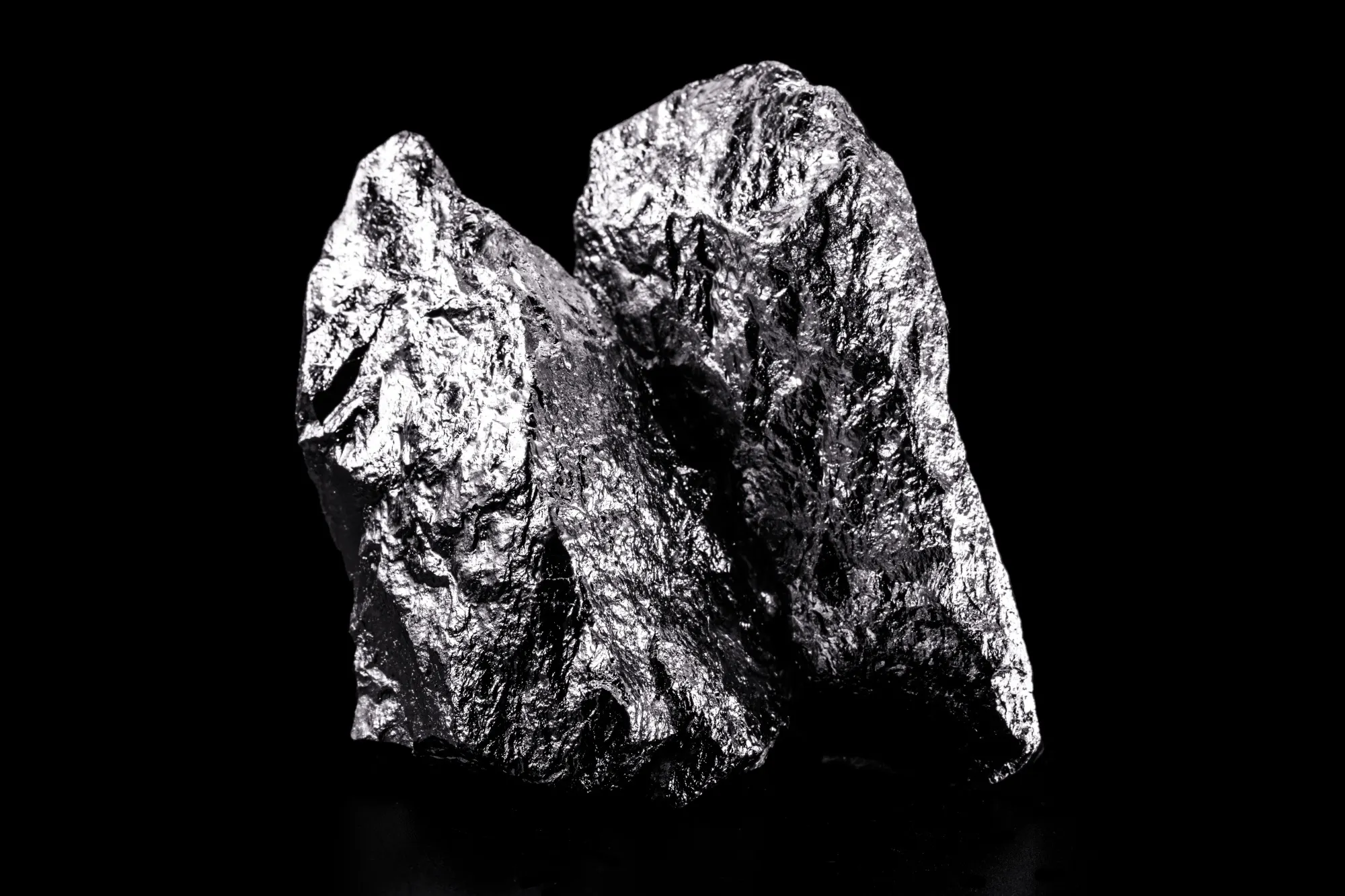
China blocks exports of dual-use items to MP Materials and USA Rare Earth, citing US “malicious practice.” Read the latest.
PSX opened higher on Monday after the first US-Iran talks session in Switzerland. KSE-100 index gained 1,223 points to reach 180,500 after last week’s decline.

Oil prices fell after US-Iran talks concluded in Switzerland. Tehran said it had received waivers for oil and petrochemical exports.

Global oil prices declined across major benchmarks, with WTI, Brent and Murban crude all recording losses after the US and Iran agreed upon a 60-day
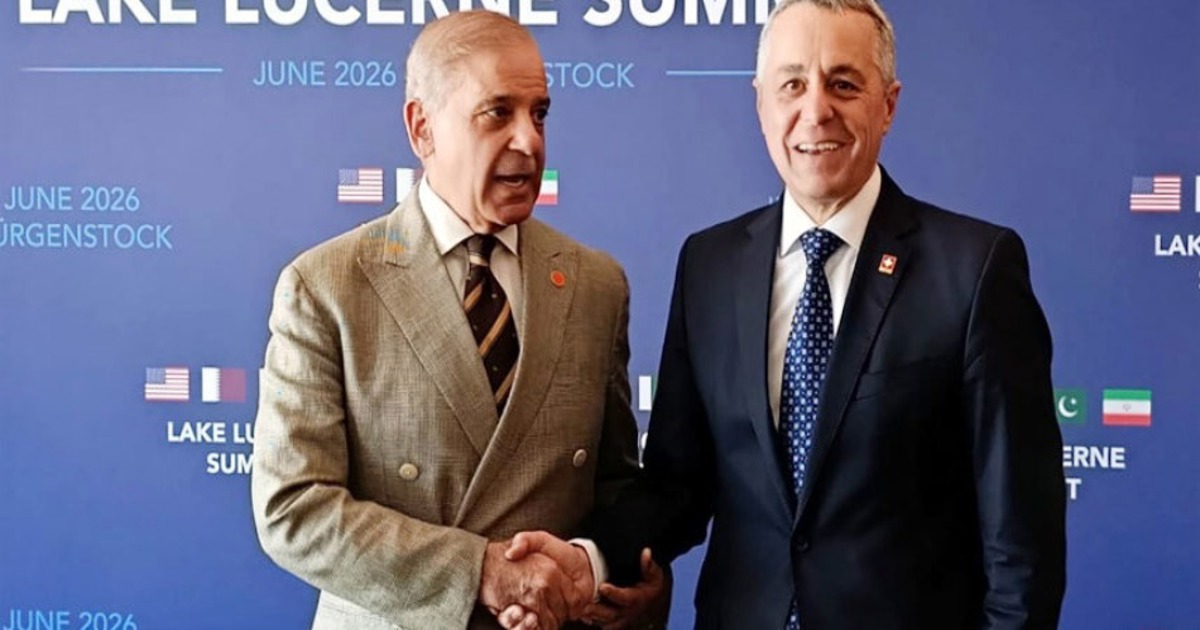
Pakistan and Switzerland discussed expanding bilateral investment ties and explored new avenues for economic cooperation, with the two sides expressing ke
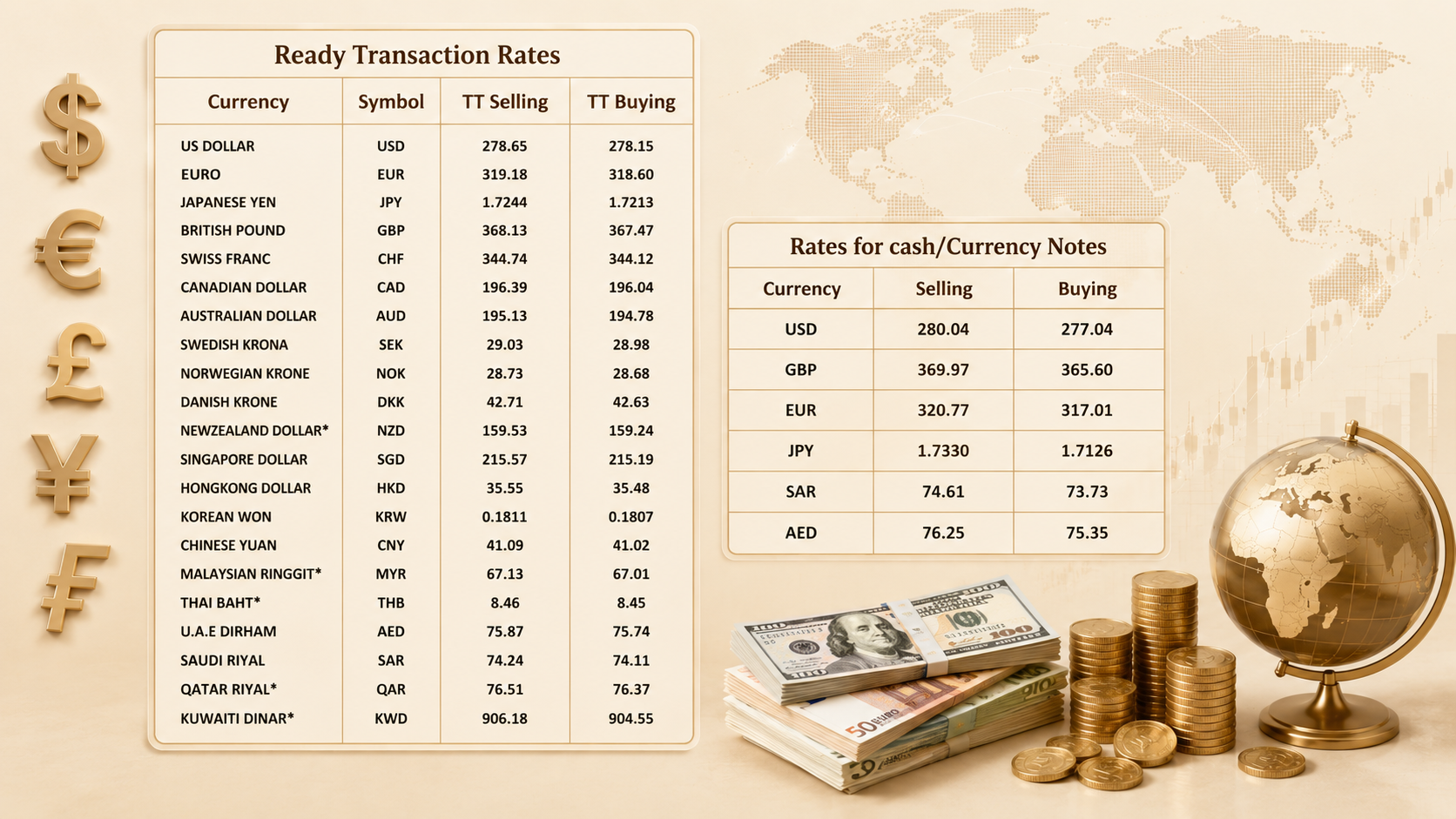
Check today’s foreign exchange rates in Pakistan (June 22, 2026) from NBP’s bulletin. View buying and selling rates now.
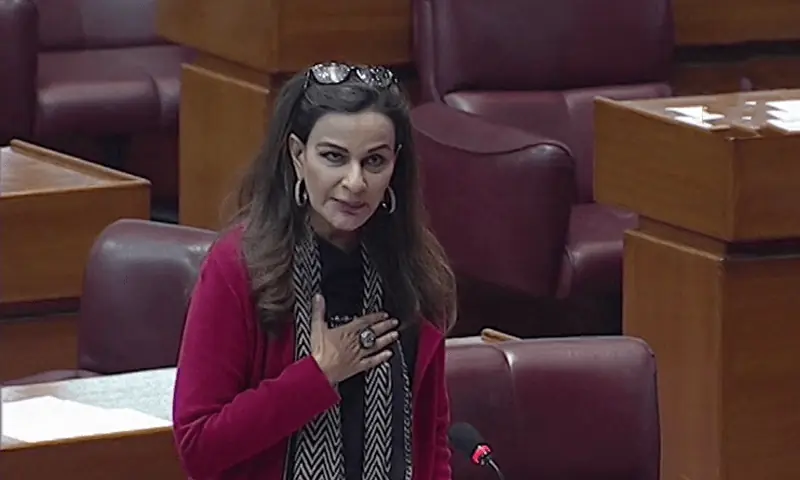
Says there is no hurry to push widely criticised telecom bill without "satisfying us and other representatives".
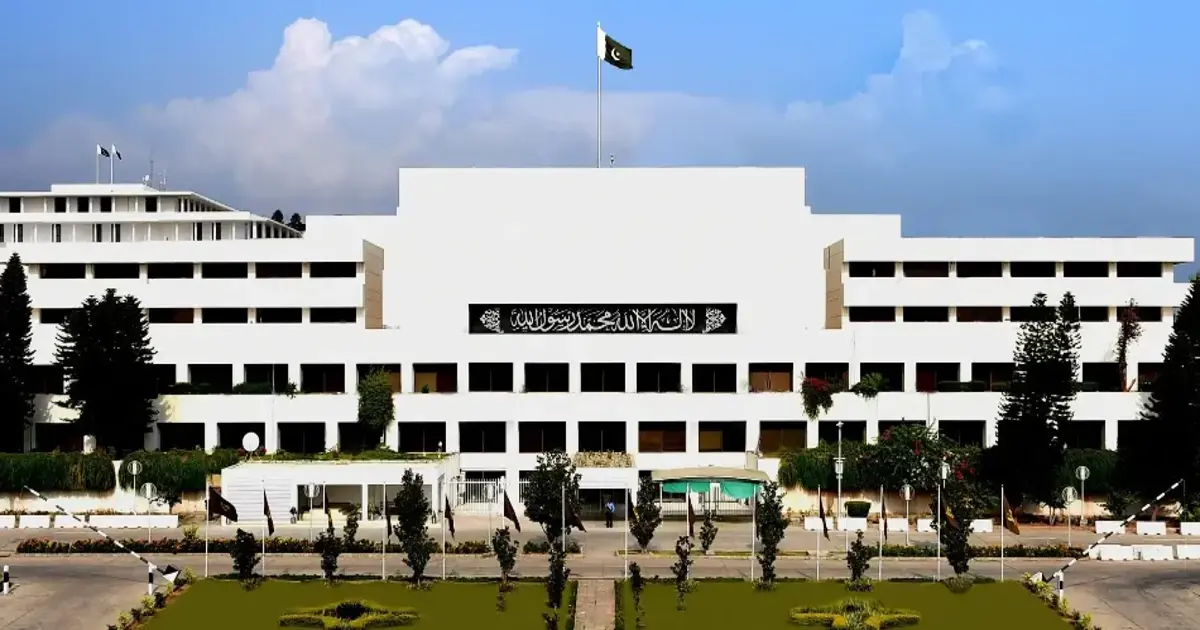
The National Assembly on Sunday approved 12 demands for grants totaling Rs4.282 trillion for the fiscal year ending June 2027, while rejecting all 100 cut
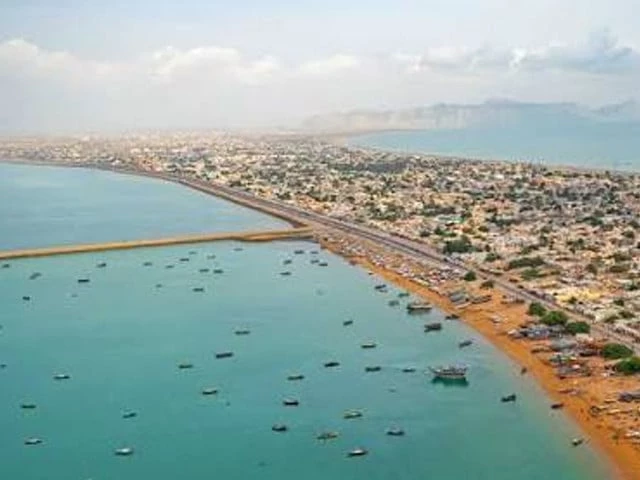
The idea of developing a modern port at Gwadar goes back to 1954, when a survey by the United States Geological Survey (USGS) convinced Pakistan of its strategic importance. However, it took us 54 years to realise the dream when the current port, after completion, received its first commercial cargo on March 15, 2008.
A great power rests on three pillars: military, diplomacy and economy. Pakistan has achieved many milestones on the military and diplomatic fronts. Two recent events further reinforced our strength.
The International Monetary Fund (IMF), being the lender of last resort for countries in balance-of-payments crisis or in danger of default, almost always ties its bailouts to excessive austerity measures. Its loans are tied, to use IMF jargon, to "structural adjustment programmes" and "conditionality". These programmes centre on raising taxes and/or spurring tax rate reductions, balancing the budget at all costs, devaluing the currency and increasing interest rates. Such anti-growth policies, delivered in line with IMF diktat, have been shown in the majority of cases to have actually increased the country's dependence on the IMF over time. Just think of what has happened in Argentina, Pakistan, Ecuador, Egypt or Ghana.
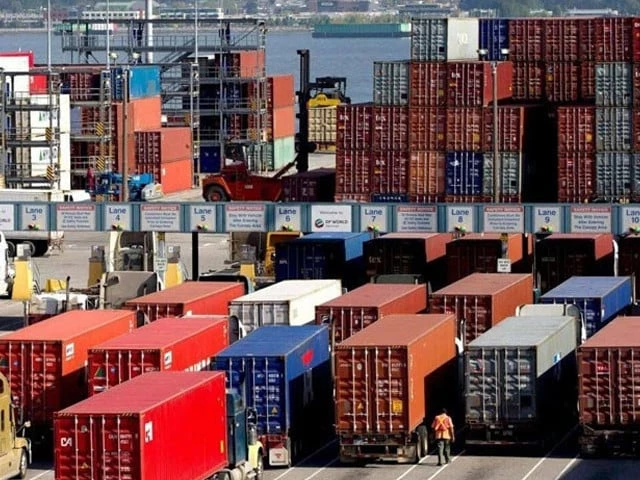
The current fiscal year has been marked by significant strain on the external account, driven in large part by the US-Iran conflict and its spillovers into capital flows and sovereign spreads. With peace now expected to return to the region, policymakers' attention should turn to the domestic constraints that continue to hold exports back. On a cumulative basis, the current account posted a modest surplus of $72 million in the first nine months of FY26, before slipping into a single-month deficit of $276 million in April and then rebounding to a surplus of $459 million in May 2026. This left a cumulative surplus of $255 million over the first 11 months (July-May), but much lower in comparison to the roughly $1.6 billion surplus recorded in the same period a year earlier. For context, the previous fiscal year closed with a current account surplus of $1.8 billion.
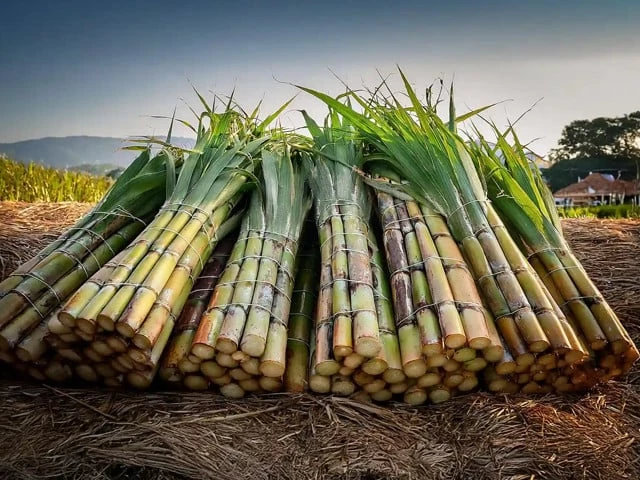
Pakistan's agriculture is facing a crisis that is neither sudden nor mysterious. It is the predictable result of a long-standing mismatch between what the country grows and what its climate, soils and water resources can realistically support. For decades, Pakistan's crop choices were shaped by a world of abundant canal flows, stable weather and a political economy that rewarded acreage rather than efficiency. That world is gone. Yet our cropping patterns remain frozen in time, even as the climate around us changes at a pace our policies refuse to acknowledge.
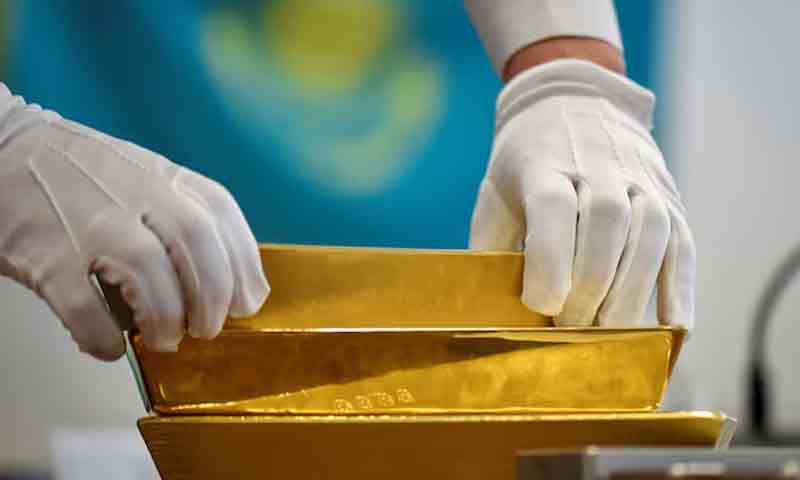
Gold prices recovered as oil fell following progress in US-Iran talks. Geopolitical optimism supported bullion, while expectations of higher US interest rates capped gains.

Muhammad Ali Tabba, CEO of Lucky Cement and Chairman of Lucky Group, has urged policymakers to adopt a pragmatic approach in Pakistan's upcoming auto poli

Khyber Pakhtunkhwa presents a Rs121.74bn supplementary budget for current and development spending. Read details and key allocations.

Pakistan and Qatar have outlined significant progress in high-level negotiations between the United States and Iran, with the parties agreeing on a roadma
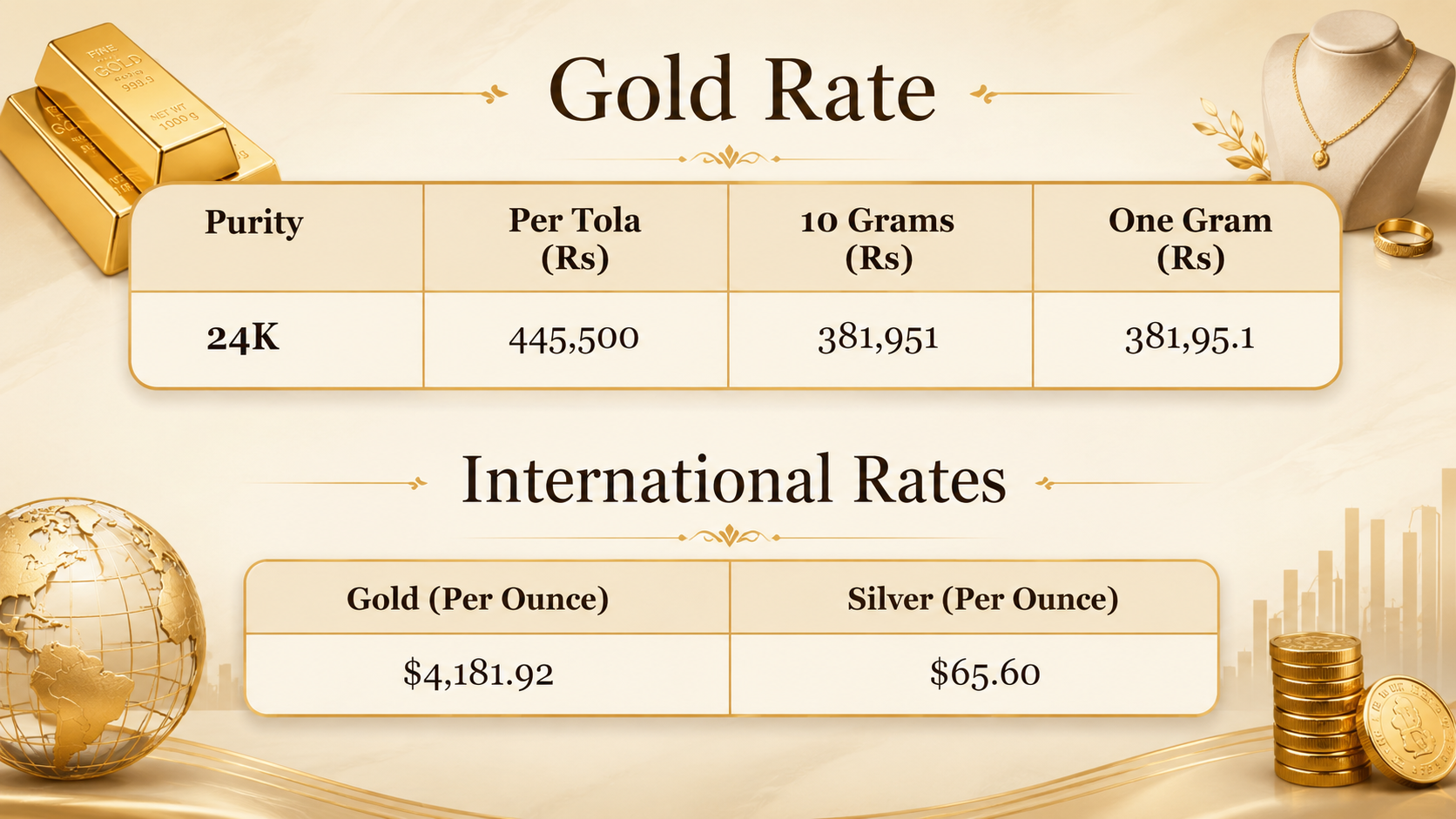
Check today’s gold price in Pakistan for June 22, 2026 across major city Sarafa markets. View updated rates now!
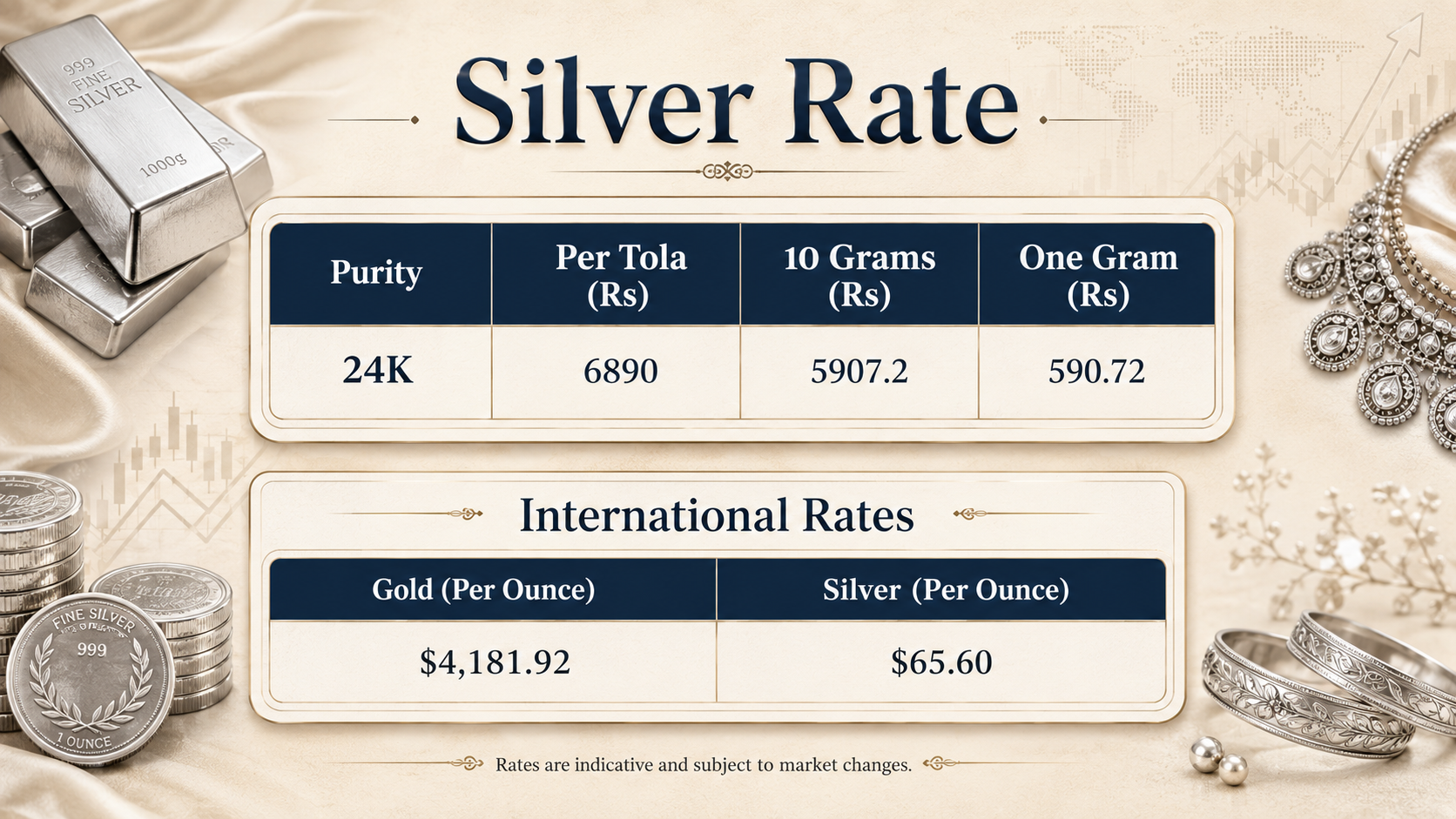
Check today’s silver price in Pakistan for June 22, 2026. Track city-wise Sarafa market rates and get the latest updates now.
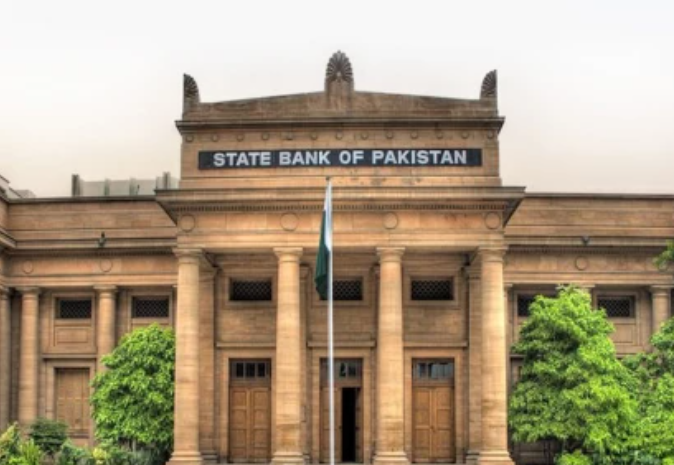
The State Bank of Pakistan (SBP) has launched its first Research Agenda for 2026-2029, identifying key research gaps in inflation management, monetary policy transmission, financial-sector development and structural reforms as the country continues to grapple with supply shocks, shallow financial markets and recurring boom-bust cycles.
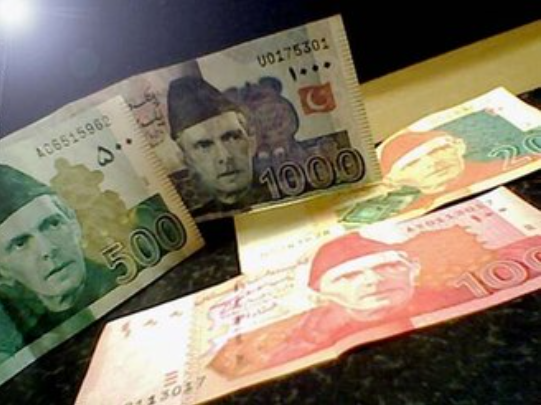
The Pakistani rupee remained broadly stable against major international currencies during the second week of June, posting a slight gain against the US dollar amid improving external-sector indicators and a steady foreign exchange market.

The Pakistan Stock Exchange (PSX) ended the second week of June on a strong note, with the benchmark KSE-100 Index gaining 1,921 points, or 1.13%, week-on-week to close at 172,400 points. Easing geopolitical tensions and encouraging economic indicators helped restore investor confidence and supported a rebound in equities.
The federal government has proposed a strong development portfolio for the National Food Security and Research Division under the Public Sector Development Programme (PSDP) 2026-27, with a total allocation of Rs4.183 billion aimed at advancing agricultural productivity, strengthening food security and supporting livestock and research initiatives across the country.

Lahore’s rapidly expanding housing sector continues to rely on conventional construction practices that offer little protection against rising temperatures, resulting in hotter indoor environments and increasing electricity consumption.
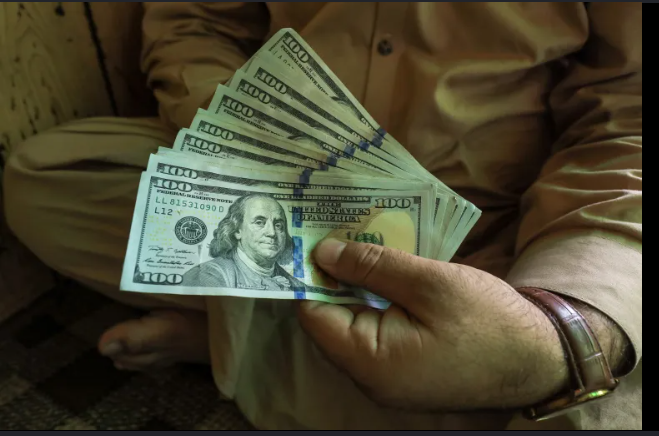
Pakistan’s liquid foreign exchange reserves totalled $22.671 billion during the week ended June 5, 2026, gaining $35.7 million from the previous week, according to data released by the State Bank of Pakistan (SBP).
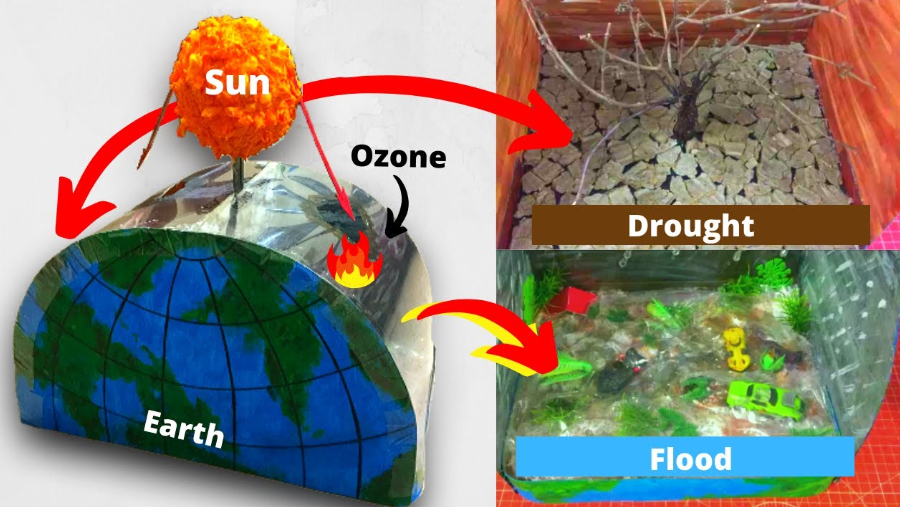
Pakistan has reaffirmed its commitment to environmental sustainability and climate resilience by allocating Rs2.478 billion for ongoing schemes under the Climate Change and Environmental Coordination Division in the federal Public Sector Development Programme (PSDP) 2026-27, with the flagship Green Pakistan Programme continuing to receive the largest share of funding.

At least 16 strategically important road projects across Pakistan are either delayed, awaiting additional funding, or require substantial financial support for completion, official data available with Wealth Pakistan shows.
The federal government has proposed total subsidies of Rs1.091 trillion for FY2026-27, down from the revised estimate of Rs1.157 trillion for FY2025-26 and lower than the original allocation of Rs1.186 trillion, according to budget documents available with Wealth Pakistan.
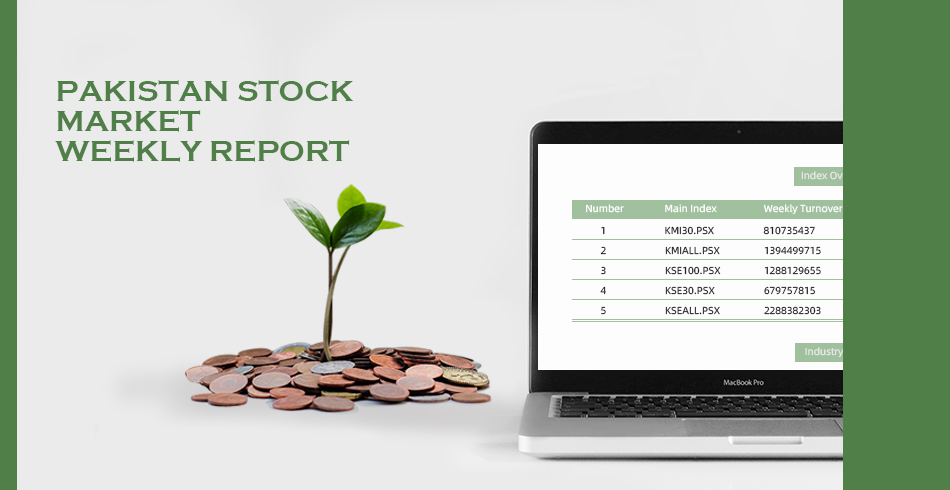
Weekly Review of Stock Market (2026.06.08-2026.06.12)
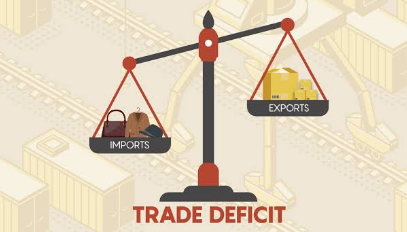
Pakistan's merchandise trade deficit widened to $27.9 billion during July-March FY2025-26 from $22.7 billion in the corresponding period of the previous fiscal year, reflecting stronger import demand amid economic recovery and rising domestic activity, according to the Pakistan Economic Survey 2025-26 released by the Ministry of Finance.
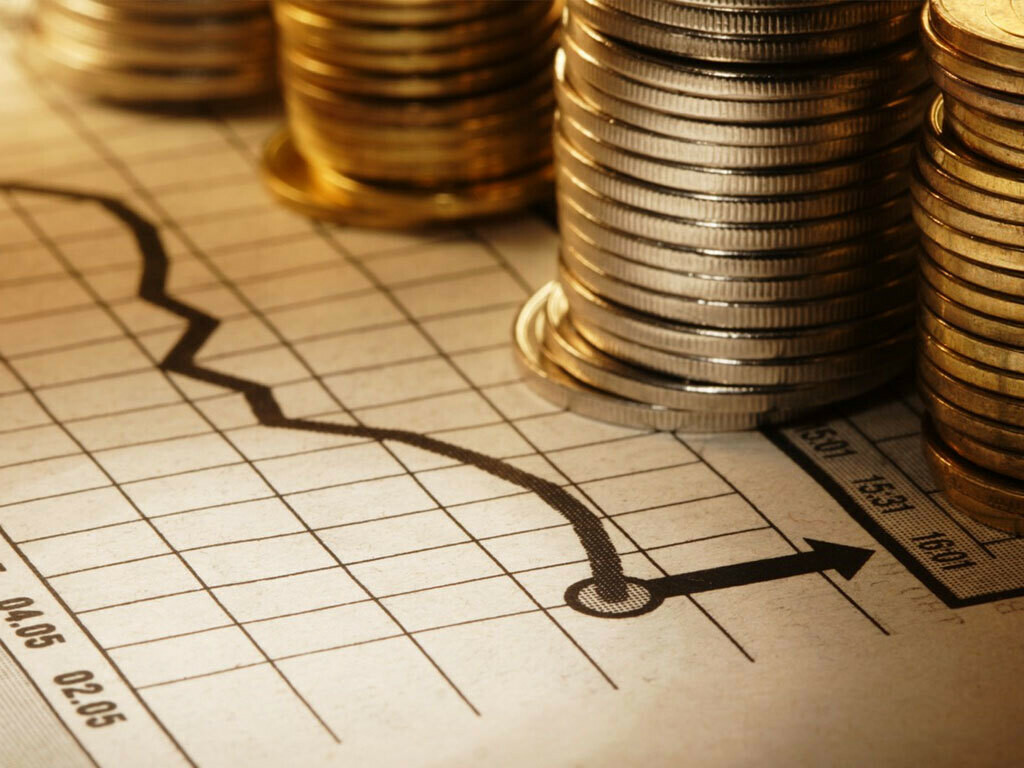
Private sector credit increased by Rs934.1 billion during July-March FY2025-26, reflecting improving business confidence, stronger economic activity and growing demand for financing across key sectors of the economy, according to the Pakistan Economic Survey 2025-26 released by the Ministry of Finance.
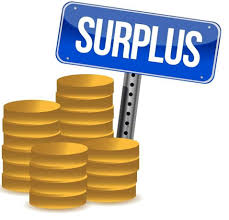
Pakistan achieved a primary surplus of Rs4.09 trillion, equivalent to 3.2% of GDP, during July-March FY2025-26, up from Rs3.47 trillion or 3.0% of GDP in the corresponding period of the previous fiscal year, according to the Pakistan Economic Survey 2025-26 released by the Ministry of Finance.
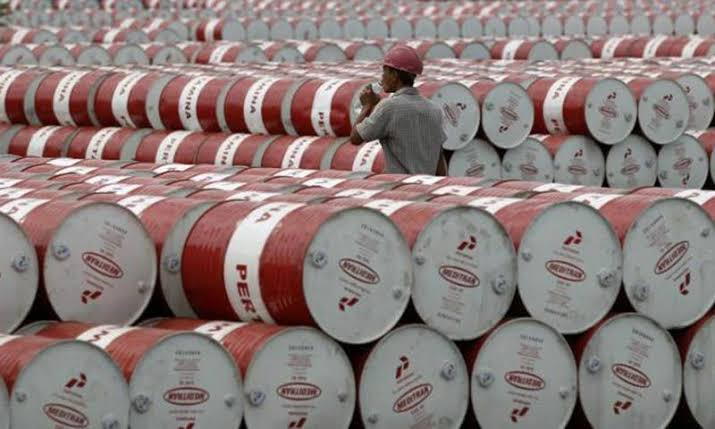
Pakistan's petroleum imports increased to 13.8 million metric tonnes during July-March FY2025-26, while the import bill rose to $8.9 billion, reflecting stronger domestic fuel demand amid economic recovery and growing transportation needs, according to the Pakistan Economic Survey 2025-26 released by the Ministry of Finance.
Pakistan added 149,908 new gas connections during July-March FY2025-26, expanding access to natural gas for households, commercial consumers and industrial users despite challenges facing the country's energy sector, according to the Pakistan Economic Survey 2025-26 released by the Ministry of Finance.
Pakistan experienced a significant decline in inflation during FY2025-26, marking one of the most notable improvements in the country's macroeconomic environment as price pressures eased following a prolonged period of high inflation, according to the Pakistan Economic Survey 2025-26 released by the Ministry of Finance.
Pakistan's foreign exchange reserves increased to $21.8 billion by the end of March FY2025-26, providing stronger external buffers and supporting exchange rate stability amid a challenging global economic environment, according to the Pakistan Economic Survey 2025-26 released by the Ministry of Finance.

Jun 15, 2026
Pakistan's fiscal deficit narrowed sharply to 0.7% of GDP, or Rs856.4 billion, during July-March FY2025-26 from 2.6% of GDP, or Rs2.97 trillion, in the corresponding period of the previous fiscal year, reflecting significant progress in fiscal consolidation and macroeconomic stabilization, according to the Pakistan Economic Survey 2025-26 released by the Ministry of Finance.
The Federal Board of Revenue (FBR) collected Rs10.26 trillion in net taxes during July-April FY2025-26, registering a growth of 10.3% over the corresponding period of the previous fiscal year, according to the Pakistan Economic Survey 2025-26 released by the Ministry of Finance.
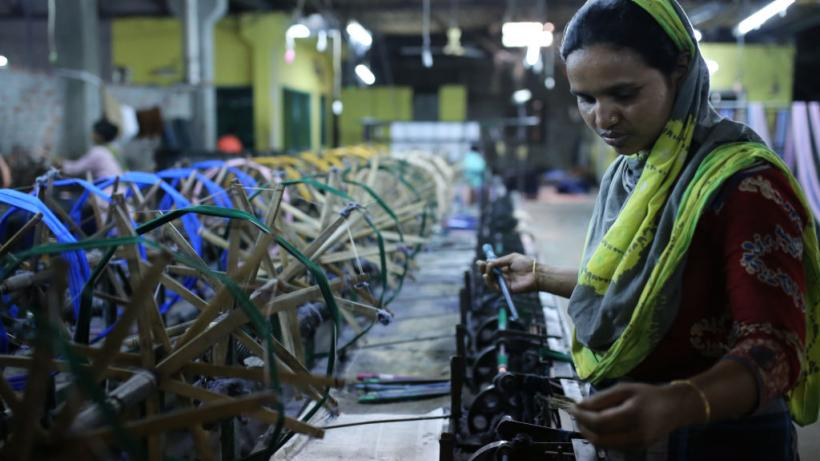
Pakistan's employed labour force increased to 77.2 million in FY2025-26 as economic activity and job creation expanded across key sectors of the economy, according to the Pakistan Economic Survey 2025-26 released by the Ministry of Finance.
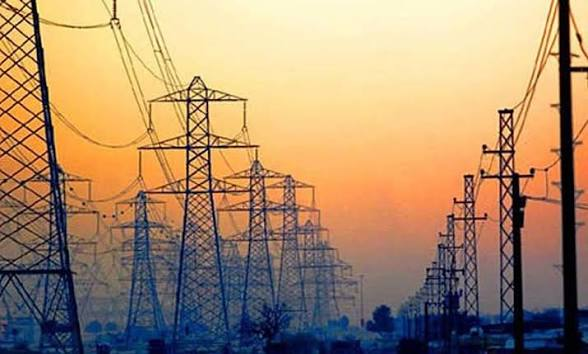
Pakistan generated 92,835 gigawatt-hours (GWh) of electricity during July-March FY2025-26, reflecting continued growth in power supply and an evolving energy mix increasingly supported by indigenous and renewable sources, according to the Pakistan Economic Survey 2025-26 released by the Ministry of Finance.
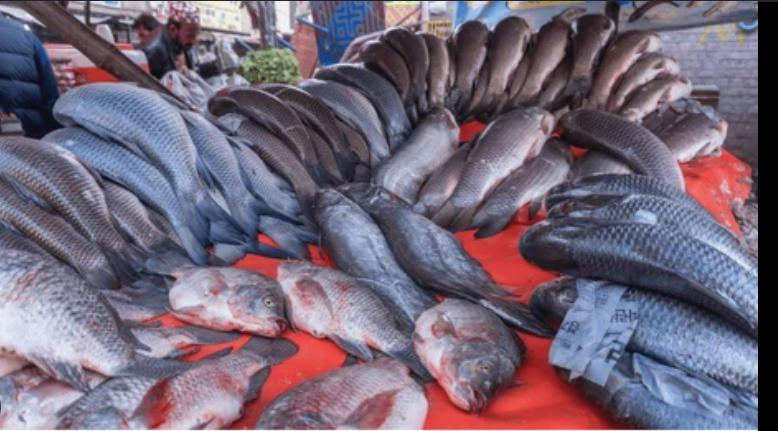
ISLAMABAD, June 11 (INP-Wealth Pakistan) -- A total of 174 Pakistani fish processing plants have been enlisted with Chinese authorities, expanding market access for the country's fisheries sector and strengthening trade links with one of Pakistan's largest export destinations, according to the Pakistan Economic Survey 2025-26.
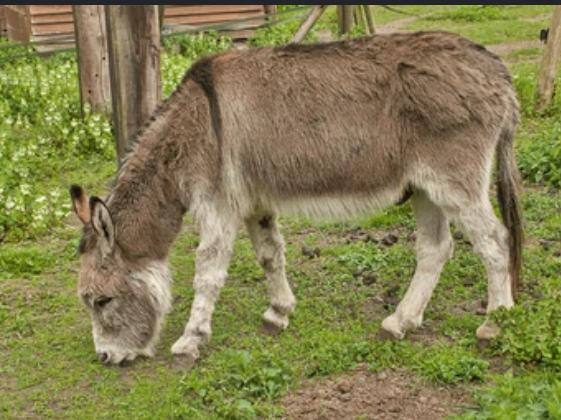
ISLAMABAD, June 11 (INP-Wealth Pakistan) -- Pakistan is positioning itself to tap a new export market in China through the trade of donkey meat, hides and related products, with the government identifying the sector as a potential avenue for export diversification and rural income generation, according to the Pakistan Economic Survey 2025-26.

ISLAMABAD, June 11 (INP-Wealth Pakistan) -- Pakistan's flagship digital skills programme, DigiSkills.pk, conducted more than 5 million trainings during July-March FY2025-26, strengthening the country's digital workforce and supporting the rapid growth of freelancing, information technology services and online entrepreneurship, according to the Pakistan Economic Survey 2025-26 released by the Ministry of Finance.
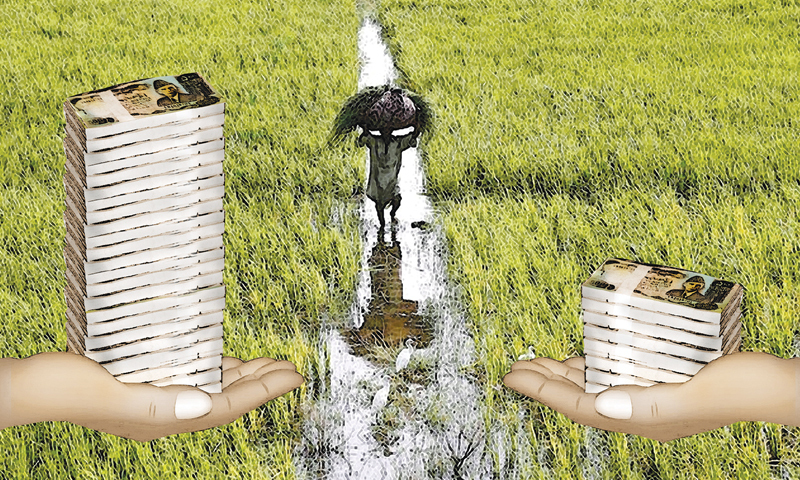
ISLAMABAD, June 11 (INP-Wealth Pakistan) -- Pakistan’s agricultural credit disbursement is expected to exceed Rs3 trillion in FY2025-26 for the first time, reflecting growing financial support for farmers and the government's efforts to improve agricultural productivity, food security and rural development, according to the Pakistan Economic Survey 2025-26 released by the Ministry of Finance.

ISLAMABAD, June 11 (INP-Wealth Pakistan) -- Pakistan's economy grew by 3.7% in FY2025-26 despite the devastating floods of 2025, regional geopolitical tensions and global economic uncertainty, according to the Pakistan Economic Survey 2025-26 released by the Ministry of Finance.
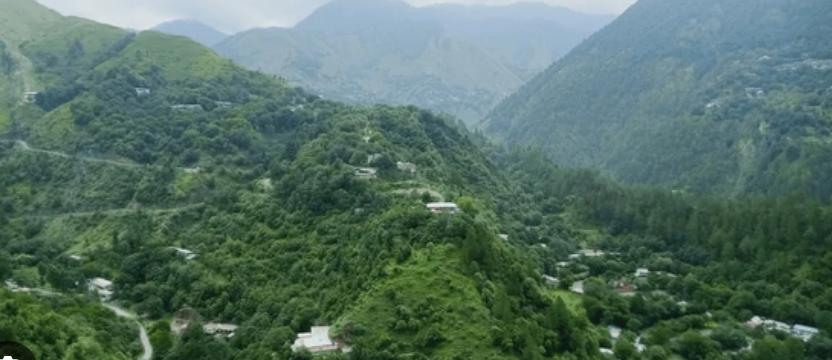
ISLAMABAD, June 11 (INP-Wealth Pakistan) -- Pakistan's forests generate ecosystem services valued at 11.48% of the country's gross domestic product (GDP), underscoring their economic importance despite continued pressure on forest resources and limited forest cover, according to the Pakistan Economic Survey 2025-26.

ISLAMABAD, June 11 (INP-Wealth Pakistan) -- Pakistan’s domestic production is expected to meet around 10% of total edible oil requirements, leaving the country heavily dependent on imported edible oil and oilseeds despite ongoing efforts to boost local oilseed production, according to the Pakistan Economic Survey 2025-26.

ISLAMABAD, June 11 (INP-Wealth Pakistan) -- Pakistan generated approximately $509.6 million through its 5G spectrum auction in FY2025-26, marking a major milestone in the country's digital transformation journey and laying the foundation for next-generation telecommunications services, according to the Pakistan Economic Survey 2025-26 released by the Ministry of Finance.

ISLAMABAD - The price of gold witnessed a decline in the local market on Monday, with the price of 24-karat gold per tola falling by Rs2,000 to settle at Rs408,936, according to rates issued by the All Pakistan Sarafa Gems and Jewellers Association. Similarly, the price of 10 grams of 24-karat gold decreased by Rs1,715 to Rs350,596, while 10 grams of 22-karat gold declined by Rs1,572 to Rs321,391. In the international market, the price of gold decreased by $20 to $3,864 per ounce, the association reported. Meanwhile, the price of silver per tola fell by Rs115 to Rs5,228, while the price of 10 grams of silver declined by Rs98 to Rs4,482. The price of silver in the international market also decreased by $1.15 to $47.50 per ounce, the association added.
ISLAMABAD - Pakistan’s export freight rates from Karachi Port to major Gulf Cooperation Council (GCC) ports have surged by up to 577 percent after the US-Iran war, while Afghanistan has emerged as a cheap and short route to the Central Asian Republics from Pakistan’s port compared to China and Iran.
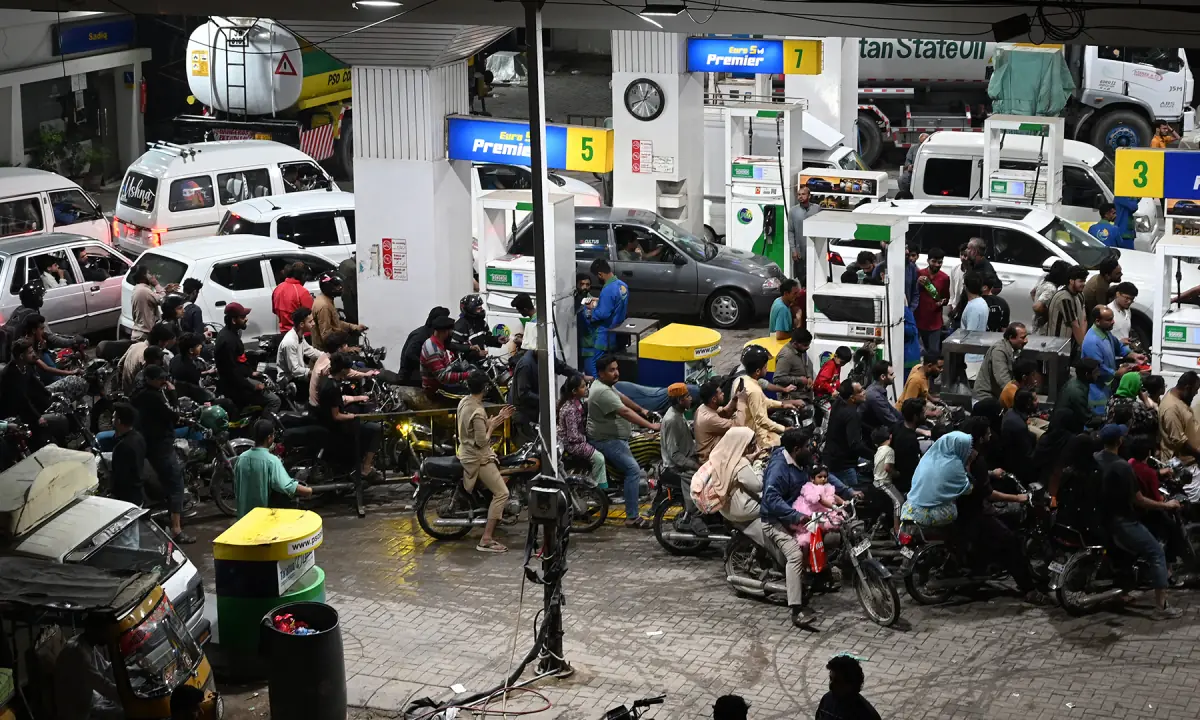
Petrol will retail at Rs328 per litre; diesel at Rs358 on Tuesday.
The Pakistan Stock Exchange maintained a positive trend, with the benchmark KSE-100 Index gaining 309 points to close at 178,182.
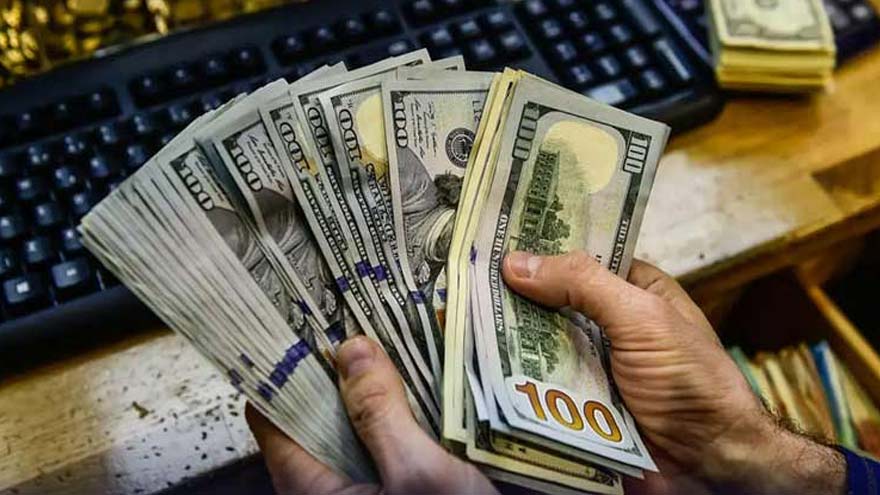
The US dollar declined by three paisas against the Pakistani rupee in the interbank market, closing at Rs276.57 on Monday.

Gold prices declined by Rs2,000 per tola in the local market on Monday, bringing the price of 24-karat gold to Rs408,936, according to the All Pakistan Sarafa Gems and Jewellers Association.

The Pakistani rupee continued its marginal gain against the US dollar, appreciating 0.01% in the inter-bank market on Monday.
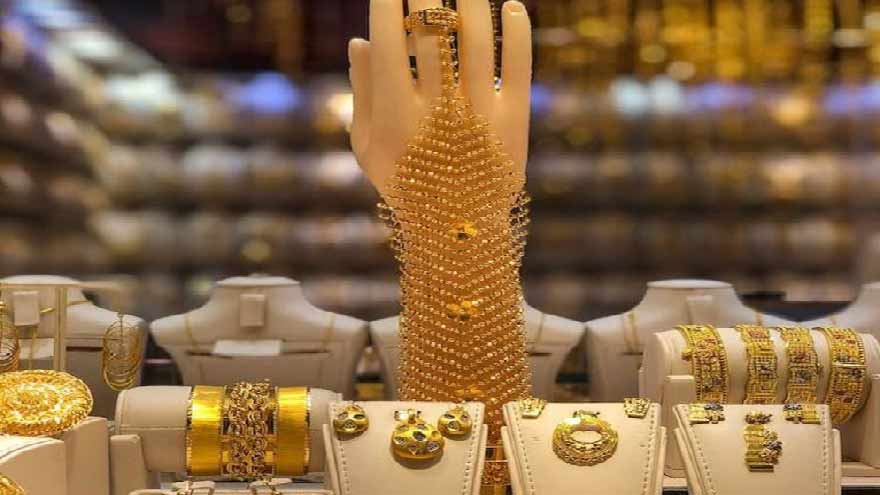
Gold prices fell for the sixth consecutive day, with domestic per-tola rates declining Rs2,000 and international prices dropping $20.
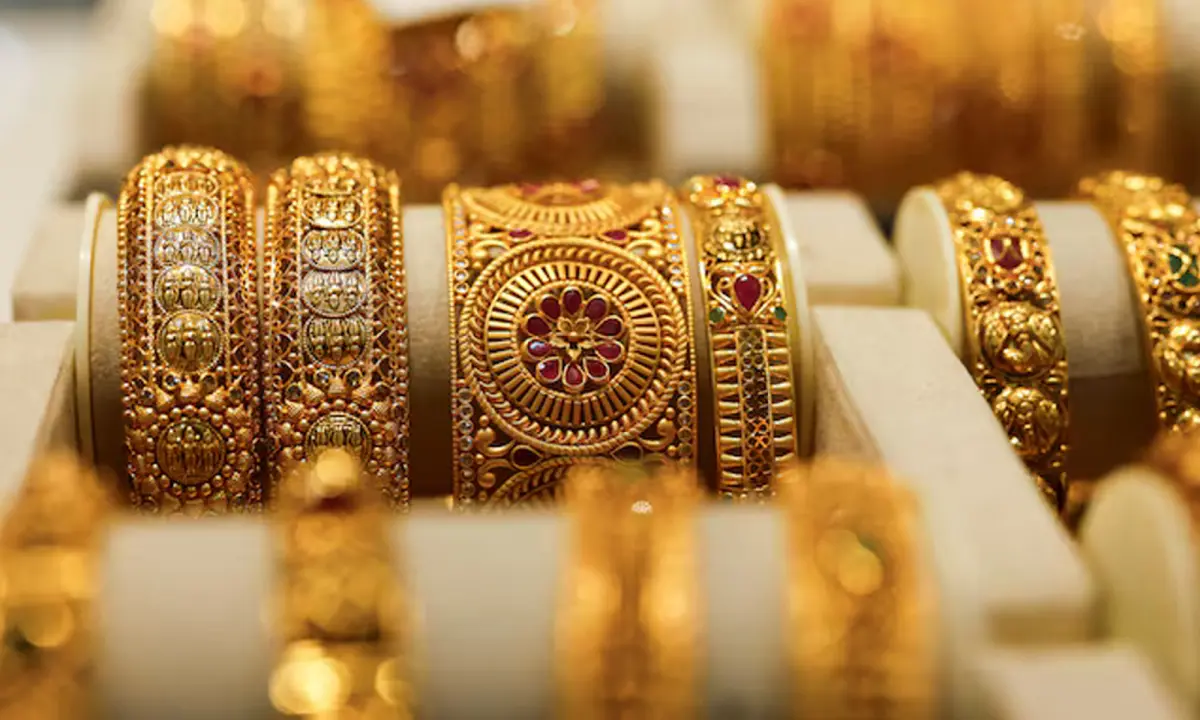
Gold prices in Pakistan decreased on Monday in line with their loss in the international market. In the local market, gold price per tola reached Rs408,936 after a decline of Rs2,000 during the day.

Federal government operating expenses increased by 28.21% during the first quarter of fiscal year 2026-27, reaching Rs206.64 billion despite ongoing austerity measures, according to Finance Ministry documents.
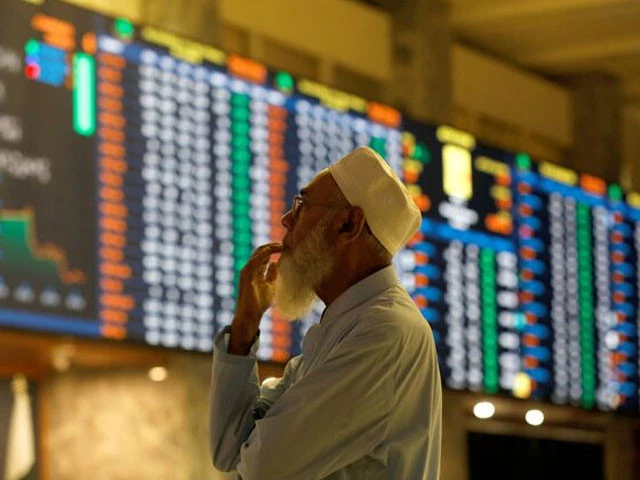
The Pakistan Stock Exchange (PSX) opened the new trading week on a strong note on Monday, with investors stepping up buying across major sectors, driving the benchmark index up by more than 3,000 points in early afternoon trading despite a subdued trend across Asian markets.

Foreign exchange rates in Pakistan for today, November 16, 2026
Foreign currency deposits fell by $67.17mn to $6.891bn in October 2026 from the previous month, according to the latest data released by the State Bank of
PSX opened the business week positively as the KSE-100 Index surged 1,400.20 points, or 0.79%, to 179,274.07 amid strong buying activity and rising investor interest.
Stocks opened the week on a positive note at the Pakistan Stock Exchange (PSX), with the benchmark KSE-100 Index gaining over 1,000 points during the opening minutes of trading on Monday.

Silver price in Pakistan for today, November 16, 2026
Net interest income and non-interest income both fell from a year earlier. Deposits are down 9.4% this year, borrowings are up 72.3%.

Pakistan's exports grow 8.52% to $11.34 billion in four months, but imports rise faster, widening the trade deficit by 15.97%.
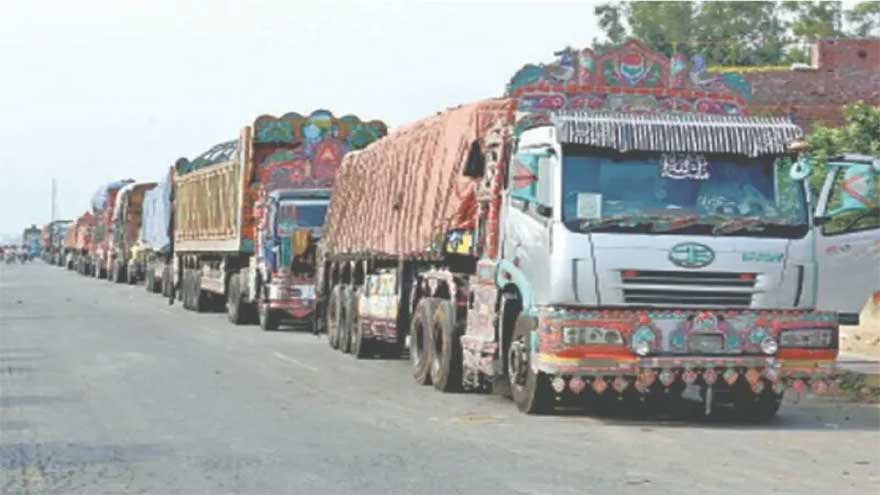
The government credited the record rise in exports to key measures included in the FY27 budget, such as reduced taxes and surcharges for businesses and industry, particularly exporters.

Pakistan's services trade deficit falls 0.33% to $832.16 million in the first quarter, as exports grow 22.60% and imports rise 16.32%.
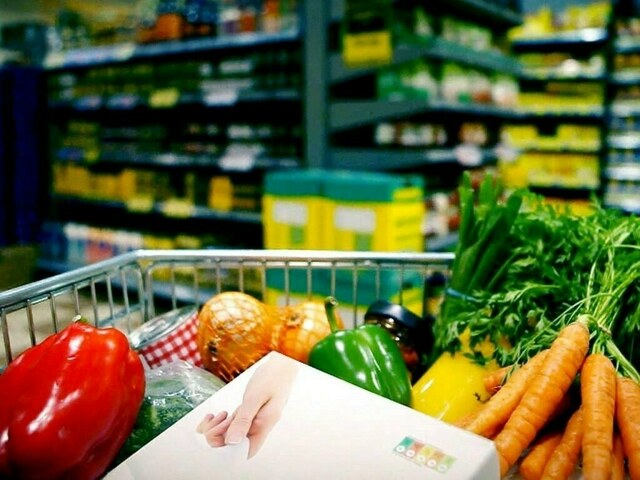
PESHAWAR: Prices of important kitchen items, including flour, vegetables, live chicken/meat, sugar, cooking oil/ghee, and others remained high in the retail market despite the consistent decrease in fuel prices.
Following the reduction, the new price of petrol has been fixed at Rs328 per litre, while high-speed diesel will cost Rs358 per litre.
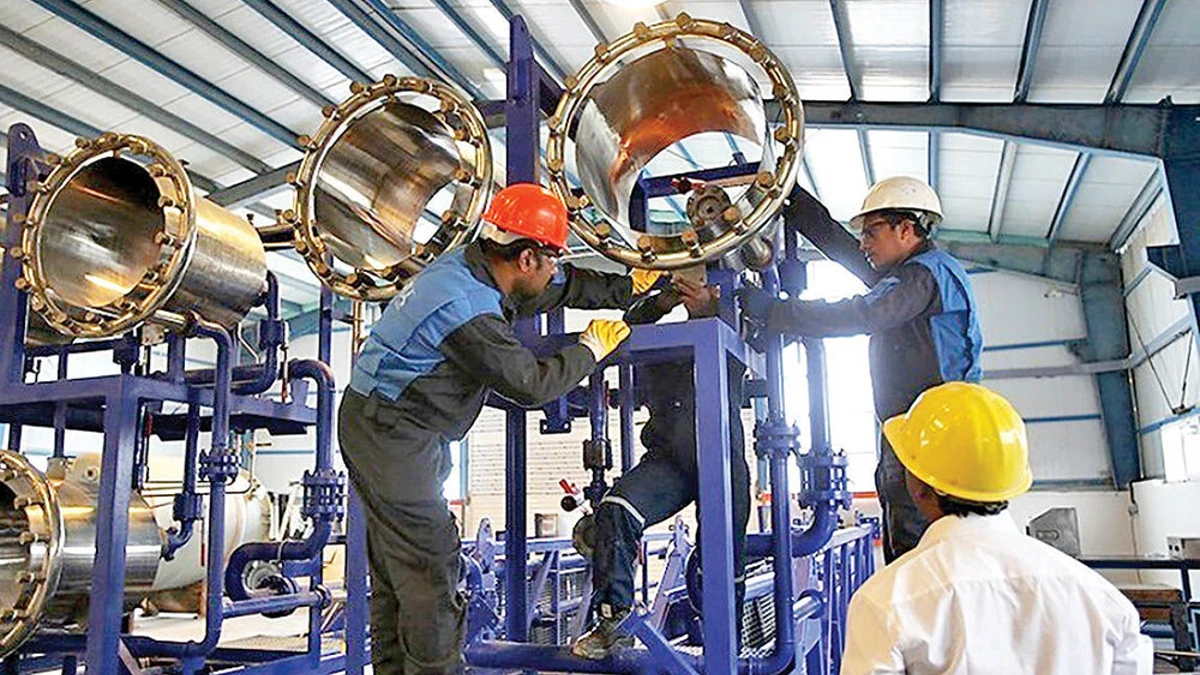
Pakistan's investment slumps, falling from 15% of GDP (FY06) to just 12.6% by FY26. This sharp decline critically impacts sectors vital for productivity, exports, and tech innovati

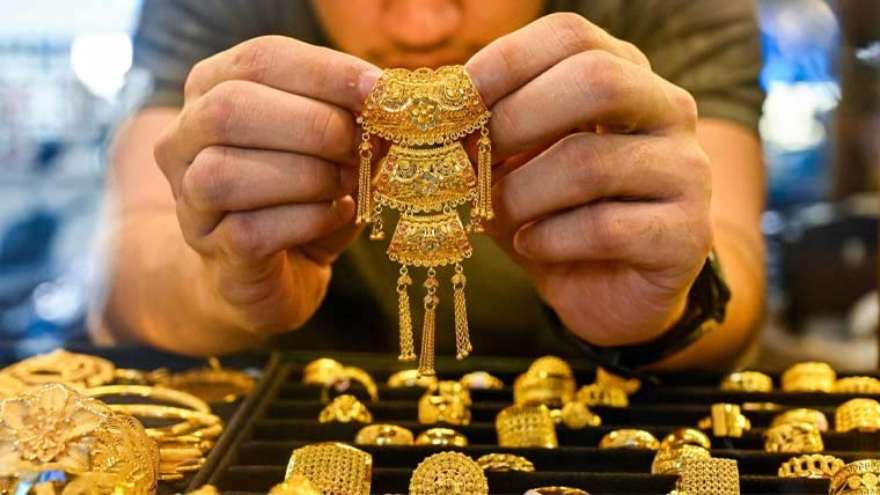
Gold prices declined by Rs700 per tola across Pakistan, while the price of 10-gram gold dropped by Rs600 in local markets.
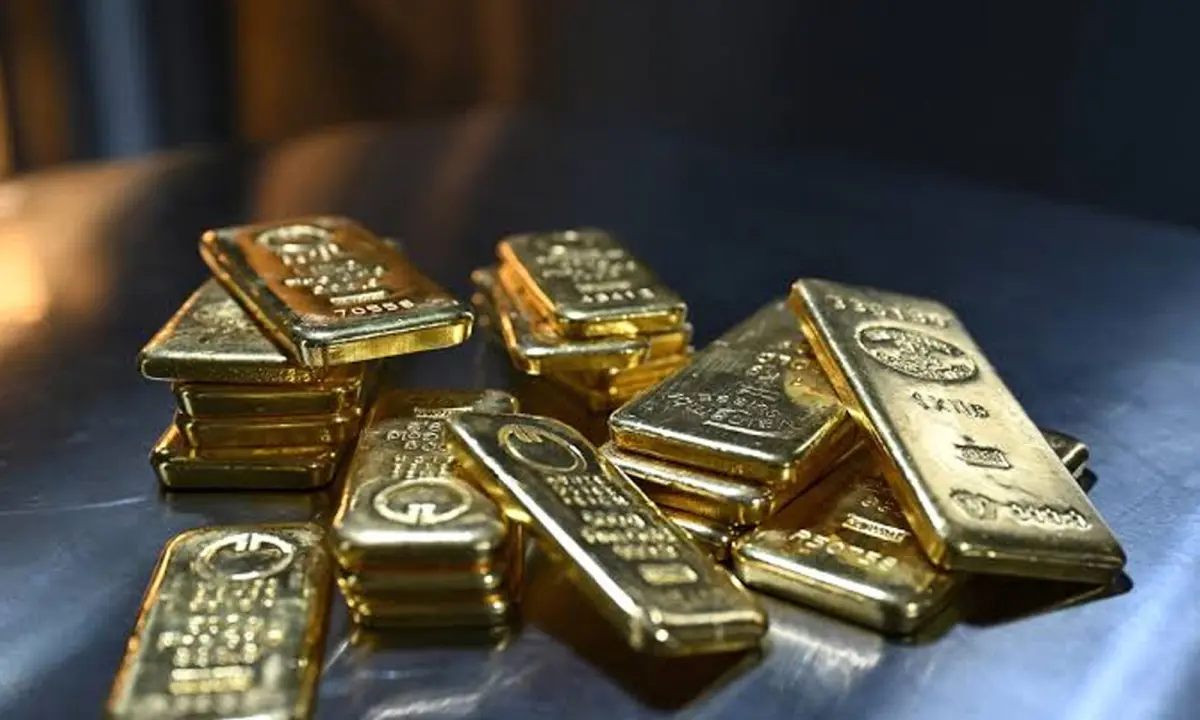
Gold prices in Pakistan decreased on Saturday in line with their loss in the international market. In the local market, gold price per tola reached Rs410,936 after a decline of Rs700 during the day.
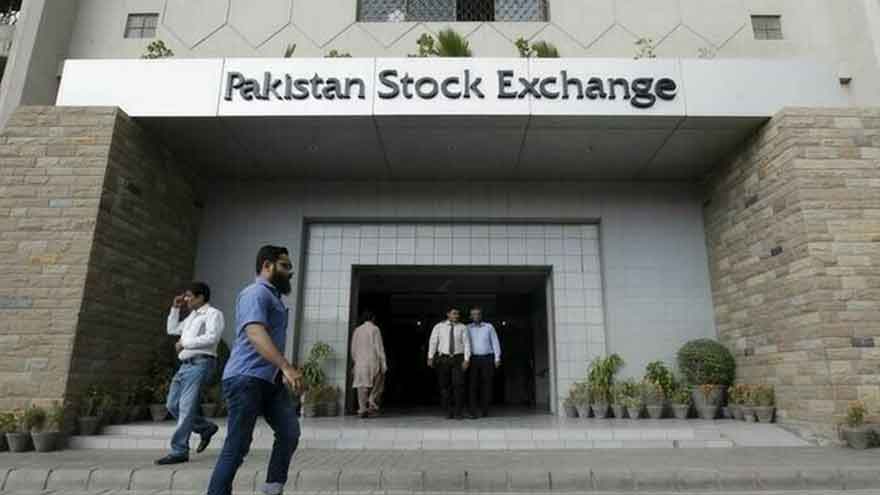
Pakistan Stock Exchange posts a positive weekly trend as the KSE-100 Index gains 3,987 points to close at 177,873, while market capitalisation rises by Rs426 billion.
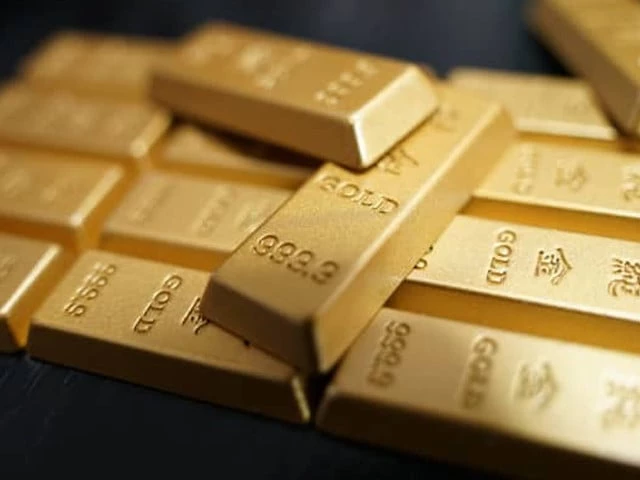
Gold prices in Pakistan declined for the second consecutive session on Friday, shedding Rs4,900 per tola, as the precious metal remained under pressure in international markets amid expectations of further US monetary tightening and persistent geopolitical uncertainty.
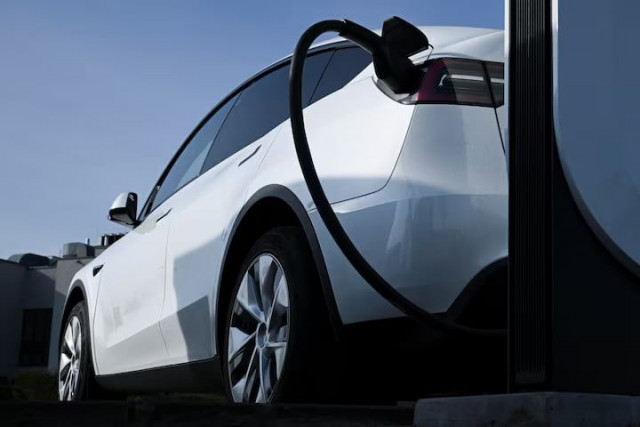
The government has decided to impose an Automotive Development Levy (ADL) of 2% to 10% on imported and locally manufactured internal combustion engine (ICE) vehicles to speed up electric vehicle adoption, with a clear vehicle classification and the minimum levy on public service vehicles and vehicles up to 2000cc. ICE refers to conventional petrol- or diesel-powered vehicles that use an engine to burn fuel and generate power. The levy will not apply to imported and locally manufactured 2/3-wheelers, tractors and vehicles with engine capacity up to 1000cc, and it will carry a sunset clause while remaining enforced during the policy period.

Inflation measured by the Sensitive Price Indicator (SPI) remained in double digits on a year-on-year basis, rising 11.21% in the week ended November 12, despite a 0.46% decline from the preceding week, as steep increases in liquefied petroleum gas (LPG), tomatoes, electricity charges and wheat flour continued to put pressure on household budgets.