PSX surges as KSE-100 index crosses 186,000 mark
Pakistan's stock market opened the week on a strong note as the KSE-100 Index surged over 1,100 points, crossing the 186,000 mark during early trading.
dunyanews
Pakistan's stock market opened the week on a strong note as the KSE-100 Index surged over 1,100 points, crossing the 186,000 mark during early trading.
The US dollar holds near a two-week low as Fed rate-hike expectations cool. Watch this week’s Fed minutes—read more now.
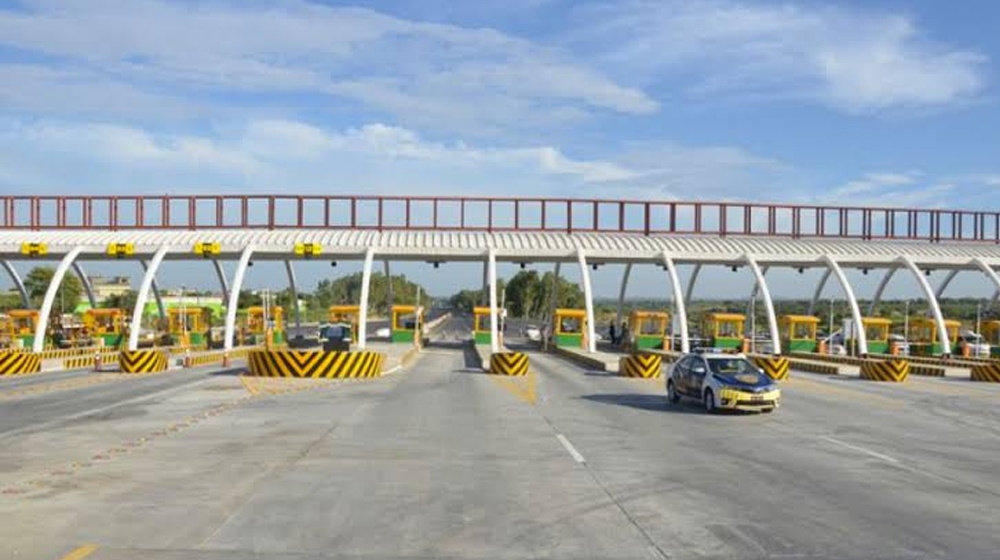
NHA hikes Lahore-Islamabad Motorway (M-2) tolls by 7% from July 5, 2026. Check revised charges and effective dates now.

DOHA – Maritime trade between Iran and Qatar has resumed after being suspended for around five months, according to Iran’s commercial attaché in Doha, as
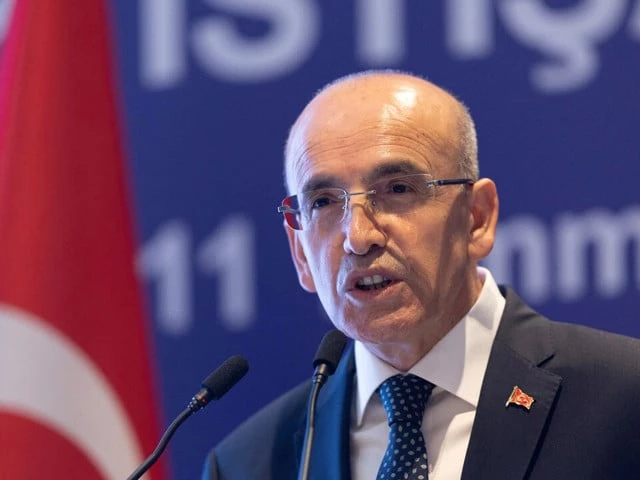
Recent tax reforms announced by the finance minister of Turkiye are a game changer. With collaboration between the current government of President Recep Tayyip Erdogan, opposition political parties, think tanks, and the Istanbul Chamber of Commerce, a tax policy has been introduced to attract high-net-worth individuals and large corporate entities to relocate to Turkiye.
Pakistan's policymakers routinely lament low investment, weak exports, declining industrial competitiveness and the high cost of doing business. Yet, while governments announce investment facilitation councils, export incentives and industrial support packages, they simultaneously erect new barriers that make economic activity more expensive and less efficient.
The appointment of Vivek Aggarwal as incoming Vice-President of the Financial Action Task Force (FATF) has been read in some quarters as if India has acquired a switch over Pakistan's financial reputation; that reading is convenient and it is also wrong.
Pakistan's economic debate is often polarised between two sharply contrasting narratives. One presents a picture of stability and improvement – rising gross national product (GNP), record high foreign exchange reserves, and controlled inflation. The other paints a bleaker reality – rising unemployment, persistent inflationary pressure, and worsening poverty. To understand the true state of Pakistan's economy, it is essential to examine the evidence behind both views, identify where each is grounded in fact, and evaluate the structural forces shaping outcomes. Only then can a balanced conclusion be reached.
There is a point beyond which higher tax rates do not produce higher revenue. In fact, they can do the opposite: shrink the tax base, encourage avoidance, push activity into informal channels, and reduce the very revenue the state hopes to collect. This is not merely a textbook proposition from the Laffer Curve. Pakistan's recent tax experience provides concrete evidence that excessive taxation can defeat its own purpose.
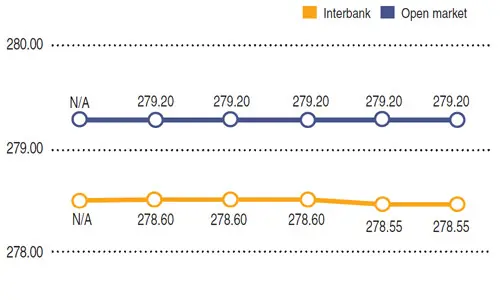
Chart by ZA
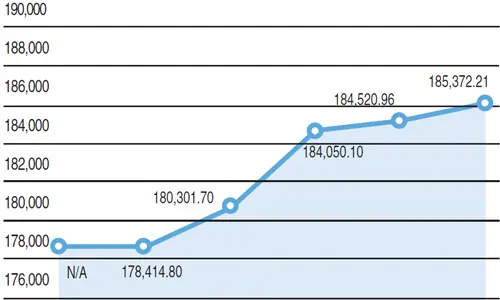
Chart by Mohammad Zeeshan Ali Khan
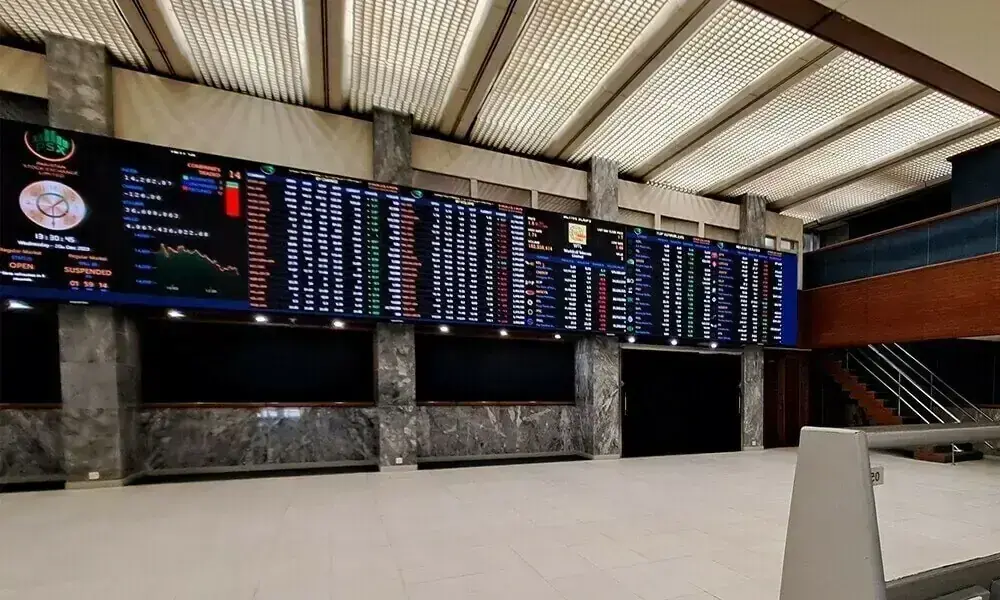
The Pakistan Stock Exchange (PSX) extended its upward momentum on Monday, with the benchmark KSE-100 Index closing the day with a gain of nearly 2,100 points.

Karandaaz Pakistan has partnered with D-Tech & Consultancy Private Ltd. (DTC) to develop a customer-friendly solution named ‘My Intelligent Assistant’ (MI
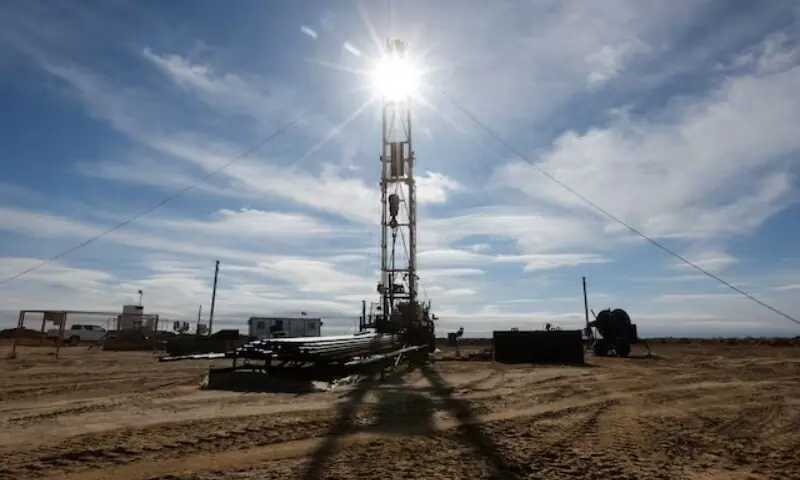
Exports from key producers via the Strait of Hormuz are recovering, potentially adding to global supplies.

Oil edges lower after OPEC+ agrees to raise output targets from August as Hormuz exports recover. Read the latest market update.

Oil prices edged lower on Monday after OPEC+ agreed to raise production targets from August, while recovering Gulf exports and higher Russian shipments signalled increased global supply.

Pakistan set aside Rs1.6bn for PMD to boost forecasting and disaster readiness, including radar projects and hydromet upgrades. Read more.
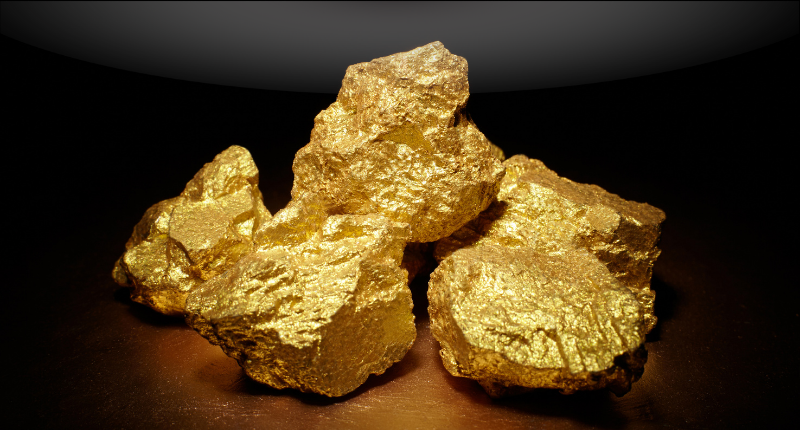
Gold steadies near a two-week high after weaker US jobs data cools Fed rate-hike odds. Watch Fed minutes—read the latest.
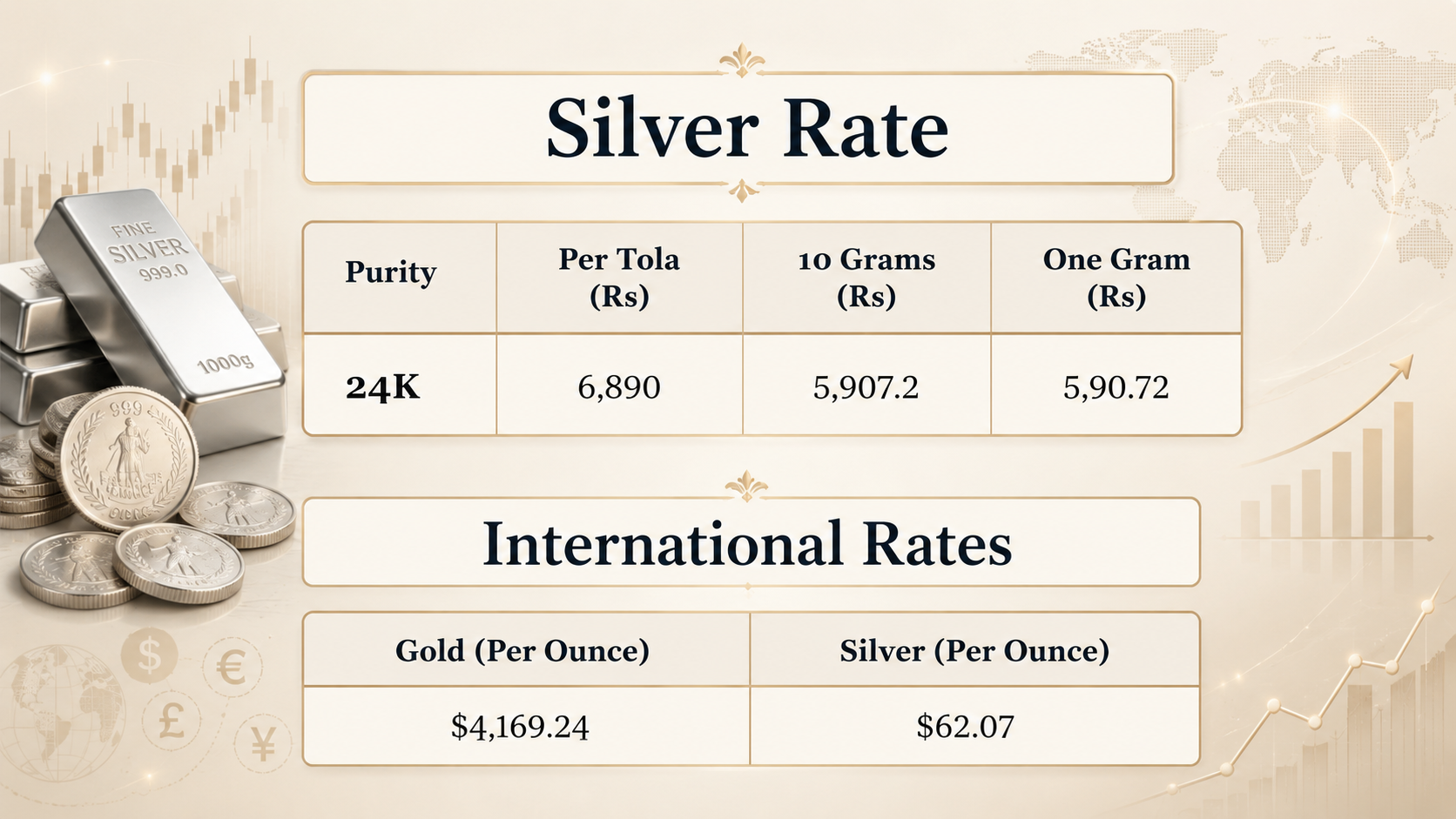
Check today’s silver price in Pakistan as local Sarafa and gold markets update rates by city. View the latest rates now!
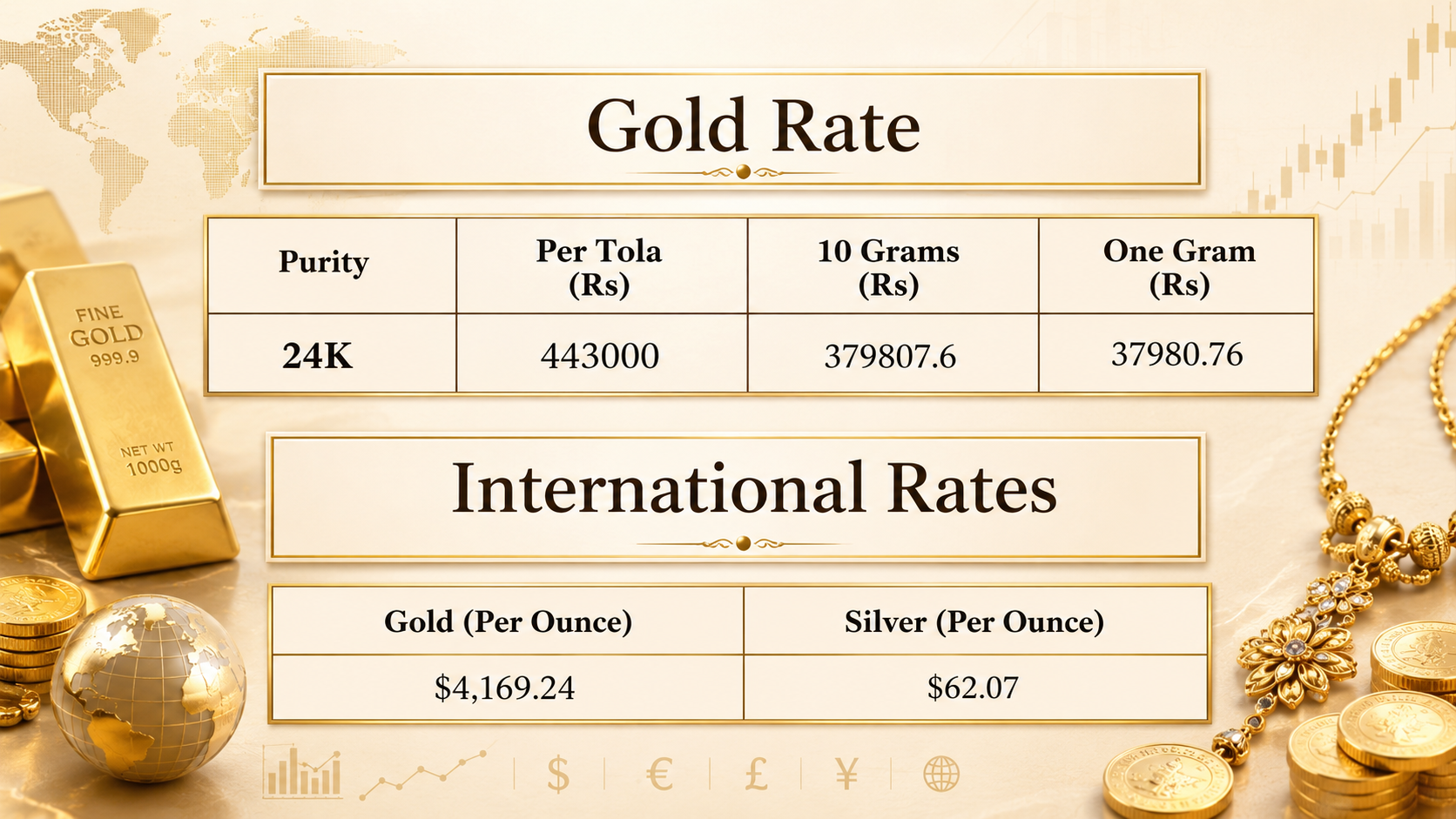
Check today’s gold price in Pakistan, updated for July 06, 2026. Compare Sarafa market rates by city—read the latest updates now.
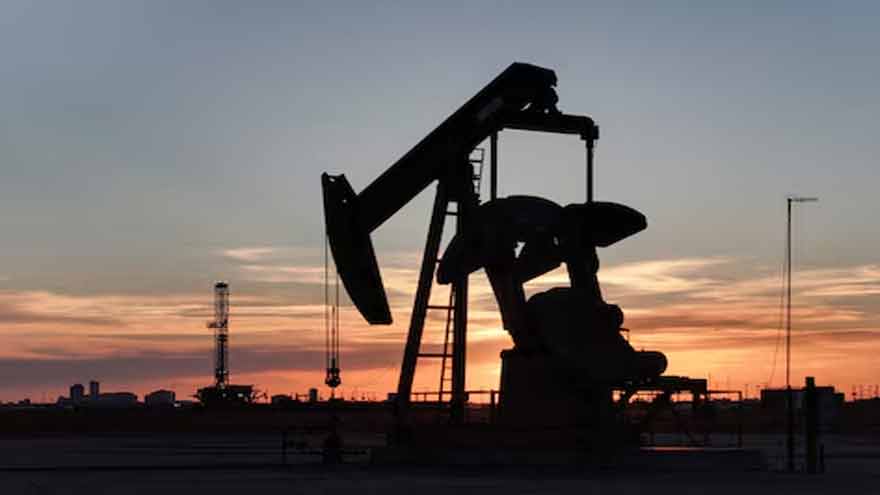
Oil prices edged lower after OPEC+ agreed to raise August output targets, while recovering Gulf and Russian exports eased supply concerns despite ongoing geopolitical tensions.

The U.S. dollar steadied near a two-week low after weaker jobs data reduced Fed rate hike expectations, while Japan’s yen hovered near a 40-year low, fueling intervention concerns.

Telenor Pakistan and PTCL merger could cut 300–500 jobs as overlapping roles are reviewed. Read the report and latest updates.

Revised telecom law will require property owners’ consent before telecom right-of-way is granted. Ministers say it protects private land—read more.
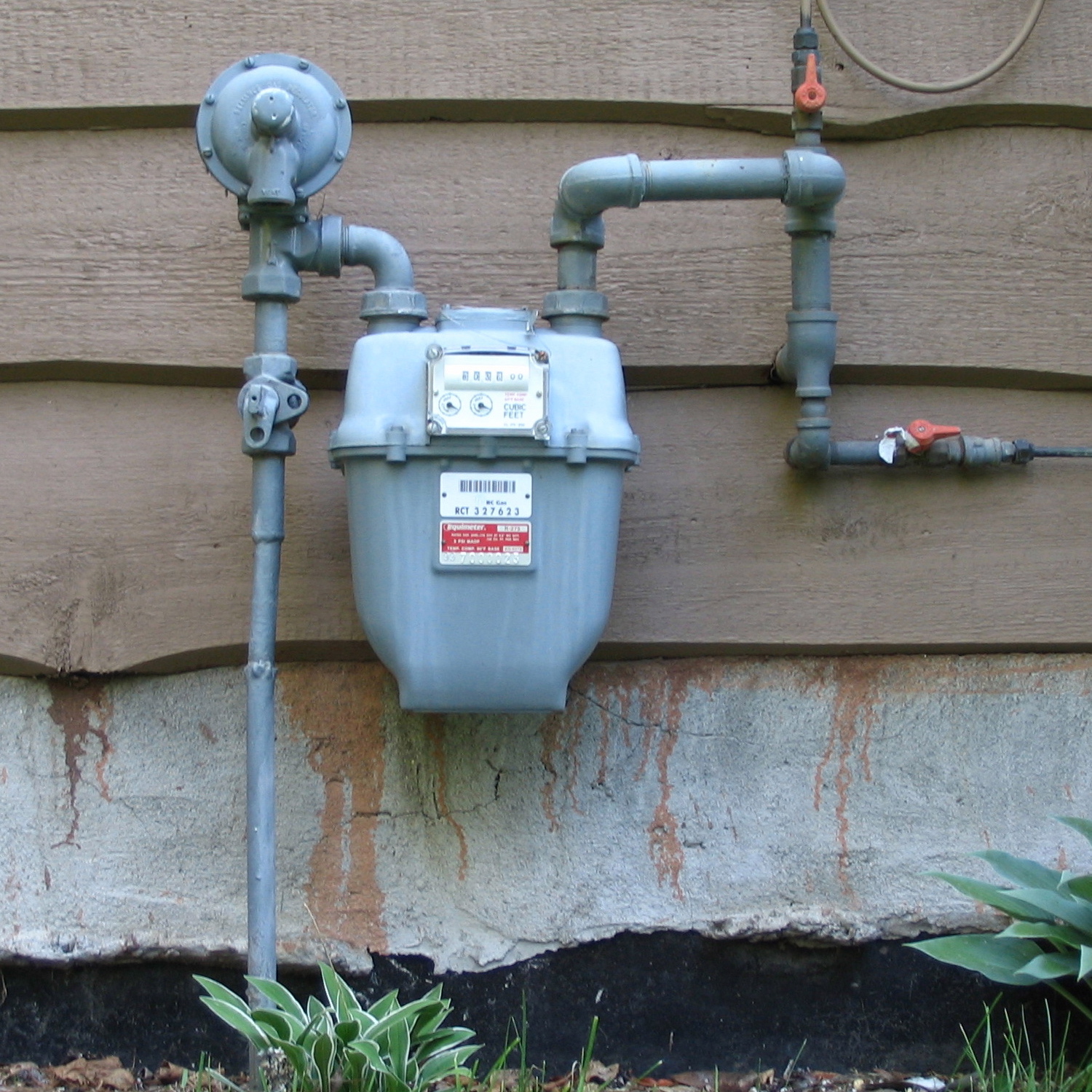
AGP audit warns unjustified RLNG costs were recovered through gas tariffs and fixed charges. Read the findings and call for reforms.

SBP says climate disasters already cost Pakistan $58.8B and needs $331B by 2030. Read why funding gap persists and what must change.
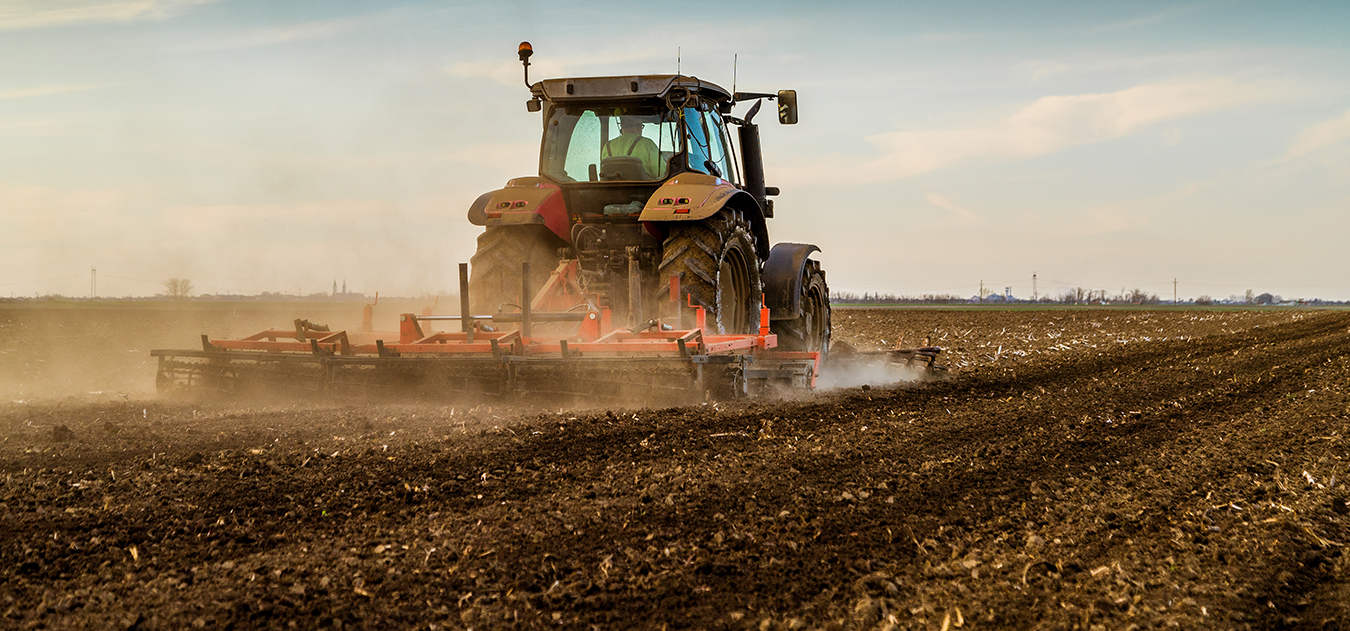
Pakistan’s low mechanization leaves wheat and wheat fields labor-heavy and inefficient. Read how horsepower gaps drive hunger—act now.
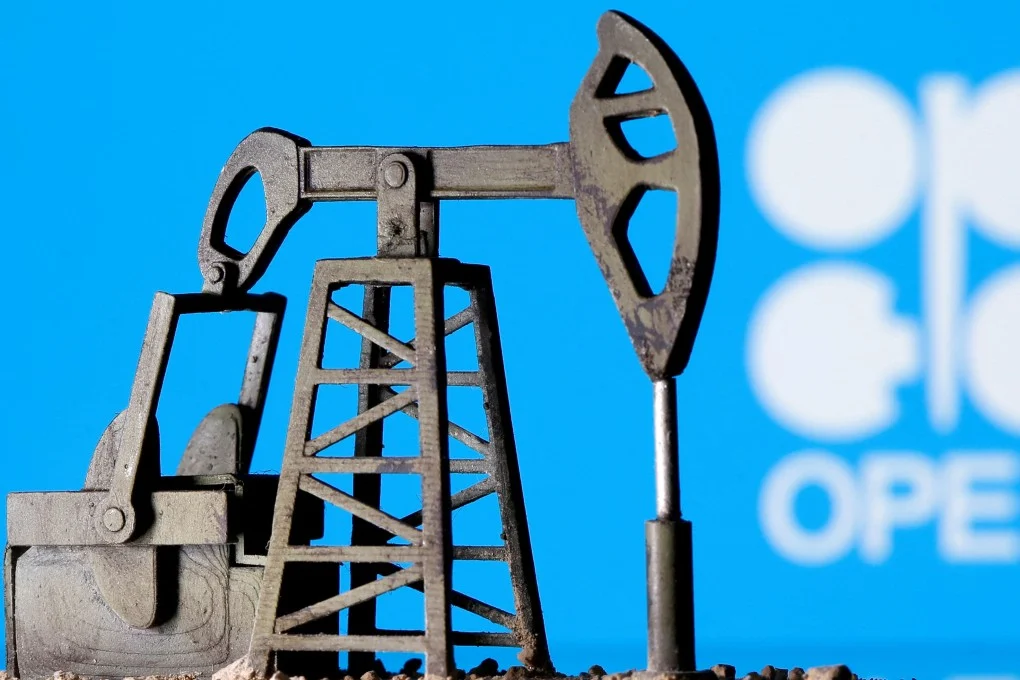
OPEC+ raises production quotas by 188,000 bpd from August as Strait of Hormuz exports recover. Read the latest market impact.
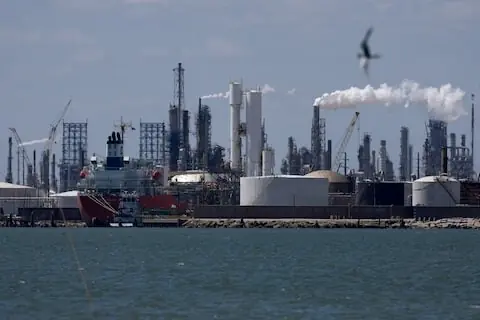
SINGAPORE:
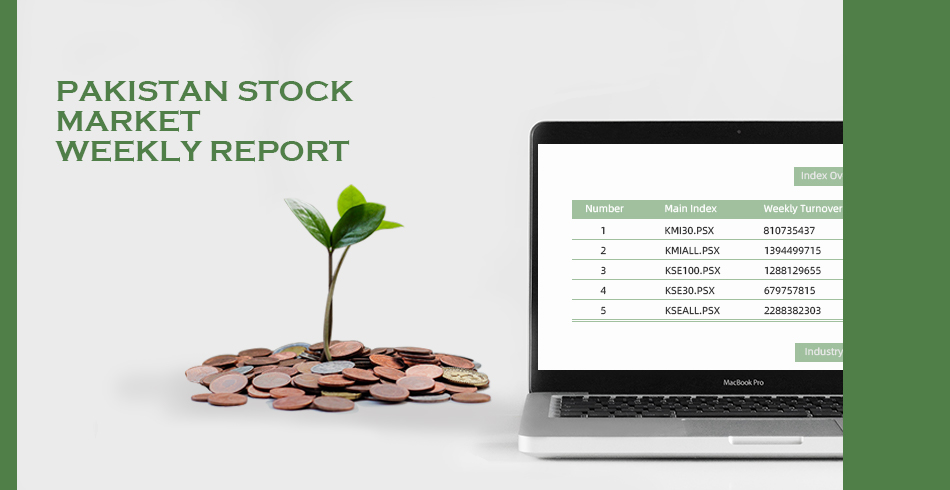
Weekly Review of Stock Market (2026.06.29-2026.07.03)
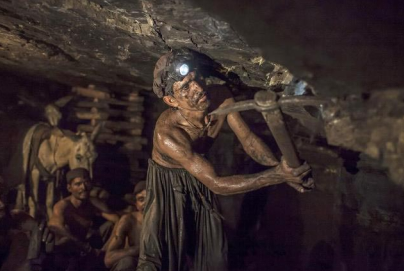
Balochistan coal miners and their families received over Rs260 million in welfare assistance under the death and marriage grant schemes during the seven-year period from 2019–20 to 2025–26.

Jul 7, 2026
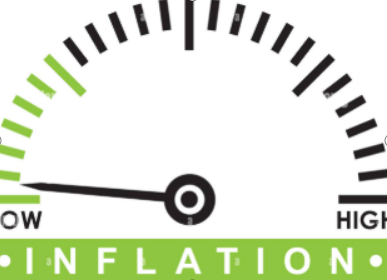
Pakistan's weekly inflation, measured by the Sensitive Price Indicator (SPI), declined by 0.98% during the week ended July 2, 2026, as sharp reductions in petrol, diesel and LPG prices outweighed steep increases in the prices of tomatoes, onions and other essential food items, according to the Pakistan Bureau of Statistics (PBS).

Pakistan's exchange rate stability is increasingly being driven by stronger economic fundamentals rather than temporary administrative measures, with improvements in the country's external account, fiscal management and energy sector reducing pressure on the rupee, according to a new research report.
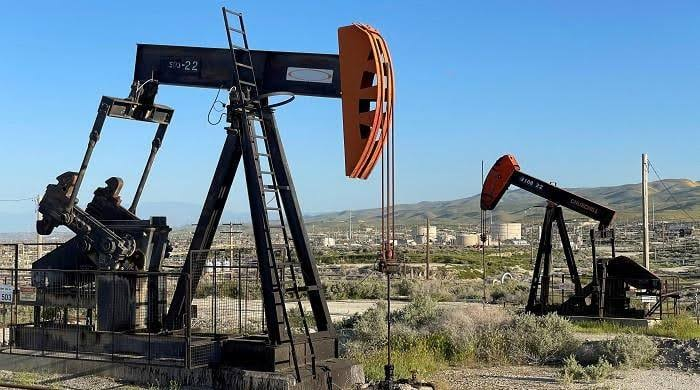
Pakistan has set higher production targets for crude oil, natural gas and LPG for the financial year 2026-27 as part of a broader strategy aimed at strengthening indigenous energy production, reducing import dependence and improving energy infrastructure resilience.
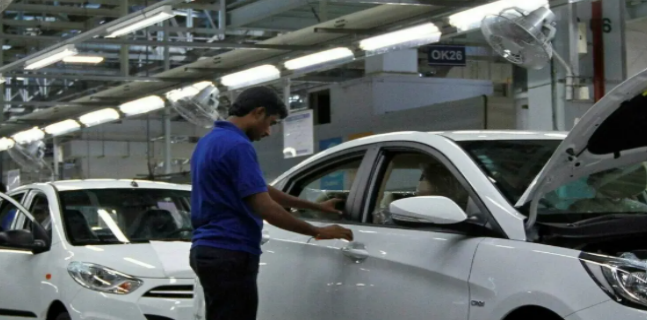
Pakistan has set a target for new energy vehicles (NEVs) to account for 30% of total new vehicle sales by 2030, with the government aiming to deploy around 2.2 million NEVs under its newly launched New Energy Vehicle (NEV) Policy 2025-30.
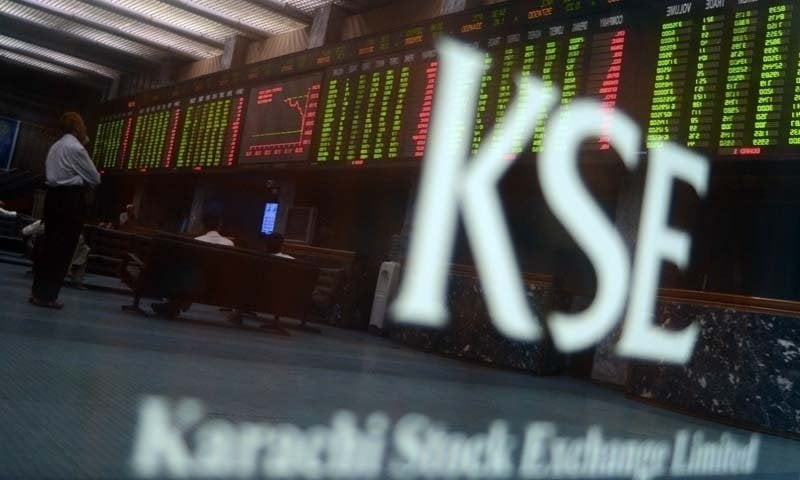
The Pakistan Stock Exchange (PSX) extended its rally during the outgoing week, with the benchmark KSE-100 Index gaining 5,801 points, or 3.23% week-on-week, to close at 185,372 points as easing geopolitical tensions in the Middle East pushed international oil prices lower and strengthened expectations of improving macroeconomic conditions.

The government is planning to establish a Rs9.8 billion footwear industrial hub near Lahore in a bid to attract foreign investment from the Kingdom of Saudi Arabia and other countries.
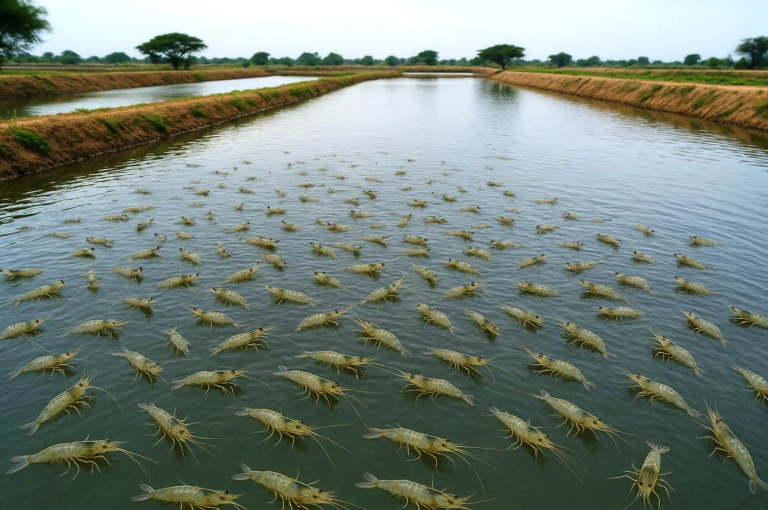
In a bid to secure a reasonable share of the growing global seafood market, particularly in quality-conscious European markets, the Punjab government plans to develop a new export-oriented aquaculture ecosystem through the establishment of three shrimp farming estates in the districts of Muzaffargarh and Sargodha.

Pakistan's proposed Automotive & Auto Parts Manufacturing Policy 2026-31 has entered the final stage of formulation, with the government seeking to strengthen local manufacturing, increase domestic value addition and accelerate the adoption of New Energy Vehicles (NEVs) under a long-term framework for the automotive sector.

Pakistan's telecom infrastructure came under sustained attacks over the past year, with at least 287 incidents of theft and vandalism recorded across four high-risk districts. Bannu alone accounted for nearly two-thirds of the cases.
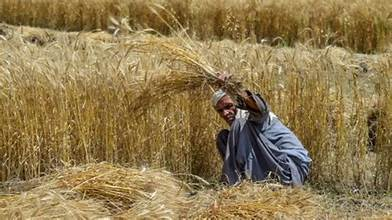
Pakistan's wheat production rose to 29.61 million metric tons in 2025-26 as government reforms over the past two years boosted cultivation, improved access to quality inputs and strengthened farmer confidence.
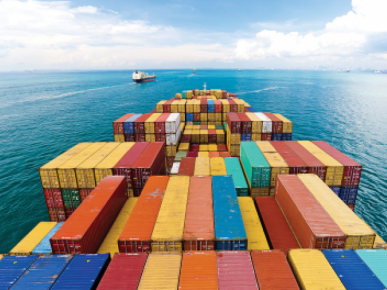
Pakistan's merchandise trade deficit widened sharply to $4.53 billion in June 2026, as exports declined while imports surged on both a monthly and annual basis, according to provisional data released by the Pakistan Bureau of Statistics (PBS).
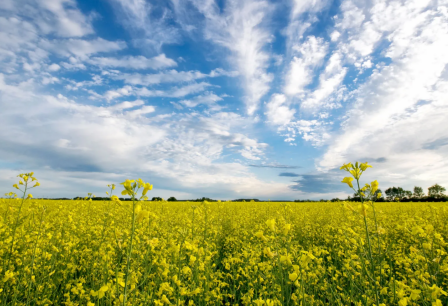
Pakistan's oilseed sector has delivered one of its strongest performances in recent years, with edible oil production from major oilseed crops rising by 30% in 2025-26 despite only a modest 4% increase in cultivated area, reflecting significant improvements in crop productivity and a growing shift by farmers towards more profitable oilseed cultivation.

Pakistan's edible oil and oilseed import bill continued its upward trajectory during the first 11 months (July–May) of FY2025–26, rising by 11.1% year-on-year to US$5.522 billion, compared with US$4.971 billion in the corresponding period of FY2024–25, according to the official data available with Wealth Pakistan.
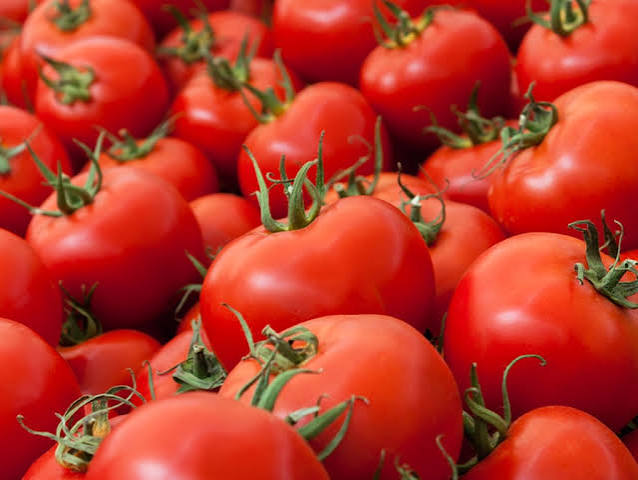
Scientists at the Vegetable Research Institute (VRI), Faisalabad, are developing high-yielding, heat-tolerant local tomato varieties to help reduce recurring shortages of this important kitchen crop in Pakistan.
Weekly Review of Stock Market (2026.06.29-2026.07.03)

Jul 6, 2026
ISLAMABAD, July 02 (INP-Wealth Pakistan) -- Pakistan's economic outlook for FY2026-27 has improved as easing geopolitical tensions, moderating global oil prices and continued implementation of economic reforms are expected to strengthen growth while preserving macroeconomic stability, according to the Finance Division.
ISLAMABAD, July 02 (INP-Wealth Pakistan) -- Pakistan significantly improved its fiscal position during FY2025-26, with the budget deficit narrowing to 1.1% of GDP during July-April as stronger revenue collection, prudent expenditure management and lower debt servicing costs strengthened the country's macroeconomic stability.
ISLAMABAD, July 02 (INP-Wealth Pakistan) -- Pakistan's economy expanded to $452.1 billion in FY2025-26, while real GDP growth accelerated to 3.7%, the highest in four years, reflecting improving macroeconomic stability, broad-based economic recovery and stronger investor confidence, according to the Finance Division's Monthly Economic Update & Outlook (June 2026).

ISLAMABAD, July 02 (INP-Wealth Pakistan) -- Pakistan witnessed a sharp increase in new business formation during FY2025-26, with company registrations rising by nearly 25%, reflecting improving investor confidence and a more stable economic environment, according to the Finance Division.
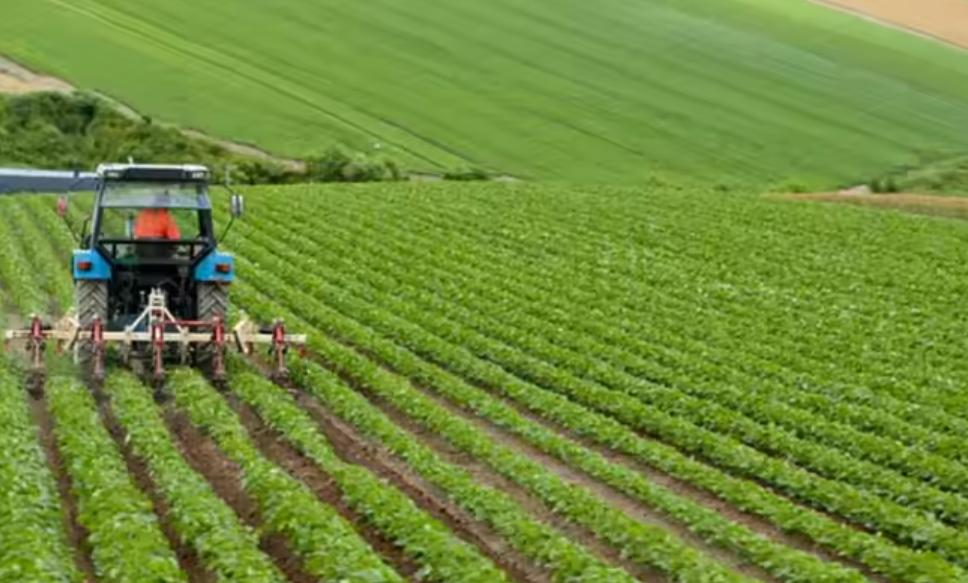
ISLAMABAD, July 02 (INP-Wealth Pakistan) -- Pakistan’s agriculture sector is targeted to grow by 3.6% in the fiscal year 2026-27, up from 2.9% growth recorded during FY26 despite flood damage, according to the Monthly Economic Update & Outlook, June 2026, released by the Finance Division.

ISLAMABAD, July 02 (INP-Wealth Pakistan) -- Pakistan is expected to enter FY2026-27 with stronger economic momentum as easing geopolitical tensions, moderating global energy prices and continued structural reforms create a more supportive environment for sustainable growth, according to the Finance Division.
ISLAMABAD, July 02 (INP-Wealth Pakistan) -- Pakistan's stable monetary policy stance, improving liquidity conditions and rising private sector credit are expected to encourage business investment and support economic growth during FY2026-27, according to the Finance Division.

ISLAMABAD, July 02 (INP-Wealth Pakistan) -- Pakistan's rapidly growing information technology (IT) exports and record workers' remittances are expected to provide a stronger cushion against external shocks and support the country's balance of payments during FY2026-27, according to the Finance Division.
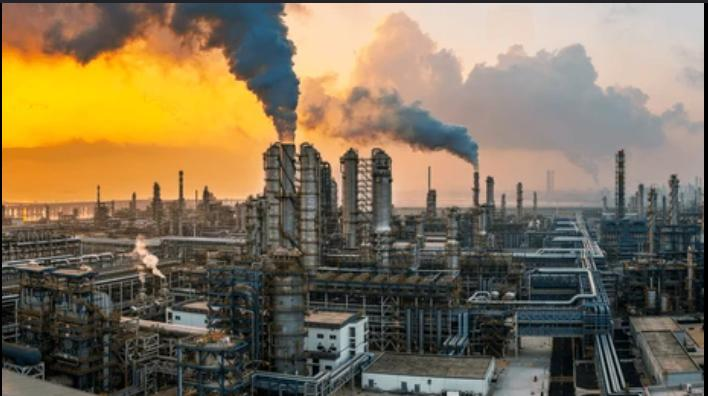
ISLAMABAD, July 02 (INP-Wealth Pakistan) -- Pakistan's petroleum product (POL) sales moderated in April 2026 after reaching a four-month high in March, with the transport sector retaining its position as the country's largest fuel consumer, according to data released by the State Bank of Pakistan (SBP).
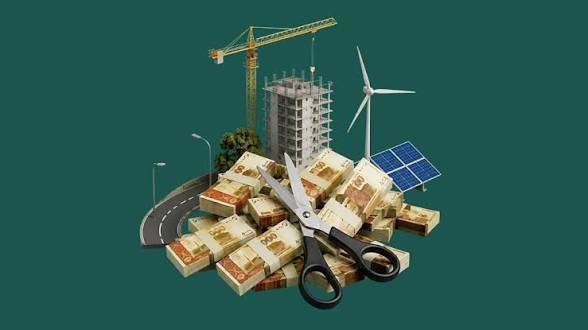
ISLAMABAD, July 01 (INP-Wealth Pakistan) -- Pakistan's improved fiscal management is creating greater room for development spending, with a sharp decline in debt servicing costs enabling the government to maintain investment in priority sectors while reducing the overall budget deficit, according to the Finance Division.

ISLAMABAD, July 02 (INP-Wealth Pakistan) -- Pakistan's external sector strengthened further during FY2025-26 as the country recorded a current account surplus of $255 million during July-May, supported by record workers' remittances, robust growth in information technology (IT) exports and improved foreign exchange reserves.
ISLAMABAD, July 02 (INP-Wealth Pakistan) -- Pakistan's improved fiscal position is reducing the government's reliance on bank borrowing, creating greater space for private sector credit and investment as the economy enters FY2026-27, according to the Finance Division.
The Pakistan Stock Exchange maintained a positive trend, with the benchmark KSE-100 Index gaining 309 points to close at 178,182.
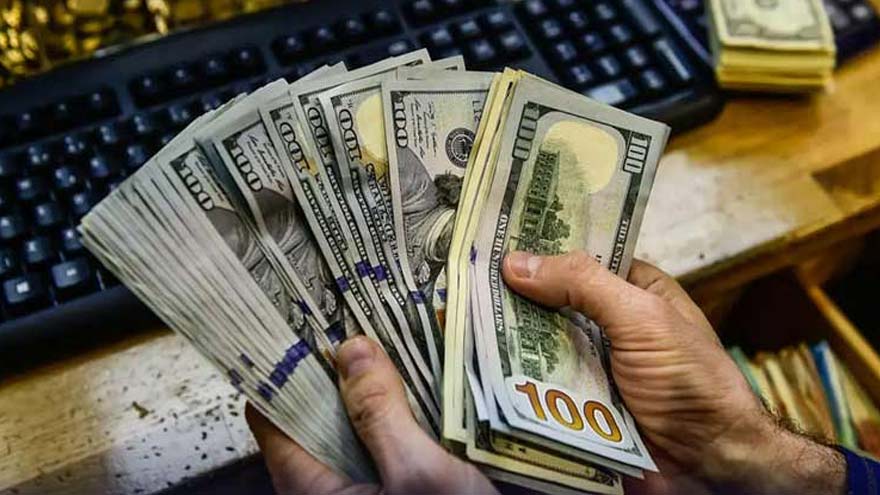
The US dollar declined by three paisas against the Pakistani rupee in the interbank market, closing at Rs276.57 on Monday.

Gold prices declined by Rs2,000 per tola in the local market on Monday, bringing the price of 24-karat gold to Rs408,936, according to the All Pakistan Sarafa Gems and Jewellers Association.

The Pakistani rupee continued its marginal gain against the US dollar, appreciating 0.01% in the inter-bank market on Monday.

Gold prices fell for the sixth consecutive day, with domestic per-tola rates declining Rs2,000 and international prices dropping $20.
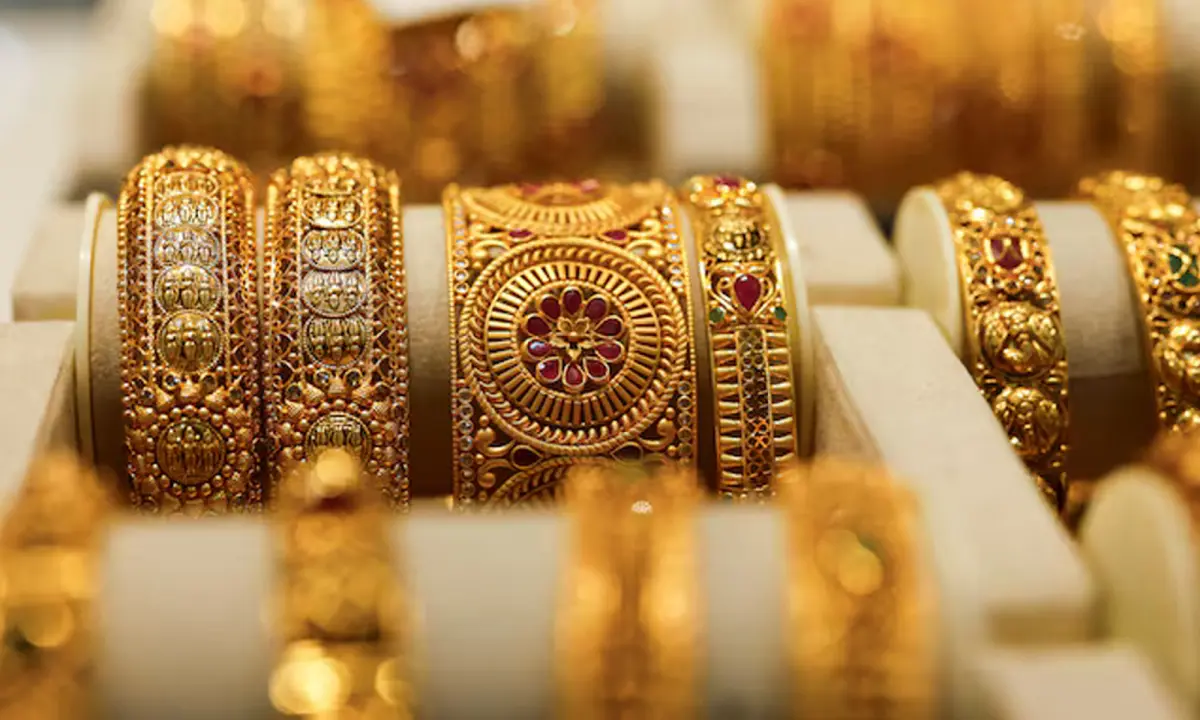
Gold prices in Pakistan decreased on Monday in line with their loss in the international market. In the local market, gold price per tola reached Rs408,936 after a decline of Rs2,000 during the day.

Federal government operating expenses increased by 28.21% during the first quarter of fiscal year 2026-27, reaching Rs206.64 billion despite ongoing austerity measures, according to Finance Ministry documents.
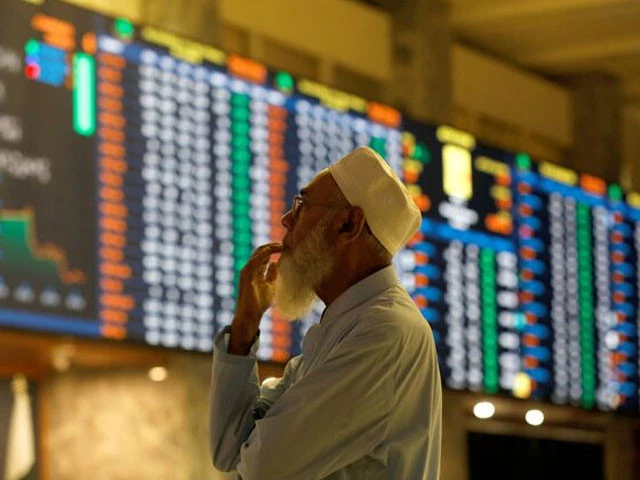
The Pakistan Stock Exchange (PSX) opened the new trading week on a strong note on Monday, with investors stepping up buying across major sectors, driving the benchmark index up by more than 3,000 points in early afternoon trading despite a subdued trend across Asian markets.

Foreign exchange rates in Pakistan for today, November 16, 2026

Foreign currency deposits fell by $67.17mn to $6.891bn in October 2026 from the previous month, according to the latest data released by the State Bank of
PSX opened the business week positively as the KSE-100 Index surged 1,400.20 points, or 0.79%, to 179,274.07 amid strong buying activity and rising investor interest.
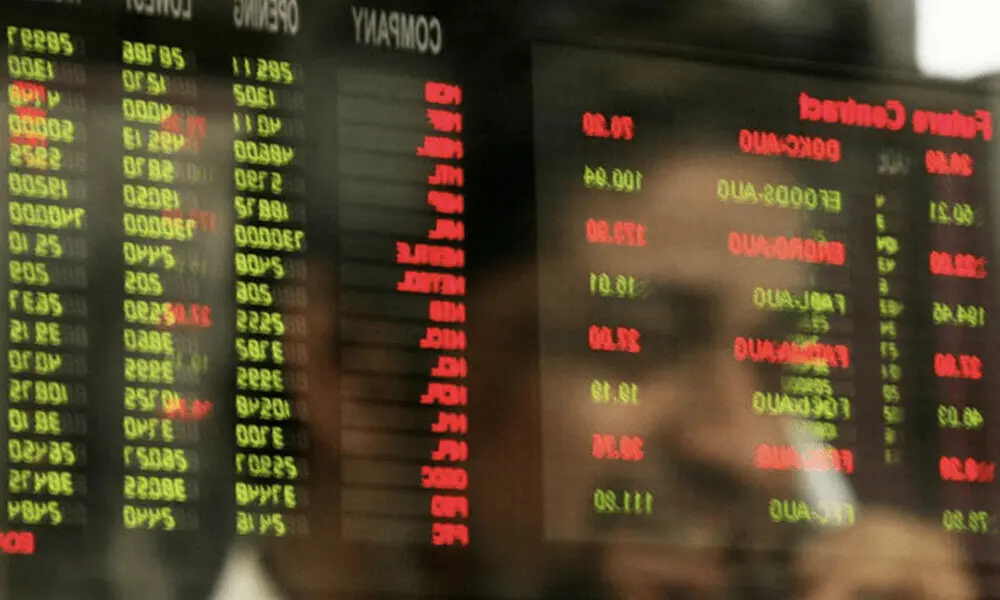
Stocks opened the week on a positive note at the Pakistan Stock Exchange (PSX), with the benchmark KSE-100 Index gaining over 1,000 points during the opening minutes of trading on Monday.

Silver price in Pakistan for today, November 16, 2026
Net interest income and non-interest income both fell from a year earlier. Deposits are down 9.4% this year, borrowings are up 72.3%.

Pakistan's exports grow 8.52% to $11.34 billion in four months, but imports rise faster, widening the trade deficit by 15.97%.
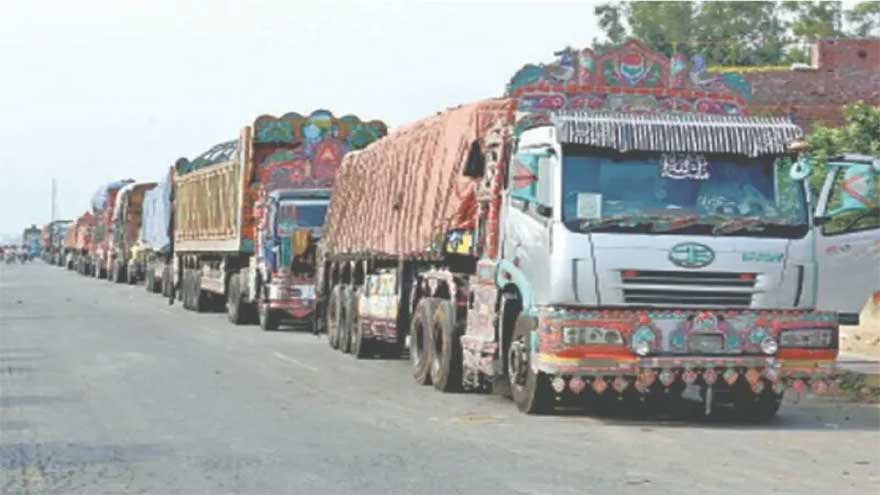
The government credited the record rise in exports to key measures included in the FY27 budget, such as reduced taxes and surcharges for businesses and industry, particularly exporters.

Pakistan's services trade deficit falls 0.33% to $832.16 million in the first quarter, as exports grow 22.60% and imports rise 16.32%.
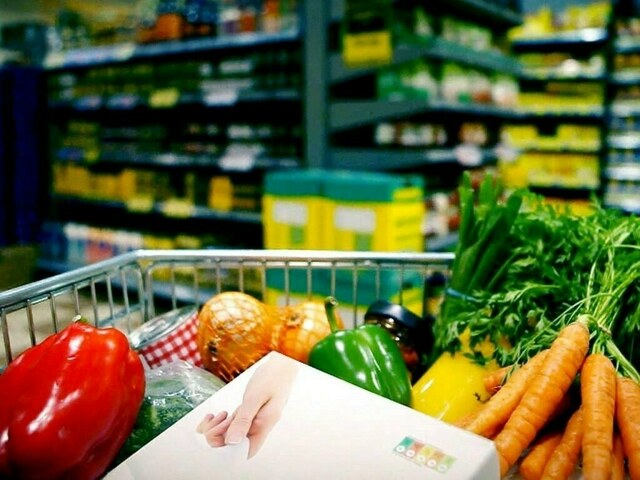
PESHAWAR: Prices of important kitchen items, including flour, vegetables, live chicken/meat, sugar, cooking oil/ghee, and others remained high in the retail market despite the consistent decrease in fuel prices.
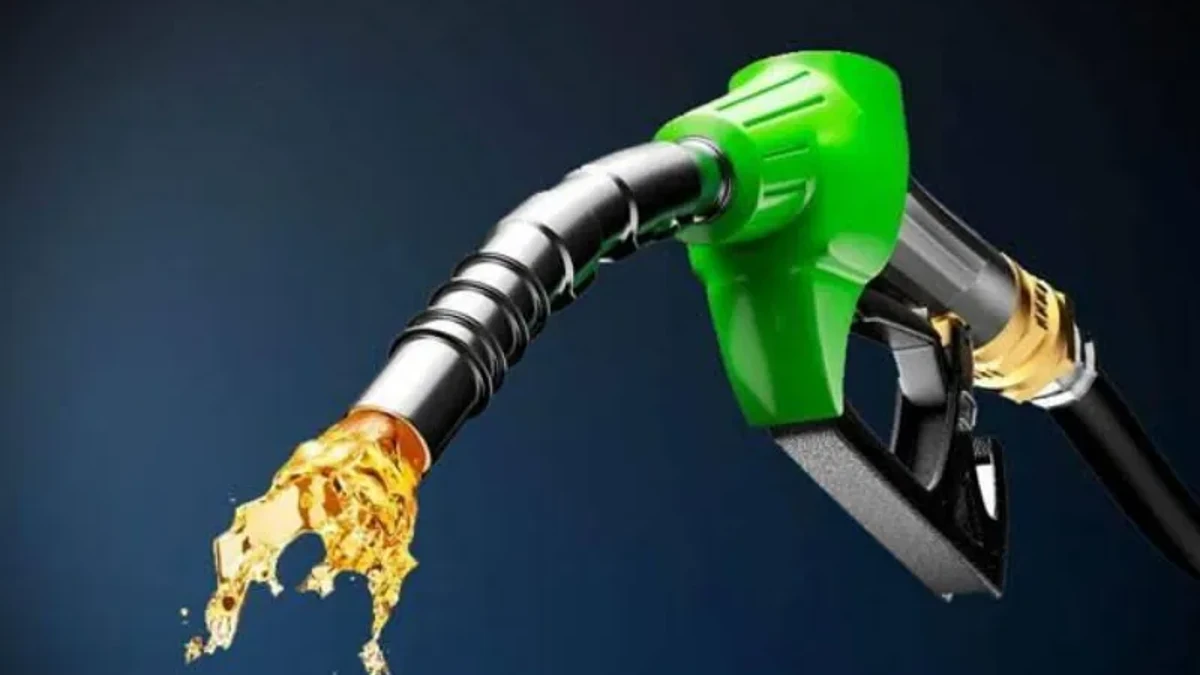
Following the reduction, the new price of petrol has been fixed at Rs328 per litre, while high-speed diesel will cost Rs358 per litre.
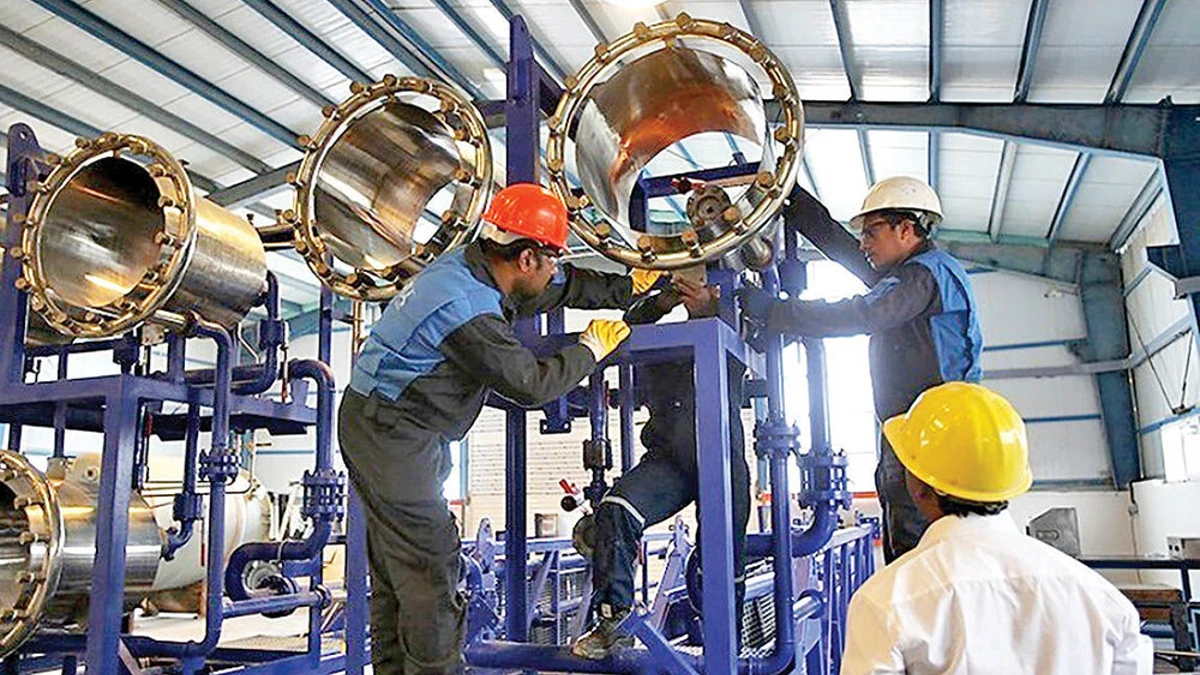
Pakistan's investment slumps, falling from 15% of GDP (FY06) to just 12.6% by FY26. This sharp decline critically impacts sectors vital for productivity, exports, and tech innovati

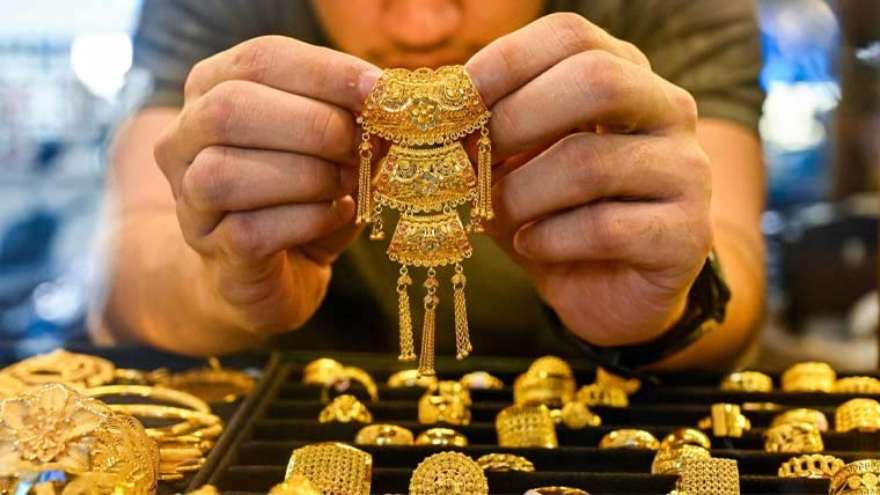
Gold prices declined by Rs700 per tola across Pakistan, while the price of 10-gram gold dropped by Rs600 in local markets.
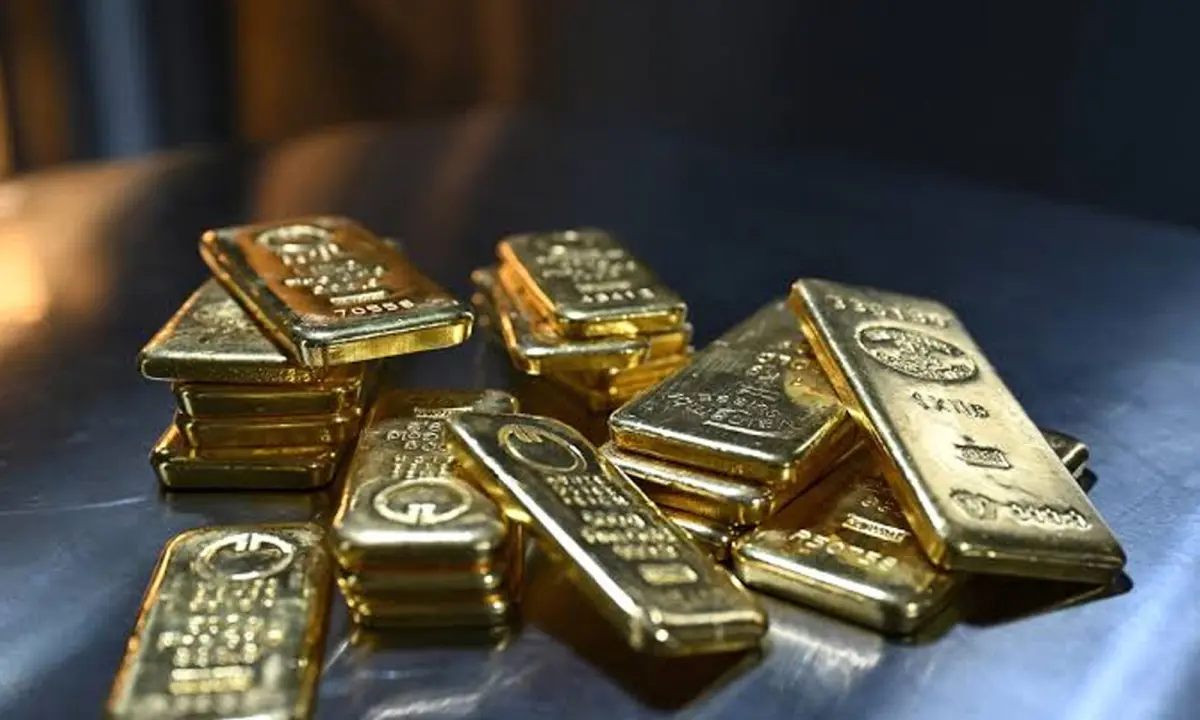
Gold prices in Pakistan decreased on Saturday in line with their loss in the international market. In the local market, gold price per tola reached Rs410,936 after a decline of Rs700 during the day.
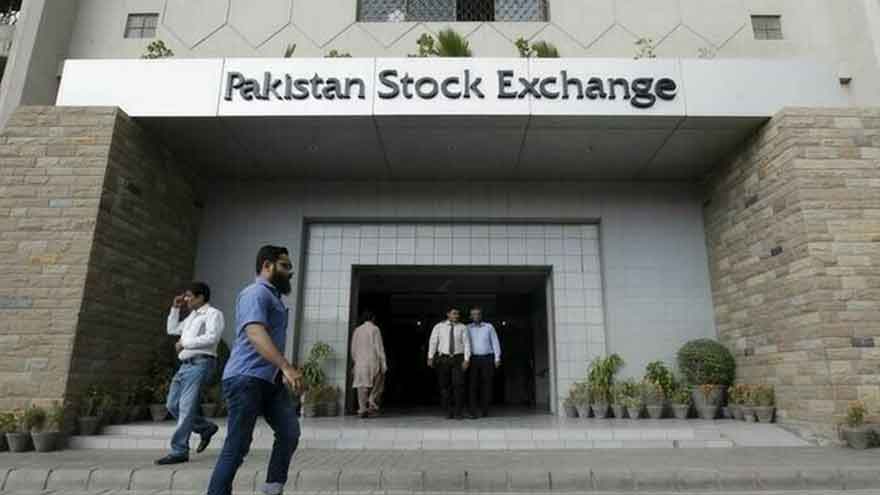
Pakistan Stock Exchange posts a positive weekly trend as the KSE-100 Index gains 3,987 points to close at 177,873, while market capitalisation rises by Rs426 billion.
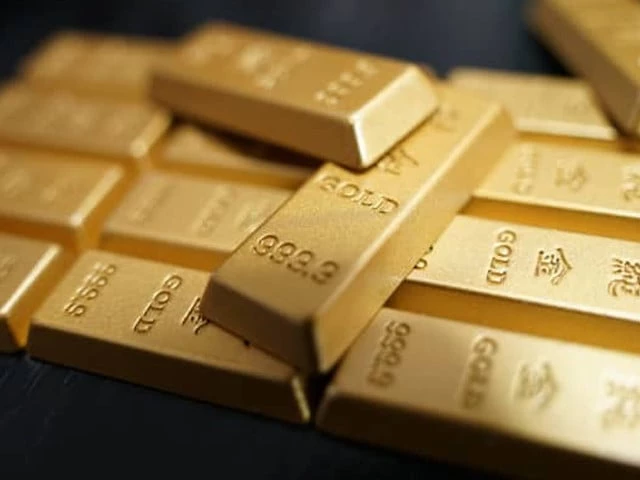
Gold prices in Pakistan declined for the second consecutive session on Friday, shedding Rs4,900 per tola, as the precious metal remained under pressure in international markets amid expectations of further US monetary tightening and persistent geopolitical uncertainty.

The government has decided to impose an Automotive Development Levy (ADL) of 2% to 10% on imported and locally manufactured internal combustion engine (ICE) vehicles to speed up electric vehicle adoption, with a clear vehicle classification and the minimum levy on public service vehicles and vehicles up to 2000cc. ICE refers to conventional petrol- or diesel-powered vehicles that use an engine to burn fuel and generate power. The levy will not apply to imported and locally manufactured 2/3-wheelers, tractors and vehicles with engine capacity up to 1000cc, and it will carry a sunset clause while remaining enforced during the policy period.

Inflation measured by the Sensitive Price Indicator (SPI) remained in double digits on a year-on-year basis, rising 11.21% in the week ended November 12, despite a 0.46% decline from the preceding week, as steep increases in liquefied petroleum gas (LPG), tomatoes, electricity charges and wheat flour continued to put pressure on household budgets.

Gold price in Pakistan for today, November 14, 2026
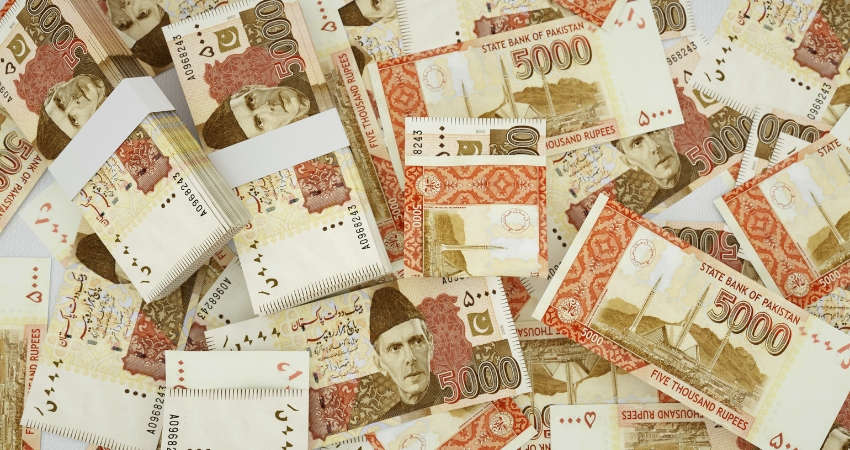
Pakistan's fiscal surplus declines 40% to Rs1.27 trillion in Q1 FY27 as government spending rises 15% and debt servicing reaches Rs1.7 trillion.
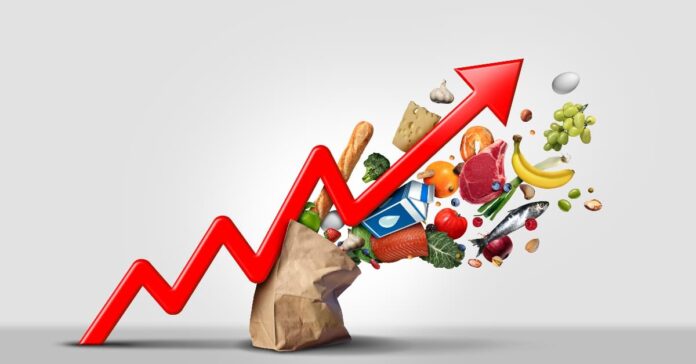
Pakistan's weekly inflation falls 0.46% while annual inflation stands at 11.21%, as fuel prices decline despite rising costs of tomatoes, eggs and flour.