PSX surges as KSE-100 index crosses 186,000 mark
Pakistan's stock market opened the week on a strong note as the KSE-100 Index surged over 1,100 points, crossing the 186,000 mark during early trading.
dunyanews
Pakistan's stock market opened the week on a strong note as the KSE-100 Index surged over 1,100 points, crossing the 186,000 mark during early trading.
The US dollar holds near a two-week low as Fed rate-hike expectations cool. Watch this week’s Fed minutes—read more now.
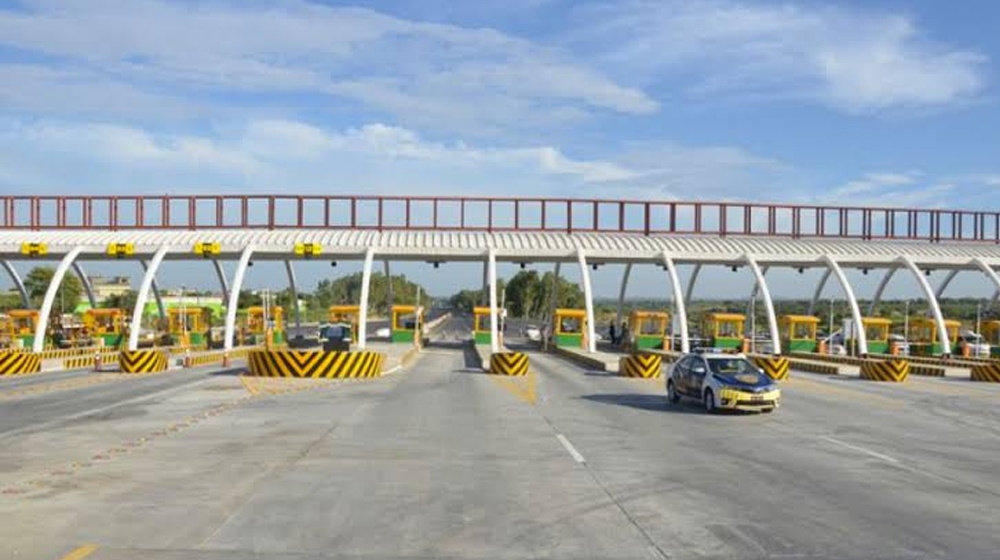
NHA hikes Lahore-Islamabad Motorway (M-2) tolls by 7% from July 5, 2026. Check revised charges and effective dates now.

DOHA – Maritime trade between Iran and Qatar has resumed after being suspended for around five months, according to Iran’s commercial attaché in Doha, as
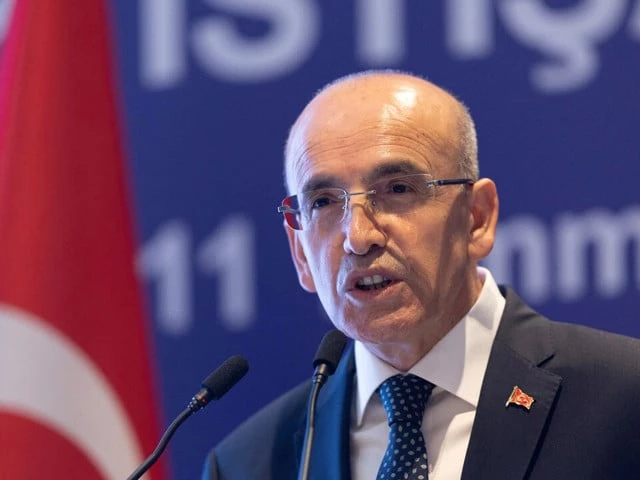
Recent tax reforms announced by the finance minister of Turkiye are a game changer. With collaboration between the current government of President Recep Tayyip Erdogan, opposition political parties, think tanks, and the Istanbul Chamber of Commerce, a tax policy has been introduced to attract high-net-worth individuals and large corporate entities to relocate to Turkiye.
Pakistan's policymakers routinely lament low investment, weak exports, declining industrial competitiveness and the high cost of doing business. Yet, while governments announce investment facilitation councils, export incentives and industrial support packages, they simultaneously erect new barriers that make economic activity more expensive and less efficient.
The appointment of Vivek Aggarwal as incoming Vice-President of the Financial Action Task Force (FATF) has been read in some quarters as if India has acquired a switch over Pakistan's financial reputation; that reading is convenient and it is also wrong.
Pakistan's economic debate is often polarised between two sharply contrasting narratives. One presents a picture of stability and improvement – rising gross national product (GNP), record high foreign exchange reserves, and controlled inflation. The other paints a bleaker reality – rising unemployment, persistent inflationary pressure, and worsening poverty. To understand the true state of Pakistan's economy, it is essential to examine the evidence behind both views, identify where each is grounded in fact, and evaluate the structural forces shaping outcomes. Only then can a balanced conclusion be reached.
There is a point beyond which higher tax rates do not produce higher revenue. In fact, they can do the opposite: shrink the tax base, encourage avoidance, push activity into informal channels, and reduce the very revenue the state hopes to collect. This is not merely a textbook proposition from the Laffer Curve. Pakistan's recent tax experience provides concrete evidence that excessive taxation can defeat its own purpose.
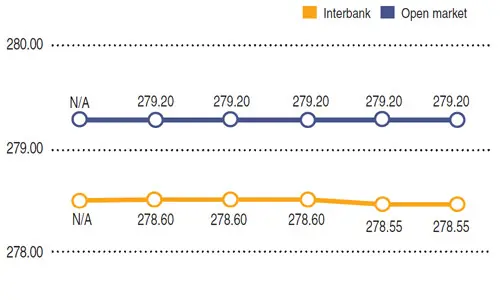
Chart by ZA
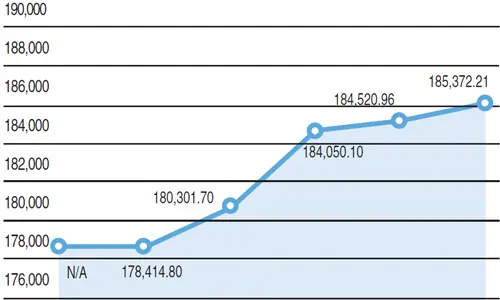
Chart by Mohammad Zeeshan Ali Khan
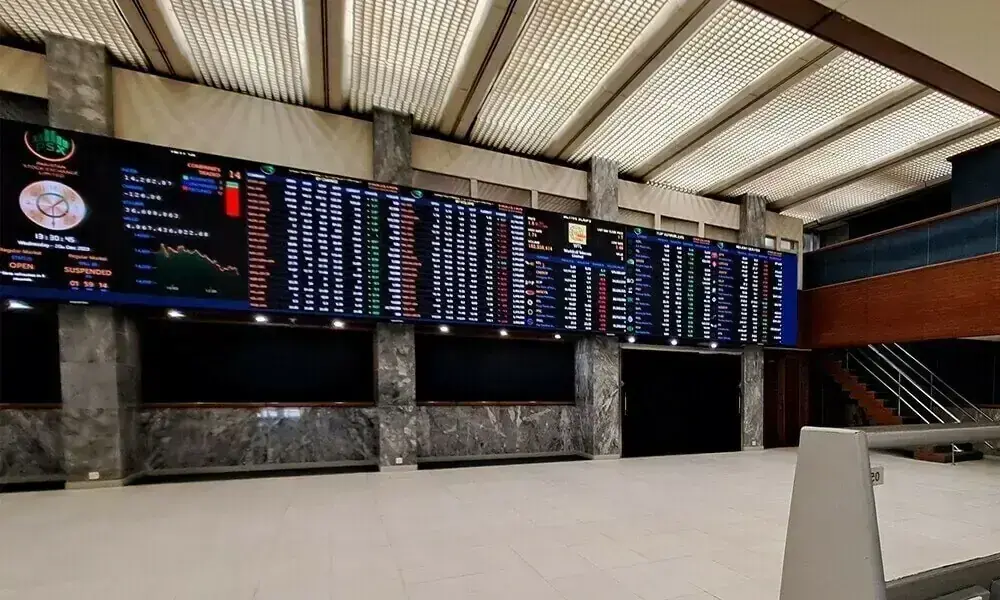
The Pakistan Stock Exchange (PSX) extended its upward momentum on Monday, with the benchmark KSE-100 Index closing the day with a gain of nearly 2,100 points.
Karandaaz Pakistan has partnered with D-Tech & Consultancy Private Ltd. (DTC) to develop a customer-friendly solution named ‘My Intelligent Assistant’ (MI
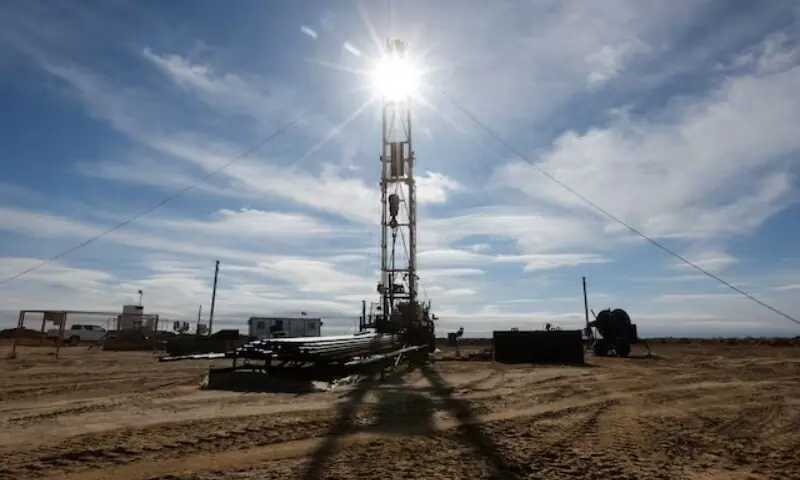
Exports from key producers via the Strait of Hormuz are recovering, potentially adding to global supplies.

Oil edges lower after OPEC+ agrees to raise output targets from August as Hormuz exports recover. Read the latest market update.

Oil prices edged lower on Monday after OPEC+ agreed to raise production targets from August, while recovering Gulf exports and higher Russian shipments signalled increased global supply.
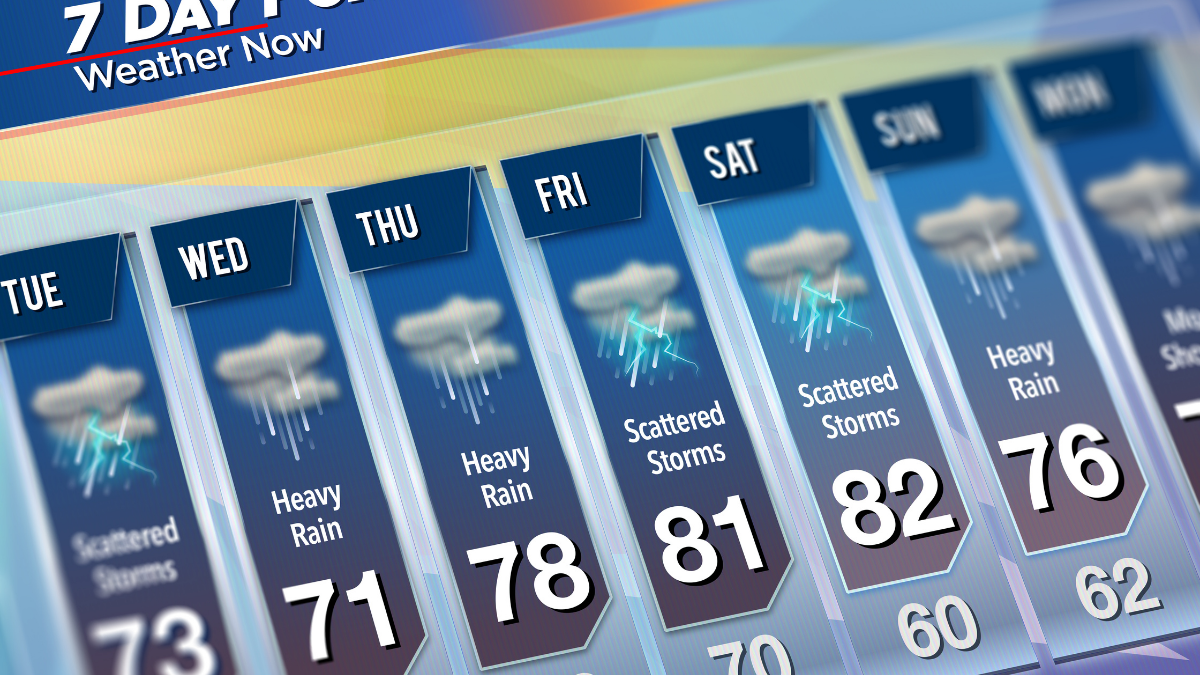
Pakistan set aside Rs1.6bn for PMD to boost forecasting and disaster readiness, including radar projects and hydromet upgrades. Read more.

Gold steadies near a two-week high after weaker US jobs data cools Fed rate-hike odds. Watch Fed minutes—read the latest.
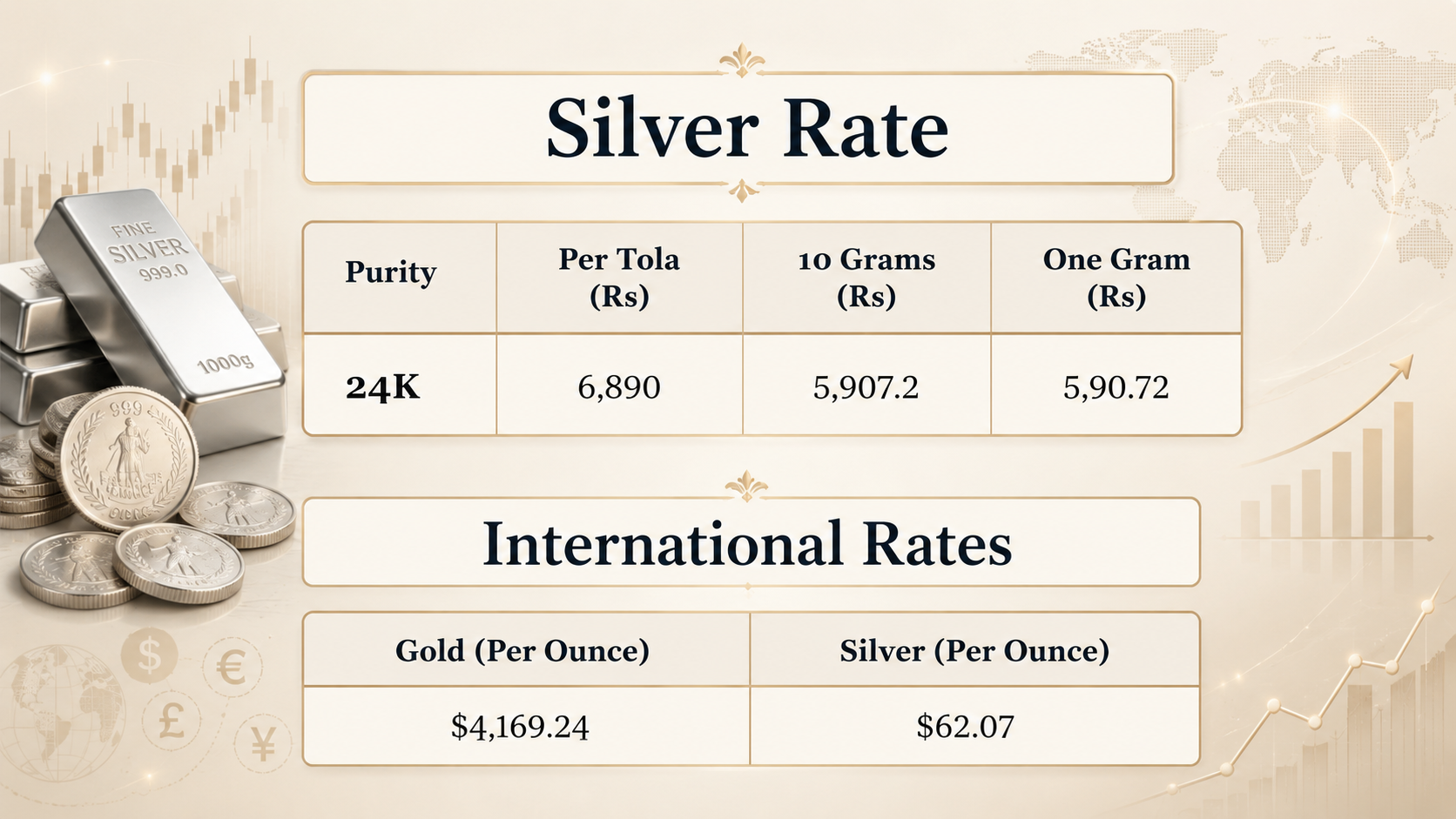
Check today’s silver price in Pakistan as local Sarafa and gold markets update rates by city. View the latest rates now!
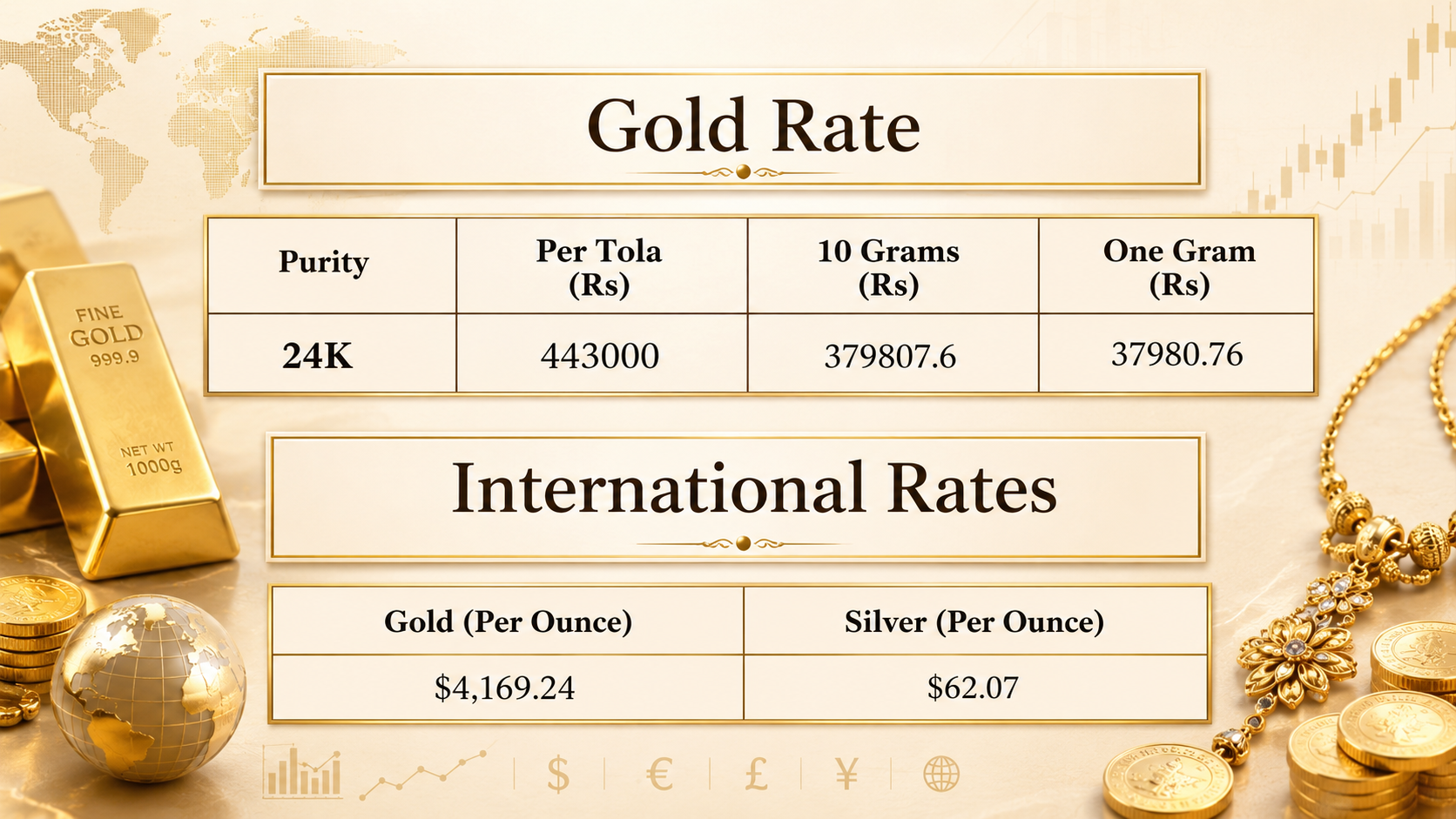
Check today’s gold price in Pakistan, updated for July 06, 2026. Compare Sarafa market rates by city—read the latest updates now.
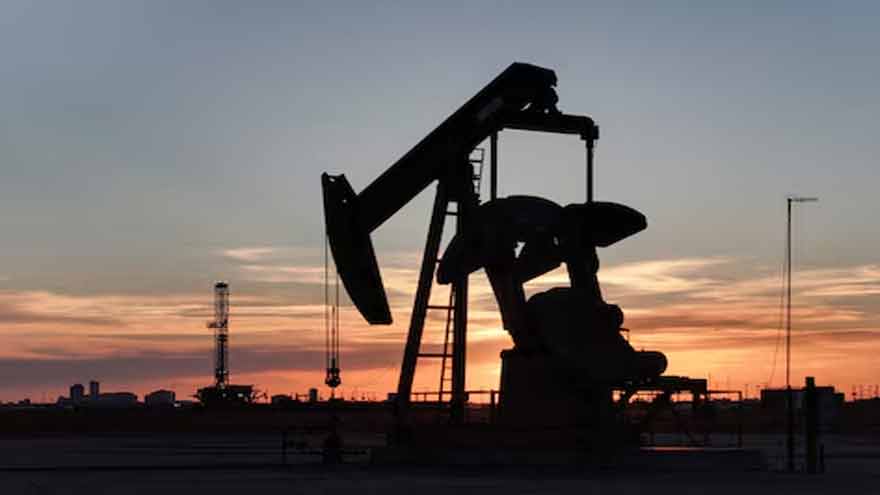
Oil prices edged lower after OPEC+ agreed to raise August output targets, while recovering Gulf and Russian exports eased supply concerns despite ongoing geopolitical tensions.

The U.S. dollar steadied near a two-week low after weaker jobs data reduced Fed rate hike expectations, while Japan’s yen hovered near a 40-year low, fueling intervention concerns.

Telenor Pakistan and PTCL merger could cut 300–500 jobs as overlapping roles are reviewed. Read the report and latest updates.

Revised telecom law will require property owners’ consent before telecom right-of-way is granted. Ministers say it protects private land—read more.
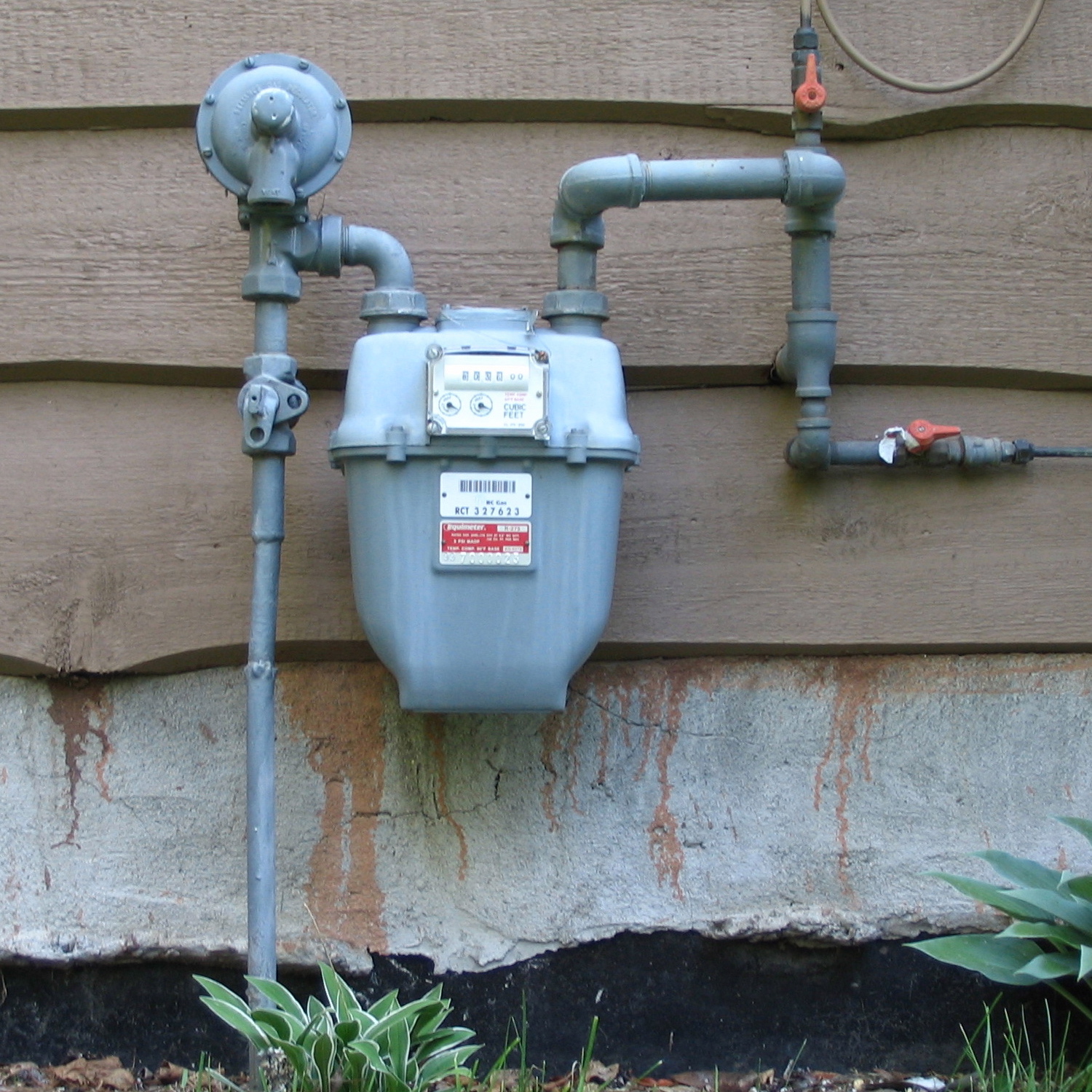
AGP audit warns unjustified RLNG costs were recovered through gas tariffs and fixed charges. Read the findings and call for reforms.

SBP says climate disasters already cost Pakistan $58.8B and needs $331B by 2030. Read why funding gap persists and what must change.
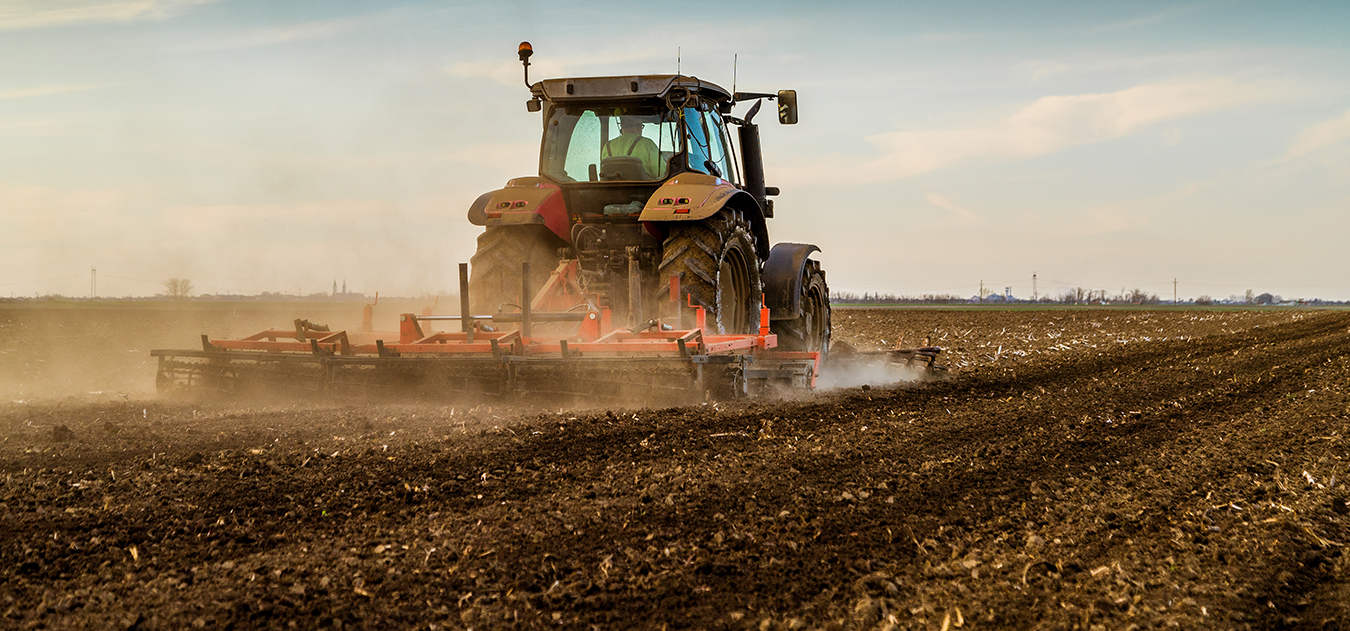
Pakistan’s low mechanization leaves wheat and wheat fields labor-heavy and inefficient. Read how horsepower gaps drive hunger—act now.
OPEC+ raises production quotas by 188,000 bpd from August as Strait of Hormuz exports recover. Read the latest market impact.
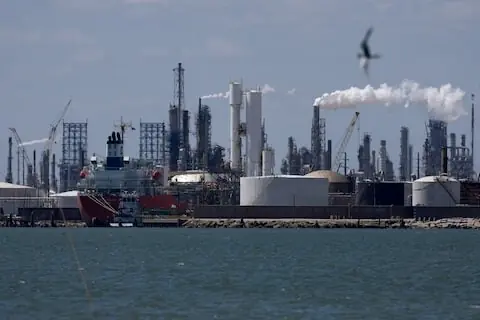
SINGAPORE:
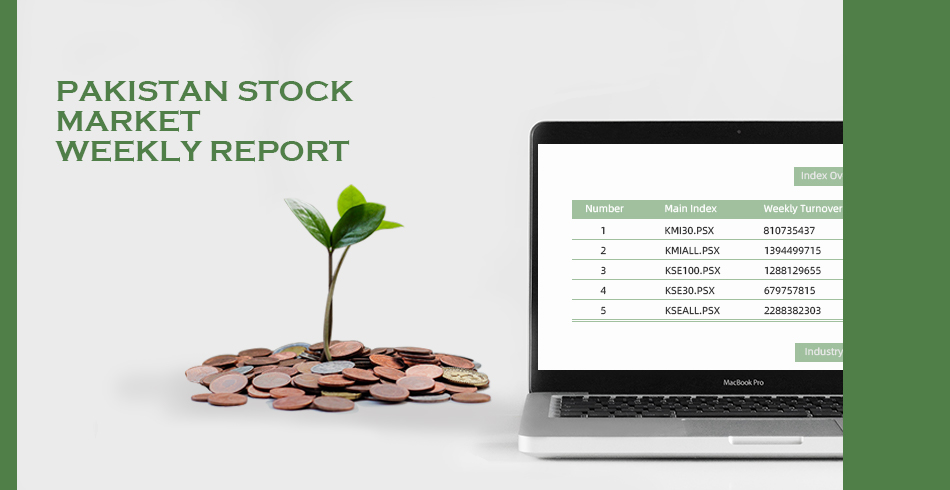
Weekly Review of Stock Market (2026.06.29-2026.07.03)
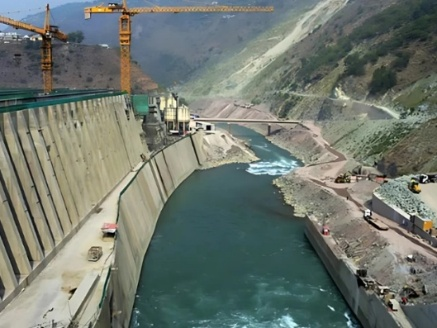
Pakistan can strengthen its water security by adopting China's long-term approach to investing in water infrastructure, maintenance and integrated water management, experts say, as the country grapples with worsening water scarcity, climate risks and ageing irrigation systems.

Pakistan can revitalise its ageing neighbourhoods by adapting China's people-centred urban renewal model, which focuses on upgrading existing communities, improving municipal services and strengthening climate resilience instead of relying mainly on demolition and urban expansion, experts say.
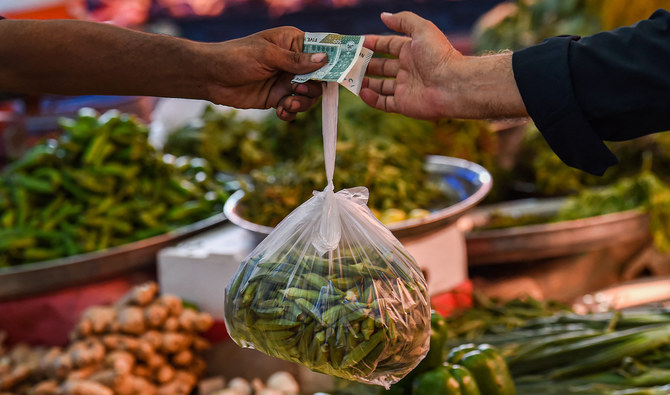
Wholesale prices of several major non-food commodities declined in July 2026, led by furnace oil, motor spirit, diesel, electricity and cement, according to the Pakistan Bureau of Statistics’ Monthly Review on Price Indices, available with Wealth Pakistan.
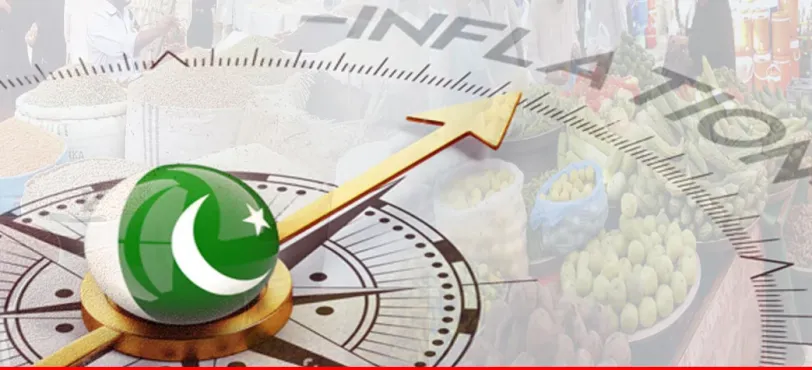
Pakistan's consumer inflation, measured by the Consumer Price Index (CPI), eased to 9.2% in July 2026 from 11.1% in June, as lower transport and energy costs helped moderate overall price pressures. On a monthly basis, CPI inflation rose 1.2%, a deceleration from the 2.9% increase in July last year, according to the Pakistan Bureau of Statistics (PBS) Monthly Review on Price Indices.
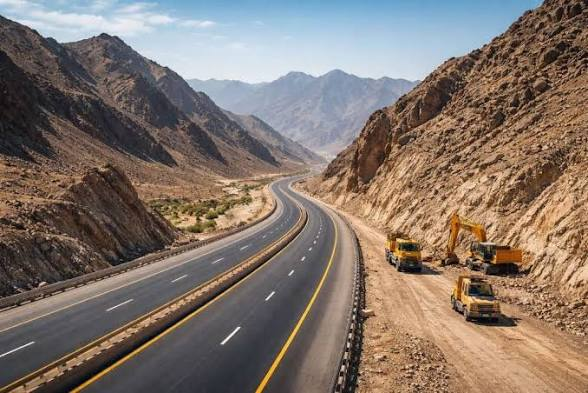
More than 24 kilometres of the 54-kilometre Nagor Sharif-Suntsar blacktop road in Balochistan has opened for traffic, with work on the remaining section underway through an Oman-funded infrastructure project, according to documents available with Wealth Pakistan.
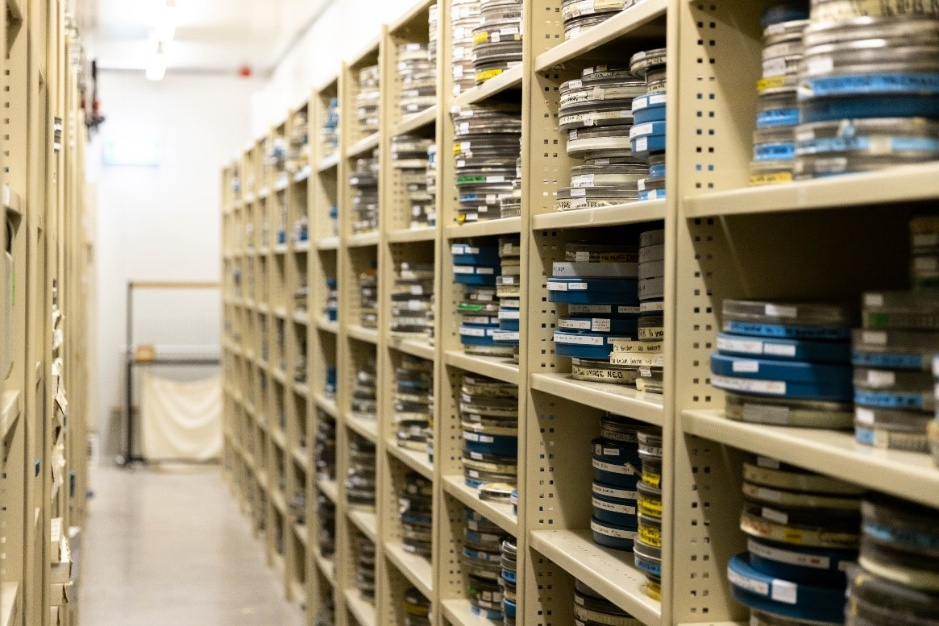
The federal government has digitized around 4 million historical records under a comprehensive modernization programme of the National Archives of Pakistan (NAP), according to a document available with Wealth Pakistan.

Aug 4, 2026
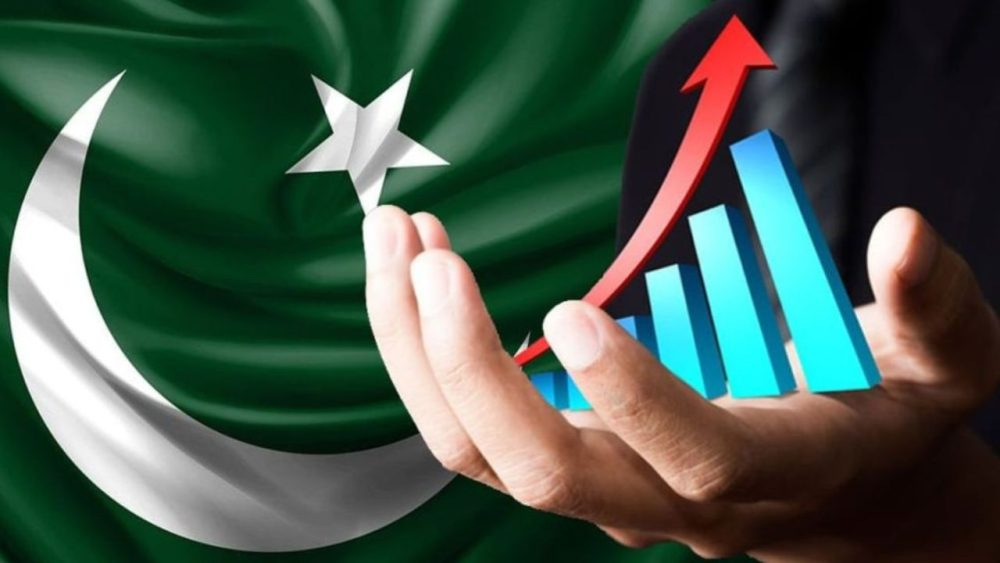
Pakistan recorded its highest-ever number of company registrations during FY2025-26, reflecting improving business confidence amid macroeconomic stabilisation, easing inflation and a more favourable investment environment.
The Pakistani government has reaffirmed its commitment to a prudent debt management strategy aimed at reducing refinancing risks, lowering debt-servicing costs and diversifying financing sources to support long-term fiscal sustainability.
The Pakistani government expects the country's economic recovery to continue during FY2026-27, supported by improving macroeconomic fundamentals, easing inflation, stronger external buffers and sustained reform efforts, although global uncertainties and regional geopolitical tensions remain key risks to the outlook.
The Pakistani government has expanded access to investment in Treasury bills by enabling eligible retail investors to purchase the securities through the JazzCash mobile application, a move aimed at broadening the domestic investor base, promoting financial inclusion and strengthening Pakistan's capital market.

The Pakistani government has launched InvestPak, a digital investment platform designed to broaden the country's domestic investor base by enabling individuals and corporate investors to invest directly in government securities through a web portal and mobile application.

The Pakistani government has appointed consortiums of leading international banks to support future issuances of Eurobonds, international Sukuk, and rupee-denominated, US dollar-settled bonds, as part of efforts to diversify financing sources, strengthen debt management and maintain an orderly presence in global capital markets.
Pakistan's fiscal position improved significantly during FY2025-26 as stronger revenue collection, prudent expenditure management and lower debt servicing costs helped reduce the fiscal deficit, reinforcing the country's macroeconomic stability.
China remained Pakistan's largest source of foreign direct investment (FDI) during FY2025-26, reinforcing its position as the country's leading investment partner as overall investor confidence strengthened amid improving macroeconomic stability.
Agricultural credit disbursement rose by more than 21% during the first eleven months of FY2025-26, accompanied by higher imports of farm machinery and increased tractor production, reflecting continued investment in agricultural mechanisation despite climate-related risks facing the sector.
Strong growth in Pakistan's services exports helped offset the impact of a widening merchandise trade deficit during FY2025-26, supporting the country's external sector despite higher import payments driven by the economic recovery.

New trade rules introduced by the European Union (EU) and the United Kingdom (UK) are creating fresh opportunities for Pakistani exporters, although businesses will increasingly need to demonstrate labour compliance, sustainable production and stronger supply-chain transparency to retain and expand preferential market access.
Pakistan's manufacturing sector showed signs of broad-based recovery during FY2025-26, with growth recorded across 16 major industrial groups, supported by improving macroeconomic stability, easing inflationary pressures and stronger domestic demand.
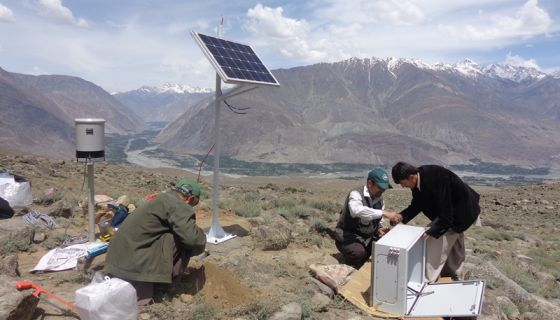
Pakistan can strengthen its emergency response system by adapting key elements of China's integrated early-warning model, which combines timely forecasts with coordinated evacuations, emergency deployment and community preparedness, experts say.
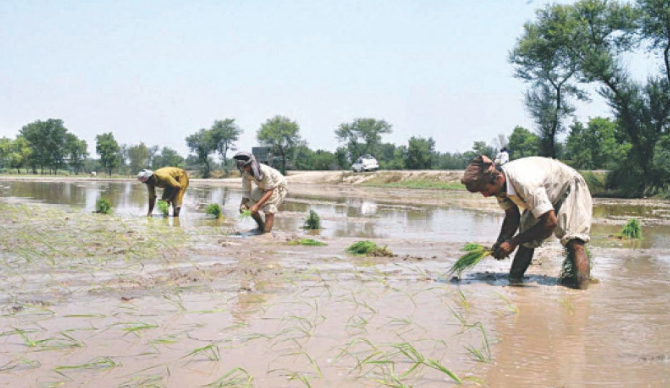
The government has warned that below-normal rainfall and rising temperatures could pose significant risks to Kharif crops during the current season, despite improved availability of agricultural credit, farm machinery and key farm inputs.
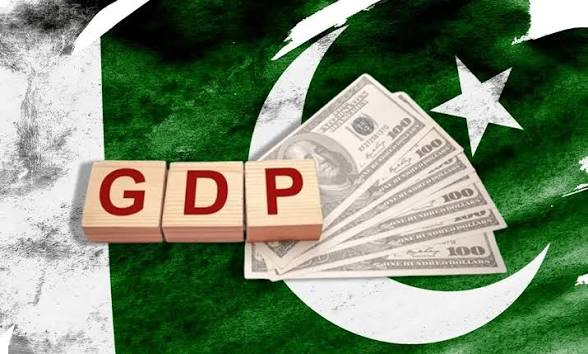
The government believes Pakistan has strengthened its ability to withstand external economic shocks through improved macroeconomic stability, higher foreign exchange reserves, fiscal consolidation and continued structural reforms, although geopolitical tensions and global uncertainties remain significant risks.

Aug 3, 2026
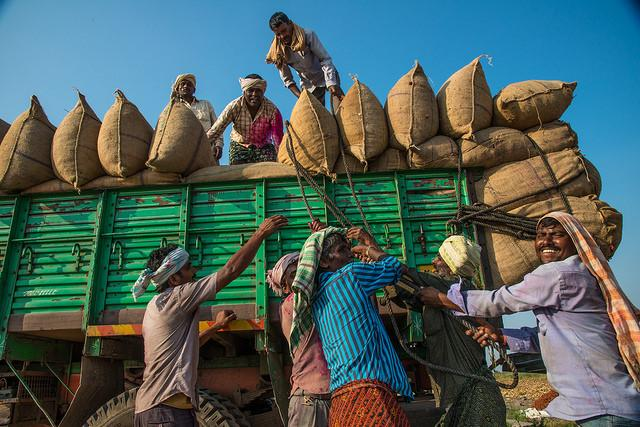
ISLAMABAD, Aug.02 (INP-Wealth Pakistan) -- Pakistan will launch a Rs17 billion National Food Security and Productivity Enhancement Programme to modernise agriculture, strengthen research and innovation, and improve the productivity and competitiveness of the country's food sector.

ISLAMABAD, Aug.02 (INP-Wealth Pakistan) -- Pakistan has approved a nationwide initiative to establish Prime Minister's E-Sports arenas and training centres at higher education institutions, aiming to equip young people with digital skills and promote emerging technology-driven industries as part of the country's broader digital transformation agenda.
ISLAMABAD, Aug.02 (INP-Wealth Pakistan) -- The government has directed the Higher Education Commission (HEC) to comprehensively review university curricula and align academic programmes with the requirements of Industrial Revolutions 4.0 and 5.0, as part of broader efforts to equip graduates with future-ready skills and support the country's transition towards a knowledge-based economy.

ISLAMABAD, Aug.02 (INP-Wealth Pakistan) -- The government has reaffirmed its commitment to raising Pakistan's exports to $60 billion by improving industrial competitiveness, promoting innovation and strengthening the country's export-oriented sectors under the URAAN Pakistan – 5Es-based National Economic Transformation Plan.
ISLAMABAD, Aug.02 (INP-Wealth Pakistan) -- The federal government is moving ahead with the introduction of a technology-enabled 360-degree evaluation system for civil servants as part of sweeping reforms to make promotions more performance-based.
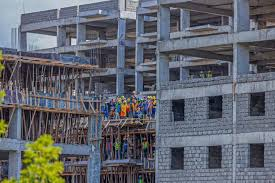
ISLAMABAD, Aug. 02 (INP-Wealth Pakistan) -- Pakistan can bridge its estimated 10-million-unit housing deficit by adapting key elements of China's affordable housing model, which combines long-term planning, affordable financing, public-private partnerships and integrated urban development, experts say.

ISLAMABAD, Aug. 01 (INP-Wealth Pakistan) -- Pakistan can unlock new export opportunities in animation, gaming, film, digital publishing and culturally rooted online content by combining its creative talent with technology, financing and stronger intellectual property protection, experts say, drawing lessons from the rapid commercial expansion of China's cultural industries.
The Pakistan Stock Exchange maintained a positive trend, with the benchmark KSE-100 Index gaining 309 points to close at 178,182.
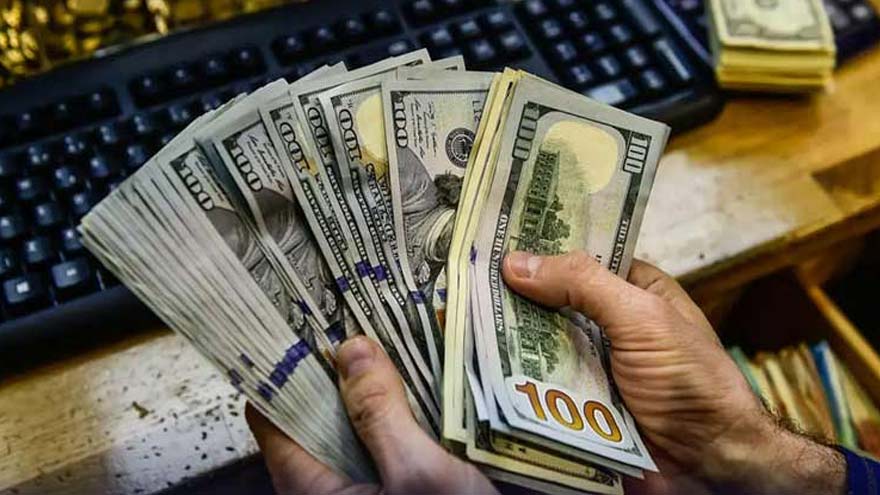
The US dollar declined by three paisas against the Pakistani rupee in the interbank market, closing at Rs276.57 on Monday.

Gold prices declined by Rs2,000 per tola in the local market on Monday, bringing the price of 24-karat gold to Rs408,936, according to the All Pakistan Sarafa Gems and Jewellers Association.

The Pakistani rupee continued its marginal gain against the US dollar, appreciating 0.01% in the inter-bank market on Monday.

Gold prices fell for the sixth consecutive day, with domestic per-tola rates declining Rs2,000 and international prices dropping $20.
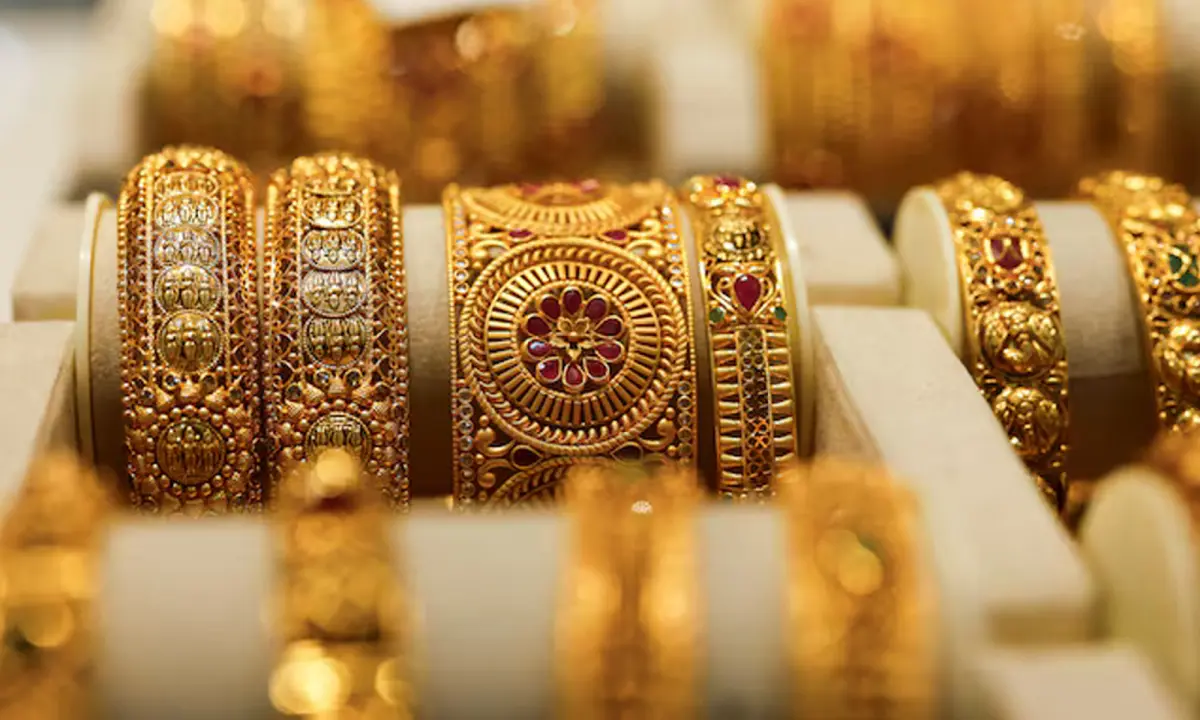
Gold prices in Pakistan decreased on Monday in line with their loss in the international market. In the local market, gold price per tola reached Rs408,936 after a decline of Rs2,000 during the day.

Federal government operating expenses increased by 28.21% during the first quarter of fiscal year 2026-27, reaching Rs206.64 billion despite ongoing austerity measures, according to Finance Ministry documents.
The Pakistan Stock Exchange (PSX) opened the new trading week on a strong note on Monday, with investors stepping up buying across major sectors, driving the benchmark index up by more than 3,000 points in early afternoon trading despite a subdued trend across Asian markets.

Foreign exchange rates in Pakistan for today, November 16, 2026

Foreign currency deposits fell by $67.17mn to $6.891bn in October 2026 from the previous month, according to the latest data released by the State Bank of
PSX opened the business week positively as the KSE-100 Index surged 1,400.20 points, or 0.79%, to 179,274.07 amid strong buying activity and rising investor interest.
Stocks opened the week on a positive note at the Pakistan Stock Exchange (PSX), with the benchmark KSE-100 Index gaining over 1,000 points during the opening minutes of trading on Monday.

Silver price in Pakistan for today, November 16, 2026
Net interest income and non-interest income both fell from a year earlier. Deposits are down 9.4% this year, borrowings are up 72.3%.

Pakistan's exports grow 8.52% to $11.34 billion in four months, but imports rise faster, widening the trade deficit by 15.97%.
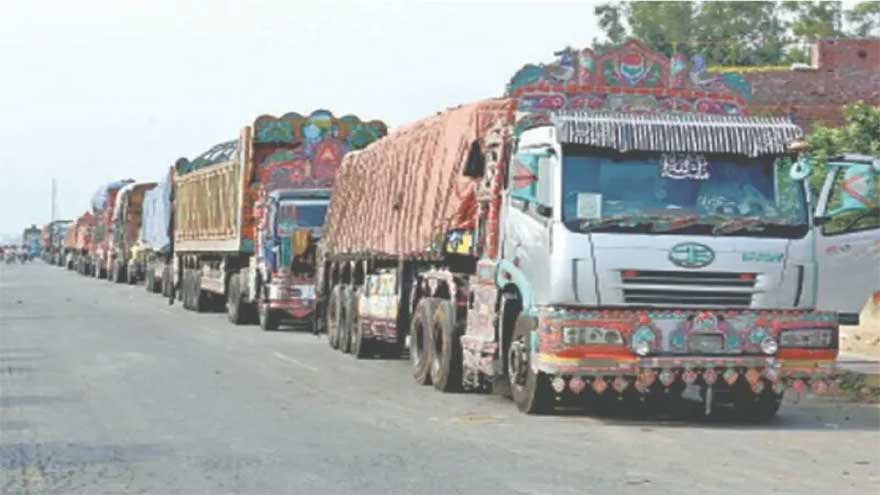
The government credited the record rise in exports to key measures included in the FY27 budget, such as reduced taxes and surcharges for businesses and industry, particularly exporters.

Pakistan's services trade deficit falls 0.33% to $832.16 million in the first quarter, as exports grow 22.60% and imports rise 16.32%.
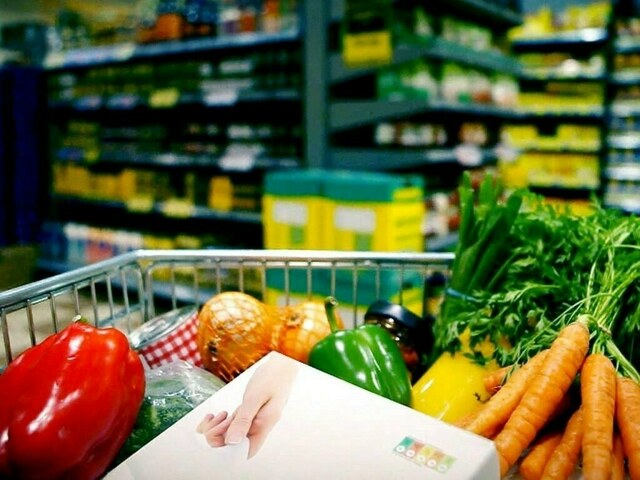
PESHAWAR: Prices of important kitchen items, including flour, vegetables, live chicken/meat, sugar, cooking oil/ghee, and others remained high in the retail market despite the consistent decrease in fuel prices.
Following the reduction, the new price of petrol has been fixed at Rs328 per litre, while high-speed diesel will cost Rs358 per litre.
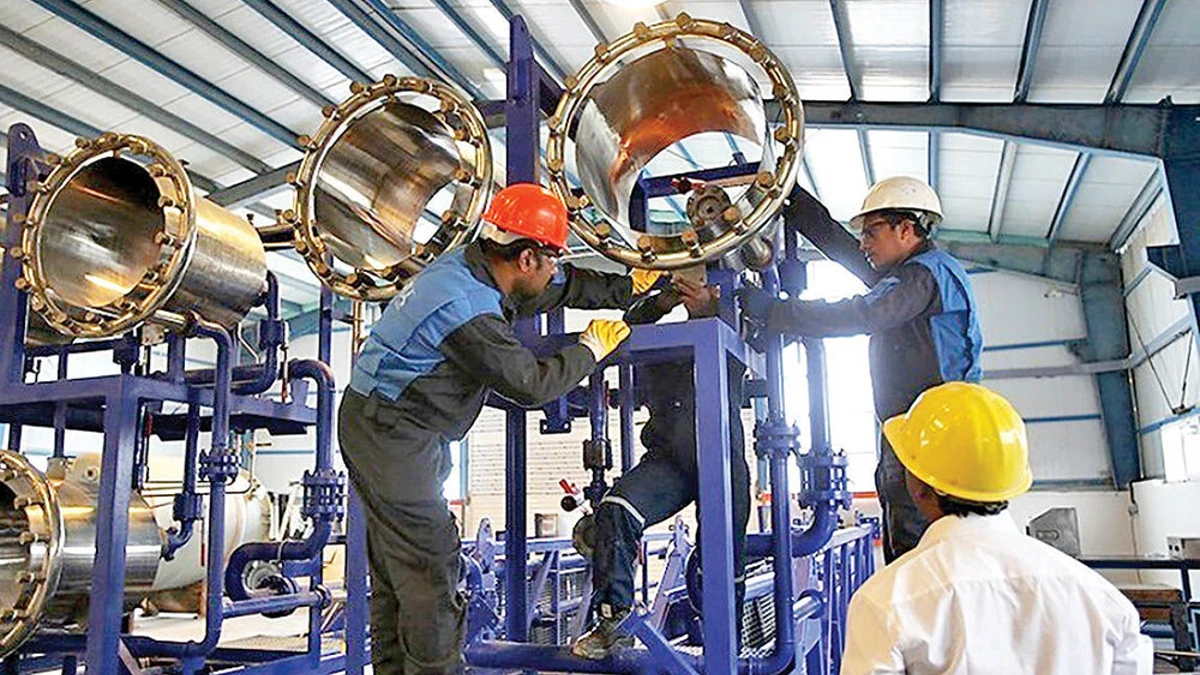
Pakistan's investment slumps, falling from 15% of GDP (FY06) to just 12.6% by FY26. This sharp decline critically impacts sectors vital for productivity, exports, and tech innovati

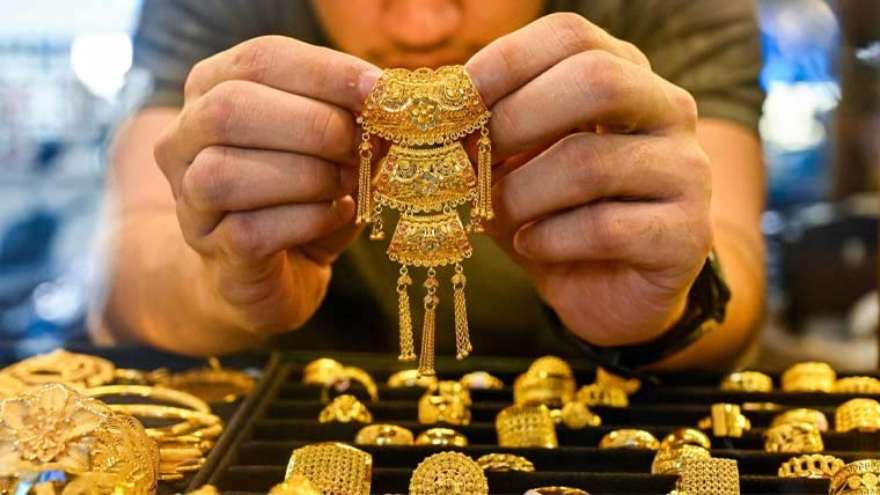
Gold prices declined by Rs700 per tola across Pakistan, while the price of 10-gram gold dropped by Rs600 in local markets.
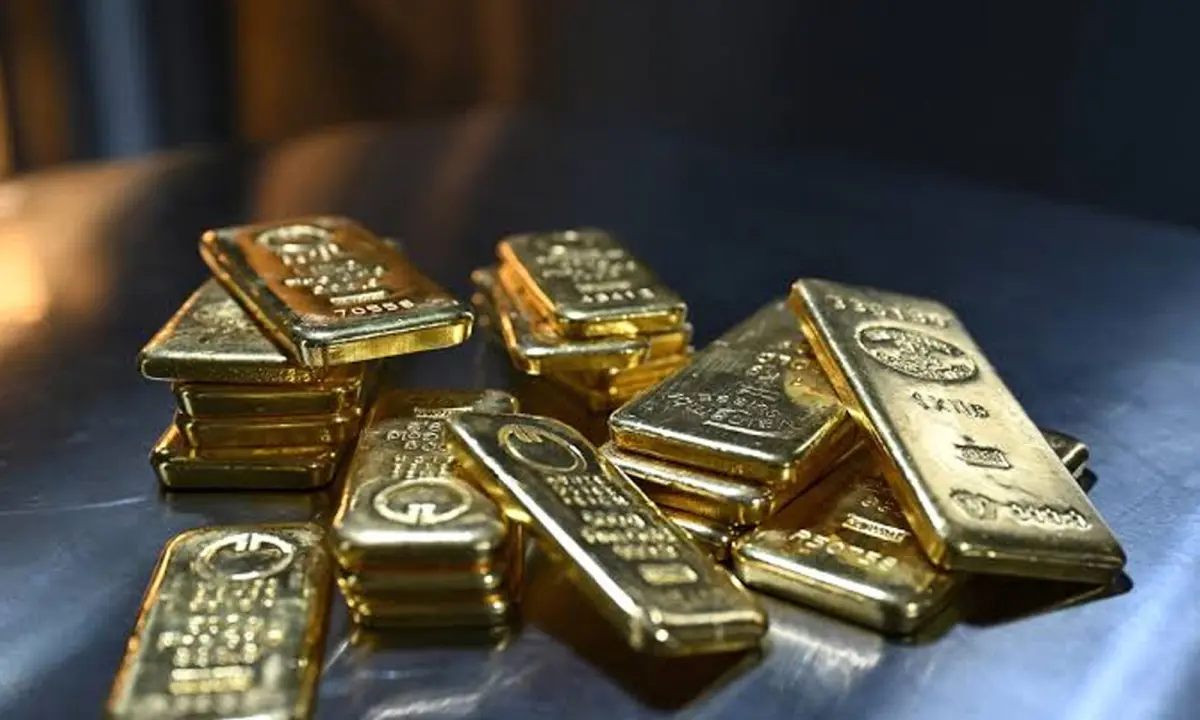
Gold prices in Pakistan decreased on Saturday in line with their loss in the international market. In the local market, gold price per tola reached Rs410,936 after a decline of Rs700 during the day.
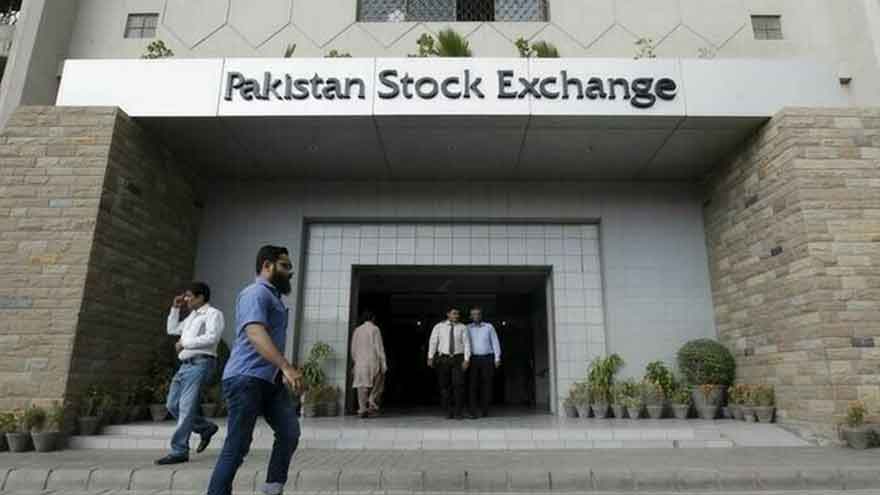
Pakistan Stock Exchange posts a positive weekly trend as the KSE-100 Index gains 3,987 points to close at 177,873, while market capitalisation rises by Rs426 billion.
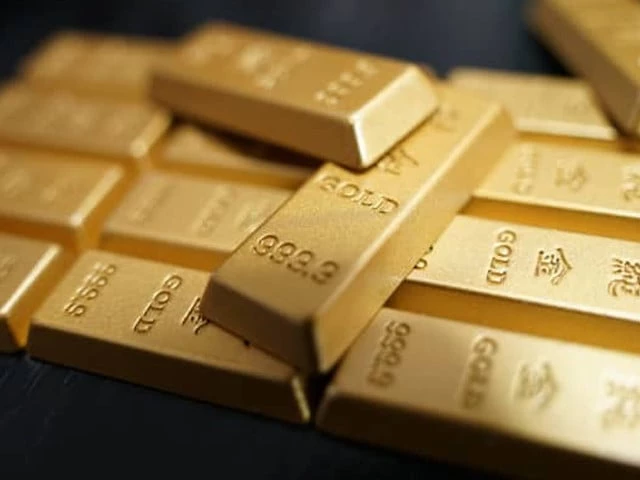
Gold prices in Pakistan declined for the second consecutive session on Friday, shedding Rs4,900 per tola, as the precious metal remained under pressure in international markets amid expectations of further US monetary tightening and persistent geopolitical uncertainty.
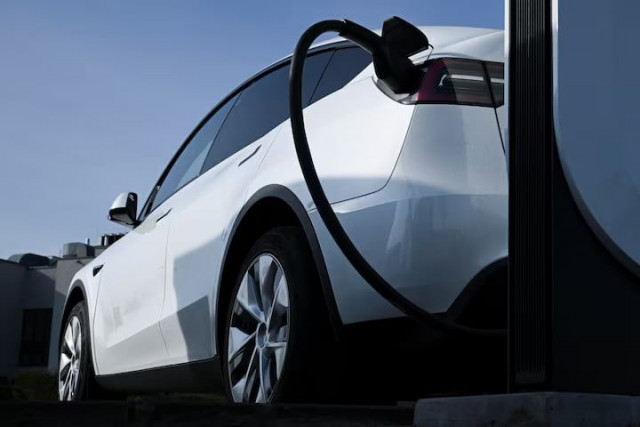
The government has decided to impose an Automotive Development Levy (ADL) of 2% to 10% on imported and locally manufactured internal combustion engine (ICE) vehicles to speed up electric vehicle adoption, with a clear vehicle classification and the minimum levy on public service vehicles and vehicles up to 2000cc. ICE refers to conventional petrol- or diesel-powered vehicles that use an engine to burn fuel and generate power. The levy will not apply to imported and locally manufactured 2/3-wheelers, tractors and vehicles with engine capacity up to 1000cc, and it will carry a sunset clause while remaining enforced during the policy period.

Inflation measured by the Sensitive Price Indicator (SPI) remained in double digits on a year-on-year basis, rising 11.21% in the week ended November 12, despite a 0.46% decline from the preceding week, as steep increases in liquefied petroleum gas (LPG), tomatoes, electricity charges and wheat flour continued to put pressure on household budgets.

Gold price in Pakistan for today, November 14, 2026
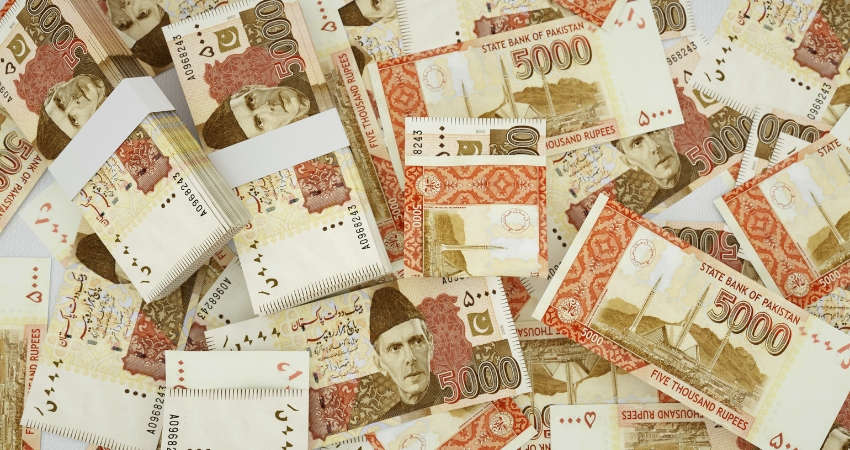
Pakistan's fiscal surplus declines 40% to Rs1.27 trillion in Q1 FY27 as government spending rises 15% and debt servicing reaches Rs1.7 trillion.
Pakistan's weekly inflation falls 0.46% while annual inflation stands at 11.21%, as fuel prices decline despite rising costs of tomatoes, eggs and flour.