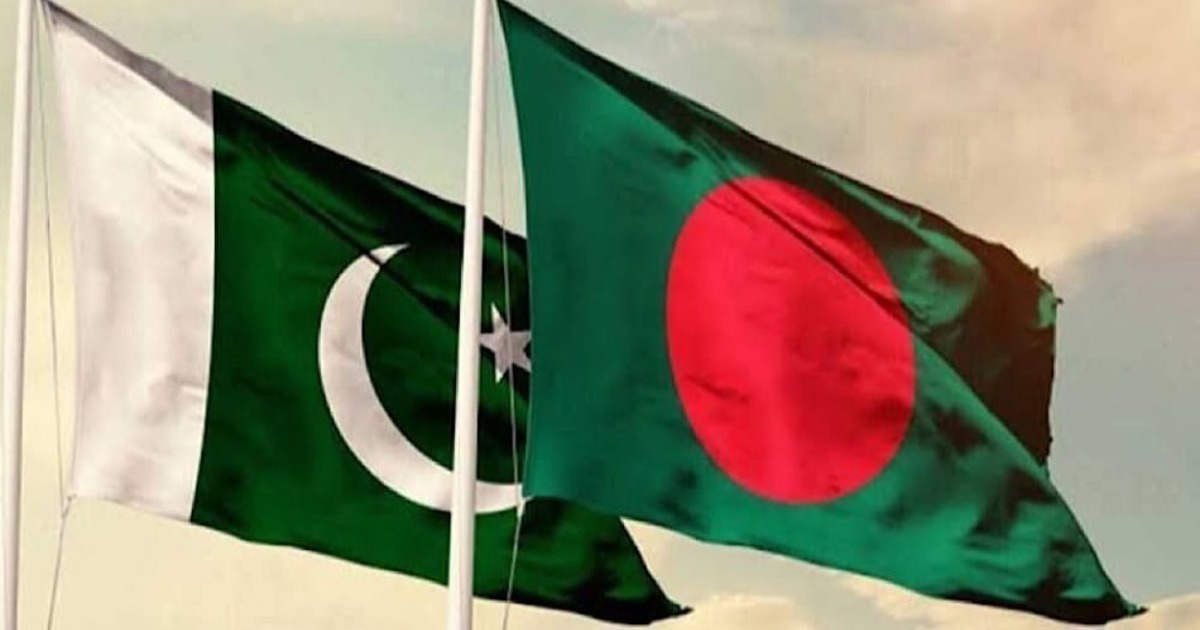
Pakistan, Bangladesh explore cooperation in pharma, agriculture, healthcare
Pakistan and Bangladesh have discussed expanding bilateral cooperation across healthcare, pharmaceuticals, agriculture, science and technology and other s
Mettis Link News
Pakistan and Bangladesh have discussed expanding bilateral cooperation across healthcare, pharmaceuticals, agriculture, science and technology and other s

BEIJING: Chicago soybeans rose on Monday, supported by strong Chinese demand and higher crude oil prices.

BANGKOK: The Thai baht weakened against the US dollar on Monday.

Middle East oil supply risks deepen as Gulf-Iran talks are postponed, Saudi Arabia’s key pipeline stays shut and fresh attacks threaten vital shipping routes.
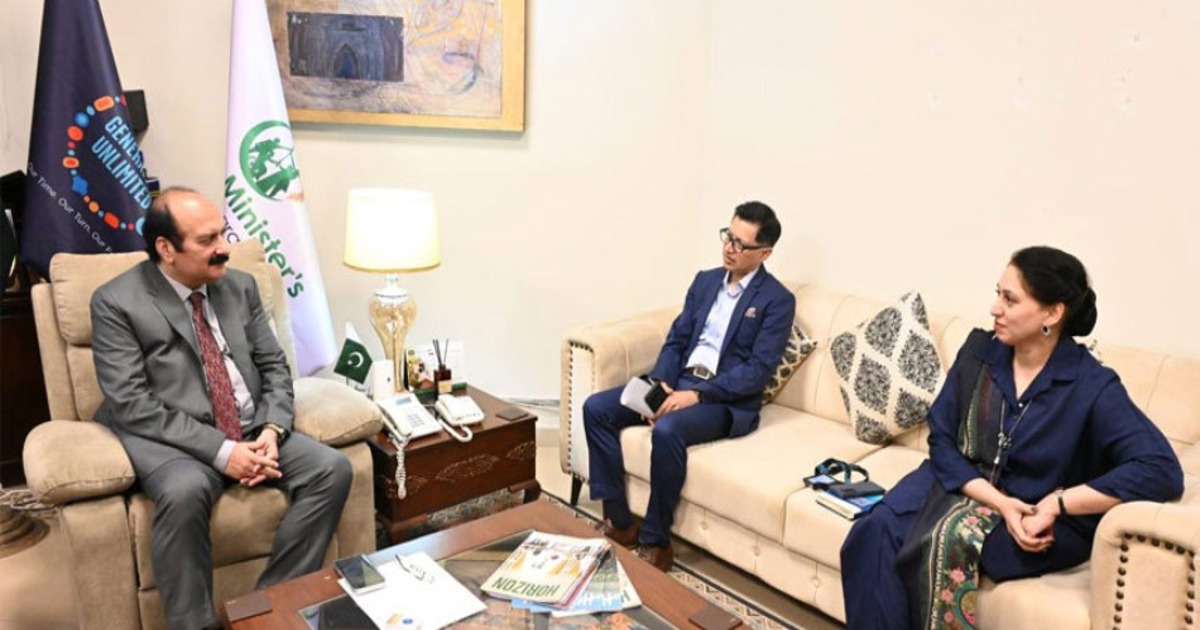
The Prime Minister’s Youth Programme and UN Women Pakistan have agreed to strengthen cooperation aimed at expanding leadership, entrepreneurship and profe

Supernet Technologies Limited (PSX: STL) has received subscriptions of nearly Rs898 million against its rights issue of approximately Rs914.77 million, reflecting a subscription rate of 98.16%.

The Treasury & Capital Markets Group of the National Bank of Pakistan (NBP) issued the following Exchange Rates Bulletin on Monday.

Gold prices eased on Monday as a surge in oil prices stoked inflation concerns, boosting expectations that the US Federal Reserve may raise interest rates at its policy meeting this week.
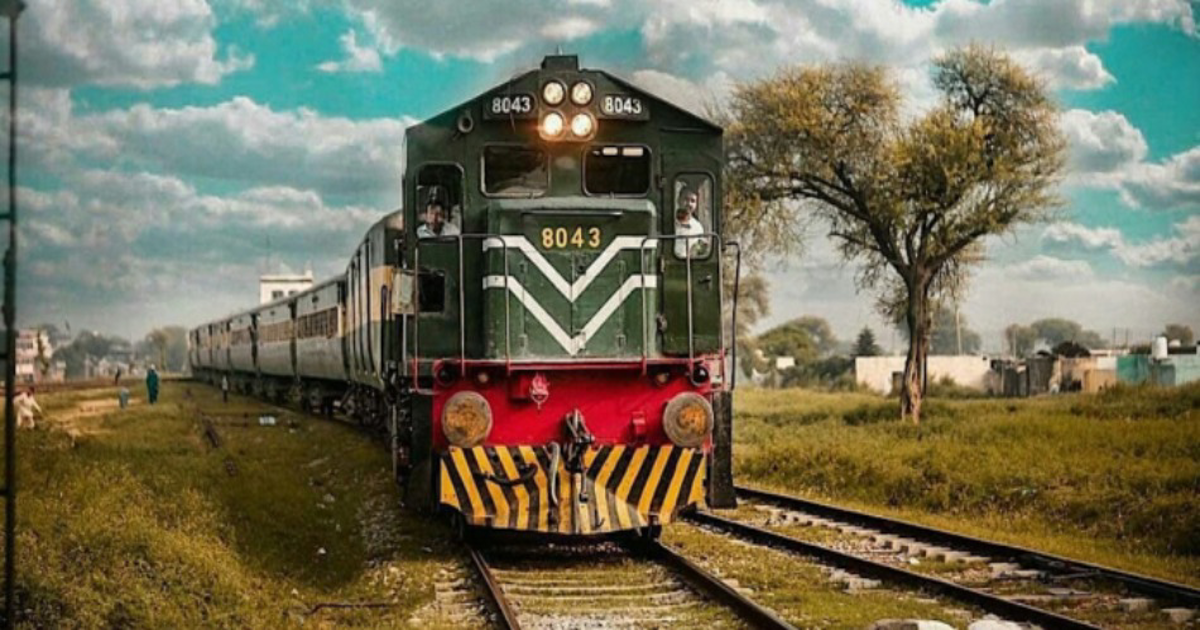
Pakistan Railways has approved a strategic reform roadmap aimed at increasing freight operations, improving passenger services and expanding private-secto
KARACHI, Sep 14 (APP):The Exchange Rates Committee of the Financial Markets Association of Pakistan issued the following Exchange rates bulletin here on Monday.

The draft of new Auto Development and Export Policy has been prepared, but its final approval remains pending until discussions with IMF
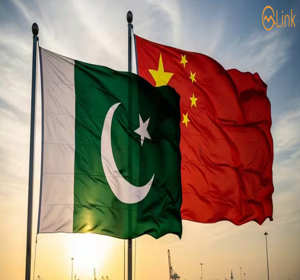
Pakistan and China have reaffirmed their commitment to expanding business-to-business cooperation in artificial intelligence and digital infrastructure.
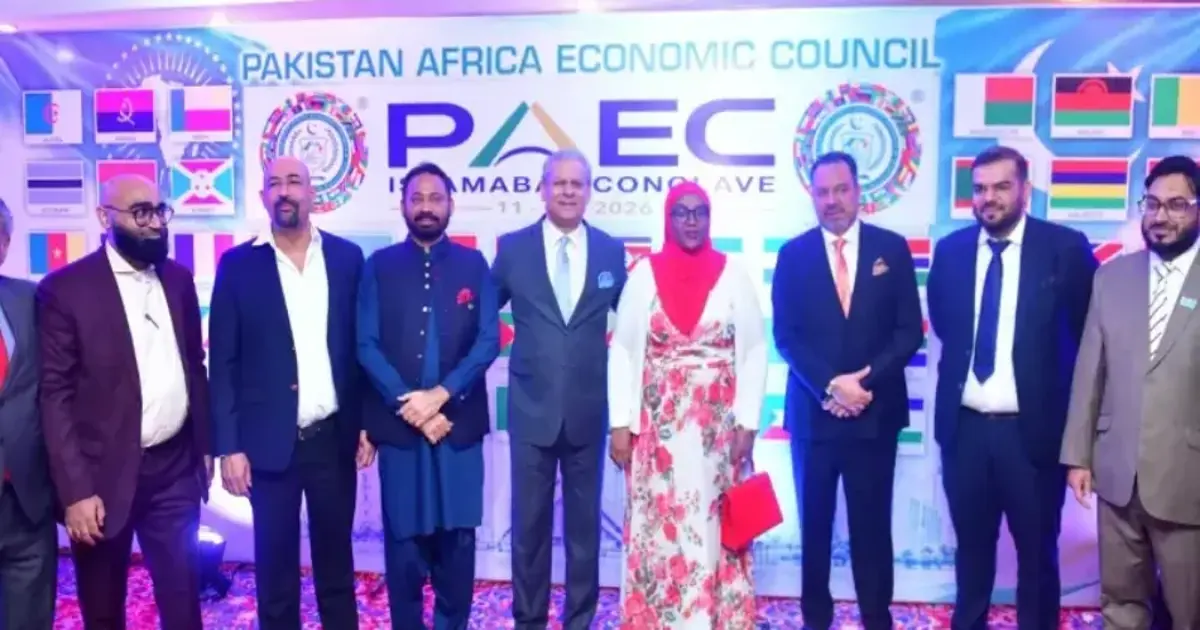
Pakistan and African countries have reaffirmed their target of raising bilateral trade to $15 billion by 2030 as both sides seek to diversify economic rel
The Economic Coordination Committee (ECC) of the Cabinet is likely to approve draft upgrade agreements under the Pakistan Oil Refining Policy for Upgradat
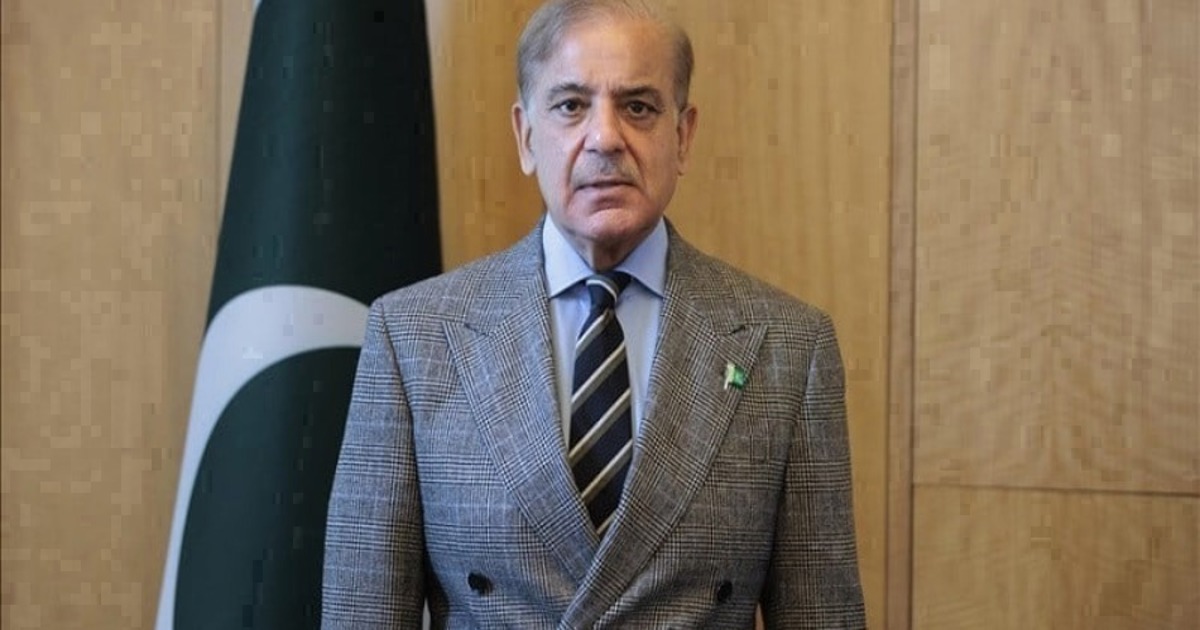
Prime Minister Shehbaz Sharif has warned that recent Houthi attacks on Saudi Arabia’s civilian and economic infrastructure could threaten regional securit
The Federal Board of Revenue has yet to formally notify the Income Tax Return for Tax Year 2026, even as taxpayers are being asked to file through the ver

The State Bank of Pakistan (SBP) Monetary Policy Committee (MPC) is expected to meet today (Monday) for the second time this fiscal year, with a majority of market participants expecting a status quo.

Pakistan stocks fell 1,059 points to 169,453 as investors weighed the upcoming monetary policy decision and ongoing Middle East tensions, with the KSE-100 down 0.62% in early trading.

Selling pressure was observed at the Pakistan Stock Exchange (PSX) after new Houthi strikes on Saudi Arabia and Iranian attacks on ships in the Gulf, with the benchmark KSE-100 Index shedding nearly 1,500 points during the opening minutes of trading on Monday.

Silver price in Pakistan for today, September 14, 2026

Gold price in Pakistan for today, September 14, 2026

In the early 1980s, the Reagan Administration struggled to control the trade deficit without success. It kept rising, reaching around $123.5 billion in 1984. The administration sought a short-term solution and ignored inefficiencies in the economic, manufacturing and industrial sectors. It blamed the appreciation of the US dollar (43% appreciation) and the strong performance of trade partners, especially Japan. The US Treasury proposed manipulating the currency market and asked competitors to let their currencies appreciate. This led to the famous Plaza Accord.
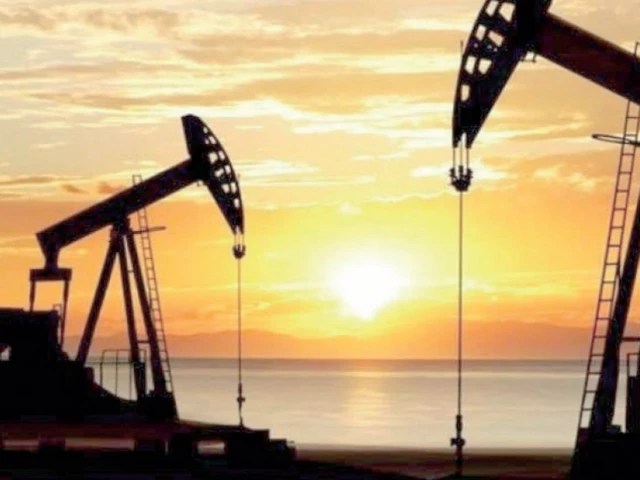
Sindh is geographically 29% larger than South Korea. However, its economy with GDP of around $135 billion is at least 14 times smaller than that country. This is despite that South Korea has hardly any indigenous energy resources. Only last year its energy import bill amounted to $140 billion. On the other hand, with its extensive hydrocarbon production over the past six decades, Sindh has proven to be Pakistan's pivotal energy basket. Still, it is no way even near to South Korea in development and well-being of the masses.
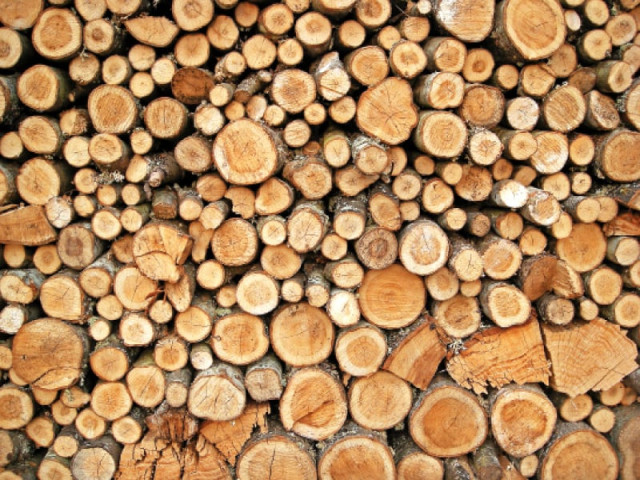
With a view to compensating private forest owners, a comprehensive strategy has to be devised and implemented. The existing forest policies, laws, management plans and strategies are based on timber harvesting, and foresters are trained in how to grow forests and then harvest them to generate revenue for the public sector as well as for the forest owners, although after the ban on forest harvesting in 1992, the forest department of Khyber-Pakhtunkhwa (K-P) could not figure out ways and means to devise and implement forest policy and plans based on non-timber forest benefits during the past over 40 years.
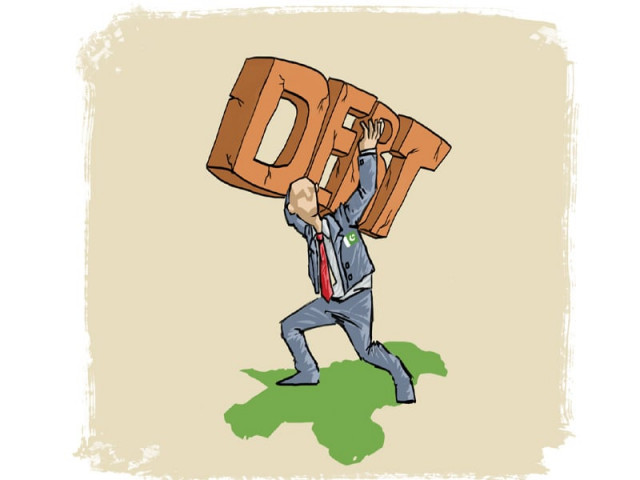
Amid the post-Covid massive inflationary spiral, the fiscally suffocated government with limited days of foreign exchange reserves became massively dependent on the domestic debt market to finance their massive deficits, and amid rising inflation they had to issue massive amount of floating-rate, long-tenor debt instruments to manage extreme rollover risk.

Morning Breeze aims to lessen the load for its readers by curating noteworthy updates from the preceding day.
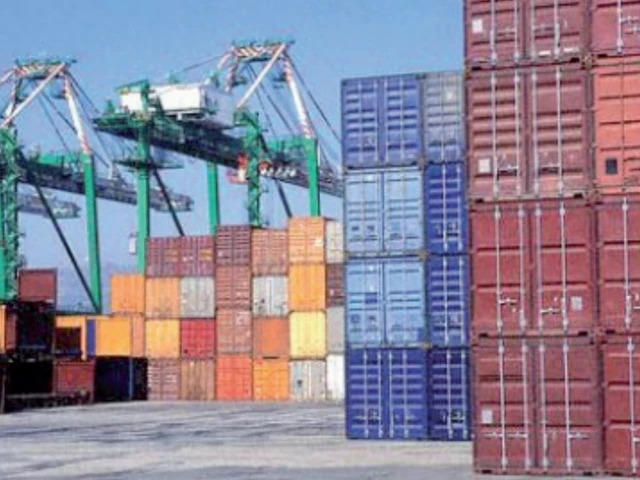
The government's recent decision to establish a Trade Facilitation Board under the chairmanship of the prime minister is an important step towards putting export-led growth at the centre of Pakistan's sustainable economic strategy.
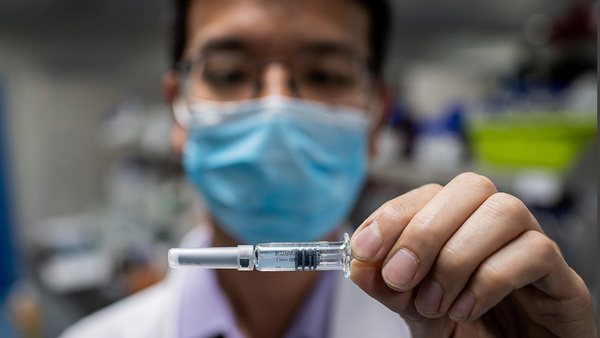
Pakistan has made Nadra-integrated vaccination proof mandatory for outbound travellers, covering polio, meningitis, yellow fever and influenza vaccines.

The limitation is not what FDI measures; it is what FDI cannot measure. FDI measures how much productive capital enters an economy during a given period.

Pakistan’s low private-sector lending reflects structural constraints more than bank reluctance, but major gaps persist in SME and housing finance.
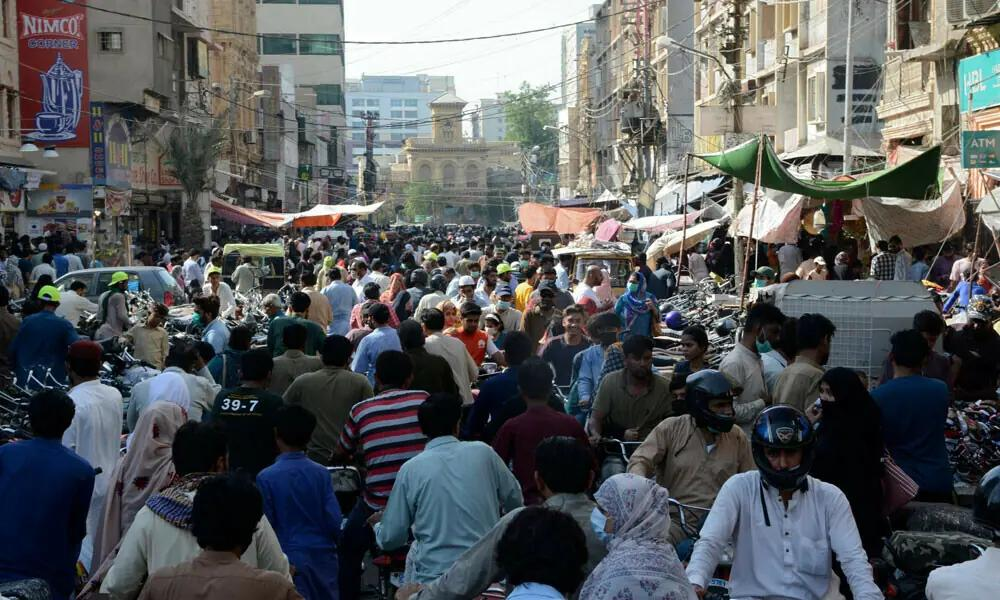
ISLAMABAD, July 01 (INP-Wealth Pakistan) -- Pakistan has unveiled new national and provincial population projections extending to 2050, providing a long-term demographic roadmap to guide development planning, resource allocation and policy formulation under Vision 2035 and other national development frameworks.

ISLAMABAD, July 01 (INP-Wealth Pakistan) -- Pakistan has launched a comprehensive capacity-building and awareness programme to prepare financial institutions, regulators, academia, government officials and the public for the country's transition to a Riba-free financial system after 2027.
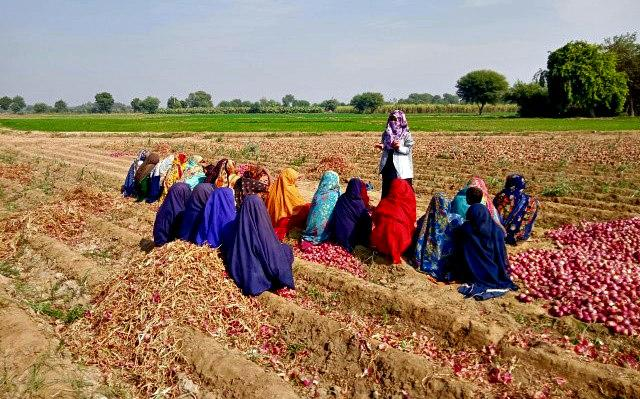
ISLAMABAD, July 01 (INP-Wealth Pakistan) -- Pakistan has reiterated its commitment to expanding women's participation in the economy, emphasizing that greater inclusion in education, entrepreneurship and the workforce is essential for achieving sustainable economic growth under the URAAN Pakistan initiative.

ISLAMABAD, June 30 (INP-Wealth Pakistan) -- The new agricultural cooperation agenda adopted by BRICS countries has created fresh opportunities for Pakistan to strengthen its farm sector through technology transfer, climate-smart agriculture, expanded exports and closer integration with emerging Global South agricultural value chains, experts say.
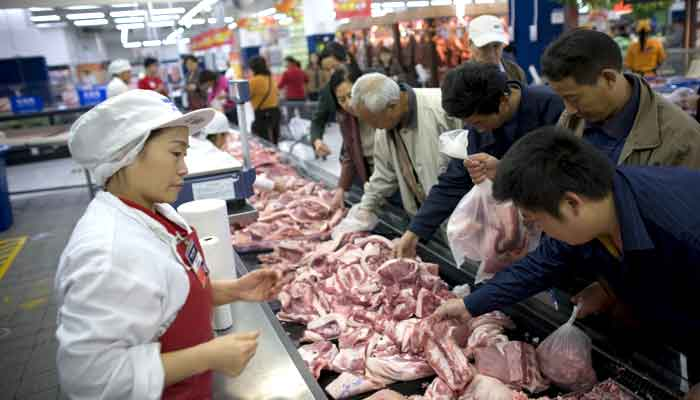
ISLAMABAD, June 30 (INP-Wealth Pakistan) -- China's growing demand for premium and processed food products, combined with expanding market access for Pakistani agricultural exports, has created fresh opportunities for Pakistan to move beyond raw commodity exports and strengthen shipments of higher value-added food products, experts say.
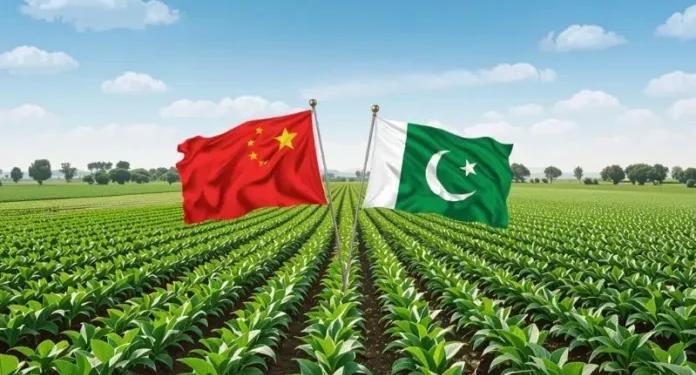
ISLAMABAD, June 30 (INP-Wealth Pakistan) -- Pakistan can draw practical lessons from China's smart agriculture model to strengthen food security, raise crop productivity, reduce post-harvest losses and improve farmers' incomes through precision farming, digital agriculture and modern storage infrastructure, experts say.
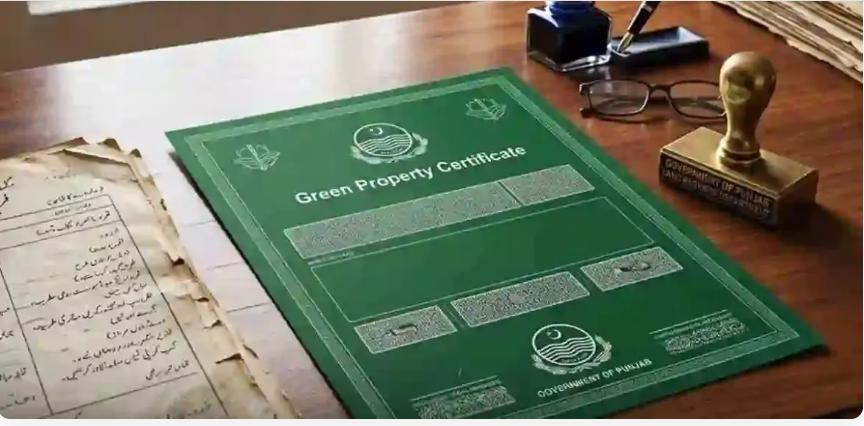
LAHORE, June 30 (INP-Wealth Pakistan) -- Punjab has begun replacing its centuries-old land ownership verification system with the Green Property Certificate (GPC), a digital ownership document designed to make property transactions more secure, transparent and legally verifiable while reducing land fraud and ownership disputes.

ISLAMABAD, June 30 (INP-Wealth Pakistan) -- Africa's accelerating shift towards electric mobility is opening a new export avenue for Pakistan's engineering sector. The country's established manufacturing base in two- and three-wheelers, auto parts and emerging electric vehicles (EVs) is well positioned to meet growing demand for affordable mobility solutions across the continent.

ISLAMABAD, June 30 (INP–Wealth Pakistan) -- The number of payment cards in circulation in Pakistan continued to grow during the third quarter of FY2025-26, reaching 68.25 million by the end of March, with debit cards maintaining their overwhelming dominance as the country's preferred formal payment instrument, according to the State Bank of Pakistan's Payment Systems Quarterly Review.
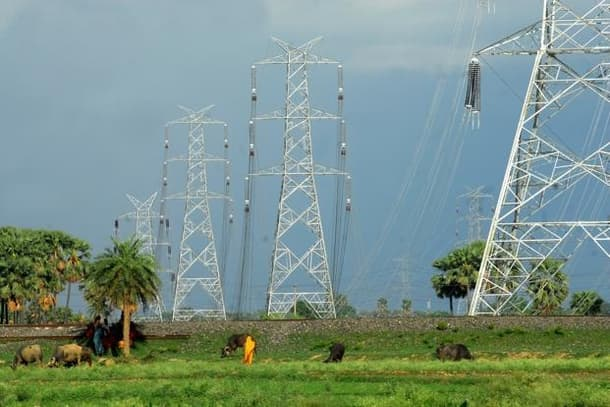
ISLAMABAD, June 30 (INP-Wealth Pakistan) -- Pakistan’s power distribution companies (DISCOs) plan to expand electricity access in FY2026-27 by electrifying 15,327 villages and adding 1,689,849 new consumer connections, with rural access and consumer-base expansion emerging as key targets of the distribution sector plan.
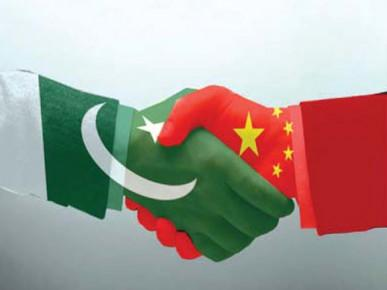
ISLAMABAD, June 30 (INP-Wealth Pakistan) -- China's pursuit of a more just and equitable global governance order could create new economic opportunities for Pakistan, paving the way for enhanced regional connectivity, broader trade networks and deep development cooperation. Even so, experts stressed that domestic reforms and regional stability would be crucial to translating those opportunities into tangible gains.

ISLAMABAD, June 30 (INP–Wealth Pakistan) -- Pakistan's Real-time Gross Settlement (RTGS) system, PRISM+, continued to serve as the backbone of the country's financial infrastructure during the third quarter of FY2025-26, settling transactions worth Rs389.8 trillion as banks, financial institutions and government entities relied on the platform for large-value payments, according to the State Bank of Pakistan's Payment Systems Quarterly Review.

ISLAMABAD, June 30 (INP-Wealth Pakistan) -- The government has planned three climate capacity-building projects with a combined cost of Rs1.47 billion to strengthen climate governance, develop a green workforce and prepare national guidelines for urban flooding, droughts and other climate-related disasters.

Jul 2, 2026

ISLAMABAD, June 30 (INP–Wealth Pakistan) -- Pakistan's shift towards cashless retail payments continued to gather momentum during the third quarter of FY2025-26 as QR-code payments and digital merchant acceptance expanded further, enabling more consumers to pay directly from their bank accounts and mobile wallets, according to the State Bank of Pakistan's Payment Systems Quarterly Review.

ISLAMABAD, June 30 (INP–Wealth Pakistan) -- Pakistan's shift towards a digital economy gathered further pace during the third quarter of FY2025-26, with digital channels accounting for 92% of all retail payment transactions by volume as consumers increasingly relied on mobile apps, digital wallets, internet banking and electronic payment platforms, according to the State Bank of Pakistan's latest Payment Systems Quarterly Review.
ISLAMABAD, June 27 (INP–Wealth Pakistan) -- Pakistan's instant payment system, Raast, continued to expand during the third quarter of FY2025-26, processing 742 million transactions worth Rs23.27 trillion as both person-to-person transfers and merchant payments gained momentum, according to the State Bank of Pakistan's Payment Systems Quarterly Review.
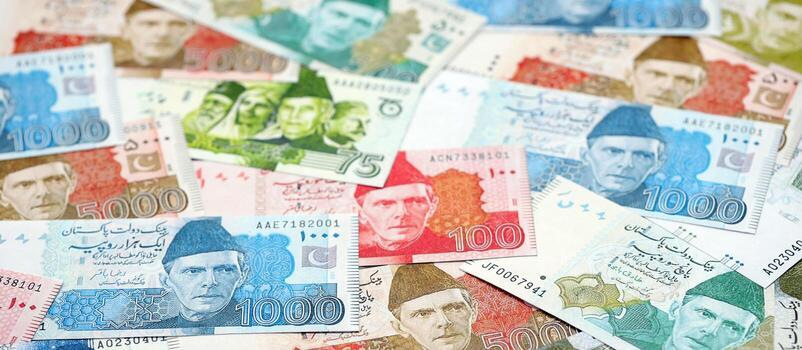
ISLAMABAD, June 30 (INP–Wealth Pakistan) -- The Pakistani rupee remained broadly stable against major international currencies during the fourth week of June, posting a slight gain against the US dollar as easing external-sector pressures, lower Treasury-bill yields and continued improvement in macroeconomic conditions helped sustain confidence in the local currency.

LAHORE, June 30 (INP-Wealth Pakistan) -- Punjab's decision to introduce algae-based "Liquid Trees" has generated optimism as an innovative approach to tackling urban air pollution, but environmental experts say the technology should be viewed as a complementary solution rather than a replacement for conventional tree planting.
ISLAMABAD, June 30 (INP-Wealth Pakistan) -- Pakistan's expanding development partnership with Germany has created new opportunities to strengthen climate resilience, accelerate the clean energy transition and enhance social protection for vulnerable communities through long-term technical cooperation, according to experts.

ISLAMABAD, June 30 (INP-Wealth Pakistan) -- China's decision to expand childcare subsidies to nearly 110 billion yuan in 2026 offers practical policy lessons for Pakistan as it seeks to ease the financial burden on low-income families, improve child welfare and enable greater participation of women in the workforce, experts say.

ISLAMABAD, June 30 (INP-Wealth Pakistan) -- The global shift towards nearshoring is creating a rare opportunity for Pakistan to attract export-oriented manufacturing and diversify its industrial base, but experts say the country must accelerate reforms and improve implementation if it is to win over relocating investors.

ISLAMABAD, June 30 (INP-Wealth Pakistan) -- The federal government plans to add three new environmental and biodiversity protection projects to the fiscal year 2026-27 under the revised Upscaling of Green Pakistan Programme (UGPP), with a focus on the Margalla Hills, a national botanical garden in Islamabad, and a pollution monitoring network.
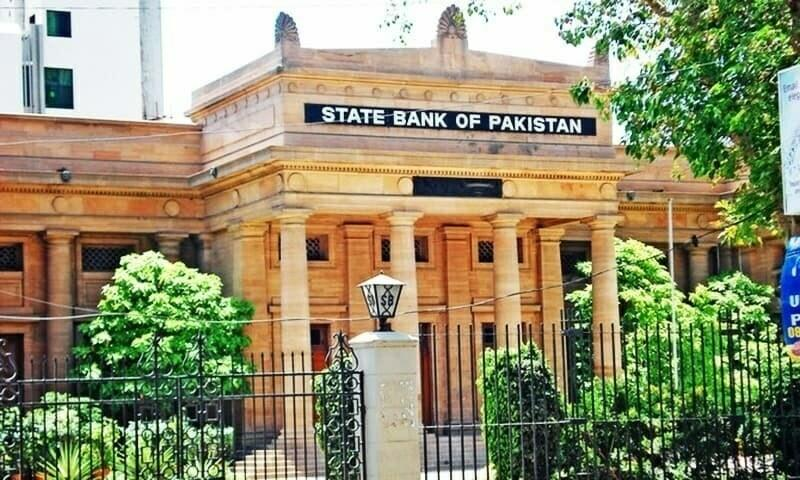
ISLAMABAD, June 30 (INP-Wealth Pakistan) -- Pakistan's foreign exchange reserves retreated in June after climbing to a one-year high at the end of May, although the country's external reserve position remained substantially stronger than it was a year earlier, according to the latest data released by the State Bank of Pakistan (SBP).
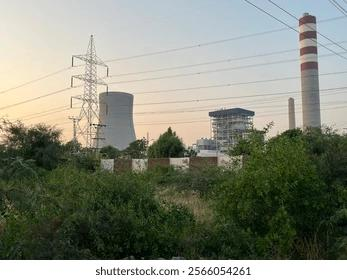
ISLAMABAD, June 30 (INP-Wealth Pakistan) -- Pakistan's electricity generation climbed to its highest level in five months in May 2026, driven by a sharp recovery in hydel power, increased coal and RLNG generation, and continued growth in wind and solar output, according to data released by the State Bank of Pakistan (SBP).
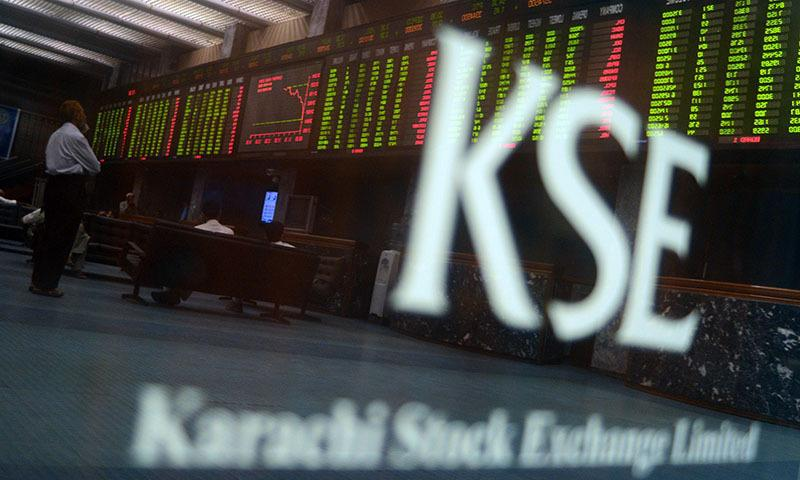
ISLAMABAD, June 30 (INP–Wealth Pakistan) -- The Pakistan Stock Exchange (PSX) extended its gains during the final week of June, with the benchmark KSE-100 Index advancing 649 points, or 0.36% week-on-week, to close at 179,571 points, as easing geopolitical tensions in the Middle East helped sustain investor confidence despite rollover-week pressures.
Jul. 01 & Jul. 02, 2026

Jun 30, 2026
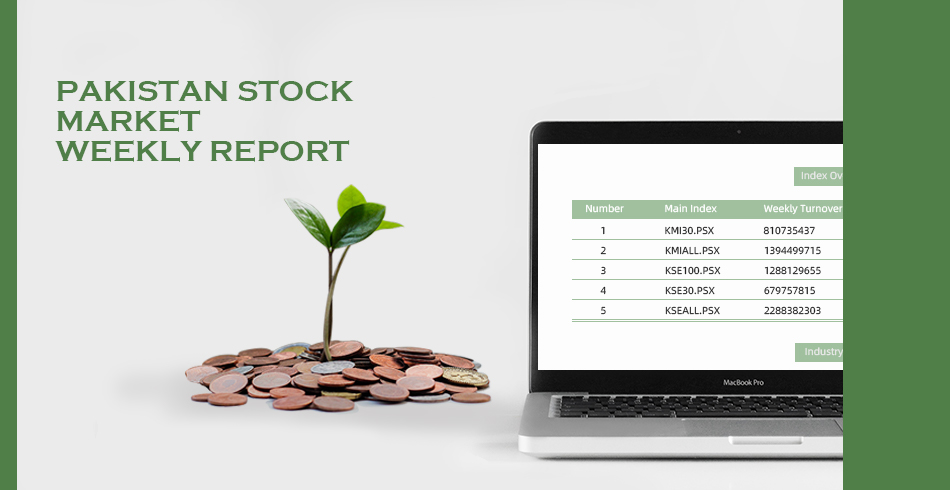
Weekly Review of Stock Market (2026.06.22-2026.06.26)

Jun 29, 2026
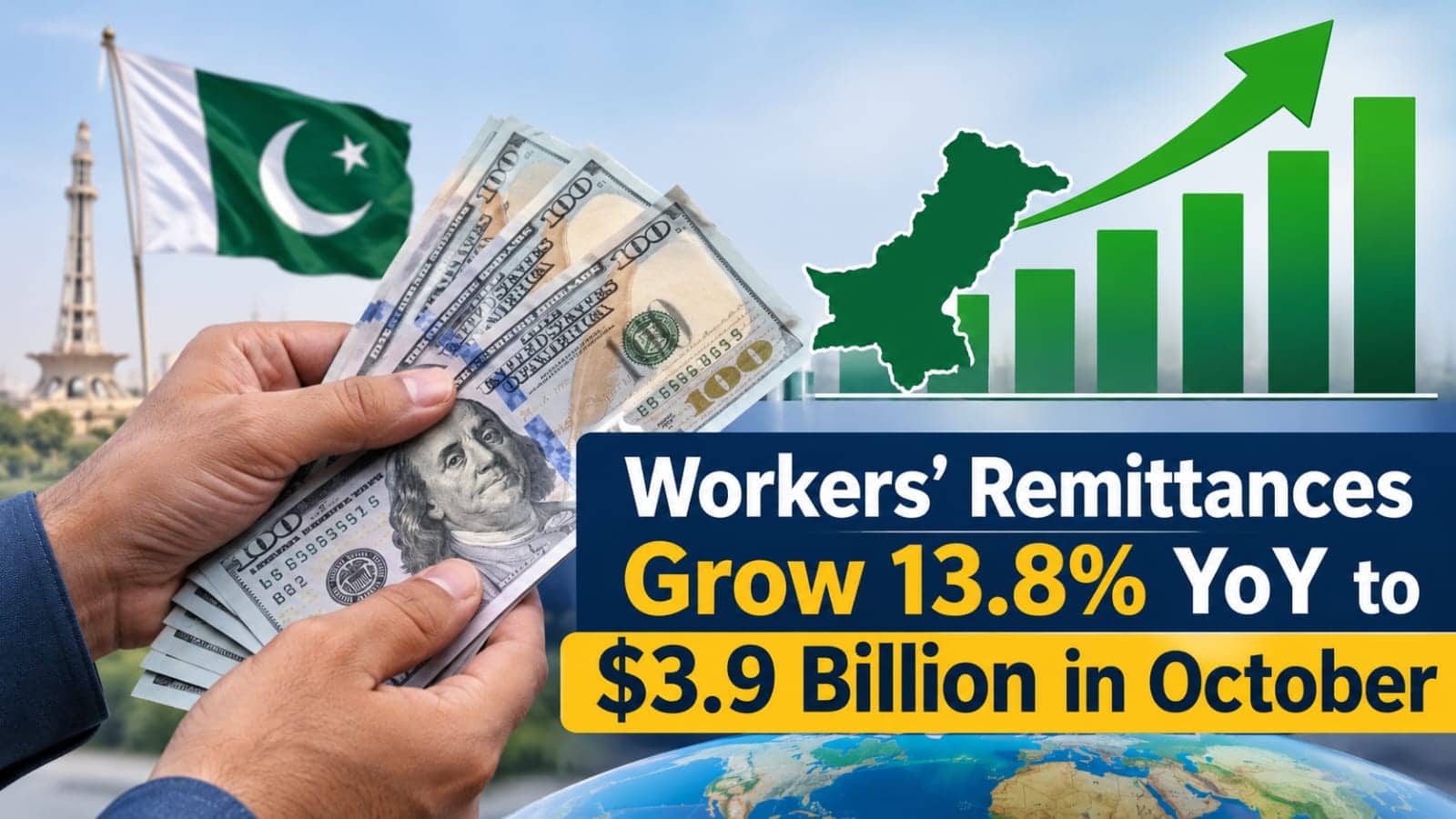
Pakistan received $3.9 billion in workers’ remittances in October 2026, marking an increase of 13.8% year-on-year and 8.5% month-on-month.

Gold prices in Pakistan decreased on Tuesday in line with their loss in the international market. In the local market, gold price per tola reached Rs430,836 after a decline of Rs1,500 during the day.

Pakistan Stock Exchange rallies over 4,000 points, with the benchmark KSE-100 index reclaiming the 178,000 mark to reach 178,273 points during early trading.

Investors returned to the Pakistan Stock Exchange (PSX) with renewed enthusiasm on Tuesday after a long weekend, unleashing a strong buying spree that sent the benchmark KSE-100 index soaring as much as 4,654 points in morning trade.

PSX's KSE-100 index jumps 4,540 points as Trump's Iran remarks ease geopolitical fears and Pakistan reports $3.89 billion in October remittances.
Pakistan Stock Exchange rallies over 3,000 points, with the benchmark KSE-100 index reclaiming the 177,000 mark to reach 177,421 points during early trading.

KARACHI, Nov 10 (APP):Following are the selling/buying rates of major currencies issued by the National Bank of Pakistan (NBP), here on Tuesday.

The US dollar buying rate was listed at Rs275.44, while the pound, euro, Saudi riyal and UAE dirham were also quoted in the currency note rates issued on November 10, 2026.

The National Bank of Pakistan’s Treasury Management Division released buying and selling rates for major foreign currencies, with a settlement date of Nov 13, 2026.
The National Bank of Pakistan has issued selling and buying rates for the US dollar, pound sterling, euro, Japanese yen, Saudi riyal and UAE dirham in Karachi.

Foreign exchange rates in Pakistan for today, November 10, 2026

KARACHI – The Pakistan Stock Exchange (PSX) witnessed a strong recovery on Tuesday, with the benchmark KSE-100 Index gaining more than 3,300 points during
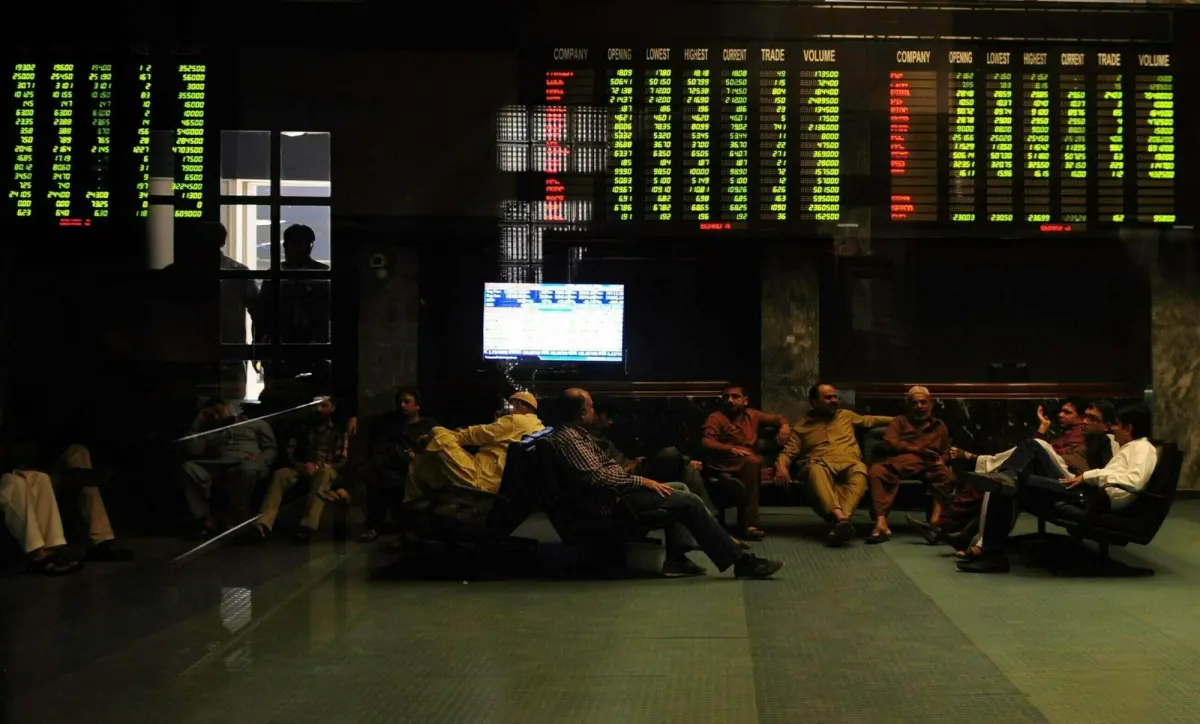
Buying returned at the Pakistan Stock Exchange (PSX) after US President Donald Trump said US military action against Iran is not necessary “at this point”, with the benchmark KSE-100 gaining nearly 3,300 points during the opening minutes of trading on Tuesday.

Gold prices in Pakistan increased on Monday, tracking gains in the international market, as a weaker US dollar and easing concerns over inflation supported demand for the precious metal ahead of key US inflation data due later this week.

Silver price in Pakistan for today, November 10, 2026

Gold price in Pakistan for today, November 10, 2026
Morning Breeze aims to lessen the load for its readers by curating noteworthy updates from the preceding day.

Pakistan Investment Bonds, T-bills attracted $747m inflows in July-Oct
ISLAMABAD: Pakistan’s merchandise exports to North America grew modestly by 4.65 per cent to $1.826 billion in the...

Federal govt slashes petrol price by Rs8 to Rs338, diesel by Rs7. OGRA issues notification on new fuel rates across Pakistan.

The prices of gold witnessed a significant increase in the local market on Monday, with the price of 24-karat gold per tola rising by Rs3,200 to settle at Rs432,336, according to rates issued by the All Pakistan Sarafa Gems and Jewellers Association.

The 24-karat gold rate in Pakistan rose Rs. 3,200 to Rs. 432,336 per tola, according to the All Pakistan Gems and Jewellers Association. The 24-karat rate for 10 grams increased Rs. 2,744 to Rs. 370,658. The previously reported gold rates were Rs. 429,136 per tola and Rs. 367,914 for 10 grams. In ..
The All Pakistan Sarafa Gems and Jewellers Association said 24-karat gold also gained in international trading, while domestic and global silver prices increased on Monday.

Gold prices in Pakistan rose by Rs3,200 per tola to Rs432,336, while silver gained Rs55 to Rs5,723 per tola, following increases in international bullion markets.
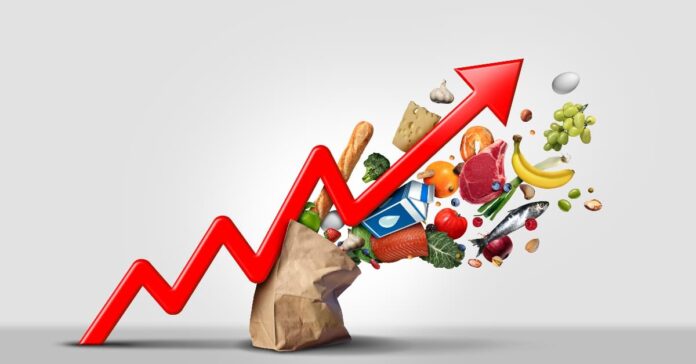
Consumers in Lahore continue to pay above official rates for chicken, tomatoes, onions and other essentials despite government price revisions.
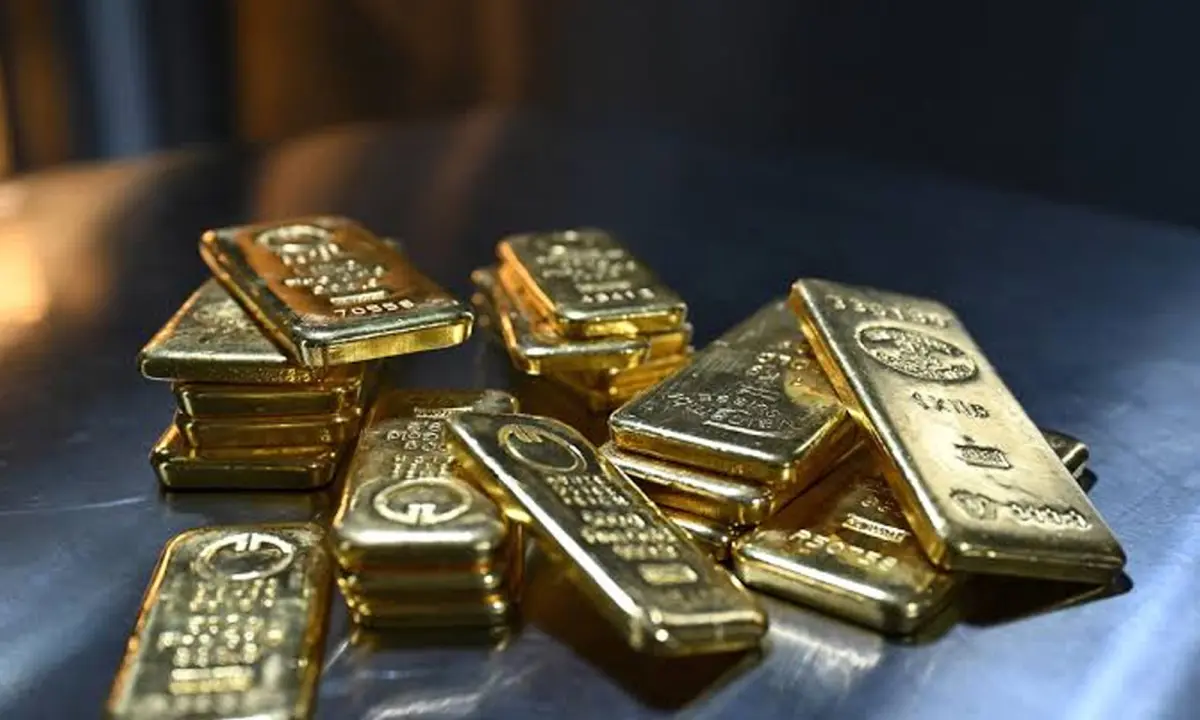
Gold prices in Pakistan increased on Monday in line with their gain in the international market. In the local market, gold price per tola reached Rs432,336 after a gain of Rs3,200 during the day.

Silver price in Pakistan for today, November 09, 2026

Gold price in Pakistan for today, November 09, 2026

ISLAMABAD - Meat and meat preparations exports from the country during first three months of the current financial year grew by 21.09 percent as compared to the exports of the corresponding period of the last year. During the period from July-September 2026, about 27,683 metric tons of meat and meat products worth $147.996 million were exported as compared to the exports of 27,357 metric tons valued at $122.198 million of the same period of the last year, according to data of the Pakistan Bureau of Statistics. Meanwhile, the fish and fish preparations exports also recorded about 14.61 percent growth as over 49,884 metric tons of fish and fish products worth $102.686 million were exported as compared to exports of 40,592 metric tons valued at $89.600 million in the same period of the last year.
ISLAMABAD - Pakistan’s export of goods and services to the United States (US) witnessed an increase of 4.44 percent during the first quarter of the current fiscal year (2026-27) as compared to the exports of the corresponding months of last year, the State Bank of Pakistan (SBP) reported. The overall exports to US were recorded at $1.716 billion during July-September (2026-27) against exports of $1.643 billion during July-September (2025-26), SBP data revealed. On a year-to-year basis, exports to US increased by 12.46 per cent, from $531.269 million in September 2025 to $597.484 million in September 2026.