WealthPKNews

WealthPK News

Image for: Is IMF's cure worse than the disease?

Is IMF's cure worse than the disease?

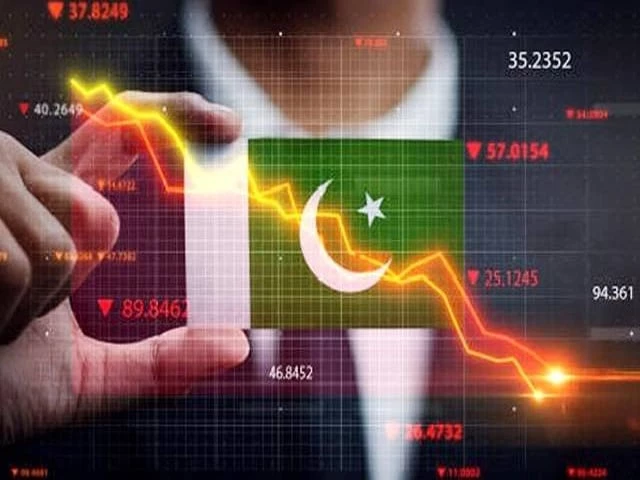
The International Monetary Fund (IMF), being the lender of last resort for countries in balance-of-payments crisis or in danger of default, almost always ties its bailouts to excessive austerity measures. Its loans are tied, to use IMF jargon, to "structural adjustment programmes" and "conditionality". These programmes centre on raising taxes and/or spurring tax rate reductions, balancing the budget at all costs, devaluing the currency and increasing interest rates. Such anti-growth policies, delivered in line with IMF diktat, have been shown in the majority of cases to have actually increased the country's dependence on the IMF over time. Just think of what has happened in Argentina, Pakistan, Ecuador, Egypt or Ghana.


Tribune
Image for: Incentives alone won't fix Pakistan's exports

Incentives alone won't fix Pakistan's exports

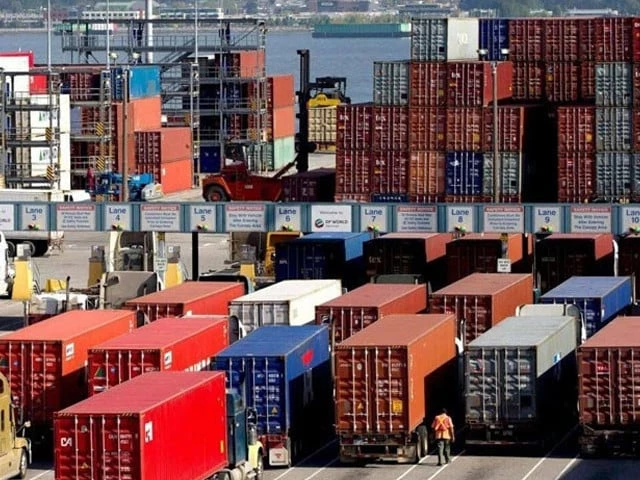
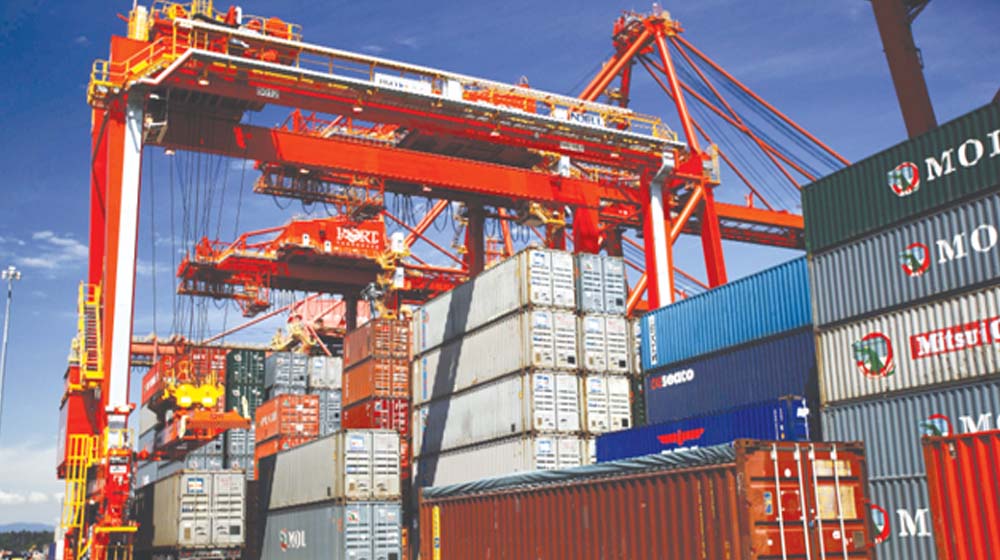
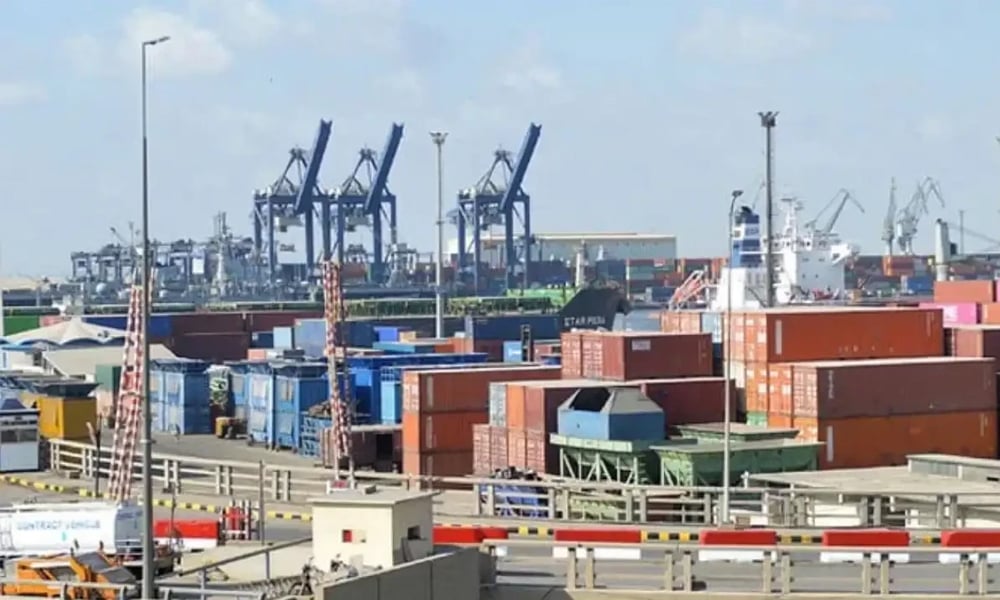
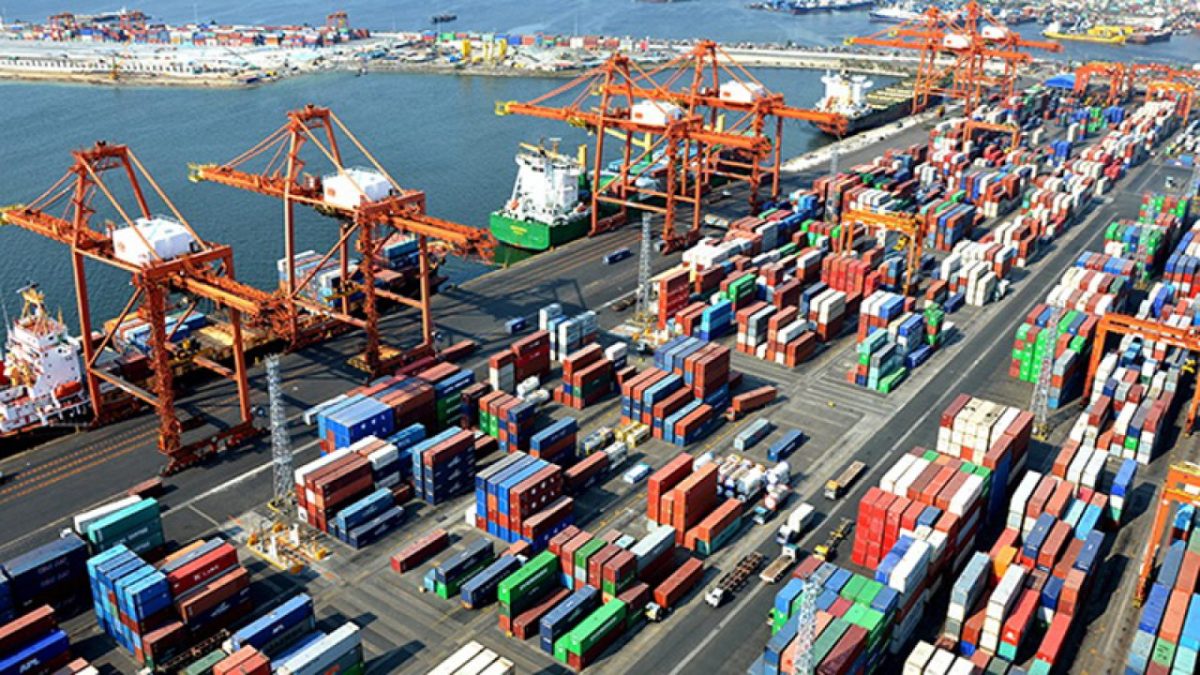
The current fiscal year has been marked by significant strain on the external account, driven in large part by the US-Iran conflict and its spillovers into capital flows and sovereign spreads. With peace now expected to return to the region, policymakers' attention should turn to the domestic constraints that continue to hold exports back. On a cumulative basis, the current account posted a modest surplus of $72 million in the first nine months of FY26, before slipping into a single-month deficit of $276 million in April and then rebounding to a surplus of $459 million in May 2026. This left a cumulative surplus of $255 million over the first 11 months (July-May), but much lower in comparison to the roughly $1.6 billion surplus recorded in the same period a year earlier. For context, the previous fiscal year closed with a current account surplus of $1.8 billion.

Tribune
Image for: Is growing sugarcane drying us out?

Is growing sugarcane drying us out?

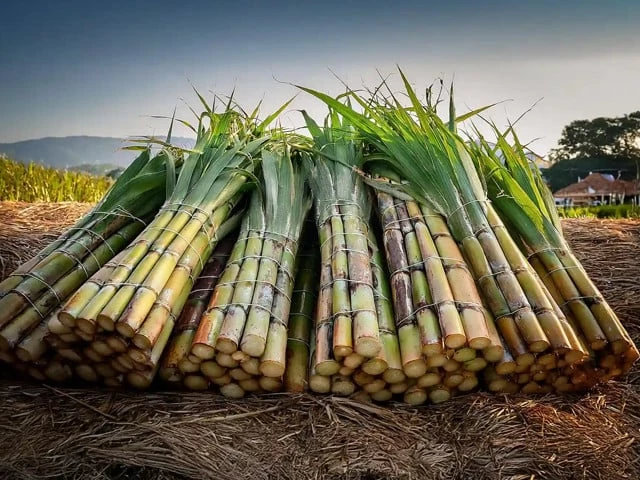
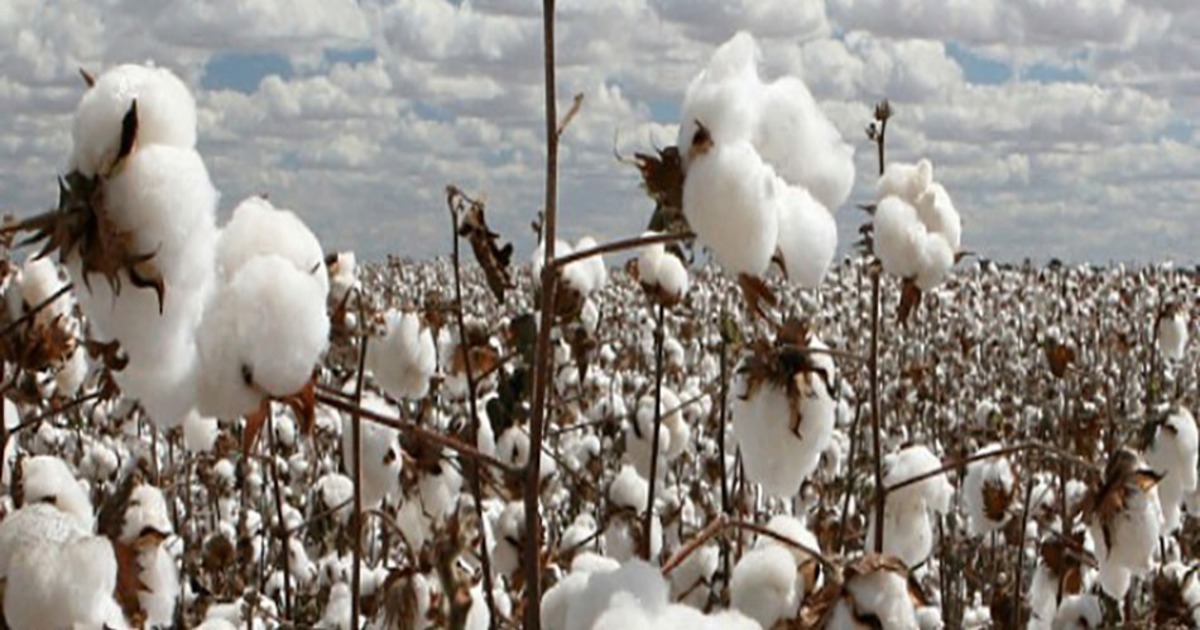
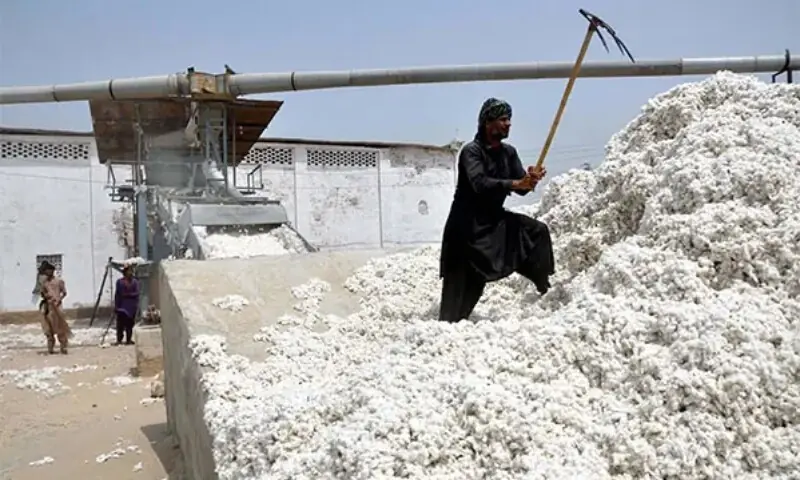
Pakistan's agriculture is facing a crisis that is neither sudden nor mysterious. It is the predictable result of a long-standing mismatch between what the country grows and what its climate, soils and water resources can realistically support. For decades, Pakistan's crop choices were shaped by a world of abundant canal flows, stable weather and a political economy that rewarded acreage rather than efficiency. That world is gone. Yet our cropping patterns remain frozen in time, even as the climate around us changes at a pace our policies refuse to acknowledge.

Tribune

WealthPK Reports

Image for: Pakistan recommends Rs283bn national AI programme to accelerate digital transformation

Pakistan recommends Rs283bn national AI programme to accelerate digital transformation

ISLAMABAD, Aug.01 (INP-Wealth Pakistan) -- Pakistan has taken a major step towards building an artificial intelligence-driven economy by recommending a Rs283 billion National Artificial Intelligence Ecosystem Development Programme (NAIEDP) for approval, signalling the government's intent to strengthen digital transformation, technological innovation and knowledge-based economic growth.

WealthPK Reports

Data News

Image for: Cement despatches surge by 6.02pc to 4.476m tons in July

Cement despatches surge by 6.02pc to 4.476m tons in July

ISLAMABAD  -  Cement despatches increased by 6.02 percent in July this year, as total despatches were 4.476 million tons against 4.222 million tons despatched during the same month of last fiscal year. According to the data released by All Pakistan Cement Manufacturers Association, local cement despatches by the industry during the month of Jul-26 were 3.771 million tons compared to 3.215 million tons in Jul-25, showing an increase of 17.28%. Exports despatches, on the other hand, declined by massive 29.95% as the volumes reduced from 1.007 million tons in Jul-25 to 705,341 tons in Jul-26.

The Nation