By Ayesha Saba
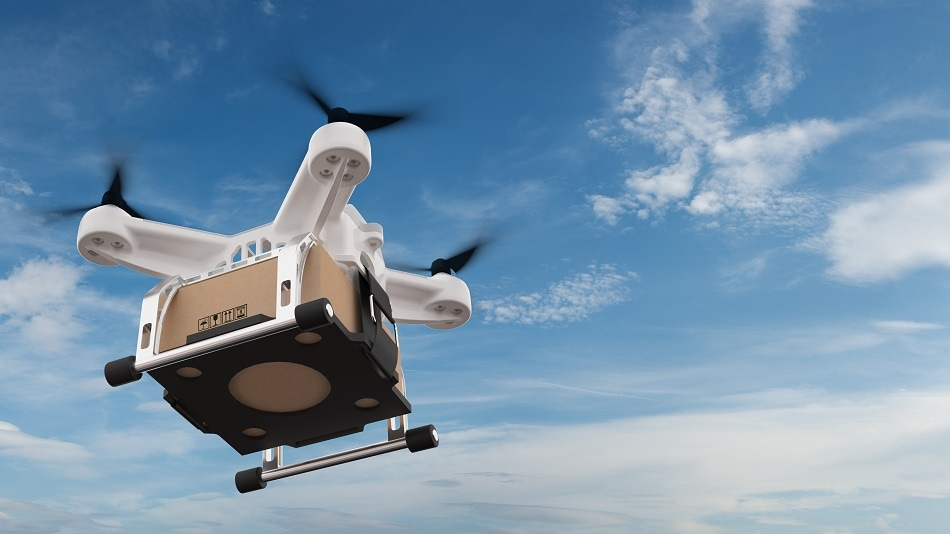
ISLAMABAD, Nov 25 (INP-Wealth Pakistan) -- China's rapidly expanding commercial drone industry is reshaping last-mile delivery and creating new opportunities in specialised transportation, smart logistics, and technological cooperation, as unmanned aerial delivery systems become increasingly integrated into urban commerce and supply-chain networks.
According to the Civil Aviation Administration of China (CAAC), the number of registered drones exceeded 4.788 million by the end of June 2026, compared with 3.287 million at the end of 2025, representing an increase of approximately 45.7% within six months.
Drone flight hours reached 26.414 million during the first half of 2026, an increase of 8% year on year. China's full-year 2025 aviation bulletin recorded 45.3 million drone flight hours, nearly 70% higher than the preceding year, reflecting the broader expansion of unmanned aviation beyond delivery services.
Shenzhen has emerged as an important centre for commercial drone logistics within China's growing low-altitude economy. According to the municipal government, the city had established 310 low-altitude logistics routes and built more than 1,200 takeoff and landing facilities by August 2026.
Cargo drones completed more than one million flights in Shenzhen in 2025, while food-delivery operator Meituan was serving orders from more than 1,500 merchants by June 2026.
The expansion offers a potential commercial model for courier companies handling urgent, lightweight and time-sensitive shipments. However, high aircraft acquisition costs, battery limitations, maintenance requirements and airspace restrictions could affect the financial viability of drone deliveries compared with conventional transportation.
Commercial operators, including Chinese delivery giant Meituan, have established services in Shenzhen, Beijing and Shanghai, demonstrating how unmanned aircraft can supplement traditional last-mile distribution networks.
Speaking to Wealth Pakistan, Muhammad Akram-ul-Haq, Project Manager at MeshTech Solutions, described China's rapidly expanding commercial drone network as an important technological development that could reshape logistics operations across developing economies, including Pakistan.
He said integrating autonomous aerial delivery systems into urban transportation networks offered opportunities to reduce delivery time, improve supply-chain efficiency and extend essential services to geographically isolated communities.
Akram identified Pakistan's mountainous northern regions, remote rural districts and disaster-prone areas as promising locations for drone-based logistics services. Such systems could facilitate the transportation of emergency medicines, laboratory samples and lightweight essential supplies in areas where conventional road networks remain inadequate.
However, he emphasised that successful implementation would require coordinated airspace management, appropriate operational safety standards, trained personnel and investment in reliable communication networks.
He suggested that partnerships between Chinese drone manufacturers, Pakistani technology firms and logistics operators could support pilot delivery projects, localised equipment assembly and technical skills development.
These initiatives could also create opportunities for start-ups and small businesses to participate in emerging smart logistics services, provided that operating costs and commercial feasibility were carefully evaluated.
Dr Asad Ali, Assistant Professor at the National University of Sciences and Technology (NUST), told Wealth Pakistan that Pakistan had considerable potential to benefit from China's technological advancements by strengthening industrial linkages and encouraging greater private-sector participation in emerging industries.
He emphasised the importance of diversifying bilateral economic engagement towards high-value technologies, including drones, robotics and intelligent infrastructure, creating opportunities for Pakistani businesses to explore new areas of cooperation with Chinese enterprises.
Ali said the potential benefits for local businesses extended beyond faster parcel deliveries to more flexible supply chains, improved access to underserved markets and specialised transportation services for time-sensitive goods.
However, converting these opportunities into viable commercial ventures would require careful assessment of operating costs, market demand and the infrastructure needed to support regular aerial deliveries.
He noted that collaboration with Chinese firms could help Pakistani enterprises develop local assembly, component manufacturing, maintenance facilities, and digital platforms to manage drone operations.
Such partnerships could encourage technical skills development, attract investment and gradually enable local companies to enter more sophisticated segments of the technology industry.
Ali said the broader opportunity for Pakistan lay in translating technological cooperation into commercially sustainable projects that generated local economic value.
Joint ventures, targeted investment and industry-led innovation could provide a practical starting point for introducing next-generation logistics services while strengthening Pakistan's participation in emerging regional technology supply chains.
China's experience demonstrates how commercial drone operations can complement conventional distribution networks and create specialised logistics services. For developing economies such as Pakistan, adapting these technologies to local market requirements could improve logistics efficiency while supporting industrial development and technological innovation.