By Muhammad Luqman
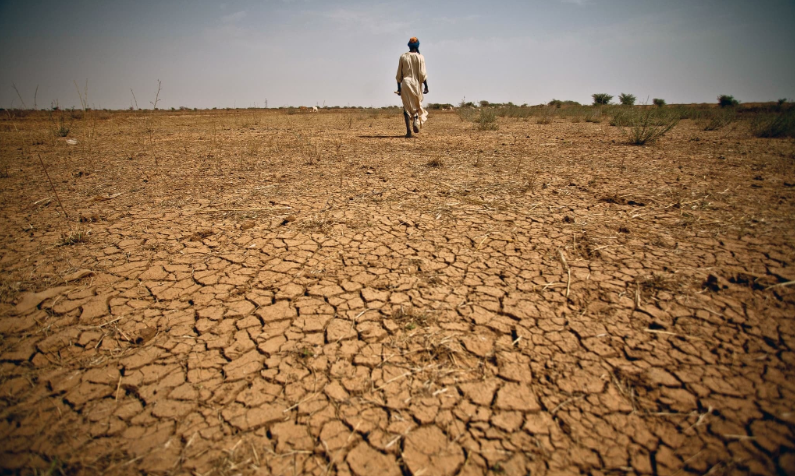
LAHORE, Nov 24 (INP-Wealth Pakistan): Prolonged rainfall shortages are raising drought concerns across southern Pakistan, threatening Rabi crops, particularly wheat, as reduced water supplies and changing weather patterns add to farmers' challenges.
“The water supply situation for crops in Sindh and Punjab may further deteriorate following a 22 per cent cut in the water shares of the two provinces for the October-March period,” said Dr. Anjum Ali Buttar, Executive Member of the Punjab Agriculture Research Board (PARB).
Total water availability for the Rabi season was estimated at 29.18 million acre-feet (MAF), against 38 MAF envisaged under the 1991 Water Accord. Of the available supplies, Punjab was allocated 15.564 MAF and Sindh 11.748 MAF, while Balochistan and Khyber Pakhtunkhwa were allocated 1.171 MAF and 0.71 MAF, respectively.
Talking to Wealth Pakistan, Dr. Anjum Ali said El Niño-induced weather conditions could make drought more pronounced in southern Pakistan than in southern Punjab.
He warned that a sudden rise in temperatures in February could expose wheat crops to heat stress.
“Temperature shock may cause the crop to dry out instead of ripening,” he said.
He advised farmers to apply light irrigation to protect wheat crops from the adverse effects of a sudden increase in temperature.
Winters in Pakistan have become shorter and are starting later, with the duration of severe cold reportedly declining from around 75 days to approximately 50 amid climate change and shifting weather patterns, Dr. Anjum Ali noted.
According to a drought advisory document available with Wealth Pakistan, prolonged dry spells and below-normal rainfall could intensify agricultural water stress and reduce water availability in the coming months.
The Pakistan Meteorological Department (PMD) has reported an increase in consecutive dry days across southern Pakistan, indicating prolonged periods without significant rainfall. Inadequate precipitation and extended dry spells are expected to progressively deplete soil moisture, intensify moisture stress and constrain water availability for agricultural and domestic use.
The situation is particularly concerning for rain-fed agricultural areas and communities already facing water-resource constraints.
The PMD's regional rainfall assessment shows that Sindh and Balochistan have experienced below-normal rainfall across all five assessment periods from July to November 20.
Sindh recorded rainfall deficits of 61 per cent in July, 22 per cent in August, 90 per cent in September, 100 per cent in October and 99 per cent during the first 20 days of November, compared with the 1991-2020 average.
Balochistan also experienced significant shortfalls, with rainfall remaining 41 per cent below normal in July, 12 per cent in August, 68 per cent in September, 80 per cent in October and 79 per cent during November 1-20.
Southern Punjab has also faced rainfall shortages, particularly in August, September and November. The region recorded deficits of 21 per cent in August, 6 per cent in September and 74 per cent during the first 20 days of November.
Although Punjab received 52 per cent above-normal rainfall in October, the improvement was insufficient to offset the broader rainfall deficit in the southern region.
The PMD noted that October and November are climatologically dry months in southern Pakistan. Meanwhile, the modest October rainfall surpluses recorded in Punjab, Khyber Pakhtunkhwa and Gilgit-Baltistan did not extend to Sindh and Balochistan.
The outlook for December 2026 to February 2027 indicates a likelihood of normal to below-normal rainfall across Sindh, Balochistan and southern Punjab, raising concerns about the persistence and possible intensification of prevailing dry conditions.
Winter precipitation is important for replenishing soil moisture, supporting Rabi crops and improving water availability. However, the anticipated rainfall pattern could limit the natural recovery of soil moisture following an already deficient monsoon season.
The PMD warned that continued normal to below-normal precipitation, coupled with months of inadequate rainfall and prolonged dry spells, could intensify agricultural water stress, adversely affect crop growth and development, and place additional pressure on surface and groundwater resources.