By Ijaz Kakakhel
ISLAMABAD, Nov 24 (INP-Wealth Pakistan) – Slow implementation, delayed disbursements, land acquisition issues and financial constraints continue to hamper progress on several German-funded energy projects in Pakistan.
KfW, the German state-owned investment and development bank, is playing an important role in strengthening Pakistan’s power sector through financing for hydropower generation, transmission infrastructure, renewable energy and energy efficiency.
According to official project data, a copy of which is available with Wealth Pakistan, KfW has committed approximately $157.36 million in loans and grants across six power sector projects.
The largest challenge remains the timely execution of projects and effective utilization of committed financing.
The Harpo Hydropower Project in Gilgit-Baltistan, supported by a $23.20 million KfW loan, has recorded only 4 percent financial progress despite years of preparation. The financing agreement was signed on December 24, 2013, while the project's completion date is May 31, 2026. Although detailed engineering design was completed in June 2022, progress has remained slow. The project groundbreaking ceremony was held on November 6, 2024.
Land acquisition covering 1,068 kanals has also been completed, with Rs1.620 billion transferred for the purpose. KfW subsequently issued a no-objection letter (NOL) for the tender documents covering civil, electrical, mechanical, and transmission works in 2026.
However, extending the loan disbursement deadline from December 31, 2026 to December 2032 remains a key issue requiring engagement with KfW and the Economic Affairs Division (EAD).
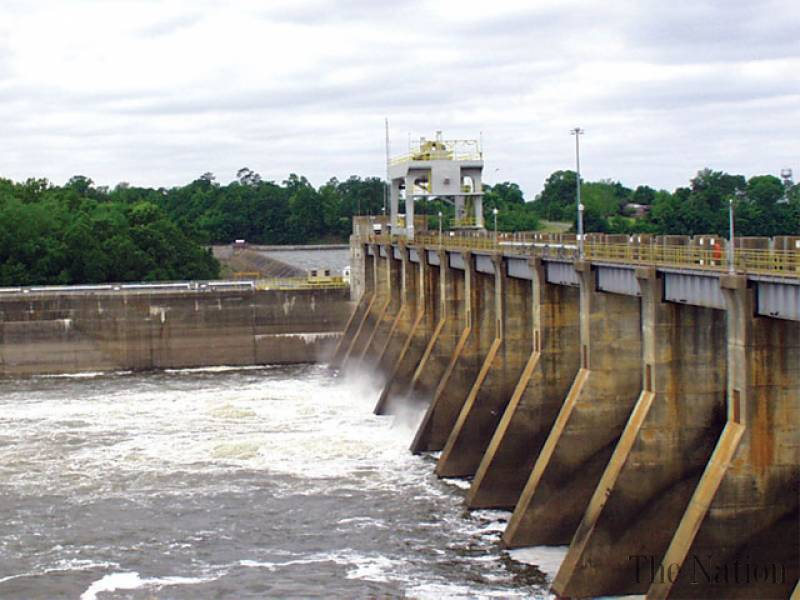
Another major initiative, the Warsak Hydropower Project Rehabilitation, has received a KfW loan of $46.40 million. The project has achieved 66 percent financial progress and 59.80 percent physical progress.
Despite these achievements, implementation challenges persist, particularly the requirement for additional rupee cover and adoption of a direct payment mechanism. The authorities have raised these matters with the relevant institutions to facilitate continued execution.
Meanwhile, the Gharo Substation Project in Sindh, backed by $31.32 million in KfW financing, has recorded 26 percent financial progress and 25 percent physical progress. The project’s completion date is December 2027.
The 500/132 kV Chakwal Substation Project, financed through a $50.76 million loan, has shown only 1 percent financial and 5 percent physical progress. Procurement-related activities and contract award procedures remain central to its implementation.
In addition to infrastructure financing, KfW has provided $2.78 million and $2.90 million grants for accompanying measures under the Programme for Promotion of Renewable Energies and Energy Efficiency.
These initiatives, being implemented through the National Transmission and Dispatch Company (NTDC), are designed to support Pakistan's transition towards cleaner and more efficient energy systems.
The overall portfolio demonstrates Germany's continued financial support for Pakistan's energy development priorities.
Nevertheless, the substantial gap between committed financing and actual disbursements highlights the need for stronger project management, accelerated procurement, timely financial arrangements, and closer coordination among implementing agencies.