By Azeem Ahmed Khan
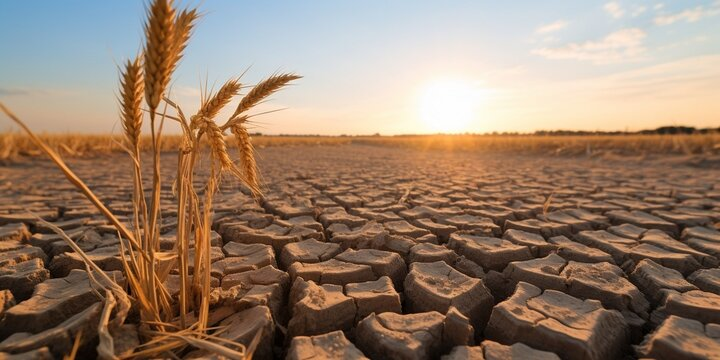
ISLAMABAD, Nov 24 (INP-Wealth Pakistan) – Emerging El Niño conditions threaten below-normal rainfall and above-normal temperatures across parts of Pakistan during FY27, raising the risk of drought-like conditions and major crop losses, according to a State Bank of Pakistan (SBP report.
The report, available with Wealth Pakistan, warns that Pakistan has entered FY27 with its agriculture sector exposed to another round of weather risks, underscoring the need for early preparedness to protect crop production and food security.
The National Oceanic and Atmospheric Administration (NOAA) forecasts point to below-normal seasonal rainfall and above-normal temperatures across parts of Pakistan during FY27. The probability of a strong or very strong El Niño remains above 90% from September 2026 to February 2027, before declining to 73% in March and 7% by May 2027, as weak or moderate conditions become more likely.
The report's temperature-rainfall stress index indicates greater exposure to drought-like conditions in Sindh, southern Punjab and parts of Balochistan, raising concerns about water availability and agricultural production in these regions.
However, the emerging weather pattern does not necessarily mean that rainfall will remain weak throughout the period. The report cautions that intense monsoon spells may still occur, while unfavourable growing conditions could develop when rainfall is concentrated in short spells or followed by prolonged hot and dry periods.
The impact of El Niño on Pakistan's agriculture will depend on local weather conditions, the availability of irrigation water and the timing of weather changes in relation to critical crop-development stages. Changes in atmospheric circulation associated with the warm phase of the El Niño-Southern Oscillation (ENSO) can alter rainfall patterns, increasing the risk of drought in some areas and heavy rainfall or flooding in others.
Historical evidence also suggests that El Niño does not affect all crops uniformly. An analysis of six strong El Niño episodes shows that average yield anomalies were negative for maize, cotton and wheat, while rice and sugarcane recorded positive deviations from their five-year-centred trends.
During these episodes, maize yields averaged 3.4% below trend, cotton 2.0% below and wheat 1.1% below. In contrast, rice yields averaged 0.6% above trend, while sugarcane yields were 1.4% above trend.
The report's estimates of potential crop-yield impacts under El Niño-like conditions show that rice yields could decline by 3% to 10%, while sugarcane yields could fall by up to 8%. Cotton yields could drop by 8% to 20%, maize by 7% to 18%, and wheat by 3% to 11%.
The potential agricultural losses could have wider implications for Pakistan's food security. Lower crop production may reduce food availability, raise prices, and weaken rural incomes. Weaker output of maize, rice and sugarcane could also affect staple food supplies and prices, while losses in cotton and sugarcane could reduce farm earnings and agricultural employment.
The report warns that these risks could translate into higher food-import requirements and additional pressure on foreign exchange reserves. It notes that the average household's spending on food and non-alcoholic beverages accounts for 36.7% of total spending, making food-price increases particularly significant for household budgets, especially those of low-income families.
The report stresses that El Niño, which normally recurs within seven years, should be incorporated into Pakistan's regular agricultural planning. Early forecasts can help authorities take timely measures to improve water management, ensure the availability of seeds and other agricultural inputs, arrange financing and provide targeted assistance to farmers at risk.
Such preparedness can reduce crop losses, protect farm incomes, and ease pressure on food security, allowing authorities to act before the next episode causes major damage rather than relying on costly relief measures after losses occur.
The report's account of Vietnam's experience in the 2019-20 agricultural season highlights the importance of advance planning in tackling drought risks. Its experience shows that timely monitoring of water and salinity risks, adjustments to planting schedules, reduced cultivation in high-risk areas, and protection of freshwater resources helped limit crop losses.
The report also cites a 2026 initiative in the Lao People's Democratic Republic, which launched Southeast Asia's first sovereign anticipatory drought insurance pilot. Under the scheme, financing is released to farmers when a drought index crosses a predefined threshold, enabling government-led measures before drought impacts become severe.