By Ayesha Saba
ISLAMABAD, Nov. 19 (INP-Wealth Pakistan) -- The global rooftop solar initiative unveiled at COP31 is opening new opportunities for renewable energy companies, particularly in battery storage, smart inverters, energy management software and solar installation services.
However, inconsistent regulations, financing constraints and weaknesses in electricity distribution networks could prevent developing economies from fully benefiting from the expanding market.
The initiative, endorsed by Australia, Bangladesh, Kenya, Nigeria, Palau and Vanuatu, seeks to double the number of solar-powered homes worldwide from approximately 150 million to at least 300 million by 2030, potentially transforming residential electricity generation and expanding markets for green technology businesses.
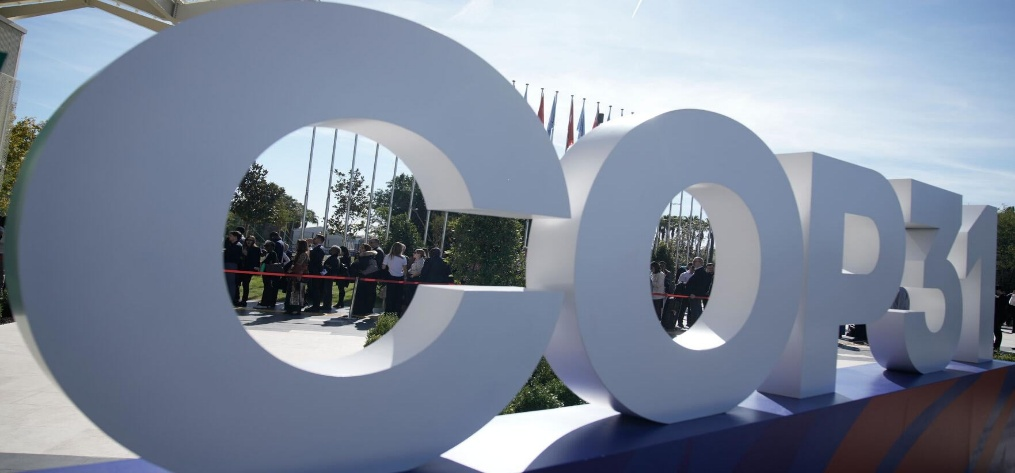
Announced on November 10 during the United Nations climate conference in Antalya, Türkiye, the voluntary Global Rooftop Solar Declaration encourages governments to simplify installation procedures, improve access to affordable financing, modernise electricity networks and develop skilled workforces.
The Global Solar Council estimates that achieving the target could support approximately two terawatts of distributed solar capacity across homes, businesses and community buildings.
Australia initially endorsed the initiative in October, while Bangladesh has outlined plans to install 5,500 megawatts of rooftop solar capacity by 2030, covering approximately 870,000 rooftops.
Speaking to Wealth Pakistan, Khalid Waleed, Research Fellow at the Sustainable Development Policy Institute (SDPI), said governments increasingly recognised households as active participants in electricity generation. For Pakistan, the initiative could provide an opportunity to strengthen domestic renewable energy policies and attract investment into a rapidly expanding market.
He noted that Pakistan had already demonstrated strong consumer demand for rooftop solar, but the country's regulatory framework had struggled to keep pace with technological developments.
Frequent changes in solar electricity compensation mechanisms and uncertainty surrounding future tariffs could discourage investment, particularly among middle-income households and smaller businesses seeking predictable financial returns.
Waleed stressed that the government's immediate priority should be to establish a comprehensive distributed energy policy supported by transparent regulations, affordable financing and improved coordination between federal and provincial institutions.
Such reforms could enable Pakistan to expand rooftop installations while addressing the financial challenges facing electricity distribution companies and consumers who remain dependent on the national grid.
He further said Pakistan should view the COP31 declaration as an opportunity to strengthen international climate cooperation rather than merely another renewable energy target.
By presenting credible investment plans and measurable implementation strategies, the country could position itself to attract concessional climate finance, technical assistance and partnerships with international clean-energy developers.
Dr Talat Hafeez, economist and Assistant Professor at the Institute of Business Administration, Karachi, told Wealth Pakistan that the COP31 rooftop solar initiative had the potential to create a substantial new market for technologies beyond conventional solar panels.
As millions of households worldwide adopt rooftop systems, demand could increase for lithium-ion batteries, hybrid inverters, smart electricity meters and digital platforms capable of monitoring energy consumption and improving system performance.
He pointed out that Pakistani businesses had an opportunity to move beyond importing and installing equipment towards developing locally assembled products and specialised engineering services.
Establishing testing facilities, technology partnerships and quality certification programmes could help domestic manufacturers produce internationally competitive solar accessories and storage solutions while reducing dependence on imported finished equipment.
Hafeez also highlighted the emerging role of artificial intelligence and intelligent energy management systems in improving household electricity use.
Software capable of forecasting solar generation, managing battery charging and automatically adjusting electricity consumption could become increasingly valuable as rooftop installations expand.
Pakistani technology start-ups and software developers could potentially serve international markets by offering affordable, customised solutions for developing economies facing similar electricity challenges.
He said the economic significance of the global rooftop solar pledge extended beyond electricity generation to employment creation and industrial development.
Expanding demand could generate opportunities for engineers, electricians, battery technicians, software developers and maintenance professionals. However, capturing these benefits would require investment in technical training, research, product standards and domestic innovation rather than relying exclusively on imported solar technologies.
The wider opportunity also extends beyond Pakistan's domestic market, particularly in installation, engineering and maintenance services.
The COP31 rooftop solar pledge highlights the potential for developing economies to participate in a growing international market for renewable energy technologies and specialised services.
For Pakistan, translating these opportunities into investment, employment and exports will depend on regulatory stability, stronger technical capabilities, reliable infrastructure and policies that encourage domestic manufacturing and innovation.