By Azam Tariq
ISLAMABAD, Nov 18 (INP-Wealth Pakistan) -- South Asia's persistent trade barriers and weak economic integration continue to leave an estimated $44 billion in regional trade potential untapped, limiting market access for small businesses and restricting opportunities for employment and economic growth.
Despite geographic proximity and a large consumer market, trade among South Asian countries accounts for barely 5% of the region's total trade, compared with approximately 25% in the Association of Southeast Asian Nations (ASEAN), according to World Bank estimates.
The World Bank puts intra-regional trade in South Asia at around $23 billion against a potential of at least $67 billion, indicating approximately $44 billion in unrealised commercial opportunities.
However, economists say unlocking this potential will require more than improved transport infrastructure. Regulatory barriers, weak institutions, investment restrictions and limited trust among neighbouring countries continue to constrain cross-border economic activity.
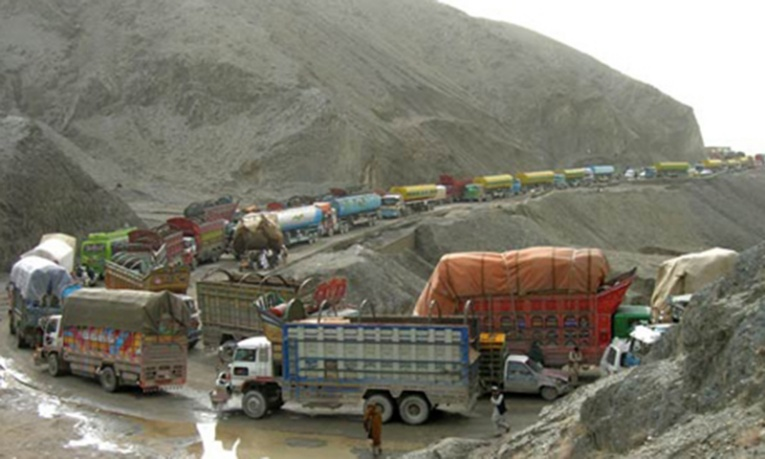
The World Bank's regional integration overview also notes that container shipment costs in South Asia are approximately 50% higher than in OECD economies, highlighting the region's longstanding logistics challenges.
These constraints affect businesses seeking access to neighbouring markets, particularly small and medium enterprises (SMEs) that often lack the resources to overcome costly trade procedures and regulatory requirements.
Speaking to Wealth Pakistan, Dr Vaqar Ahmed, Senior Development Economist, said SMEs should be central to any strategy aimed at translating greater regional economic integration into employment opportunities.
“SMEs are the real engines of job creation. We have to build the capacity of the SMEs,” he said.
Ahmed noted that South Asia remained among the least economically integrated regions in the world, with trade between neighbouring countries accounting for a relatively small share of overall commercial activity.
He stressed that deeper integration required not only improved physical connectivity but also stronger rule of law and good governance to encourage businesses to invest, trade and develop cross-border commercial relationships.
Greater regional market access could enable smaller businesses to reach neighbouring consumers, expand production and create employment rather than remaining confined to domestic markets.
The World Bank has also highlighted the importance of improved customs procedures and trade facilitation in helping SMEs overcome barriers and access customers across borders.
While Ahmed emphasised institutional reforms and business capacity, Moeed Yusuf, Vice Chancellor of Beaconhouse National University, highlighted the importance of developing mutually beneficial economic relationships among South Asian countries.
Speaking to Wealth Pakistan, Yusuf said the region needed an integration model based on what he described as “positive interdependence” to achieve sustainable growth in regional trade.
For South Asia, Yusuf said regional integration should move beyond the movement of goods and create shared economic interests that benefit businesses, workers and communities across national borders.
Such an approach could strengthen the durability of regional commercial relationships by giving different stakeholders a greater interest in maintaining and expanding economic cooperation.
The potential economic benefits extend beyond increased trade volumes. According to the World Bank, limited regional integration contributes to higher prices, reduced product variety, restricted access to production inputs and missed opportunities for market expansion and employment.
Reducing these barriers could help businesses benefit from larger regional markets, improve access to goods and services and create opportunities for more competitive production.
However, achieving these gains would require coordinated efforts to address tariffs, non-tariff restrictions, inadequate transport links, investment barriers and institutional weaknesses.
South Asia's estimated $44 billion trade-potential gap therefore highlights the economic cost of limited regional cooperation.
Turning that potential into actual trade will depend on whether countries can combine better connectivity with stronger institutions, business-friendly regulations and mutually beneficial economic relationships that allow firms and workers to benefit from regional integration.