By Muhammad Luqman
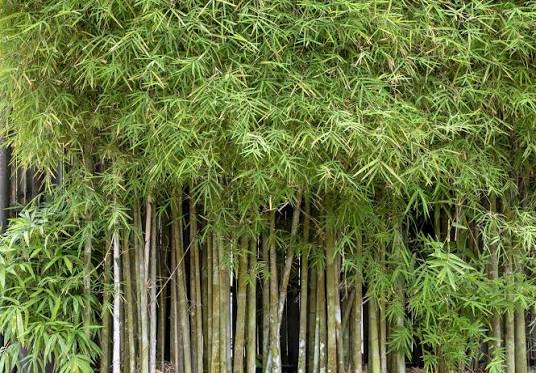
LAHORE, Nov 12 (INP-Wealth Pakistan) -- Inspired by the successful use of bamboo to combat smog in various Chinese cities, the Punjab Forest Department is promoting bamboo plantations in Lahore as part of its urban forest and green infrastructure initiative. The ultimate aim is to improve air quality, which deteriorates significantly during the winter months.
According to officials from the Punjab Forest Department, bamboo cultivation is emerging as a highly effective, nature-based engineering strategy for urban smog mitigation and air purification in cities around the world.
“More than 20,000 bamboo plants have been grown in Lahore areas like Ali Town, Maulana Shaukat Ali Road, and Raiwind Road under the urban greening strategy,” a spokesman from the Punjab Forest Department said.
Talking to Wealth Pakistan, he said that commercial cultivation of bamboo plants has also been established on private agricultural and irrigated lands in districts such as Sargodha, Jhang, Khushab, Mandi Bahauddin, Kasur, Narowal, Sheikhupura, and Gujranwala, covering over 20,000 acres of land with this fast-growing species.
“Bamboo is a fast-growing species that contributes to carbon sequestration, biomass production, soil conservation, and the development of green spaces,” he explained.
The spokesman added that bamboo, alongside native trees, is a key focus of the Forest Department’s efforts to enhance biodiversity and build long-term ecological resilience.
Under the department's urban forestry strategy, plantation activities are focused on suitable urban and peri-urban locations, including road corridors, institutional lands, open spaces, and areas requiring green buffer development. Locations are identified in coordination with relevant authorities, considering land availability, soil conditions, water requirements, and the suitability of bamboo species.
He emphasized the need for coordinated efforts among government institutions to address smog and improve urban environmental conditions. “We are collaborating with the Parks and Horticulture Authority (PHA), local governments, educational institutions, and other relevant agencies to expand urban green cover,” the spokesman said.
Such partnerships also help identify suitable sites and ensure the protection and maintenance of planted areas.
Environmental protection experts expressed support for the government’s efforts to promote bamboo cultivation in Lahore. However, they cautioned that bamboo should not be the sole solution to the smog issues in the city.
“All native trees, like Neem, have always been helpful in reducing environmental pollution and combating climate change through high carbon absorption,” said Naseem-ur-Rehman Shah, an environment consultant and former Director of the Environment Protection Department.
Nonetheless, he acknowledged that bamboo can play a major role in various ecological functions.
Talking to Wealth Pakistan, he explained that bamboo absorbs significantly more carbon dioxide and releases around 35% more oxygen than many traditional tree species, capturing several tons of CO₂ per hectare annually depending on the species.
“Its dense foliage and waxy surfaces help trap airborne particulate matter, especially PM2.5, sulfur dioxide, nitrogen oxide, and other gases in urban and industrial zones,” the expert said.
He also pointed out that in addition to carbon dioxide absorption, through phytoremediation and the root-zone method, bamboo's extensive root systems absorb excess nitrogen, sewage, and heavy metals from wastewater, preventing runoff and reducing water pollution.