By Azeem Ahmed Khan
ISLAMABAD, Oct 30 (INP-Wealth Pakistan) -- Pakistan’s agriculture sector is gaining fresh momentum as a strong Kharif 2026 harvest, rising agricultural financing and increased farm mechanization fuel optimism for the months ahead.
According to the Monthly Economic Update & Outlook for October 2026 released by the Finance Division, the Kharif 2026 season has delivered solid results for several major crops, with maize, sugarcane and rice all recording year-on-year production growth.
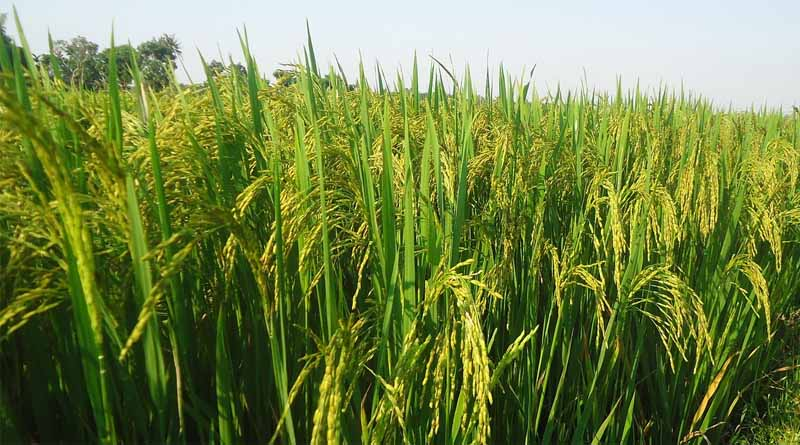
Maize output is provisionally estimated at 9.98 million tonnes, up 12.1% from last year, while sugarcane production is estimated to have increased 8.8% to 97.3 million tonnes. Rice production is also estimated to have edged up 1.8% to an estimated 10.2 million tonnes.
These stronger harvests are expected to provide a boost to sugar and food processing industries, support rice export prospects and help improve farm incomes. Higher earnings in rural areas can, in turn, sustain demand for manufactured goods and services, extending the benefits of agricultural growth to other parts of the economy.
Cotton production, however, moved in the opposite direction, declining 4.8% to 6.71 million bales compared with the previous year. Despite this setback, the gains recorded in other major crops offer encouraging signs for overall agricultural activity.
Building on the Kharif results, the government has fixed the wheat price at Rs. 4,500 per maund for the Rabi 2026–27 season. Timely preparation and effective farm support will be important to build on the gains achieved during Kharif 2026 and strengthen prospects for the upcoming wheat harvest.
Improved access to finance is providing further support to agricultural activity. Agricultural credit disbursements rose 32.7% year-on-year to Rs. 540.5 billion during July–August FY2027, compared with Rs. 407.2 billion in the corresponding period a year earlier. The increase in lending, alongside progress in mechanization, points to stronger support for farming activity as the sector prepares for the next growing season.
Farm machinery indicators have also recorded growth. Tractor sales climbed 37.8% year-on-year to 4,109 units during July–September FY2027, while imports of agricultural machinery and implements increased 6.1% to $41.7 million. These developments add to the positive outlook for agricultural activity, with improved access to machinery and financing supporting the sector's preparations for Rabi 2026–27.
Fertilizer trends present a mixed picture. Urea offtake during Kharif 2026, covering April–September, increased 8.4% to 3,366 thousand tonnes. In contrast, diammonium phosphate (DAP) offtake fell 25.4% to 485 thousand tonnes compared with the same period in Kharif 2025. Ensuring the timely availability of fertilizers and balanced application during wheat sowing will be crucial to consolidating the Kharif gains and supporting a strong Rabi 2026–27 harvest.