By Abdul Ghani
ISLAMABAD, Oct 21 (INP-Wealth Pakistan) -- The Sindh government has proposed a $30 million biogas development project to establish five centralized facilities across the province, according to a document available with Wealth Pakistan.
The project, titled “Bio-Gas Development Project for Sustainable Alternatives Towards Affordable Energy,” has been included in an annex detailing projects processed in connection with the World Bank’s Country Partnership Framework (CPF) for Pakistan for fiscal years 2026 to 2035.
The proposed facilities will be established in Hyderabad, Sukkur, Mirpurkhas, Larkana and Shaheed Benazirabad. Together, they feature an estimated daily production capacity of 120,000 cubic metres of biogas, approximately 63,000 cubic metres of biomethane, and 45 tonnes of bio-fertilizer, potentially providing an alternative source of energy while supporting sustainable agricultural practices.
Official projections indicate that the initiative could help avoid approximately 250,000 tonnes of carbon dioxide equivalent (tCO2e) emissions annually, translating into an estimated five million tonnes of avoided emissions over 20 years.
The proposed investment intends to address multiple challenges simultaneously, including dependence on fossil fuels, methane emissions from livestock waste, inadequate organic waste management, and the need for affordable alternative energy sources.
Under the project design, five centralized anaerobic manure treatment and biogas facilities will be developed, equipped with manure collection and storage systems, anaerobic digesters, feedstock handling infrastructure, biogas upgrading and purification units, gas storage arrangements, and fertilizer processing and testing facilities.
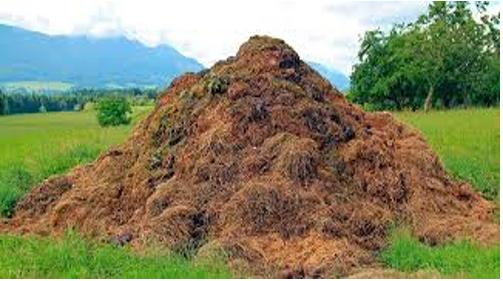
The facilities will process livestock manure through anaerobic digestion, a biological process that breaks down organic material in the absence of oxygen and generates methane-rich biogas.
The resulting biogas can be upgraded into biomethane, a renewable fuel capable of substituting conventional natural gas in suitable applications, once the necessary infrastructure and regulatory arrangements are established.
In addition to energy generation, the project envisages the production of organic fertilizer from processed manure, potentially reducing agricultural dependence on chemical fertilizers and promoting more sustainable farming practices.
The document identifies the Environment, Climate Change and Coastal Development Department (ECC&CDD), Sindh, as the lead implementing agency.
The district administrations, Sindh Livestock Department and Sindh Energy Department are responsible for supporting implementation.
The proposed facilities could also create opportunities for livestock farmers and rural communities by establishing organized manure collection systems and developing commercial value chains around agricultural waste.
By transforming livestock waste into usable energy and fertilizer, the initiative aims to promote sustainable business structures while generating green jobs and improving energy security.